




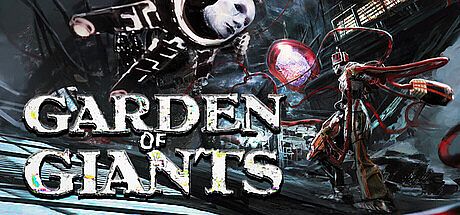


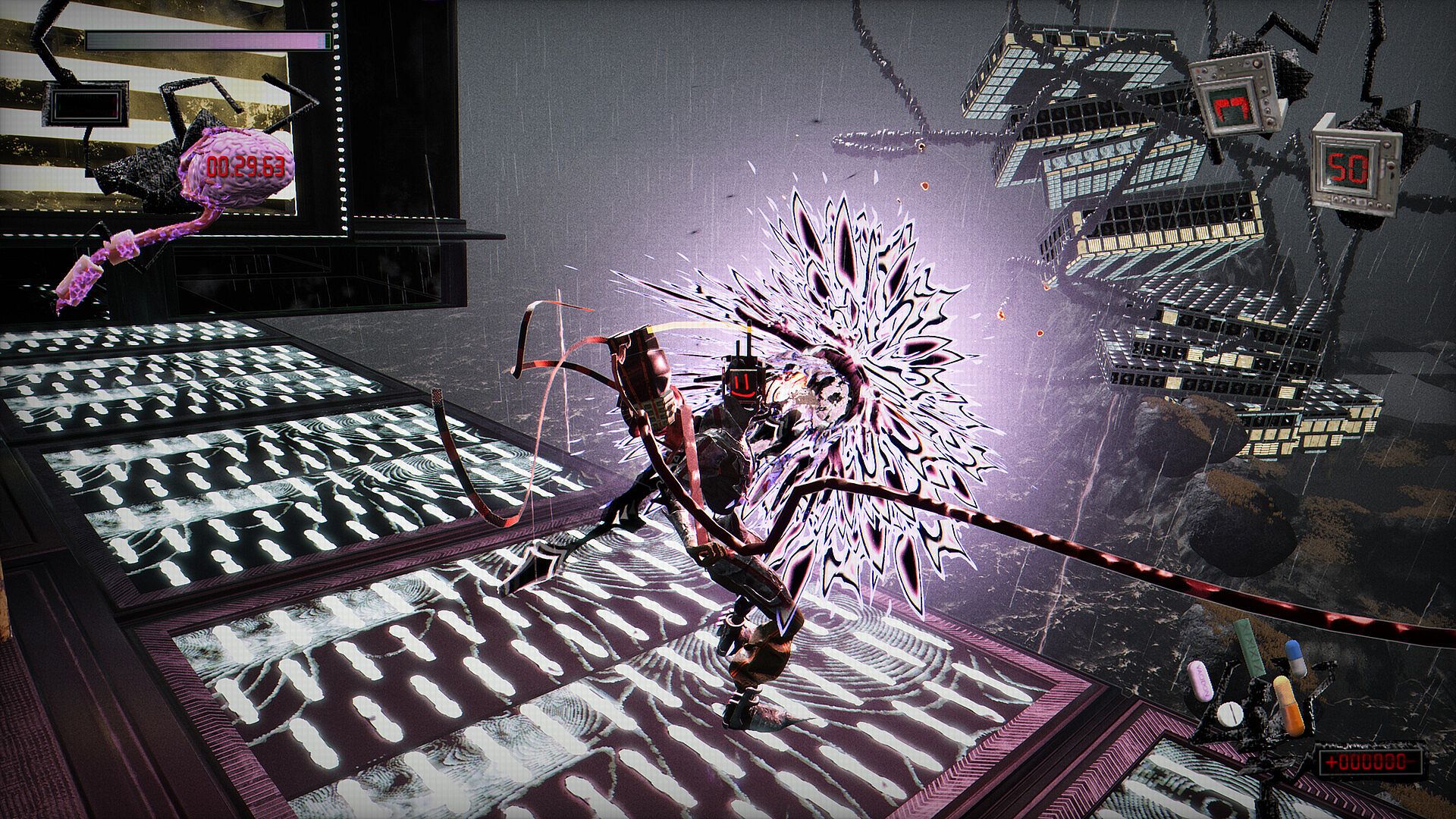
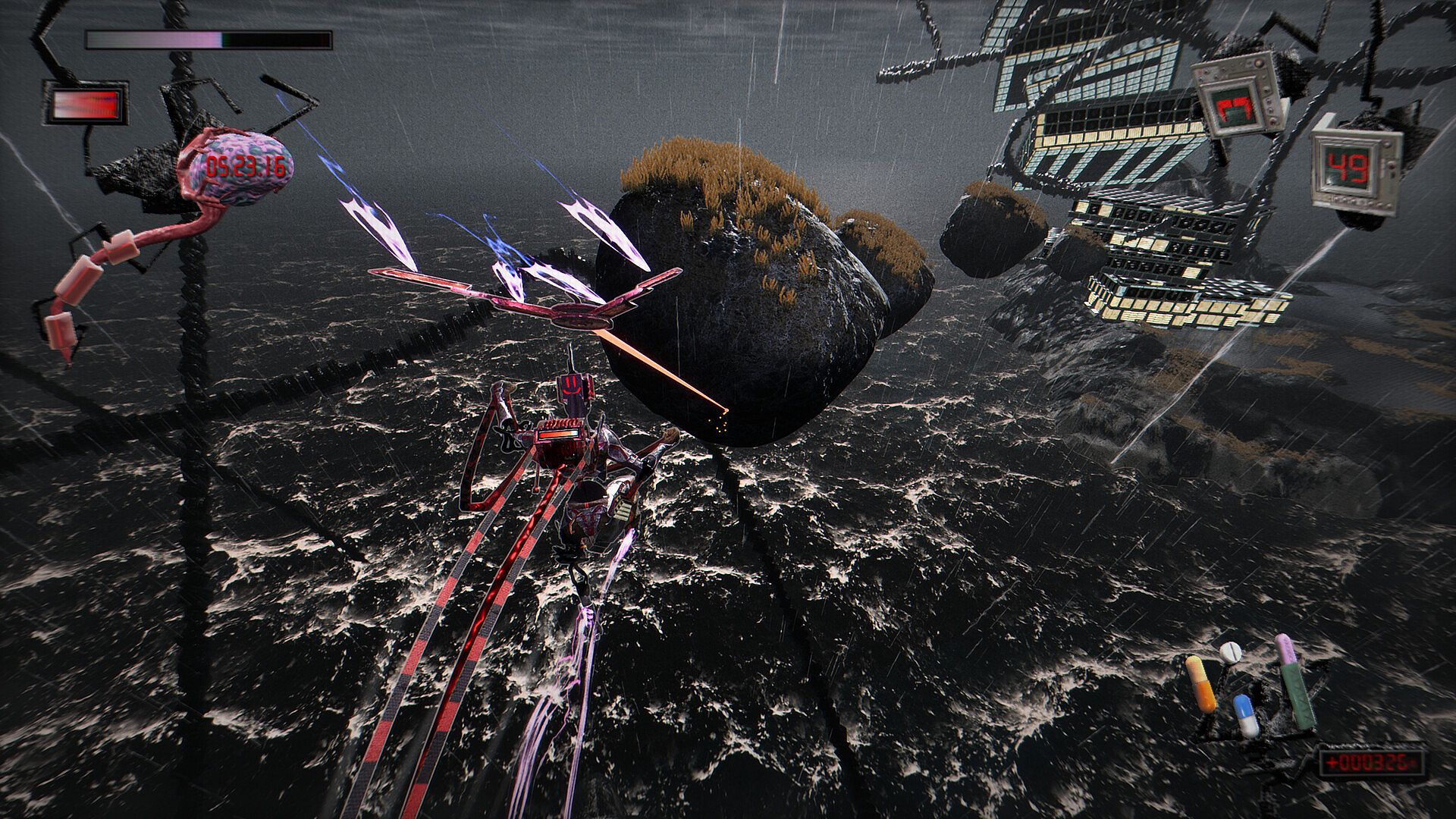
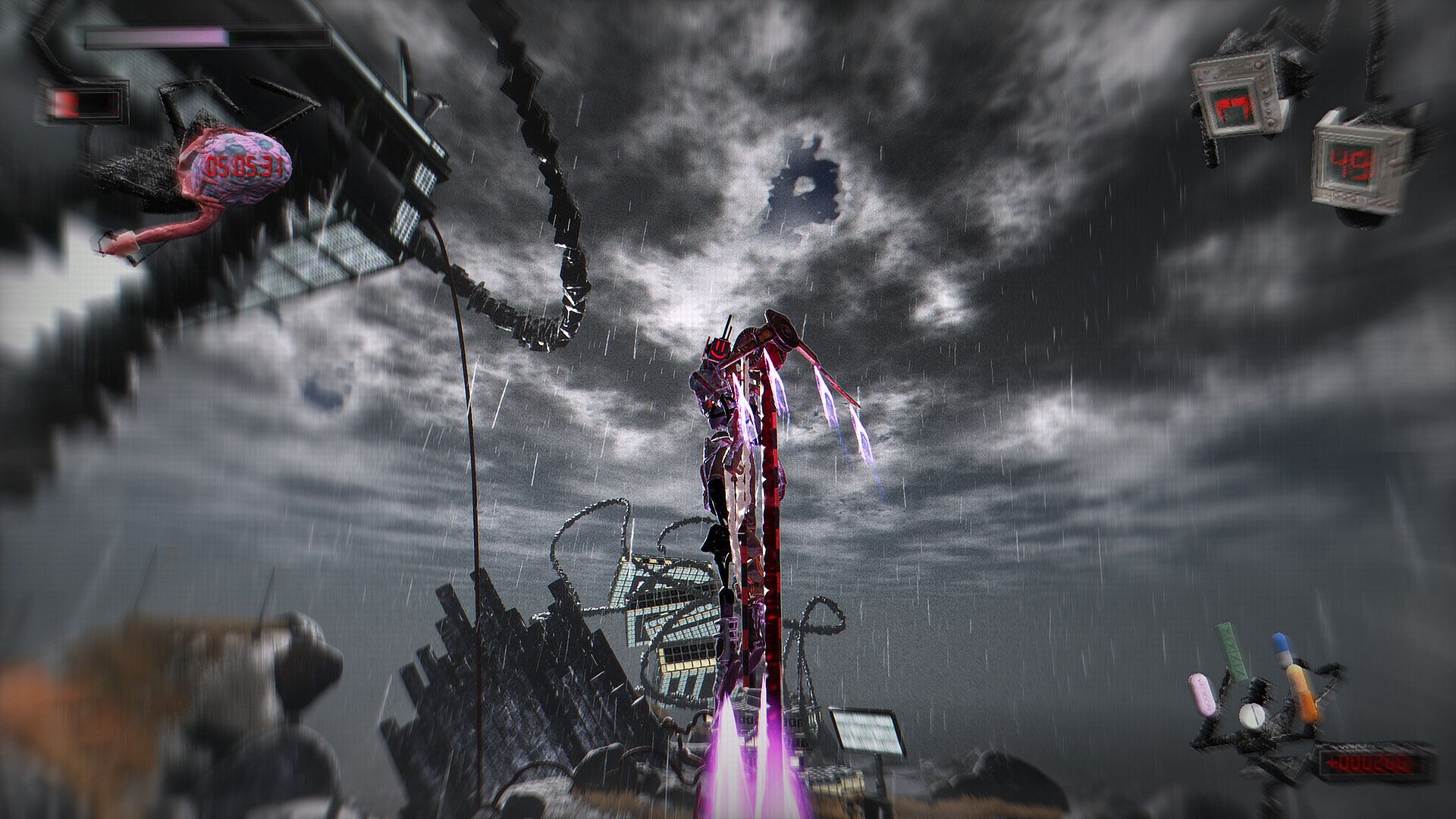
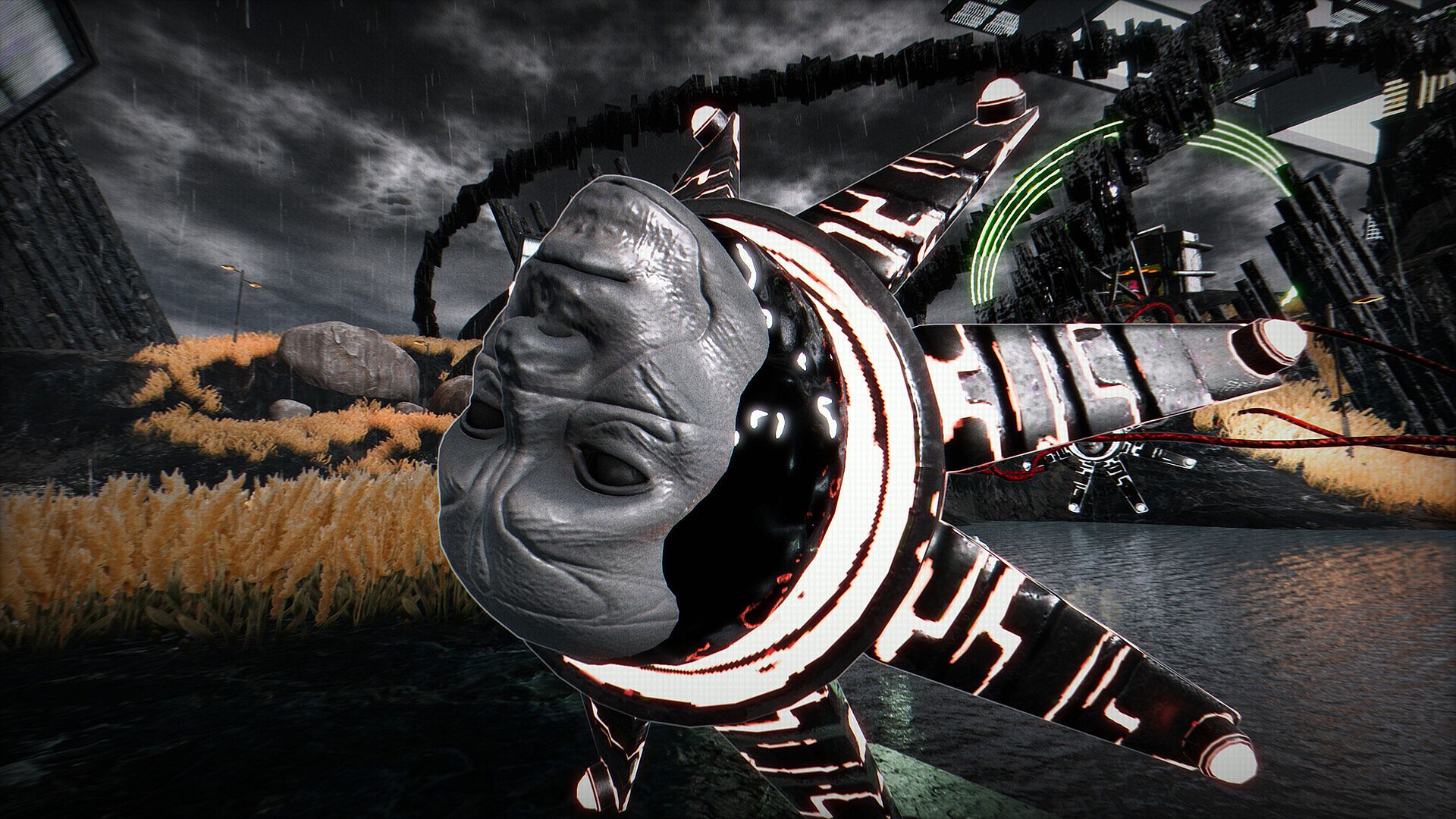
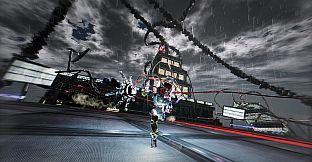
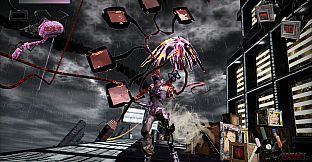
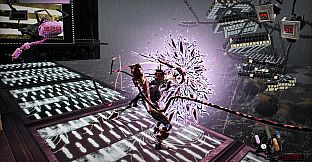
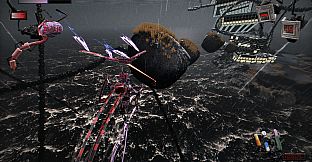
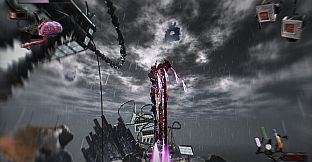
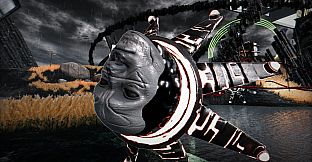
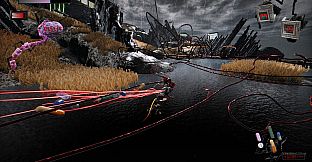
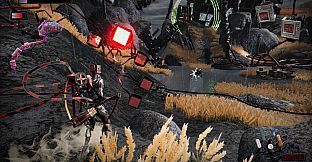
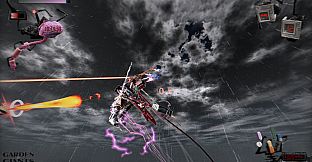
Garden of Giants is a surreal single-player action RPG developed by solo creator Dakota Pailes-Friedman under Benevolent Software. It blends fast-paced combat, cable-running objectives, and customization systems in a fractured post-singularity world where players control Phreaker II, a surgically enhanced technician tethered to a radicalized brain named Truth.
Gameplay
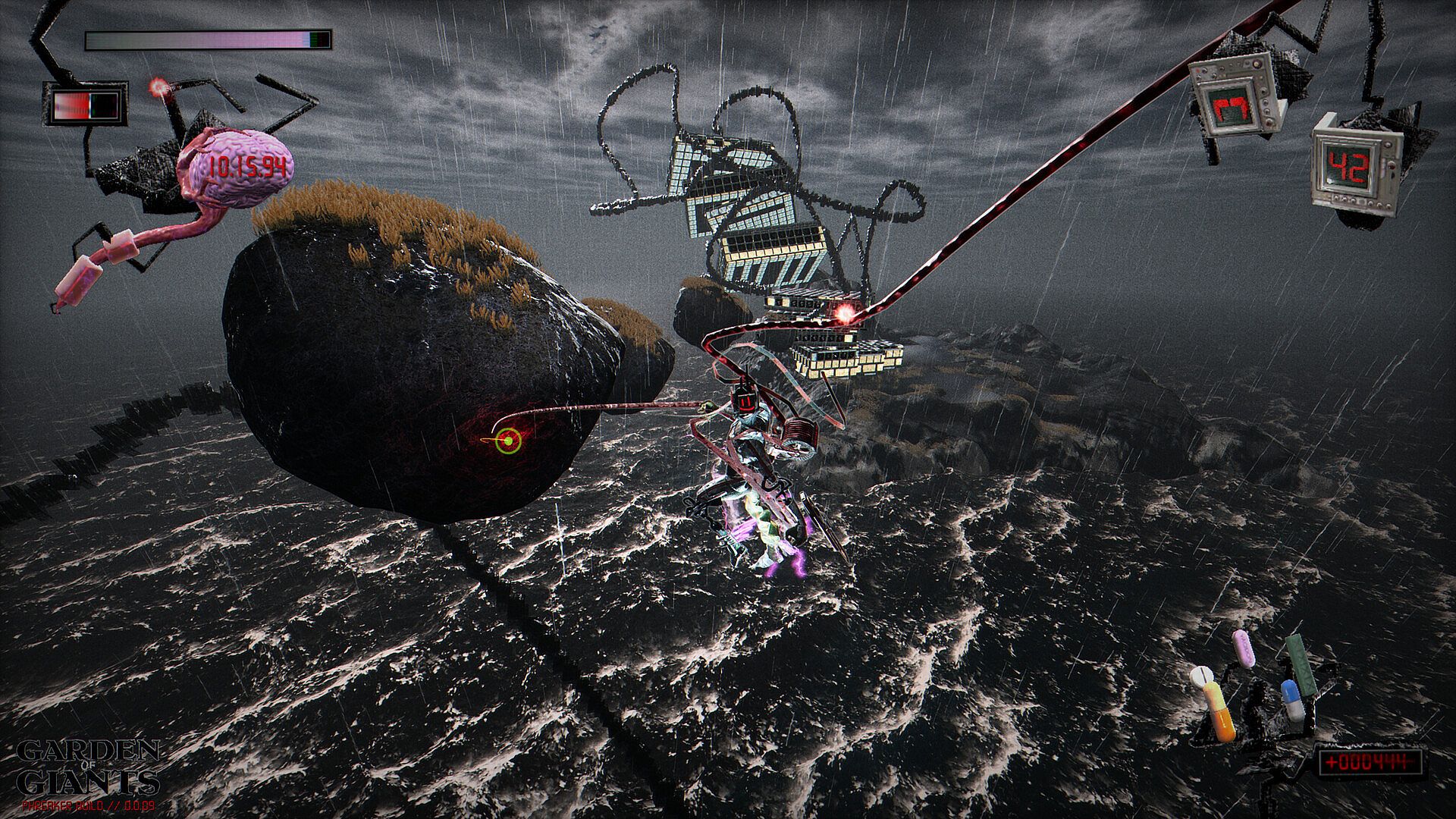
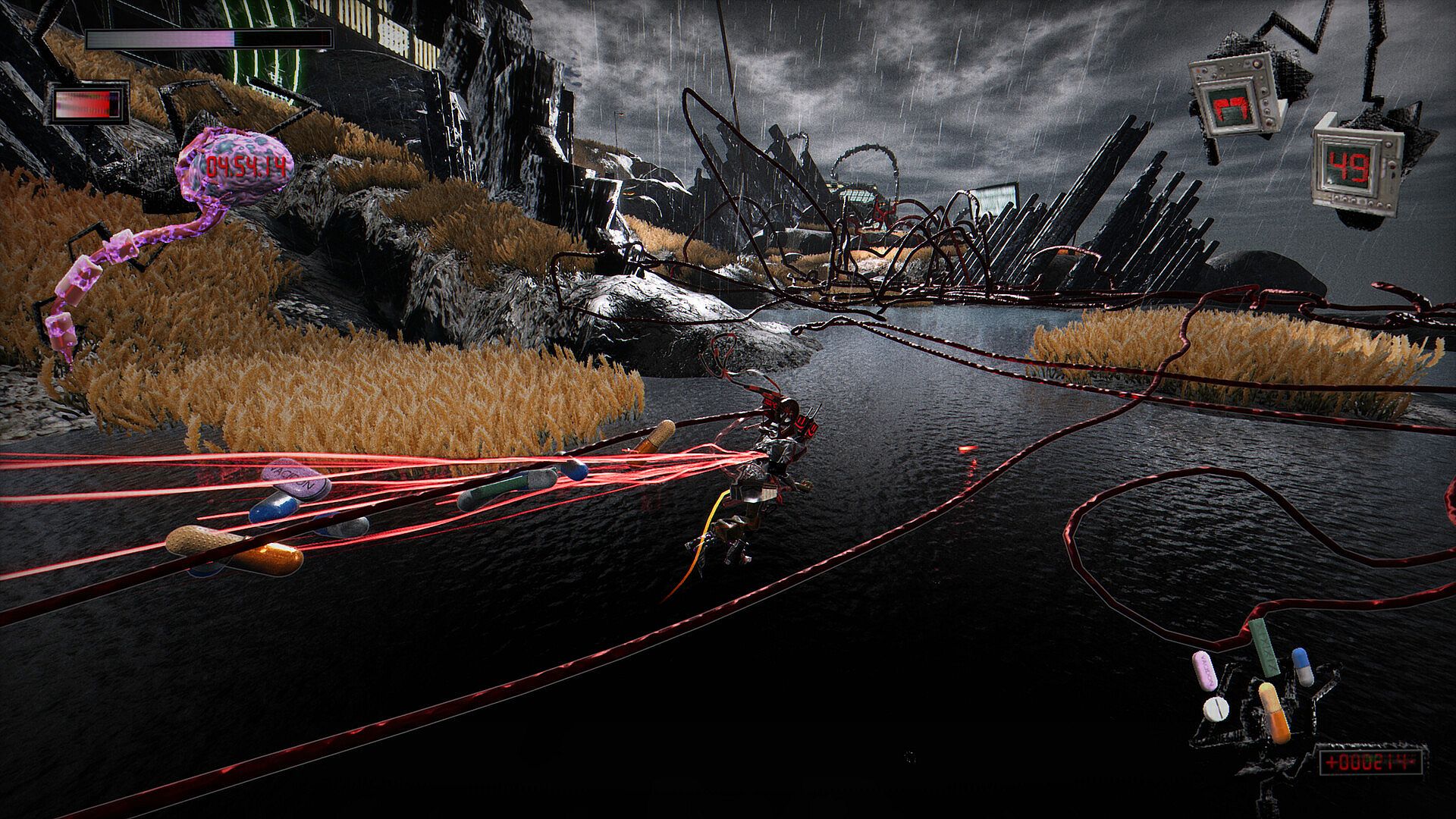
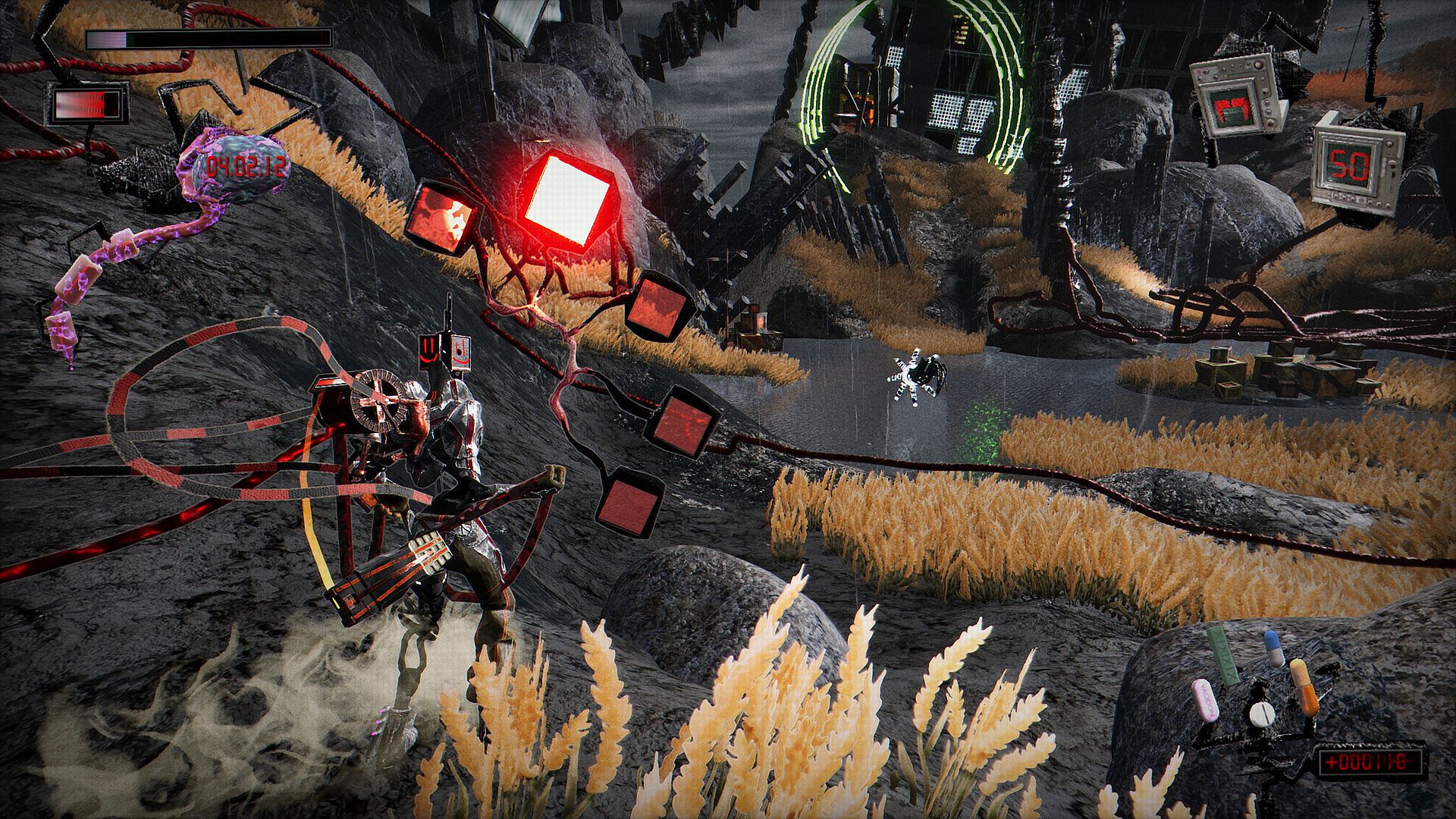
The core loop centers on expeditions into the Garden, a domain ruled by Giants who spread control through Eden, a fungal network of misinformation. Players deploy from a starting zone and race to connect Truth's subversive cable to the Giants' Routers while battling their armies. Success depends on speed, precise movement, and combat efficiency to complete the link before threats overwhelm the run.
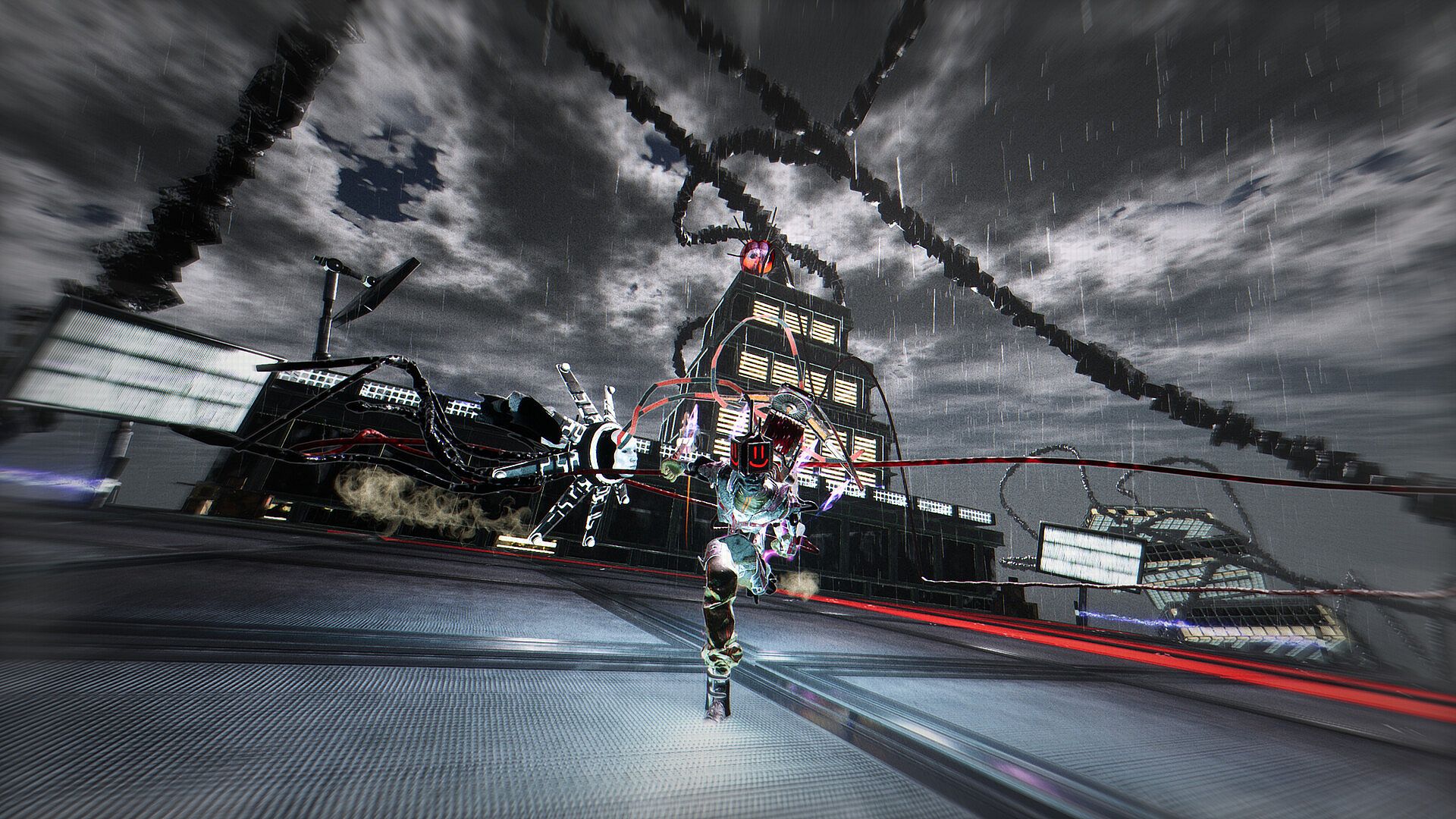
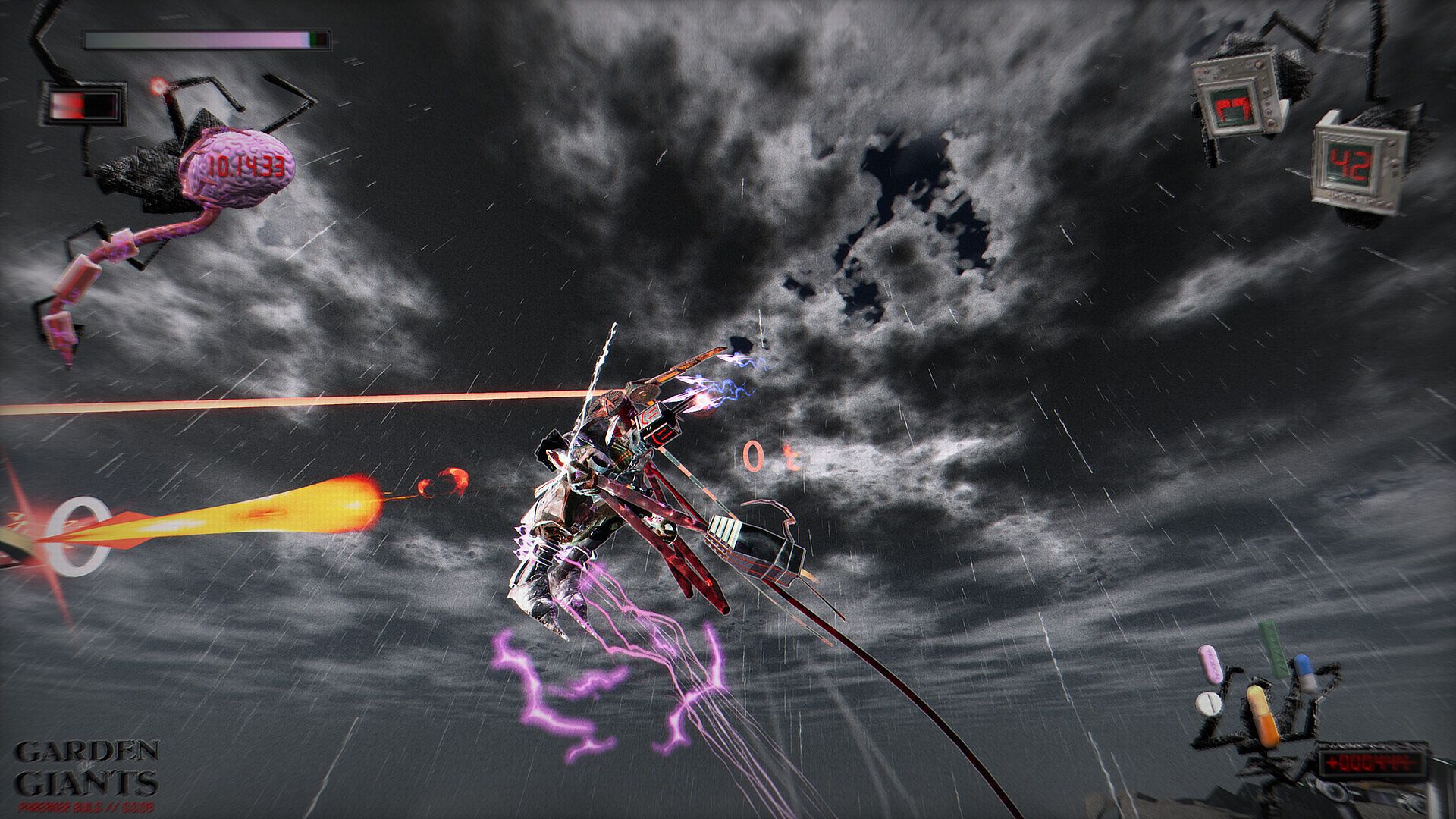
Combat mixes souls-like precision with hyperkinetic movement. The RJ45 Ethernet head serves as both weapon and tool, swung hard to repel creatures or latched onto staples fired from the Staple Cannon for swinging traversal. These mechanics reward aggressive, fluid play that keeps momentum high during encounters.
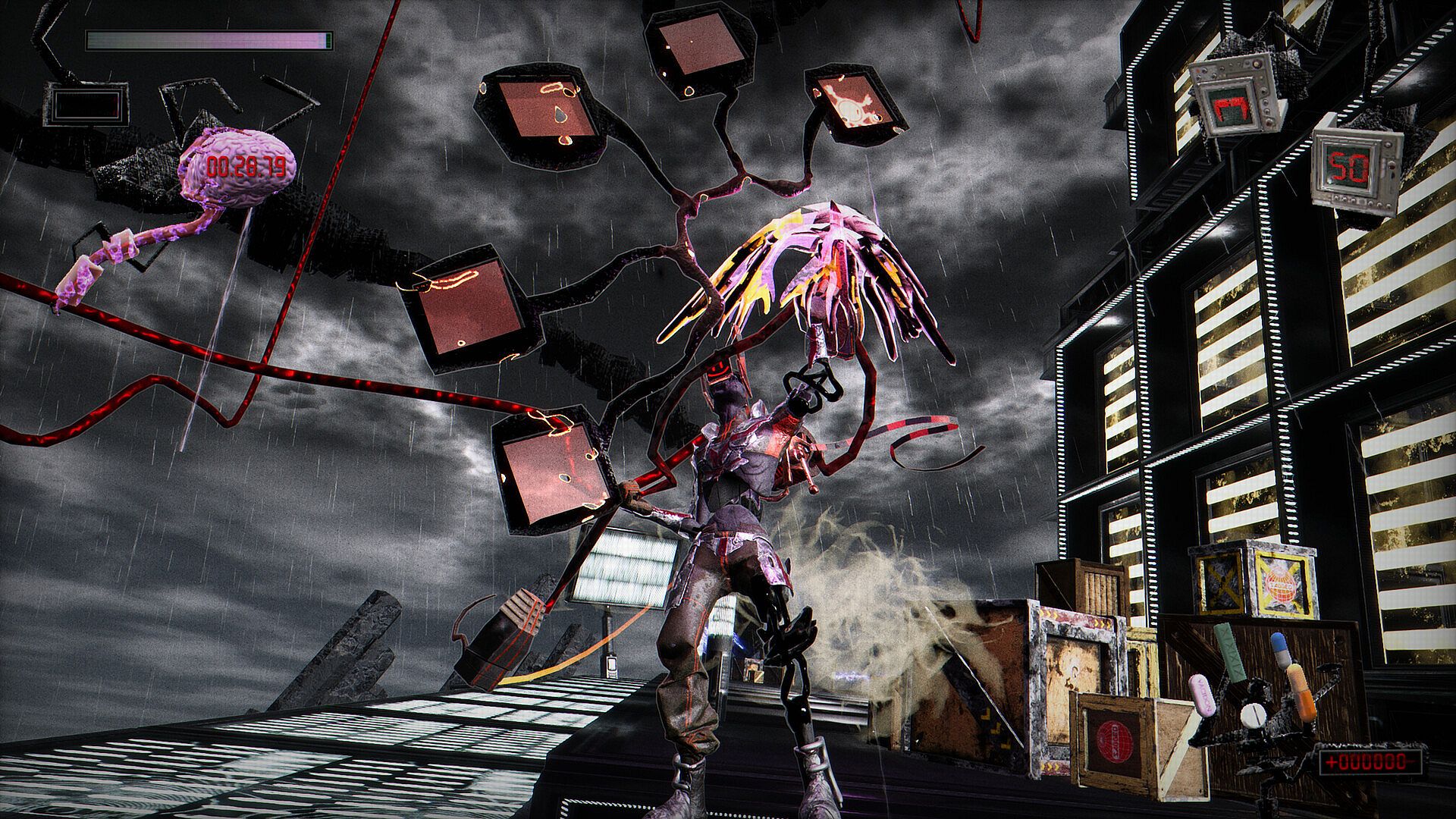
Stimuli management adds another layer. Players collect pills scattered through the Garden to stay stimulated and resist mind control. These resources trade for gear, ammo, and enhancements needed for longer or more complex runs. Positive actions during missions build stimuli points that can be spent to boost Phreaker II's abilities.
Left-brain stimulation improves navigation and spatial awareness, while right-brain focus unlocks neural magiks for offensive or utility effects. This system encourages experimentation with different playstyles across repeated expeditions.
Game Modes
The game structures play around installation missions and expedition runs. Each attempt sends Phreaker II into the Garden to route cable amid hostile forces, with success measured by connection completion and survival. Runs emphasize speed and efficiency, pushing players to optimize paths and loadouts for faster or more reliable results.
Progression ties directly to these missions. Strong performance yields pills and blessings that unlock new items, faces, weapon heads, and neural magiks. Players return to base between runs to customize loadouts, creating varied approaches to the same objectives without altering the fundamental single-player structure.
Setting and Story
Humanity passed through the singularity only to fracture reality and birth the Garden, an impossible realm where time and space function as contested resources. Giants dominate this domain, deploying armies and Eden's mind-controlling network to maintain power. Phreaker II operates as an outlier, surgically linked to Truth and tasked with subversive cable installations that aim to rewire the system from within.
The narrative frames these missions as acts of resistance against post-capitalist technofeudal control. Briefings and environmental details reveal the stakes without lengthy cutscenes, keeping focus on the tactile demands of each run.
Customization and Progression
Secret items, purchased upgrades, and performance rewards expand options over time. Players attach different weapon heads, adopt new faces, upload fresh neural magiks, and select color ways to tailor appearance and function. These choices directly influence how missions unfold, rewarding discovery and careful resource management with more versatile loadouts.
The system supports iterative improvement. Early runs focus on basic survival and connection goals, while later ones incorporate advanced magiks and gear for tackling denser enemy groups or tighter time constraints.
Is It Worth Playing?
Garden of Giants suits players who enjoy precise, high-momentum action combined with light RPG progression and surreal world-building. The combat and movement systems deliver immediate feedback, while the cable-running objective gives each expedition a clear, repeatable structure that rewards practice and optimization.
Development remains active with public playtest builds available through the project's Discord. The game is currently in a state where core mechanics are playable and receiving refinements, such as performance adjustments for crowded combat scenes. Those drawn to solo indie titles that merge souls-like combat pacing with unconventional traversal and resource systems will find the most direct appeal here. Availability is limited to PC at present, with no confirmed release date or additional platforms.











