






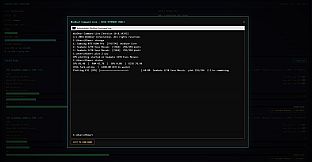
Garaged Crypto Miner is an indie simulation game for PC that puts players in charge of building and expanding a cryptocurrency mining operation. The experience begins in a garage setting and focuses on realistic hardware management, resource balancing, and market decisions within a terminal-style interface.
Gameplay
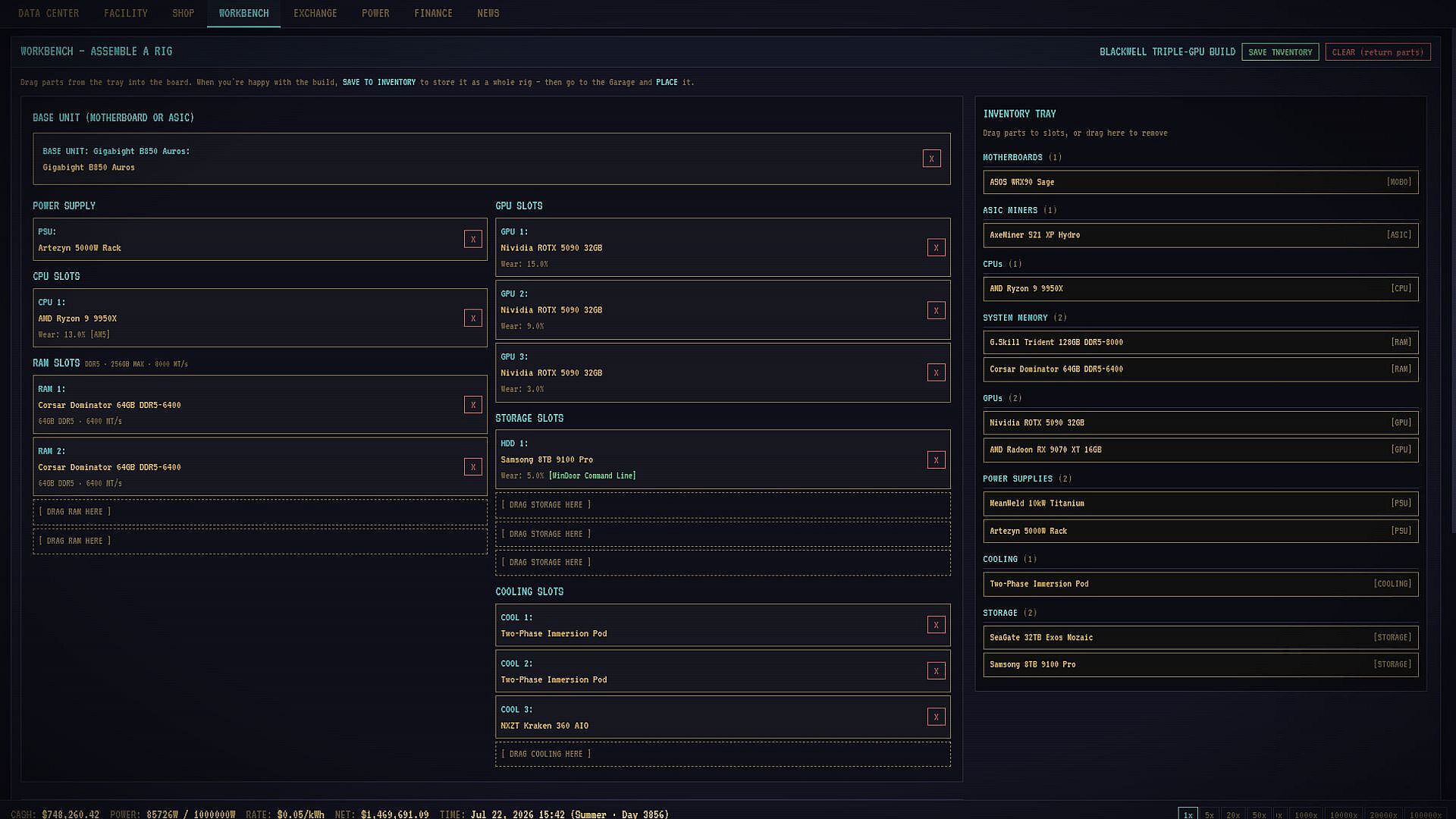
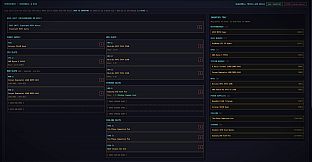
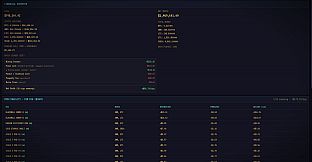
The core loop centers on assembling mining rigs using components modeled after actual hardware. Players select GPUs, ASICs, CPUs, power supplies, and cooling solutions from a catalog where each part carries distinct values for hashrate, power consumption, heat output, and reliability. No two components perform identically, which encourages careful selection during assembly on the workbench before racking completed builds in the facility.
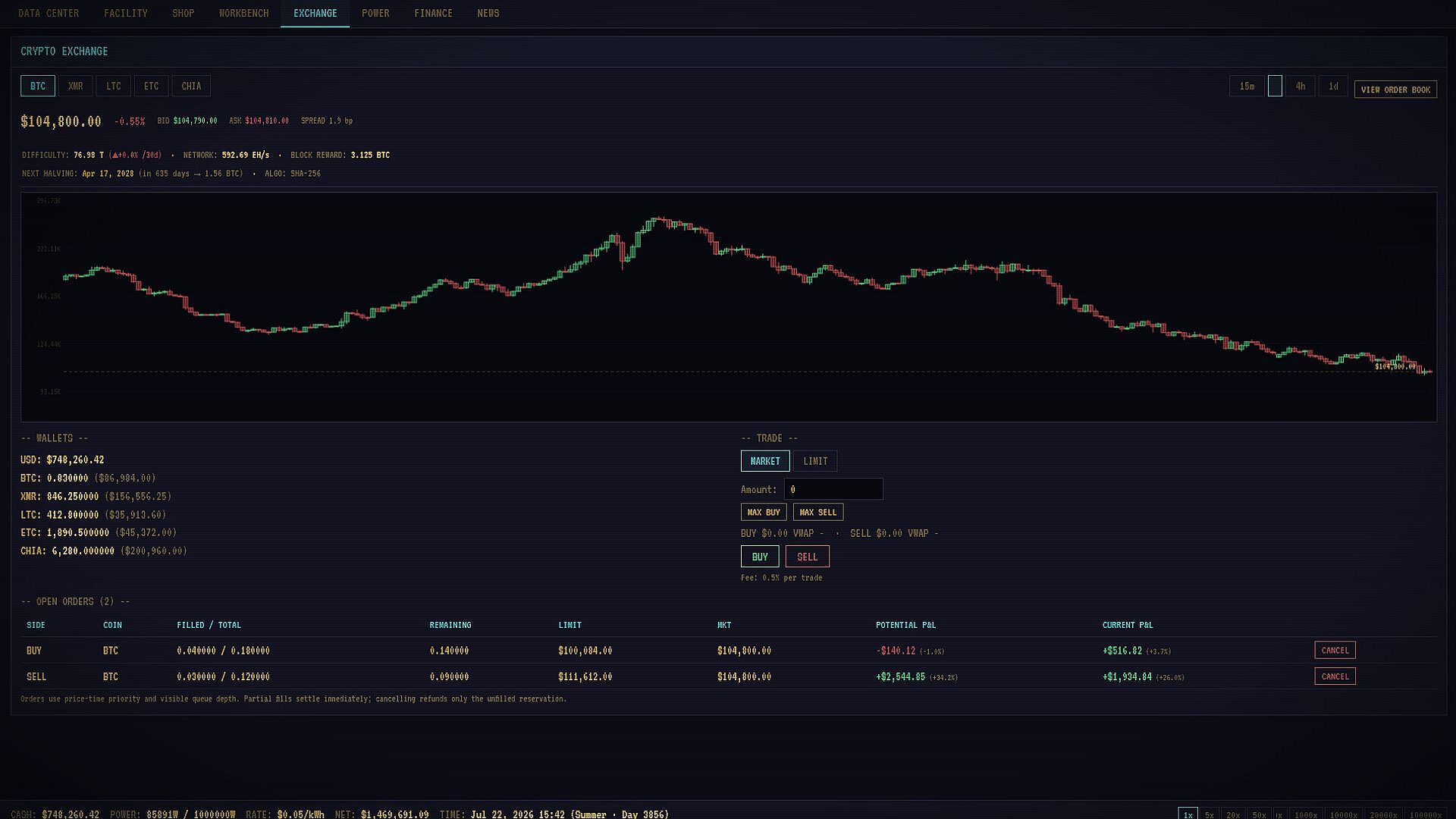
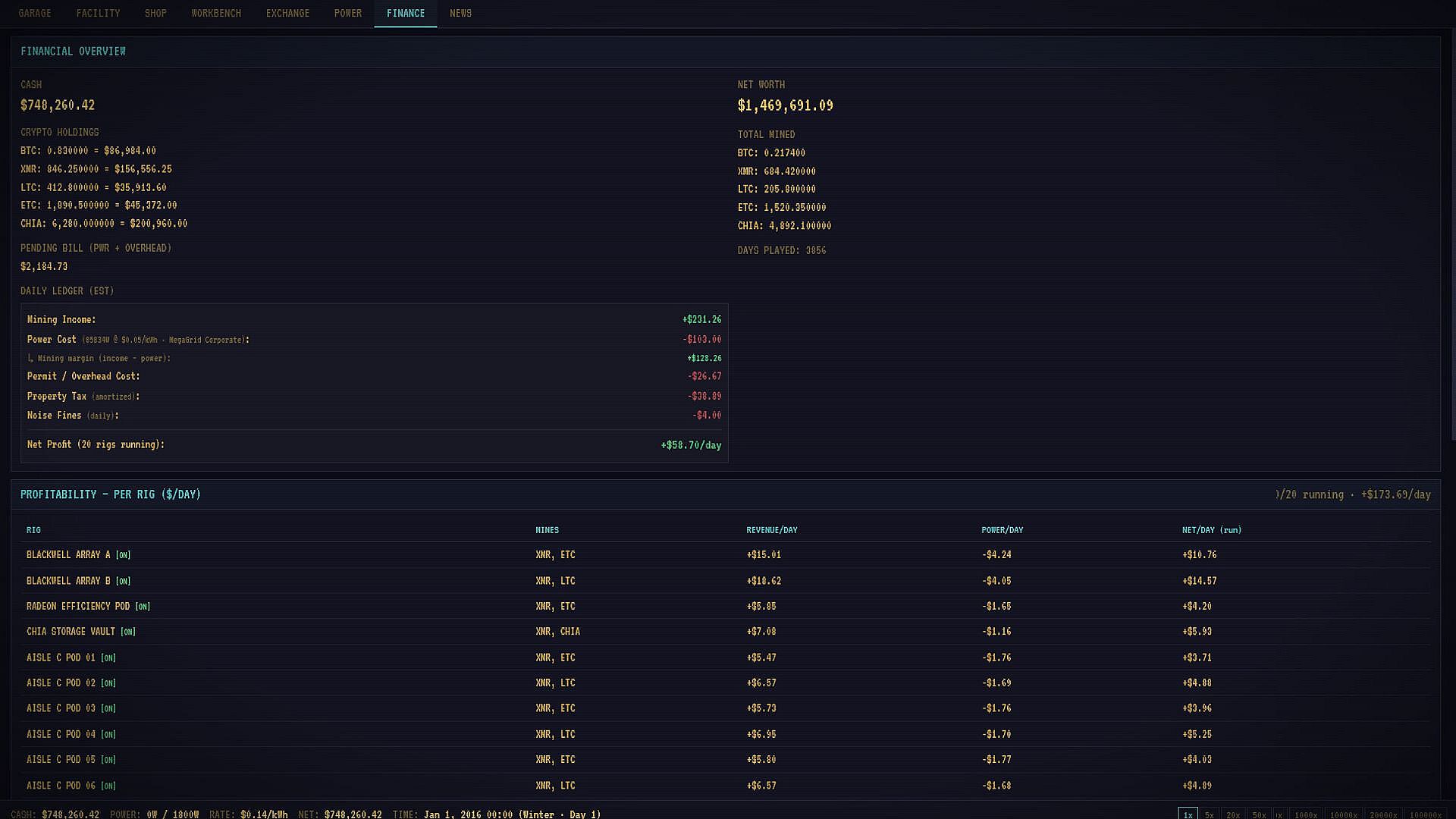
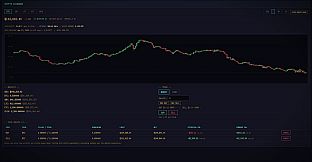
Mining involves a selection of cryptocurrencies including Bitcoin and Monero. Each coin favors different hardware approaches, and the in-game market responds with price fluctuations, sudden events, and full market cycles. Players monitor charts, execute trades, and choose between immediate sales or holding for potential gains.
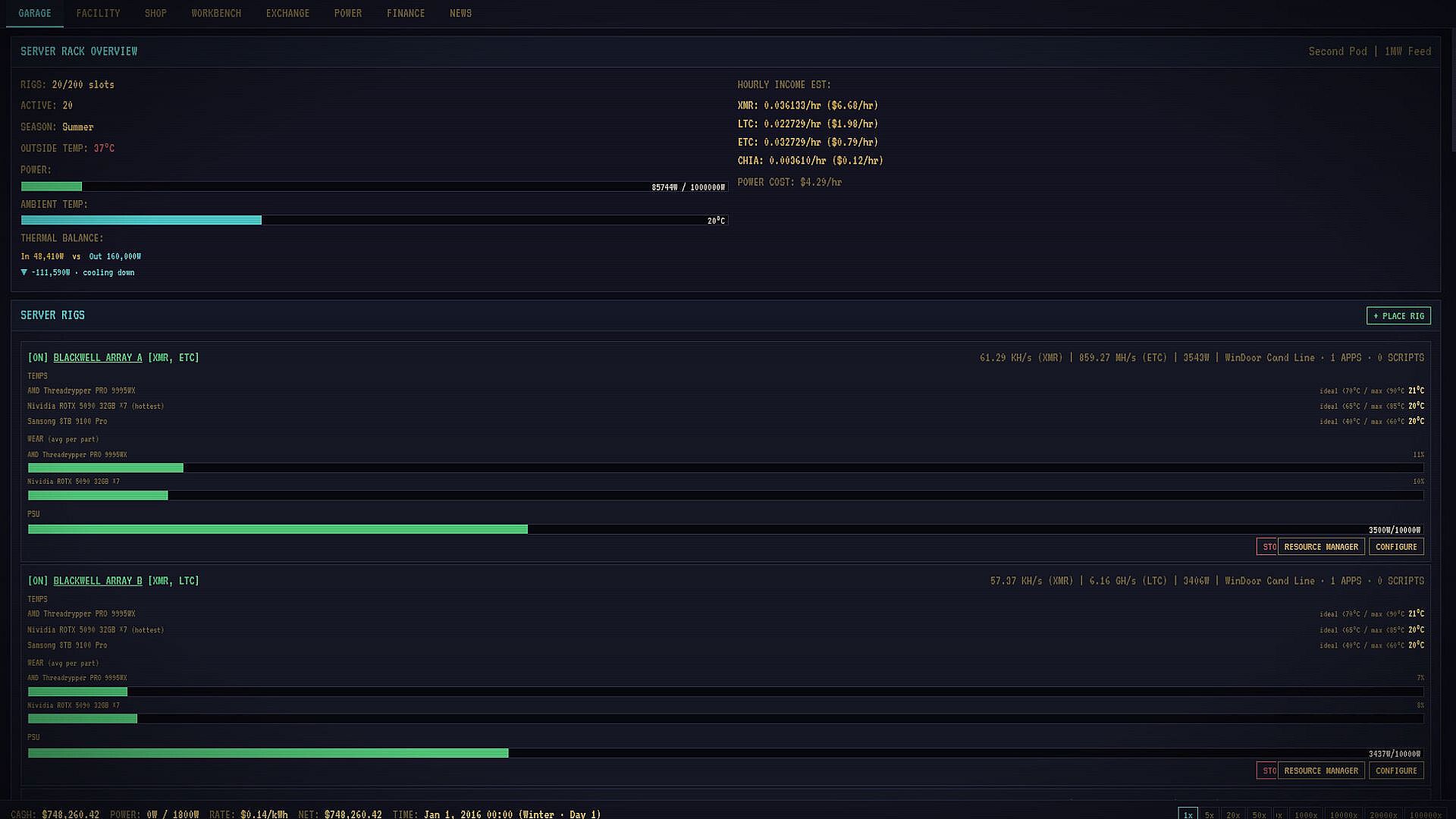
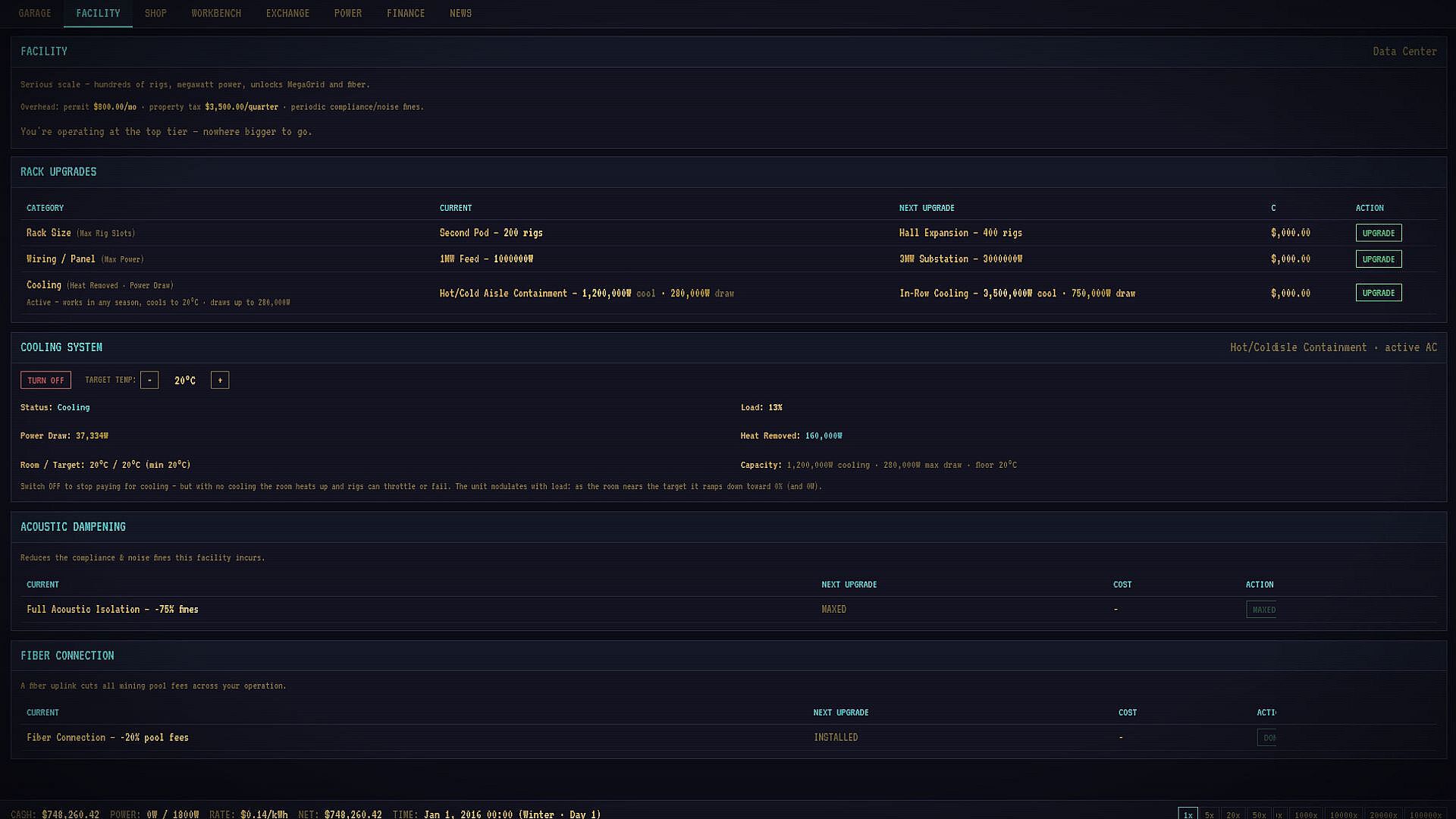
Hardware management adds layers of simulation. Rigs generate heat that must be controlled against seasonal changes. Overclocking or undervolting parts can boost performance but risks failure if pushed too far. Power supply sizing and total electrical draw require attention to avoid breaker trips that take rigs offline. Components degrade over time, introducing ongoing maintenance considerations.
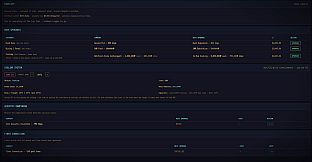
Expansion involves relocating from the initial garage to larger sites such as warehouses and data centers. Each location offers upgrade options but comes with increased costs and one-way progression. Players can secure power contracts and take loans, with interest rates adding financial pressure as the operation grows.
Game Modes
Difficulty settings shape the starting conditions and overall challenge. An easy mode provides guided support for new players, while a brutal option begins with limited funds that make even basic rigs difficult to acquire. These choices affect how quickly the operation can scale and how forgiving the financial and hardware systems feel.
Players decide their primary focus between mining operations, market trading, or a combination of both. Mining emphasizes hardware optimization and steady coin production, while trading requires reading market signals and timing sales or holds. Combining the two creates a hybrid approach where mined assets feed into trading decisions.
Scaling mechanics remain consistent across modes but intensify with larger facilities. Relocation unlocks new upgrade paths yet demands careful planning around overhead expenses and power infrastructure.
Key Systems and Progression
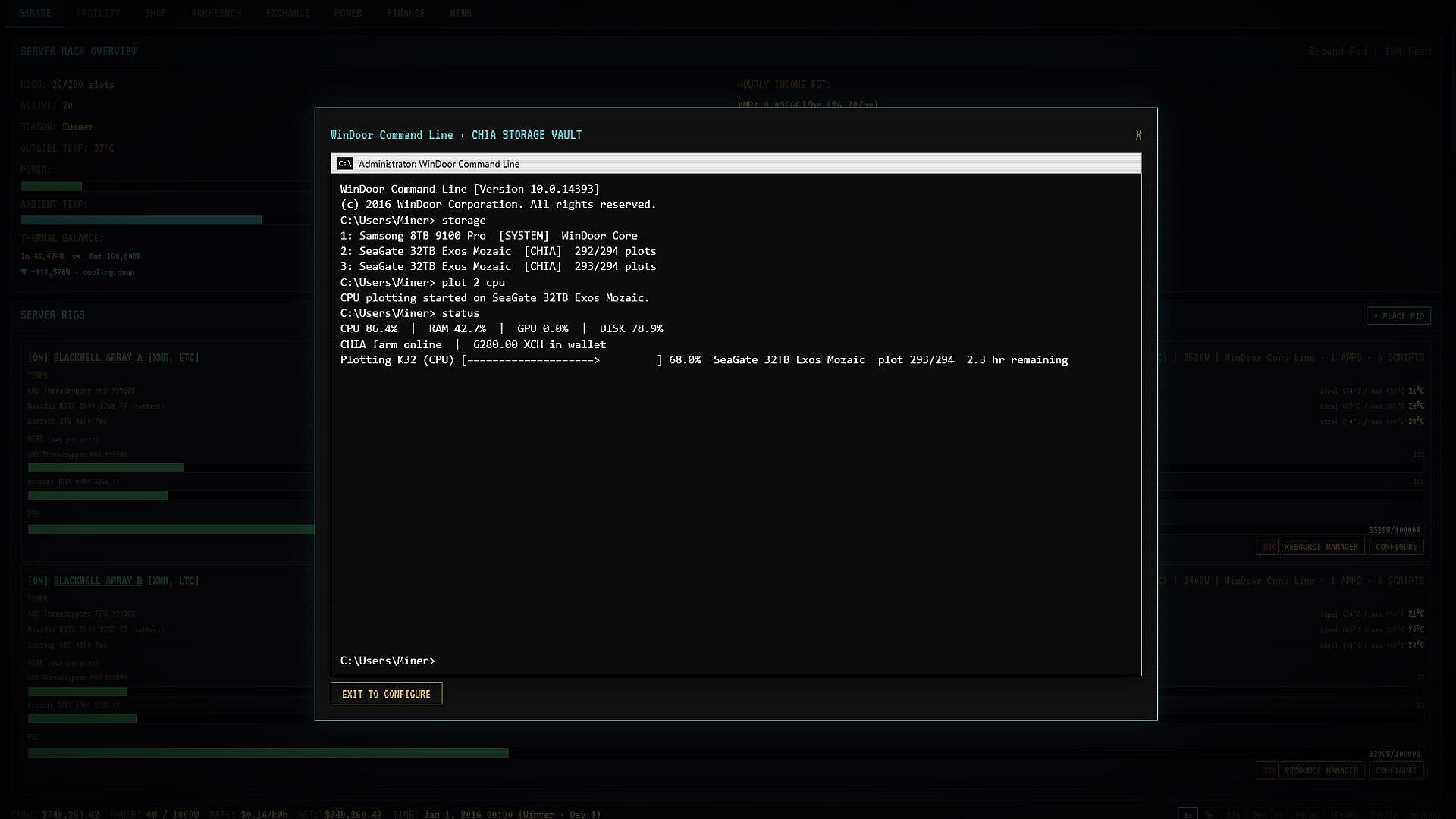
Progression follows a clear path from small-scale garage setups to industrial data centers. Early stages focus on single-rig builds and basic mining. Later stages introduce complex facility management, multiple rigs, and larger power contracts. The terminal interface keeps all controls and data accessible without visual clutter.
Entropy and wear mechanics ensure that hardware does not last indefinitely. Players must balance performance tweaks against longevity, often rotating or replacing parts as failure rates rise. Market volatility adds unpredictability, rewarding those who adapt strategies to bull and bear periods.
Is It Worth Playing?
Garaged Crypto Miner suits players interested in detailed simulation experiences centered on resource management and incremental growth. The emphasis on real-world hardware modeling and market dynamics provides depth for those who enjoy optimizing systems and responding to changing conditions. Difficulty options allow customization of the challenge level, making the game accessible to different experience levels within the simulation genre.
The single-player focus and PC platform keep the experience contained and replayable through varied starting conditions and strategic choices. Those who appreciate tycoon-style progression with technical constraints will find the systems rewarding, particularly when balancing heat, power, and financial elements over long sessions. The game remains in active development with a coming-soon status on its primary platform.











