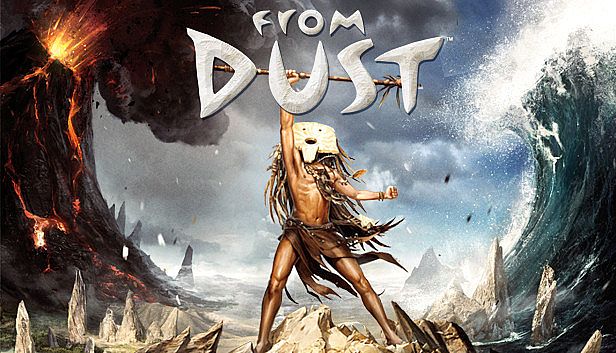
















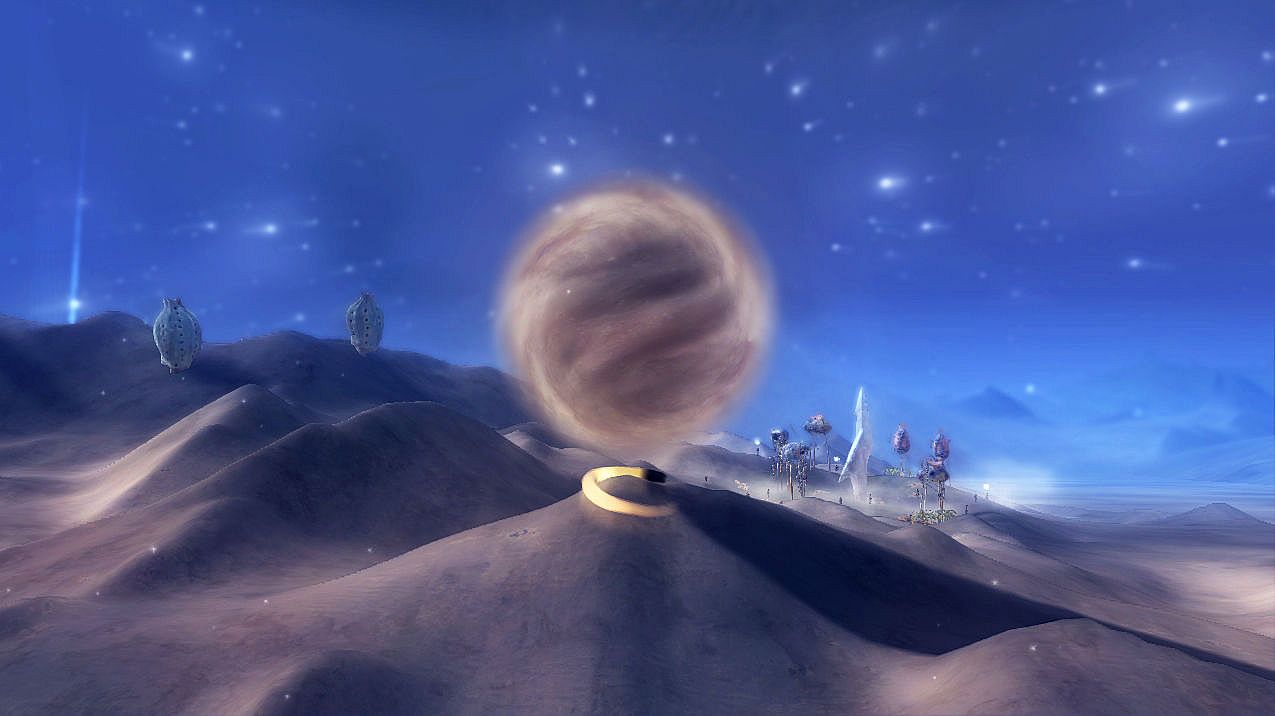
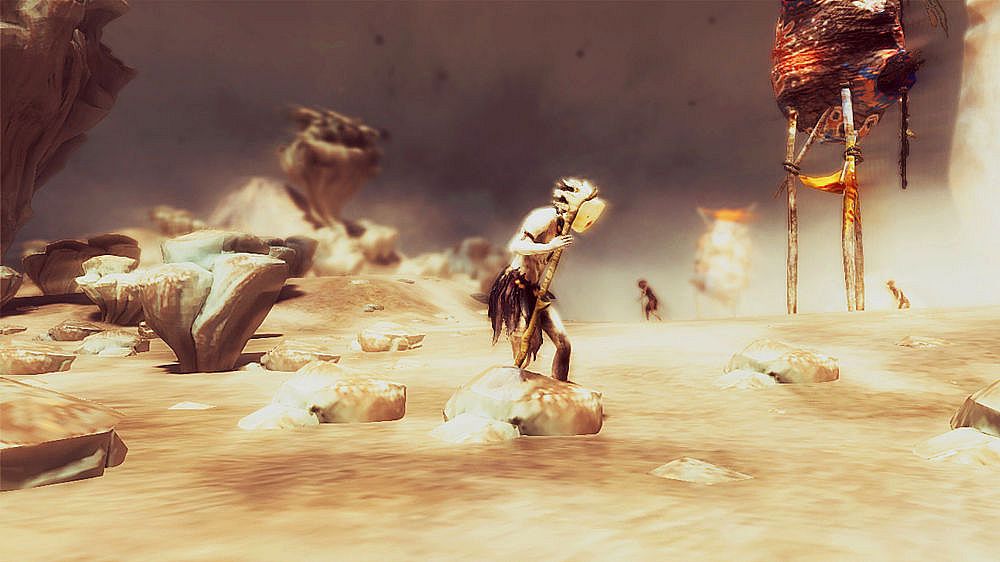
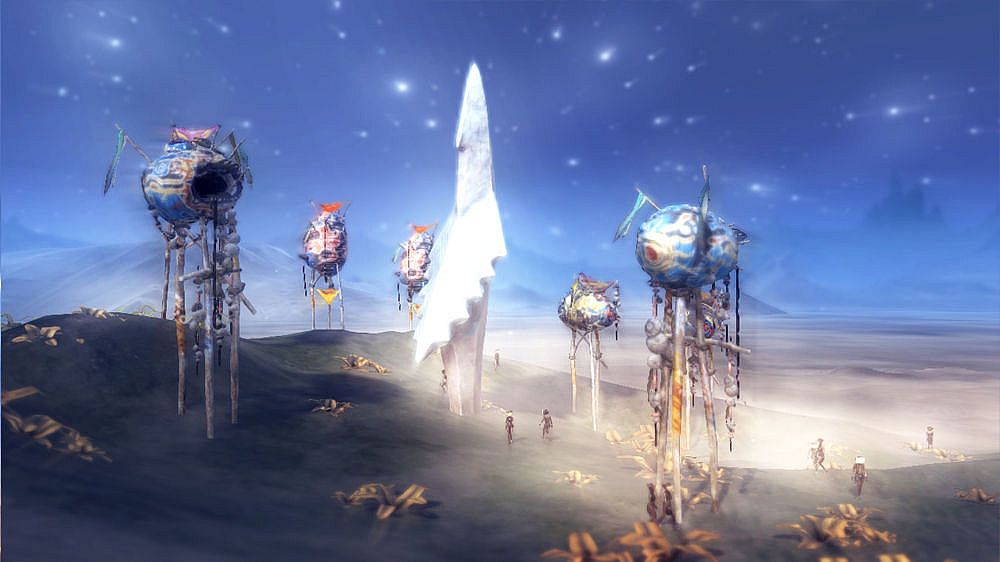
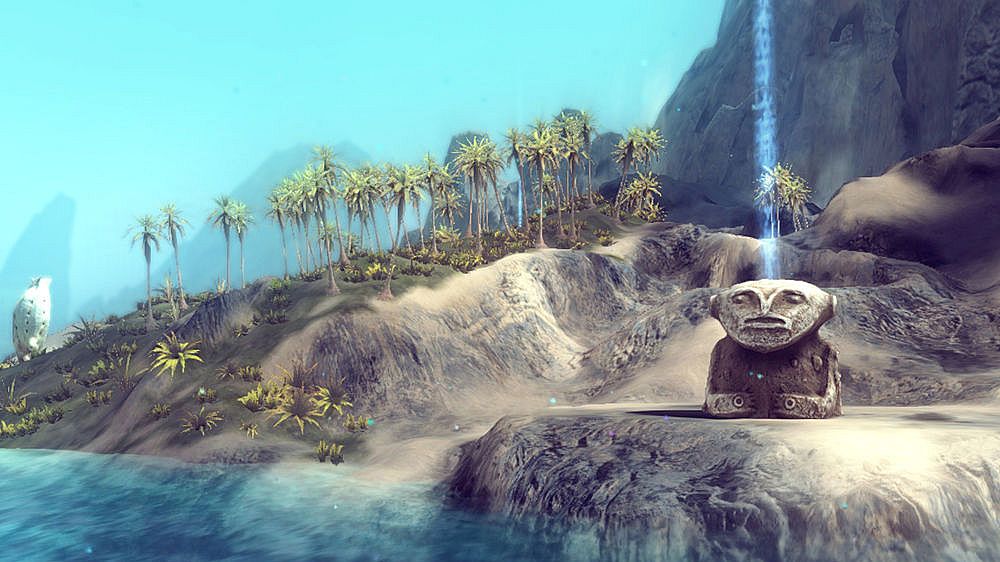
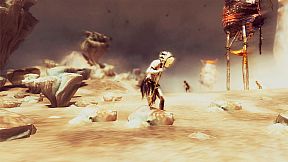
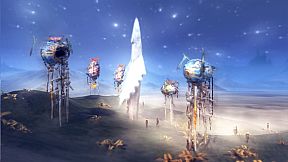
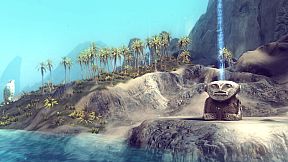
From Dust is a simulation and adventure game developed for PC that places players in the role of a god-like entity guiding a primitive tribe through a constantly changing natural world. Created by Eric Chahi, the designer behind the classic Another World, the title emphasizes real-time environmental interaction and survival against dynamic forces rather than direct combat or character progression.
Gameplay
The core loop revolves around manipulating the four primary elements of water, earth, lava, and vegetation to reshape the landscape and ensure the tribe's survival. Players absorb and deposit these materials to redirect rivers, create barriers, or alter terrain in response to evolving conditions. The simulation runs continuously, so actions produce immediate and cascading effects such as flowing water carving new paths or vegetation spreading across suitable ground.
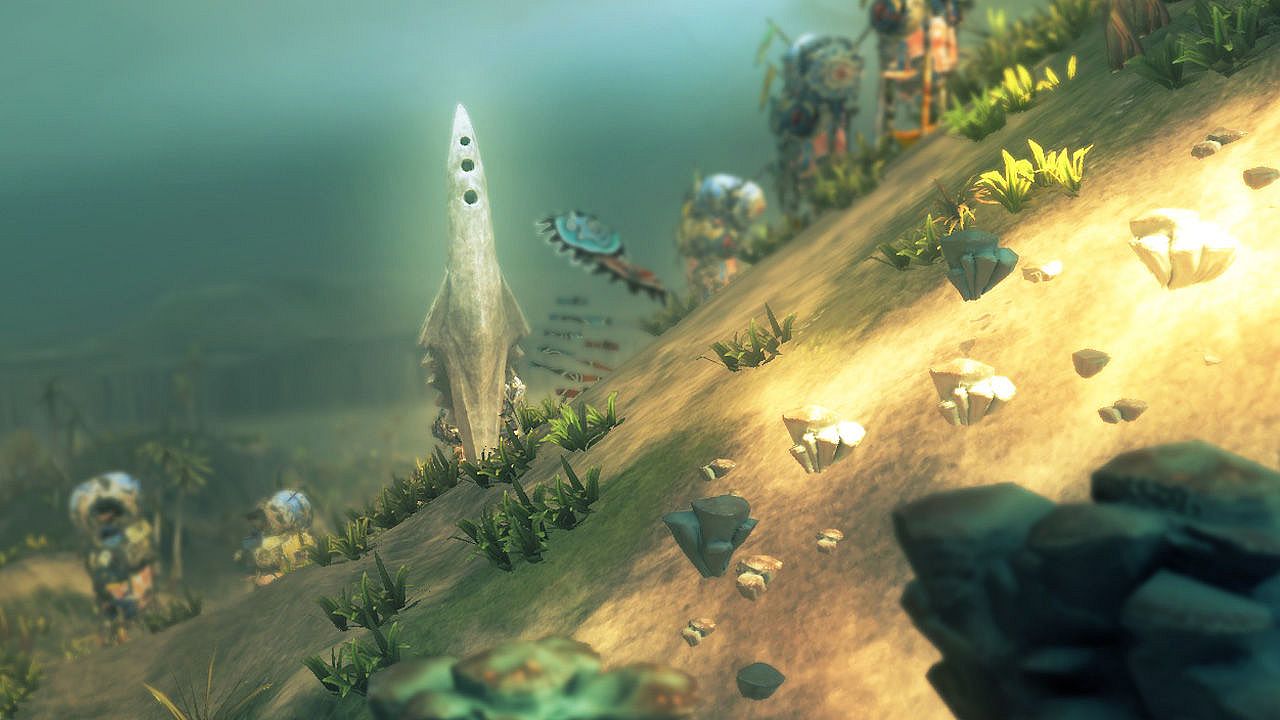
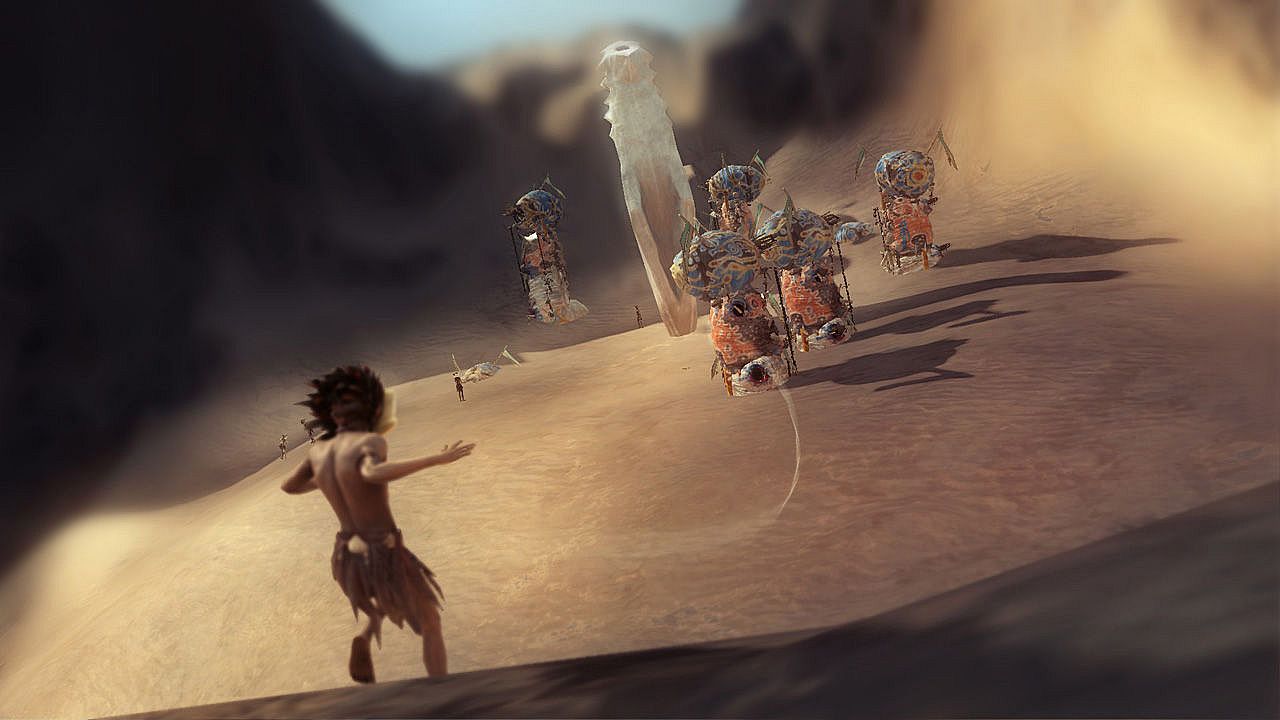
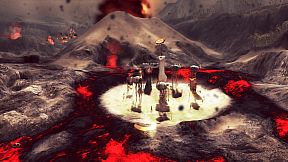
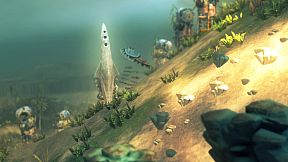
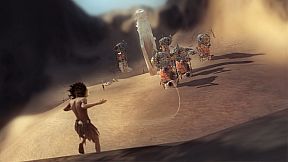
Environments range from tropical islands to volcanic zones and arid deserts, each presenting distinct hazards that demand adaptive strategies. The tribe moves autonomously toward safe havens or resources, requiring players to clear paths, manage floods, or contain eruptions without direct control over individual villagers. Mastery comes from observing how small interventions influence larger systems, such as using earth to dam water or lava to form protective ridges.
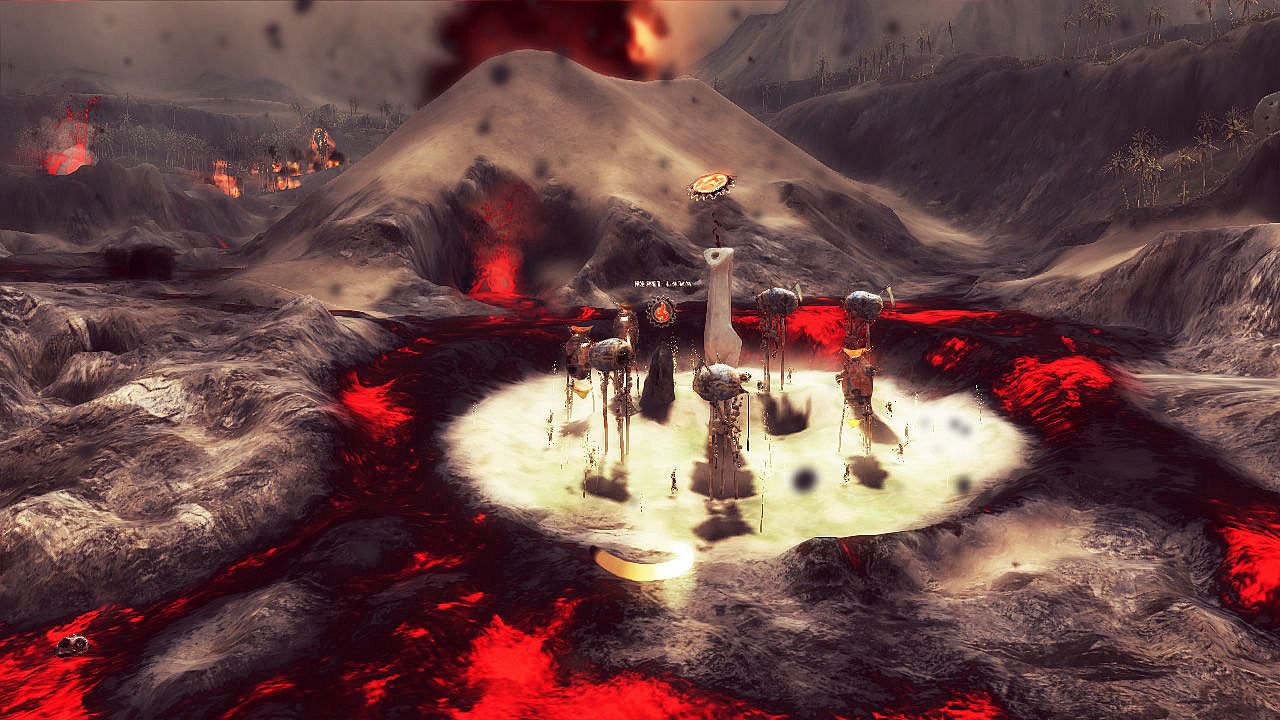
Disasters occur naturally within the simulation, including tsunamis that sweep across lowlands, wildfires that consume forests, earthquakes that fracture terrain, volcanic eruptions that spread molten rock, and heavy rains that trigger landslides. Players counter these events by repositioning elements in real time, turning potential catastrophes into opportunities for landscape redesign.
Game Modes
Story mode consists of thirteen distinct territories that introduce new environmental challenges and gradually reveal the tribe's ancestral powers. Each territory functions as an open sandbox where players experiment with element control while guiding the group from one safe point to the next. Emergent situations arise frequently because the physics-driven world responds differently based on prior alterations.
Challenge mode adds thirty separate maps designed as timed puzzles. These scenarios strip away narrative elements and focus on efficient solutions under pressure, such as containing a specific disaster sequence or preparing a route within strict limits. Leaderboards allow comparison of completion times across the global community.
Both modes share the same underlying simulation rules, ensuring consistent mechanics while varying objectives and scale. No additional modes or multiplayer components exist beyond these single-player experiences.
Visual and Technical Design
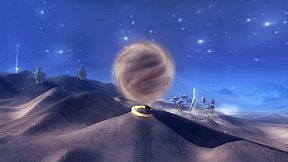
The art direction highlights varied biomes with detailed terrain that updates dynamically as elements interact. Volcanic flows glow against darkened skies, while dense jungles shift with wind and growth patterns. This visual feedback reinforces the simulation's depth without relying on scripted sequences.
Technical implementation centers on the real-time nature engine, where every particle and material follows physical rules. Changes persist across sessions in a given map, creating a sense of permanence that rewards careful planning over repeated trial and error.
Is It Worth Playing?
From Dust delivers a distinctive single-player experience centered on environmental manipulation and emergent problem solving. Its strengths lie in the responsive simulation and the satisfaction of sculpting solutions to natural threats. The game suits players who enjoy thoughtful, physics-based challenges over fast-paced action or narrative-driven adventures.
Reception at launch highlighted the innovative mechanics and visual appeal, though some noted occasional frustrations with camera control and villager pathfinding. As a complete, self-contained title with no ongoing updates or seasonal content, it remains accessible for those seeking a focused simulation adventure on PC. Individuals interested in god-game concepts or real-time environmental puzzles will find the most value here, particularly if they appreciate experimentation within a fixed set of rules.