






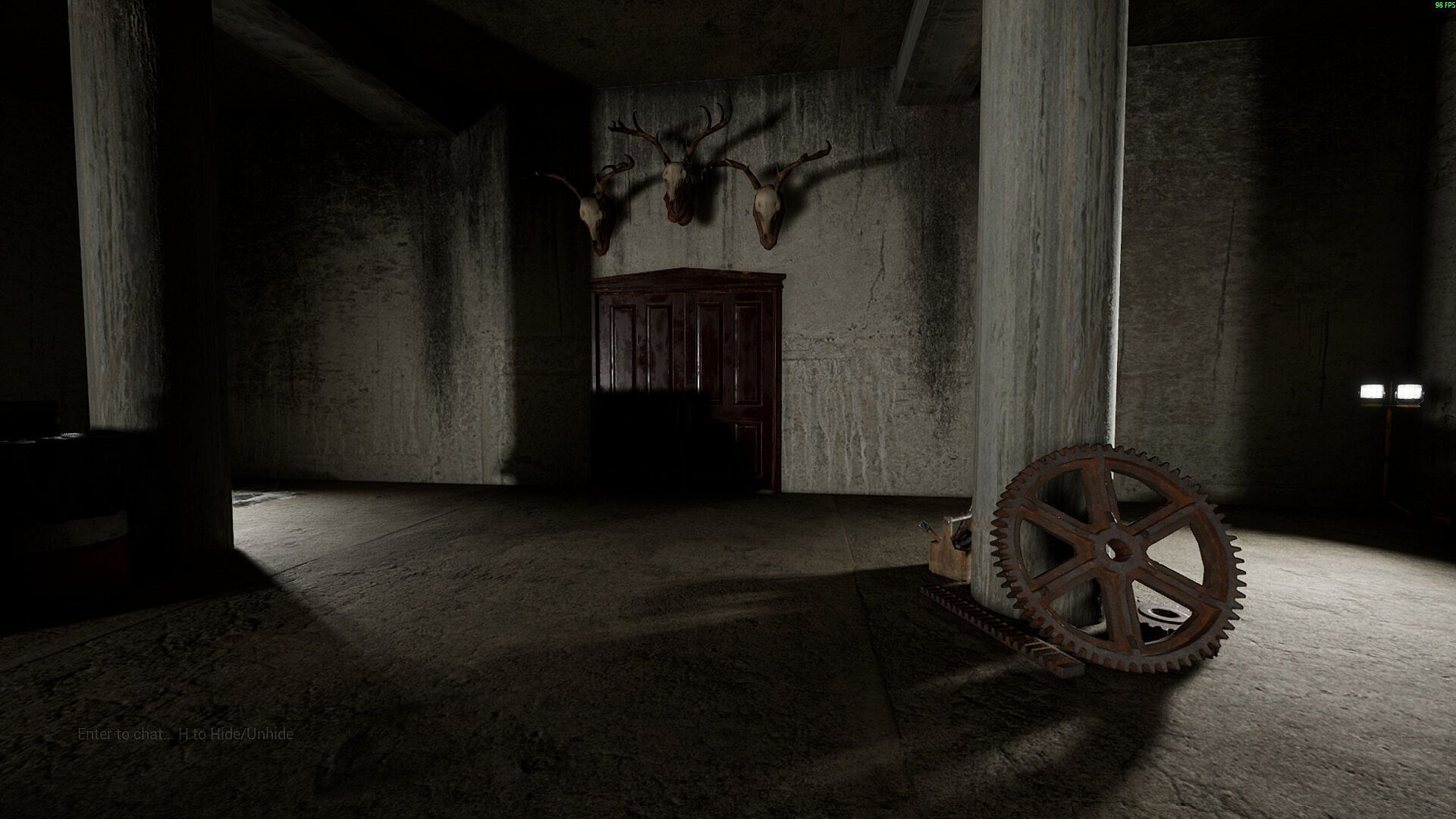
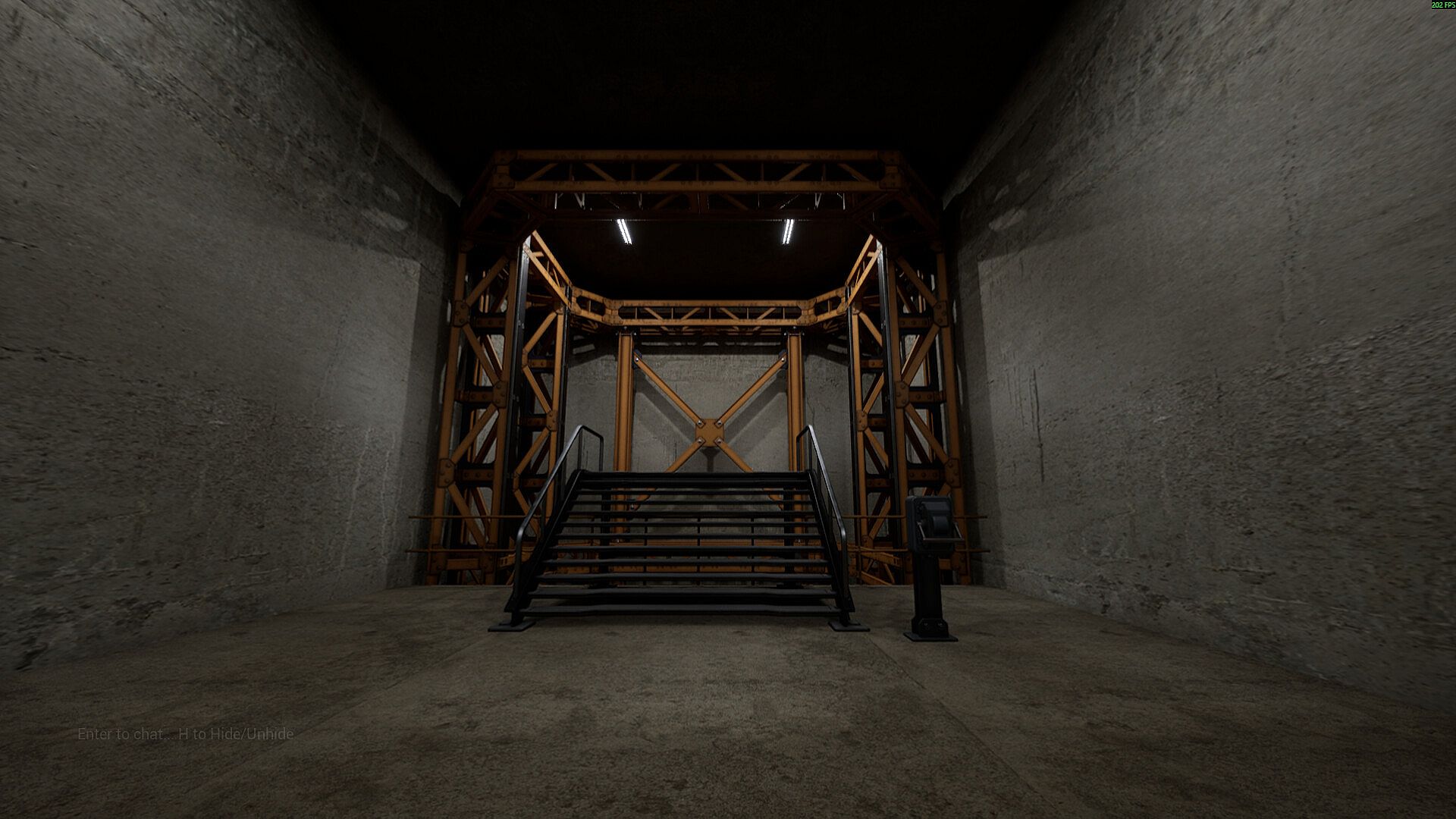
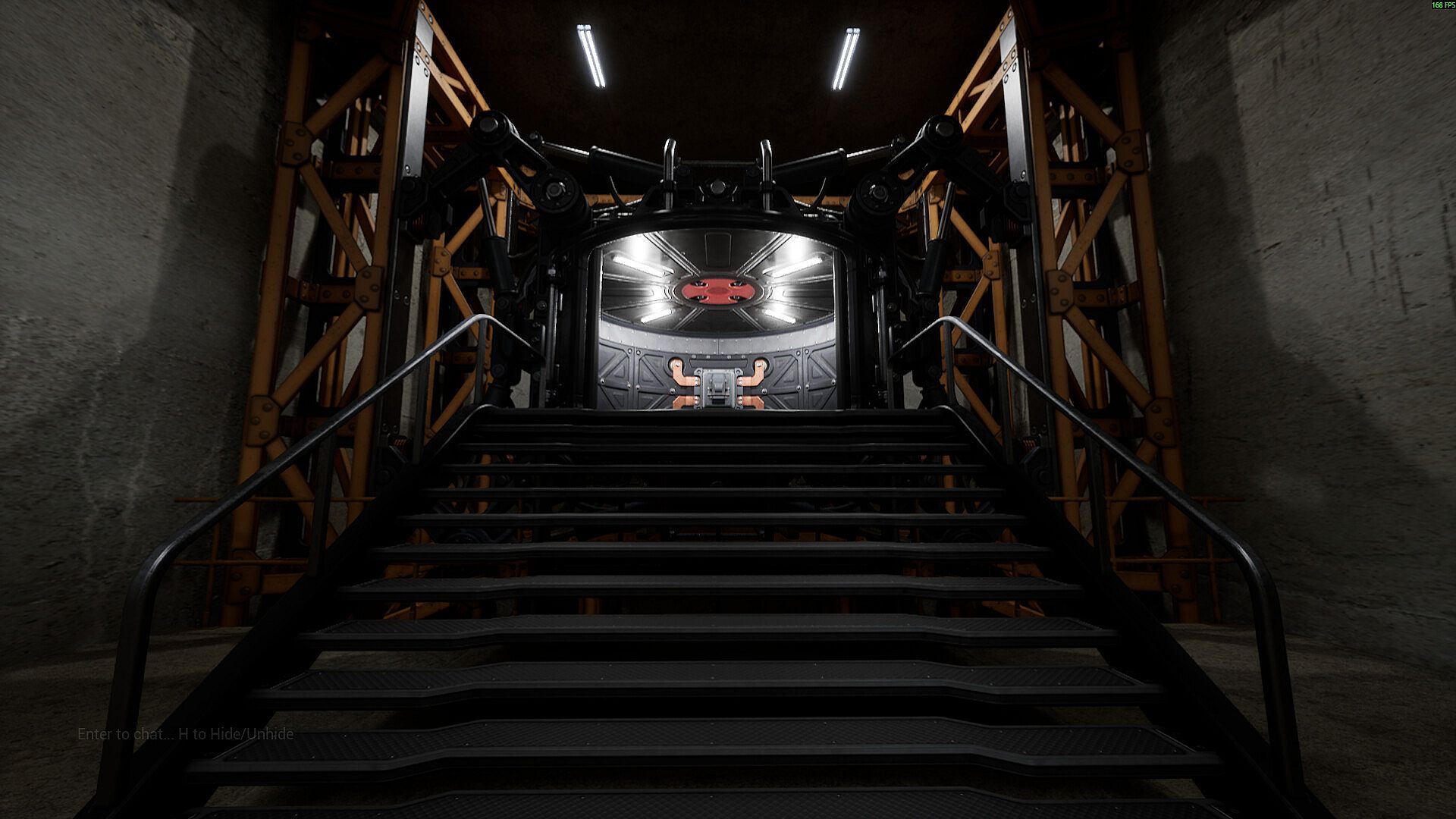
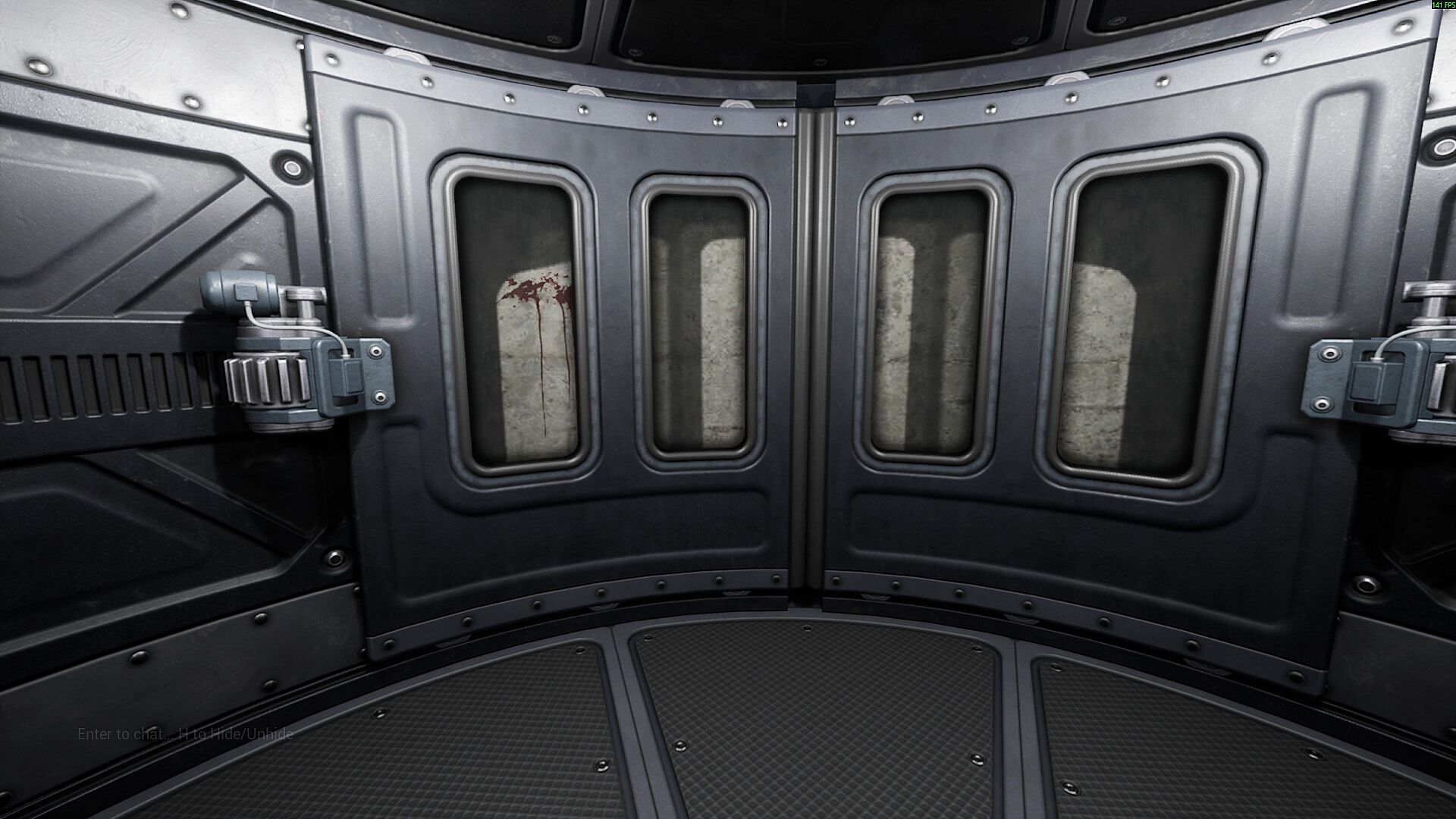
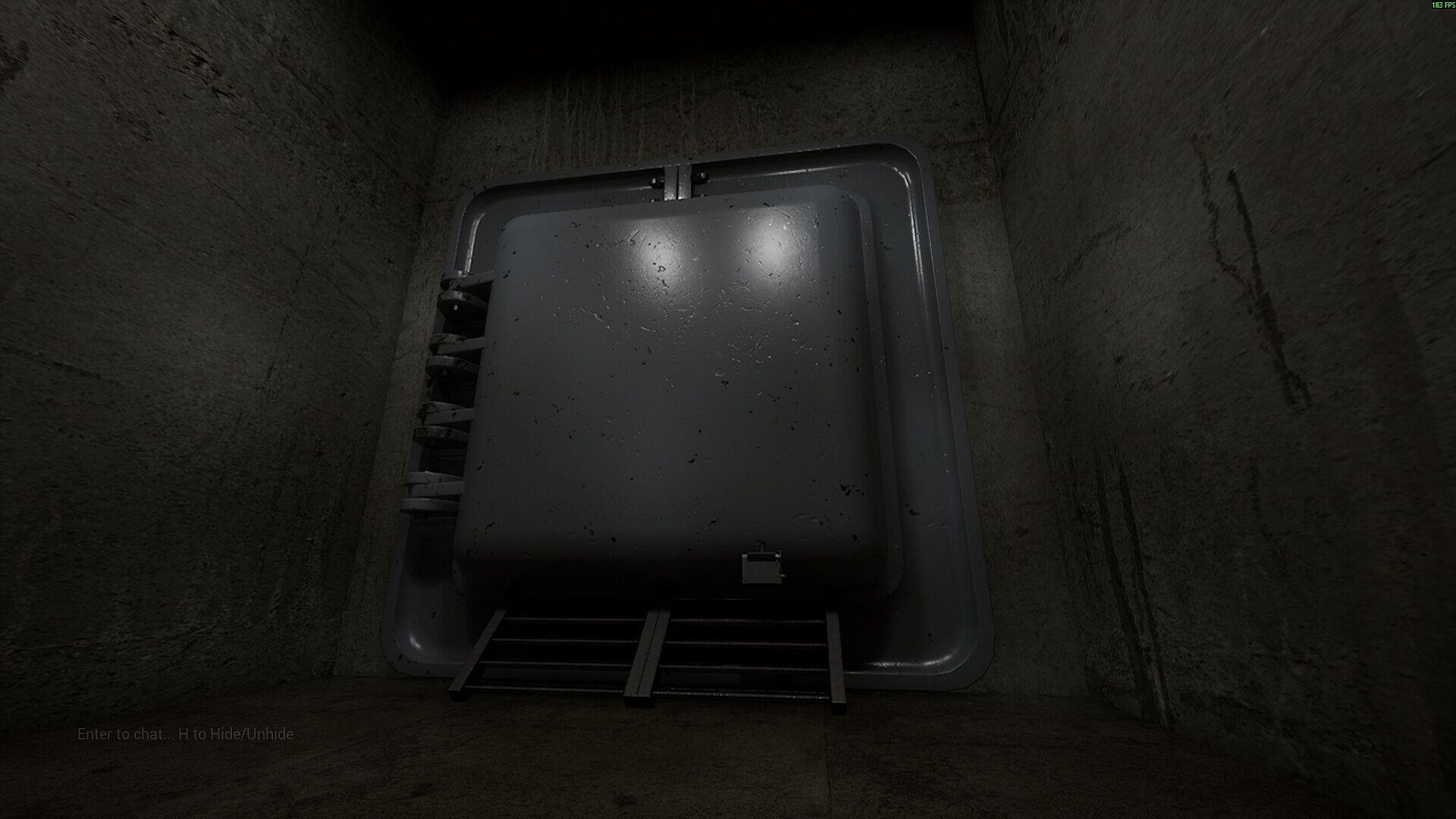
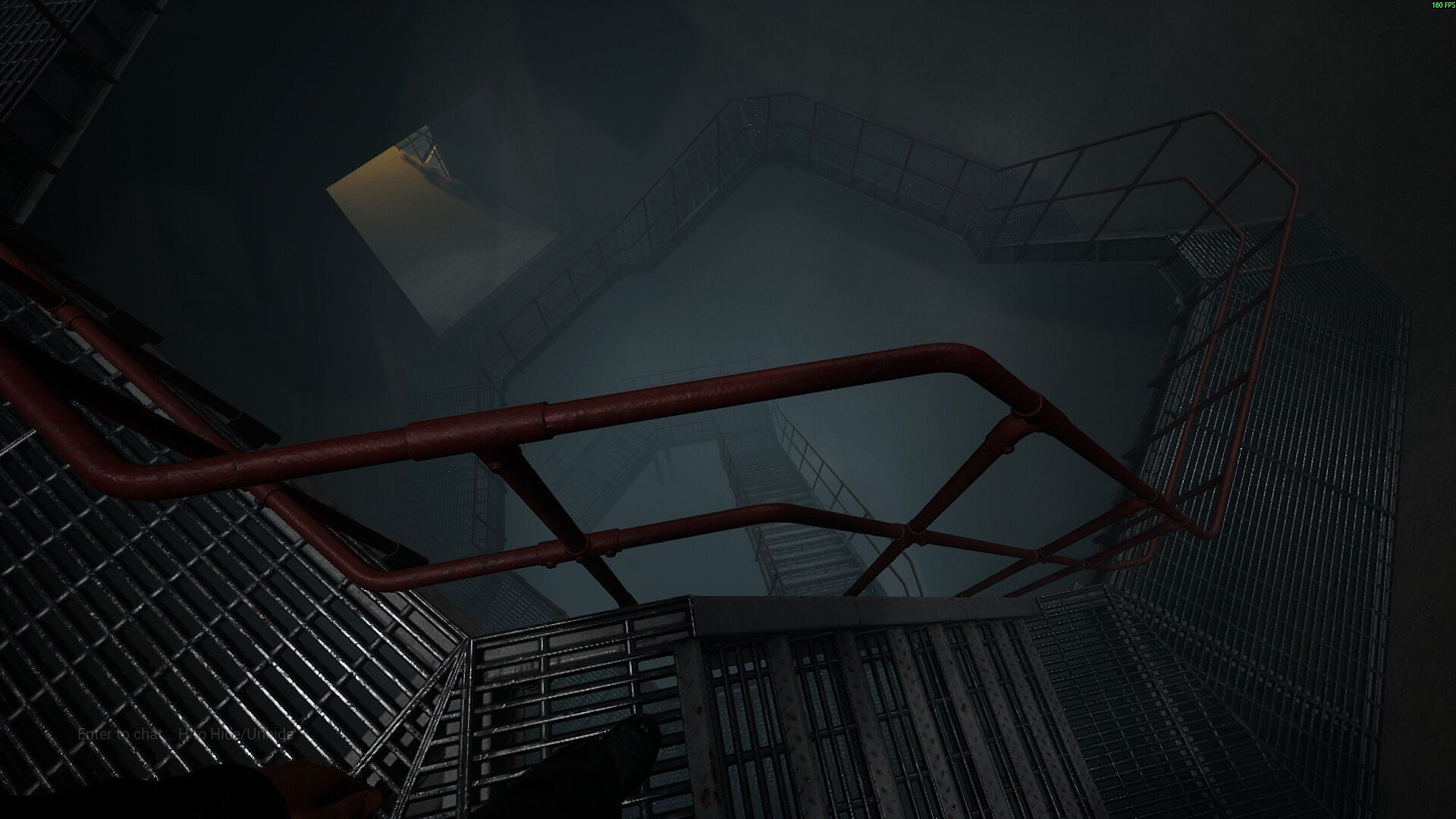
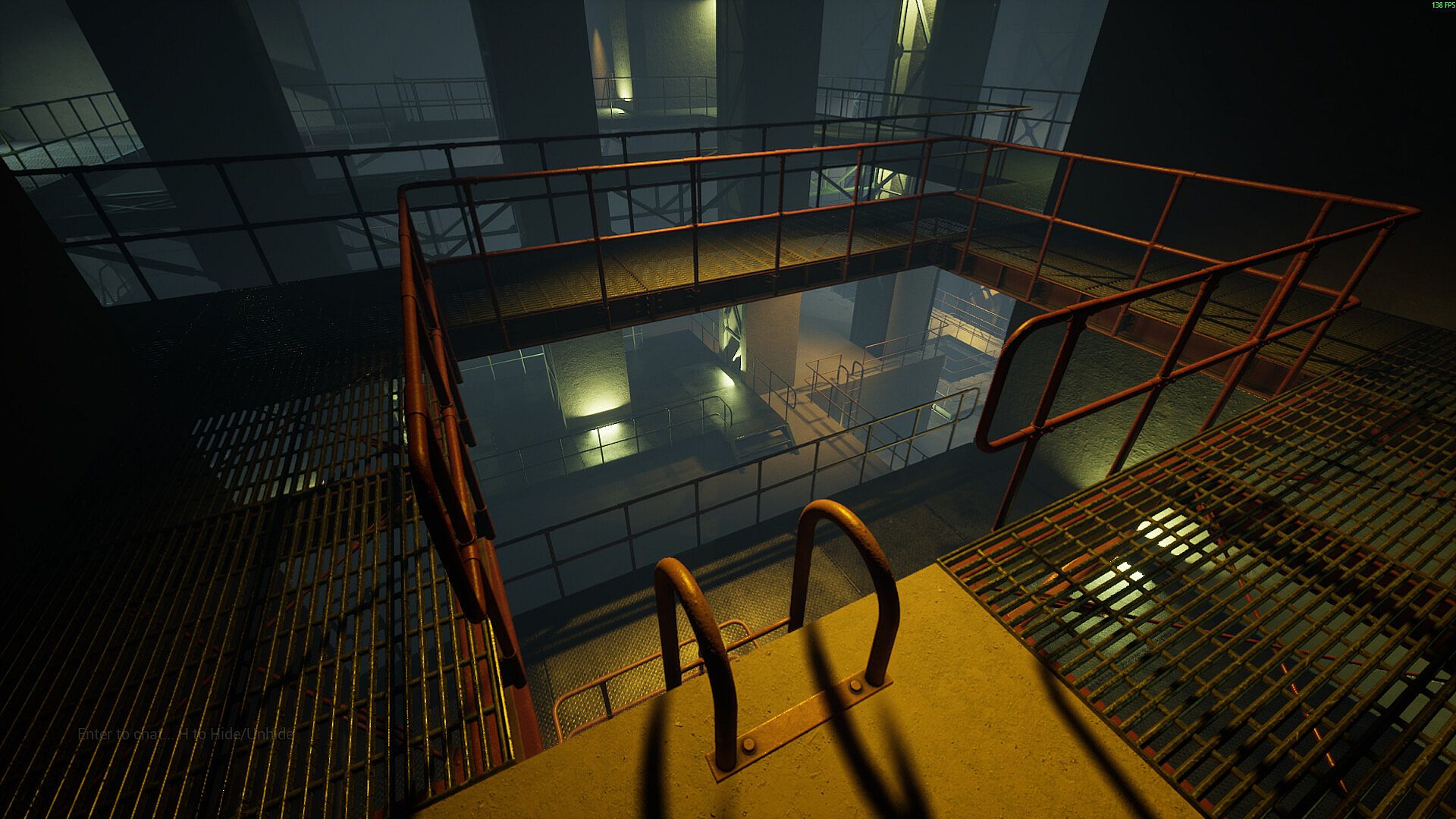
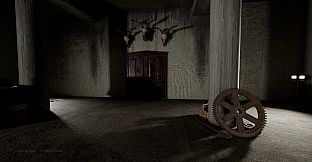
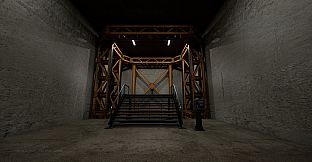

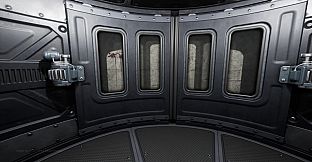
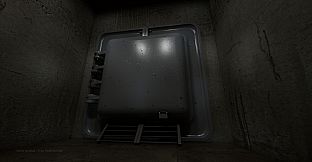

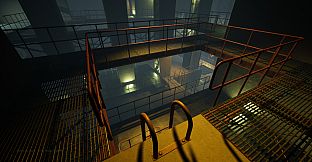
Four Lives is a 1 to 4 player online co-op survival horror game developed for PC. Players awaken together inside a sprawling nightmare environment built to test teamwork, observation, and decision making under pressure. The core loop revolves around navigating interconnected dark spaces filled with traps, puzzles, and threats that demand coordinated effort to overcome. Action and strategy elements blend as teams explore, communicate, and adapt to changing conditions that grow more severe with each loss.
Gameplay
The experience centers on cooperative survival in hostile settings where every room presents new challenges. Teams must explore environments packed with deadly traps, environmental puzzles, hidden dangers, and obstacles that often require multiple players to solve simultaneously. Communication plays a central role, as players share observations and coordinate movements to avoid mistakes that carry permanent consequences for the group. Some sections push the team to work closely together, while others may require splitting up and moving through isolated areas alone. Visual and auditory cues in the environment can mislead, forcing players to verify what they see and hear before acting. Progress occurs through checkpoints that lock in advancement, yet the overall structure keeps tension high by escalating risks as the group advances deeper into the nightmare.
Death alters the dynamic immediately. A fallen player shifts into spectator mode and observes the remaining survivors through their perspective. This shifts the balance of every subsequent challenge, placing greater responsibility on those still alive. The last player standing faces heightened scrutiny as the sole active participant, with the rest of the team watching every move. The design emphasizes that survival depends on collective awareness rather than individual skill alone.
Game Modes
Four Lives operates entirely around its online co-op framework for one to four participants. There are no separate competitive or solo modes described. The single primary experience scales with player count, where smaller teams encounter steeper difficulty because fewer hands are available for tasks that benefit from division of labor. The spectator system integrates directly into the core loop, turning each death into a shift in group composition and strategy. As numbers drop from four to three, then two, and finally one, the remaining players must adjust their approach to cover more ground and handle threats that previously required coordinated effort. This built-in progression creates natural tension without additional modes or variants.
Core Mechanics and Progression
Progression moves players through a disturbing, interconnected world where each new section introduces fresh threats, puzzles, and traps. Checkpoints provide secure points to resume after a full team wipe, returning everyone to the last saved location for another attempt. The environment itself acts as an active participant, designed to probe how far participants will go to escape. Strategy emerges from resource management in the form of attention and positioning, while action surfaces during moments of evasion or rapid problem solving. Indie development roots show in the focused scope on atmosphere and cooperation rather than expansive open-world systems.
Is It Worth Playing?
Four Lives suits players who enjoy co-op survival horror that rewards clear communication and adaptability. The permanent impact of deaths creates meaningful stakes that differentiate it from games where failure simply restarts without altering the group dynamic. Those who prefer teamwork-focused experiences over lone-wolf action will find the spectator mechanics and shrinking-team pressure particularly engaging. The game remains in a state where its described systems form the complete package, with no additional seasons or major updates confirmed beyond the core concept. Availability on PC makes it accessible for groups seeking a compact session that emphasizes tension and shared problem solving. If the combination of puzzle elements, trap navigation, and co-op consequences aligns with your preferences, the title delivers a focused test of group resilience.











