




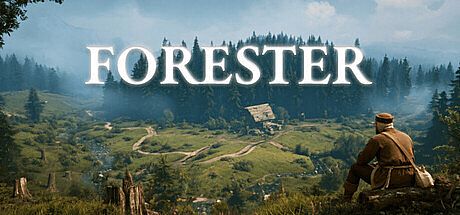


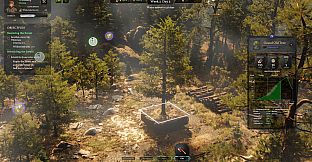
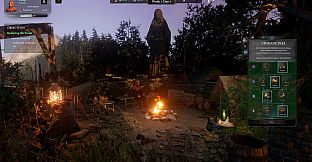
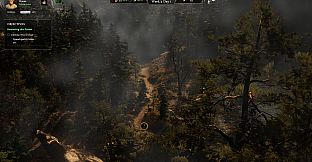
Forester is a strategy simulation game set in a single valley where players manage a remote forestry estate through careful tree cultivation and estate restoration. The experience centers on singleplayer progression as one forester rebuilds structures, grows trees, and navigates personal choices in a relaxed yet deliberate woodland setting.
Gameplay
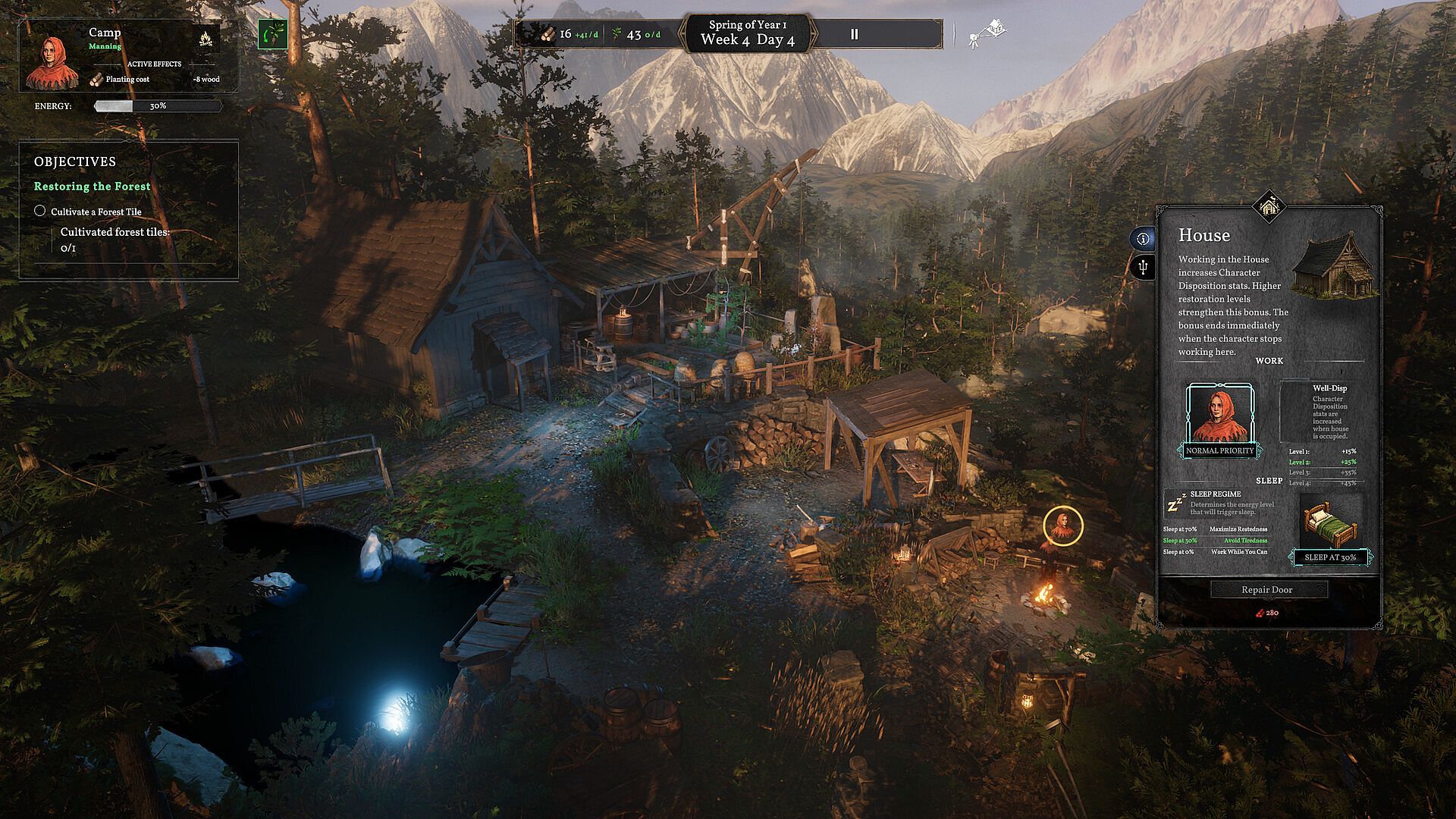
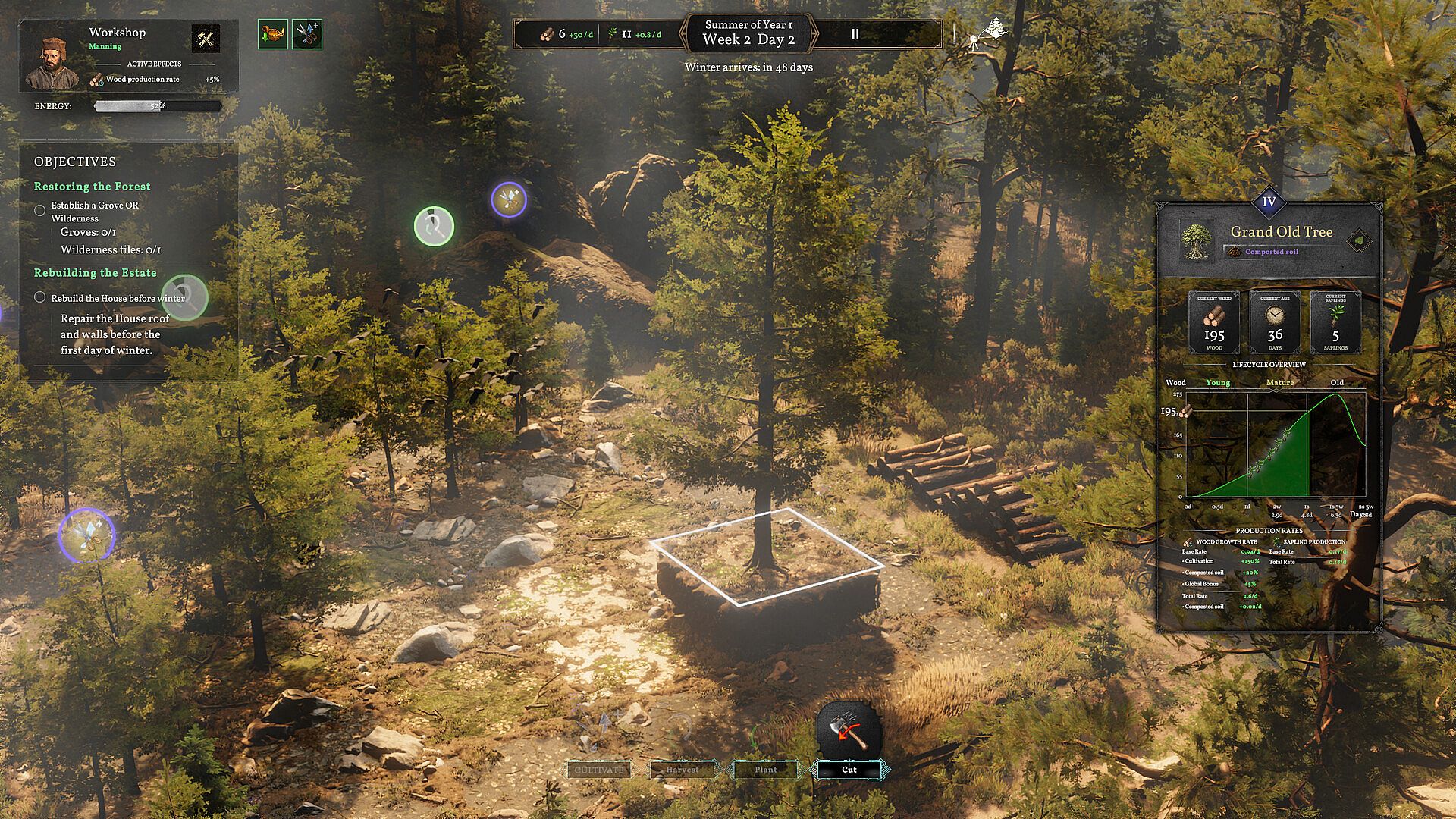
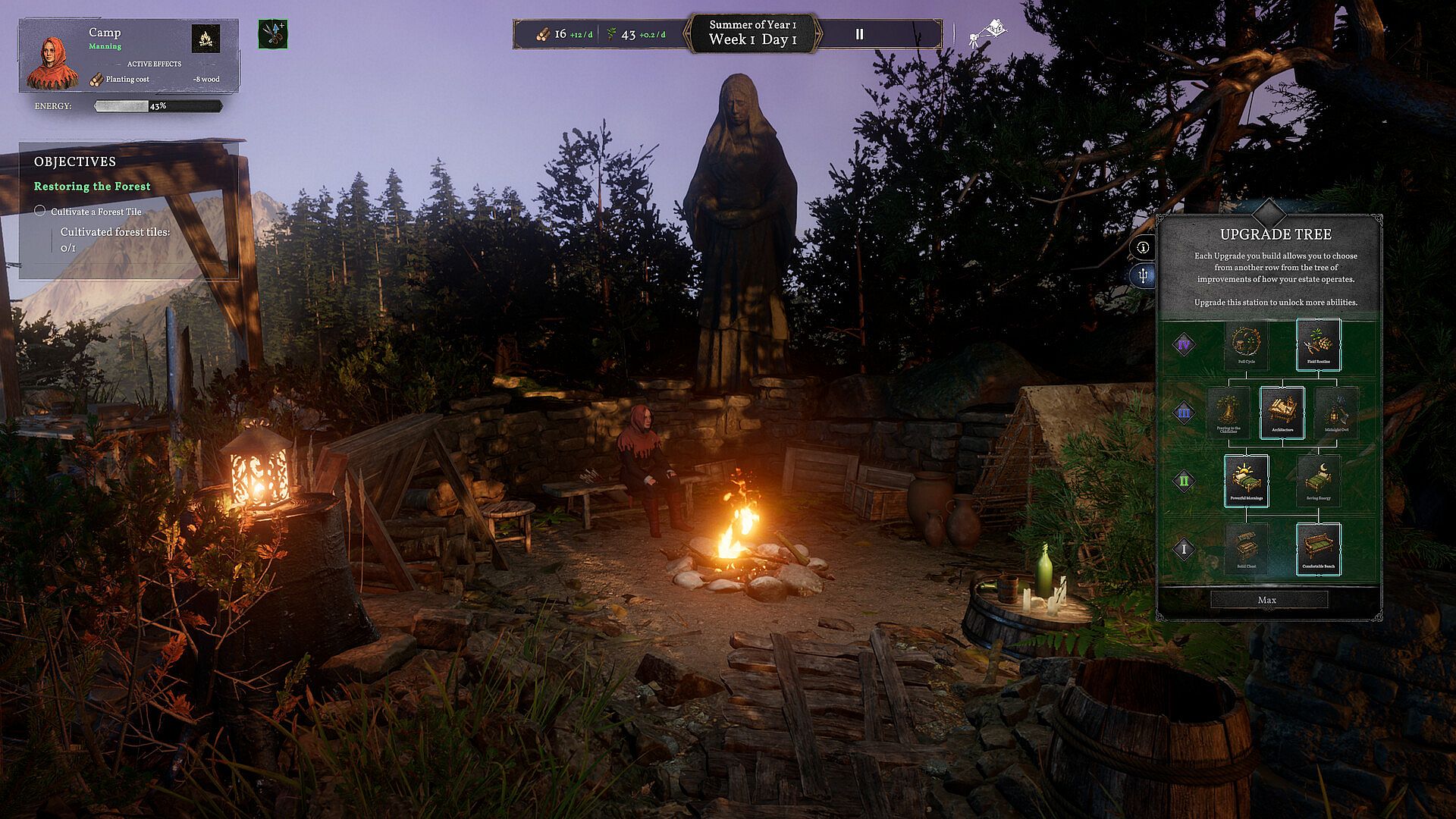
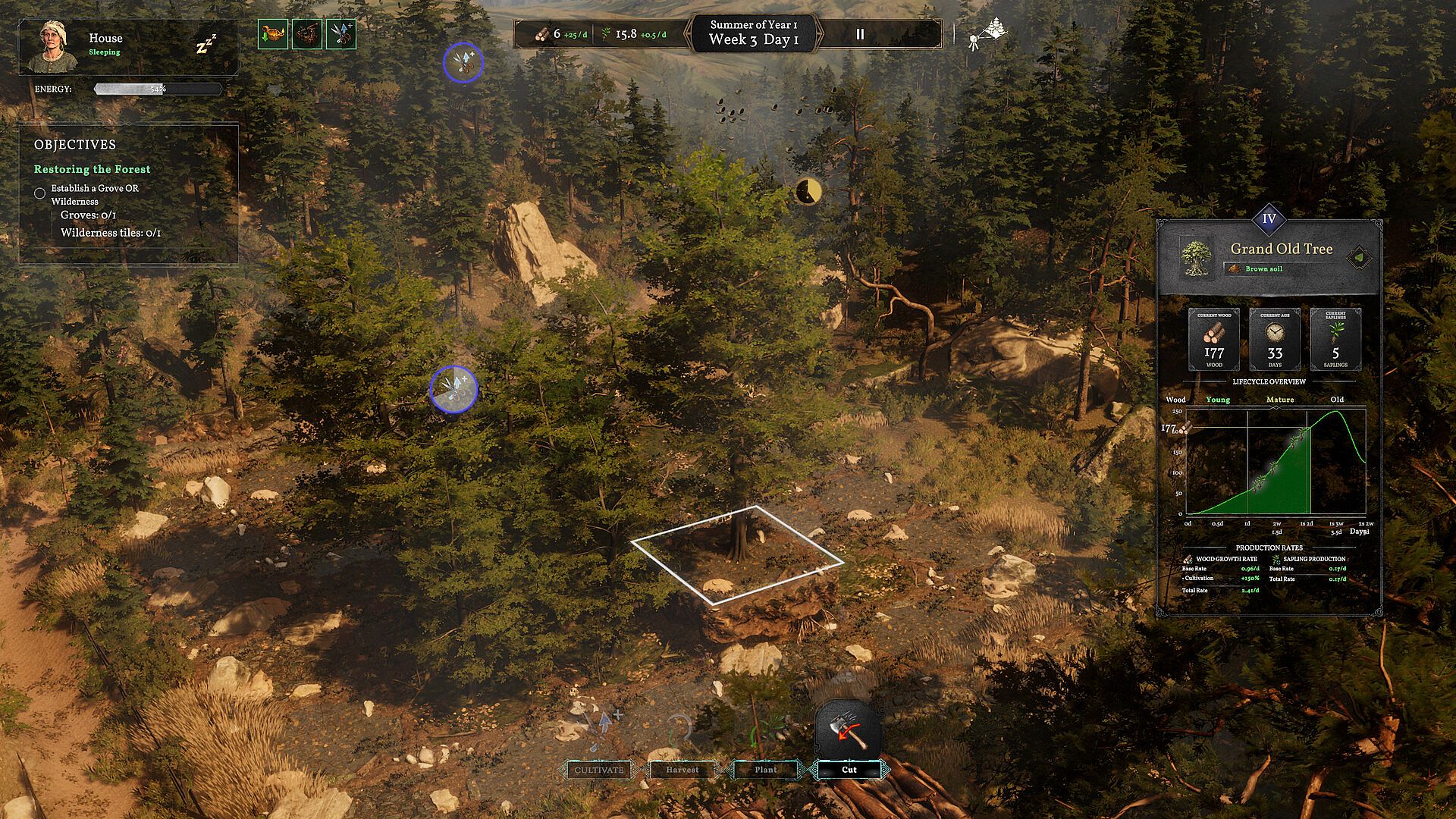
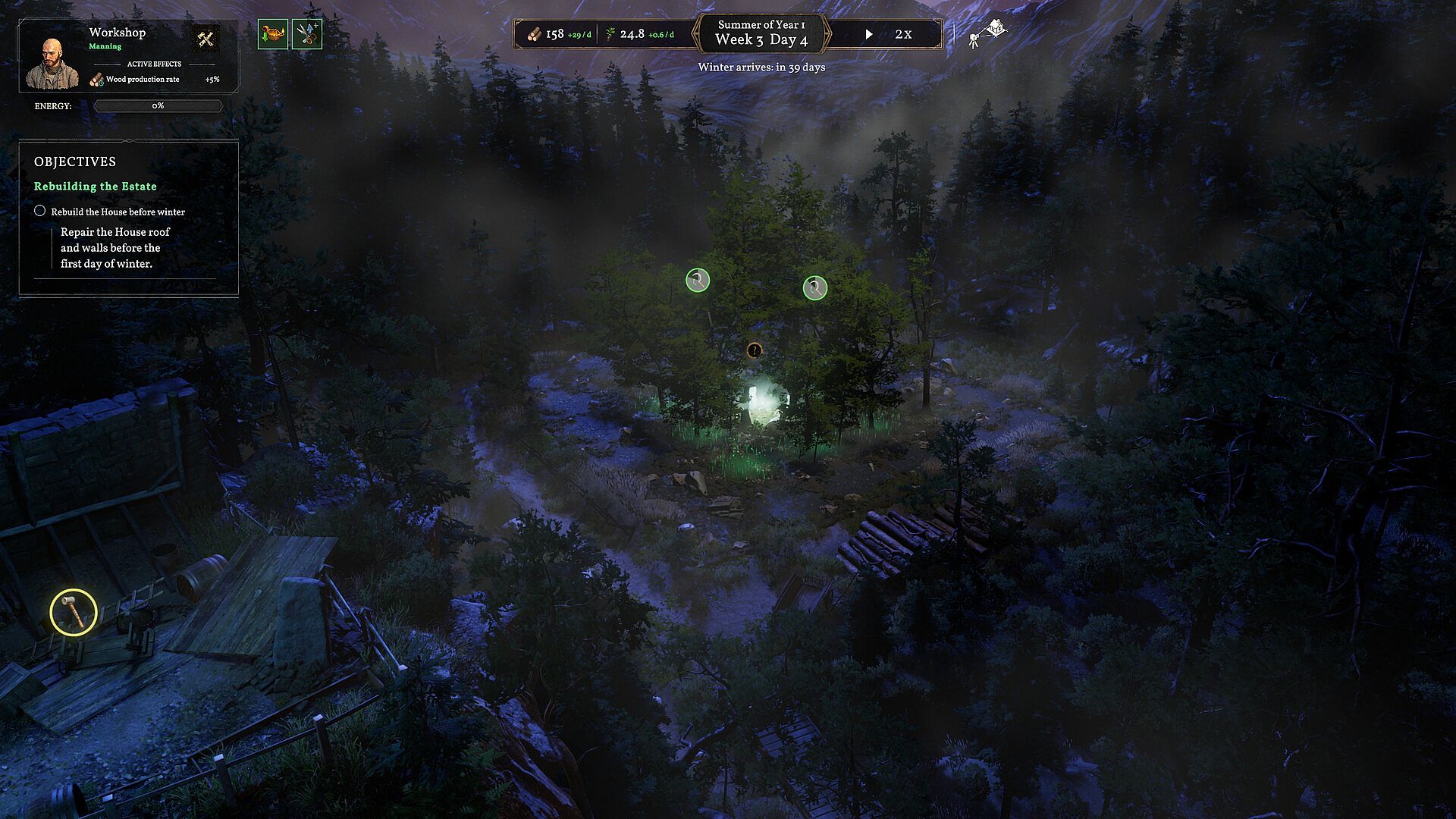
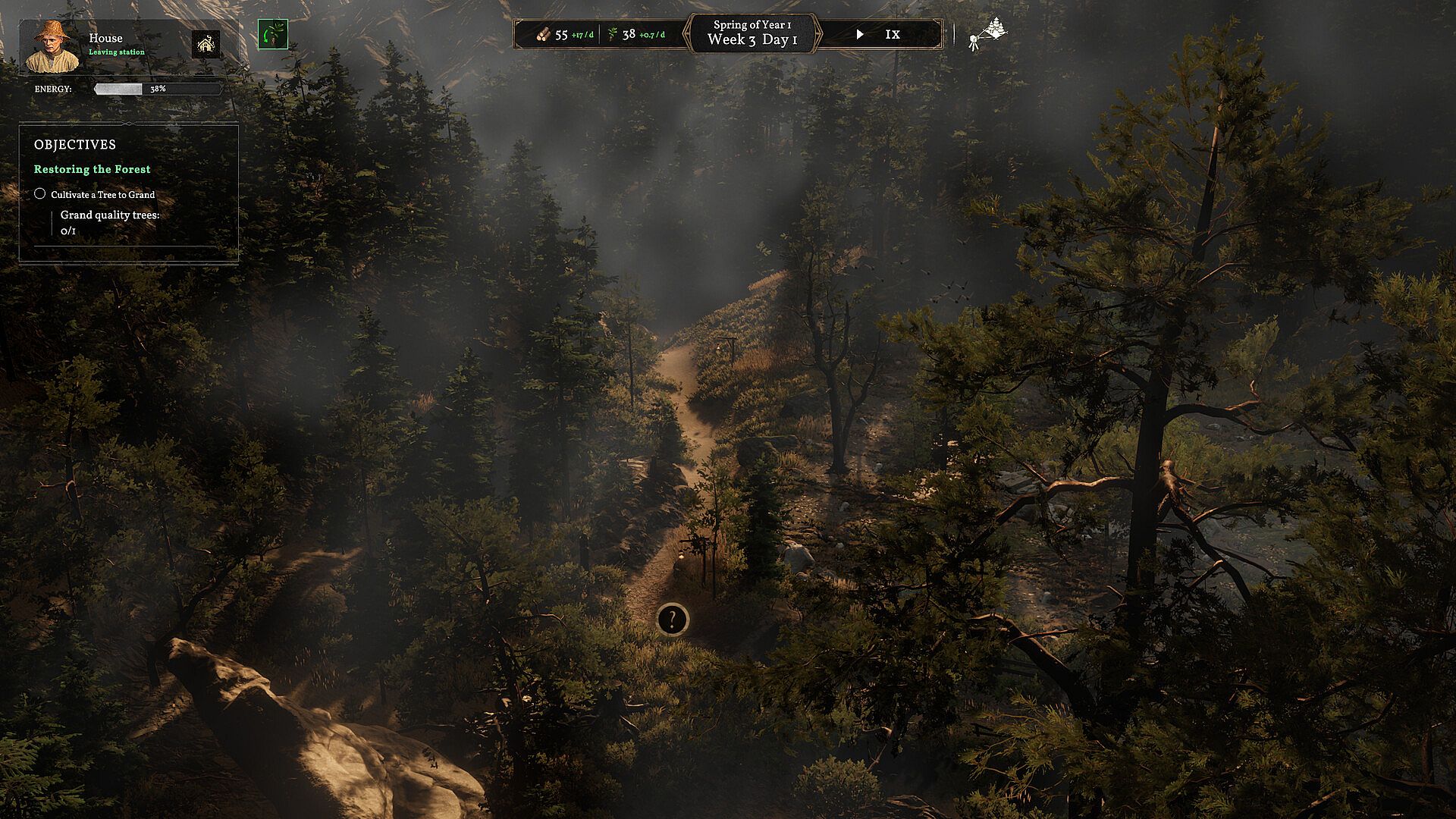
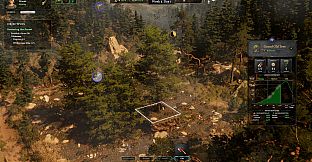
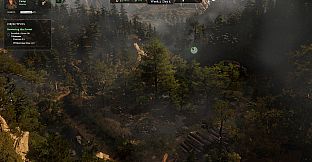
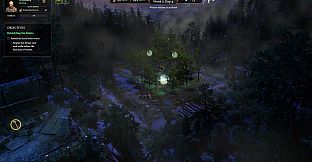
The core loop involves planting saplings, guiding trees through growth stages with cultivation choices, harvesting wood when trees reach maturity, and using that resource to upgrade buildings on the estate. Trees accumulate wood over time but can also gain special traits based on the care regimen applied, such as traits that support the surrounding ecosystem rather than high wood yields. Players assign the forester to work at constructed stations for efficiency gains, balanced against the need for adequate rest. Progression unlocks permanent bonuses through a tree of upgrades for each rebuilt structure, funded by homegrown wood and time invested. Story elements arrive in short segments tied to daily forest life rather than a single linear plot, allowing personal characteristics to develop through decisions made during encounters.
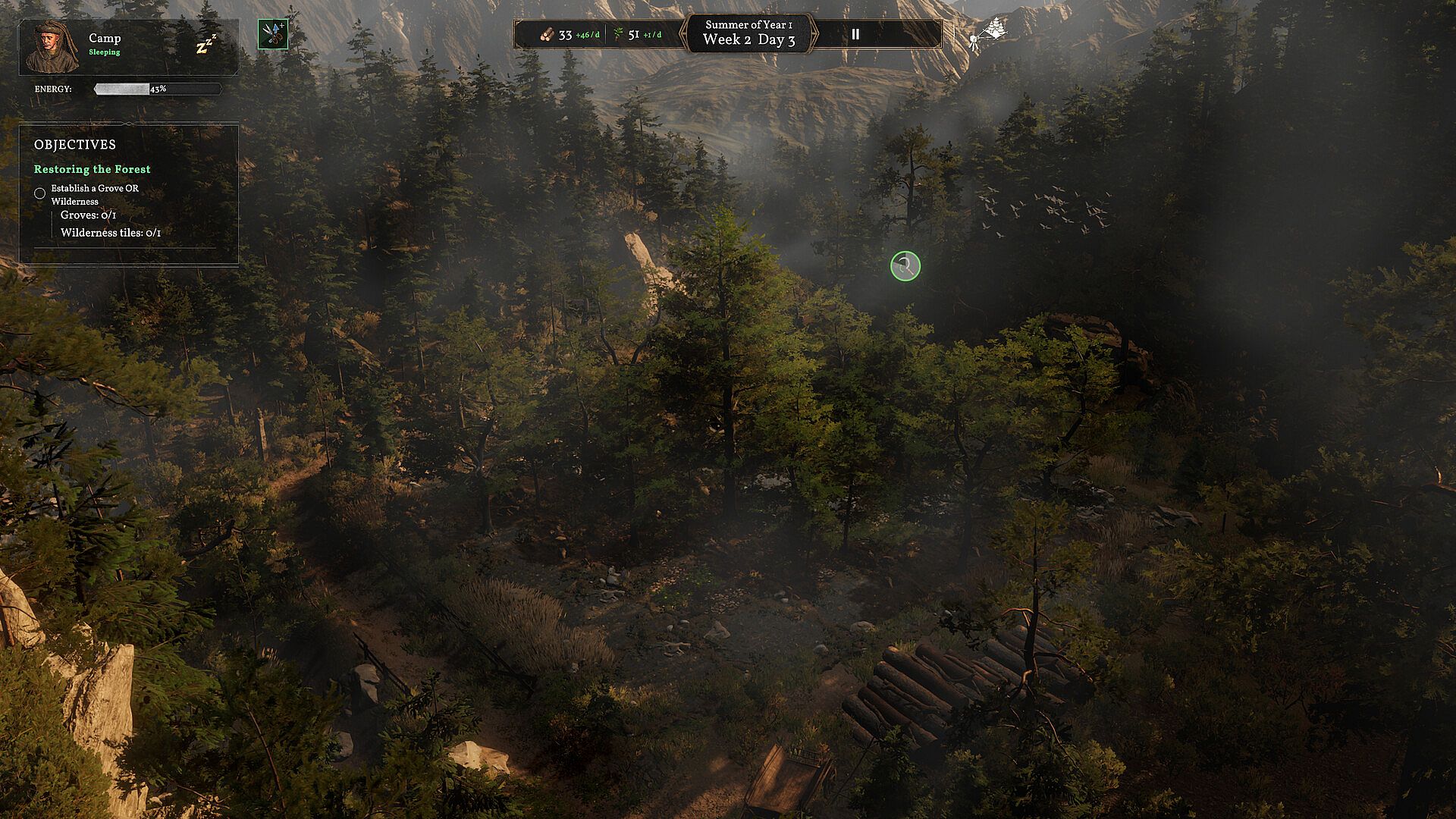
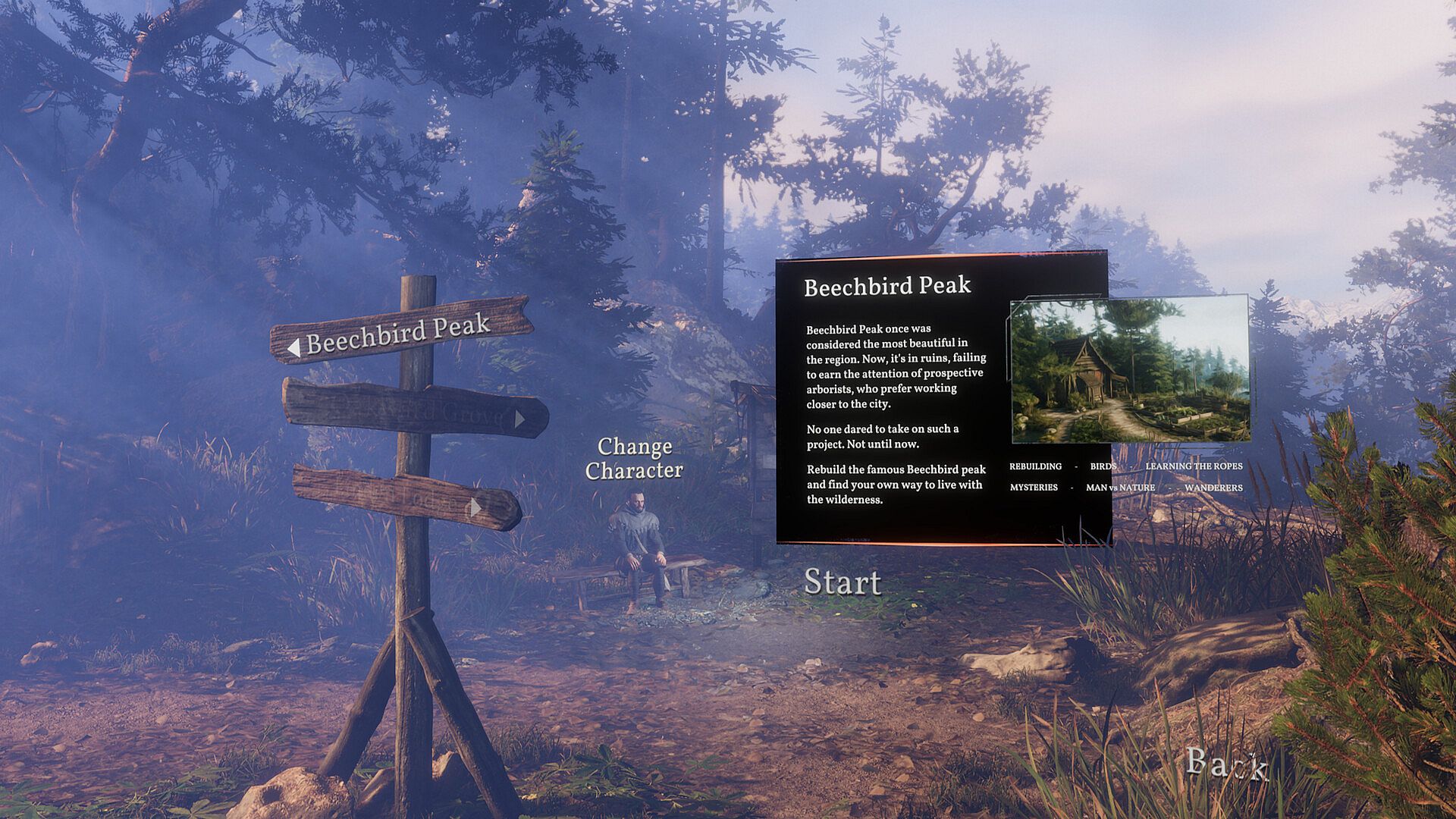
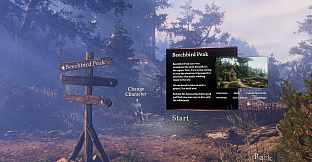
Rebuilding the estate begins with selecting one of three scenarios, each featuring distinct land layouts, existing buildings, and specific challenges. Upgrades to these structures provide ongoing advantages to forestry operations. The scale remains intimate, focused on one valley and one forester rather than expansive city building. Cutting trees occurs with simple inputs, while patience in cultivation yields better long term results through accumulated resources and ecosystem benefits.
Game Modes
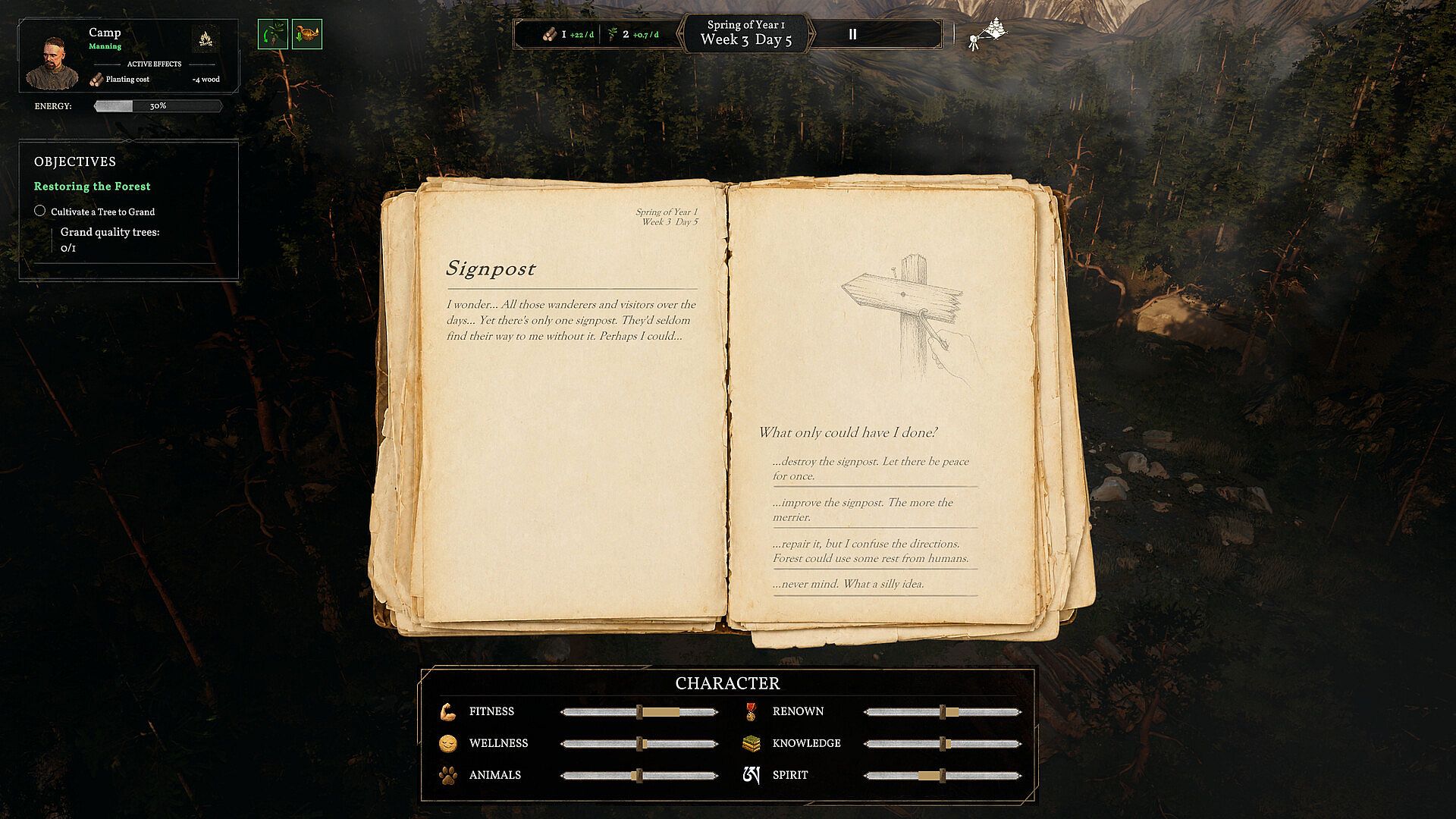
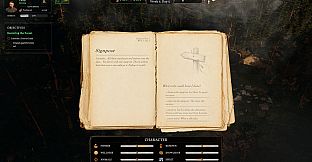
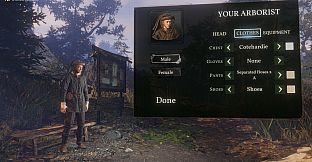
Three distinct scenarios serve as the primary modes of play. Each presents unique terrain, pre existing structures, and tailored challenges that shape how the estate is restored plank by plank. Within these scenarios, players follow individualized paths through structure specific progression trees, choosing upgrades that deliver lasting bonuses suited to their approach. Dilemmas, encounters, and anecdotes drawn from hundreds of possible situations let players define their forester's personality and story over time, with outcomes influenced by prior choices and paths taken.
Forest Management Systems
Tree lifecycle management forms the heart of the simulation. Players start with saplings, apply ongoing cultivation to influence growth and traits, harvest wood from mature specimens, and replant to sustain the forest. Some trees prioritize ecosystem improvements over wood production, creating trade offs that affect the broader woodland health. Efficiency bonuses come from station assignments, but these require balancing work with rest to maintain performance. The system rewards thoughtful planning, as aged trees offer more wood yet demand careful management to avoid or encourage specific traits.
Story and Character Development
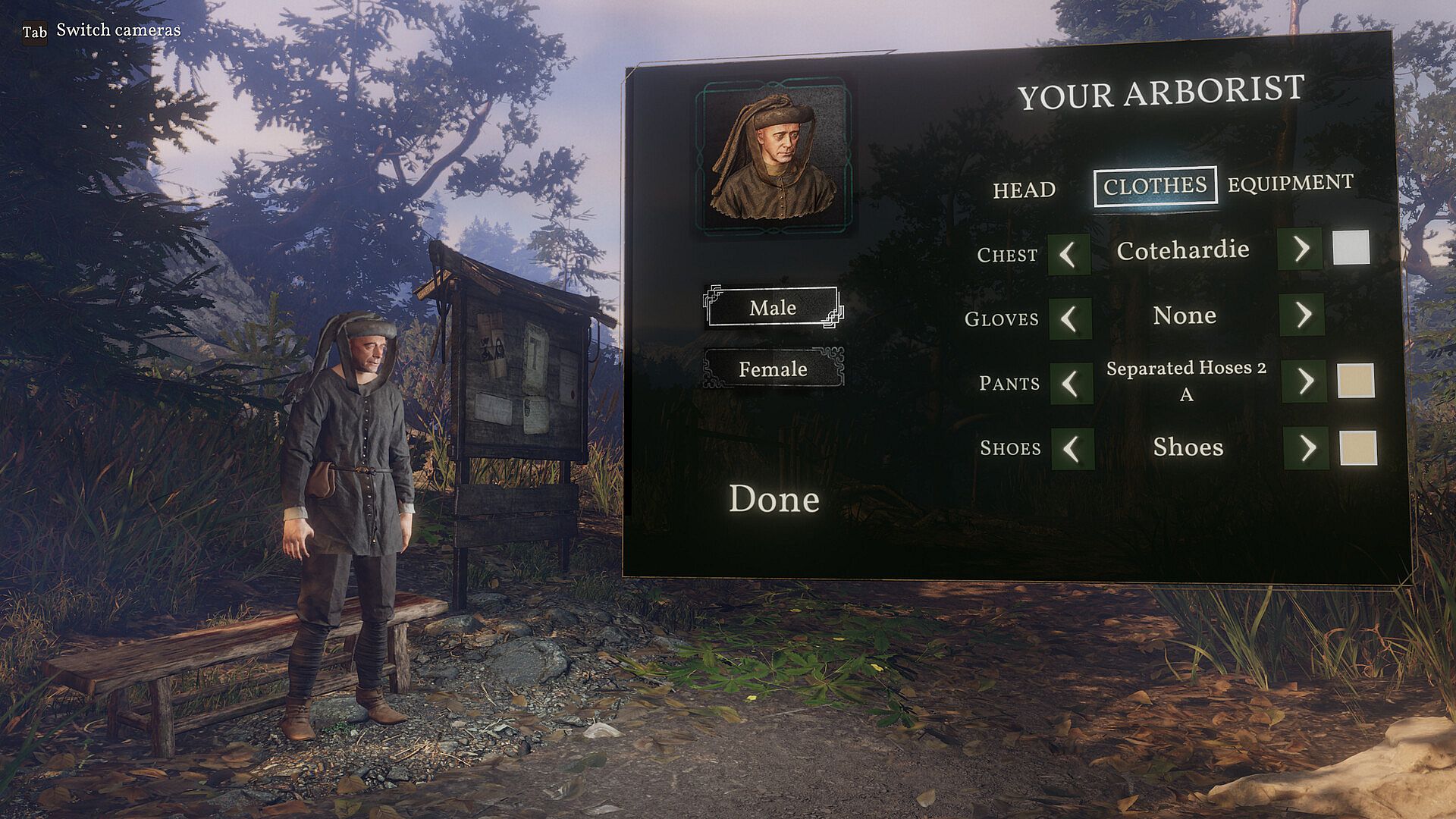
Narrative unfolds through bite sized events rather than one continuous thread. As the forester establishes a livelihood, prior inhabitants of the valley may appear through unique dilemmas and anecdotes. Hundreds of possible situations allow players to shape their character's traits gradually, with each resolution reflecting and reinforcing personal style. This approach keeps the focus on the forester's evolving place among the trees while tying decisions directly to gameplay outcomes in estate rebuilding and forest care.
Is It Worth Playing?
Forester suits players seeking a deliberate, atmospheric strategy simulation centered on forest management and estate restoration. The three scenarios offer varied starting points and challenges that encourage repeated playthroughs with different upgrade paths and decision styles. Those who enjoy relaxed pacing, resource accumulation through cultivation, and light narrative branching will find the single valley setting rewarding without overwhelming scale. The game remains in active development with a playtest option available, so interested players can experience the core loop firsthand before full release. Its emphasis on patience paying off and personal story emergence through choices makes it a fit for simulation fans who prefer thoughtful progression over fast action.











