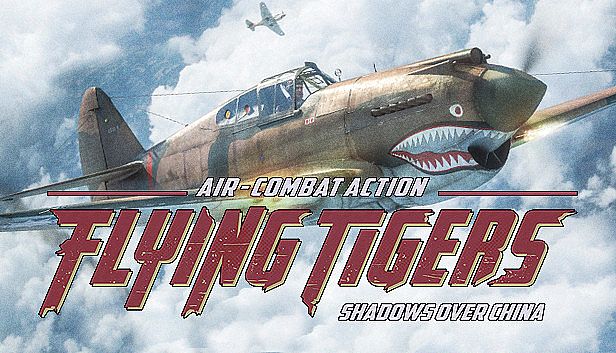













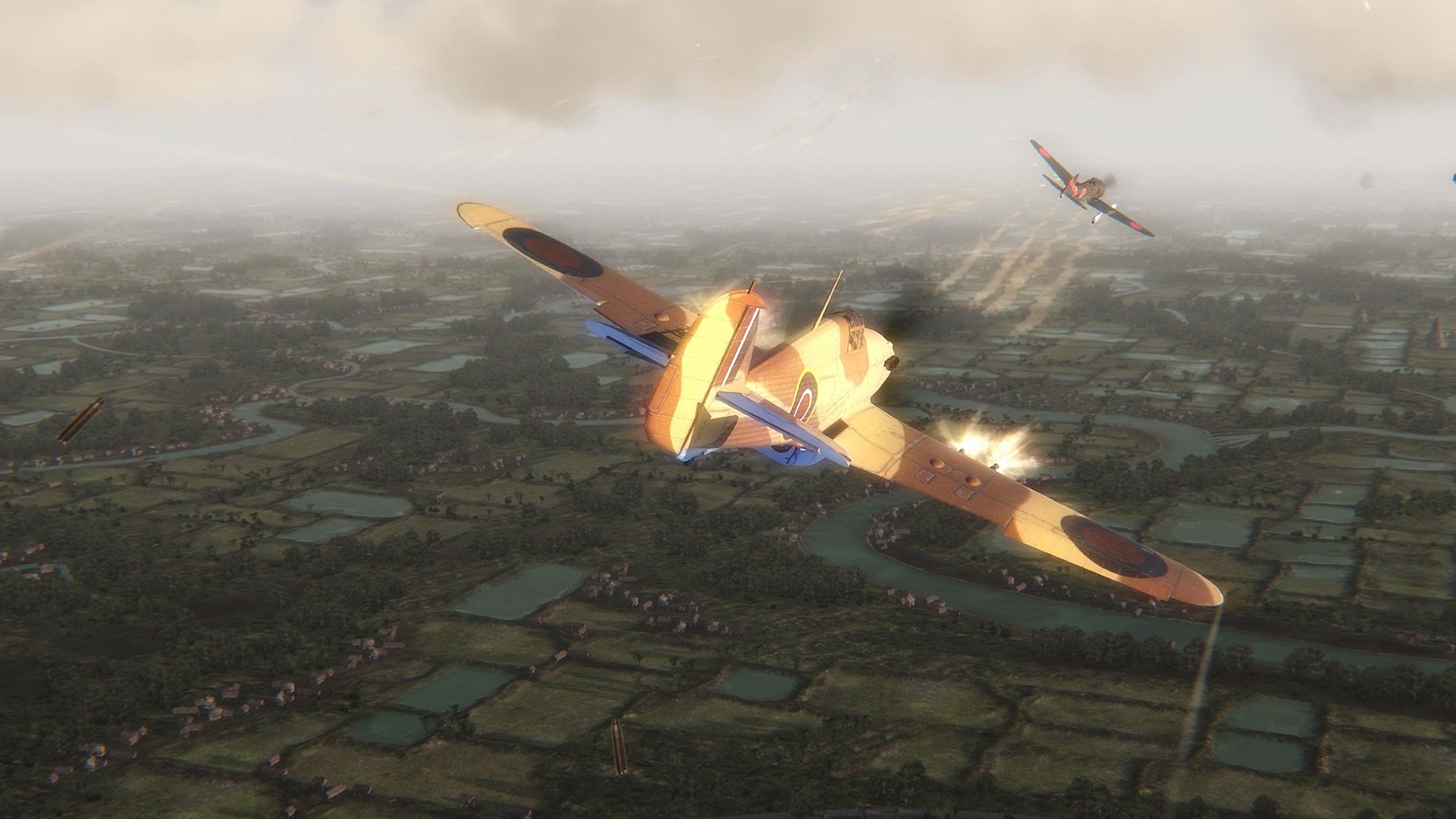
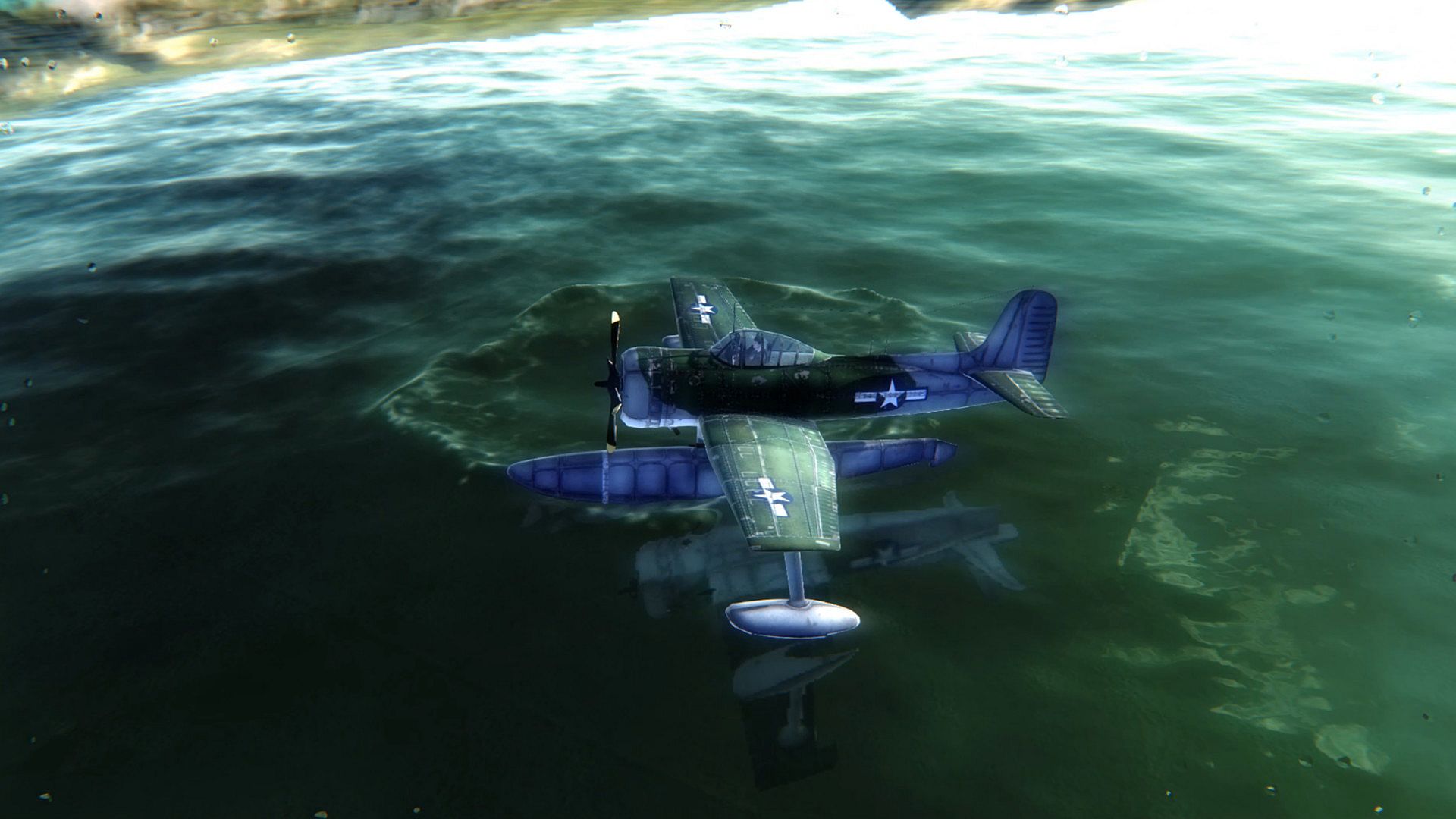
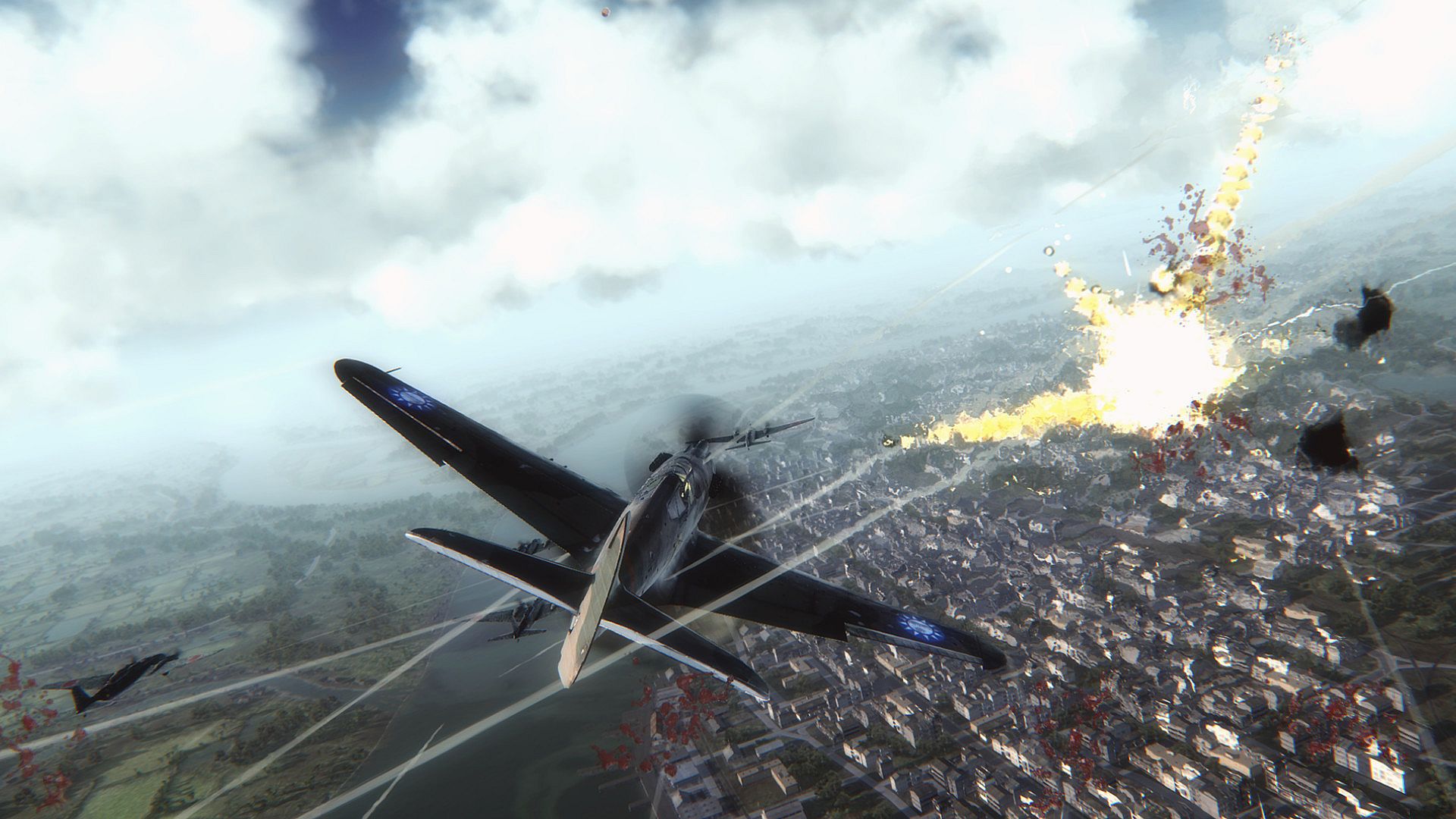
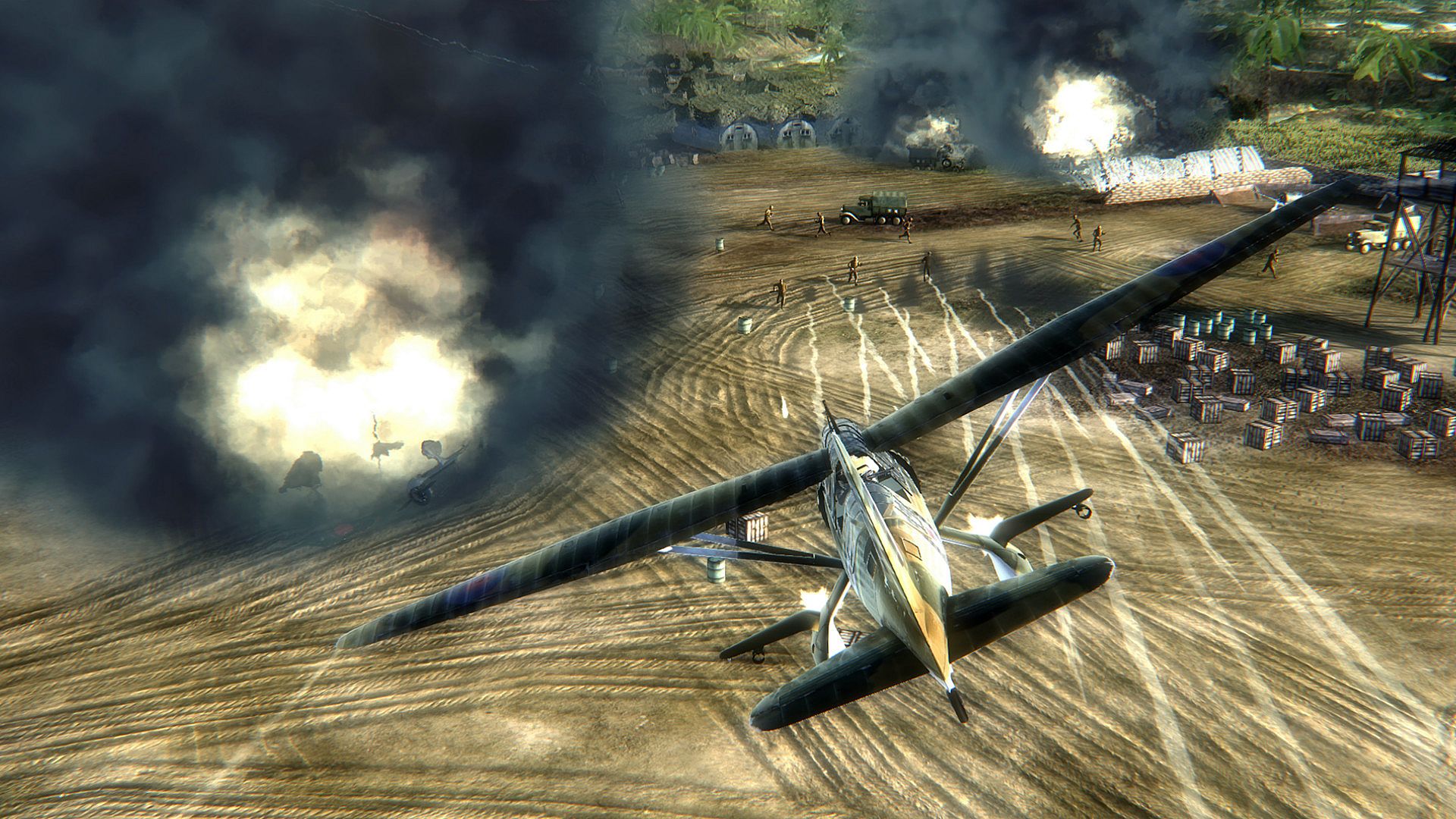
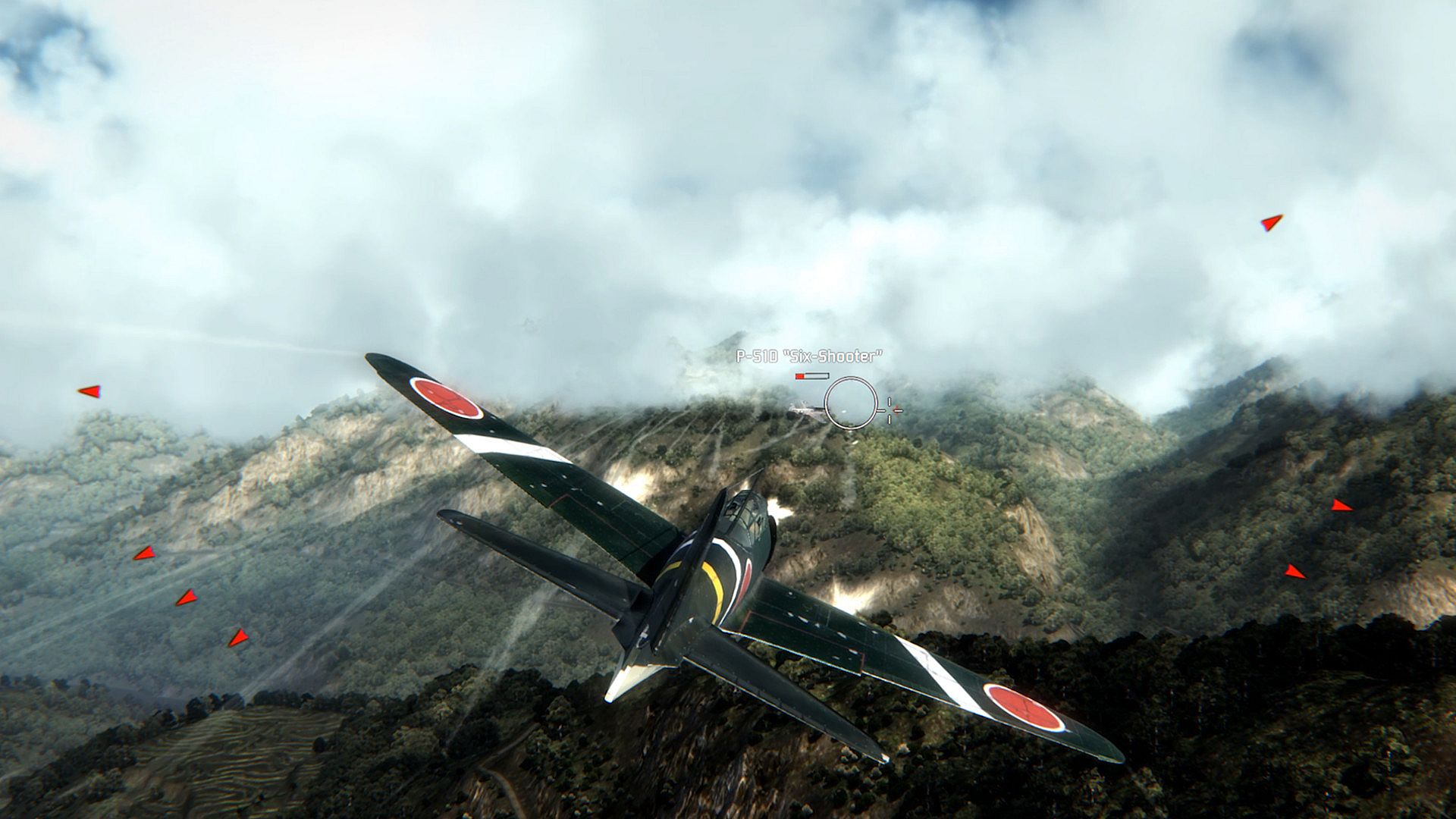
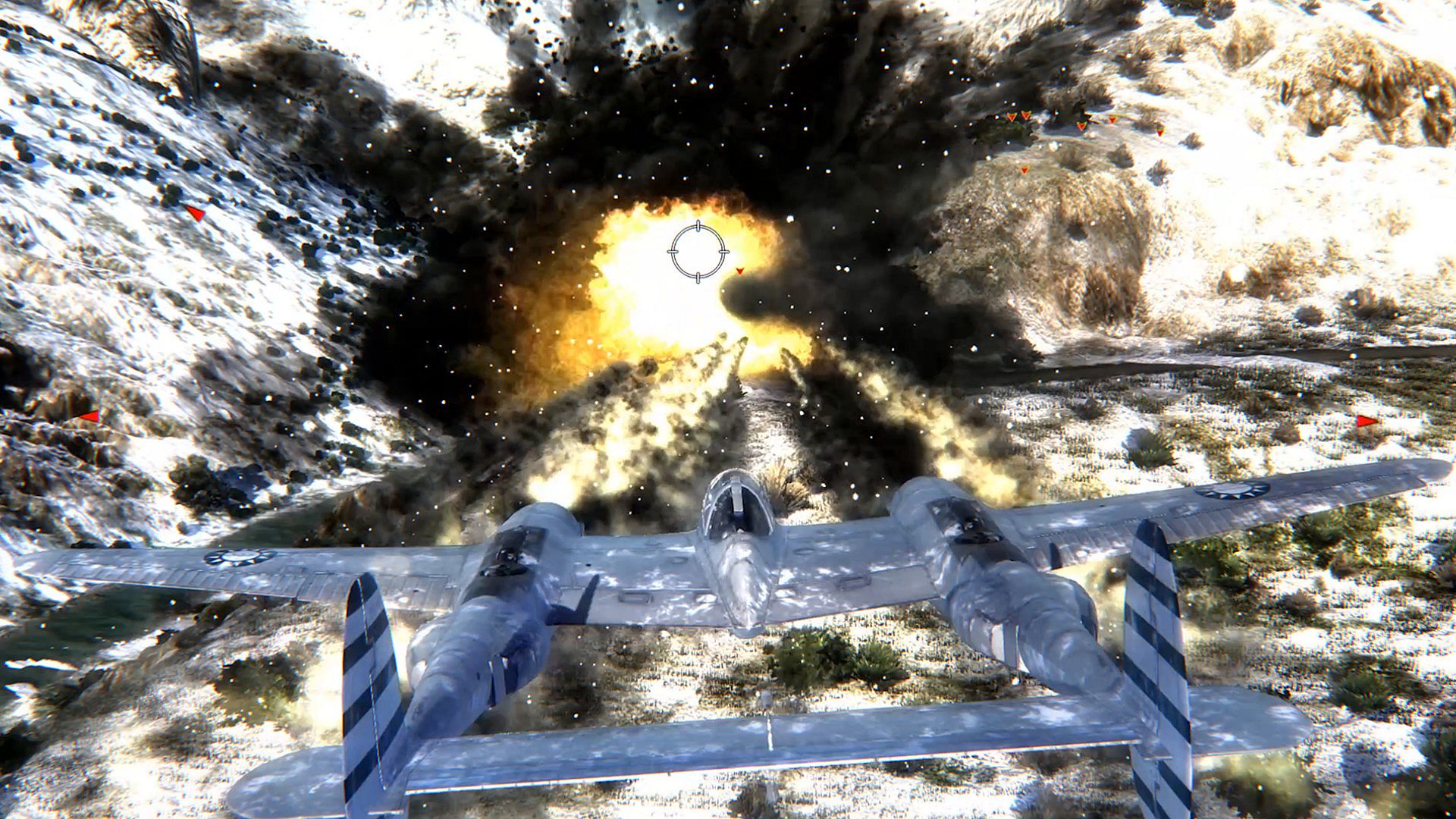
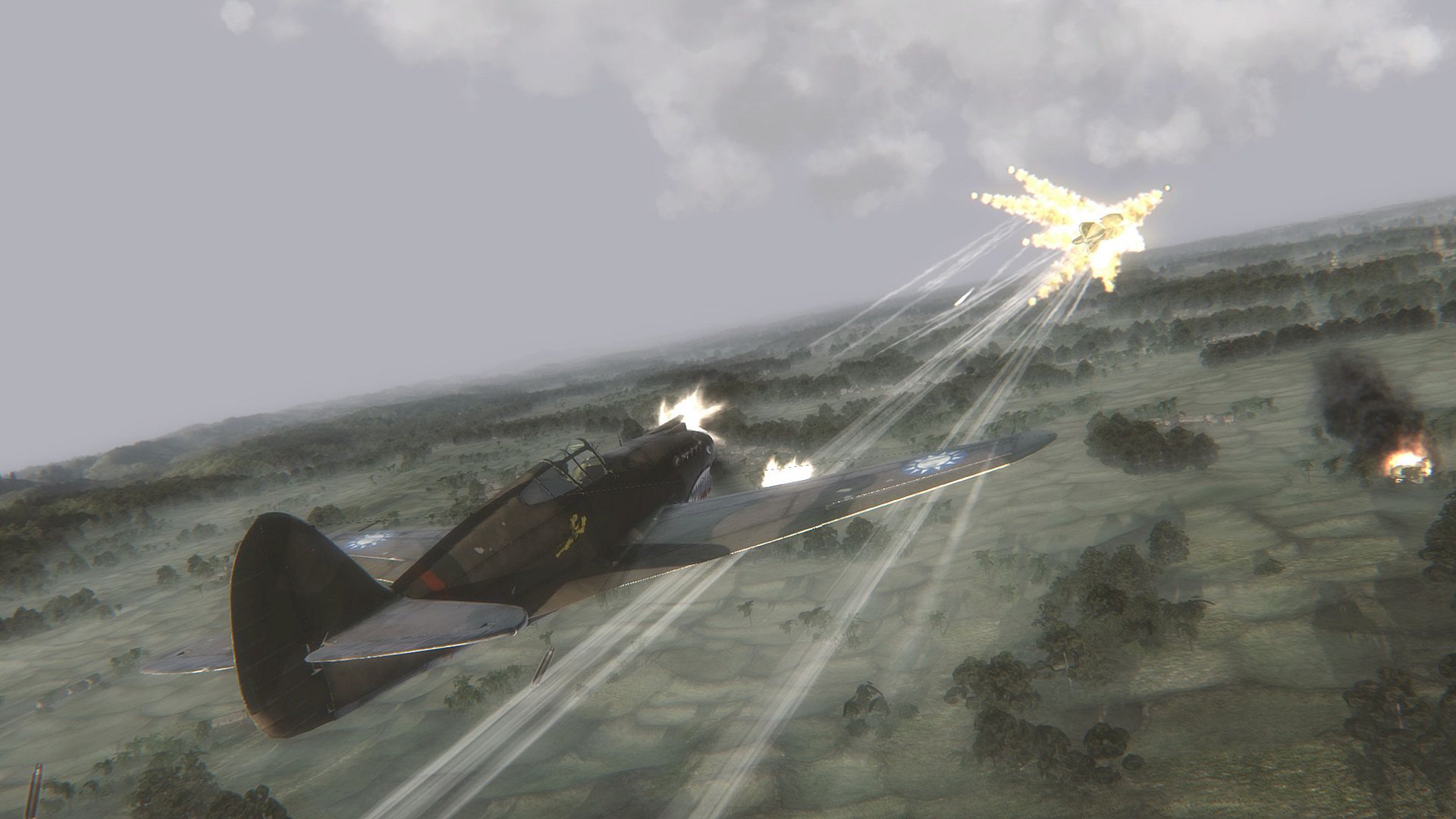
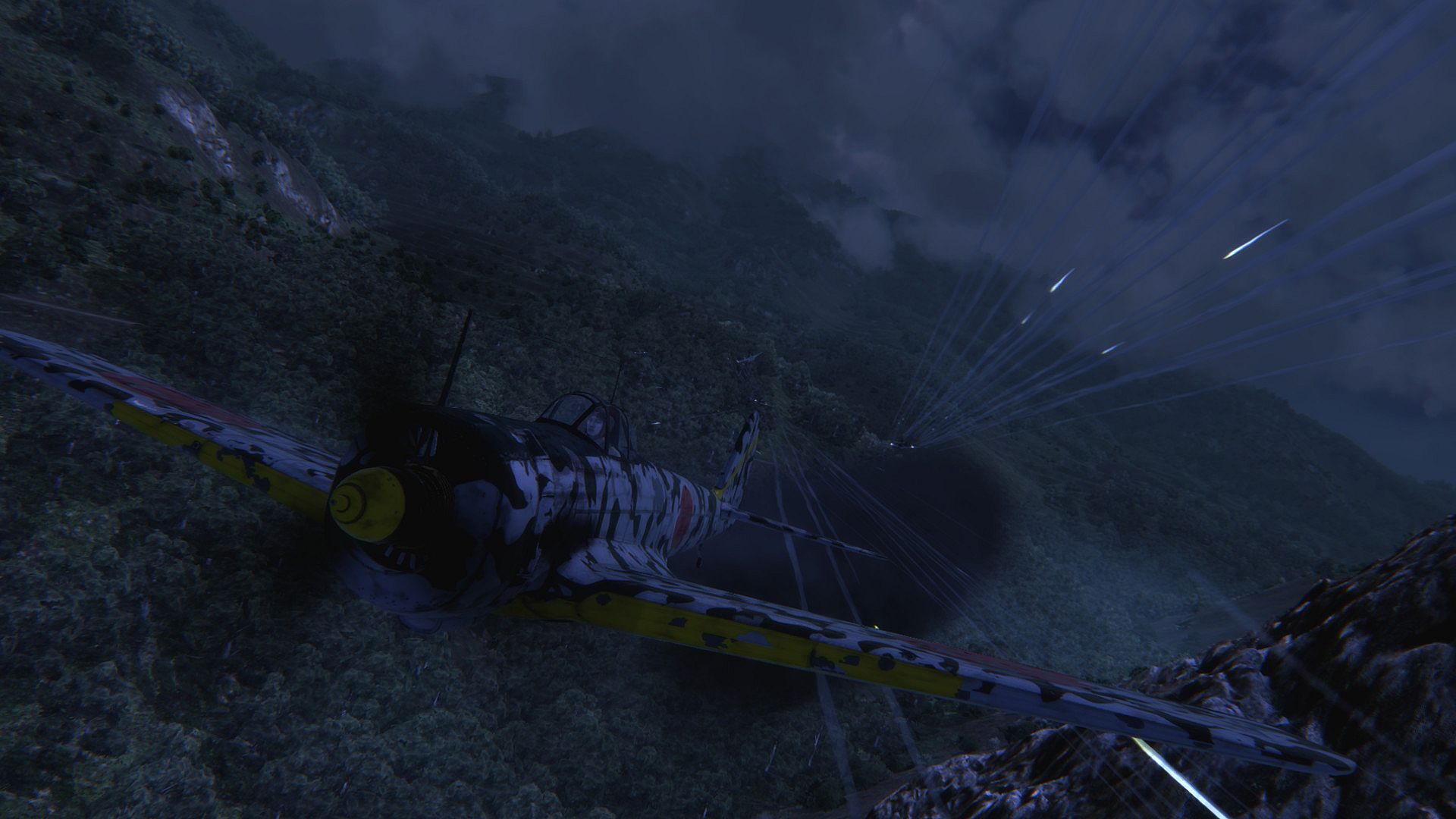
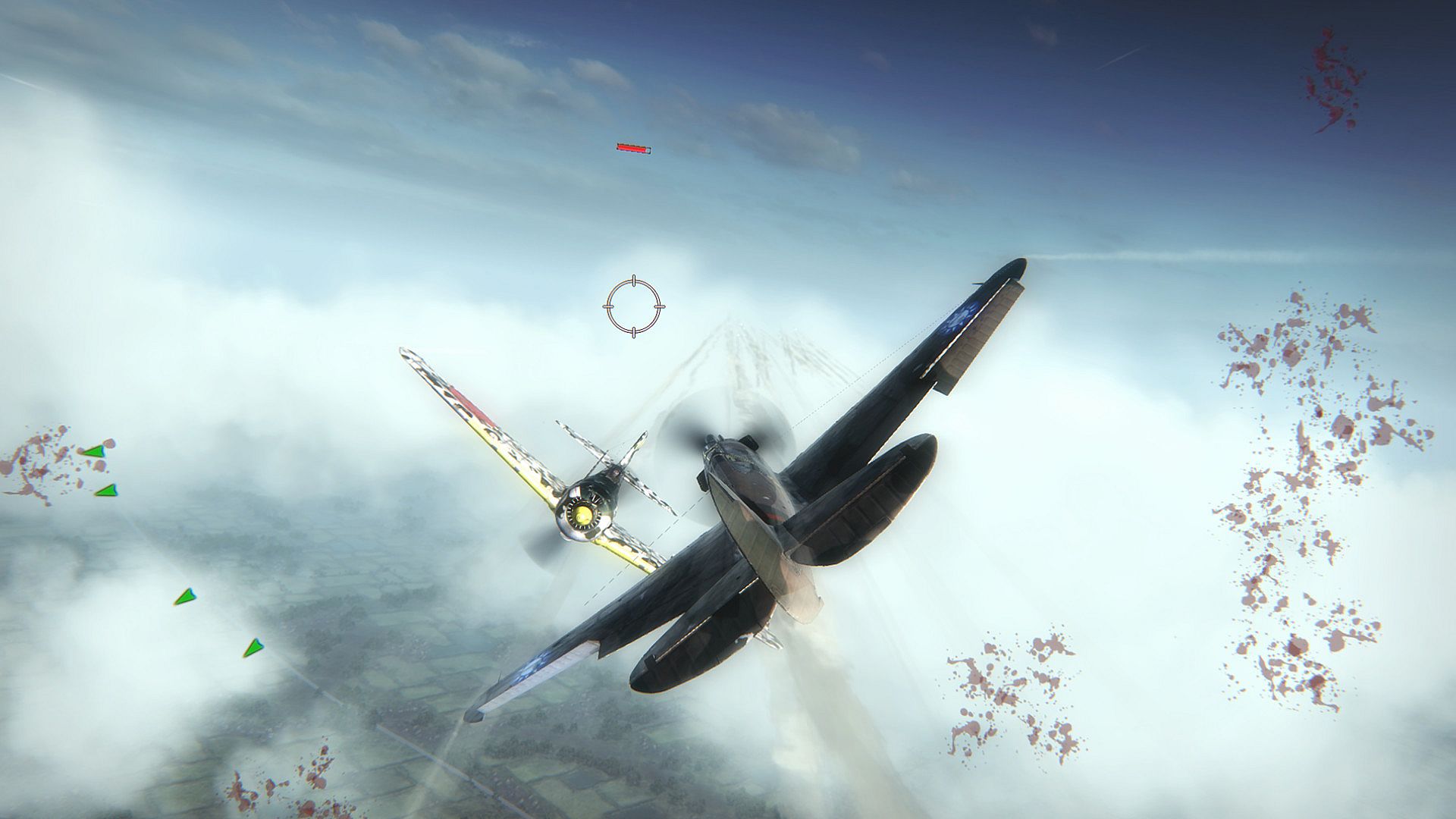
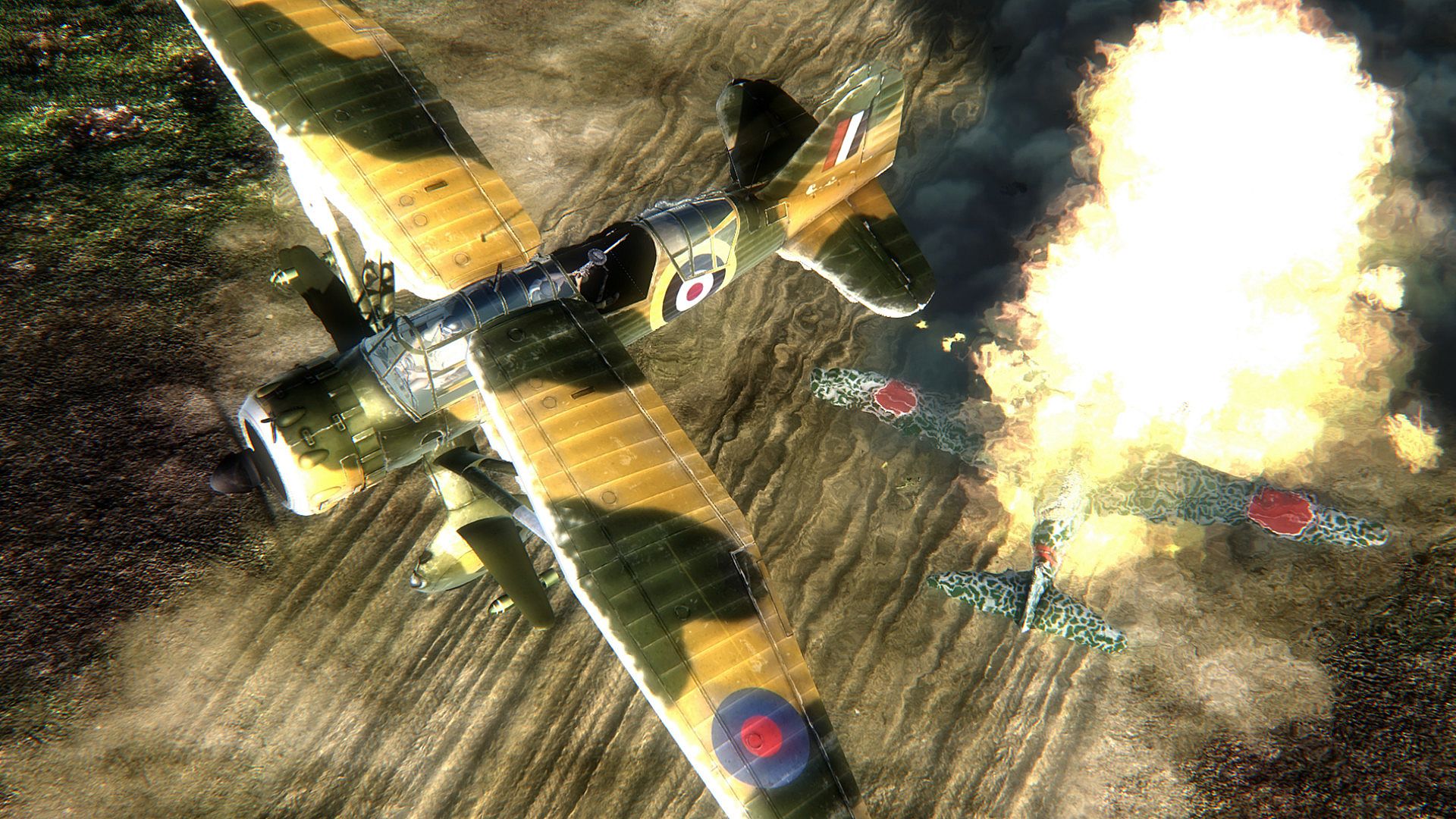
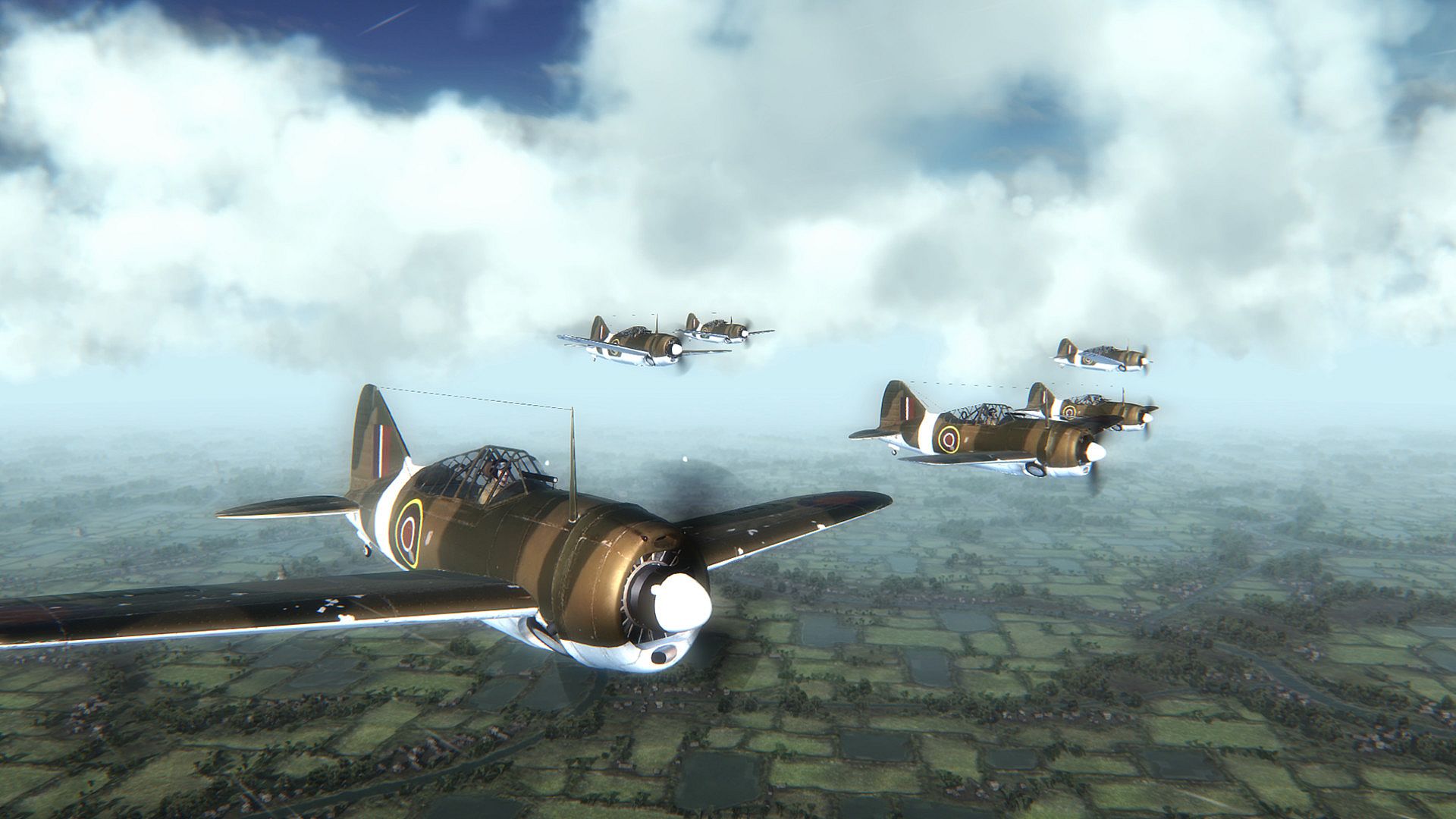
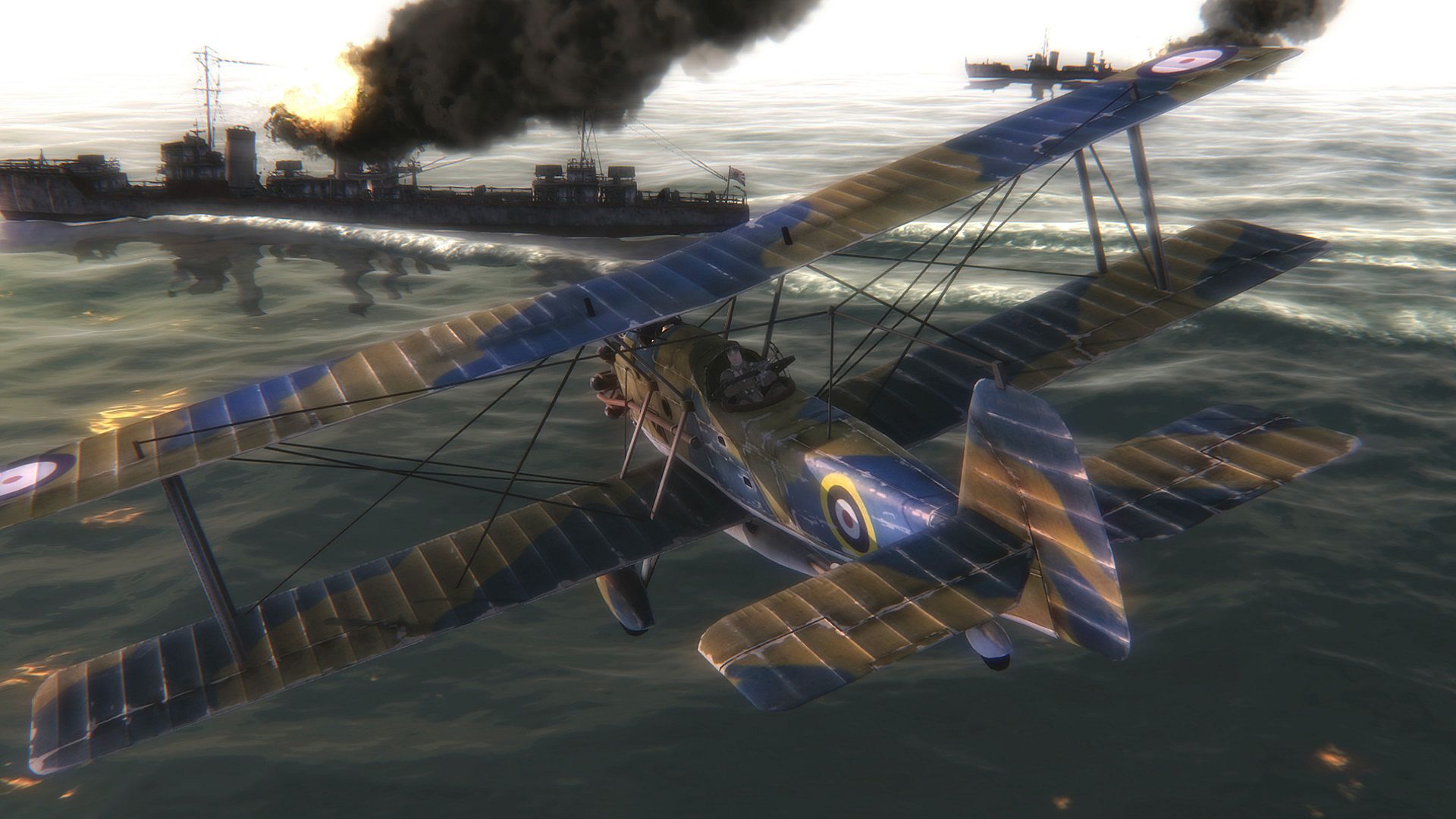
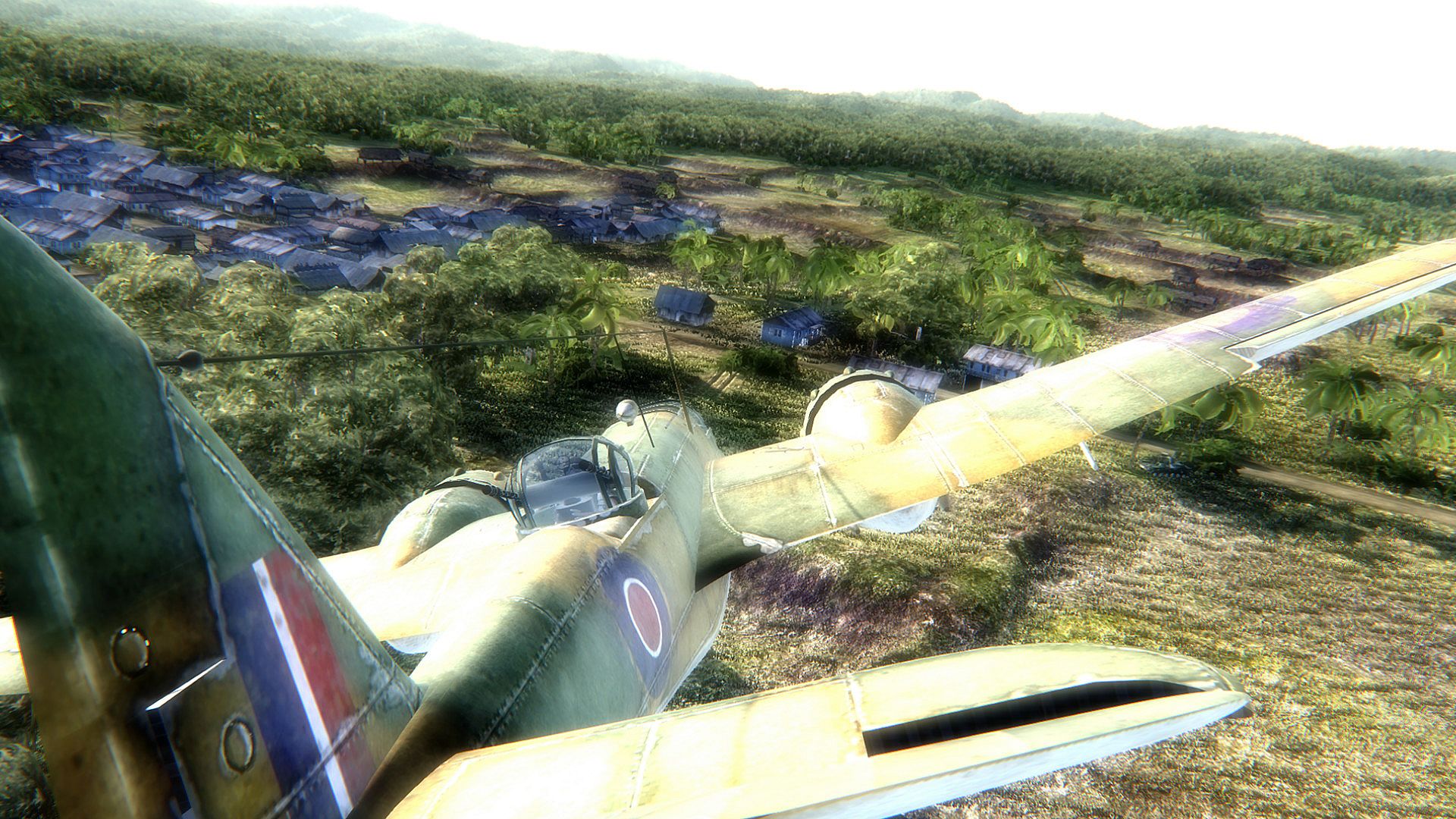
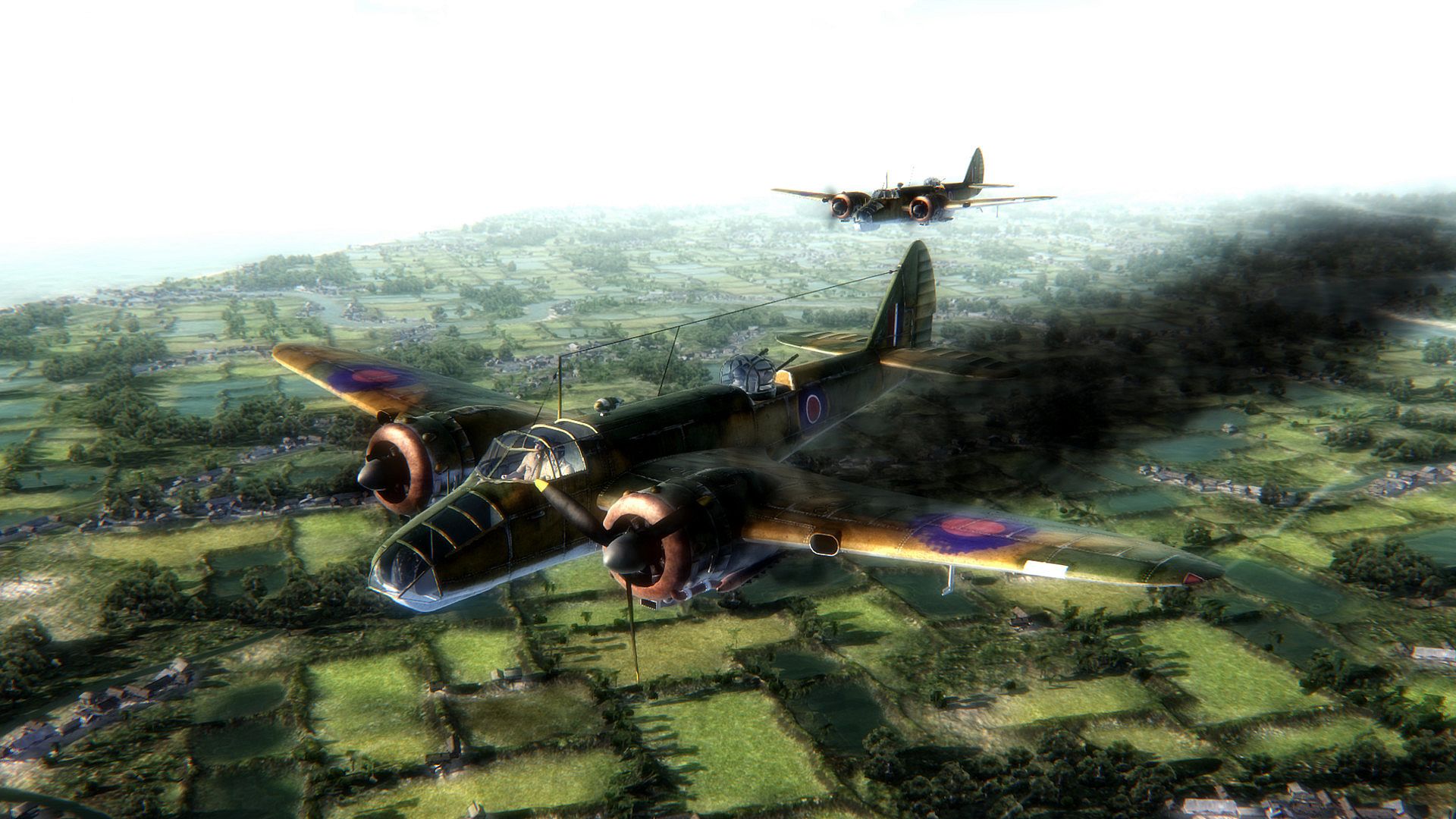
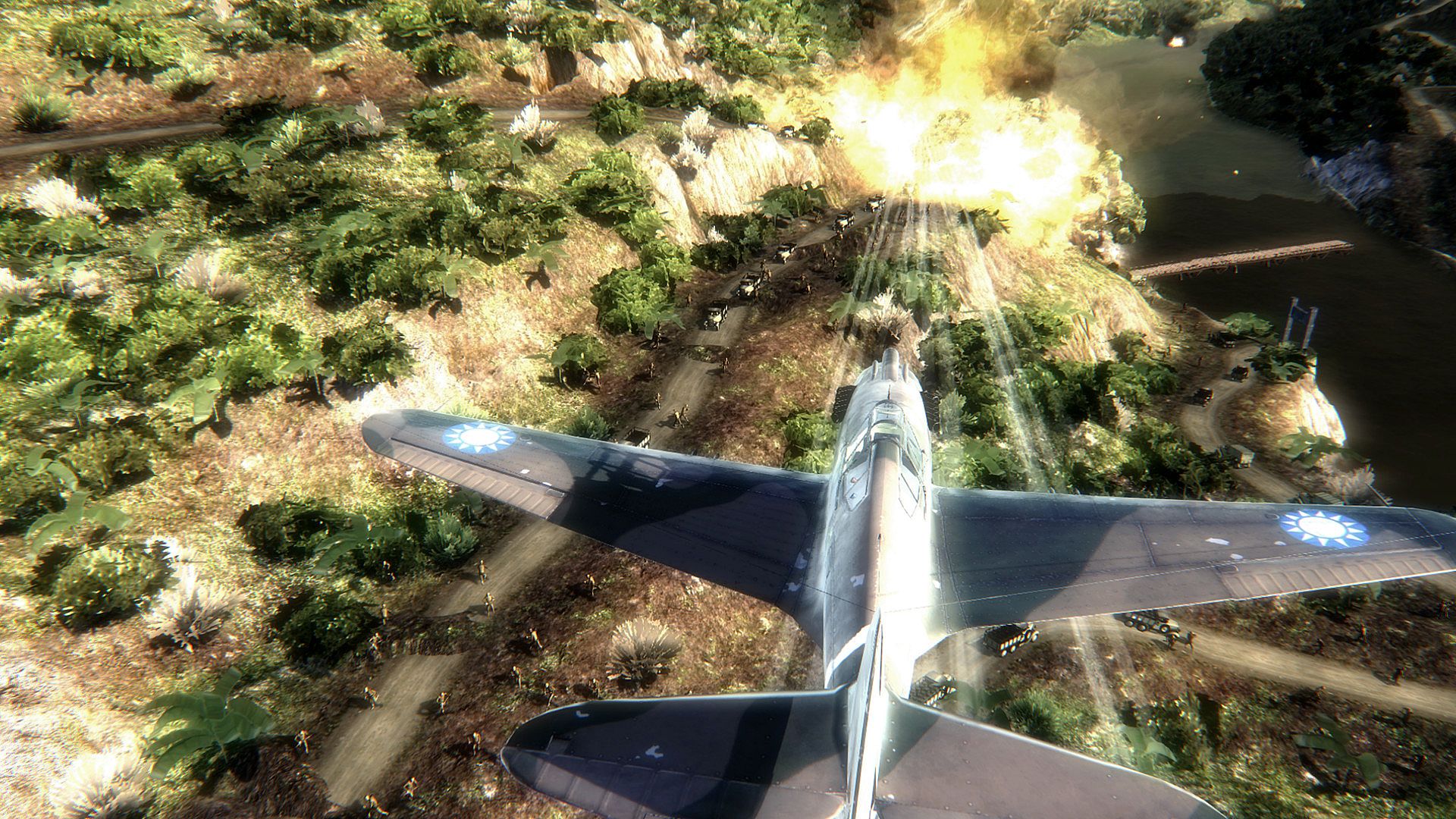
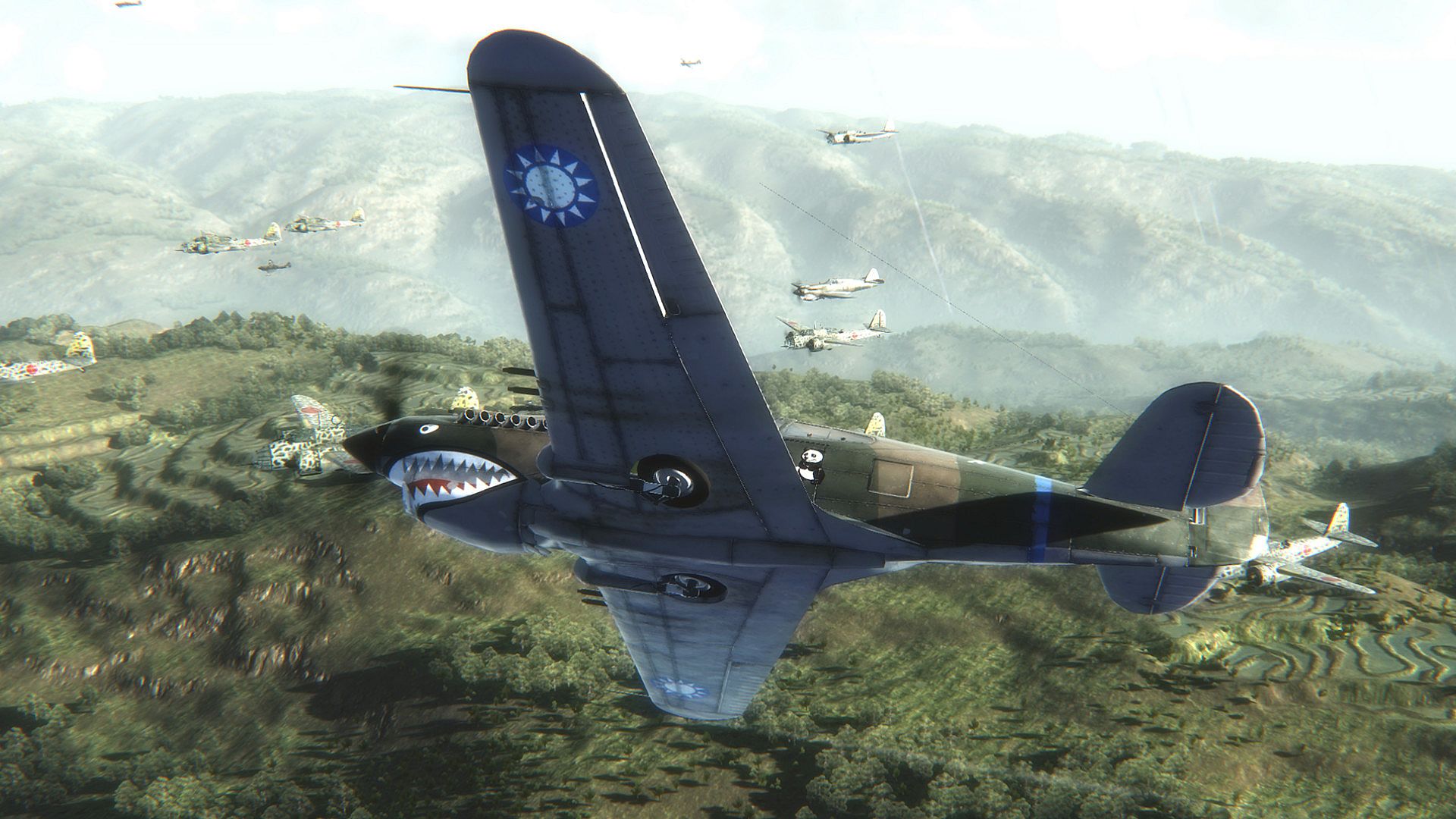
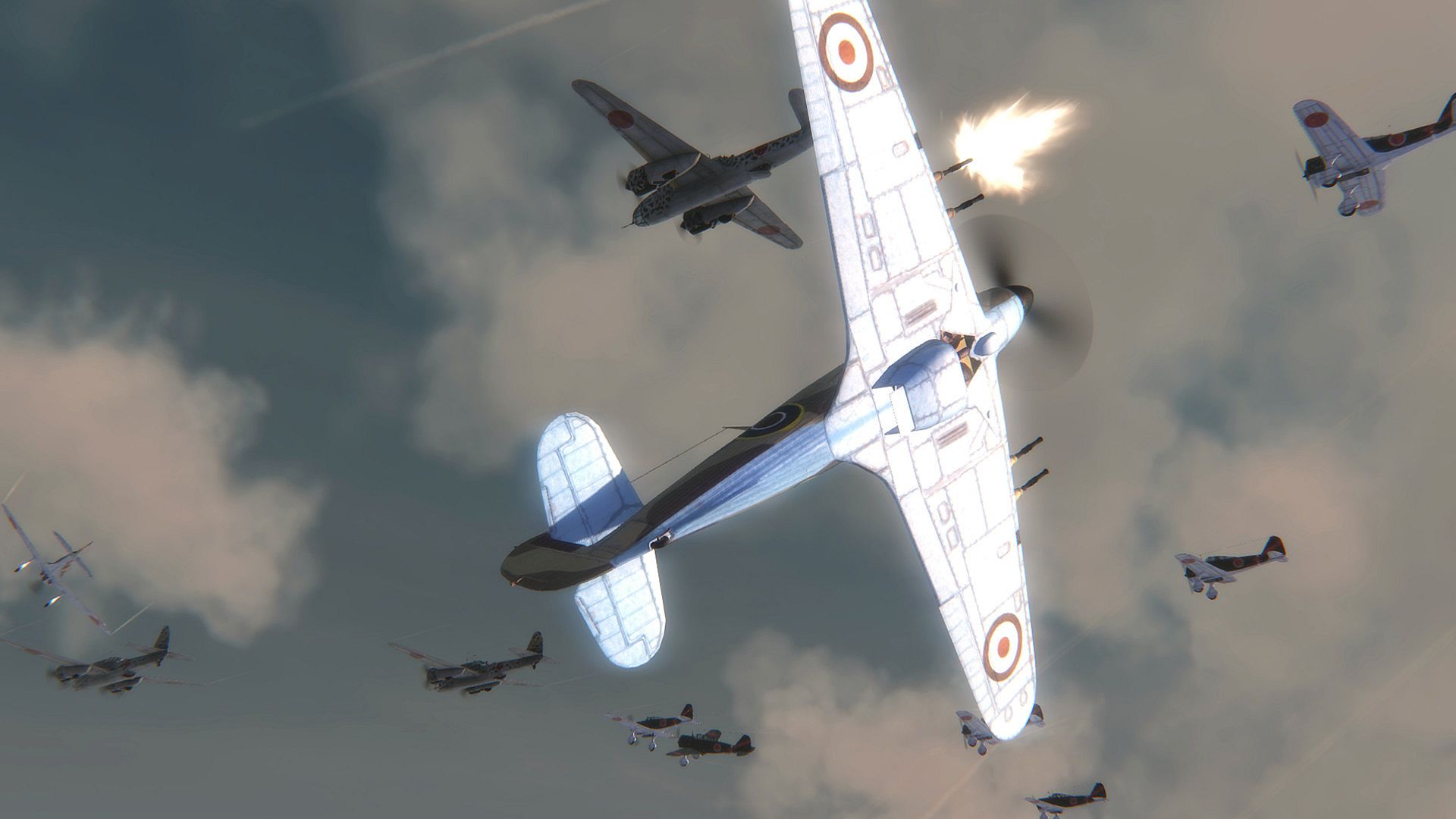
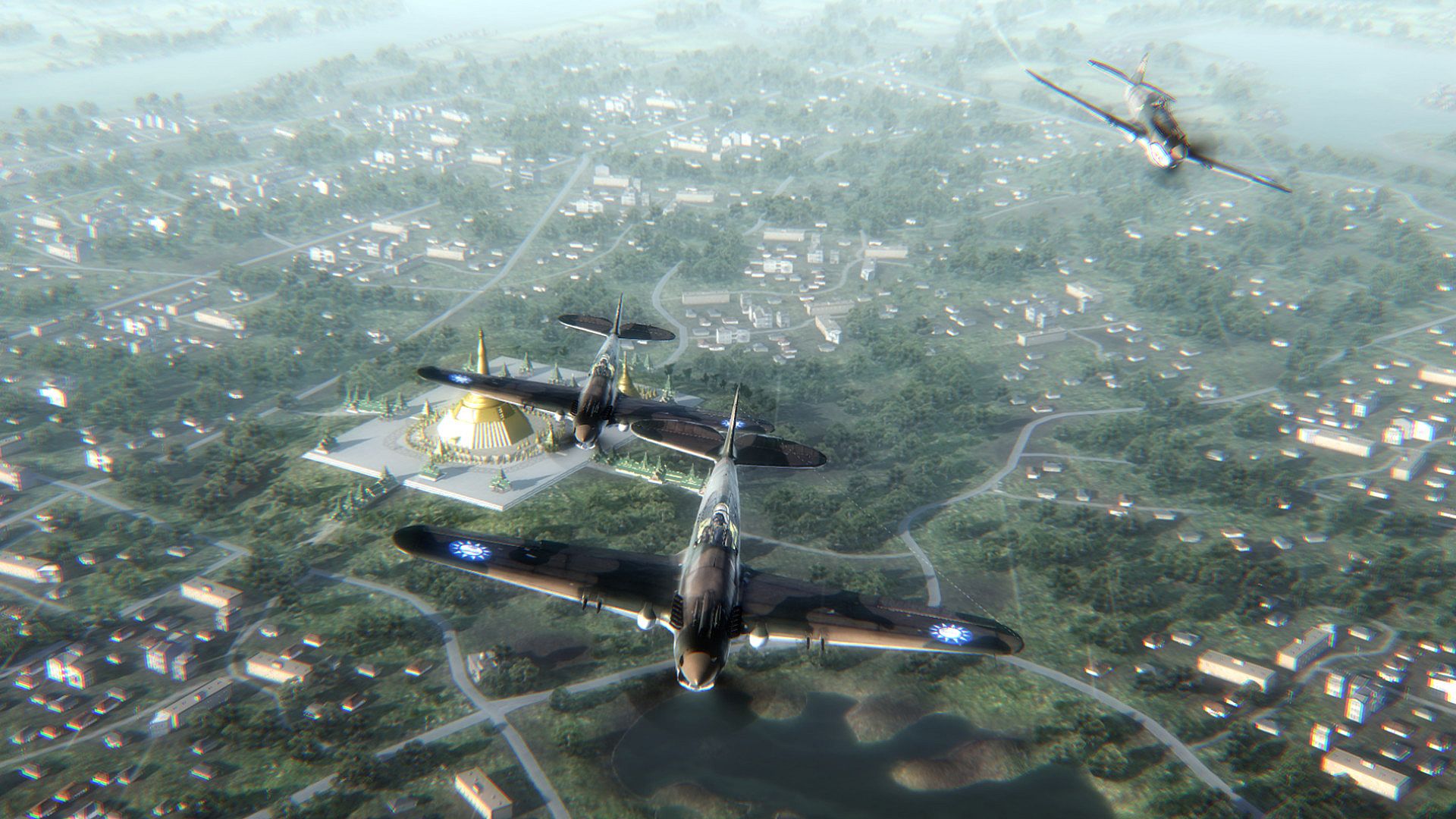
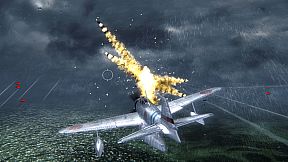
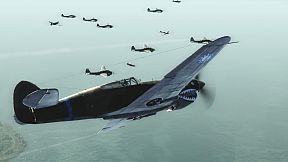
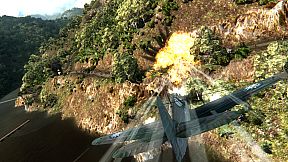
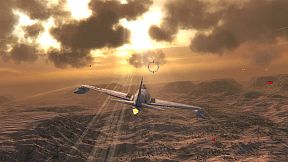
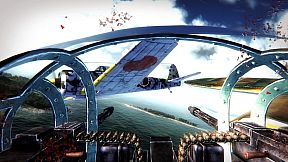
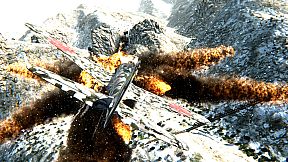
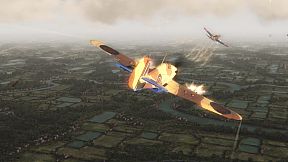
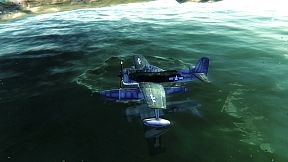
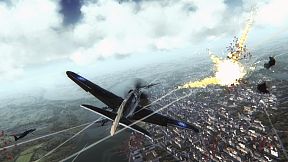
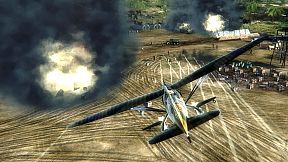
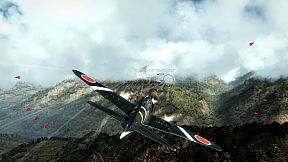
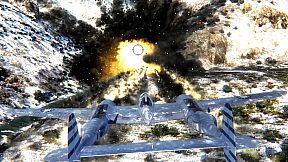
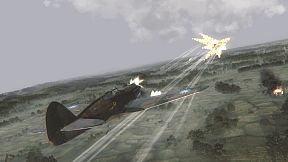
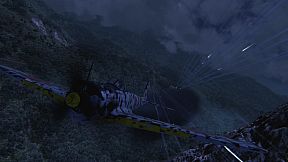
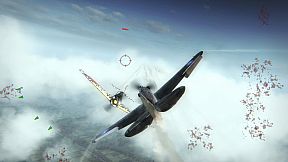
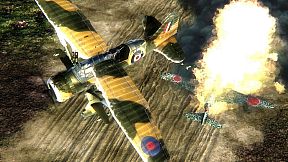
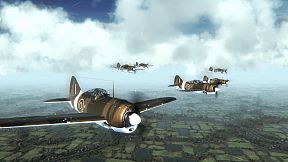
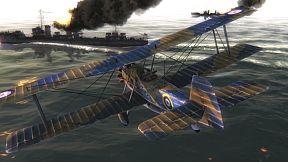
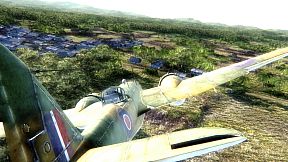
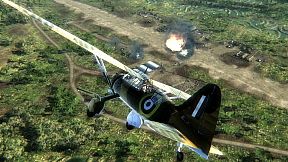
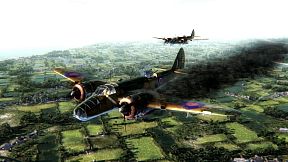
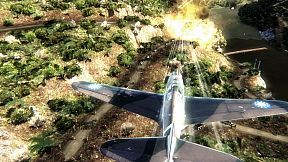
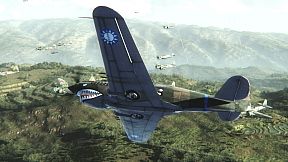
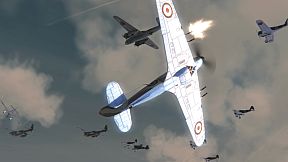
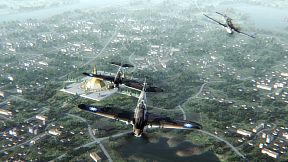
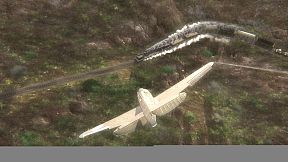
Flying Tigers: Shadows Over China is an air combat action game set during World War II. Players take on roles as pilots, navigators, and gunners from the American Volunteer Group, the RAF, and the USAAF in the China-Burma-India theater. The title draws from historical events where volunteer squadrons defended China against Japanese forces, focusing on air battles over supply routes like the Burma Road and the Himalayan Hump.
Gameplay
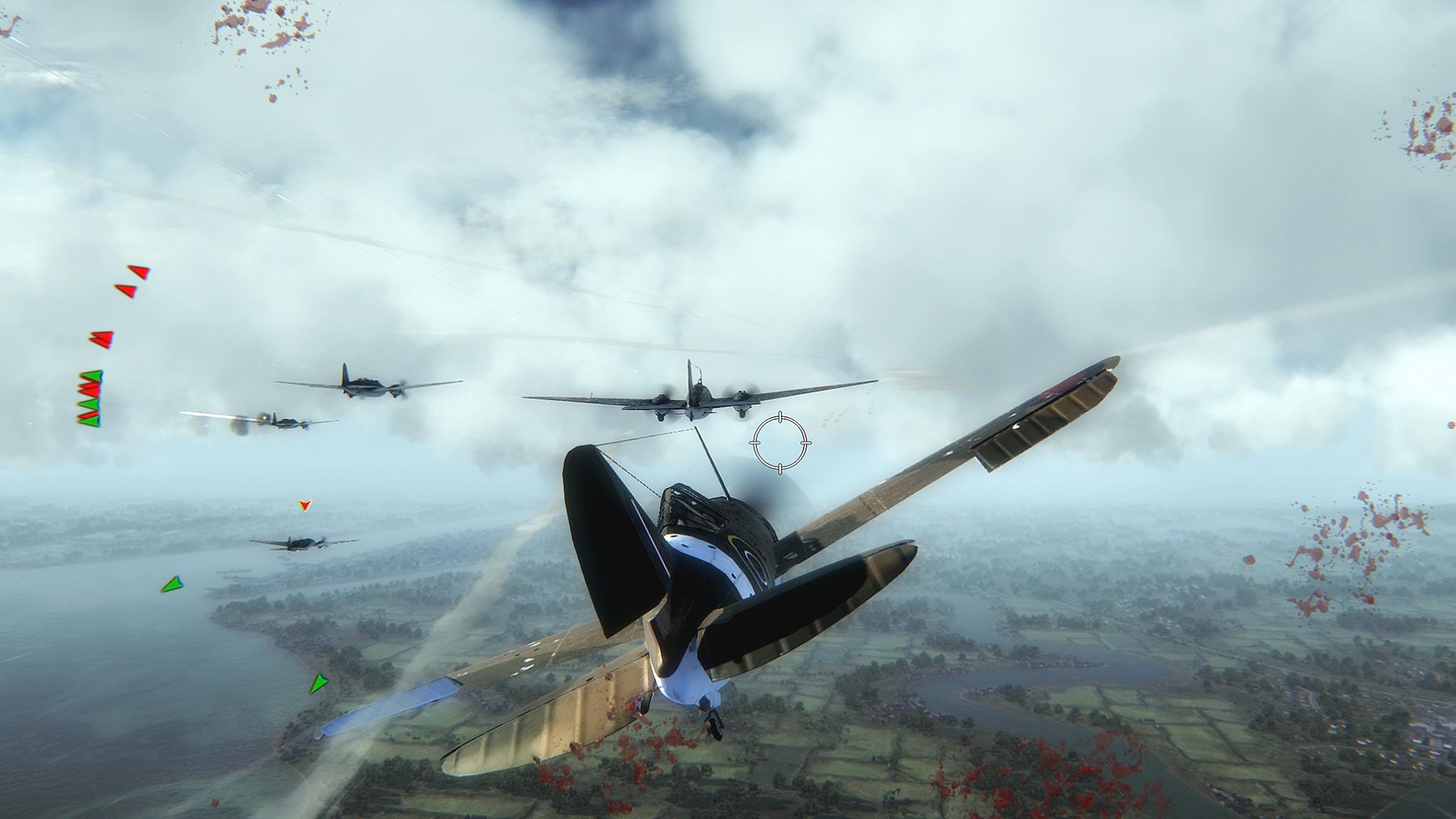
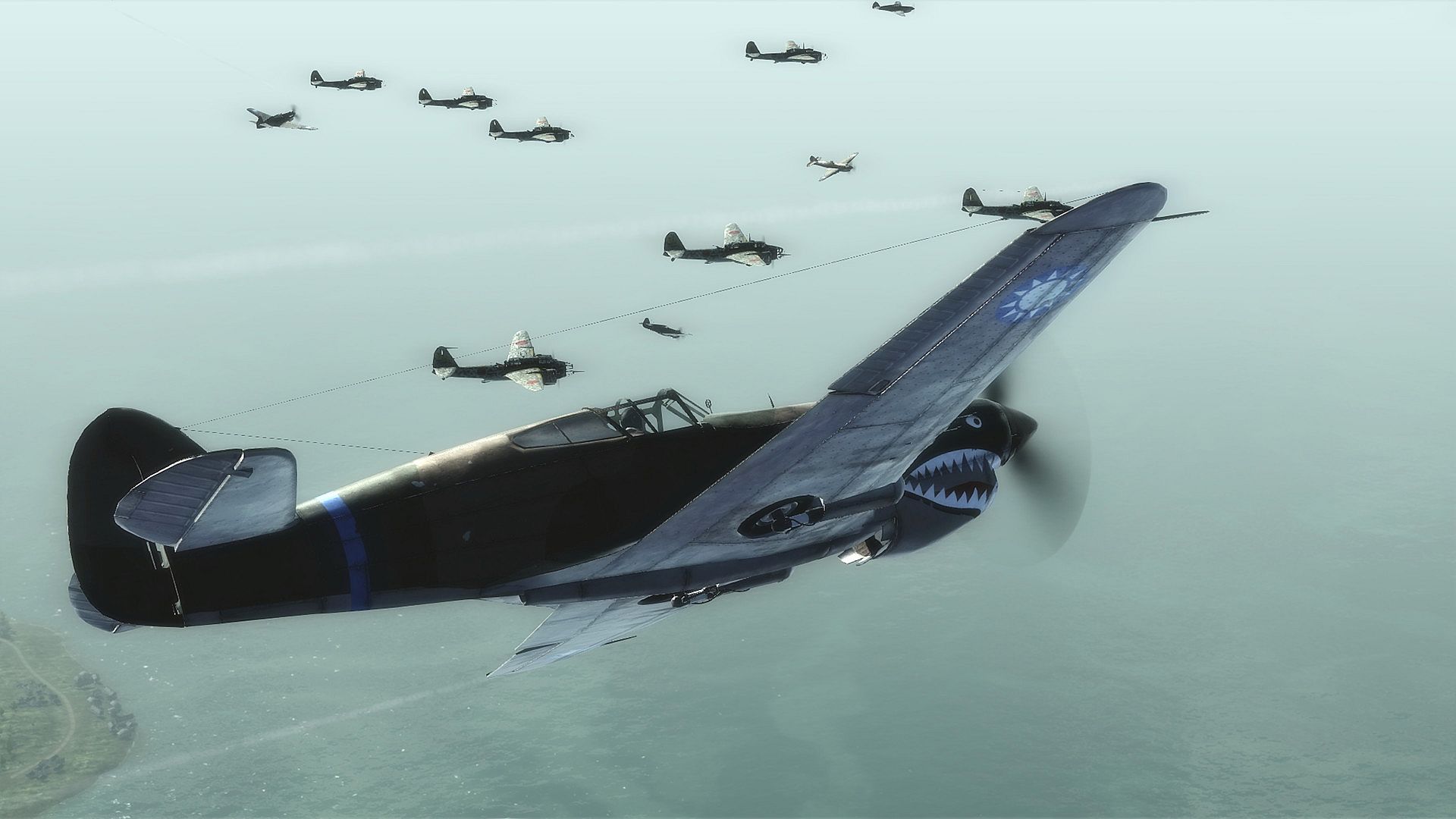
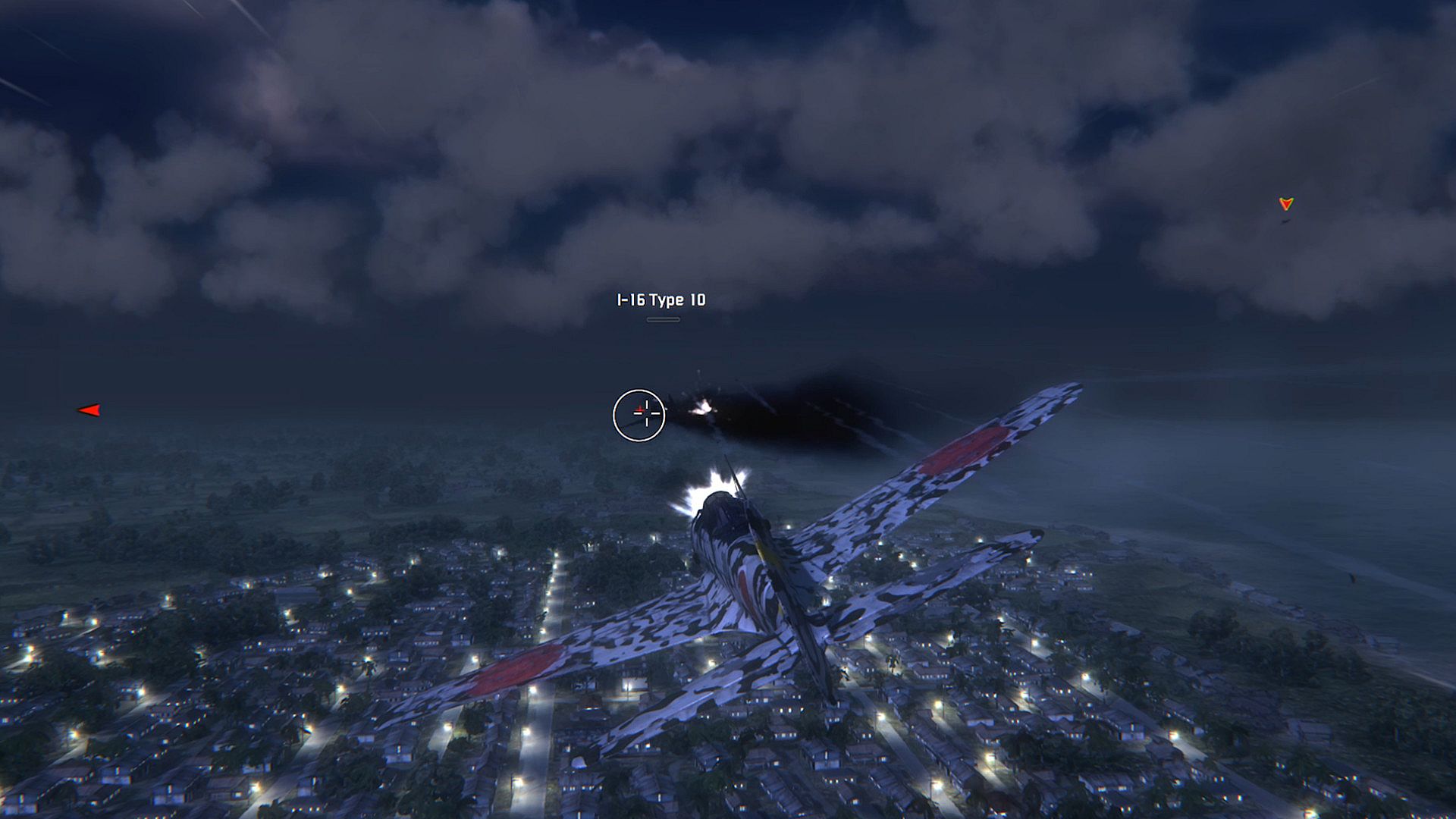
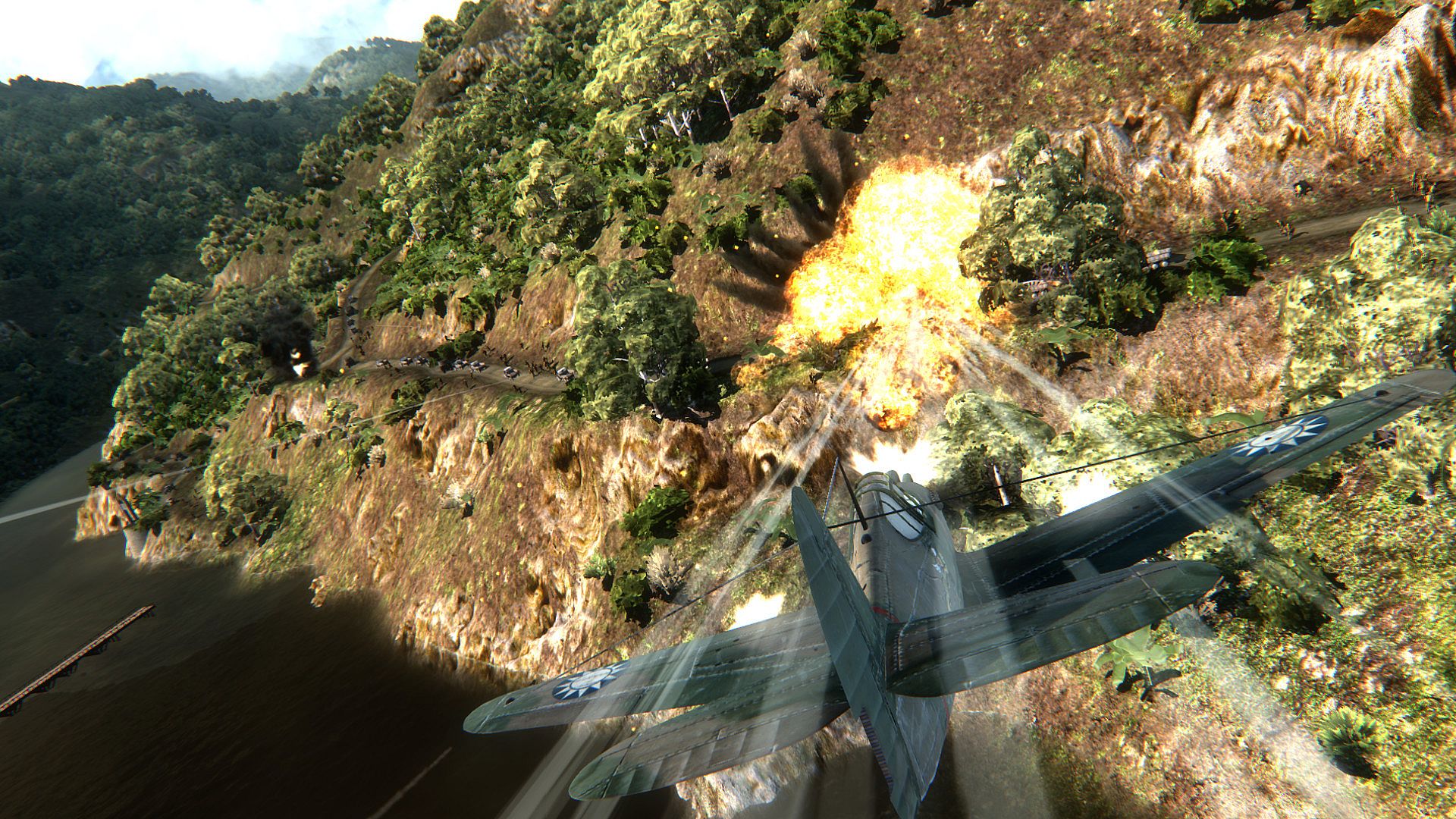
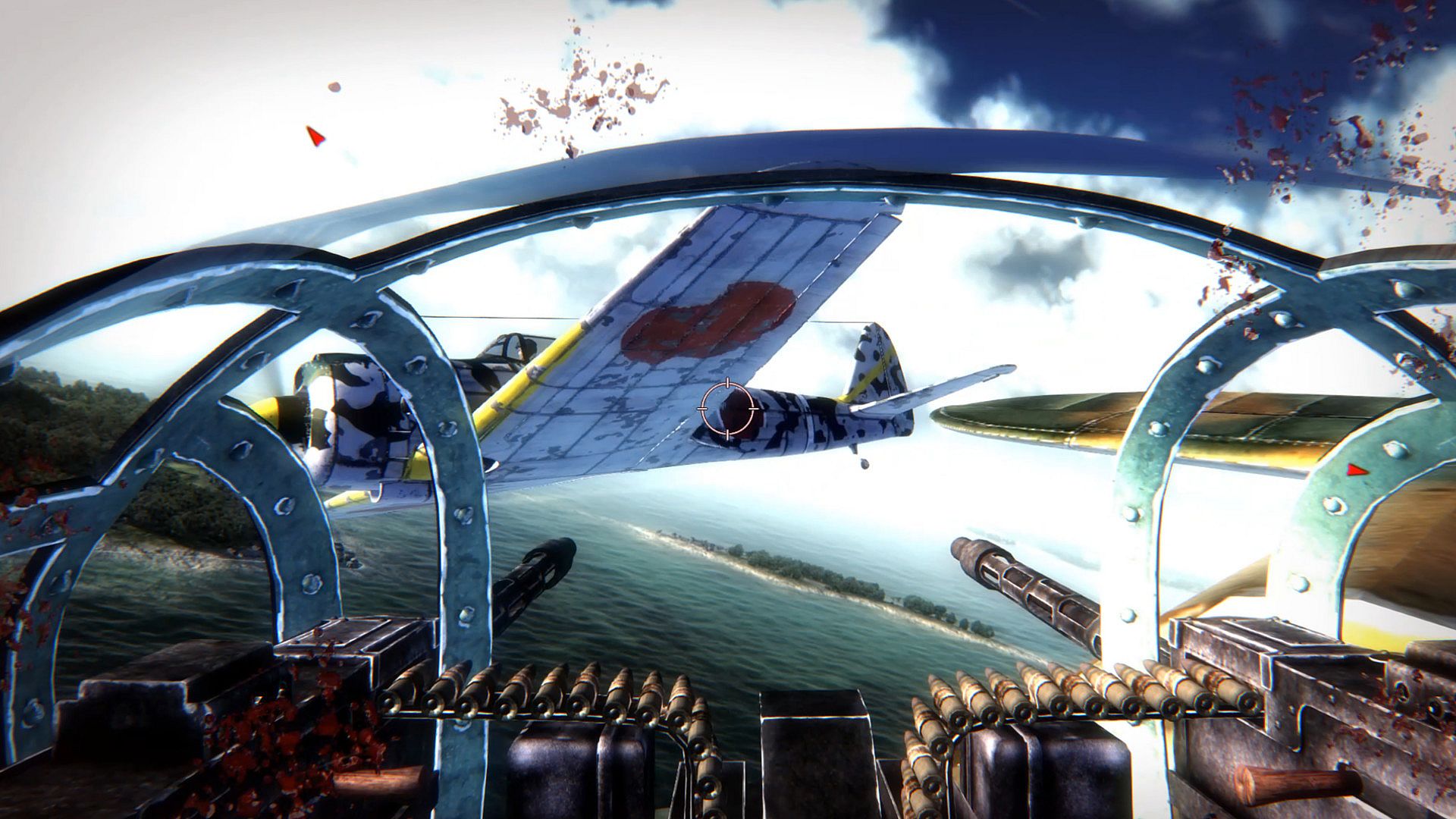
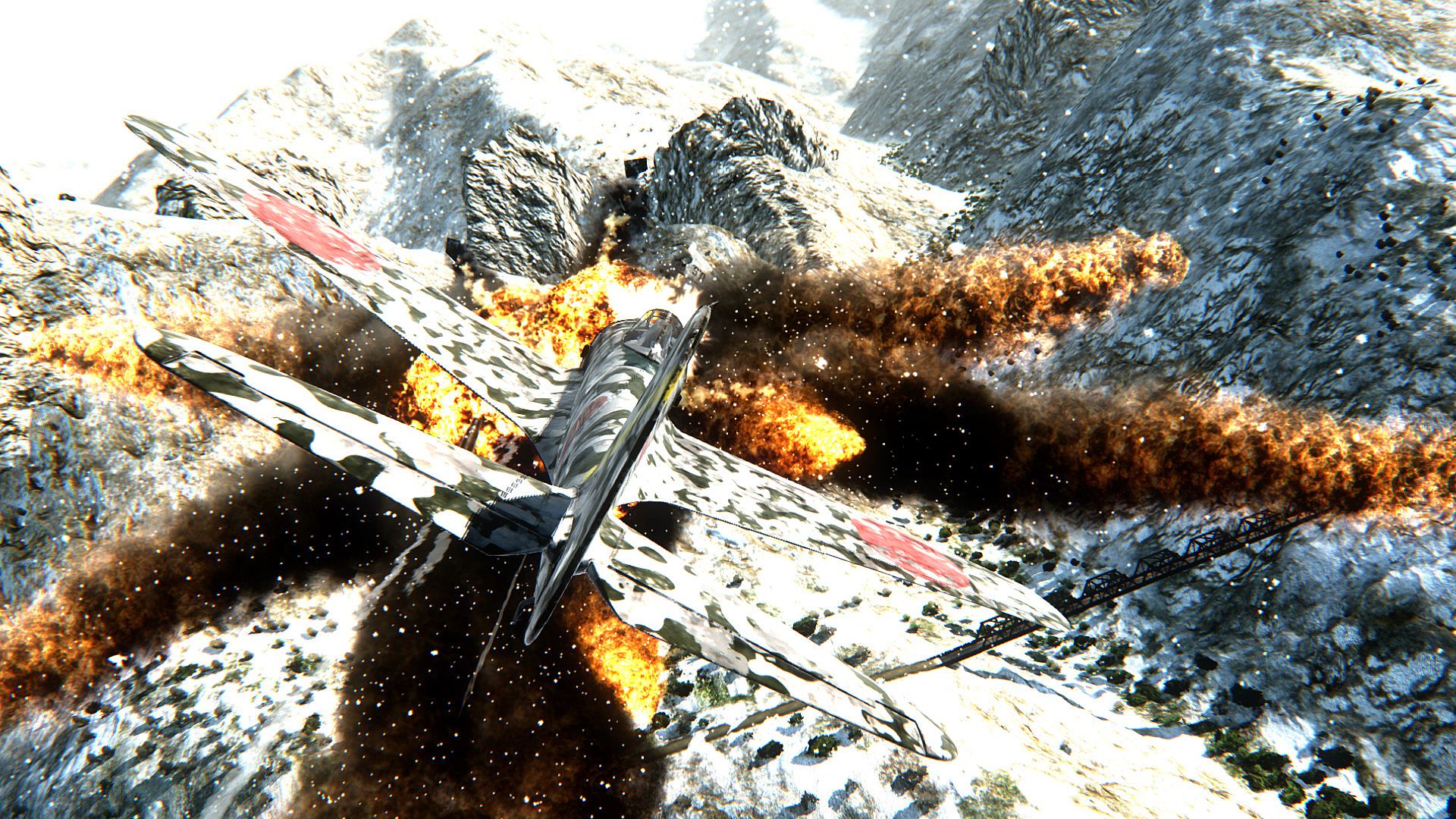
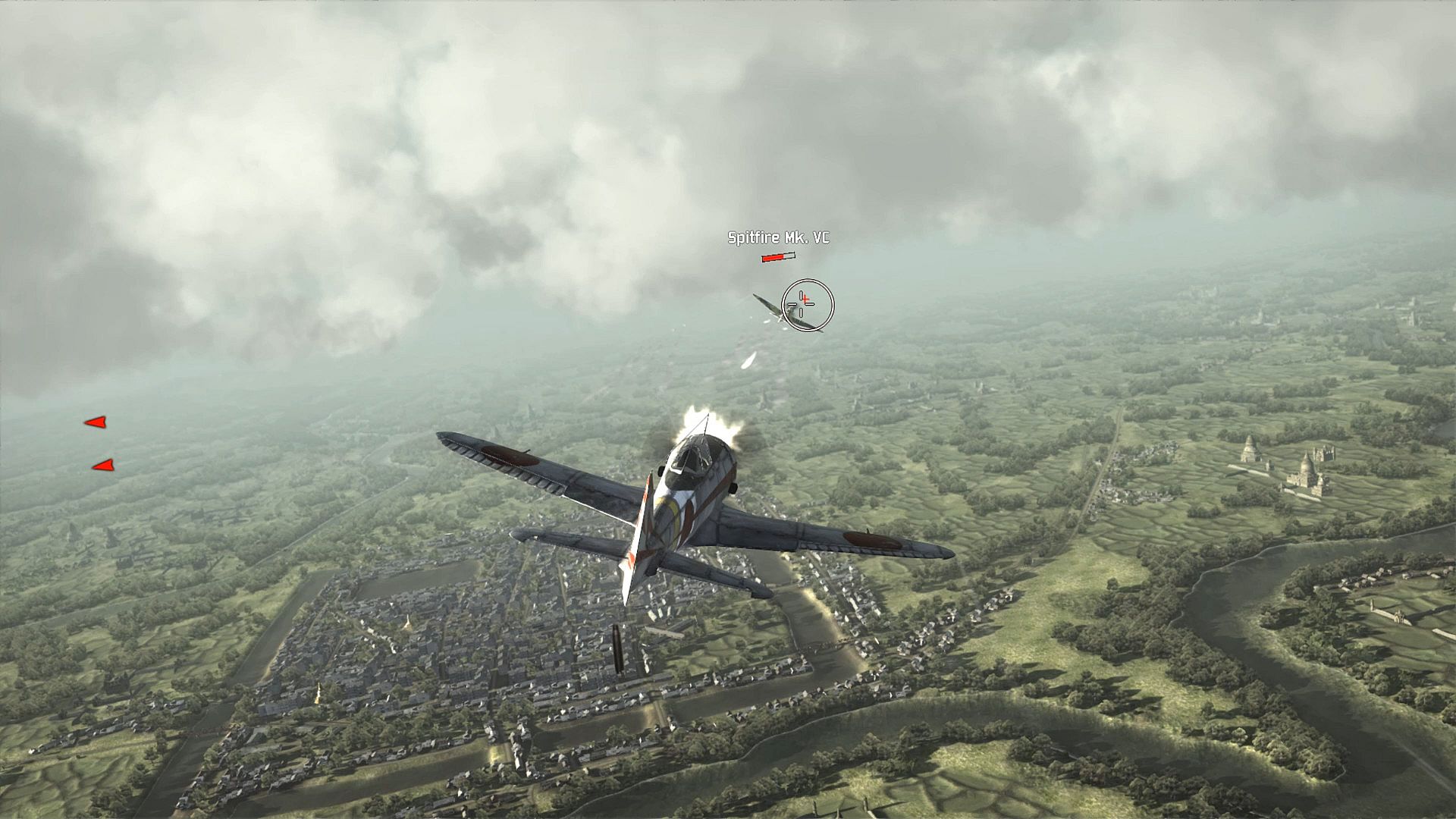
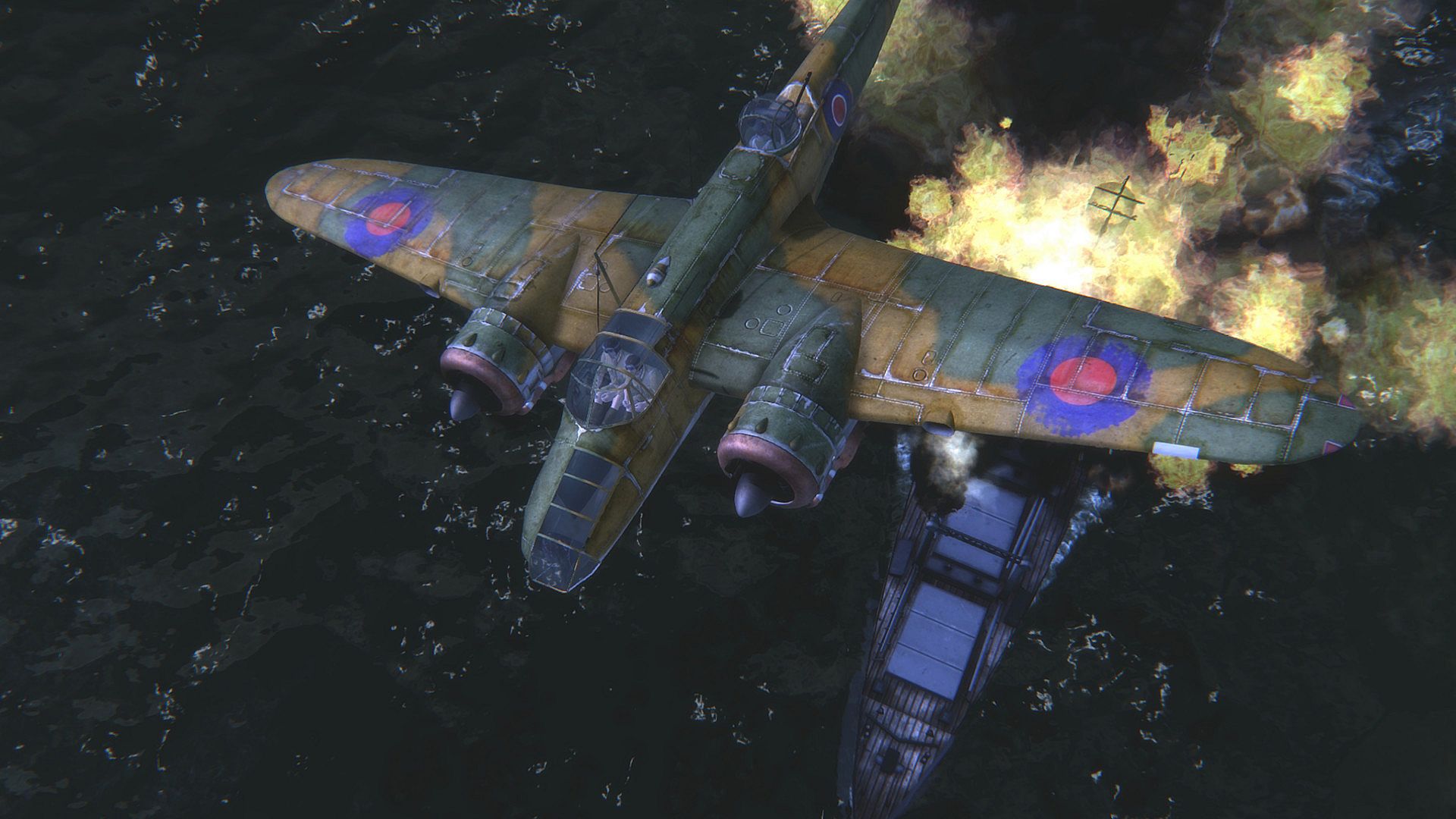
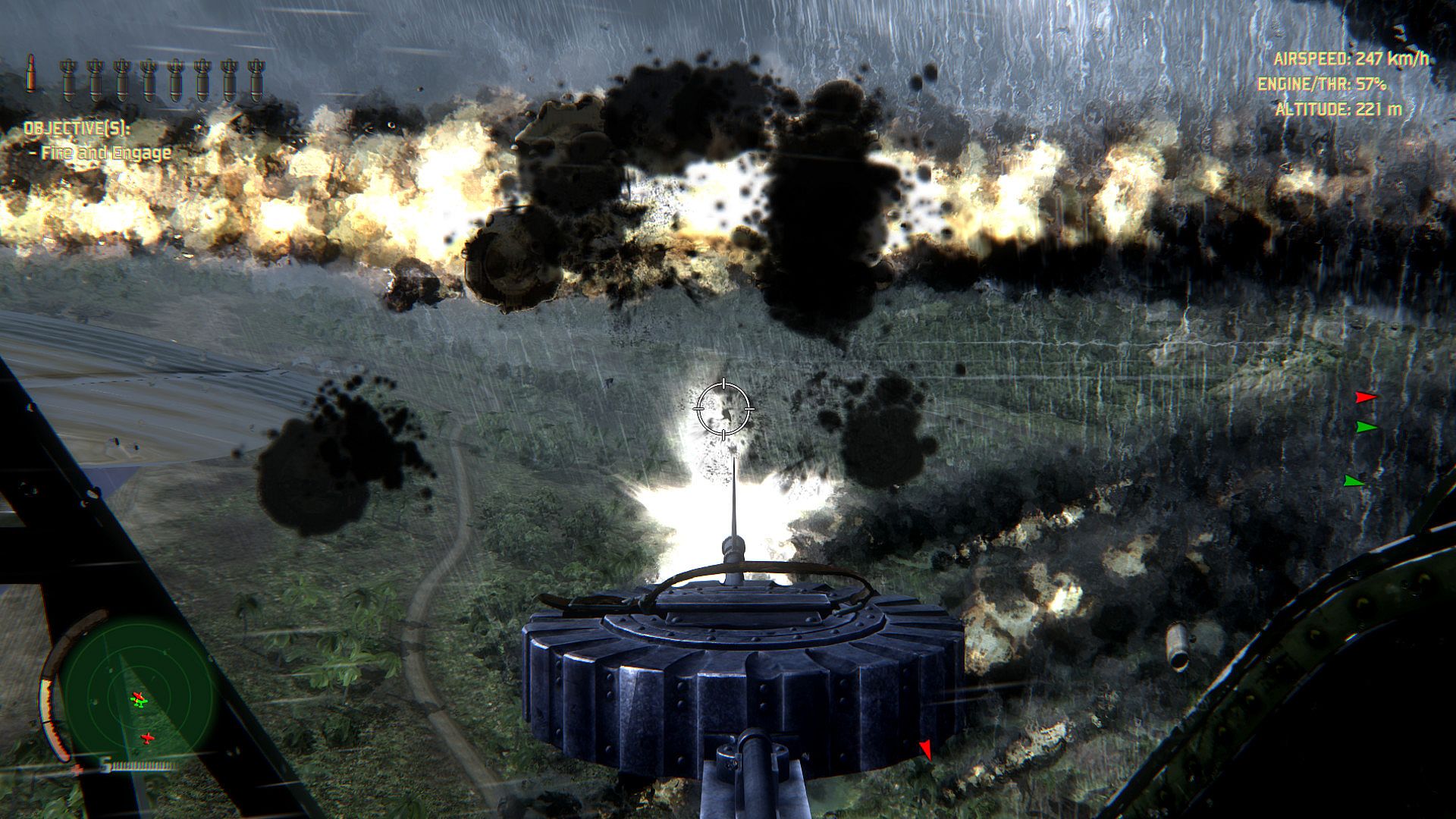
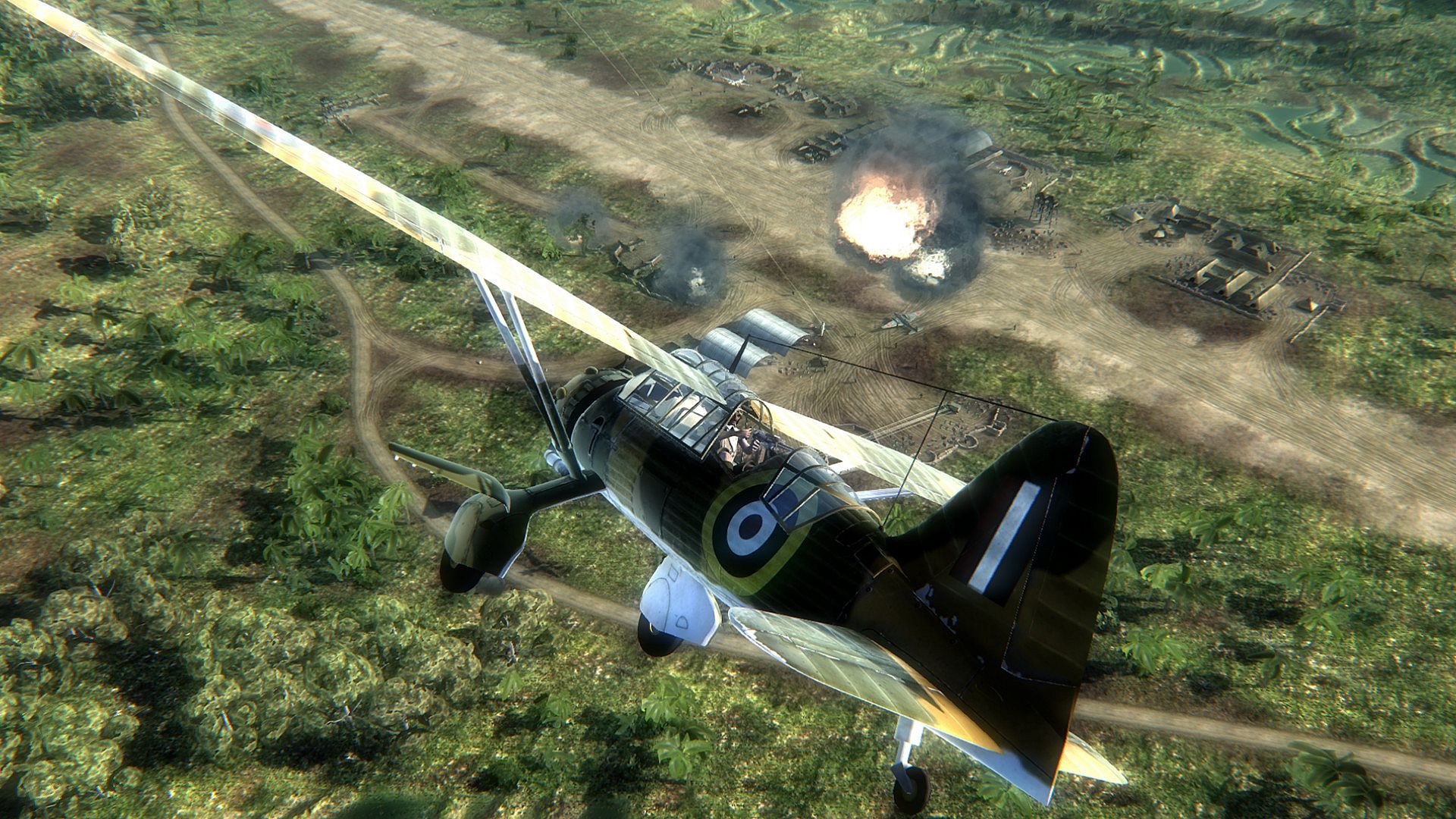
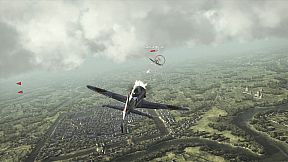
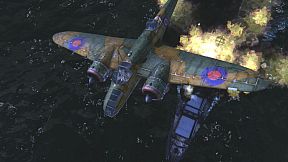
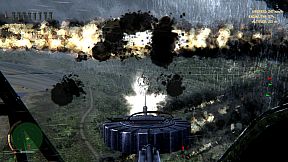
The core loop centers on aerial combat and mission objectives drawn from real wartime operations. Players engage in dogfights using hit-and-run tactics against enemy aces, execute strikes behind lines, and protect critical transport paths. Missions include fighter intercepts, bomber runs, gunner defense, reconnaissance, torpedo attacks, and night operations. The campaign recreates specific historical actions such as the Japanese raids on Rangoon, the first AVG combat over Kunming, the Battle of the Salween Gorge, and transport flights across the Himalayas.
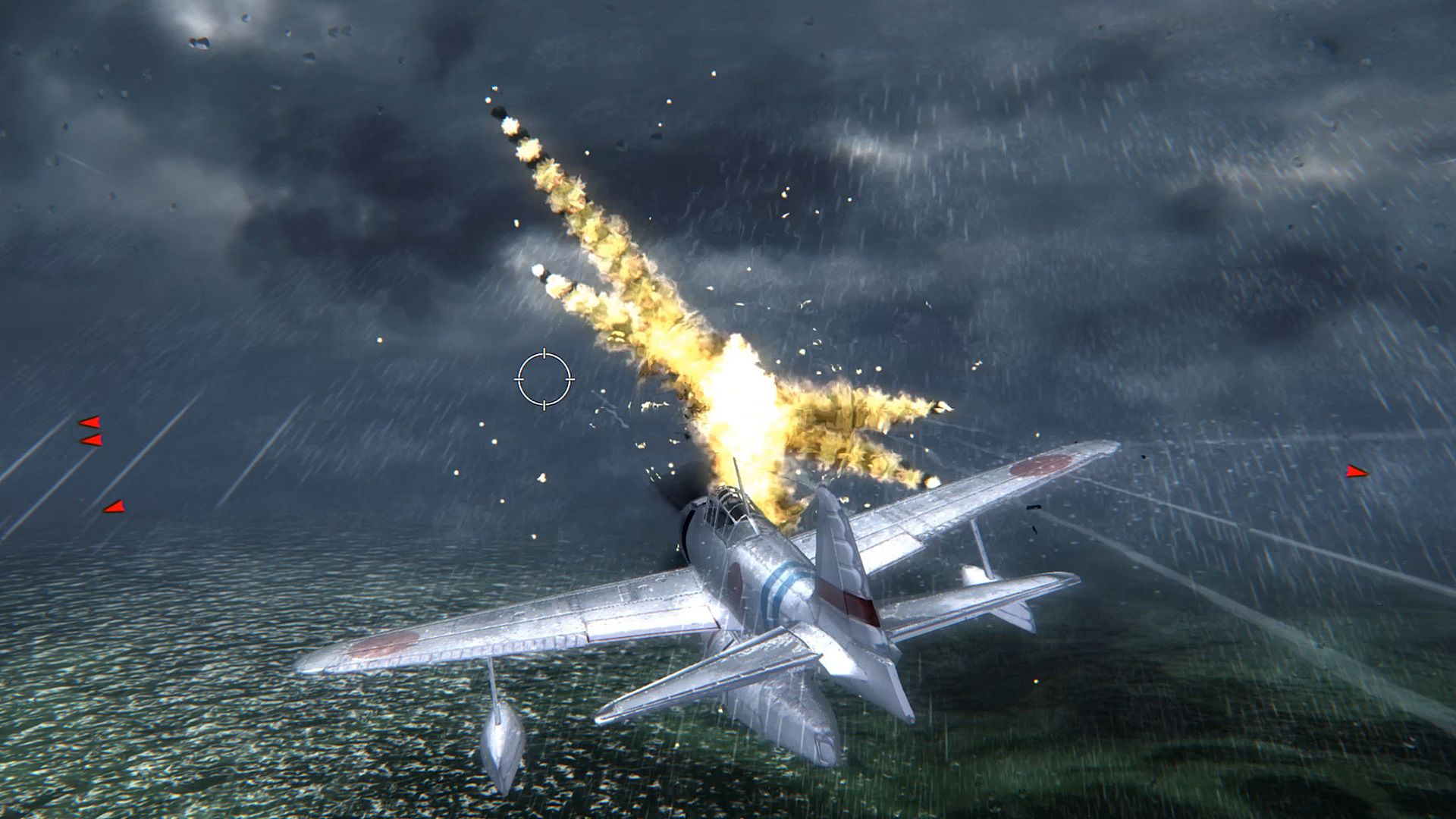
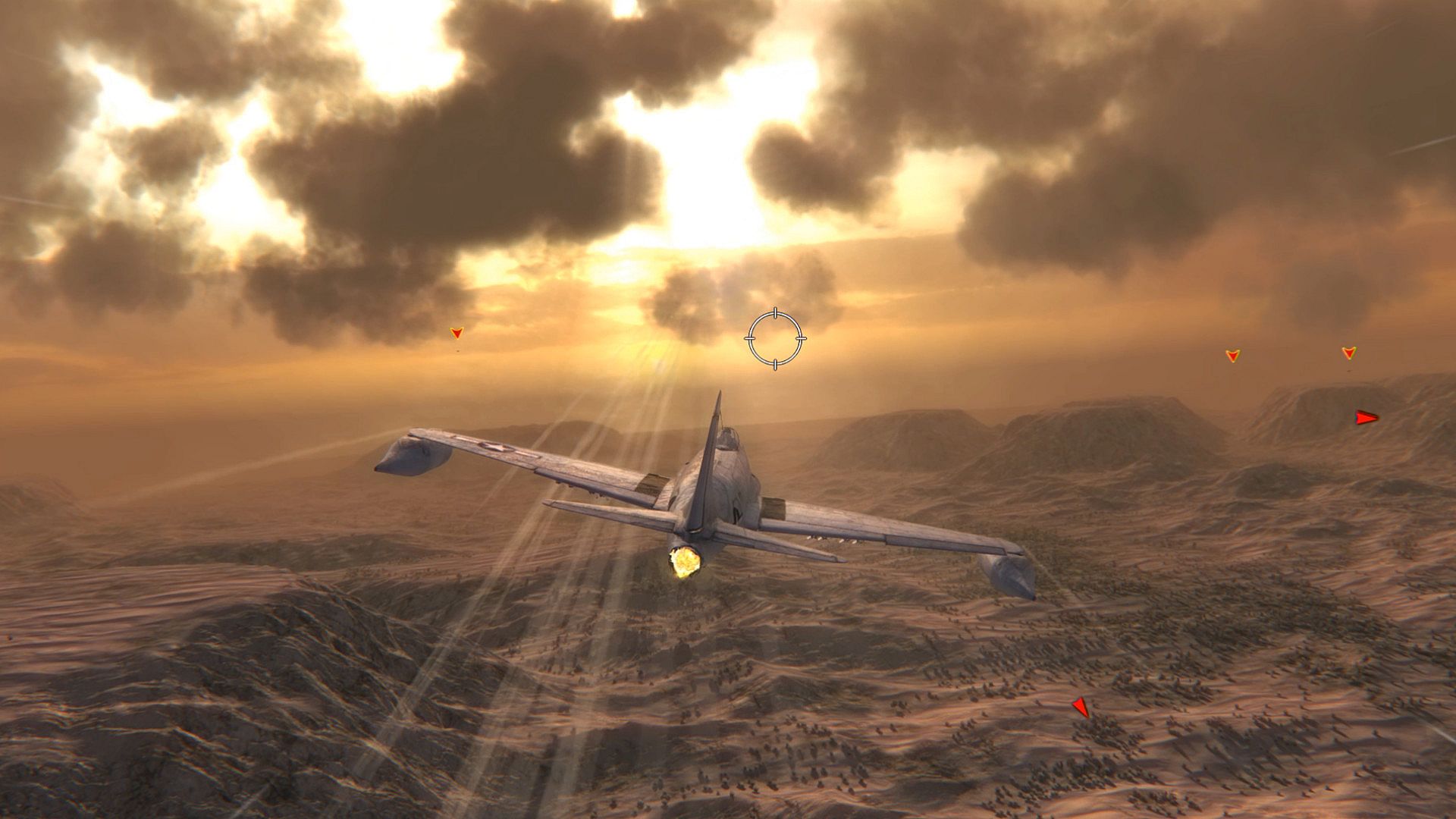
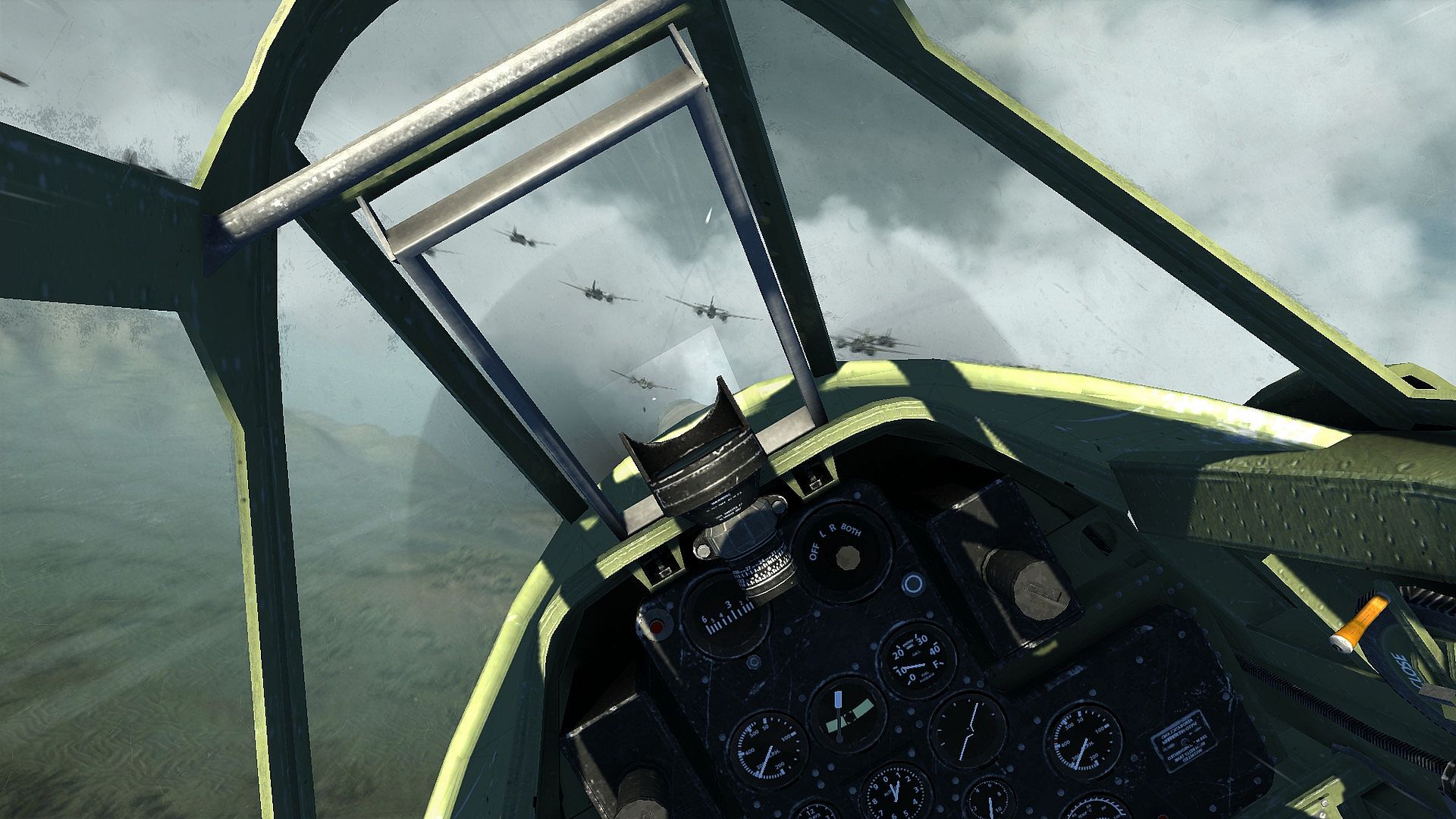
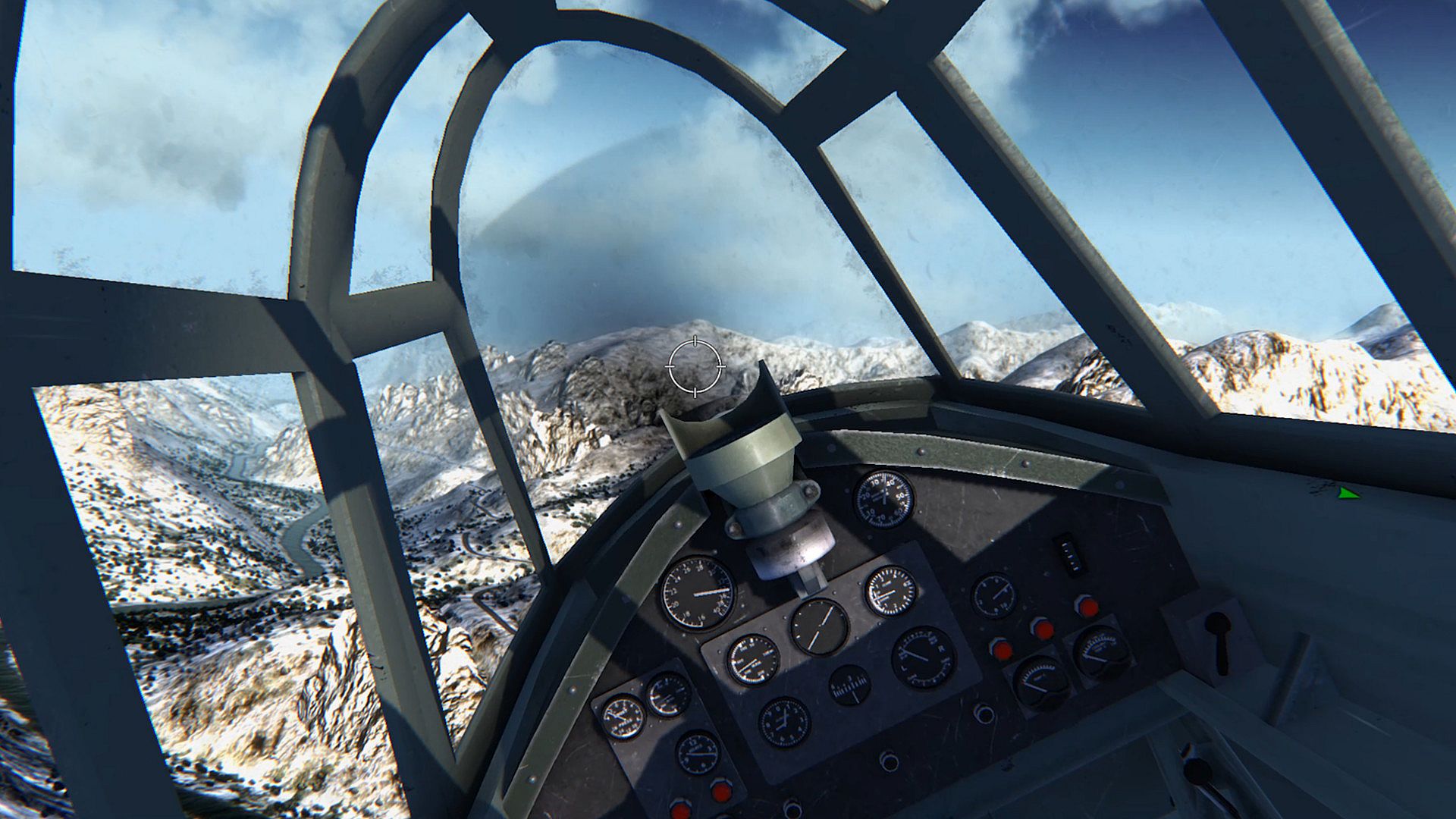
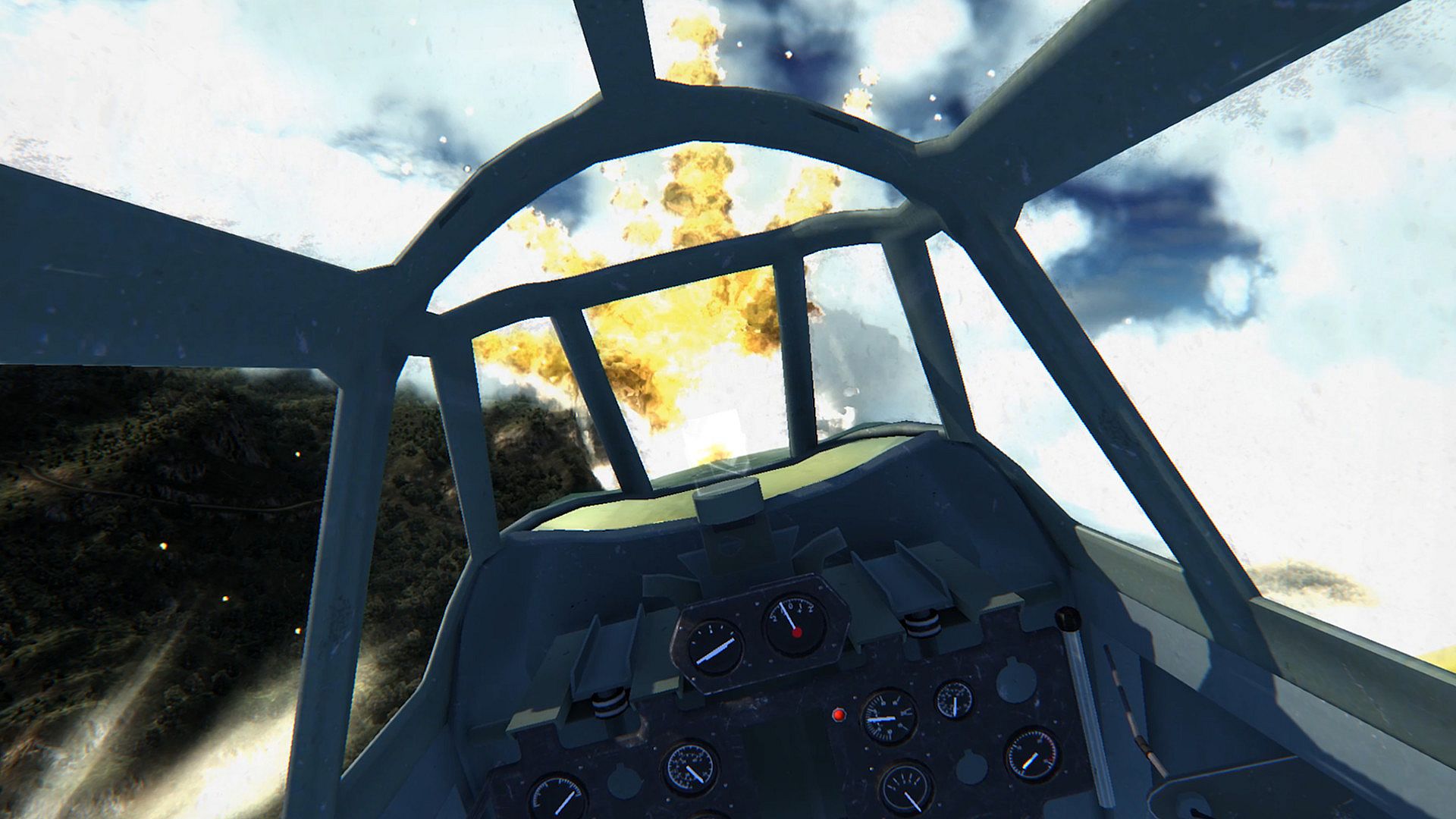
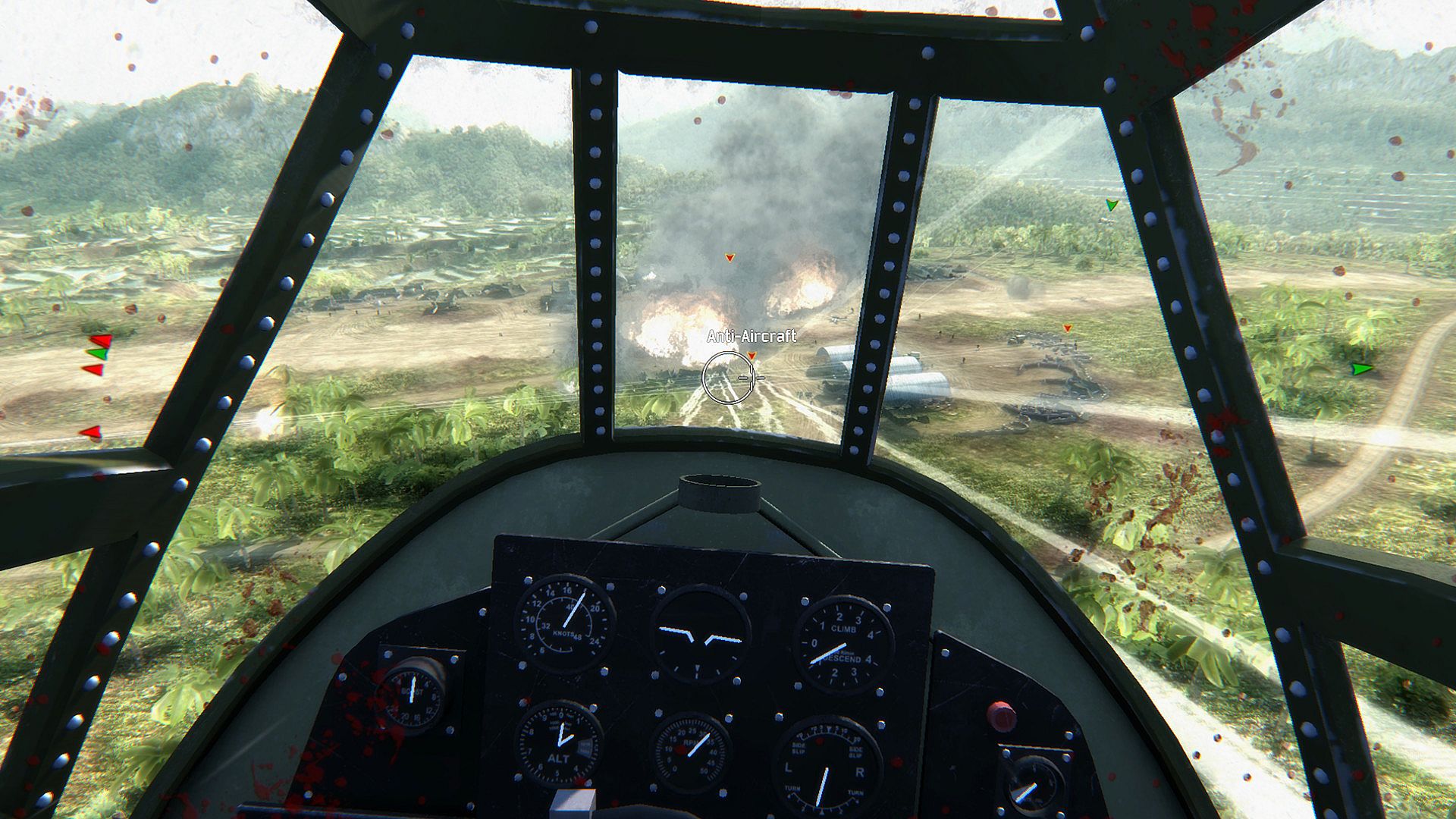
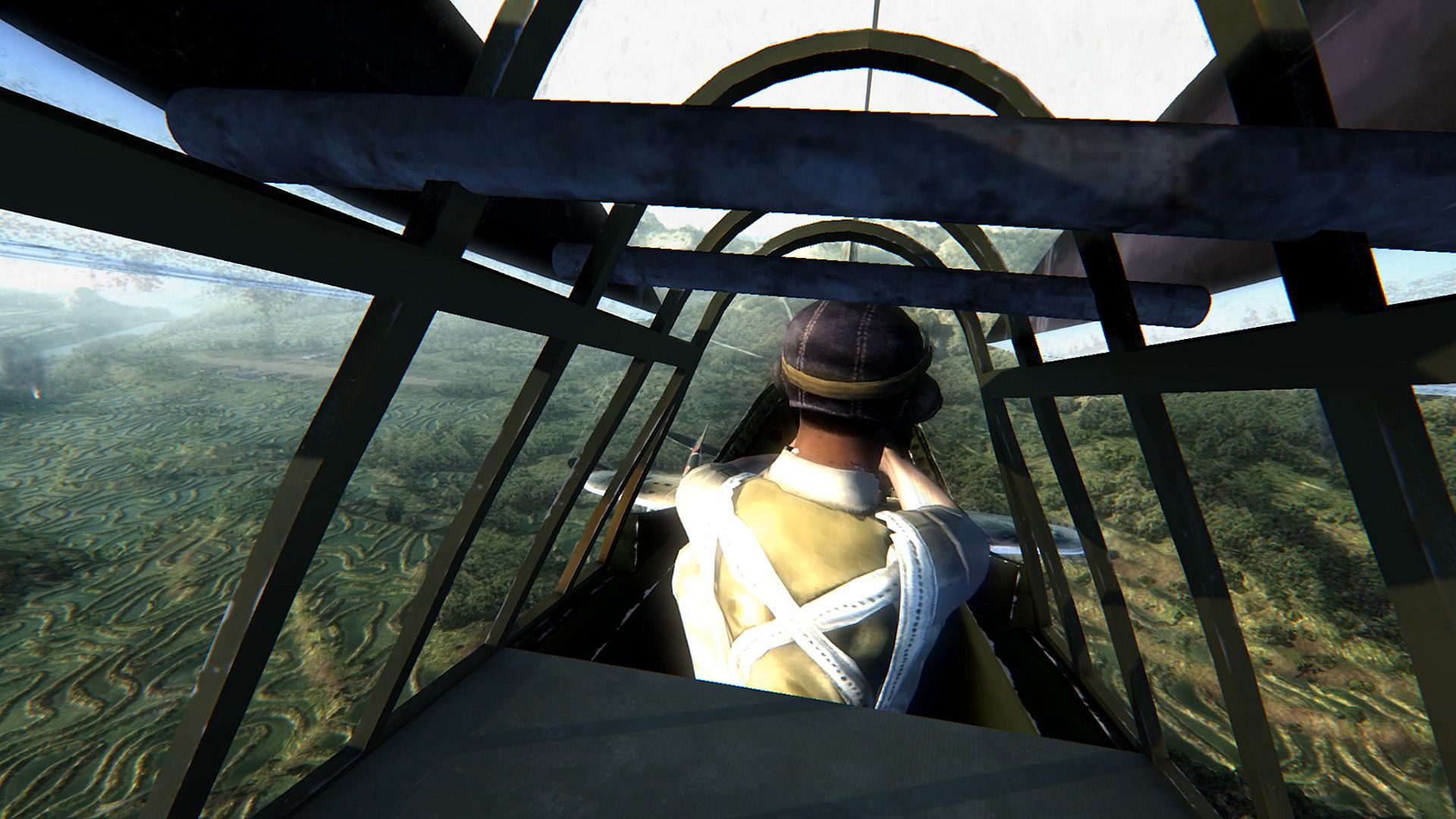
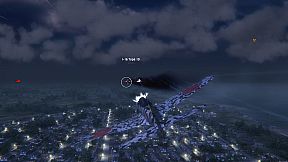
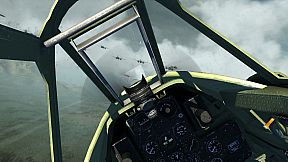
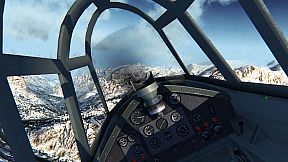
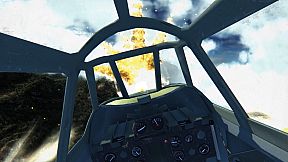
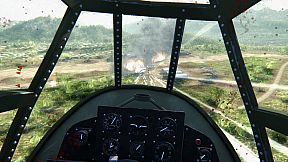
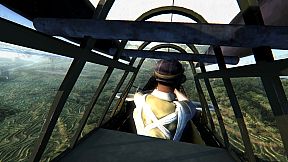
Controls blend arcade accessibility with simulation elements. Pitch and roll mechanics support precise handling, while TrazerTime provides slow-motion windows for accurate firing during intense moments. Weather conditions affect visibility and flight, ranging from heavy monsoons to clear dawns and sunsets. Players choose between cockpit and third-person views across more than twenty Allied and Japanese aircraft types. Input options cover mouse and keyboard, gamepad, or flightstick setups, allowing customization for different skill levels.
Game Modes
Multiplayer supports up to sixteen participants with leaderboards tracking performance across several battle formats. Team Dogfight emphasizes coordinated attacks and mutual cover. Rocket Battle VS highlights rocket weaponry for direct confrontations. Flagbusters involves capturing objectives in the air. Additional modes round out the selection to five total, all available without restrictions after a single purchase.
Singleplayer focuses on the historical campaign with varied objectives that shift between offensive strikes, defensive stands, and logistical support. These missions build progression through the China-Burma-India theater without online requirements.
Visuals and Audio
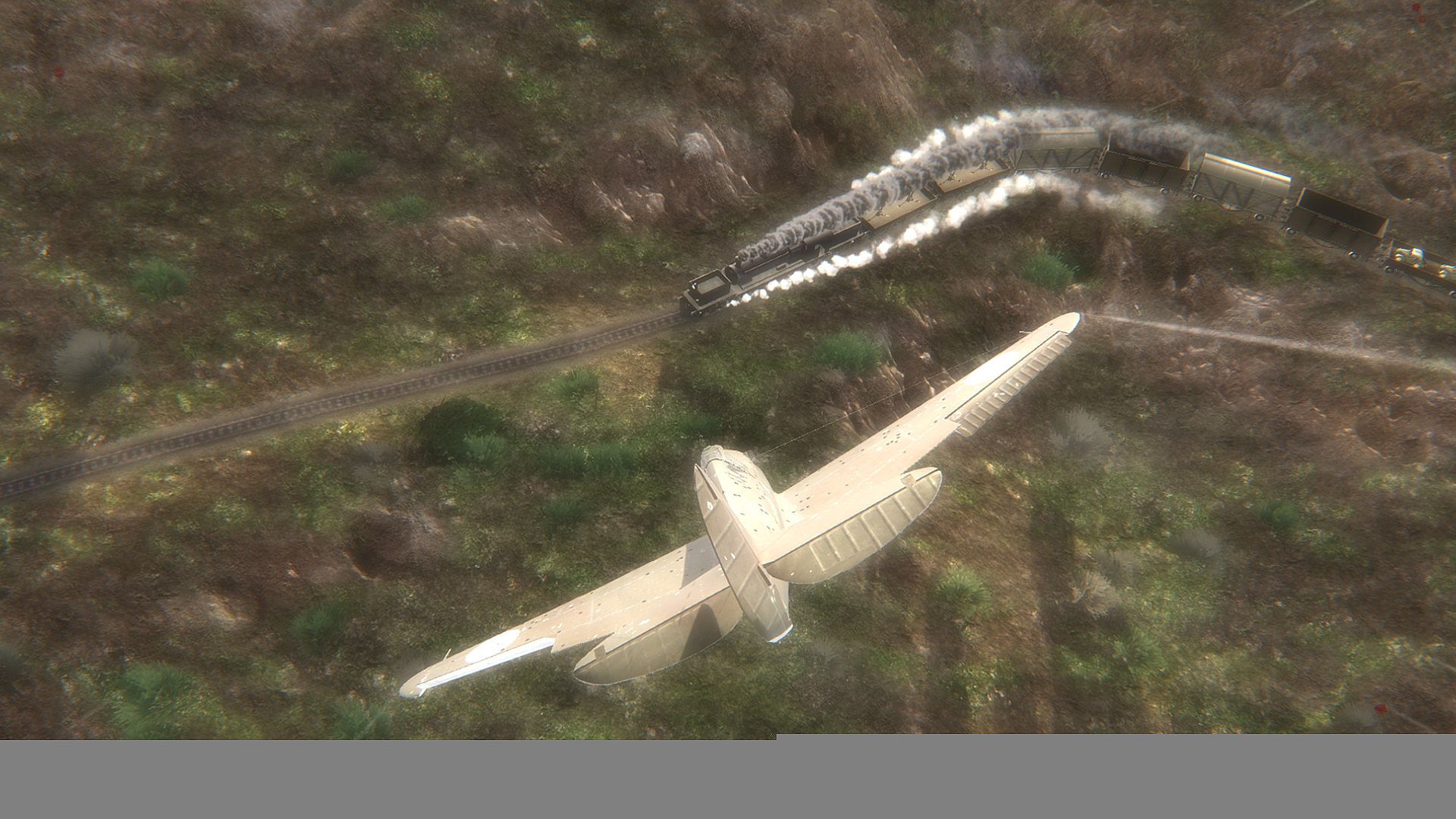
Environments recreate Southeast Asian skies and terrain with attention to period details. Sound design features engine roars, gunfire, and explosions alongside an orchestral score that underscores the scale of the conflicts. The presentation supports both close-up cockpit immersion and broader third-person perspectives during larger engagements.
Is It Worth Playing?
This title suits players who enjoy approachable air combat with historical grounding rather than pure simulation depth. The mix of singleplayer missions and multiplayer battles provides variety for those interested in WWII aviation outside more common European or Pacific settings. The absence of ongoing microtransactions or free-to-play elements means the full experience remains available through one purchase. Those seeking fast-paced dogfights, role variety across aircraft types, and multiplayer coordination will find the mechanics align with that preference. The game stands as a complete package focused on its core air combat systems.