

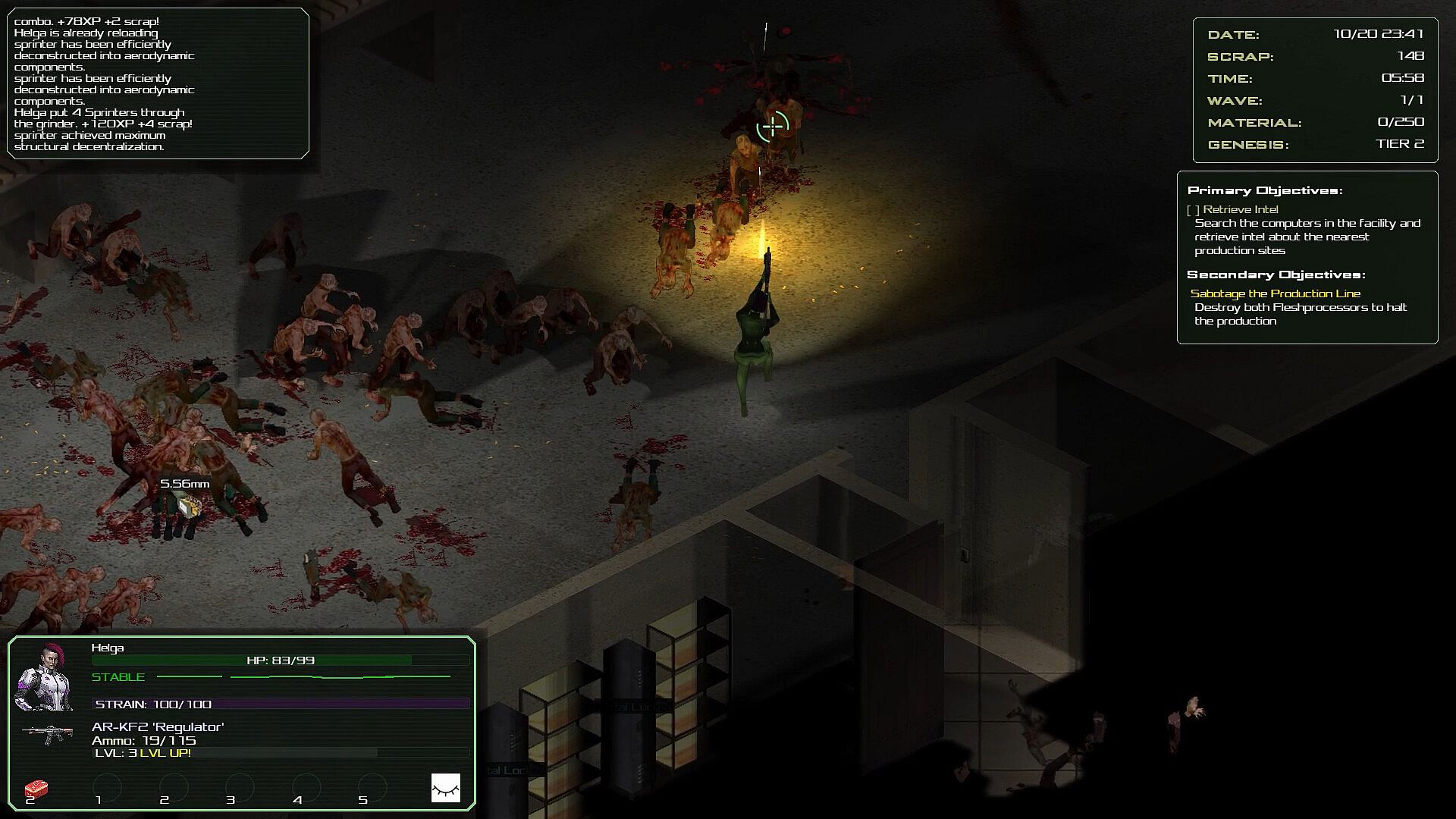
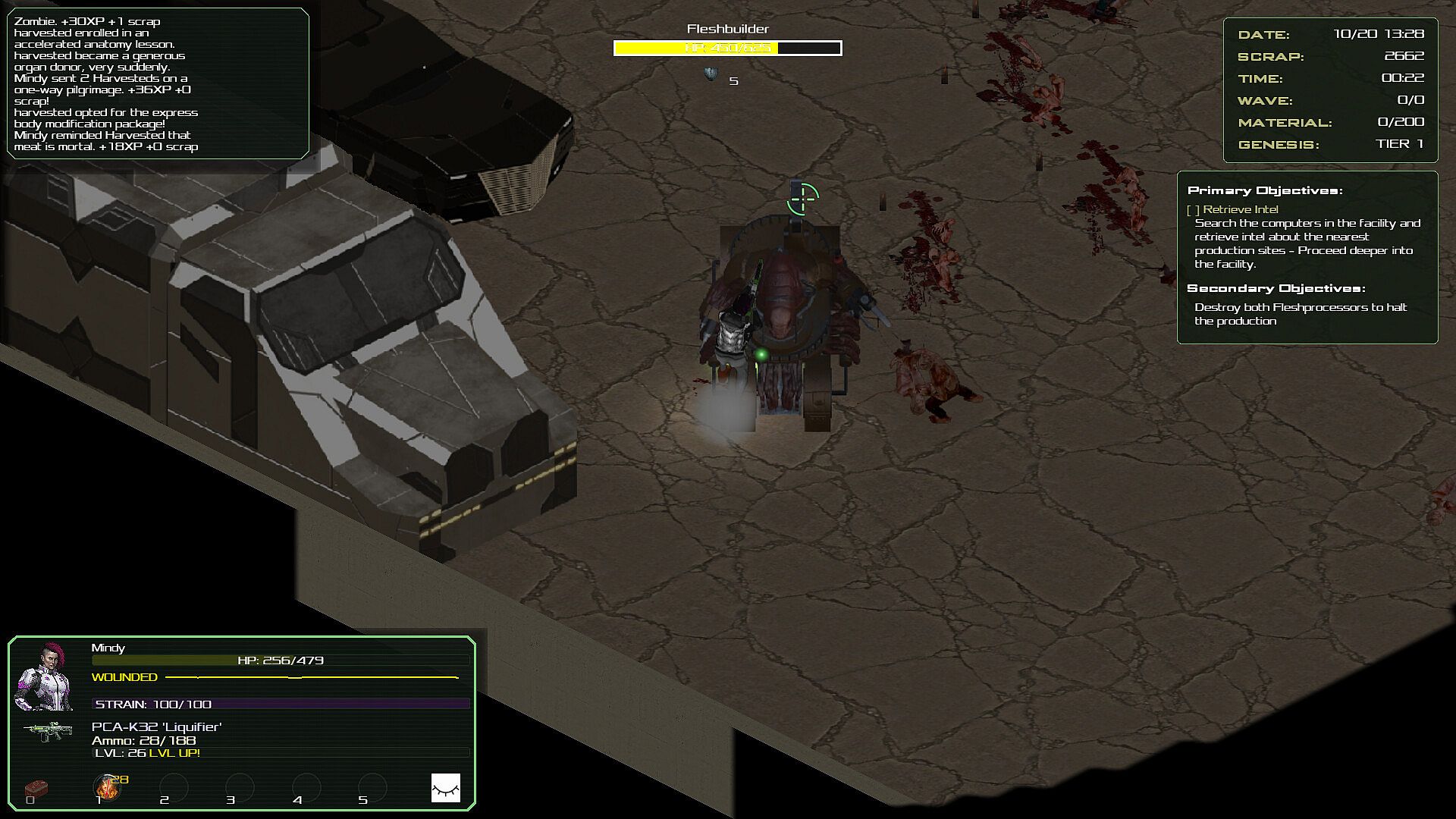
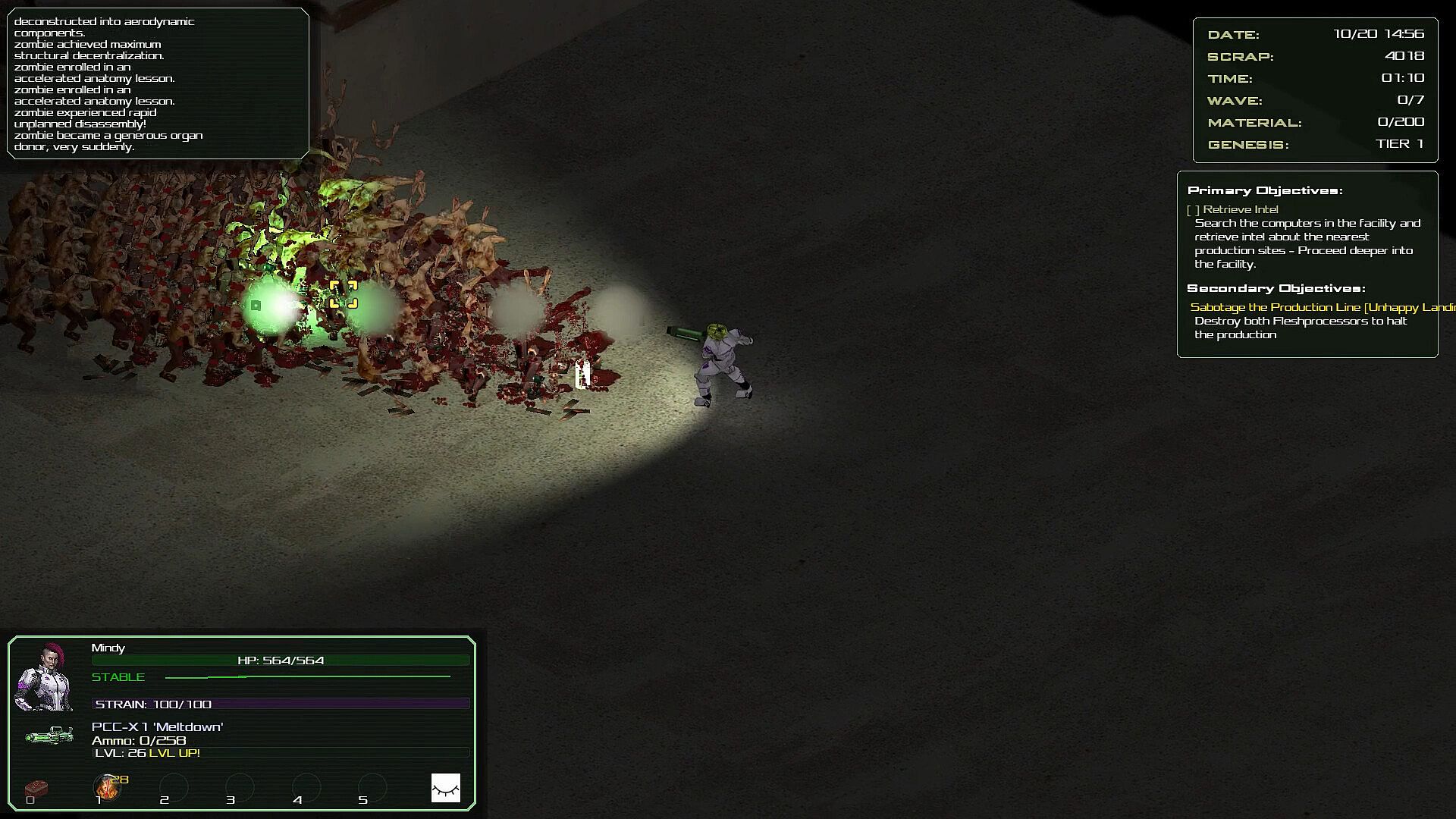
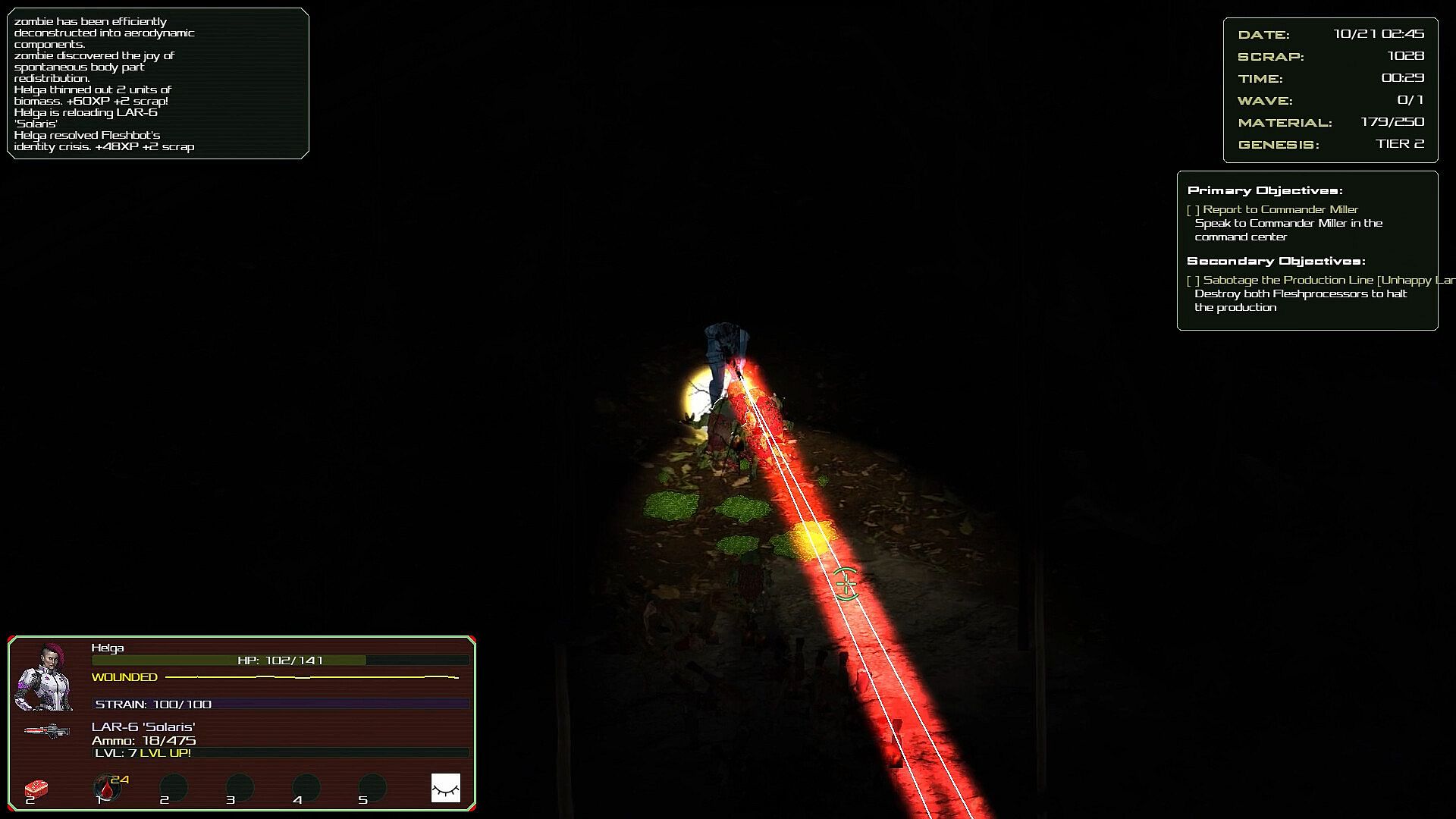
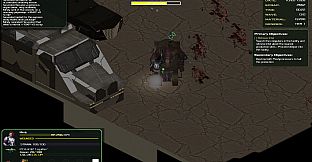
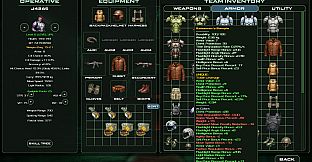
Fleshgrinder is an action RPG set in a post-apocalyptic world where a neural virus has wiped out most of humanity after widespread adoption of SynTech augmentations. Players take control of one of three specialists in a single-player experience focused on survival, combat, and scavenging in ruined environments. The core loop involves exploring areas overrun by infected entities, engaging in precise combat that emphasizes dismemberment, and managing a character through randomized loot and augmentation systems.
Gameplay
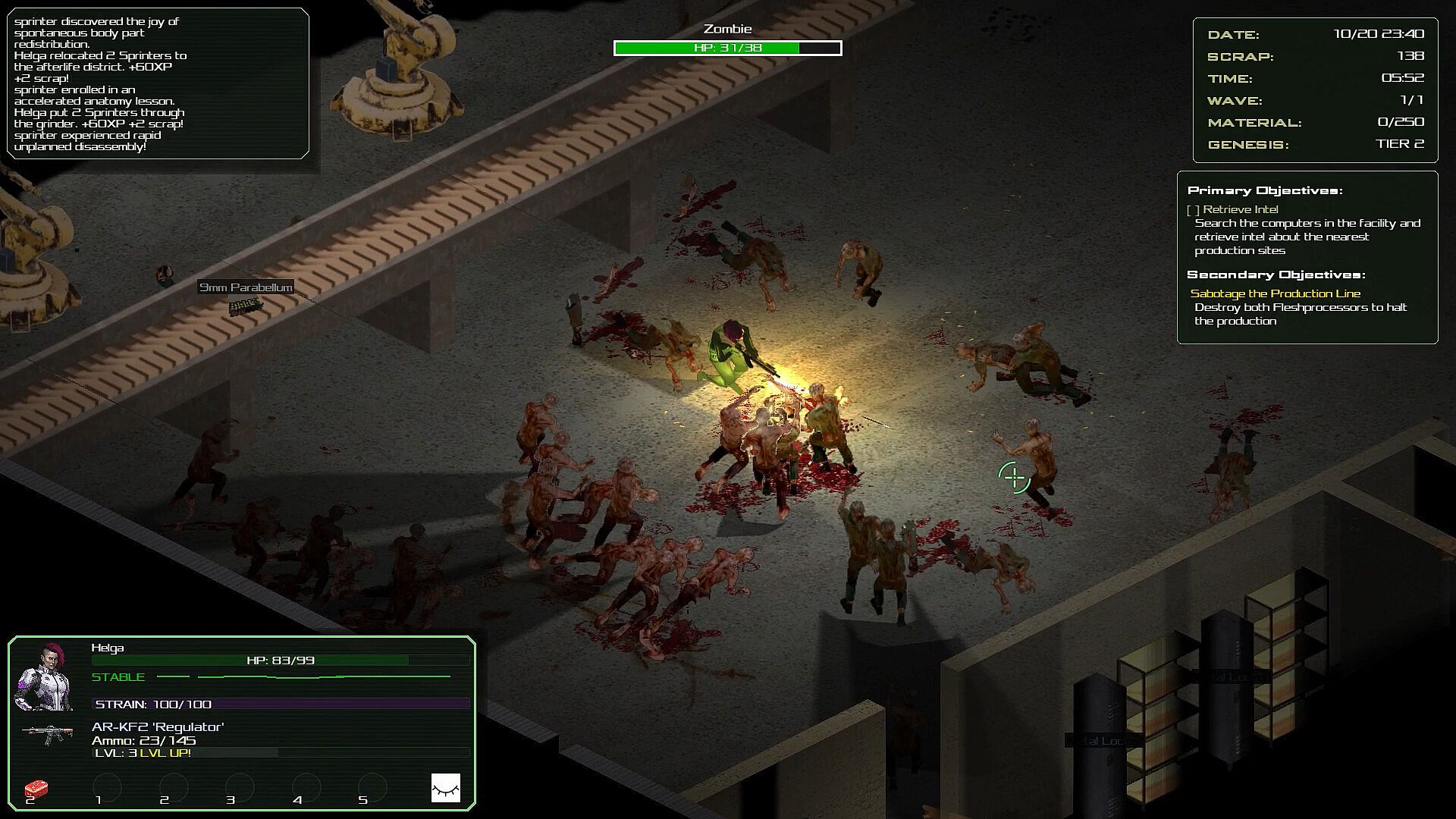
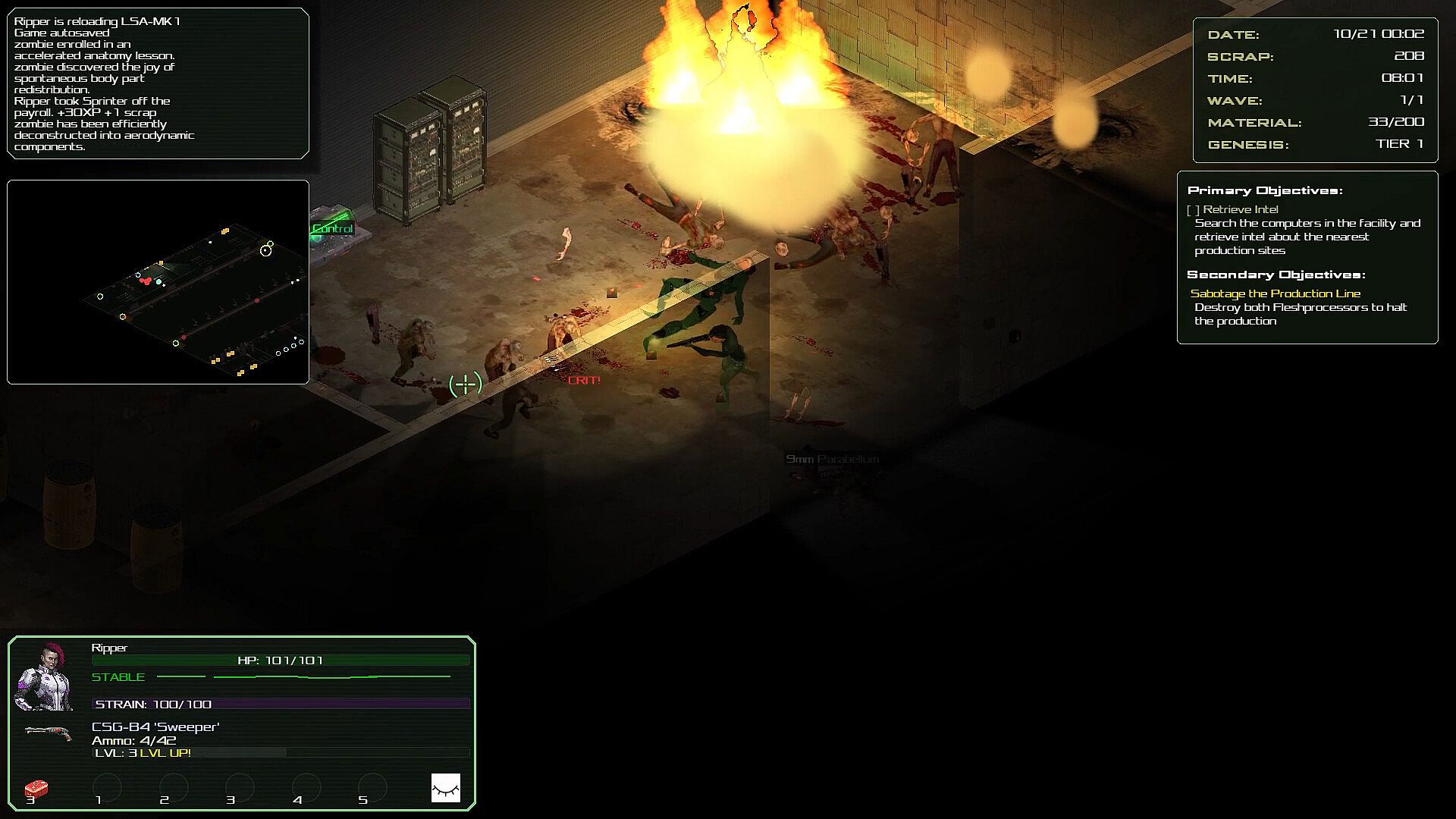
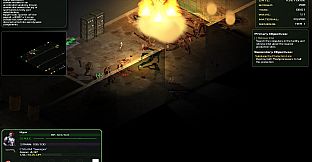
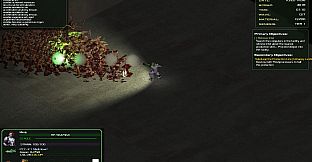
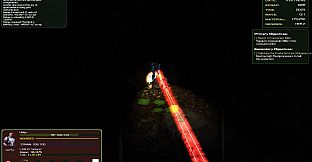
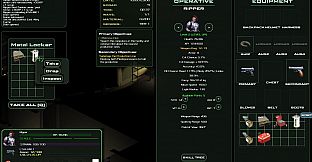
Combat tracks damage to individual body parts, allowing limbs to be severed while enemies remain active and aggressive. Headshots cause immediate bursts, and explosions can affect multiple targets at once. Severed limbs stay in the environment and can be used as improvised weapons with physical force. Weapons fall into seven categories, including pistols, shotguns, machine guns, sniper rifles, energy weapons such as lasers and a singularity cannon, plus explosives and flamethrowers. Over thirty weapons exist with randomized attributes drawn from large stat pools, ensuring no two drops match exactly even at the same rarity.
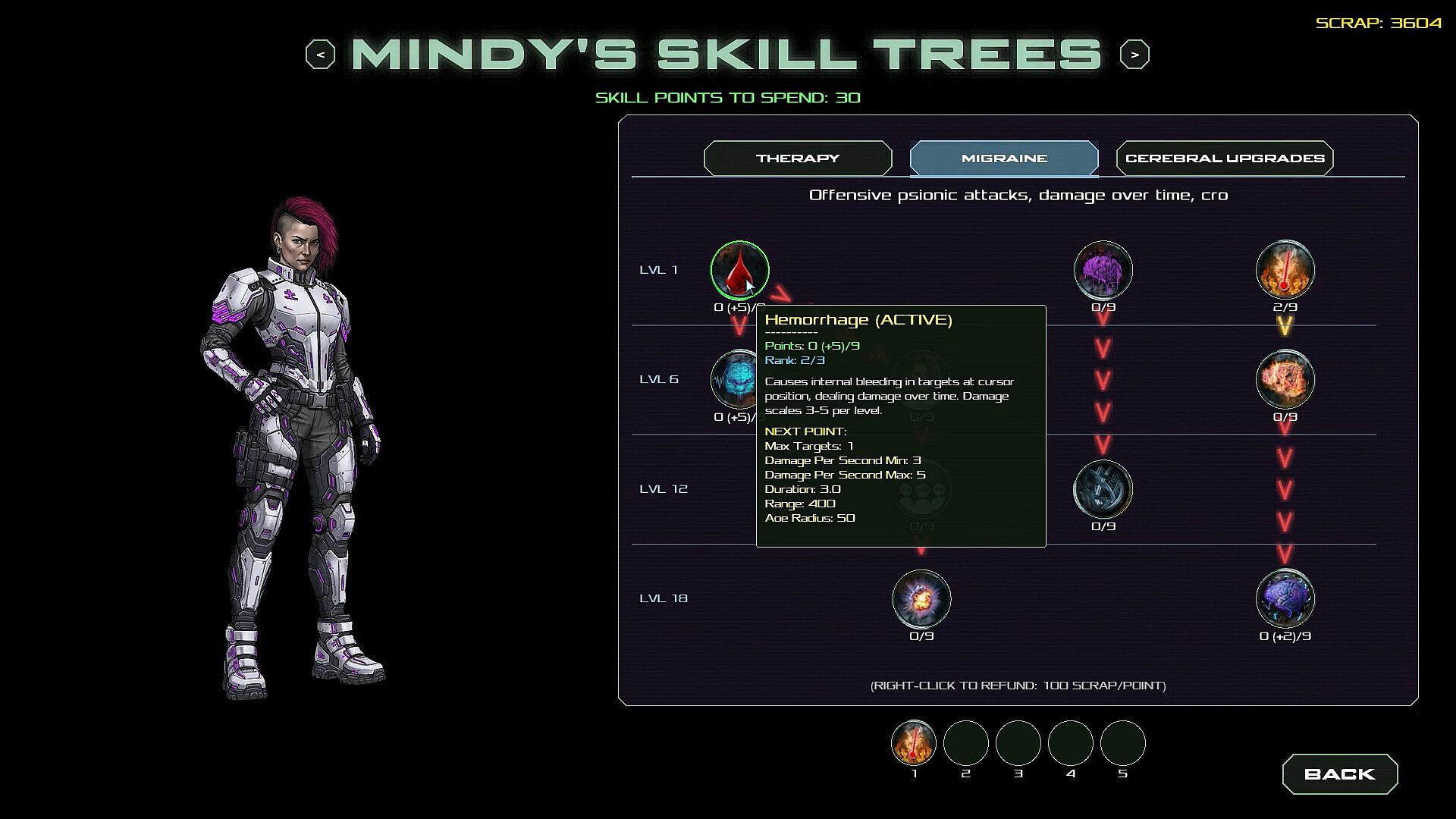
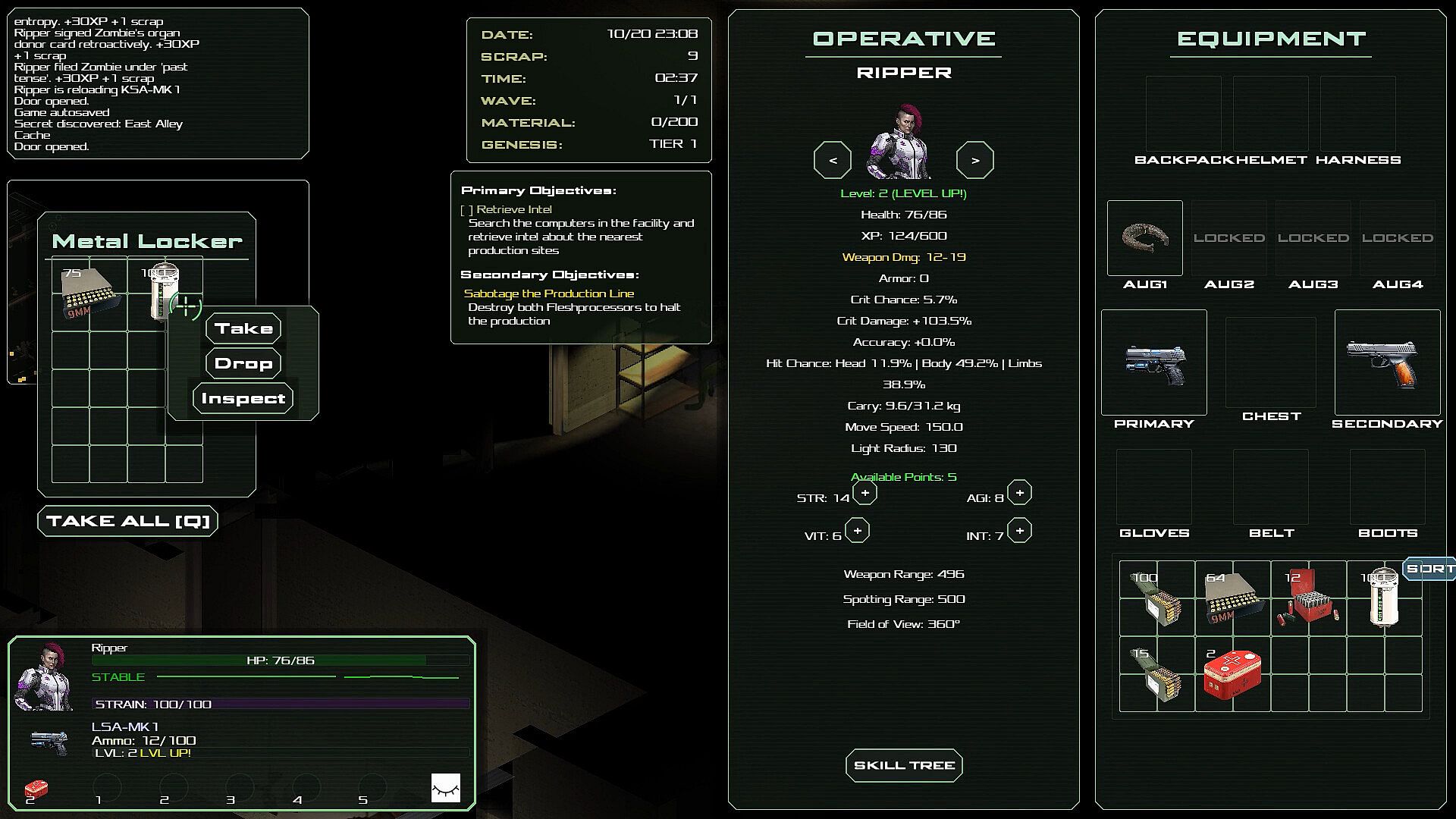
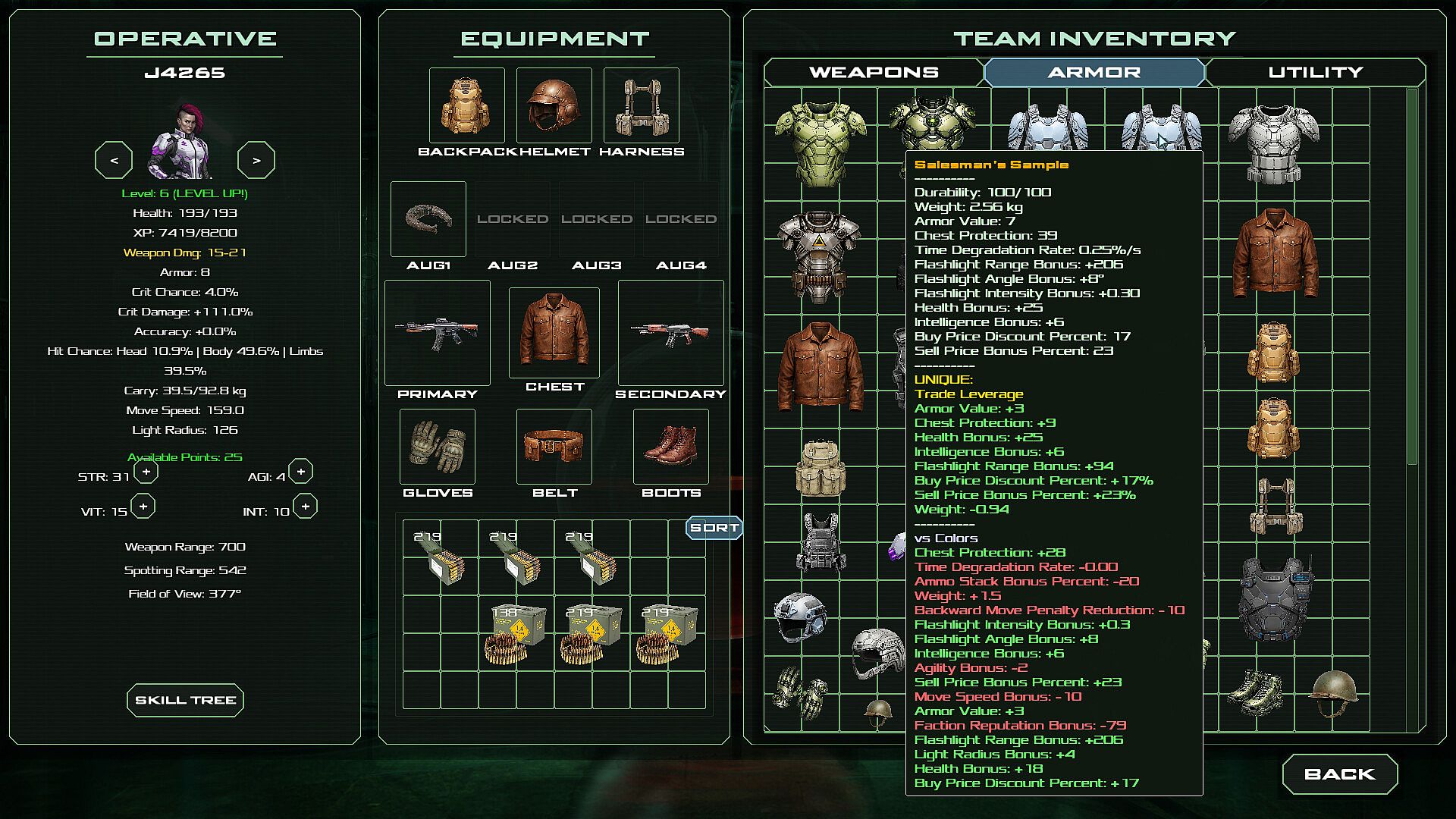
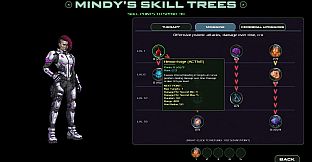
Armor consists of seven slots with more than one hundred pieces that apply reductions based on the specific body part hit. Penetration allows rounds to pass through multiple targets depending on caliber and material, with damage falloff over distance. Friendly fire scales with difficulty, reaching full lethality on the highest setting. Augmentations include endo implants and exo grafts that provide bonuses alongside drawbacks, such as improved critical hits paired with reduced field of view. Skill trees unlock additional slots for these modifications.
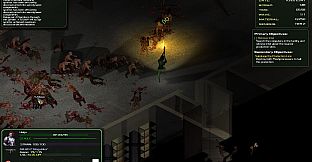
Eleven enemy types appear in waves. Early threats include basic zombies and fast sprinters. Later additions feature durable metaleaters, acid-wielding fleshbots, wall-seeing cyberskeletons that share information across a network, and advanced forms like fleshbuilders and operator wyrms. The apex variant maintains function after dismemberment and adapts to incoming attacks.
Game Modes
The experience centers on a linear campaign structure with mission areas that introduce the full suite of combat, loot, and progression mechanics. Difficulty options adjust friendly fire and overall challenge, with Fleshbuilder offering moderate team damage and Apex enforcing maximum lethality from all sources. A demo provides a tutorial plus the first two mission areas, allowing players to test the complete systems for combat, randomization, and augmentation before the full release.
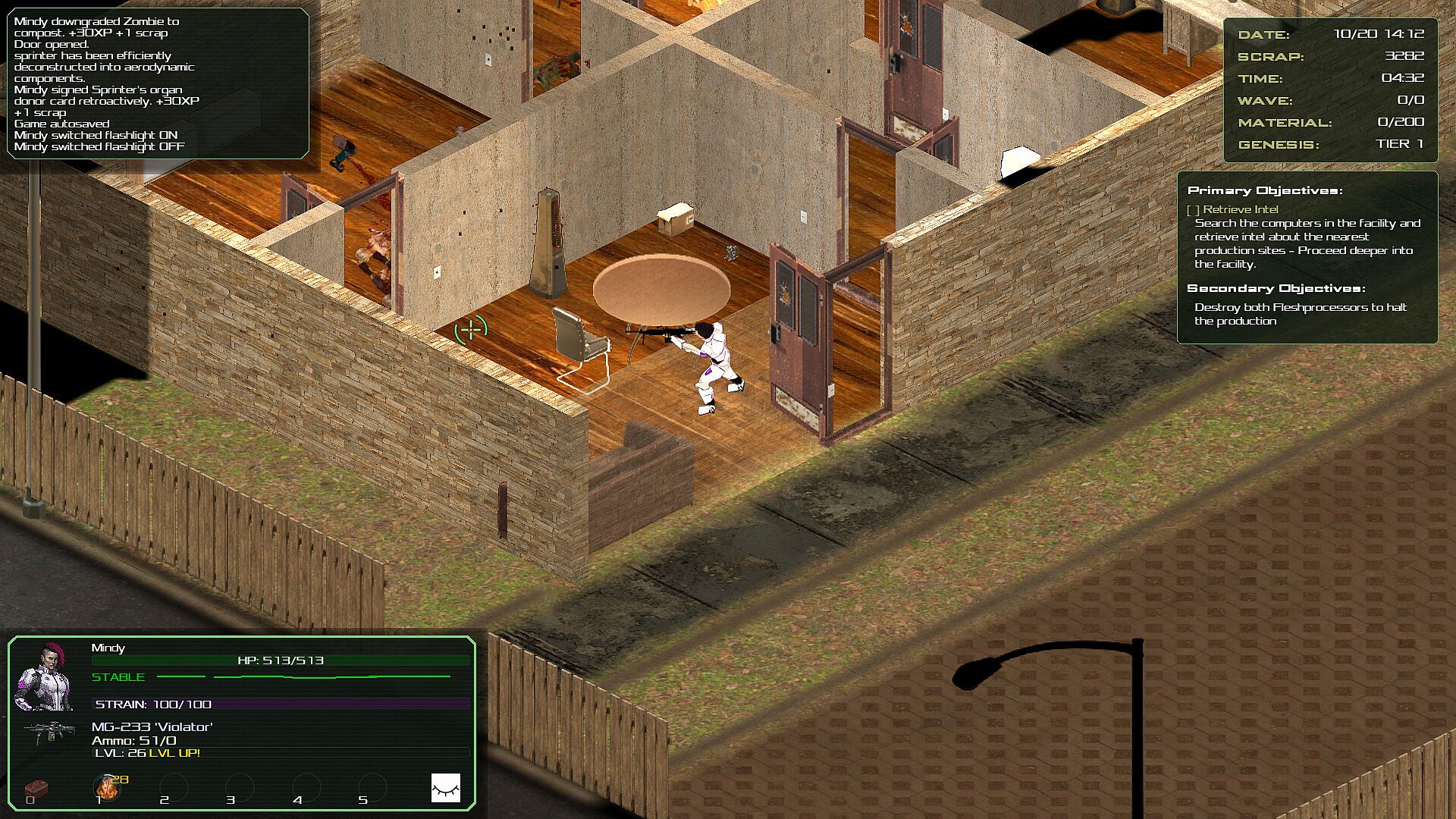
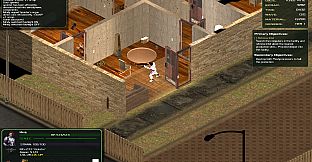
All NPCs remain vulnerable at any time, and the world supports exploration of abandoned facilities where the virus has integrated into infrastructure. No separate multiplayer or competitive modes appear in the current build.
Character Specialists
Three playable archetypes define different approaches. The Butcher relies on heavy firepower like shotguns after suffering neural damage that limits complex calculations. The Hacksmith manipulates enemy systems through gadgets and believes in superior technical insight. The Mindripper alters physical reality through psychic means but risks self-harm when pushing abilities too far, stemming from prior psychological strain and tumors.
These specialists represent survivors from different backgrounds: purists who avoided technology, disconnected individuals who had implants removed, and immunes whose augmentations never functioned correctly. Each brings unique dialogue and playstyle considerations during missions.
Is It Worth Playing?
Fleshgrinder suits players who enjoy detailed action RPG mechanics centered on dismemberment, randomized gear, and augmentation trade-offs in a grim sci-fi setting. The demo offers a direct way to evaluate the combat loop and progression without commitment. Development continues without a set release date, so the full scope of content remains forthcoming. Those drawn to precise shooting, loot variety, and body-part damage systems will find the verified features align closely with that preference, while the absence of confirmed multiplayer keeps the focus on solo tactical decisions.