




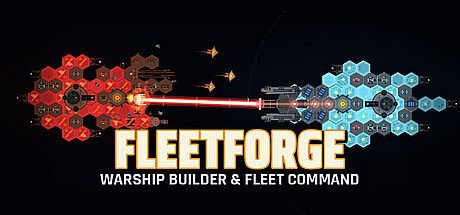


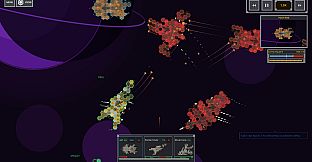
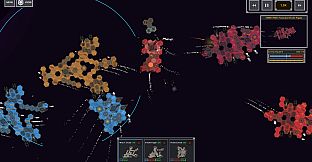
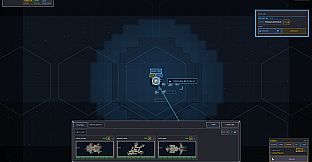
FleetForge: Warship Builder & Fleet Command is a space strategy game that blends ship design, real-time fleet command, and persistent campaign management in the strategy, indie, and simulation genres on PC. Players construct modular warships from a range of systems, then lead those vessels through battles where layout choices directly influence survival and performance. The experience emphasizes tradeoffs in power distribution, crew allocation, and module placement, followed by adjustments based on battle outcomes across a connected map of contested systems.
Gameplay
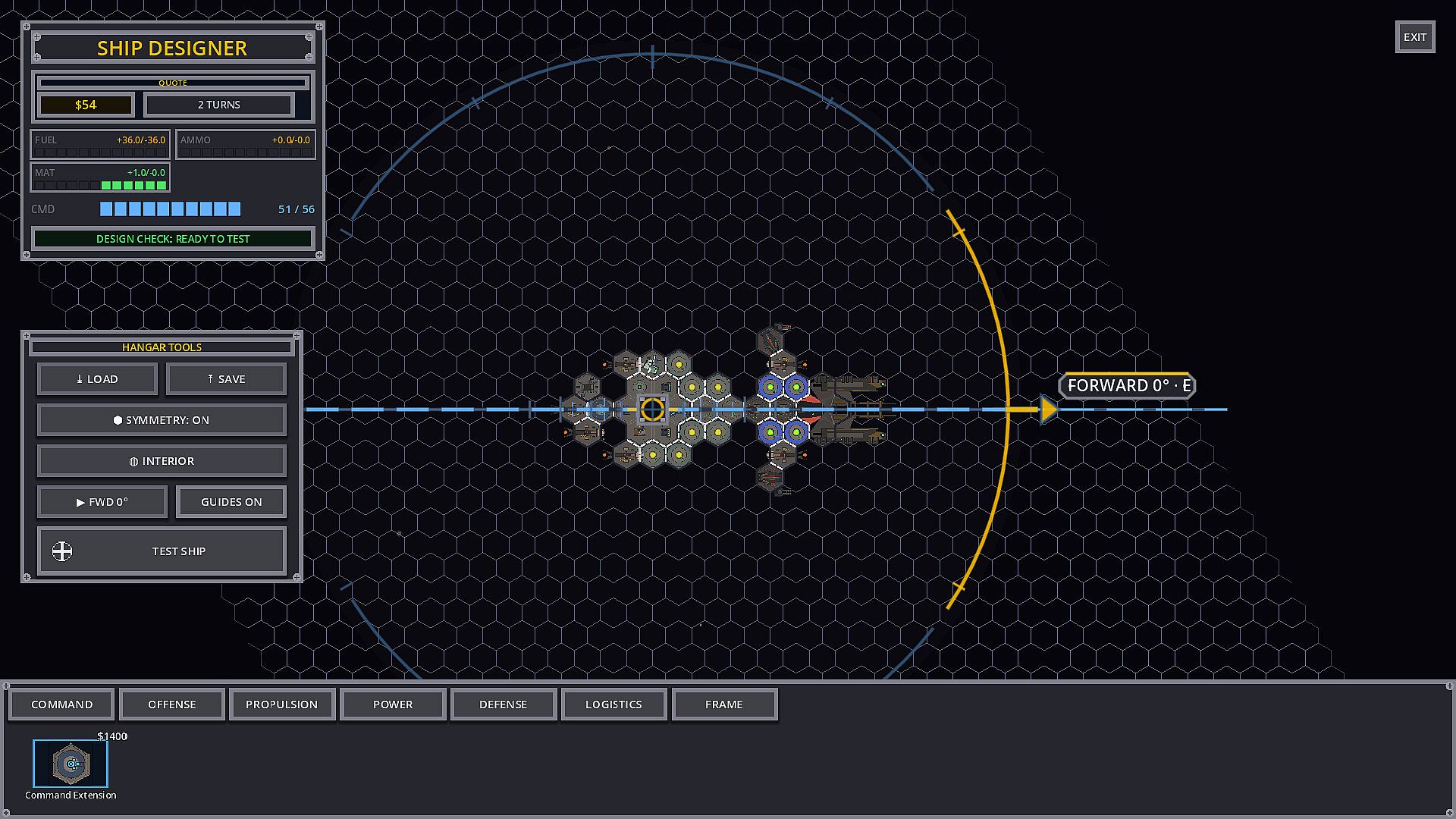
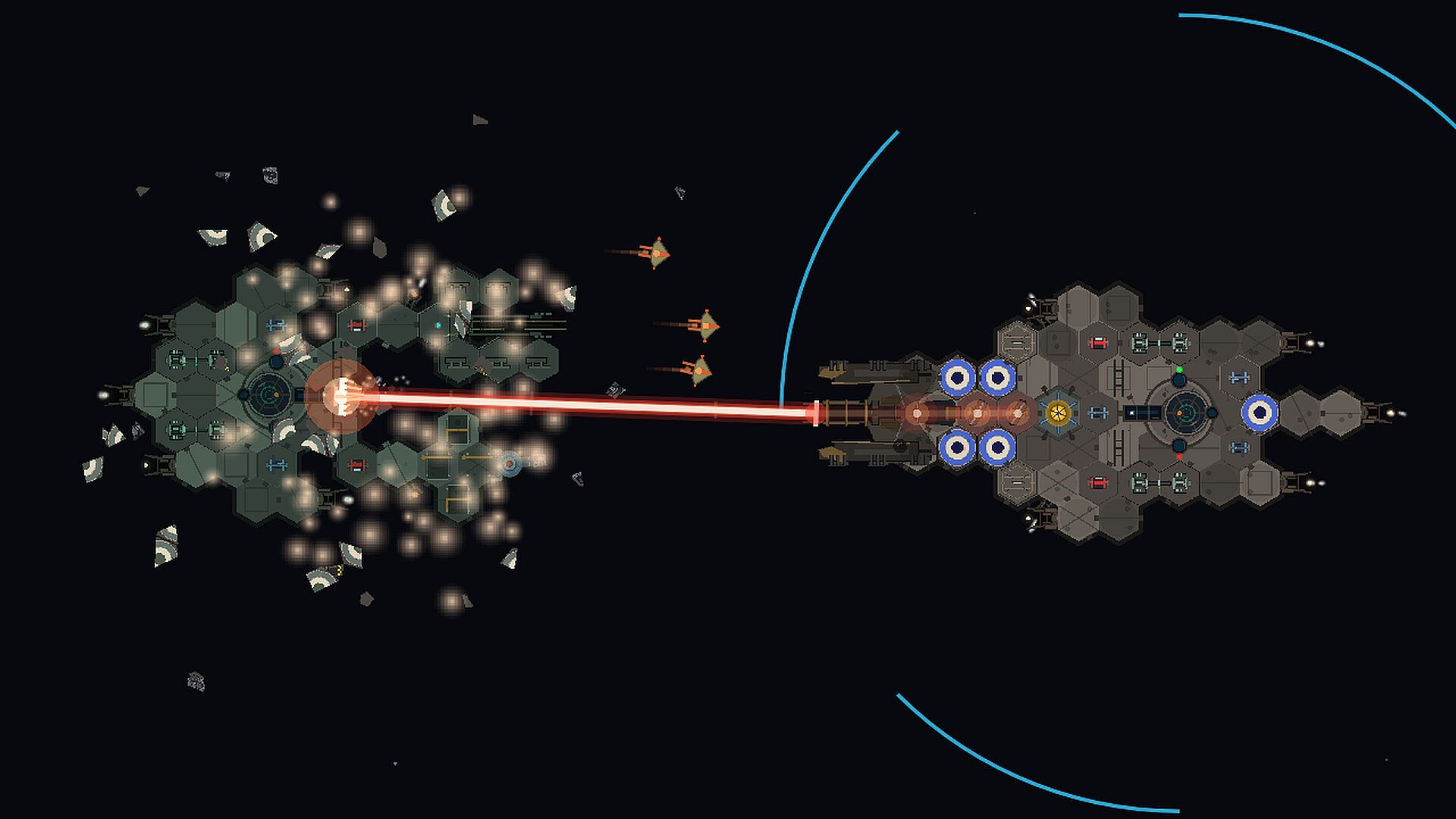
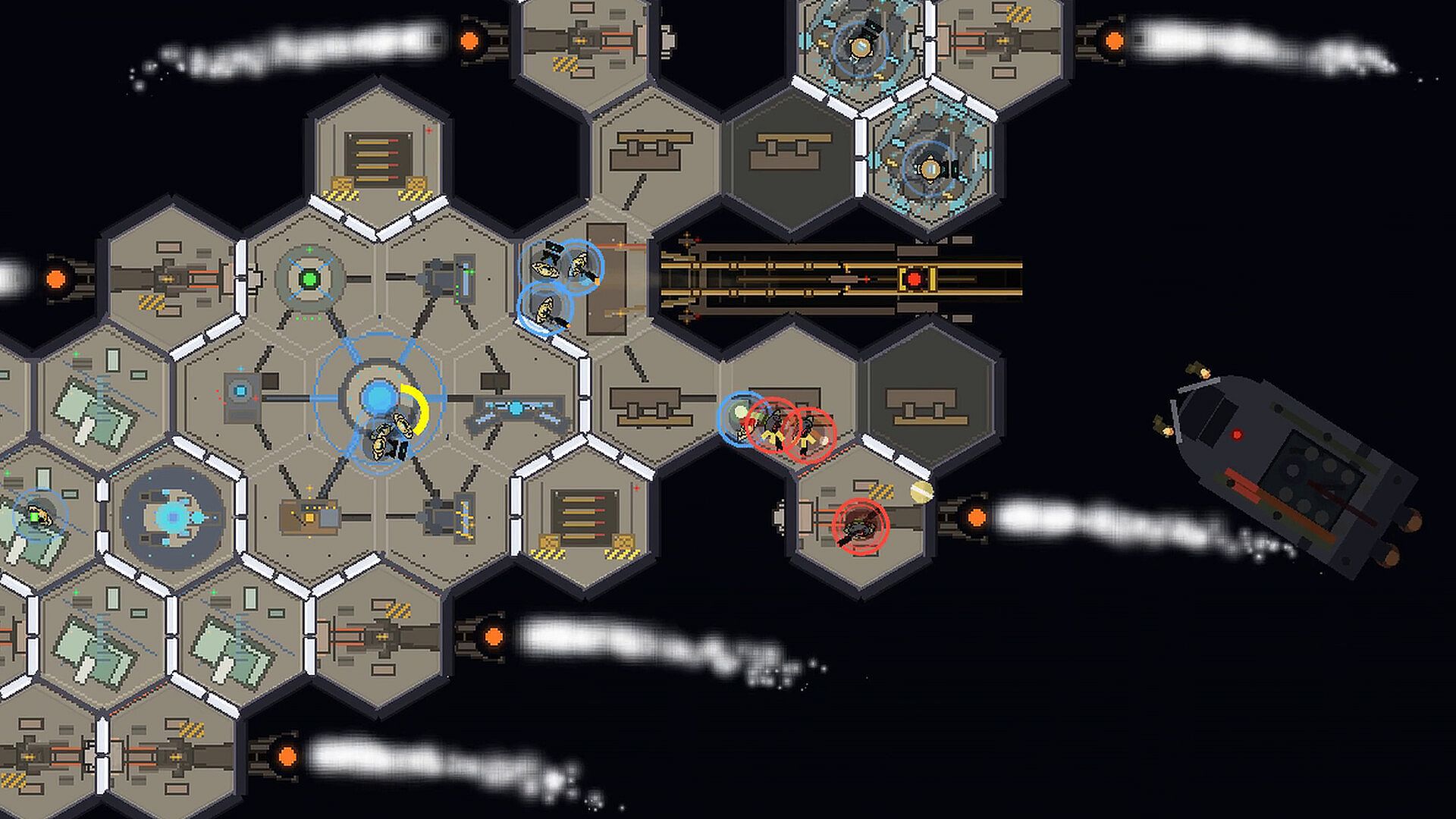
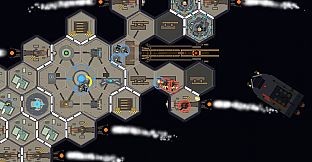
Core play revolves around building warships as interconnected layouts of reactors, shields, weapons, engines, crew quarters, hangars, magazines, and marine bays. Each addition alters power draw, defensive coverage, offensive output, and vulnerability points. A design heavy on guns requires supporting infrastructure for ammunition and energy, while extra armor or point defense reduces space for other systems. After encounters, surviving ships carry forward damage that affects future performance until repairs or refits occur.
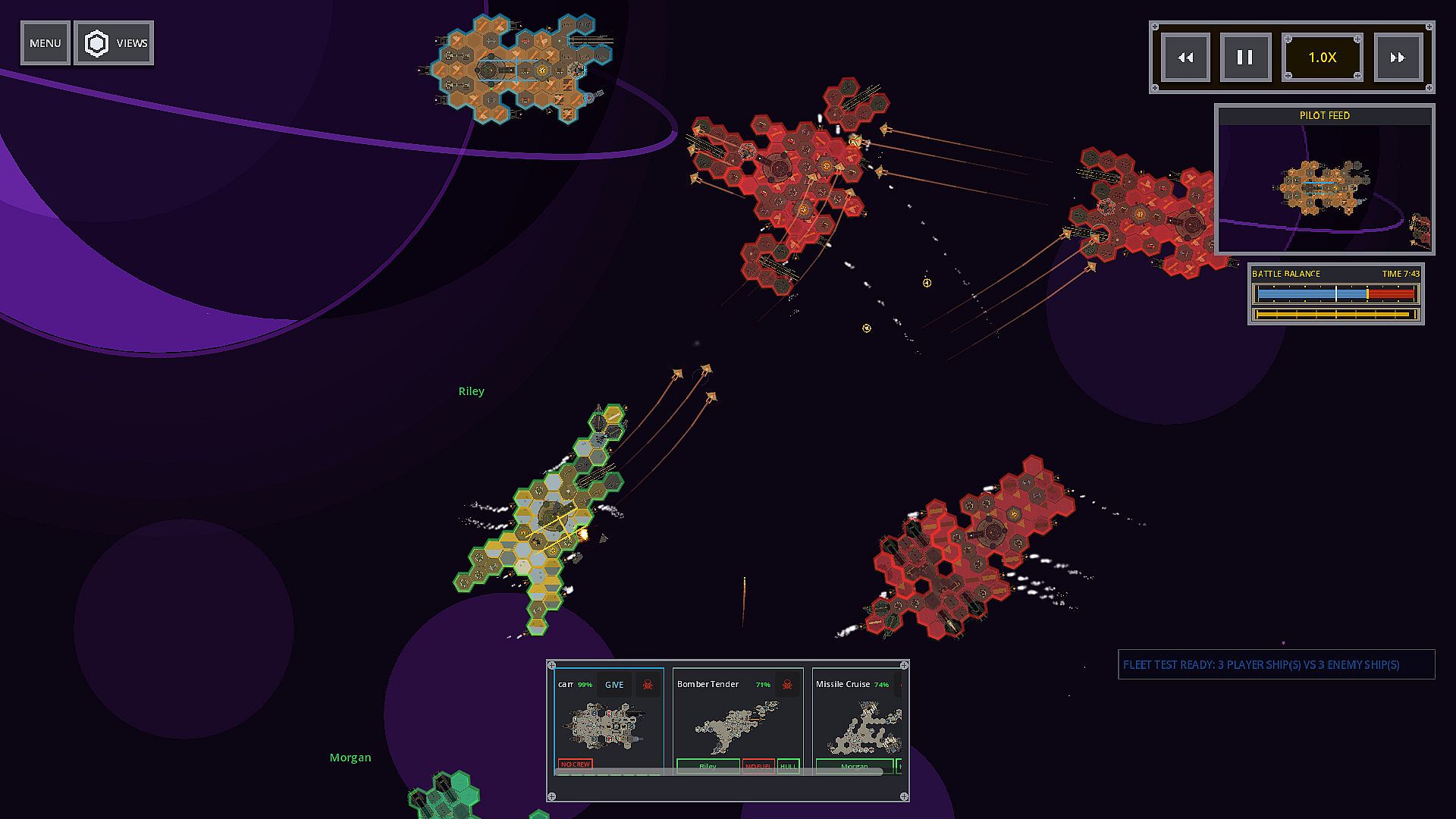
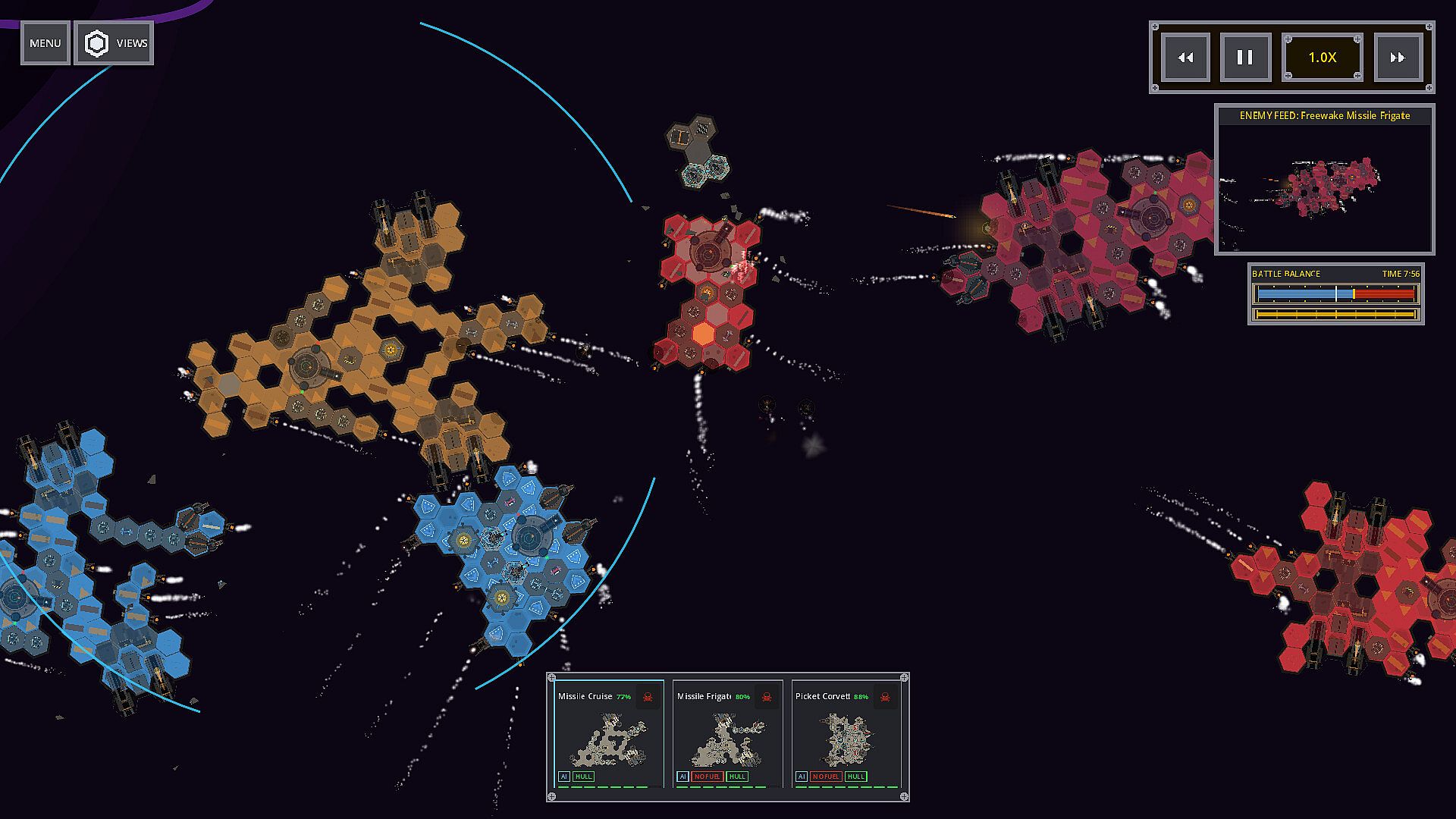
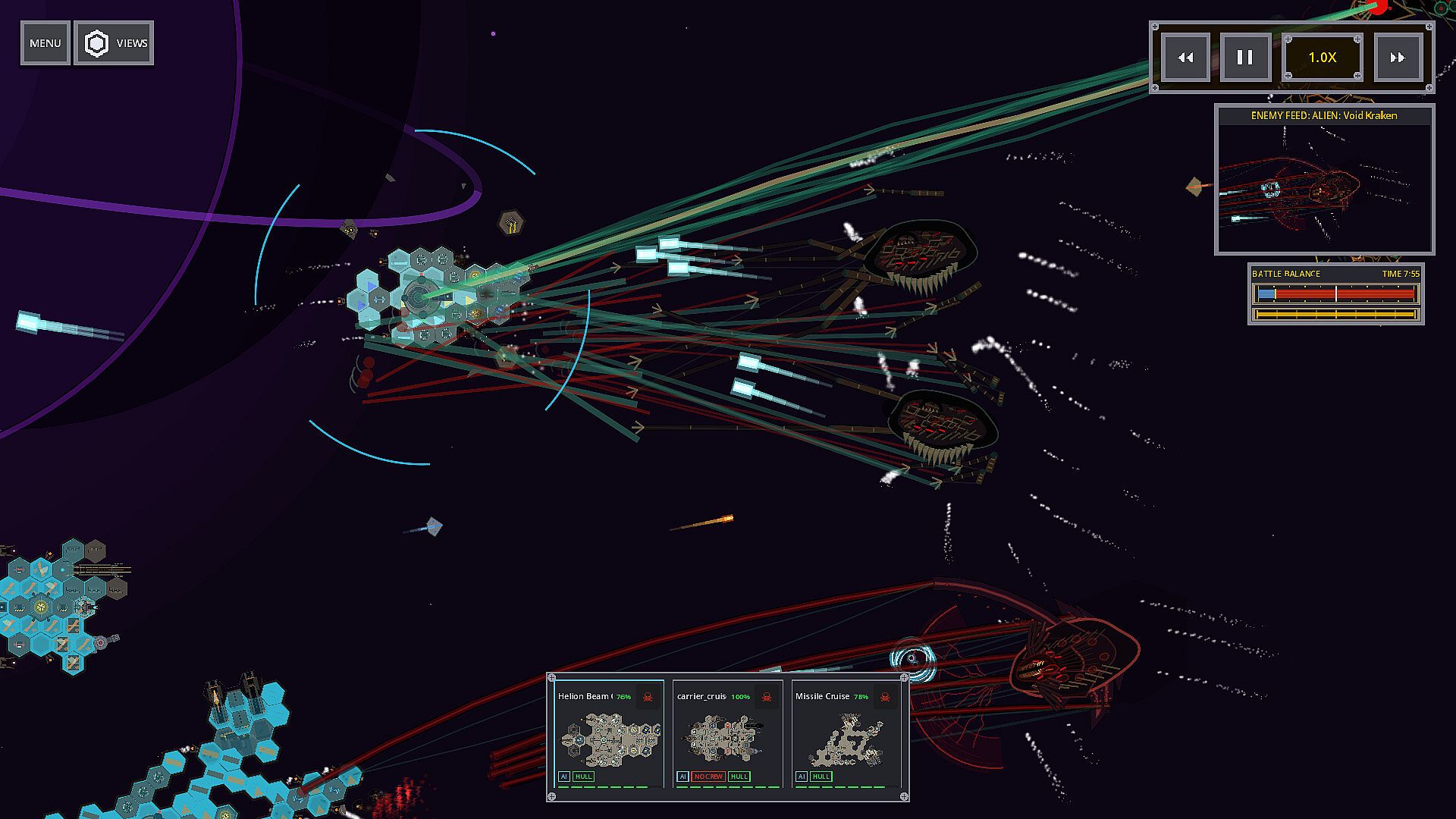
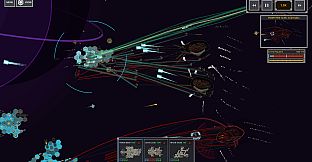
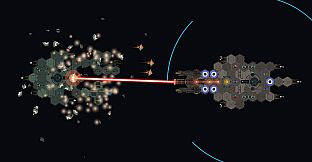
Real-time battles involve directing multiple ships simultaneously. Commands include concentrating fire on priority targets, repositioning to shield weakened hulls, intercepting incoming missiles or drones, and maintaining formation integrity as losses mount. Carriers launch strikecraft for harassment or bombing runs against exposed modules, while point defense systems determine whether those attacks reach their marks. Boarding actions introduce close-quarters elements when marine pods reach enemy vessels and fight through internal spaces.
Crew members function as active participants rather than abstract resources. They man stations, transport supplies, conduct repairs during combat, and sustain operations after initial damage. This layer adds management depth, as losses among specialists can disable key systems even if the hull remains intact.
Game Modes
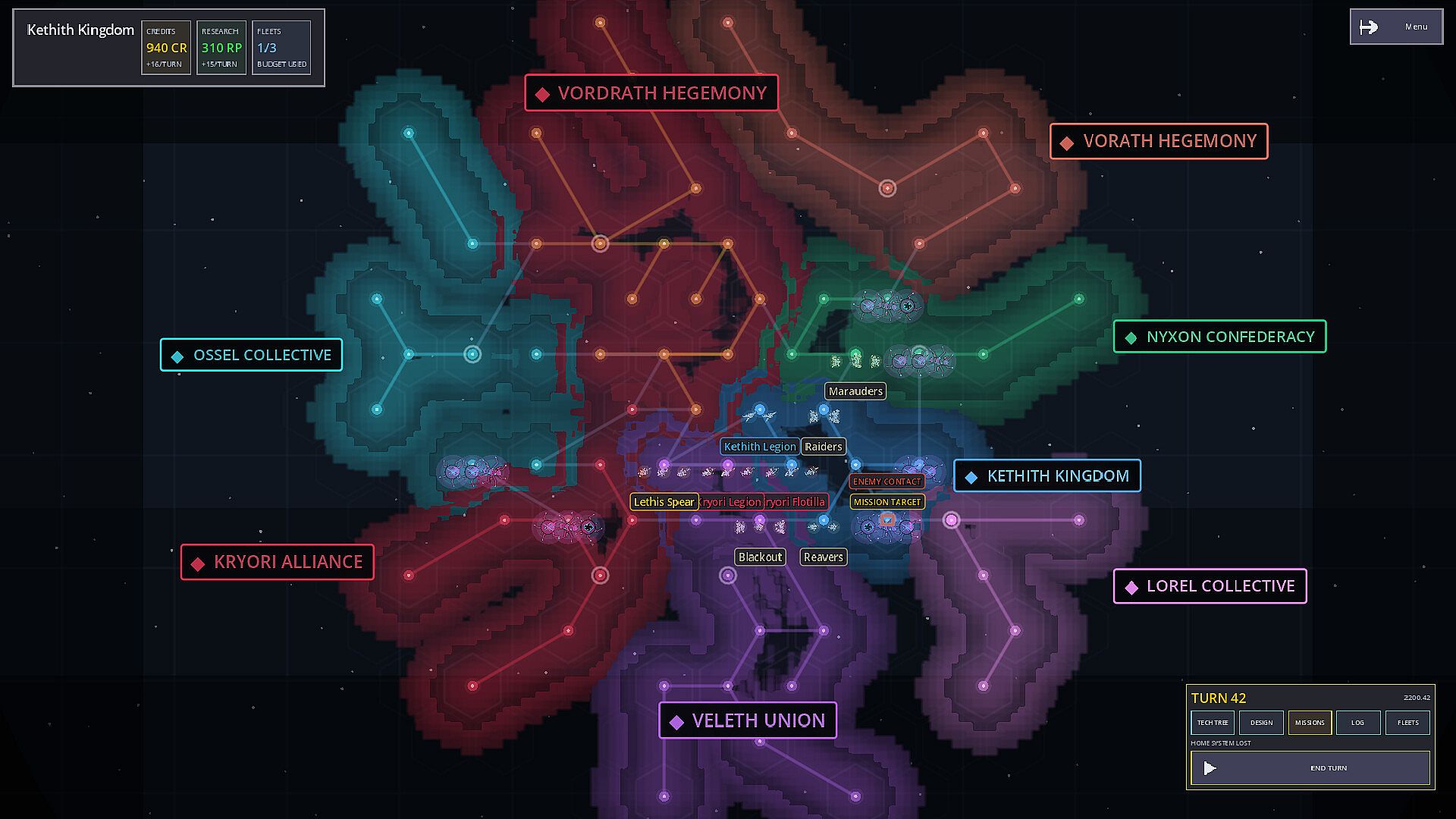
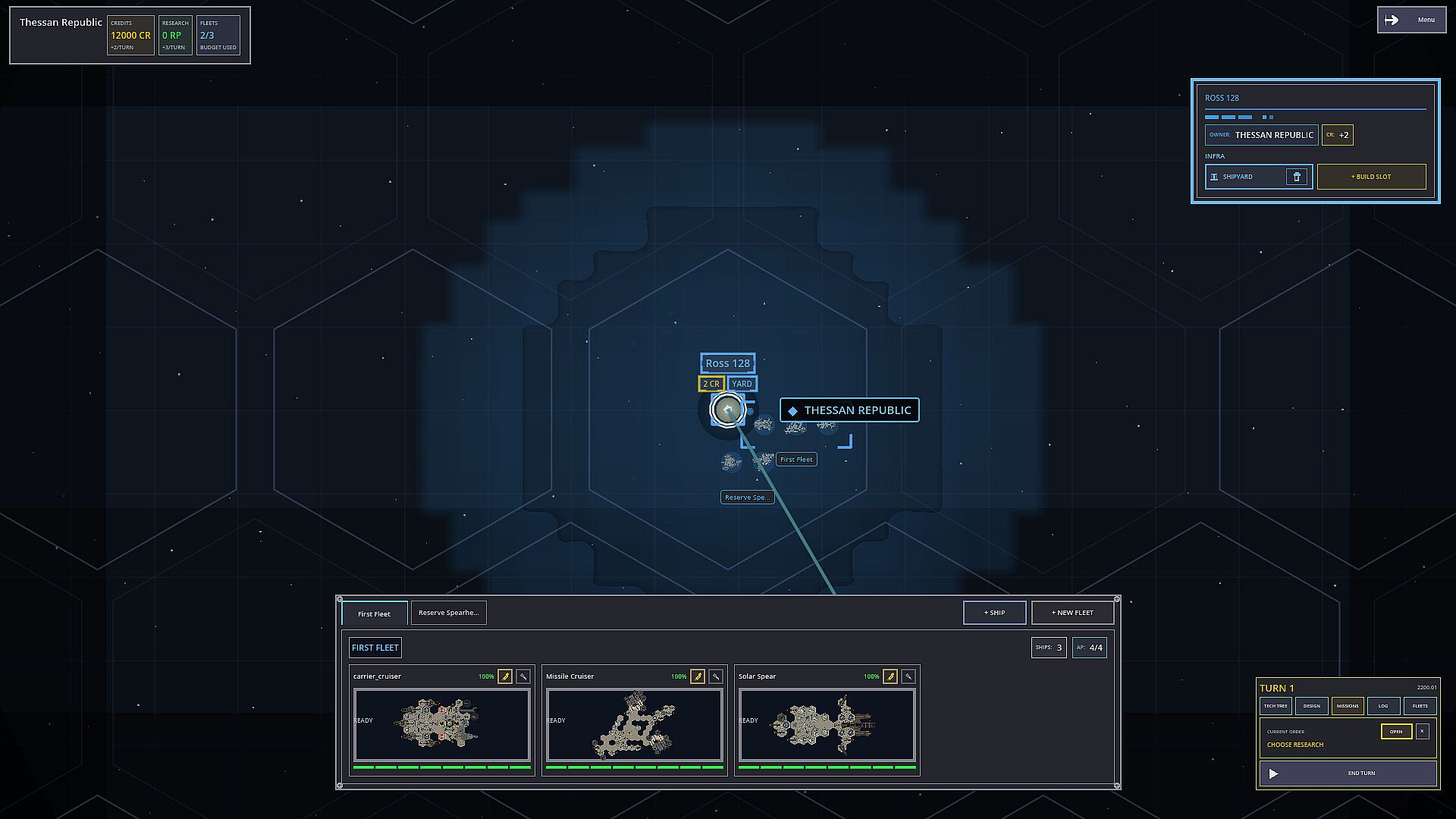
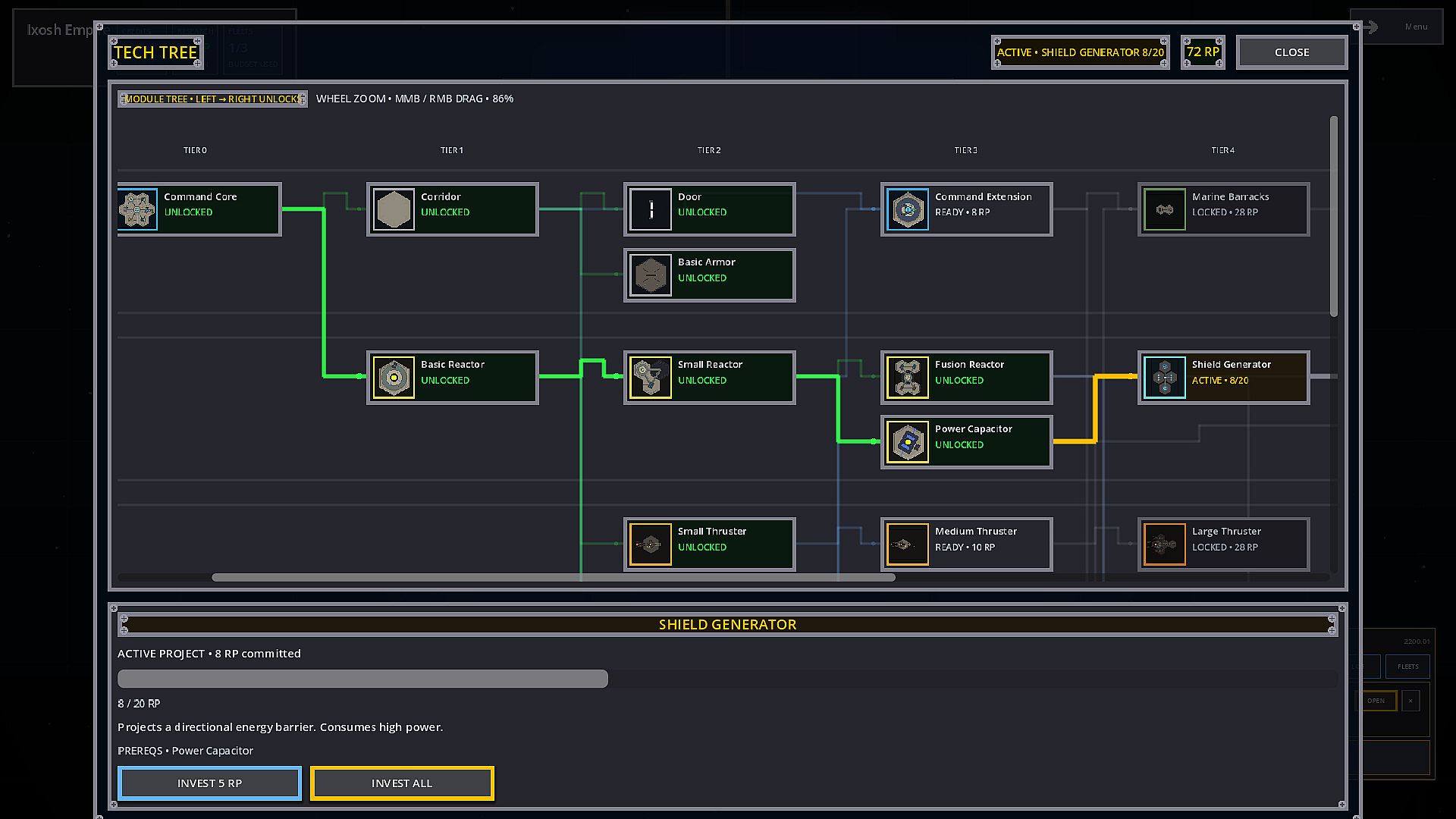
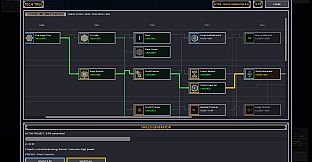
The primary experience unfolds through a solo or online co-op campaign. Players move fleets between linked systems, contest territory for income, and respond to shifting pressure across the front lines. Research progress unlocks additional modules and infrastructure options, expanding design possibilities over time. Losses and repairs shape available resources for subsequent engagements, creating a loop where early decisions influence later fleet composition.
Co-op supports shared campaign oversight, with participants assigning captains to ships, coordinating fleet movements, and participating together in tactical battles. This setup allows division of responsibilities during both strategic planning and real-time combat sequences.
Campaign Structure and Progression
Progression ties directly to territorial control and resource management on the campaign map. Holding systems generates income that funds new constructions and refits, while research trees provide incremental improvements to modules and support options. A single poor engagement can reduce fleet strength, forcing reliance on remaining vessels or rushed replacements until momentum recovers. The system rewards adaptation, as repeated exposure to certain threats encourages redesigns that address recurring weaknesses.
Modular construction encourages experimentation between fights. Failed configurations can be reworked based on observed performance, turning each battle into data for the next design iteration. This iterative process extends across the full campaign rather than resetting per encounter.
Is It Worth Playing?
FleetForge suits players who enjoy detailed ship customization combined with real-time multi-unit command and long-term campaign consequences. The emphasis on tradeoffs during construction and the need to manage crew and internal damage during fights creates a focused loop for those interested in simulation-style strategy. Co-op expands the experience for groups seeking coordinated decision-making across both map-level planning and individual battles.
Availability on PC supports solo sessions or online co-op without additional requirements beyond standard platform access. The game rewards careful observation of how design choices perform under fire, making it a strong fit for enthusiasts of modular building and persistent fleet management rather than those seeking quick matches or simplified controls.











