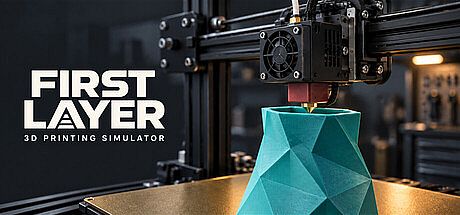




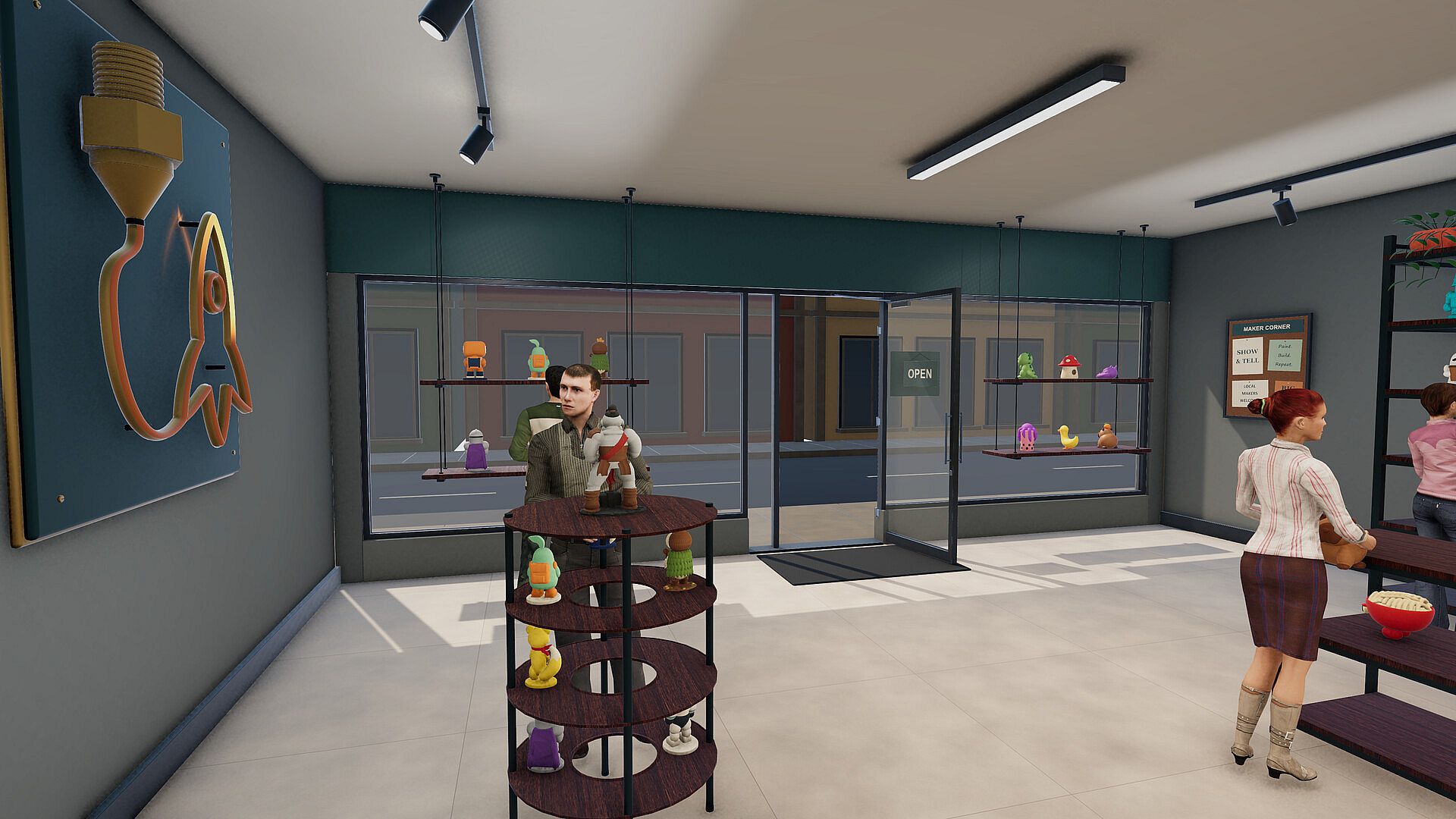
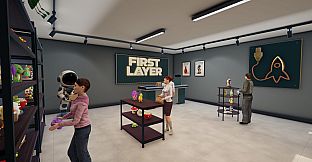

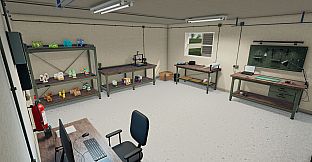

First Layer: 3D Printing Simulator is an indie simulation game for PC that puts players in charge of building and operating a 3D printing workshop from the ground up. The experience centers on turning digital models into physical products, managing production equipment, fulfilling customer orders, and expanding operations through careful financial decisions.
Gameplay
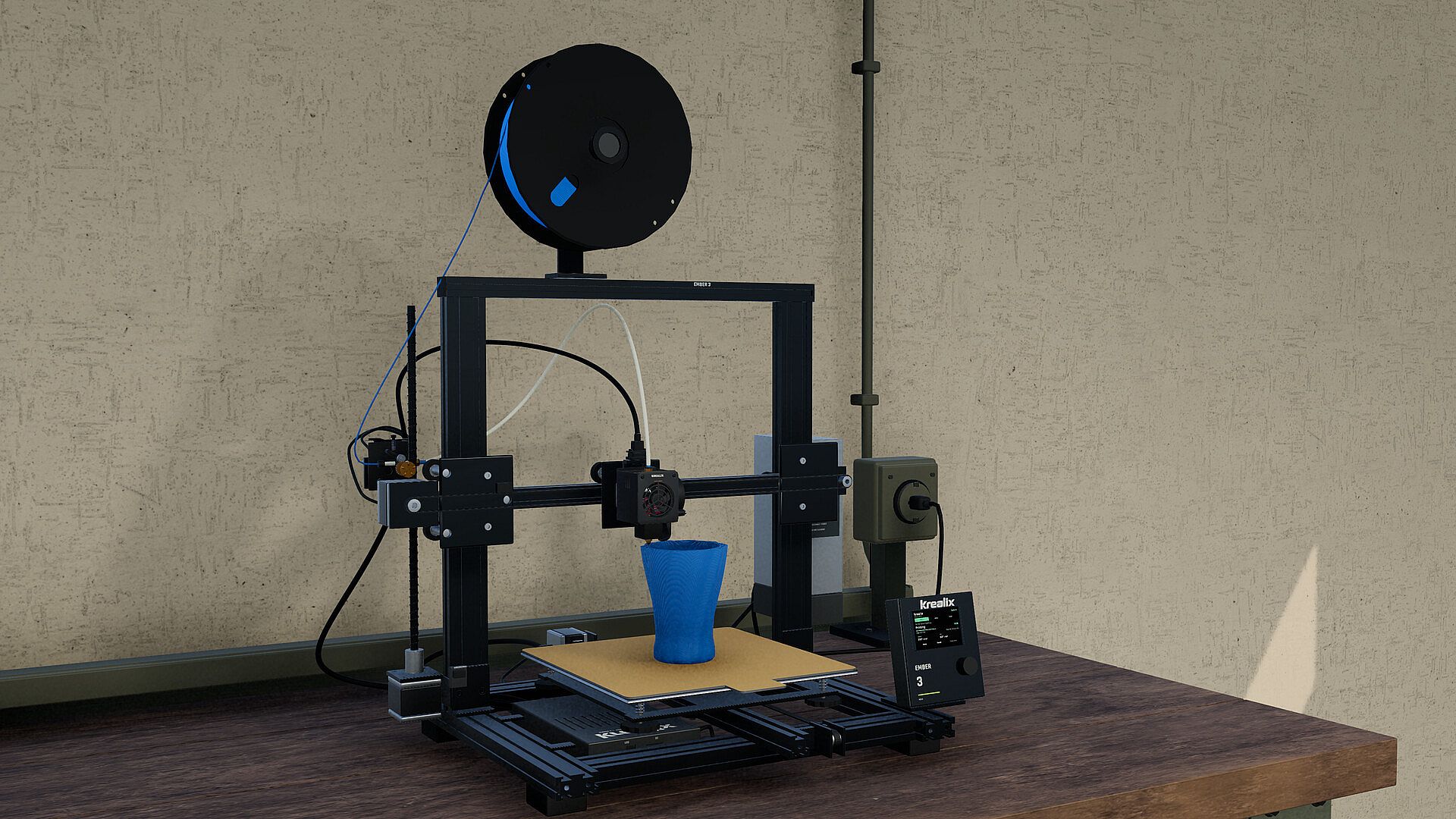
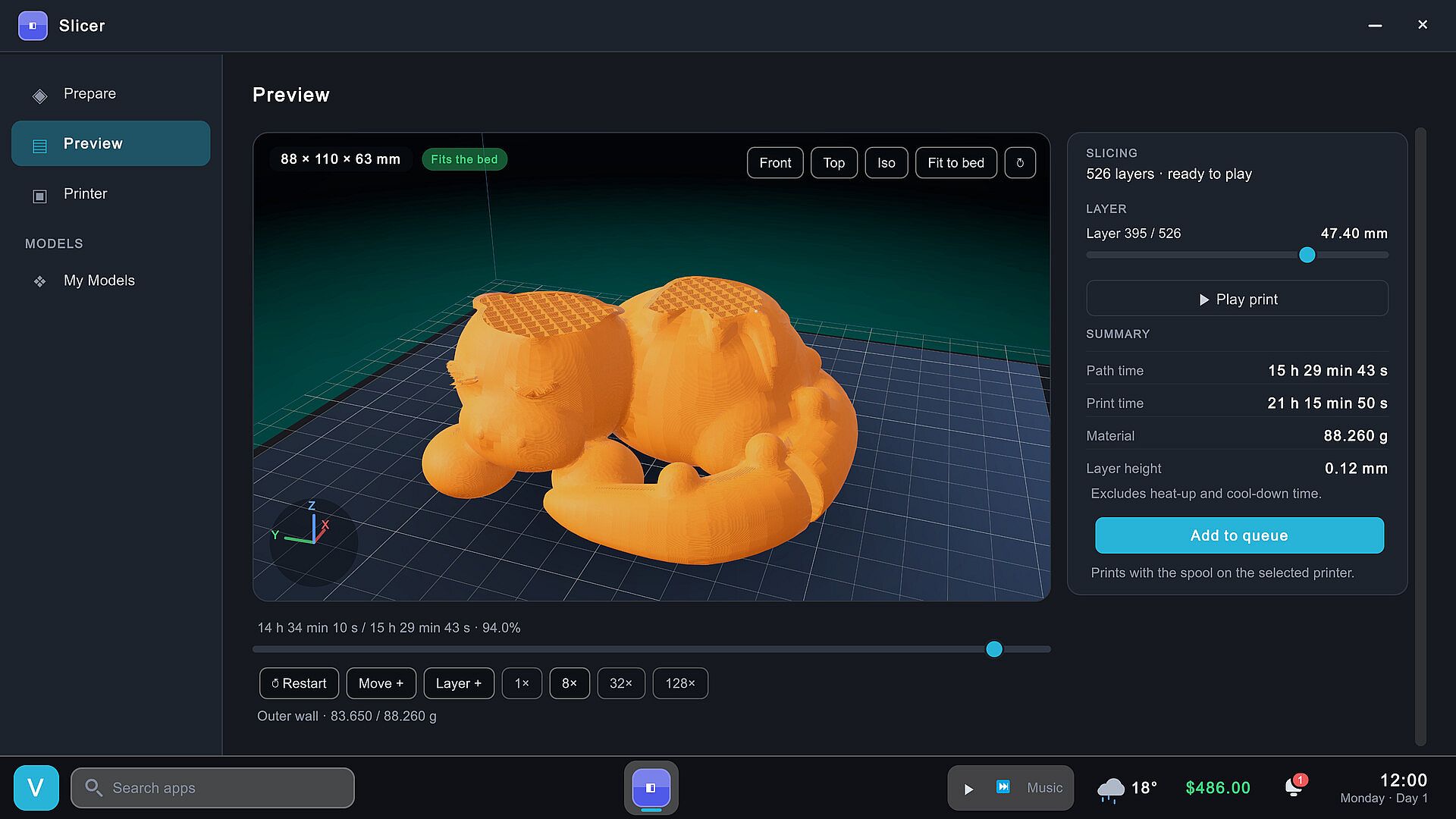
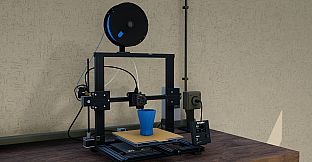
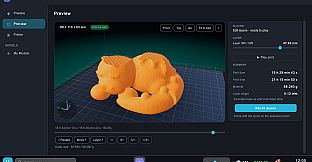
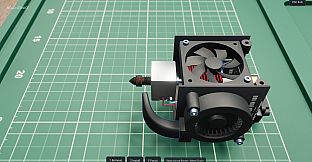
The core loop involves preparing models on a computer station, adjusting print parameters such as layer height, infill density, and speed to control time and material consumption, then sending jobs to available printers. Players load filament spools, monitor the layer-by-layer extrusion process, remove completed items from the build plate, and handle post-processing steps including painting finished pieces for added detail and appeal.
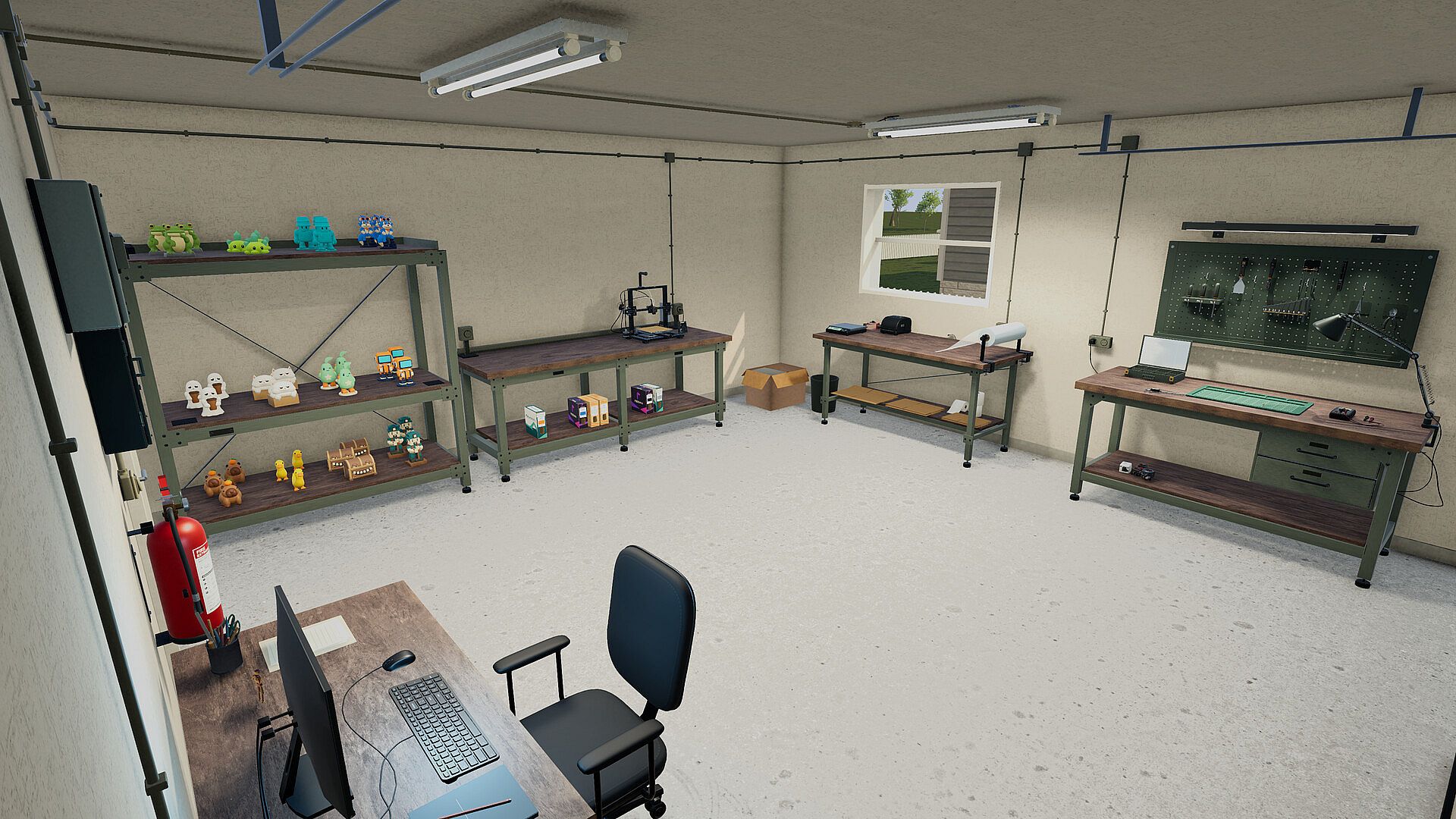
Workshop management extends to tracking filament inventory, assigning specific printers to orders, maintaining production queues, and organizing the physical space to avoid bottlenecks. Earnings from completed sales fund upgrades like additional printers or expanded material supplies, allowing gradual growth from a basic setup to a more capable operation capable of handling larger volumes.
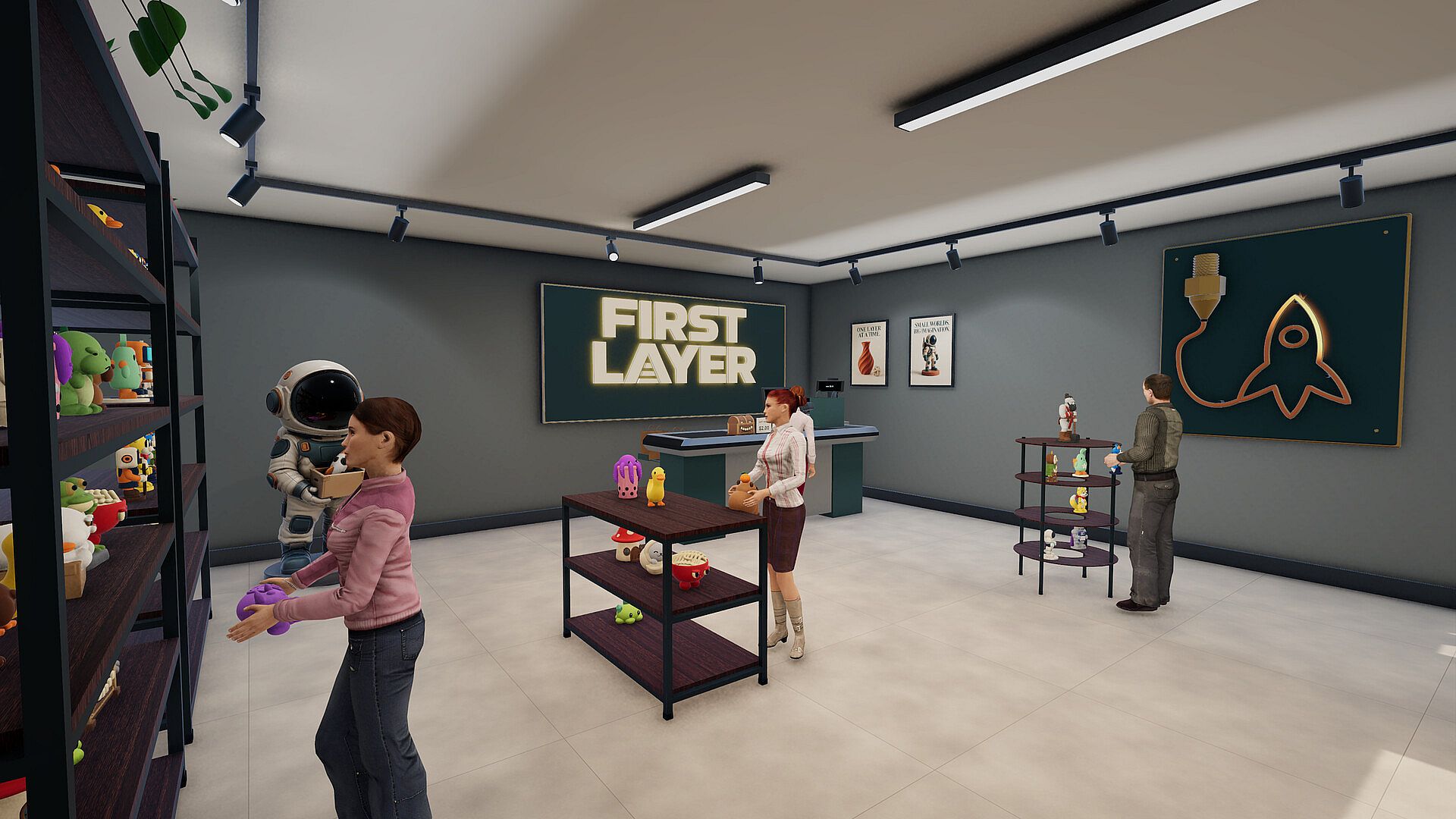
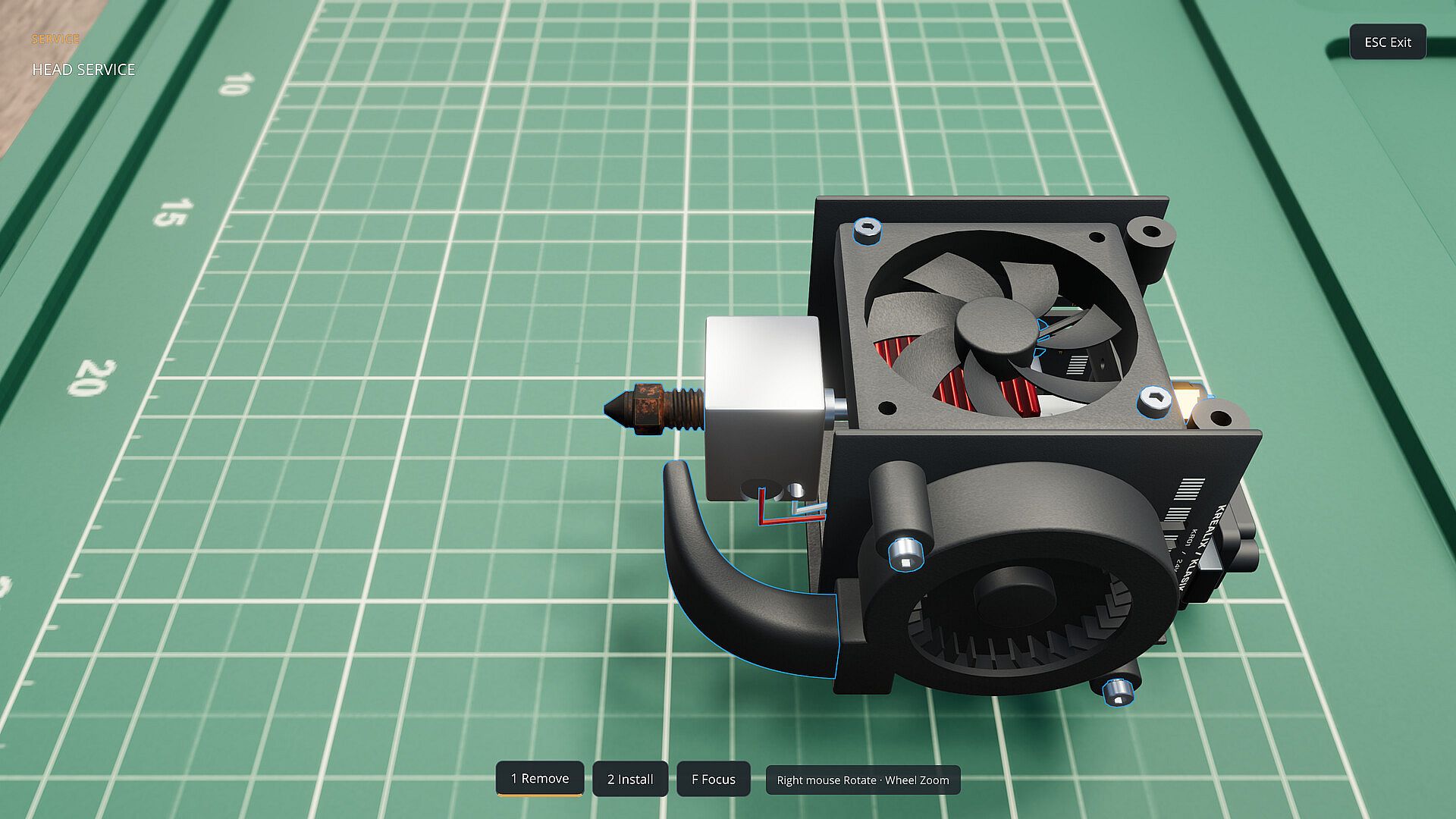
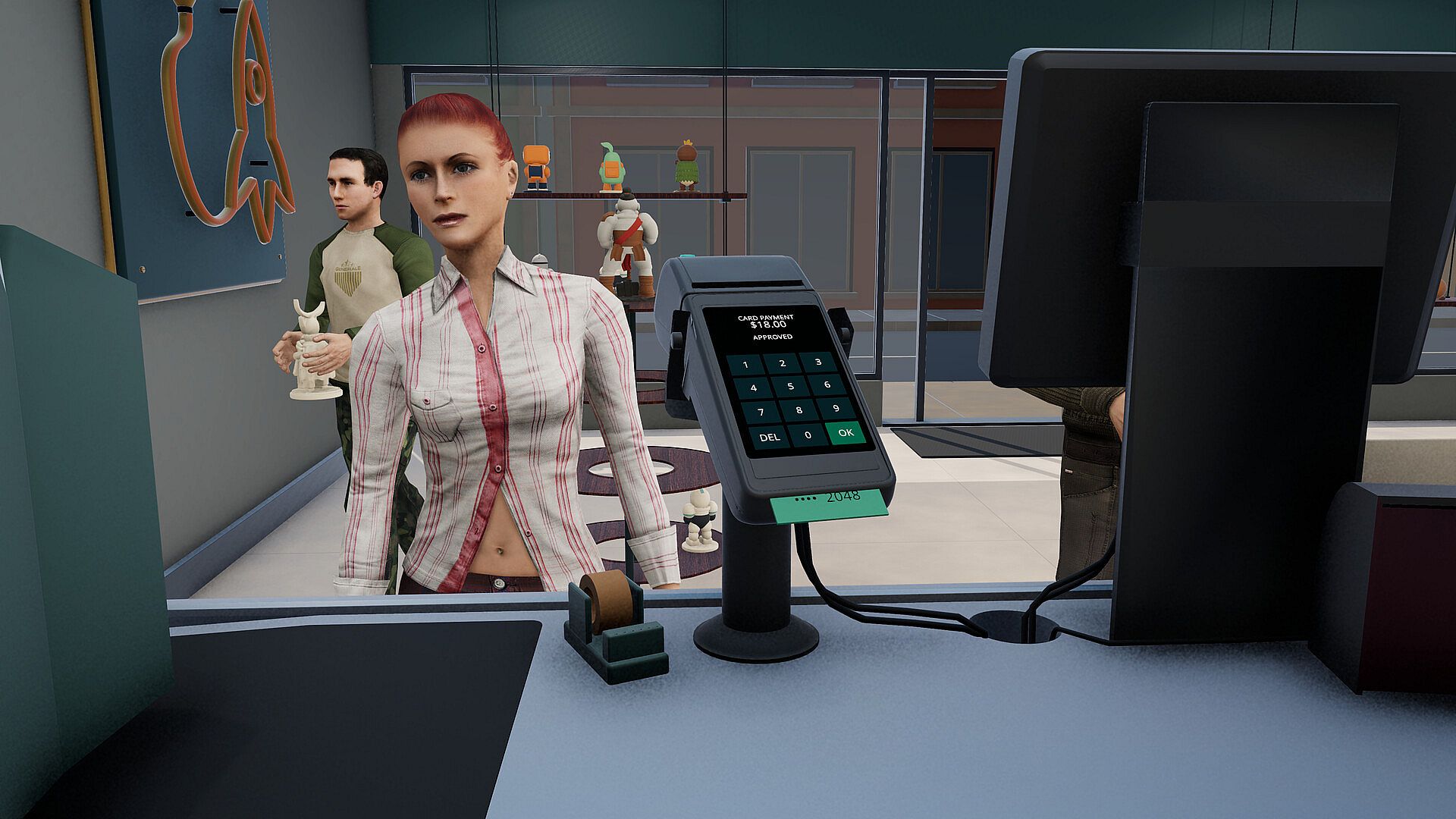
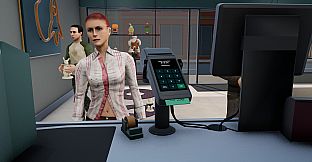
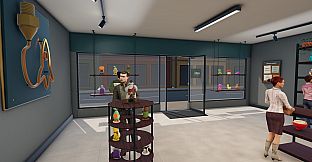
Additional tasks include routine printer maintenance and repairs to keep equipment running reliably, as well as packaging orders and interacting directly with customers at a shop counter to complete transactions. These elements combine to create a steady progression where initial small jobs build toward sustained business growth.
Game Modes
The game operates as a single-player simulation focused on business development and production management. Progression occurs through completing orders, reinvesting profits, and scaling the workshop without separate named modes or competitive elements. Players advance by balancing production efficiency, material costs, and customer demand in a continuous career-style experience.
Business Expansion and Production Details
Early stages emphasize basic tasks such as slicing models and running initial prints to fulfill simple orders for items like keychains, figures, vases, and desk organizers. As revenue accumulates, players unlock capacity for more printers and higher-volume work while refining settings to optimize filament usage and print duration for each job.
Stock management requires monitoring available materials and planning printer assignments to meet incoming requests without delays. The visual feedback of watching filament form layer by layer provides a satisfying view of the manufacturing process, while post-print steps like painting add customization options that can influence product value.
Is It Worth Playing?
This title suits players who enjoy methodical simulation games centered on resource management and incremental business growth. The detailed focus on 3D printing mechanics, from model preparation through finished sales, offers a niche appeal for those interested in the subject. With the game still approaching full release following its recent trailer, current information points to a straightforward single-player experience without multiplayer features or seasonal content. Those drawn to relaxed production simulators may find the workshop-building loop engaging, while others seeking faster action or varied challenges might prefer different genres.