

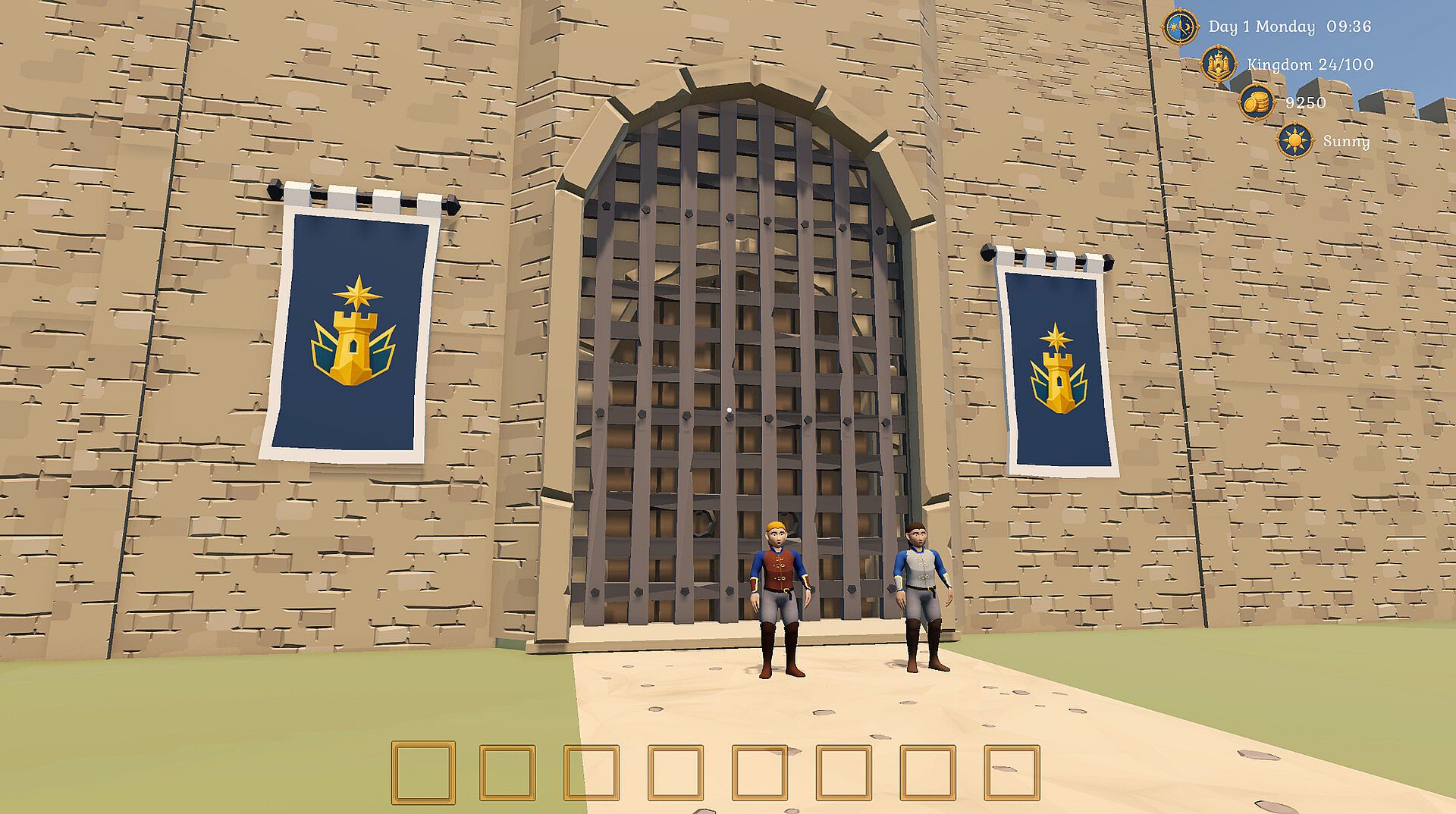
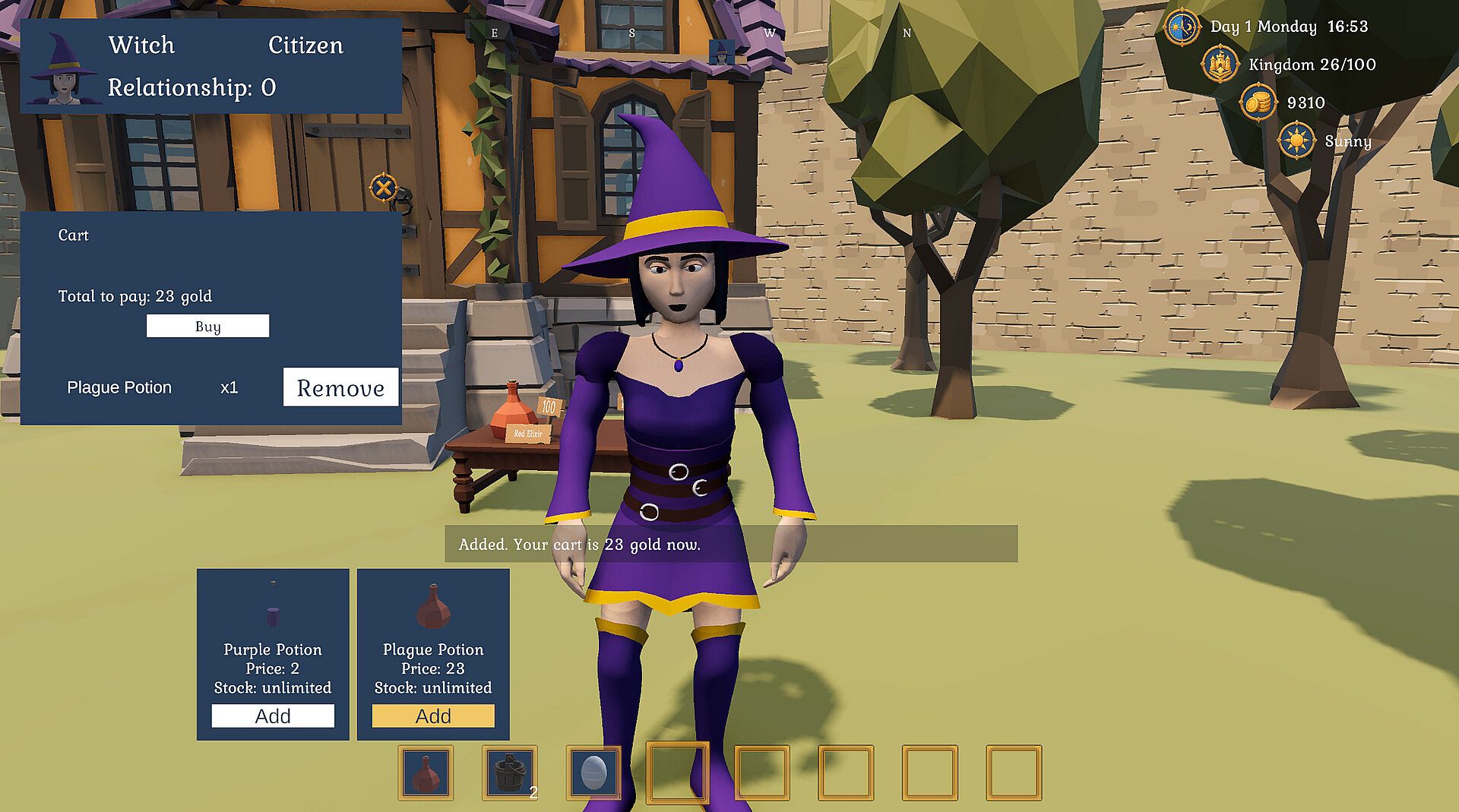
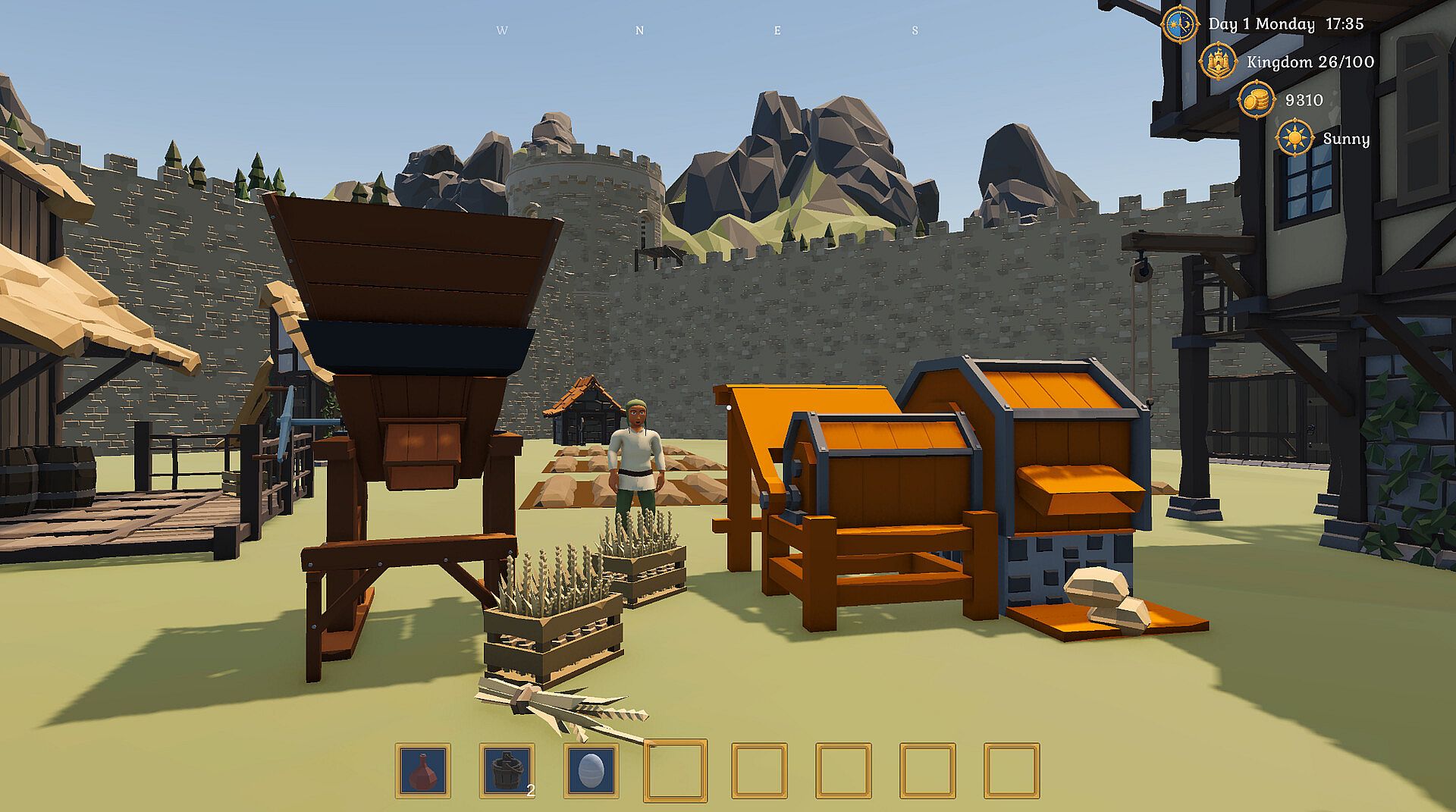
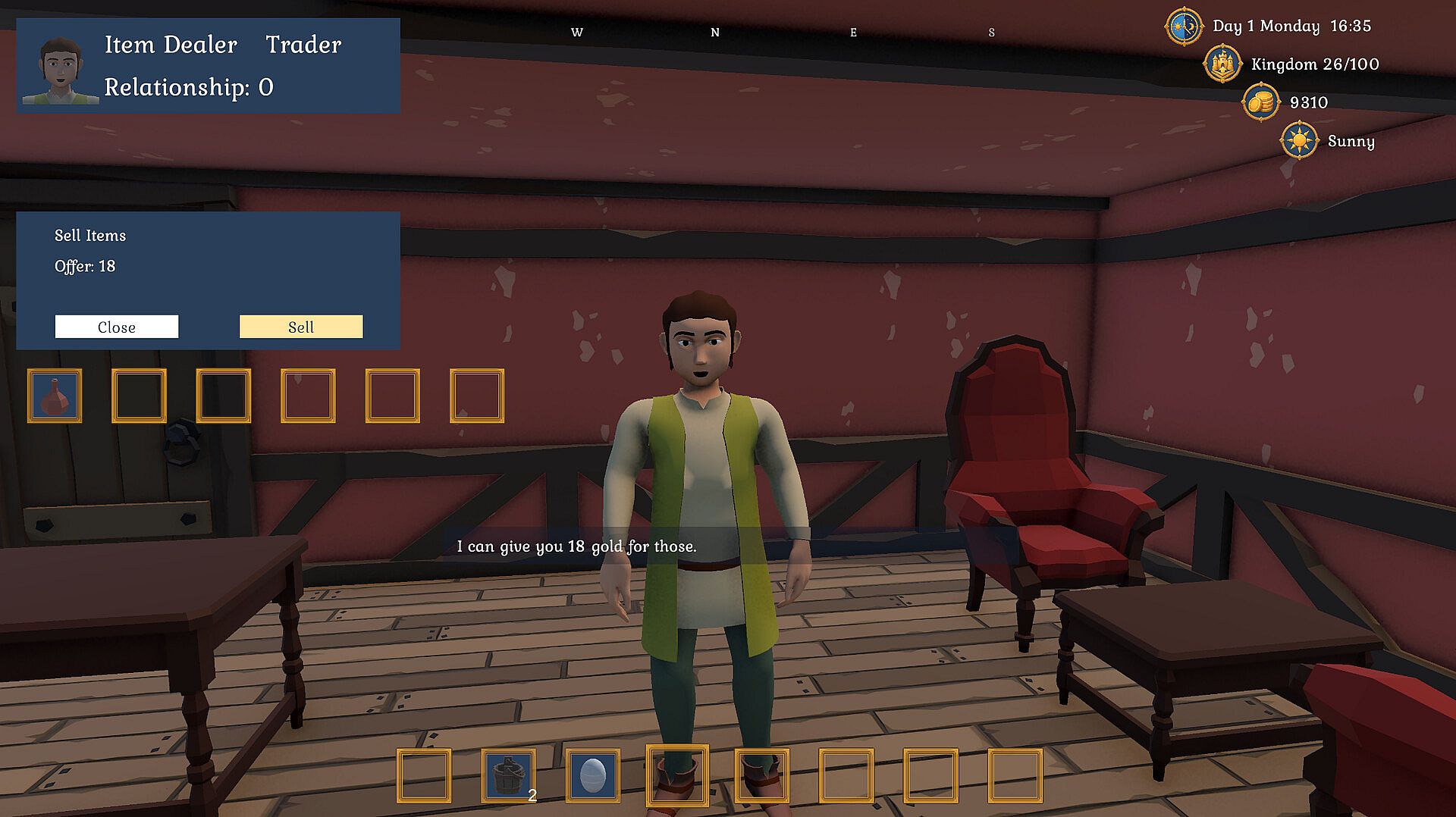

Feathered Fortune is an indie casual simulation game set on PC where players manage a medieval post office while helping a struggling kingdom recover from conflict and disease. The core experience centers on delivering messages and goods via trained pigeons, combined with farm management to support broader economic and social improvements across the land of Melthoria.
Gameplay
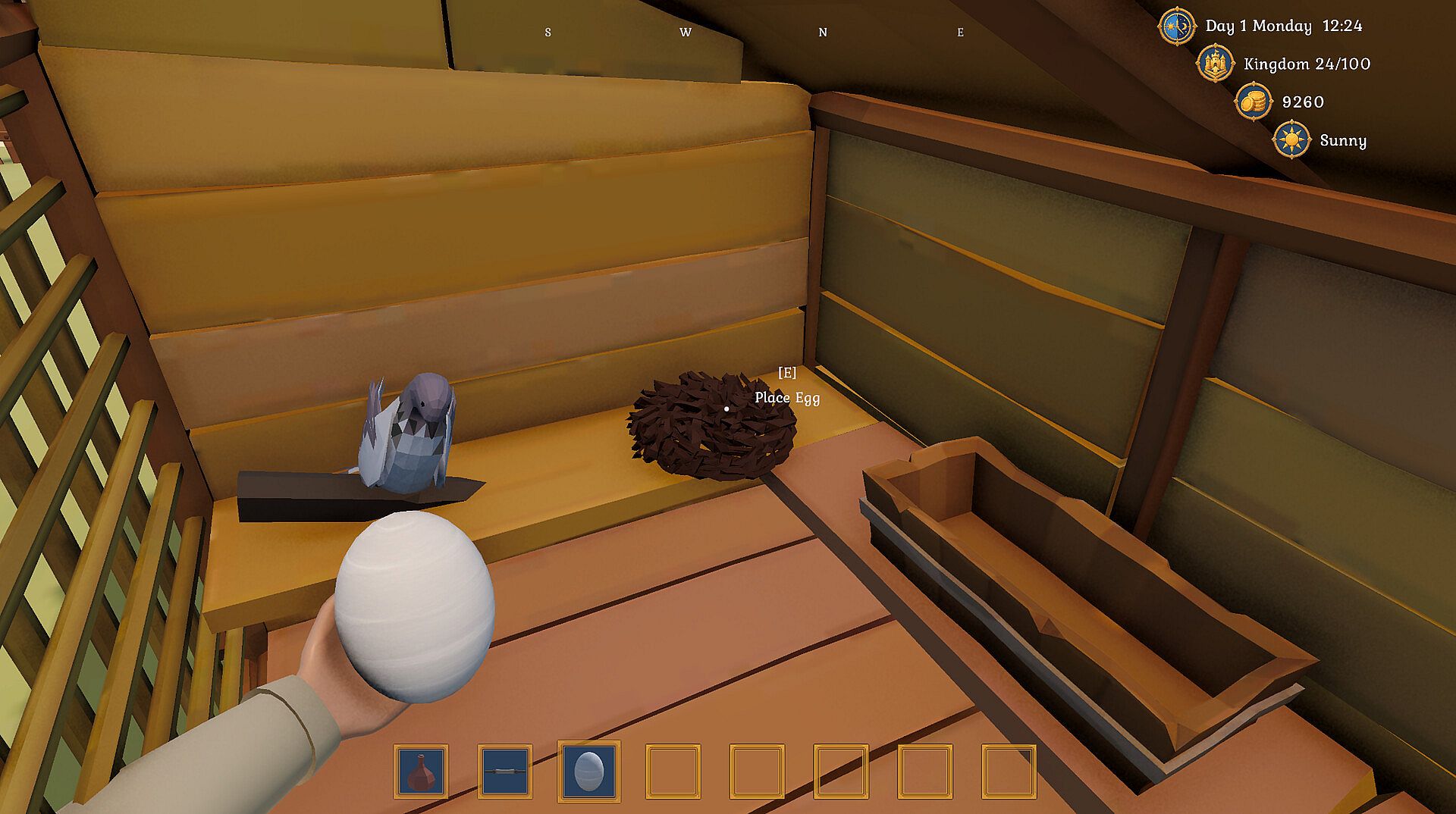
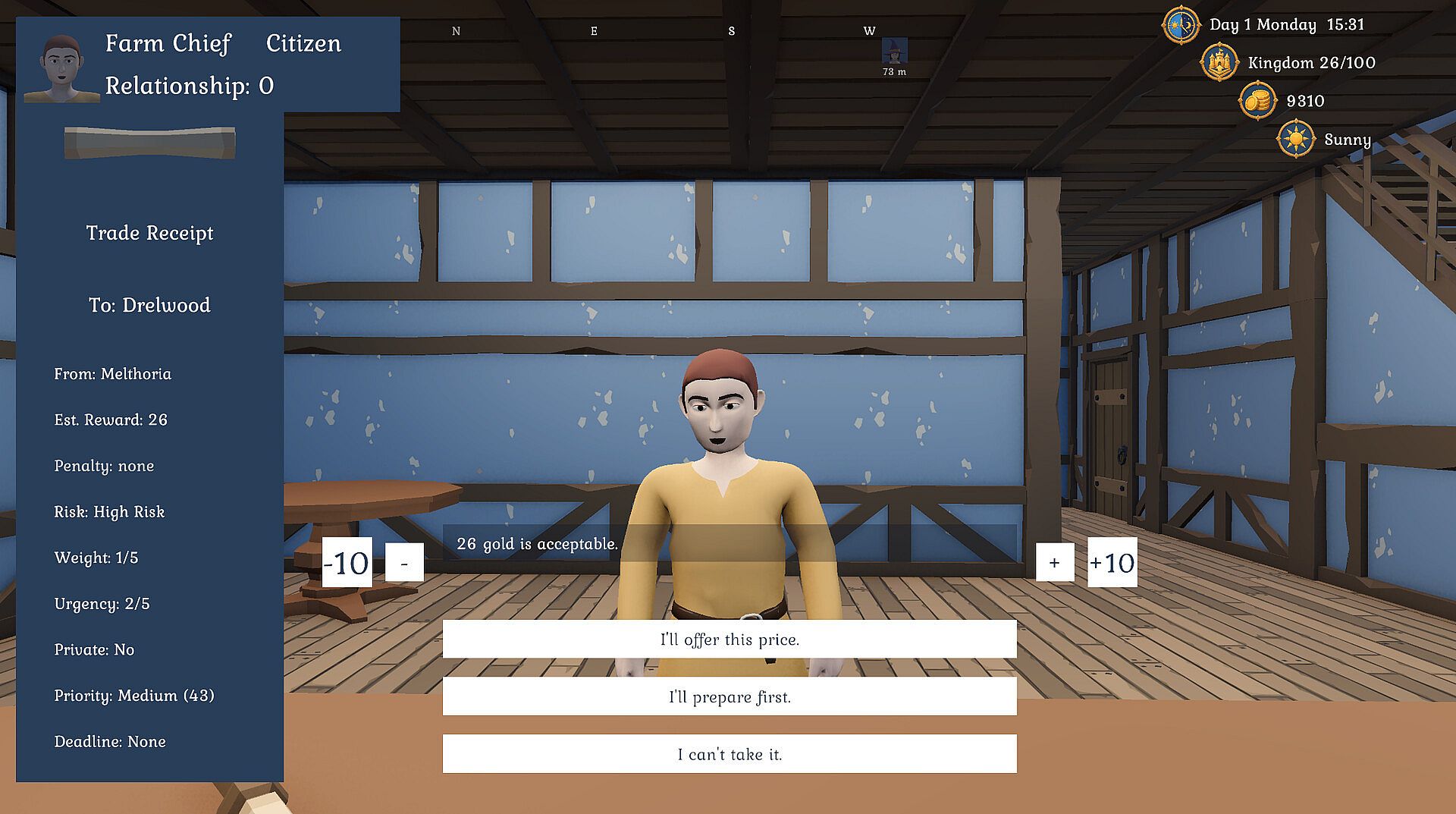
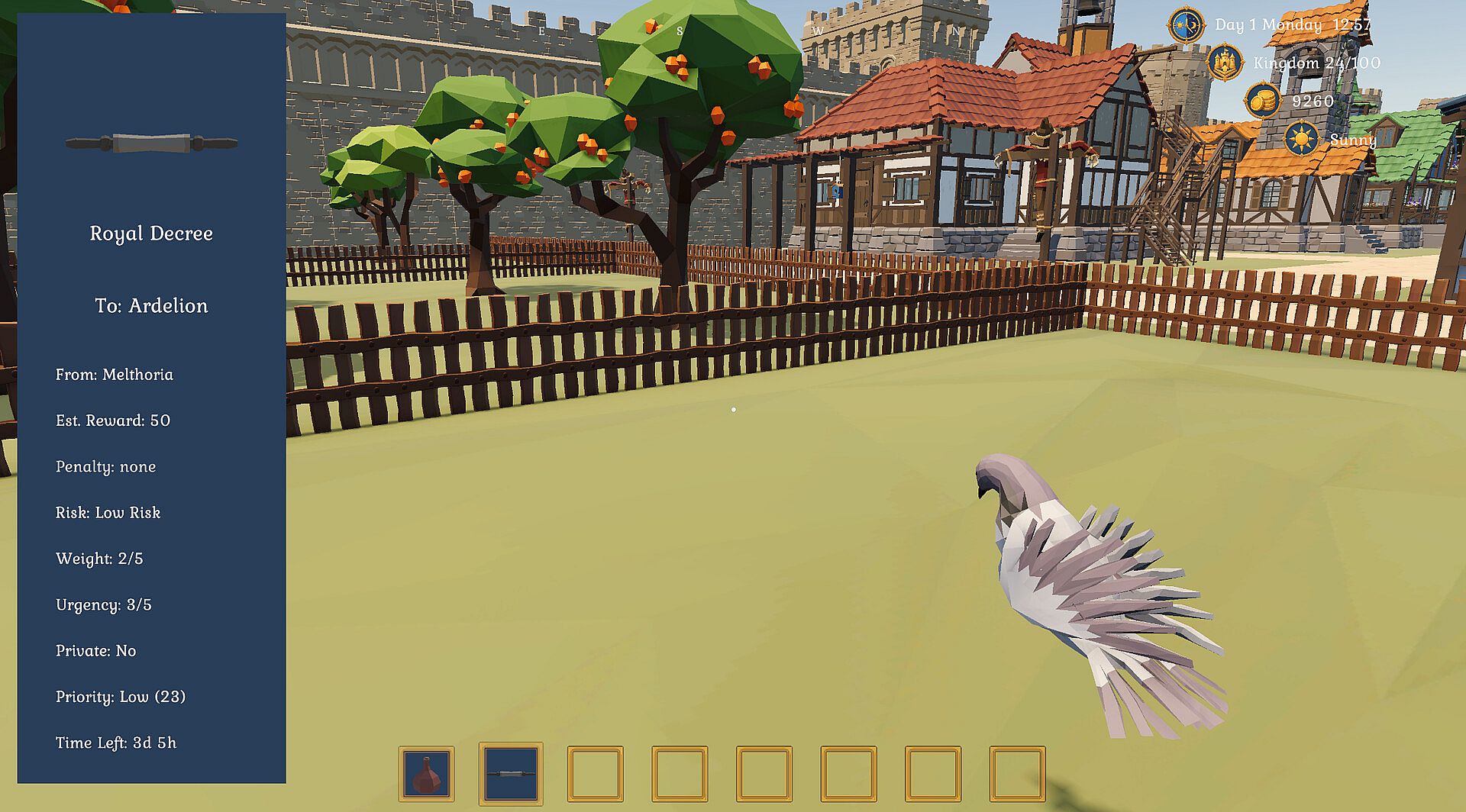
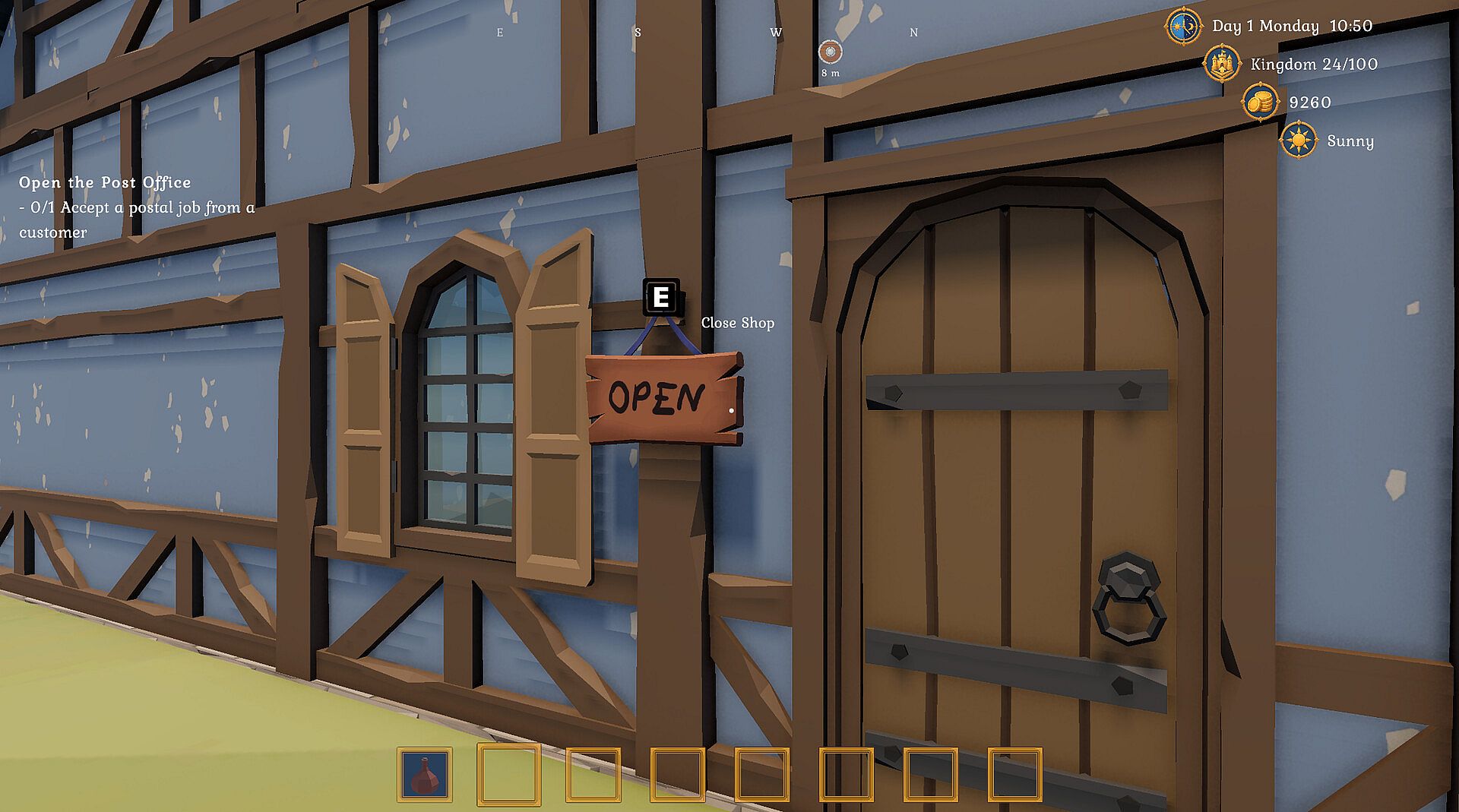
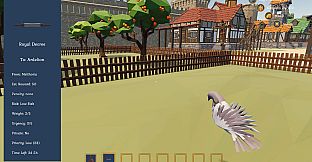
Players begin by establishing a small post office and accepting jobs from local NPCs. Each delivery involves selecting an appropriate pigeon, accounting for its readiness, rest needs, and fatigue levels before sending it out. Routes vary in length and difficulty, with considerations for risks such as plague exposure that can affect success and outcomes.
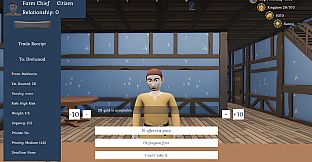
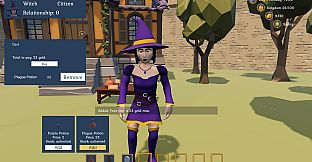
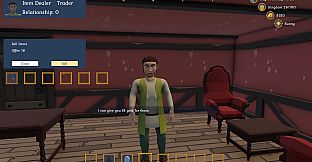
Deliveries extend beyond simple coin rewards. Transporting permits revives mills, medicine pouches aid afflicted areas, and trade documents influence merchant inventories, pricing, and even how characters converse as conditions improve. These changes create a connected world where individual actions contribute to measurable progress in health, food supply, trade, security, infrastructure, and overall morale.
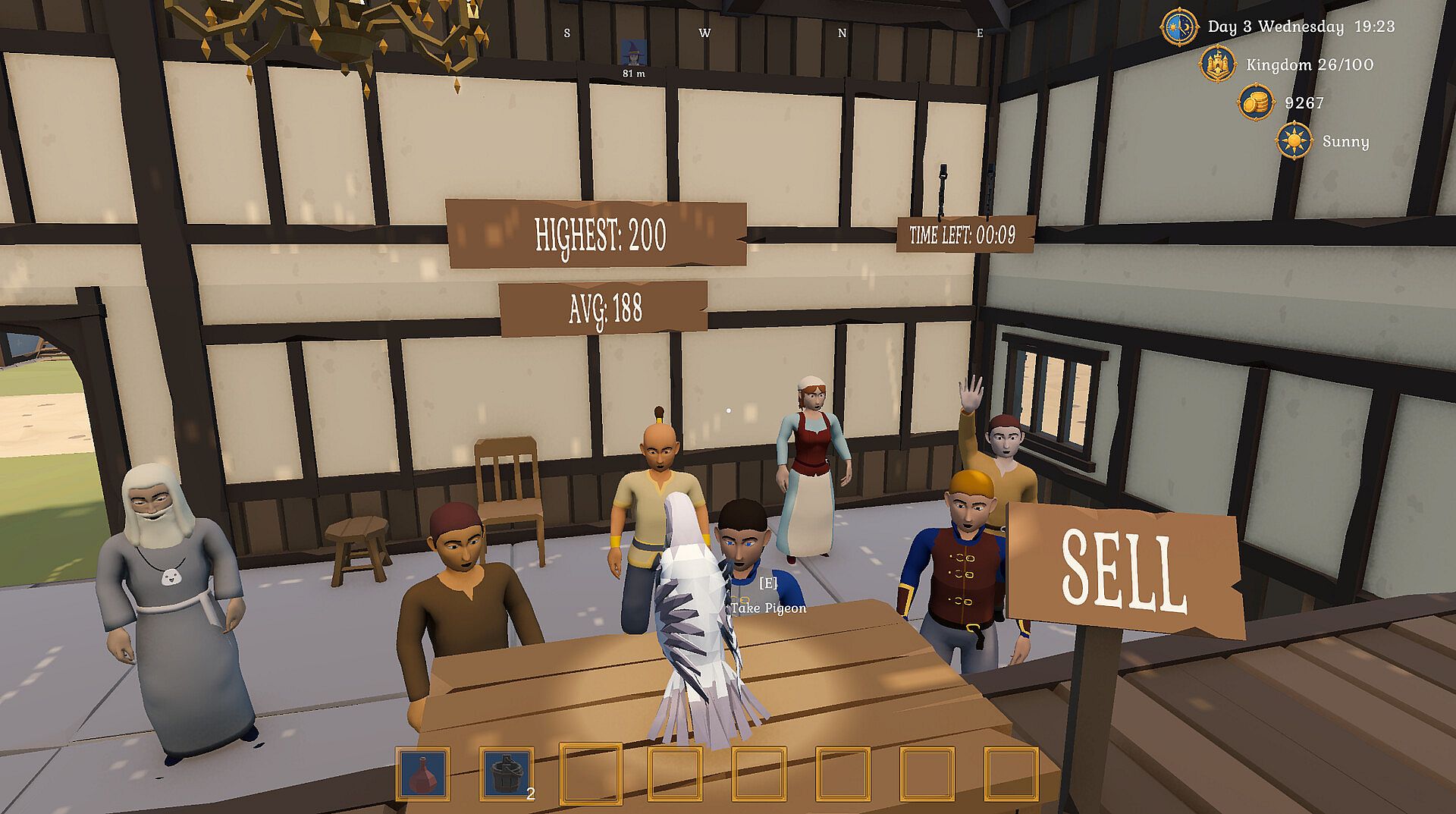
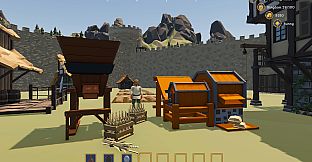
Farm management runs parallel to postal work. Players grow crops and produce items needed by the kingdom, then sell surplus to sustain operations and aid recovery efforts. The pigeons, farm outputs, customer requests, and evolving city routes form an interconnected loop that encourages ongoing attention to both business and community needs.
Game Modes
Feathered Fortune operates as a single-player simulation without separate competitive or multiplayer modes. The experience unfolds through an integrated career-style progression focused on post office operations and farm development. Job selection, route planning, and resource management occur within one continuous environment where choices in one area influence the other.
Progression emphasizes steady expansion of capabilities. Better pigeon handling and farm yields unlock more complex deliveries and production options. The absence of distinct modes keeps attention on the living loop of deliveries, farming, and kingdom-wide effects rather than switching between unrelated systems.
World and Progression
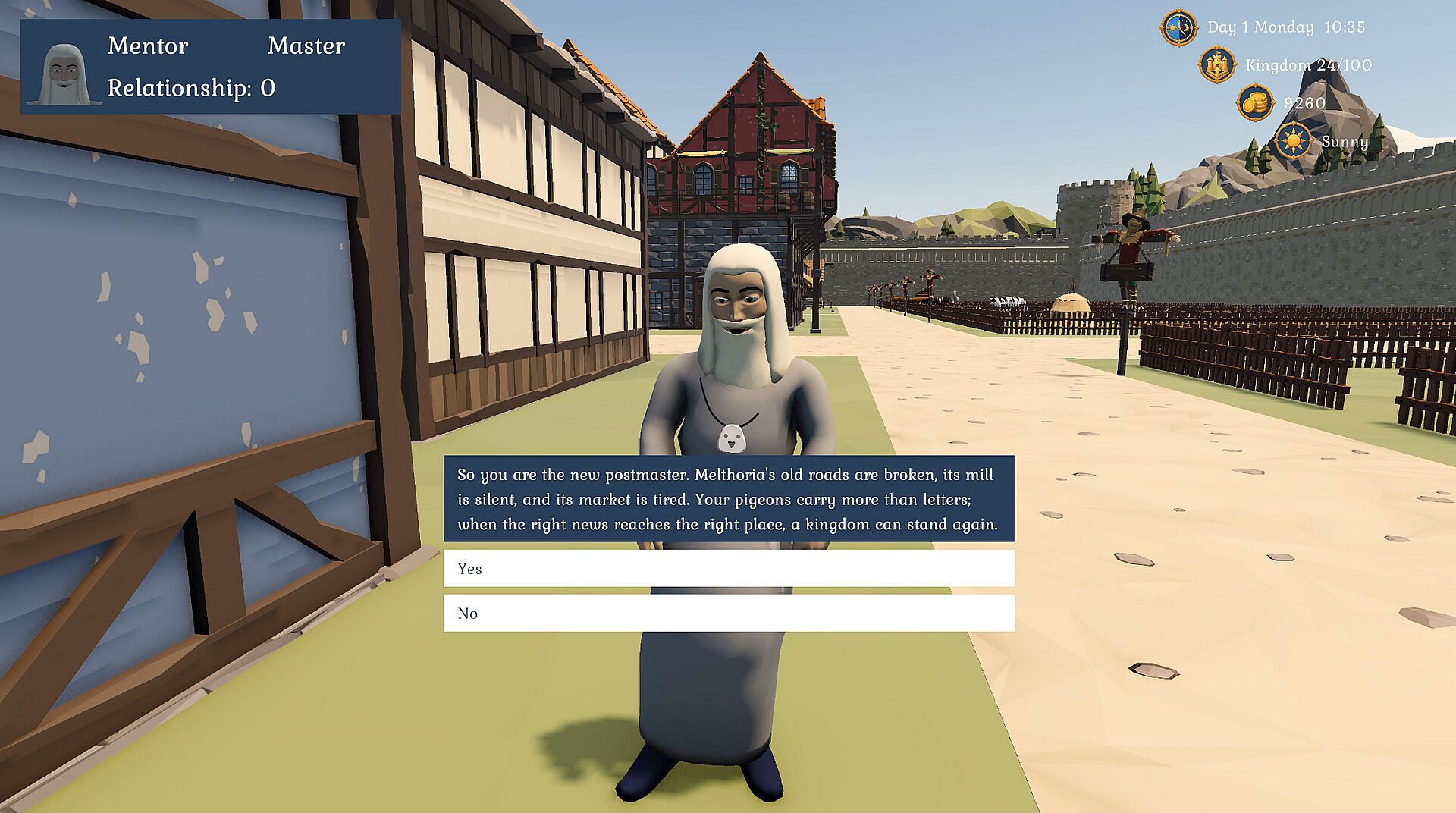
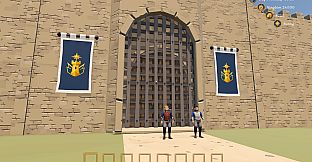
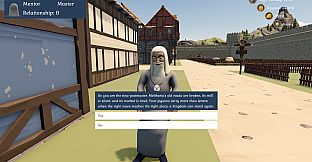
Melthoria starts in a weakened state with disrupted supply lines and ongoing plague concerns. Successful deliveries gradually restore functionality, such as reactivating mills or shifting local economies. NPC interactions update in response to these shifts, reflecting the tangible results of consistent postal and farming efforts.
Players track multiple recovery metrics tied to health, food, trade, security, infrastructure, and morale. Each completed task contributes to these areas, creating a sense of incremental rebuilding without requiring separate tracking interfaces beyond the core management tools.
Is It Worth Playing?
This title suits players who enjoy relaxed management simulations with meaningful cause-and-effect systems. The focus on pigeon preparation, route evaluation, and farm production appeals to those interested in cozy, low-pressure gameplay that still includes strategic decisions around risk and resource allocation.
Because the game remains in a coming-soon state with no completed reviews available, prospective players should monitor its release for confirmation of how the interconnected systems perform in full. Those drawn to indie simulations centered on rebuilding and daily operations will find the described mechanics align closely with that preference. The single-player structure supports self-paced sessions without time-limited events or external competition.