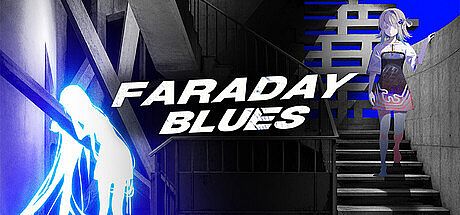


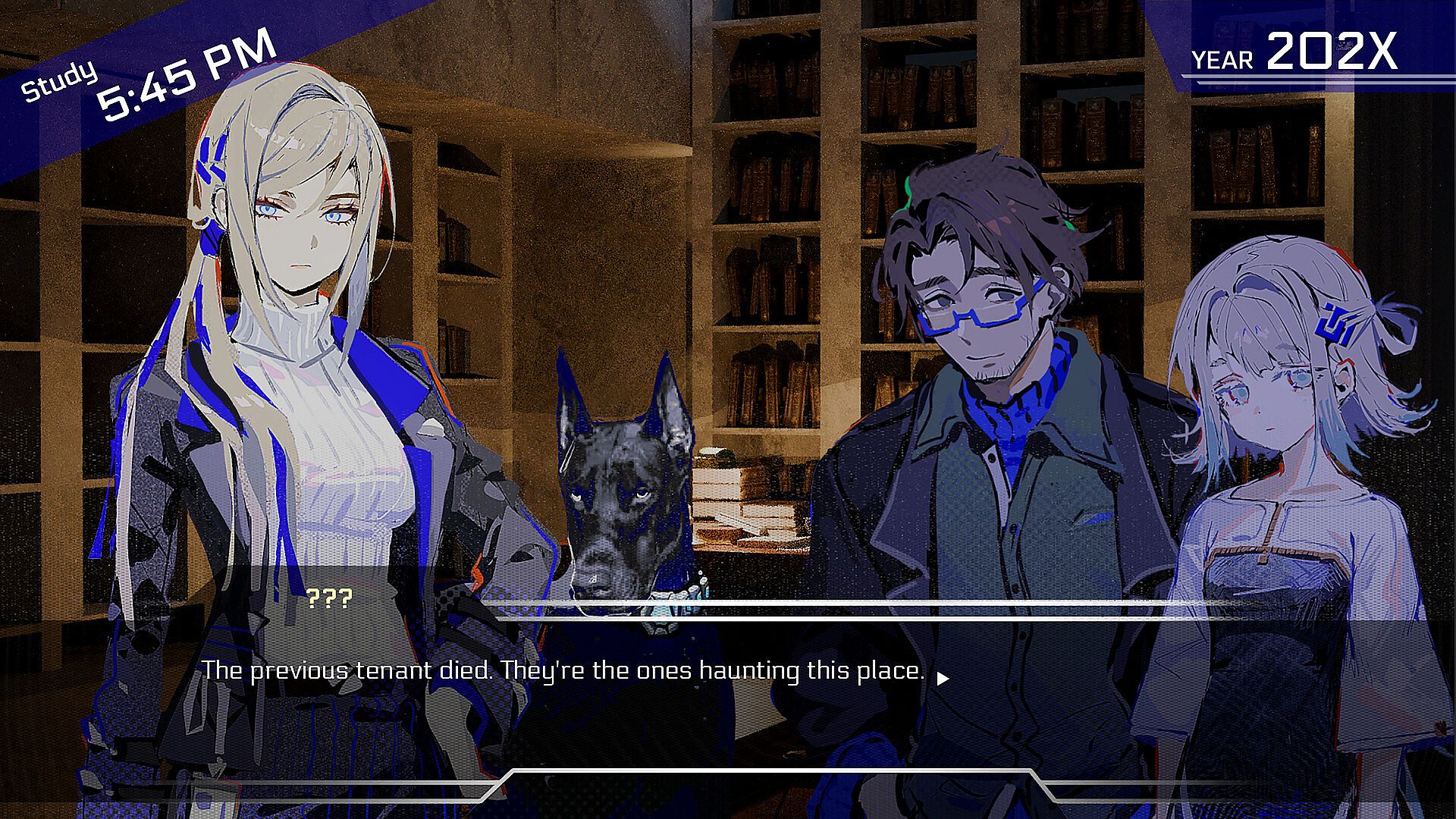

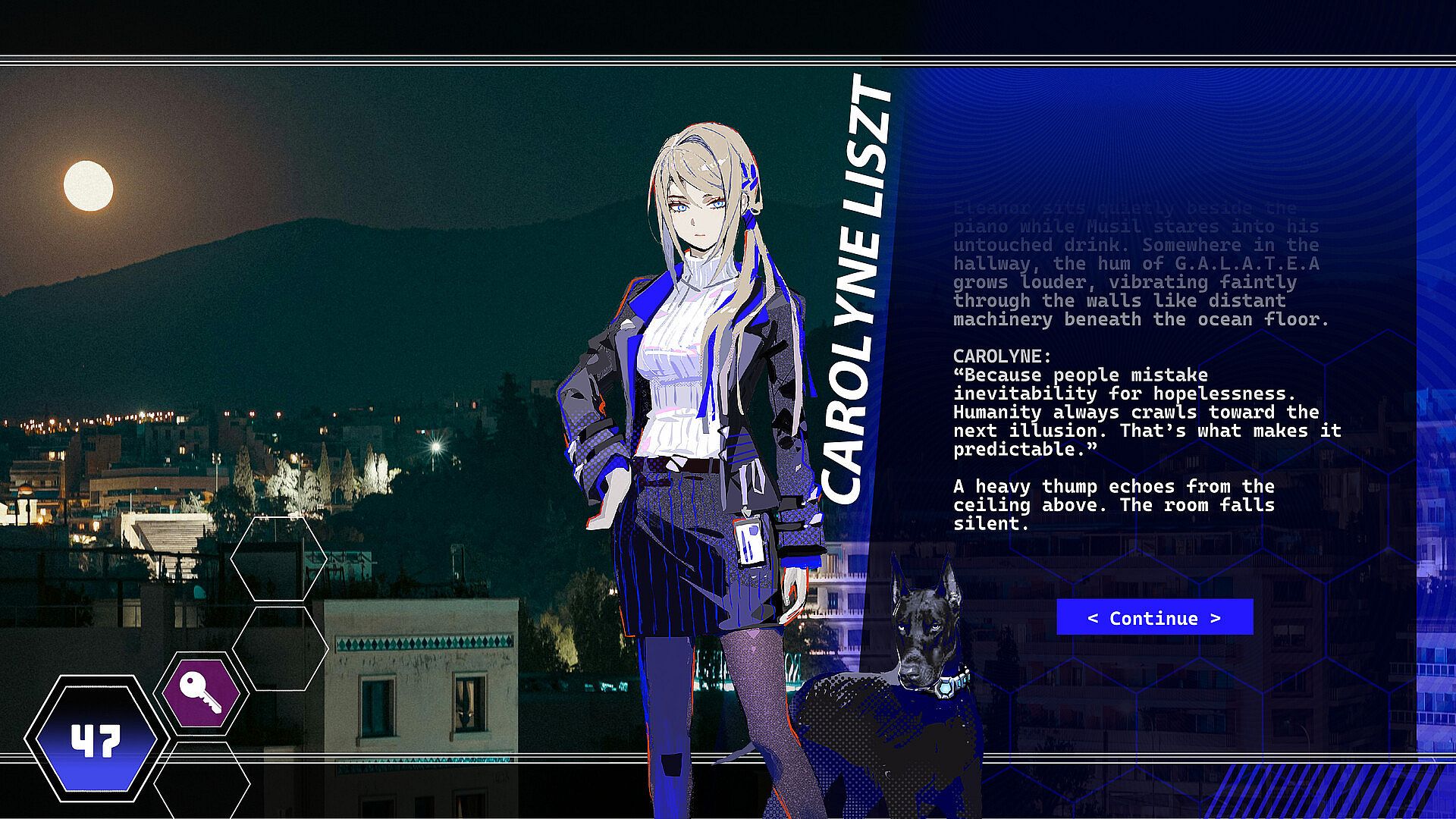


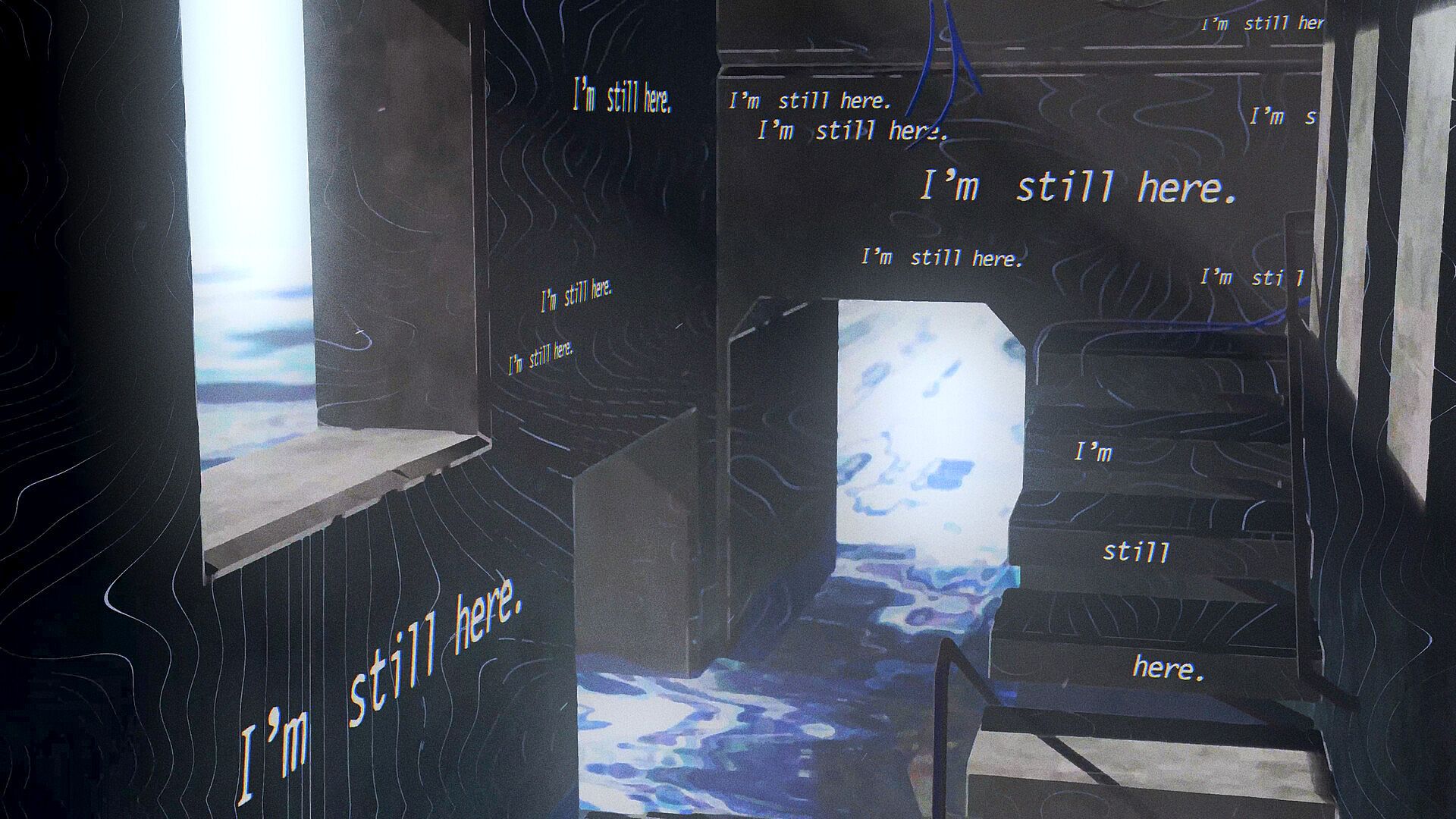





Faraday Blues is a single-player adventure game that blends visual novel storytelling with strategic card play. Players take on the role of Lina, a young woman who awakens in an unfamiliar setting and discovers a mysterious tabletop game connected to her parents. The core experience revolves around collecting cards that represent people, memories, and objects from the Faraday family history, then using them to reshape events across multiple timelines.
Gameplay
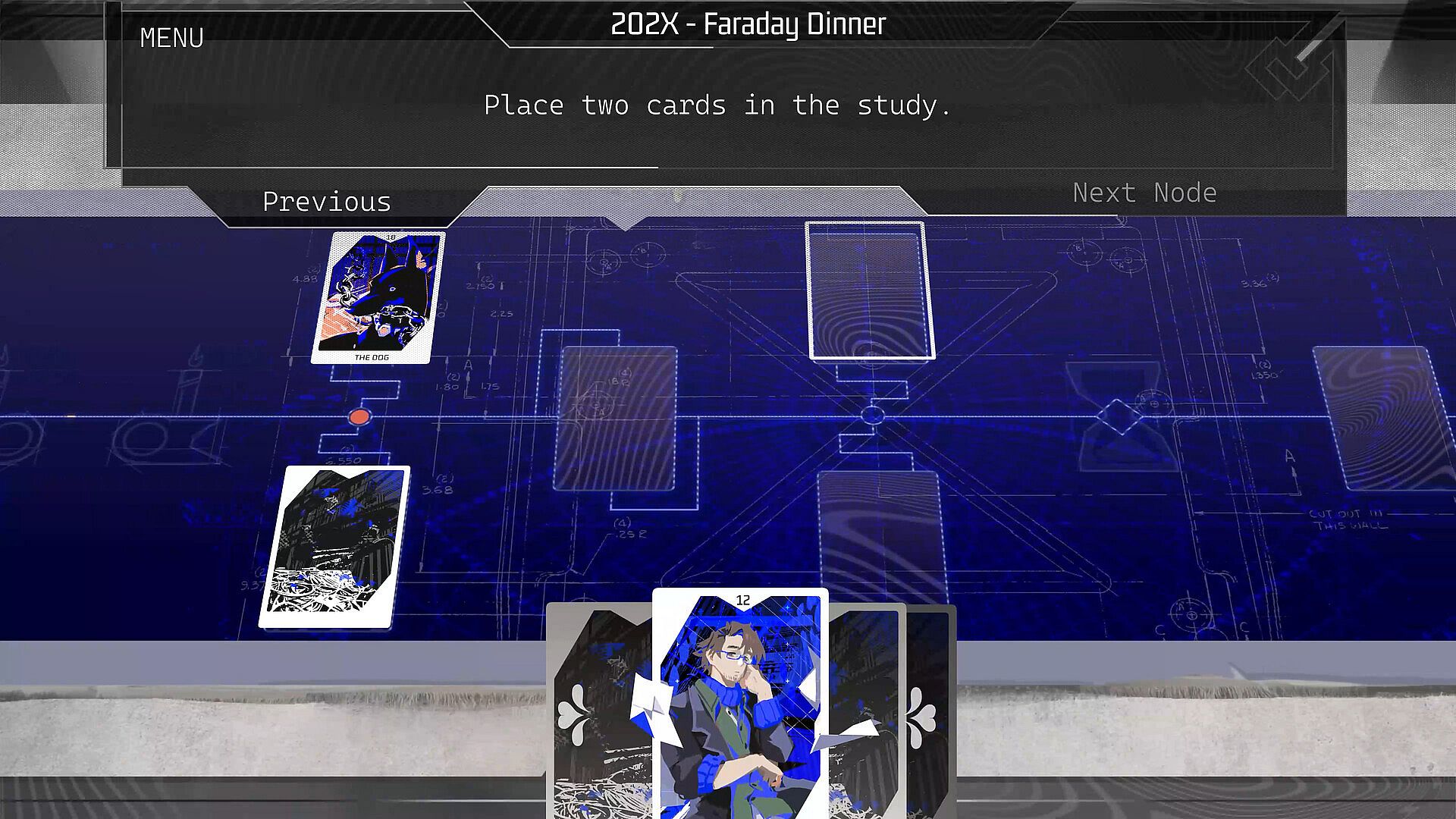
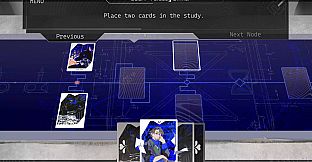
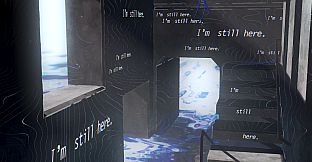
The gameplay centers on exploration within an apartment environment where players uncover character cards and other elements. These cards are placed onto a central board to reset the timeline, allowing events to unfold from altered perspectives. Decisions influence character relationships, possessions, and states that carry forward into subsequent periods. A key system involves guiding figures toward Entropy or Order, which shifts their alignments and leads to unpredictable actions in later sequences. Players attach salvaged memories as items to cards, altering future behaviors while managing cooldowns that limit how often certain effects can apply to minor or major moments. The narrative unfolds across three distinct eras, each presented in its own visual style and tone, with early choices rippling through the entire structure to change conditions in later timelines.
Game Modes
Faraday Blues operates as a single-player narrative adventure without separate multiplayer or competitive modes. The primary loop involves repeated timeline resets through card placement, encouraging experimentation to uncover different outcomes. Progression relies on collecting and strategically deploying the 52-card deck to manipulate conversations, locations, and pivotal events. This structure supports extensive replay as players adjust alignments, equip items, and observe how changes propagate across the three interconnected story segments. A hidden fourth timeline becomes accessible once specific conditions are met, expanding the scope of alterations possible within the family saga.
Narrative and Endings
The story follows Lina's efforts to intervene in her parents' lives, which are marked by tragedy and unfold without any knowledge of her existence. Choices made through card mechanics affect relationships and circumstances that evolve across the eras, leading to a total of 64 distinct endings. Many of these conclusions carry bittersweet or unintended consequences, where resolving one issue creates complications elsewhere. The interconnected nature of the three visual novel segments means that actions in earlier periods directly shape the board and possibilities in later ones, creating a sense of cumulative impact. Reaching particular requirements also unlocks the additional timeline, revealing further layers involving a prominent figure and broader implications for the setting.
Is It Worth Playing?
Faraday Blues targets players who enjoy thoughtful narrative adventures that reward careful planning and multiple playthroughs. Its combination of card-based strategy with branching visual novel elements offers a distinctive approach to timeline manipulation and family drama. With release scheduled for 2027 on PC and other platforms, the game remains in development, so final reception will depend on how the systems integrate in the finished product. Those drawn to stories with dozens of endings, persistent consequences across sequences, and a focus on exploration paired with mechanical decision-making will likely find the premise engaging once it launches. The emphasis on strategic resets and alignment shifts provides replay value beyond a single pass through the narrative.