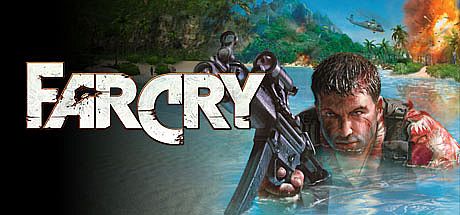















Far Cry is a first-person shooter developed for PC that places players in the role of Jack Carver, a former marine turned boat captain stranded on a remote tropical island. The title combines open-ended level design with tactical combat against groups of armed mercenaries in lush jungle environments. Core systems emphasize distance-based engagement, adaptive enemy behavior, and environmental interaction through the original Far Cry engine.
Gameplay
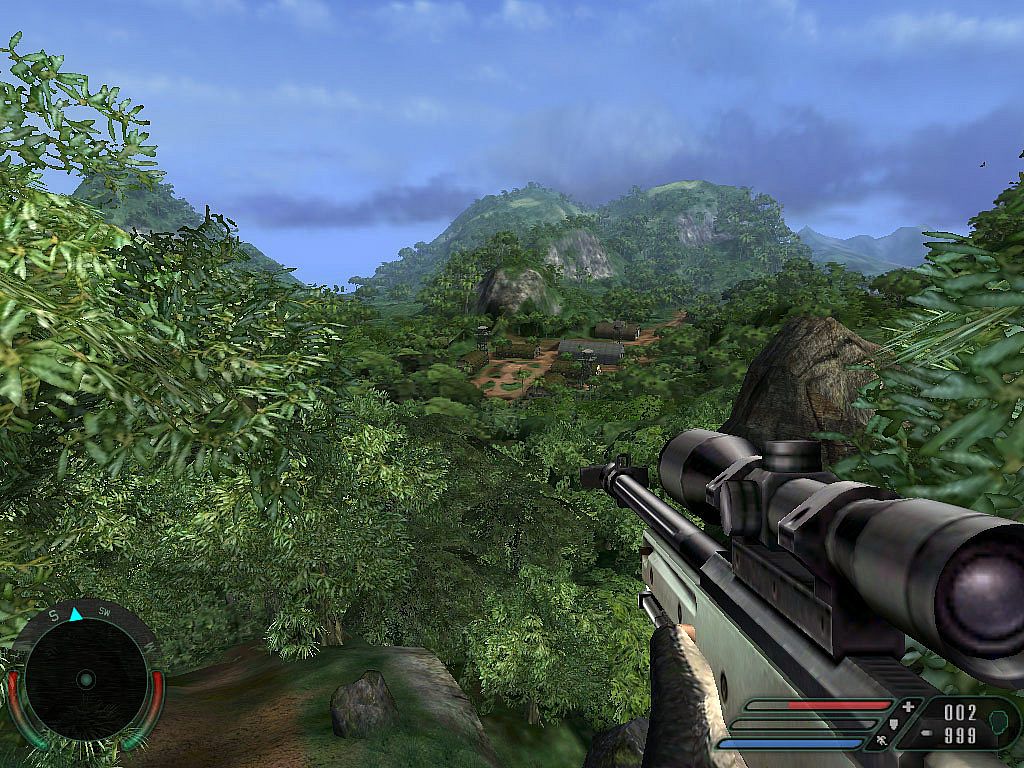
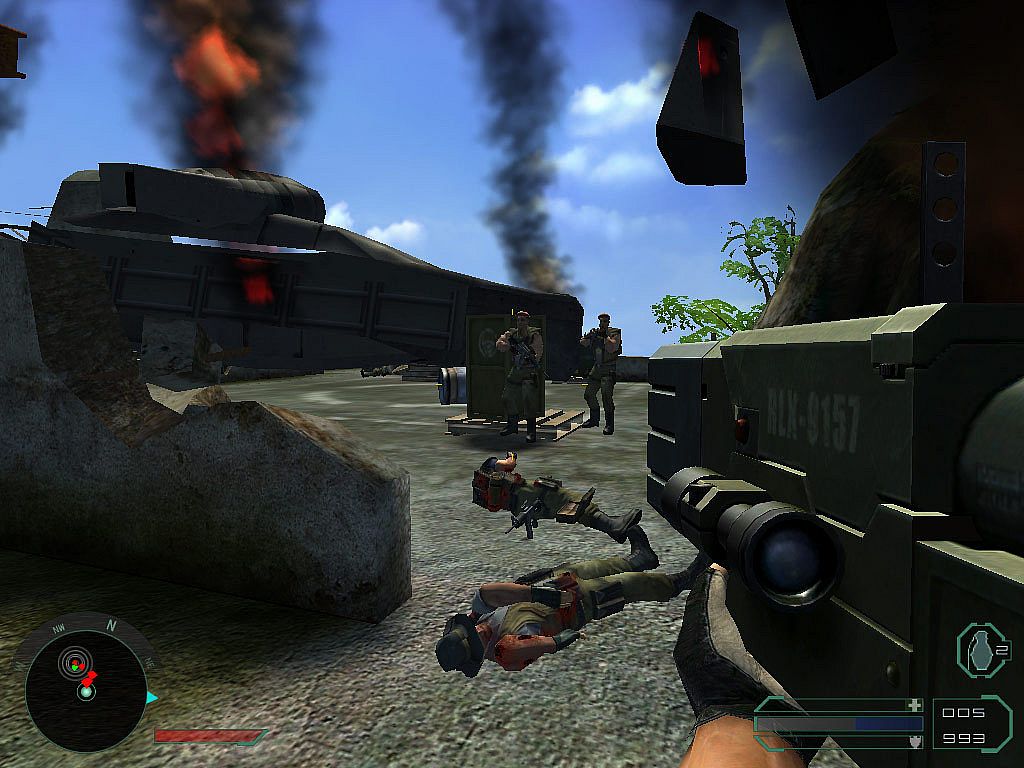
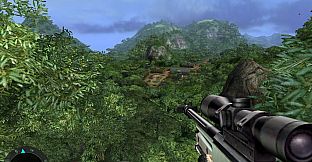
The experience centers on large, interconnected outdoor areas where players navigate dense foliage, cliffs, and coastal zones. Combat options range from long-range sniping with scoped rifles to close-quarters exchanges using pistols, shotguns, and grenades. Binoculars allow players to mark distant threats before committing to an approach, while motion-captured animations and dynamic lighting contribute to realistic movement and visibility changes throughout the day-night cycle.
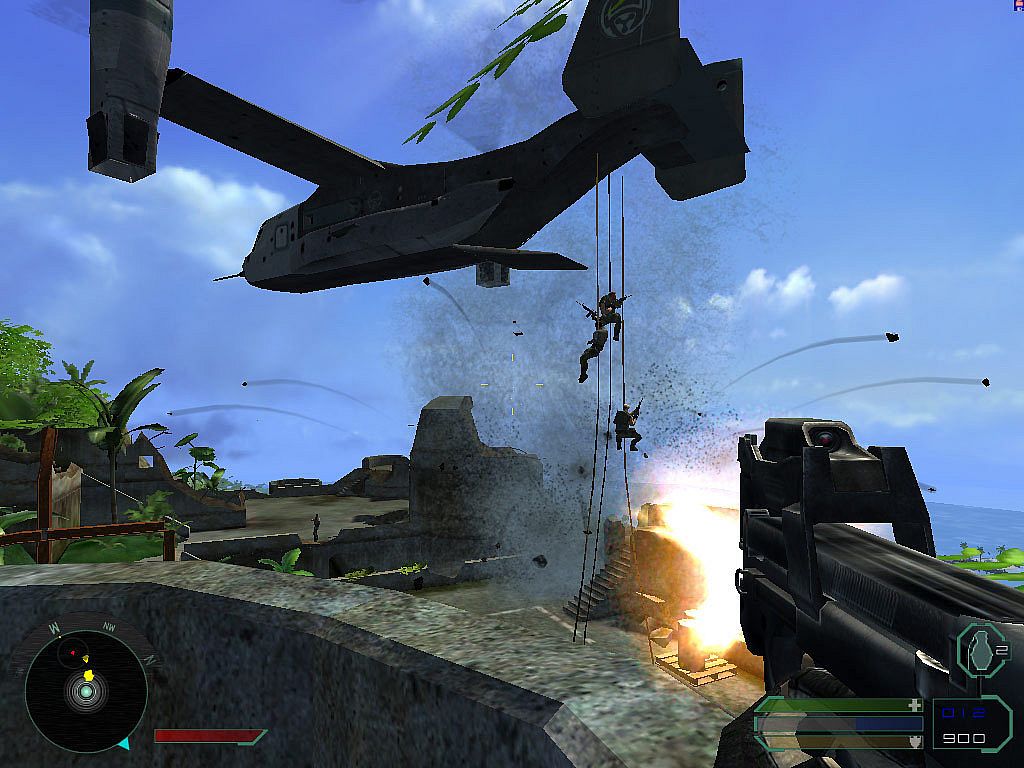
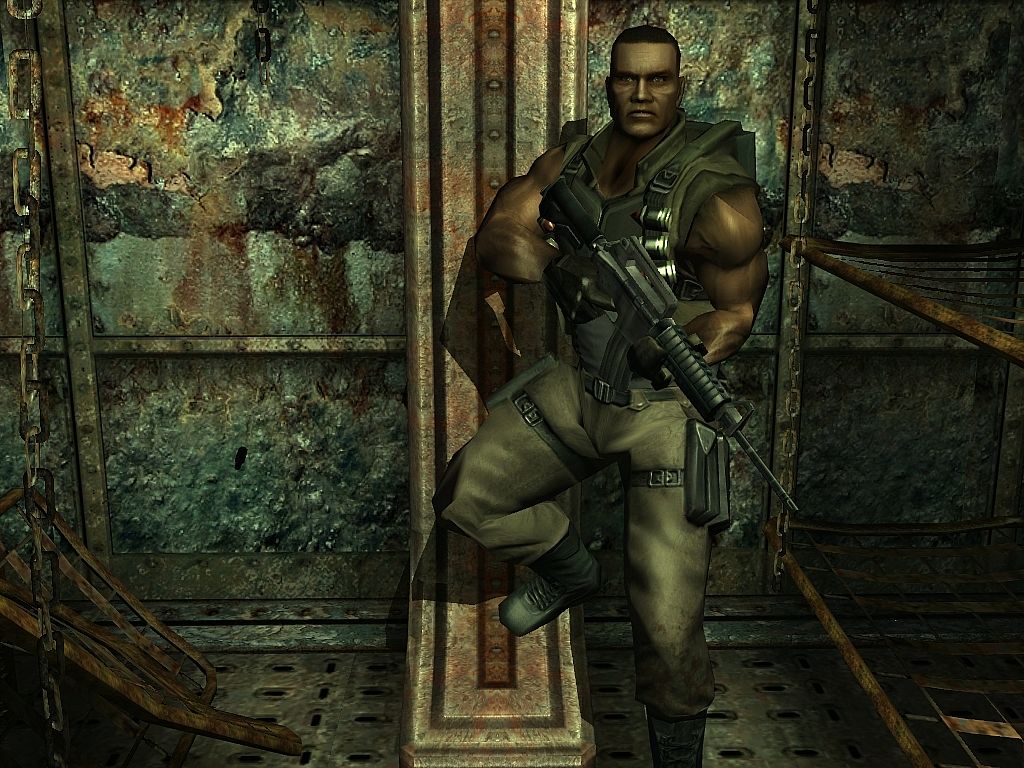
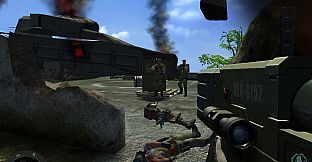
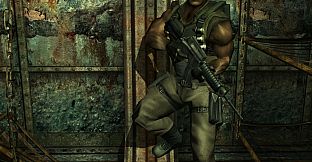
Enemy mercenaries operate with coordinated tactics that include flanking maneuvers, calls for reinforcements via radio, and use of cover or vehicles. Different unit types such as snipers, grenadiers, and scouts require varied responses, preventing repetitive encounters. Destructible elements in the environment and physics interactions add layers to engagements, allowing players to create distractions or block paths. Indoor sections shift the pace toward tighter spaces and more immediate threats.
Progression involves scavenging weapons and ammunition while managing limited resources across expansive maps. The engine supports advanced features including Polybump mapping for detailed surfaces, surround sound for directional audio cues, and weather effects that influence visibility and sound propagation.
Game Modes
Far Cry delivers its content through a linear single-player campaign structured around sequential missions on the island. Each mission expands the playable area and introduces new objectives tied to the central conflict with the mercenary forces. Players advance the story by exploring, eliminating threats, and uncovering details about the island's hidden operations.
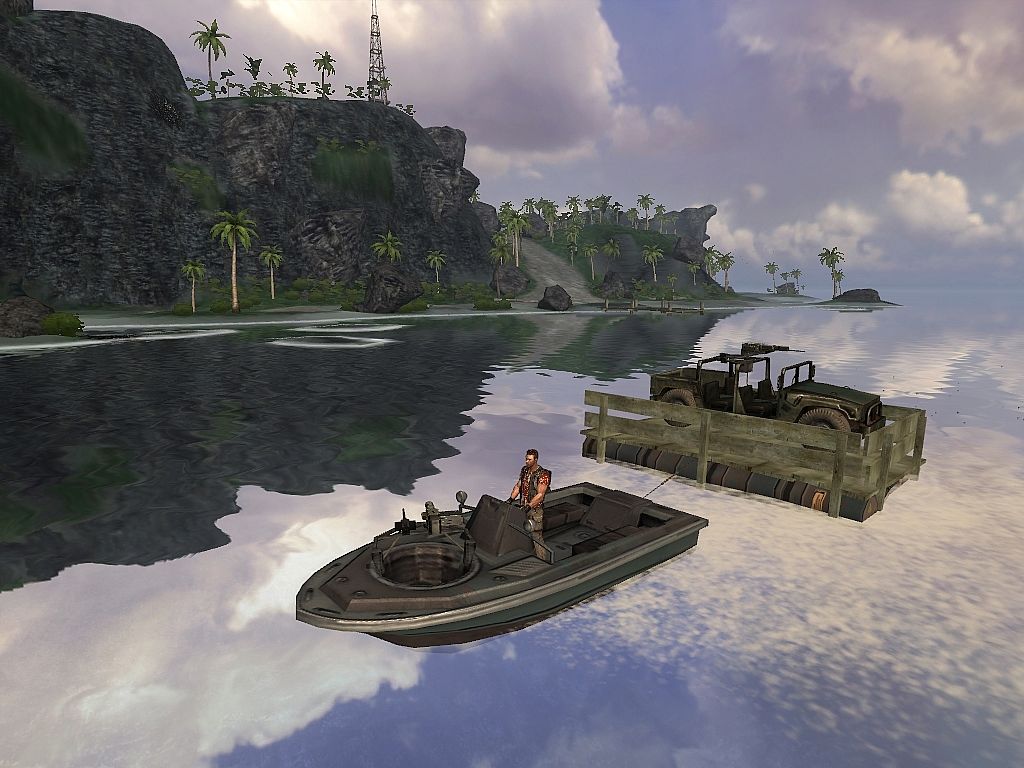
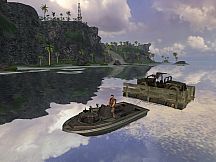
Within missions, combat flexibility encourages multiple paths. Stealth approaches allow avoidance of patrols, while direct assaults leverage superior firepower or terrain advantages. Vehicle sections occasionally appear for traversal or pursuit elements, blending driving with shooting. No separate multiplayer modes form part of the core release verified on PC platforms.
Story and Setting
The narrative follows Jack Carver after his boat is destroyed by artillery fire upon arrival at the supposed paradise. A missing reporter named Valerie sets the initial stakes, leading Carver deeper into the jungle where he encounters an informant revealing the mercenaries' larger plans. The setting mixes vibrant tropical visuals with underlying tension created by hidden facilities and aggressive wildlife interactions.
Atmosphere builds through adaptive audio that shifts with player actions and environmental conditions. Shadows and lighting changes create tension during exploration, while the island's scale supports extended sessions of discovery and confrontation.
Technical Features
The Far Cry engine prioritizes scale and reactivity. Long sightlines support the 800-meter view system for spotting and engaging targets at extreme ranges. AI routines allow enemies to remember last known player positions and adapt group strategies in real time. Total surround sound enhances immersion by providing accurate directional feedback during firefights.
Character and environment physics enable realistic reactions to impacts and terrain deformation in certain areas. Motion-captured animations contribute to fluid mercenary movements across varied surfaces.
Is It Worth Playing?
Far Cry remains available on PC through digital storefronts with recent user reviews rated Mostly Positive. The title holds appeal for players who enjoy methodical first-person shooters that reward observation and positioning over run-and-gun tactics. Its AI-driven encounters and open level layouts provide replay value through different combat styles on subsequent playthroughs.
Those seeking modern graphical fidelity or ongoing content updates may find the 2004 release dated in presentation, though the core systems continue to demonstrate strong design principles. The campaign length and variety of environments suit sessions focused on single-player progression without additional modes or seasonal elements. Players interested in classic tactical action on PC will find the verified mechanics intact and functional in the current Steam version.