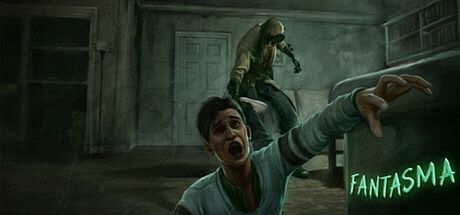


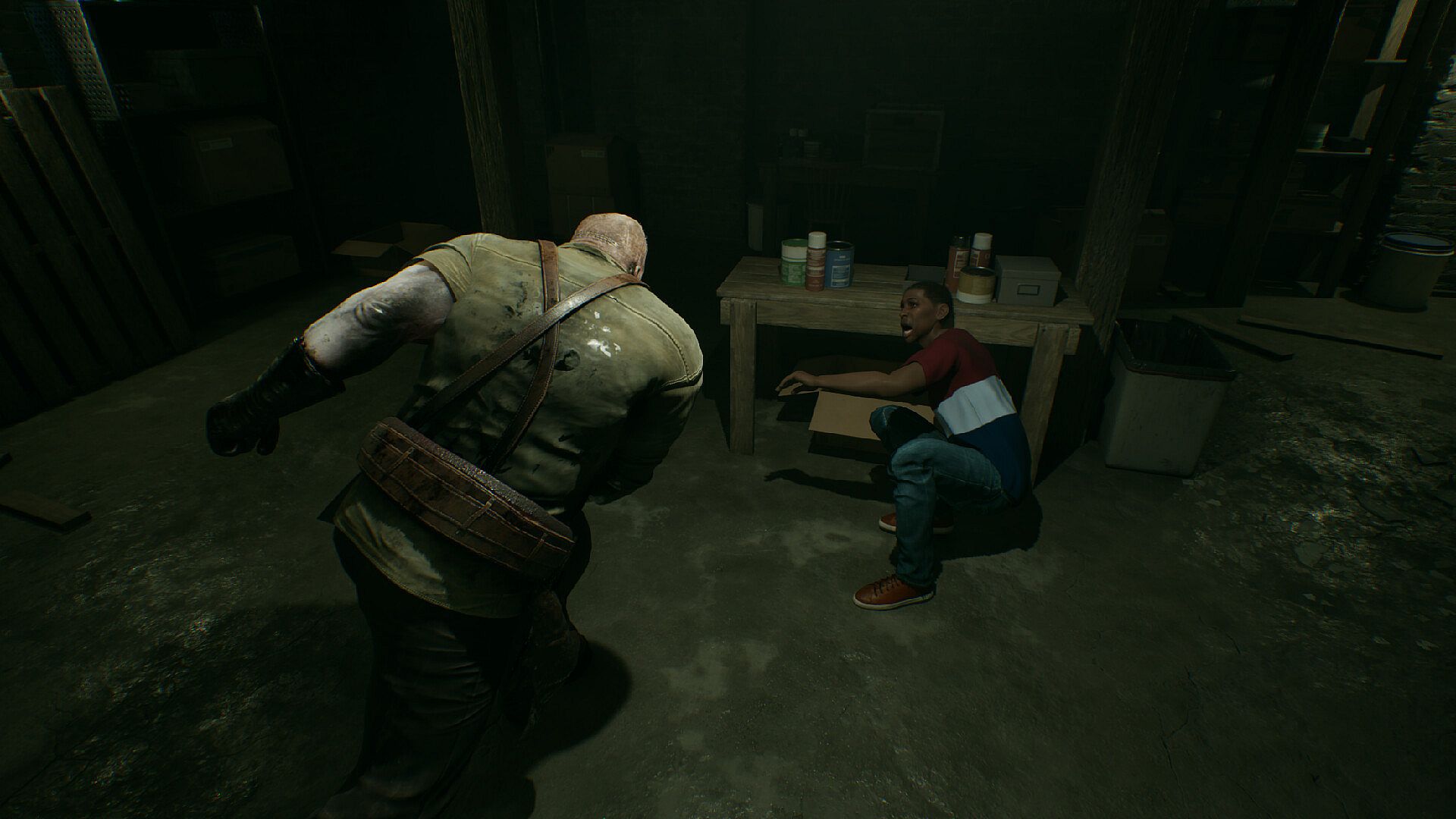
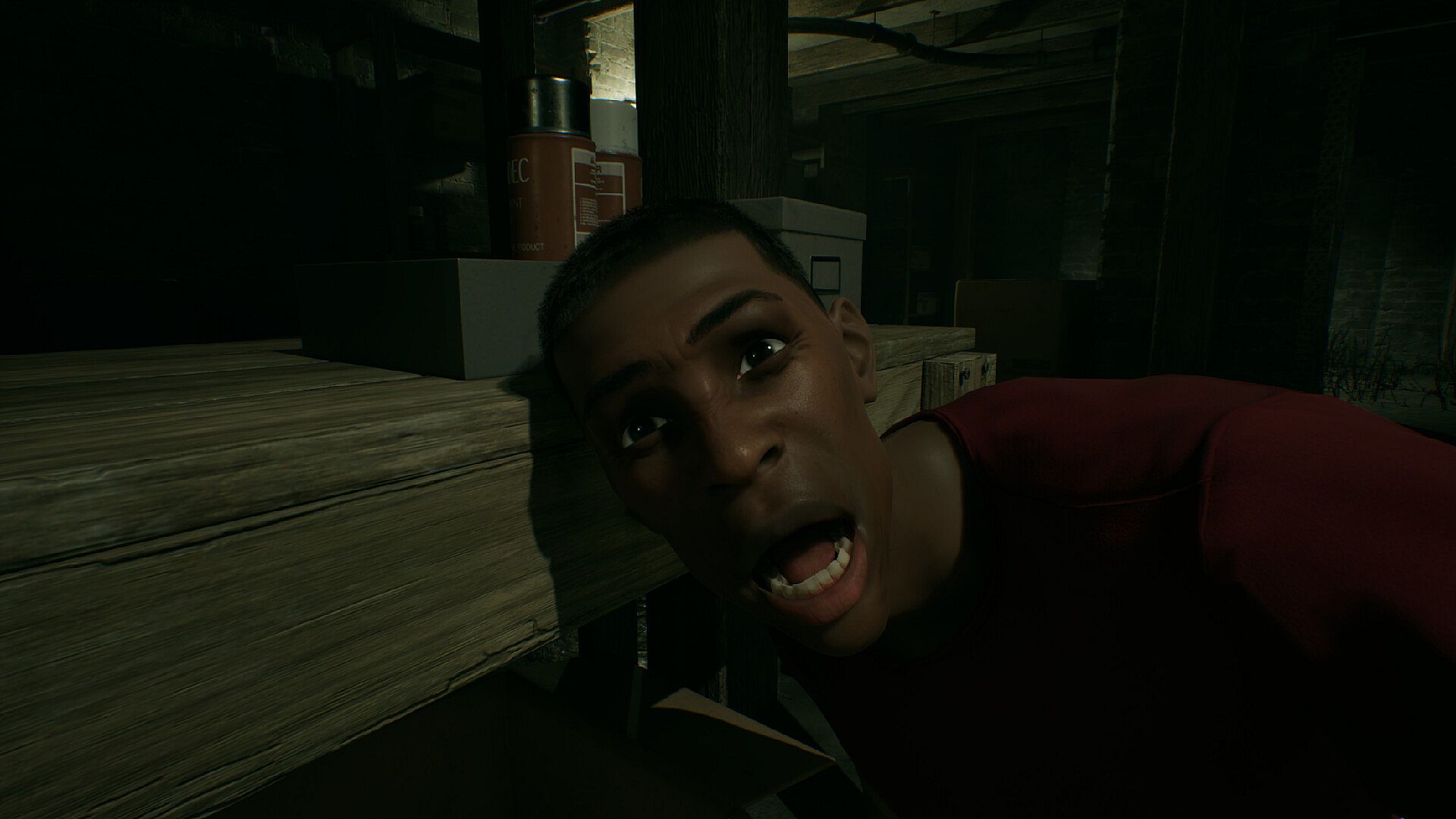
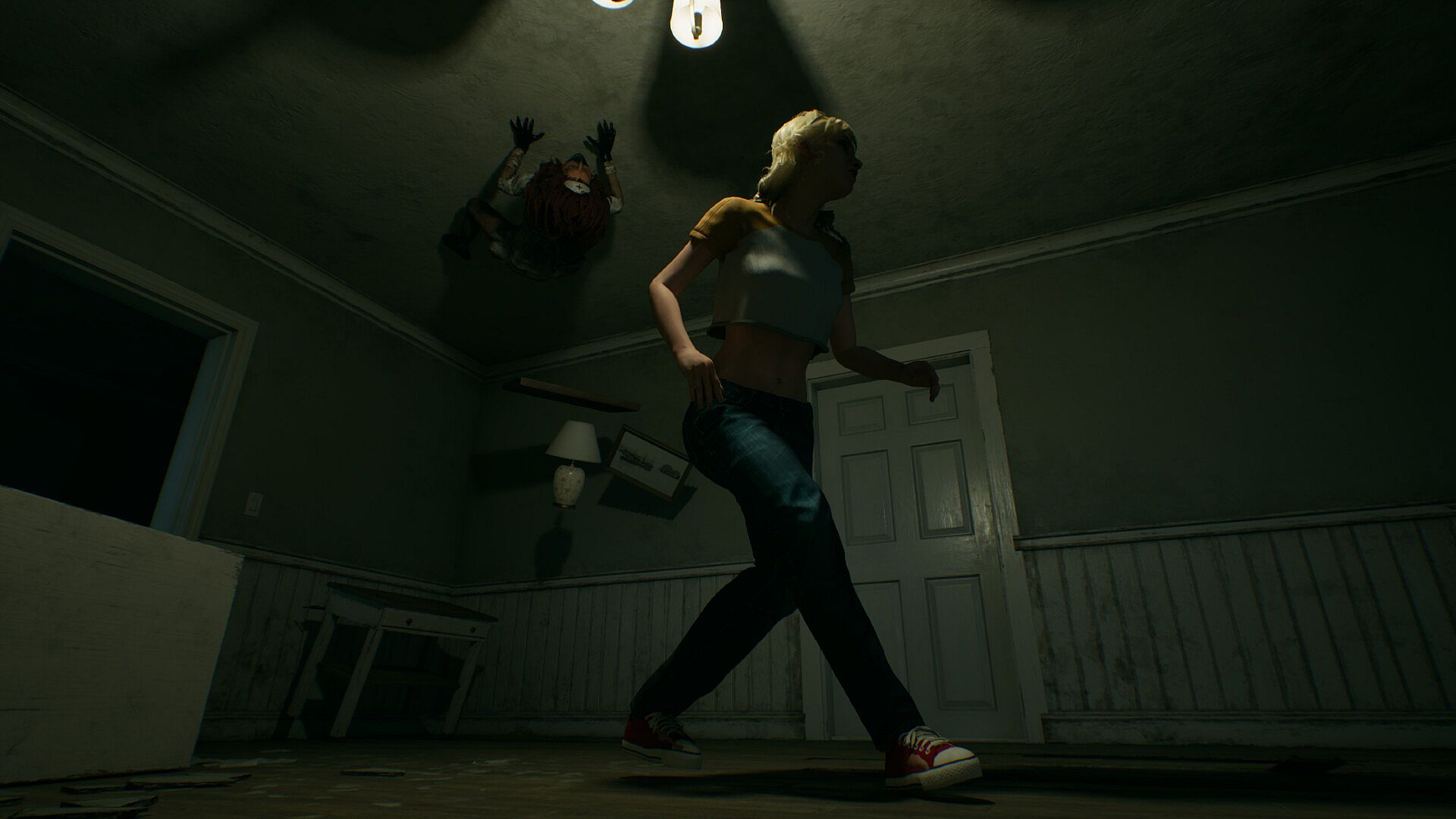
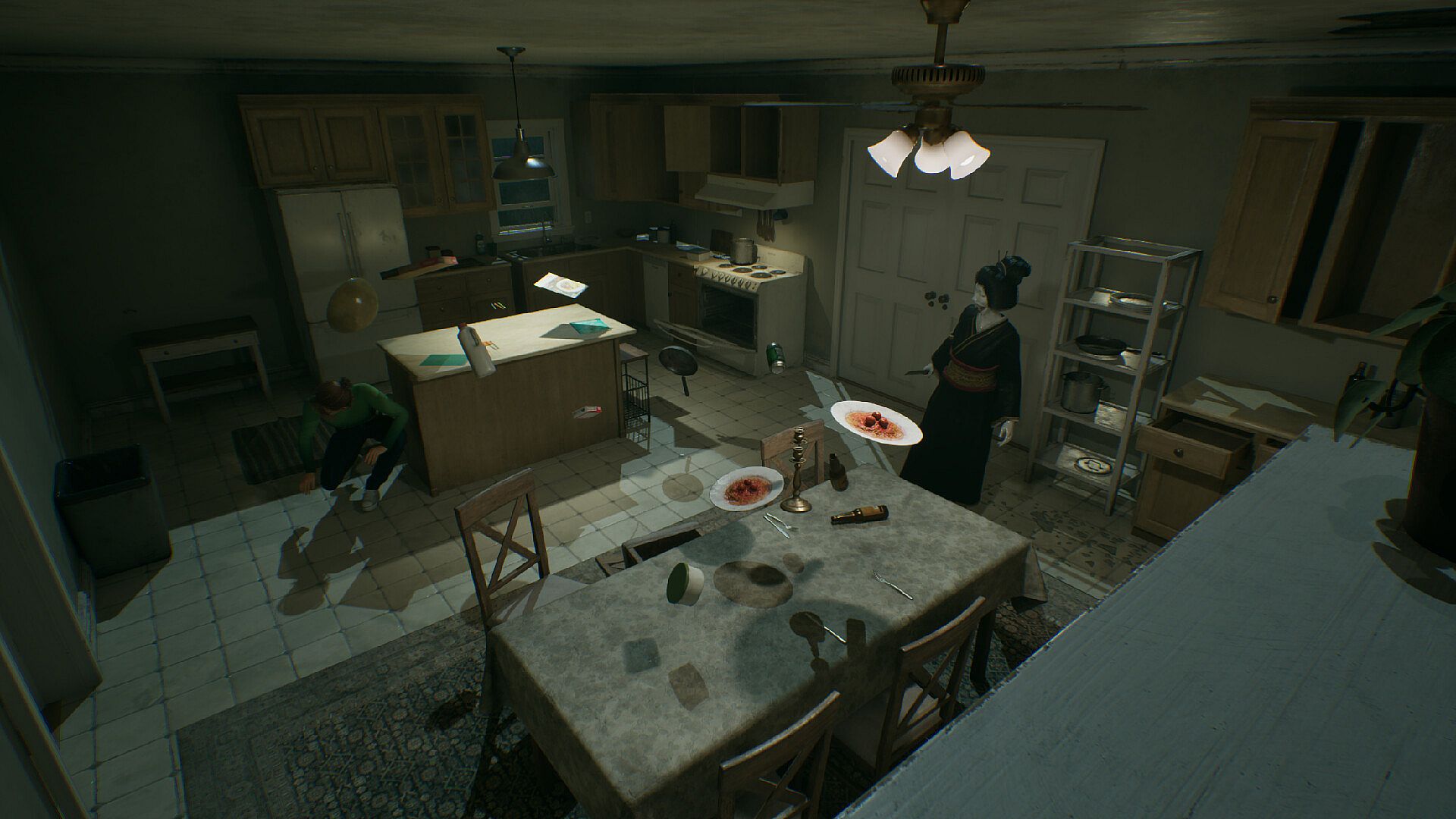
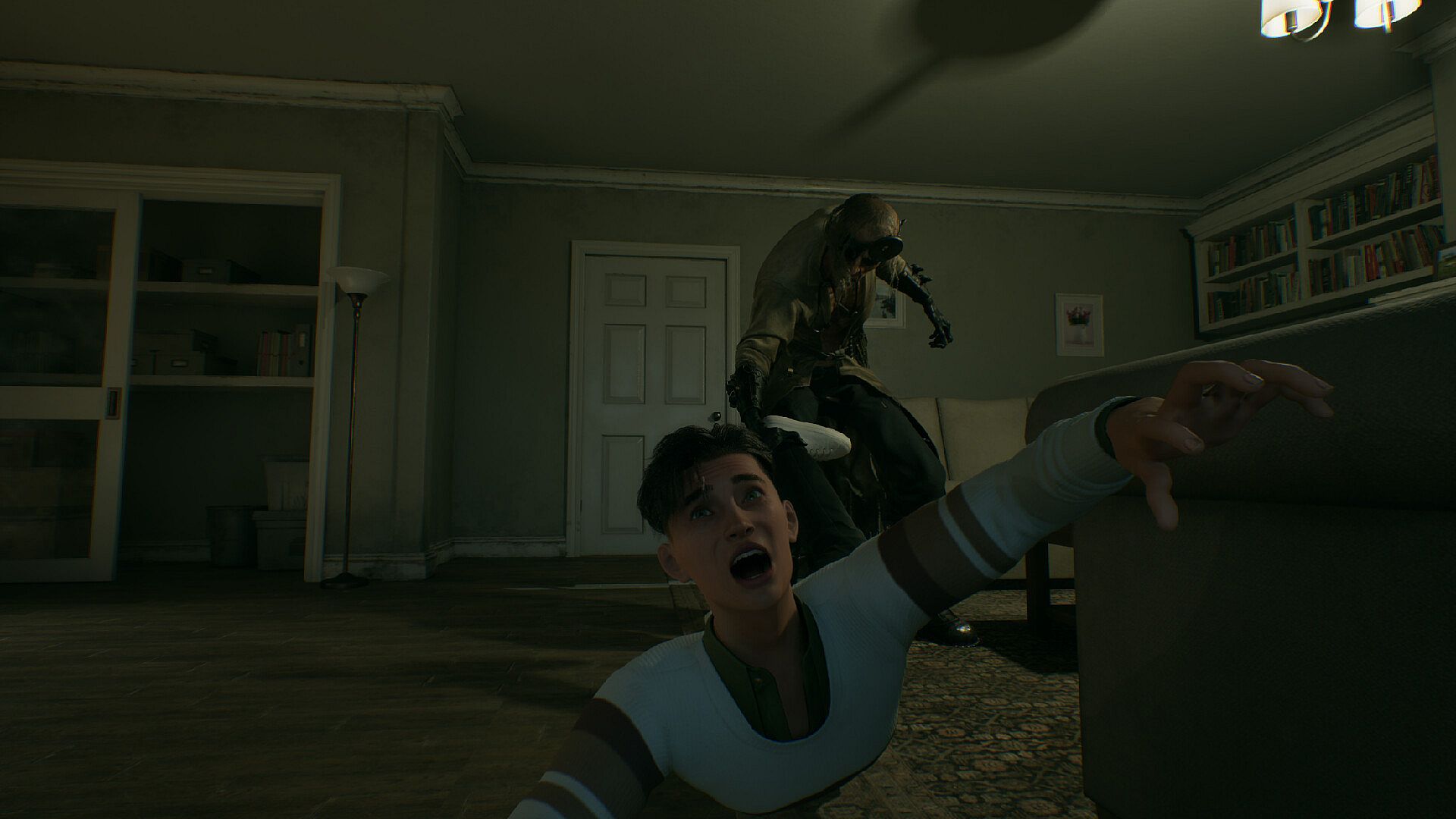
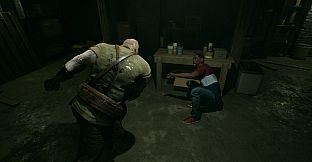

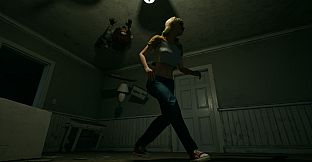
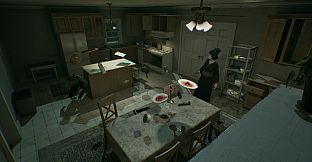
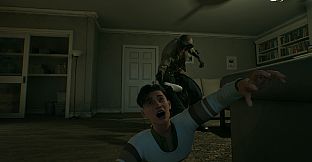
Fantasma is a co-op psychological horror game that blends action and strategy elements in an indie package available on PC in Early Access. Players take on the role of paranormal investigators who respond to rumors of haunted sites and end up trapped in a deadly confrontation with supernatural forces. The experience centers on scavenging materials to build makeshift tools, exploring unpredictable locations, and working with a small team to identify and neutralize threats before they overwhelm the group.
Gameplay
The core loop revolves around entering haunted locations as a team of up to four, or sometimes alone, to complete objectives tied to cursed artifacts and lingering entities. Equipment starts as improvised junk such as scavenged electronics and household items repurposed into tracking devices or basic weapons. Between runs, players can upgrade these tools using earnings from successful contracts, which gradually improves reliability and effectiveness without turning the gear into high-end professional kits.
Exploration encourages interaction with the environment. Objects can be moved or examined to uncover clues, and artifact hunting forms a major part of each outing. Entities behave differently depending on their type, with unique abilities that force players to adapt tactics on the fly. Dynamic events occur randomly during missions, altering the situation through sudden disturbances that disrupt plans and heighten tension.
Communication relies on proximity chat, meaning teammates must stay within range to coordinate effectively. Separation leaves individuals isolated until they regroup, adding a layer of risk management. Maps use designed layouts with procedural variations in placement, ensuring each visit feels familiar yet altered enough to prevent rote memorization.
Game Modes
Fantasma structures its content around a series of contracts that represent distinct cases involving hauntings, cursed relics, or missing persons. Each contract sends the team to a new location with its own set of problems and entity behaviors, preventing repetition across sessions. There are no separate competitive or versus modes; the focus remains on cooperative survival and investigation against the supernatural.
Players prepare in a customizable garage lobby between contracts. This space serves as a hub for adjusting loadouts, displaying earned trophies, and personalizing the shared area with unlocked items. The variety in contracts keeps the experience fresh, as different entities require tailored approaches based on their powers and personalities.
Key Mechanics and Features
Procedural content placement combines hand-crafted environments with enough randomization to maintain suspense without creating entirely unfamiliar spaces. Artifact collection ties directly into long-term progress, as recovered items can provide advantages in future runs. The system rewards careful observation and teamwork, since solo play demands greater caution due to the lack of immediate support from teammates.
High-stakes elements come from the entities themselves. Each one operates with distinct patterns that players must learn through repeated encounters, turning every contract into a learning experience rather than a simple checklist. Dynamic horror events interrupt standard gameplay with unexpected changes, ensuring no two runs play out identically even on the same contract type.
Is It Worth Playing?
Fantasma suits players who enjoy co-op psychological horror with a focus on resourcefulness and coordination rather than polished production values. The homemade equipment and proximity chat mechanics create a grounded, tense atmosphere that rewards groups willing to communicate and adapt. Those who prefer structured campaigns or solo experiences may find the contract-based structure and team reliance less appealing.
The game remains in Early Access, with ongoing development centered on expanding the variety of contracts and entities. Its indie roots show in the emphasis on player-driven improvisation over cinematic storytelling. Fans of similar titles that stress investigation and survival in small teams will likely find the core systems engaging, particularly when played with friends who can handle the isolation risks of proximity chat.