








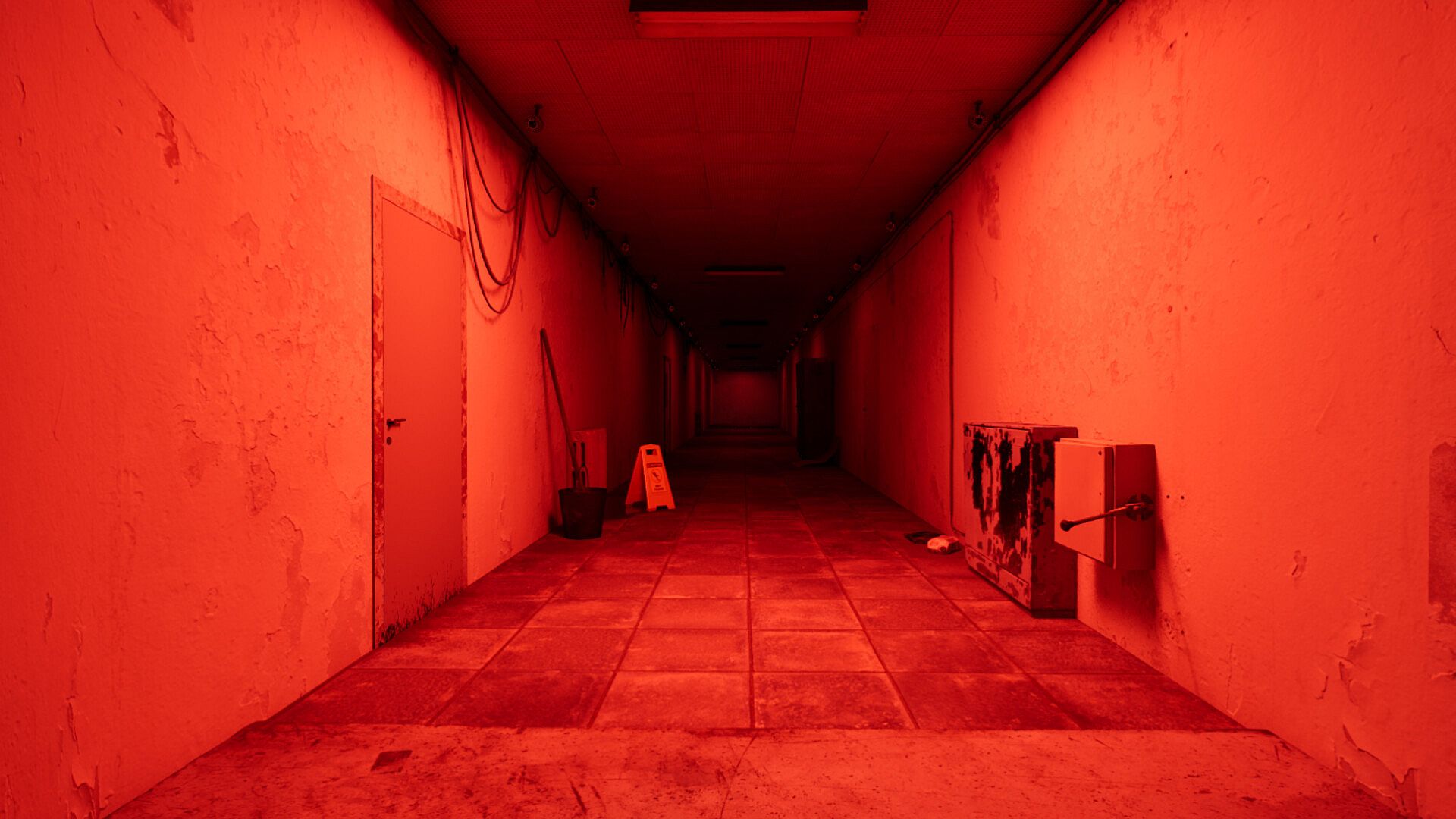
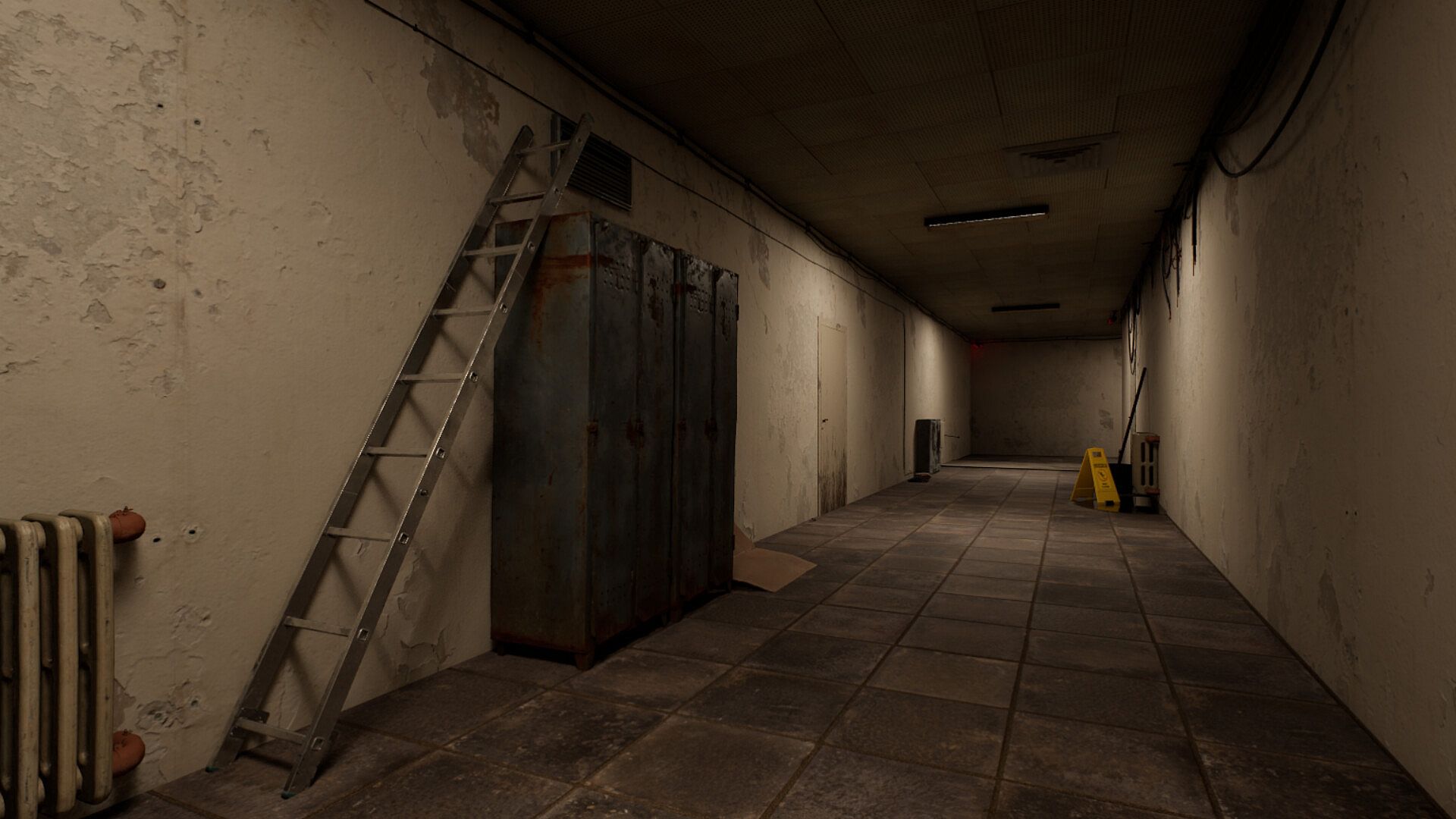
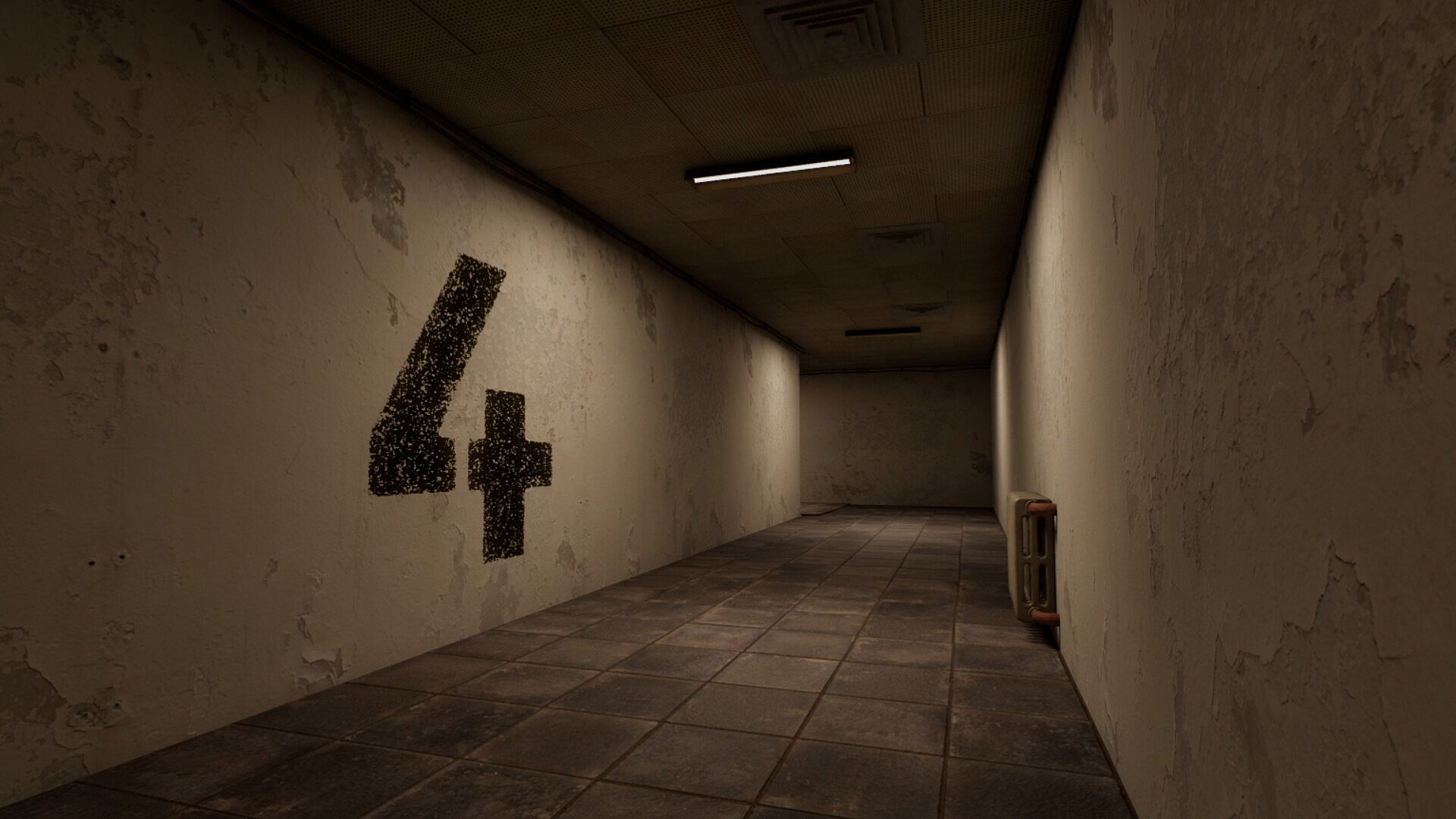
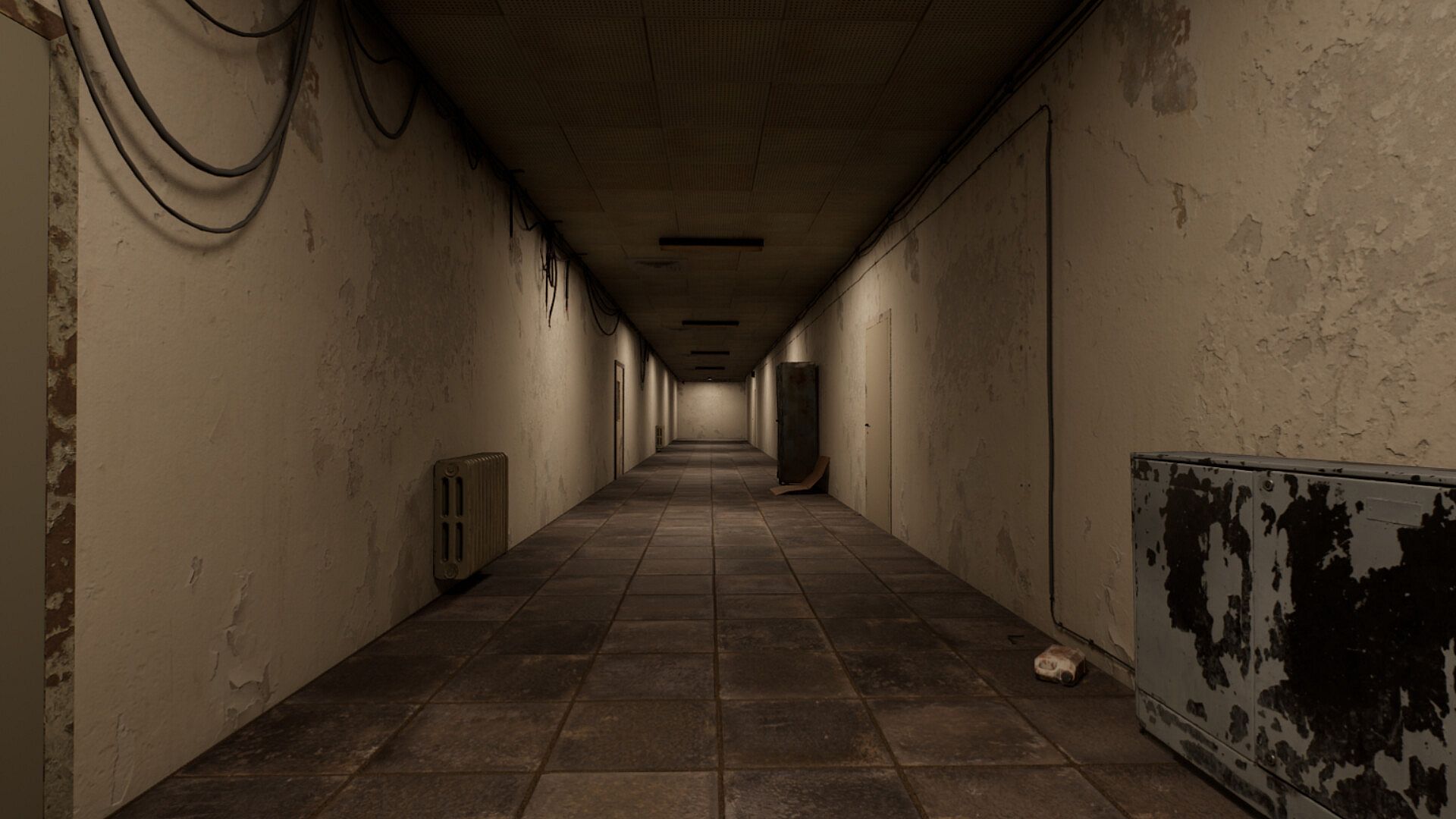
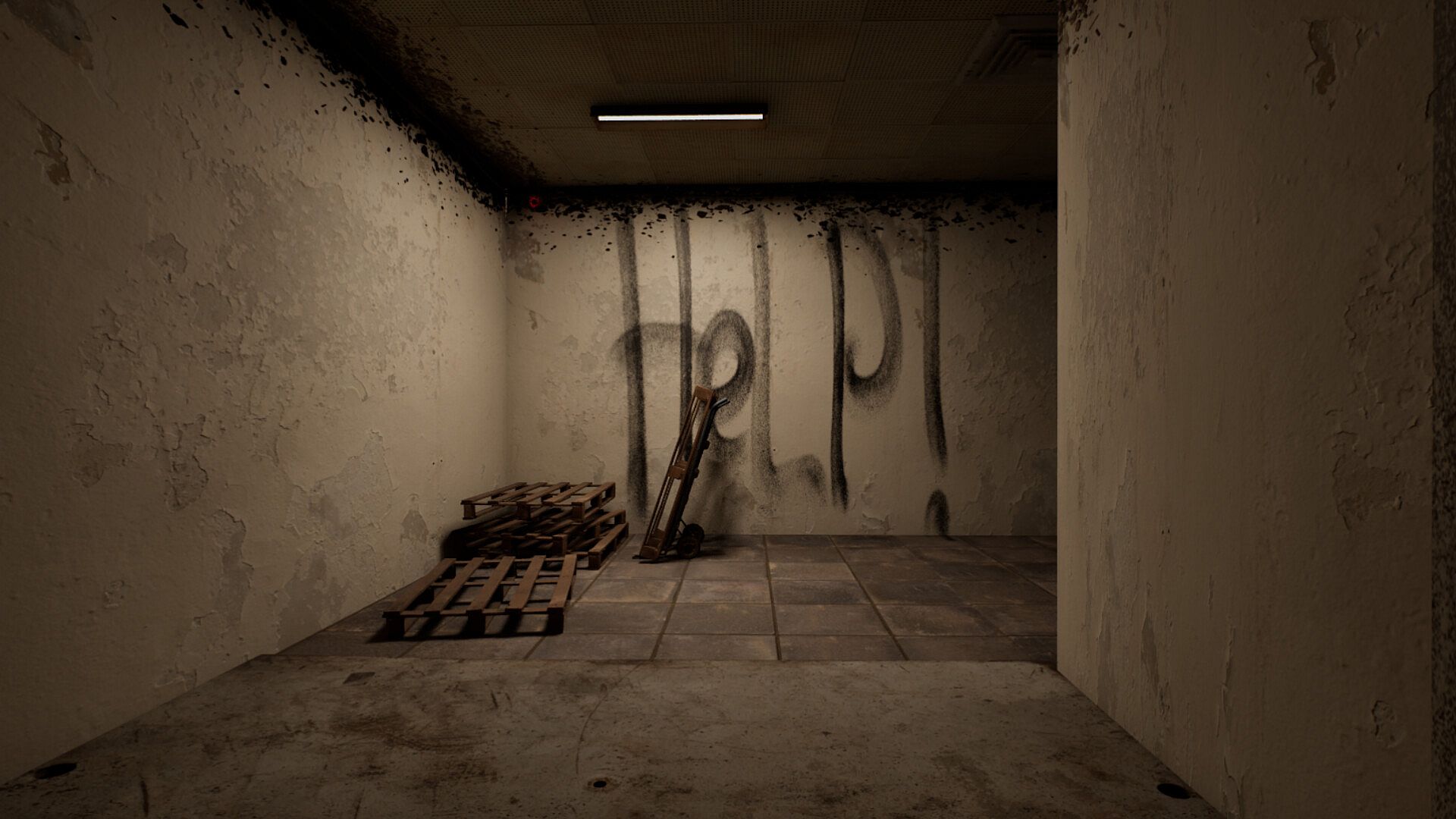
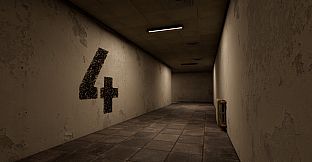
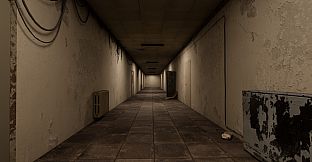
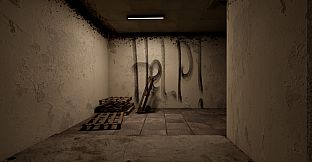
False Normality is a first-person psychological horror game developed as an indie simulation title for PC. Players navigate a corridor system that observes movement and enforces compliance through shifting environmental responses. The experience centers on tension built from simple directives that gradually erode trust in the presented rules and controls.
Gameplay
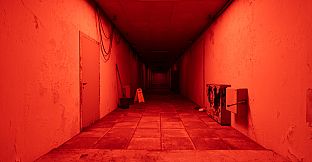
The core loop involves forward progression through repeating corridors while adhering to initial instructions such as maintaining constant movement and avoiding reversal. Any deviation triggers immediate system reactions including light failures, screen interruptions, audio shifts, and progressive input alterations that make steering less predictable. These changes escalate with repeated violations, turning the environment into an active participant that studies and adapts to player behavior.
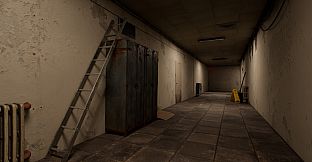
Exploration remains linear yet unpredictable because the corridor layout responds dynamically to actions. Claustrophobic liminal spaces emphasize isolation and unease rather than traditional scares. Without weapons or combat options, survival depends entirely on observation and restraint. The simulation aspects appear in how the system manipulates feedback loops, creating a sense that the rules themselves are fluid and potentially deceptive.
Game Modes
False Normality offers a single focused single-player campaign with no multiplayer components or alternate modes. The entire experience unfolds as one continuous sequence where rule violations accumulate consequences across the session. This structure keeps the emphasis on psychological pressure and mechanical manipulation rather than branching paths or competitive elements.
Progression relies on sustained compliance mixed with calculated risks, as the system rewards or punishes based on observed patterns. The absence of additional modes reinforces the short, concentrated nature of the title, directing attention toward the evolving relationship between player inputs and environmental retaliation.
Atmosphere and Mechanics
Liminal corridor design creates a sterile, endless quality that heightens discomfort through repetition and subtle alterations. Sound design reacts directly to movement and infractions, while visual glitches and control drift reinforce the theme of an observing intelligence. These elements combine to produce escalating penalty feedback that feels personal rather than random.
Rule-based horror emerges from misleading instructions that initially appear straightforward but prove unreliable. Input drift introduces a layer of simulation where player commands begin to misalign with intended actions, forcing constant adjustment. The result is a claustrophobic loop that studies obedience without offering safety nets or combat resolution.
Is It Worth Playing?
False Normality suits players who enjoy psychological horror centered on mechanics and atmosphere over action or narrative exposition. The short single-player format delivers a concentrated session focused on rule testing and control manipulation within a liminal corridor setting. Those drawn to experiences that punish deviation through environmental and input changes will find the core loop engaging.
Reception highlights the unsettling effect of the watching system and the way violations reshape the space around the player. Availability on PC makes it accessible for fans of indie simulation horror who prefer focused, rule-driven tension without extended campaigns or additional modes. The title stands as a deliberate experiment in compliance and observation rather than a broad horror package.












