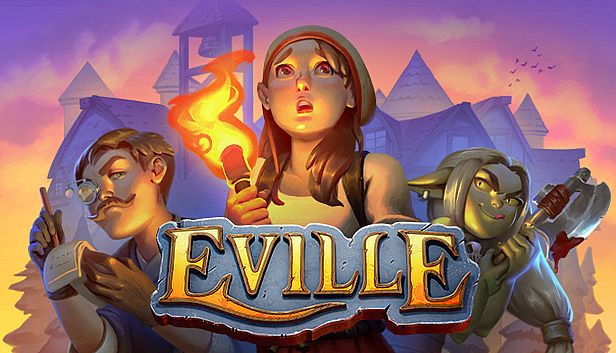



























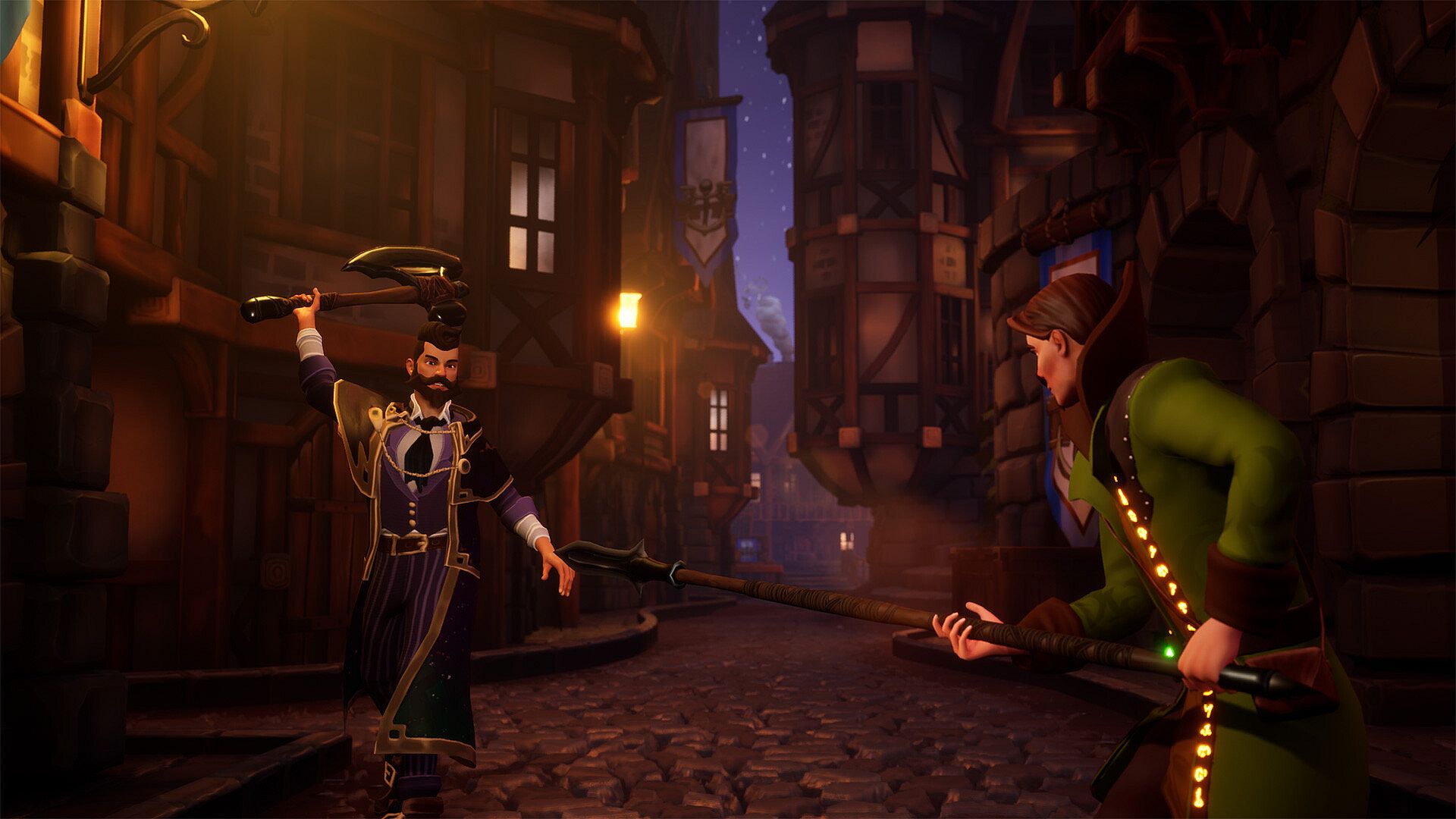

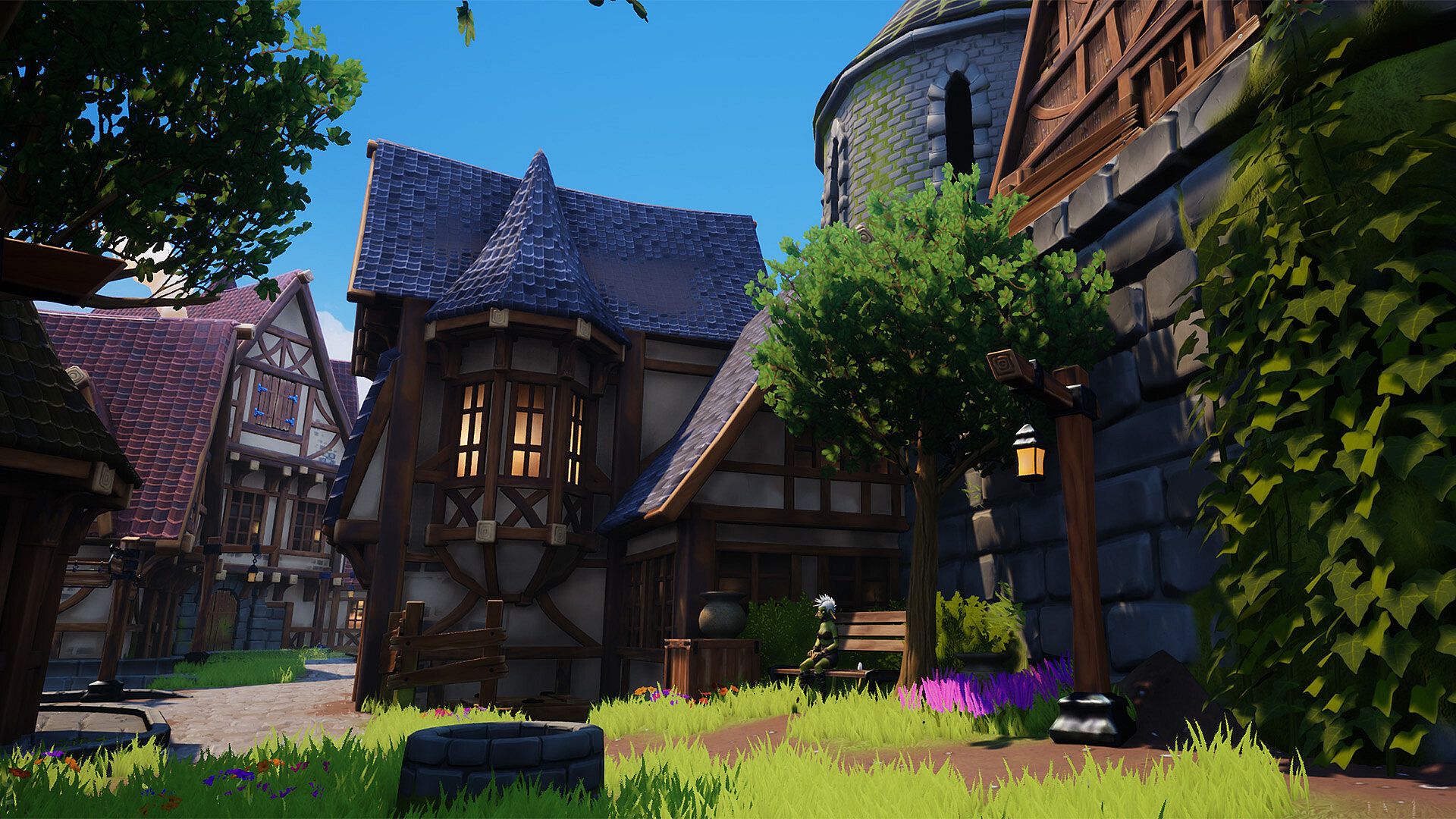
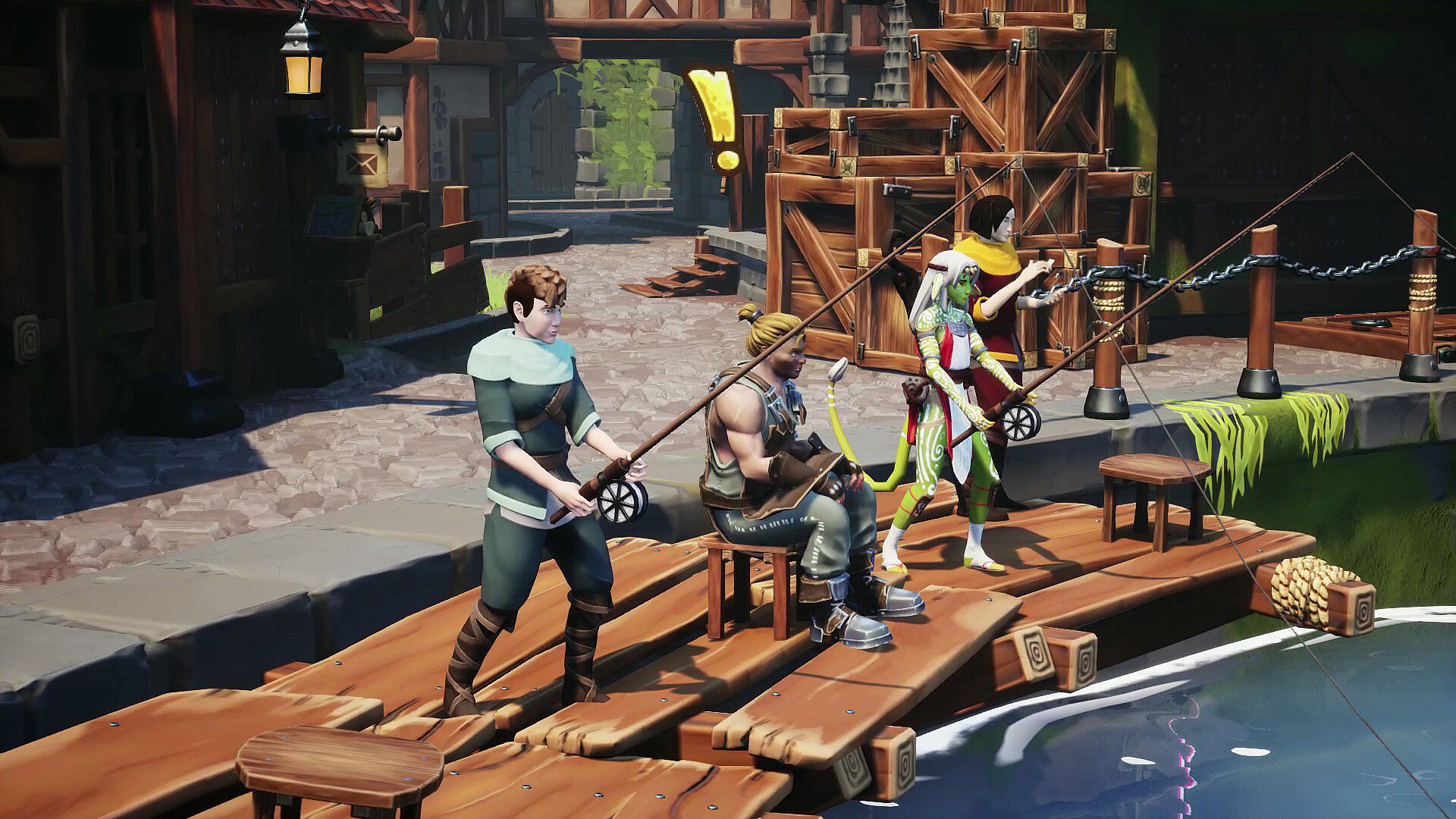
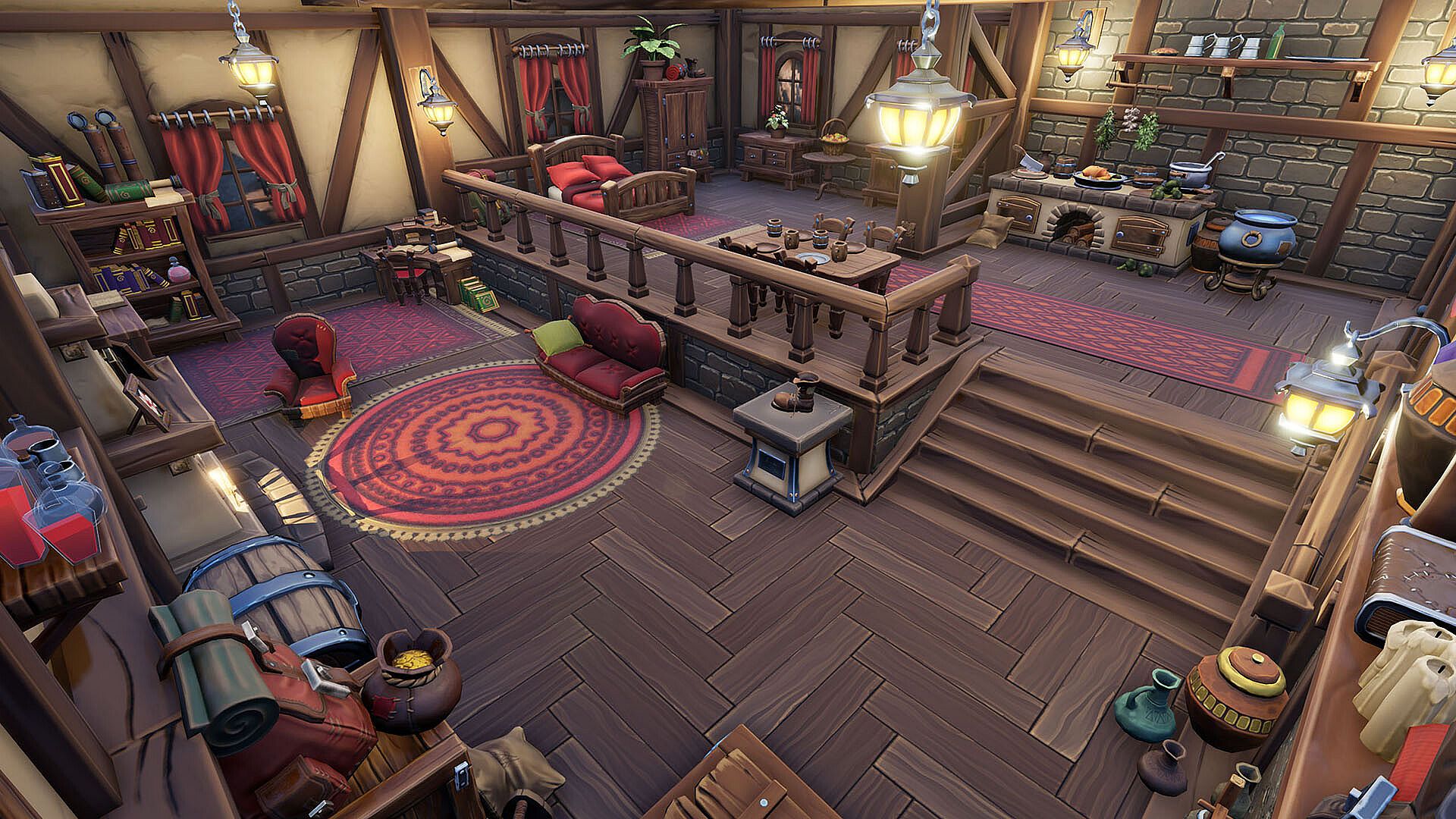
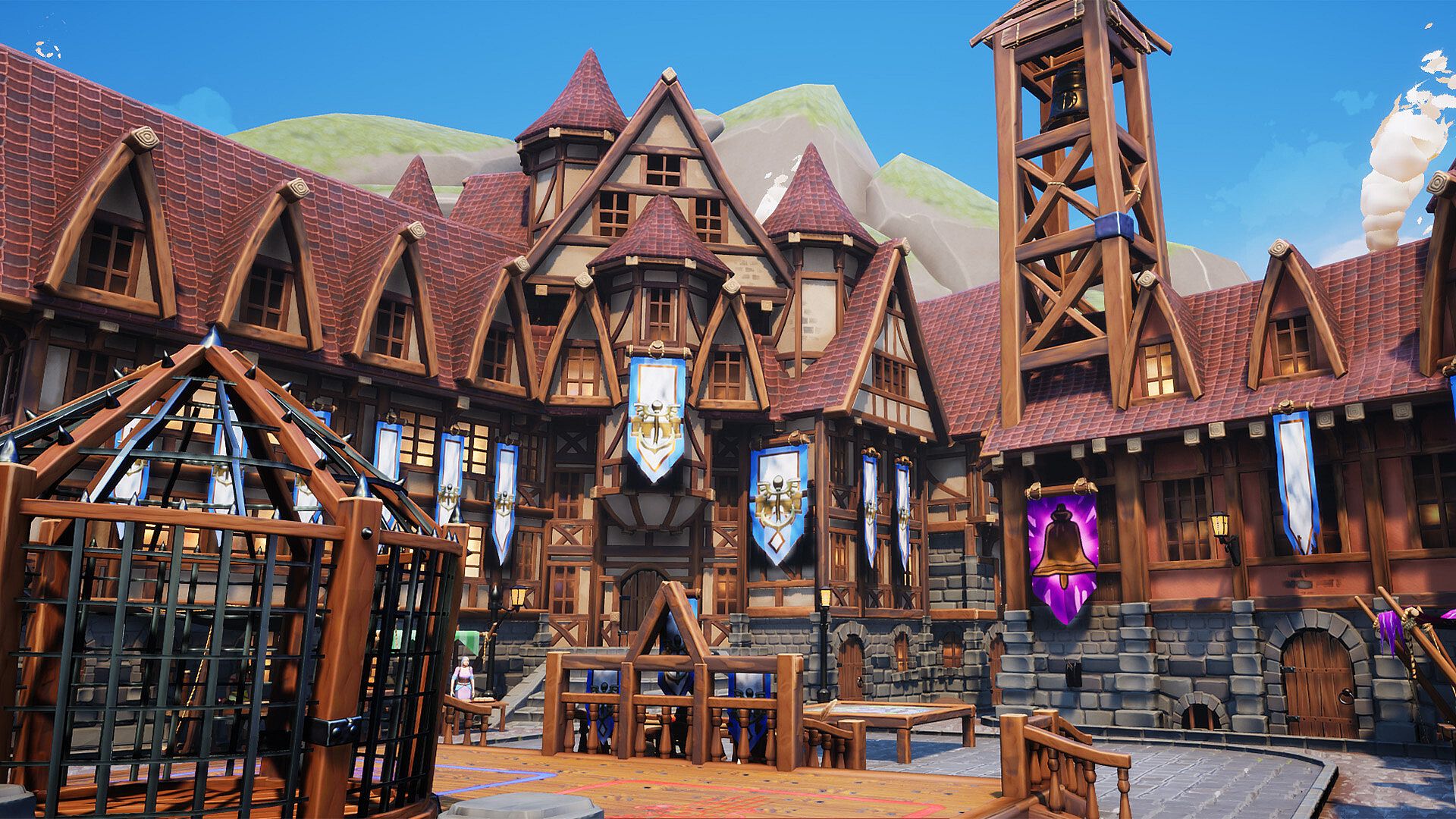



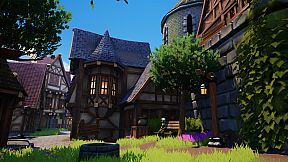
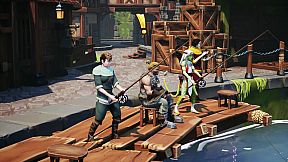

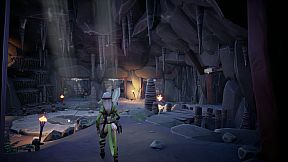
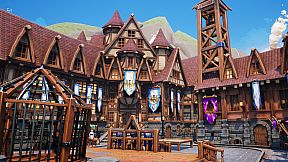
Eville is a multiplayer social deduction game that blends action, strategy, and role-playing elements in a village setting filled with suspicion and hidden motives. Players assume randomly assigned roles each session and must navigate conversations, abilities, and nighttime actions to either expose threats or eliminate innocents undetected. The experience emphasizes real-time 3D movement through a detailed village environment where proximity voice and text chat drive social interactions.
Gameplay
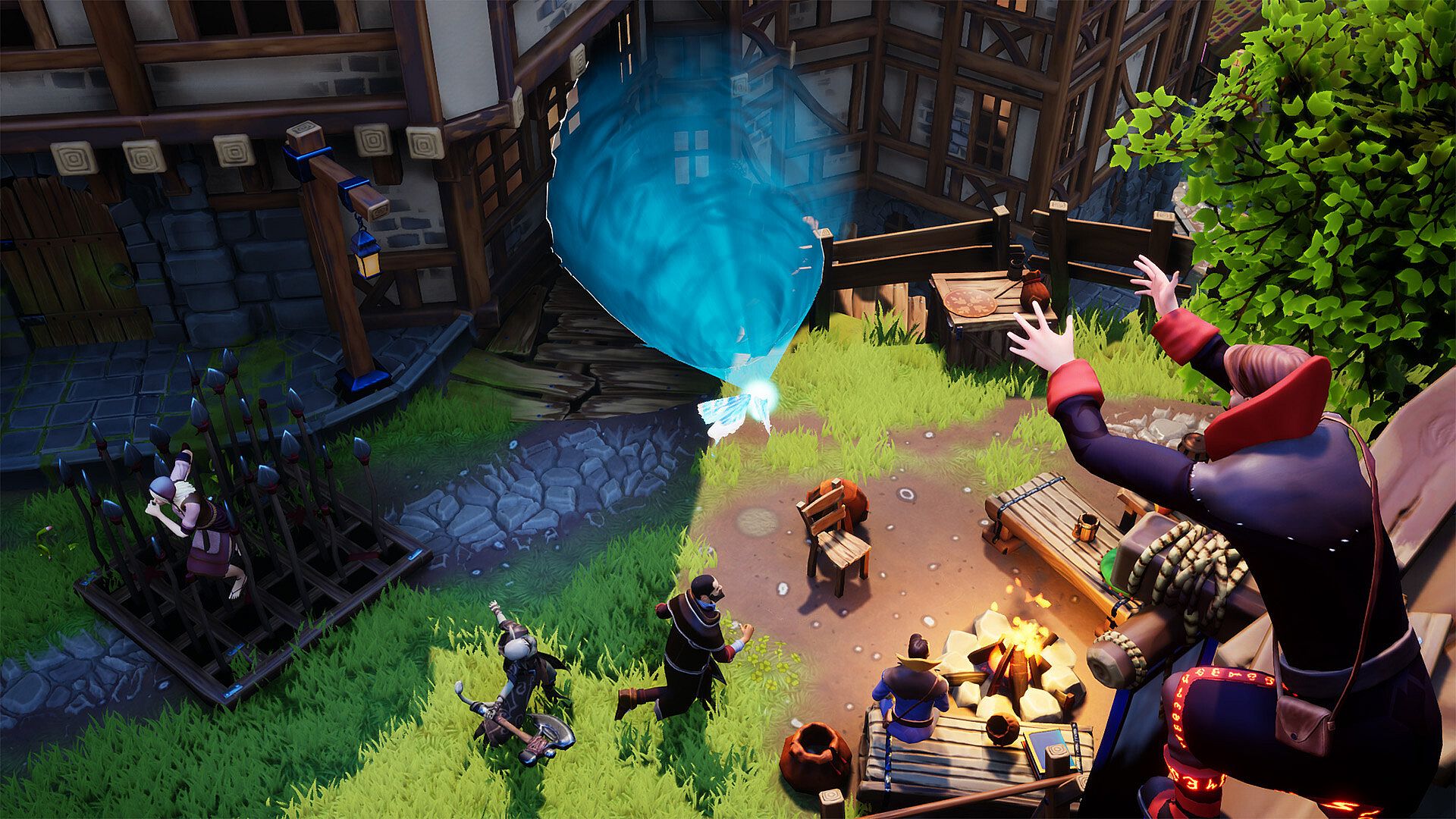
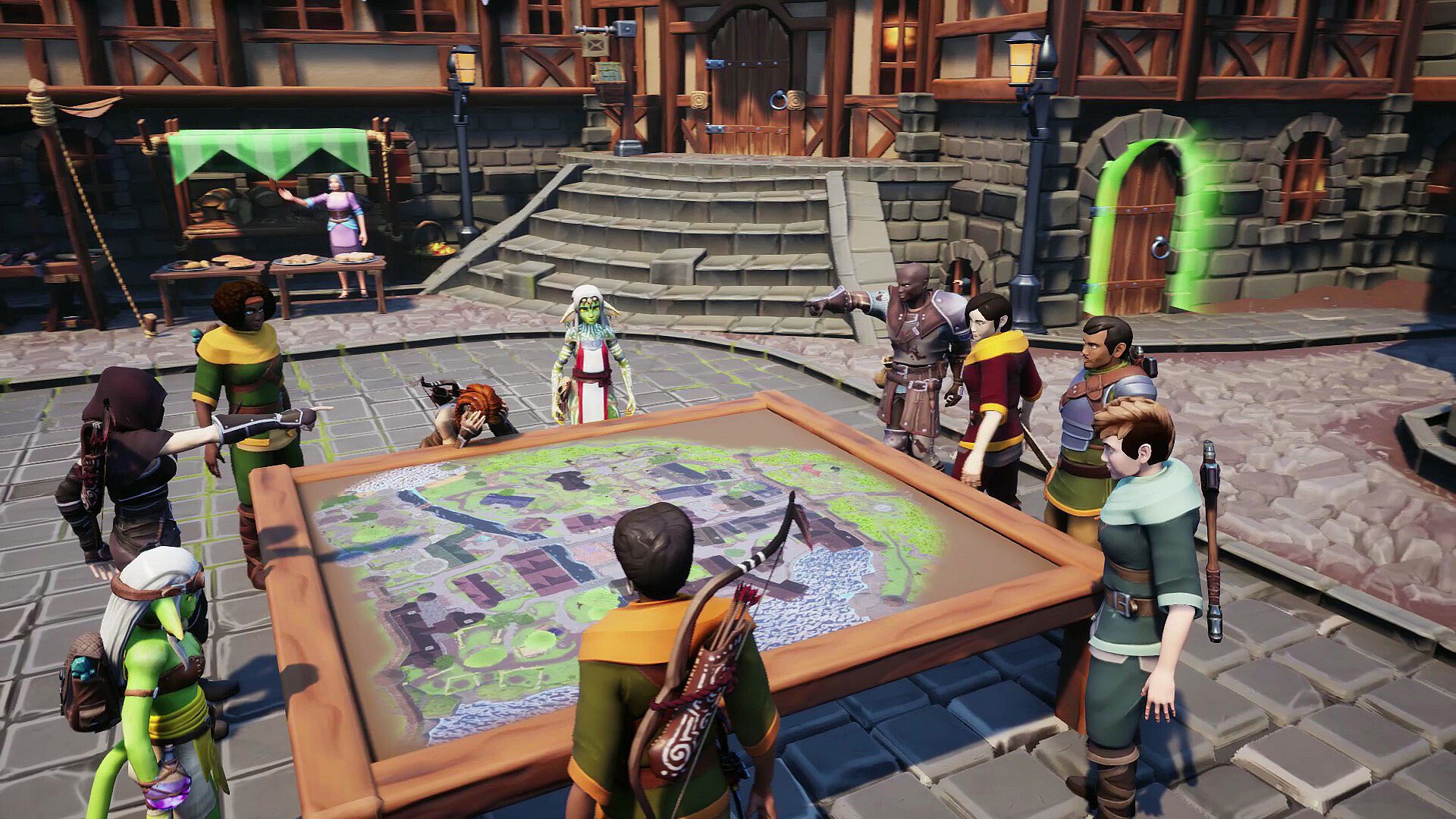
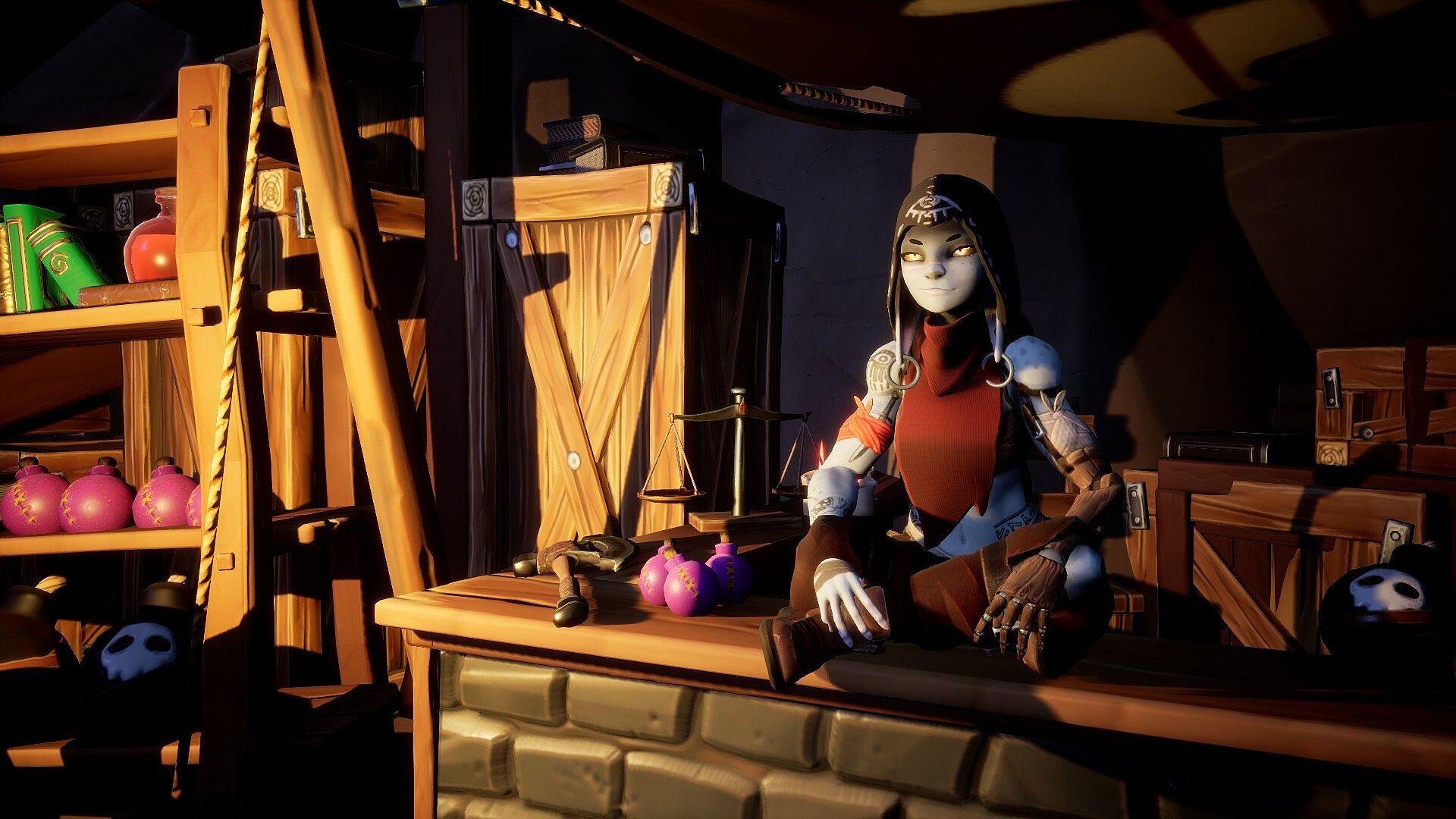
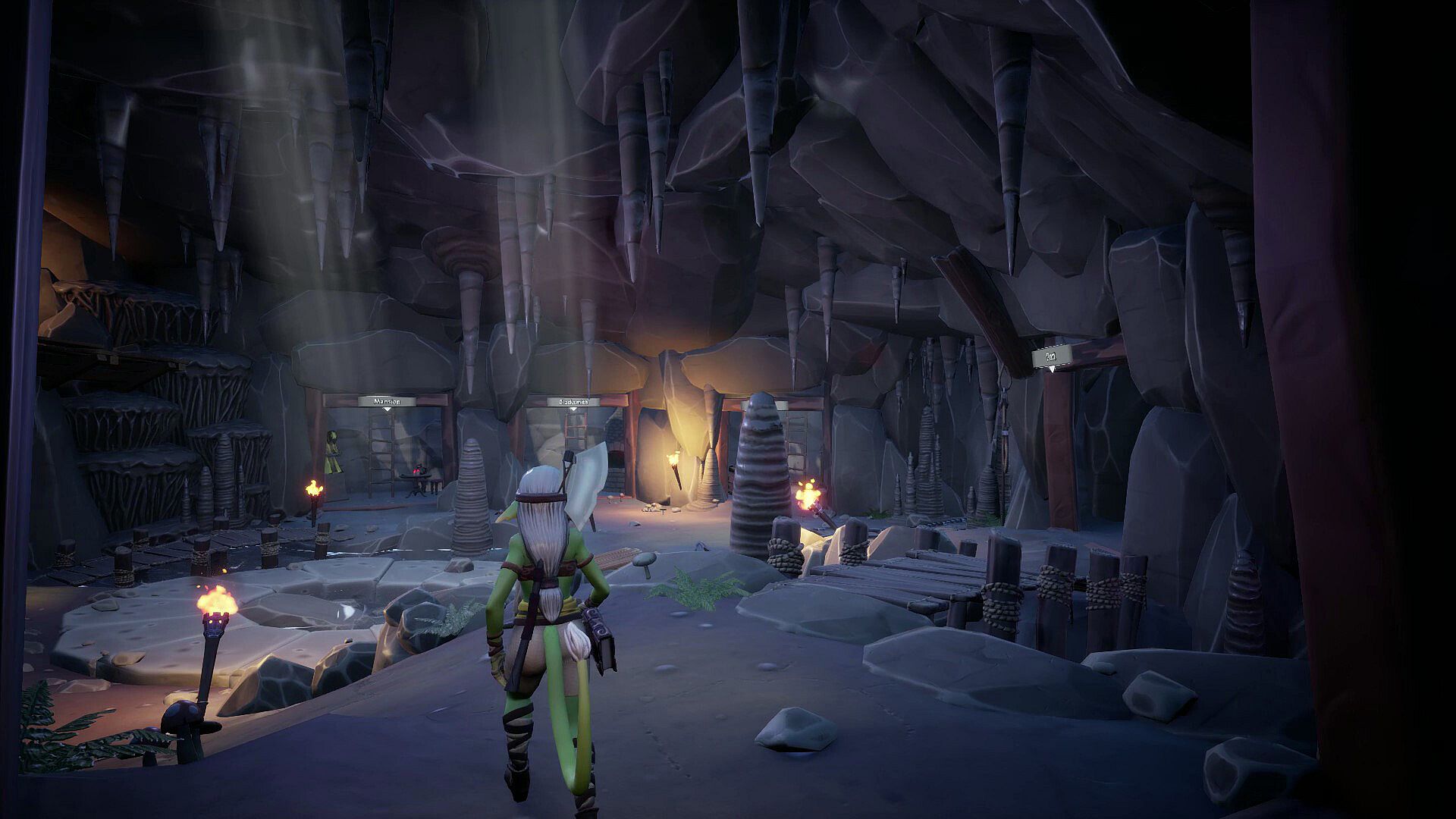
Matches unfold in distinct day and night phases that shape the core loop. During the day, villagers gather to discuss recent events, call meetings, and vote on suspects for execution. At night, conspirators move through the village to carry out murders or other disruptive actions while others sleep or use abilities in secret. Real-time navigation lets players visit homes, interact with vendors for items, and apply role-specific powers such as placing observation wards, setting traps, or communicating with the deceased.
Each role comes with unique tools that influence survival and deception. Villagers might brew potions for protection or healing, lift curses, or track footsteps left by others. Conspirators can acquire black-market goods like protective boots, traverse hidden underground paths, or apply deceptive curses to the village. Items gathered through trade provide intel or defensive options, adding layers to both investigation and evasion. After death, players become ghosts with limited abilities to influence the living through observation or subtle interference.
Customization options extend beyond roles to include skins, equipment, accessories, paintings, stickers, and emotes that personalize appearances and expressions during sessions. Custom game settings allow hosts to adjust rules for player count, role distribution, and other parameters, with automatic balancing to maintain fair team sizes regardless of session scale.
Game Modes
Sessions revolve around a single primary structure of villagers versus conspirators, scaled automatically based on the number of participants. Hosts can tweak parameters such as session length, ability availability, or victory conditions through built-in settings to create varied experiences within the same framework. The scalable design ensures roles distribute evenly, preventing imbalances in smaller or larger groups.
Proximity-based communication remains central across all sessions, forcing players to stay close for effective coordination or accusation. Ghosts retain influence after elimination, allowing continued participation through specialized abilities that can sway outcomes even from the sidelines. This setup supports repeated playthroughs with fresh role assignments and shifting alliances each time.
Roles and Factions
Two main factions drive the conflict: villagers who must identify and execute all conspirators to win, and conspirators who aim to murder enough villagers to seize control. Random role assignment at the start of each session keeps identities hidden, requiring constant social deduction through dialogue and observed behavior.
Available roles include the Detective for uncovering truths, the Barbarian with combat prowess, the Shape Shifter for deception, the Ghost Whisperer for speaking with the dead, the Slanderer for deflecting blame, the Trapper for deploying hazards, the Seer for remote observation via wards, the Mayor for social influence, the Thief for stealing resources, the Guard for protection duties, and the Smuggler for secret movement. Additional roles expand the roster over time, each offering distinct advantages in investigation, sabotage, or survival.
Is It Worth Playing?
Eville suits players who enjoy social deduction experiences with real-time movement and ability-driven strategy rather than purely task-based or static formats. The combination of day discussions, nighttime stealth actions, and role variety creates opportunities for creative playstyles focused on persuasion, timing, and adaptation. Community feedback channels, including direct developer interaction, support ongoing refinements based on player input.
Those drawn to games emphasizing conversation, deception, and asymmetric team objectives will find the mechanics rewarding through repeated sessions with different role combinations. The real-time 3D village exploration and item systems add tangible depth to the deduction process without requiring prior knowledge of similar titles. Availability on PC makes it accessible for groups seeking a fresh take on the genre.