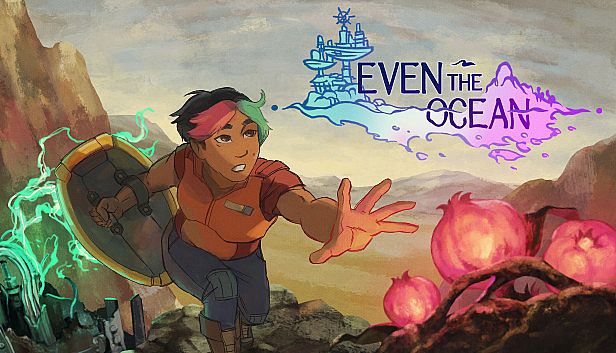













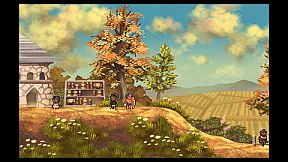
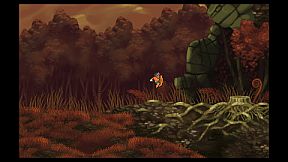
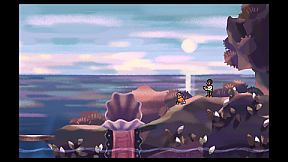
Even the Ocean stands as a story-rich 2D platformer that blends action, indie sensibilities, RPG elements, and adventure into a single-player experience focused on exploration and narrative. Players take on the role of Aliph, a technician whose routine work leads to larger responsibilities involving the balance of a world shaped by Light and Dark energies. The game emphasizes deliberate movement choices and environmental interaction across power plants, towns, and open landscapes on PC.
Gameplay
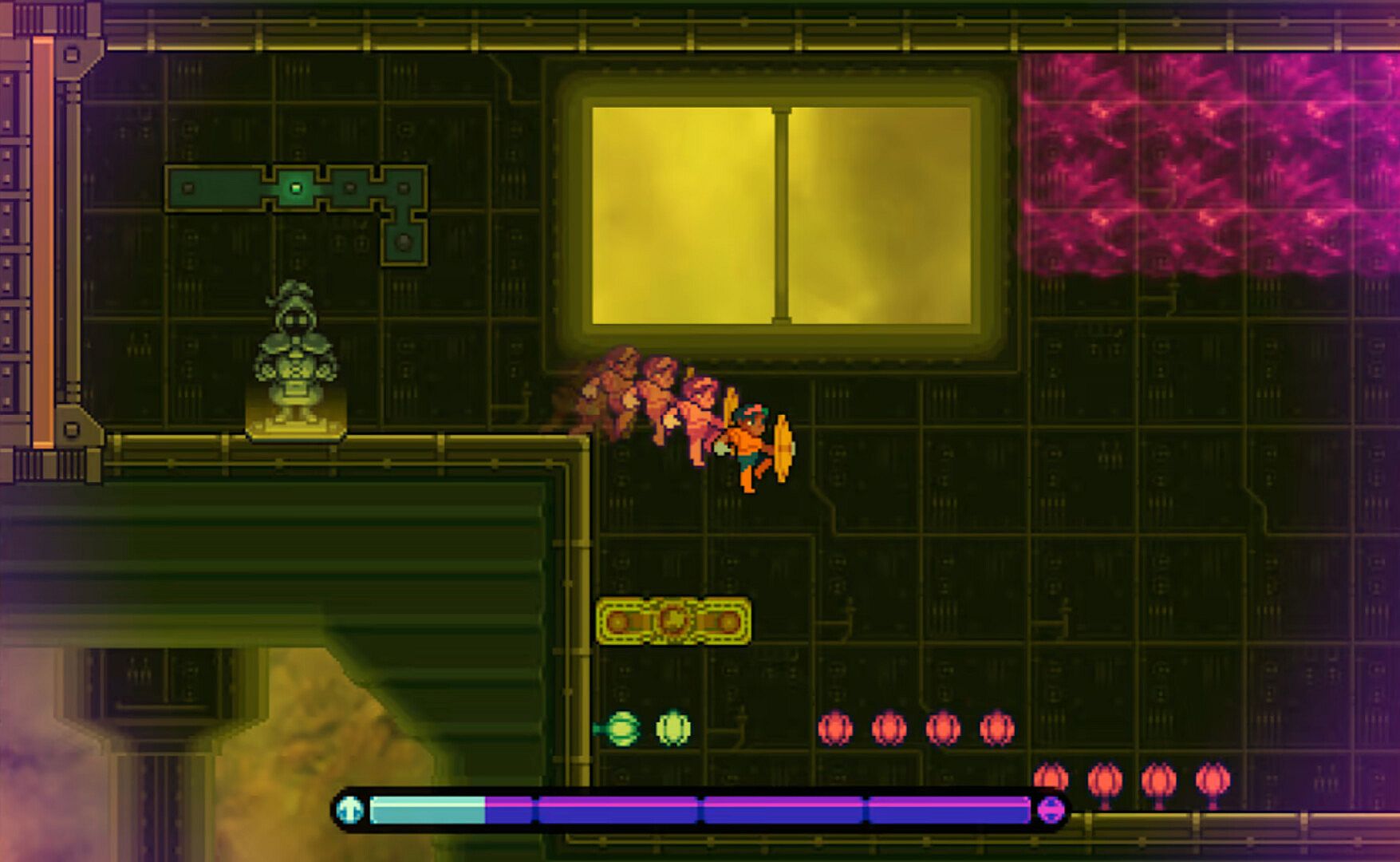
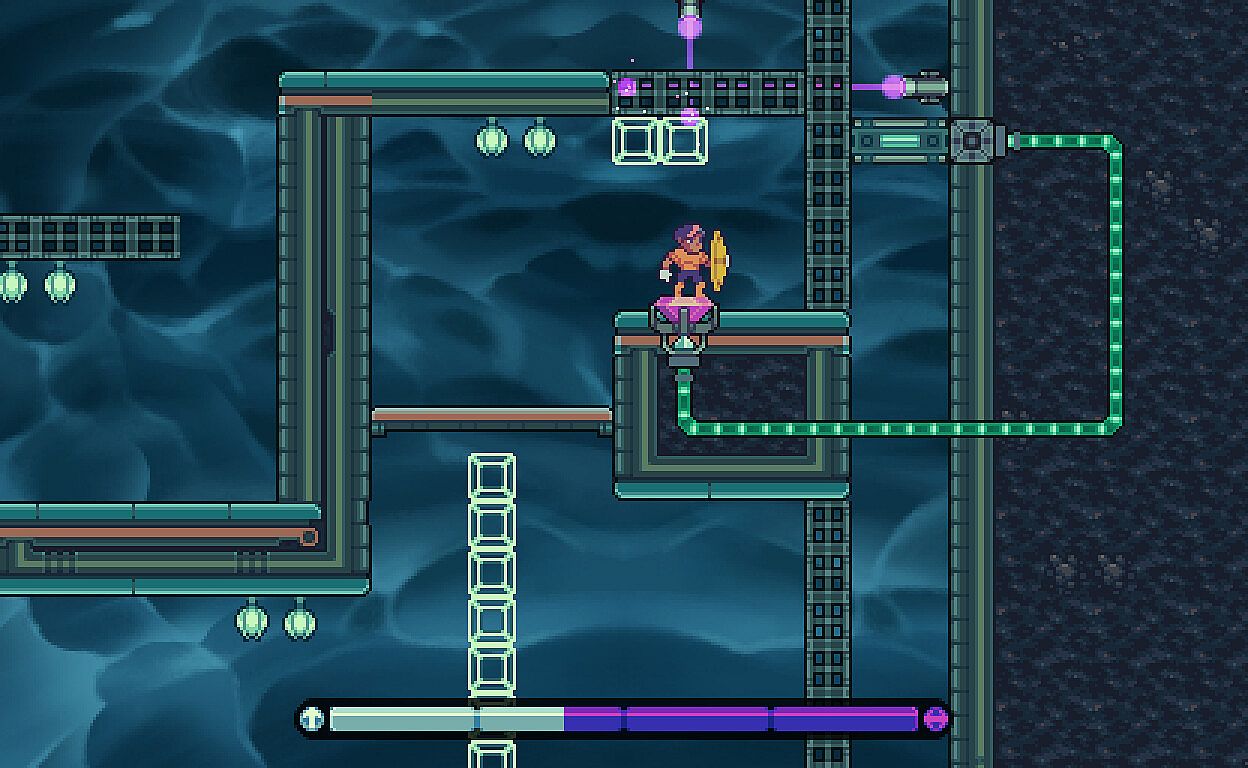
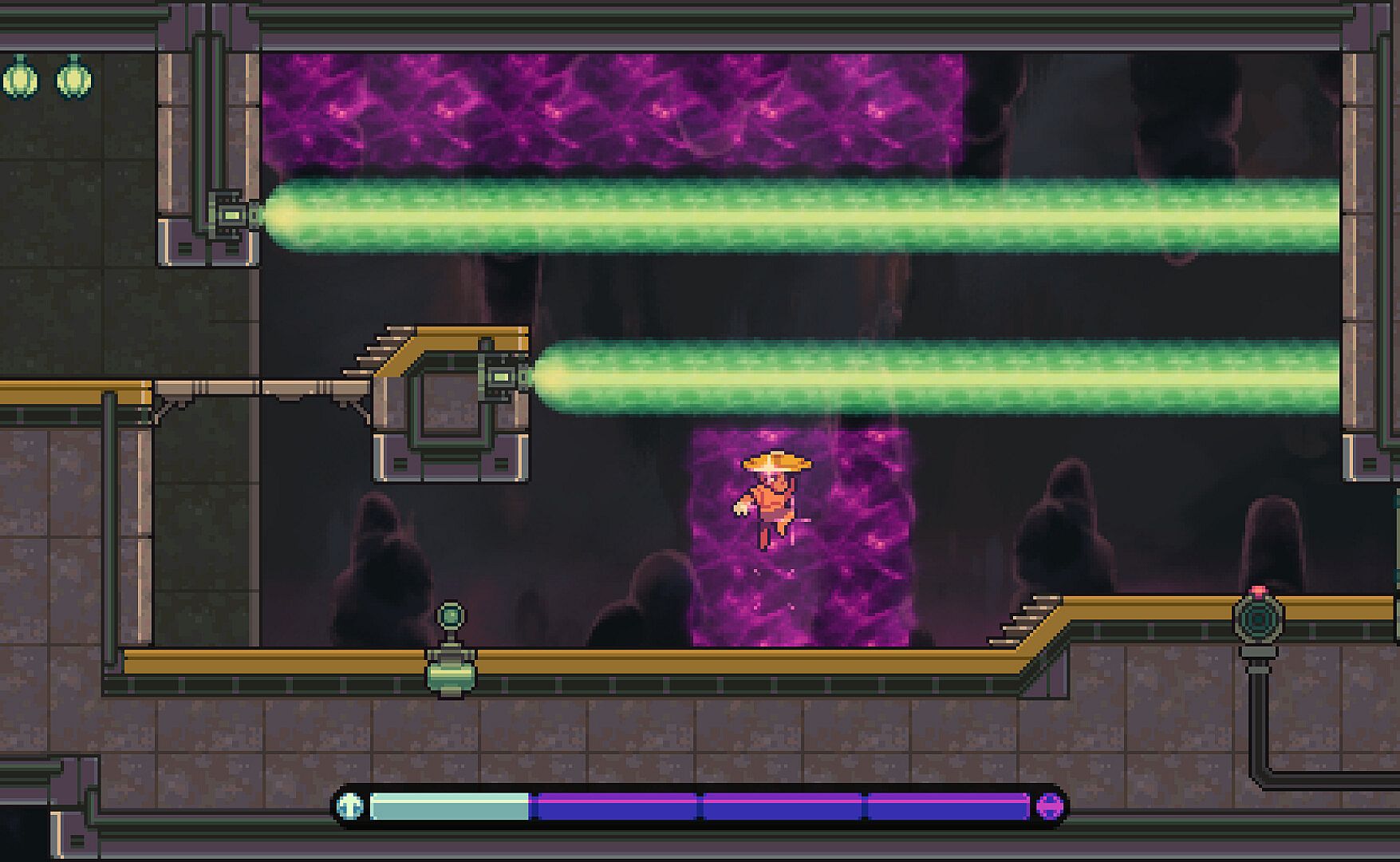
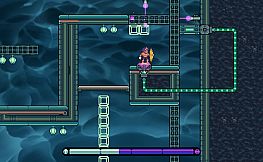
Core movement relies on an energy bar that players manage between Light and Dark infusions. Dark Energy increases running speed to cover ground quickly or build momentum, while Light Energy boosts jump height to reach elevated platforms or clear gaps. This system turns each level into a series of decisions about which energy type to prioritize at any moment, creating varied paths through the same area.
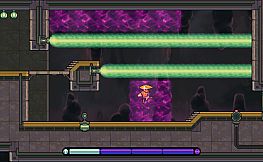
A 4-directional shield serves as both defense and tool. It blocks incoming hazards or redirects certain environmental elements to solve puzzles. Platforming sections mix precise timing with these energy shifts, leading to large, interconnected stages filled with obstacles that require repeated experimentation.
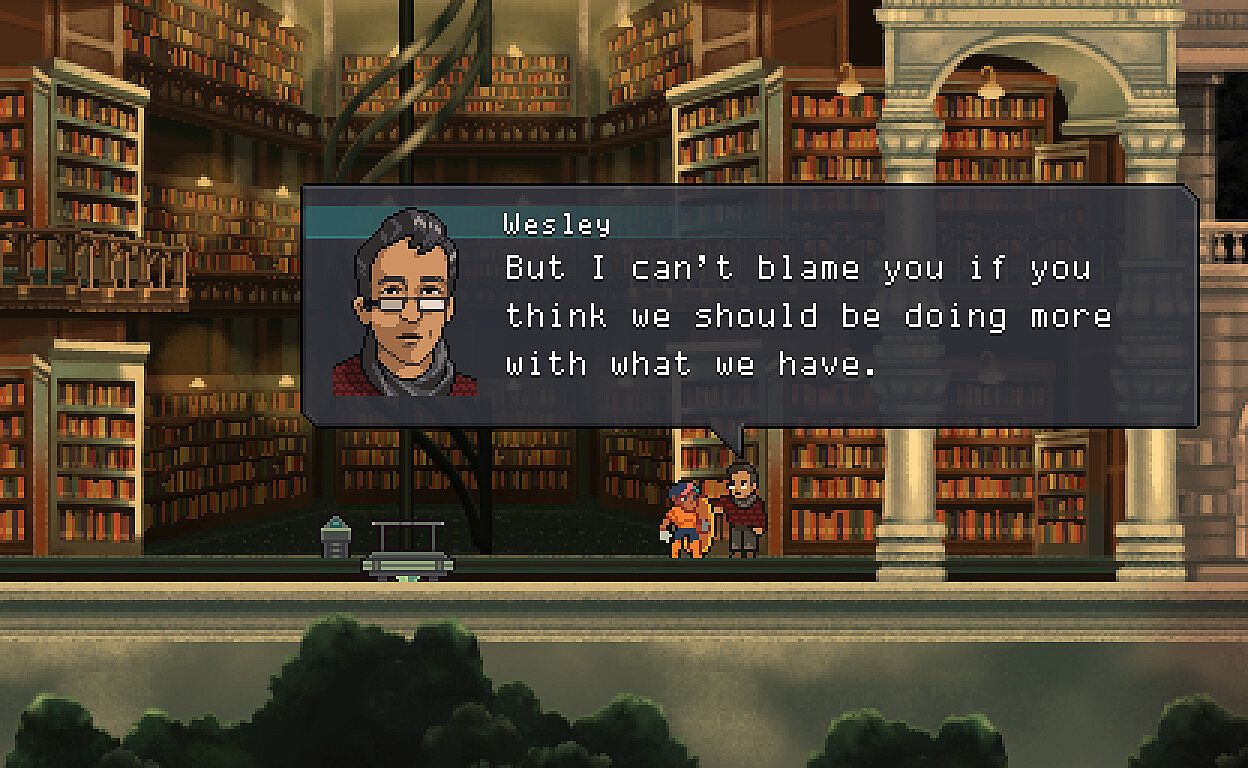
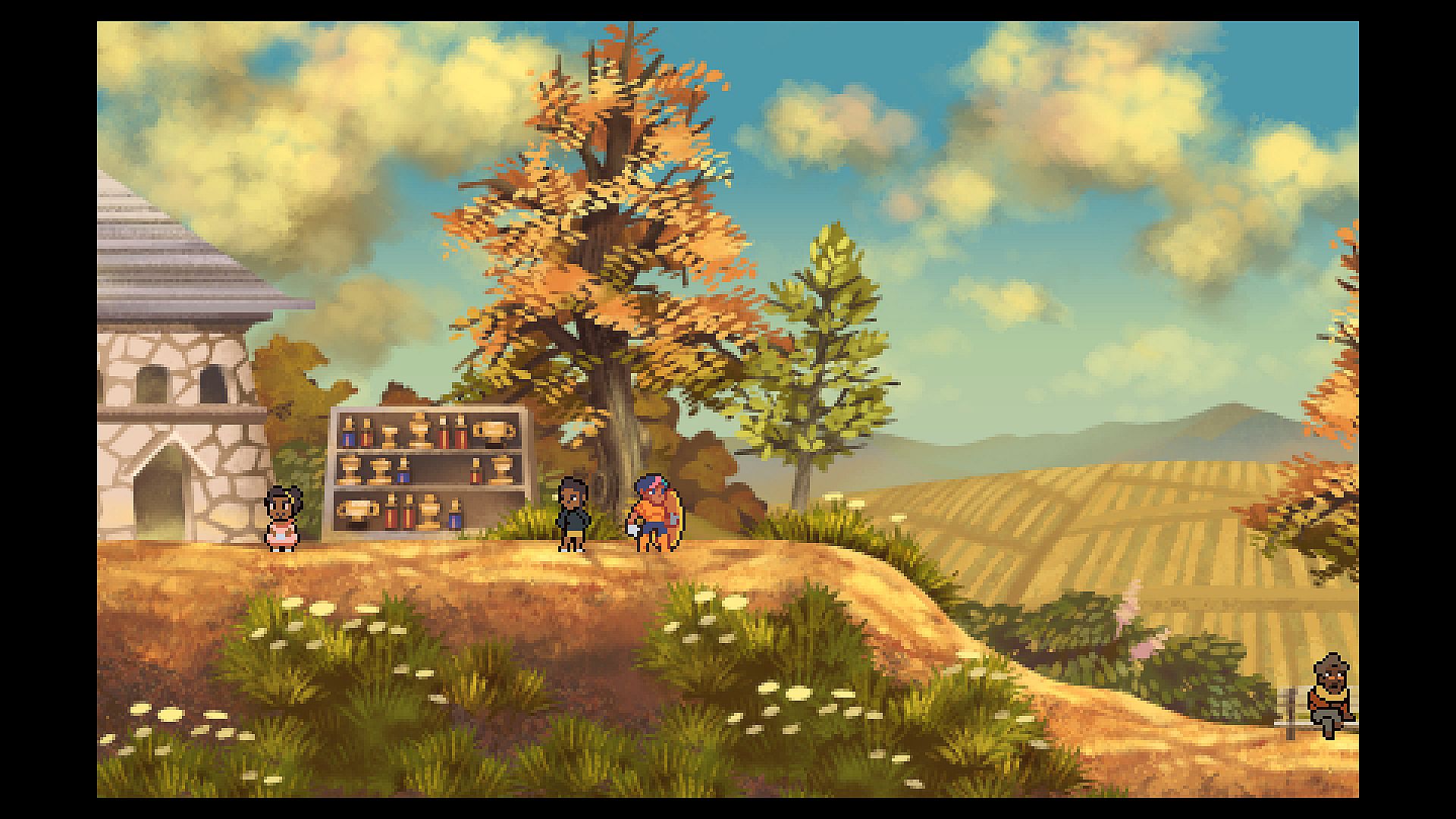
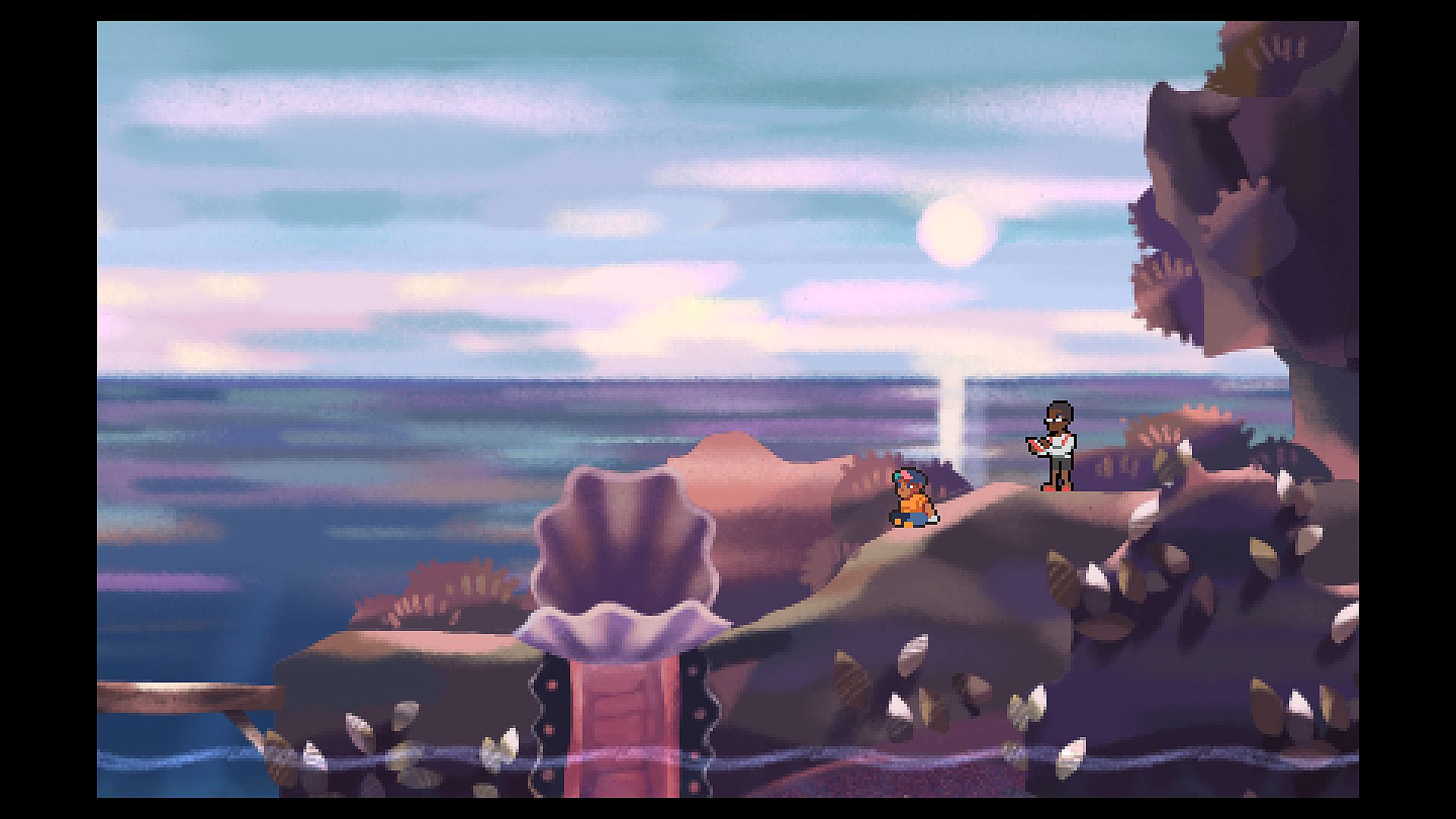
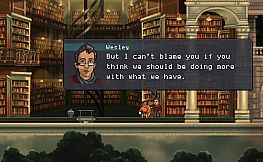
Outside the main levels, the overworld allows free movement between towns, cities, and natural areas around Whiteforge City. Conversations with residents reveal personal stories and world details, adding layers to the central conflict of restoring stability after environmental disruption. Puzzle elements appear in both platforming sequences and dialogue-driven sequences that influence how challenges unfold.
Game Modes
Three distinct play styles let players tailor the experience without altering the core structure. Complete mode combines full platforming challenges with the narrative. Story-only mode reduces or removes demanding platform sections to focus on dialogue and progression. Gameplay-only mode strips away story elements to emphasize the energy management and puzzle platforming in isolation.
These options extend to difficulty adjustments that affect damage, movement speed, and hazard frequency. Players can toggle specific accessibility features, such as disabling certain movement penalties or damage sources, to match their preferred pace and challenge level.
Story and Setting
The narrative centers on Aliph after a workplace incident draws her into government efforts to address an unknown threat. Travel takes her through hazardous power plants and encounters with massive creatures, gradually revealing the forces that have thrown the world out of balance. Dialogue with allies, travelers, and locals provides context for the environmental themes without requiring combat systems or faction alignments.
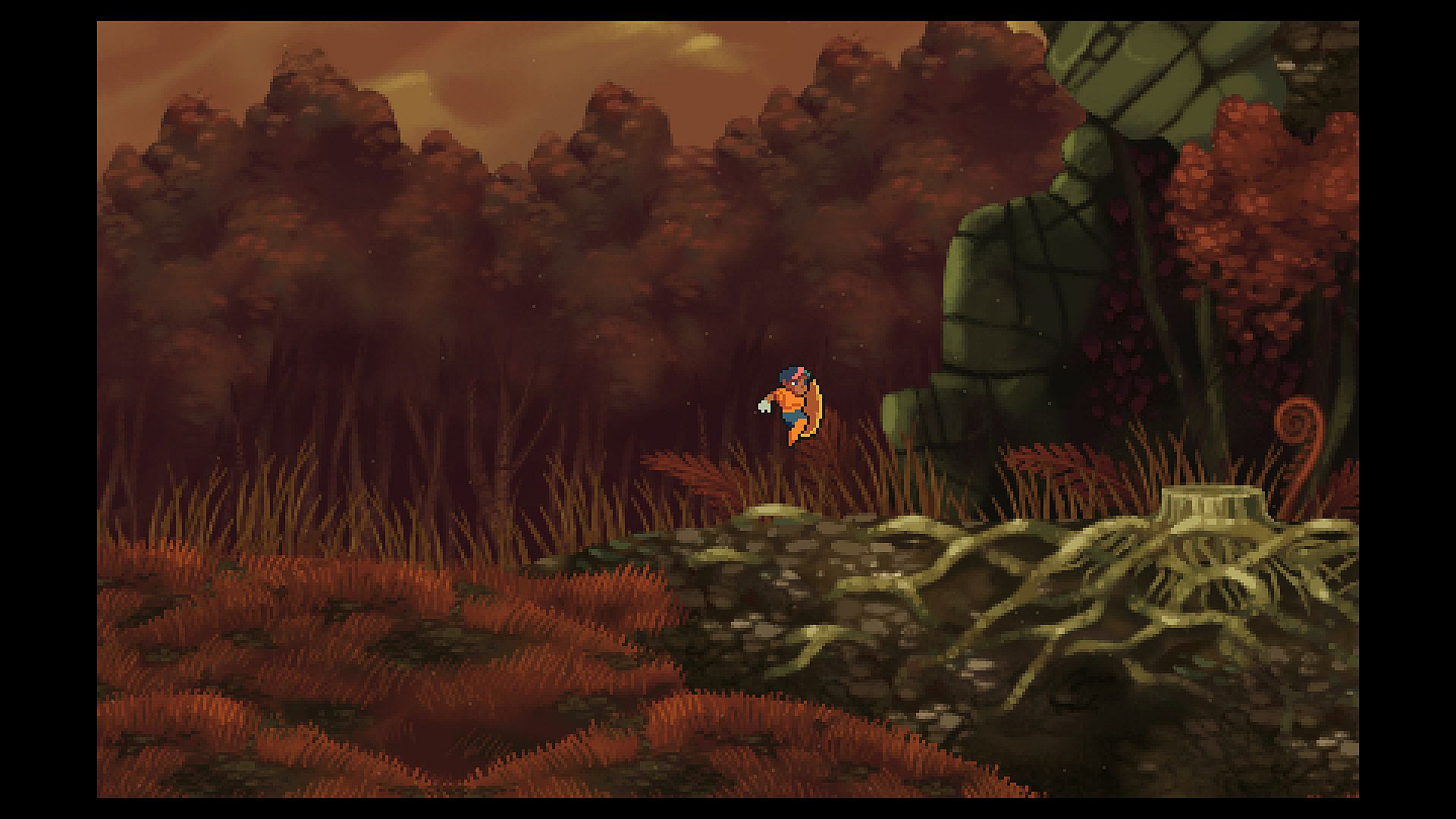
Exploration reveals the geography surrounding Whiteforge City, from urban districts to remote natural zones. Each area ties back to the energy balance mechanic, showing how local conditions reflect the larger state of the world. The story unfolds through direct interaction rather than cutscenes, keeping focus on Aliph's perspective as she gains influence and insight.
Is It Worth Playing?
Even the Ocean suits players who value thoughtful 2D platforming paired with a character-driven story about responsibility and environmental balance. The energy system encourages creative problem-solving, and the three play-style options make the game adaptable for different skill levels or time commitments. Those who prefer narrative focus can bypass platforming intensity, while others can isolate the mechanical challenges.
Reception highlights the satisfying feel of mastering energy shifts and the depth added by conversations with supporting characters. The game delivers a self-contained experience without ongoing seasons or expansions, appealing to those seeking a complete single-player journey that lasts several hours. Its mechanics stand apart from standard platformers, rewarding patience with progression that feels earned through experimentation rather than repetition.