















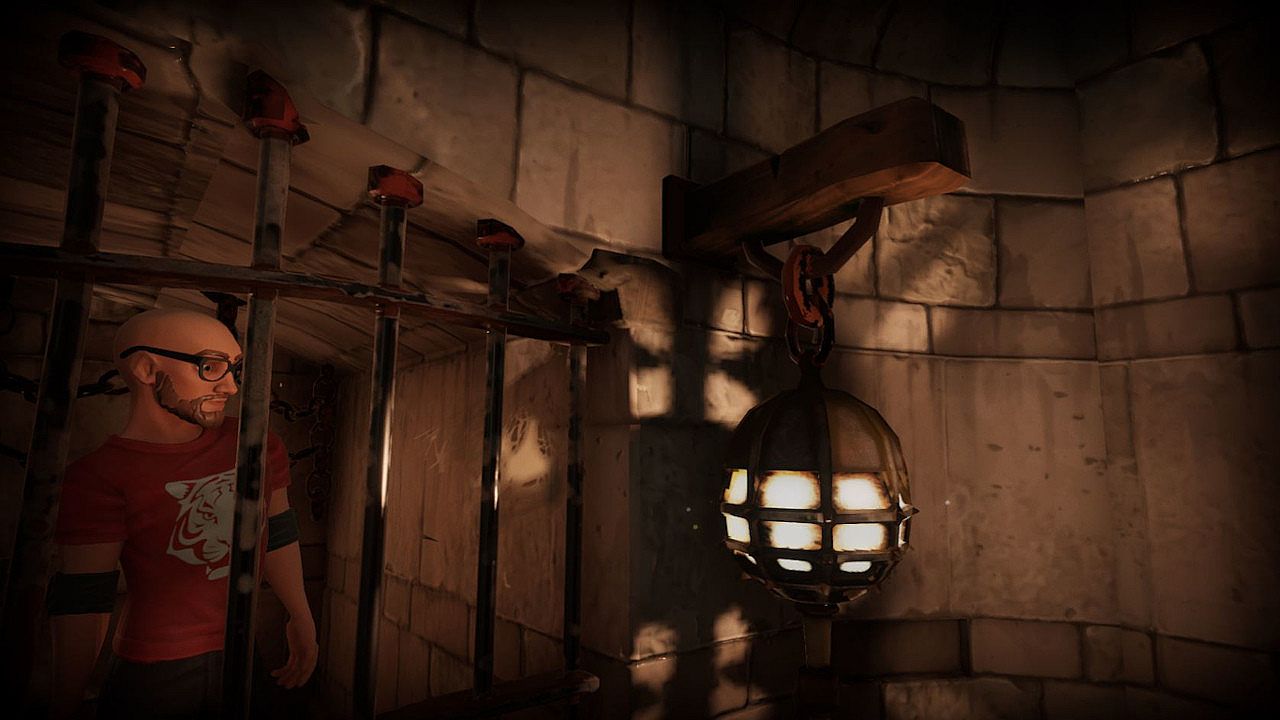

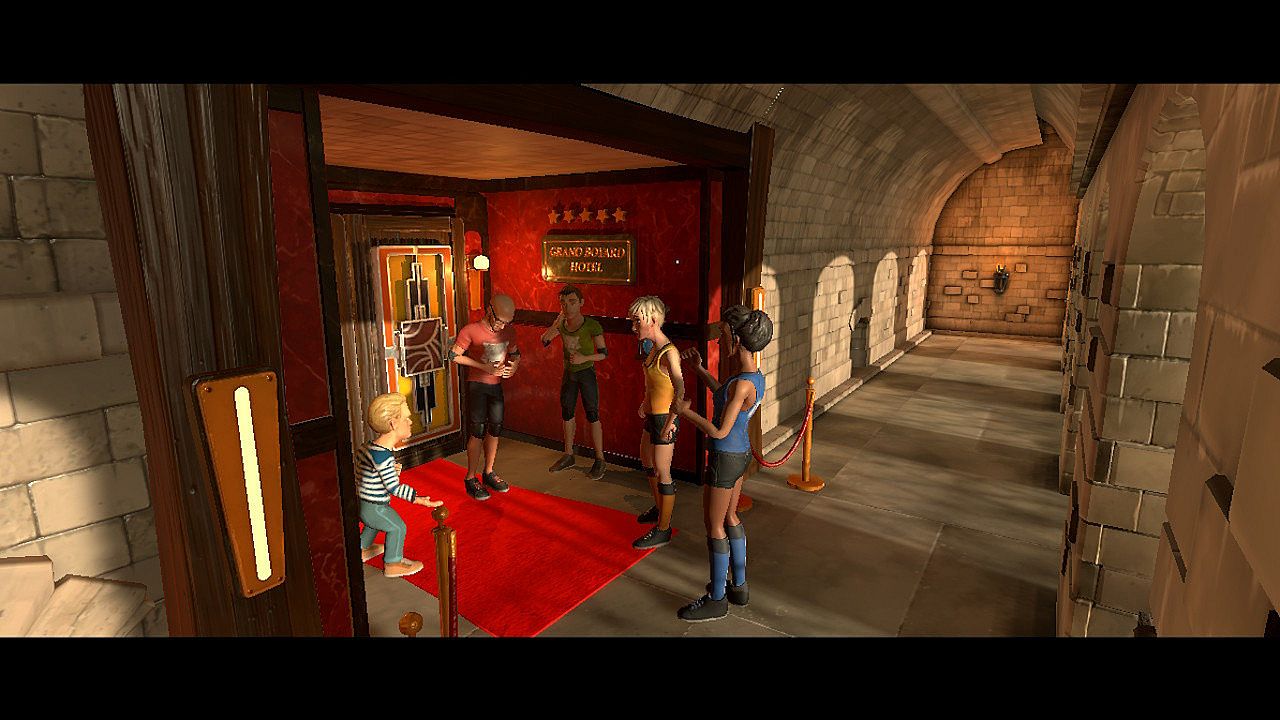
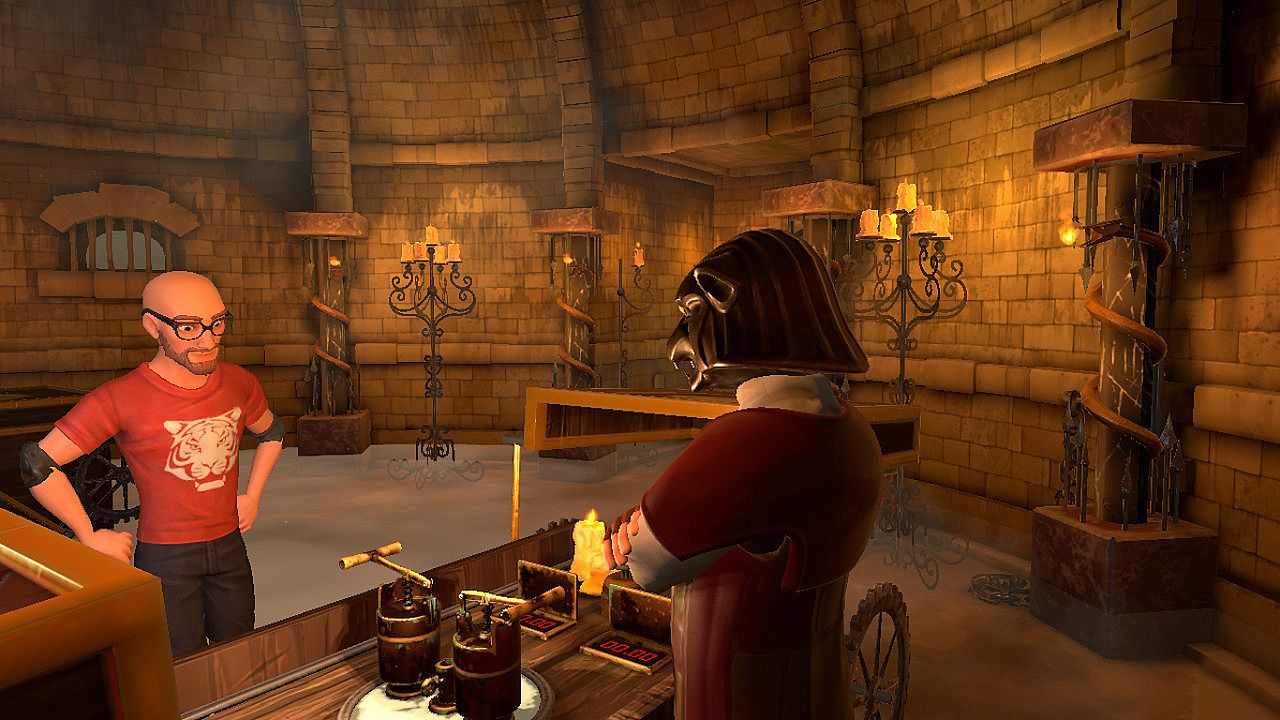
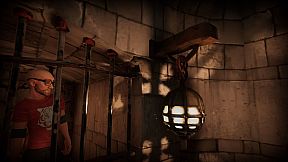

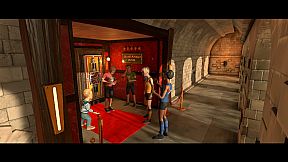
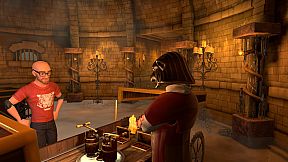
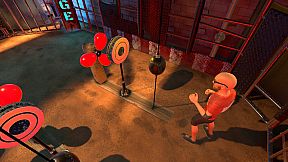
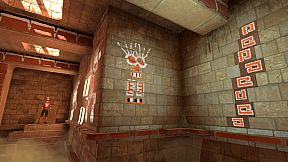
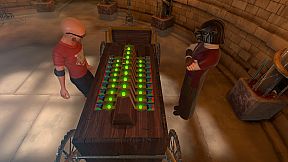
Escape Game Fort Boyard is a local multiplayer action and sports party game that challenges one to four players to complete a series of physical and mental trials inside a historic seaside fort. Players work to collect keys and clues before solving a final riddle and escaping with the treasure, all while racing against a time limit that leads to imprisonment if exceeded. The experience draws directly from the long-running television format, translating its obstacle courses and puzzles into interactive mini-games focused on endurance, dexterity, and problem-solving.
Gameplay
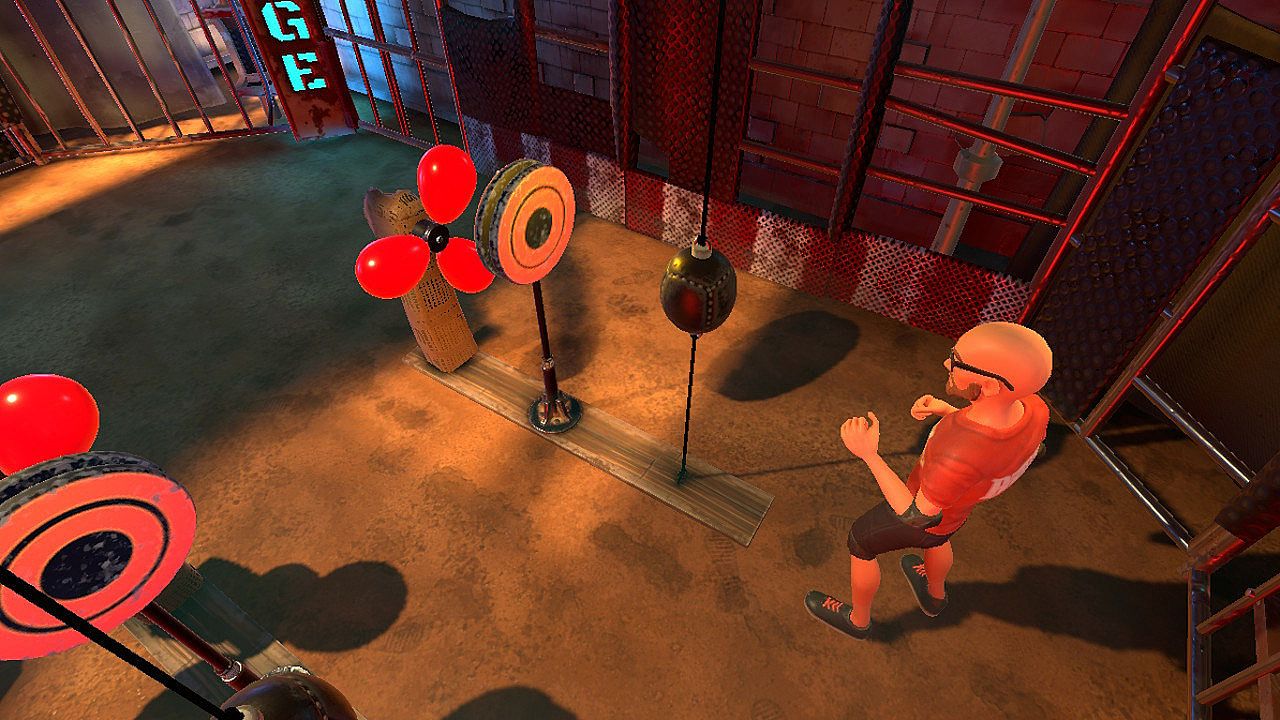
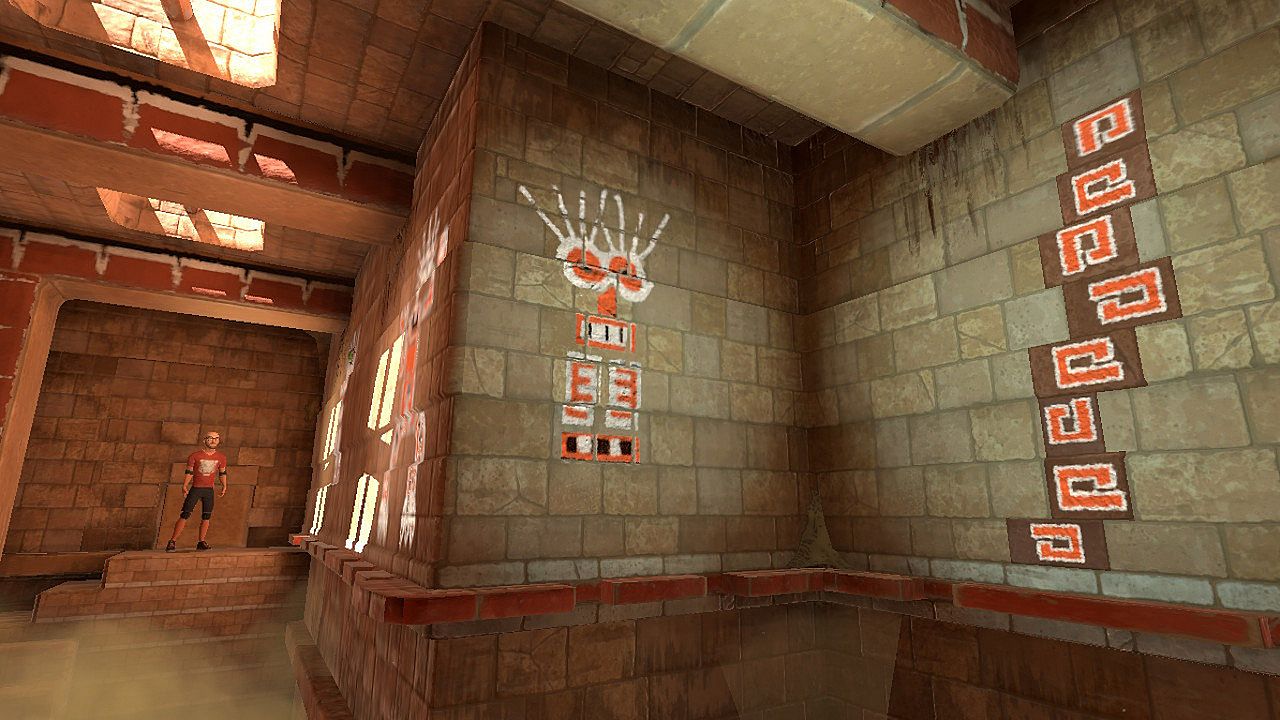
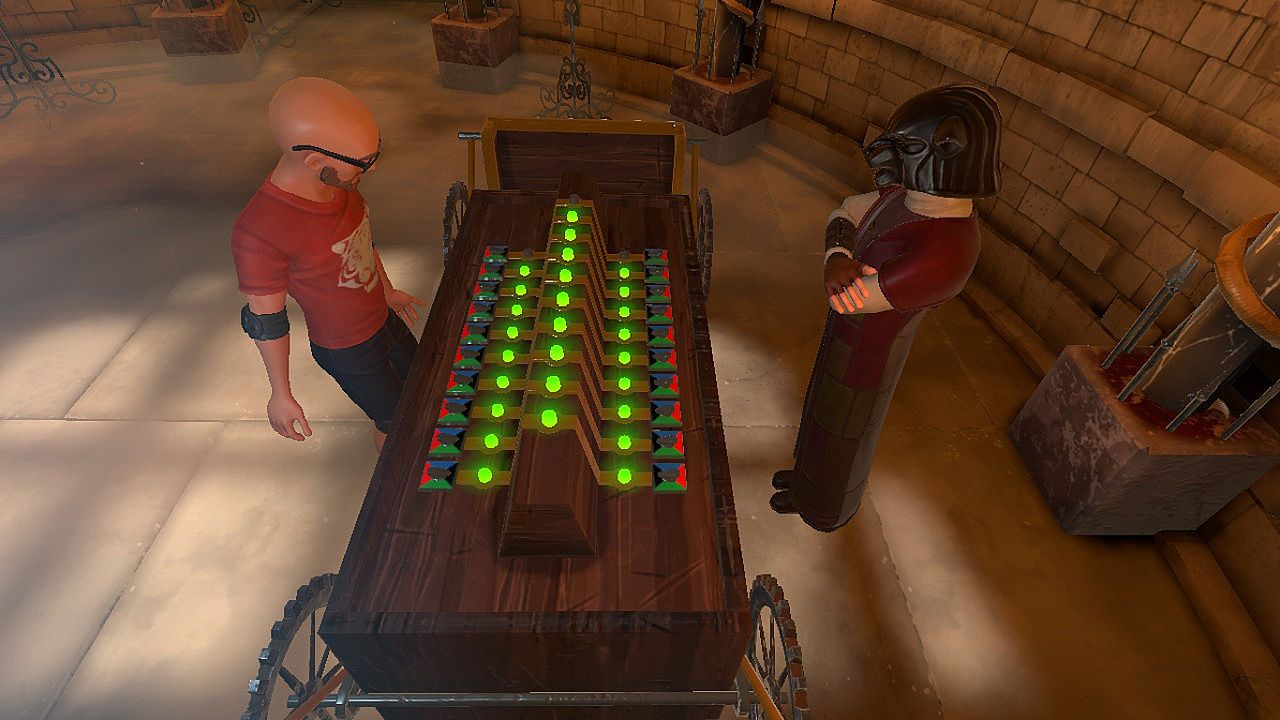
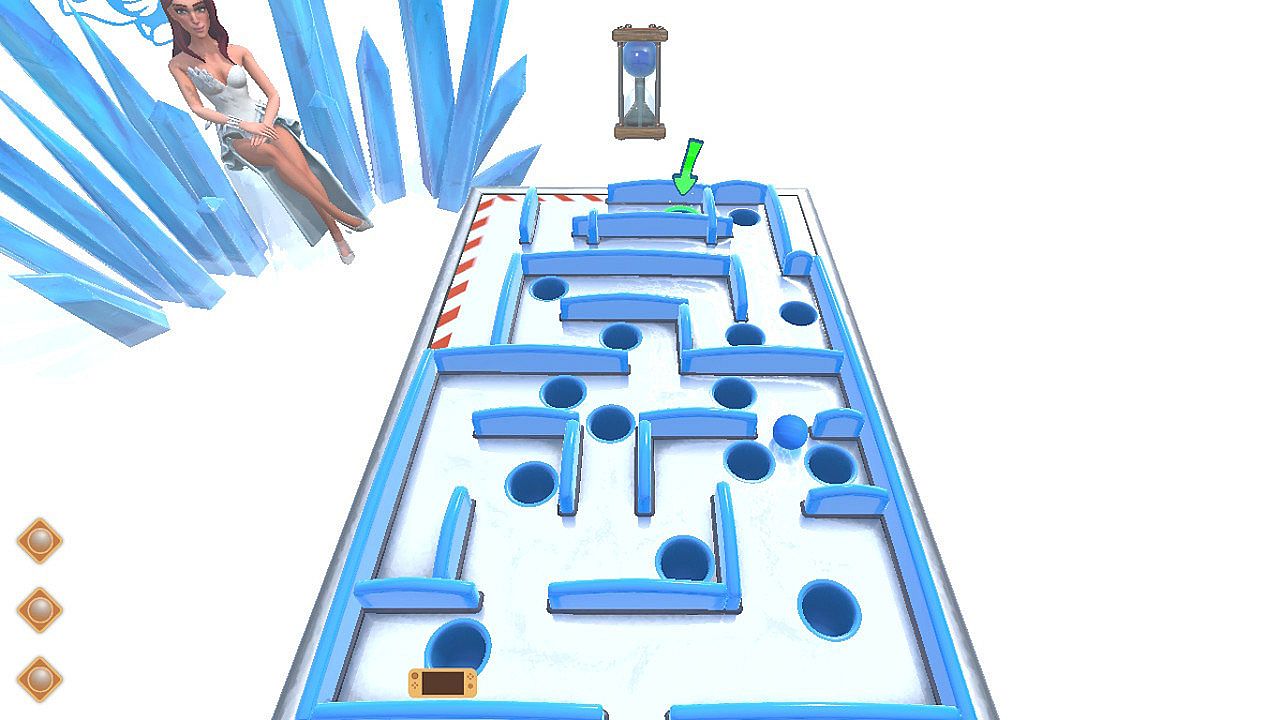
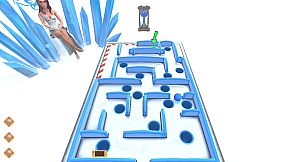
Core gameplay revolves around navigating a series of 26 distinct trials that test different skills. Reflection challenges such as the Maze and the Mummy require careful planning and logical thinking to succeed. Dexterity-based mini-games like Rodeo Dino and Car Wars demand precise timing and control under pressure. Strength trials including Excalibur and the Punching-Ball push players to exert maximum effort through repeated actions or sustained performance.
Before entering the fort, participants customize their character and team from four available playable characters. This personalization affects appearance but does not alter core abilities. Split-screen support appears in several mini-games, allowing multiple players to compete or cooperate simultaneously on the same screen without needing additional hardware setups.
Each trial contributes to overall progress by awarding keys or clues needed for the final enigma. Failure to exit before the timer expires ends the attempt, emphasizing quick decision-making alongside physical execution. The design encourages repeated attempts to improve times and strategies across solo or group sessions.
Game Modes
Adventure mode structures the experience around the television show's format. Players progress through sequential challenges, gathering resources to unlock the treasure vault while managing the shared time constraint. This mode supports both solo play and group participation up to four players.
Boyard Party mode functions as a competitive or cooperative board-game style session. Participants take turns or work together on mini-games, with options to play cooperatively toward a shared goal or competitively against one another. The mode emphasizes party-style replayability with variable outcomes based on performance in each activity.
A dedicated Training mode lets individuals practice individual trials without the pressure of the full timer or progression system. This option helps refine techniques for specific challenges before attempting full runs in other modes. Cooperative and versus variants apply across the main experiences, allowing flexible group dynamics.
Multiplayer and Accessibility
Local play supports one to four participants, with split-screen options enhancing shared-screen sessions on compatible mini-games. Remote Play Together functionality extends some multiplayer features to online friends using the same local setup. The game includes support for English, French, Italian, German, and Spanish languages in interface, audio, and subtitles where applicable.
Customization extends to team composition, letting groups tailor their roster before starting. The overall structure favors short, repeatable sessions that fit casual gatherings rather than extended single-player campaigns. No online matchmaking or persistent progression systems exist beyond the core modes.
Is It Worth Playing?
Steam user reviews show 92 percent positive ratings from 25 total reviews, highlighting the game's appeal as a lighthearted local multiplayer title. It suits groups seeking quick, varied mini-game sessions that mix physical challenges with light puzzle elements. Players who enjoy party formats with clear win conditions and time-based tension will find consistent engagement across its modes.
The title remains available on PC with no confirmed ongoing seasonal content or major post-launch updates since its 2020 release. Its focused scope on local play and trial variety makes it a solid choice for households or gatherings with access to controllers or shared input devices. Those preferring large-scale online experiences or deep narrative campaigns may find the content limited after initial playthroughs.