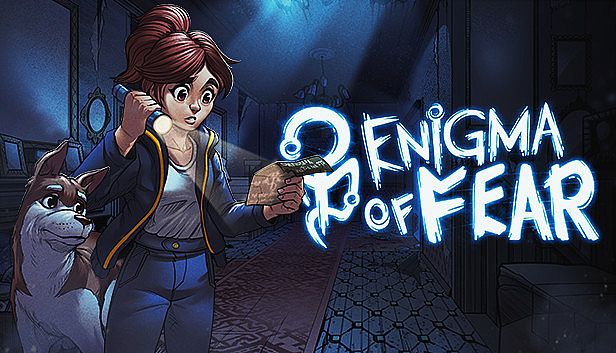


















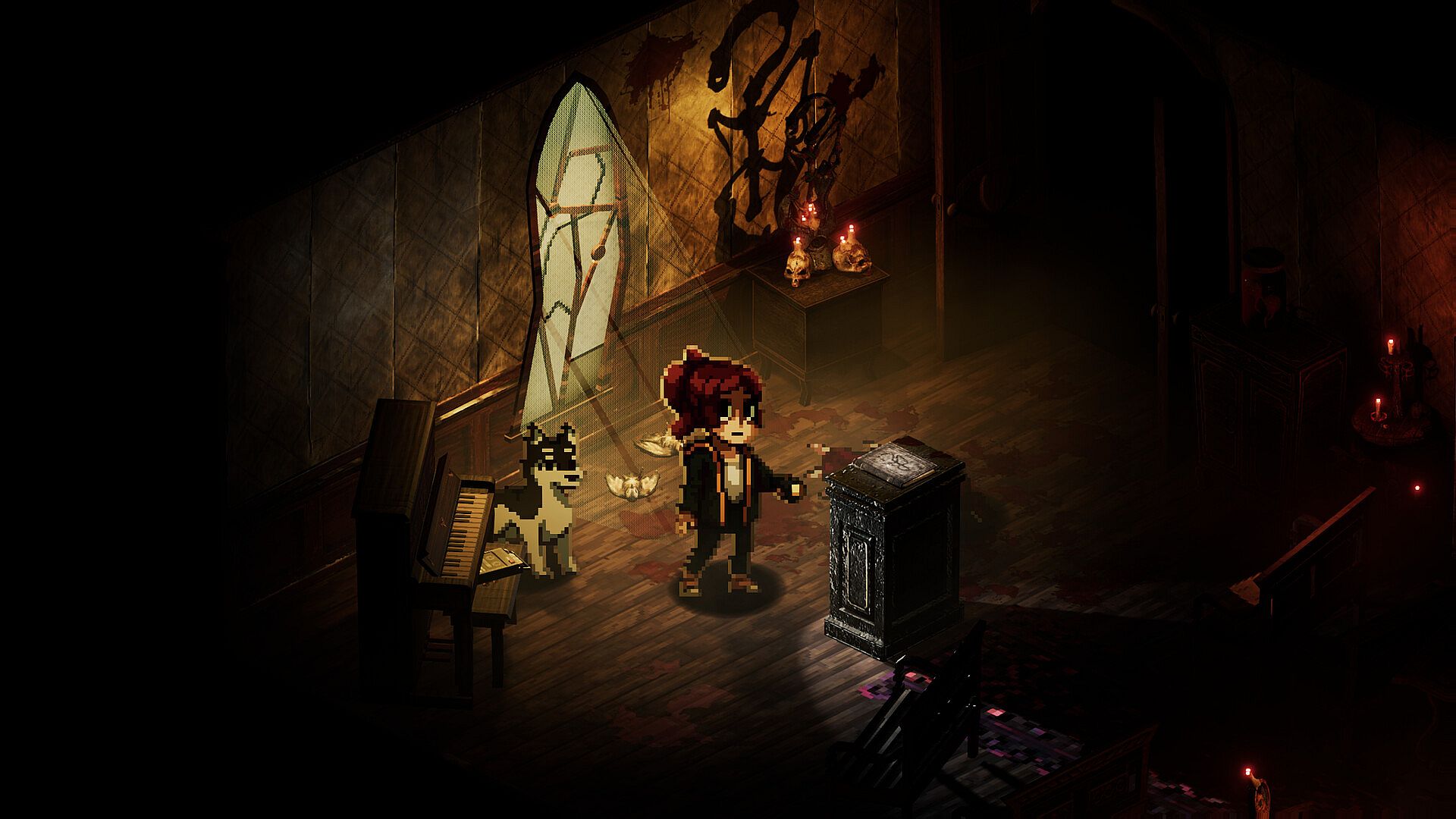
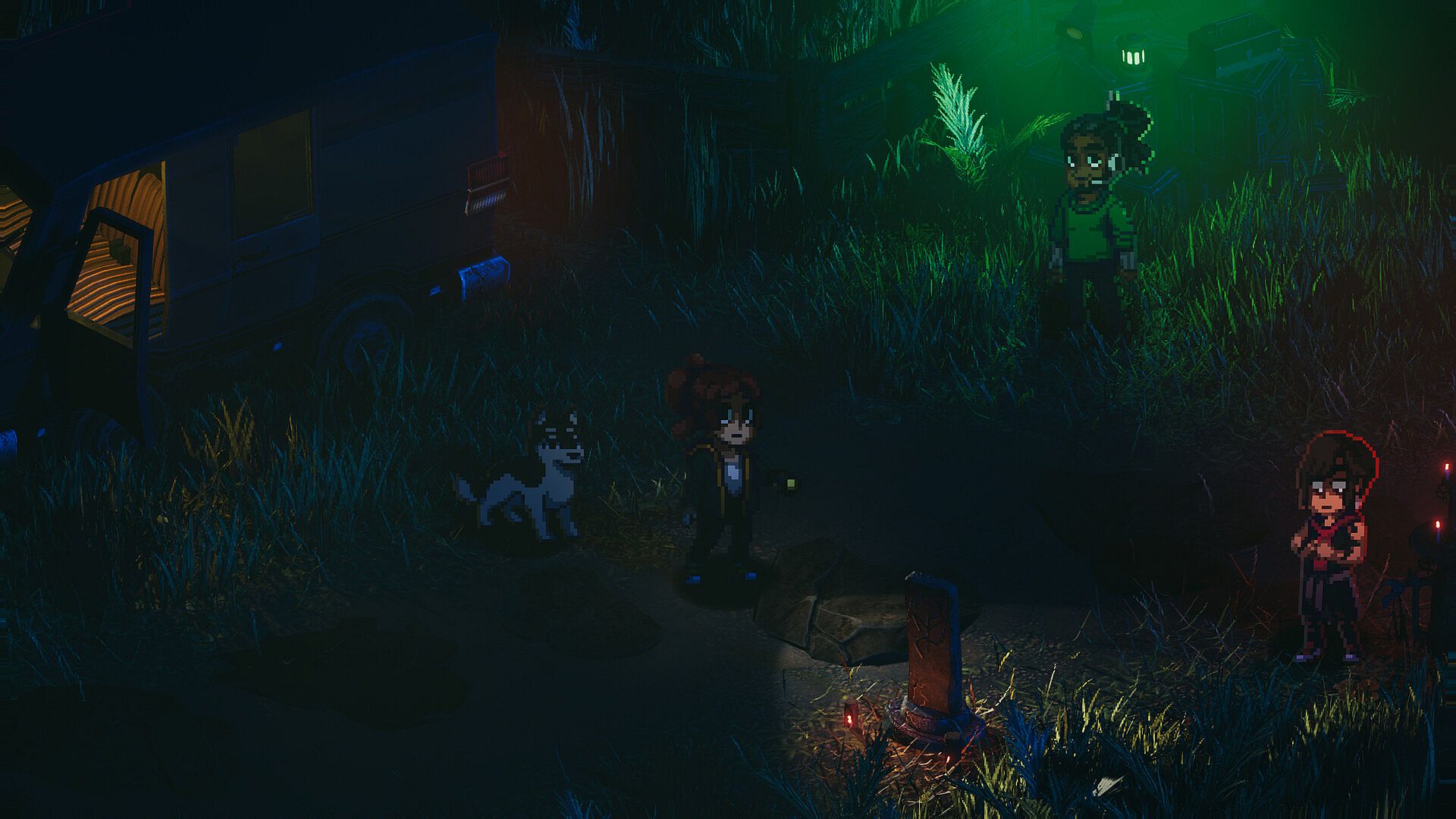
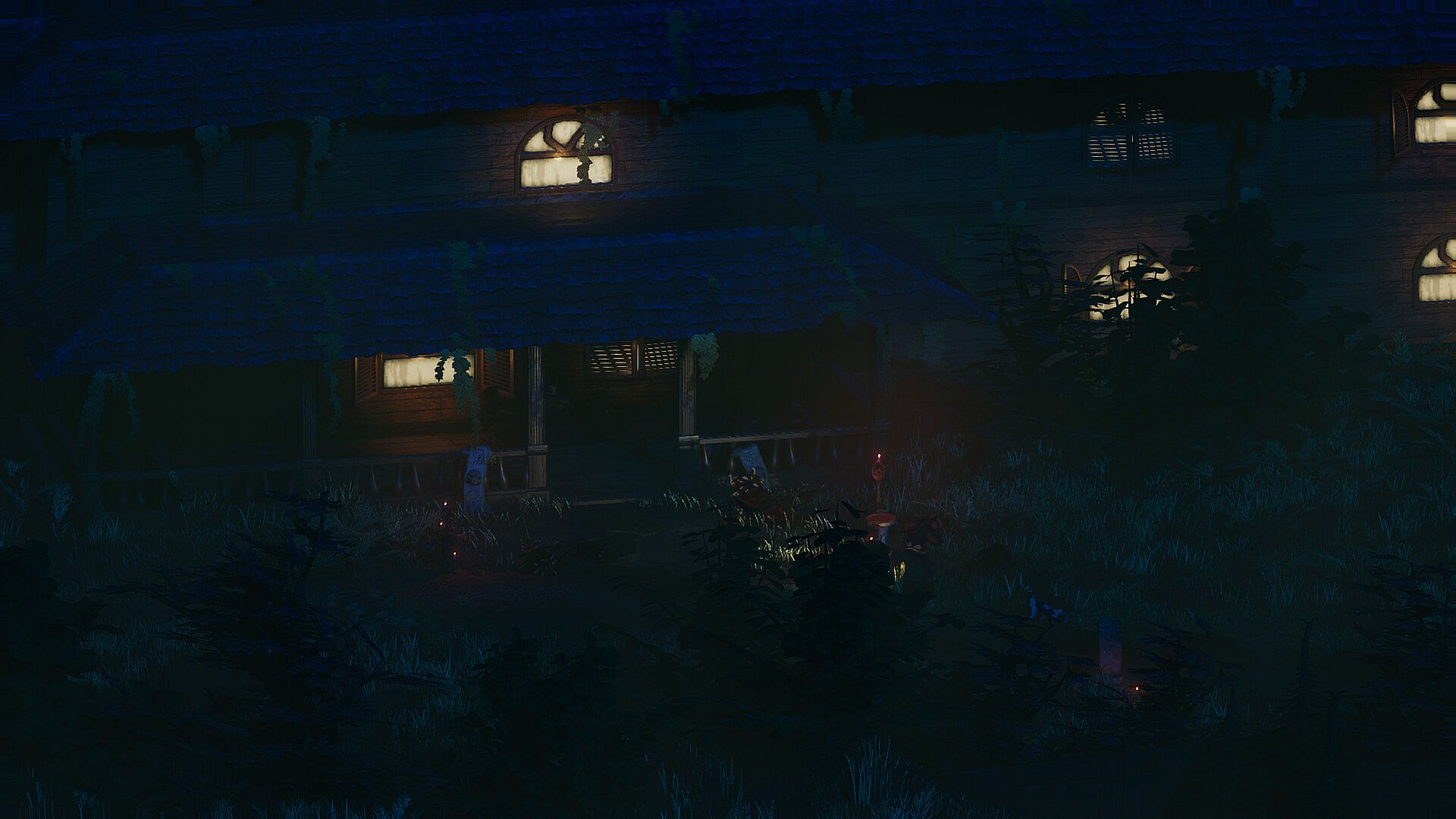
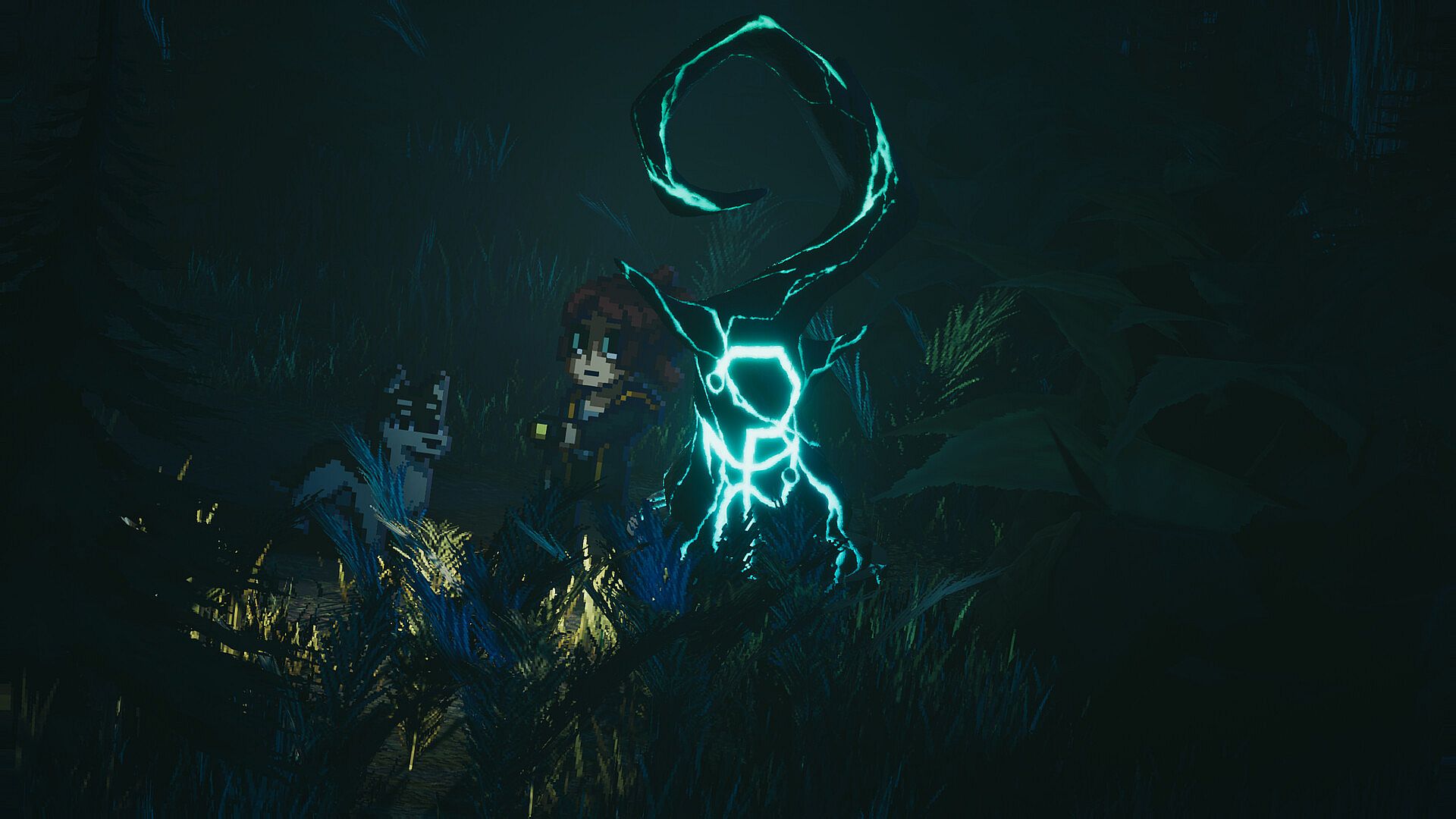
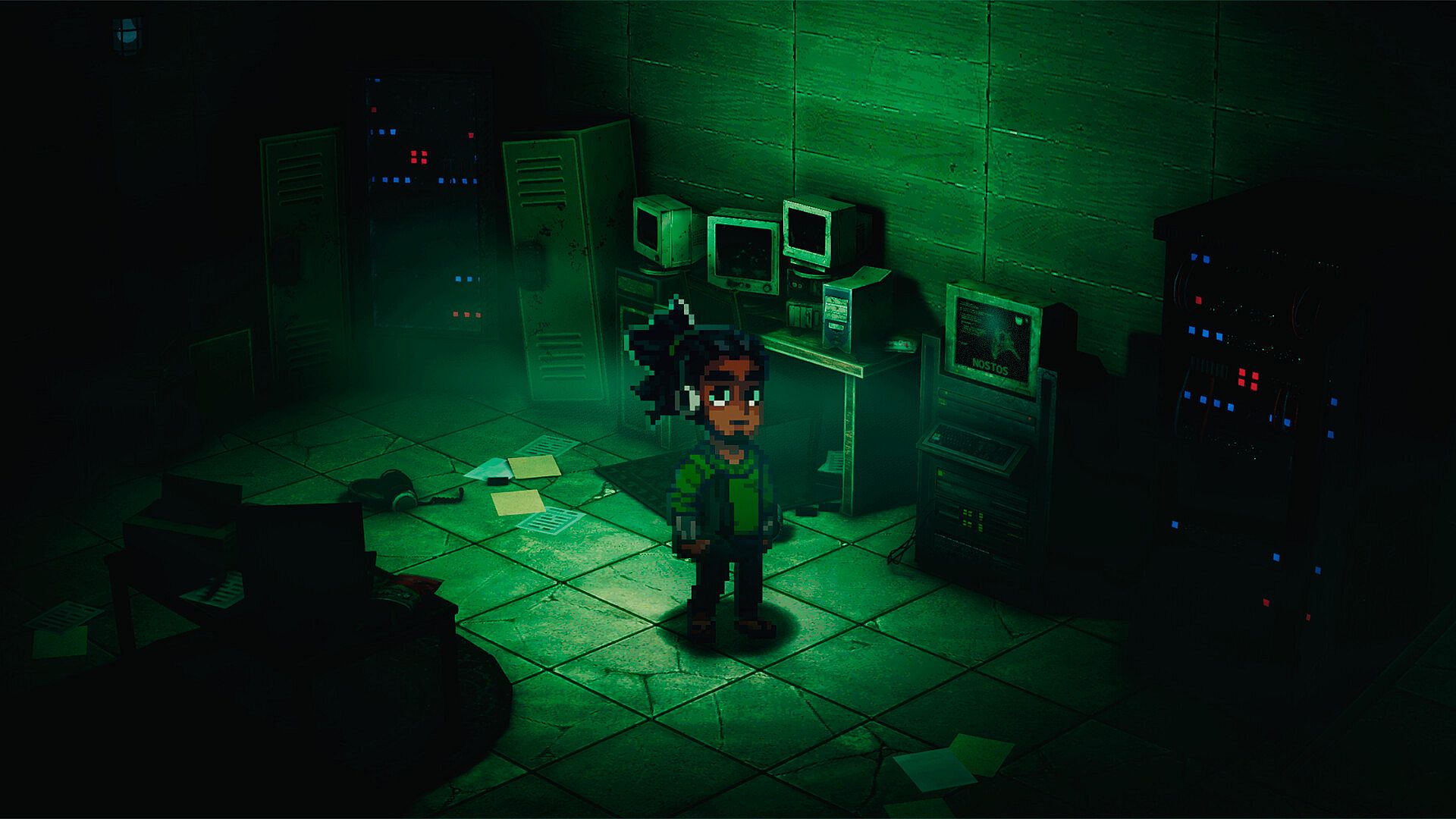
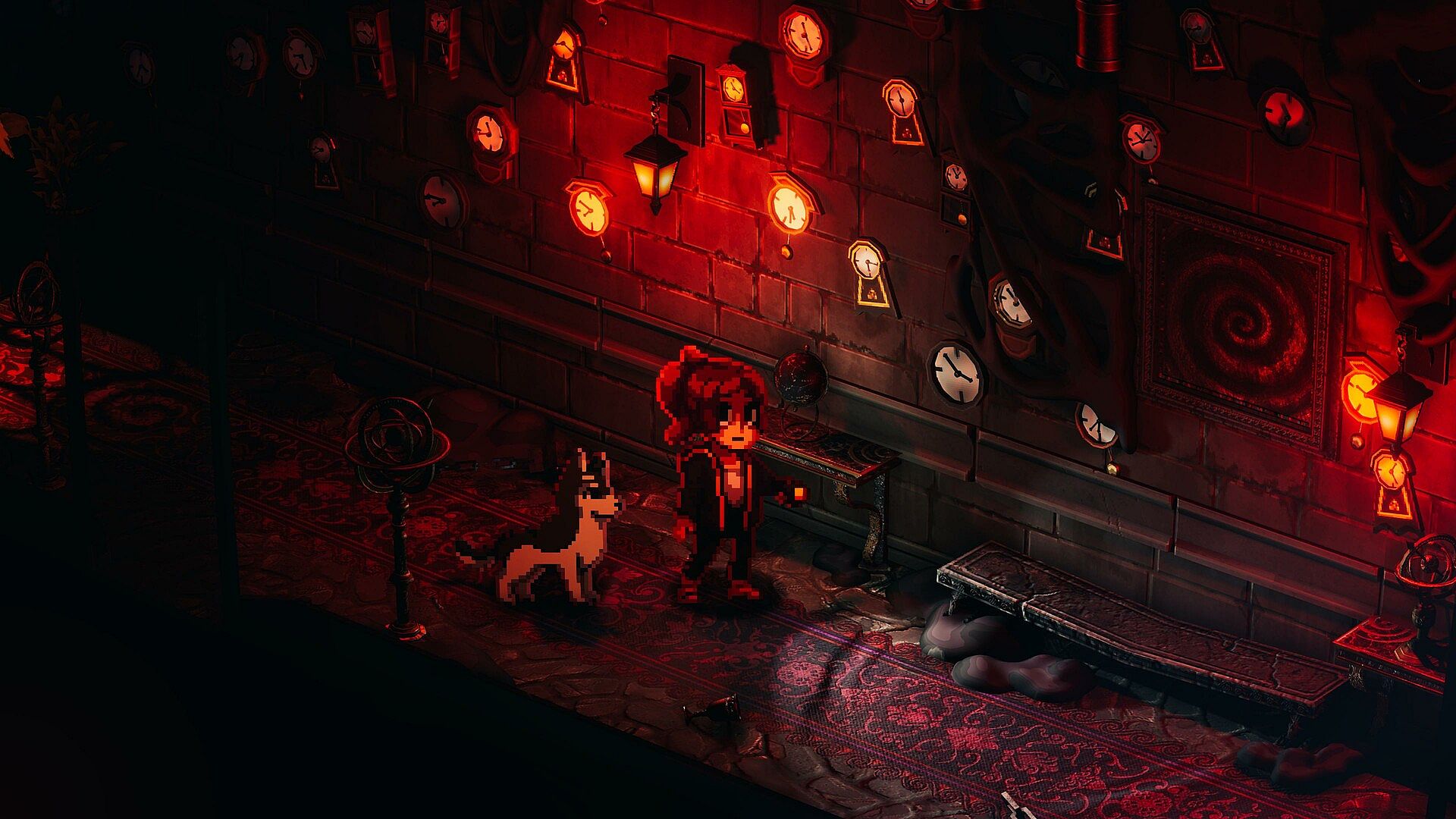
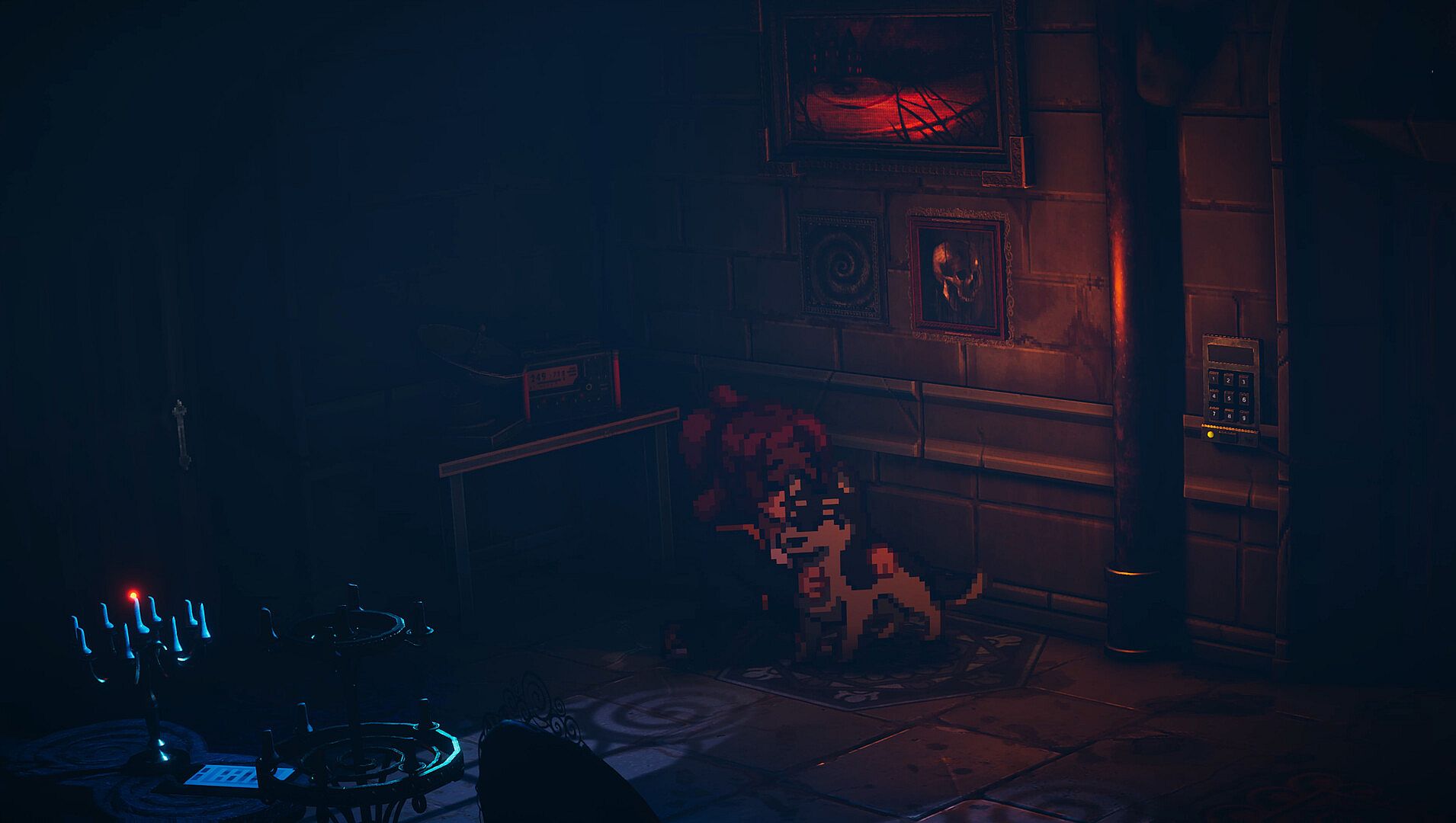
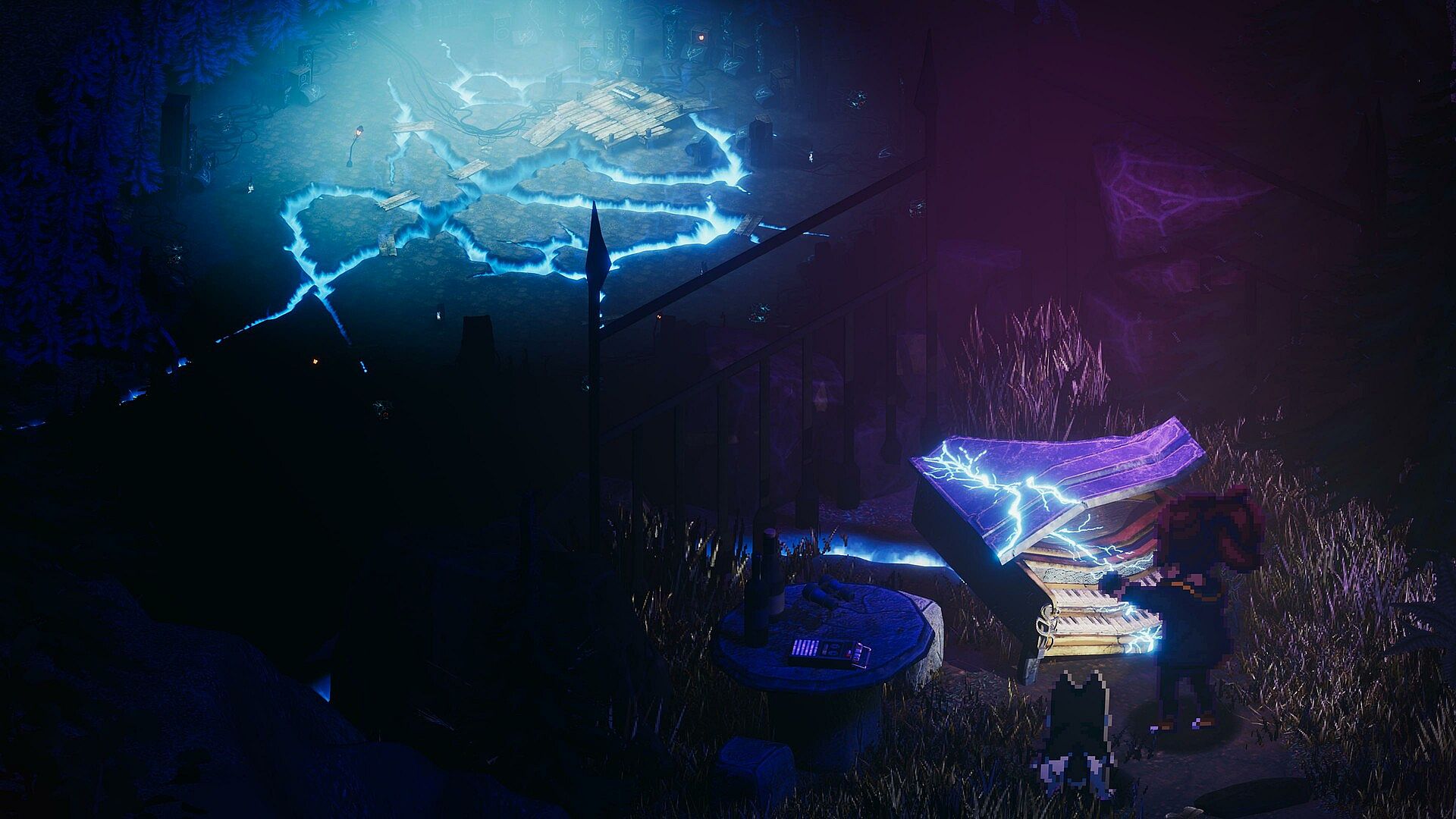
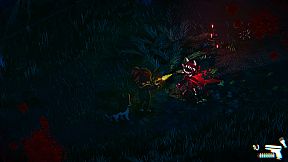
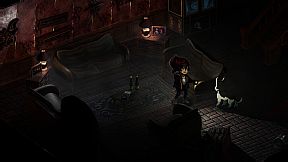
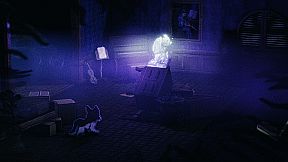
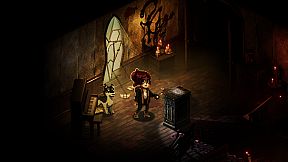
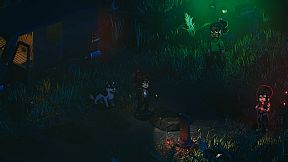
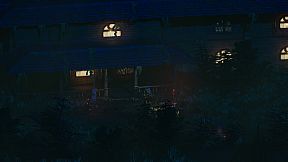
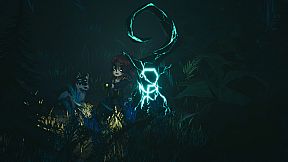
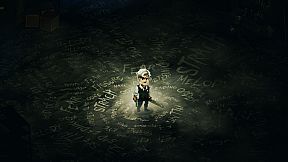

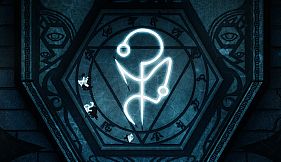
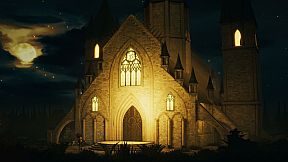
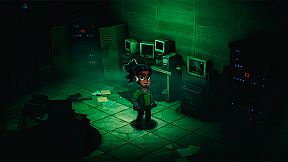
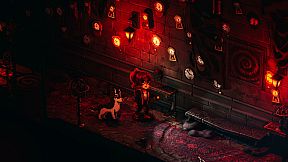
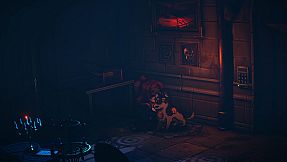
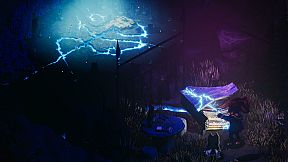
Enigma of Fear is a single-player action-adventure game that blends pixel art with three-dimensional environments. The title places players in the role of young paranormal detective Mia, who teams up with her loyal dog Lupi to search for her missing father inside the Perimeter, a location that does not exist on any map. Investigation and deduction drive the experience as Mia works to uncover the fate of her father and other vanished agents from the organization Ordo Realitas.
Gameplay
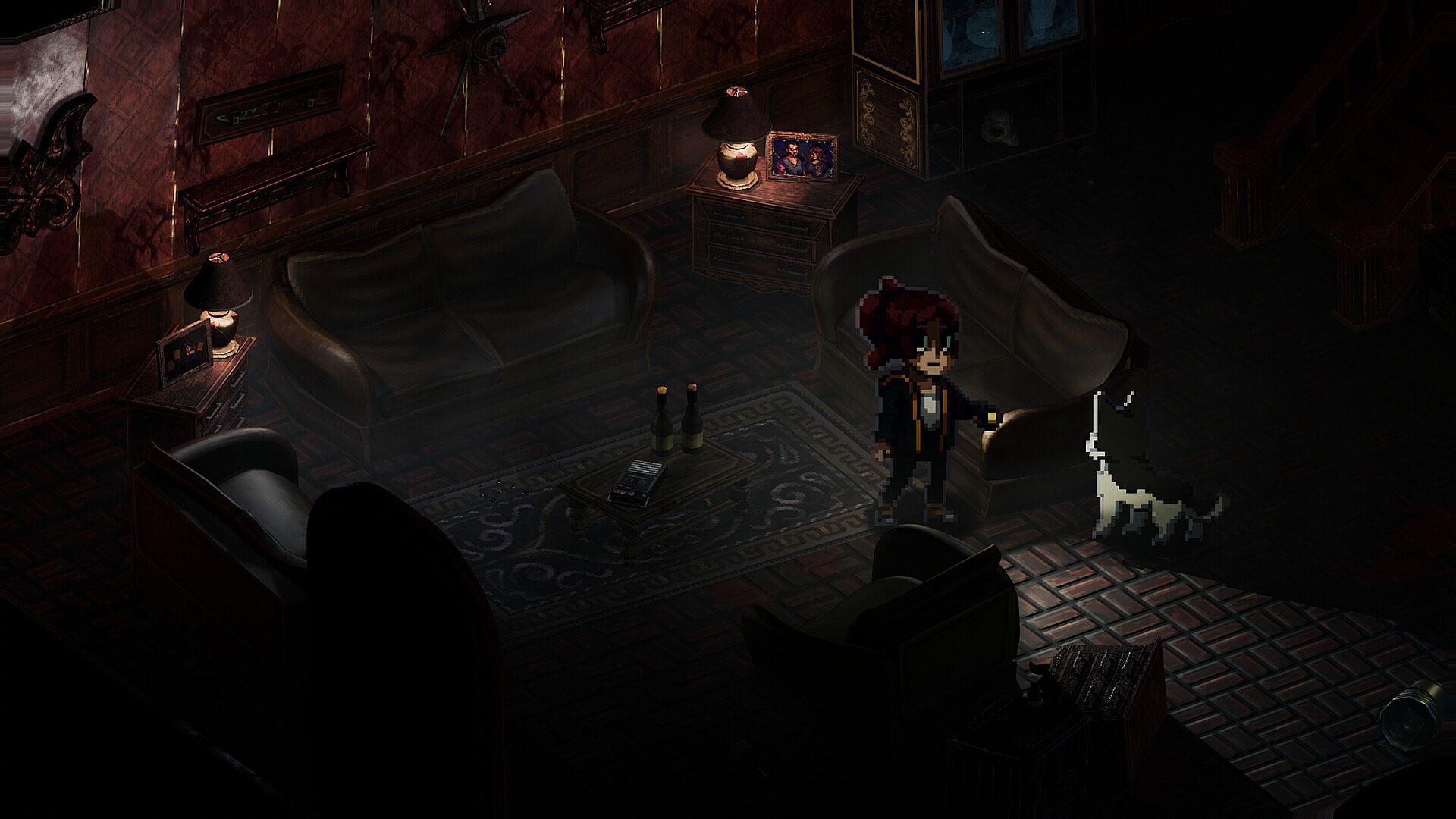
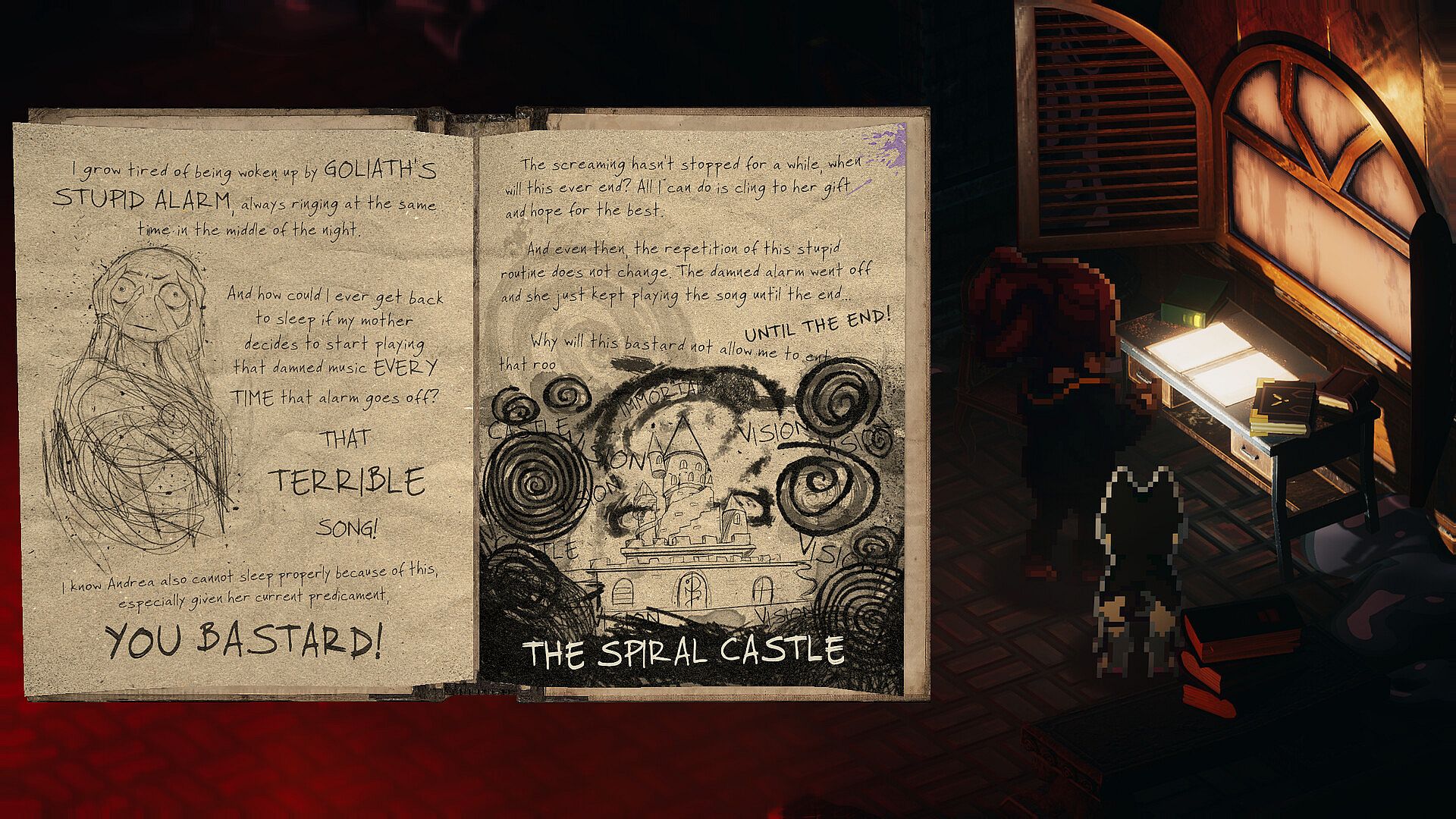
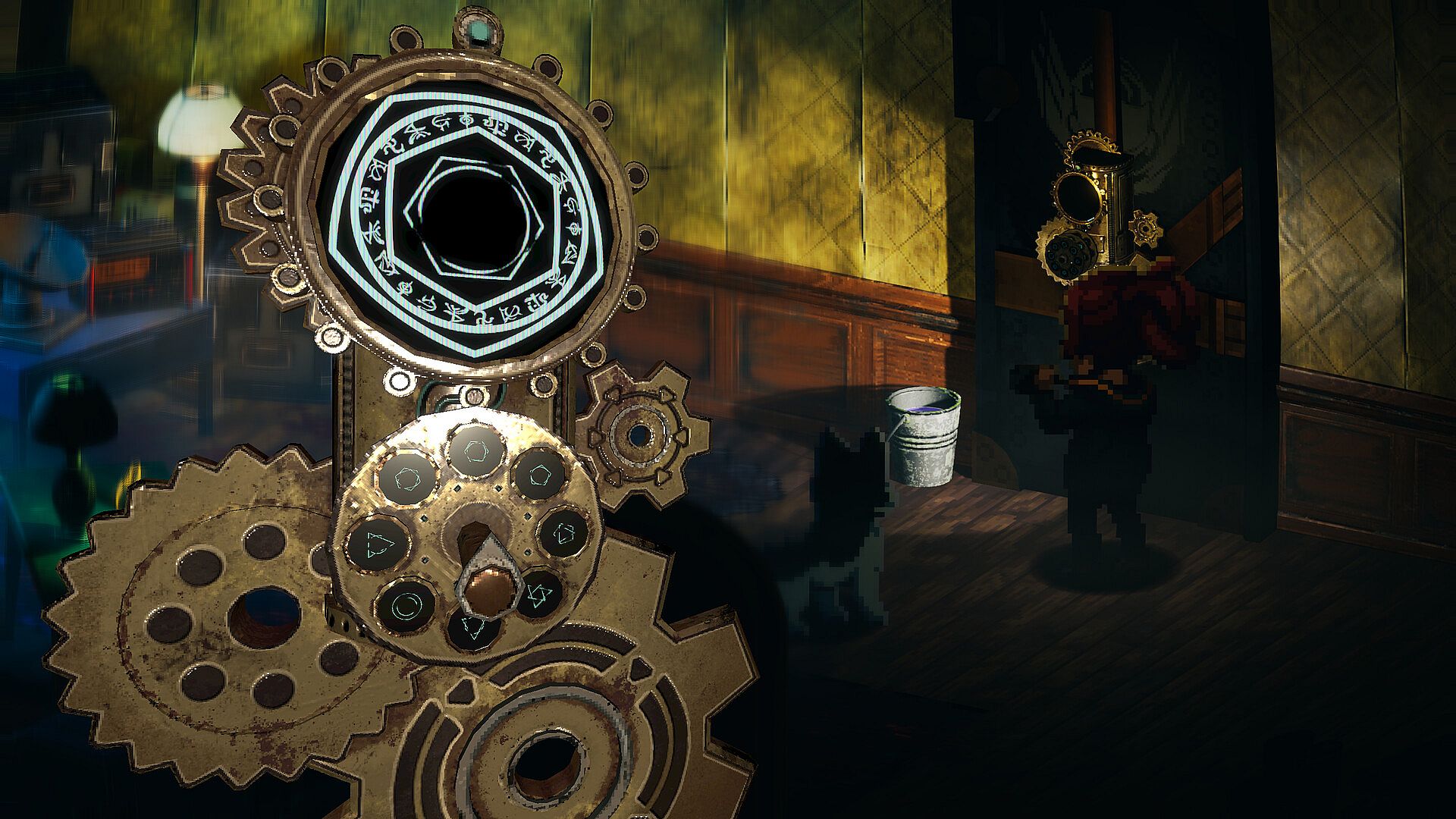
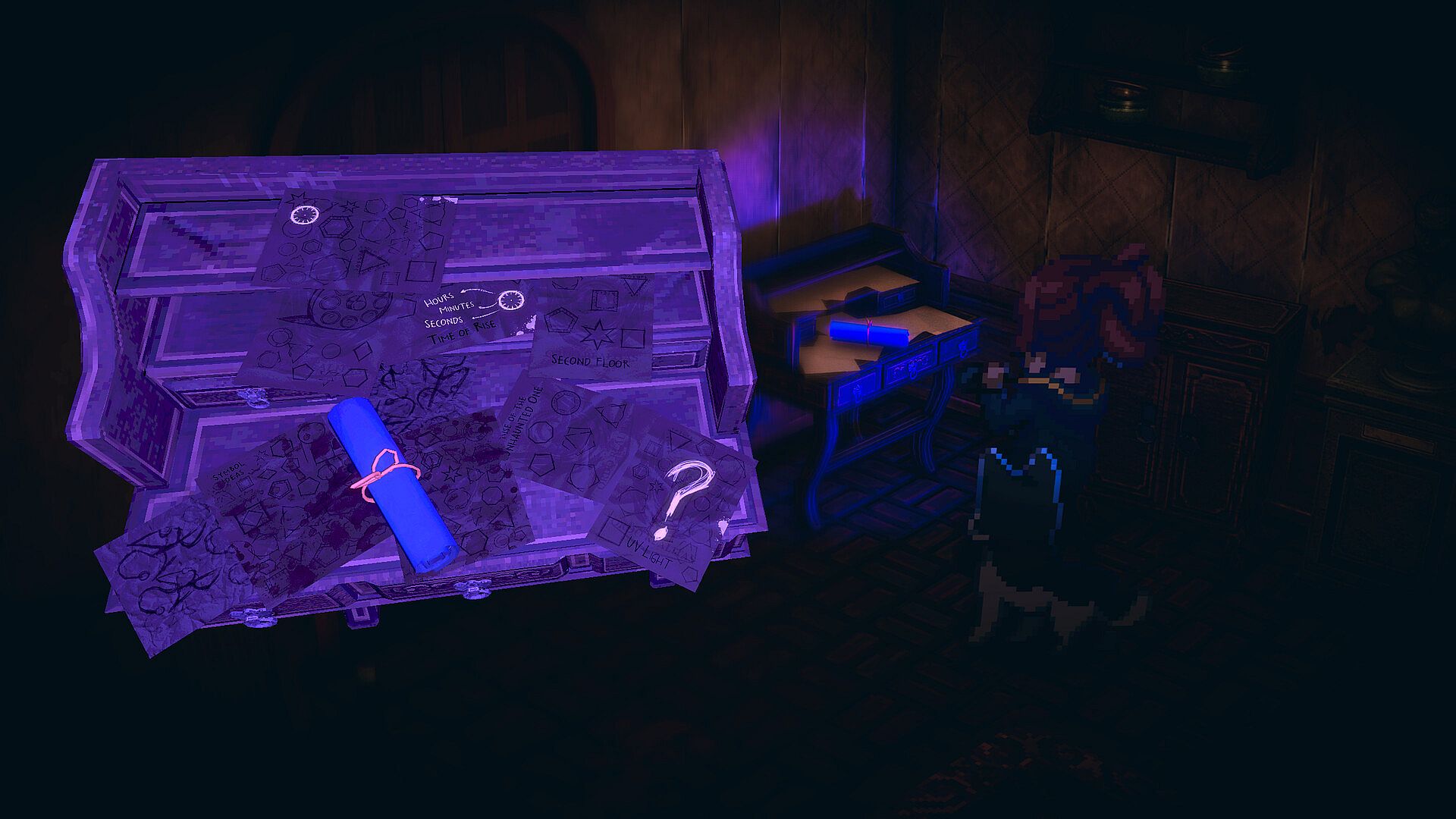
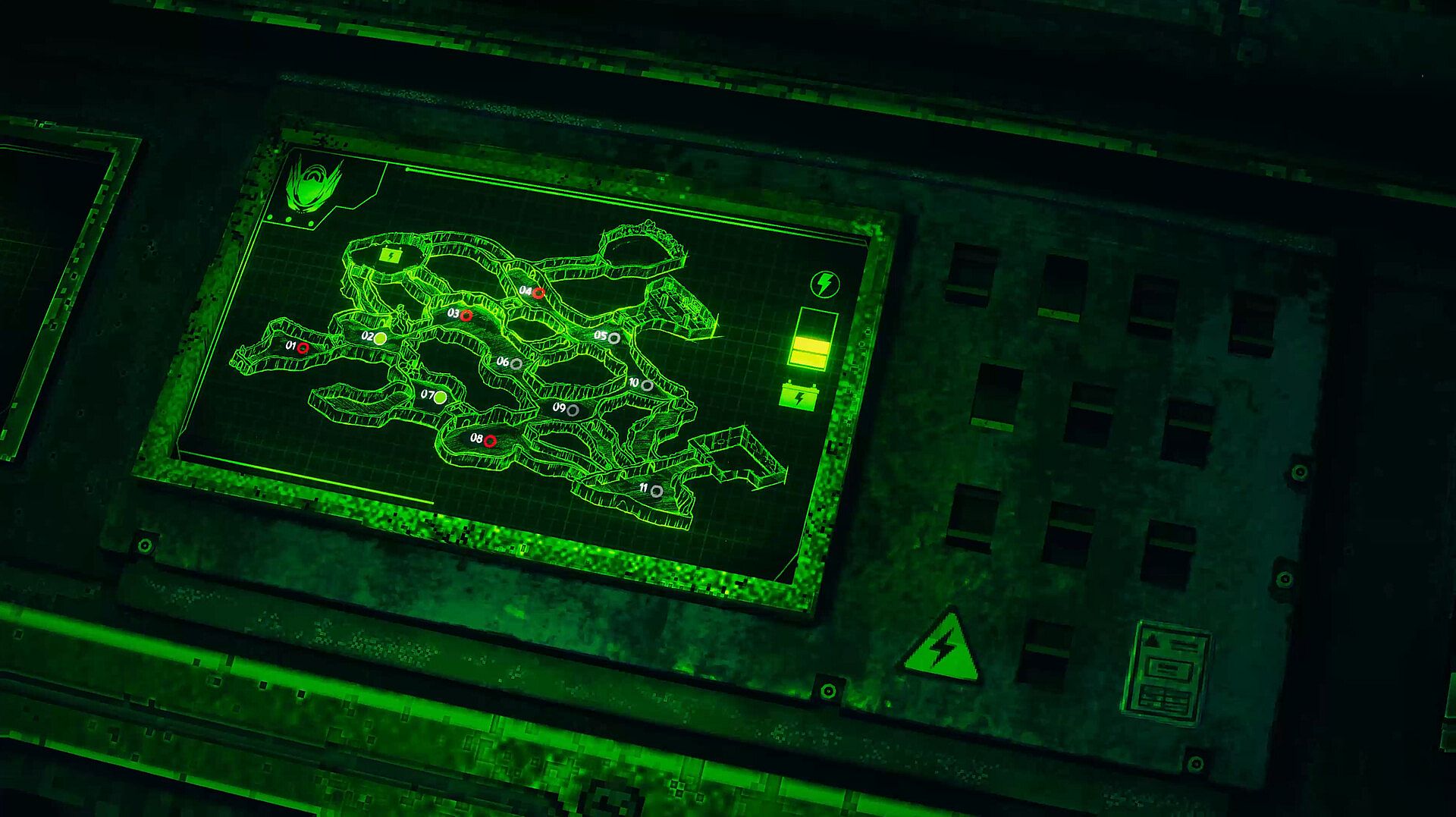
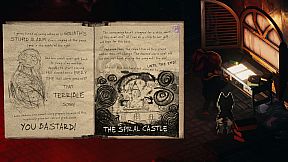
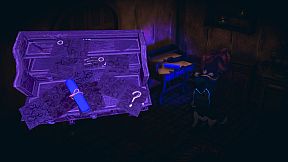
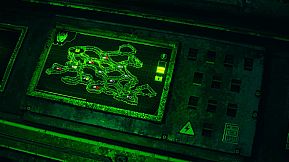
The core loop revolves around thorough inspection of the environment and careful piecing together of evidence. An immersive system lets players examine documents, photographs, and physical objects scattered throughout locations. Equipment such as a UV light and paranormal flashlight reveals hidden details that advance the narrative. Discoveries feed into Mia's mental map, which organizes clues and helps track progress without forcing a linear path.
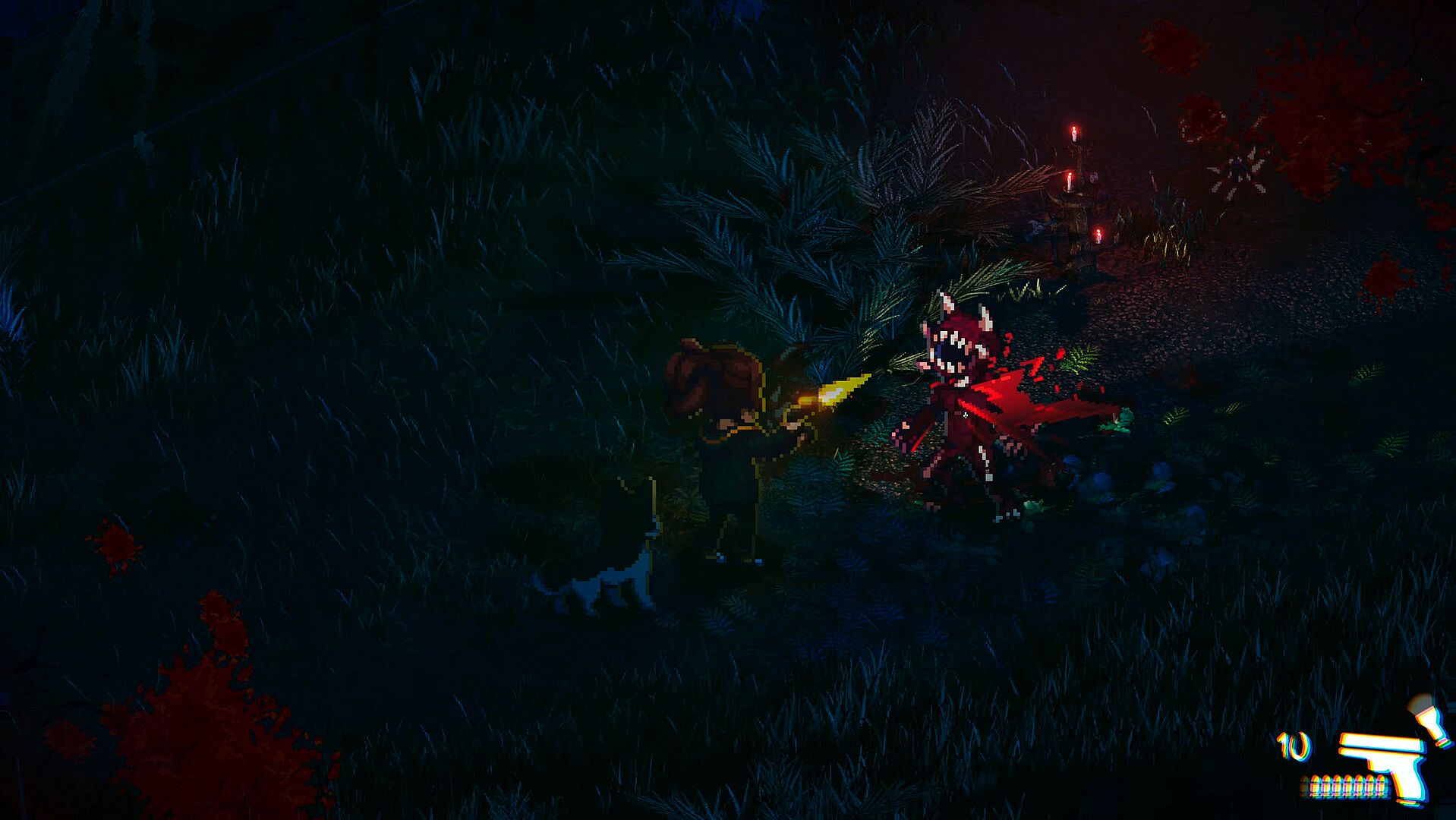
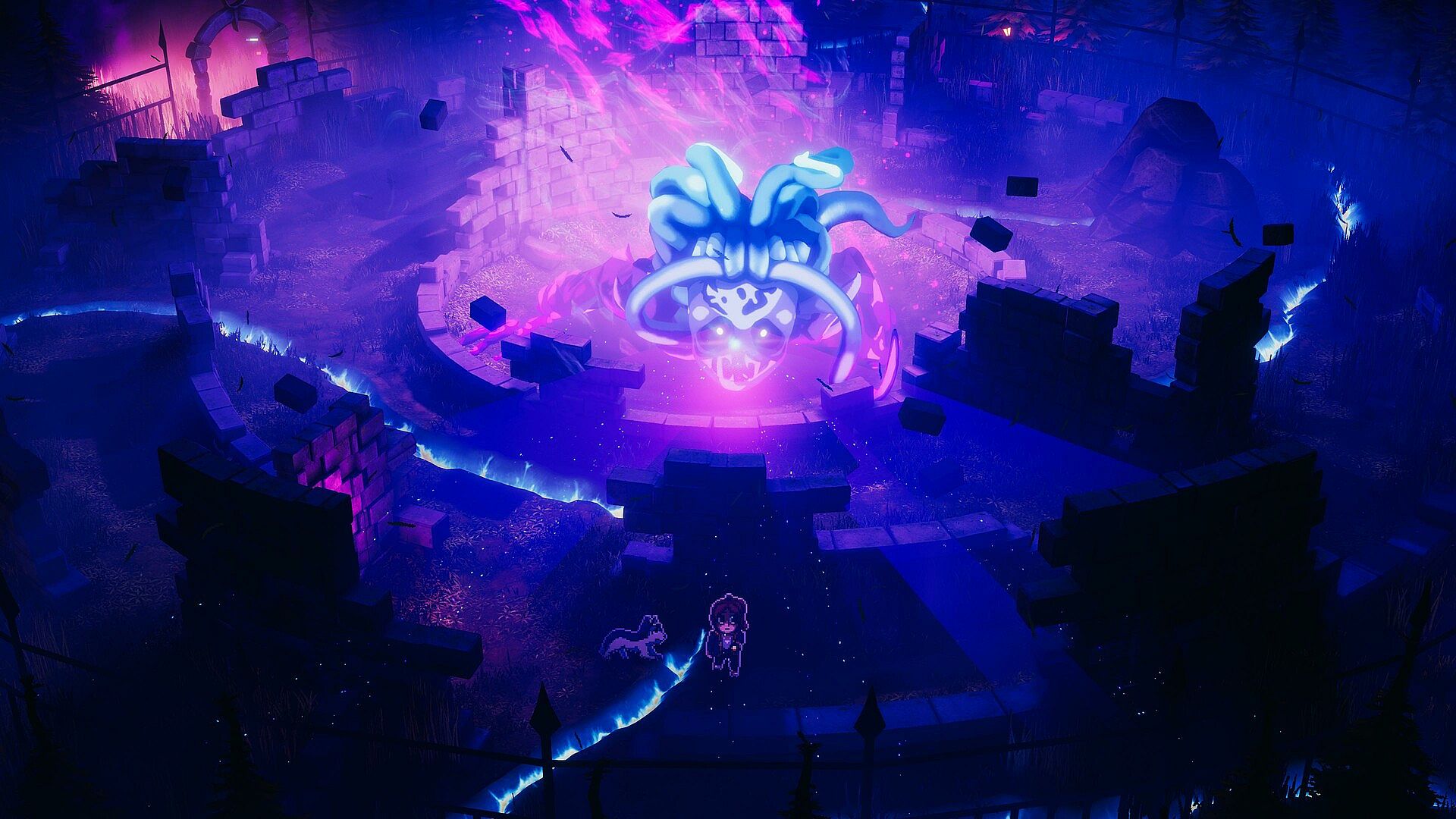
Exploration remains open and non-linear within the Perimeter. Players decide the order of locations based on emerging leads rather than following a prescribed sequence. Encounters with paranormal creatures require quick decisions: direct confrontation using available tools or attempts to bypass threats through careful movement. Sanity management adds tension after intense meetings with the unknown. Lupi serves as a grounding presence that helps restore mental stability, while conversations with supporting agents from Ordo Realitas provide additional context or reminders of overlooked details.
Unique bosses present distinct challenges that test observation and timing. The game emphasizes staying alert and adapting to each threat rather than relying on repeated patterns.
Game Modes
Enigma of Fear offers a single continuous campaign without separate multiplayer or competitive modes. The structure encourages different approaches to the same content depending on player preference. Some focus on exhaustive analysis of every clue and document for a complete picture of events. Others prioritize interaction with partner agents to gather information quickly. Combat-oriented play involves facing creatures head-on, while a more cautious style emphasizes avoiding direct fights through environmental awareness and timing.
These variations arise naturally from the non-linear design rather than from selectable difficulty settings or distinct playlists. The mental map can be used as a central tool or ignored for a stricter self-reliant experience. No additional modes such as time trials or challenge arenas appear in the game.
Story and Setting
The narrative centers on the disappearance of countless agents and the mysterious Cult of Fear operating inside the Perimeter. Mia's search reveals layers of secrets tied to her father's final mission. The story unfolds through environmental details, examined evidence, and conversations rather than lengthy cutscenes. Multiple paths through the same areas allow different pieces of information to surface based on the order of exploration. The ending reflects the choices made during the investigation, though the core mystery remains consistent.
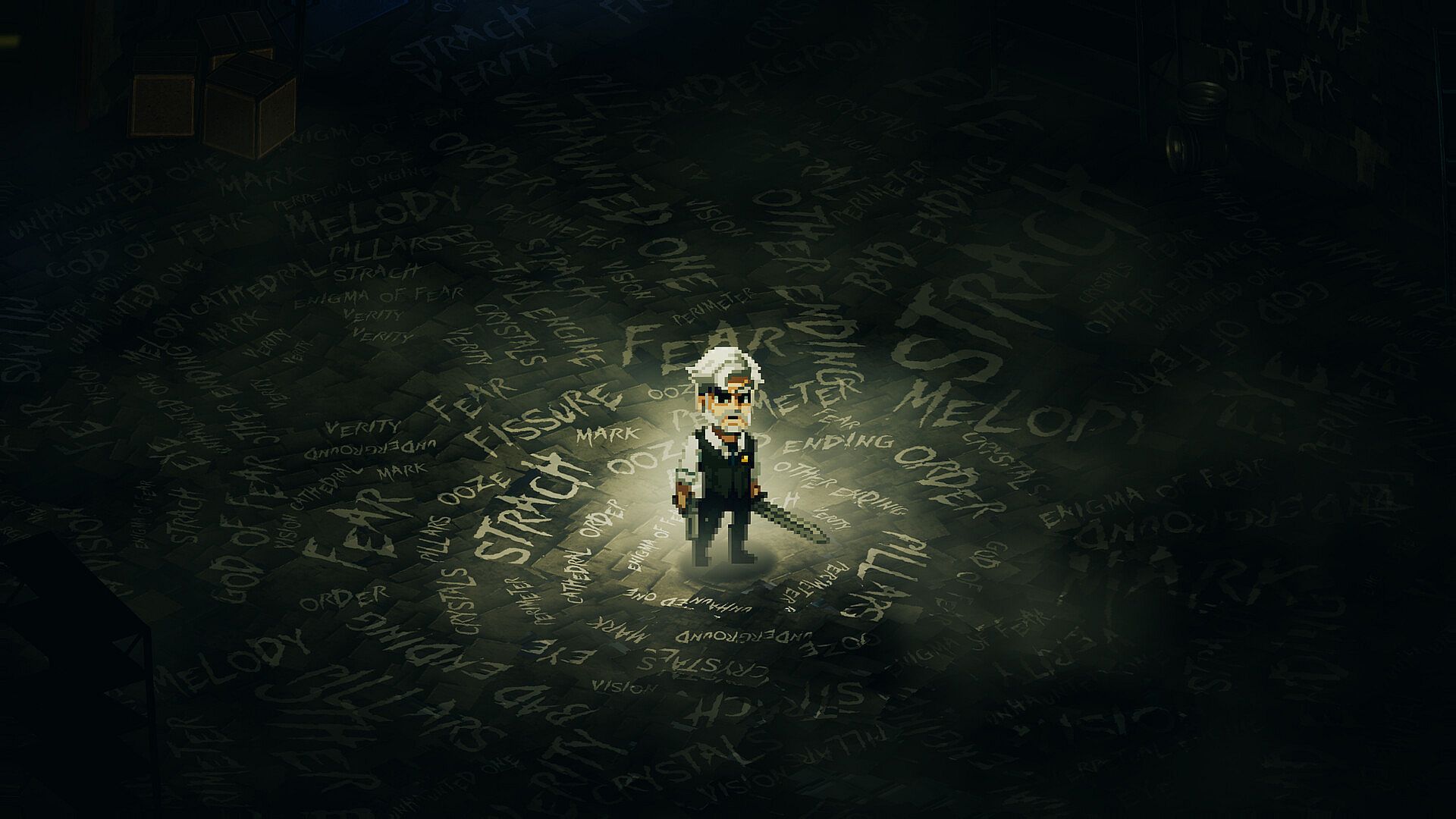
Supporting characters like the hacker Samuel and the occultist Agatha appear at key moments to offer perspective or practical assistance. Their input integrates into the deduction process without interrupting the flow of exploration.
Art Direction and Atmosphere
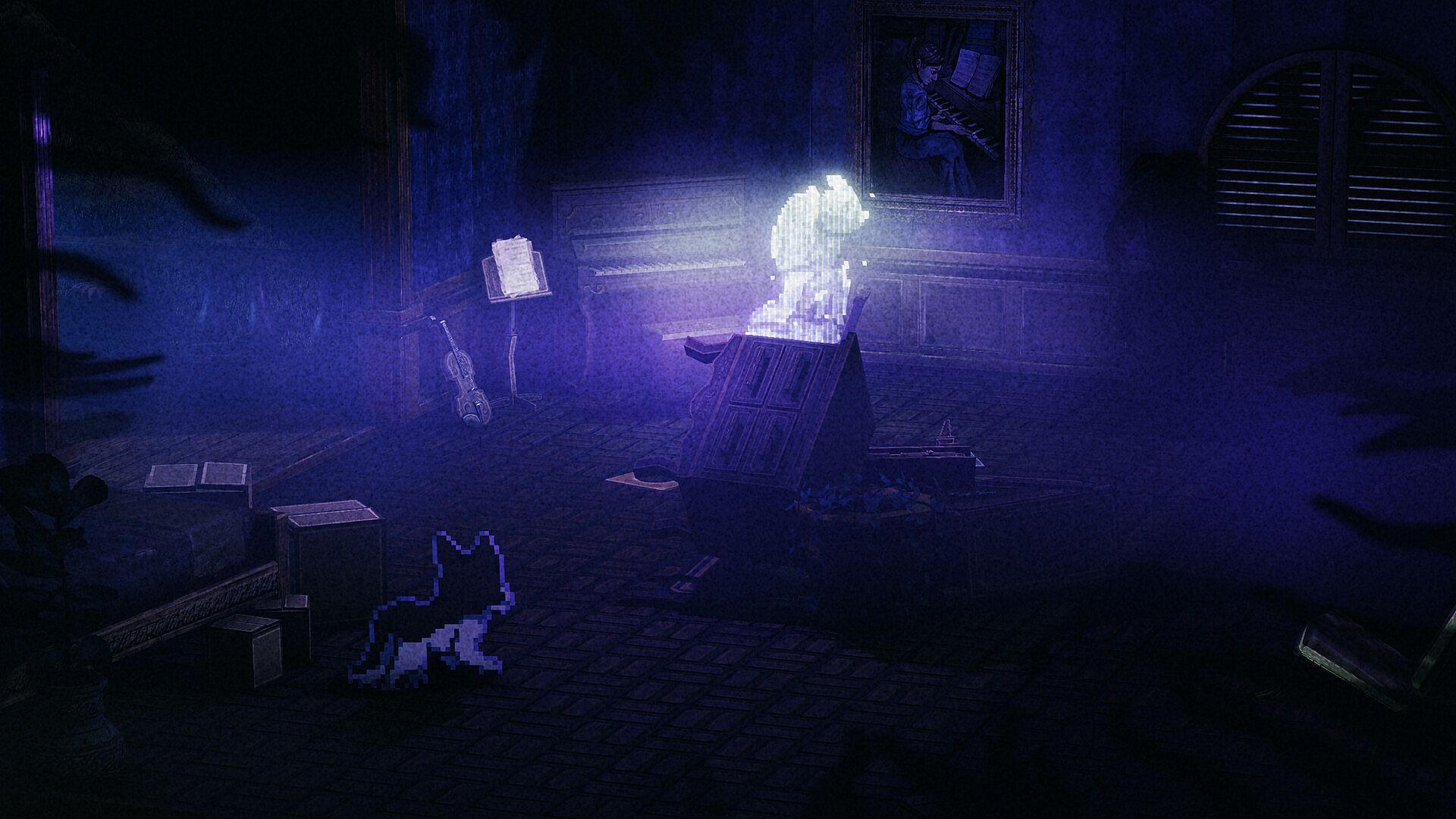
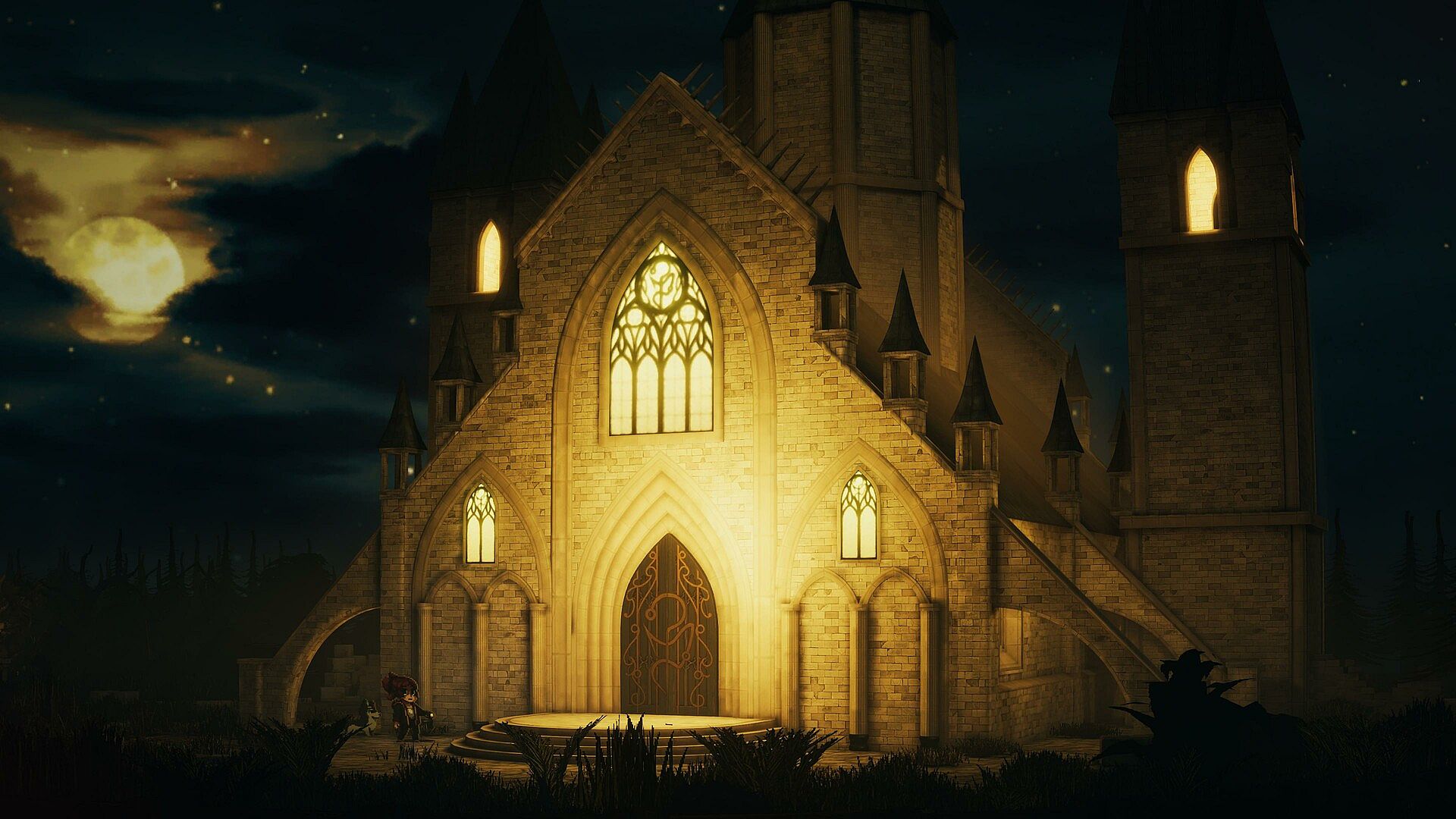
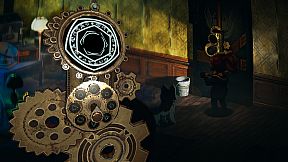
Visuals combine the distinct charm of pixel art characters and objects with fully realized three-dimensional spaces. Dynamic lighting shifts across environments to heighten tension during encounters. The soundtrack responds to in-game events, changing intensity or tone as situations develop. Every location and object contributes to the overall sense of mystery, with nothing placed randomly.
The hybrid art style supports both close inspection of clues and broader navigation through larger areas. Sound design reinforces the paranormal tone without relying on constant music.
Is It Worth Playing?
Enigma of Fear suits players who enjoy deliberate investigation and atmospheric storytelling in a single-player format. The non-linear structure rewards curiosity and attention to detail, while the sanity and combat systems add stakes to exploration. Those who prefer fast-paced action or structured mission lists may find the pace slower than expected.
The game has maintained strong player approval since its release, with recent feedback remaining very positive. It stands as a focused experience for fans of mystery-driven adventures that emphasize deduction over combat spectacle. Availability on PC makes it accessible for those interested in paranormal investigation themes.