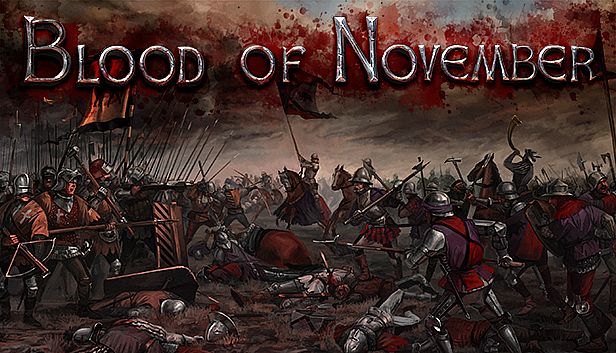
















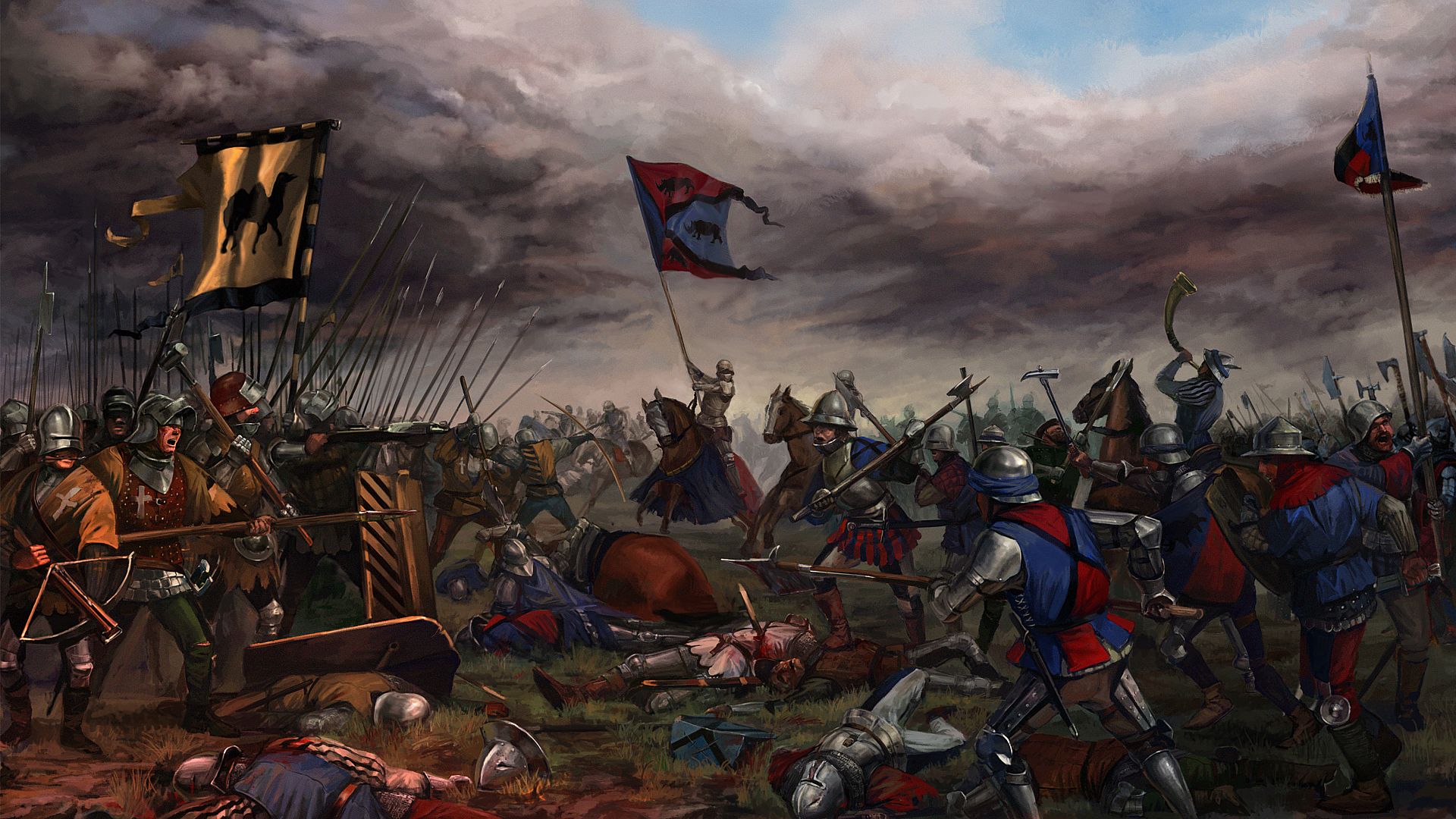
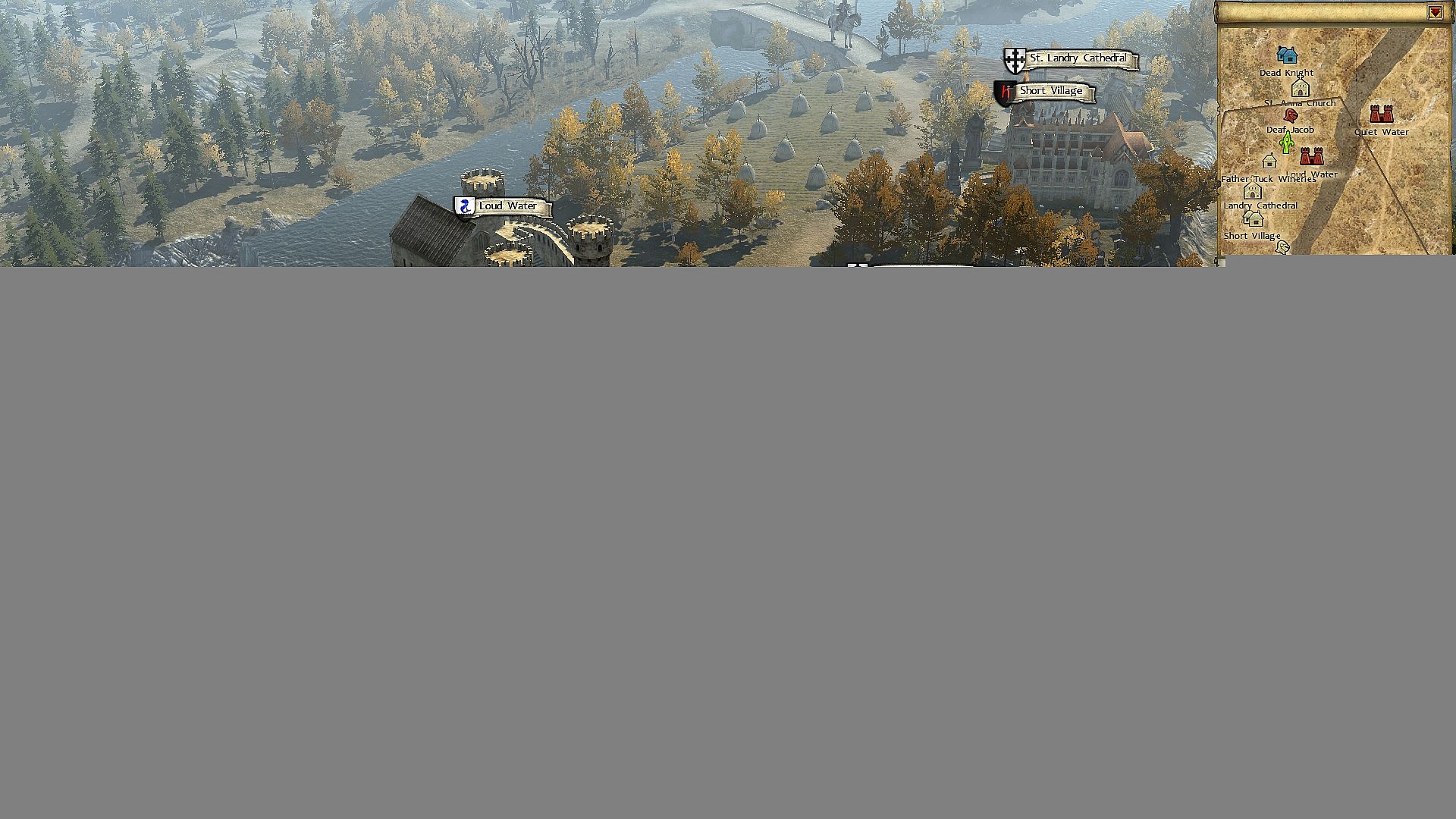
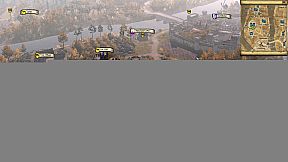
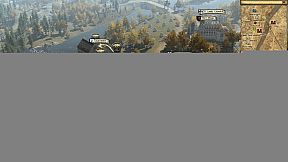
Eisenwald: Blood of November is a strategy RPG adventure game set in a medieval world of feudal intrigue and open conflict. Players step into a neutral position amid a power struggle following the death of a duke, where rival clans compete for control while lesser houses also enter the fray. The experience centers on managing resources, leading forces, and navigating shifting alliances in a single-player sandbox environment on PC.
Gameplay
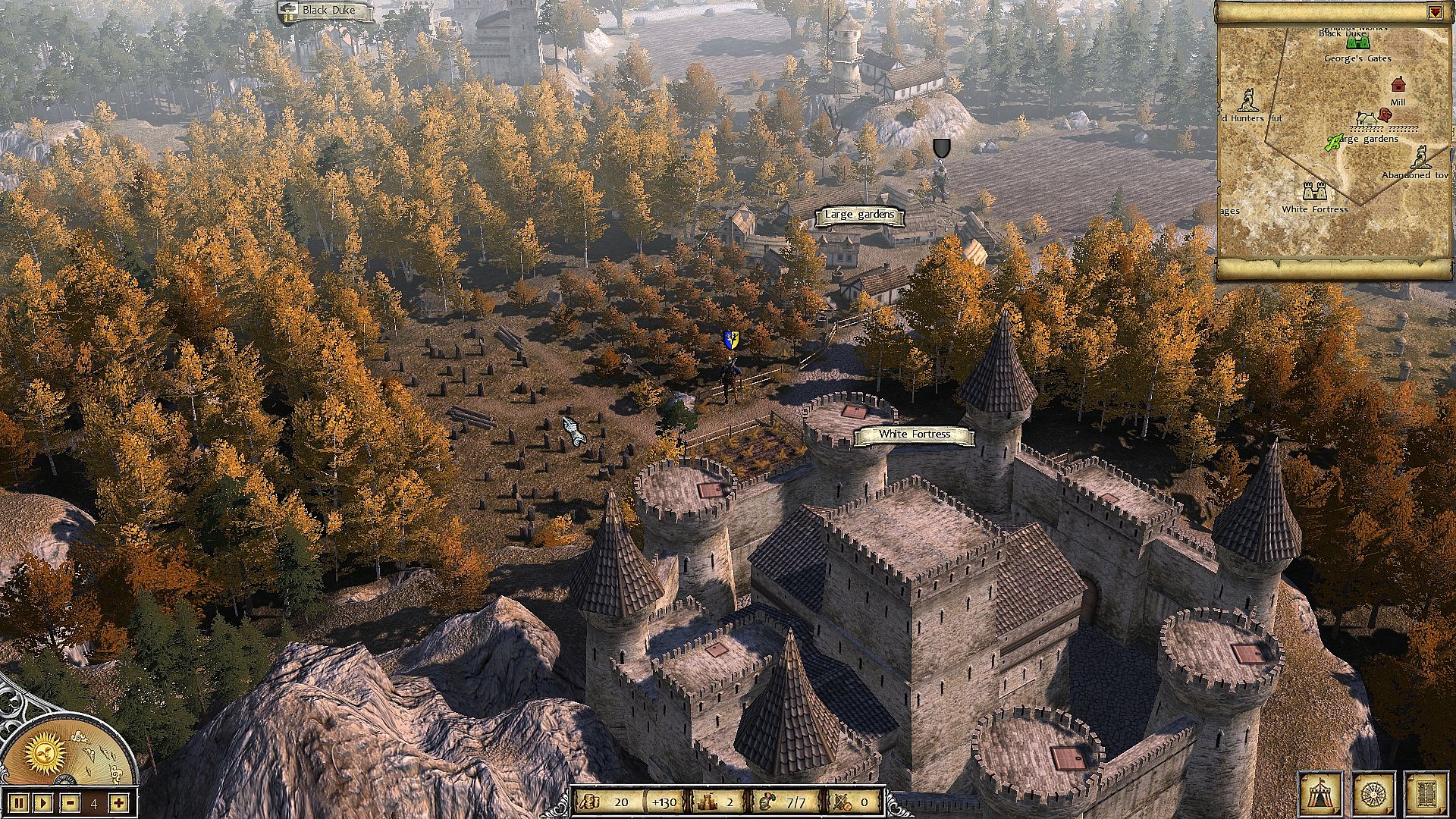
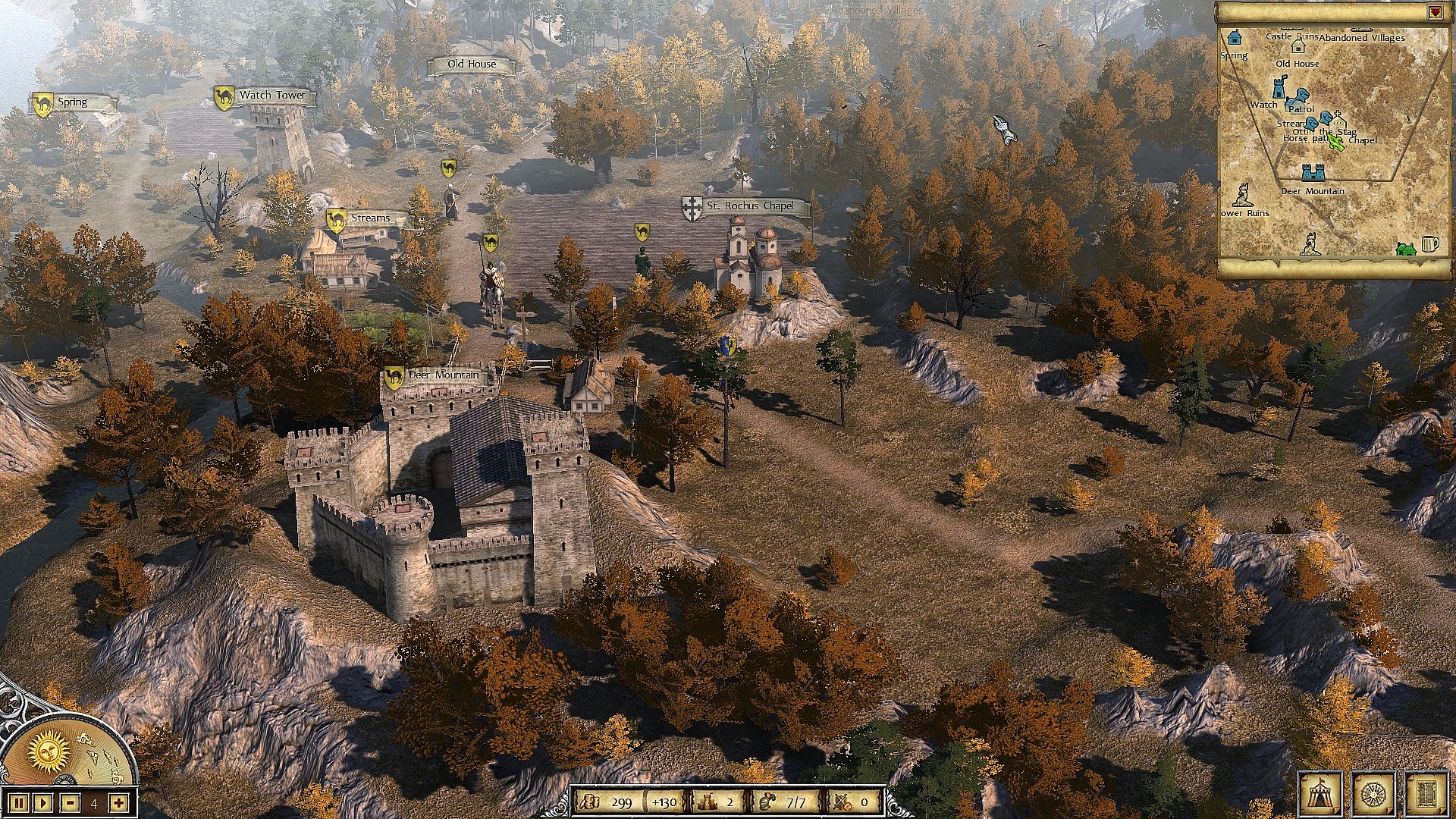
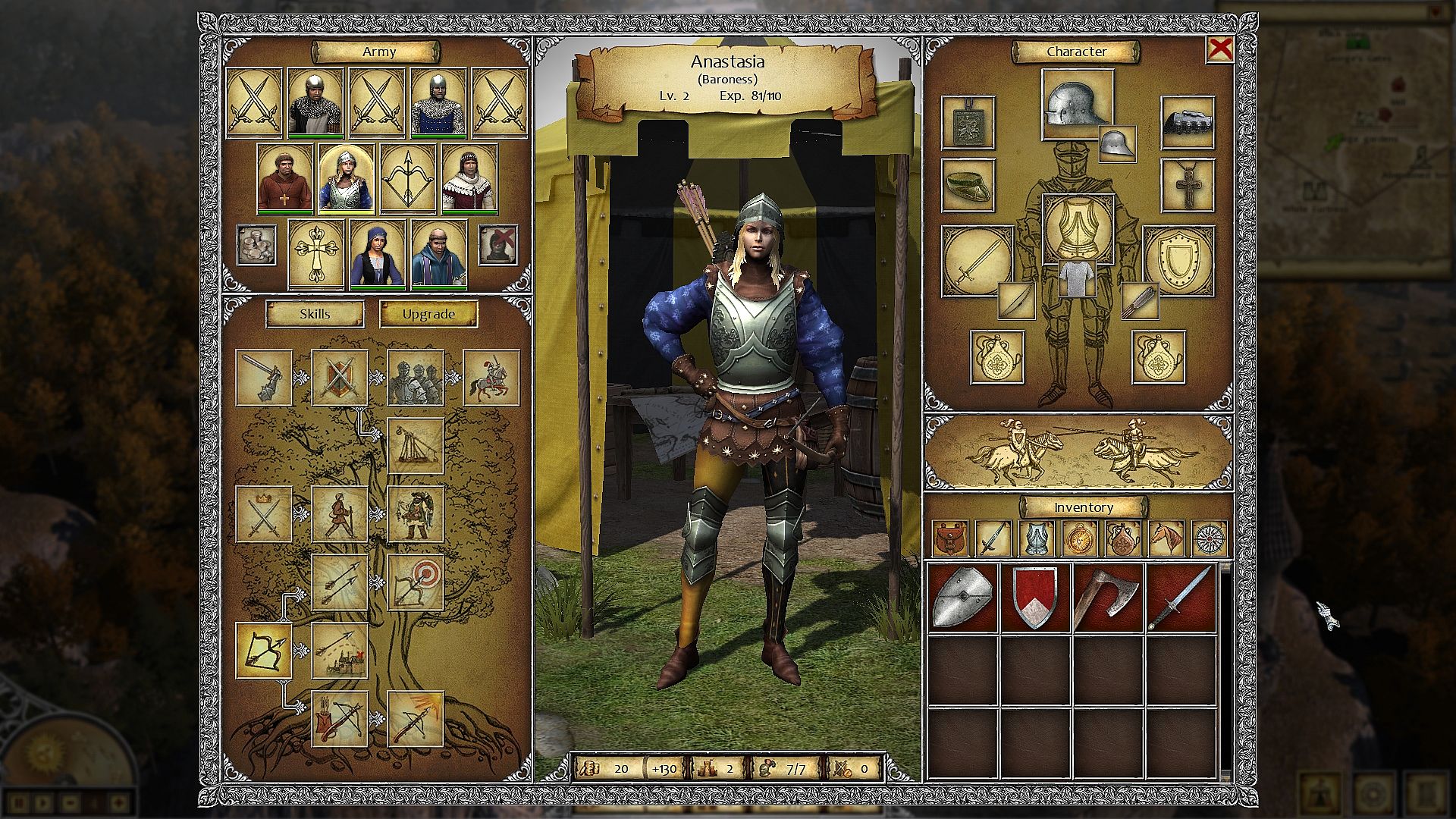
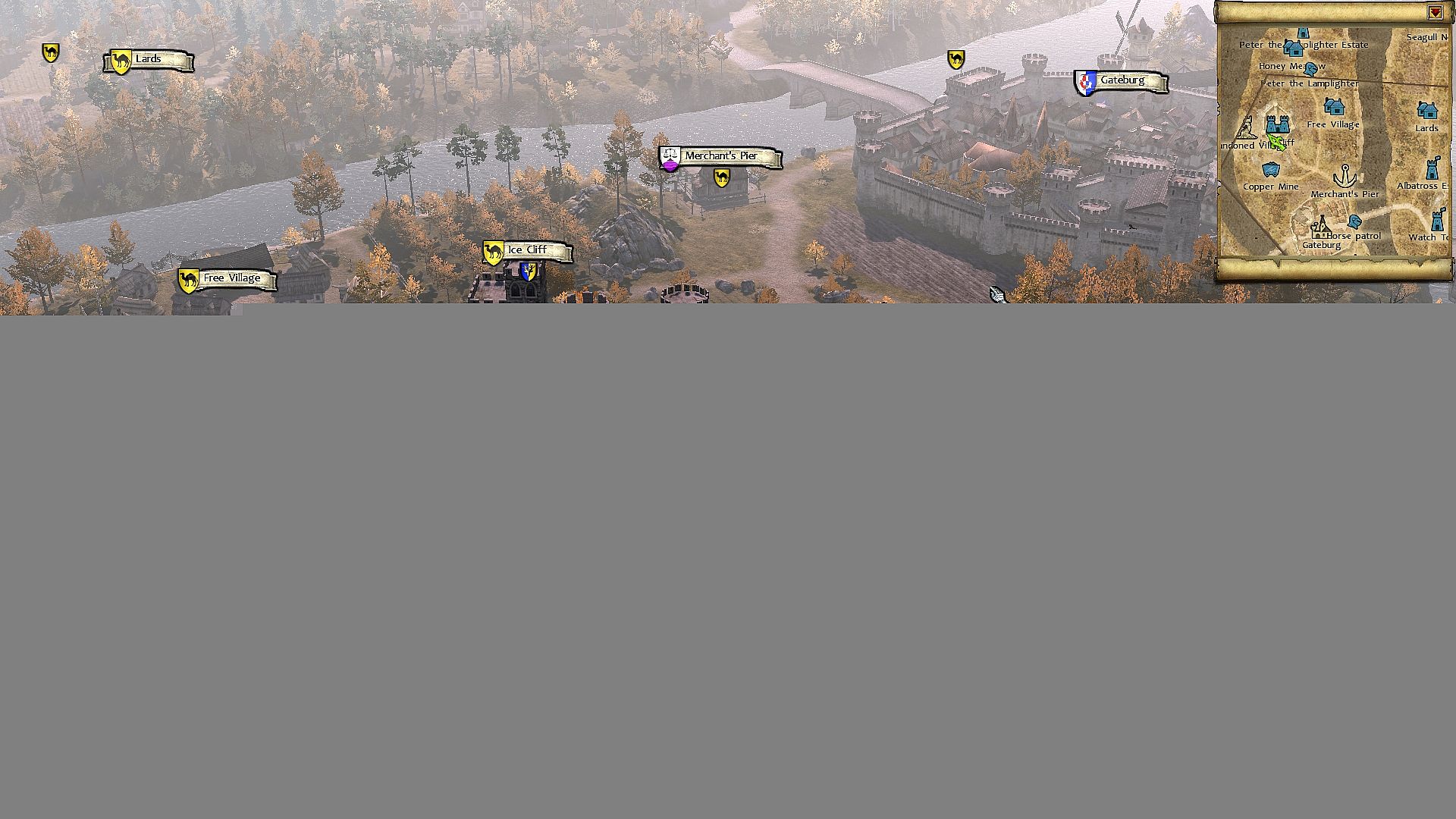
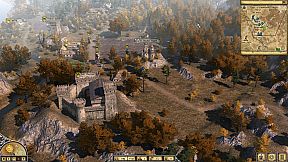
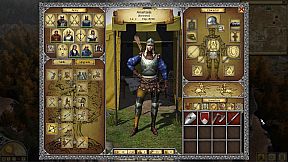
The core loop revolves around building and commanding a small feudal army while exploring the map with considerable freedom of movement. Players select from available characters at the start and then pursue a mix of quests, bandit hunts, and castle captures to gain experience, loot, and influence. Combat follows a turn-based system inherited from the prior entry in the series, emphasizing tactical decisions in battles against enemy forces or rival claimants.
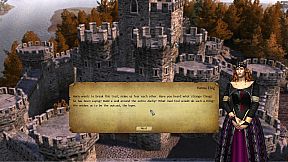
Random events occur throughout play to introduce variety and encourage multiple runs. An experimental quest system allows certain events and outcomes to shift based on prior choices and behavior, creating branching paths without a rigid linear structure. Army management includes hiring mercenaries and maintaining balance through improved respawn mechanics that adjust enemy and ally forces dynamically as the situation evolves.
Graphics and engine updates provide a refreshed visual presentation compared to earlier titles, though the focus remains on strategic depth rather than high-fidelity visuals. The entire campaign typically spans six to ten hours, making it a compact experience suited to players who enjoy deliberate pacing and repeated playthroughs driven by different decisions.
Game Modes
The game operates entirely within a sandbox framework that replaces traditional campaign structures. This mode grants players open-ended freedom to roam the map, capture strongholds, amass troops, and decide how deeply to engage with the central conflict between the major clans Eisig and Horn or the smaller factions that also vie for the throne.
Neutrality serves as the starting point, allowing players to observe the unfolding feudal war before committing resources or support. Choices in quests and army actions influence how events unfold, with the experimental system responding to player conduct to alter available opportunities or opposition. No separate multiplayer or competitive modes exist; the design stays focused on solo exploration and strategic decision-making within the single sandbox setting.
Story and Setting
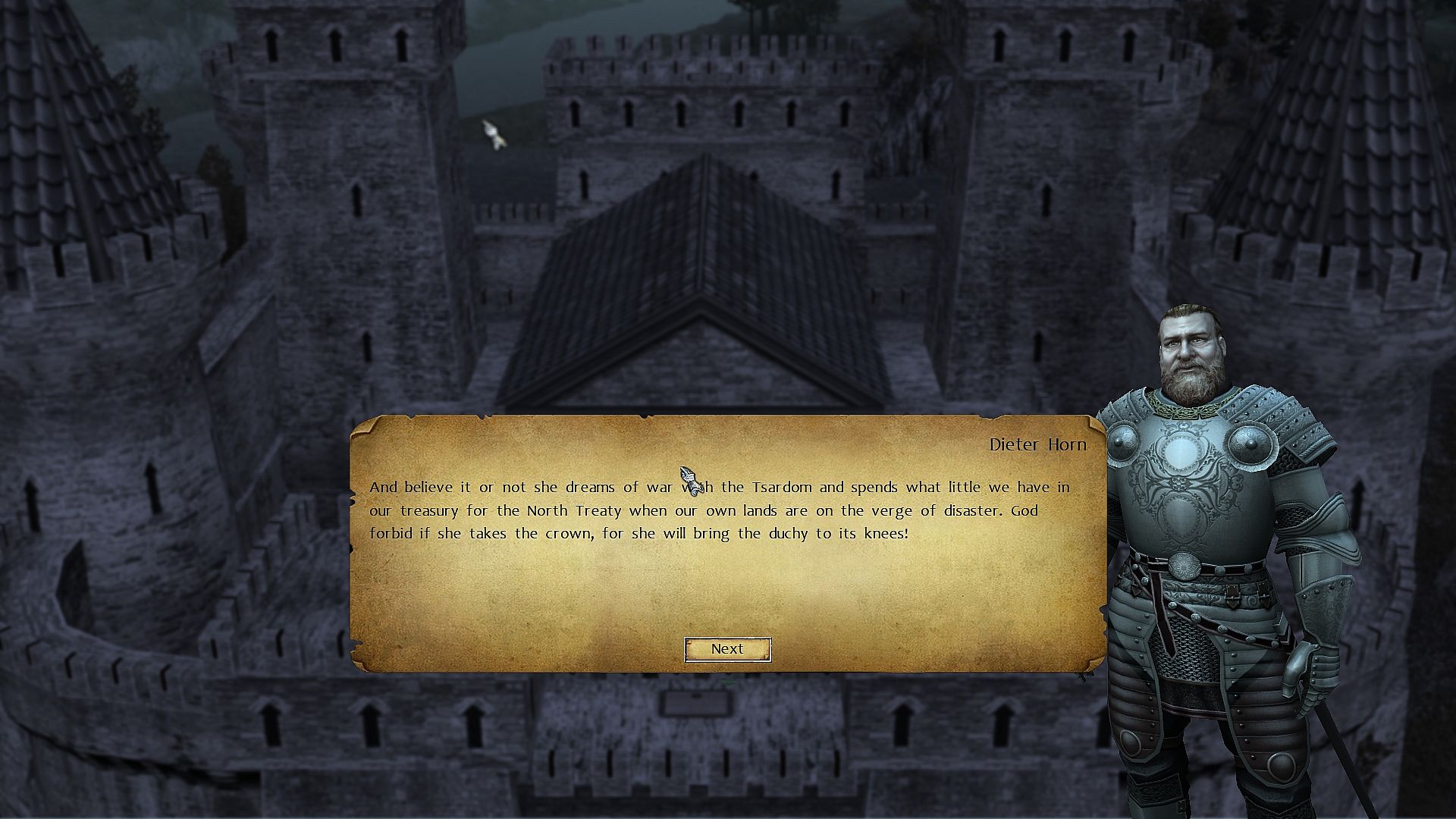
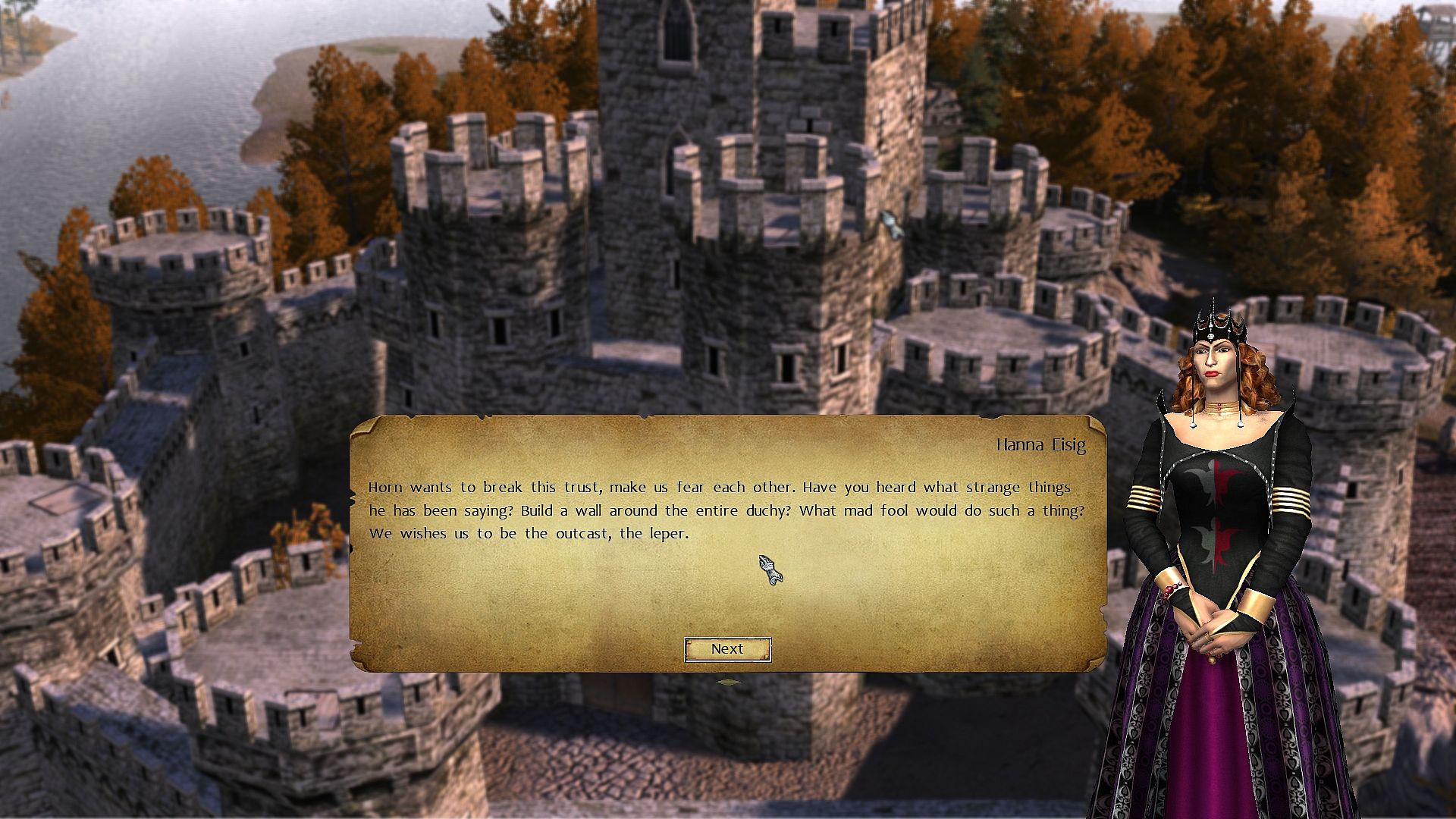
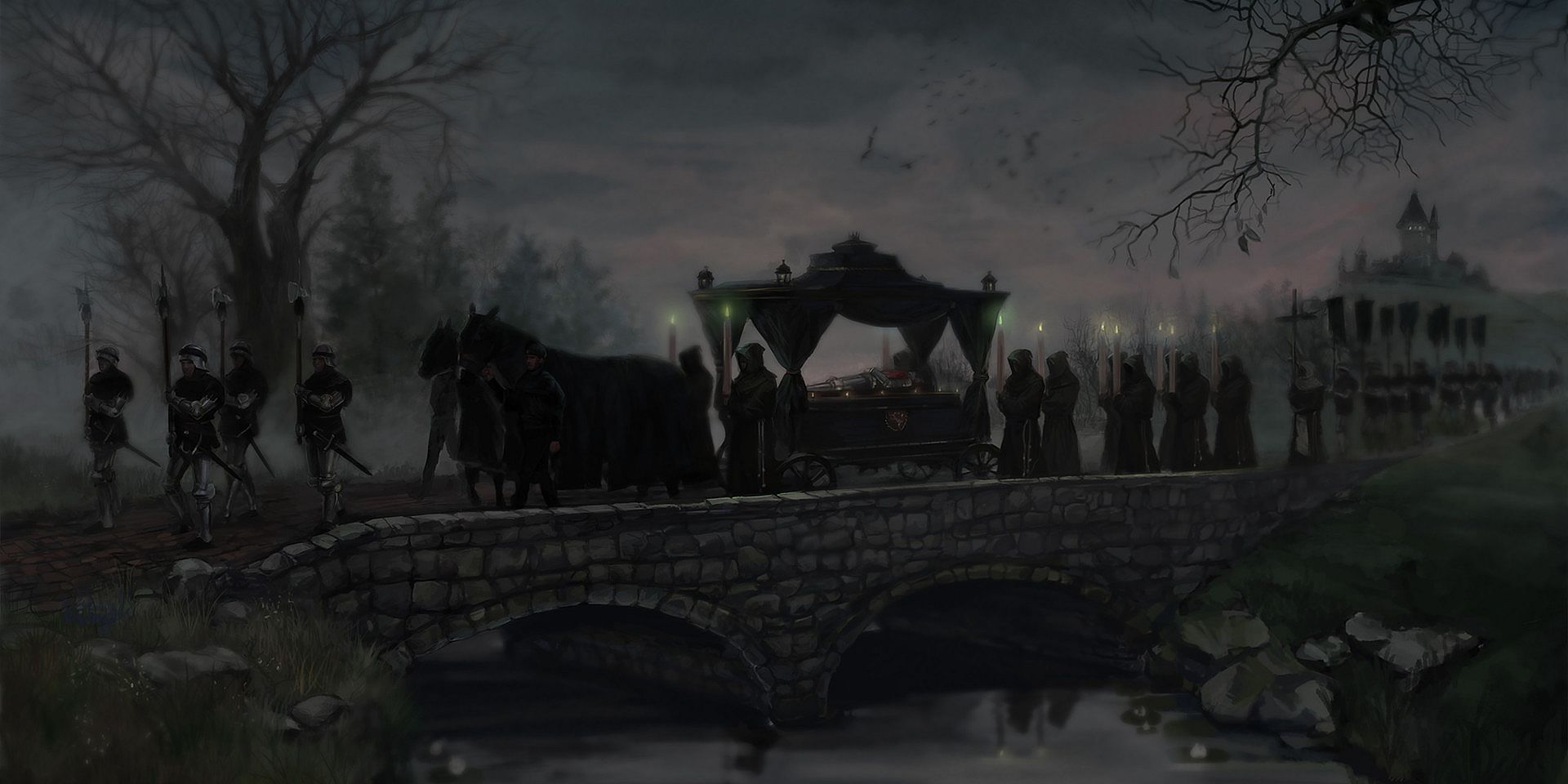
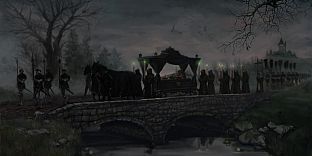
The narrative begins with the duke's death and the council's role in selecting a successor, quickly escalating into open rivalry among powerful houses. References to contemporary political themes appear in the story, adding a layer of satire to the feudal power struggle. Players remain independent at first, gathering information and building strength before the broader war draws them in.
Lesser clans add further complexity by launching their own bids, forcing decisions about temporary alliances or direct confrontations. The setting emphasizes political maneuvering alongside military action, with quests that reflect the consequences of supporting one side over another or maintaining distance from the main contenders.
Is It Worth Playing?
Player reception stands at mixed levels, with roughly half of reviews expressing positive views on the strategic elements and replay value from random events and choice-driven quests. The short length and sandbox focus appeal to those seeking a focused strategy RPG experience without lengthy commitments or ongoing seasonal content.
It suits players who enjoy turn-based army management, castle sieges, and flexible questing in a medieval context, particularly fans of the earlier Legends of Eisenwald title. Those looking for extensive multiplayer options or frequent updates will find the game unchanged since its 2016 release, with no additional seasons or expansions confirmed beyond the base sandbox content. The modest scope delivers a thoughtful, self-contained adventure for the right audience.