












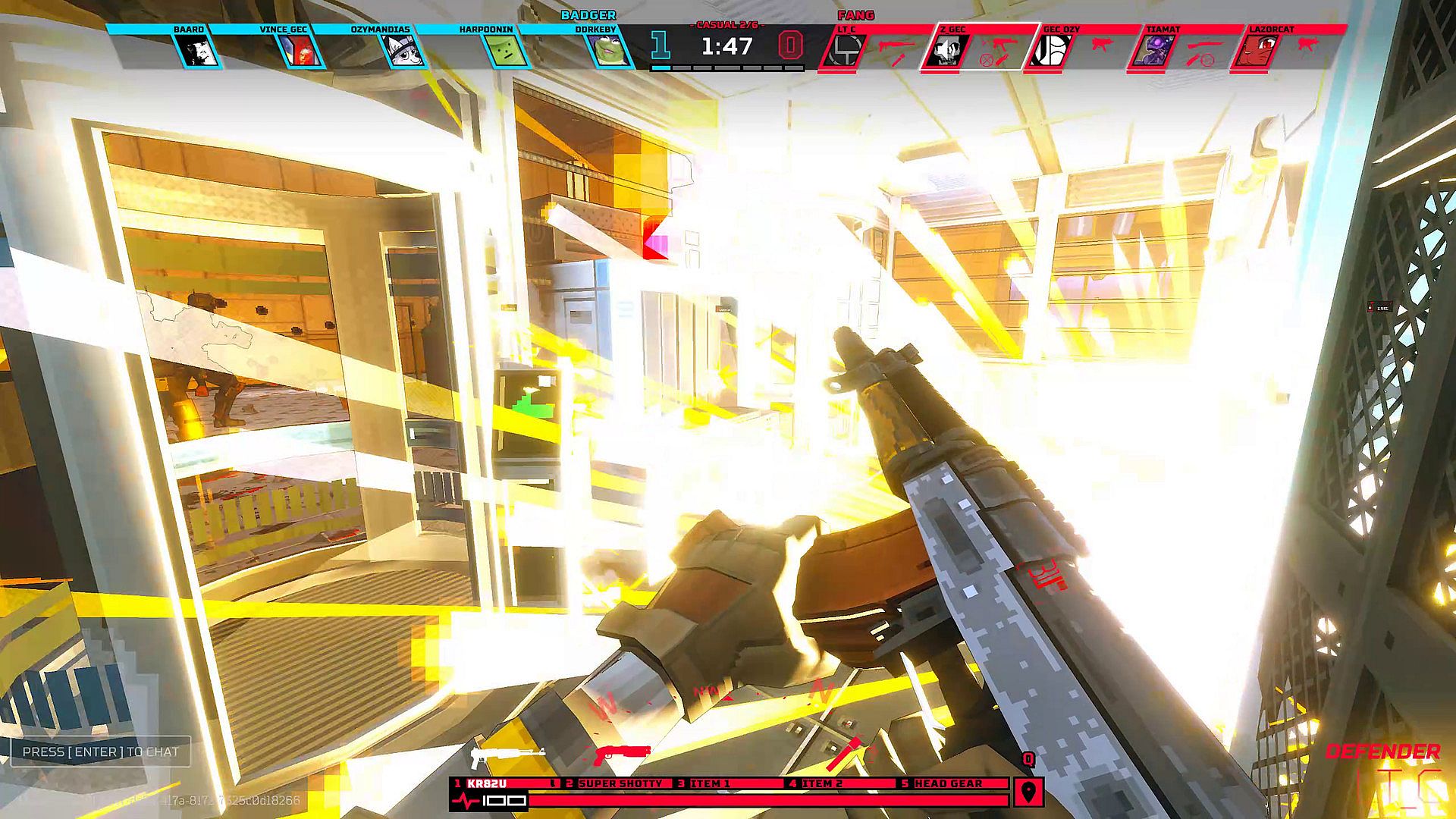
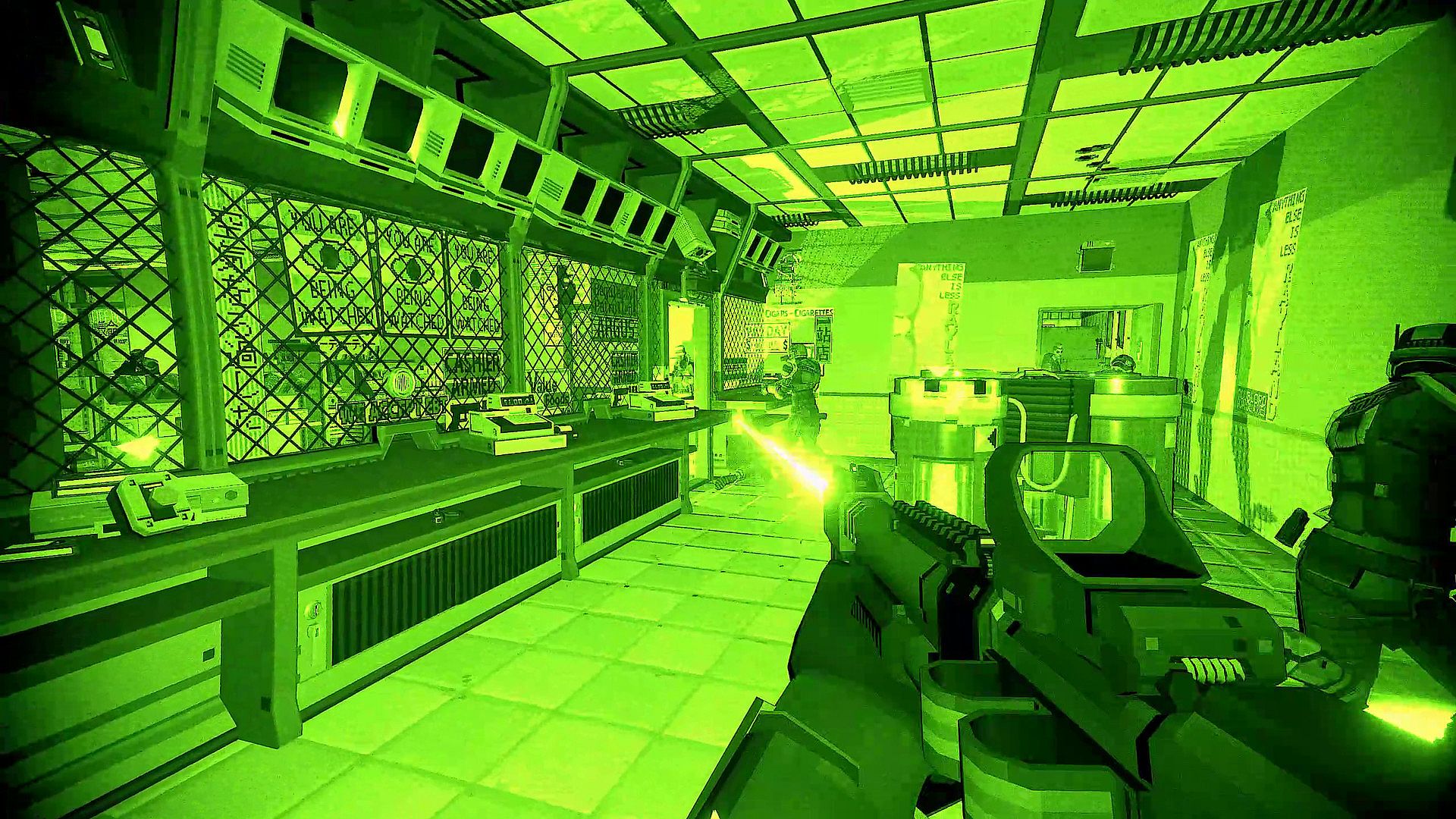
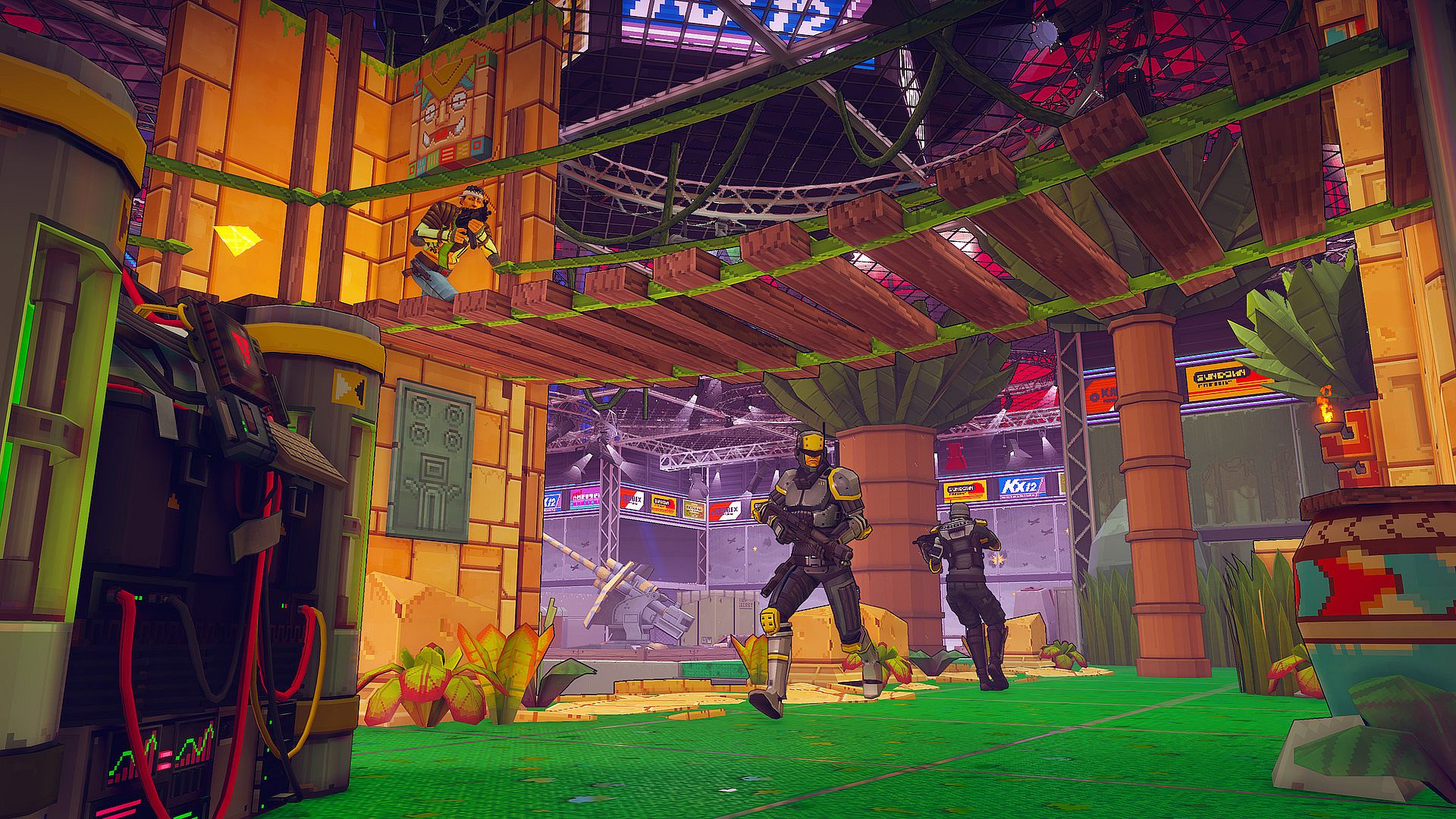
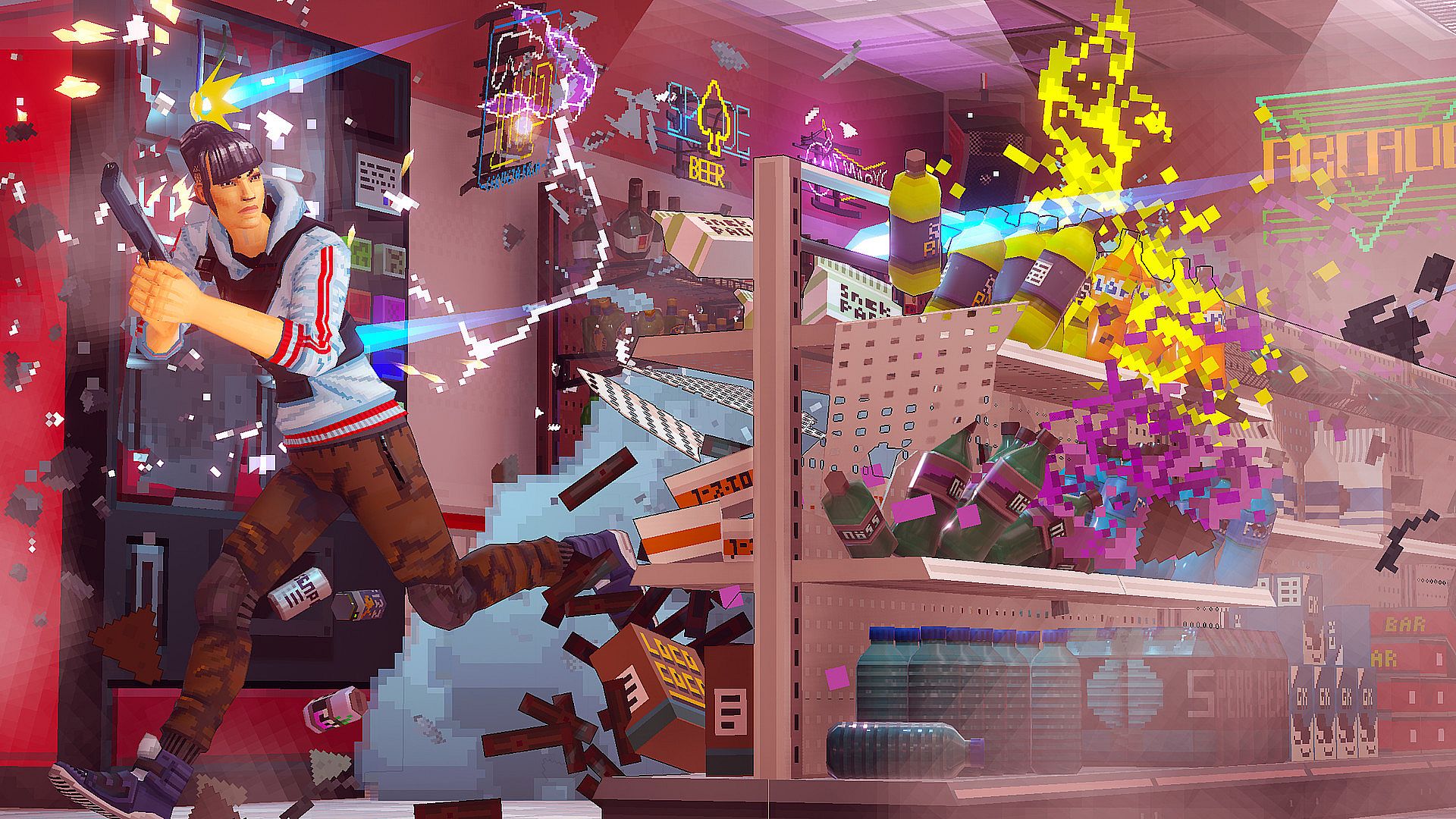
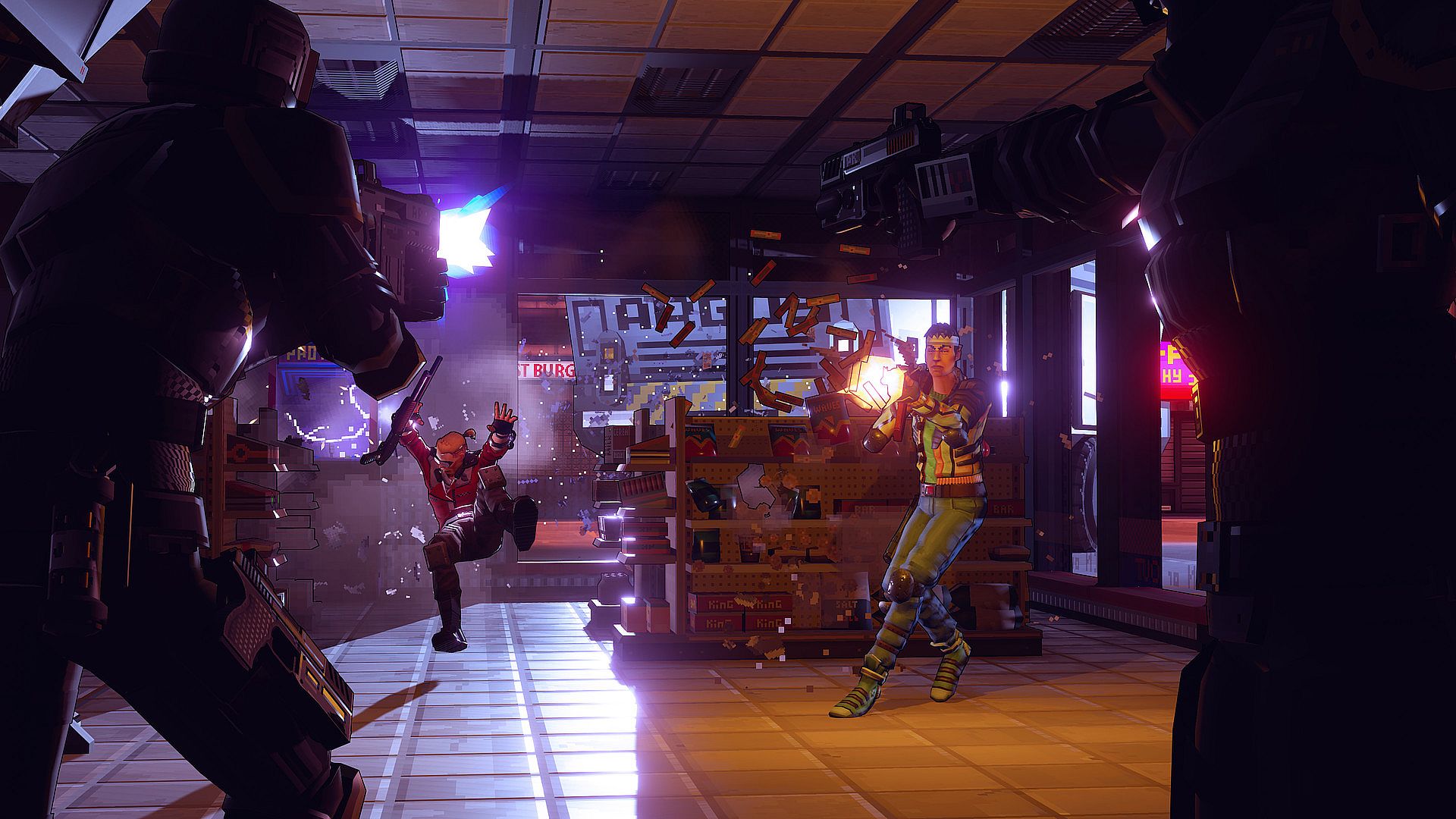

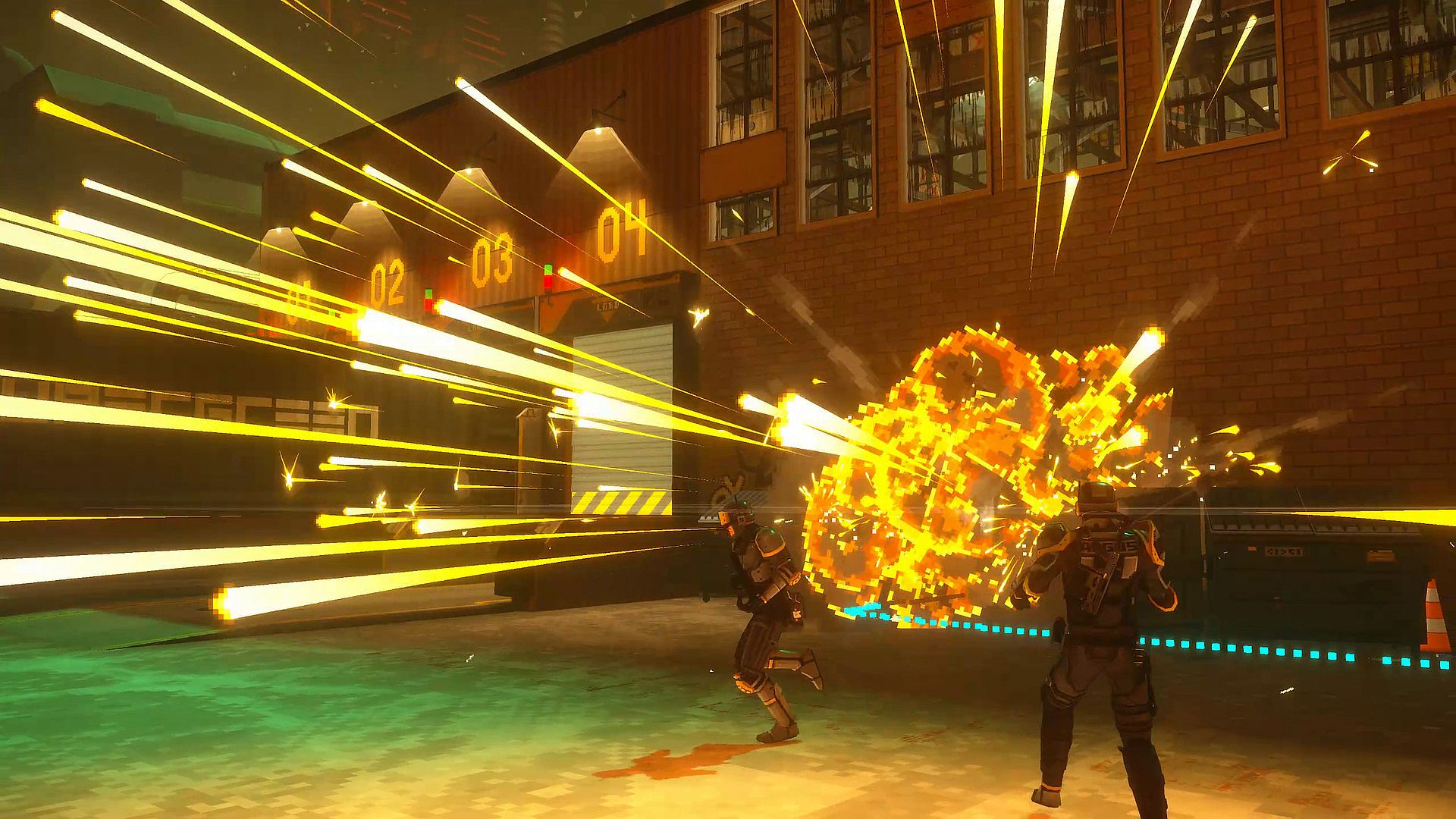
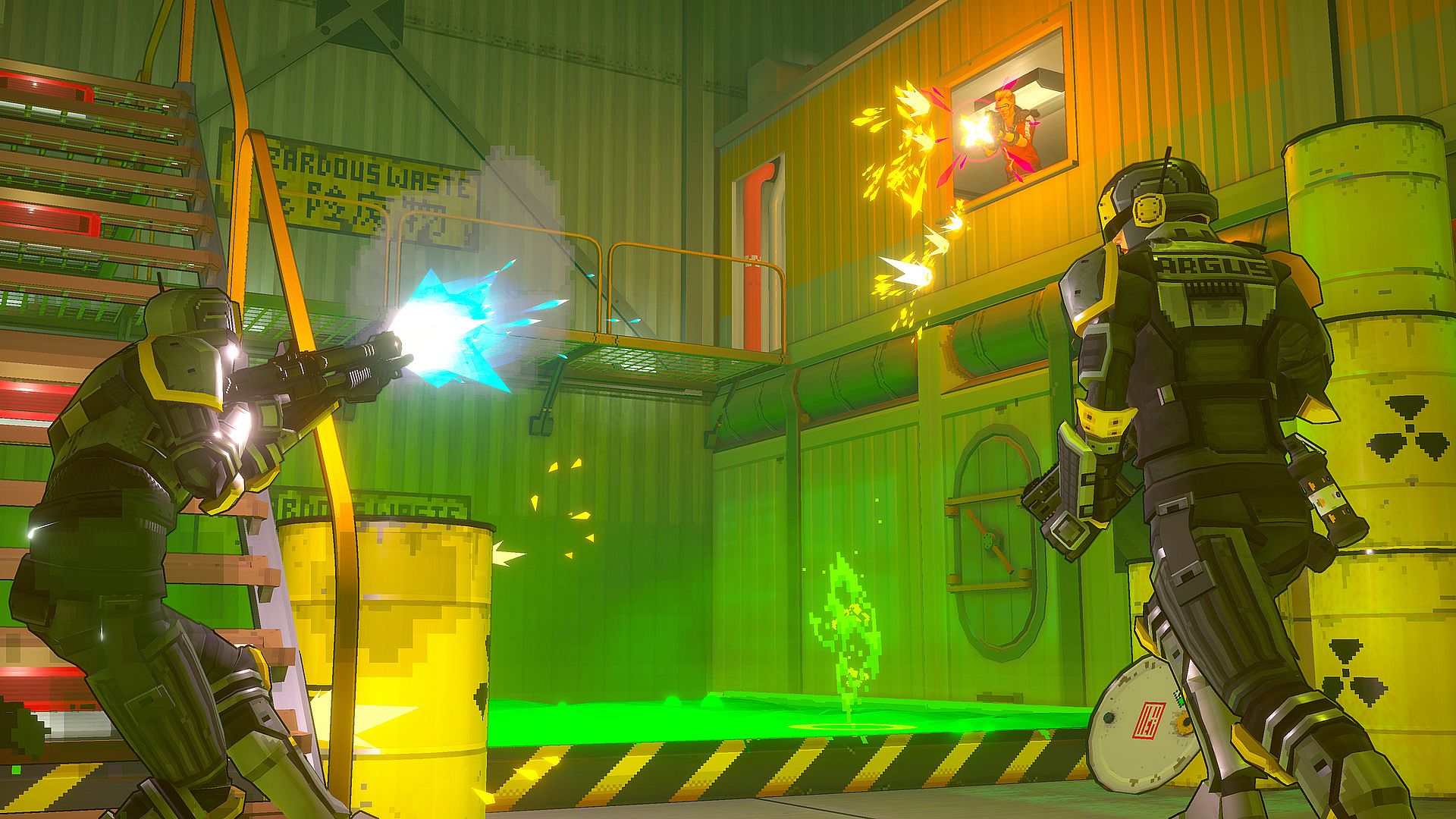
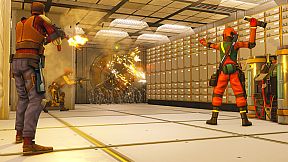

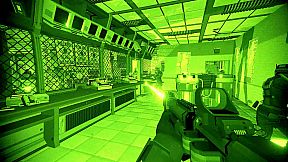

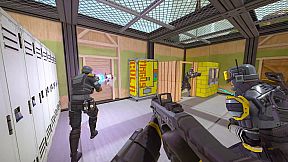

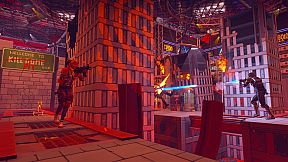


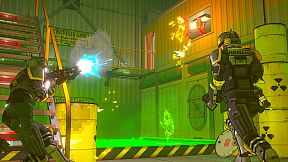
Due Process is a tactical first-person shooter focused on multiplayer matches where planning and coordination determine the outcome. Developed for PC, the game emphasizes asymmetric team combat between two opposing factions in environments that change with each session due to procedural generation.
Gameplay
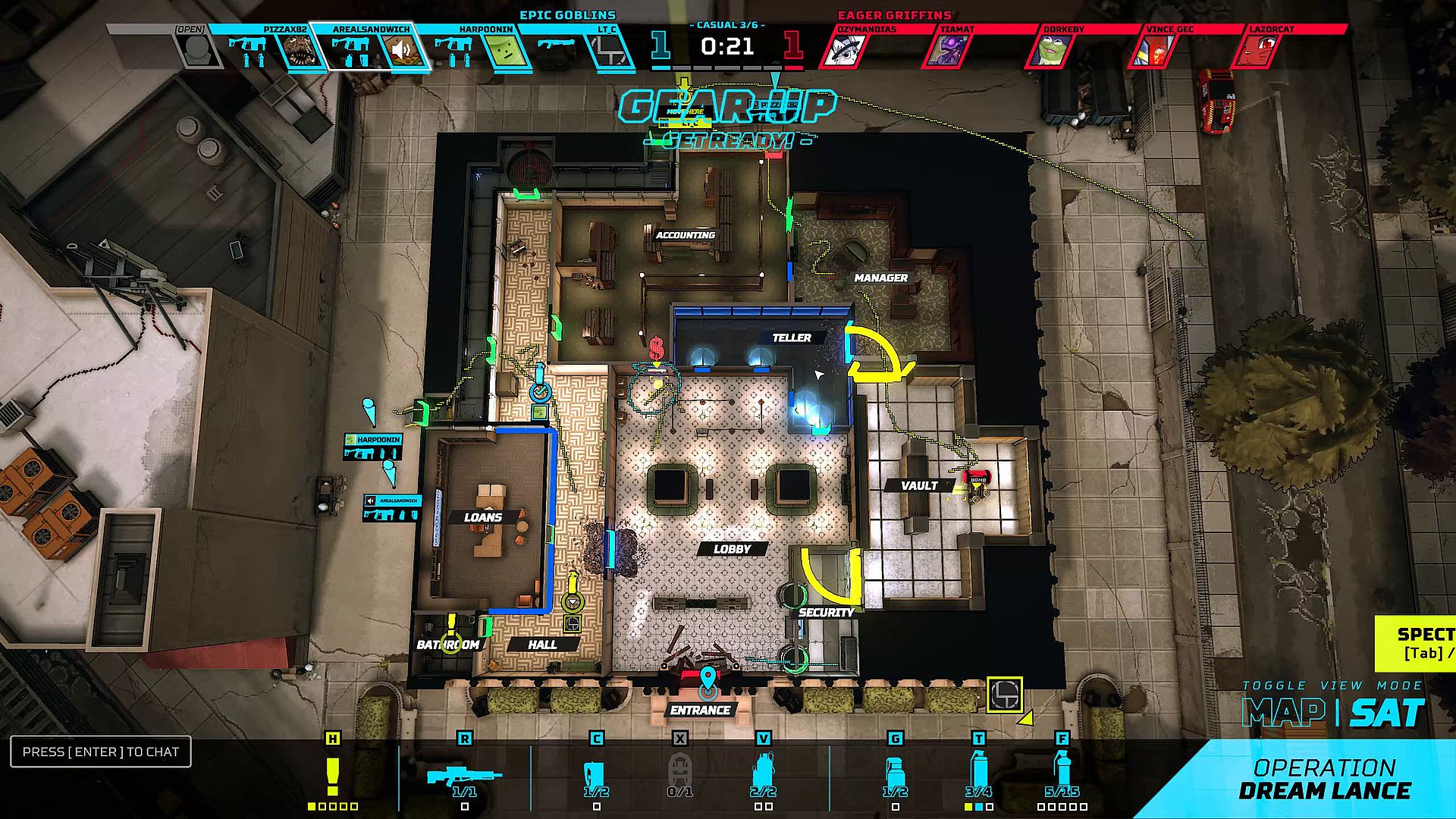
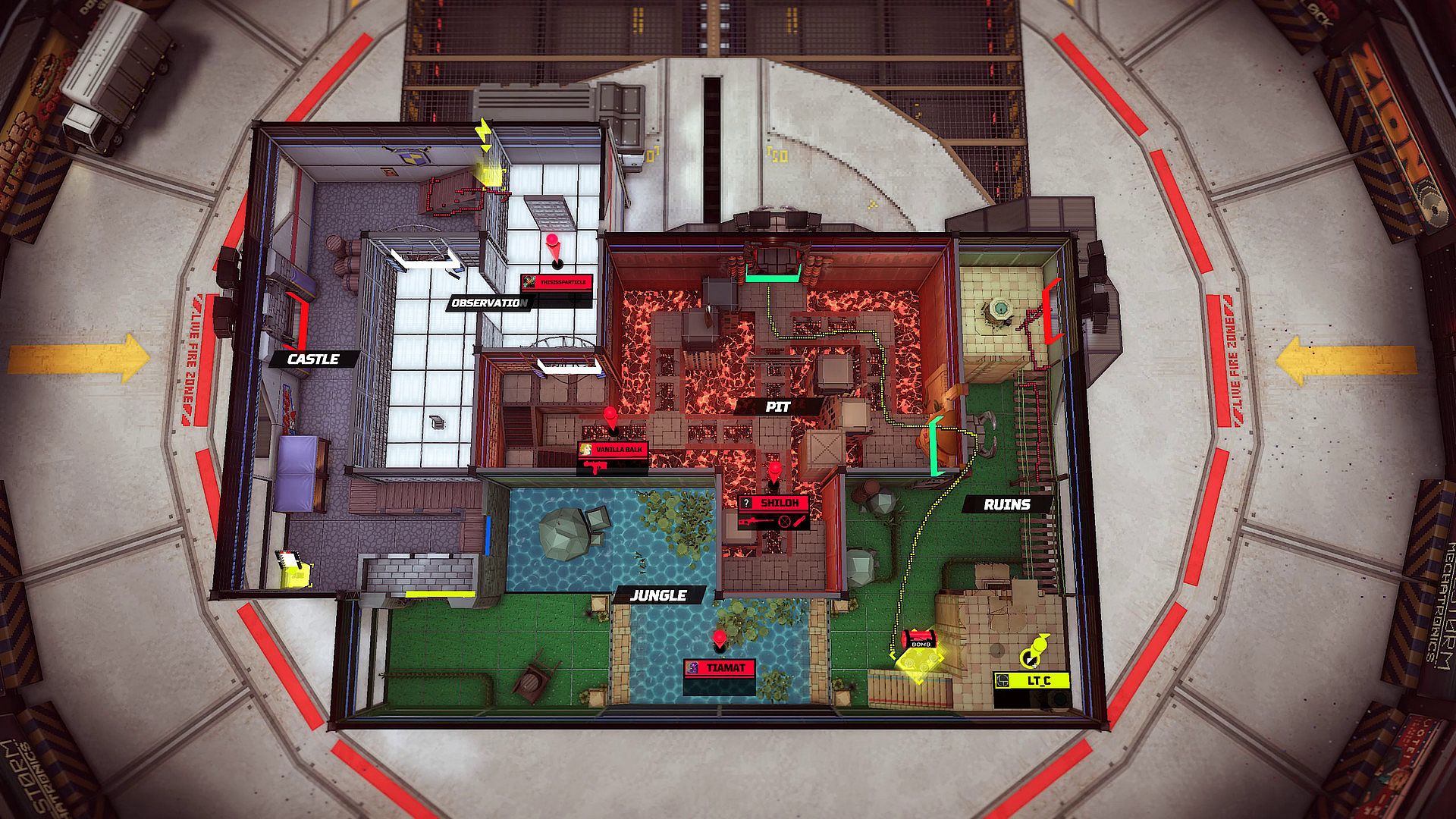
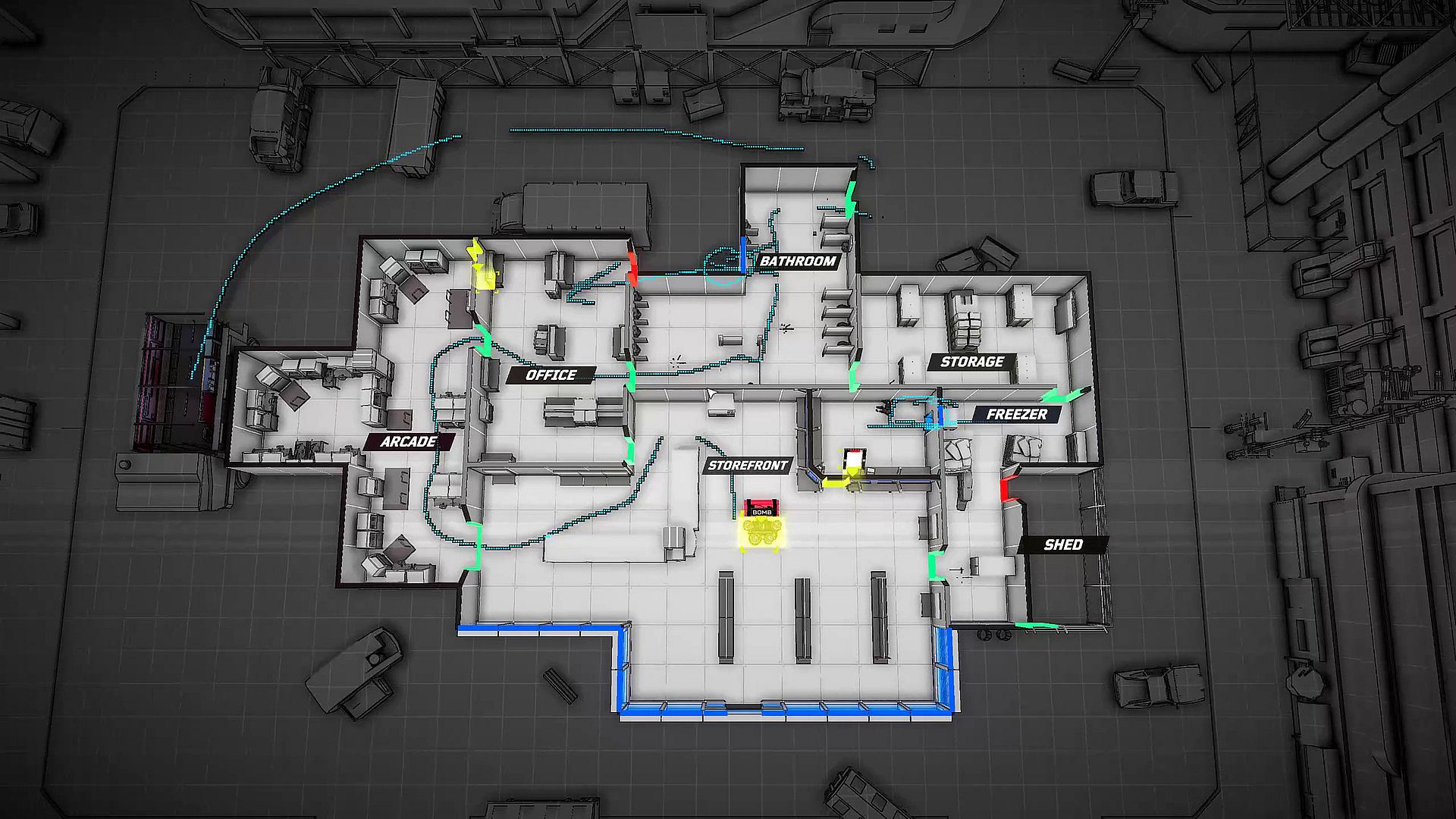
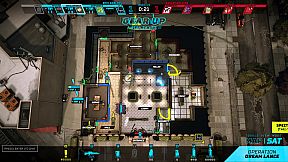
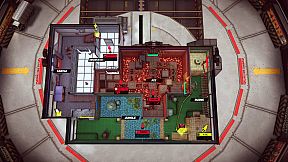
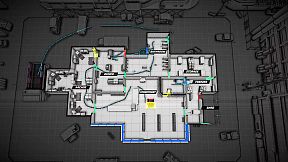
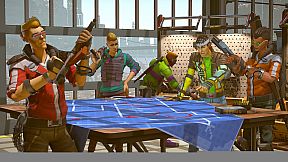
Matches revolve around a structured loop of preparation followed by execution. Teams discuss strategies using voice communication and then use a planning phase to mark routes, positions, and objectives on the map. This phase sets the foundation for the assault or defense.
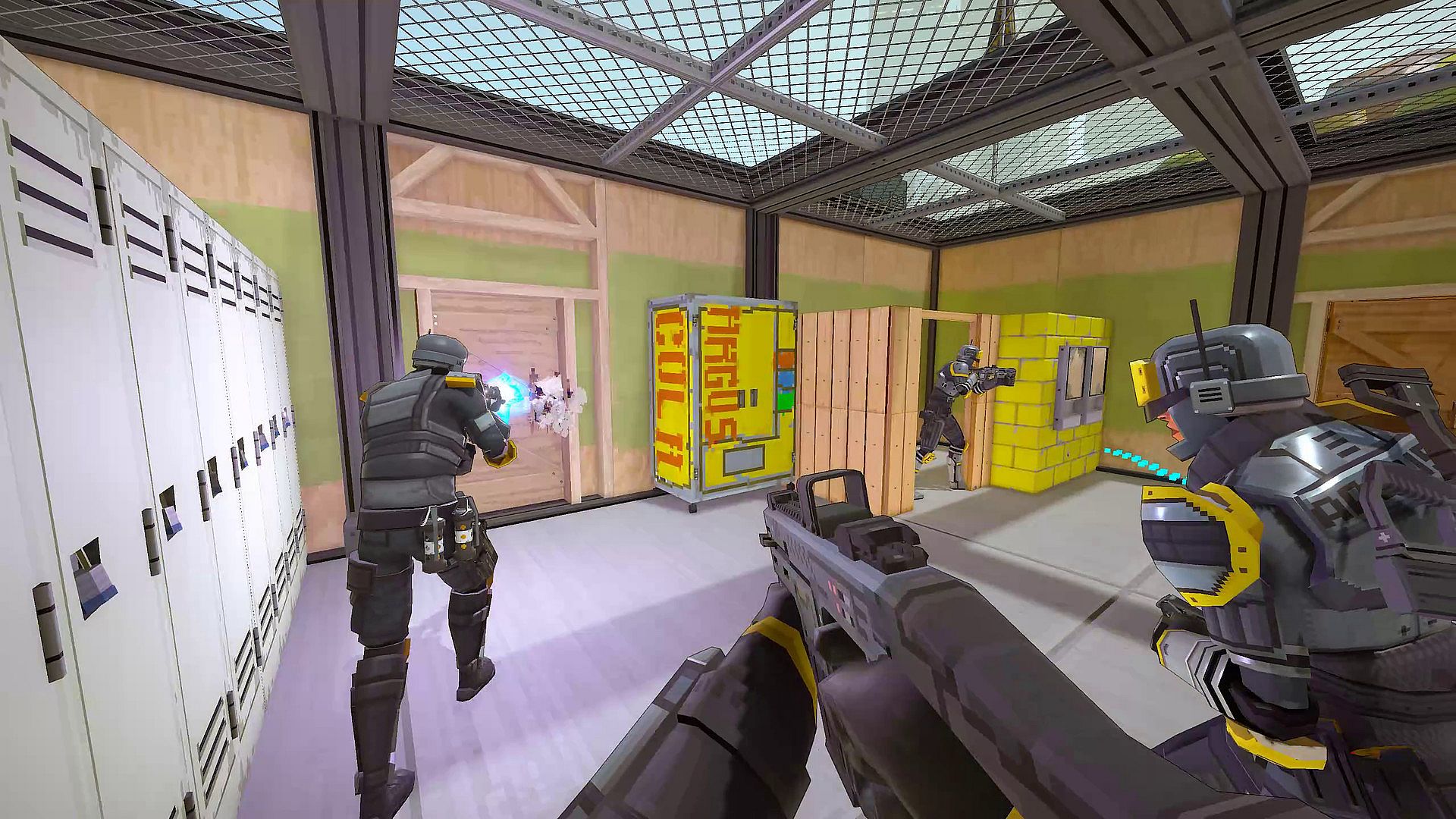
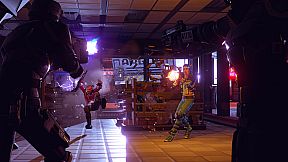
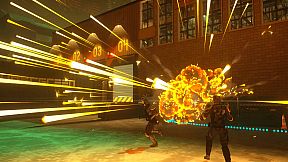
Once the round begins, players must adapt when initial plans break down. Coordination becomes critical, such as one teammate providing covering fire while another flanks or breaches. Assets like weapons and equipment are drawn from a shared armory and cannot be replaced if lost during the three rounds that make up a match.
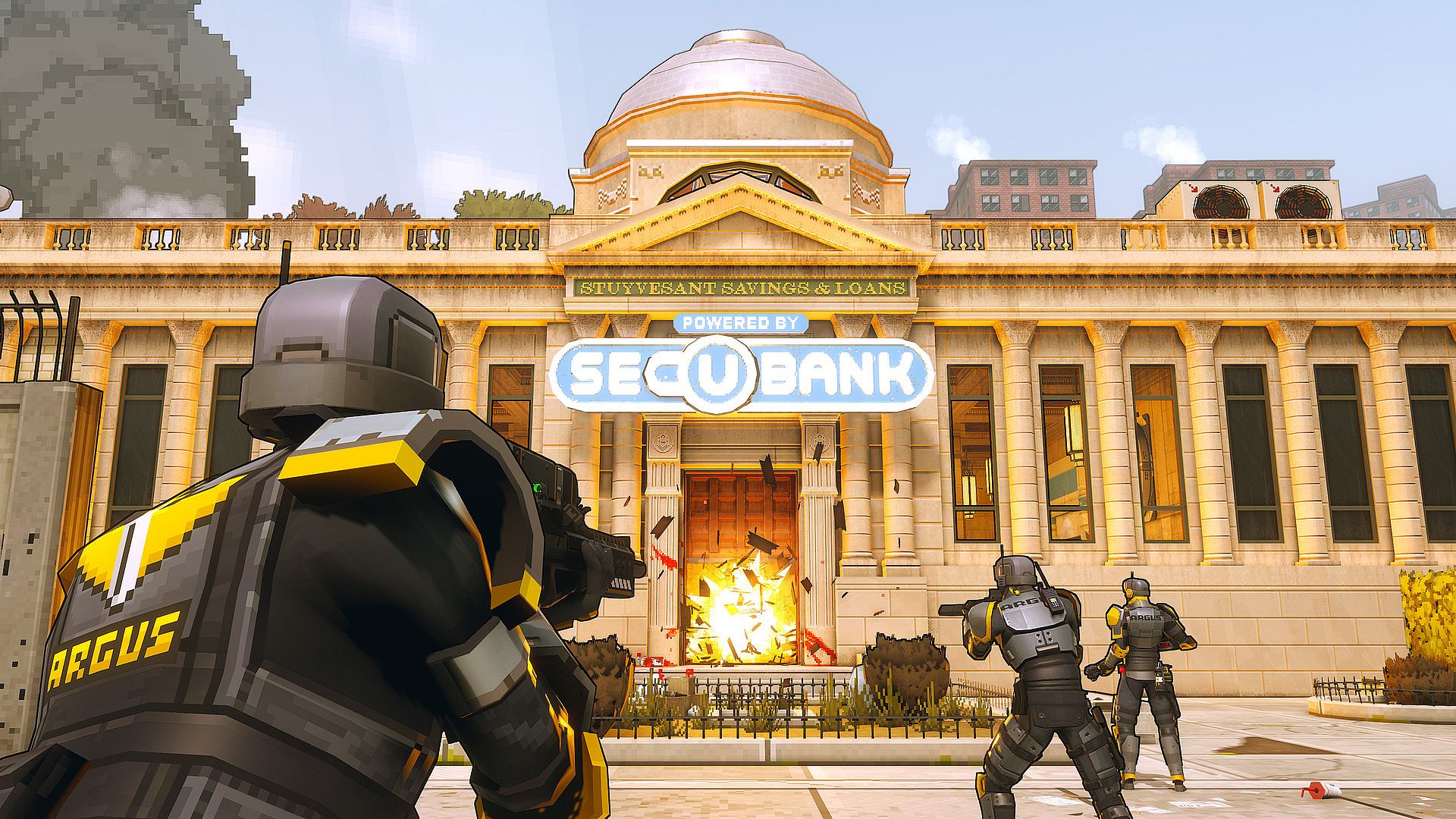
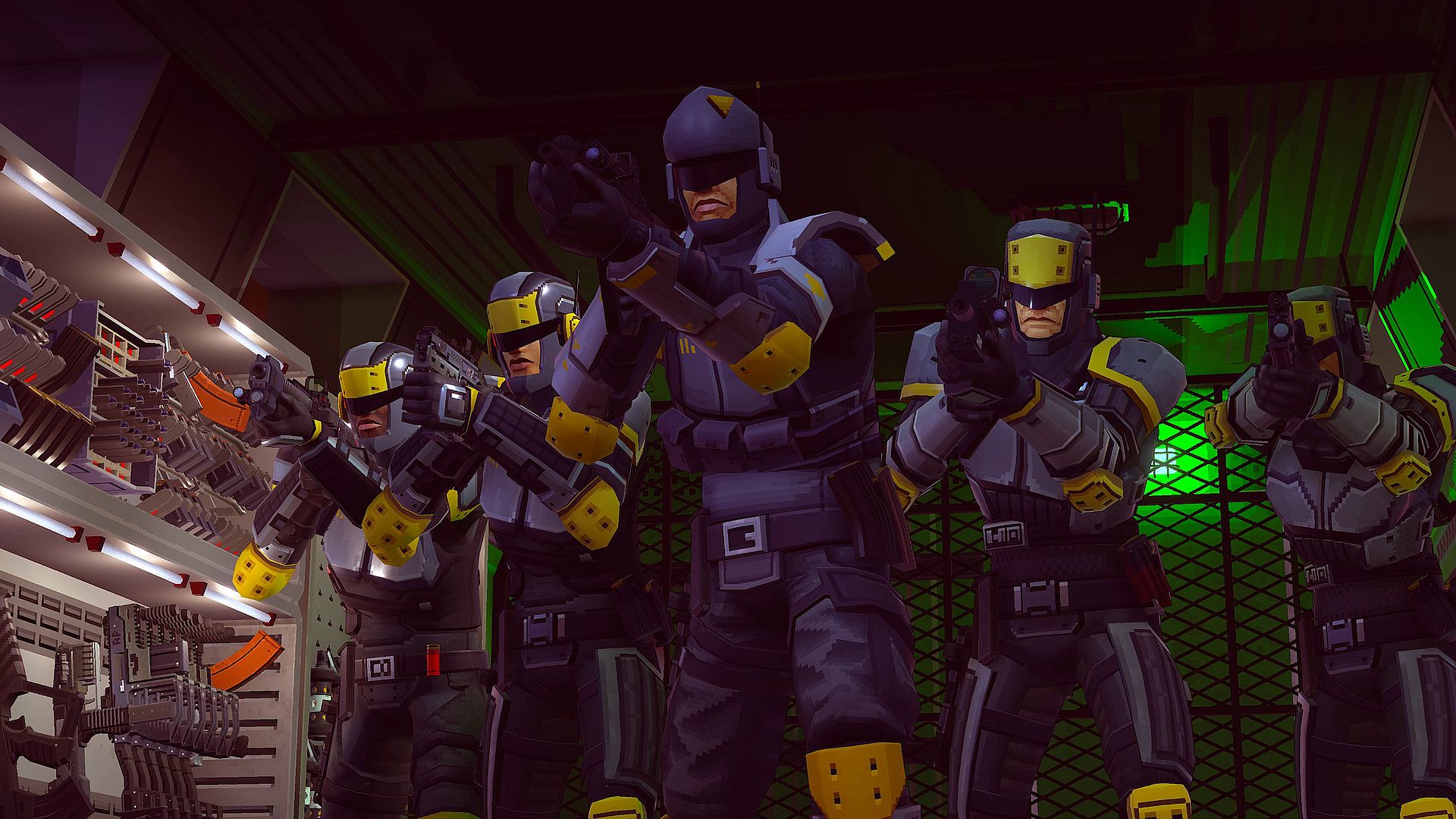
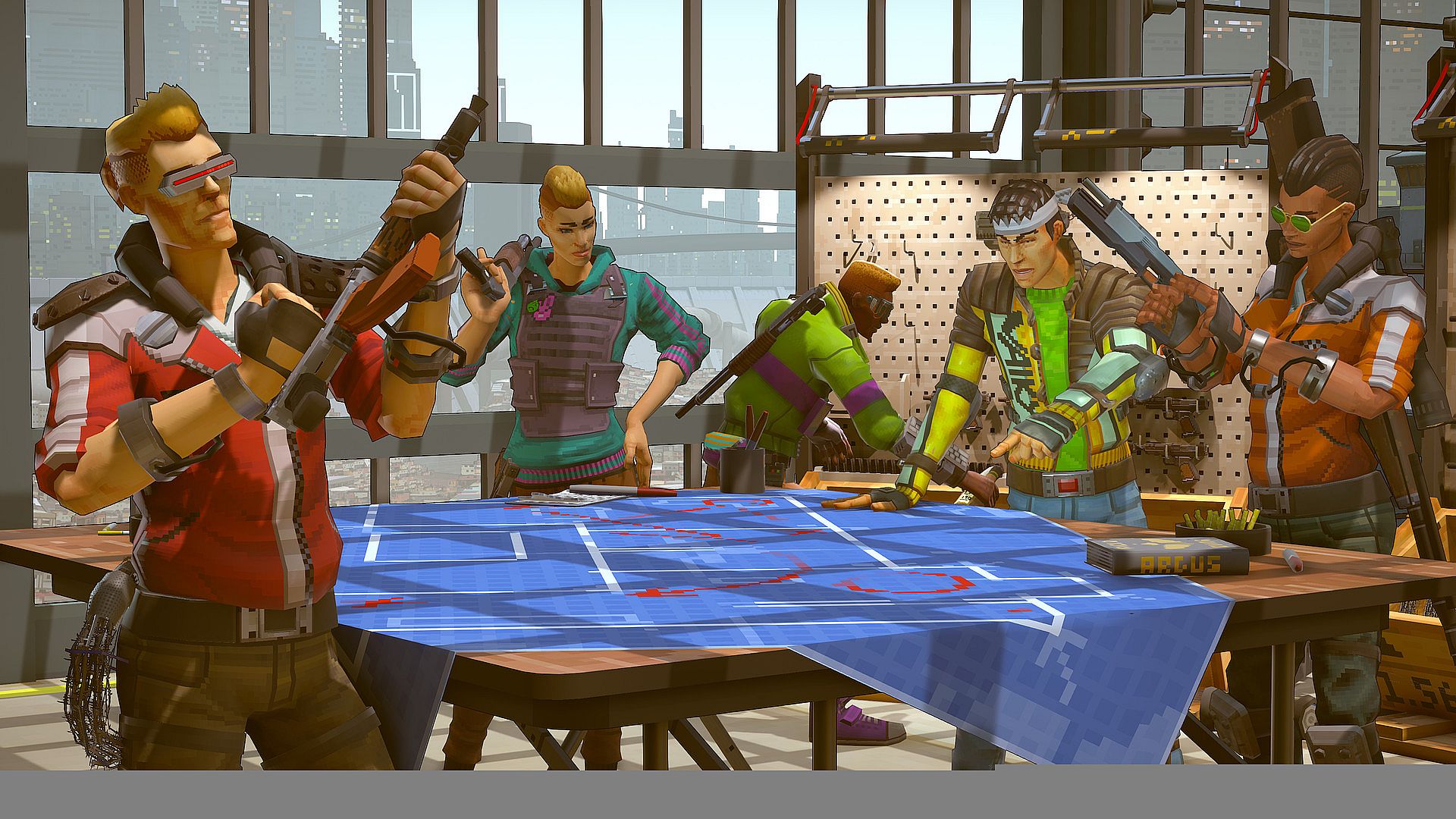
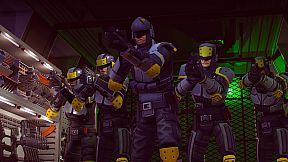
The two factions offer distinct approaches. One side operates as a corporate military force equipped with modern tactical gear suited for close-quarters battle. Their emphasis lies in rapid movement, surprise entries, and methodical room clearing or direct strikes. The opposing faction consists of outlaws relying on older or improvised equipment. Success for them depends on anticipation, trap placement, crossfire setups, and exploiting gaps in the enemy advance.
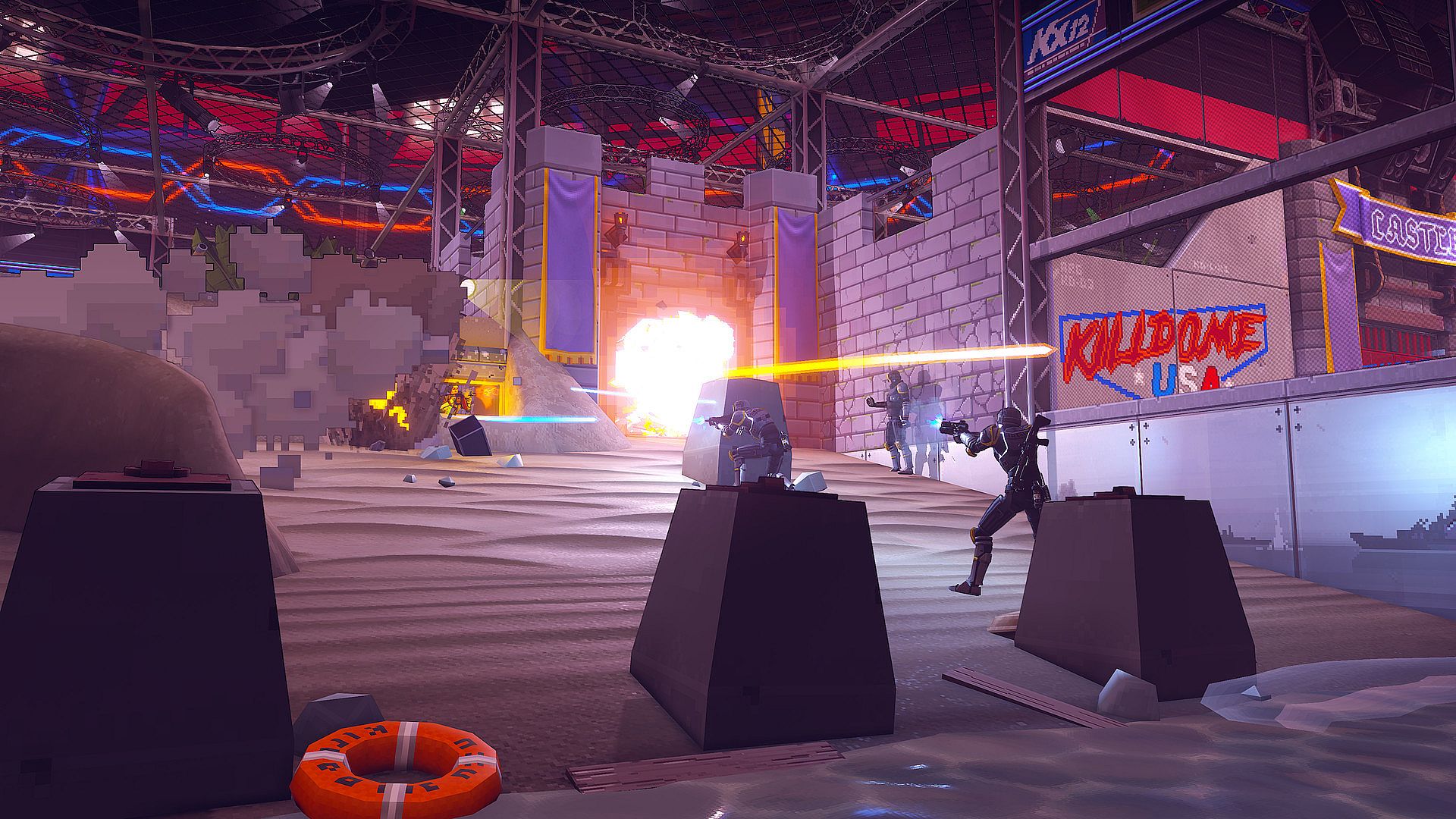
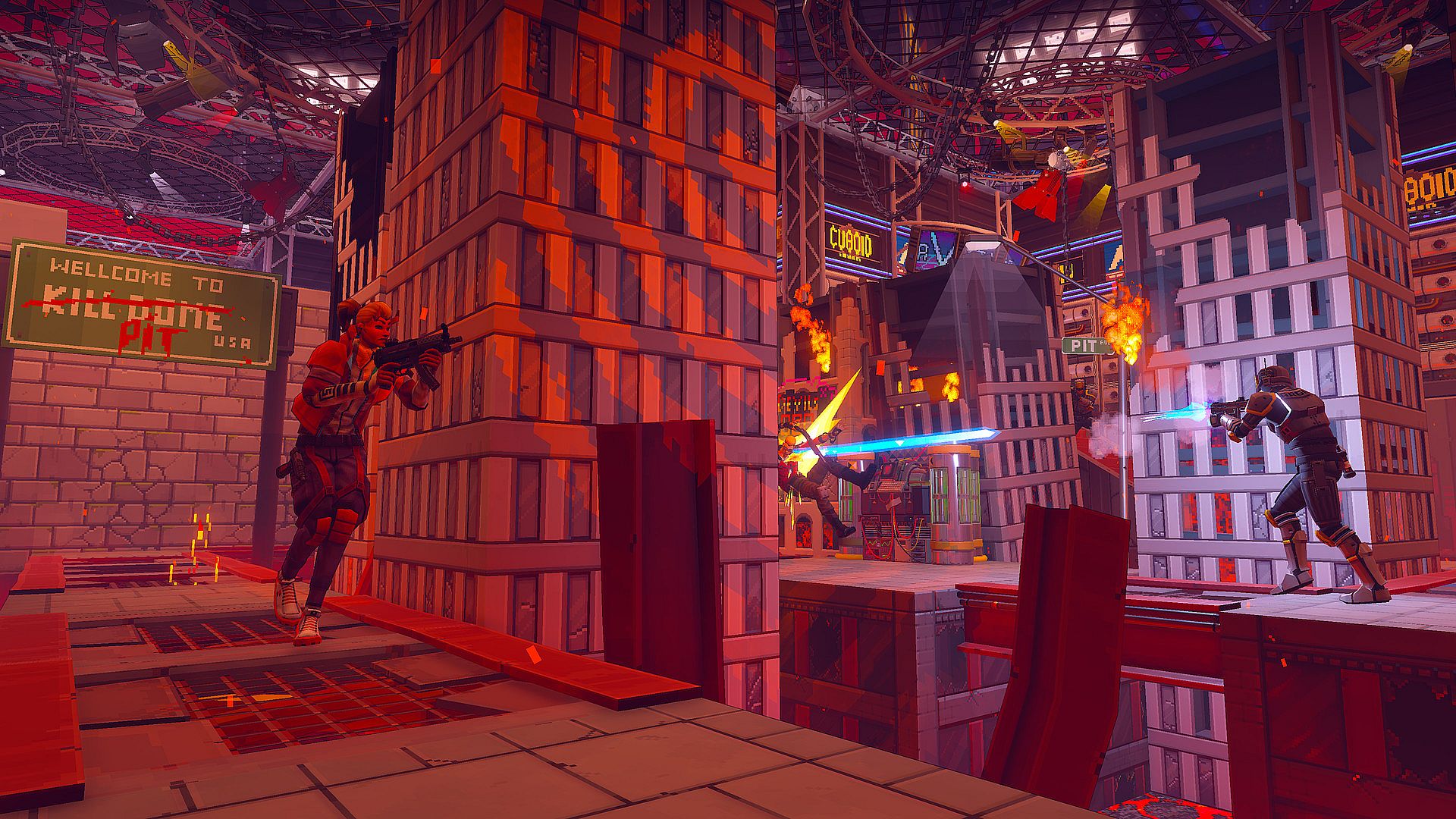
Procedural map generation ensures no two sessions feel identical. Levels receive in-house adjustments before release and arrive through periodic updates, maintaining variety without relying on a fixed set of static arenas.
Game Modes
Core play centers on team-based objective matches that incorporate the planning and round structure described above. Matches pit five players against five in asymmetric scenarios where one team attacks and the other defends, or roles shift across rounds.
The format rewards both pre-match preparation and in-the-moment decision making. Teams deploy limited resources across the three rounds, forcing choices about when to commit equipment and how to respond to evolving situations on the procedurally built maps.
Factions and Asymmetric Design
The corporate military faction brings superior gear and a focus on speed and precision in confined spaces. Players on this side benefit from reliable tools for breaching and systematic clearing of defended positions.
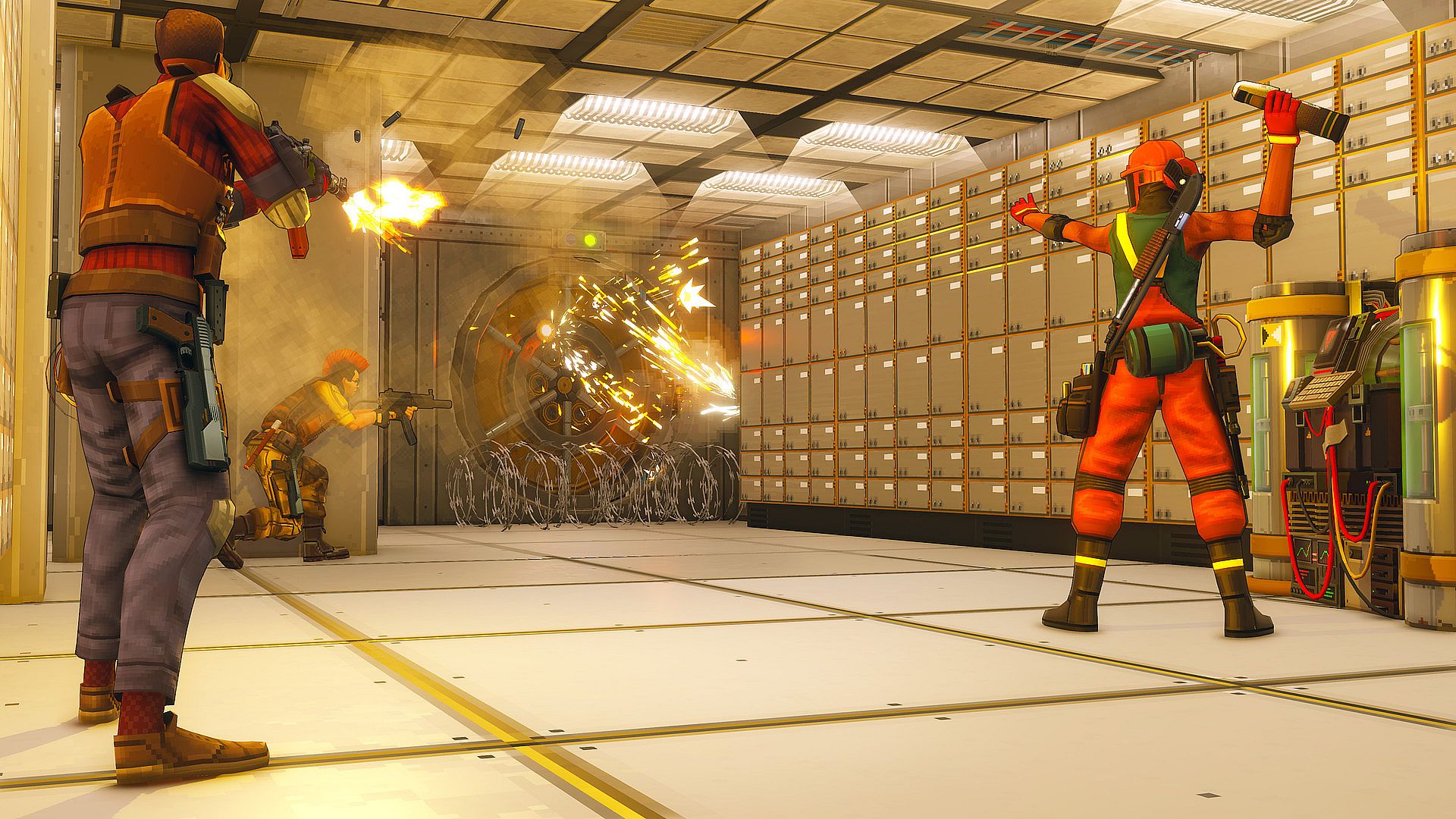
The outlaw faction counters with resourcefulness and defensive ingenuity. Their loadouts encourage creative positioning, ambush tactics, and coordinated fire lanes that punish aggressive advances. This contrast creates matches where each side must counter the other's strengths rather than mirror them.
Is It Worth Playing?
Due Process suits players who value deliberate strategy and team communication over fast-paced run-and-gun action. The emphasis on planning, adaptation, and asymmetric faction abilities sets it apart in the tactical shooter space.
Matches reward groups that communicate effectively and adjust on the fly. Those seeking consistent variety will appreciate the procedurally assisted maps that receive ongoing designer oversight and periodic delivery.
The game remains available on PC with a focus on its core multiplayer experience. Reception highlights its unique approach to preparation and execution, though it appeals most to those already familiar with slower, more methodical team shooters. If coordinated play and fresh layouts each session align with your preferences, the title delivers a distinct alternative to standard arena-style shooters.