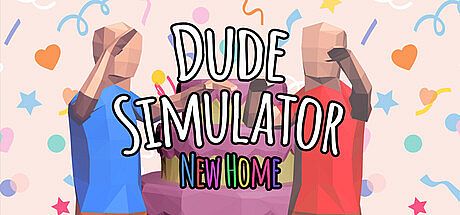


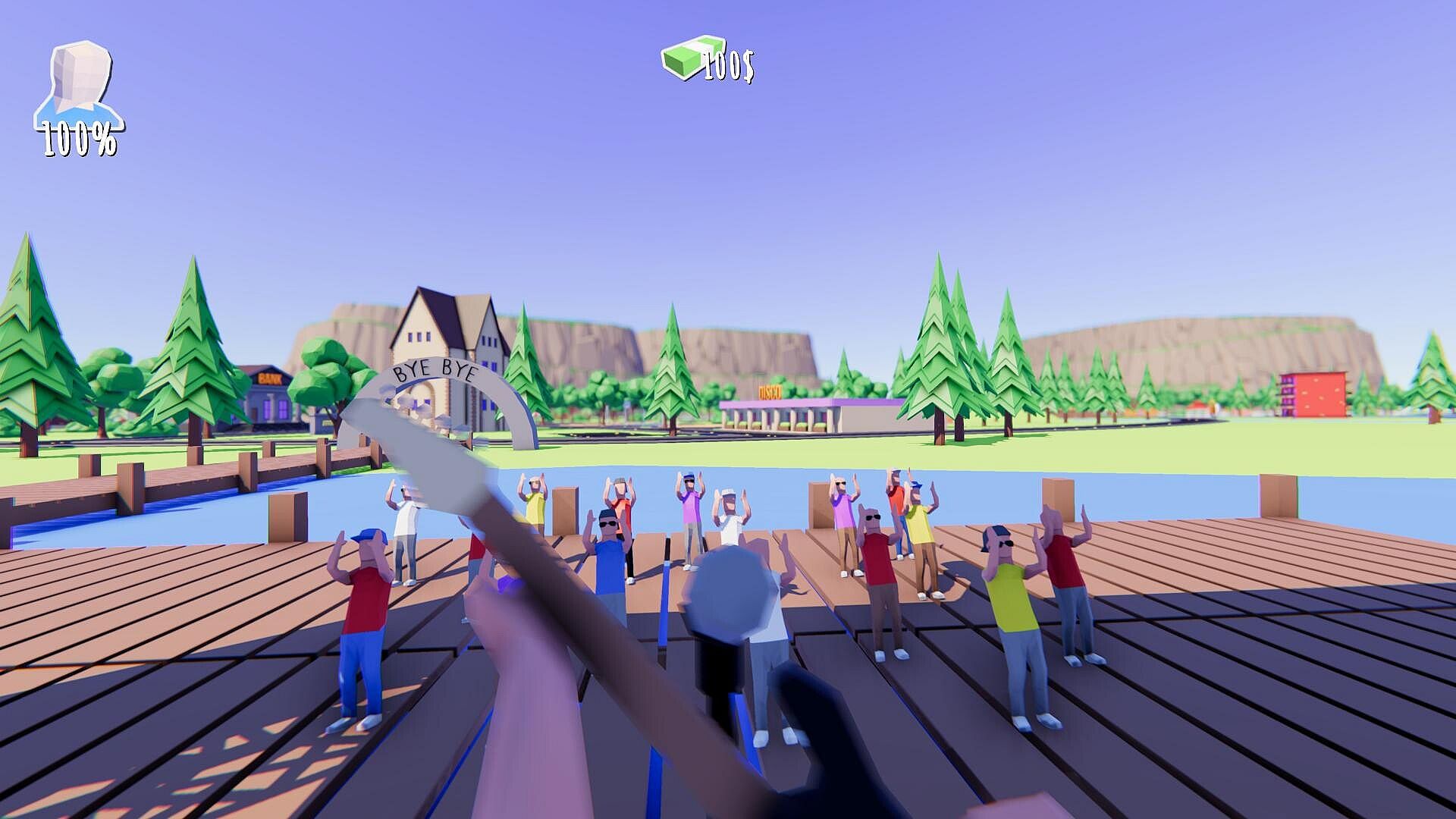
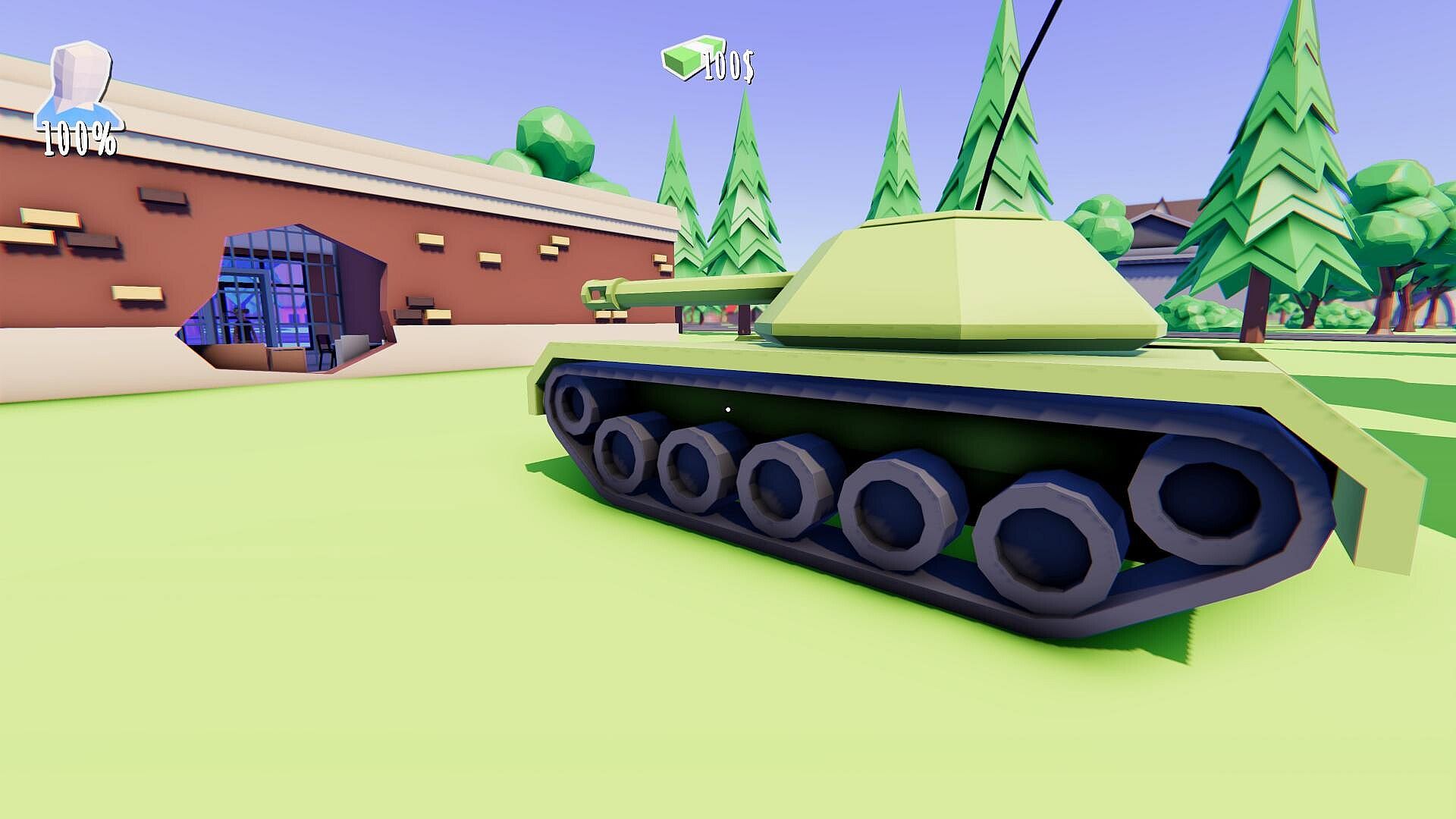
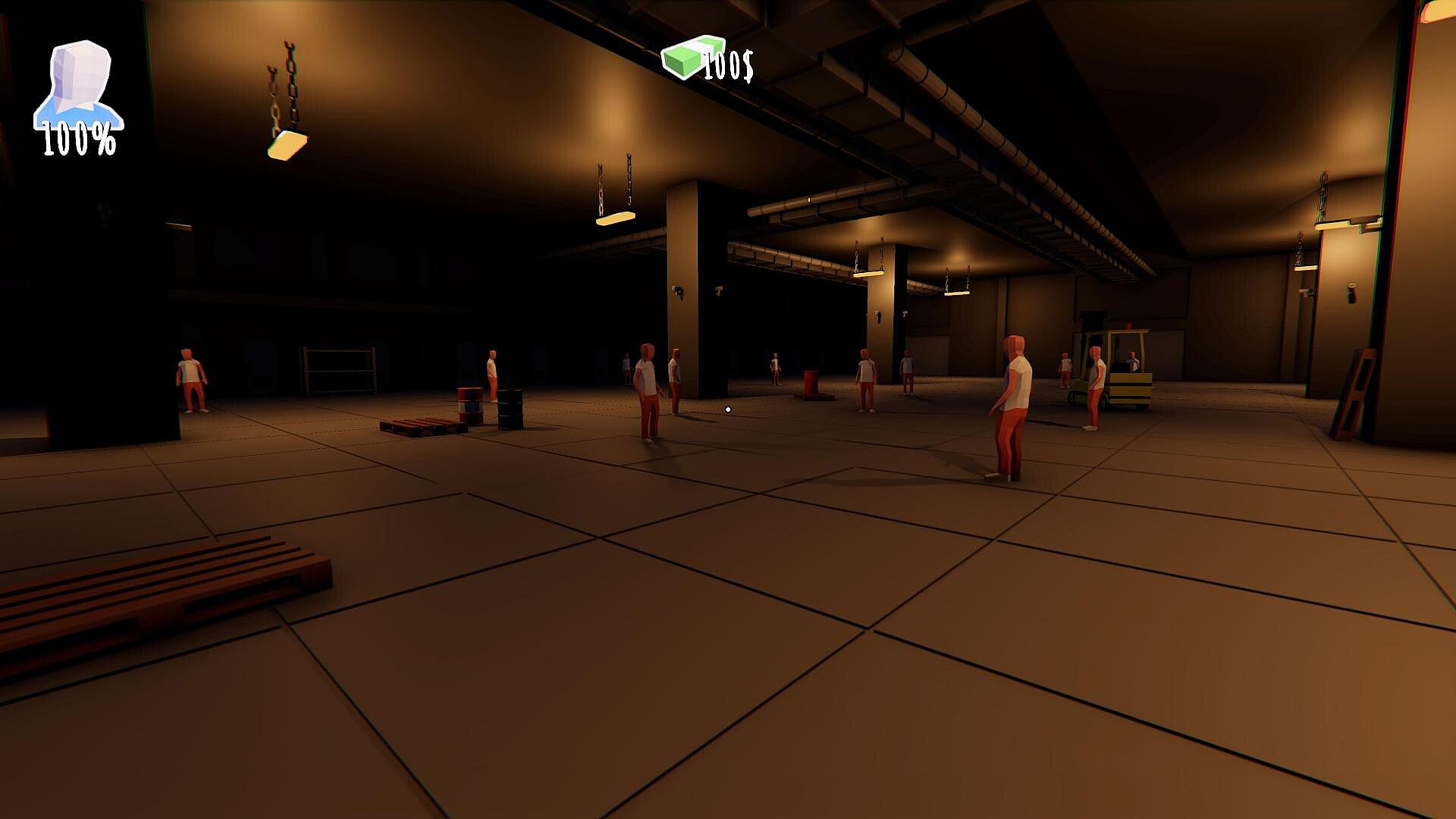
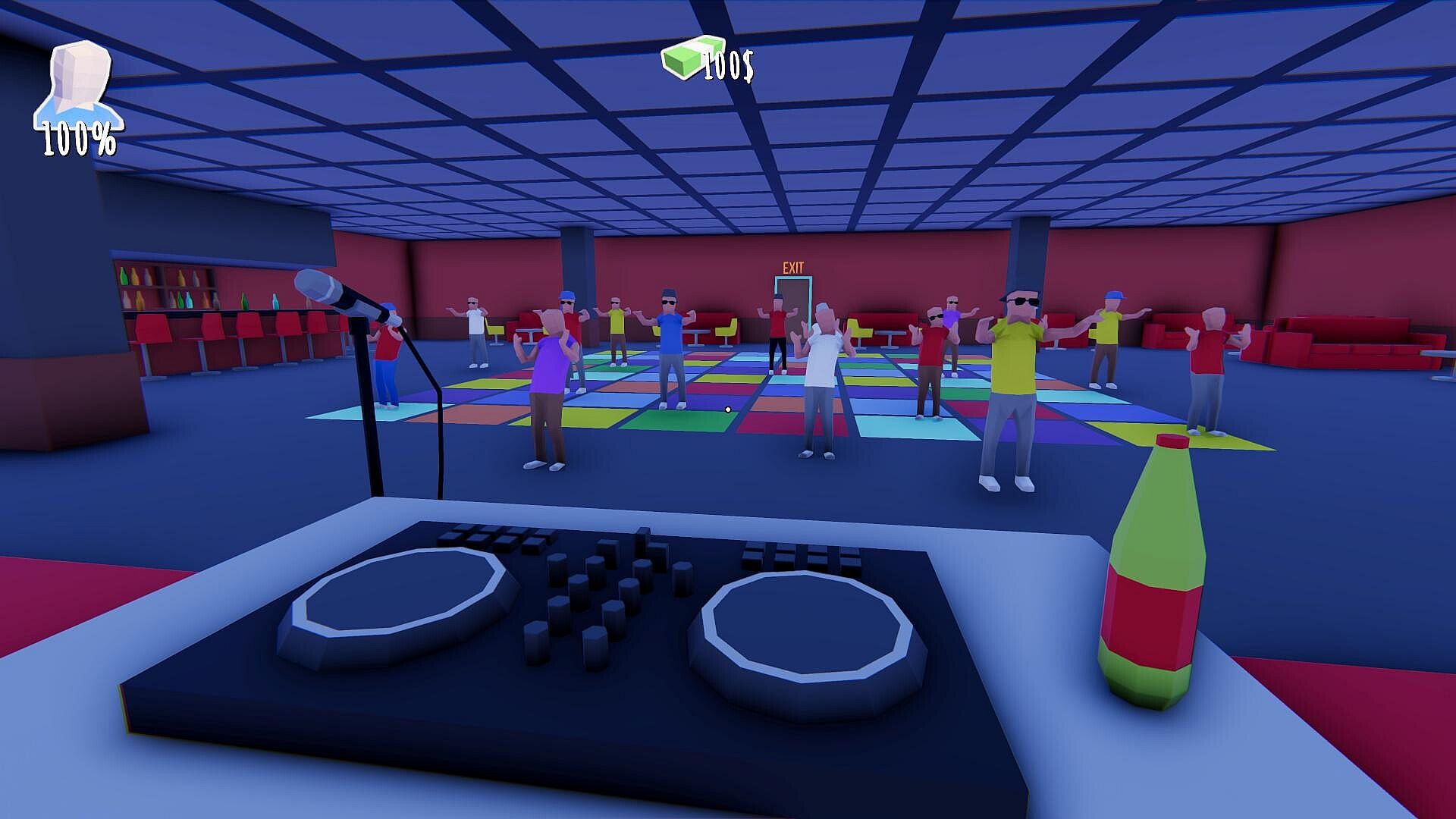
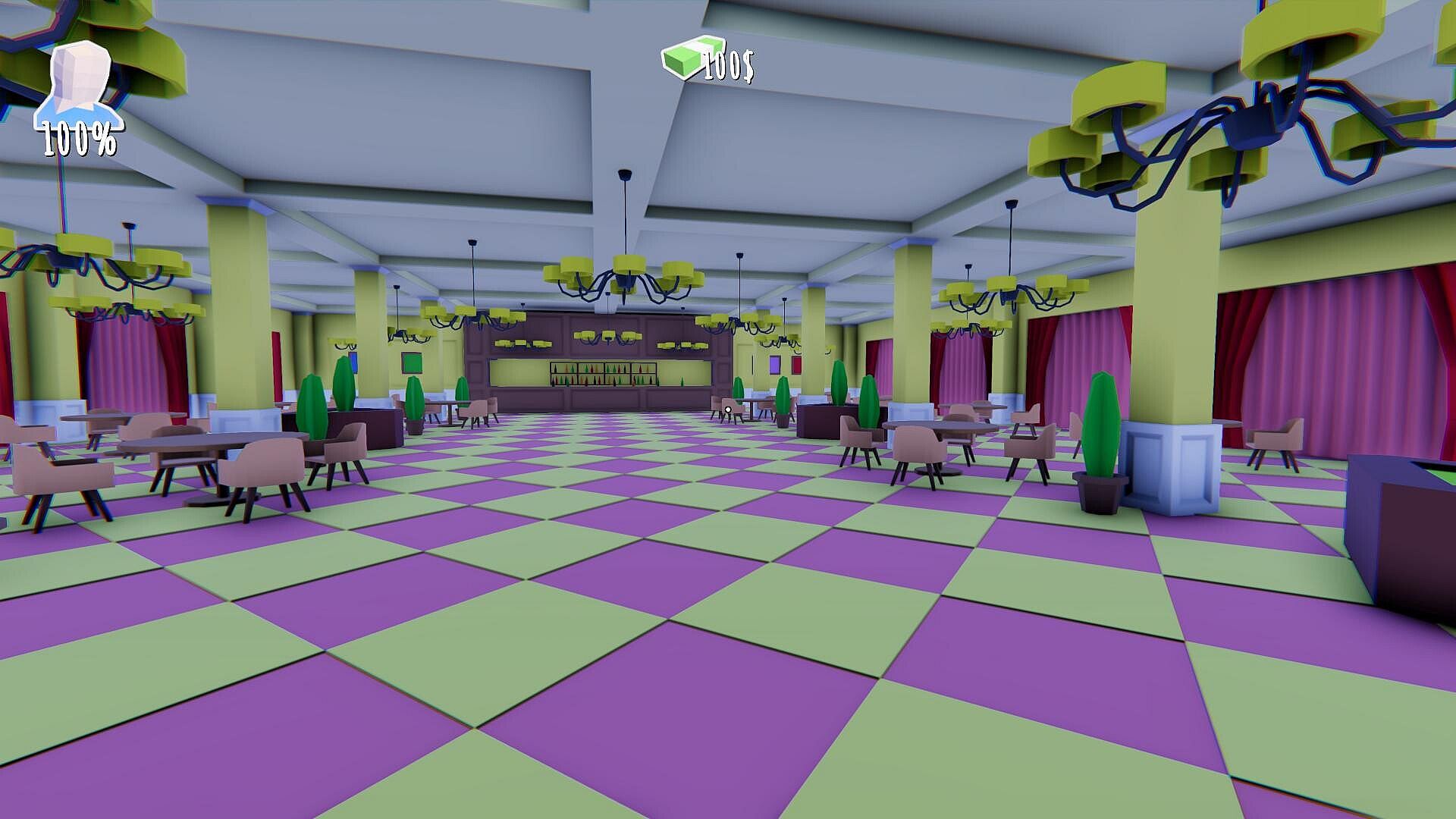
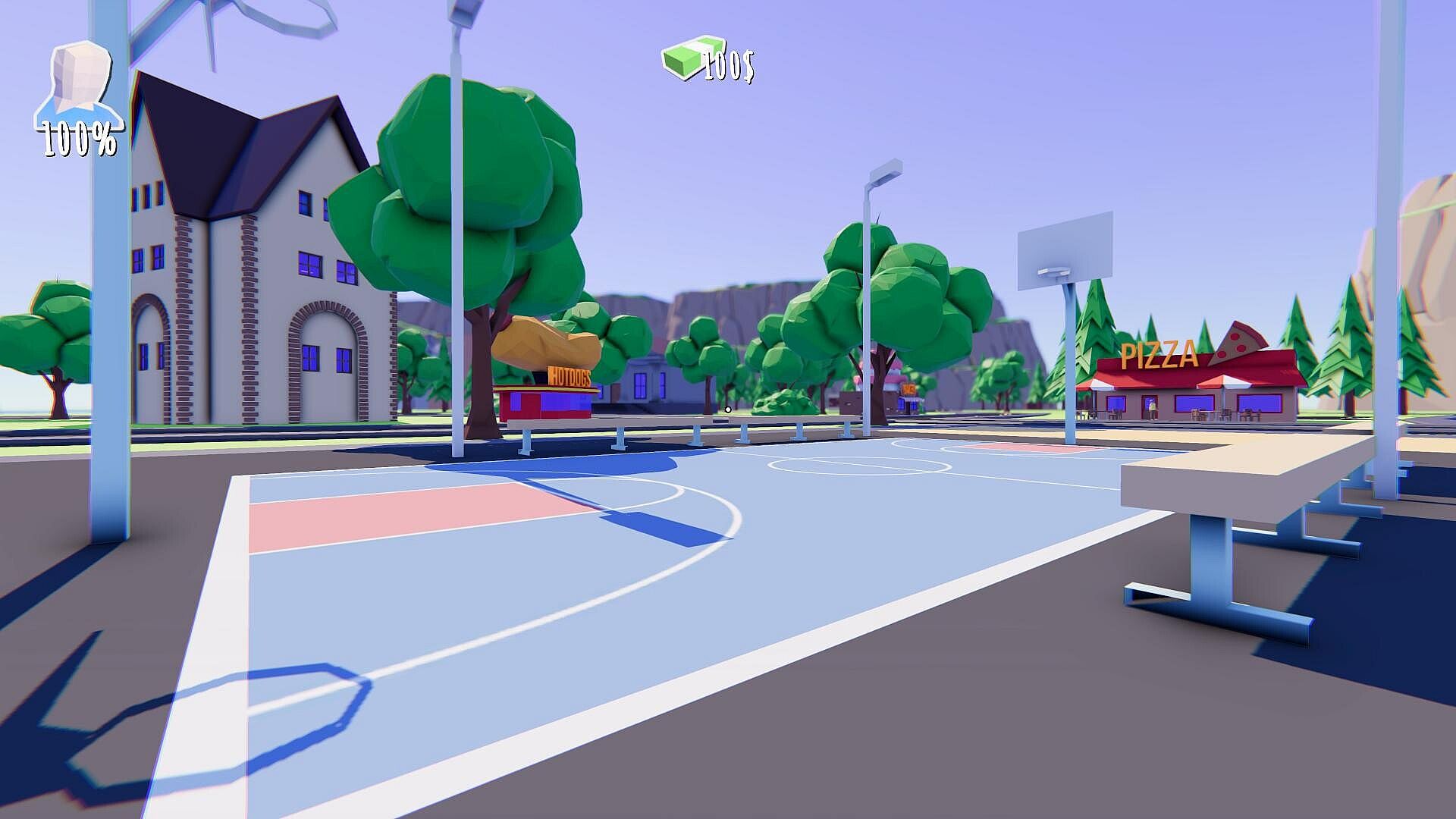
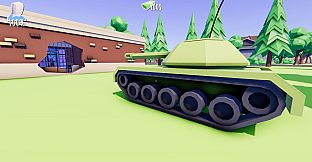
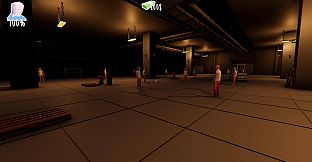
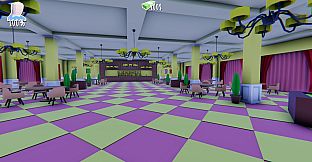
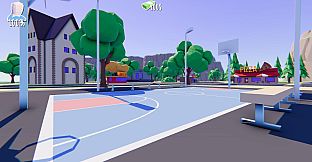
Dude Simulator: New Home is an open-world sandbox game that blends action, indie, simulation, racing, and adventure elements on PC. Players take on the role of someone forced to relocate after a sudden cold snap disrupts life in their original town. The core experience revolves around adapting to a new city while juggling everyday tasks and unexpected disruptions.
Gameplay
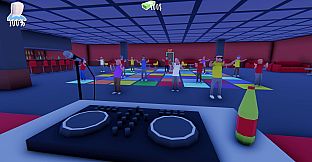
The gameplay centers on settling into unfamiliar surroundings after the move. Players handle practical needs like unpacking and exploring the neighborhood, which leads to encounters with locals. One key interaction involves a friendly neighbor who proposes hosting a large party, requiring coordination of invitations, securing a DJ and sound setup, and acquiring a cake. These steps unfold through direct player actions in the environment rather than scripted sequences.
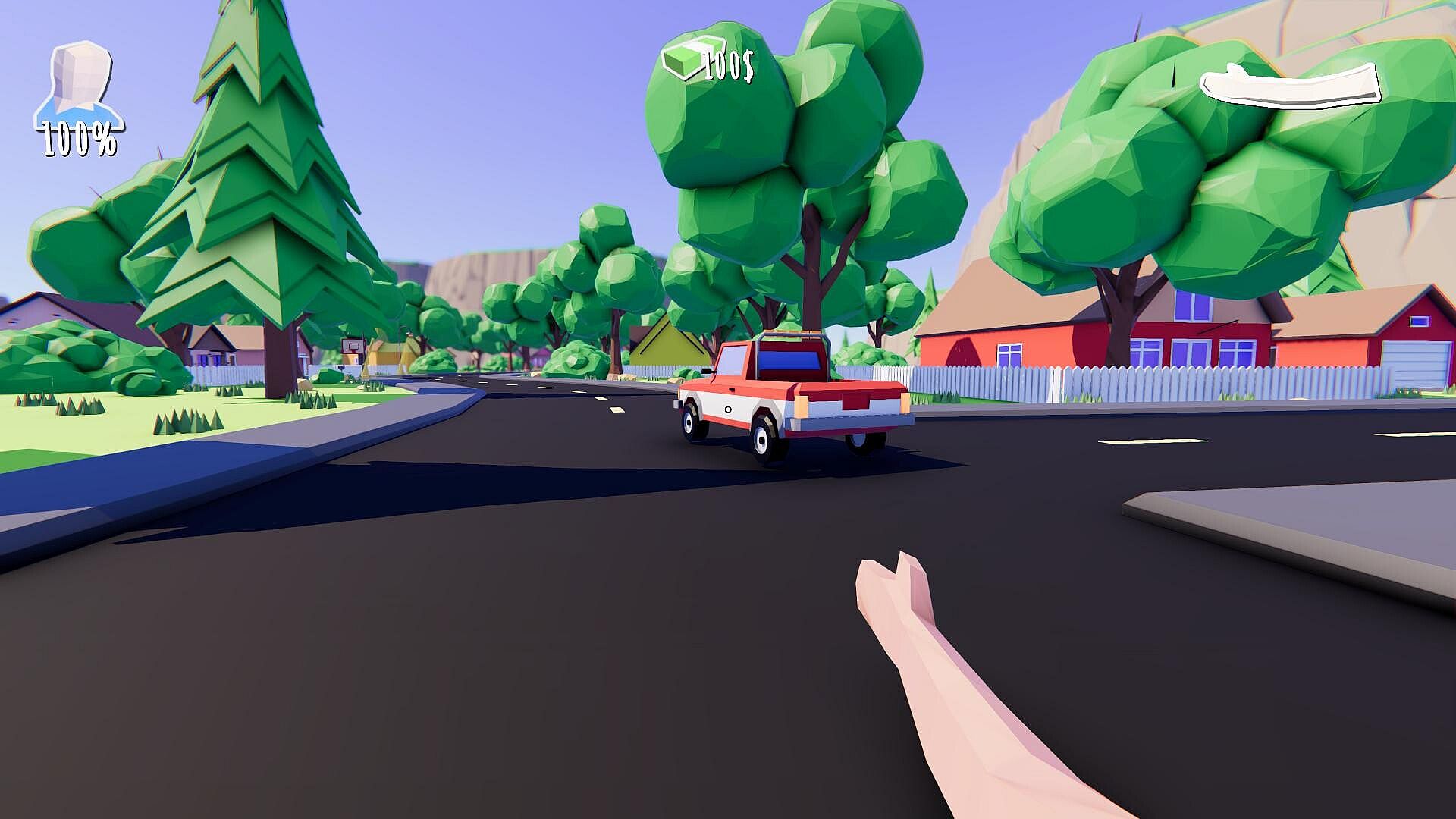
Additional layers include managing tensions with a grumpy neighbor sensitive to noise levels. Exploration reveals opportunities to complete tasks assigned by police officers or random residents scattered throughout the city. Vehicle handling comes into play during travel between locations, fitting the racing aspects of the genres. The physics and interactions support emergent situations, such as navigating urban spaces or dealing with law enforcement encounters that may require creative escapes from the police station.
Overall, the loop mixes simulation of daily routines with adventure-style objectives and action-oriented problem solving. Players move freely across the open world, using available tools and items to progress personal goals or respond to events as they arise.
Game Modes
The game operates primarily as a single-player sandbox experience with no distinct named modes beyond the core open-world framework. Progression happens through self-directed activities that combine story-driven elements, like organizing the party, with free-form exploration and task completion. Racing elements appear in vehicle navigation around the city, while adventure components emerge from handling conflicts and objectives involving police or civilians.
Simulation aspects allow for flexible pacing, letting players focus on home setup, social interactions, or chaotic detours without rigid structure. This unified approach encourages repeated sessions centered on different priorities, such as completing local errands or evading authorities during high-stakes moments.
Key Mechanics and Features
Core systems emphasize player agency in an open environment. Inventory management supports gathering items for events like the party, while interaction prompts enable conversations and object use. Police-related tasks introduce risk-reward decisions, often involving evasion or cooperation that ties into the action elements. The grumpy neighbor mechanic adds a layer of consequence to noise or disruption choices.
Racing and driving integrate naturally during city traversal, with handling that supports both practical movement and more reckless play. Adventure elements surface in the sequence of settling in, party preparation, and post-event fallout, including station escapes. These features remain grounded in the sandbox design, where outcomes depend on how players approach each situation.
Is It Worth Playing?
Dude Simulator: New Home suits players who enjoy unstructured open-world sandboxes with a mix of simulation routines and light adventure tasks. The premise of relocating and managing social events provides a clear starting point, while the freedom to pursue police assignments or local errands extends replay value for those who like emergent chaos.
Reception for similar entries in the style tends to highlight the appeal of unscripted moments alongside critiques of shallow depth once initial novelty fades. Those seeking polished progression or deep systems may find the experience limited, but fans of quirky, player-driven scenarios in an indie action-simulation package will likely appreciate the variety of activities available. Availability on PC makes it accessible for short or extended sessions focused on exploration and task variety.