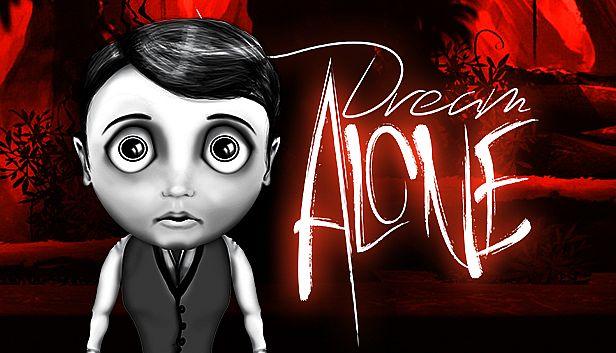












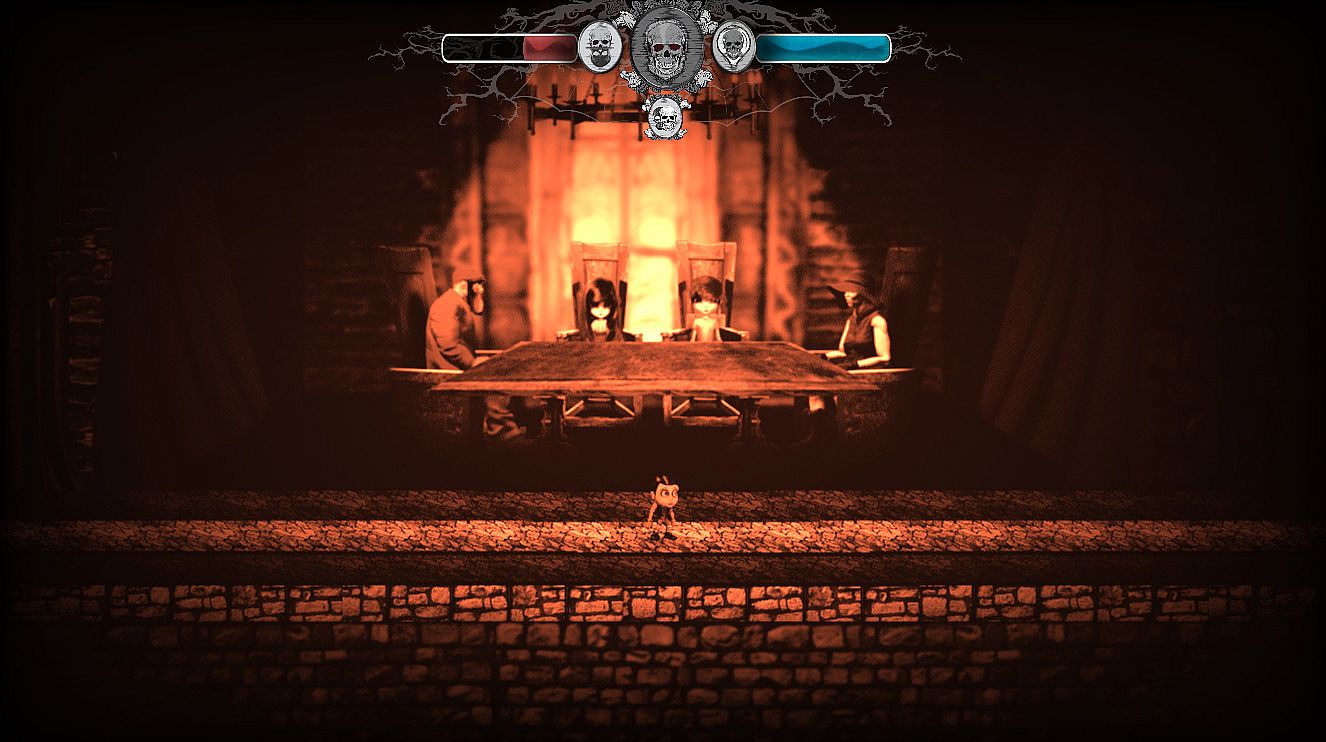
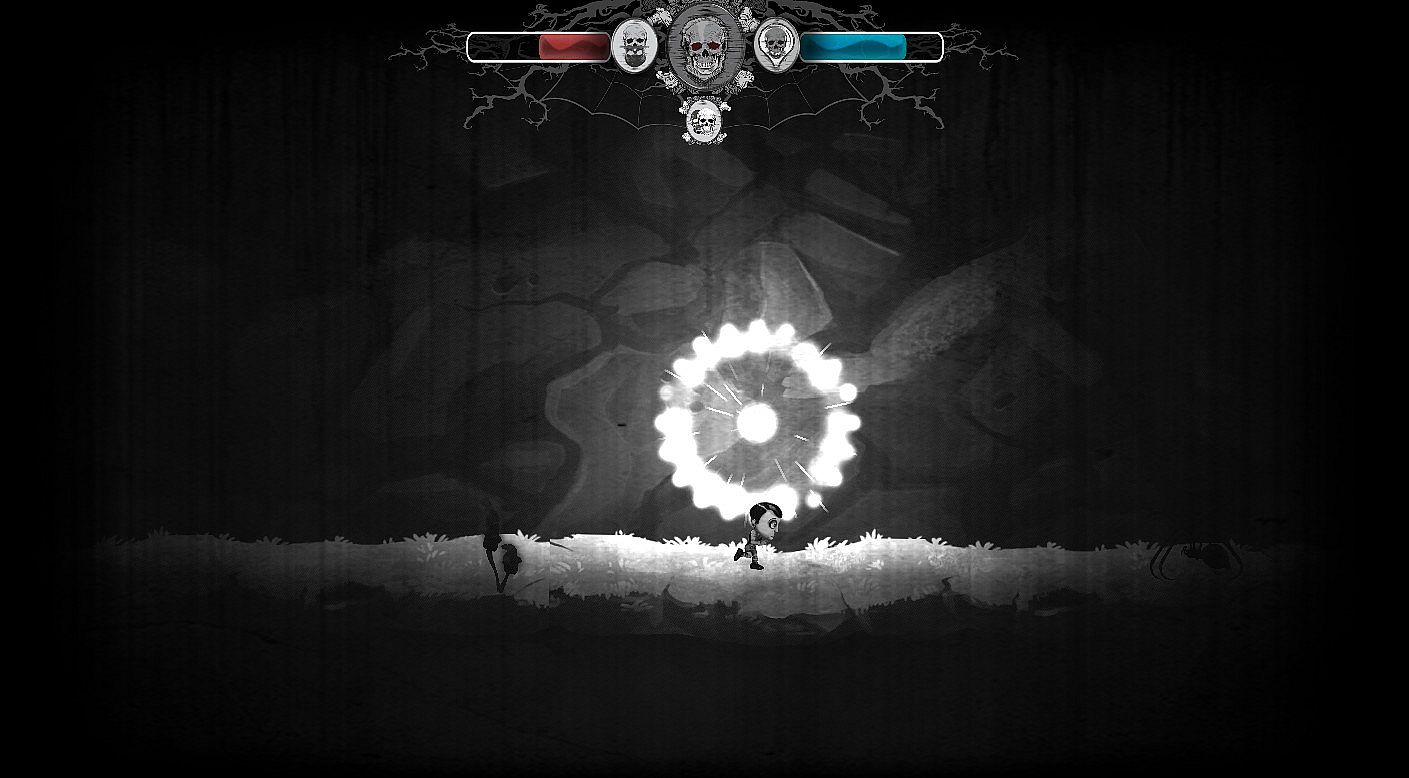
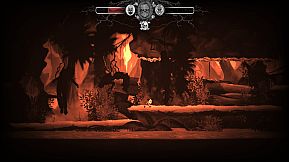
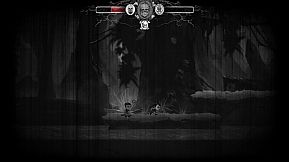
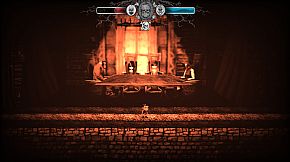
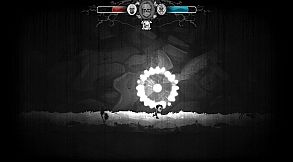
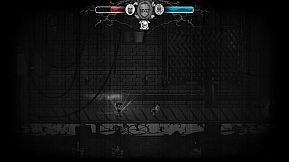
Dream Alone is a 2D platformer that combines precise jumping, puzzle solving, and a grim narrative set in a grayscale world filled with traps and unsettling environments. Players control a young hero who ventures from his afflicted village in search of a cure, navigating forests, cemeteries, and stranger realms along the way. The game emphasizes careful movement and ability use rather than combat, with instant death from mistakes driving a trial-and-error loop that rewards patience and observation.
Gameplay
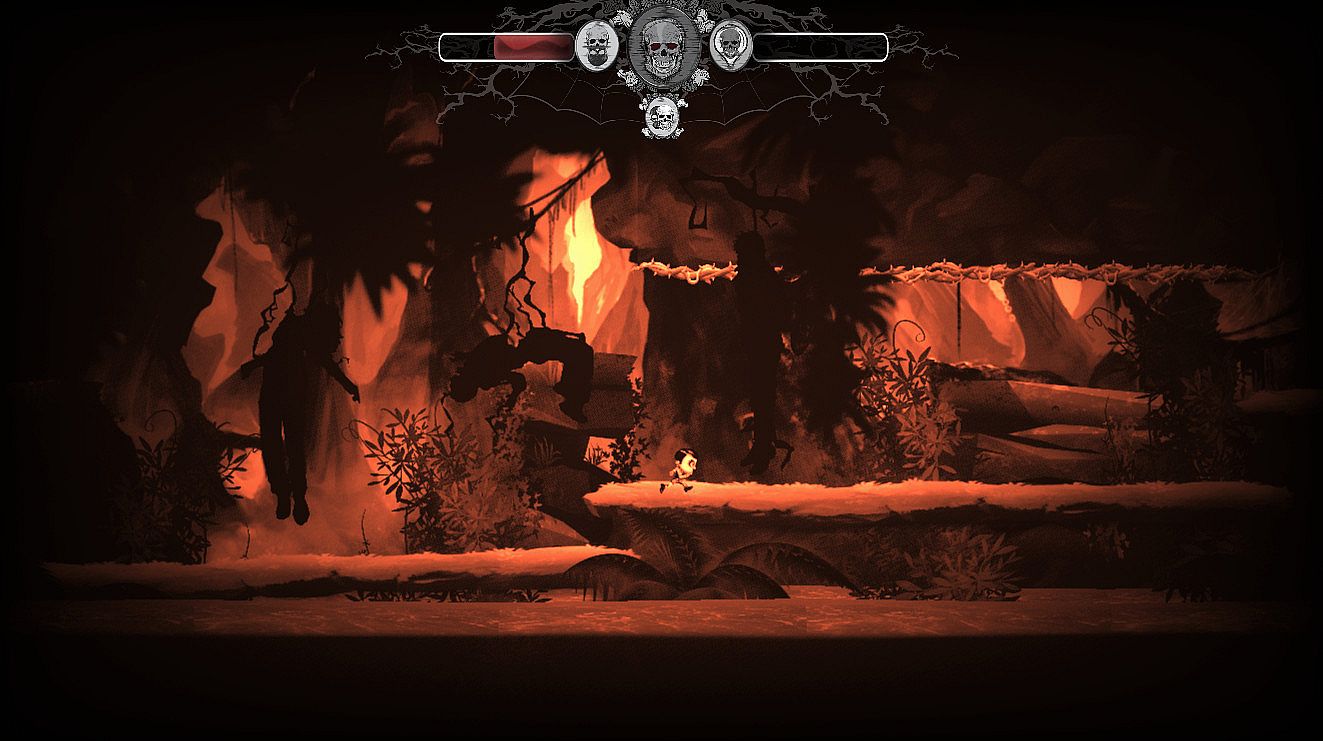
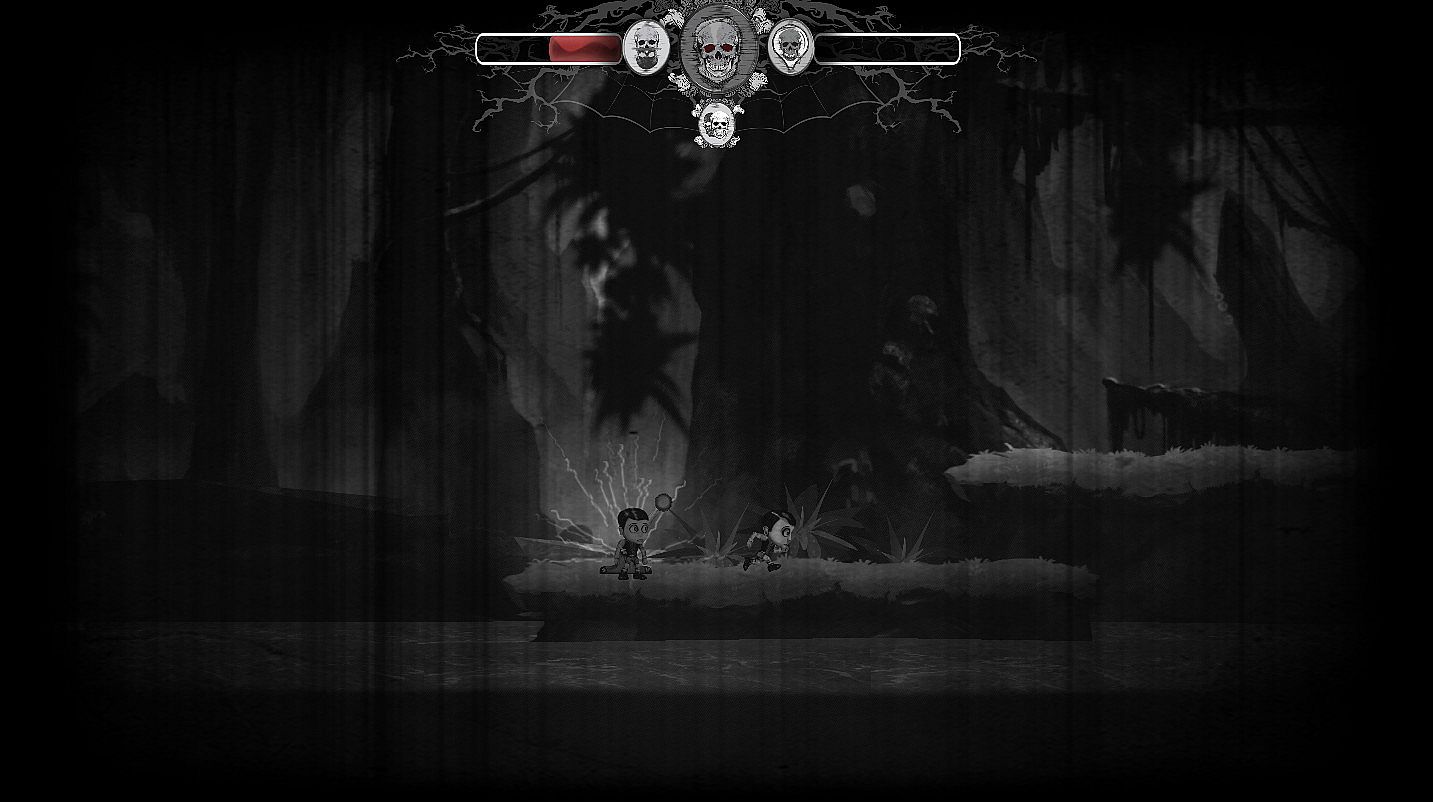
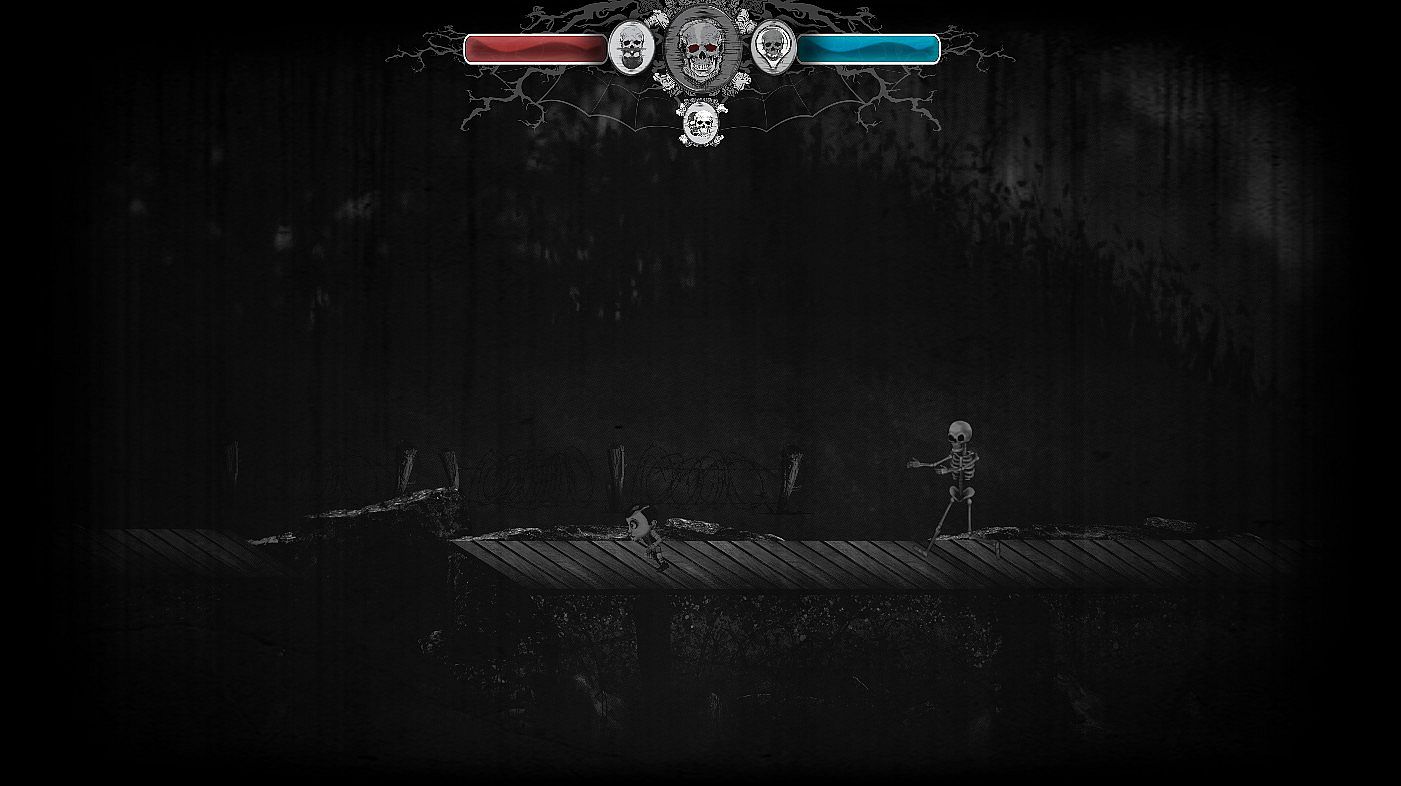
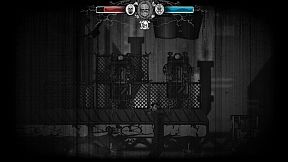
The core loop revolves around classic side-scrolling platforming where one misstep ends the attempt. Deadly traps, moving platforms, and hostile creatures force constant vigilance. As progress continues, the hero gains new abilities that expand options for crossing gaps, activating mechanisms, or bypassing obstacles. These tools integrate with the level design to create layered challenges that grow more intricate over time.
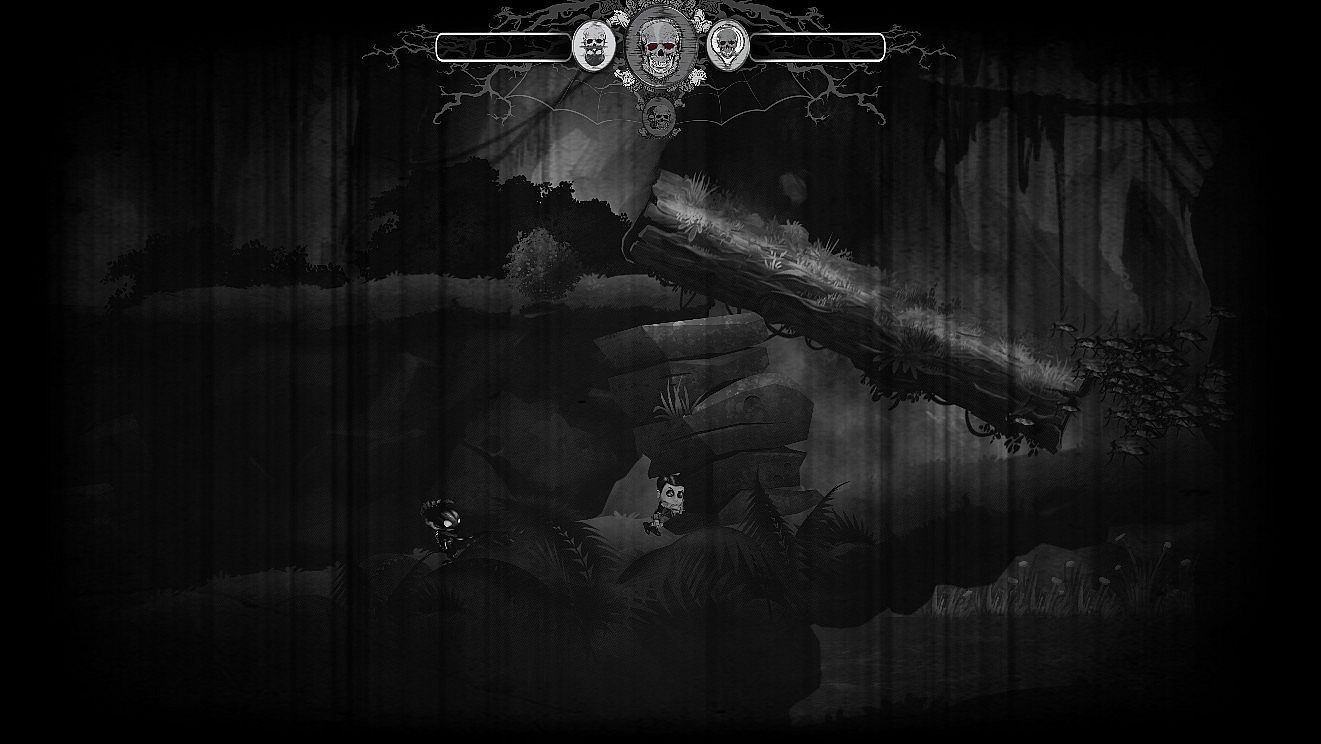
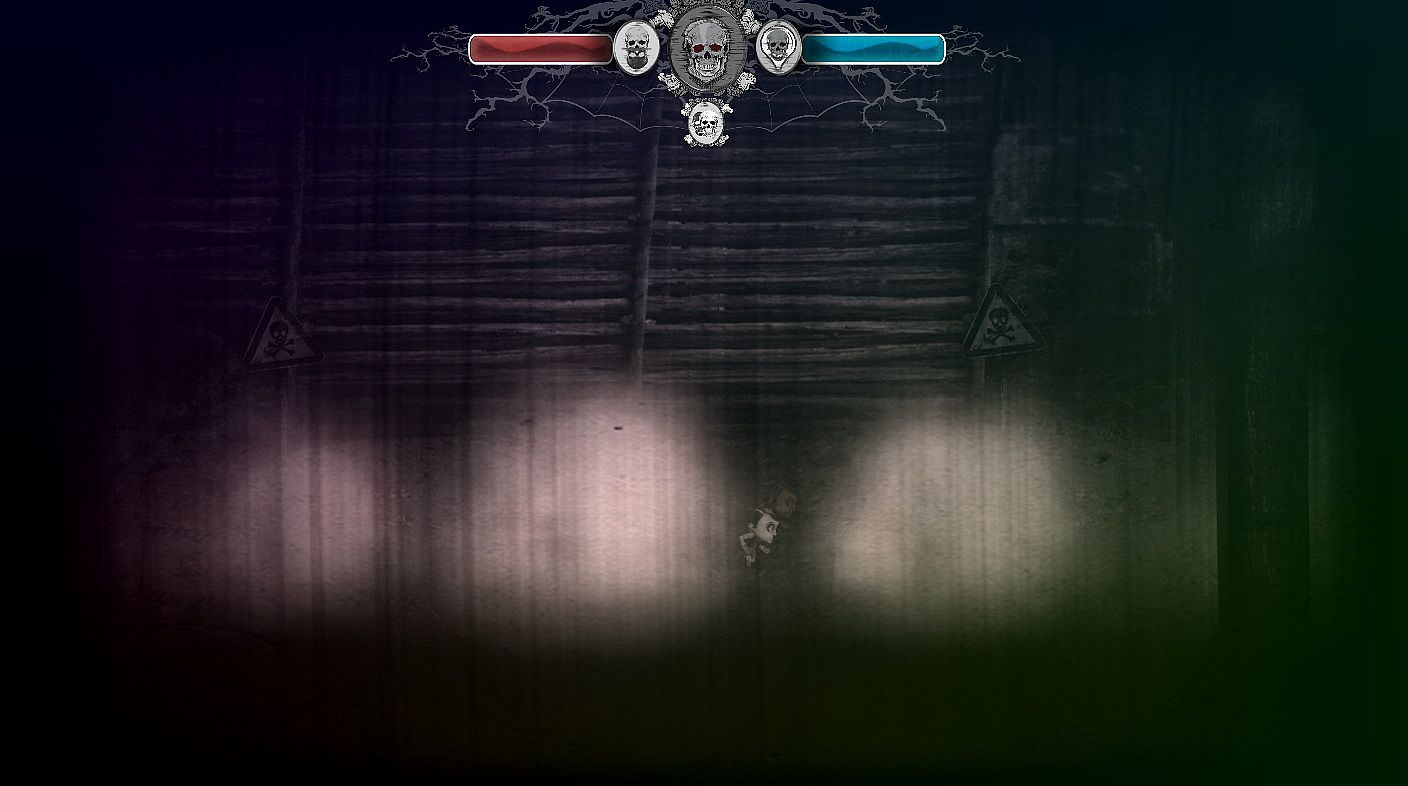
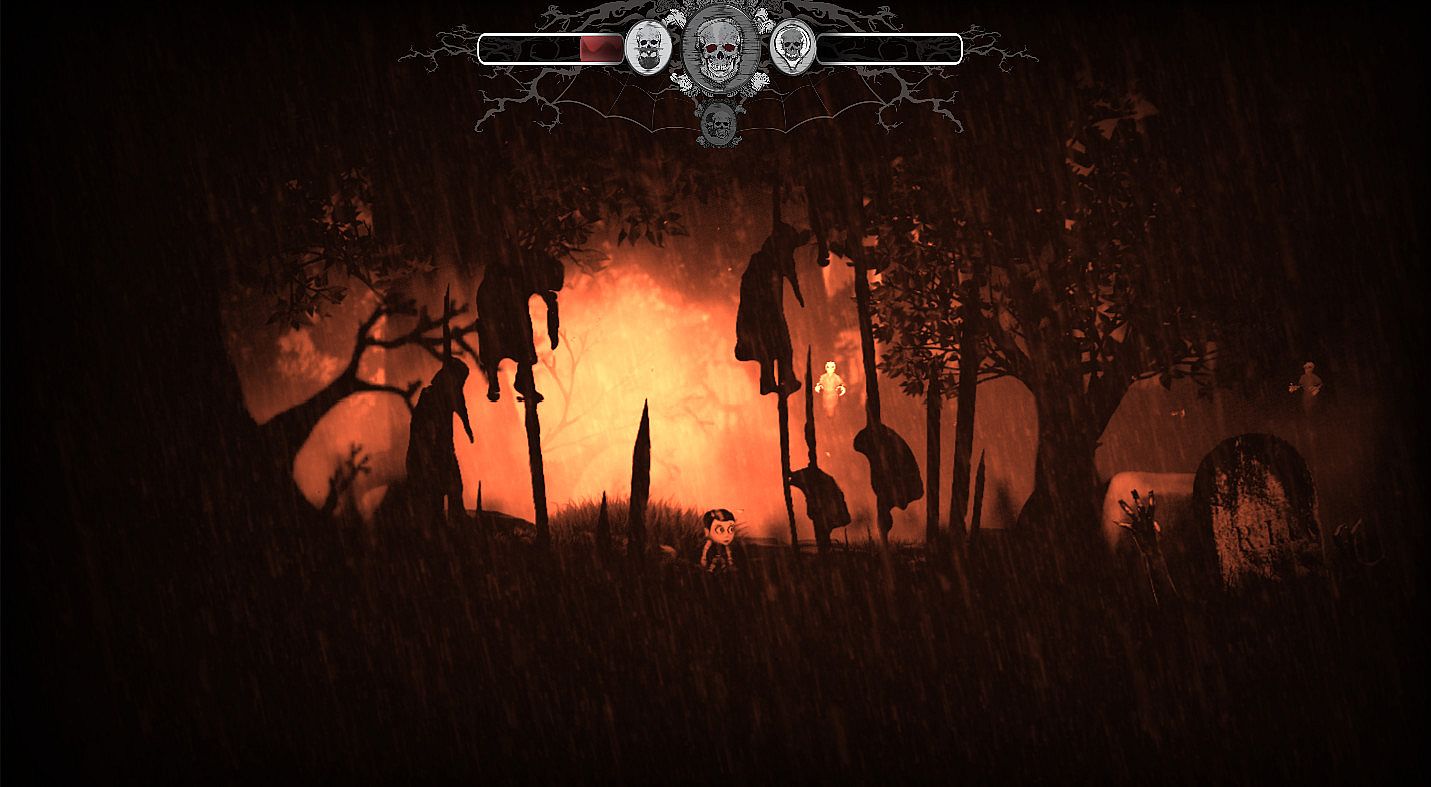
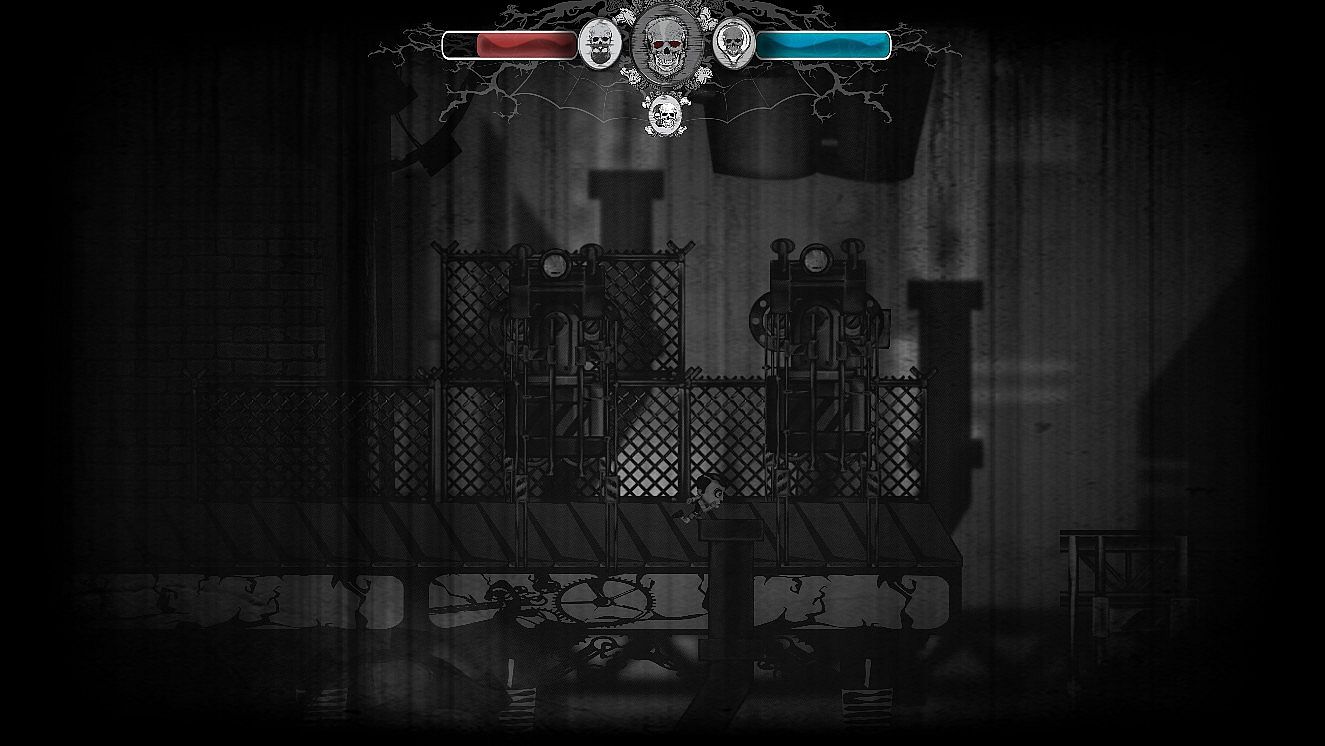
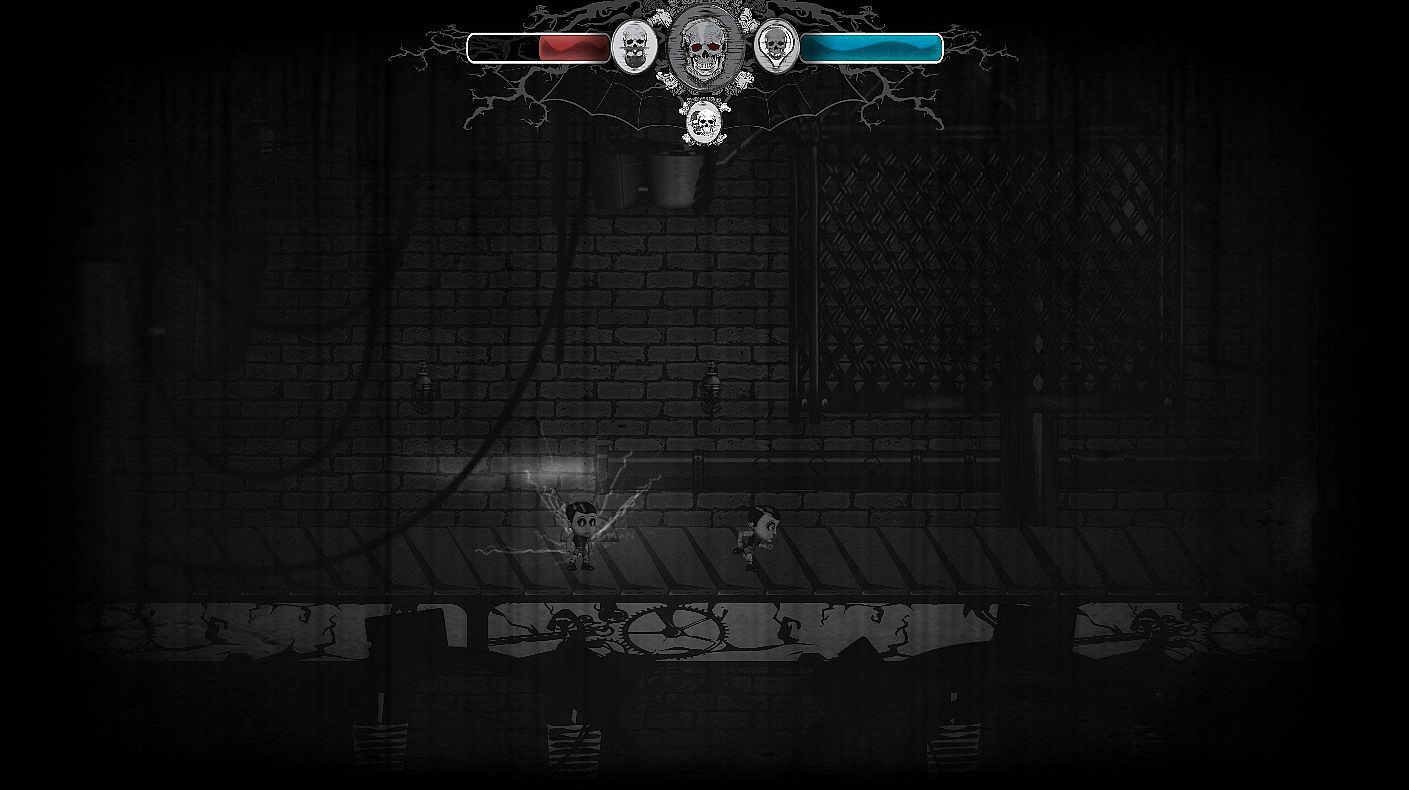
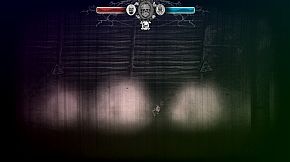
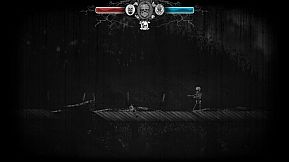
Alternative reality shifts and a time warp mechanic add distinct layers to navigation. Players enter parallel versions of areas or manipulate time briefly to reposition elements or create temporary paths. This system turns some sections into spatial puzzles where timing and reality toggling become essential. The visual style supports the tension through limited color palette, old horror camera effects, and minimal lighting that obscures threats until they are close.
Sound design stays sparse, relying on a restrained soundtrack to heighten isolation without overpowering the platforming focus. Twenty-one levels structure the experience, each building on prior mechanics while introducing fresh hazards tied to the ongoing journey.
Game Modes
Dream Alone offers a single-player campaign only. There are no competitive, cooperative, or multiplayer options of any kind. The entire experience unfolds as one continuous story-driven sequence across the fixed set of levels, with no branching paths, endless modes, or additional variants confirmed in available information.
Progression remains linear, centered on completing each stage in sequence while collecting abilities that carry forward. Steam achievements provide optional goals for completionists, but these do not alter the fundamental single-player structure.
Story and Atmosphere
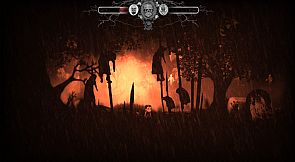
A mysterious illness plunges a village into coma, prompting the protagonist to seek out Lady Death, a mythical figure who might reverse the affliction. The path leads through hostile woods, restless graveyards, and increasingly distorted locations that mirror the hero's growing desperation. The narrative stays enigmatic, delivered through environmental details and sparse text rather than lengthy dialogue or cutscenes.
Grayscale artwork and deliberate camera distortions evoke classic horror aesthetics, reinforcing the sense of dread without relying on jump scares. The tone aligns with dark fairy tale traditions, where ordinary settings turn threatening and every success feels hard-won.
Is It Worth Playing?
Reception sits in mixed territory, with Steam user reviews showing 53 percent positive from a modest sample. Some players highlight the atmospheric presentation, responsive controls, and satisfying ability progression, while others note frustration with the high difficulty and occasional platforming precision demands. The game launched in 2018 with no subsequent major updates or seasonal content reported since release.
It suits players who seek demanding single-player platformers that blend puzzle elements with a somber tone and short, focused campaigns. Those who prefer forgiving checkpoints, multiplayer features, or ongoing post-launch support may find the experience less appealing. Completion requires steady composure through repeated failures, making it a fit for dedicated fans of the genre rather than casual sessions.