




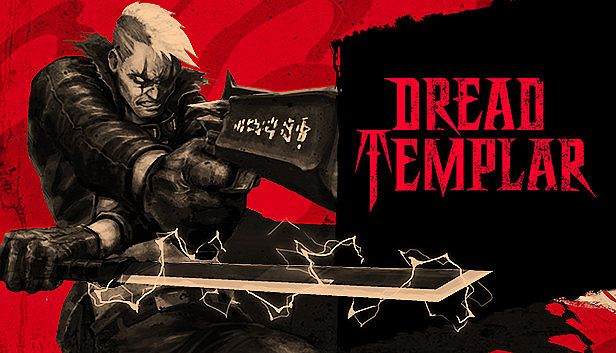





















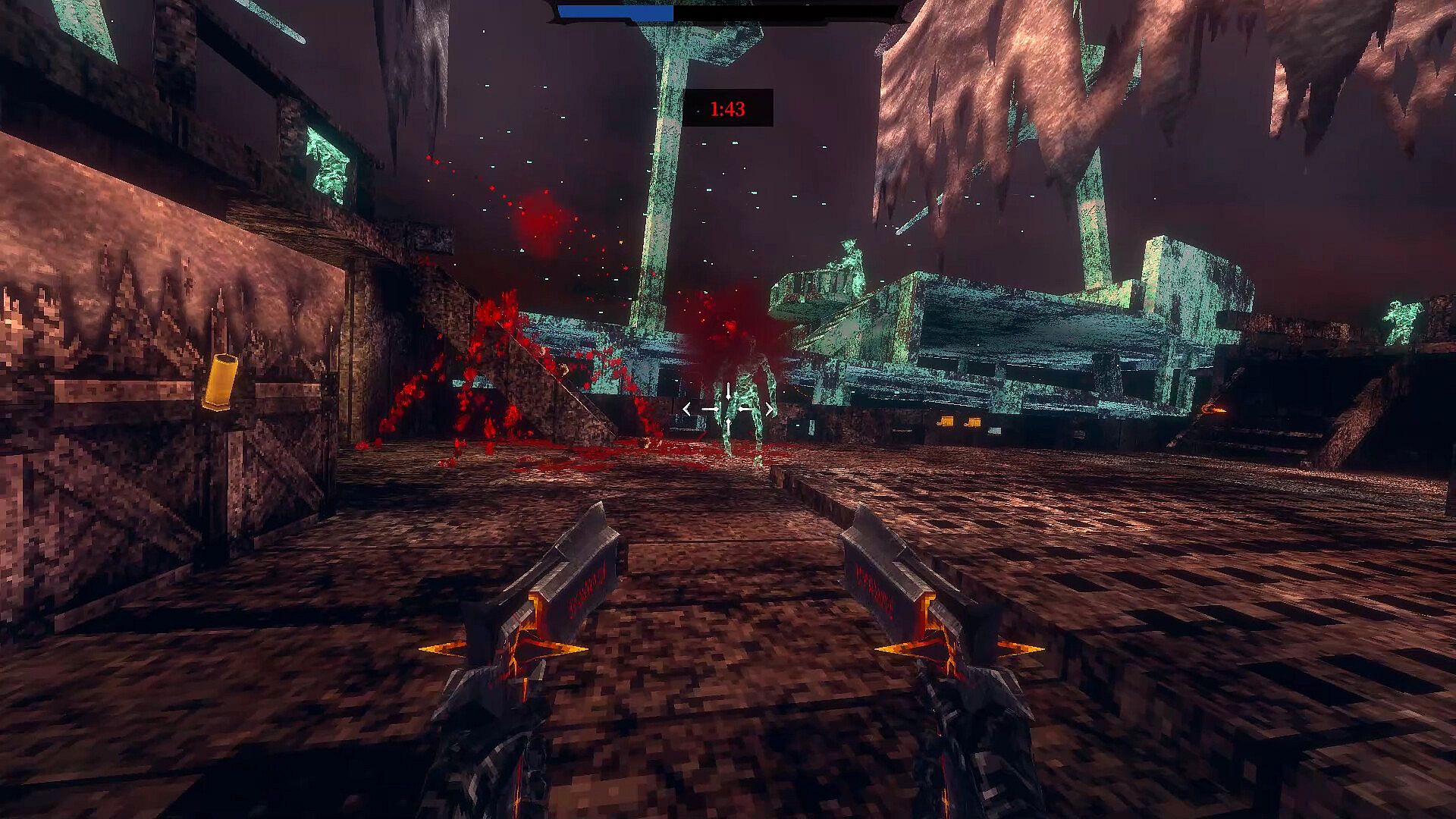
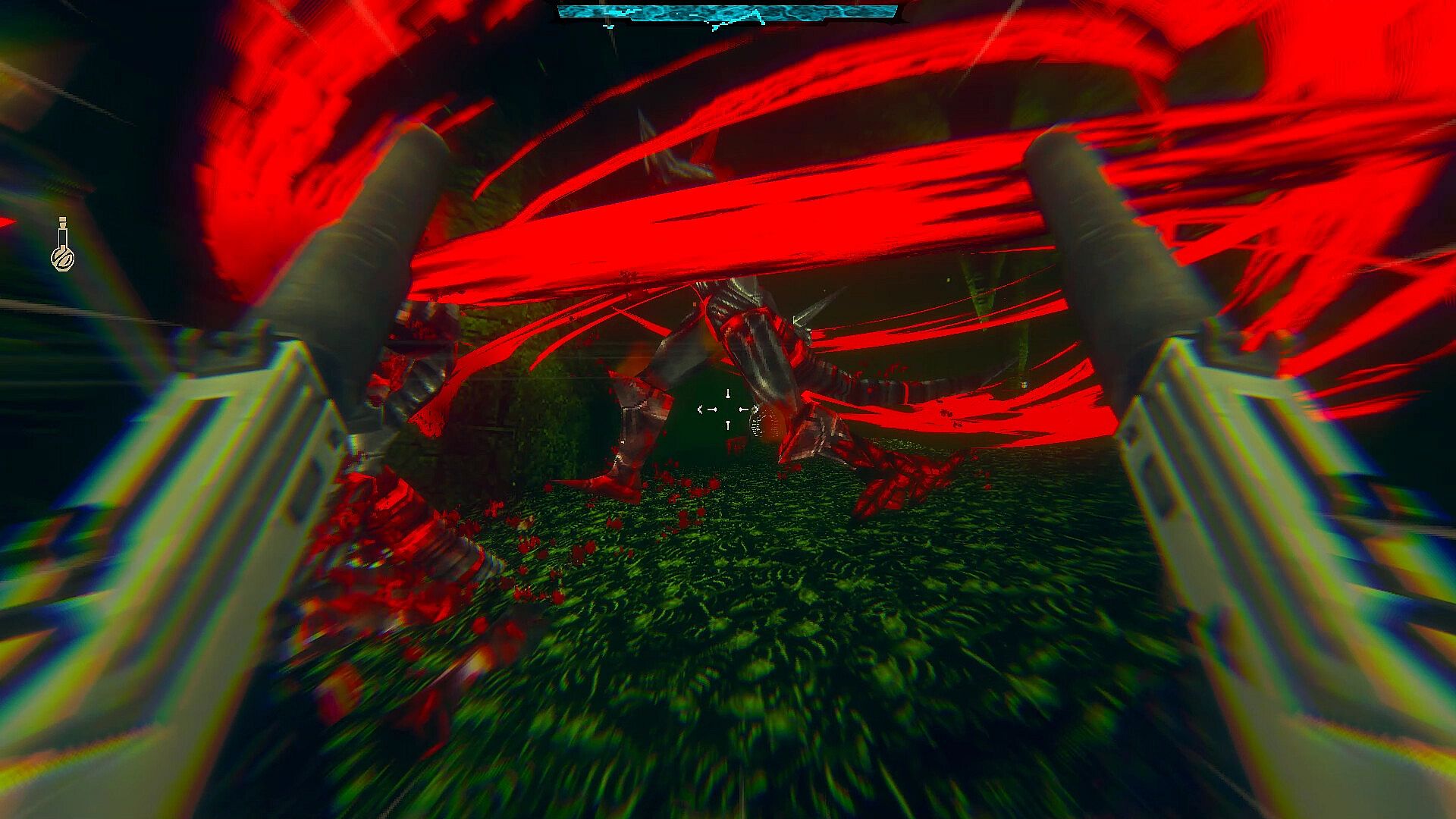
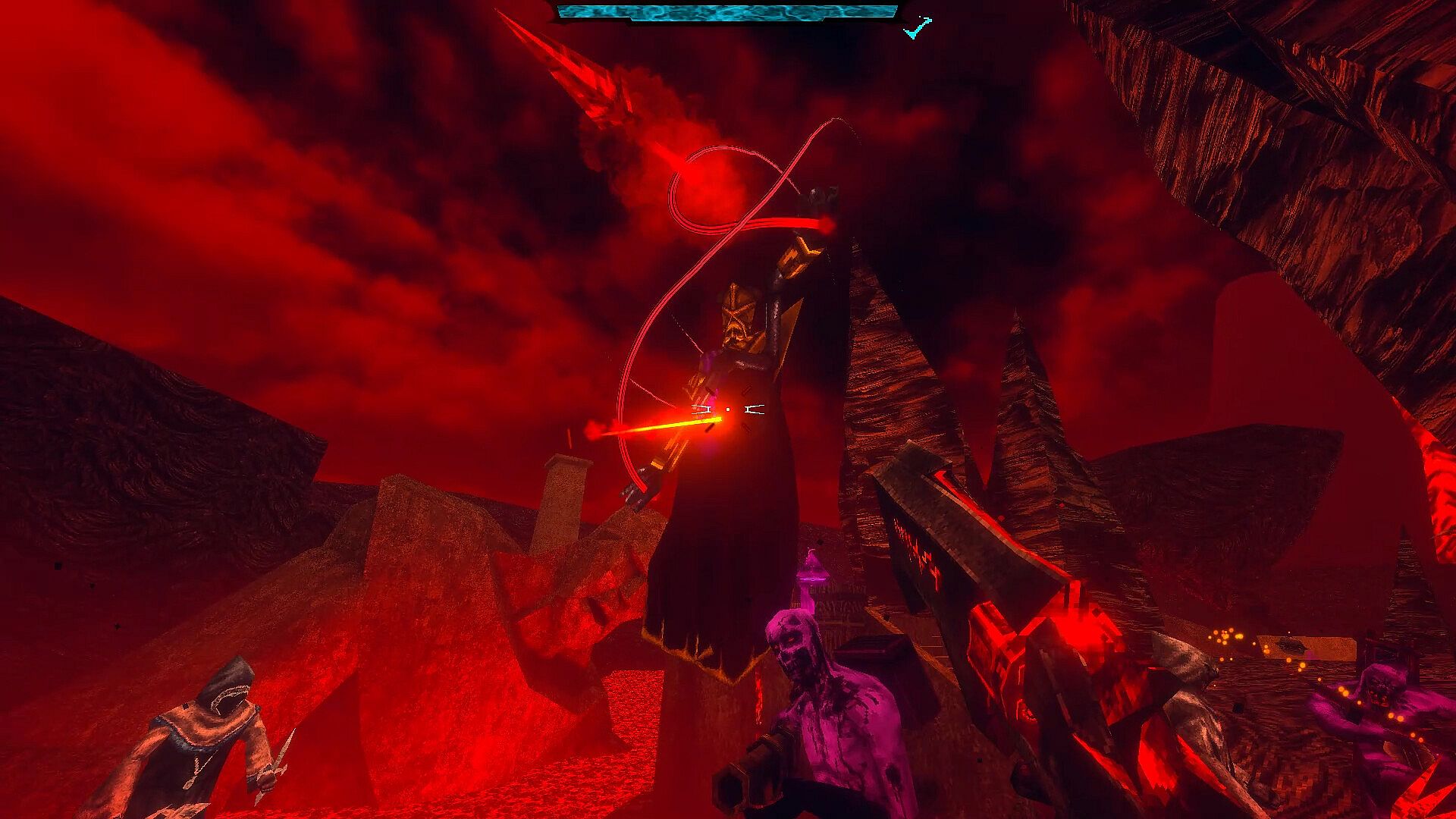
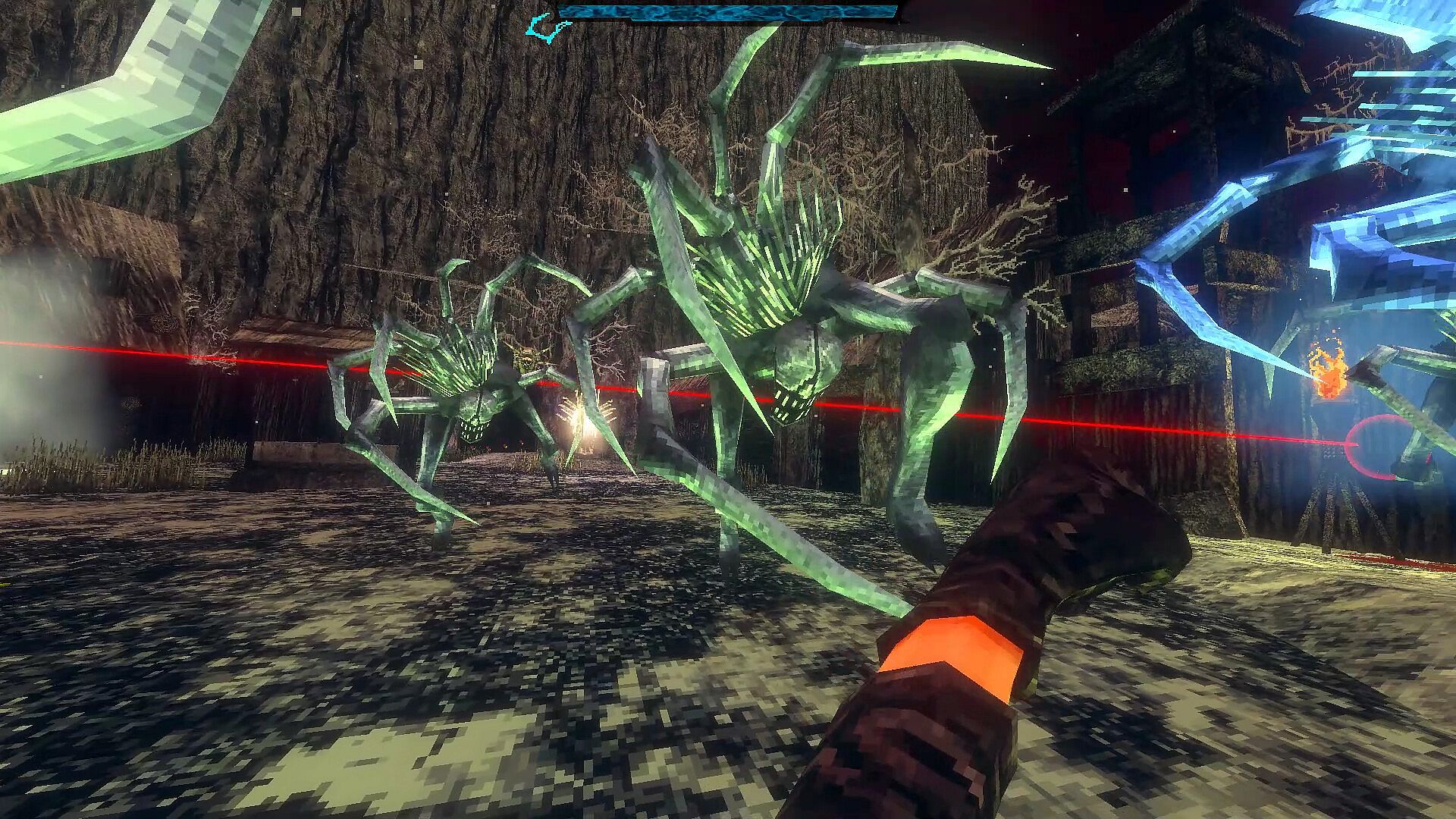
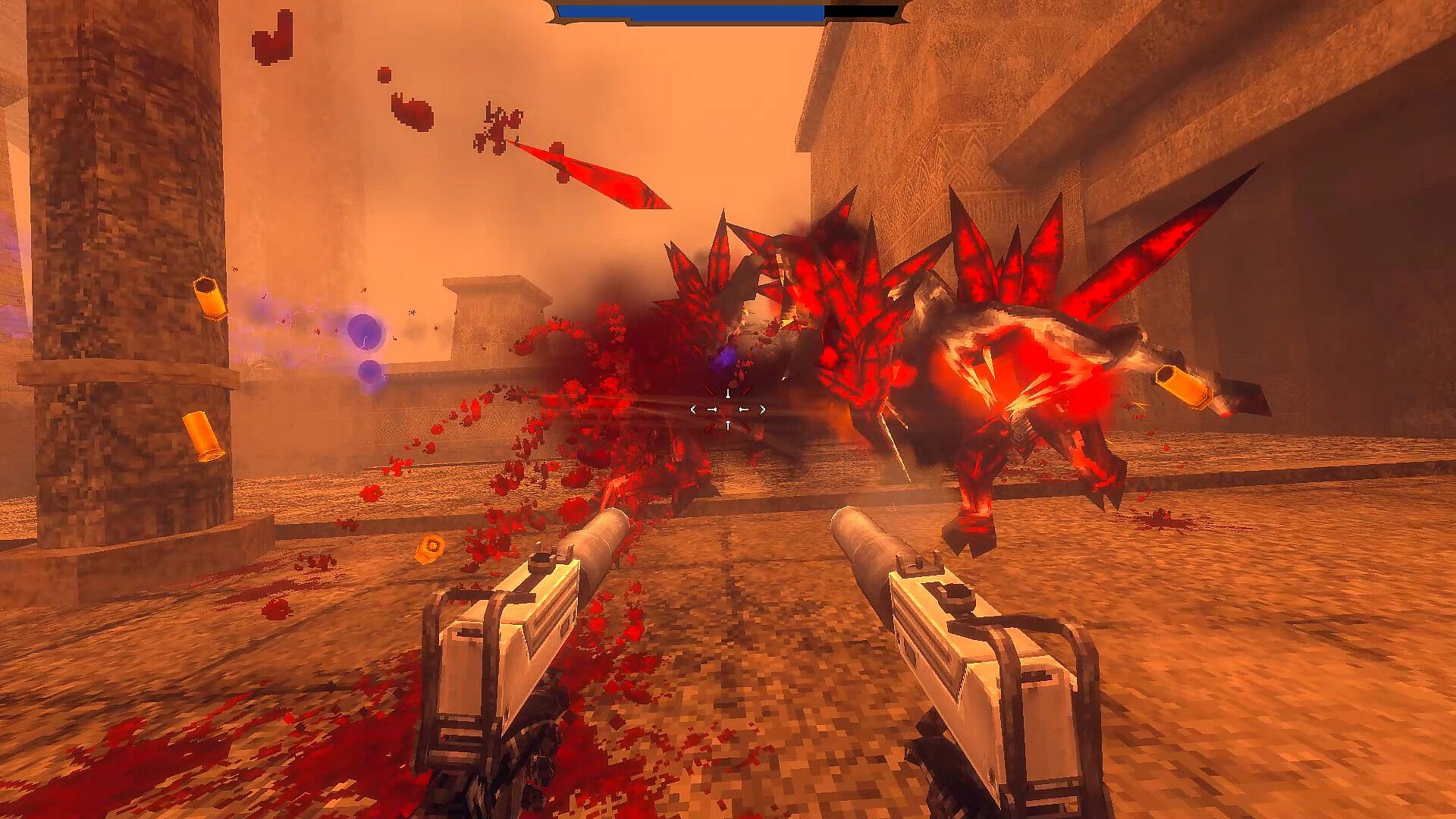
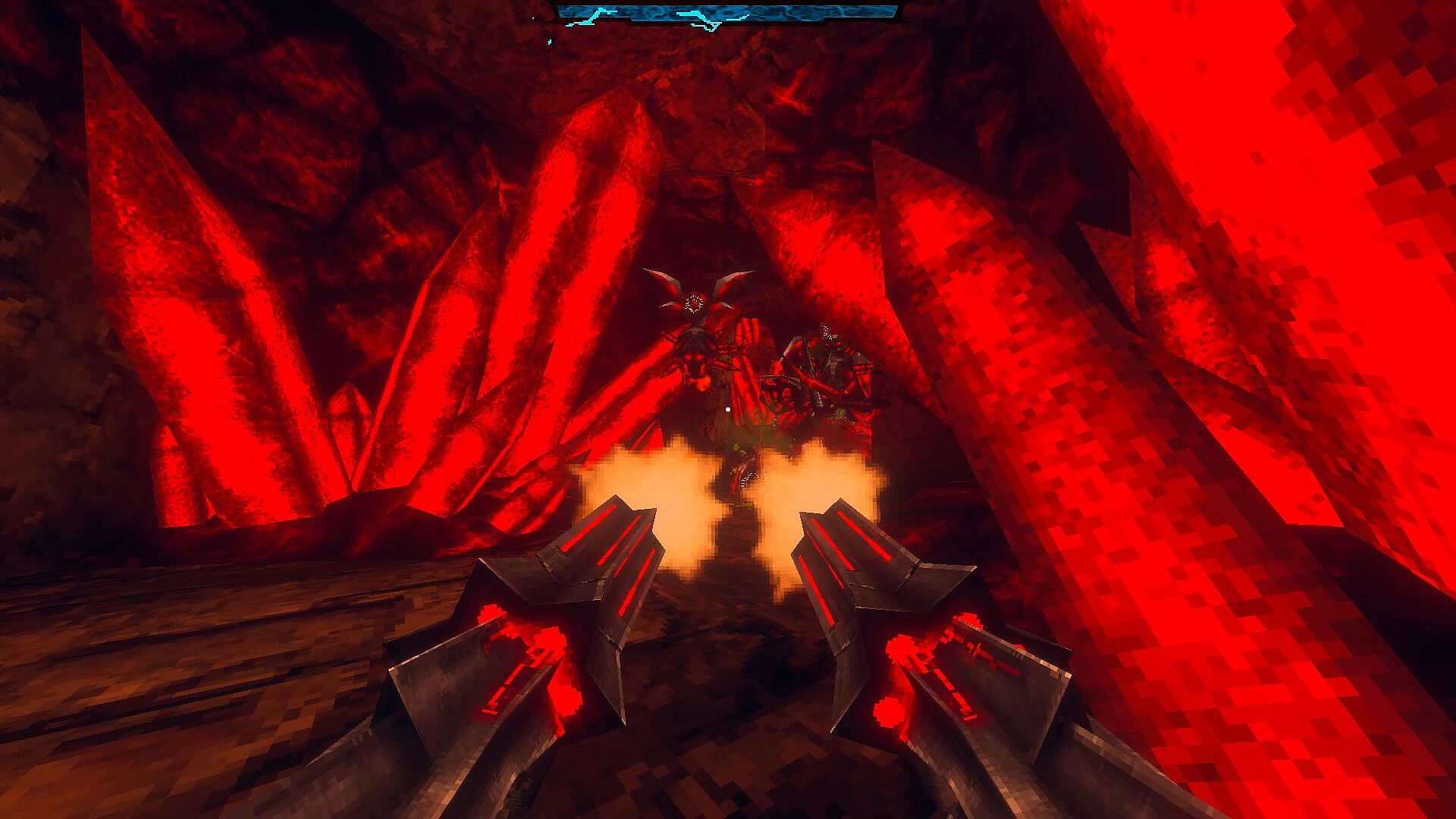
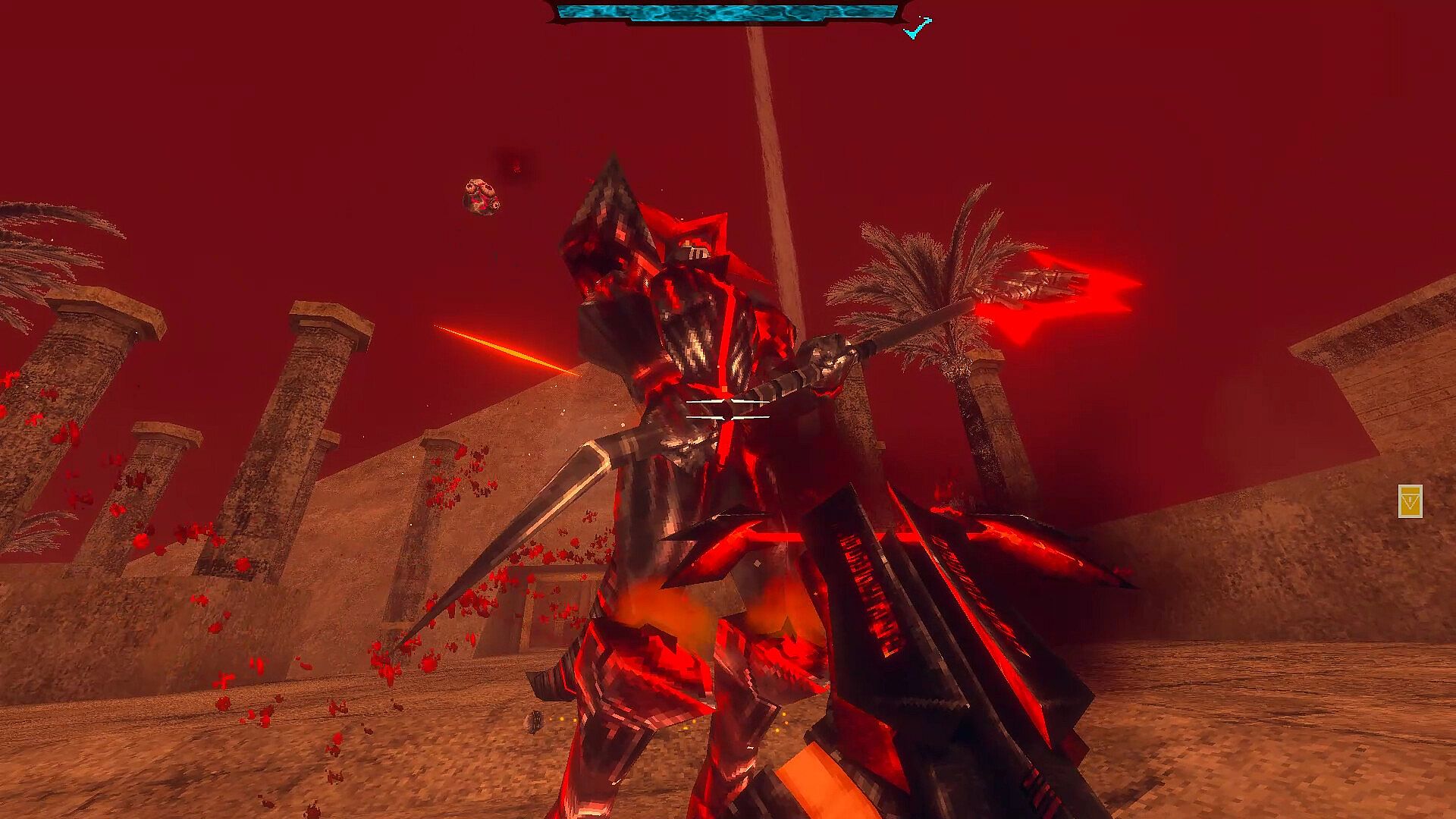
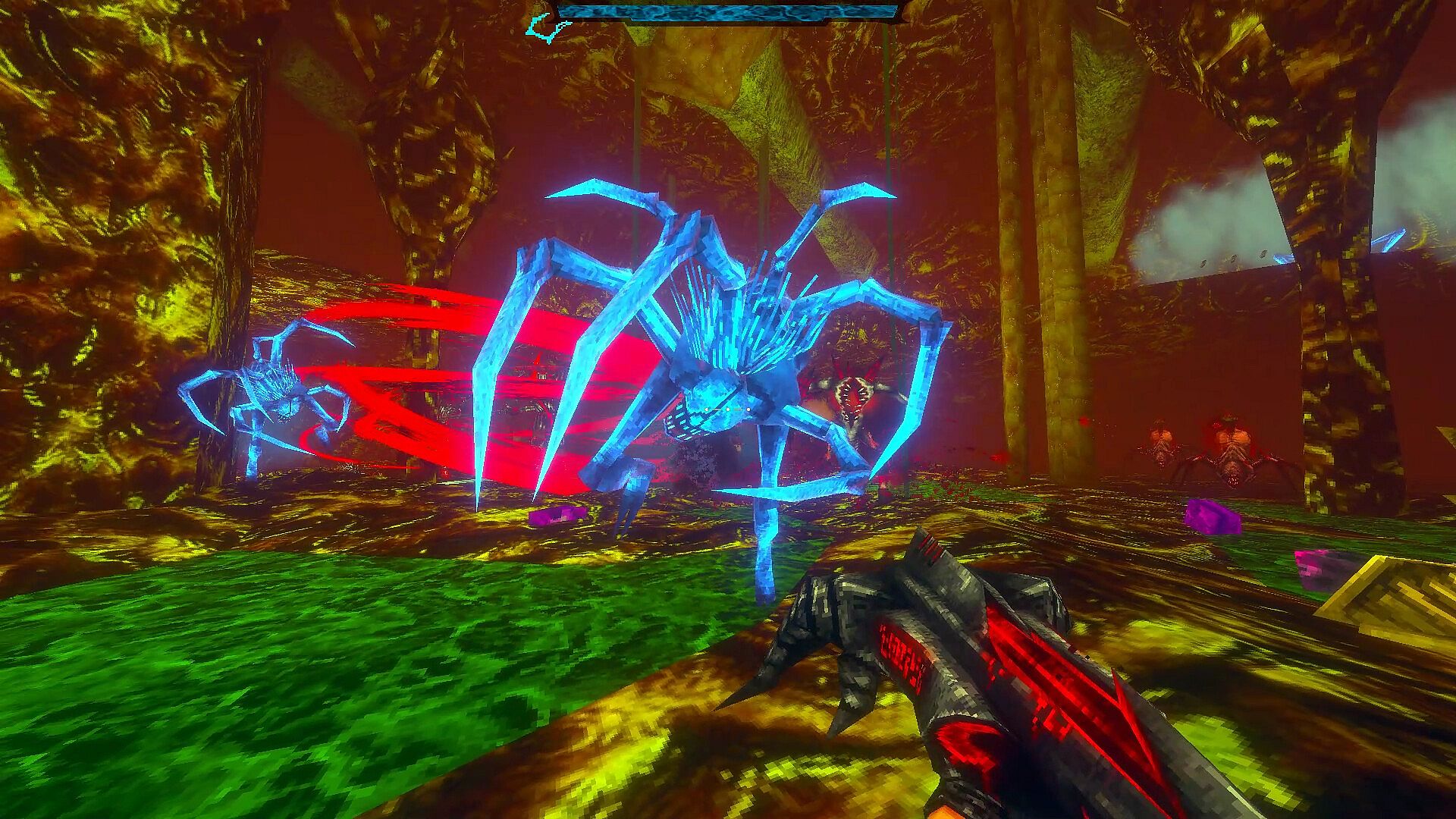
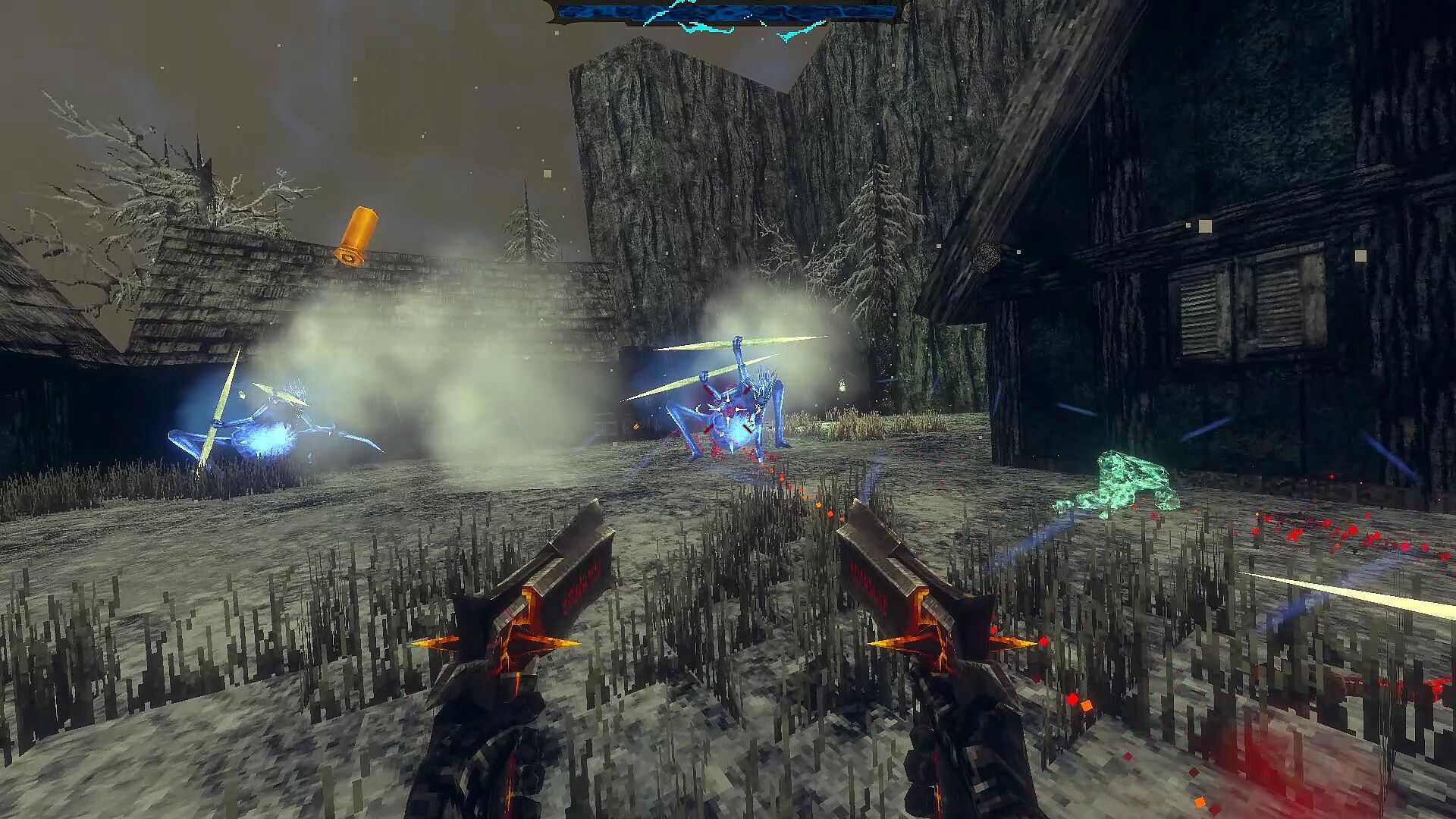
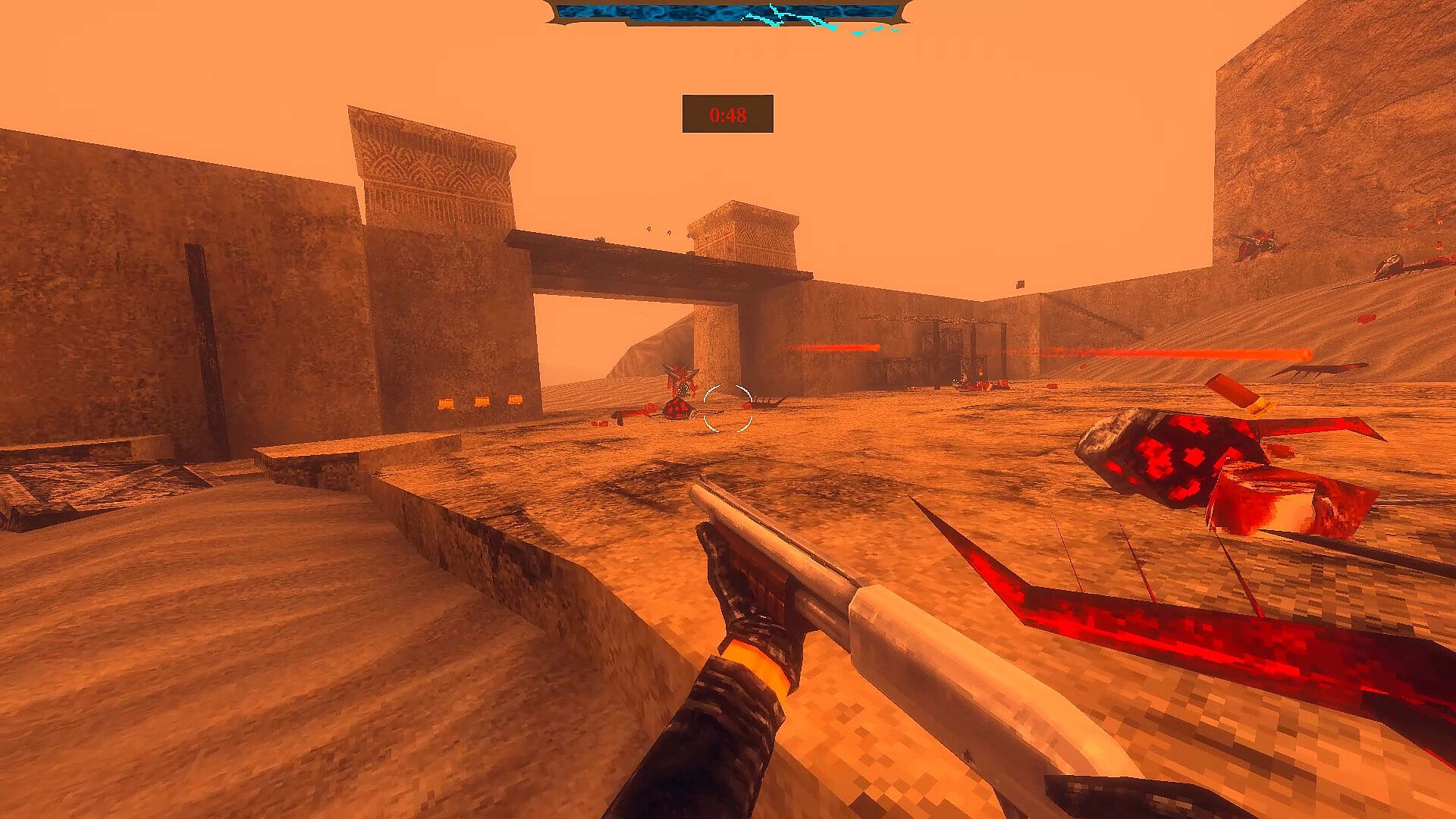
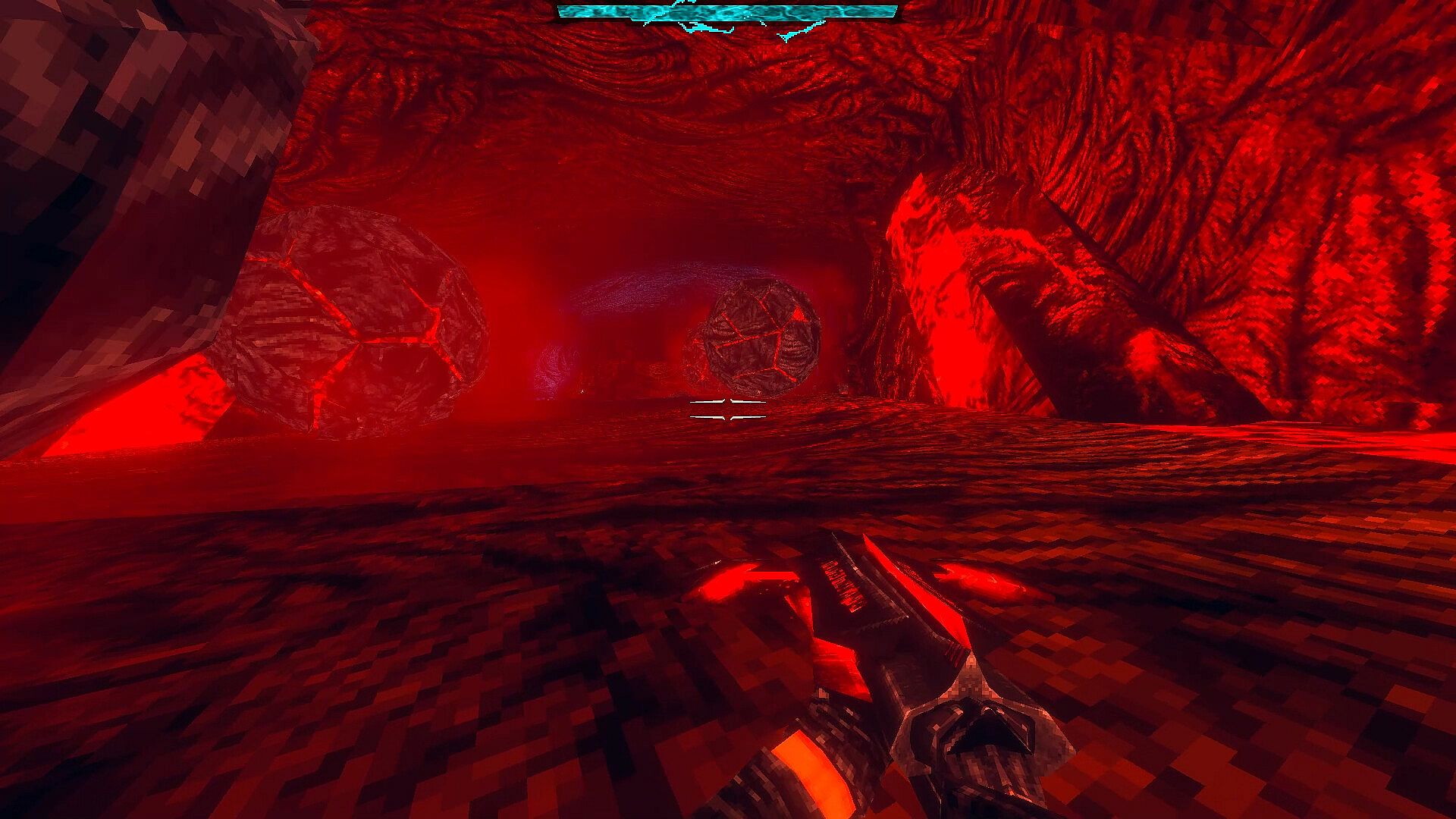
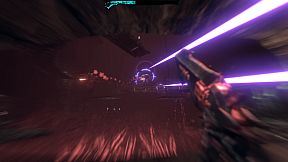
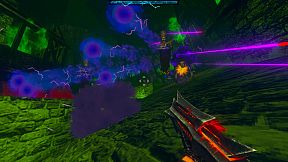
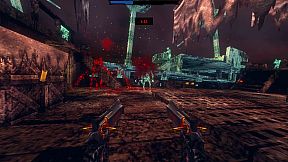
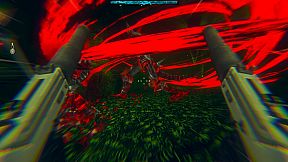
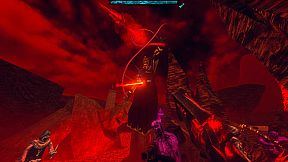
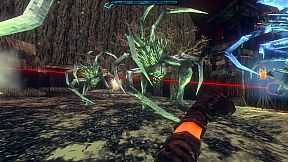
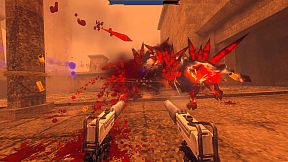
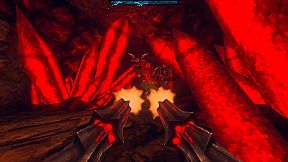
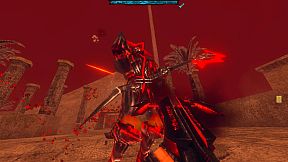
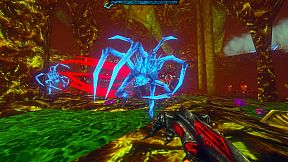
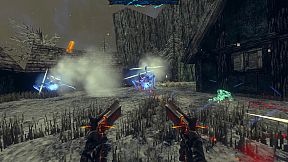
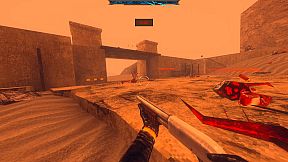
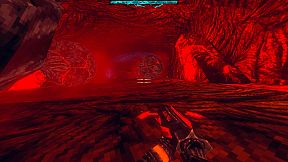
Dread Templar is a singleplayer first-person shooter that blends the relentless pace of 1990s classics with modern movement options and upgrade systems. Developed by a solo creator over several years, the game places players in the role of a vengeful warrior fighting through demonic forces across varied hellish and otherworldly settings. It emphasizes fast combat, exploration, and customization within a retro pixel-art presentation.
Gameplay
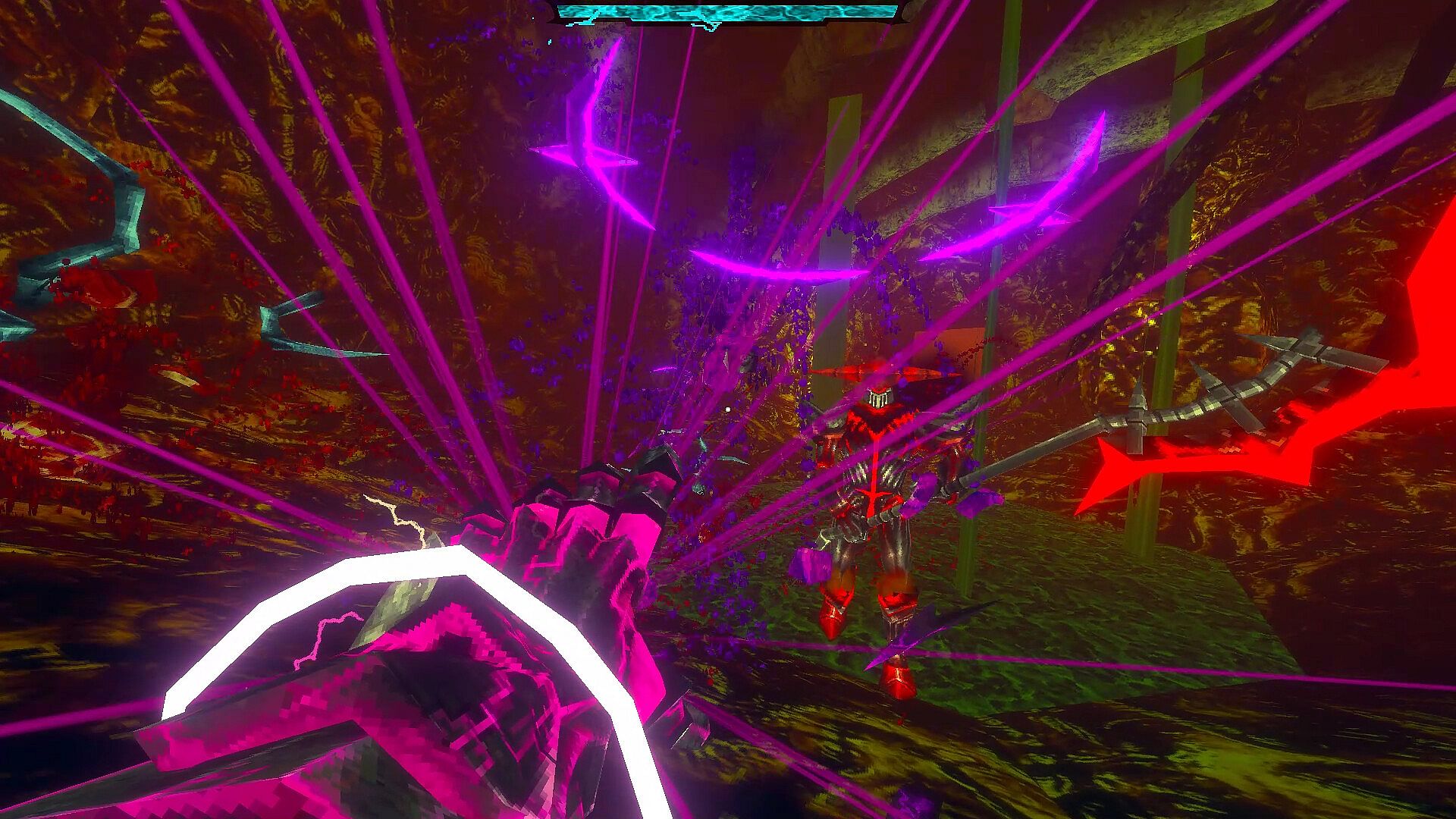
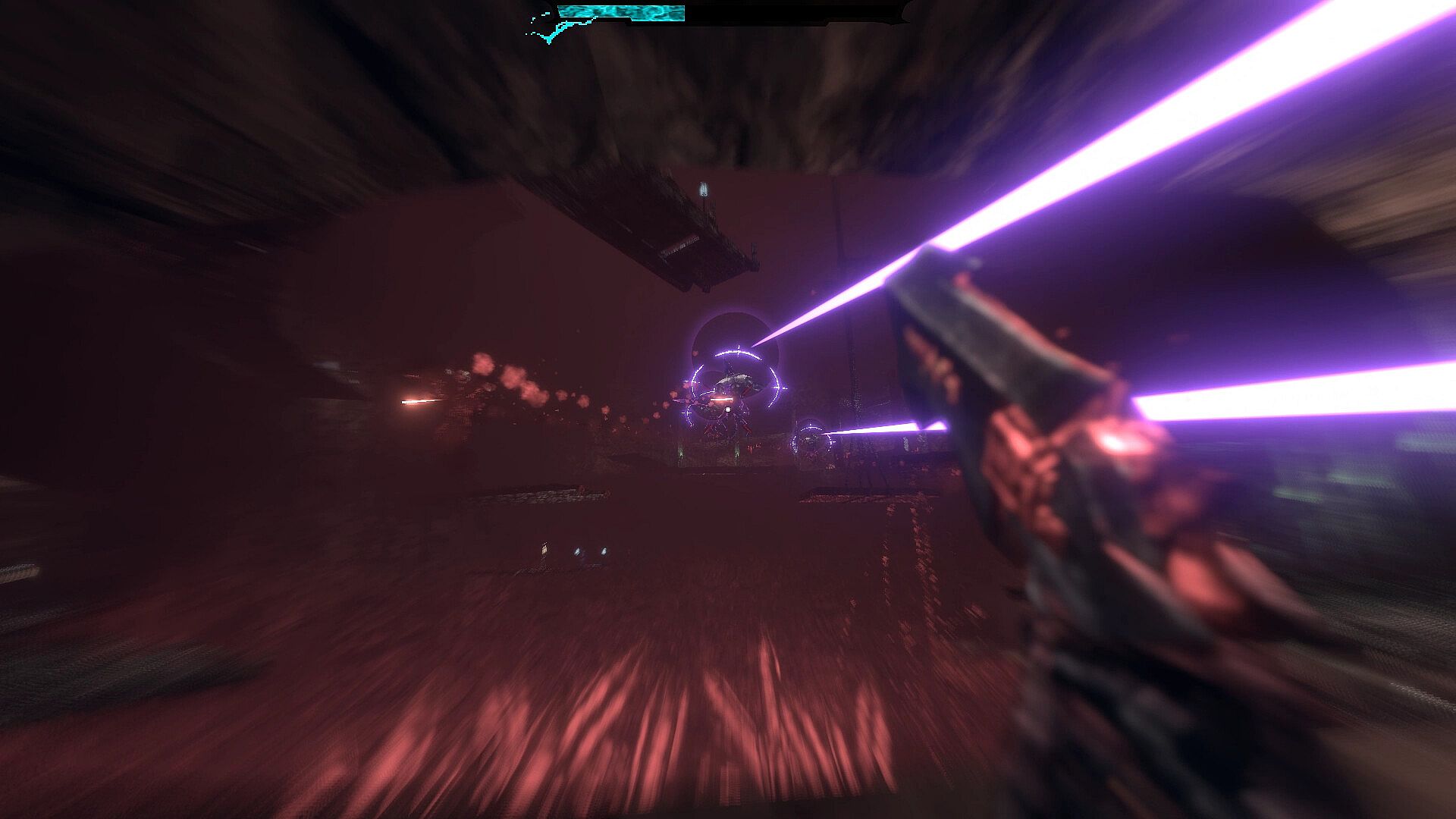
The core loop centers on movement and combat in tight, arena-style encounters. Players dash to close gaps or evade attacks while using bullet time to line up precise shots against groups of enemies. Weapons range from melee blades to conventional firearms and demonic armaments, each benefiting from layered upgrades that alter damage, fire rate, or special effects. Over one hundred skill and upgrade combinations allow different approaches, from aggressive close-range builds to more methodical ranged styles. The action stays grounded in direct confrontation rather than resource management or stealth elements.
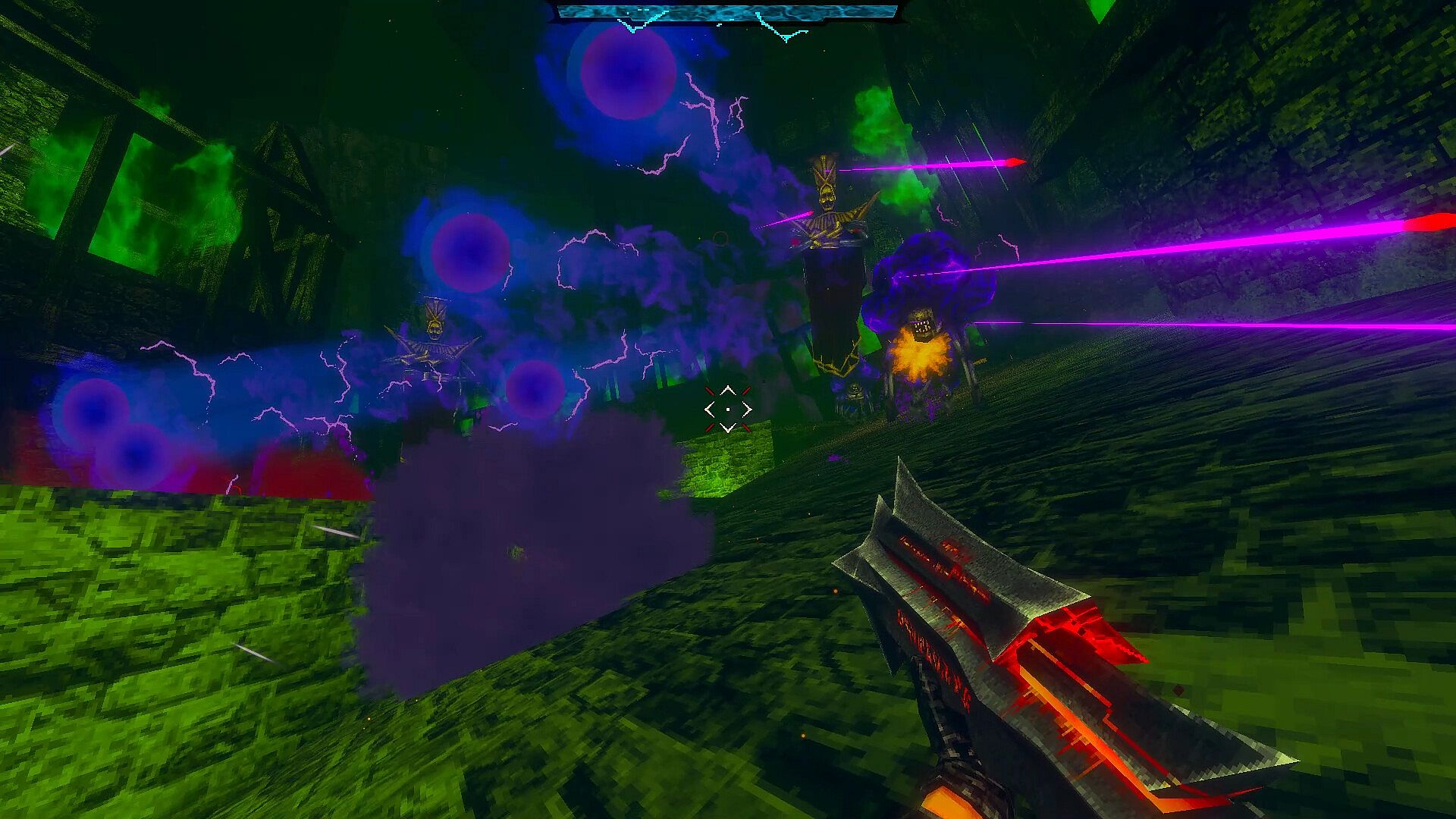
Enemies include more than twenty distinct types that demand varied tactics, such as fast flankers or durable heavy hitters. Boss encounters, numbering nine in total, introduce larger set-piece fights that test mastery of movement and weapon switching. Progression flows through linear campaign stages punctuated by optional detours, where players hunt secrets and solve puzzles to unlock further upgrades and alternate paths.
Game Modes
Dread Templar operates entirely as a singleplayer experience focused on its campaign. There are no separate multiplayer or cooperative modes. The campaign itself functions as the primary mode, structured around sequential levels that encourage thorough exploration alongside combat. Players advance by clearing objectives, locating hidden areas, and completing puzzles, with replay value coming from different upgrade paths and secret hunting rather than alternate game types.
Levels and Environments
More than twenty-five expansive stages span distinct biomes, including infernal realms and frozen maritime locations. Each area features detailed pixel-art construction with multiple layers of verticality and interconnected rooms. Side paths, totaling nineteen across the game, lead to additional rewards, while over one hundred seventy secrets and twenty-plus puzzles reward careful searching. The visual style stays consistent with retro aesthetics, supported by an original soundtrack that matches the intense pace of the action.
Is It Worth Playing?
The game suits players who enjoy classic-style shooters updated with fluid controls and deep customization. Its singleplayer campaign delivers consistent challenge through enemy variety and boss design, supported by frequent updates that have added content and refinements since early access. Those seeking pure singleplayer FPS action with exploration incentives will find a focused package here, particularly if they appreciate pixel-art presentation and upgrade experimentation over narrative depth or multiplayer features. The title remains available on PC with ongoing patches maintaining its core systems.














