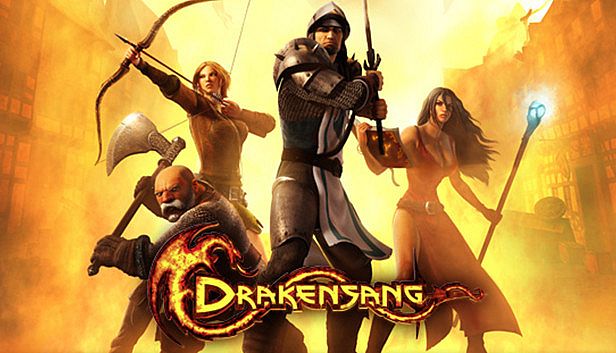










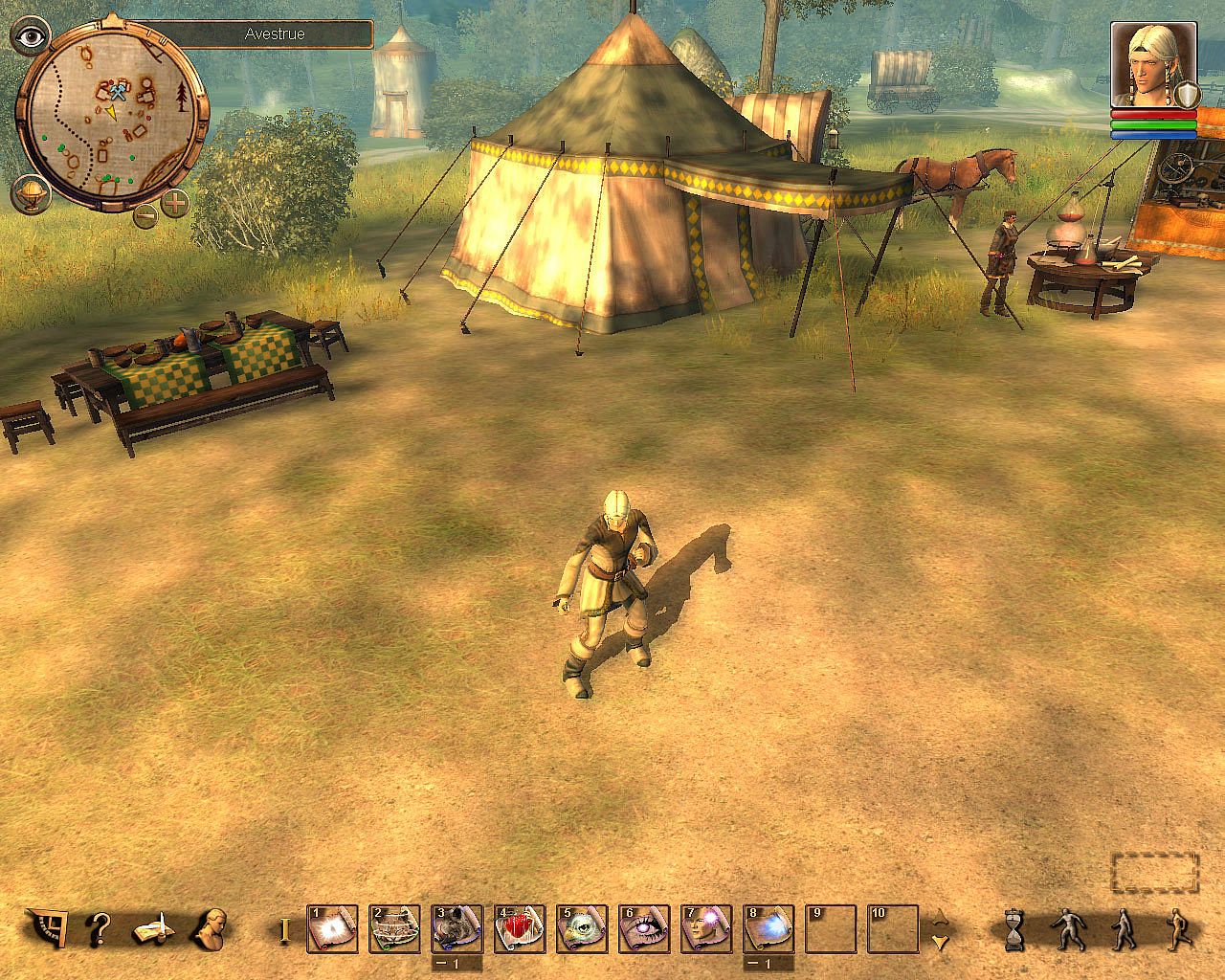
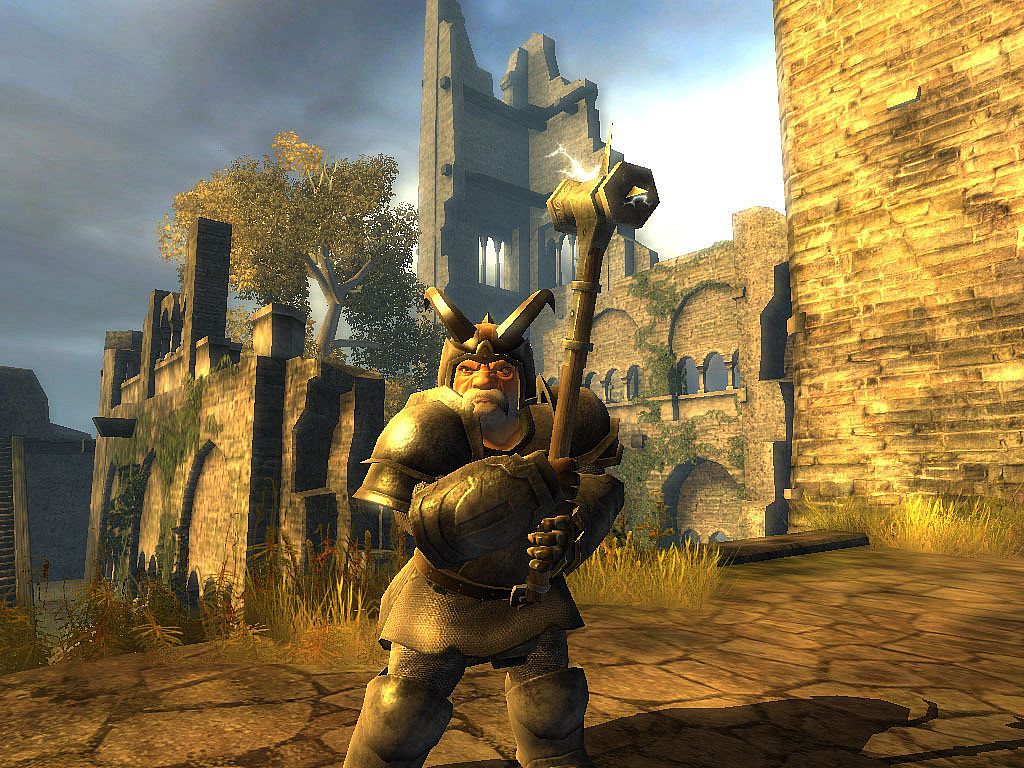
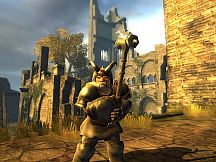
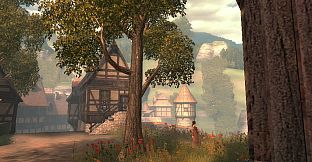
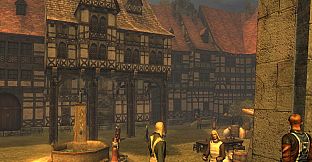
Drakensang is a third-person party-based RPG for PC that adapts the rules of Germany's long-running The Dark Eye tabletop system into a single-player experience. Released in 2008, the game follows the fourth edition of those rules with adjustments made for computer play while preserving the core depth of character progression and resolution mechanics.
Gameplay
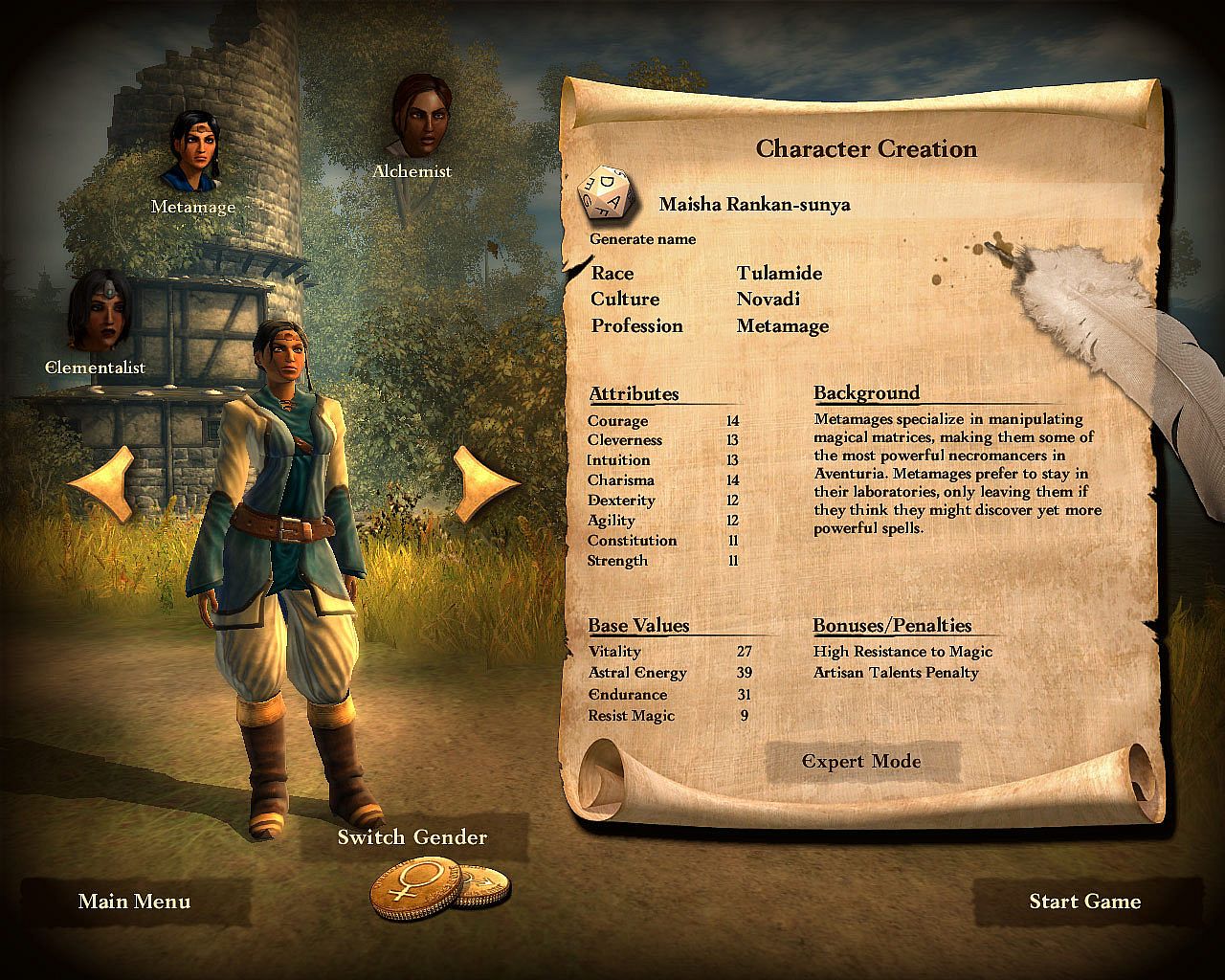
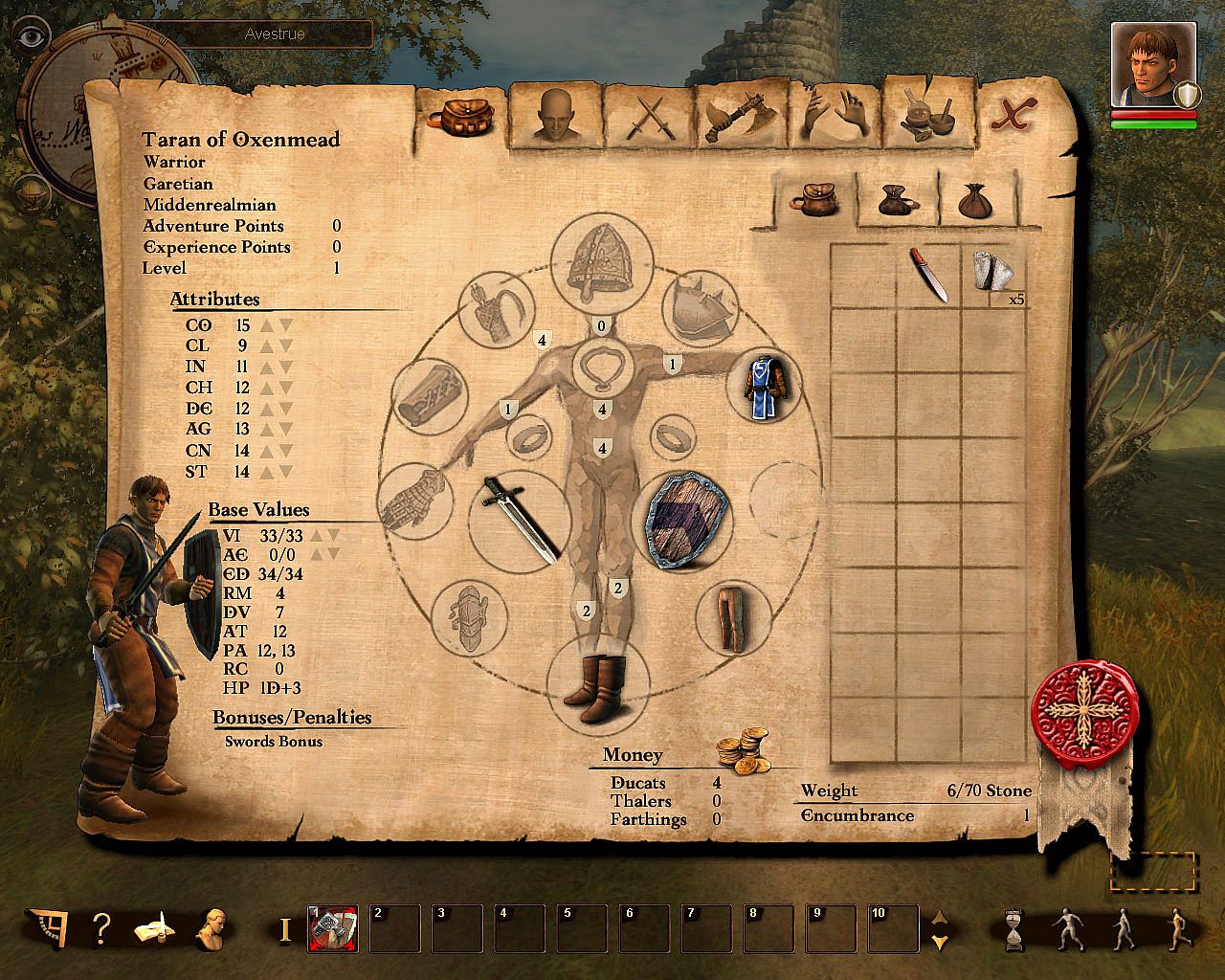
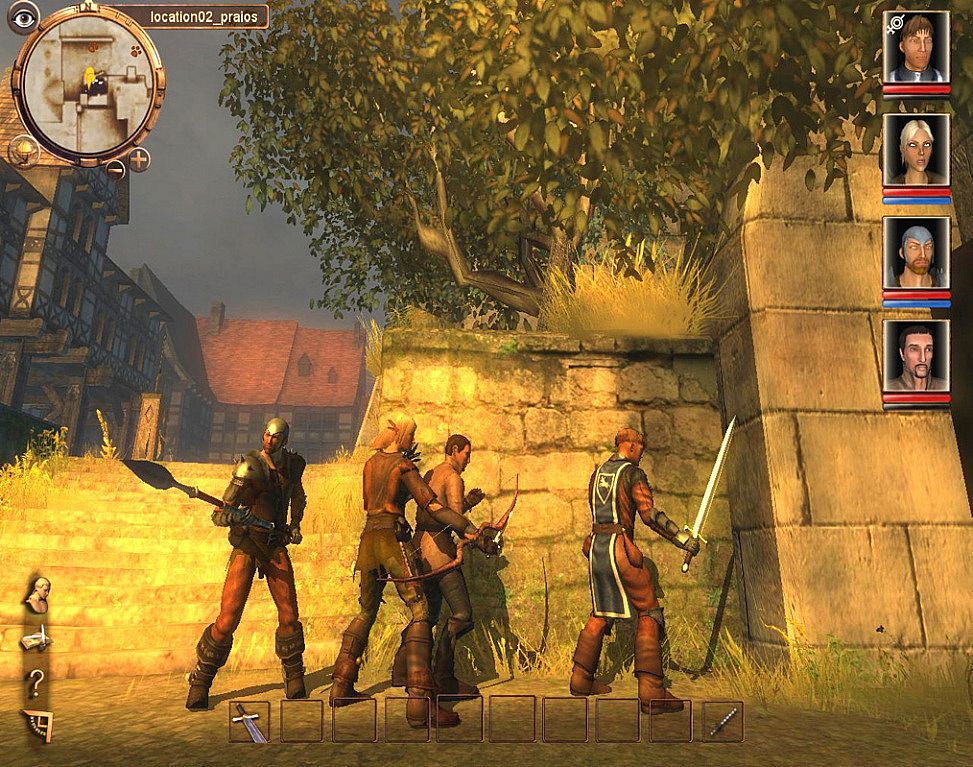
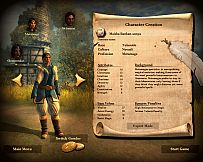
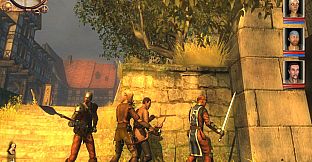
The core loop centers on building and directing a group of up to four adventurers through a campaign filled with main story quests and optional side content. Character creation offers an expert mode that lets players allocate points across talents, spells, and special abilities according to the source rules. More than forty spells, over thirty talents, and nearly forty special abilities provide concrete options for shaping each party member.
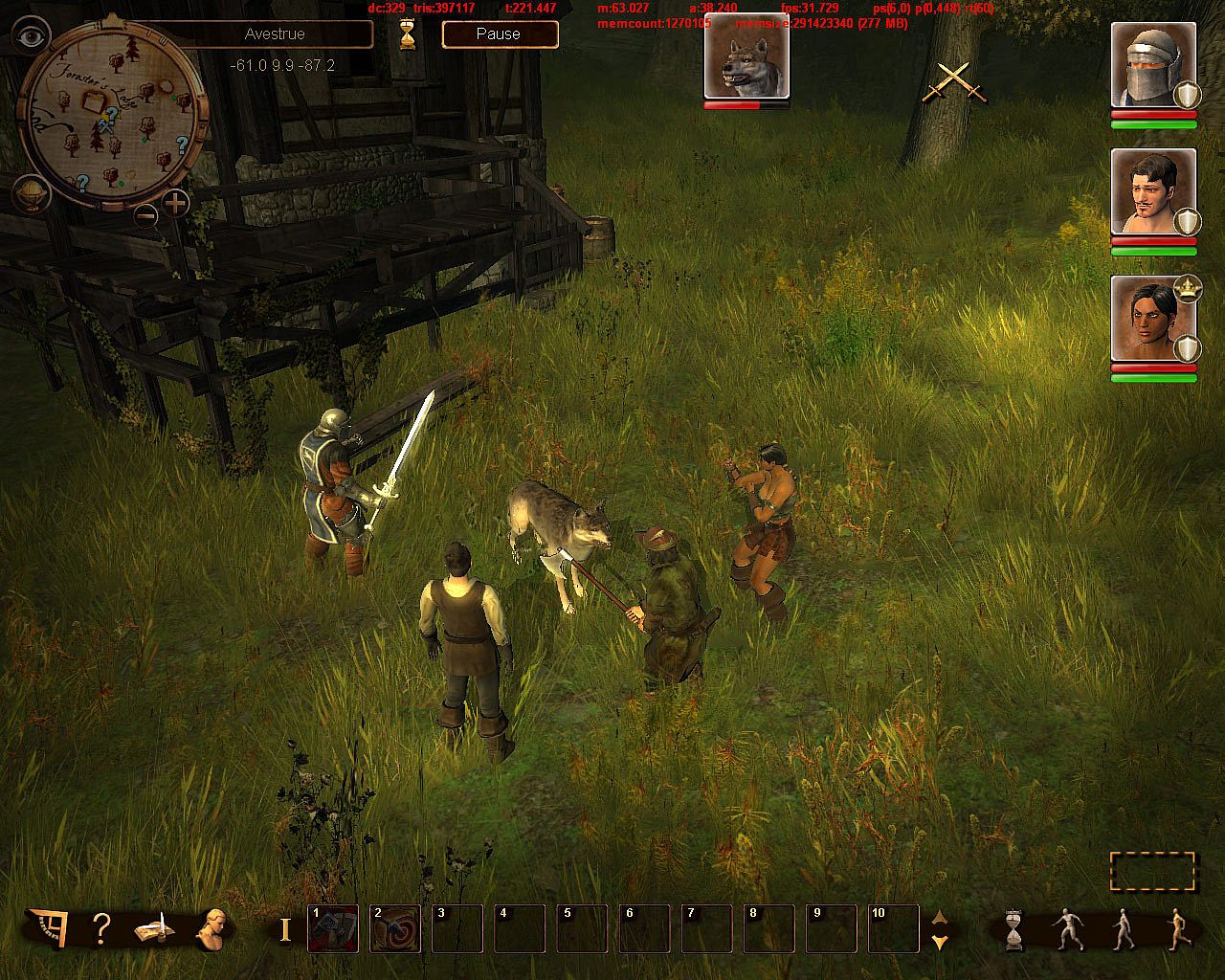
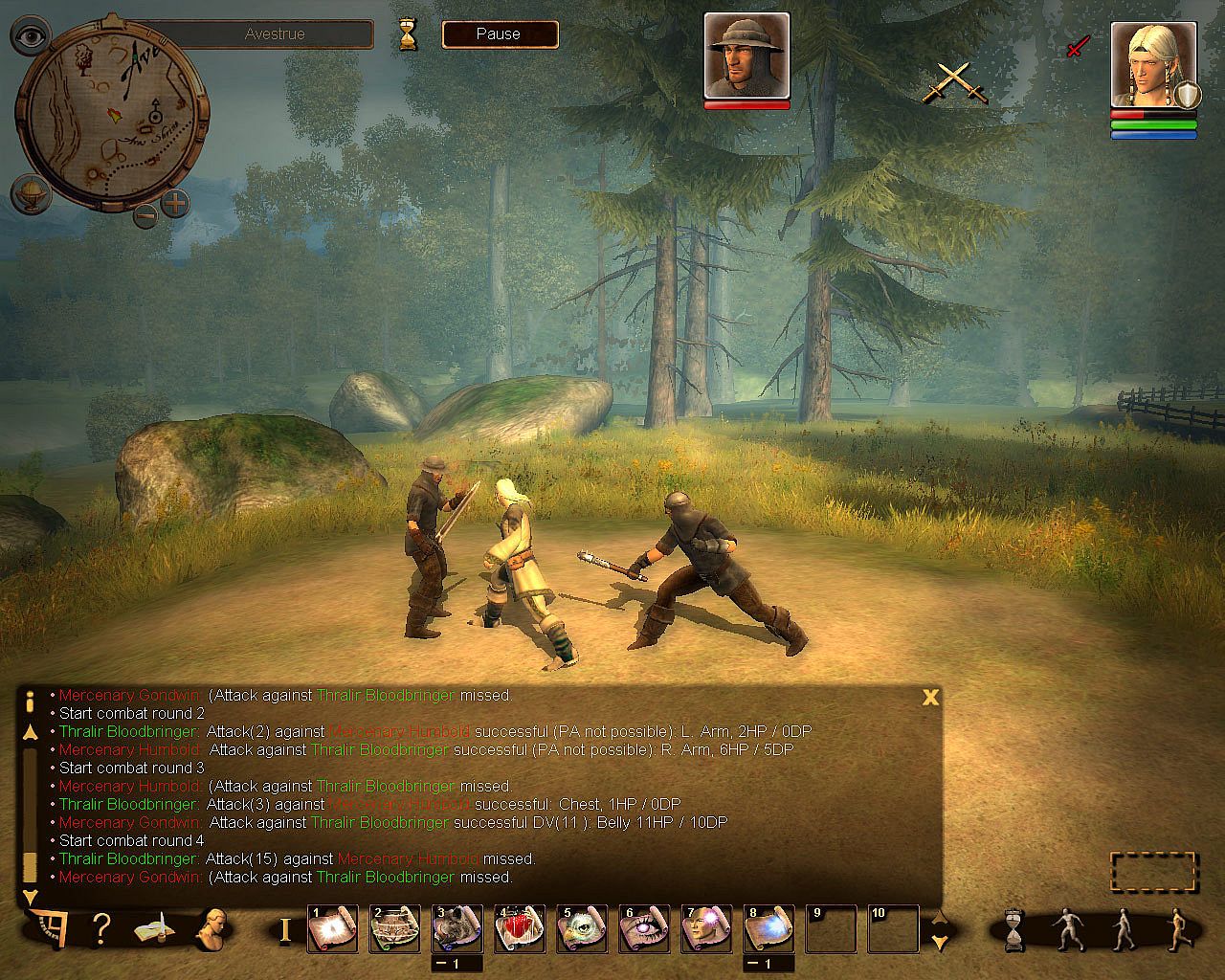
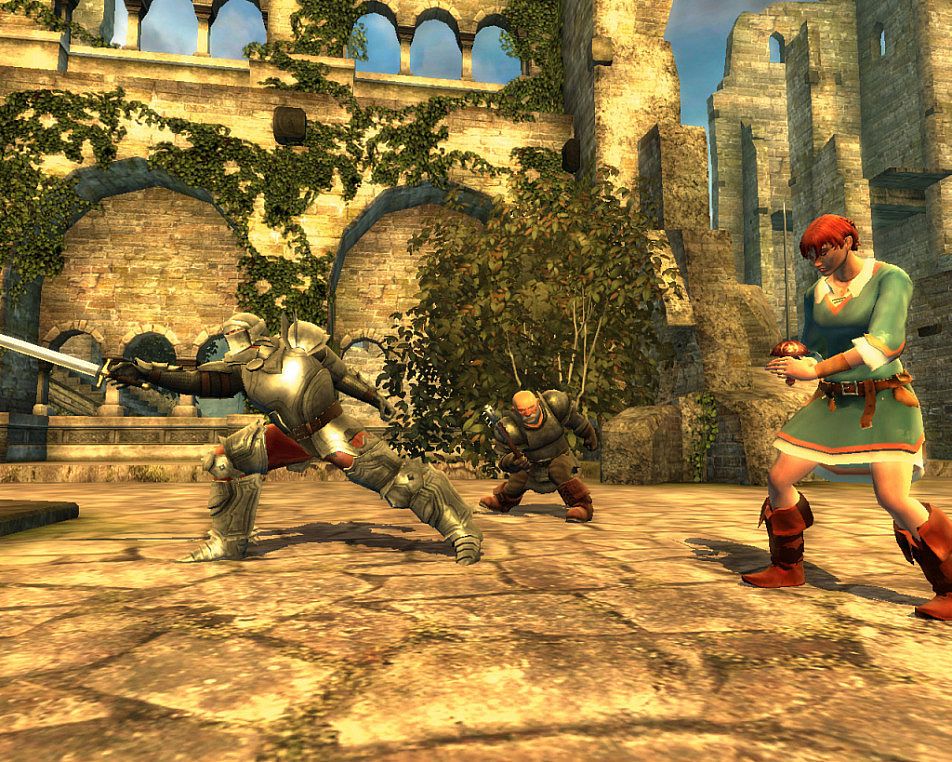
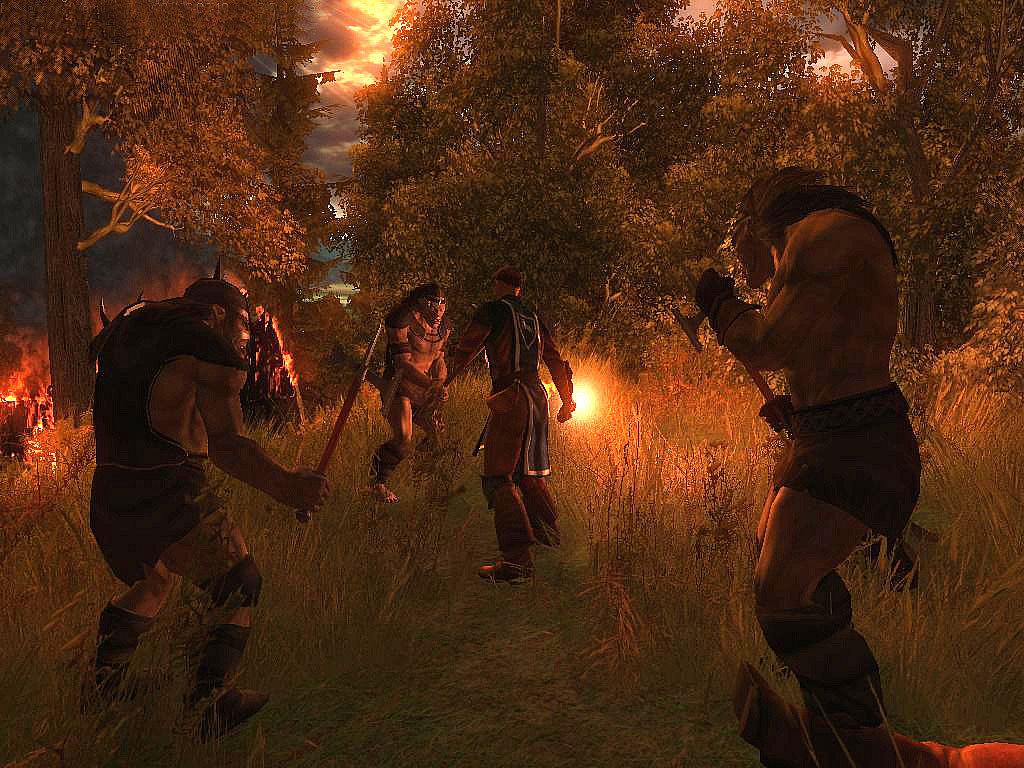
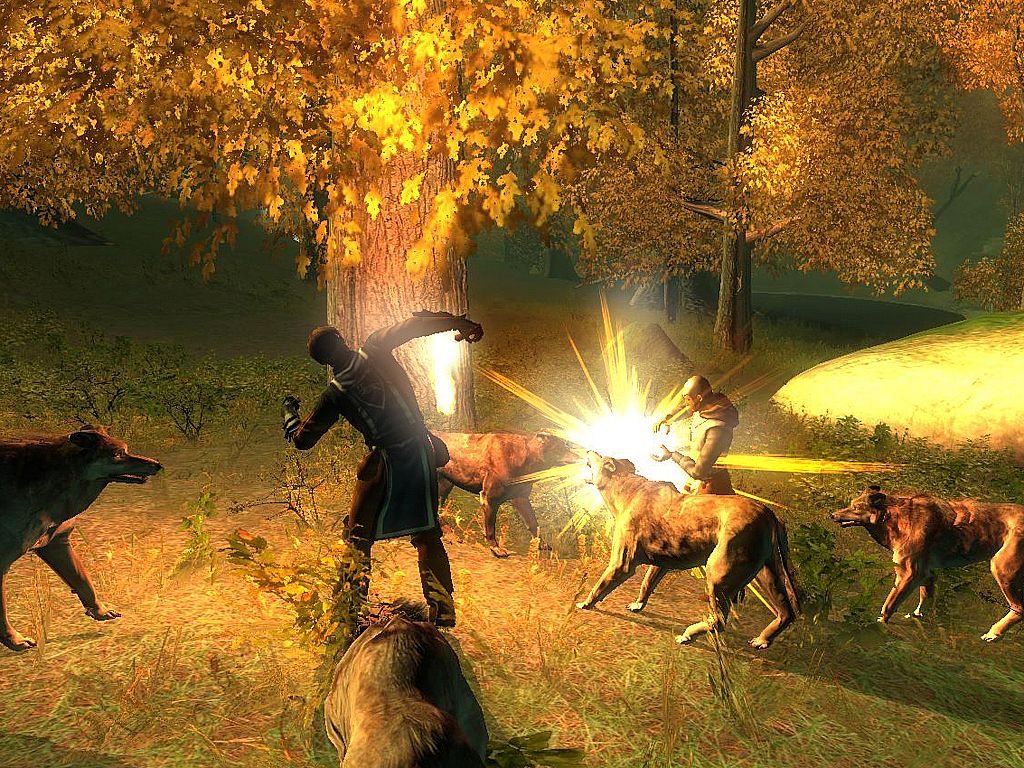
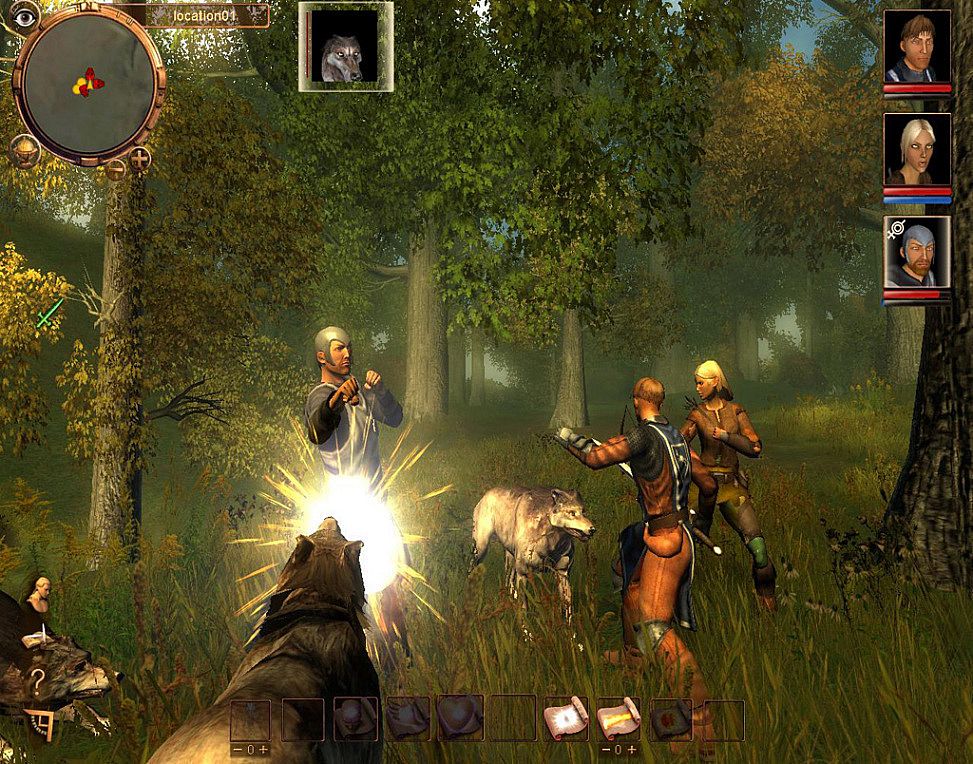
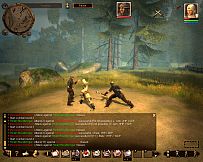
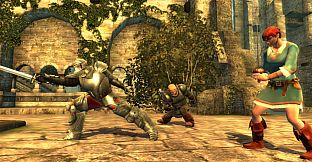
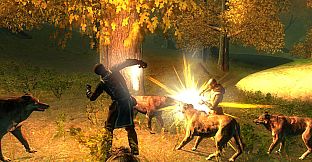
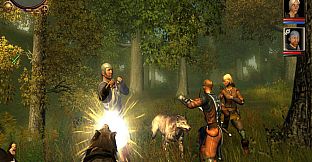
Combat unfolds in real time with an optional pause function that supports tactical planning. Players issue orders to the full party, manage positioning, and resolve actions through the underlying dice-based system. The magic implementation remains flexible, allowing casters to prepare and deploy spells within the same framework used for physical talents and abilities. Dialogue checks draw directly from talent values, so investment in skills such as persuasion or lore influences outcomes without requiring separate voice lines or branching trees beyond what the rules support.
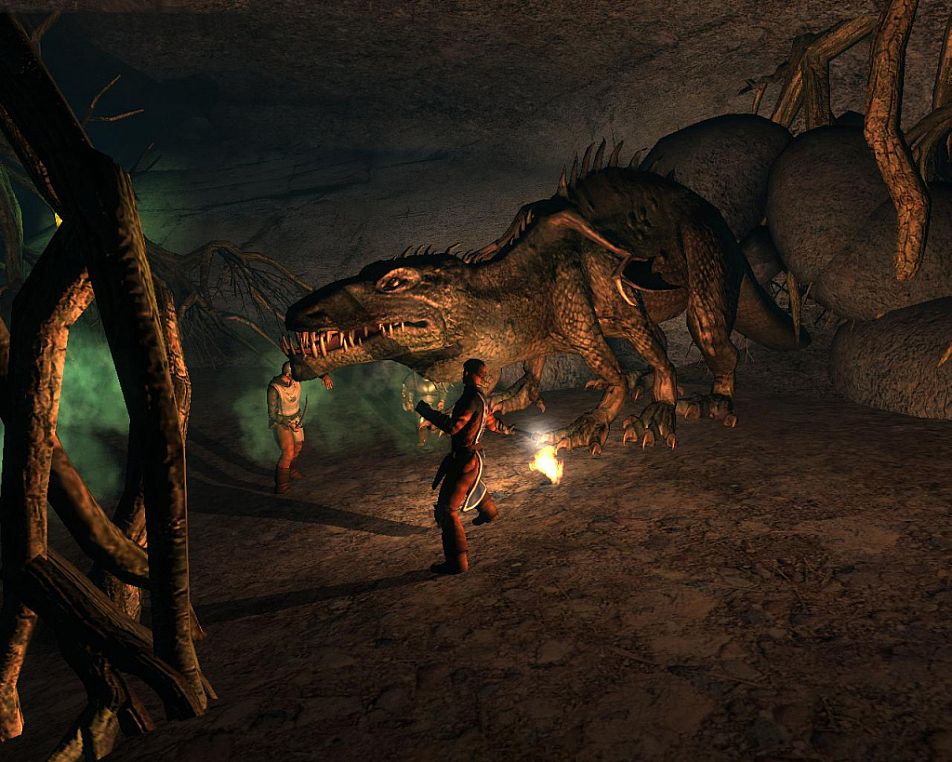
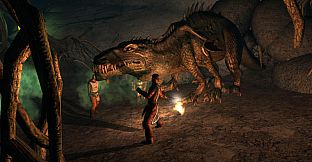
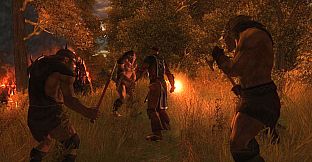
Enemies include creatures drawn from the setting such as linnorms, ogres, undead, and giant amoebas. Each encounter rewards attention to party composition and ability timing rather than simple level grinding.
Game Modes
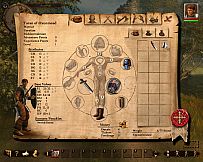
Drakensang operates entirely as a single-player title. The primary experience consists of a linear campaign that incorporates numerous main quests alongside optional side quests. No separate multiplayer modes, arenas, or co-operative features exist in the verified release. Party management remains the central activity, with the player controlling all four characters directly during exploration and combat.
Story and Setting
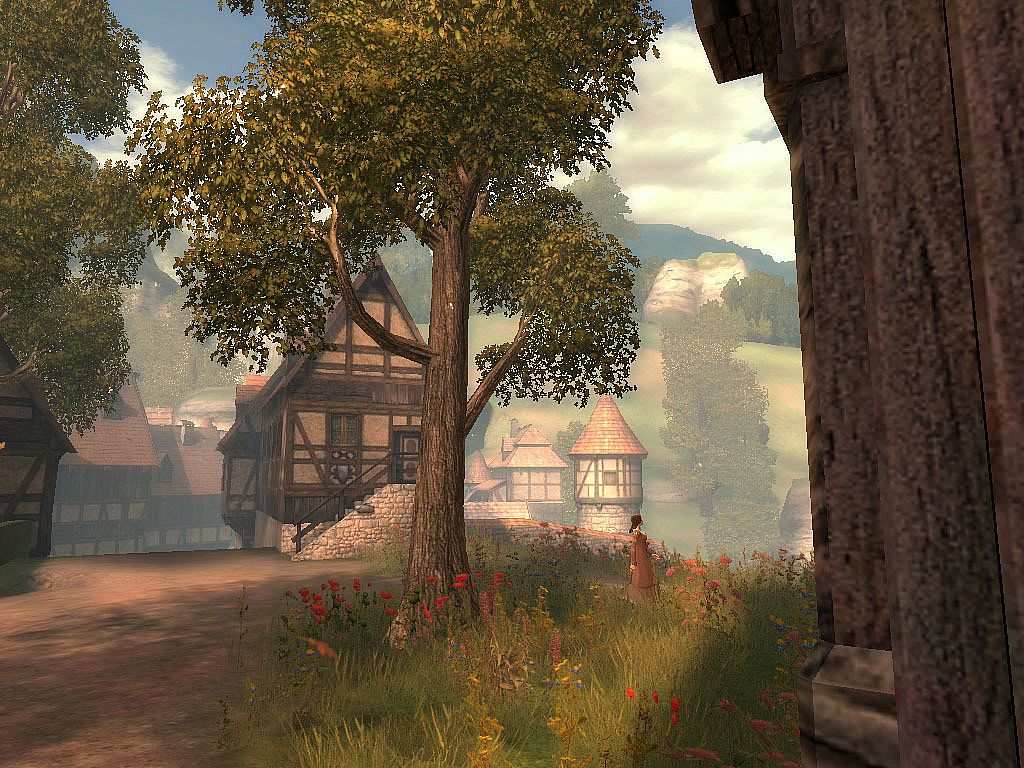
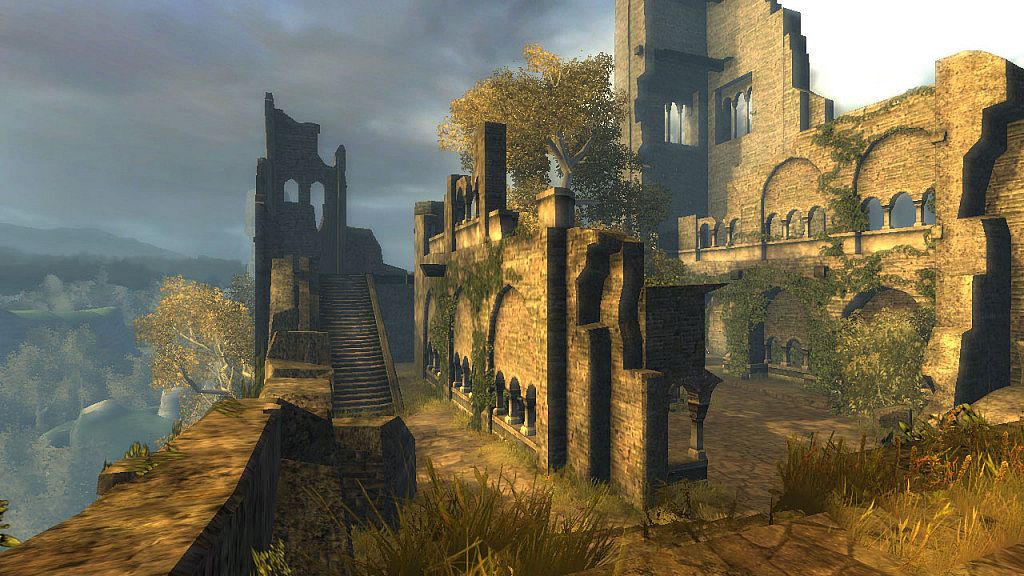
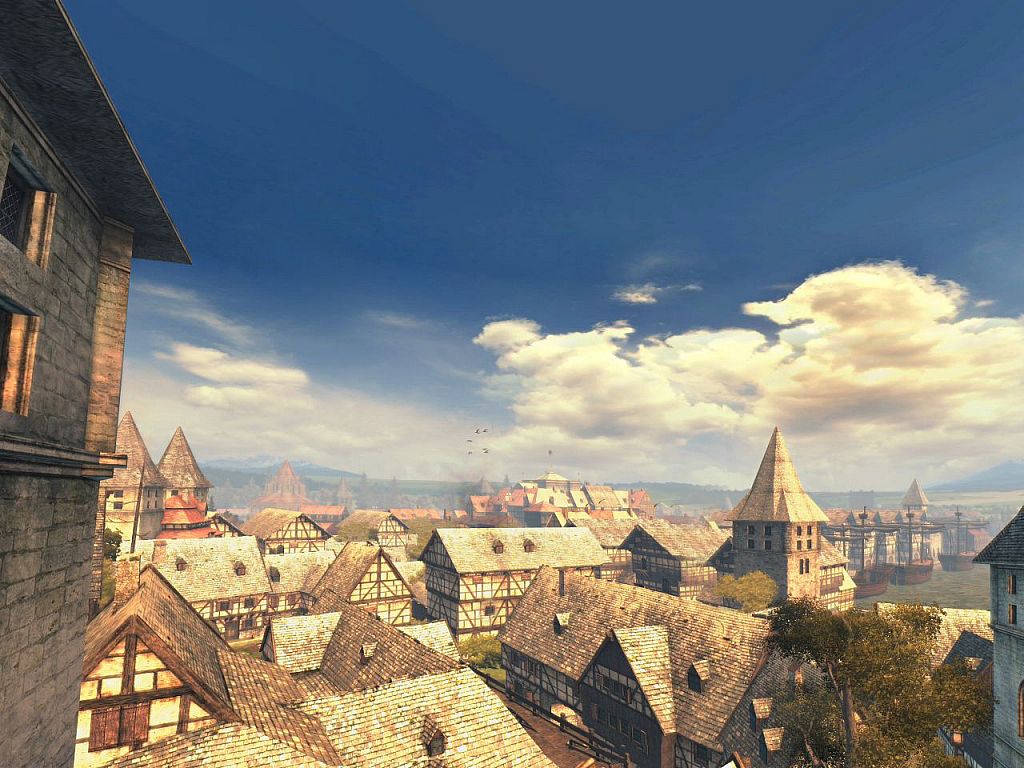
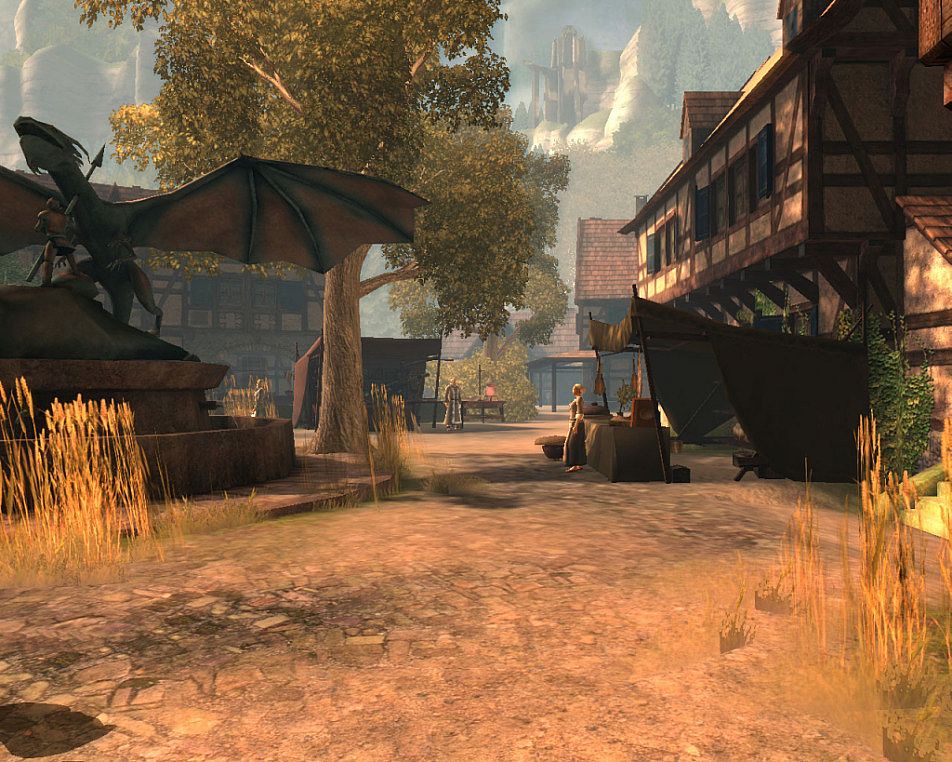
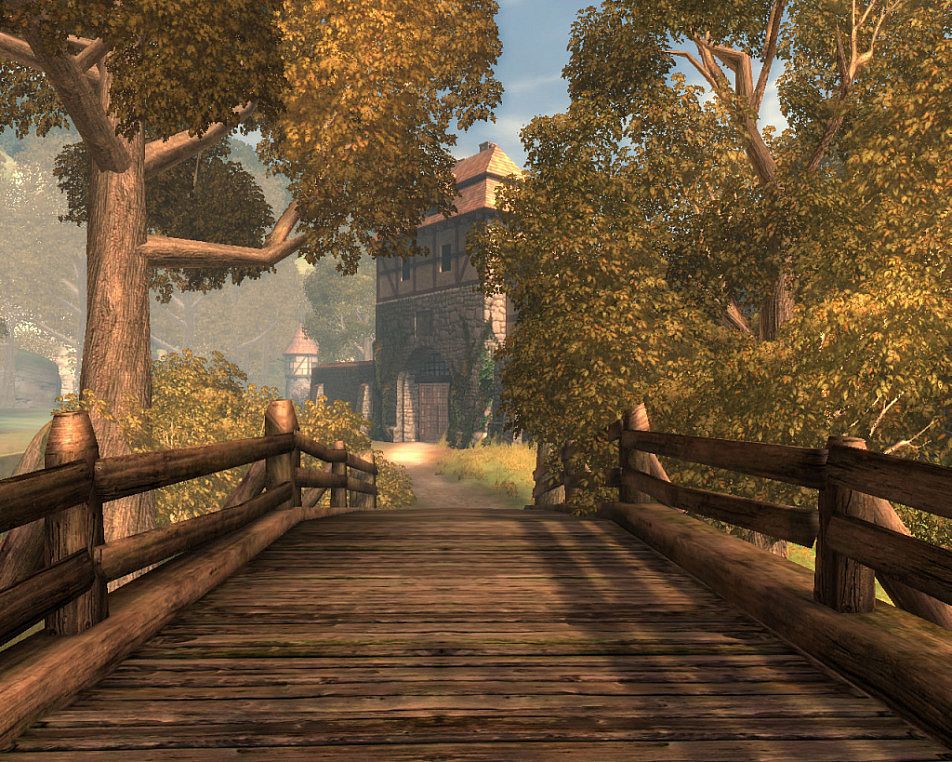
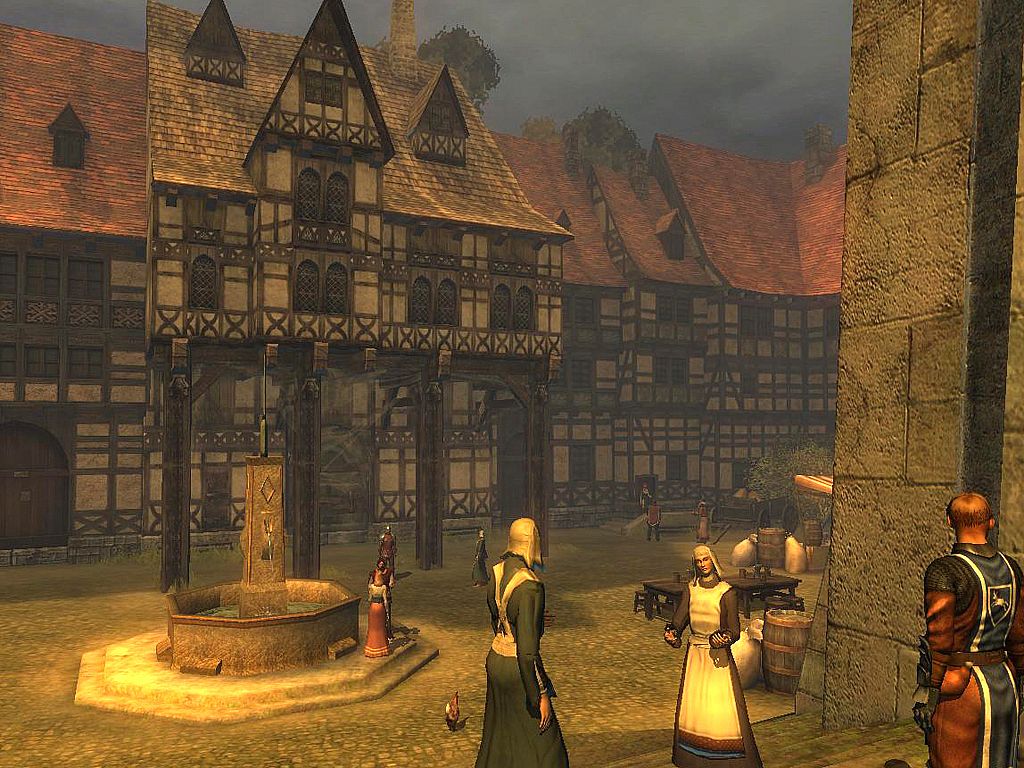
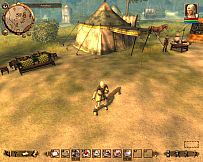
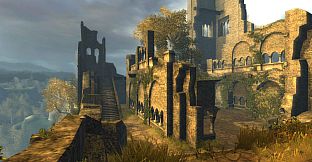
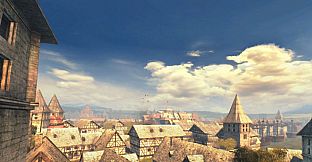
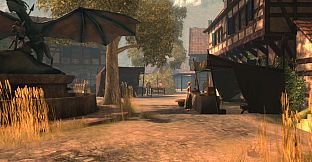
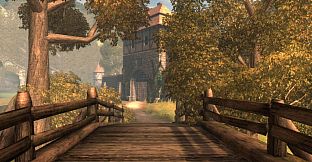
The narrative was written by authors familiar with the original tabletop material and follows the established continuity of the Nordland Trilogy. Players explore a detailed 3D world where quests integrate both plot advancement and mechanical challenges. Side content often ties back to talent or ability development, encouraging repeated playthroughs with different party builds.
Is It Worth Playing?
Drakensang suits players who enjoy classic party-based CRPGs that emphasize tactical decision-making and rule-faithful character systems. The pause-enabled combat and talent-driven interactions reward careful preparation and party synergy. Those seeking modern graphics or live-service updates will find the title unchanged since its original release, with no confirmed ongoing seasons or patches. Availability on PC remains straightforward for anyone interested in the specific blend of The Dark Eye mechanics and real-time-with-pause combat. The experience holds value primarily for fans of older tactical RPG design rather than broad mainstream appeal.