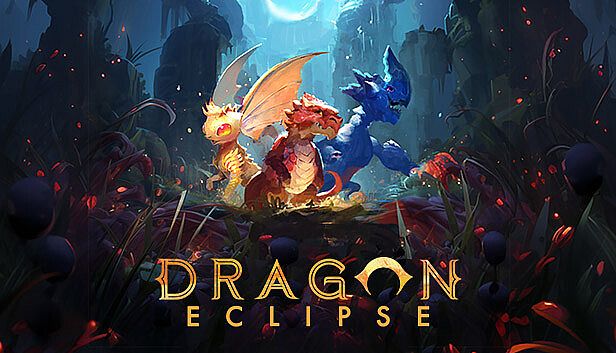












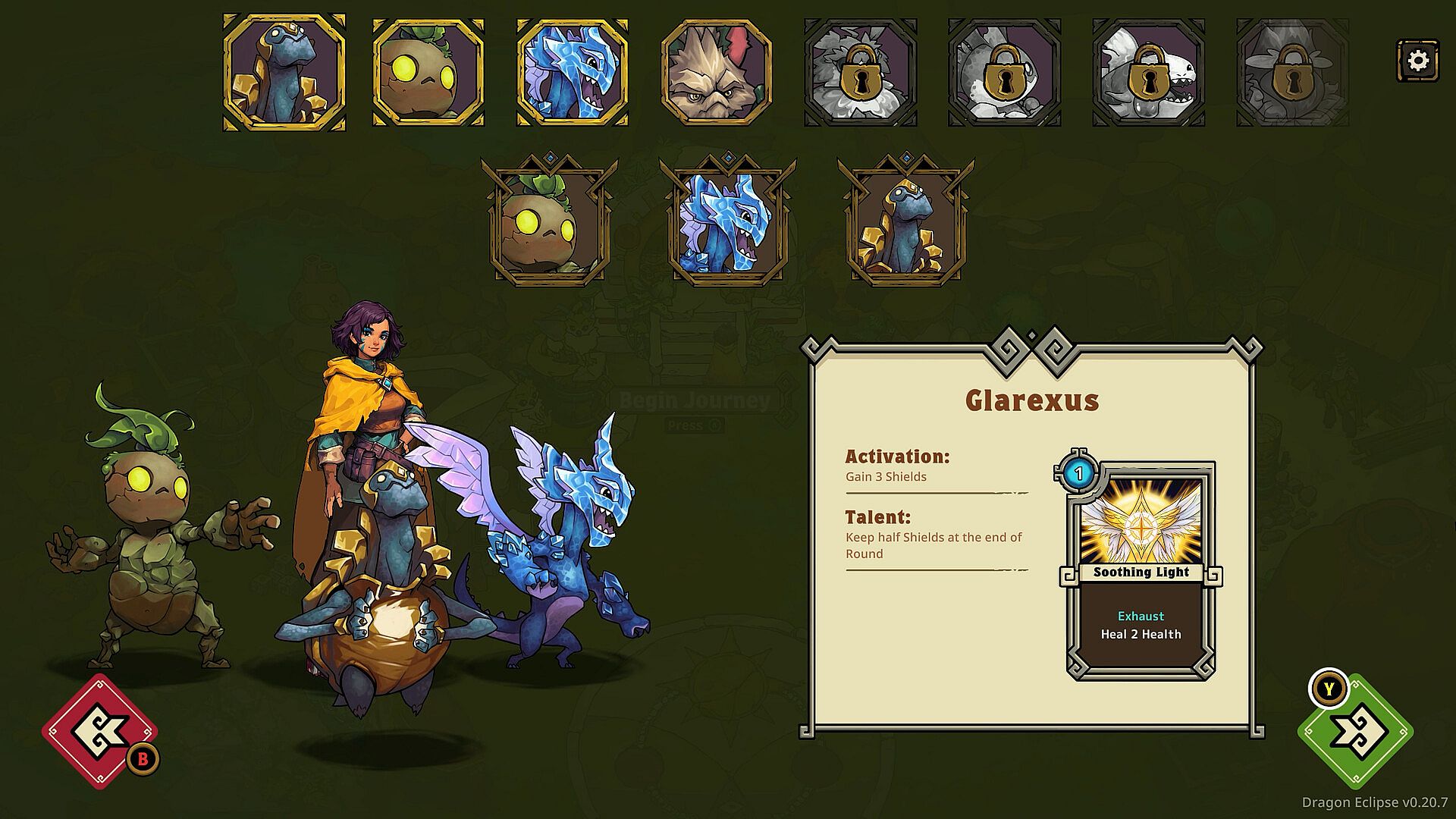
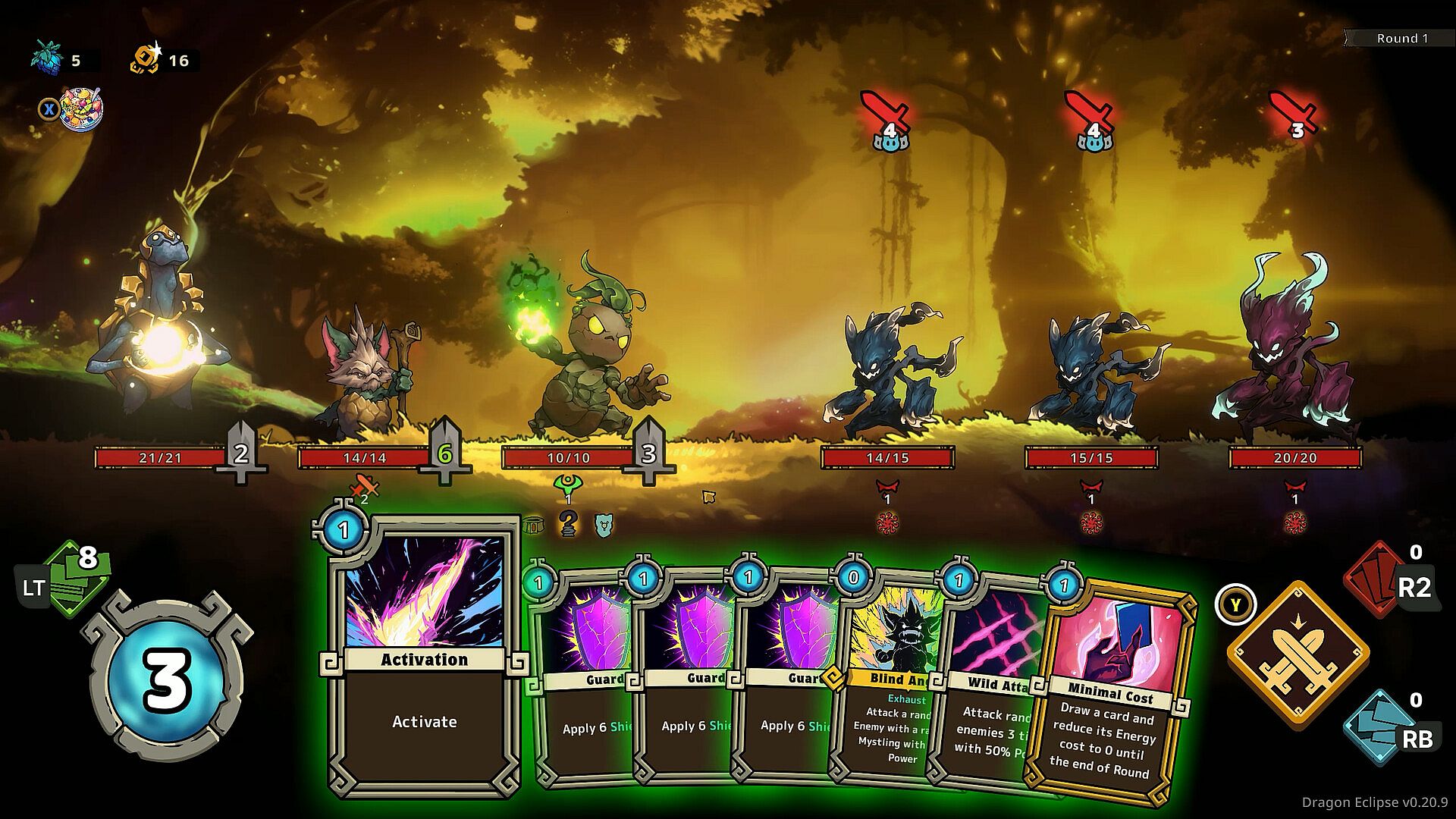
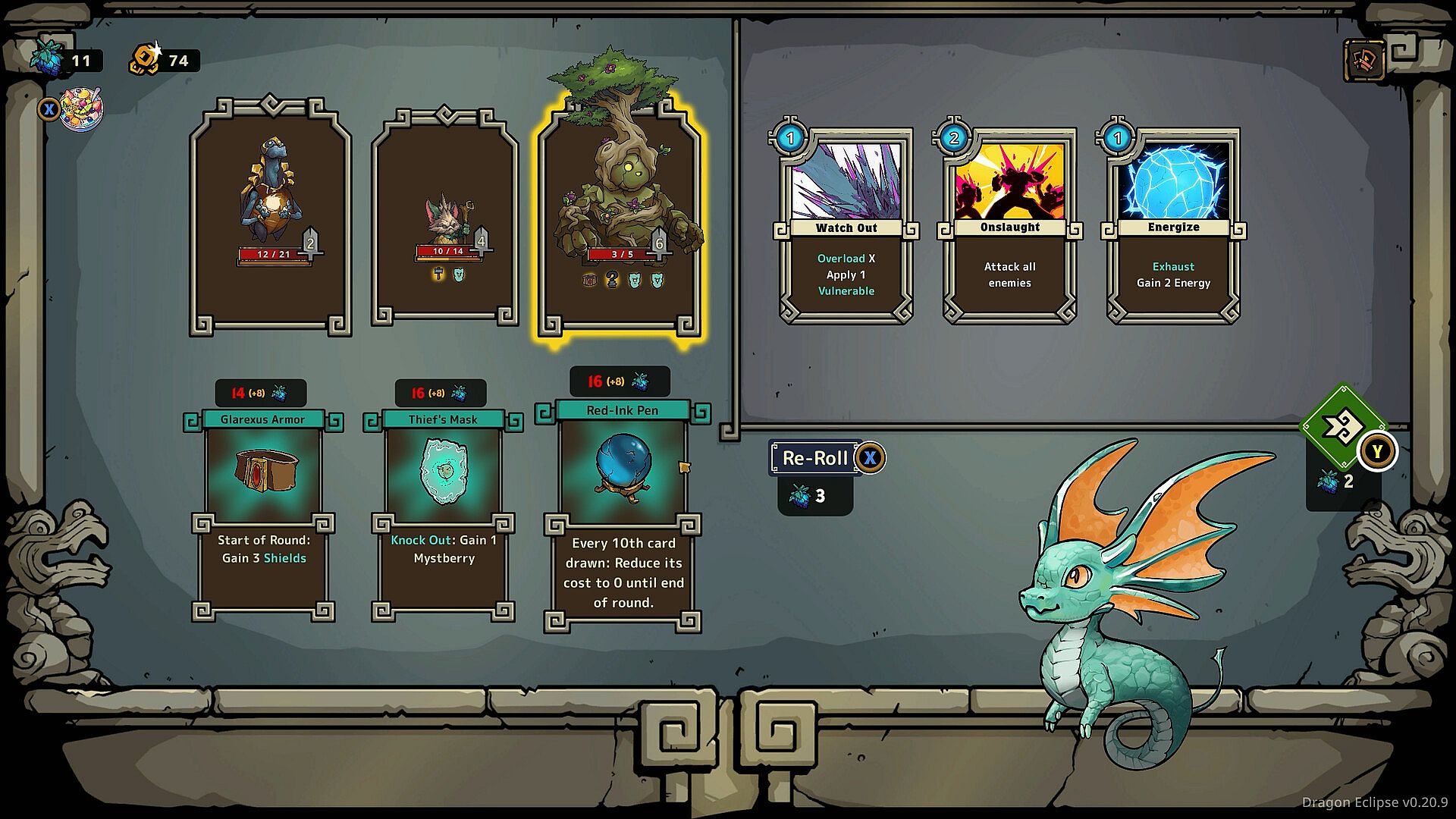
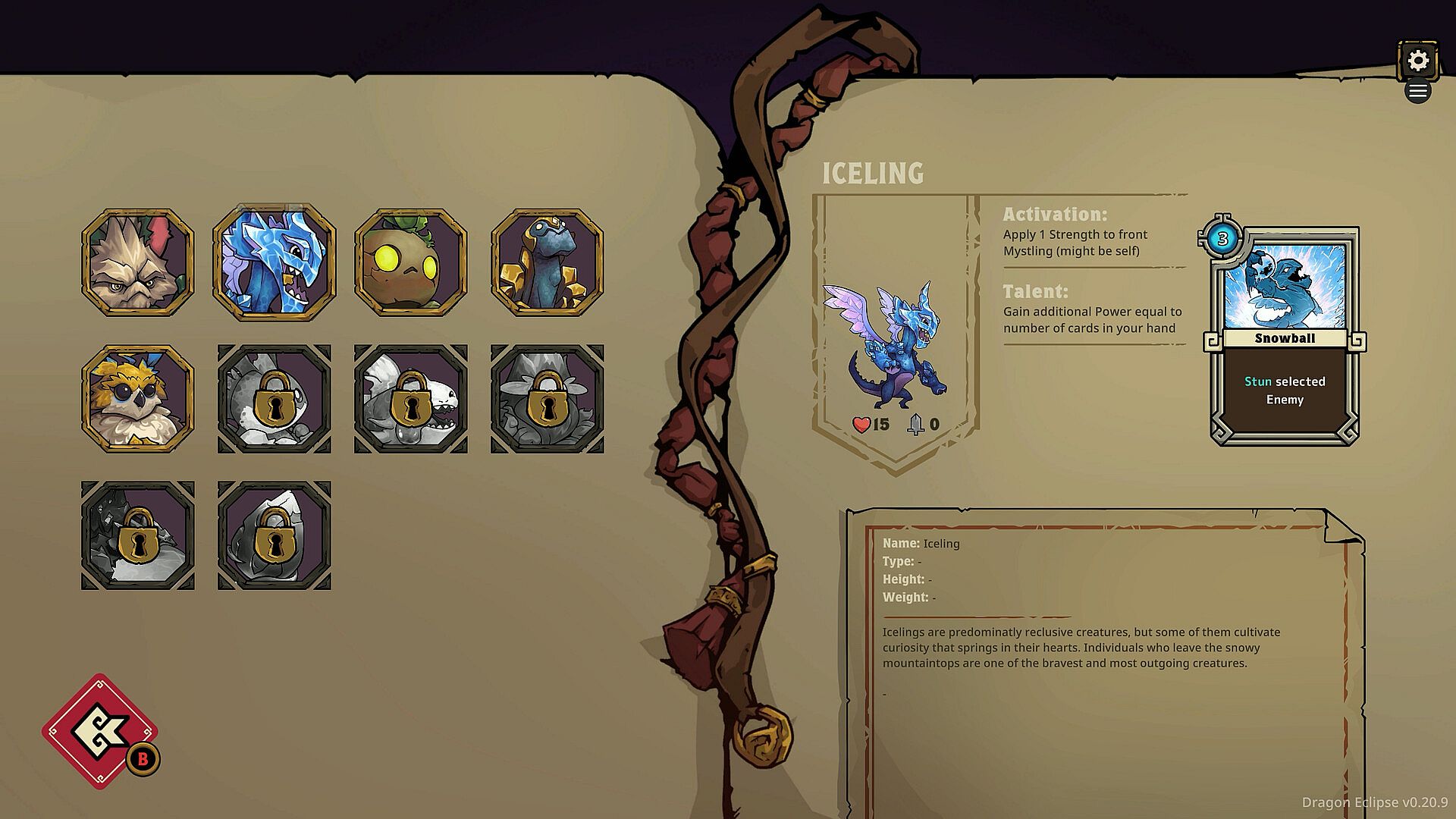
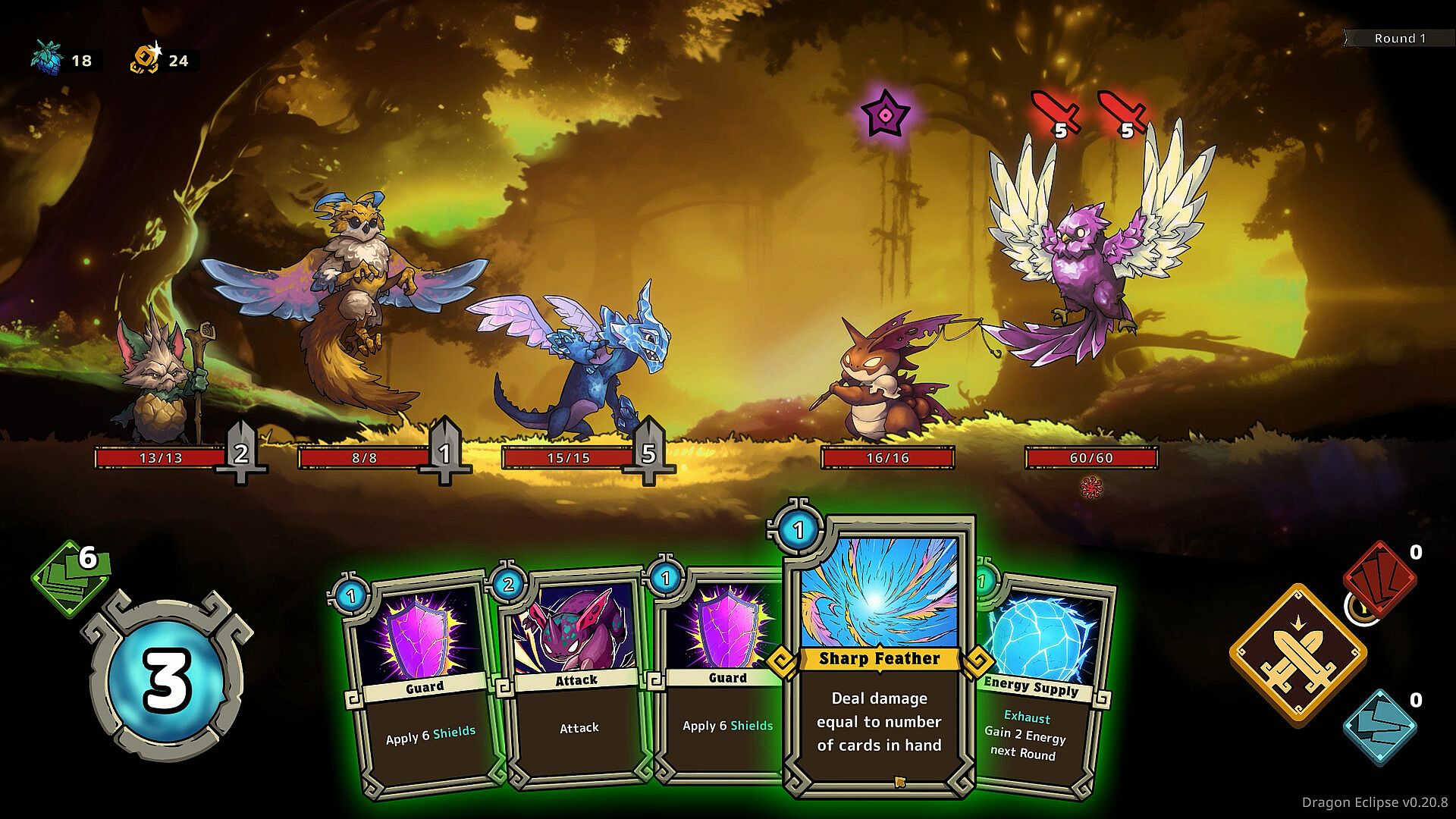
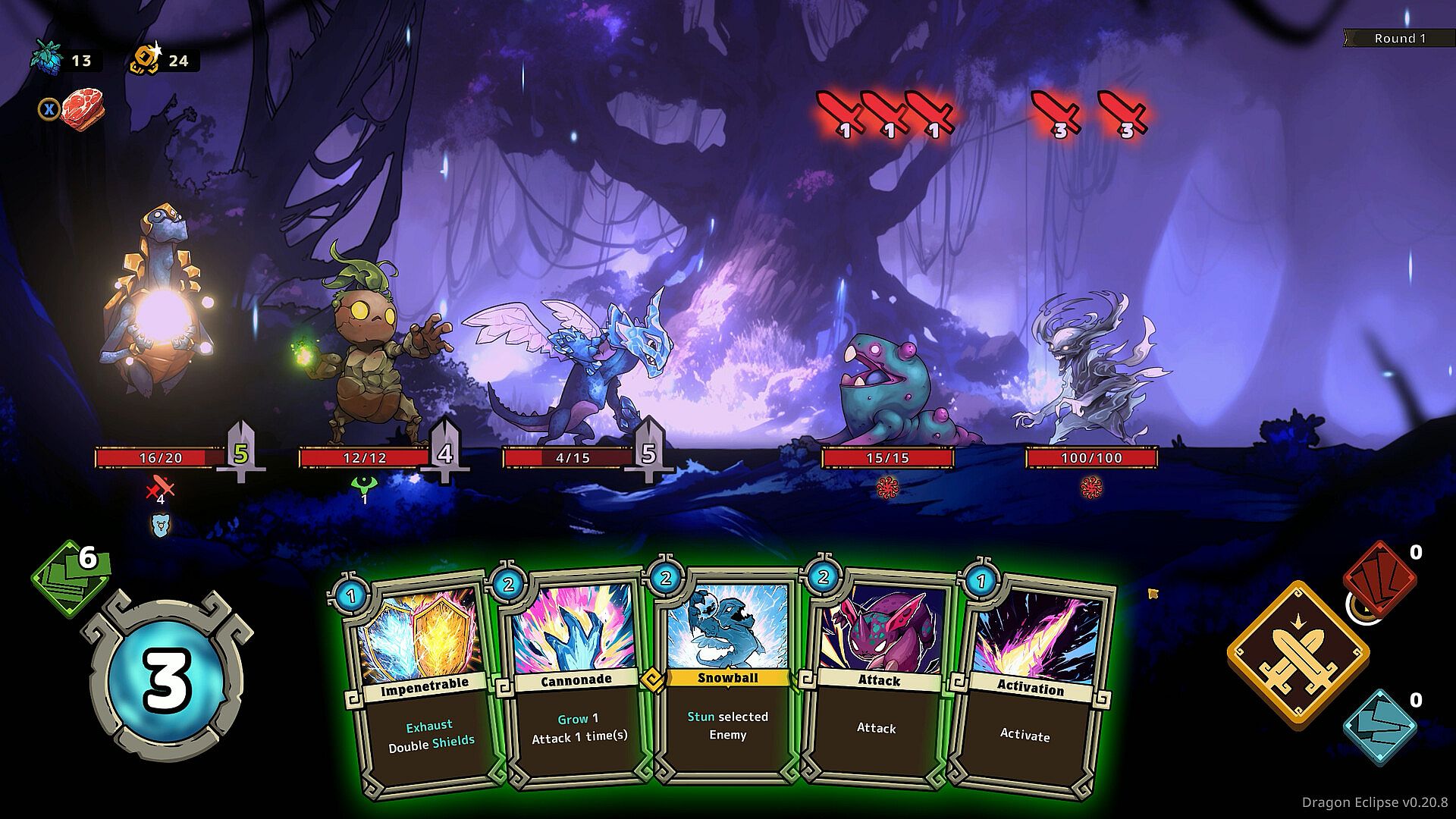
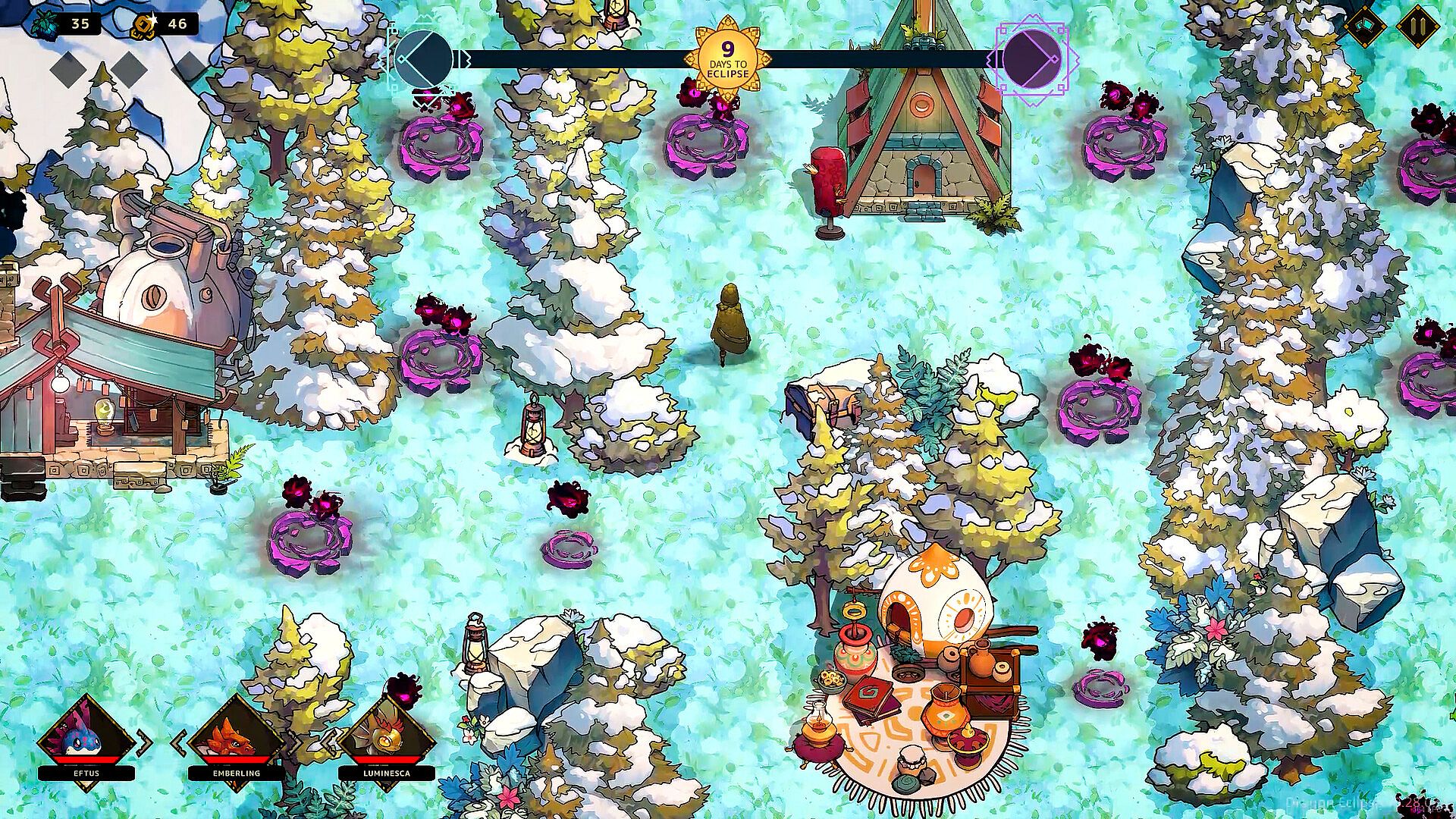
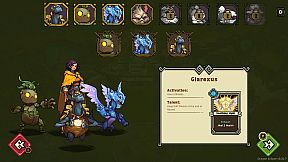
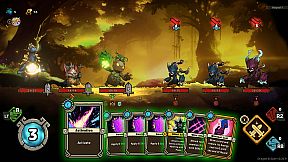
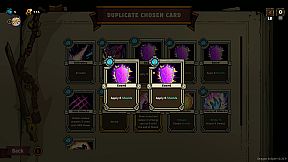
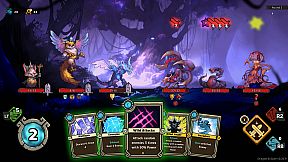
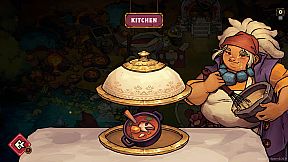
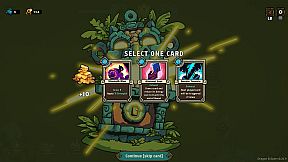
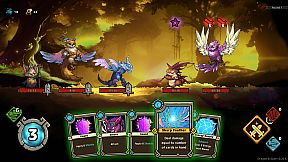
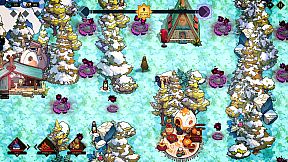
Dragon Eclipse is a roguelite deck-builder with auto-battler mechanics that blends action, strategy, indie, casual, and adventure elements on PC. Players step into the role of a Tamer who assembles teams of mystical creatures called Mystlings to fend off an encroaching threat known as the Eclipse. The experience centers on short, repeatable runs where deck construction, creature management, and tactical decisions determine success or failure.
Gameplay
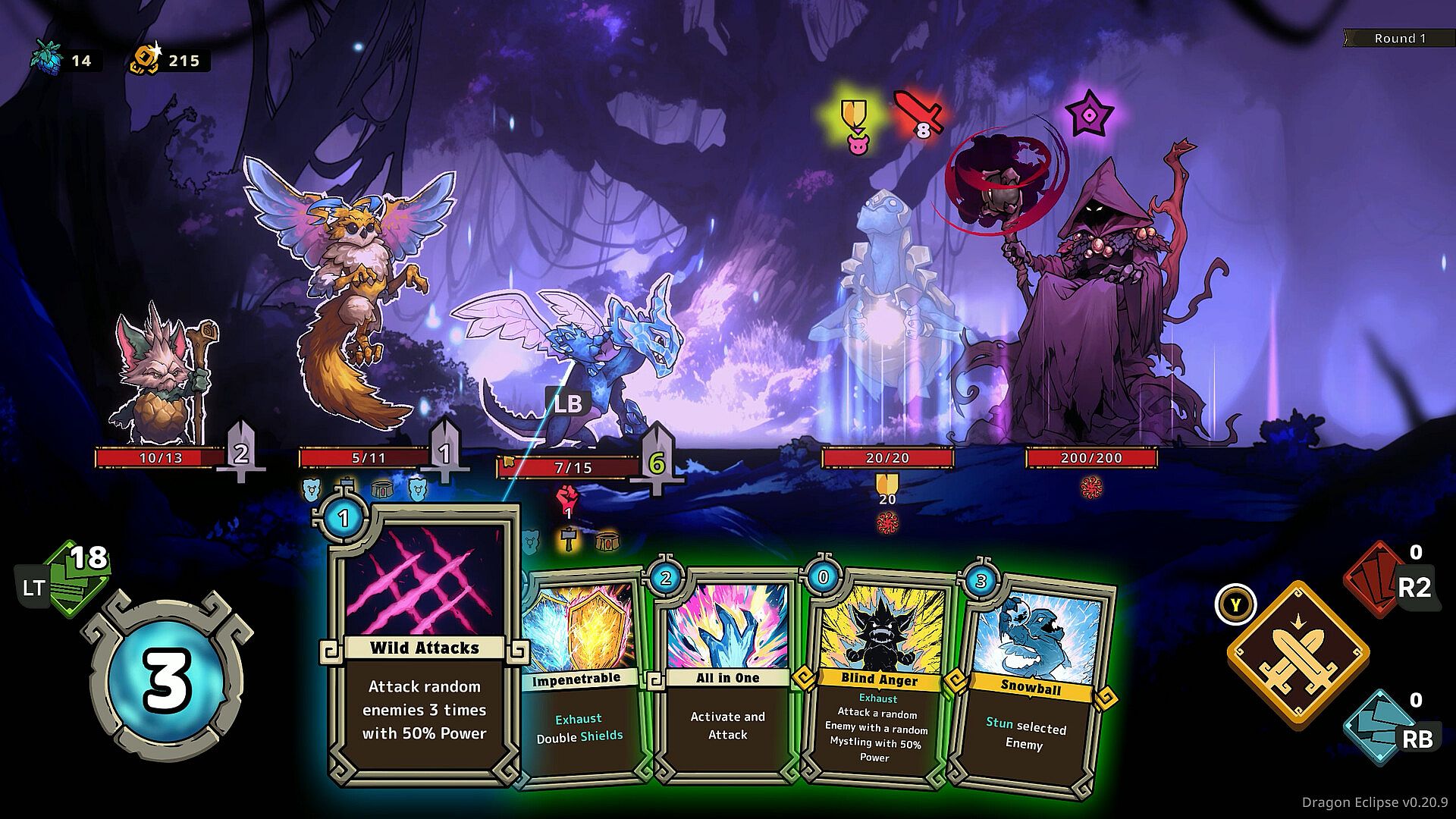
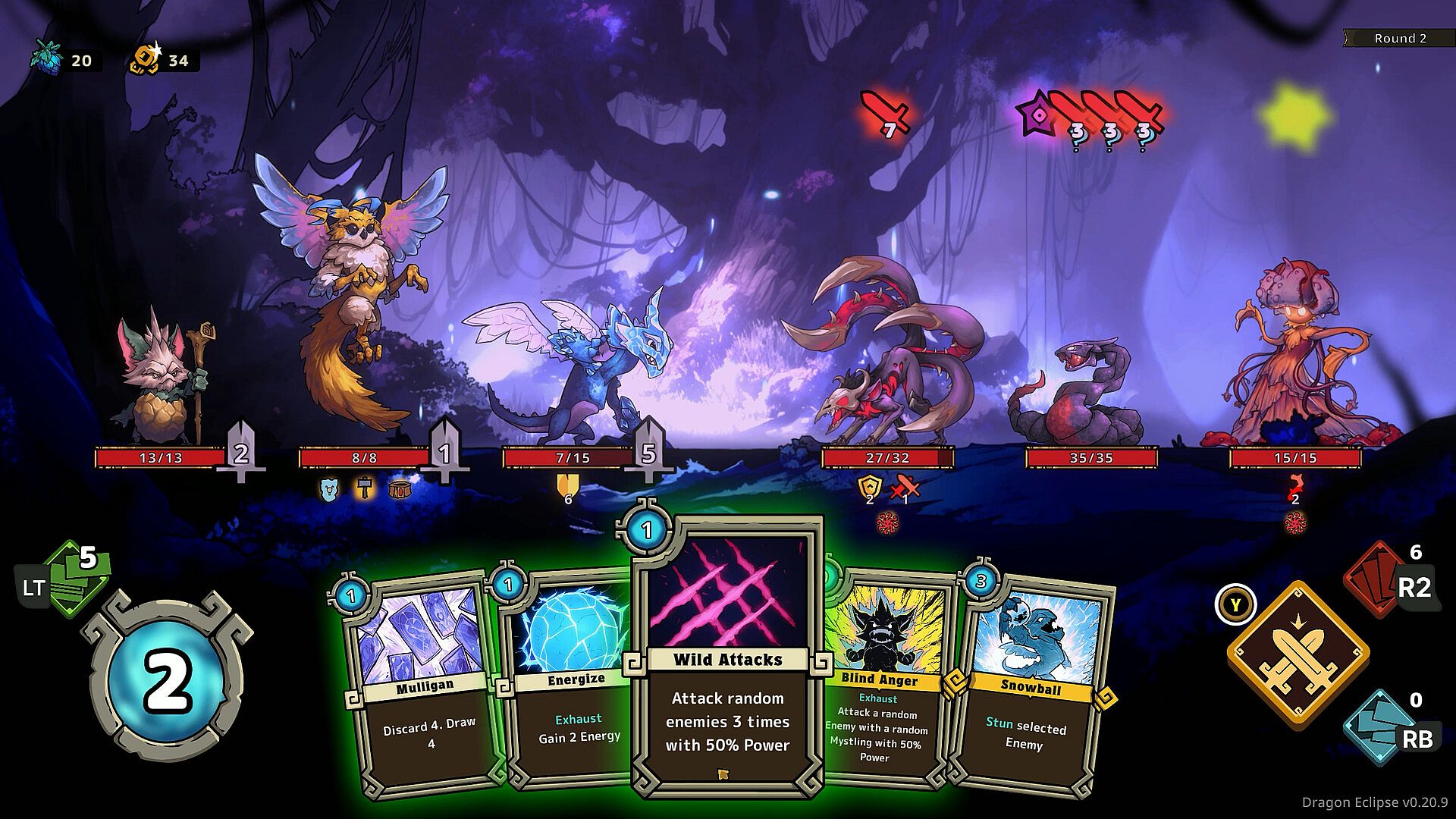
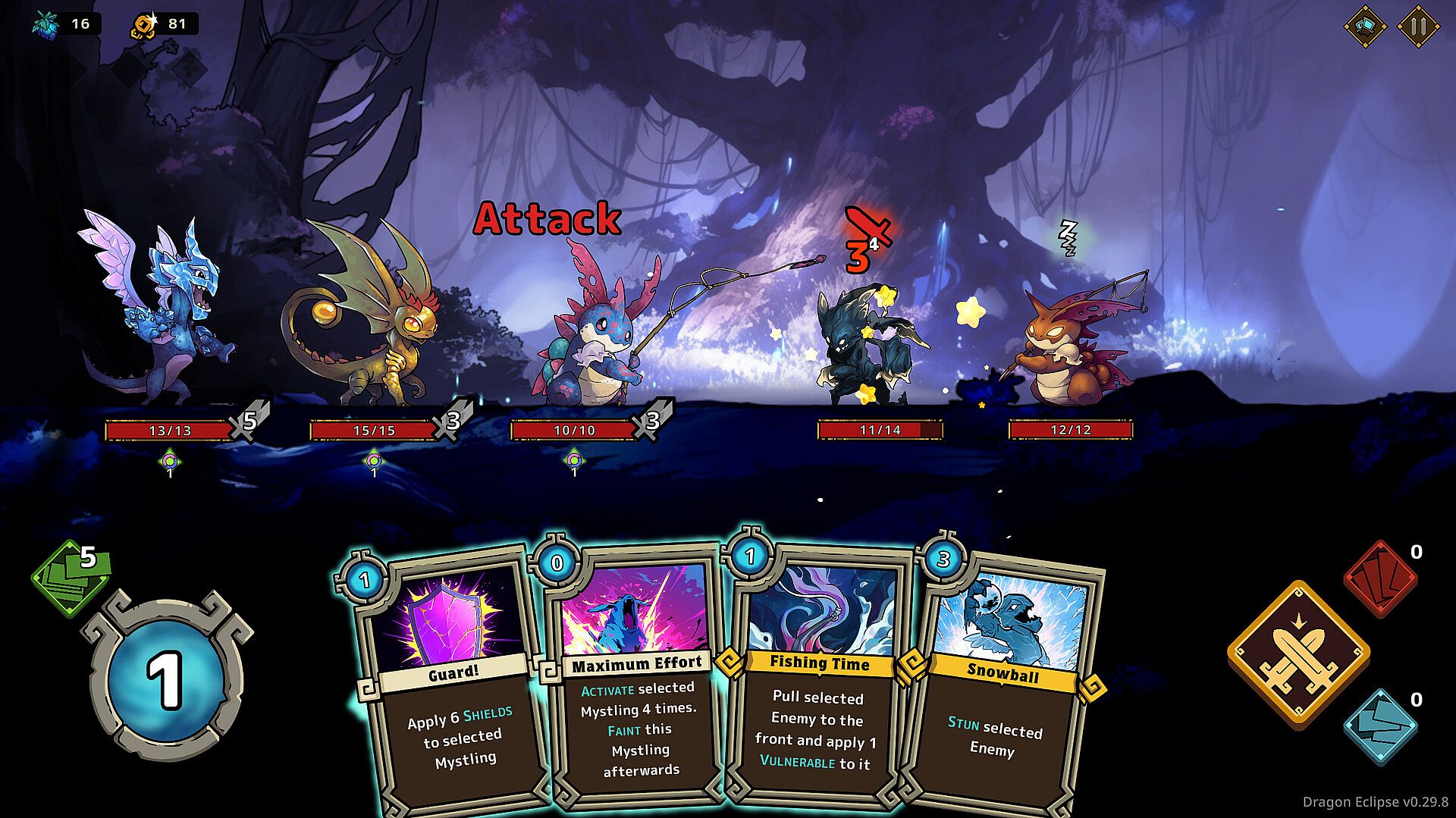
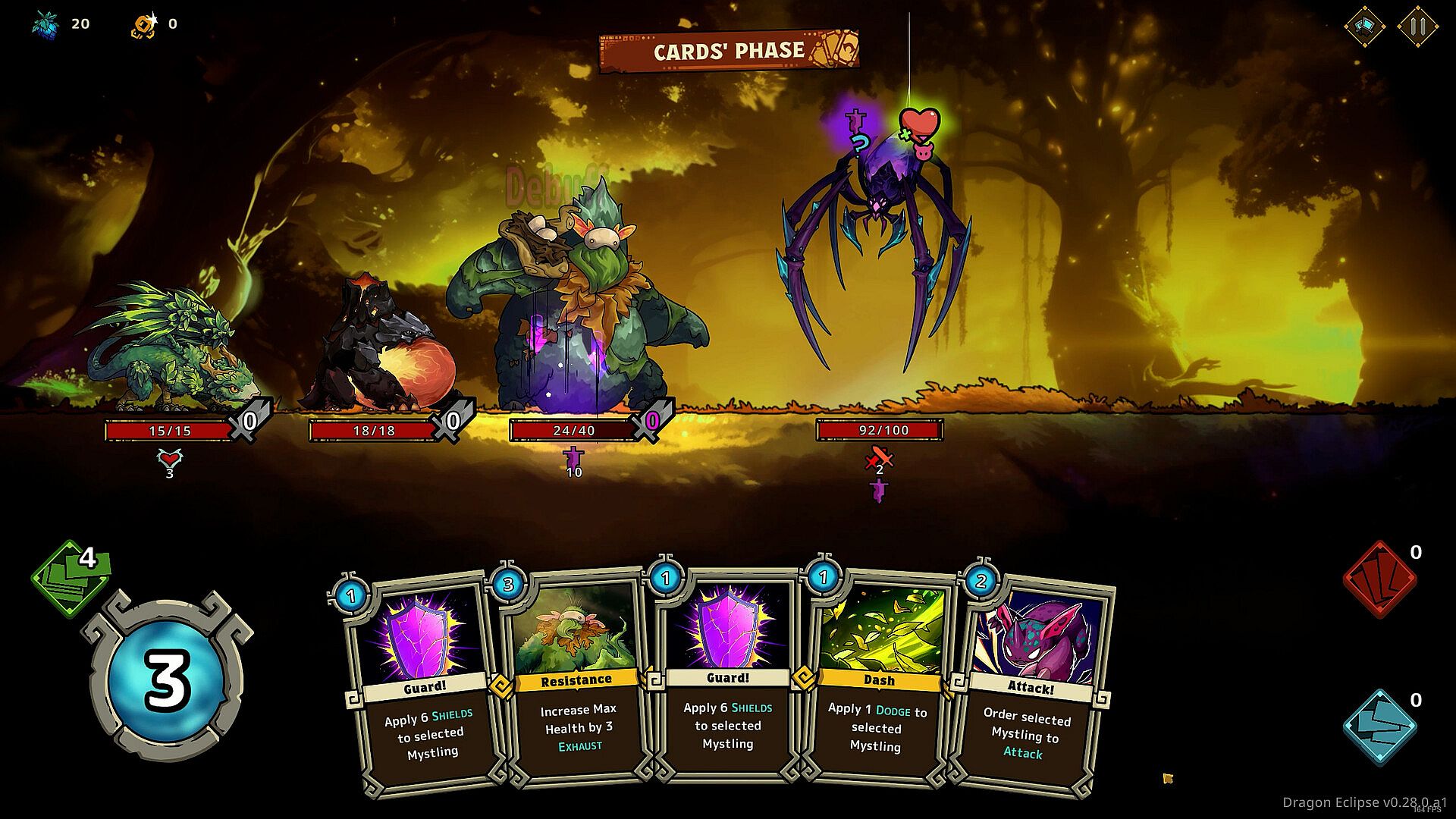
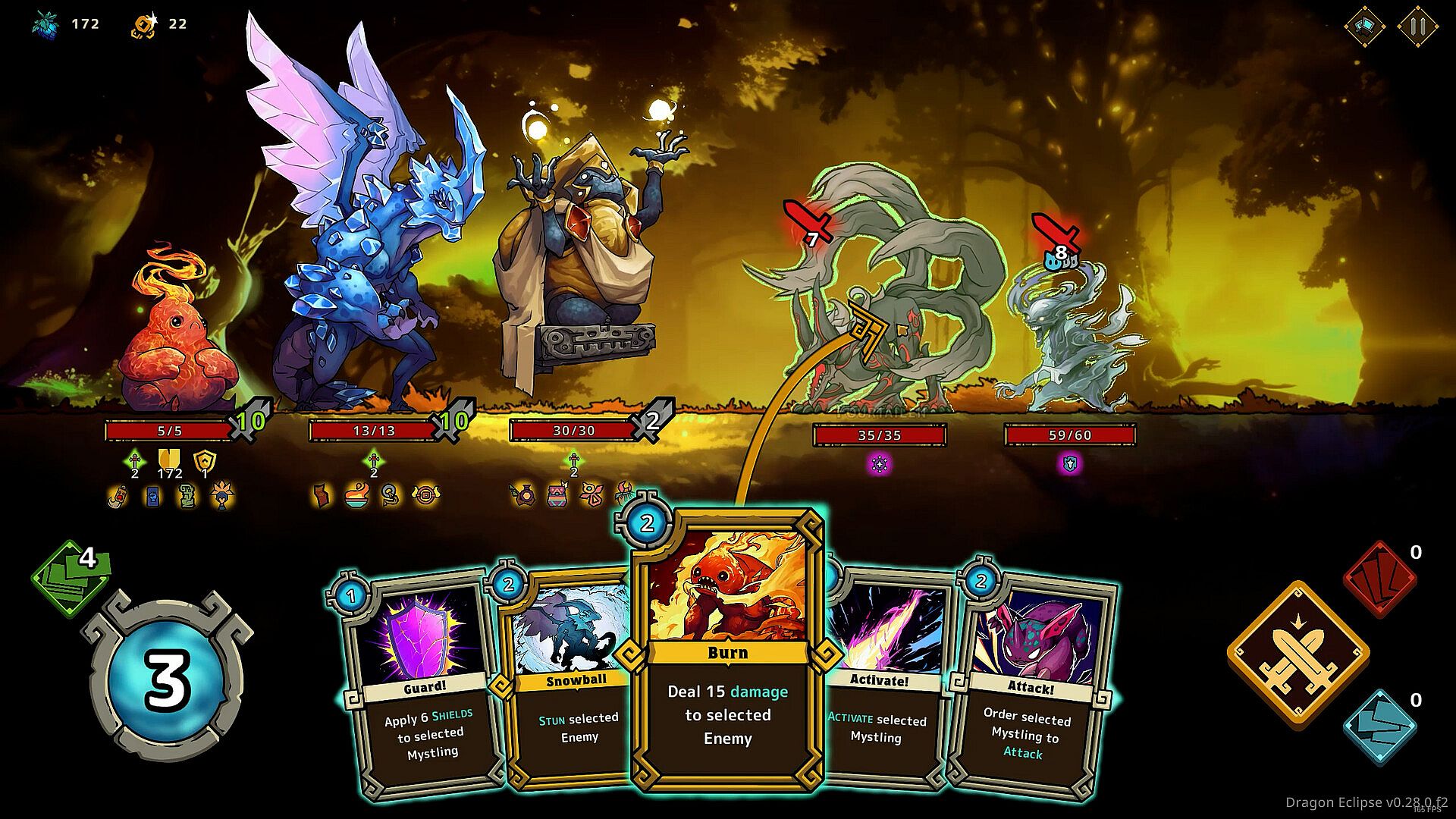
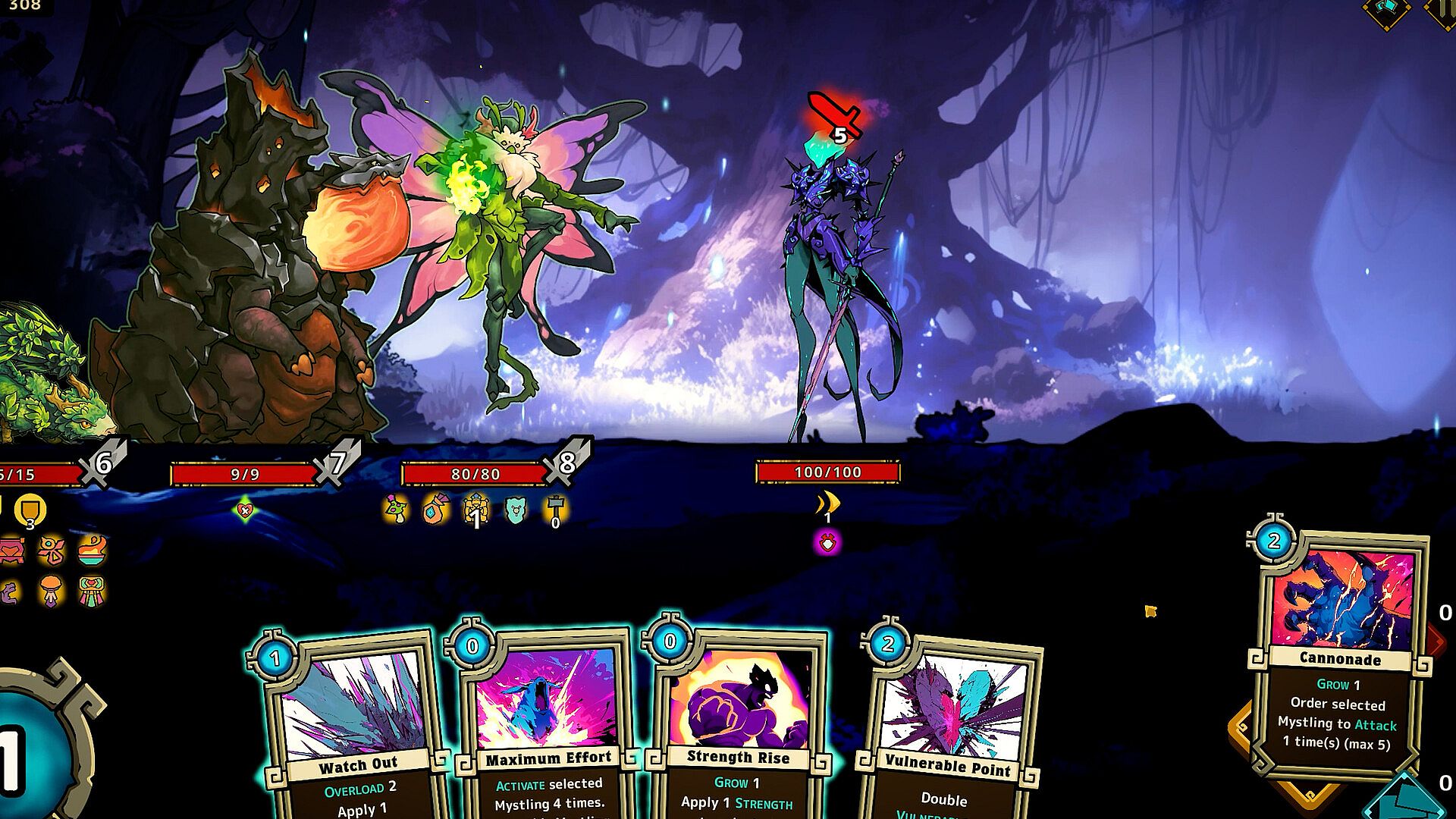
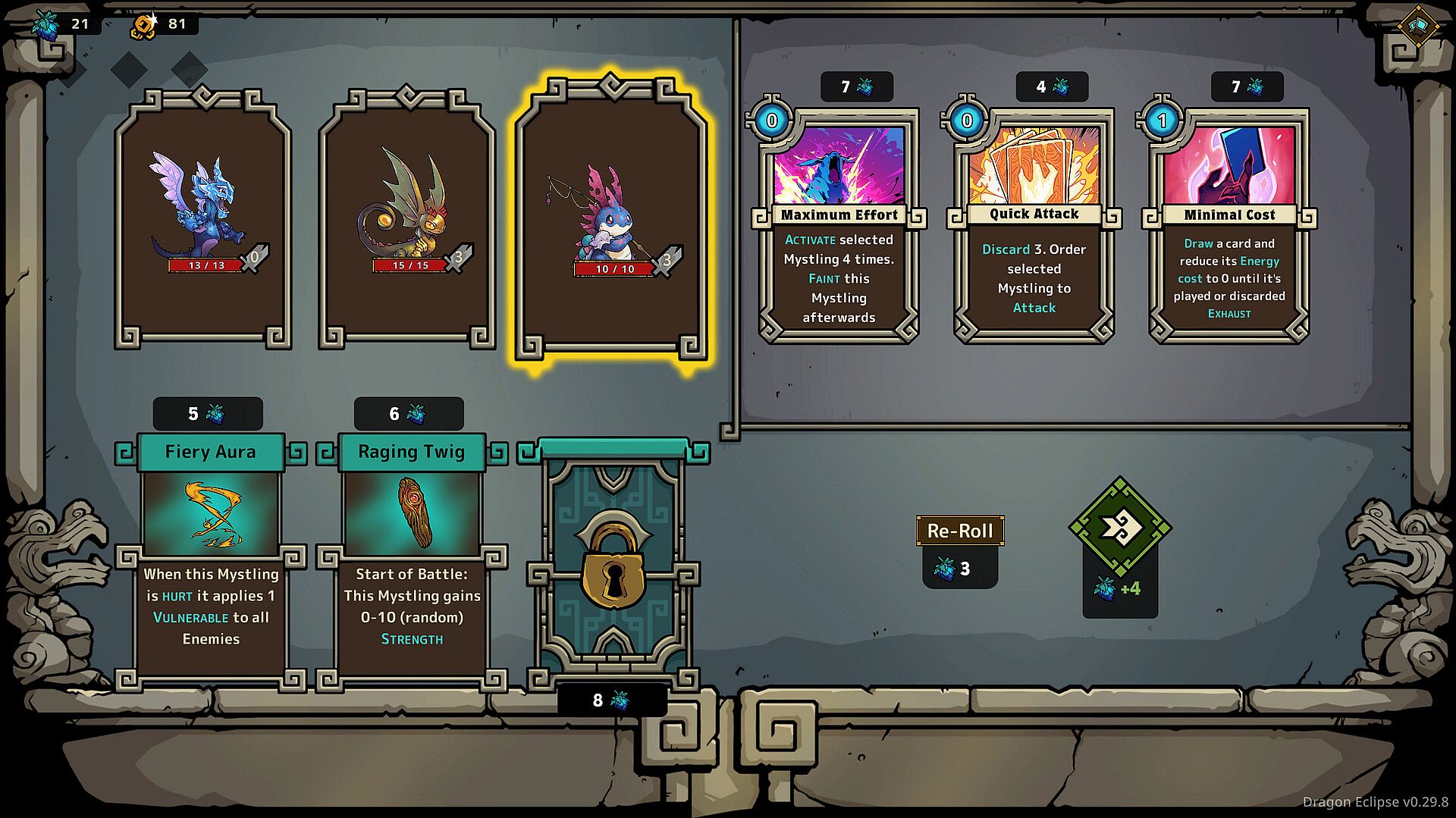
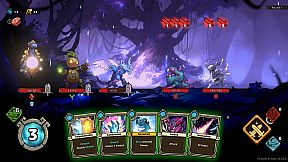
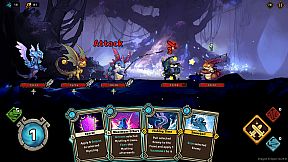
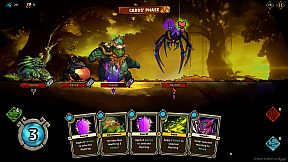
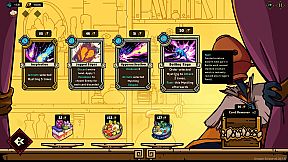
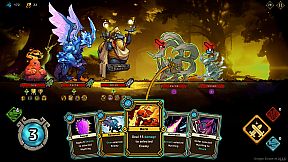
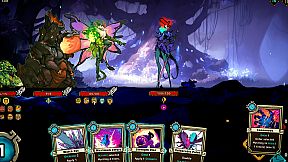
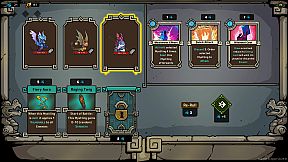
The core loop combines deck building with automated combat. Each run begins with the selection of a Tamer, whose unique specialization shapes available options and overall strategy. A team of three Mystlings forms the foundation, each bringing distinct stats, abilities, and an initial card to the deck. These creatures participate directly in battles while also contributing cards that expand tactical options.
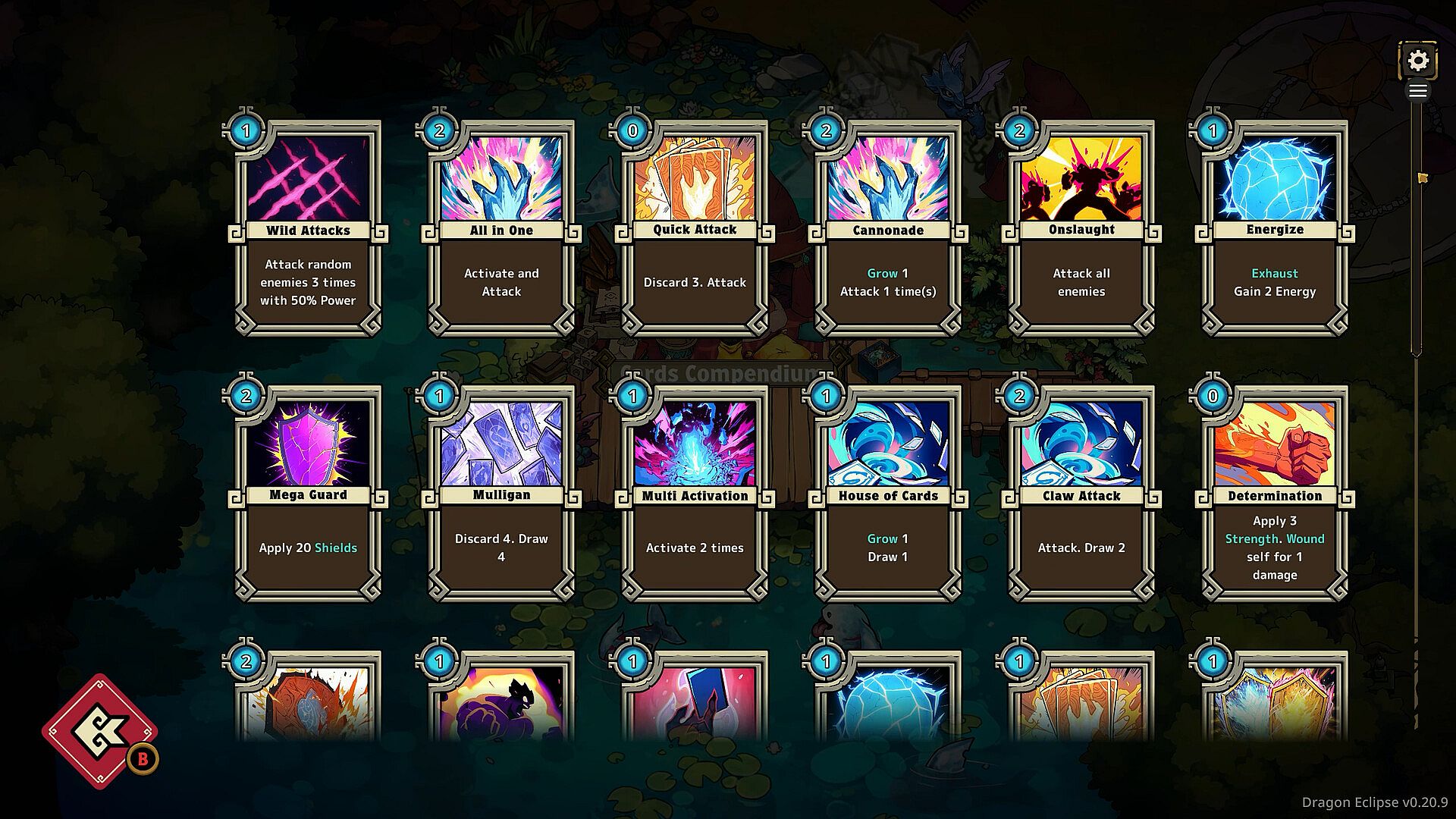
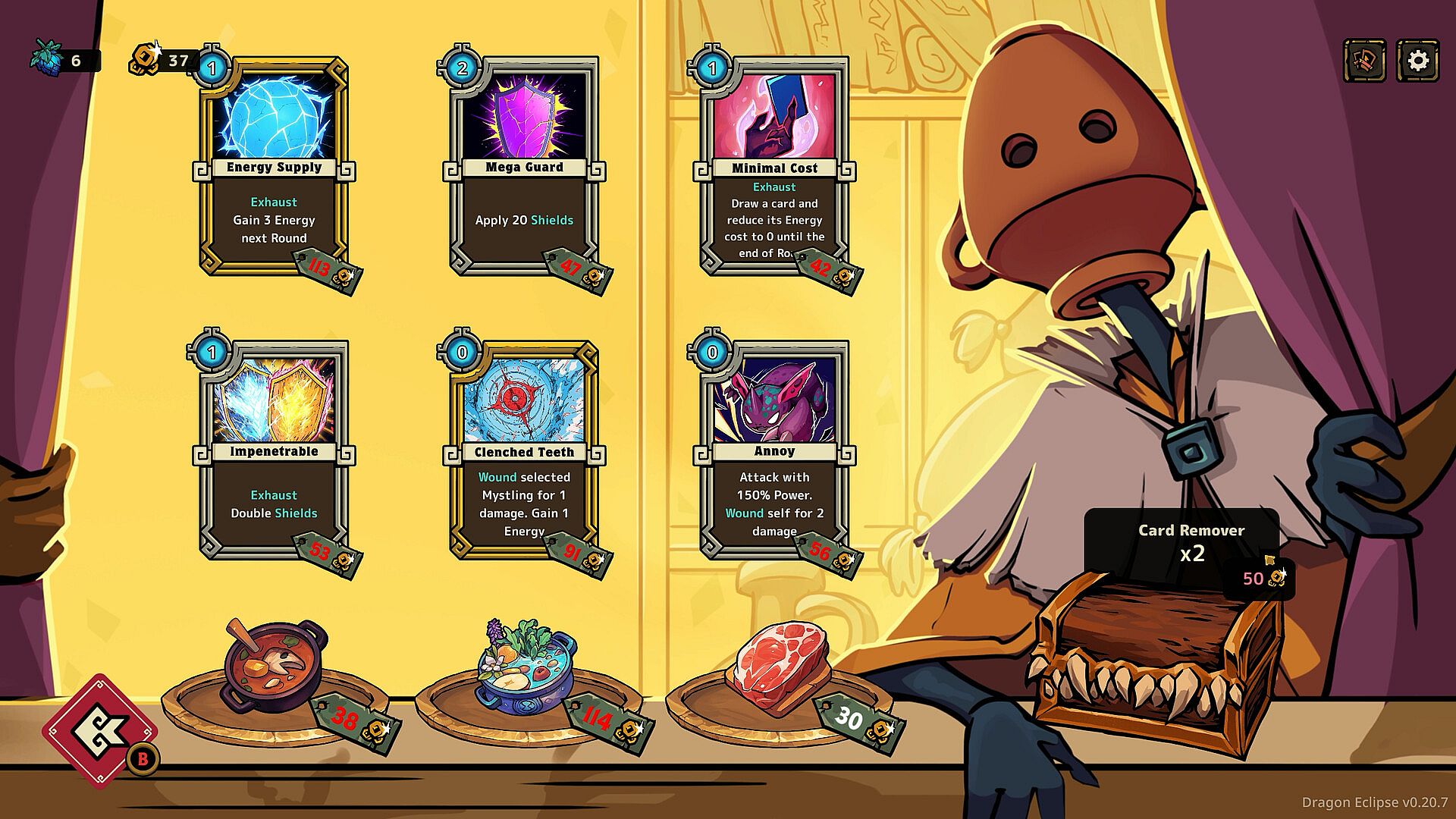
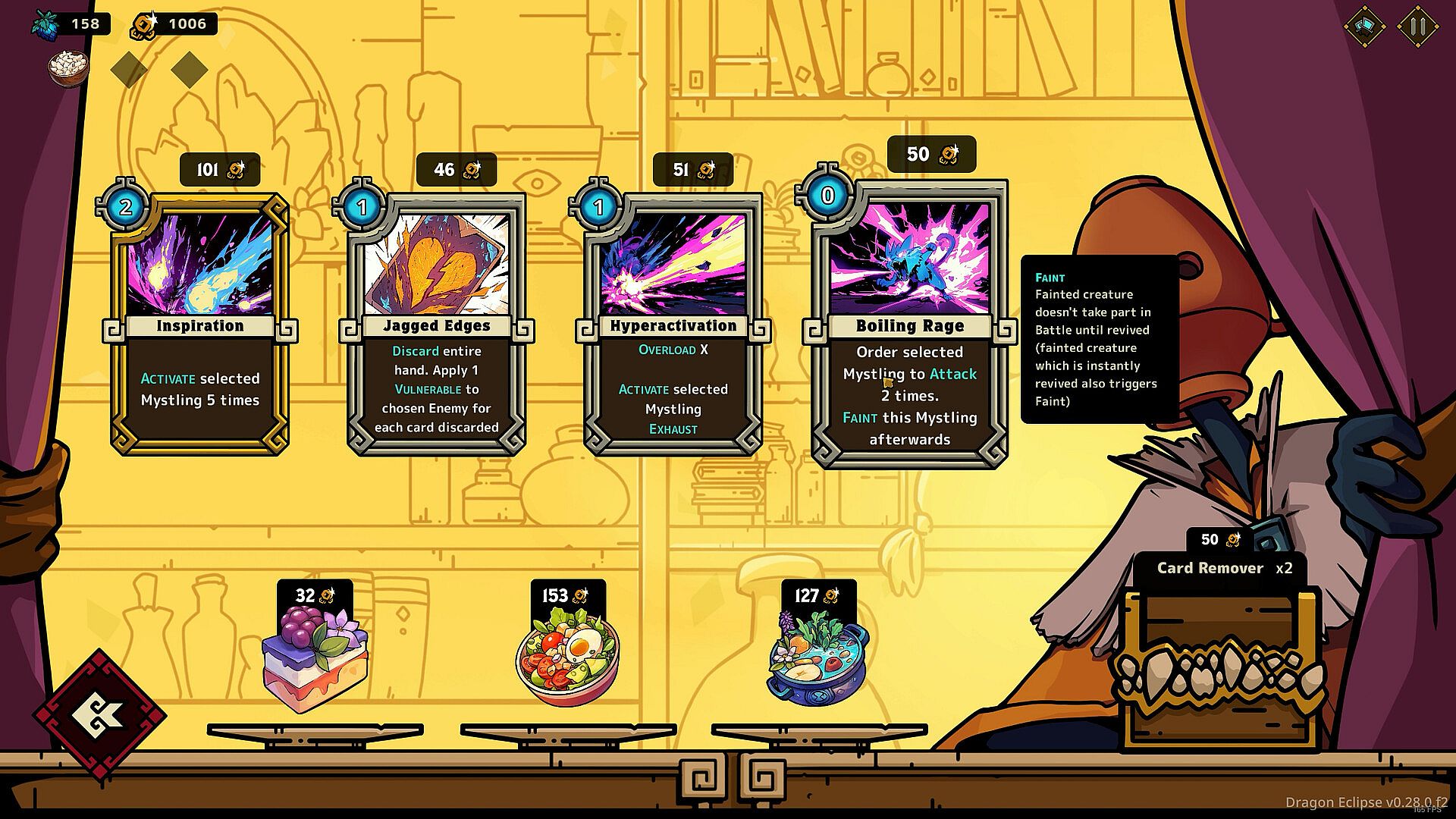
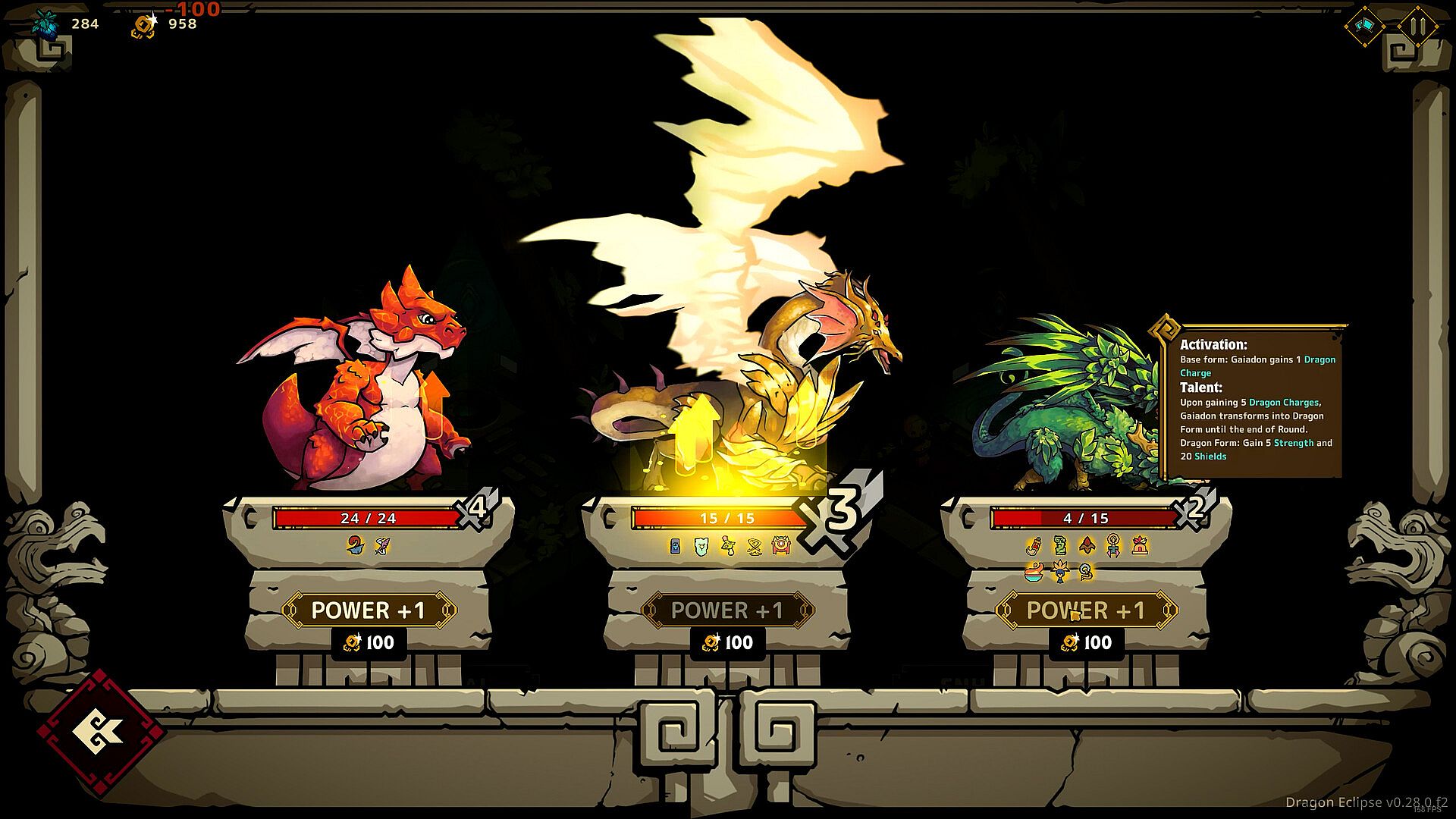
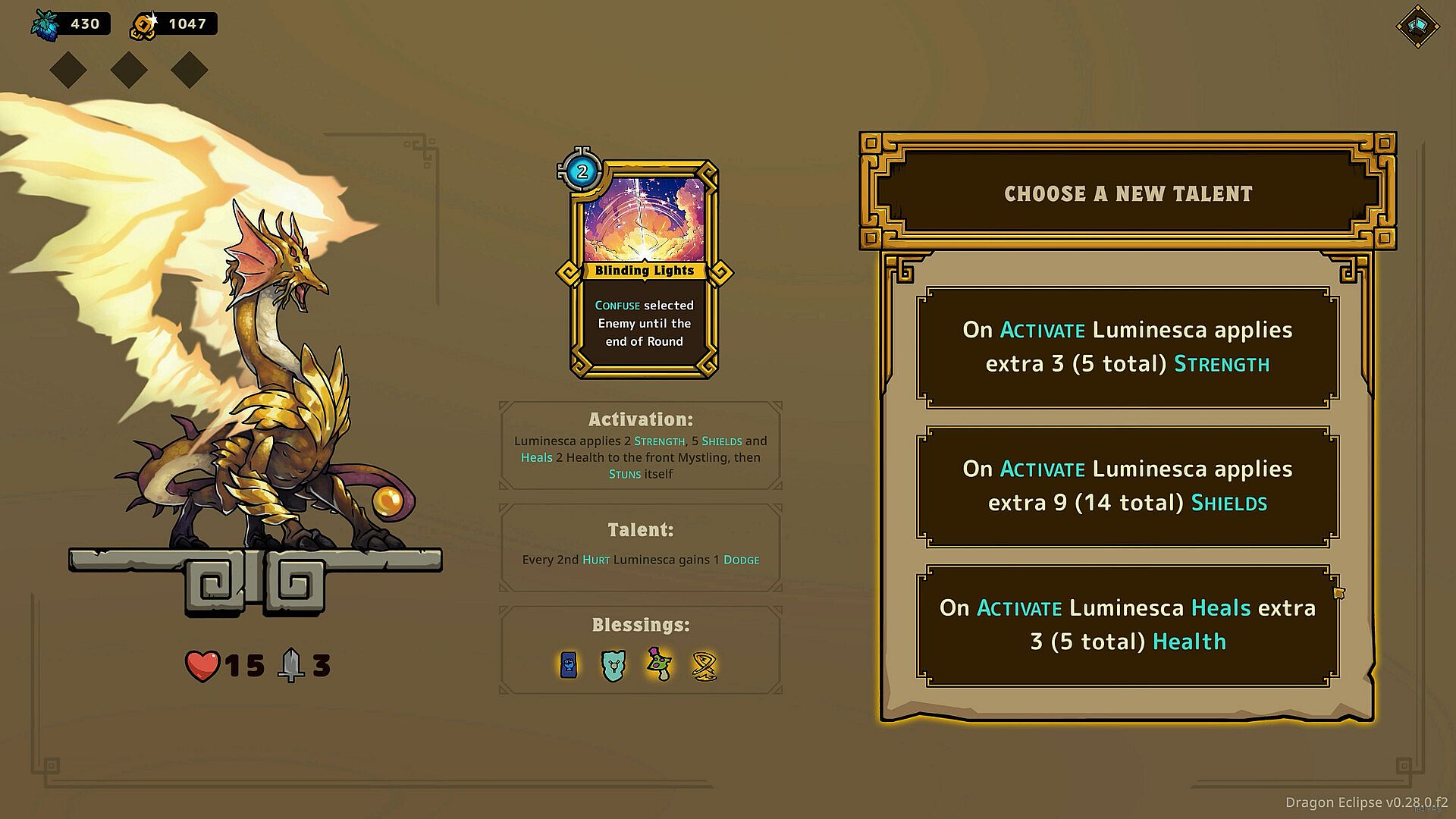
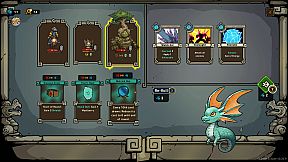
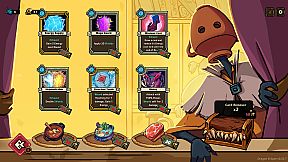
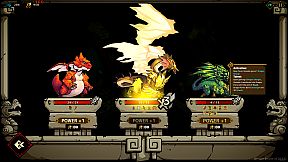
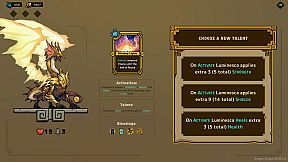
During fights, Mystlings gain experience and evolve, unlocking stronger abilities that alter combat outcomes. Evolution requires careful attention to their individual natures, as different creatures respond to play patterns in varied ways. Deck building happens across multiple sources, including rewards from battles and encounters with non-player characters. The goal remains consistent: assemble powerful combinations that exploit enemy weaknesses before the Eclipse timer expires.
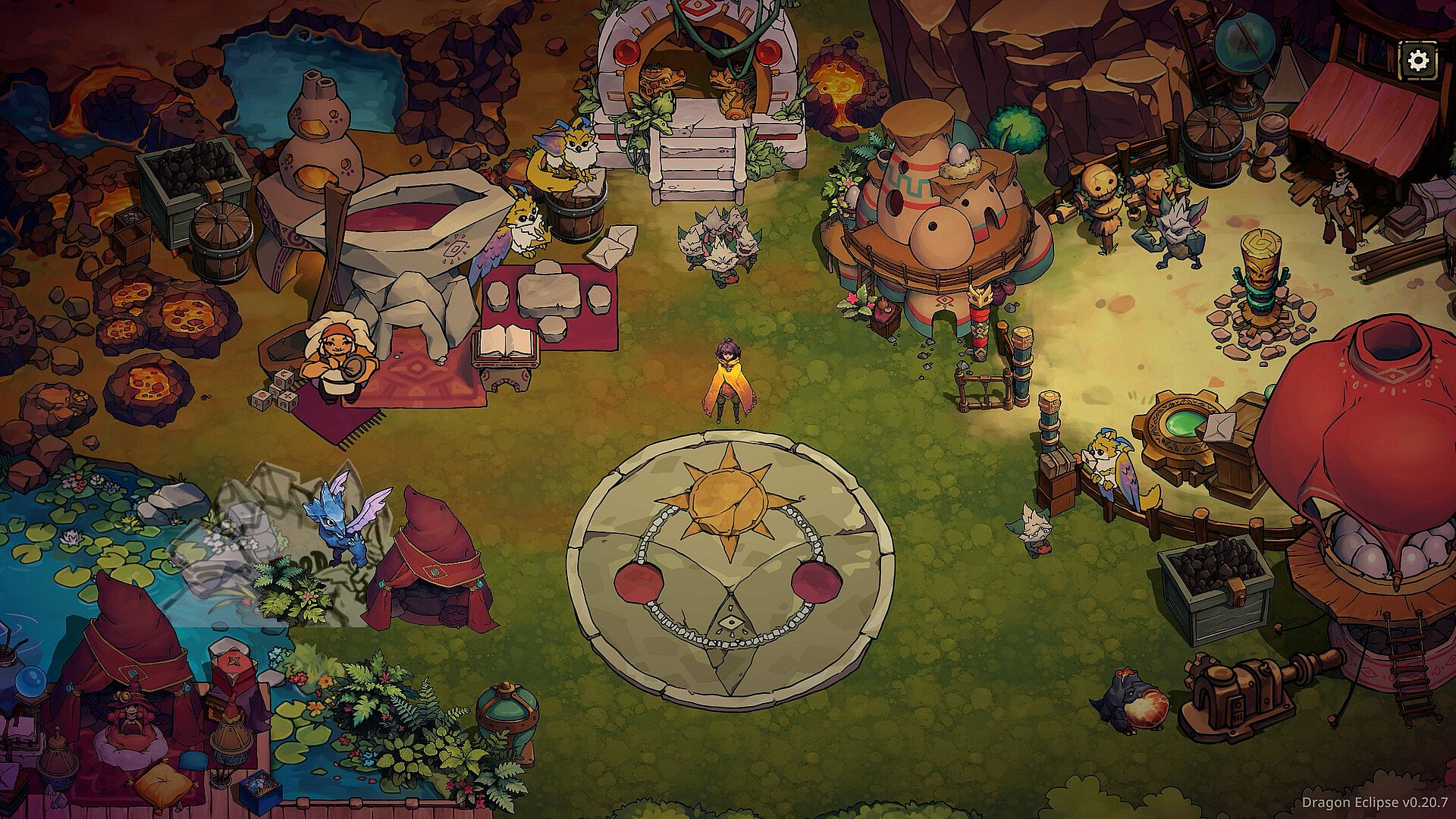
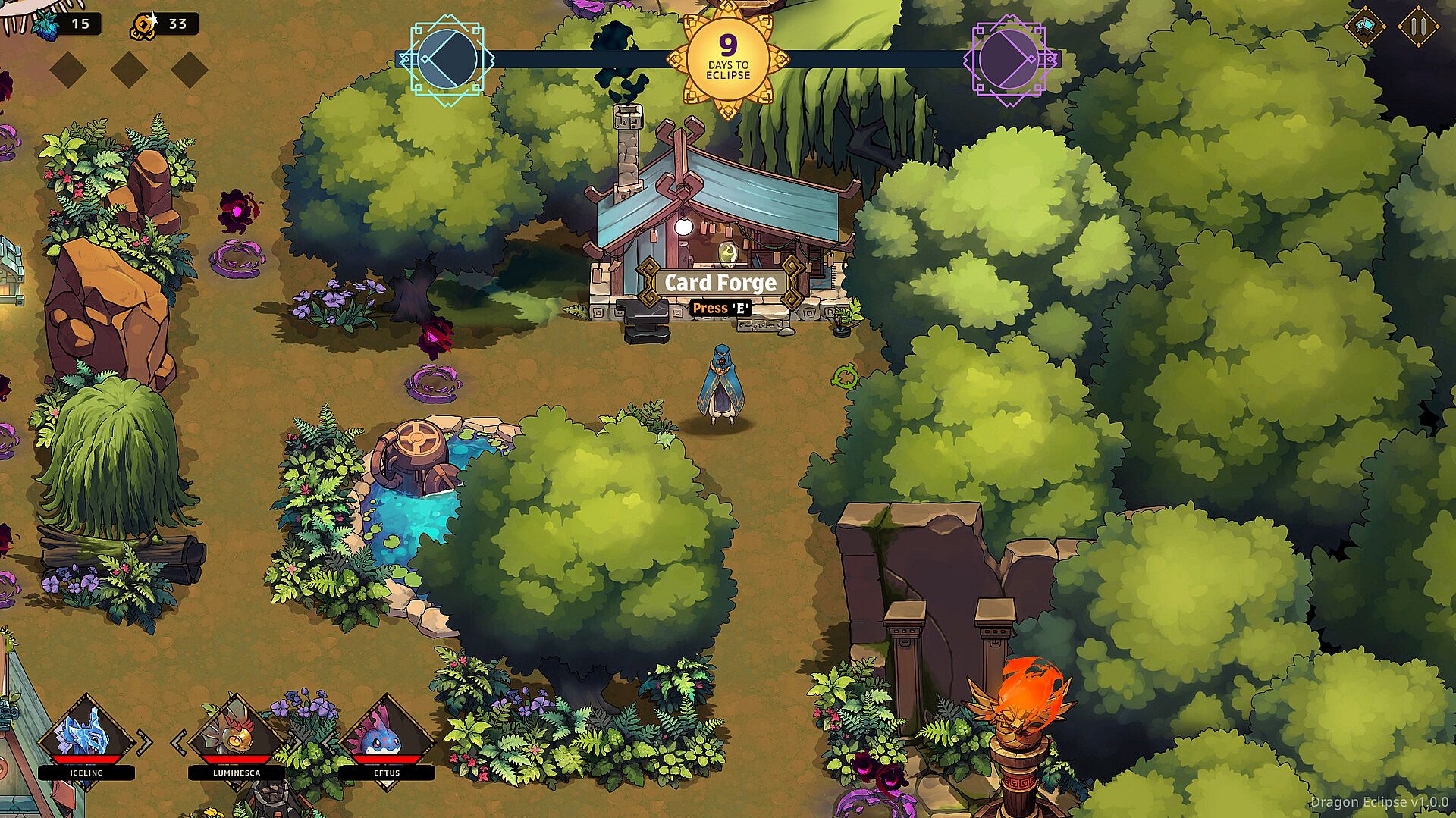
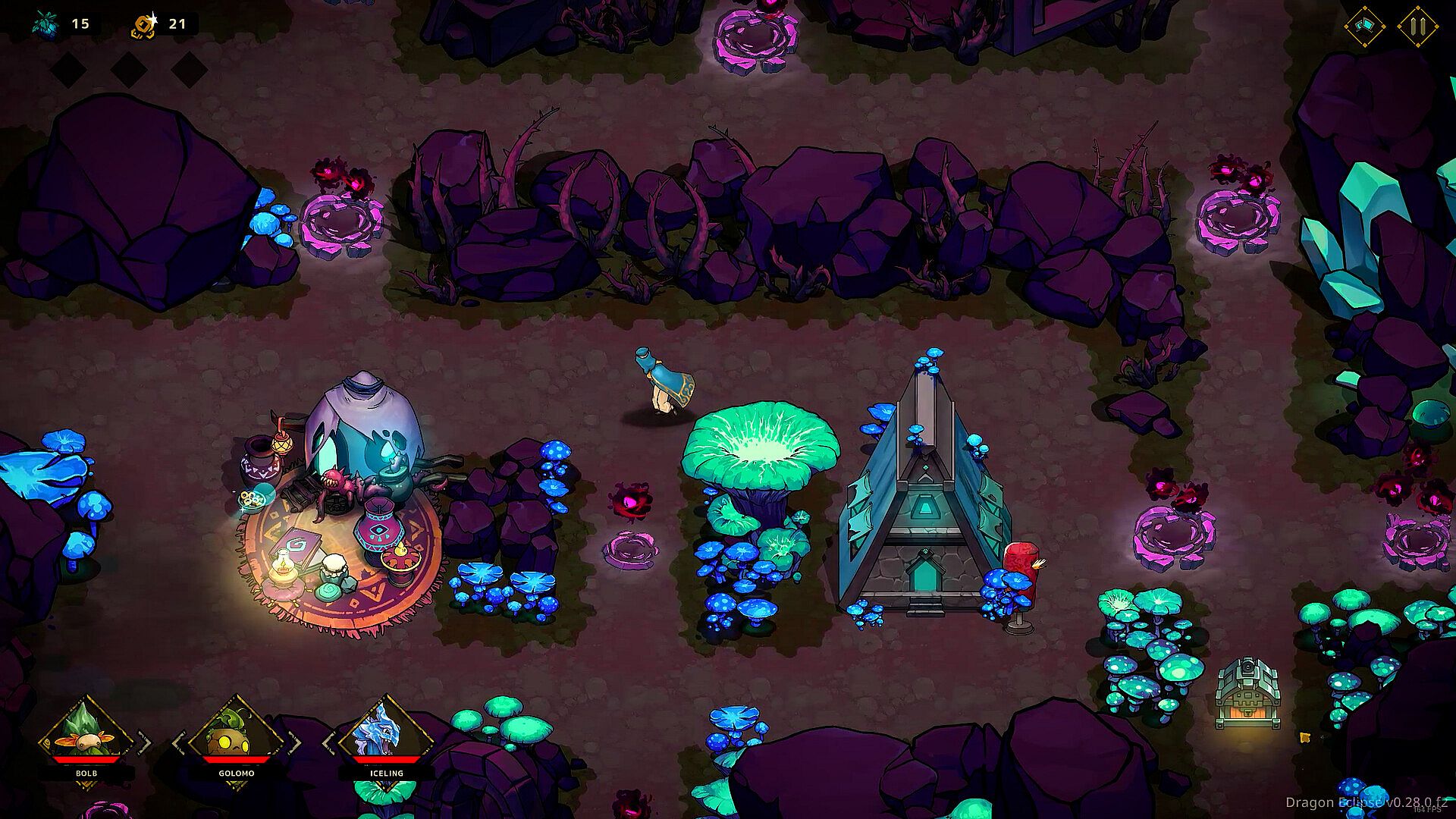
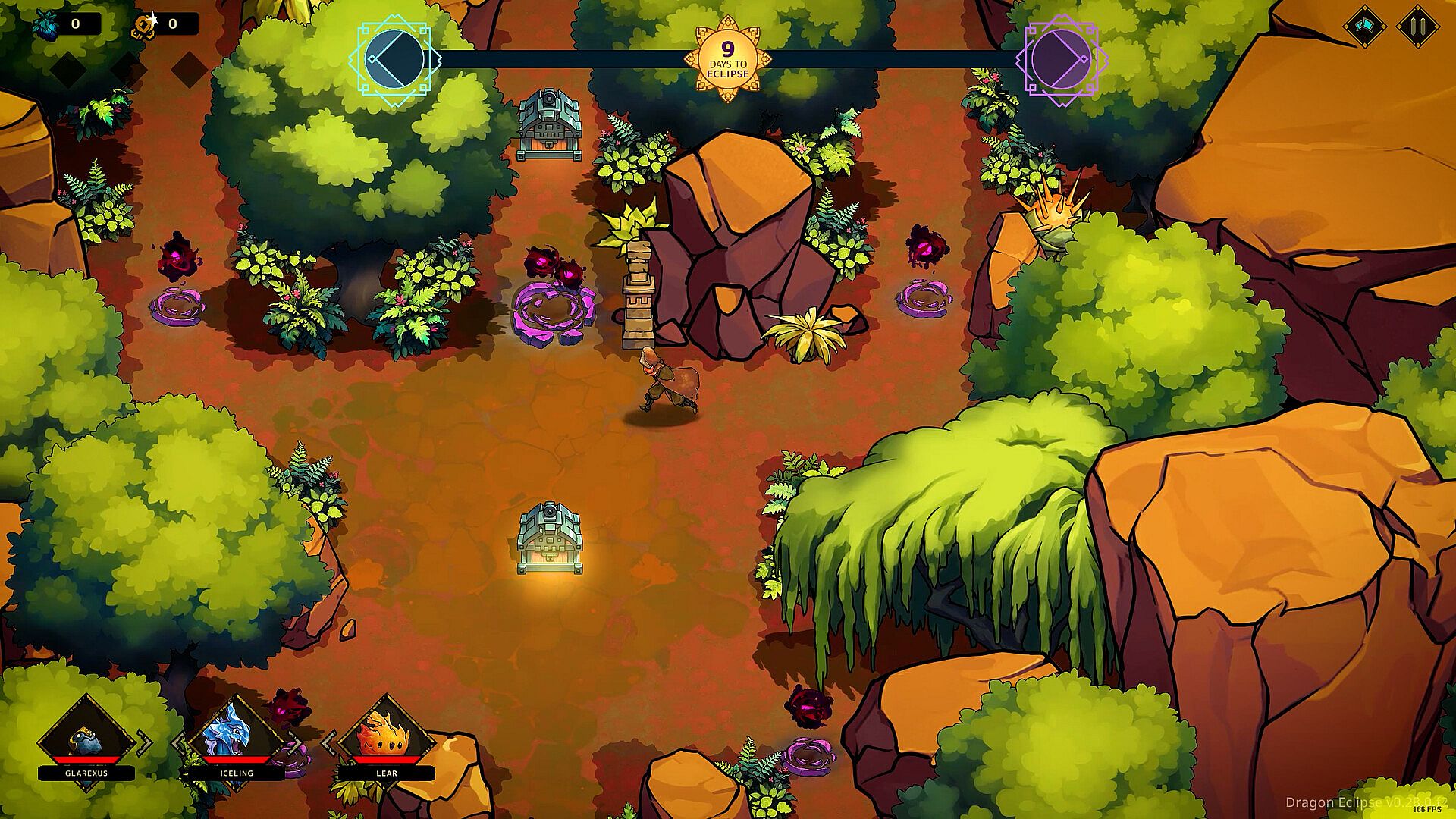
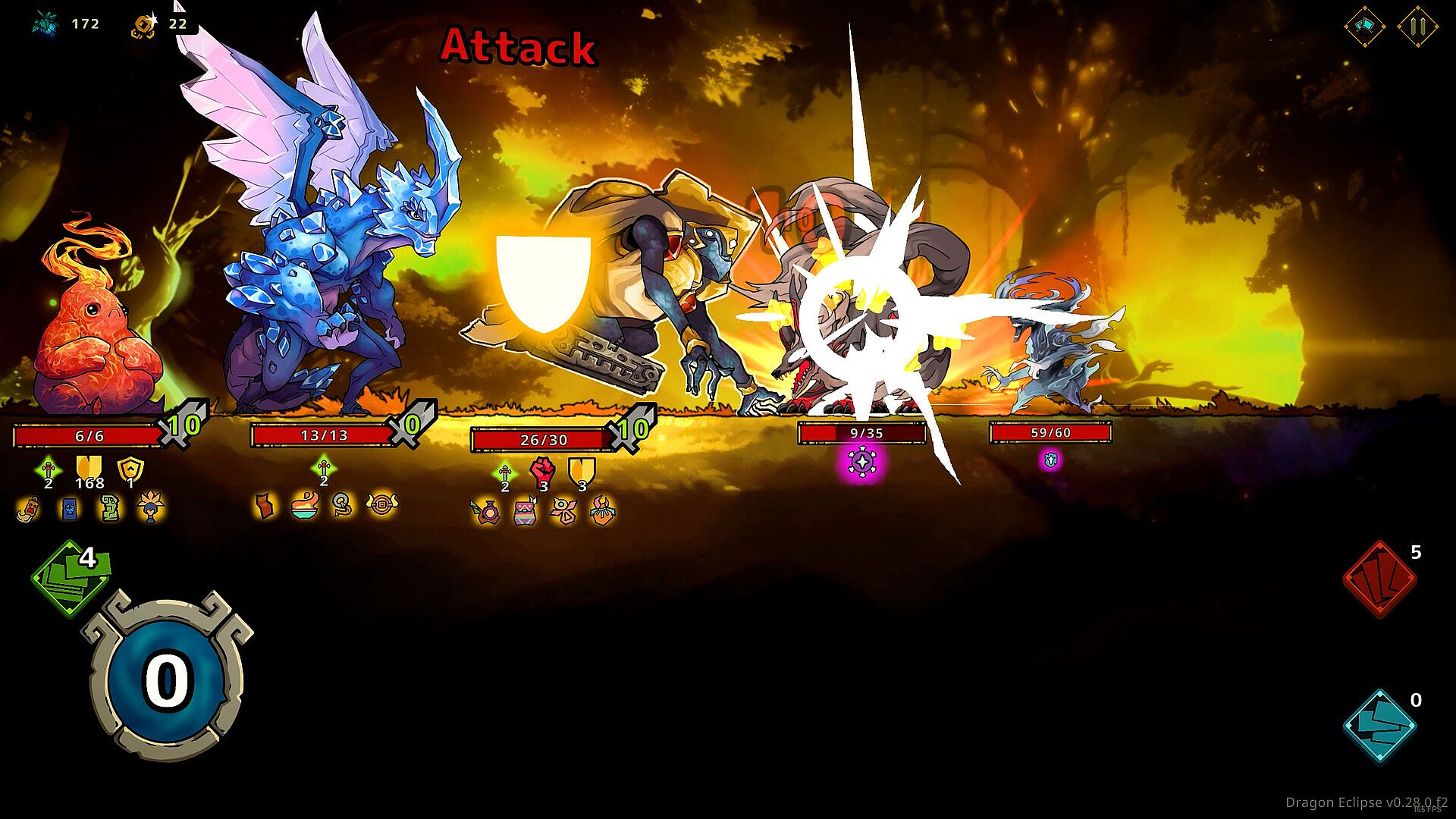
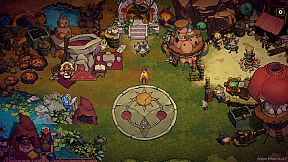
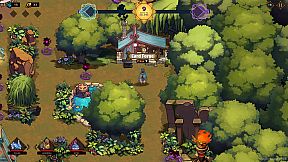
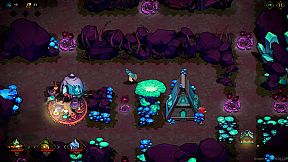
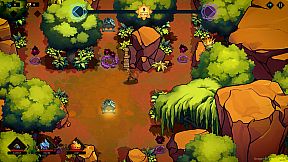
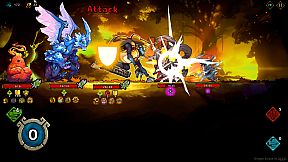
Exploration occurs on a map that cannot be fully traversed in a single run. Players must prioritize resource gathering and card acquisition while managing limited time. Auto-battler resolution means combat plays out with minimal direct input once teams engage, shifting emphasis toward preparation and synergy creation beforehand. This structure rewards experimentation across successive attempts as new Mystlings and cards become available.
Game Modes
Dragon Eclipse structures its content around roguelite runs that increase in difficulty with each completion. Every attempt introduces fresh combinations of Mystlings, cards, and challenges while carrying forward permanent unlocks that expand future options. The single-player focus keeps attention on personal progression rather than competitive elements.
Runs emphasize adaptability. Tamers provide starting advantages that influence early choices, while Mystling teams demand ongoing balance between offense, defense, and support roles. The Eclipse mechanic enforces pacing, forcing decisive action over exhaustive exploration. No separate multiplayer or versus formats appear in the verified design, keeping the emphasis on iterative single-player campaigns against escalating threats.
Key Mechanics and Progression
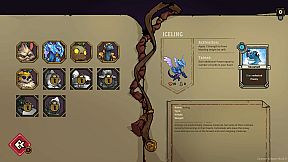
Mystling evolution stands out as a central system. Creatures begin modest but transform through combat experience, granting access to advanced abilities that can shift battle dynamics. Understanding each Mystling's growth path becomes essential for long-term success across multiple runs.
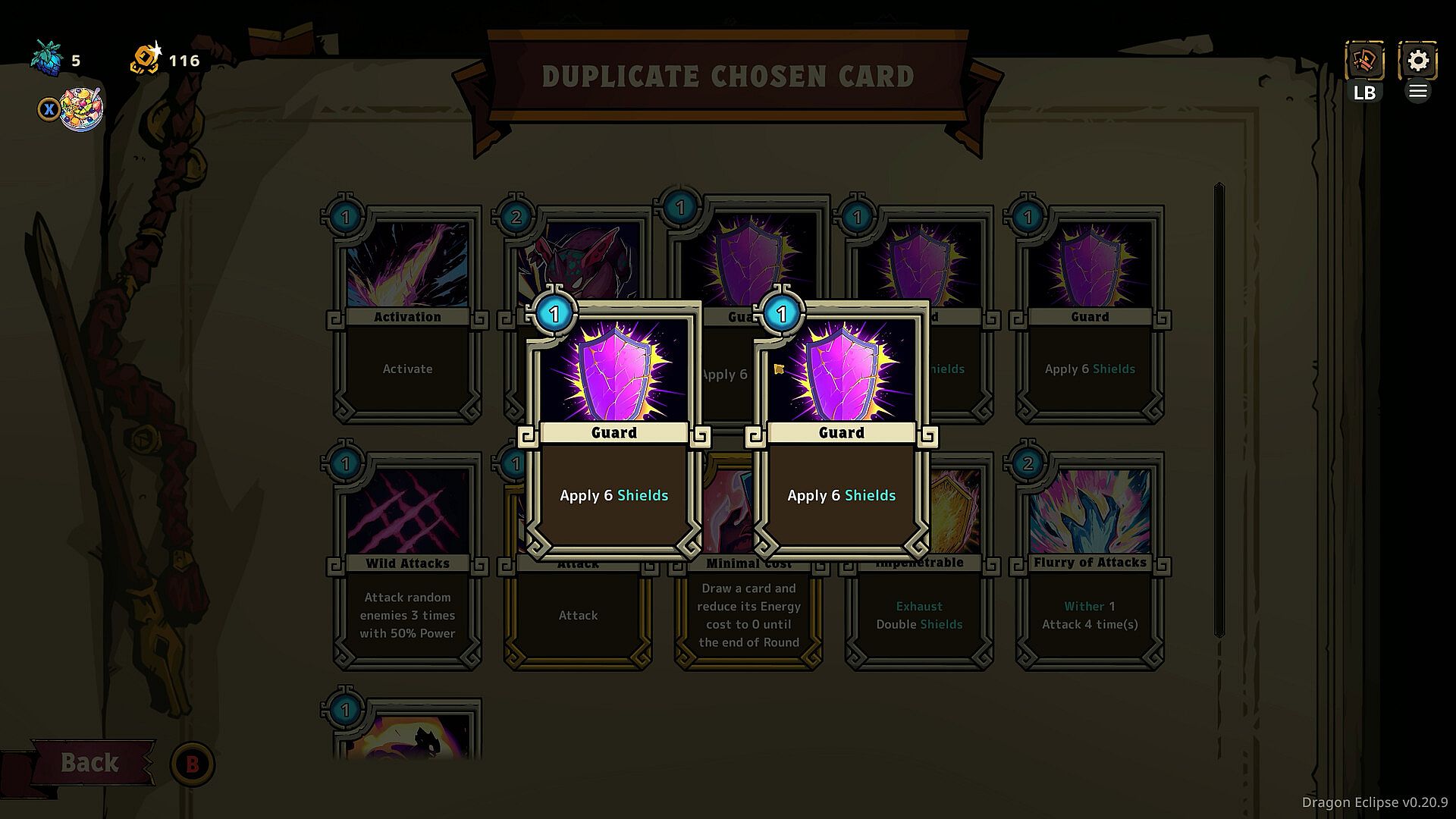
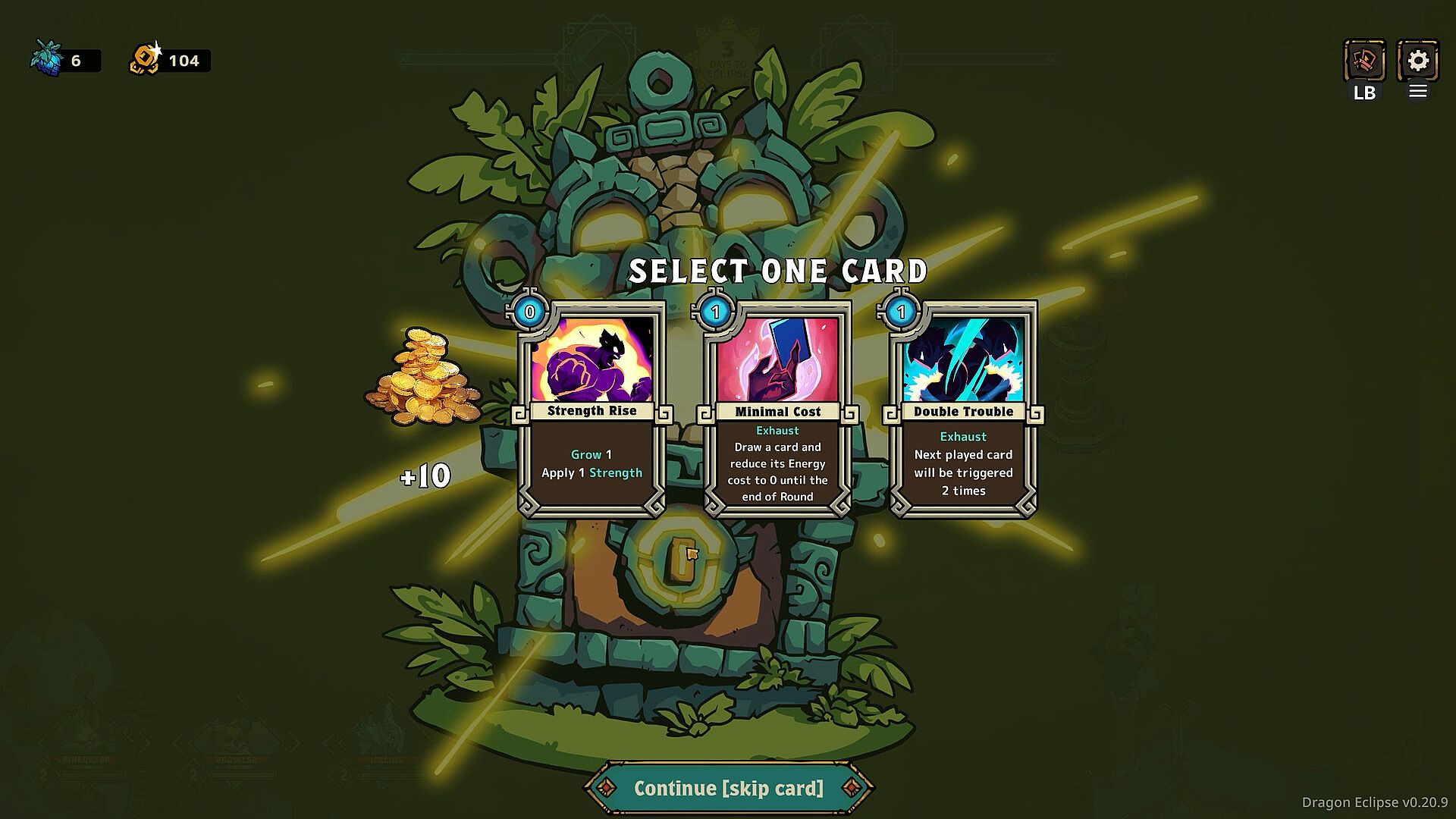
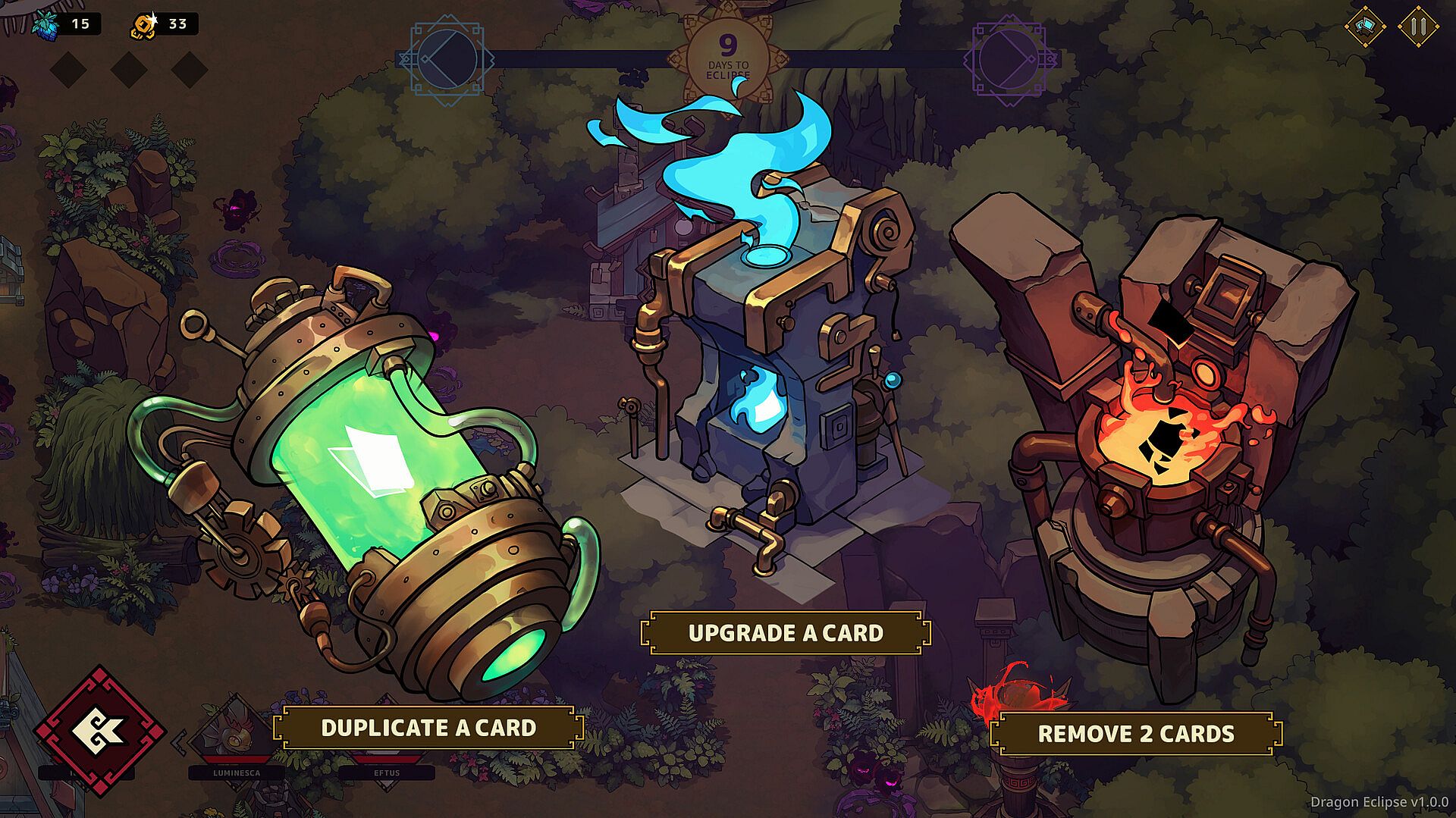
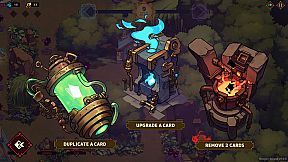
Deck construction supports creative assembly. Cards arrive from varied encounters, and players refine their collection to suit preferred combat styles. The three-Mystling limit encourages focused team building rather than broad collection hoarding. Resource management ties directly to the time constraint, rewarding efficient routing on the map.
Difficulty scaling occurs naturally through run progression. New unlocks raise the ceiling for skilled play while maintaining accessibility for shorter sessions. Controller support and multiple language options broaden availability without altering core systems.
Is It Worth Playing?
Dragon Eclipse suits players who enjoy roguelite progression paired with deck-building depth and automated combat resolution. The mixed reception, with 61 percent positive reviews from nearly 200 submissions, reflects varied opinions on pacing and depth. Those who appreciate iterative runs and creature management often find satisfaction in mastering Tamer and Mystling synergies.
Availability on PC with full controller support and Steam Deck playability makes it accessible for different hardware preferences. The game launched in early access during 2024 and reached full release later that year, with ongoing support implied by its active storefront presence. Individuals seeking a focused single-player strategy experience with clear progression loops will find the mechanics align well with repeated play sessions.
Overall, the title delivers consistent value for fans of the genre who prioritize strategic preparation over direct action control. Shorter runs accommodate casual play, while deeper optimization appeals to those chasing higher difficulties and complete unlocks.