


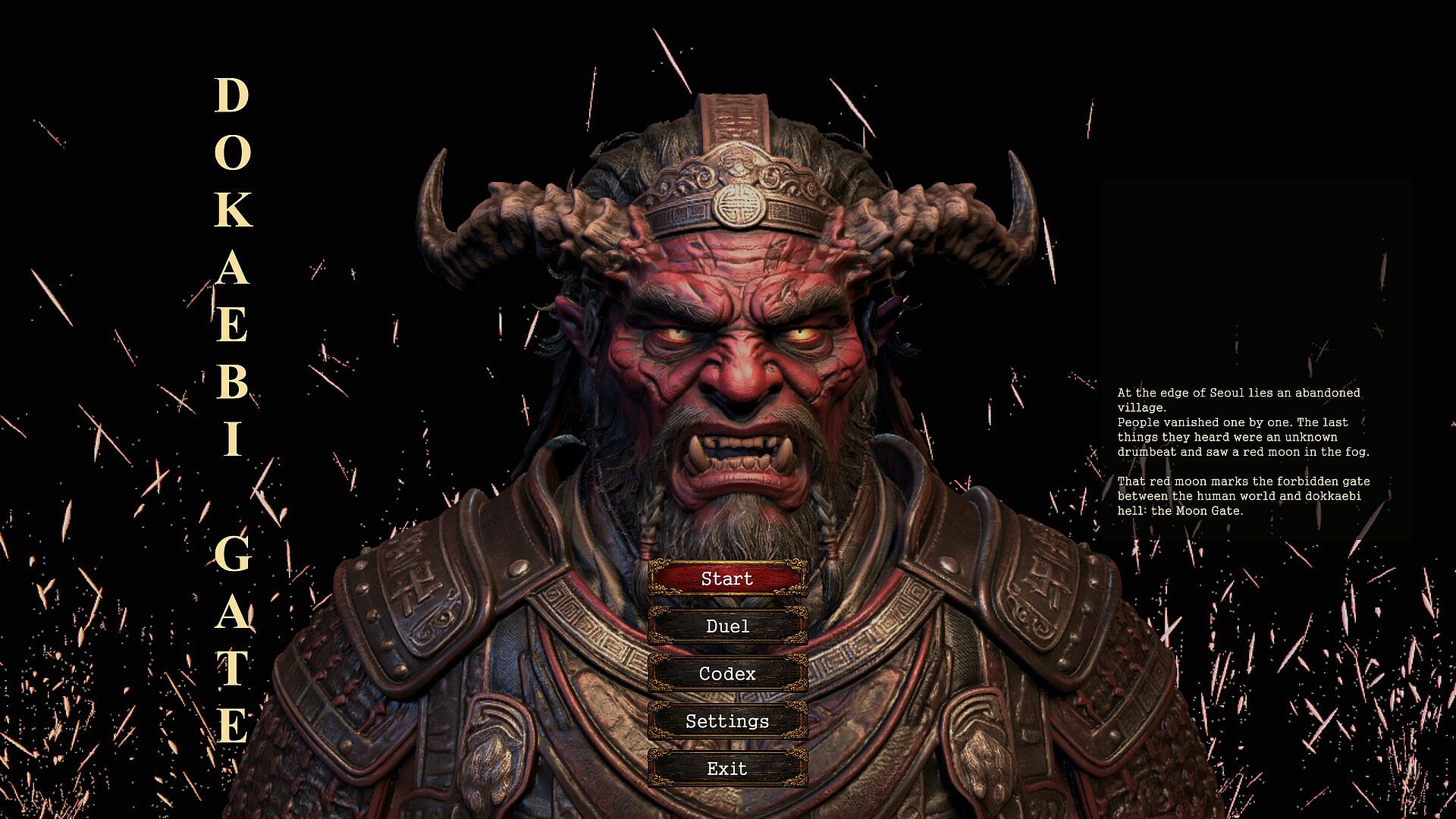

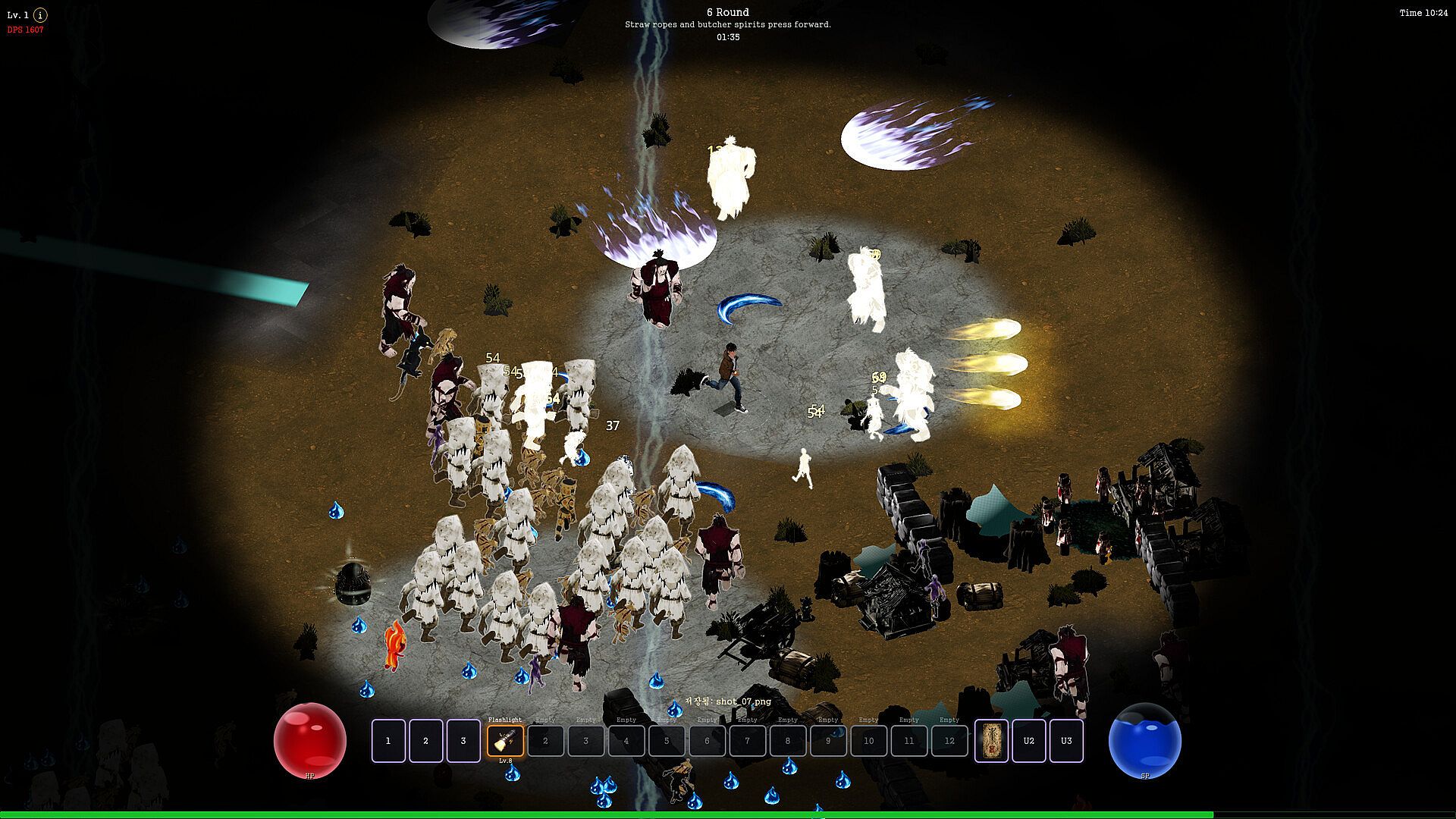
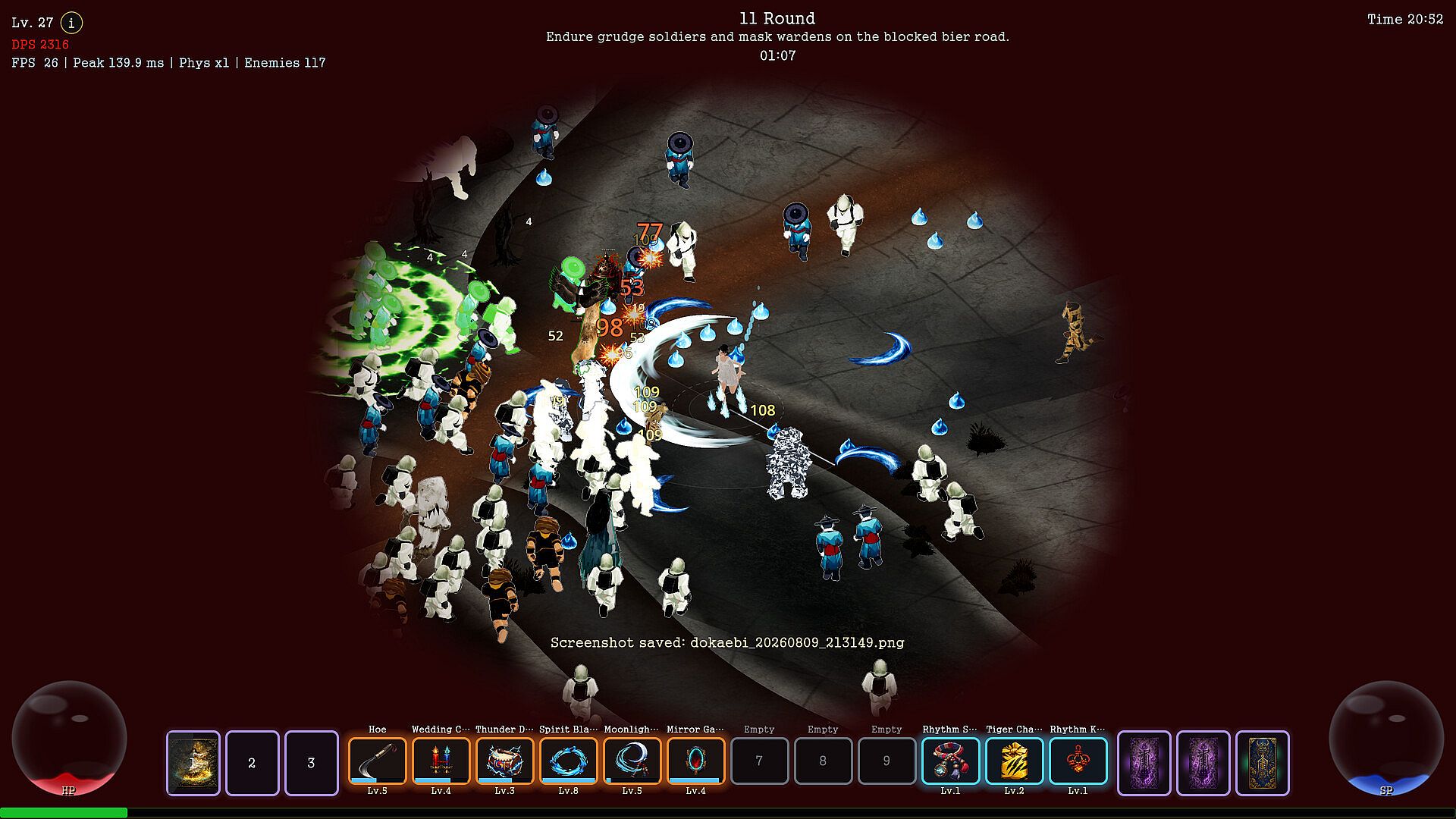
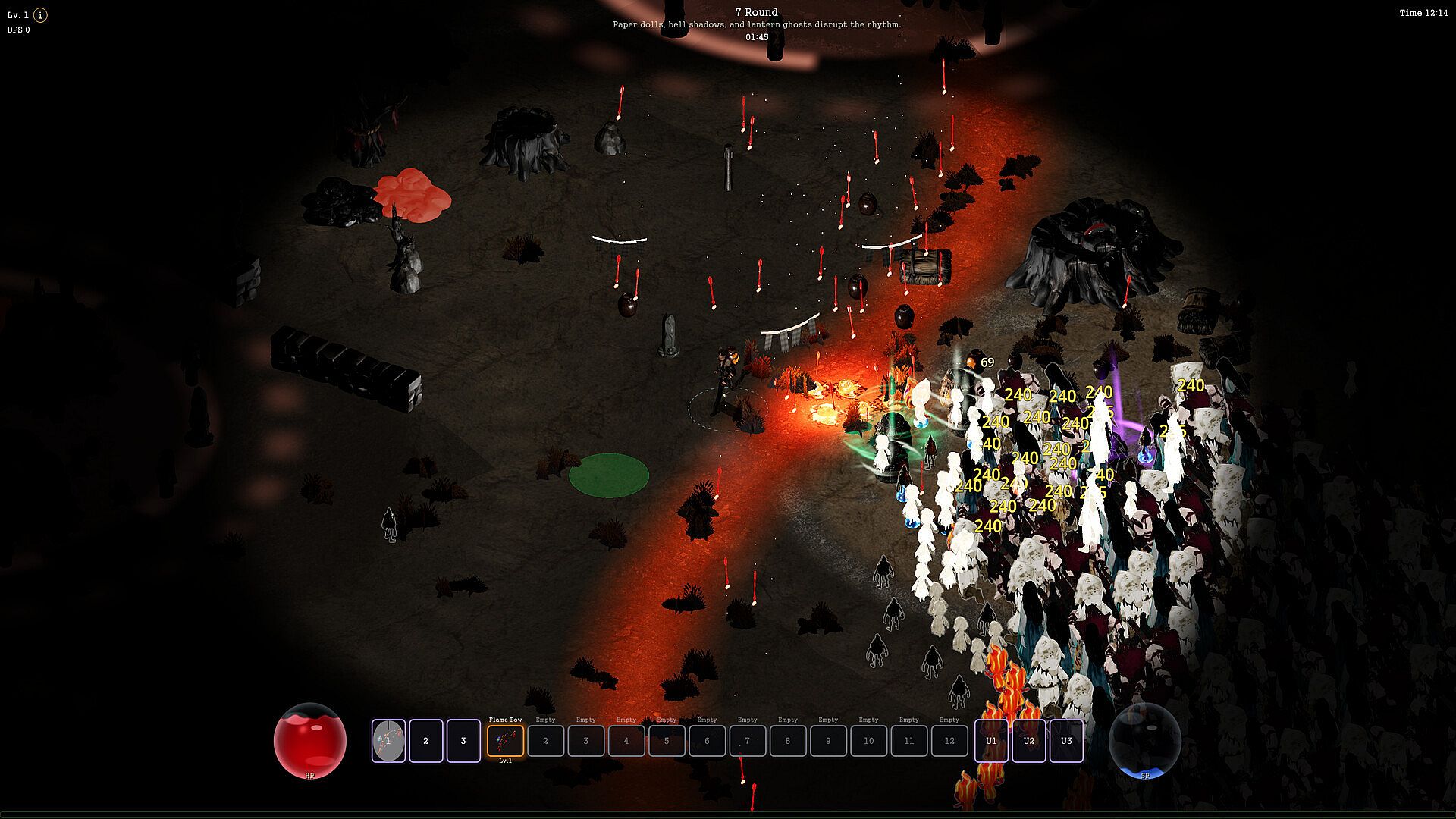
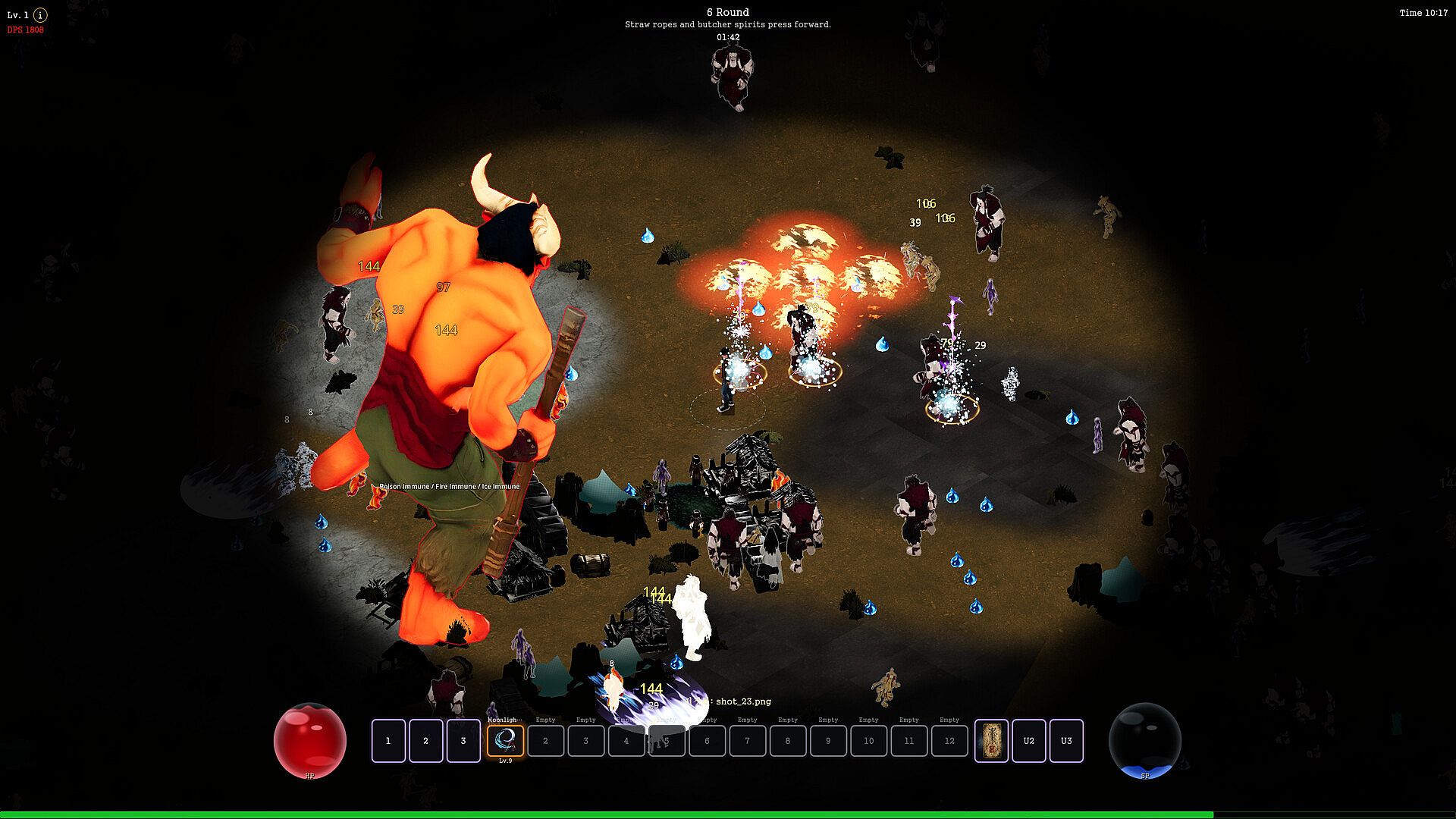
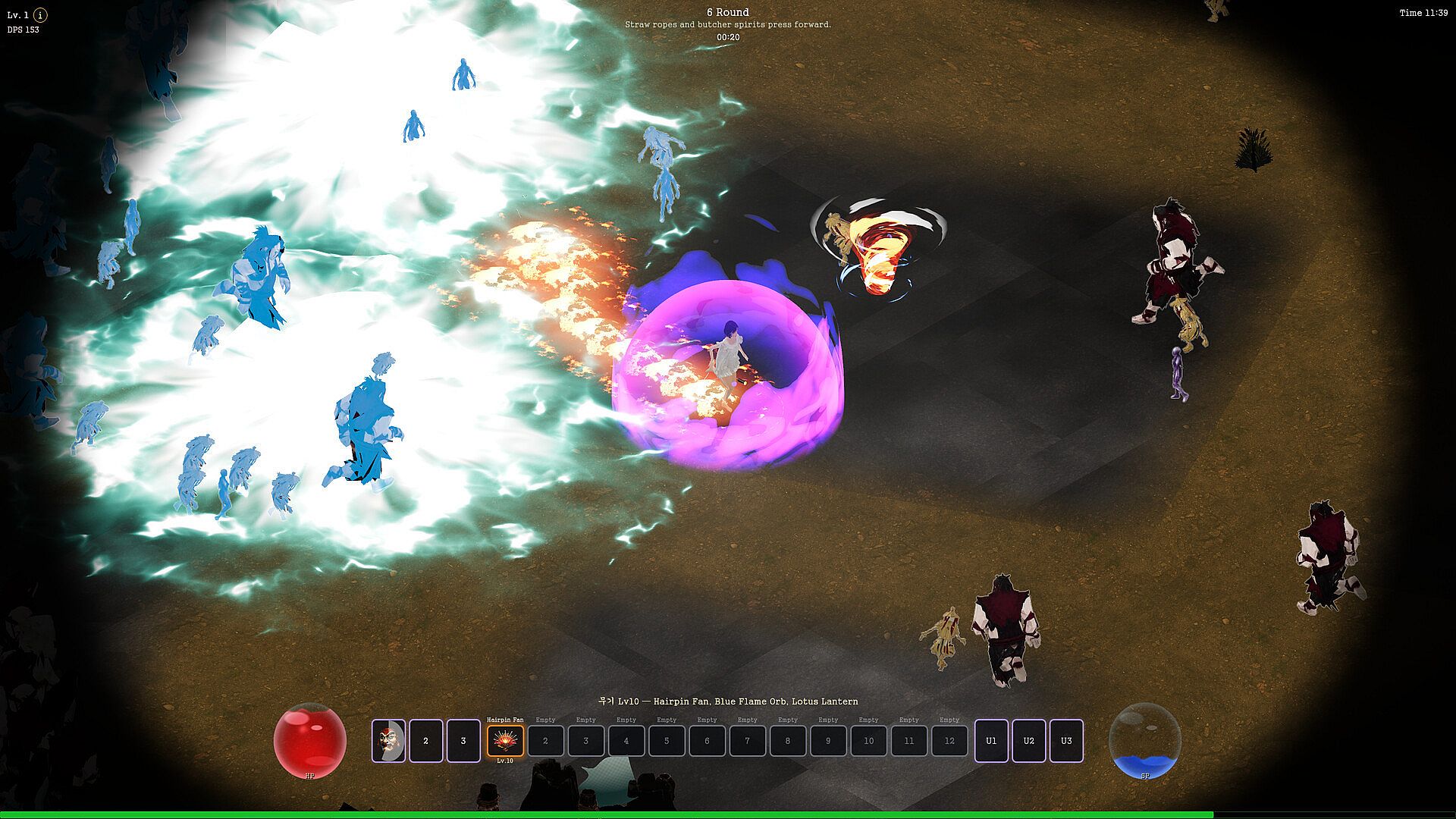
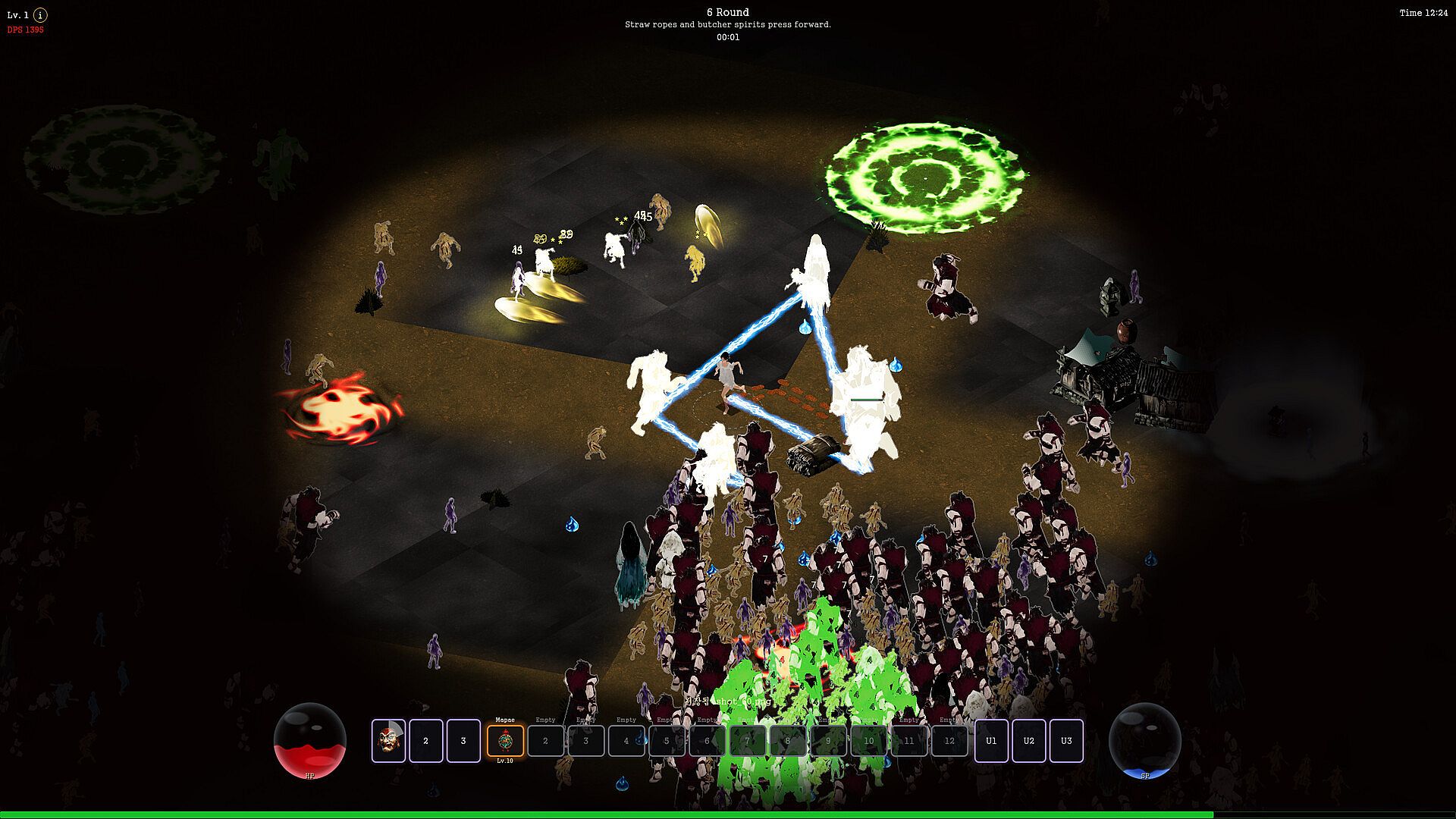





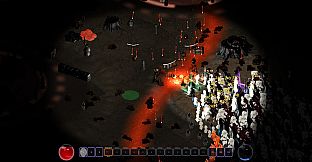
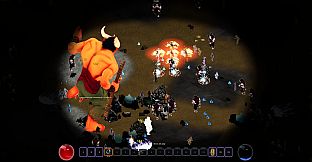

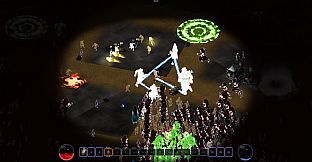

Dokebi Gate is a top-down survival roguelite that blends action, RPG progression, and adventure elements on PC. Set against Korean folklore with dokkaebi spirits and paths to the underworld, the game places players in runs where weapons fire automatically while movement and positioning remain the only direct controls. Darkness dominates the screen, limiting visibility to a small lit radius that expands through stamina investments, forcing reliance on silhouettes, audio cues, and quick decisions rather than full sightlines.
Gameplay
The core loop revolves around short, intense rounds that last two minutes each. Every round refreshes the enemy roster completely, introducing new threats and requiring adaptation on the fly. A gatekeeper boss caps each round, demanding pattern recognition to survive and advance. Runs continue until the player falls, with depth reached serving as the primary score metric. Builds form organically through mid-run choices rather than pre-set loadouts.
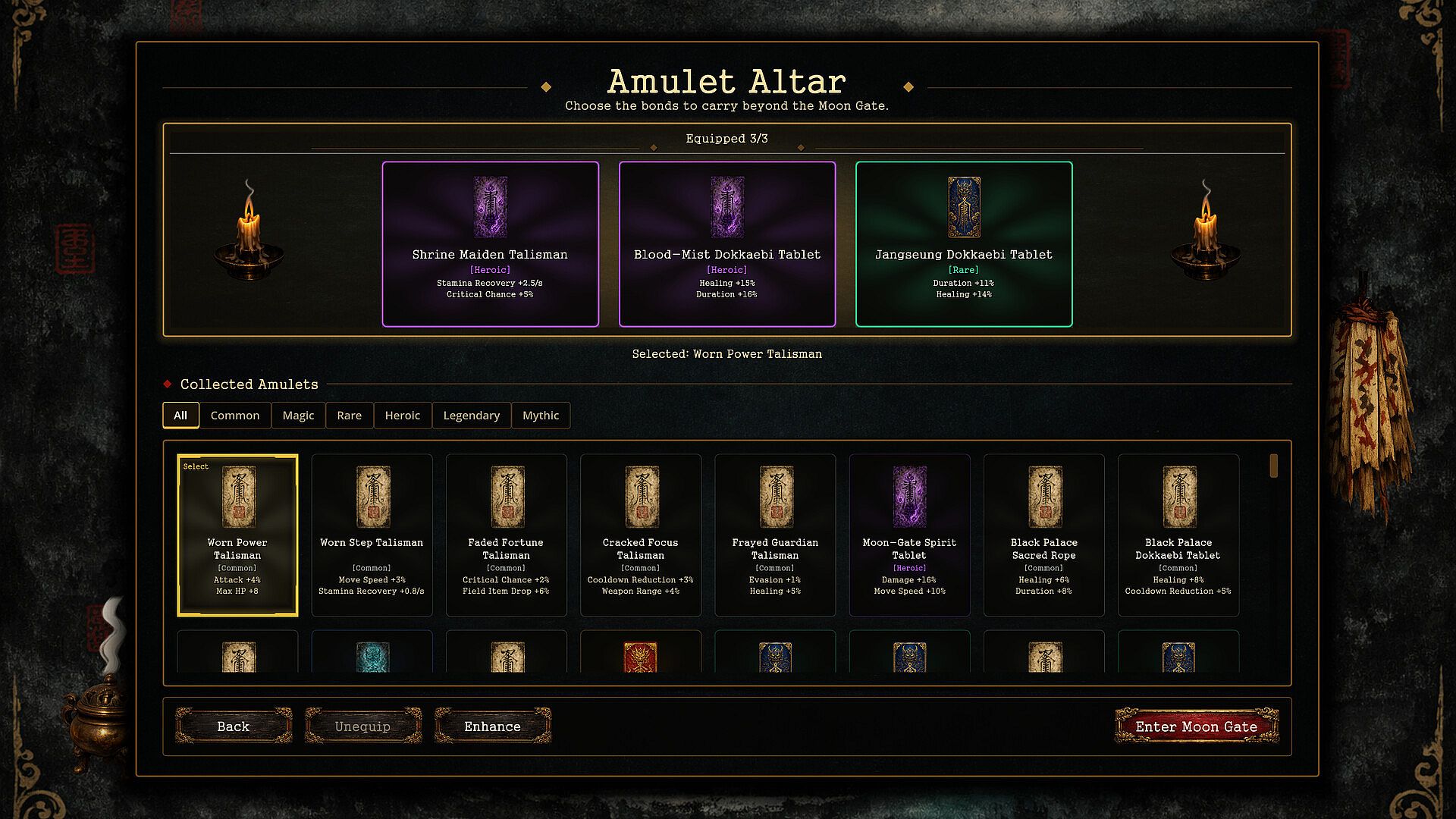
Twenty-six primary weapons sit at the center of combat, each with ten upgrade levels. Examples range from a flashlight for close illumination to a farm hoe, moon sickle, funeral bier procession, underworld ledger, and wedding candle. These pair with forty-five support items that add effects like elemental infusions, piercing shots, execution thresholds, or rhythm timing. Matching the right weapon with the right support unlocks evolutions that transform the weapon into a new form. Sealed Jar cards roll affixes across six rarity tiers, with mythic versions capable of boosting entire skill levels in one go.
Four distinct survivors offer varied starting points and playstyles. Kim Doyun begins with the flashlight and performs leaps that split the ground on impact. Vue uses a flame bow to rain arrows on distant points. Kim Minjoo wields the hoe and dances under pressure to shove enemies outward while restoring health. Sansin carries the mapae and chains electricity between foes without release. A companion creature follows each survivor, collecting experience orbs out of reach and providing passive benefits such as damage reduction from the Black Sapsali, improved evasion from the Spirit Cat, or expanded pickup range from the Moonbird. Feeding the companion spirit items from the ground increases its speed and range.
Game Modes
Standard runs emphasize survival against waves in procedurally shifting conditions. Five distinct grounds serve as arenas, each with unique terrain and hazards: a forest, a ruined shaman's shrine, a night spirit market, a drowned rice paddy, and a village under blood mist. These environments alter movement and line-of-sight options without changing the fundamental two-minute round structure.
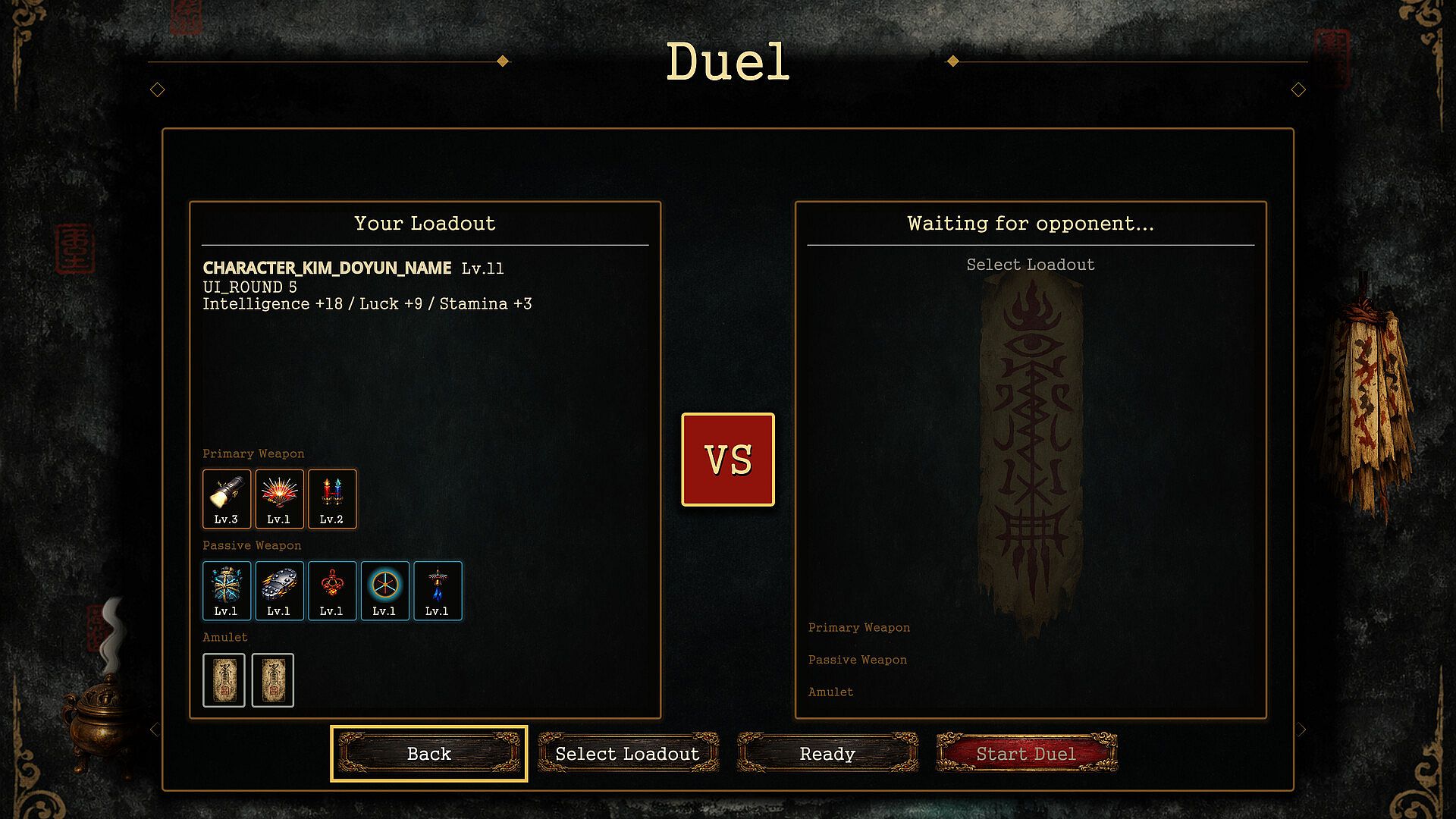
Builds assembled during runs transfer directly into 1v1 PvP duels. Both participants load a saved checkpoint, pitting their evolved weapons and support combinations against each other on a randomly selected ground. No monsters appear in these matches. Instead, shared environmental hazards such as elemental meteors and UFO lasers threaten both players equally. Solo practice against an AI opponent uses the same rules and maps, allowing refinement of positioning and timing before facing human opponents.
Progression and Builds
Stamina upgrades serve dual purposes by widening the visible radius and supporting heavier weapon use. Every decision between sight extension and raw damage output shapes the next run. Weapon evolutions and jar affixes create branching paths that reward experimentation across multiple attempts. The companion system adds another layer, as growth through feeding directly influences resource collection and survivability without requiring separate management menus.
Players experiment with different survivor and weapon pairings to counter the rotating enemy sets. The limited visibility mechanic remains constant, turning every round into an exercise in reading partial information and anticipating threats from sound and outline alone. This setup favors repeated short sessions over long campaigns, with each two-minute segment delivering fresh roster changes and gatekeeper encounters.
Is It Worth Playing?
Dokebi Gate suits players who enjoy roguelite runs with automatic combat and heavy emphasis on positioning under restricted vision. The short round length supports quick sessions while still allowing deep build crafting through weapon evolutions and support synergies. The inclusion of 1v1 PvP using the same progression systems adds a competitive outlet for those who complete multiple survival attempts.
Four survivors and five grounds provide immediate variety without overwhelming complexity. Companion growth and stamina choices offer meaningful customization that carries across both solo runs and duels. Those drawn to folklore-inspired settings and mechanics that prioritize audio-visual cues over full-screen clarity will find the core loop engaging. The game remains in active development with its listed features intact, making it a focused experience for fans of survival roguelites rather than broad open-world adventures.