







Do you remember? is a single-player indie simulation adventure game that places players in a psychiatric clinic setting with no prior memories. The experience blends routine daily activities with structured psychological evaluations across seven distinct phases, each tied to core aspects of human life. Developed for PC, it emphasizes personal choice regarding memory recovery amid repetitive tasks and mandatory medication schedules.
Gameplay
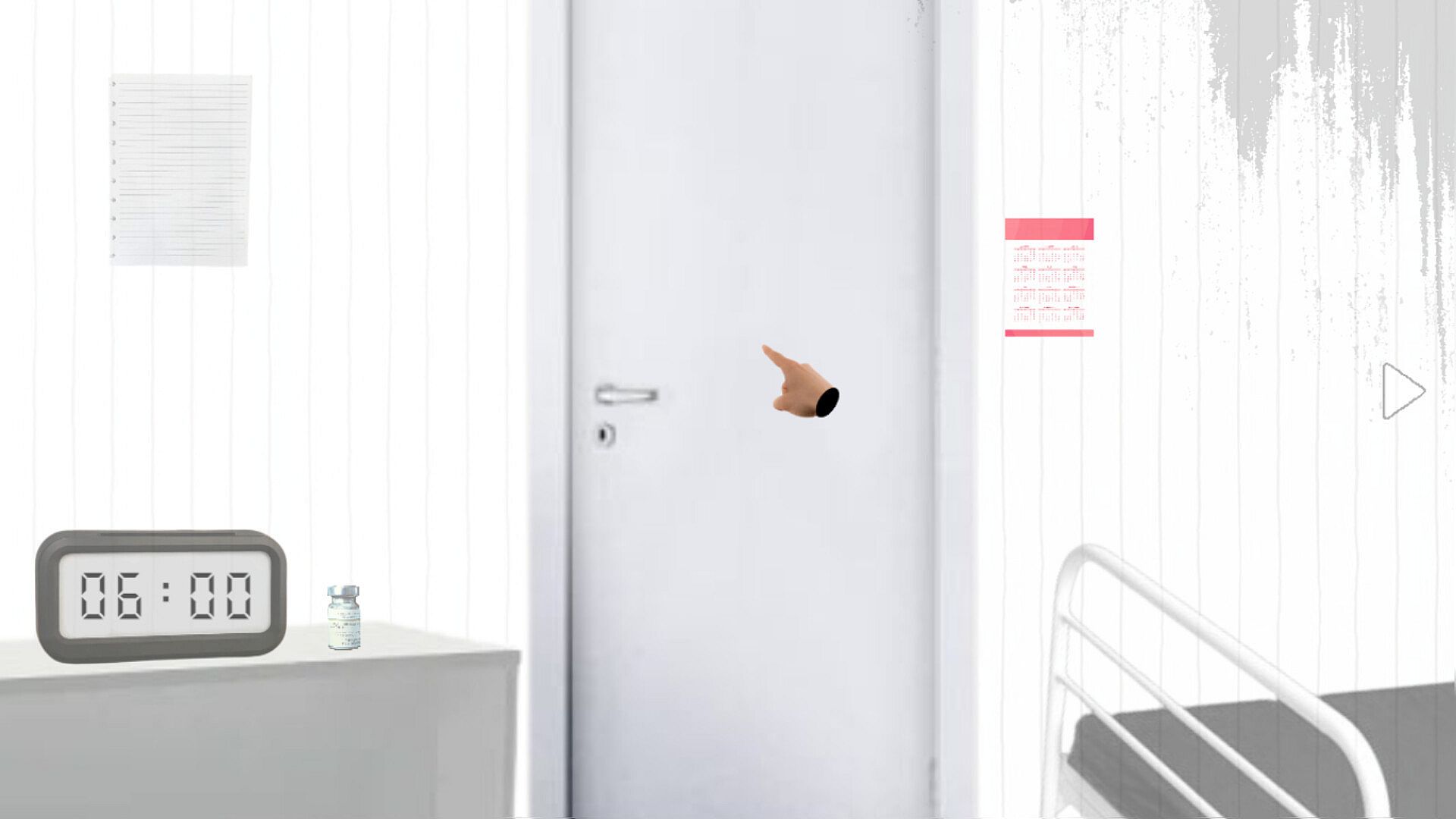
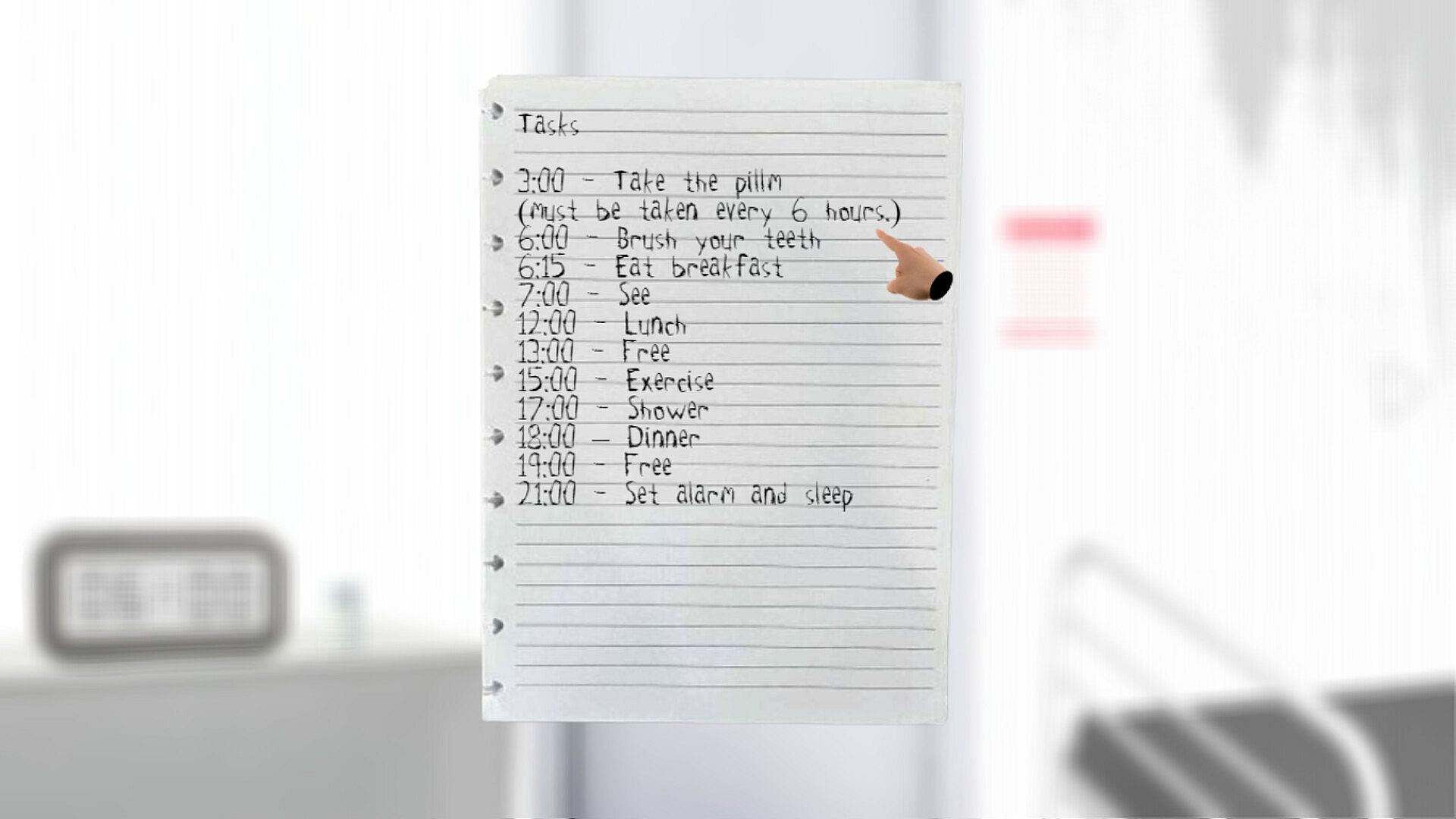
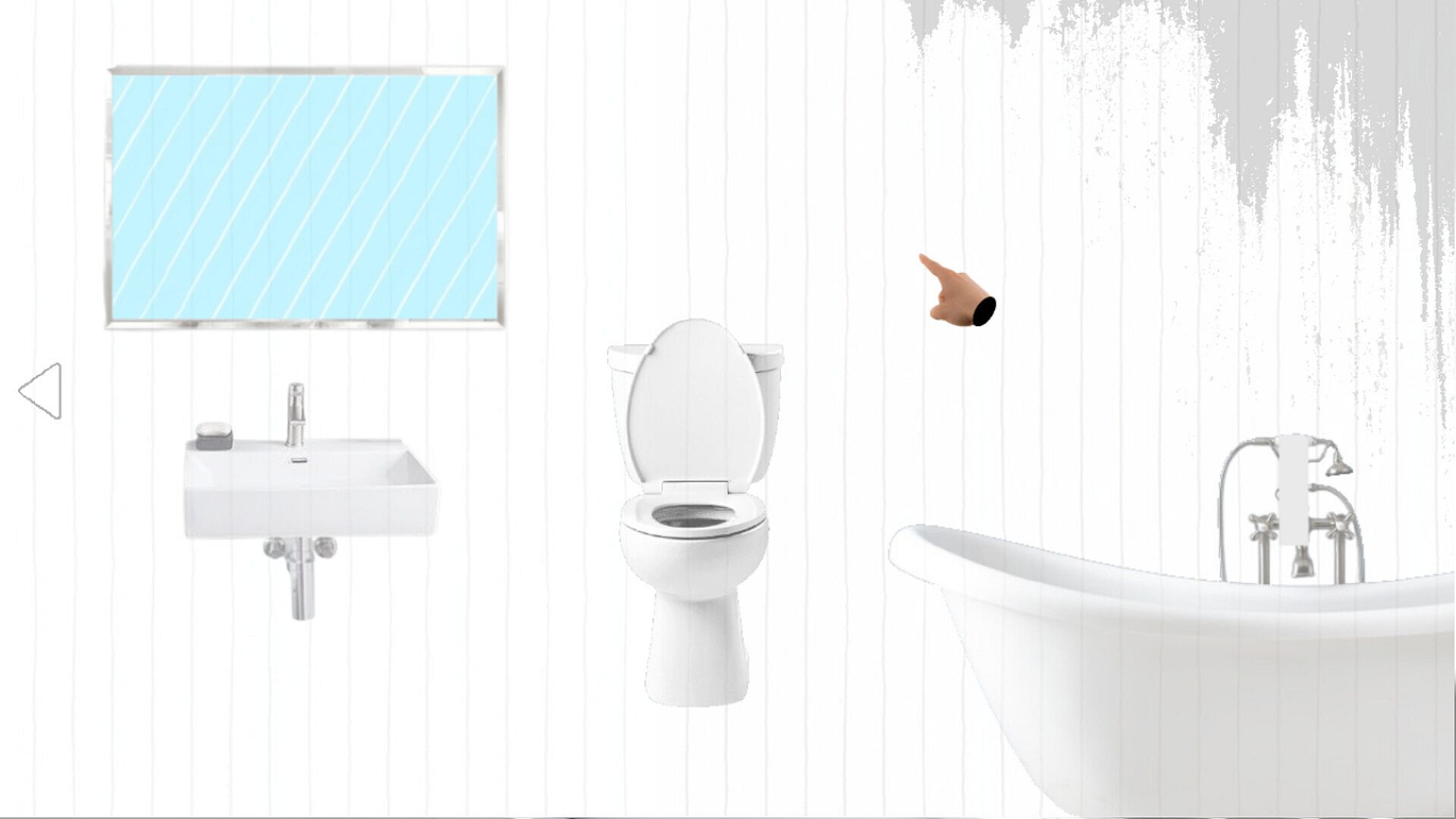
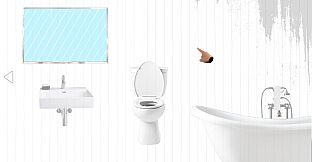
The core loop revolves around maintaining a strict daily schedule while participating in psychological assessments. Players must consume a specific pill every six hours without exception, as this forms a central requirement of the routine. Between these intervals, available actions include resting in bed, showering, examining one's reflection in a mirror, using the bathroom facilities, or tidying personal items on a table surface. These interactions allow for small moments of normalcy within the confined environment.
Progression occurs through seven psychological tests that unfold over a seven-month period. Each test corresponds to a fundamental life element and challenges the player in targeted ways. The sequence begins with sensory and cognitive exercises before moving into communication, mobility, productivity, and social connection challenges. Throughout these periods, subtle environmental details and personal reflections gradually reveal context about the clinic and the player's presence there. Decisions about engaging with emerging memories influence the unfolding events, creating branches based on whether one pursues recollection or maintains distance from the past.
Game Modes
The game structures its content around seven sequential psychological tests rather than traditional competitive or cooperative modes. These tests serve as the primary framework, each representing a segment of everyday existence and requiring focused participation. The tests are labeled See, Hear, Process, Speak, Walk, Work, and Connect, guiding players through progressive stages that build upon previous experiences.
Outside the tests, the experience remains consistent with the repetitive routine elements. No separate multiplayer components or alternate scenarios exist beyond this linear yet choice-driven path. The emphasis stays on individual navigation of the clinic's demands and the optional pursuit of personal history.
Narrative Structure
The story emerges organically from the combination of test participation and routine maintenance. Initial disorientation gives way to incremental discoveries about the facility's true nature and the reasons for the player's arrival. Free time activities provide opportunities for introspection, such as mirror observations that may trigger fragments of identity or past events. The central tension lies in the option to embrace or reject these fragments, with the narrative adapting accordingly over the full duration.
This approach creates a contained, introspective tale focused on identity and institutional control. Details surface through environmental cues and test outcomes rather than direct exposition, encouraging careful observation during both structured evaluations and idle periods.
Is It Worth Playing?
Do you remember? suits players drawn to deliberate, simulation-style experiences that prioritize atmosphere and personal agency over action or exploration in open worlds. The repetitive structure and mandatory pill schedule establish a grounded rhythm that mirrors the themes of routine and psychological evaluation. Those who appreciate narrative-driven titles with meaningful choices about memory and self will find the seven-test progression engaging as it unfolds across months of in-game time.
The game remains in a pre-release state with no completed user reviews available at this time. It features single-player support along with Steam achievements for tracking progress through the tests and daily tasks. Availability on PC makes it accessible for those interested in this specific blend of casual simulation and adventure elements once it launches. Individuals seeking fast-paced gameplay or extensive multiplayer options may prefer other titles, while the focused psychological framework here rewards patience and attention to small details in the clinic environment.