


DITY: Origins is a single-player story adventure that combines action, indie, and RPG elements on PC. Players follow Bijan, a twenty-four-year-old cleaner from a forest parish, as he enters the open town of Belian in Ladoga during autumn 1974 to buy soap. The game centers on exploration, dialogue choices shaped by a unique language barrier, resource management through earned currency called cints, and a range of mini-games that influence the narrative.
Gameplay
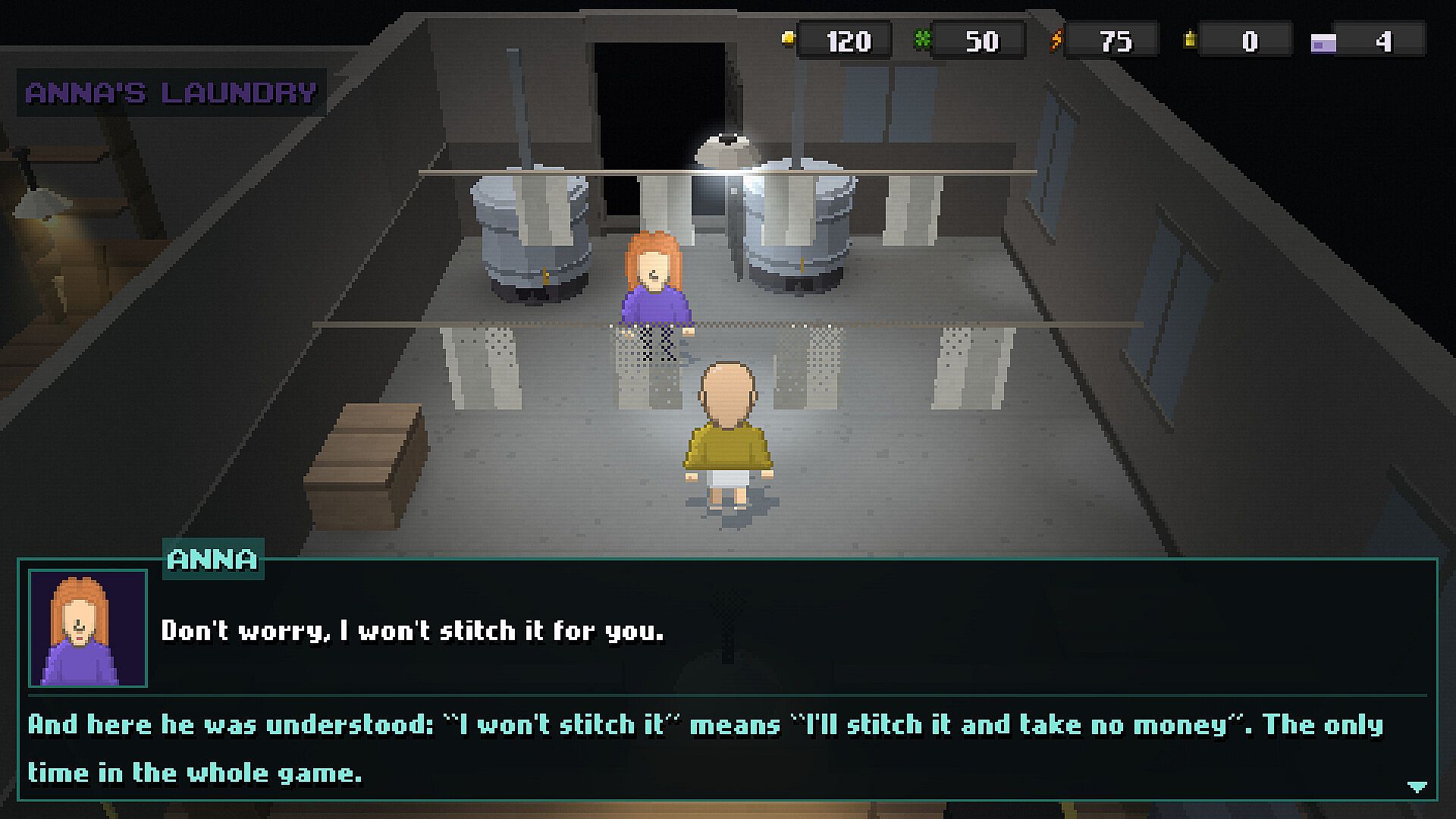
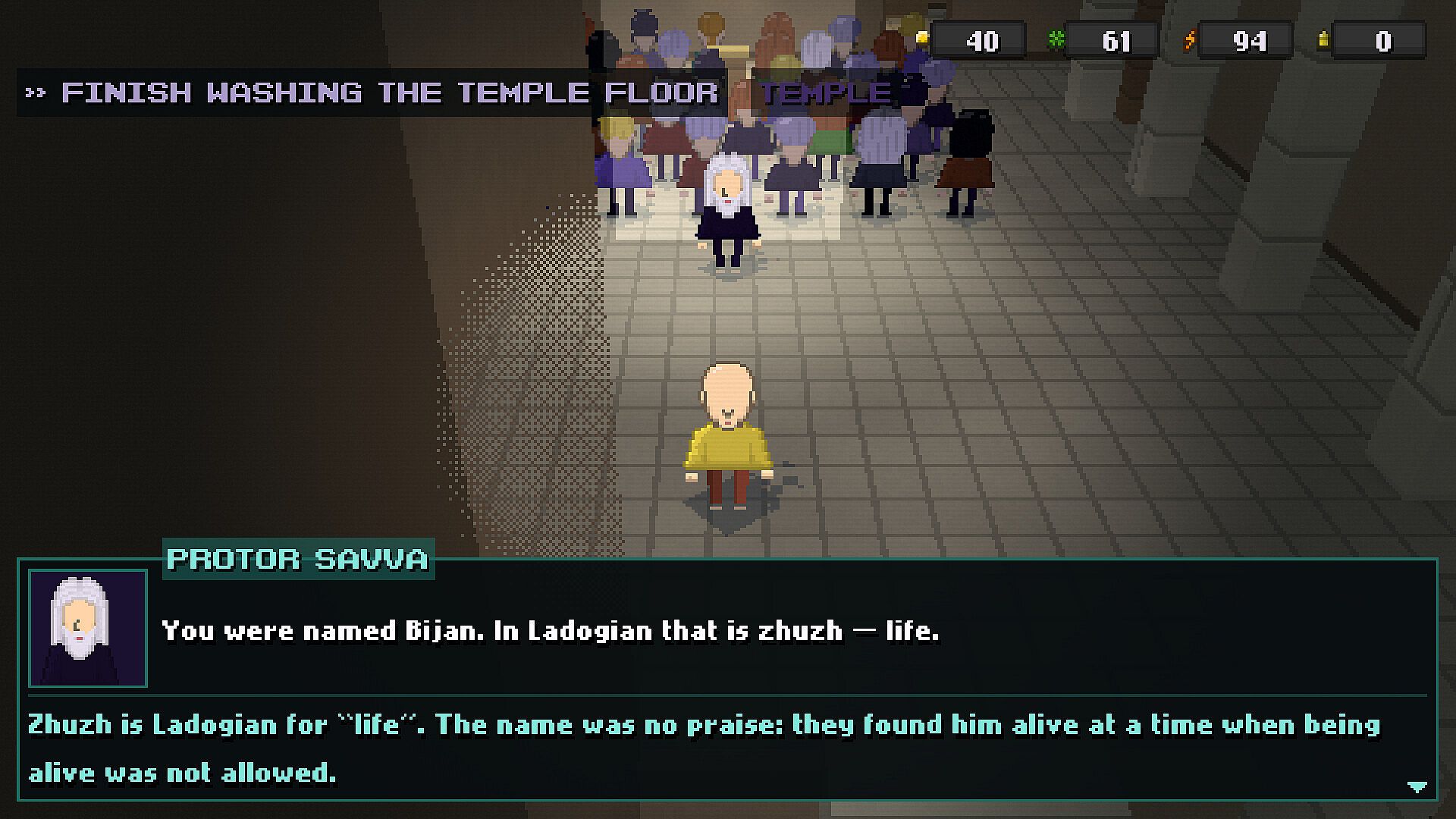
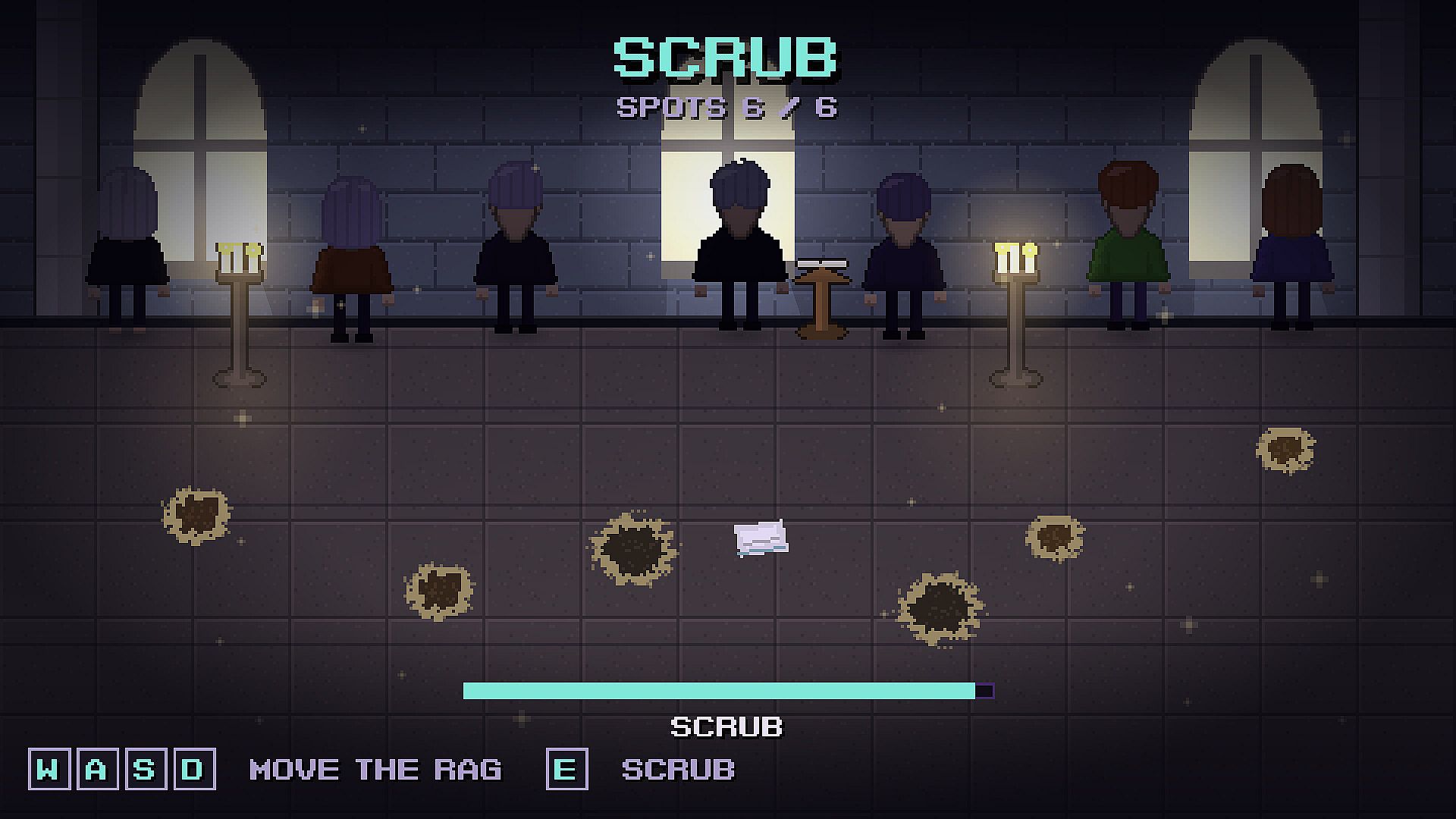
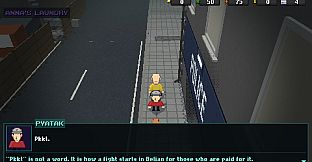
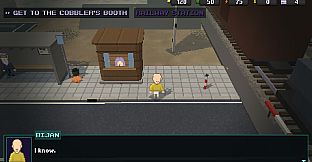
The core loop revolves around free movement through an open town environment. Players navigate 17 or more districts on foot or via a bus that follows its own timetable, entering over 20 distinct interiors such as stairwells, cellars, and bars. Bijan starts with no money and must earn cints through work like cleaning floors with a bucket and rag. Three counters track progress alongside the story: cints for purchases, luck that affects shop prices and conversation options, and strength that determines success in physical tasks or fights. Running low on strength causes Bijan to fall asleep on the spot, potentially losing items, while sleep restores strength and rerolls luck depending on the resting location.
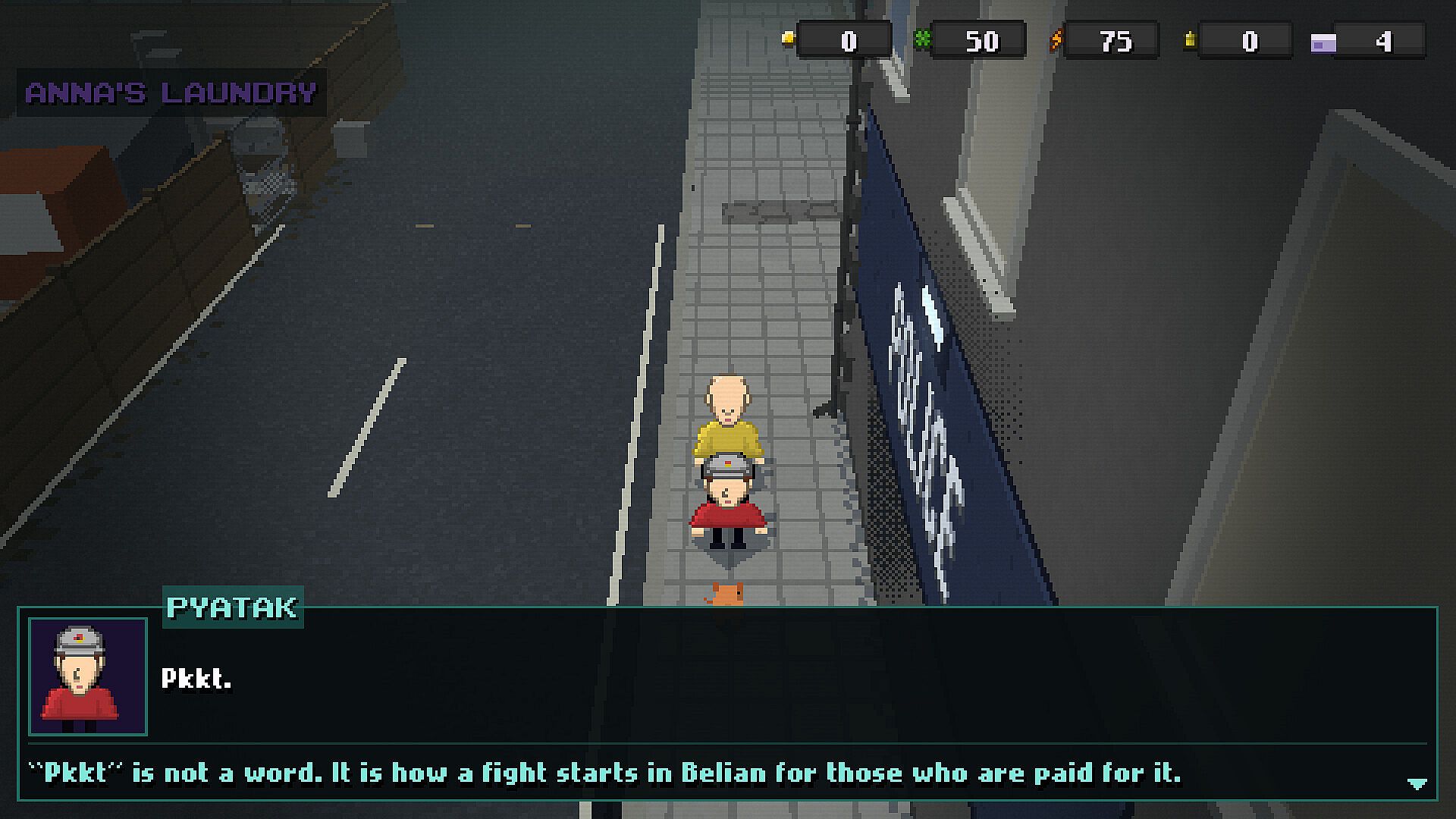
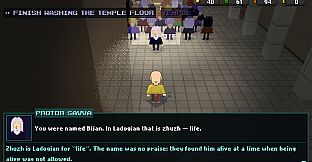
Dialogue forms a major system with more than a thousand lines and 36 branches. Every choice displays the requirement that unlocked it, such as luck, strength, money, items carried, or prior actions. The language mechanic creates constant misunderstandings, where polite refusals in Bijan's speech register as agreements to others, leading conversations astray until he learns more local words. A journal tracks current goals, completed tasks, and pending obligations with a single button press. The calendar advances from September 12, 1974, with independent weather like rain, fog, and grey skies affecting the entire town.
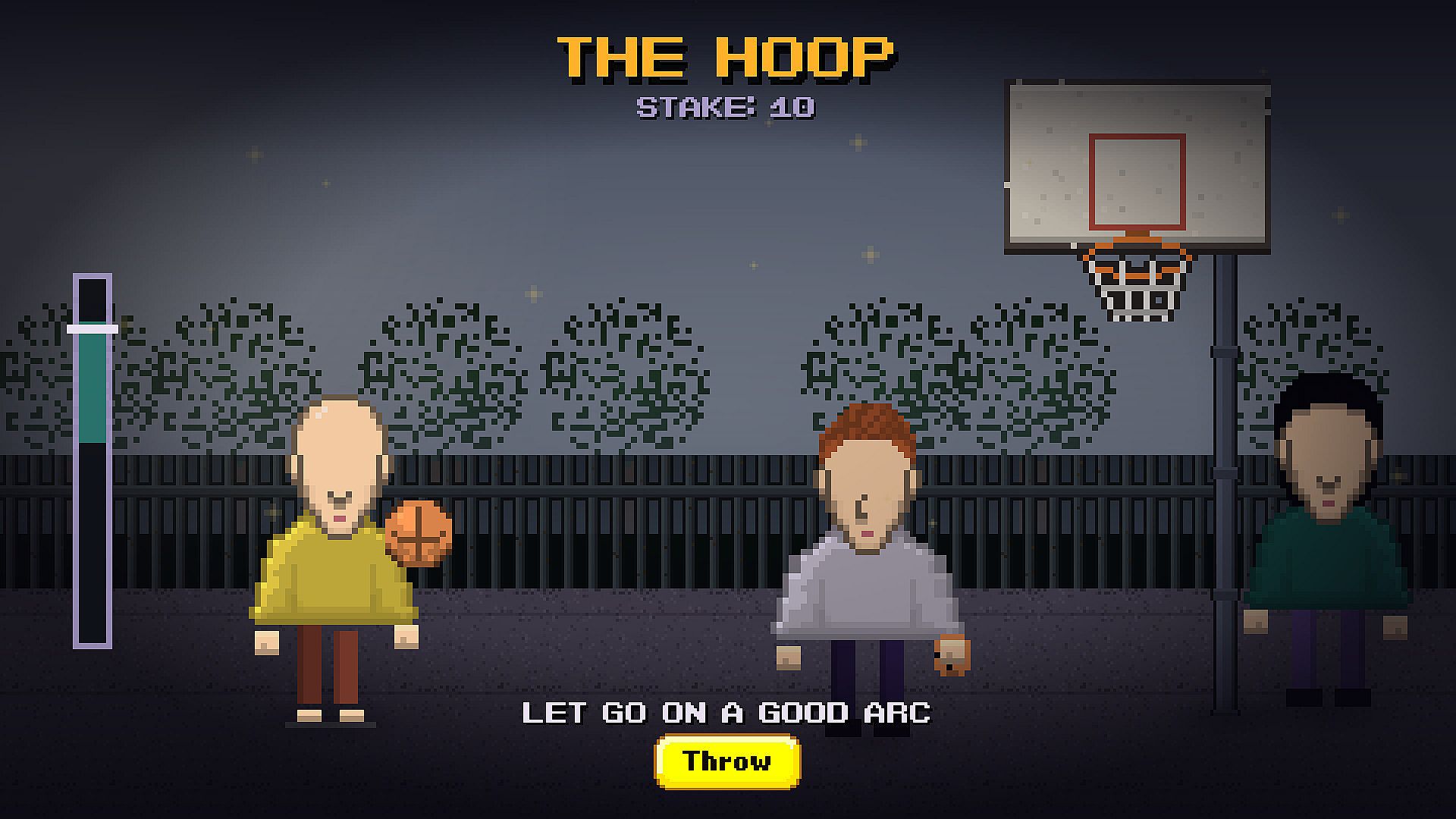
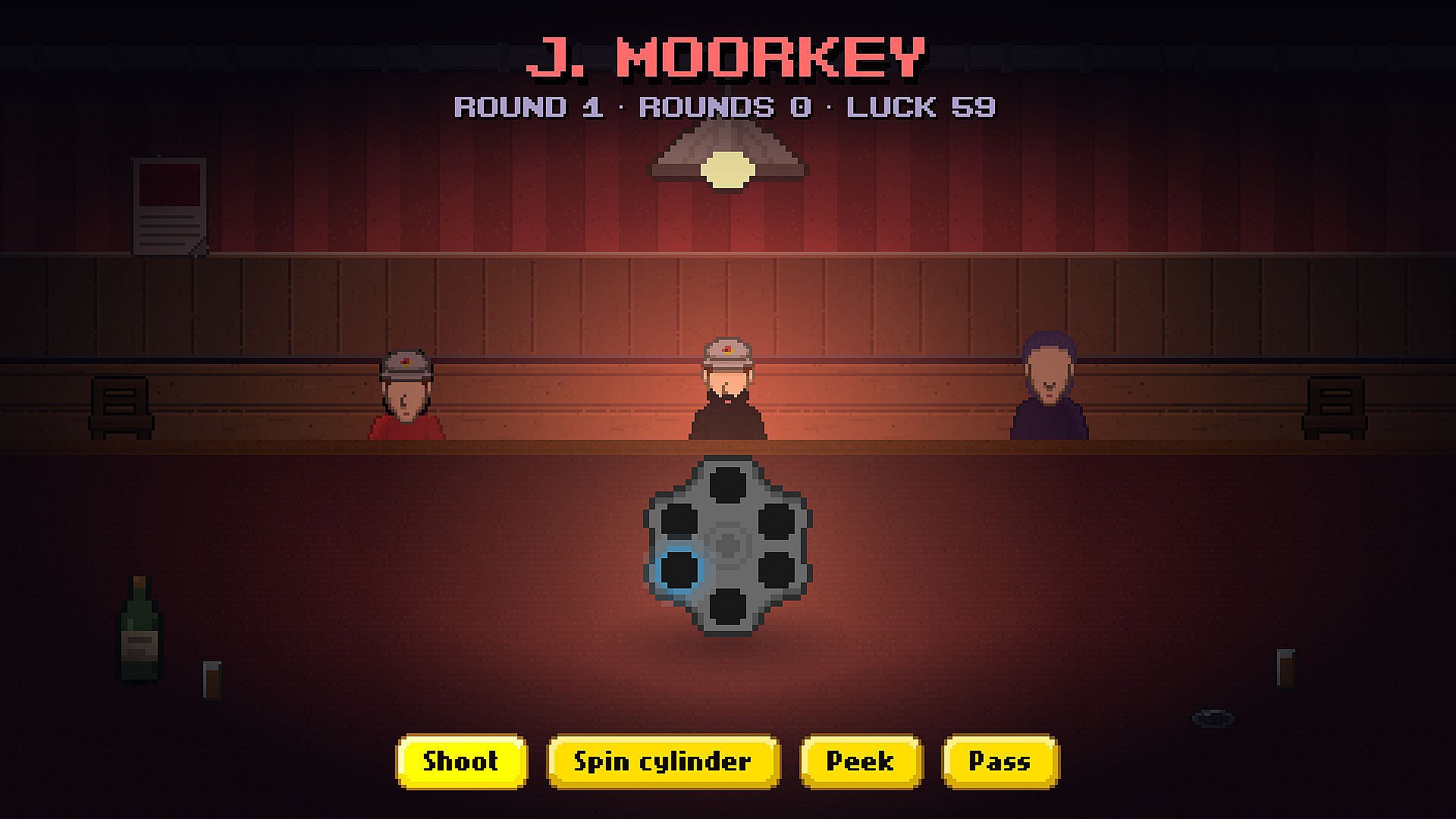
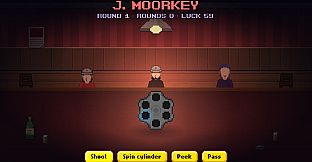
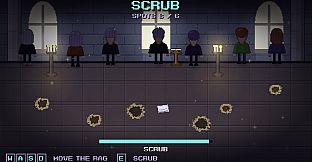
Over 15 mini-games integrate directly into scenes rather than serving as interruptions. Cleaning requires clearing a specific floor area. Fighting uses three buttons for strike, guard, and an open palm that allows non-violent exits. Dice involve two dice over three rolls with stakes. Additional activities include a one-armed bandit slot machine and J. Moorkey's table featuring Russian roulette. Many of these appear only through independent exploration and can be missed entirely in a single playthrough.
Game Modes
The experience remains strictly single-player with no separate multiplayer or competitive modes. Progression unfolds through a prologue, eight or more chapters, and an epilogue comprising roughly 500 scenes. Players shape outcomes via conversation branches, accepted or dropped obligations, items in inventory on the final day, and whether Bijan retains his original character. Eight or more distinct endings each feature their own finale sequence assembled from cumulative choices rather than late-game decisions alone.
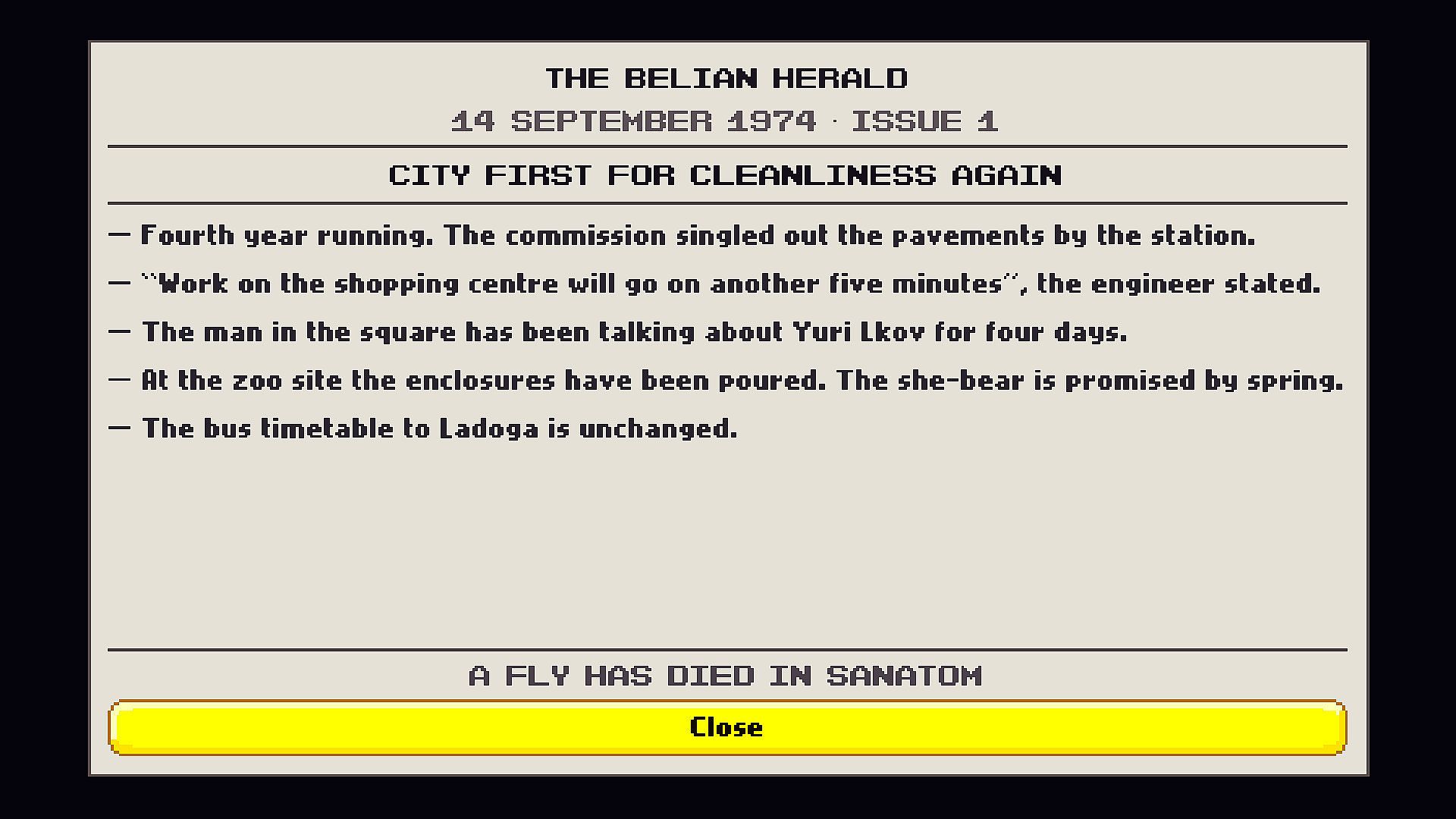
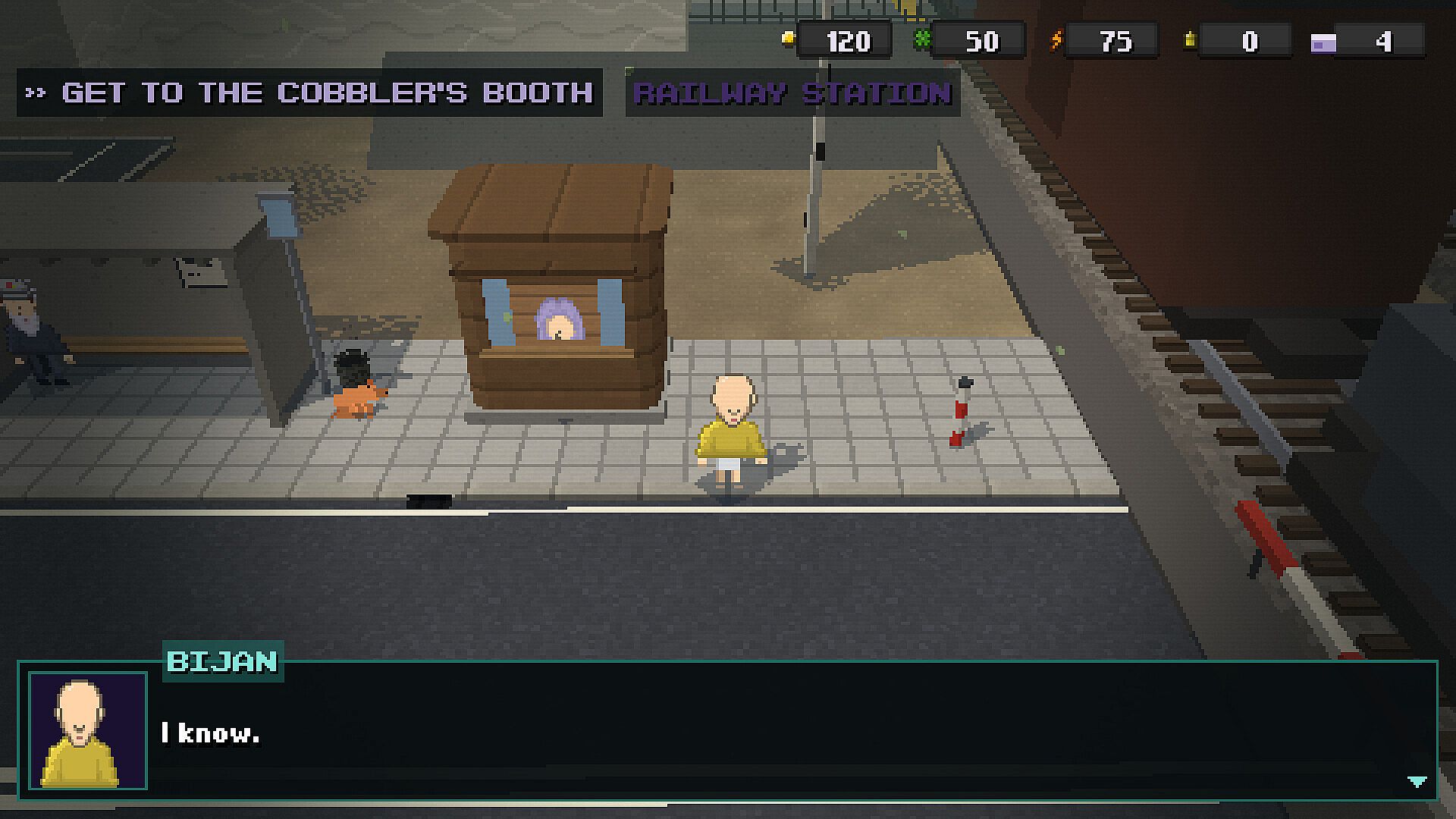
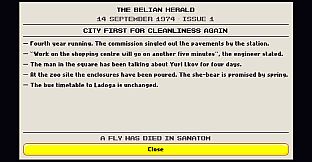
Exploration itself functions as a flexible mode, allowing players to ride the bus independently, follow a dog that moves on its own schedule, or read full articles in the Belian Herald newspaper that details the town's separate events like ongoing construction and local issues unrelated to the protagonist. The town operates on its own rhythm with residents commuting, cars driving, and trains at the station regardless of player presence.
Story and Setting
The narrative grows from the language barrier and Bijan's gradual acquisition of local Ladogian vocabulary. Hand-drawn characters appear in a three-dimensional world rendered with pixel art. The setting includes a railway station, park, school, building site, and cottage estate, plus additional areas reached through free movement. Nineteen characters each have distinct voices, supported by 14 or more music tracks and unique ambient sounds for every location.
A second layer of story runs independently through the newspaper, which players can read in full or ignore. The game supports three save slots and includes 14 or more achievements. It is fully translated into English, Russian, German, and Spanish.
Is It Worth Playing?
DITY: Origins suits players who value deliberate pacing, consequence-driven choices, and systems that reward careful resource tracking over fast action or leveling. The main story takes about 1.5 hours, though thorough exploration of the open town extends playtime significantly. The combination of dialogue puzzles, mini-games that alter branches, and an autonomous world creates replay value through different paths and endings. Those drawn to narrative adventures with strong emphasis on conversation mechanics and environmental independence will find the systems cohesive and distinctive. Availability on PC with cross-platform support for macOS and Linux broadens access for interested players.