

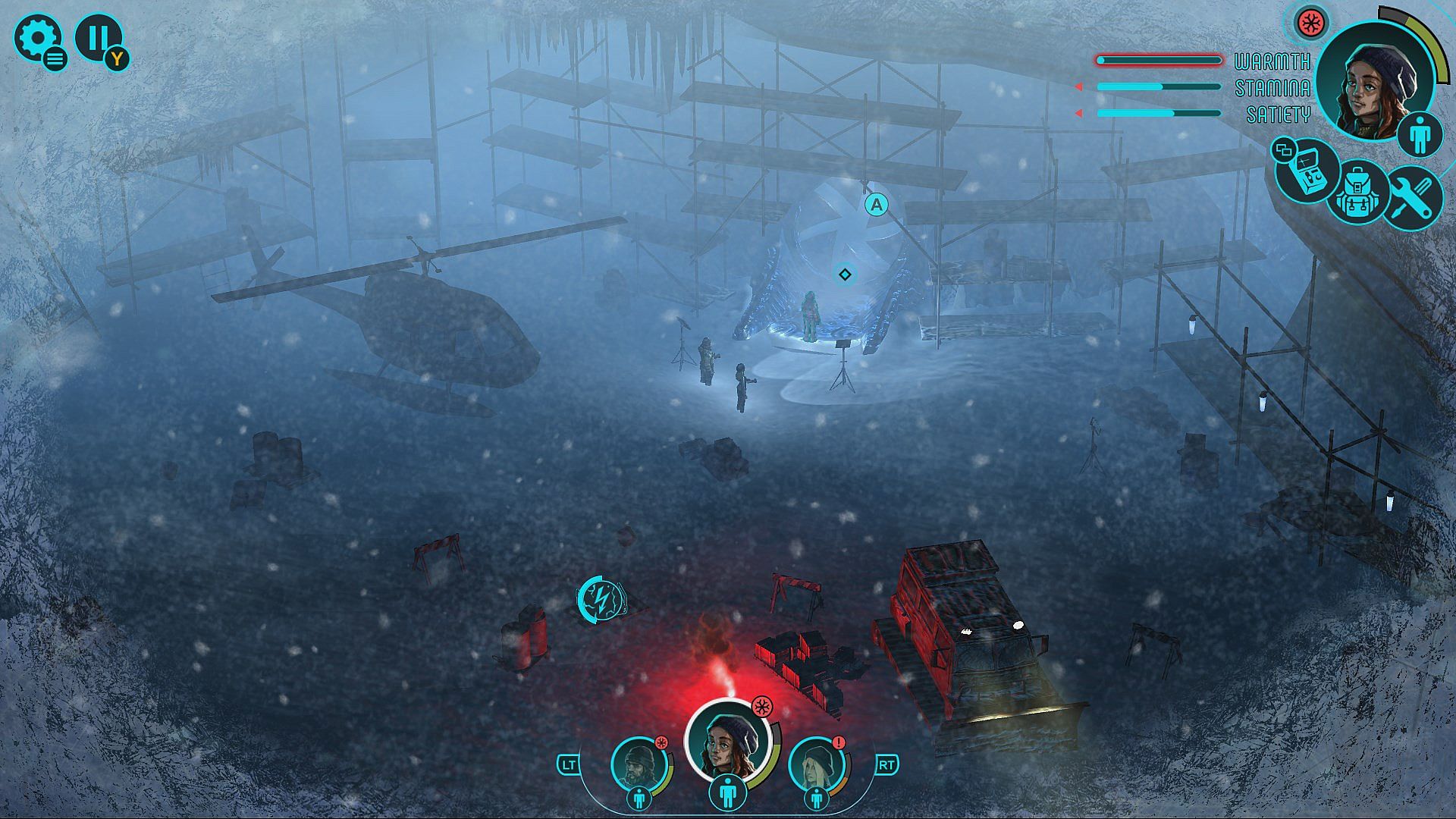
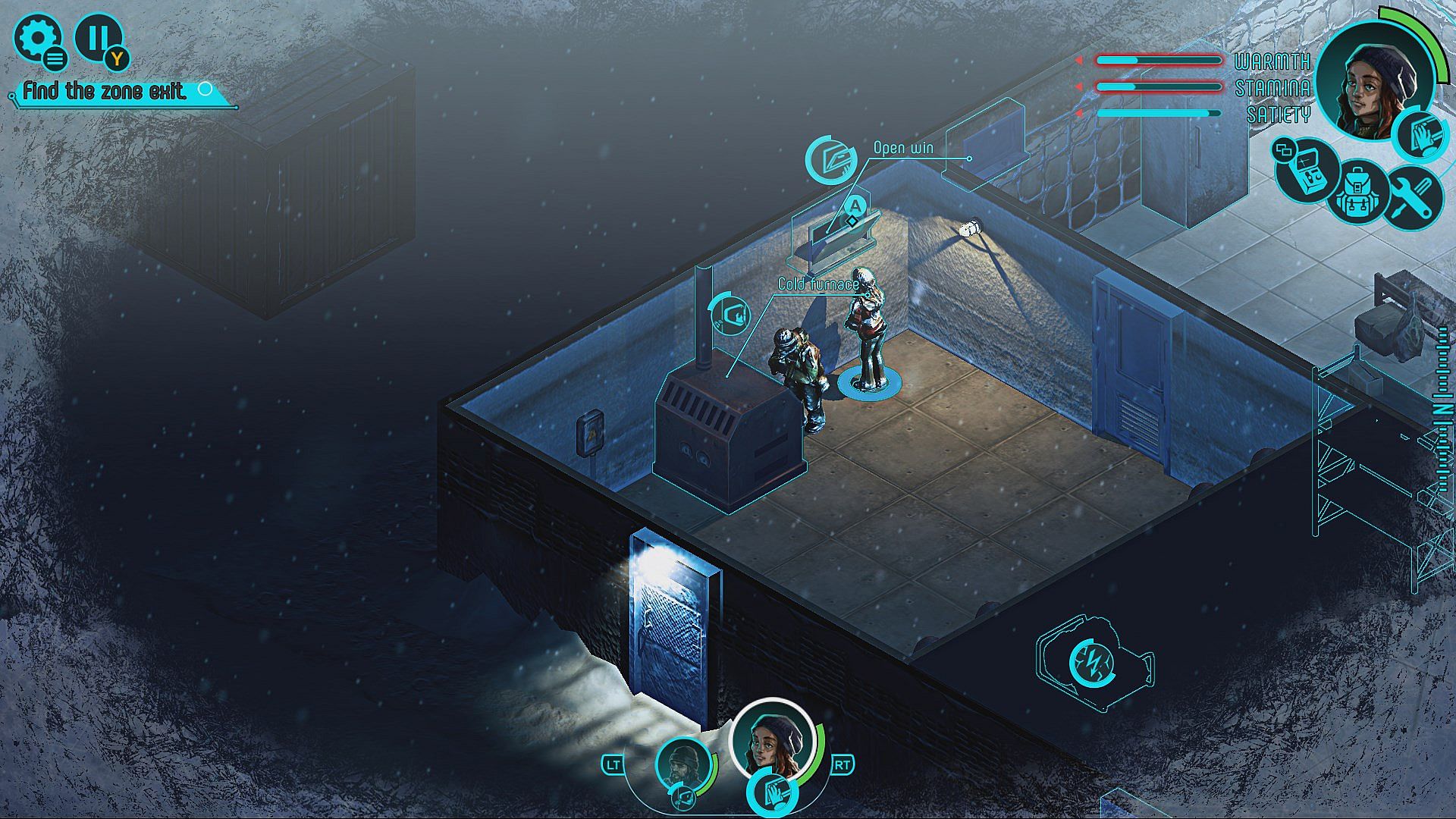
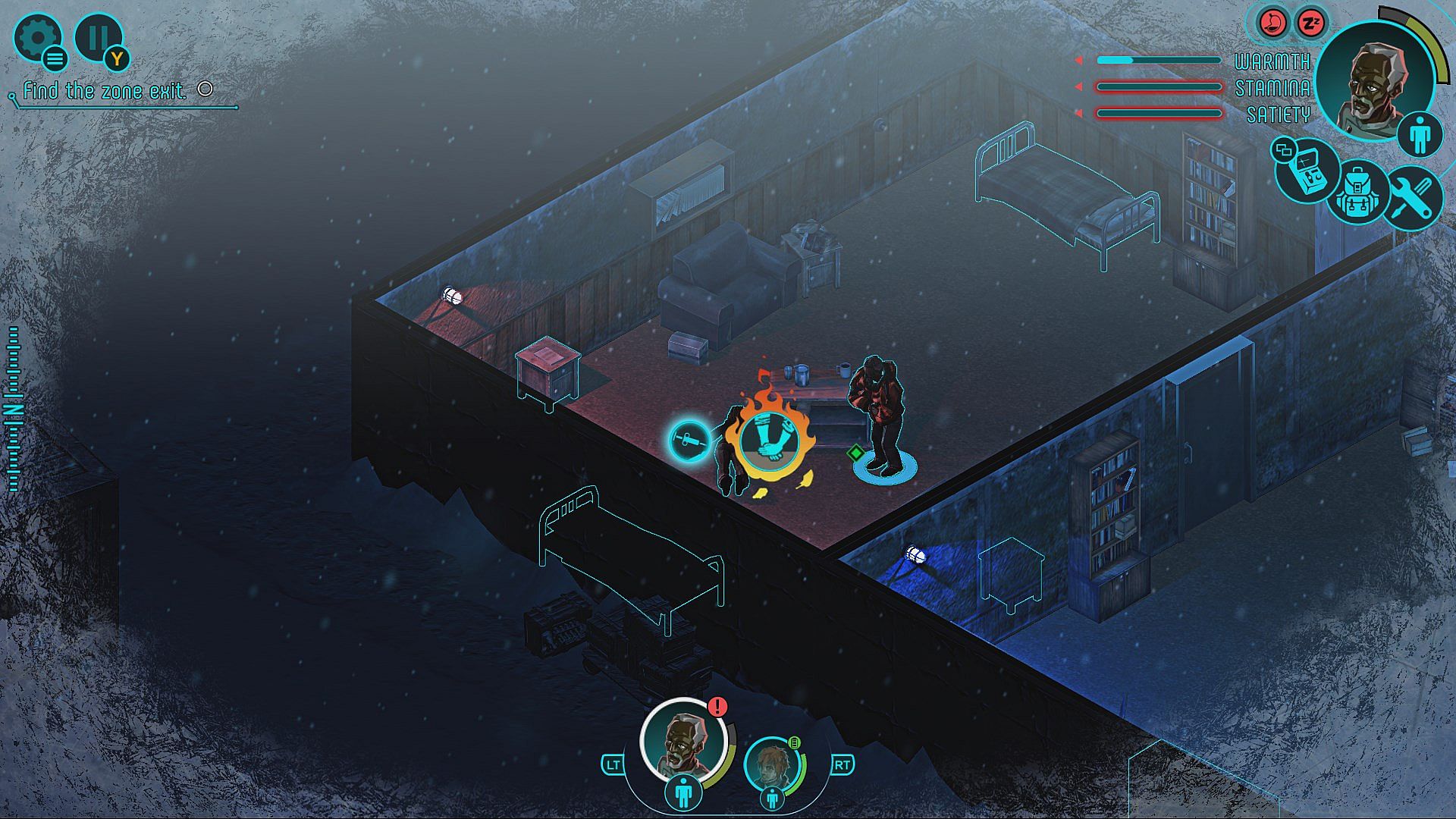
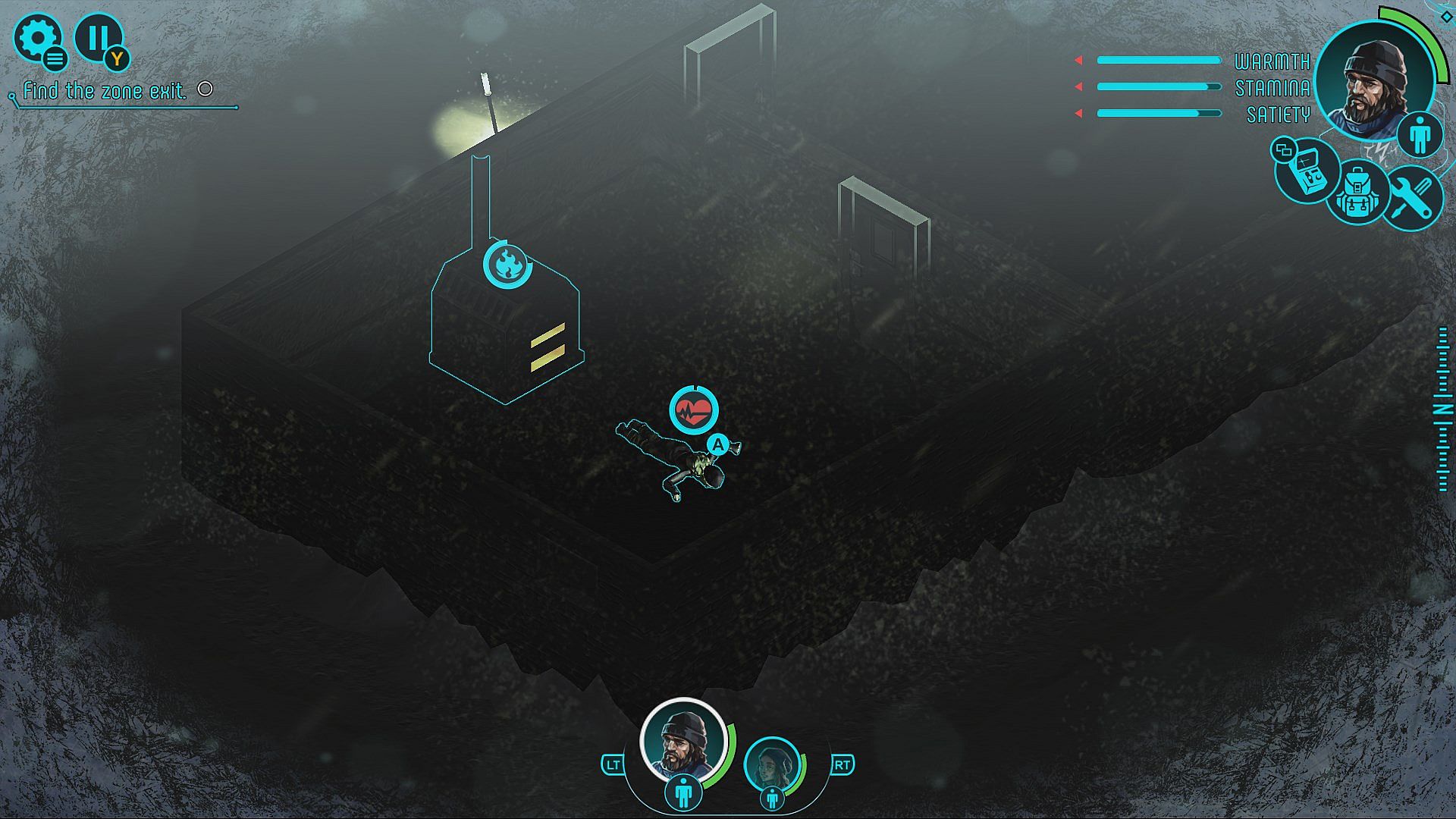
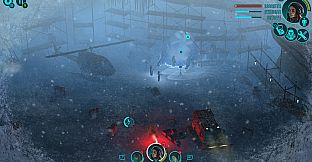
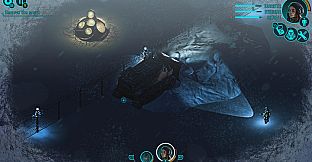
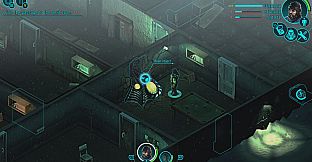
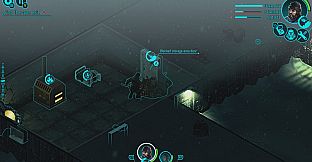
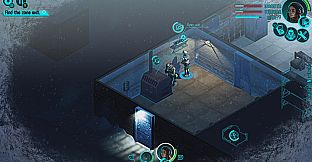
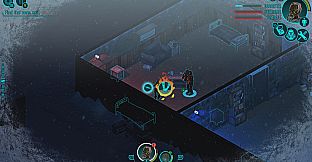
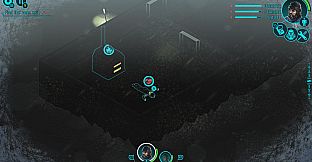
Distrust is an isometric survival strategy game that places players in charge of a small group of explorers stranded after a helicopter crash near a remote Arctic research base. Drawing from the tension of isolation and unseen threats, the title blends resource management with procedural elements across randomly generated environments. Players must balance the needs of their survivors while navigating extreme cold, limited supplies, and the risk of attracting hostile anomalies that emerge during sleep.
Gameplay
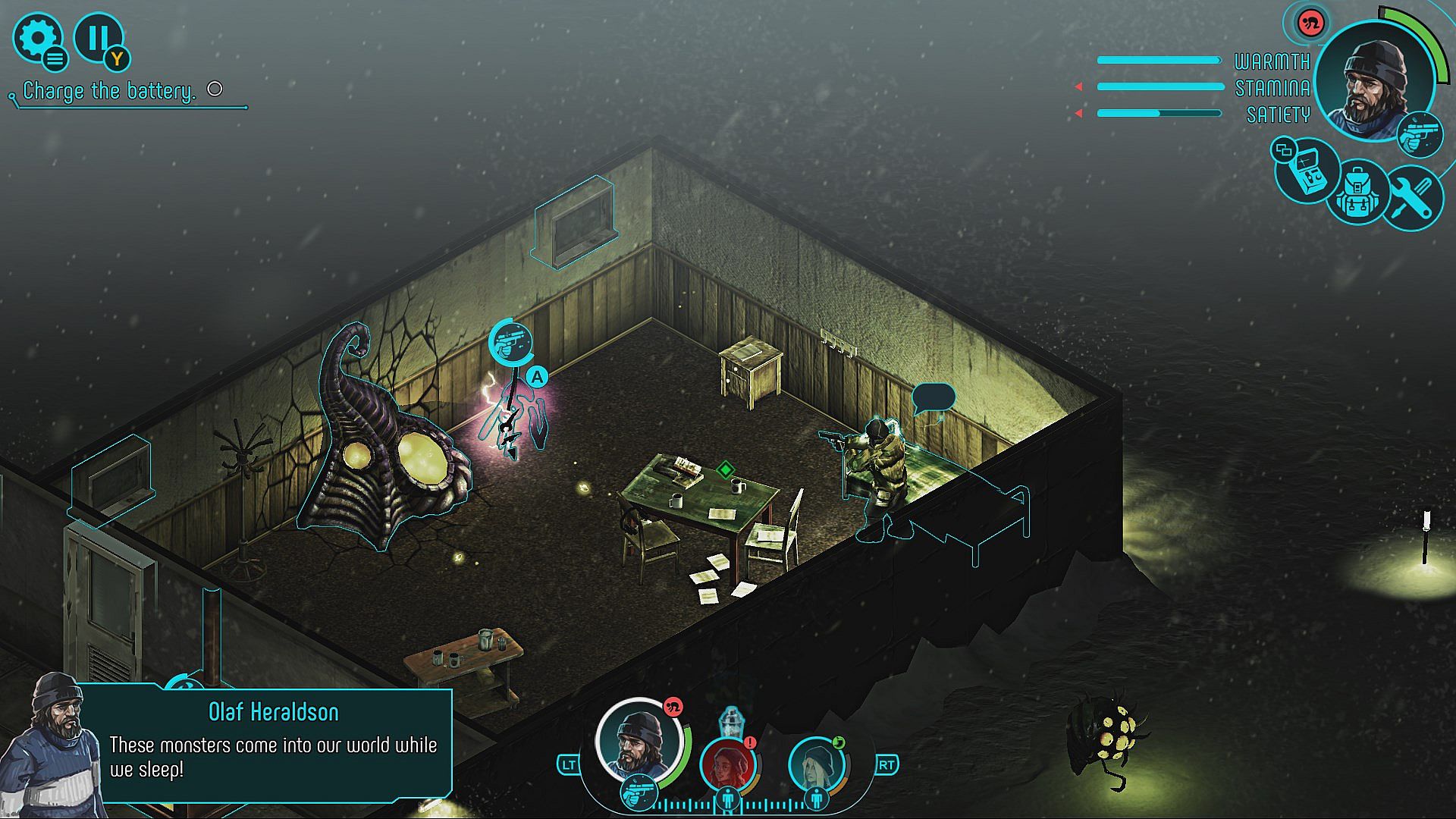
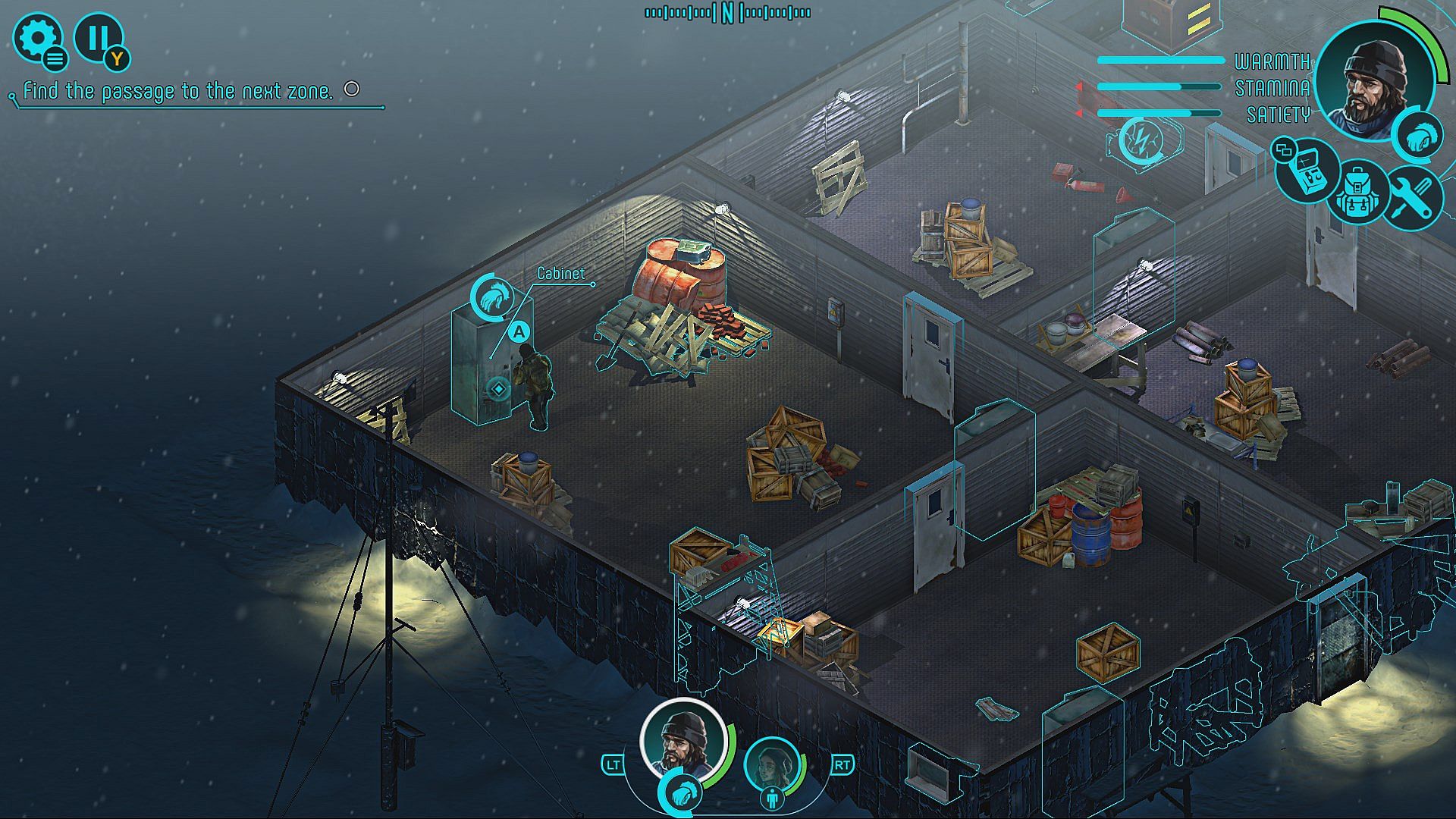
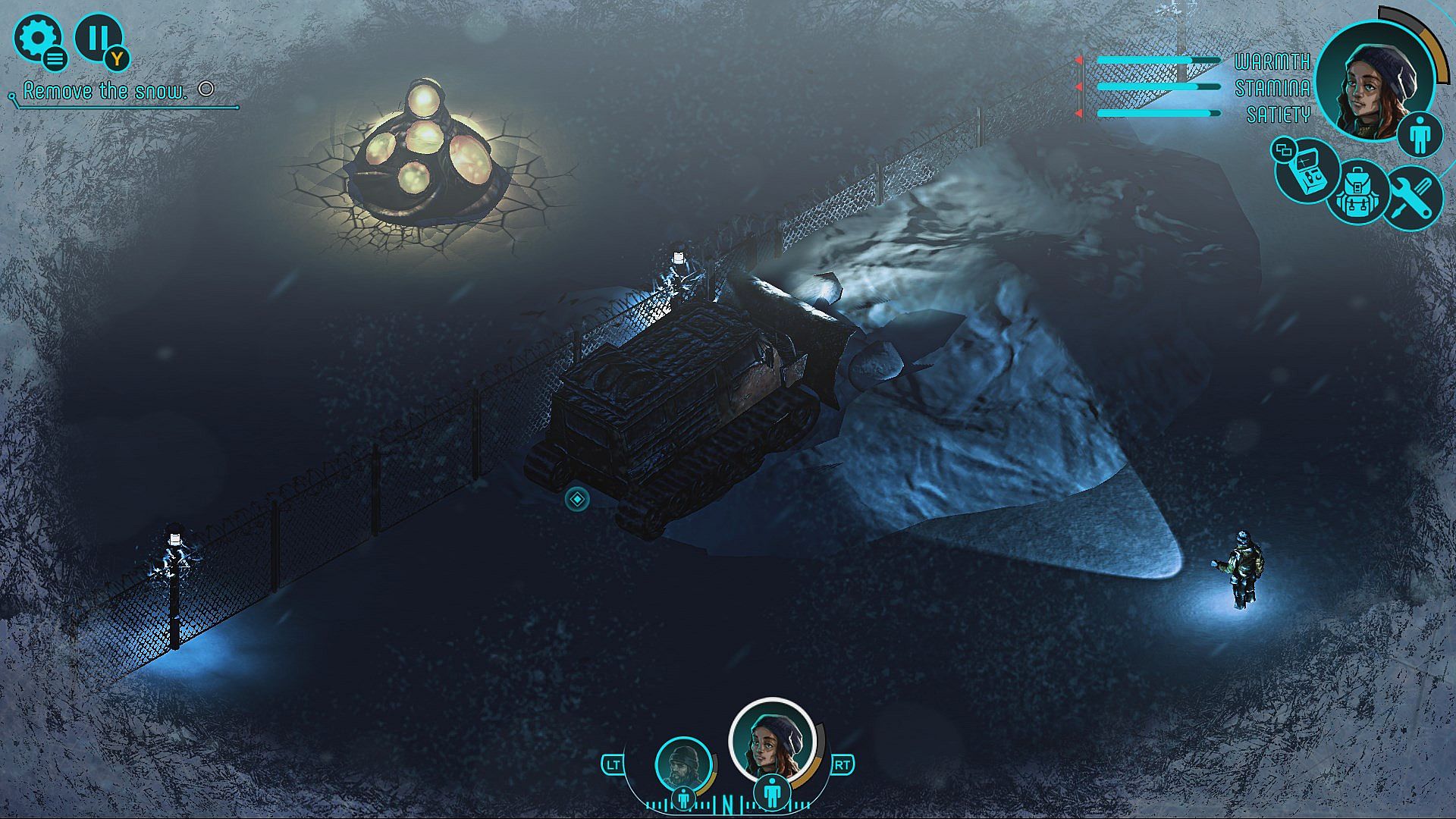
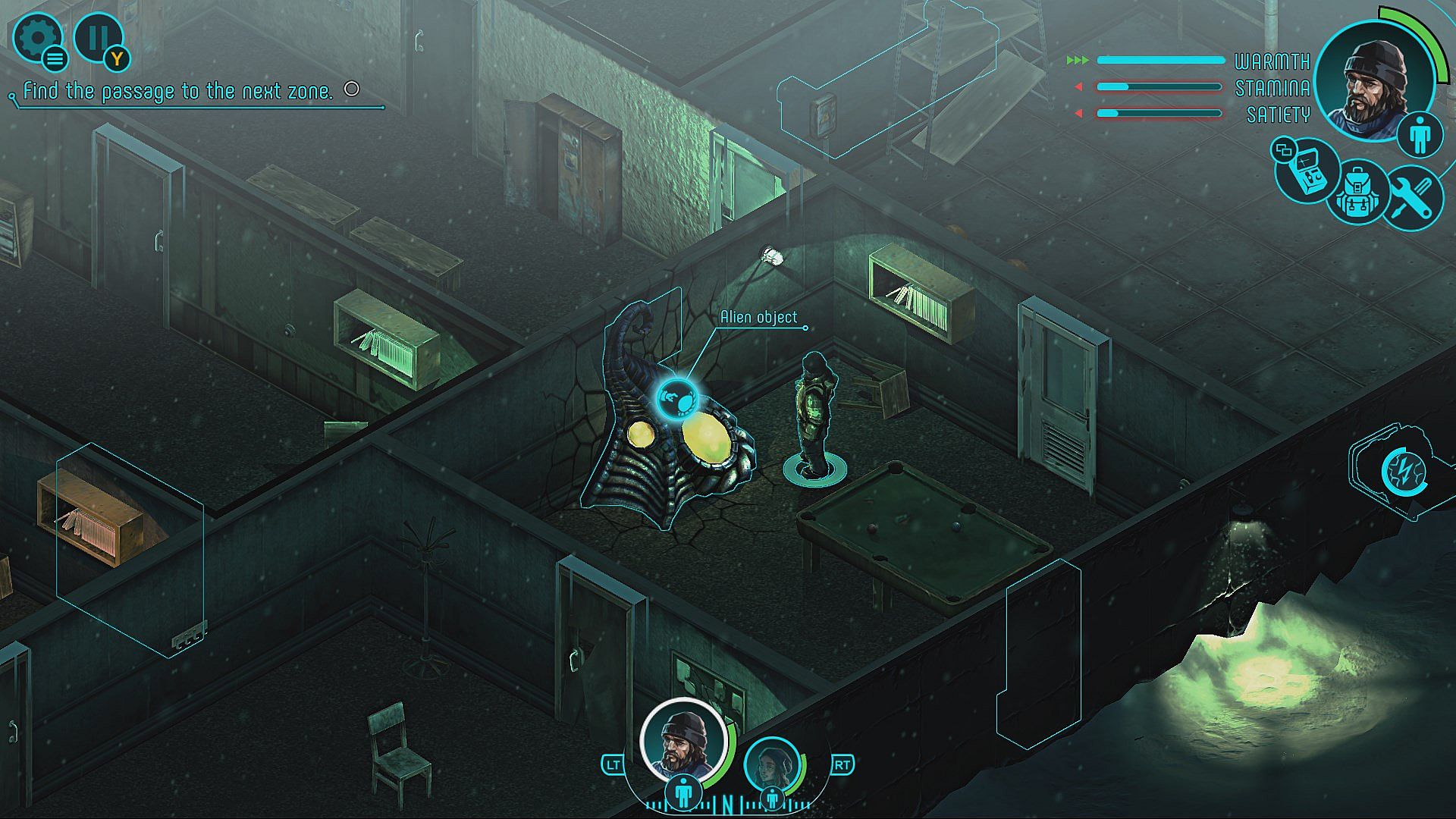
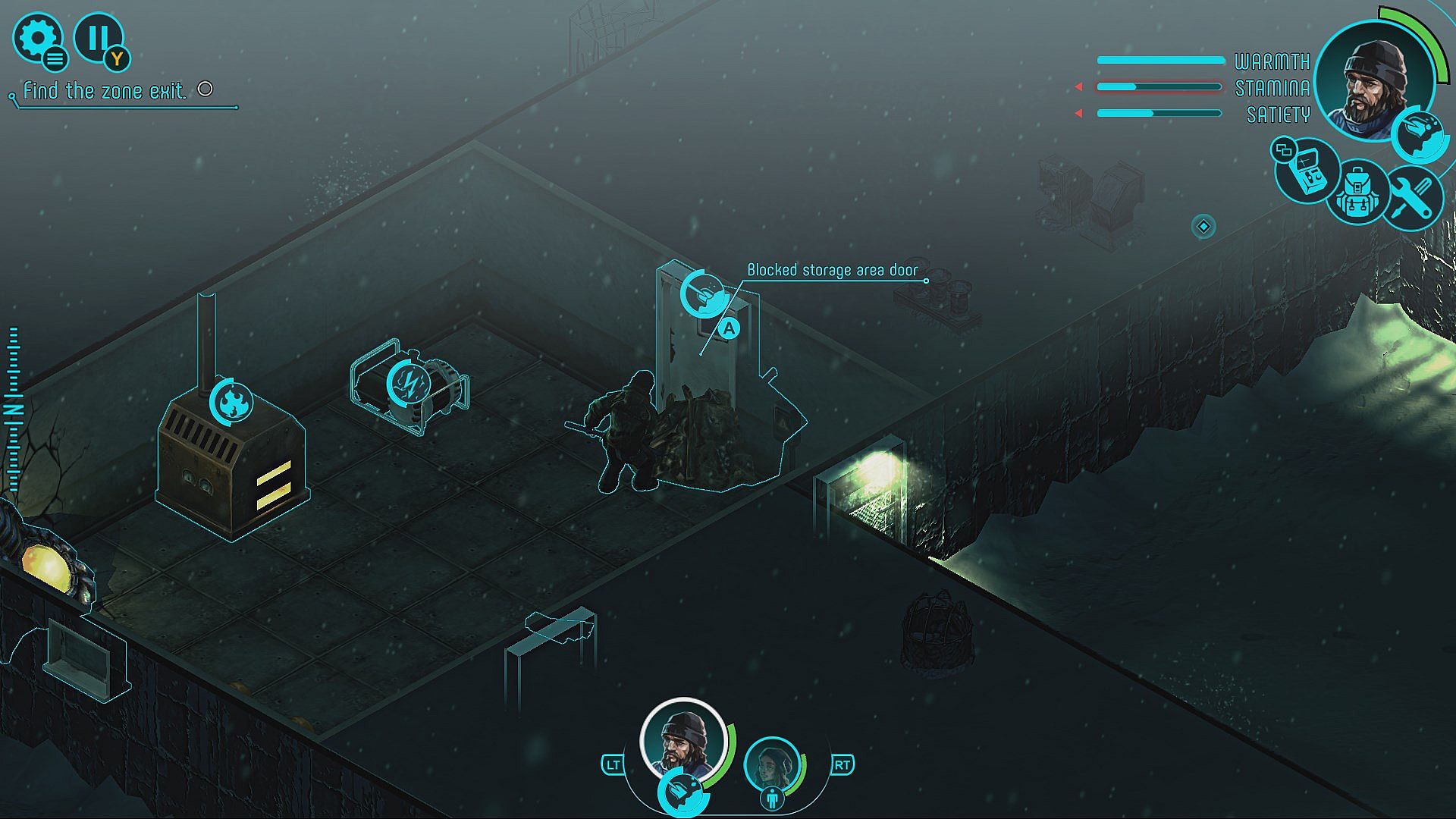
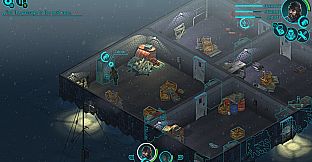
The core loop centers on guiding two or three survivors through six successive zones of the base. Each character maintains bars for warmth, stamina, hunger, and mental stability. Scavenging for food, fuel, clothing, and tools becomes essential, as does maintaining generators and furnaces to combat the freezing temperatures. Sleeping restores stamina but draws anomalies that drain heat and life from the group, forcing careful timing around rest cycles. Prolonged wakefulness instead triggers hallucinations and madness, which can distort perceptions of the environment and objects within it.
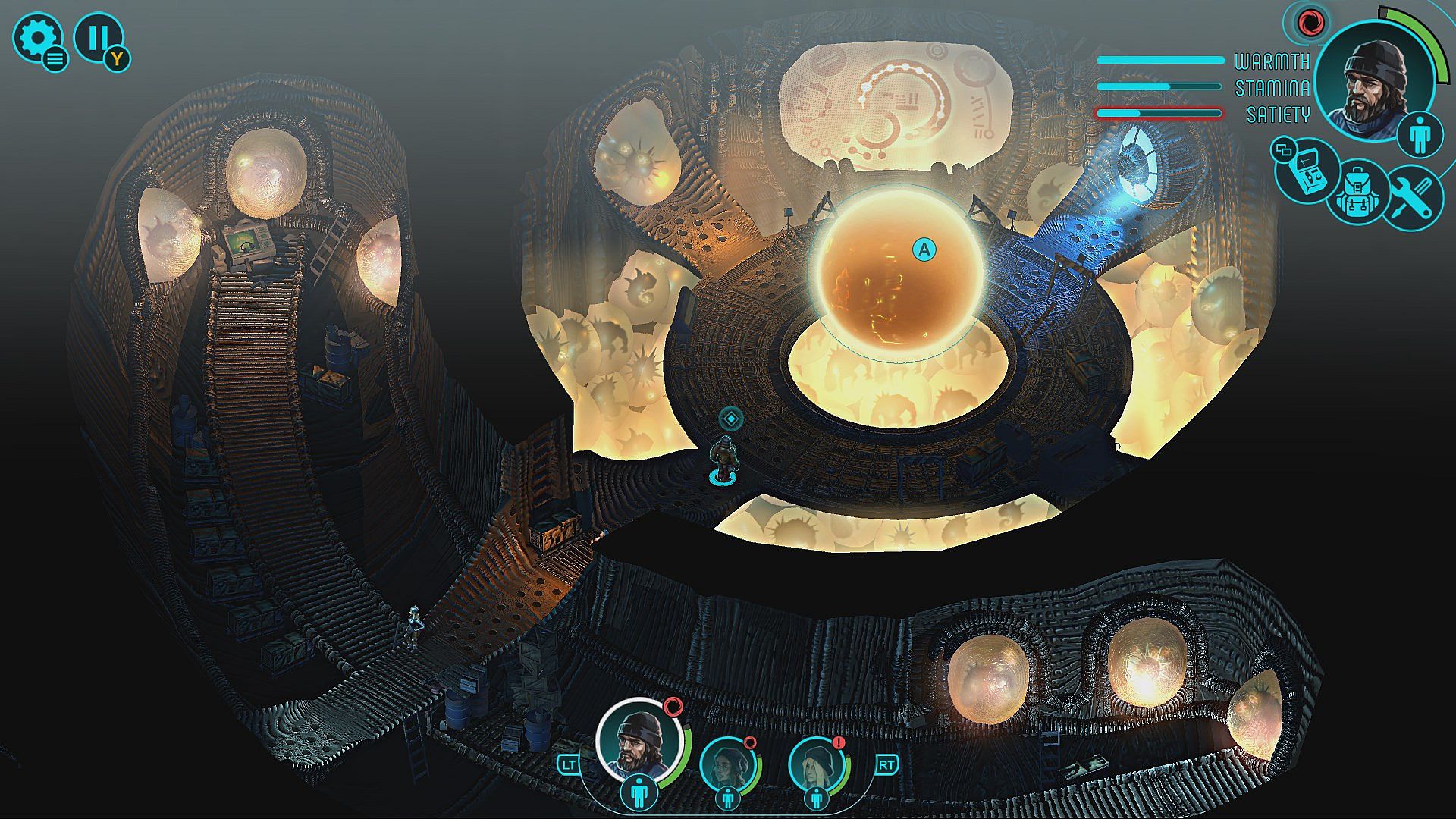
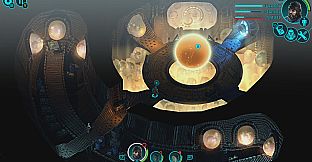
Exploration involves clearing obstacles, solving randomized exit puzzles such as powering machinery or assembling devices, and deciding which supplies to prioritize. The isometric perspective allows switching between characters to compare their views and identify what is real versus a hallucination. Unique skills among the roster influence efficiency, such as better cold resistance or slower resource consumption. Failure occurs through starvation, freezing, insanity, or being overwhelmed by anomalies, with each run presenting fresh layouts and item placements due to procedural generation.
Game Modes
Adventure mode offers a more accessible entry point with clearer guidance on building functions and objectives. Challenge mode increases the difficulty by heightening resource scarcity, anomaly aggression, and the consequences of poor decisions, while unlocking additional content and endings. Both modes follow the same structure of progressing through the six zones toward extraction, though Challenge emphasizes tighter management and experimentation with different character combinations. The game supports single-player control of the full party, with some references to co-operative play allowing separate control of characters in shared sessions.
Characters and Progression
Fifteen distinct characters become available through unlocks and in-game discoveries. Each brings specialized traits that affect survival odds, such as extended fuel efficiency, reduced hunger drain, or improved mobility. Starting with a small selection, players expand options over repeated attempts, allowing varied strategies for different runs. Multiple endings reward thorough exploration and careful choices, adding replay value beyond the procedural layouts. Plot events and twists unfold through environmental details and survivor interactions, deepening the sense of unraveling mystery without direct combat focus.
Is It Worth Playing?
Distrust suits players who enjoy deliberate survival management and roguelike repetition over fast-paced action or narrative-driven horror. Its strength lies in the constant pressure of competing needs and the way sleep mechanics create meaningful trade-offs. Reception has been mixed to positive among critics and players who appreciate the atmospheric setting and inventive systems, though some note the repetition and punishing randomness can frustrate. The title remains available on Xbox One and Xbox Series X|S with no major ongoing updates or seasonal content. Those drawn to strategic resource juggling in a harsh, isolated environment will find a focused experience here, while fans seeking intense creature encounters or deep story may find it lighter on those fronts. A trial or demo, if accessible, helps determine fit before purchase.