

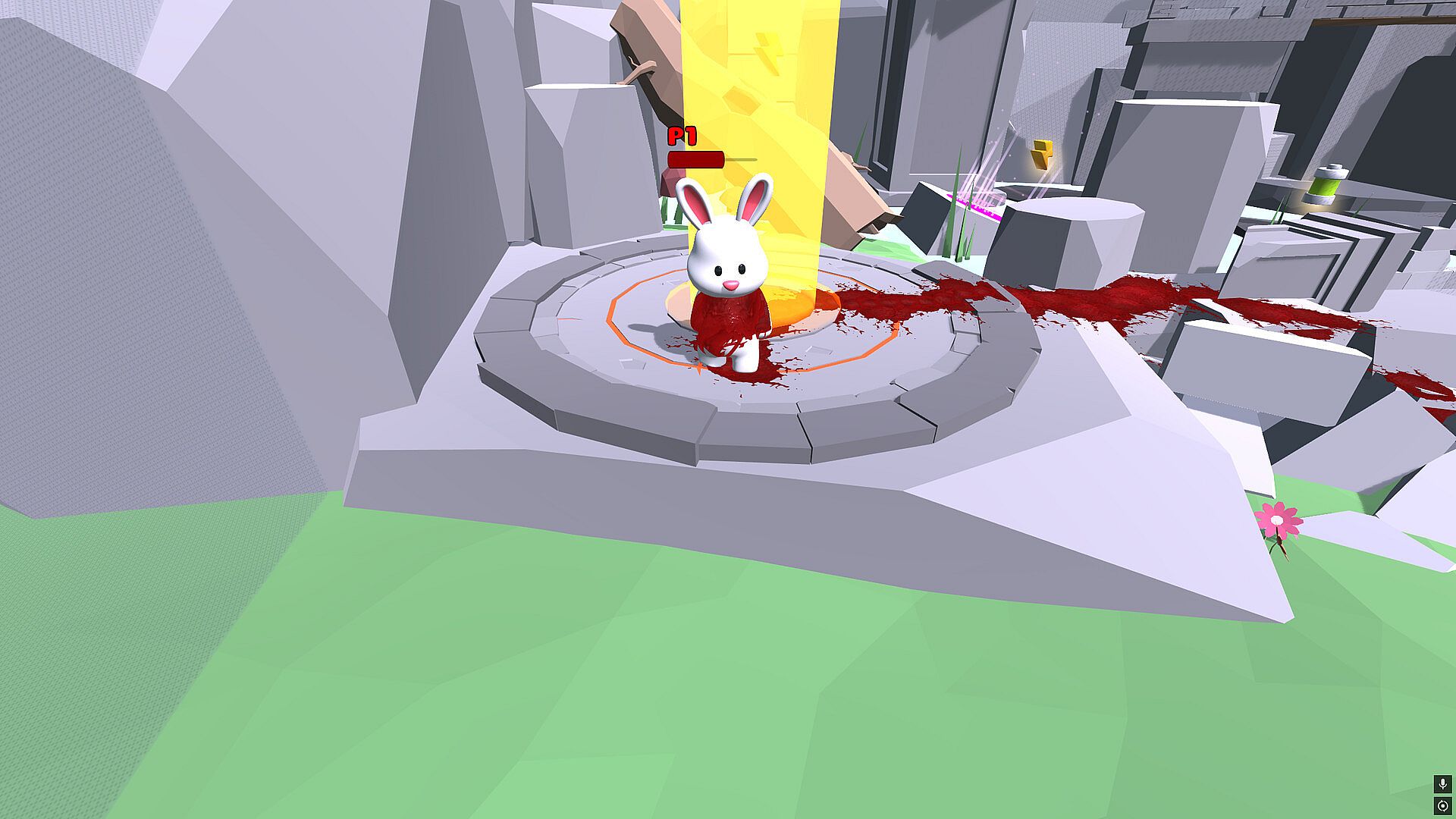
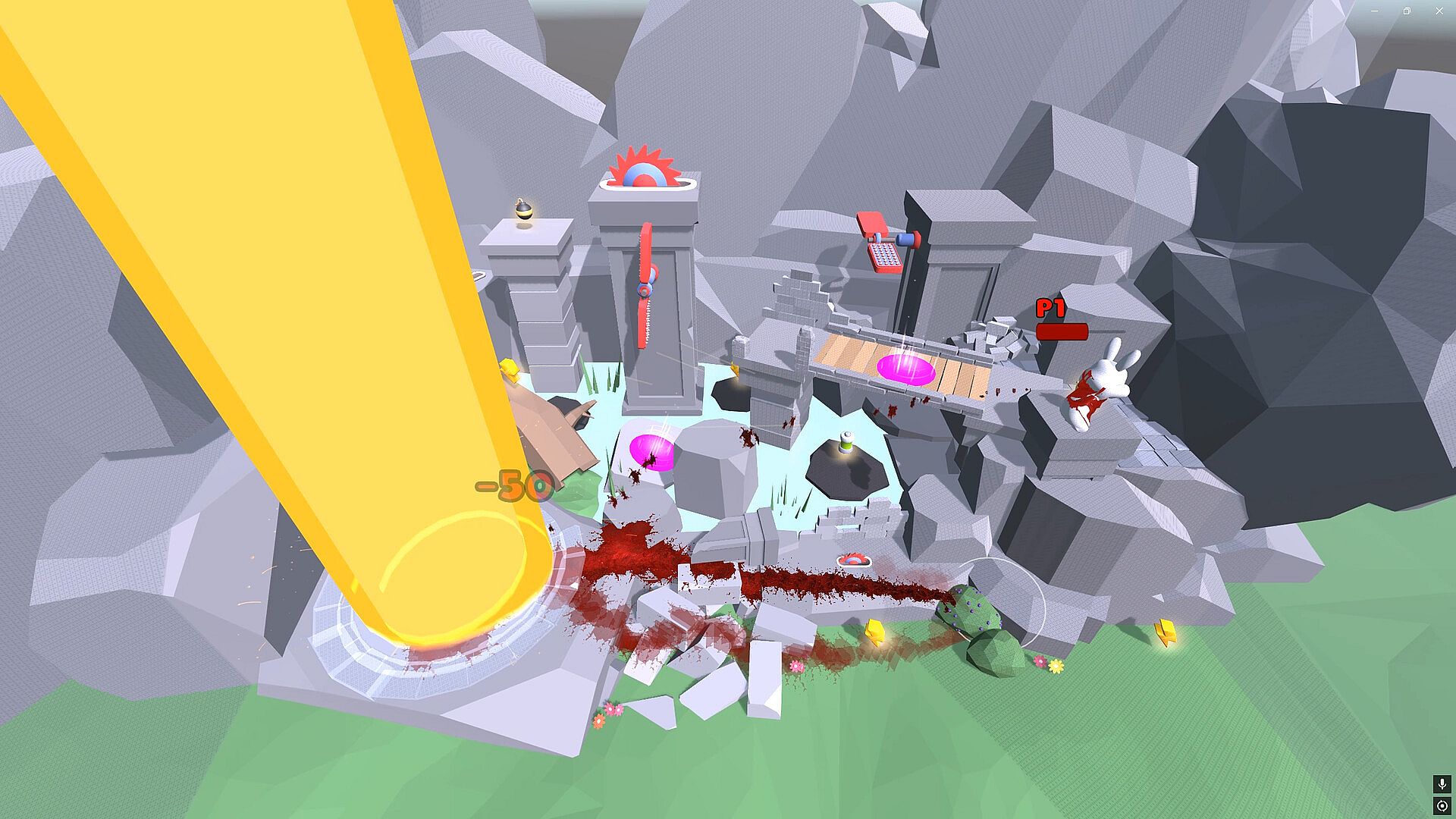
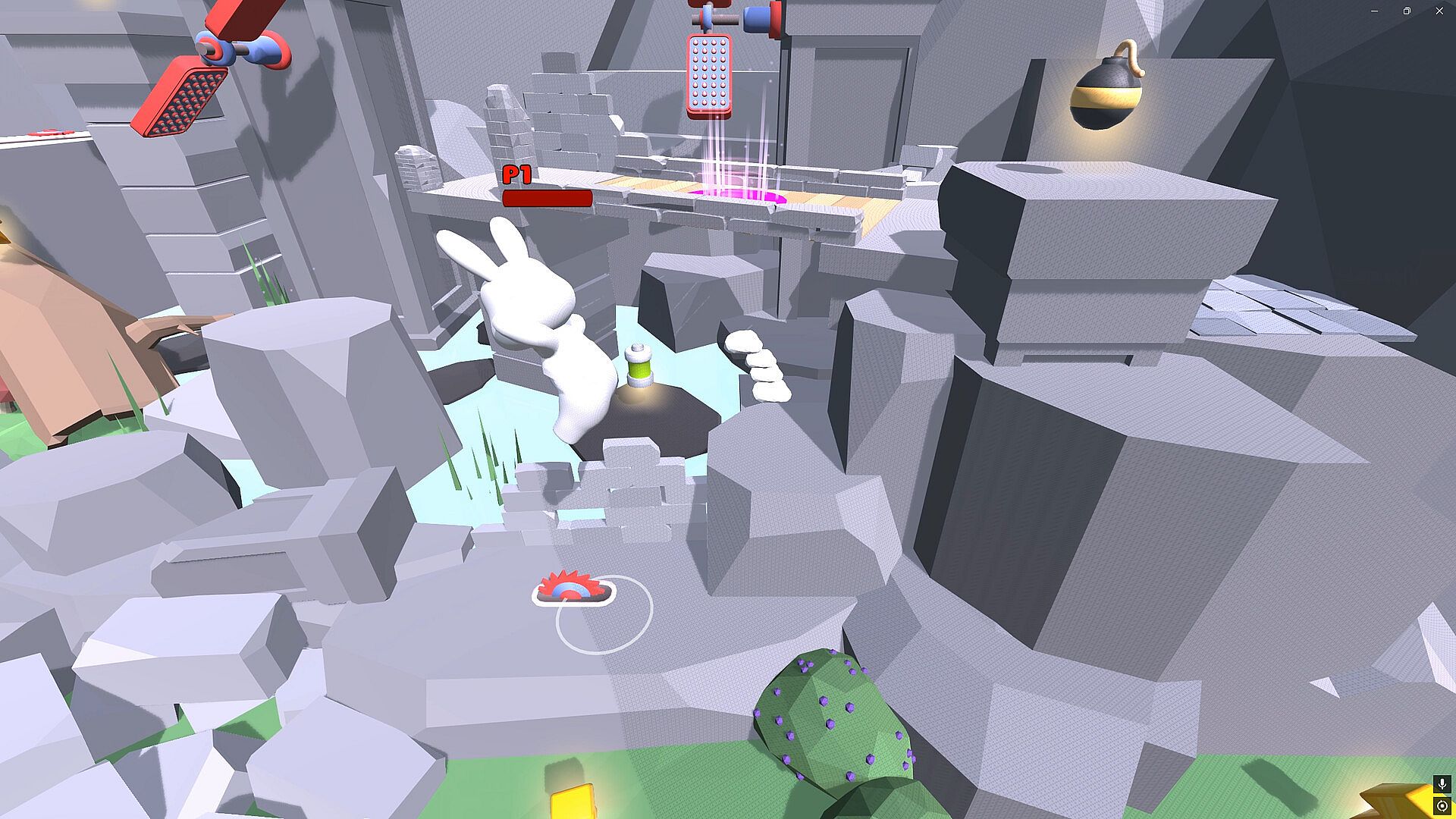
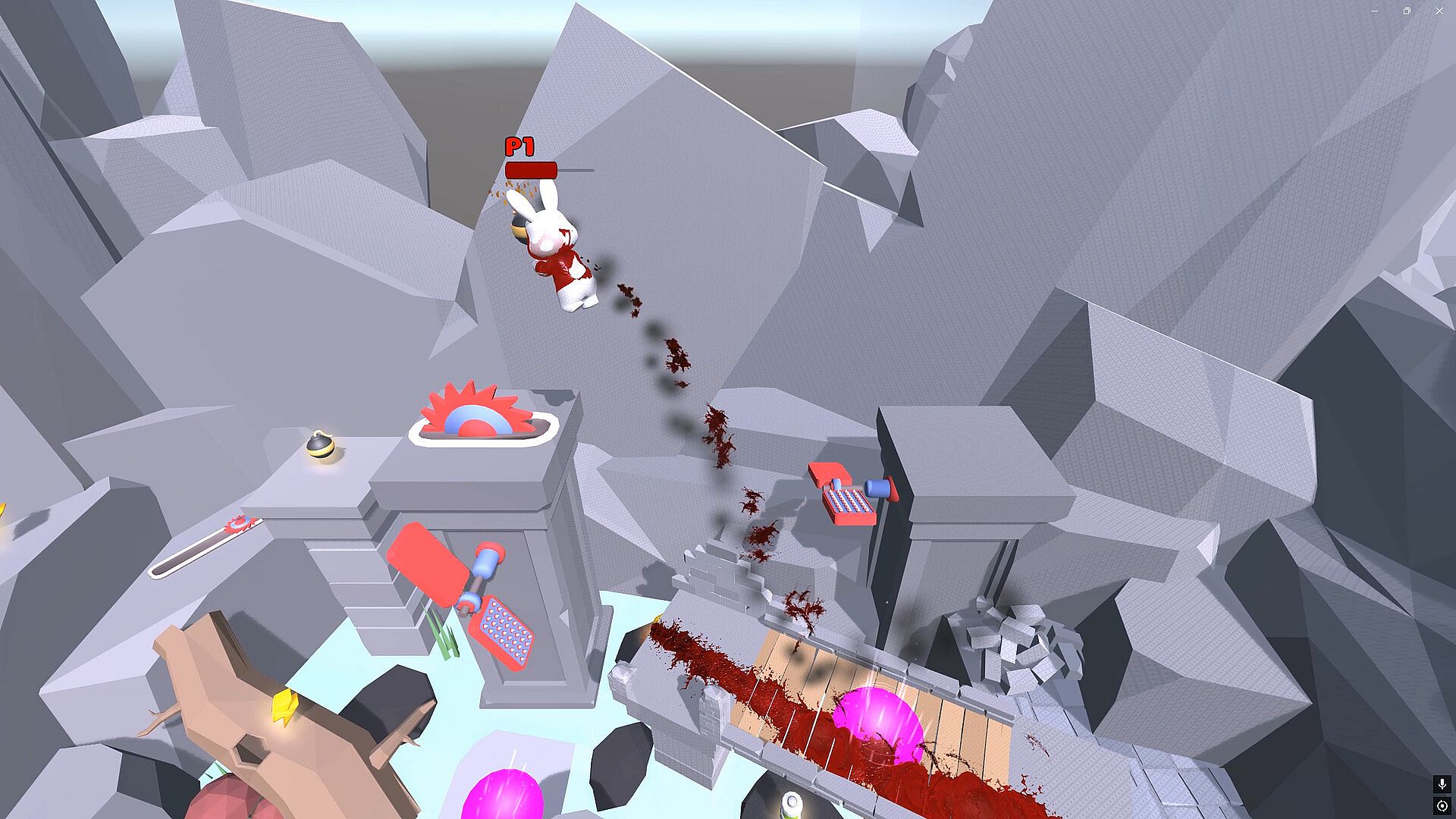
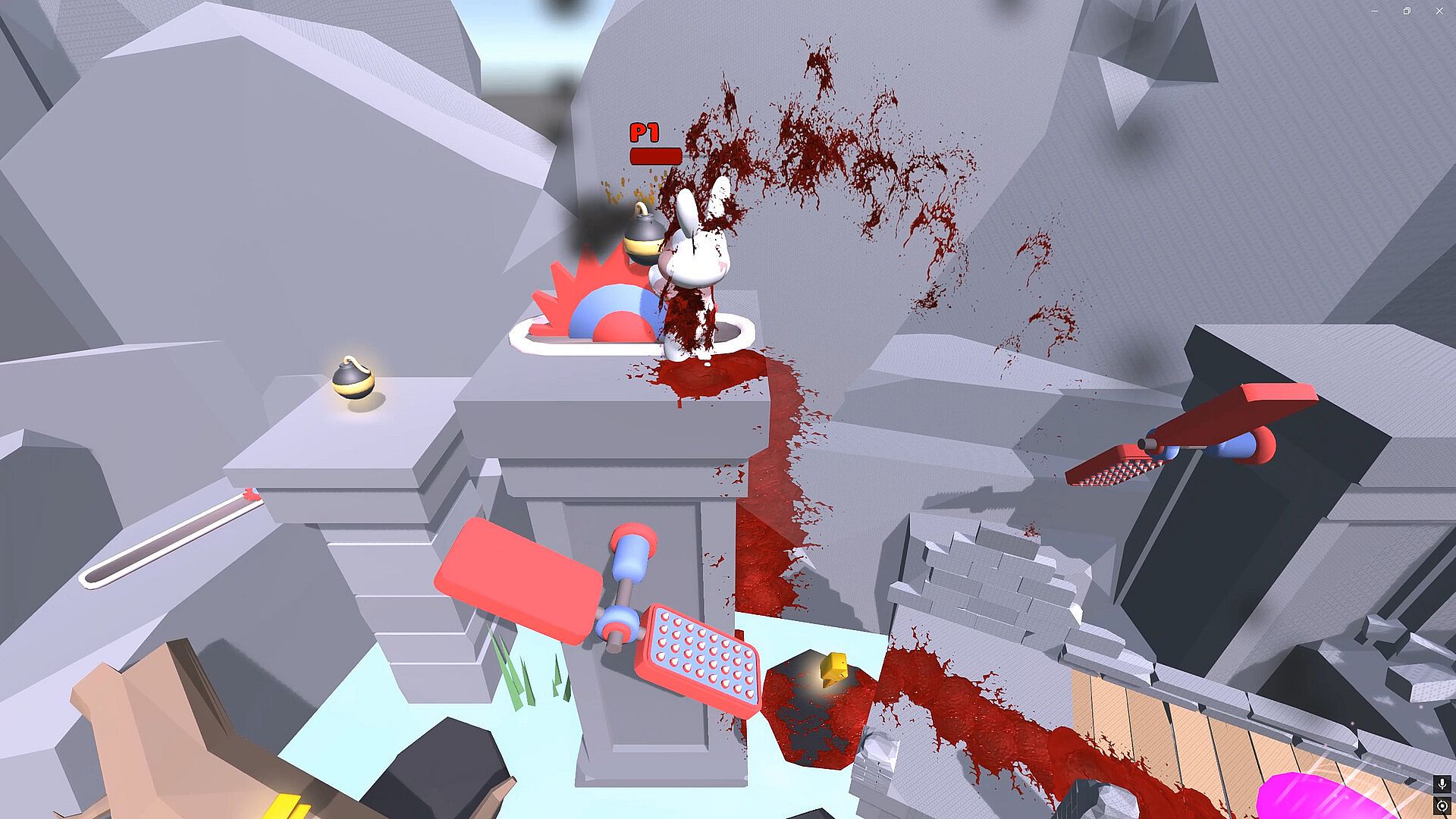
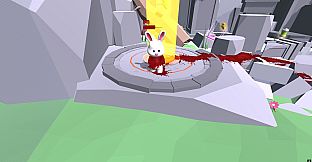
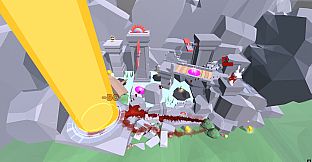
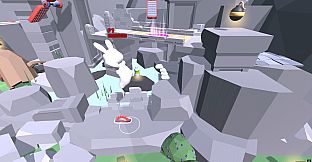
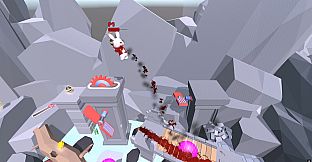
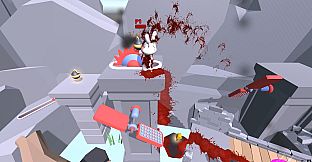
Die First is an indie casual physics-based party game developed for PC. In this title, the objective flips traditional competition on its head by making the first player to die the winner. Players control cartoonish characters in arena-style environments filled with hazards and objects that can be used to inflict self-damage while trying to protect opponents from harm.
Gameplay
The core loop centers on movement and interaction within short, chaotic matches. Characters can run, jump, and dash across platforms while grabbing and throwing items or even other players. Tools and environmental elements scattered throughout each arena serve as means to harm your own character, often through creative physics interactions that lead to bloody outcomes. The emphasis stays on quick sessions that typically conclude in a couple of minutes, rewarding precise timing and creative use of the surroundings over long-term strategy.
Controls support both mouse and keyboard or a gamepad, though the platforming elements make a controller the smoother choice for most players. The mechanics remain straightforward enough for quick pickup yet allow room for skill development through repeated play. Matches involve up to four participants who can join either locally on the same system or through online connections, creating opportunities for both couch co-op style sessions and remote play.
Game Modes
Die First focuses on multiplayer sessions that accommodate up to four players in either local shared-screen or online formats. Each round emphasizes the same core objective of being the first to eliminate your own character through environmental hazards and item use while actively preventing opponents from doing the same. The structure keeps rounds brief and repeatable, allowing groups to cycle through multiple matches in a single sitting without extended downtime.
Local play supports split-screen or shared setups on one PC, while online options enable remote friends to connect directly. No additional variants or specialized rulesets receive confirmation beyond these foundational multiplayer arrangements.
Who It Is For
This game suits players seeking lighthearted, competitive party experiences with a twisted premise. Groups that enjoy physics-driven chaos and quick rounds will find the short match length and simple controls accessible. The design accommodates mixed skill levels, as evidenced by its ease for newcomers, including older players who can grasp the basics rapidly. Those preferring longer campaigns or complex progression systems may find the focus on immediate, repeatable rounds less appealing.
Is It Worth Playing?
Die First remains in development with a planned release in November 2026, so no player reviews or aggregate ratings exist at this stage. The described mechanics deliver a distinct twist on party games by inverting the win condition around self-elimination in a physics sandbox. Availability will include single-player practice alongside the core local and online multiplayer options once launched. Groups interested in fast, controller-friendly sessions with friends may find value in the upcoming title based on its emphasis on accessibility and chaotic arena interactions.