





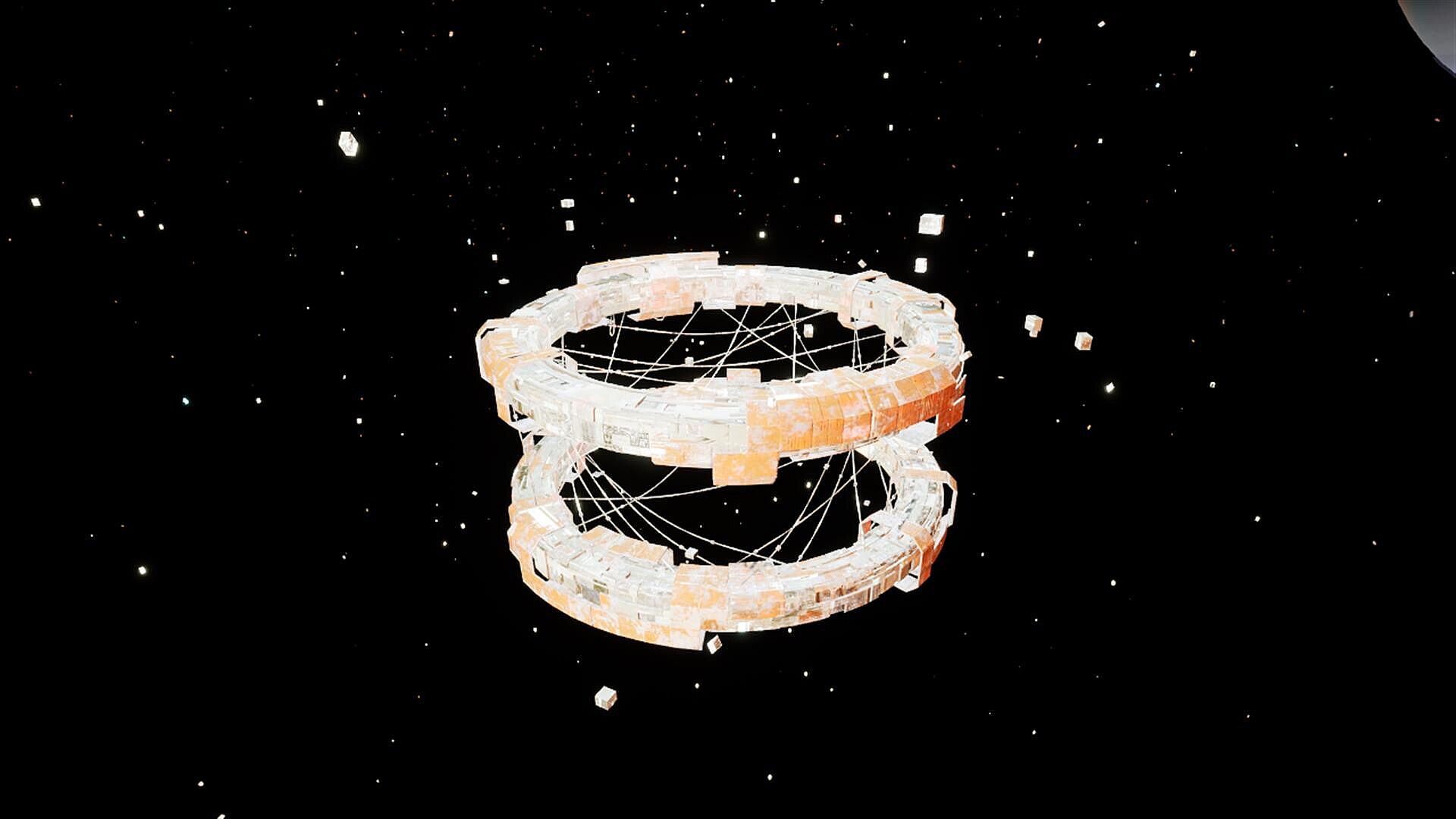
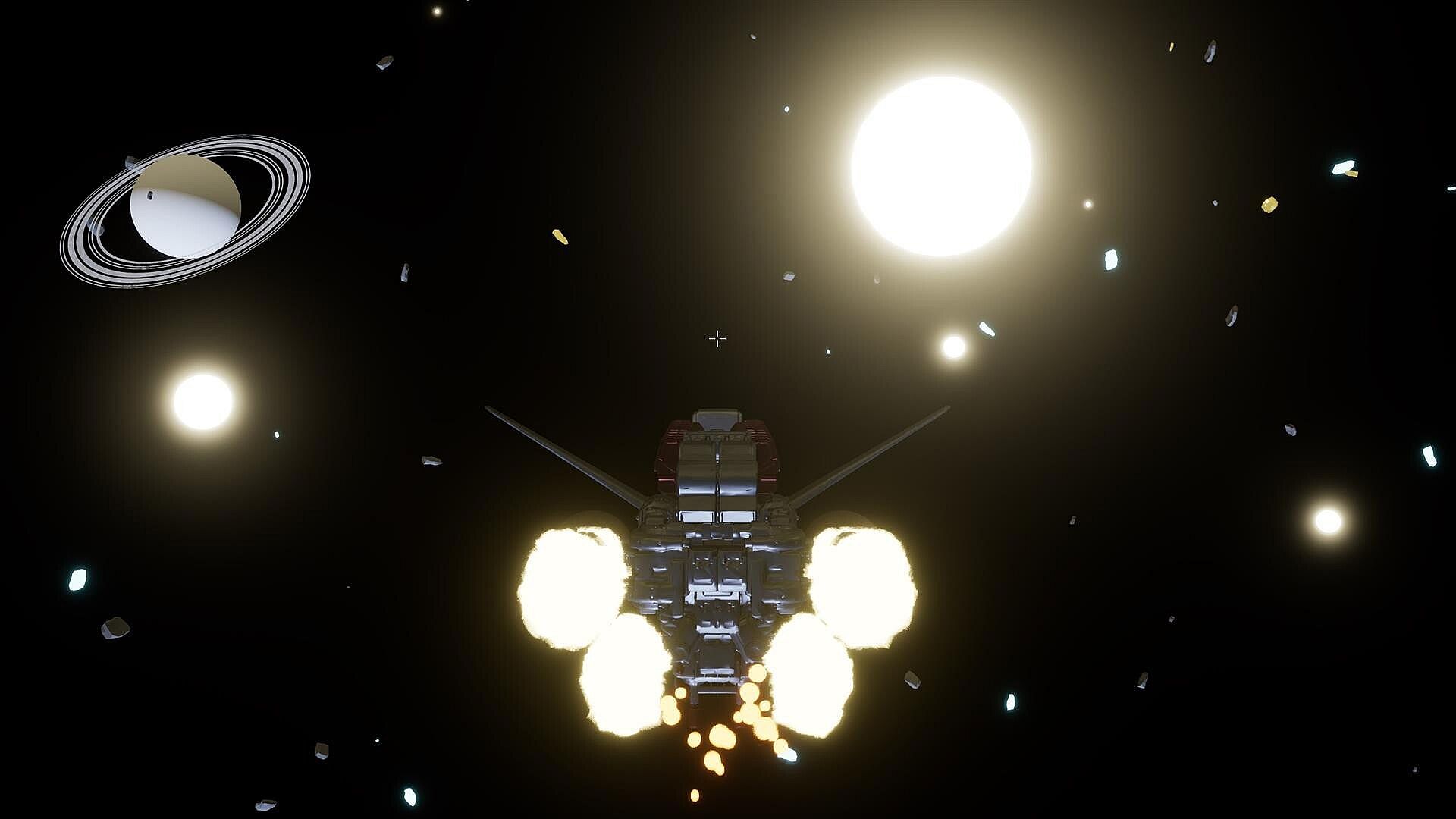



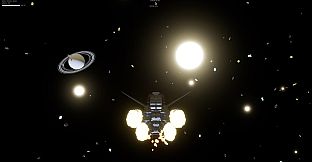
Deep Haul is a single-player space mining simulation that blends strategy and casual pacing on PC. Players take on the role of a solo hauler navigating an enormous, quiet solar system filled with drifting asteroids and distant celestial hazards. The core experience centers on mining resources, managing cargo, and returning loads to a station for upgrades, all without timers or competitive pressure.
Gameplay
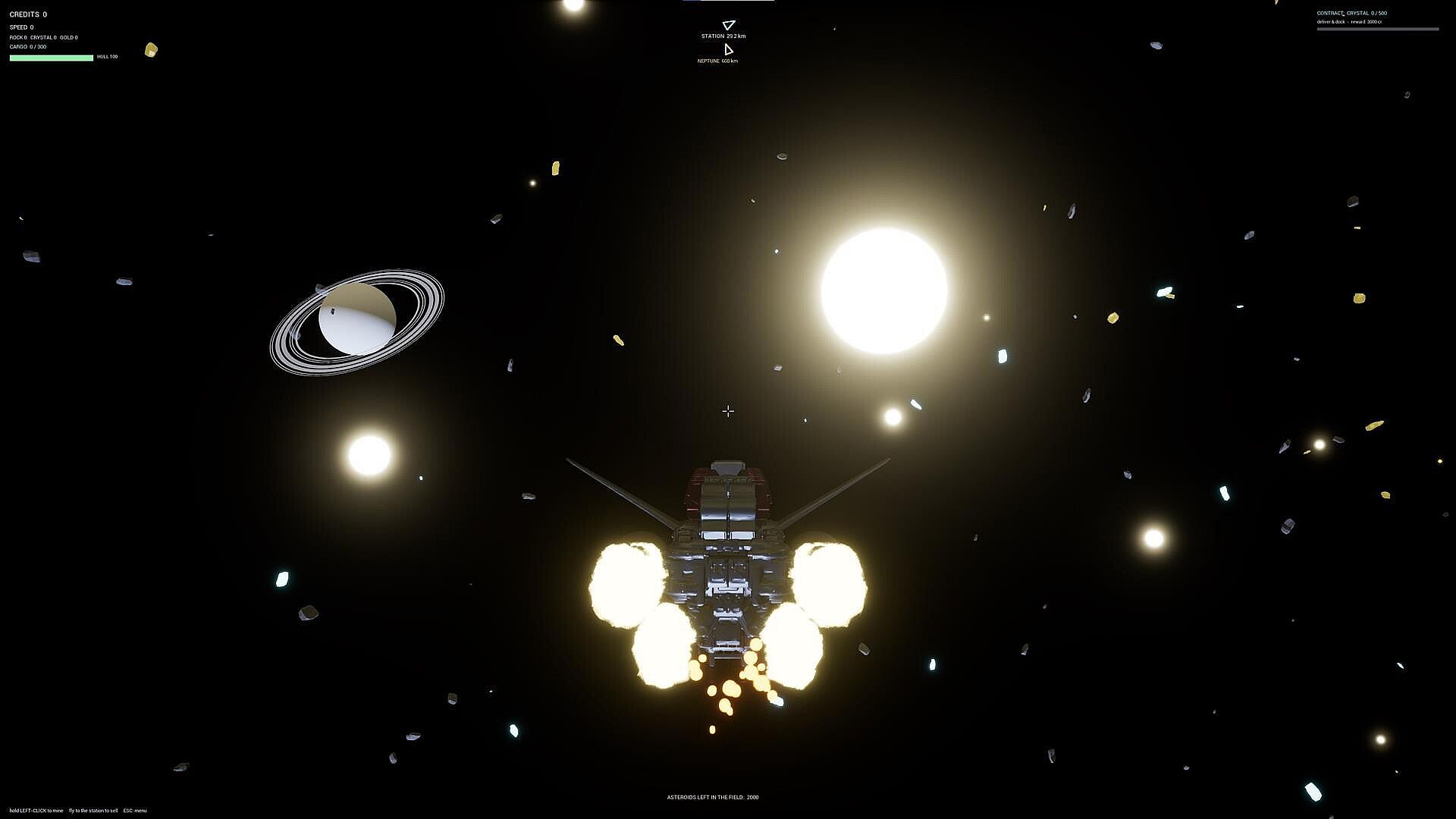
The gameplay loop revolves around piloting a ship through a streaming asteroid field that surrounds the player at every altitude and distance. Point the vessel toward clusters of rock, activate the mining laser to crack and shatter asteroids, then collect the resulting ore with a magnet system. Three distinct ore types appear regularly: rock, crystal, and gold, alongside occasional rich veins that yield higher returns. An ore scanner helps identify valuable deposits across the field, while a tractor beam pulls in nearby fragments during flight.
Navigation relies on a compass that directs the ship back to the station or toward the nearest planet. The environment spans vast distances, with planets, the sun, and a black hole positioned hours apart as fixed landmarks. Hazards demand careful routing, as contact with the sun or drifting mini-sun orbs destroys the ship instantly, and proximity to the black hole creates a pulling force that can end a run. Distant planets offer hull repair opportunities after long flights.
Progression comes through nine ship upgrades purchased with credits from deliveries. These cover mining rate, cargo hold capacity, engine speed, shields, mining range, refinery margins, tractor beam strength, scanner effectiveness, and repair drones. Starting equipment feels basic, but consistent hauls transform the vessel into a more efficient machine. Automatic saves track all improvements across sessions.
Game Modes
Deep Haul operates as a single-player experience with one primary objective: clear the entire asteroid field. This involves mining every available rock, delivering the final load to the station, and completing the run. Station contracts provide optional structure by setting delivery quotas that award bonuses upon fulfillment, encouraging repeated trips without altering the overall goal. No separate competitive or cooperative modes exist, keeping focus on the solo journey through open space.
The design emphasizes freedom within the field rather than structured levels. Players choose routes, prioritize ore types, and decide when to risk longer trips for repairs or richer deposits. The absence of fail states beyond environmental hazards supports a relaxed approach to each outing.
Progression and Upgrades
Credits earned from ore deliveries fund the nine listed upgrades, each improving a specific aspect of ship performance. Mining rate increases laser efficiency, cargo hold allows more ore per trip, and engine speed reduces travel time across the void. Shields mitigate minor risks, while mining range extends laser reach. Refinery margins boost credit payouts, tractor beam and scanner enhancements streamline collection and detection, and repair drones handle hull maintenance during flights. These changes accumulate gradually, turning early limitations into later advantages without requiring external unlocks.
Is It Worth Playing?
Deep Haul suits players who enjoy methodical resource gathering and ship customization in a low-pressure setting. The vast, hazard-filled environment rewards careful planning and repeated runs, while the upgrade system provides tangible feedback on progress. With a planned release on August 27, 2026, and no user reviews available yet, the game appeals most to fans of casual strategy and simulation titles centered on solo exploration and incremental improvement. Those seeking quick sessions or complex multiplayer systems may find the focused single-player loop less engaging. The automatic save system and lack of grind timers support steady, uninterrupted play for anyone drawn to space mining mechanics.