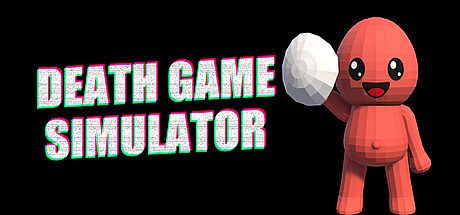



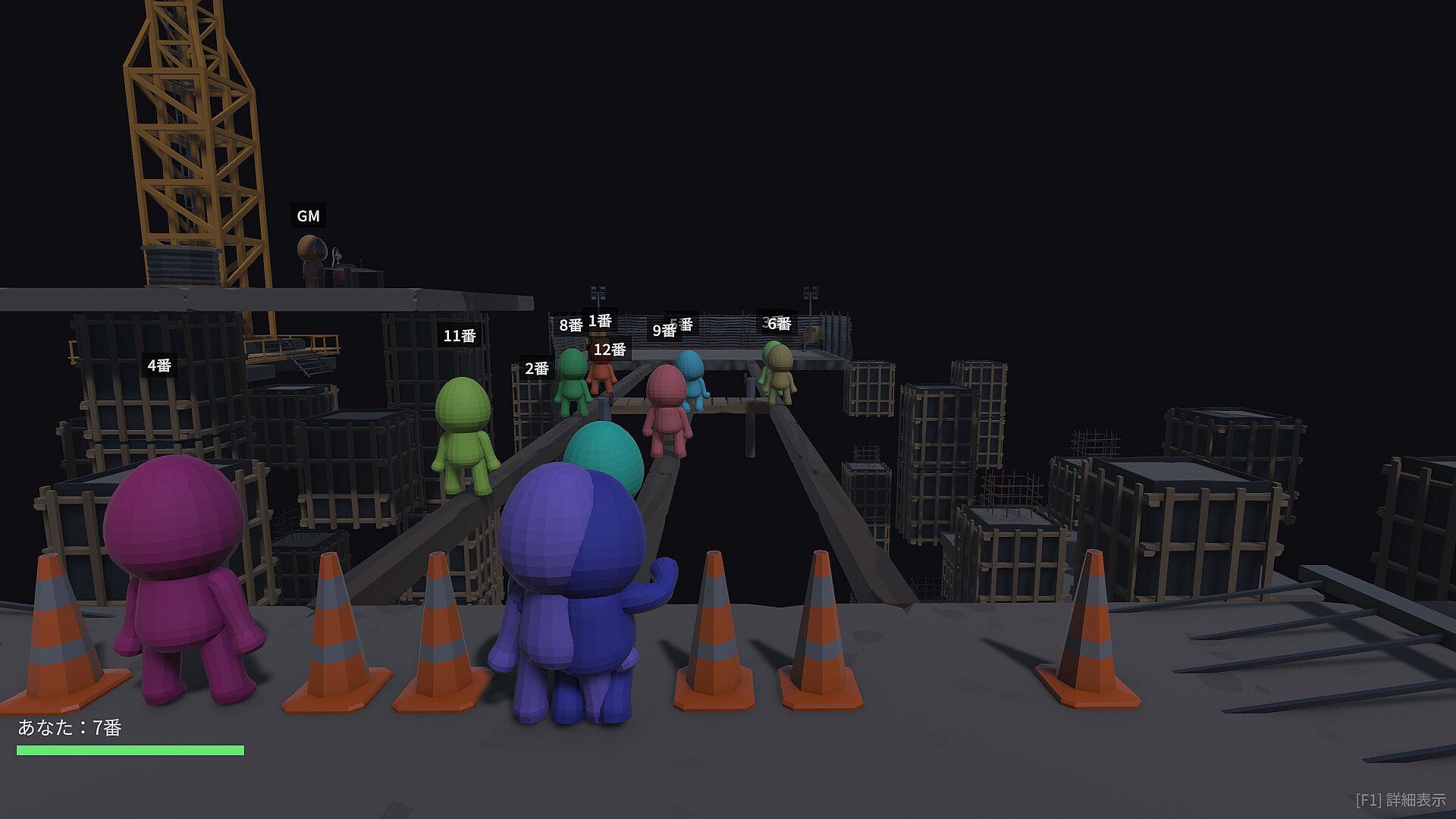
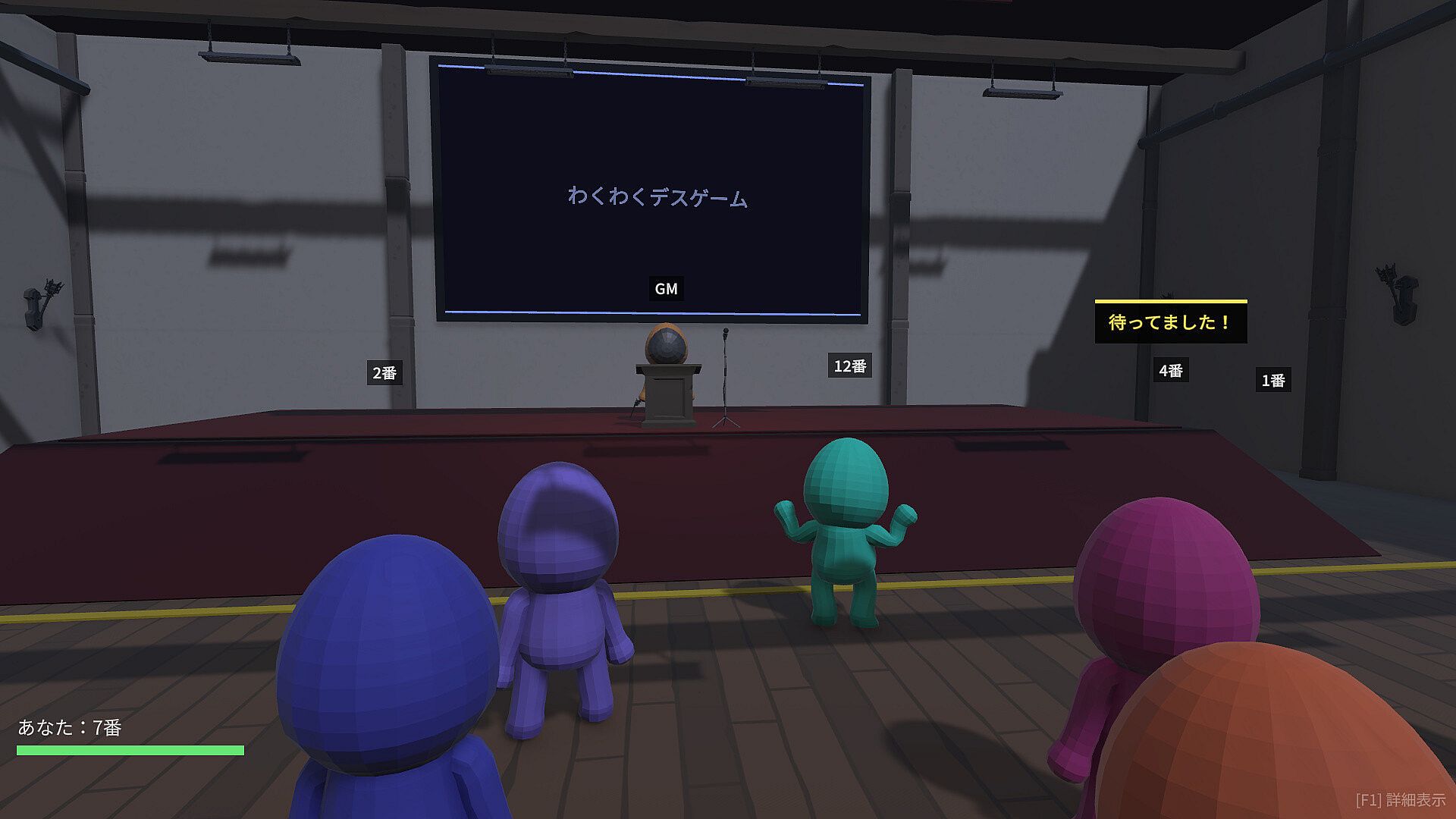
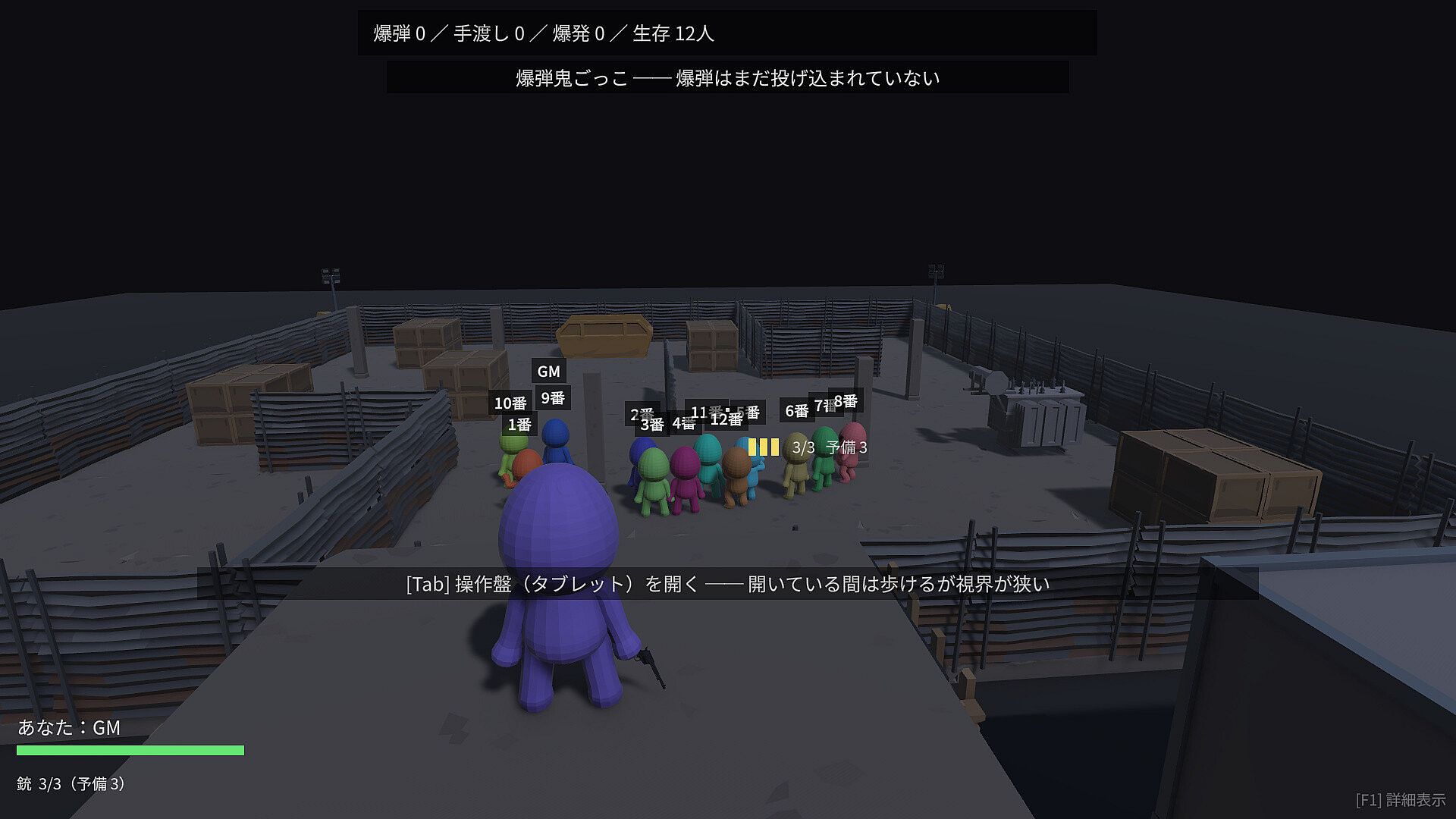
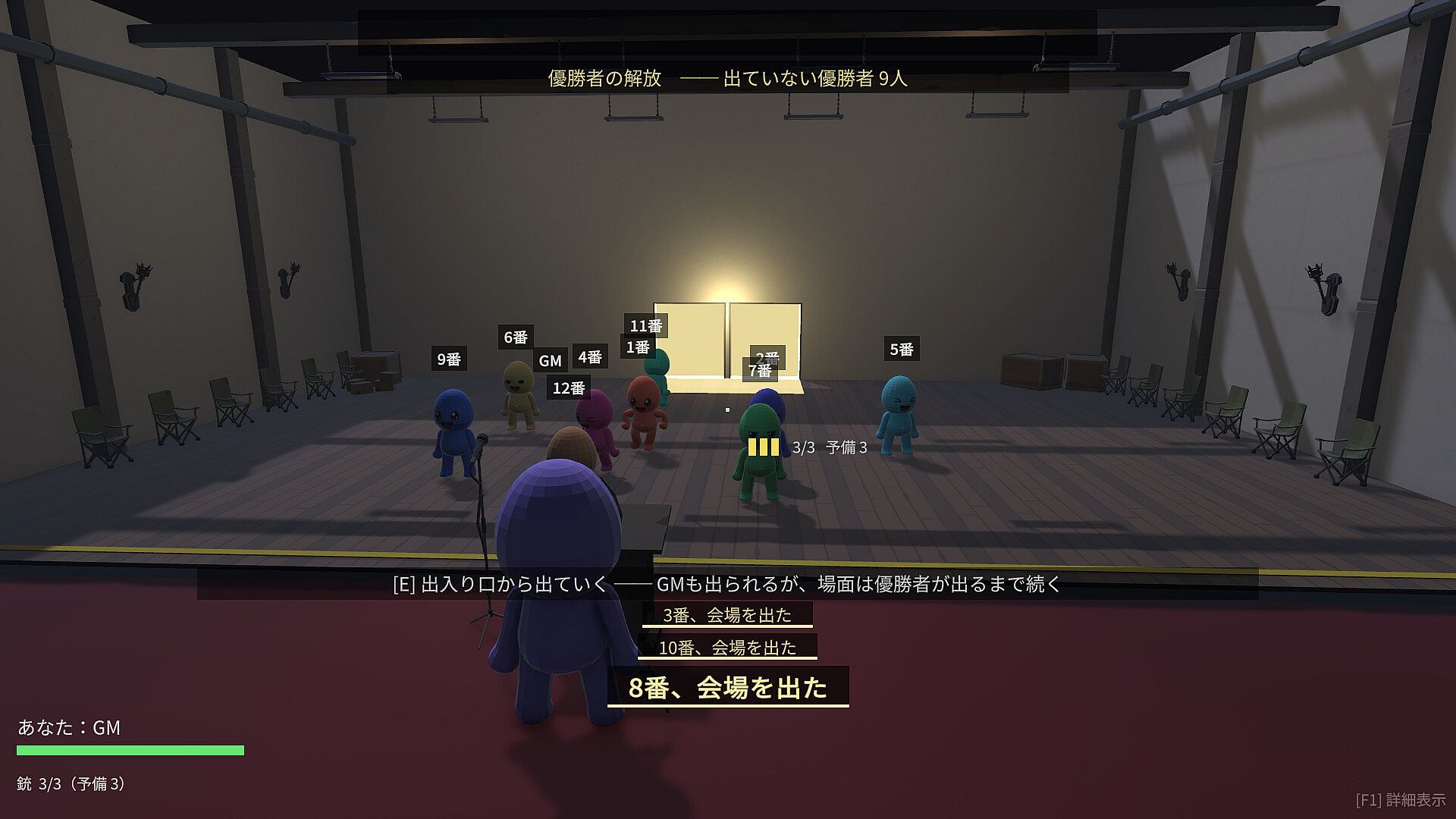
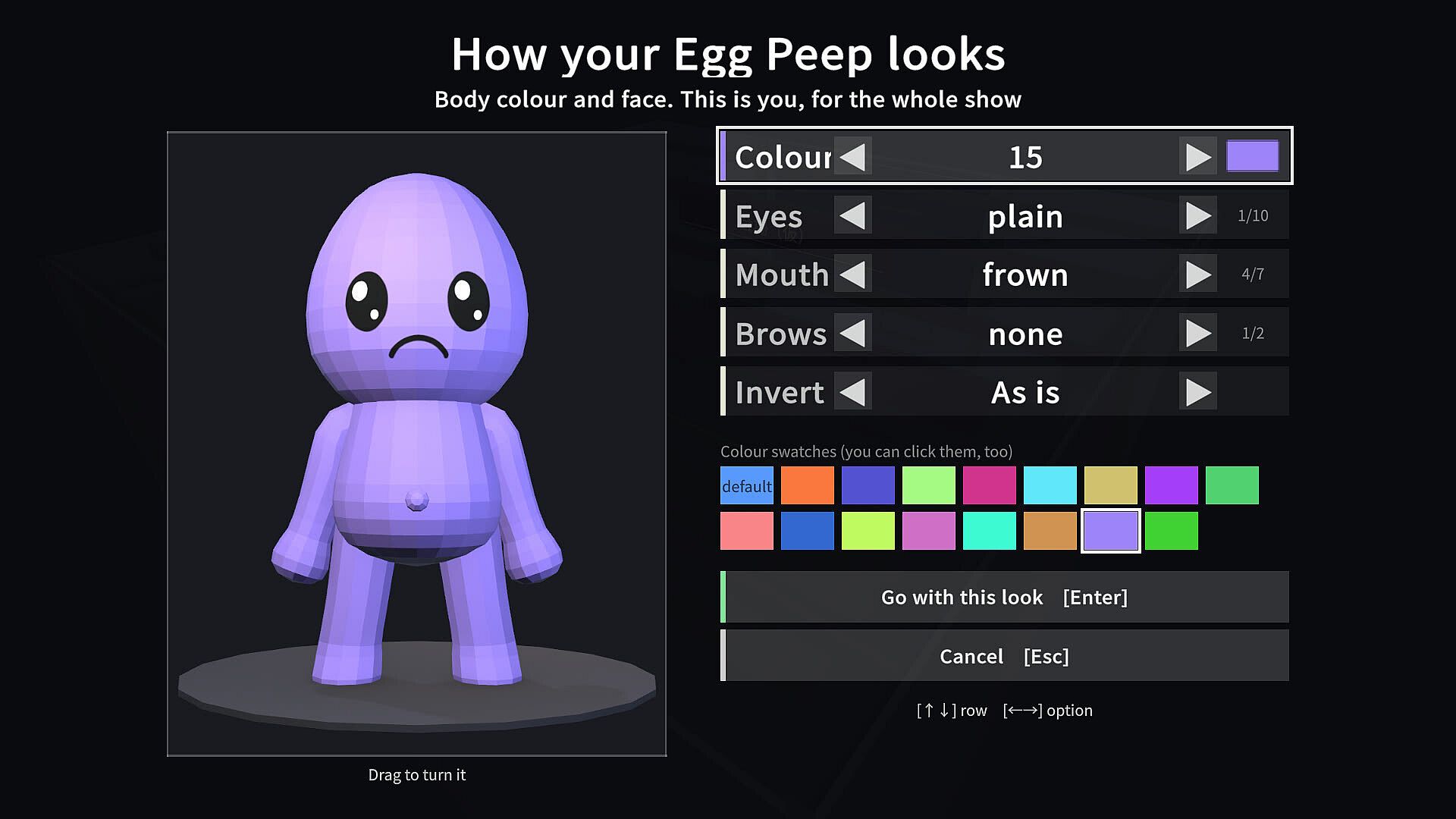
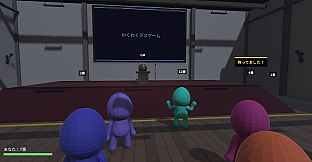
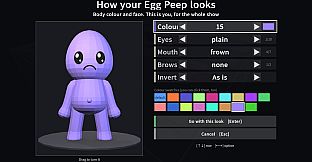
Death Game Simulator is an action indie casual party game for PC that puts players in the role of a ruthless game master orchestrating deadly challenges for friends or themselves. The core loop revolves around designing a terrifying spectacle, selecting and timing minigames, and deciding whether to intervene or observe the chaos unfold from the stage. Participants design custom masks that alter their voice, customize their Egg Peep avatars with body colors, eyes, mouths, and brows, then enter a shared session where one person hosts while others compete or join as contestants.
Gameplay
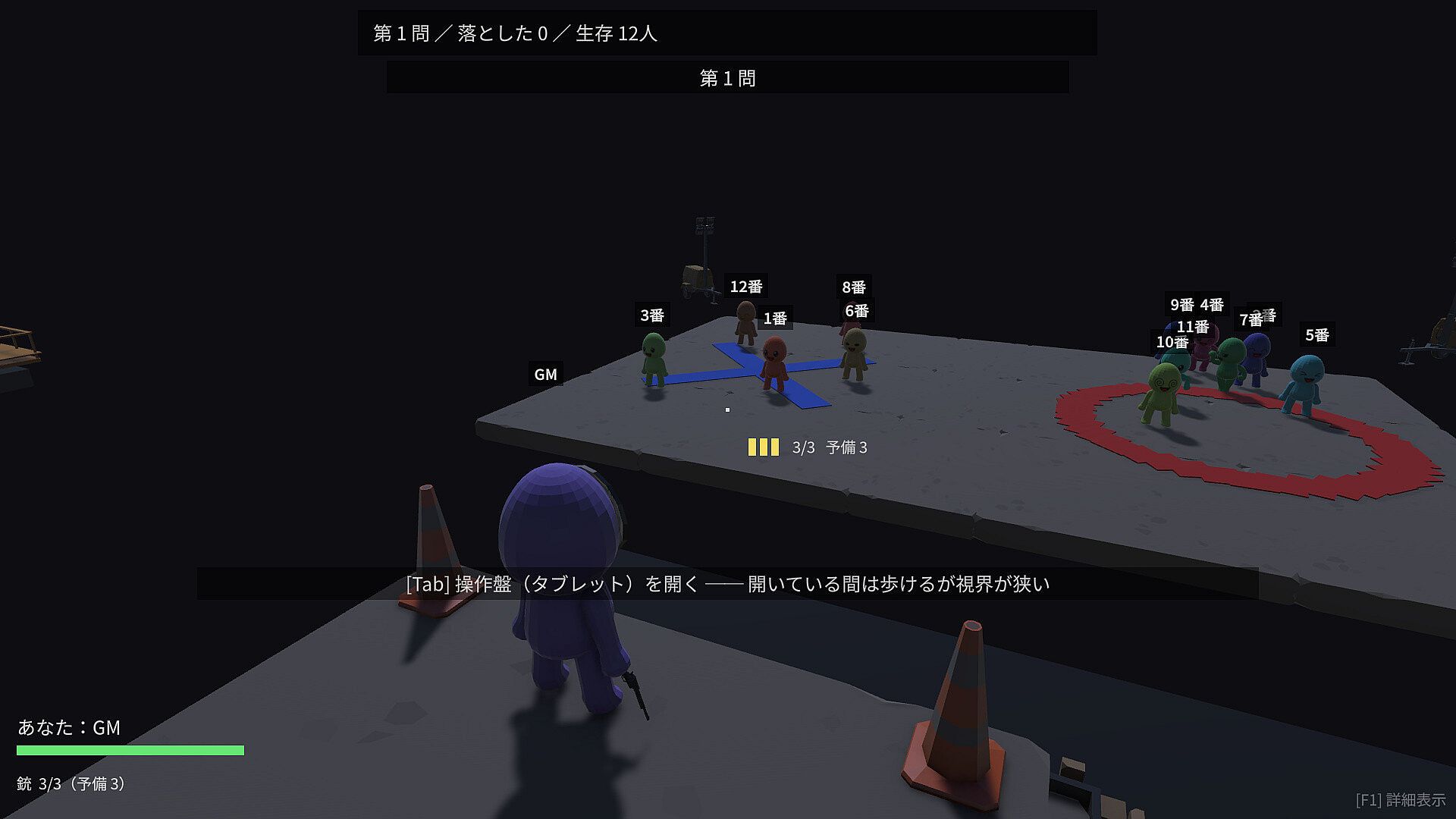
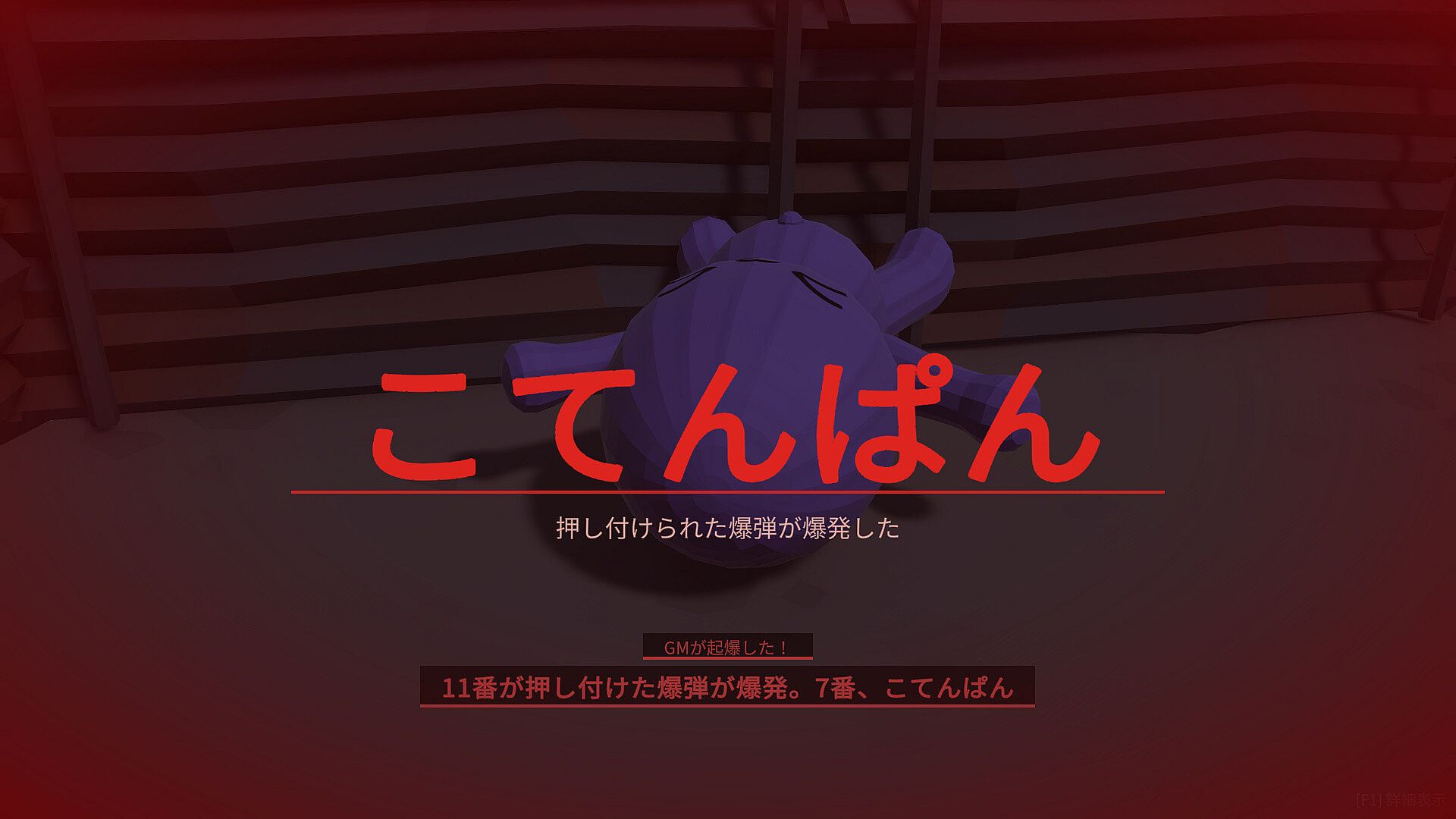
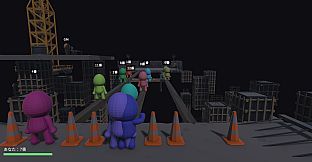
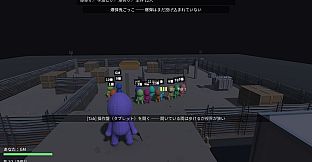
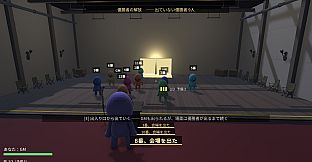
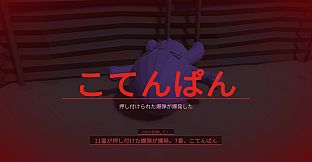
The experience centers on asymmetric play between the host and contestants. The host prepares slides, tunes a voice changer, and selects which minigame to run next. Examples include crossing a narrow beam high above the ground, navigating a room where the floor suddenly drops away, answering an O or X quiz that divides the group, passing a lit bomb between players, or standing in freshly poured concrete. The host monitors everything from a control panel filled with hidden contraptions that contestants cannot see, allowing subtle meddling at chosen moments or complete silence to heighten tension.
Contestants receive Mayhem Cards that flip the script. These include becoming invincible, equipping a bulletproof vest, dropping a banana peel to trip others, floating away on a balloon, turning the host's ammunition into blanks, or leaving a parting gift after elimination. Well-timed cards can shift momentum dramatically, sometimes even allowing a contestant to topple the host. Sessions support inviting friends for online play, with the option for the host to participate as a contestant too.
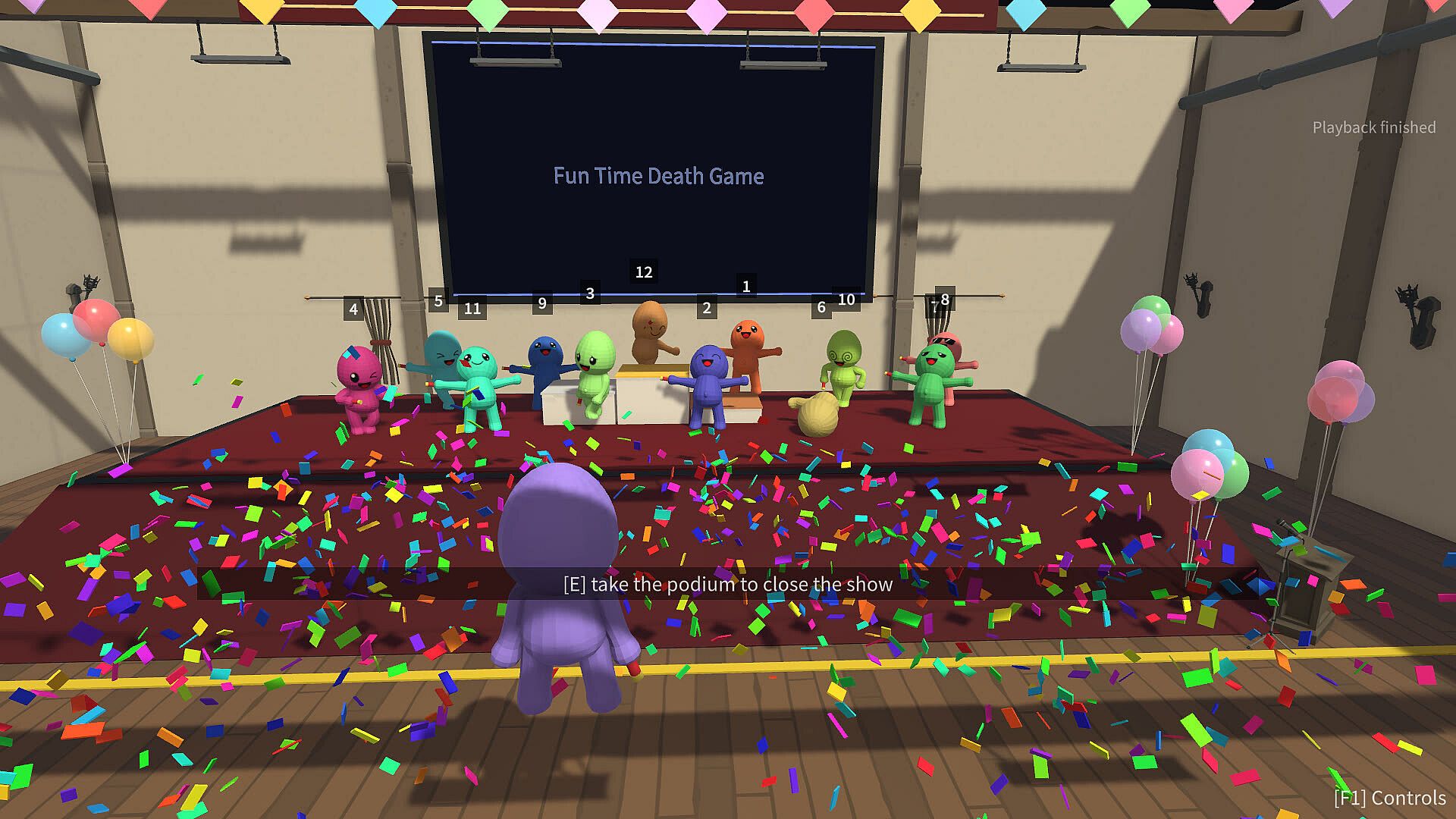
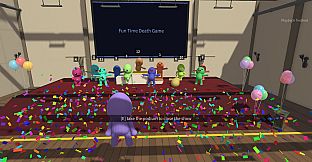
After the event concludes, the wrap party gathers everyone to review a highlight reel. Players revisit key moments, eliminations, and unexpected twists together, turning the session into a shared social recap.
Game Modes
The game emphasizes flexible hosting rather than fixed modes. A single session can mix observation, interference, and direct participation. Hosts control the pace by choosing when to launch minigames and whether to activate hidden mechanisms. Contestants focus on survival and strategic card use. The structure supports both dedicated host runs and rounds where roles rotate, keeping the focus on social interaction and unpredictable outcomes.
Customization extends to personal expression. The workshop lets players draw unique masks that change voice output during play. Egg Peep avatars offer further personalization through color, facial features, and expressions, giving each participant a distinct identity visible to the group.
Customization and Social Features
Mask creation and voice alteration form a key creative outlet. Players sketch designs that directly influence how their character sounds to others, adding personality to the host or contestant roles. Avatar tweaks for the Egg Peep ensure no two participants look identical, reinforcing the party atmosphere. The wrap party mechanic encourages post-session discussion, where the group watches replays and laughs or groans over specific decisions and card plays.
These elements combine to create repeatable sessions that change based on who hosts, which cards appear, and how aggressively the host intervenes. The indie casual tone keeps the focus on lighthearted chaos rather than intense competition.
Is It Worth Playing?
Death Game Simulator suits groups that enjoy asymmetric party experiences with creative freedom and social deduction elements. The host role offers deep control over pacing and surprises, while contestants rely on timing and card strategy to survive. Sessions work well for short or extended play, with the wrap party providing a natural ending that builds shared memories. Players who like designing their own rules and watching friends react to sudden twists will find the most value here. Those seeking traditional competitive balance or single-player campaigns may prefer other titles, as the emphasis stays on multiplayer interaction and emergent storytelling through minigames and cards. The game remains in active development following its recent release window, with the core systems already delivering the described features.