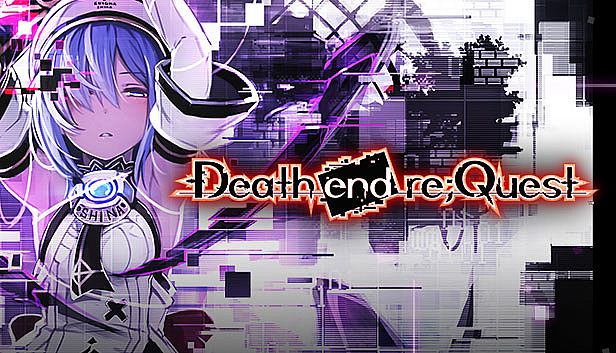
























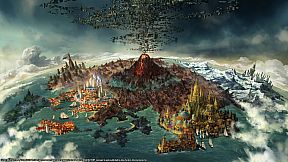
Death end re;Quest is a single-player JRPG that blends turn-based combat with visual novel storytelling. Players follow programmer Arata Mizunashi as he works to free his colleague Shina Ninomiya from the corrupted virtual world she helped create. The game centers on exploration, decision-making, and battles inside a bug-ridden environment known as World's Odyssey.
Gameplay
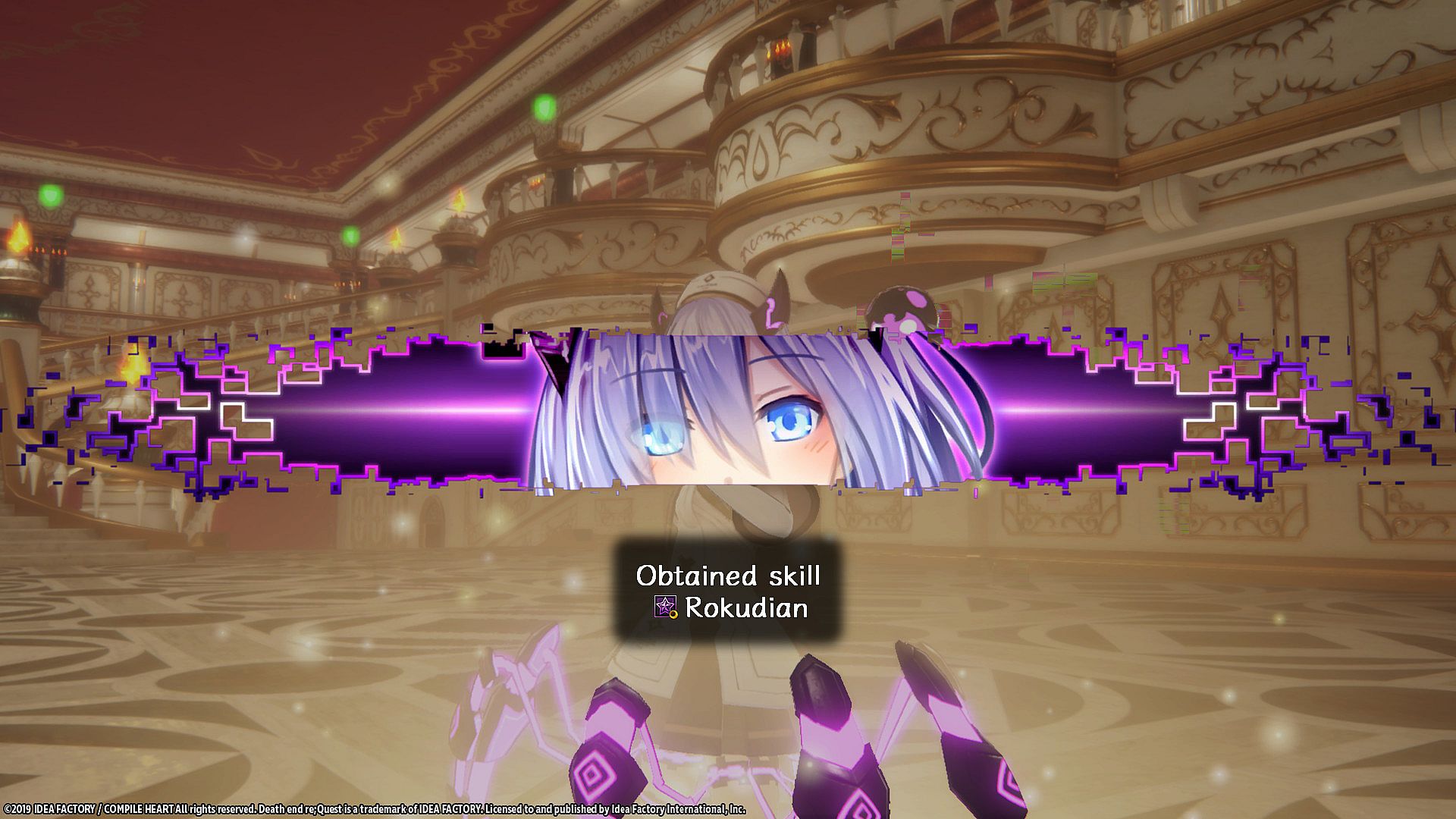
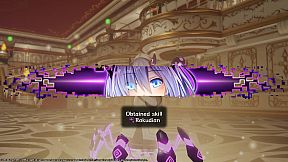
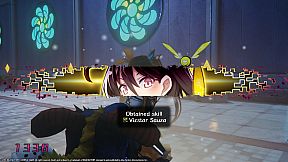
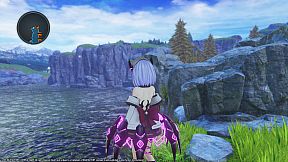
The core loop alternates between real-world investigation segments and in-game exploration. In the real world, players examine code and gather information through dialogue choices that influence later events. Inside the game world, Shina navigates dungeons filled with glitched monsters and environmental hazards. Character-specific skills help reach hidden areas and collect items during these sections.
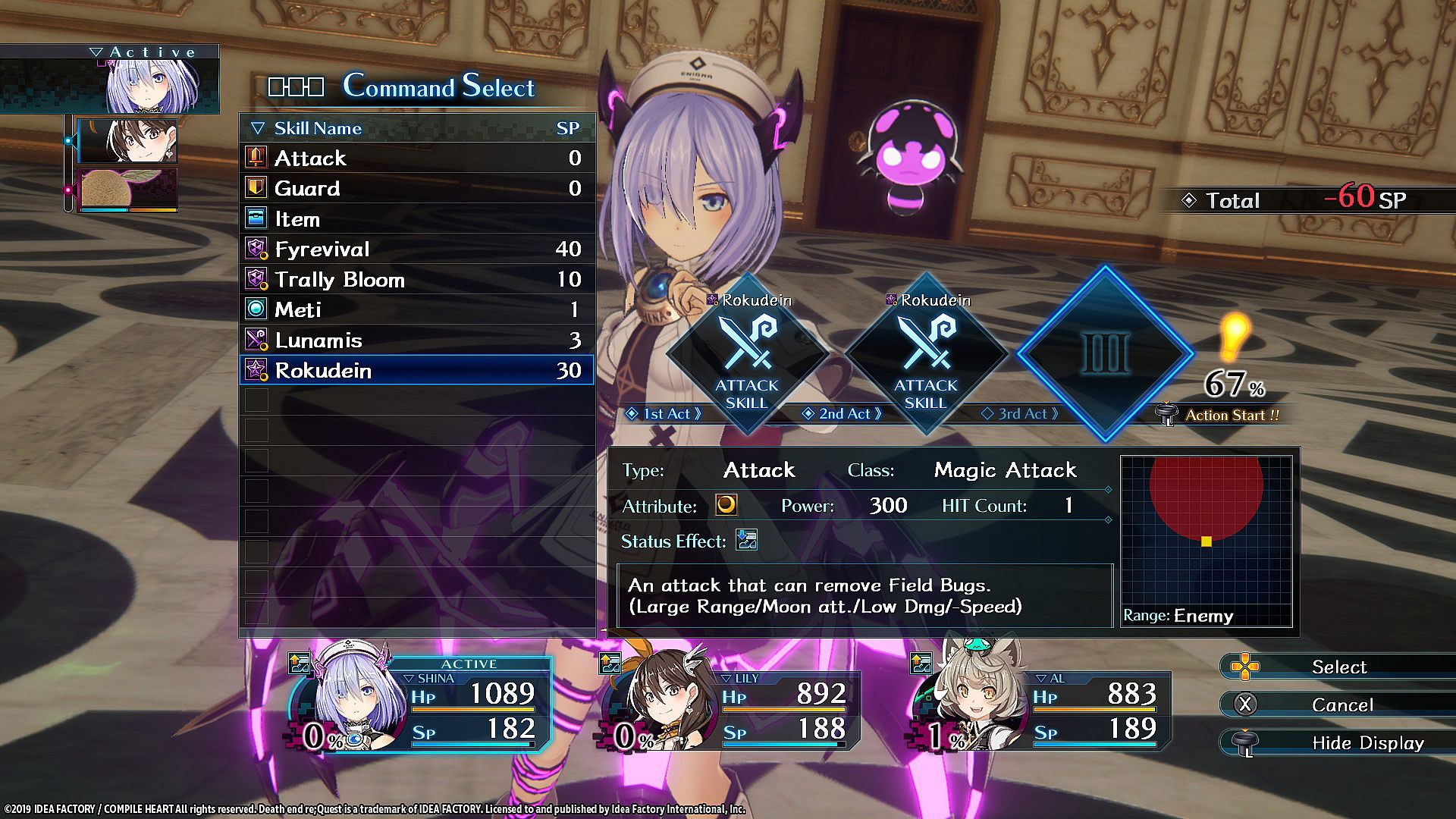
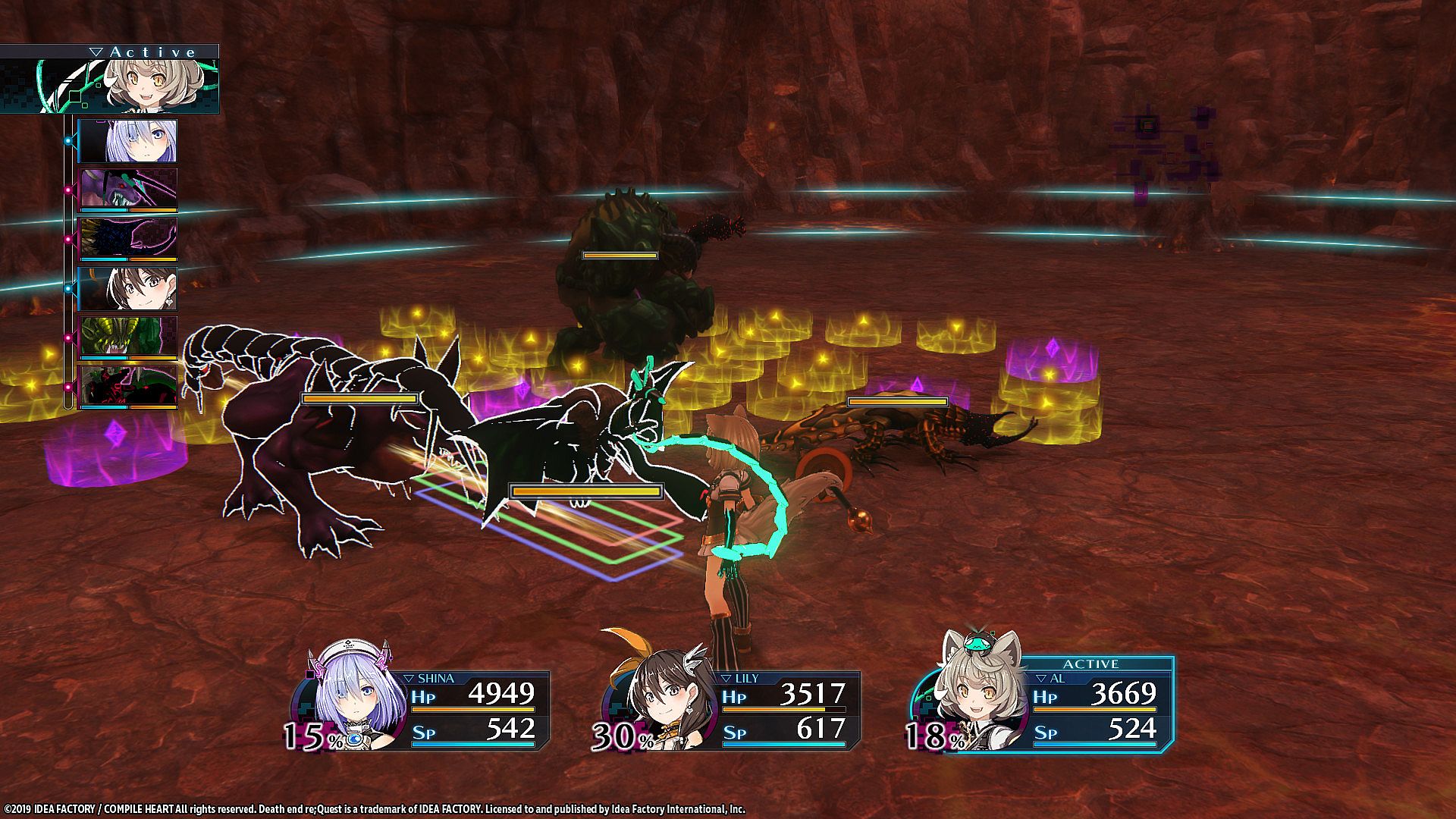
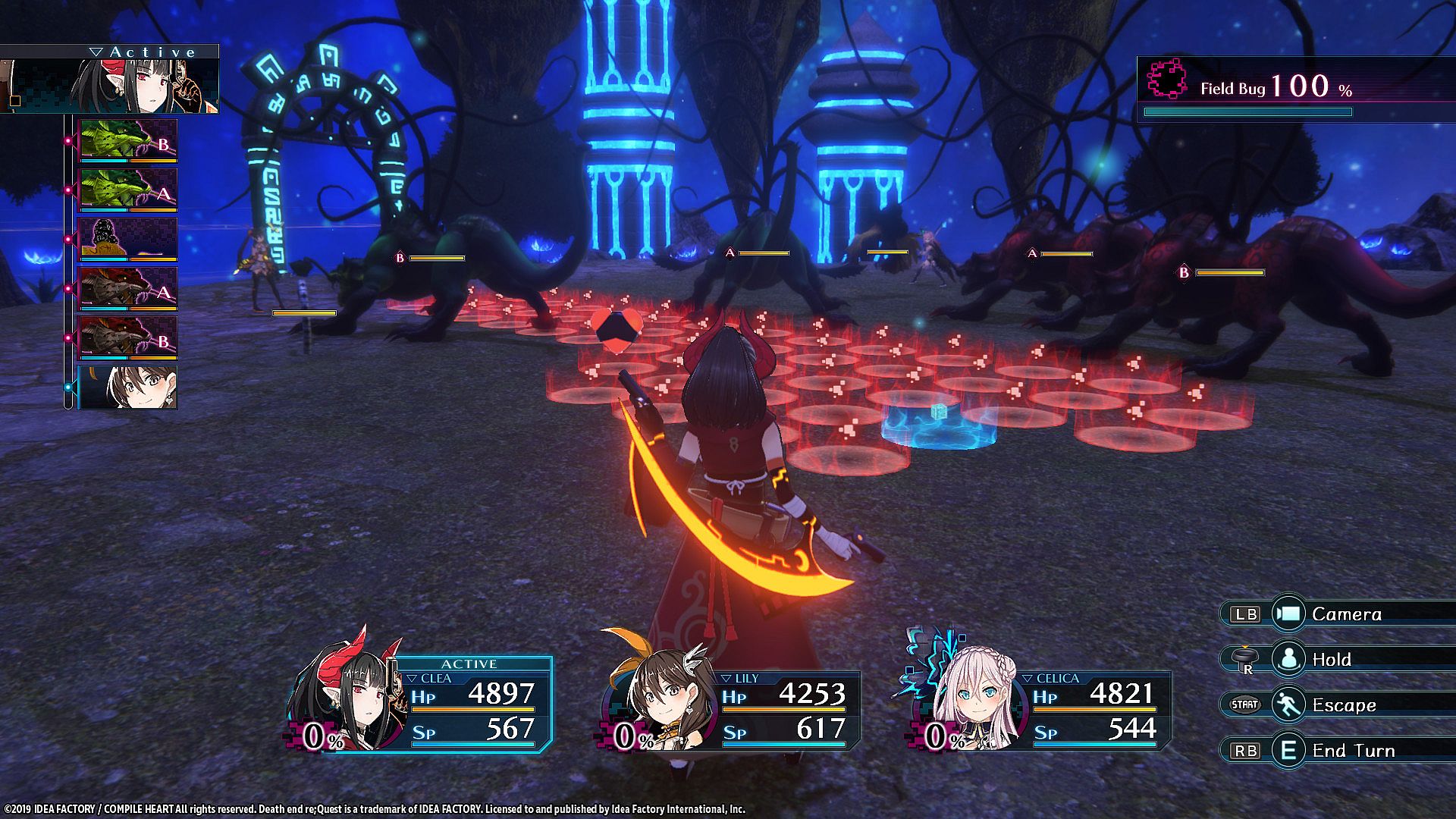
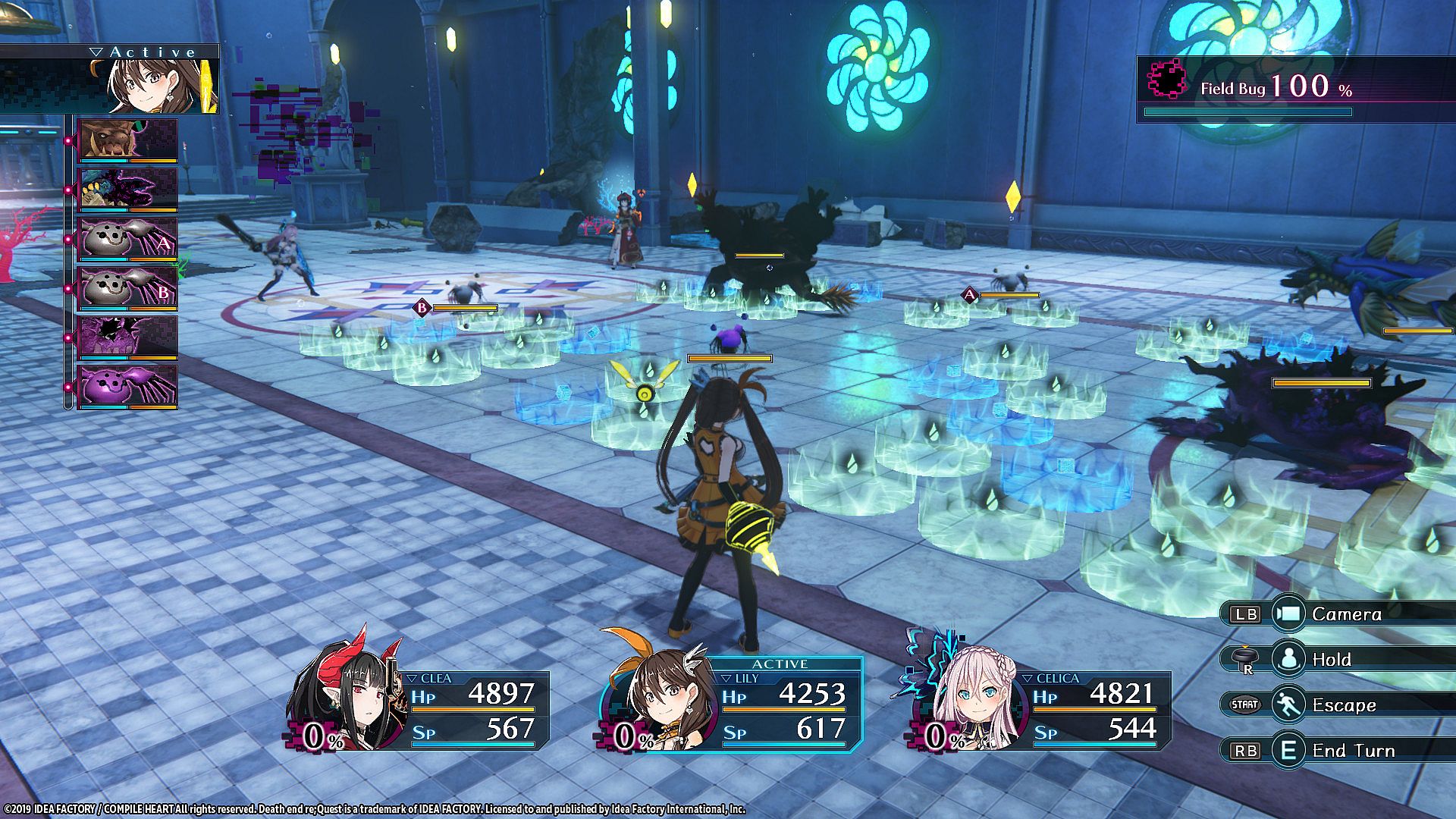
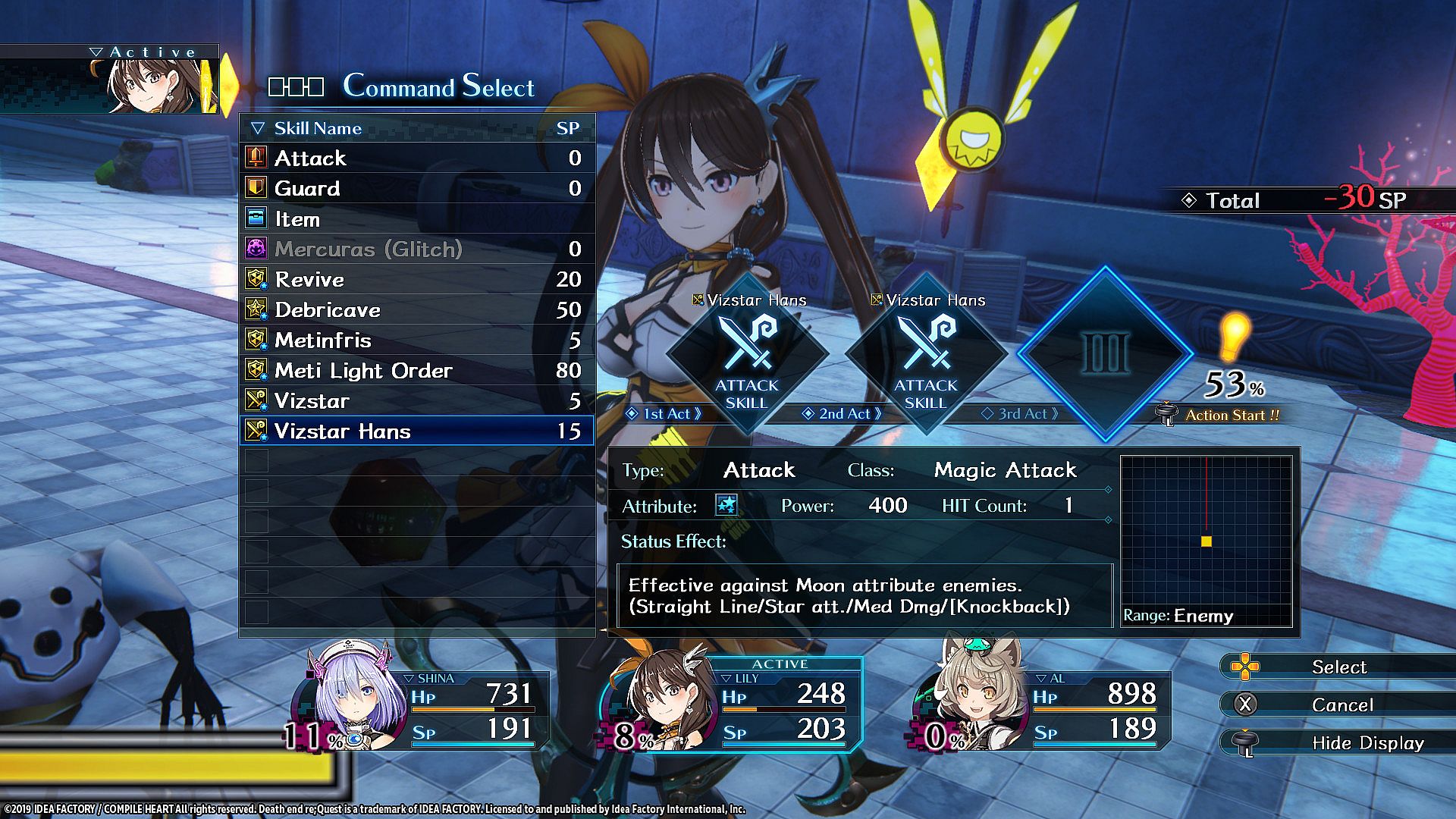
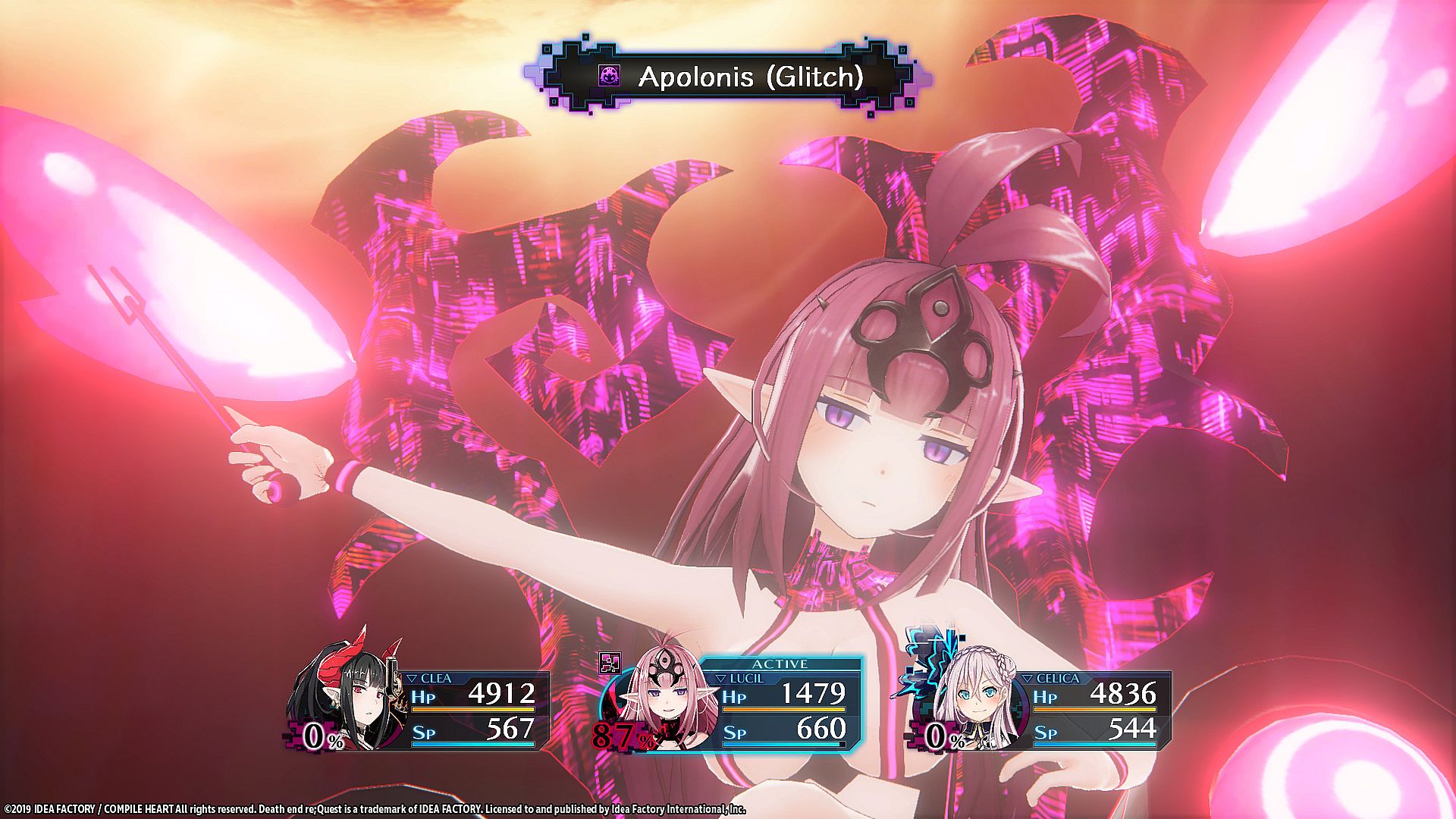
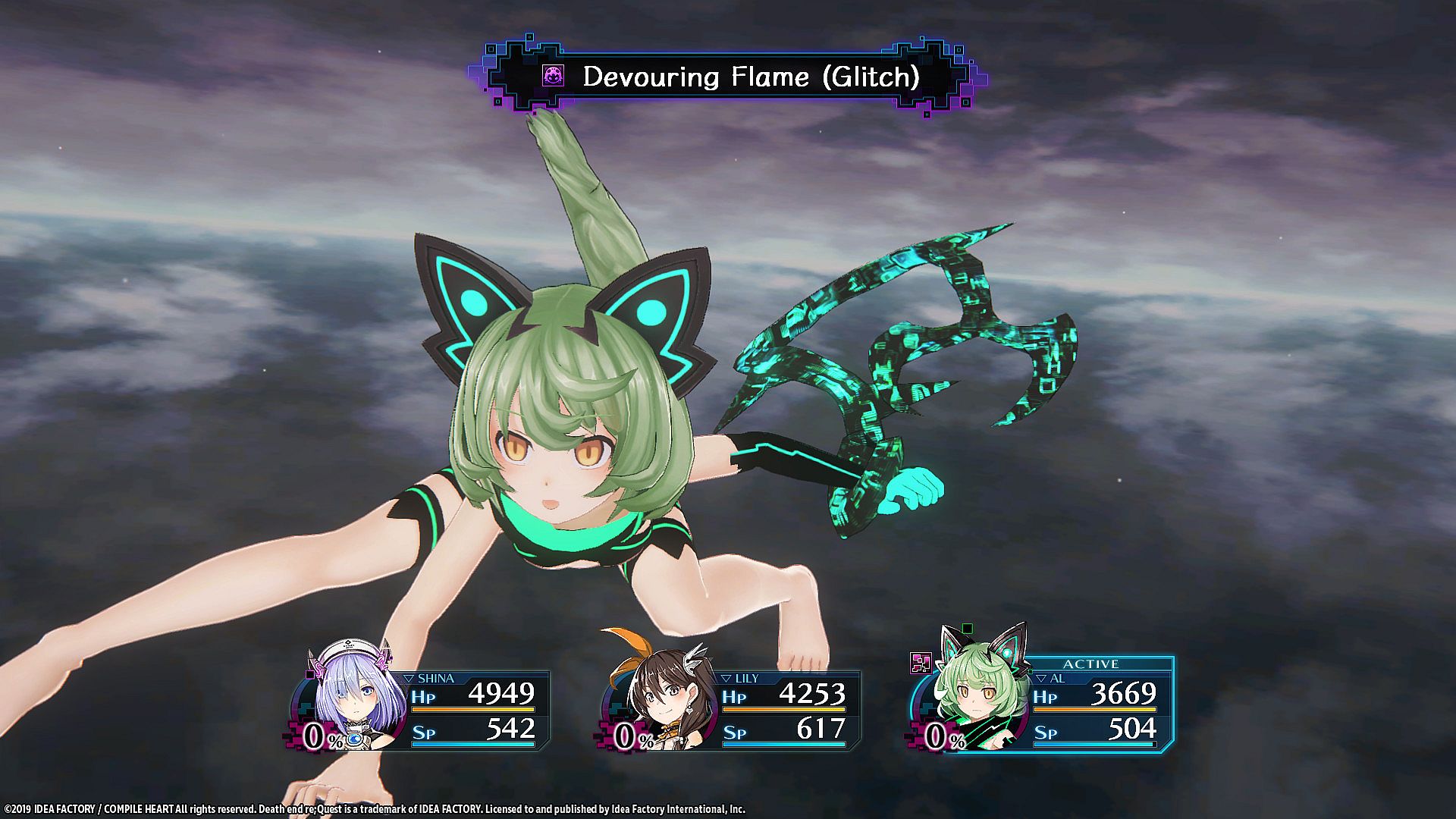
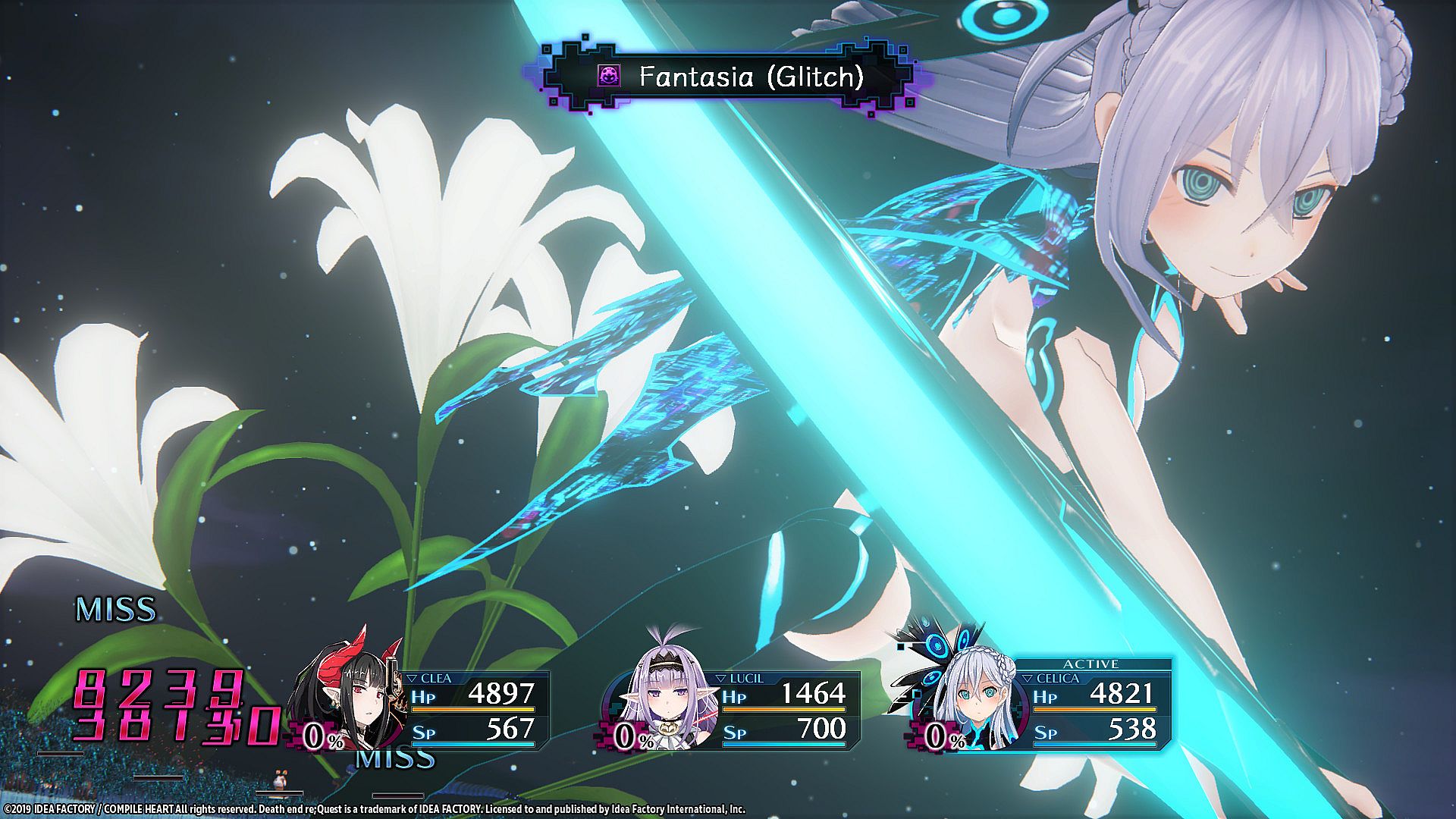
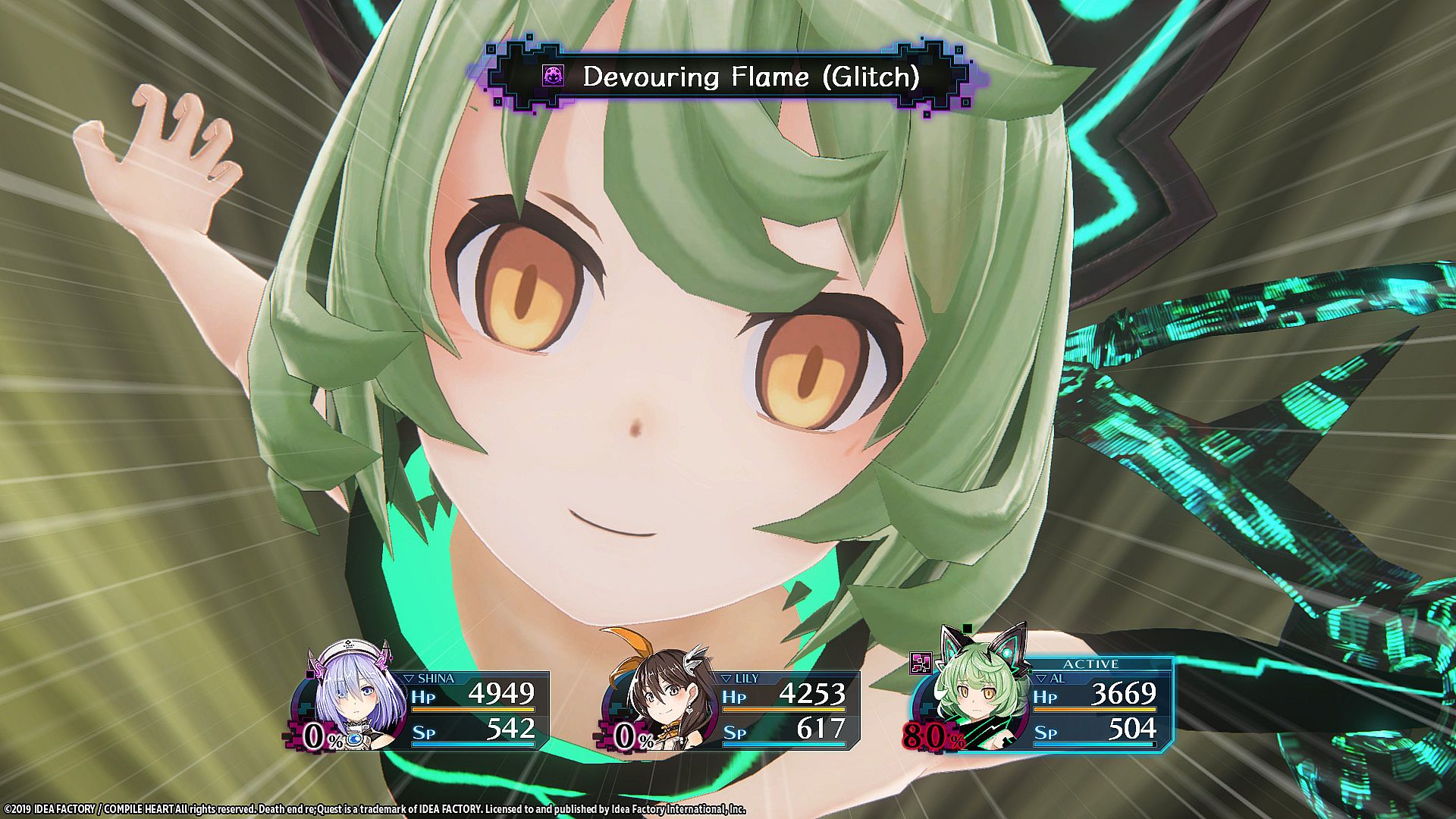
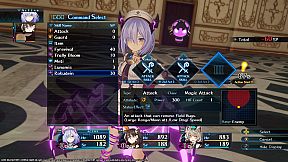
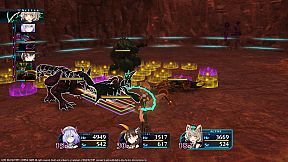
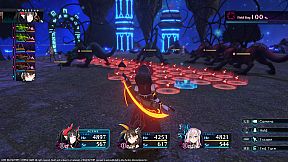
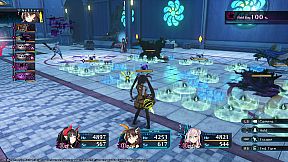
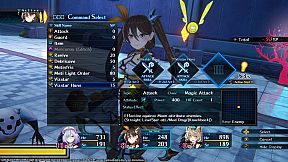
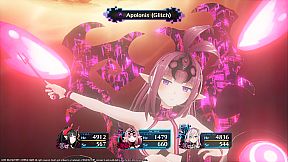
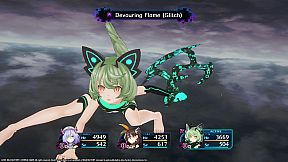
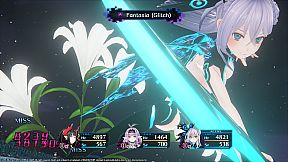
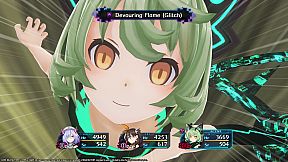
Combat operates on a turn-based system where party members take sequential actions. A knockback mechanic lets players strike enemies multiple times to push them into hazards or allies for extra damage. Field bugs scattered across battlefields drain health if touched, adding a layer of positioning strategy. At certain points, players can switch the battle format to other genres, such as first-person shooter or fighting game styles, provided enough hazards have been cleared. These shifts alter how attacks and abilities function without changing the underlying turn structure.
Wrong choices during key moments trigger immediate bad endings, often resulting in character deaths. These outcomes provide additional items for subsequent playthroughs but require careful navigation to reach more favorable conclusions.
Game Modes
The game features two primary perspectives that function as distinct modes. The real-world mode focuses on visual novel-style investigation, where players review emails, code snippets, and conversations to uncover the cause of the bugs and the force trapping Shina. Decisions made here directly affect available options and story branches in the in-game mode.
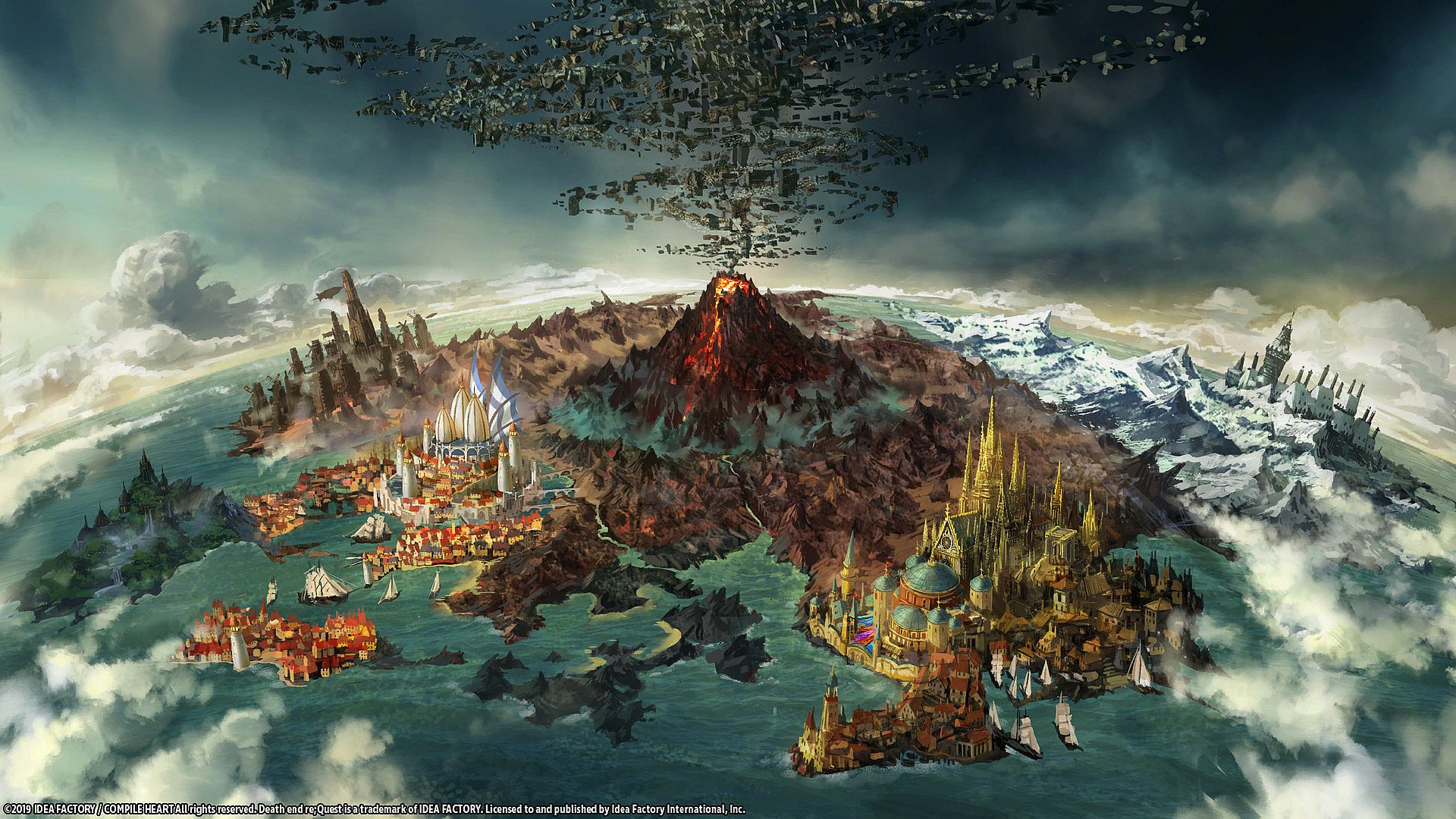
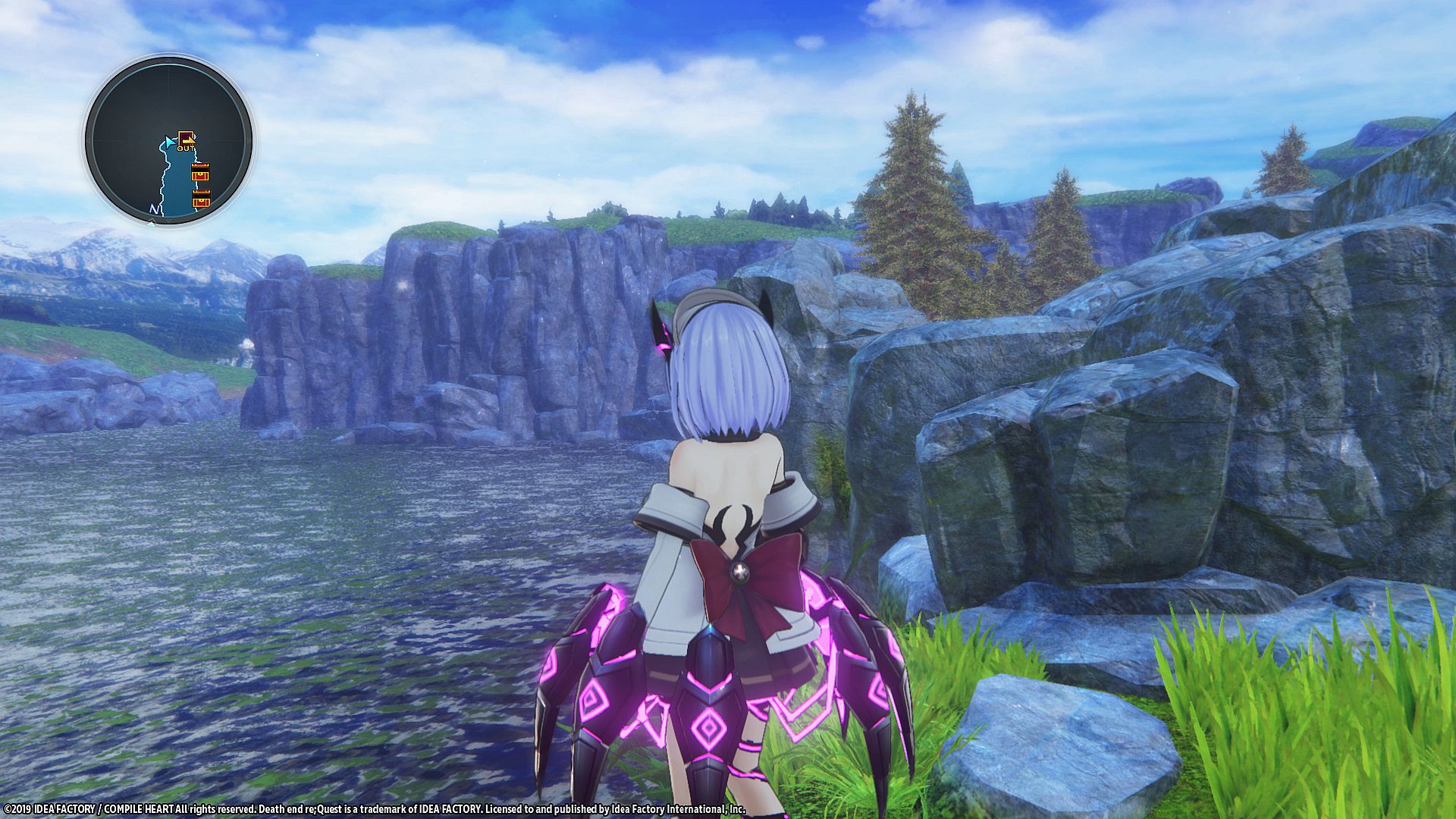
The in-game mode shifts to active exploration and combat within the virtual landscape. Here, players control Shina and her companions across 3D environments, using skills to bypass obstacles and engaging enemies in the modified turn-based battles described above. Switching between these modes happens at set points to advance the plot or resolve obstacles that block progress in either view.
Narrative and Characters
The story examines the blurred line between human programmers and the artificial intelligence within World's Odyssey. Arata and Shina interact with a cast of NPCs whose behaviors raise questions about identity and control. Multiple endings exist, with one perfect ending noted for its low success rate. Players must manage both sides of the screen to avoid catastrophic results while uncovering the source of the infestation.
Voice acting and music support the tone shifts between tense horror sequences and lighter moments. The narrative builds through incremental revelations rather than large set pieces, rewarding attention to dialogue and environmental details.
Is It Worth Playing?
Death end re;Quest suits players who enjoy story-heavy JRPGs that incorporate visual novel elements and experimental combat twists. Its single-player structure emphasizes narrative choices and repeated playthroughs to experience different outcomes. The game remains available on PC with controller support and has received mostly positive feedback for its unique premise and character interactions.
Those seeking fast-paced action or multiplayer features may find the deliberate pacing and occasional repetition in battles less engaging. The title delivers a self-contained experience without ongoing seasons or updates, making it a complete package for fans of Compile Heart-style RPGs with darker themes and multiple endings.