






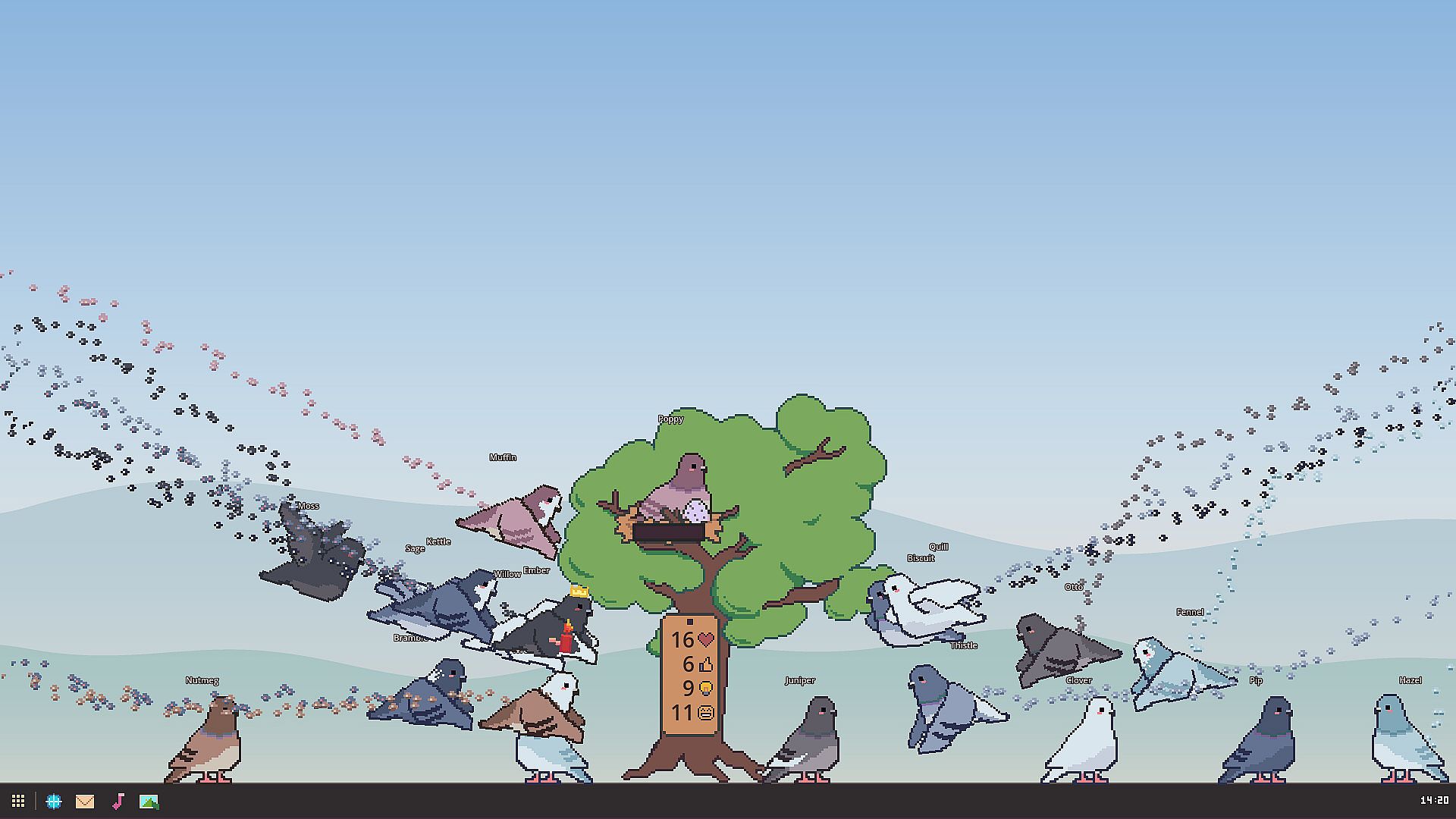
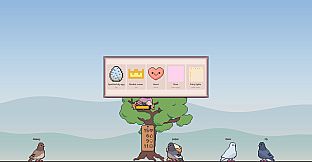
Dear Pigeon is an indie casual game for PC that centers on the quiet ritual of exchanging handwritten letters with anonymous players around the world. The experience unfolds gently in the background of daily life, with a small window kept open on the desktop while other tasks occupy the main screen. Pigeons arrive at irregular intervals carrying messages from strangers, creating moments of unexpected connection without any names or profiles attached.
Gameplay
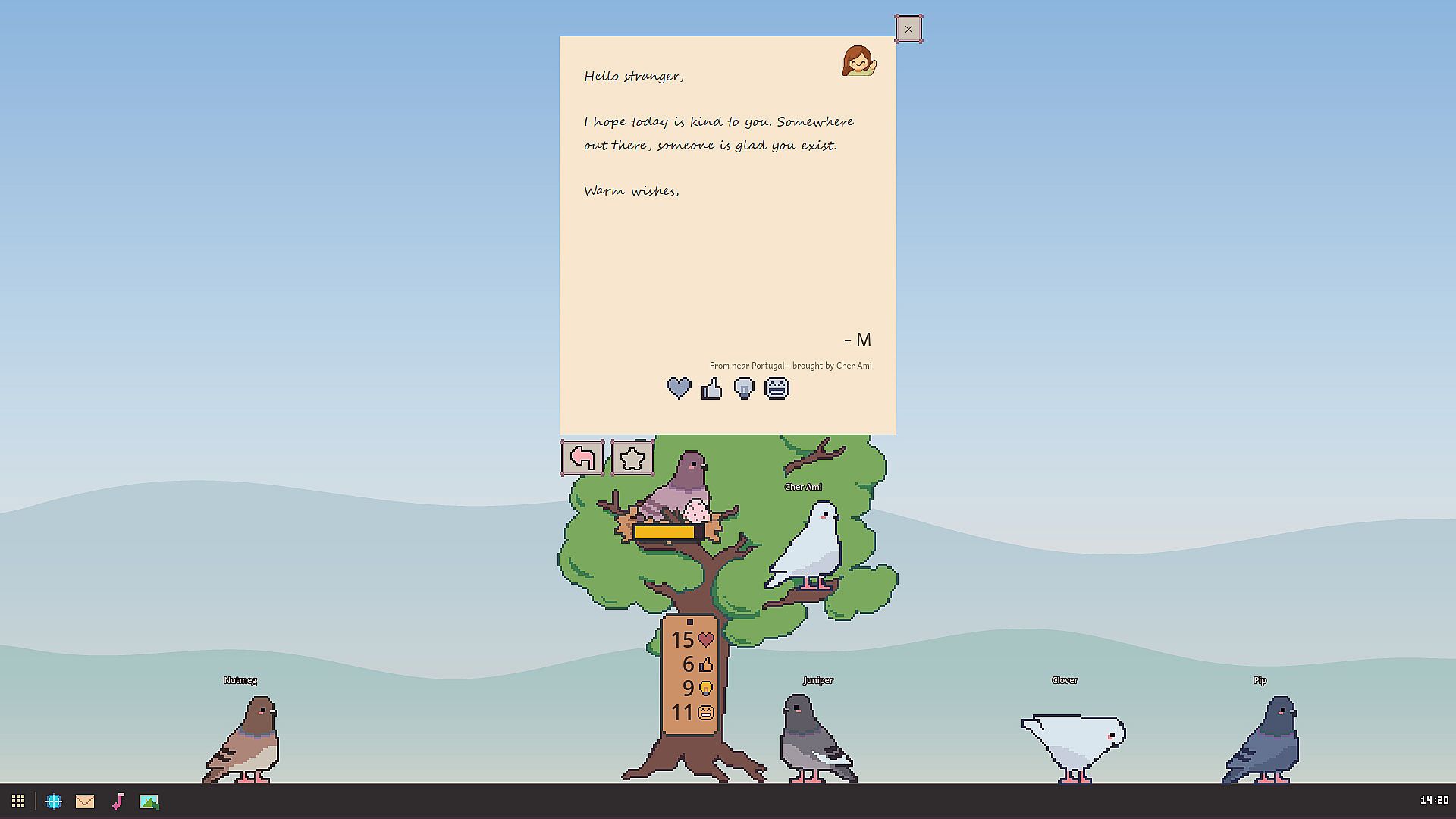
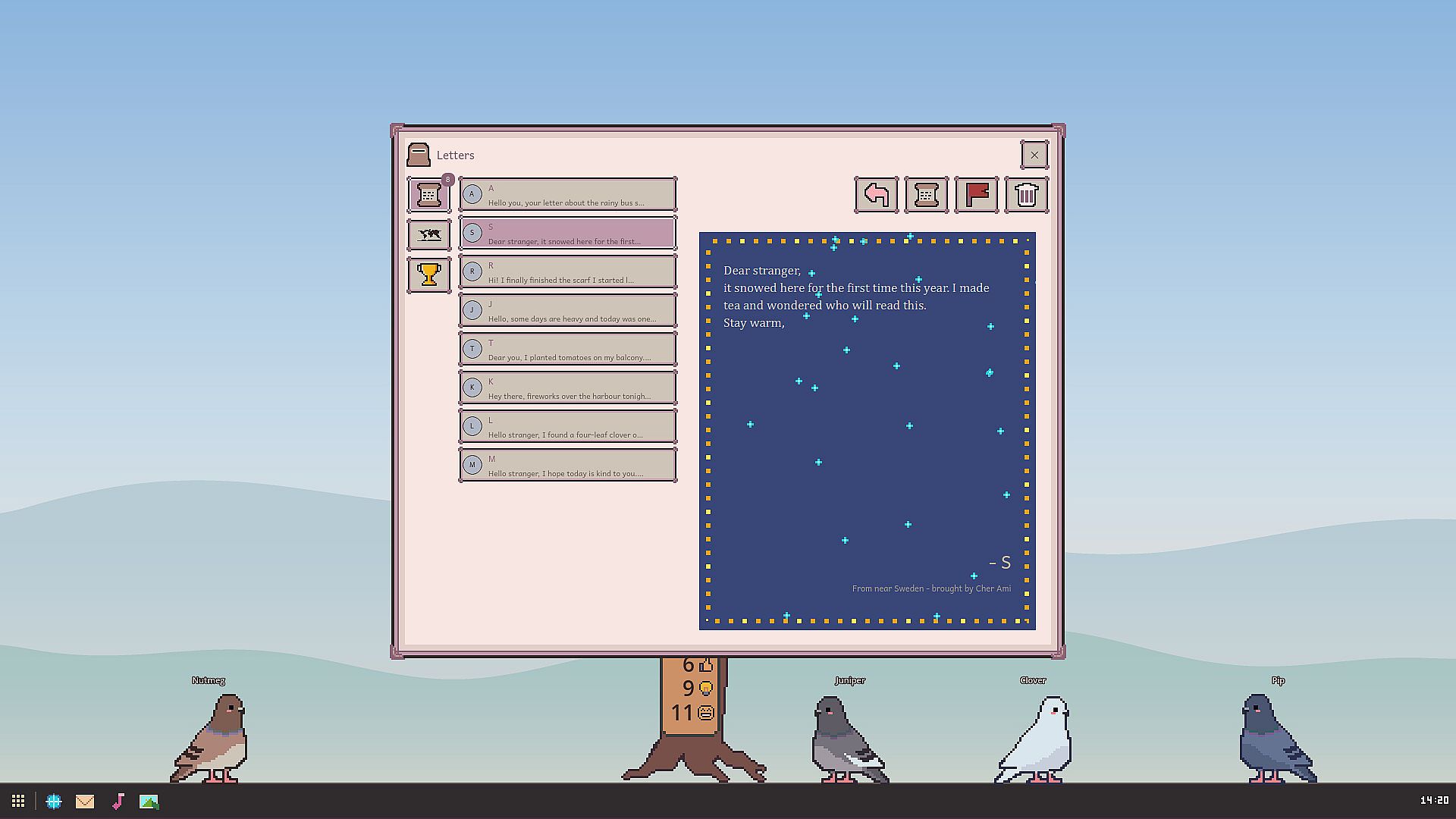
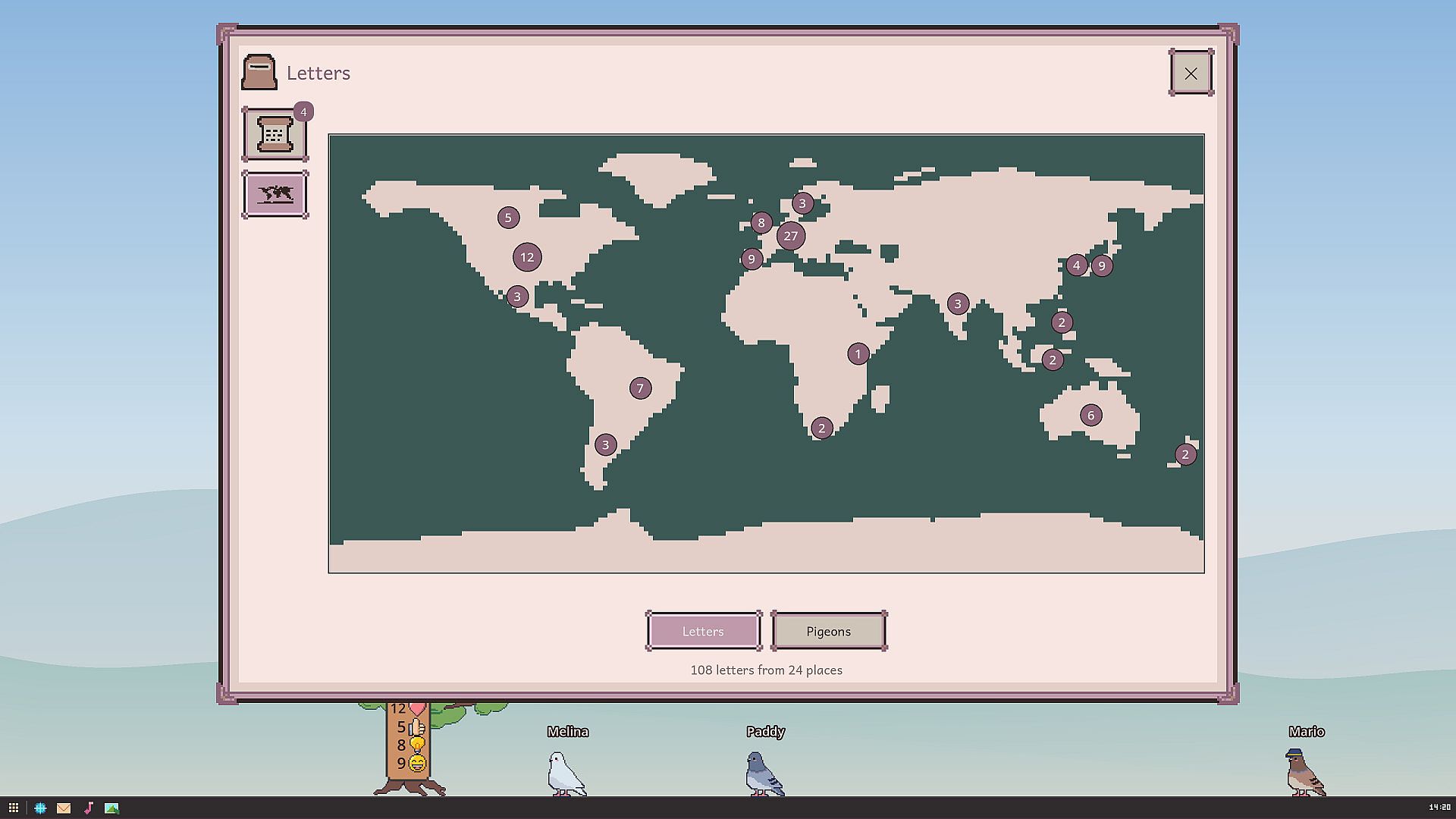
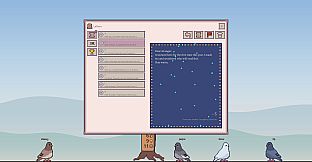
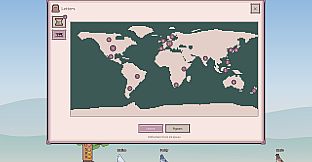
The core loop revolves around reading incoming letters and deciding whether to reply. Each message arrives via a pigeon that lands on the screen edge, delivering correspondence from another participant somewhere on the planet. There is no pressure to respond immediately or at all. When time allows, players can open the letter, read its contents, and craft a reply if inspiration strikes. The system emphasizes anonymity and spontaneity, letting conversations develop naturally across time zones and cultures.
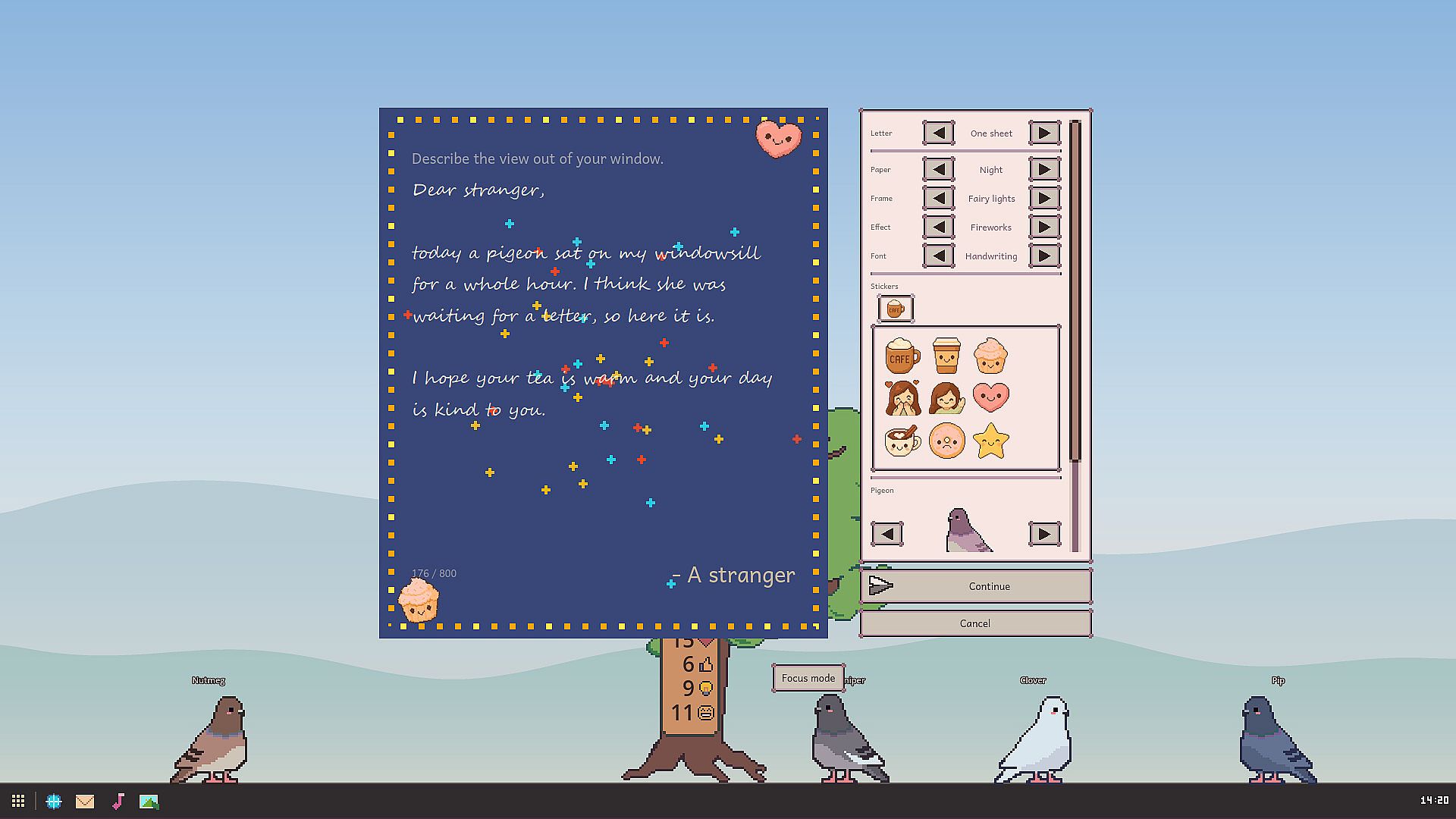
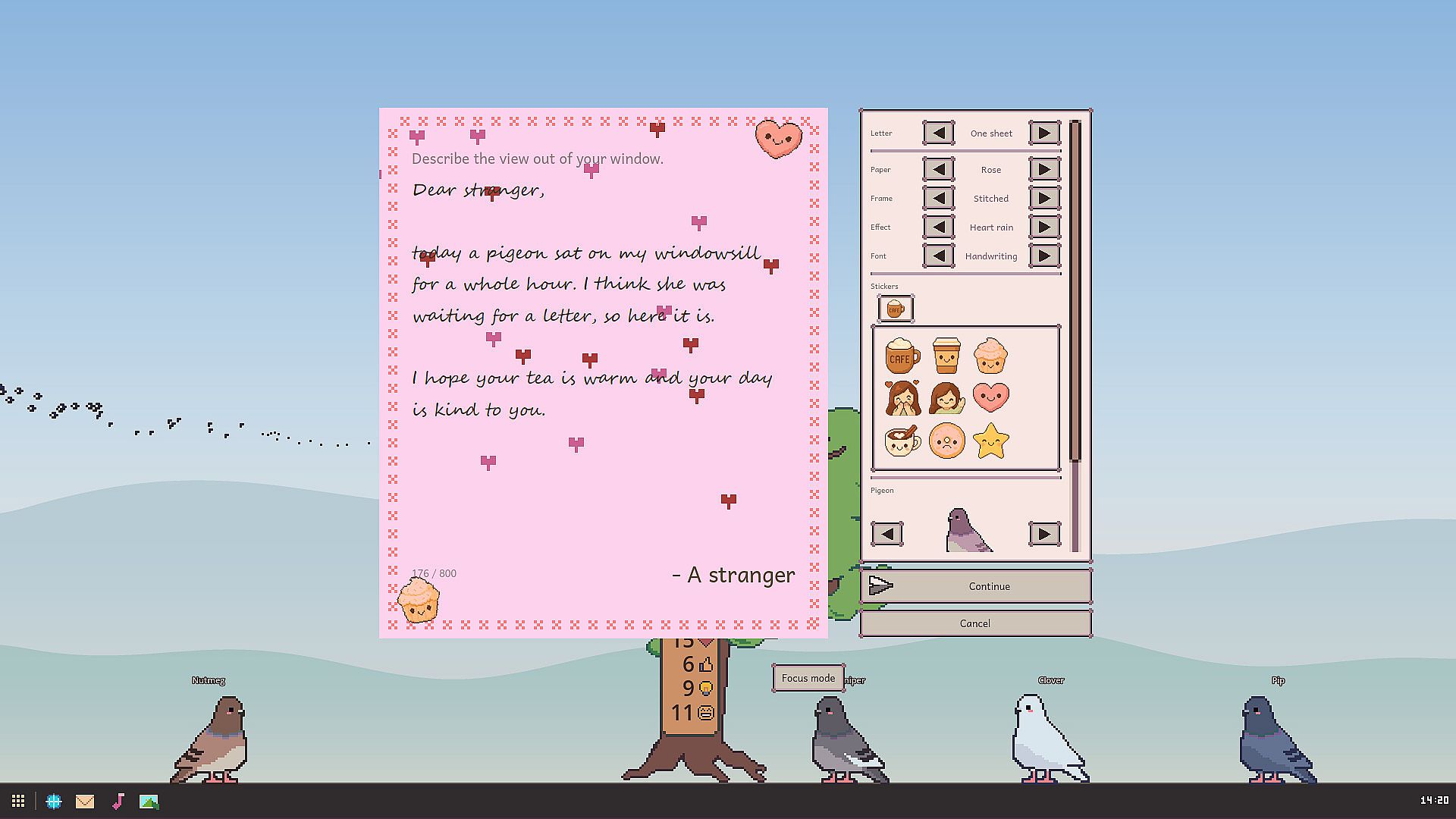
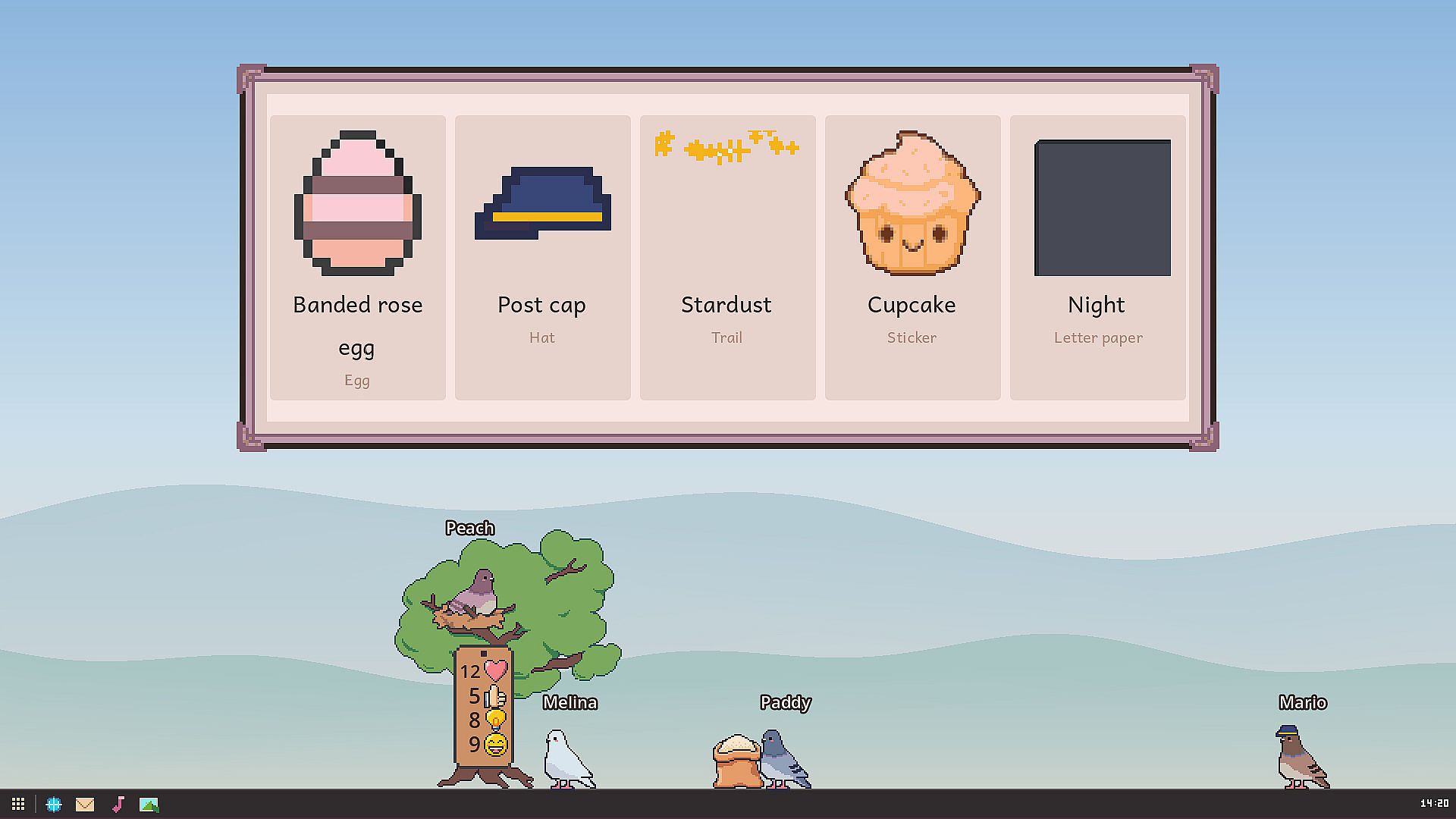
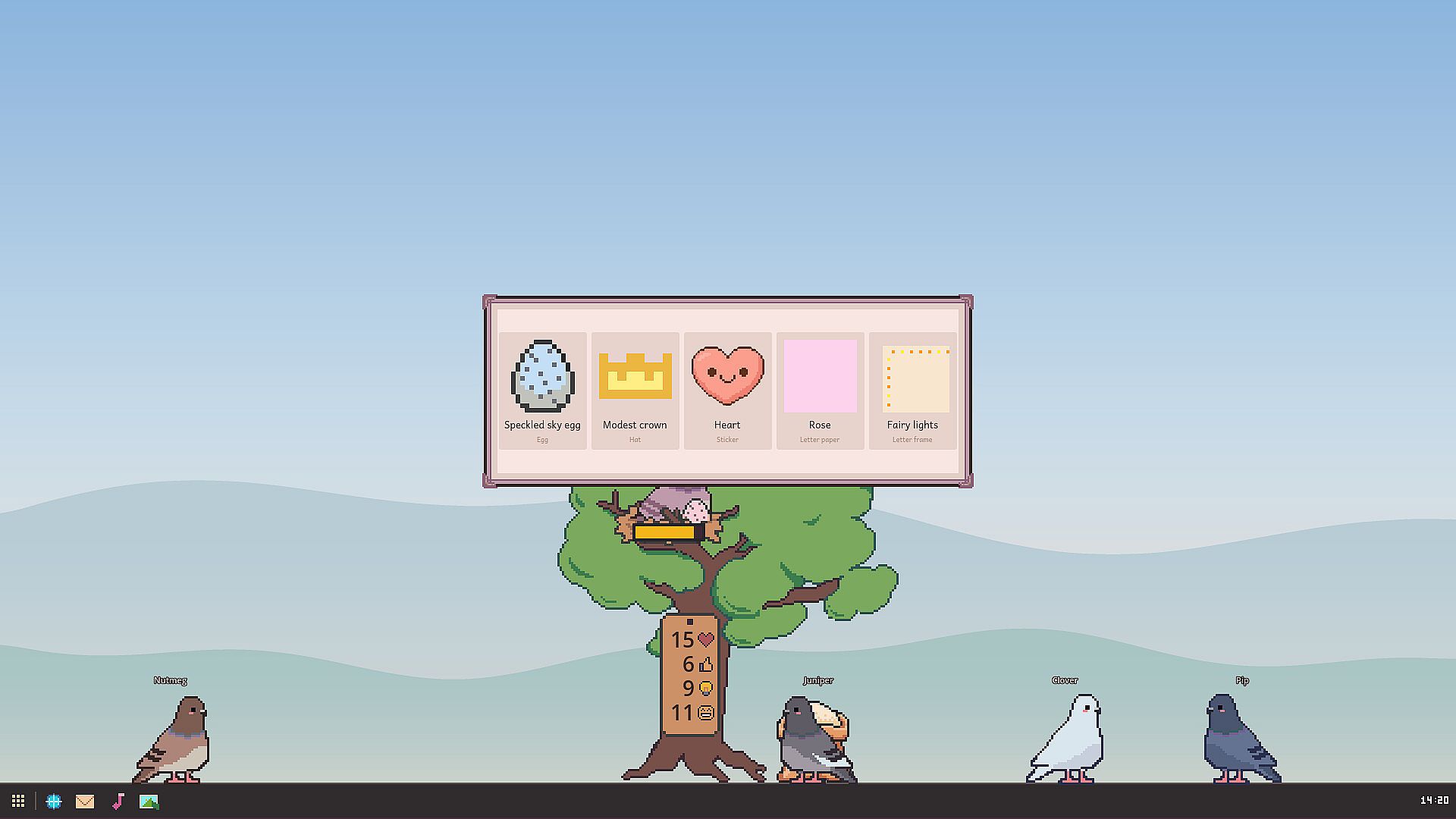
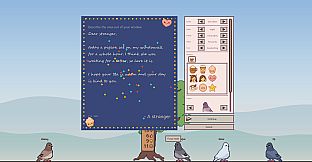
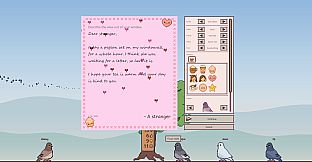
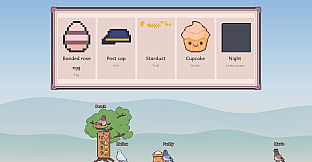
Customization forms a central part of the creative process. Players select paper types and decorative frames, choose fonts for the text, and place stickers on the sheet before sealing the envelope with one of several available designs. Fresh customization options arrive periodically through the same postal system, expanding the visual possibilities over time. This layer adds a tactile, artistic dimension to each exchange without complicating the underlying simplicity of sending and receiving words.
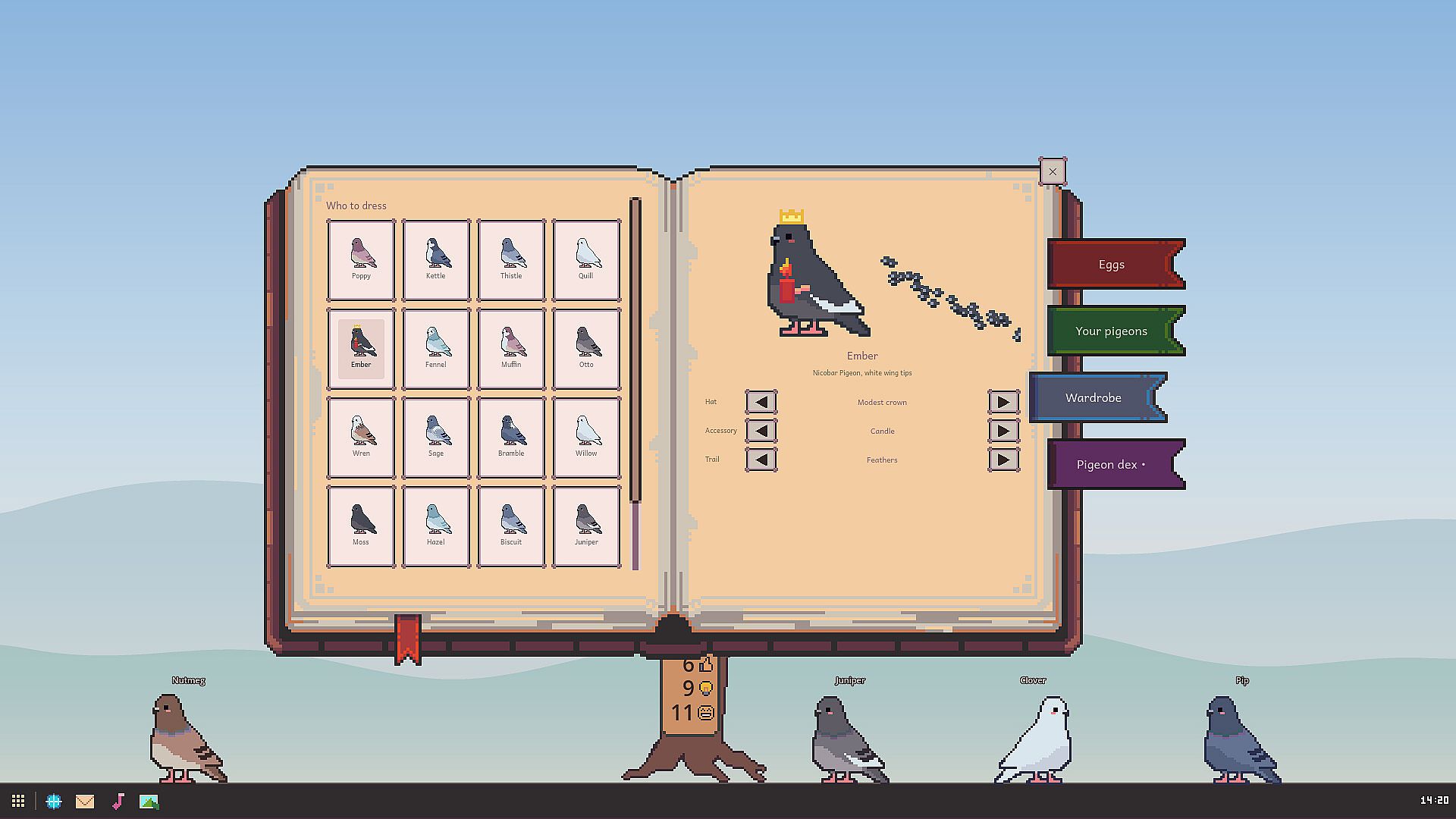
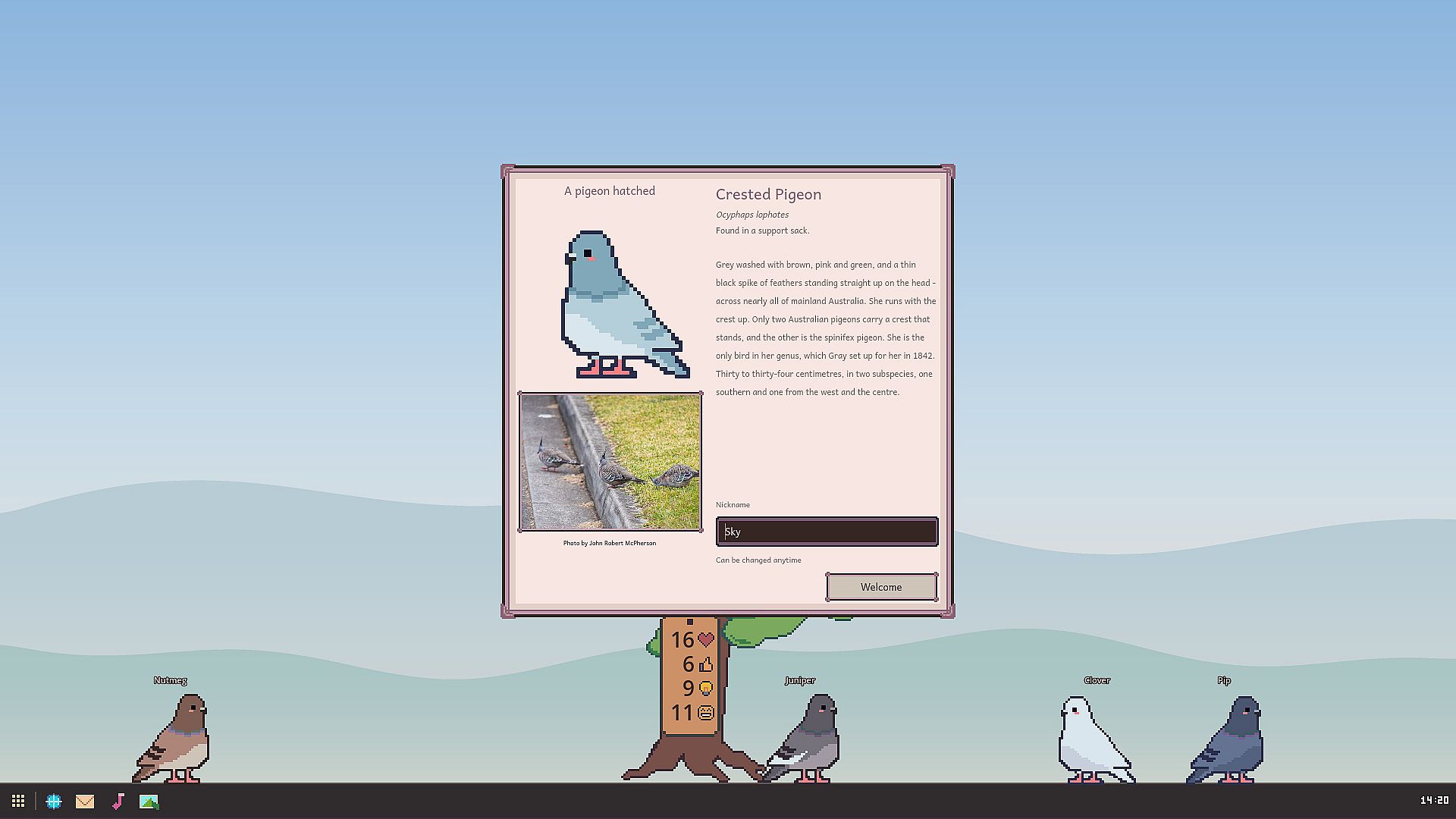
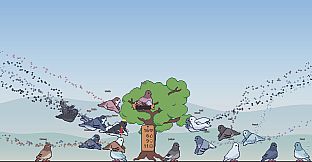
Egg hatching introduces a gentle progression element tied directly to player activity. Eggs placed in the nest incubate on their own schedule, but reactions from other players to outgoing letters generate warmth that accelerates the process. Once hatched, each new pigeon joins the personal loft. Players assign names and optional hats to these birds before dispatching them with future letters. The result is a growing collection that reflects ongoing participation in the letter network.
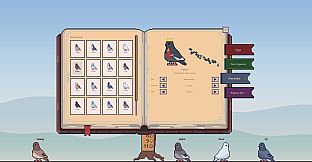
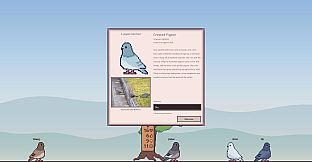
Real-world pigeon species populate the roster. Rock Doves, Snow Pigeons from the Himalayas, Kereru, Namaqua Doves, and Bleeding-heart pigeons appear as distinct individuals, each accompanied by its own fact page in an in-game field guide. These entries provide brief natural history details drawn from existing species, grounding the fictional flock in recognizable biology.
Game Modes
Dear Pigeon does not feature traditional structured modes. Instead, the primary activity is the ongoing exchange of letters with anonymous participants worldwide. The system operates continuously in the background, delivering messages whenever a pigeon arrives. Participation remains entirely voluntary, allowing players to engage for short sessions or leave the window running while focused on other work.
The letter-writing experience itself serves as the central loop, blending reading, reflection, and creative response. Customization tools enhance each outgoing message, while the egg and pigeon collection system rewards consistent engagement without imposing goals or timers. This design supports both brief, casual check-ins and longer periods of thoughtful correspondence.
Building a Personal Collection
Over time, the loft fills with named pigeons that carry subsequent letters. Each hatched bird represents a tangible record of interactions, as reactions from recipients contribute to faster hatching. Players can admire the growing flock and review species facts at any point. The collection grows organically through normal play rather than through separate collection activities or checklists.
Art by Zsófia Döme gives the letters, envelopes, and pigeons a distinctive handcrafted appearance. The visual style supports the intimate, personal tone of the correspondence while keeping the interface unobtrusive enough to coexist with other desktop applications.
Is It Worth Playing?
Dear Pigeon suits players who appreciate relaxed, creative experiences that fit around other activities rather than demanding full attention. The anonymous letter system offers a low-pressure form of social interaction that can feel surprisingly personal despite the lack of identities. Those who enjoy customizing visual elements and watching a small collection develop through steady participation will find the mechanics rewarding.
The game runs on PC and maintains a light footprint, making it practical for background use during work or other tasks. Its focus on real pigeon species and simple progression through egg hatching adds subtle depth without complexity. Players seeking a gentle, ongoing creative outlet with occasional surprises from around the world may find it a worthwhile addition to their library.











