

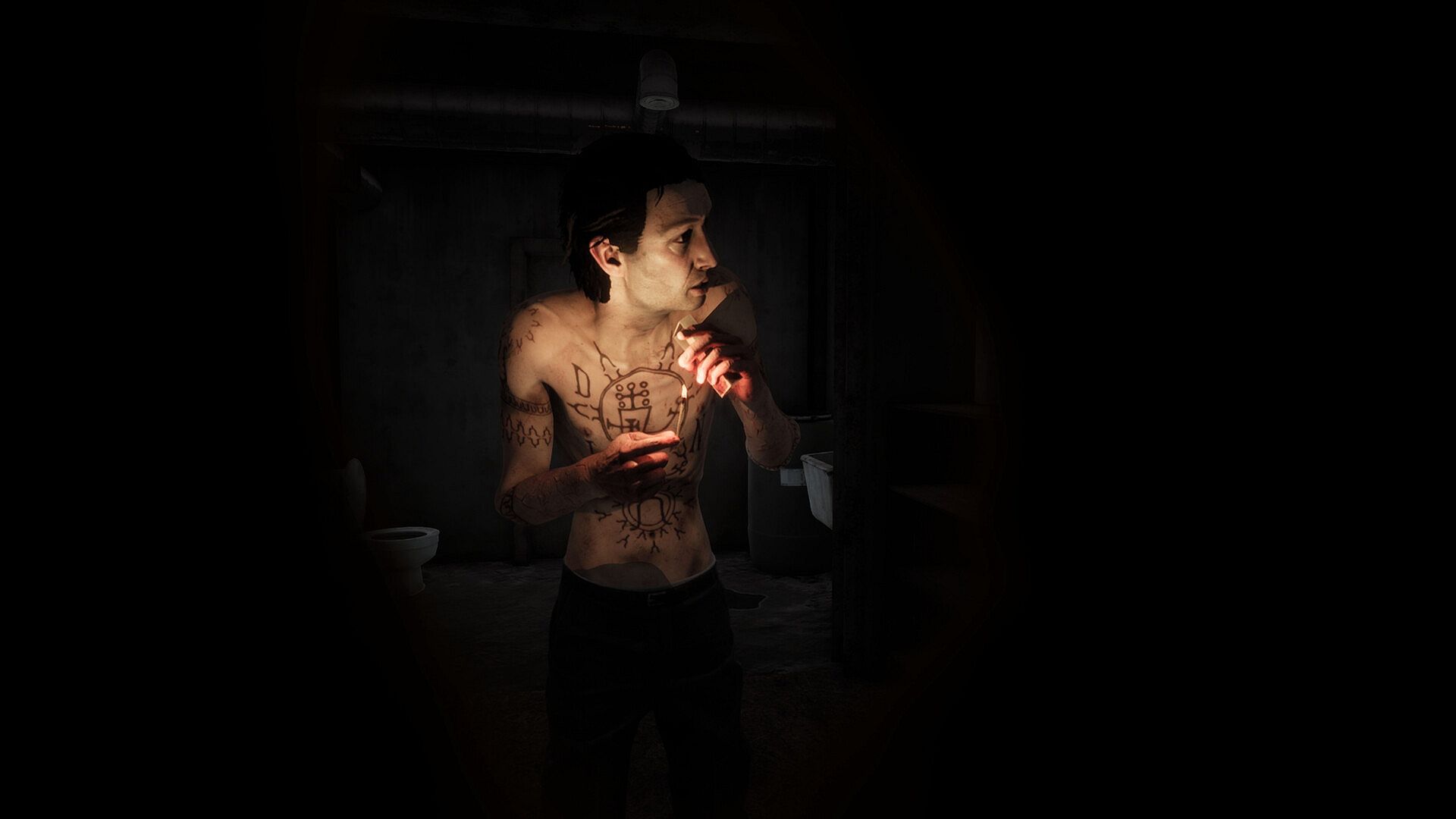
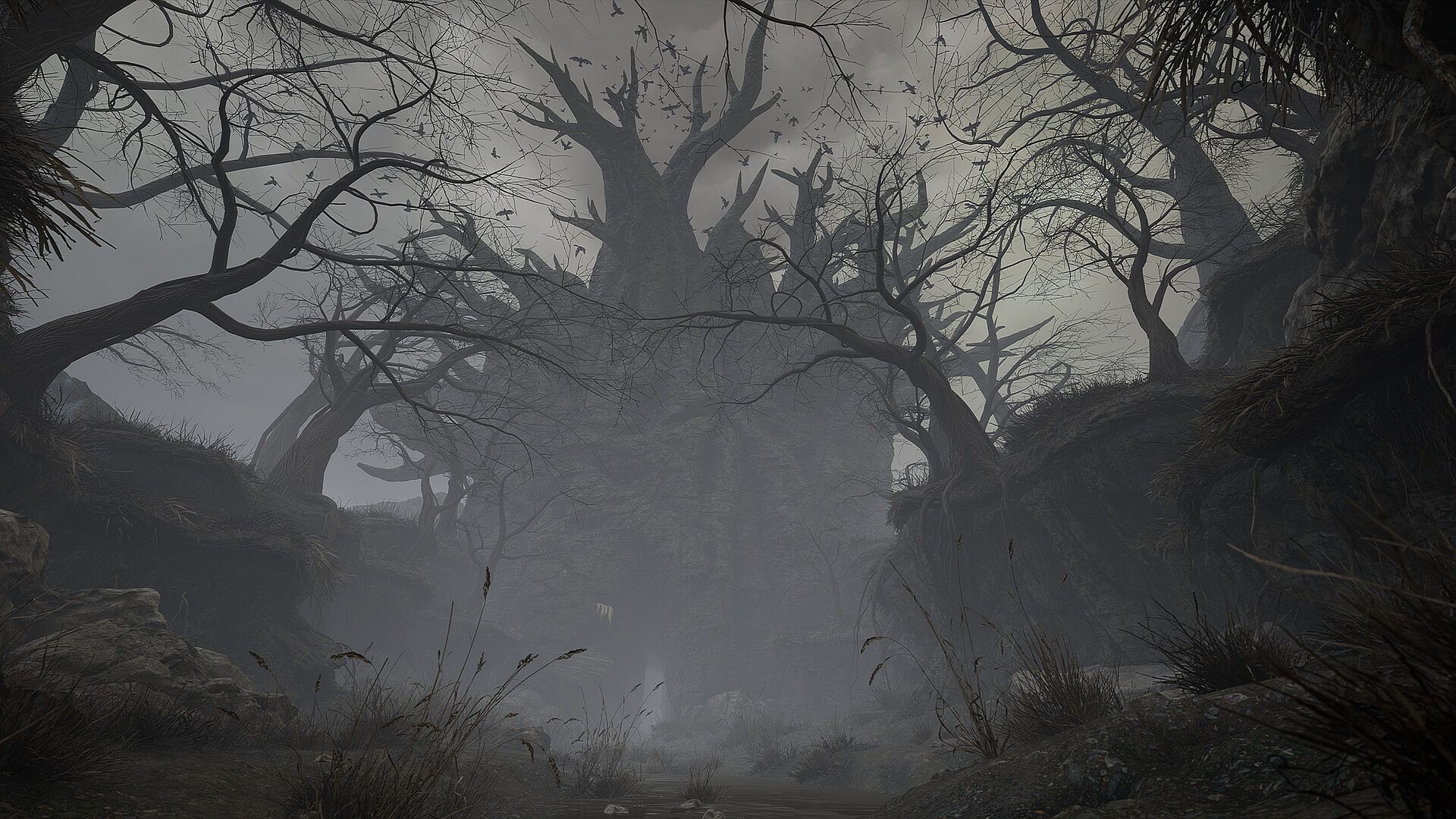
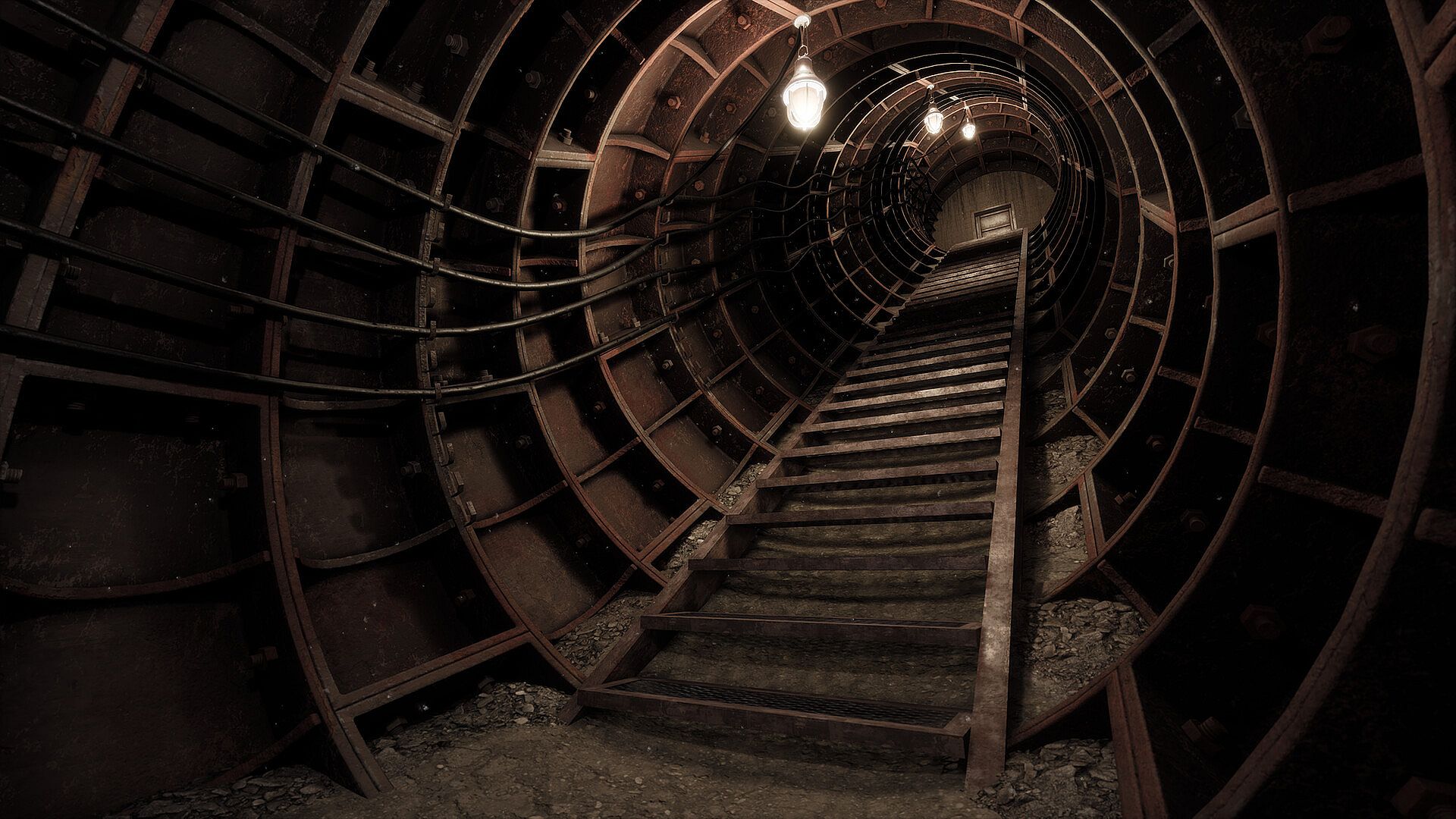
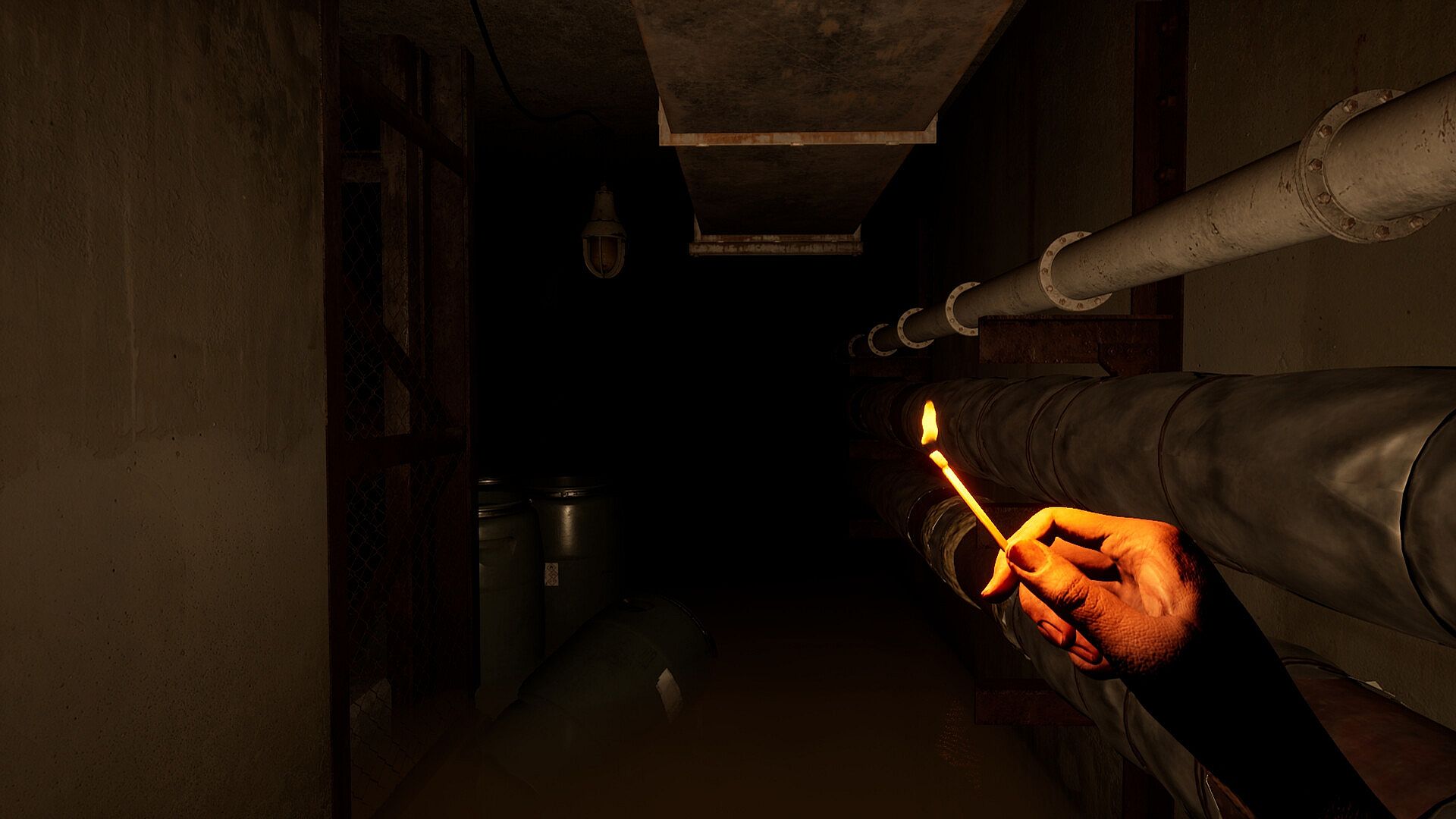
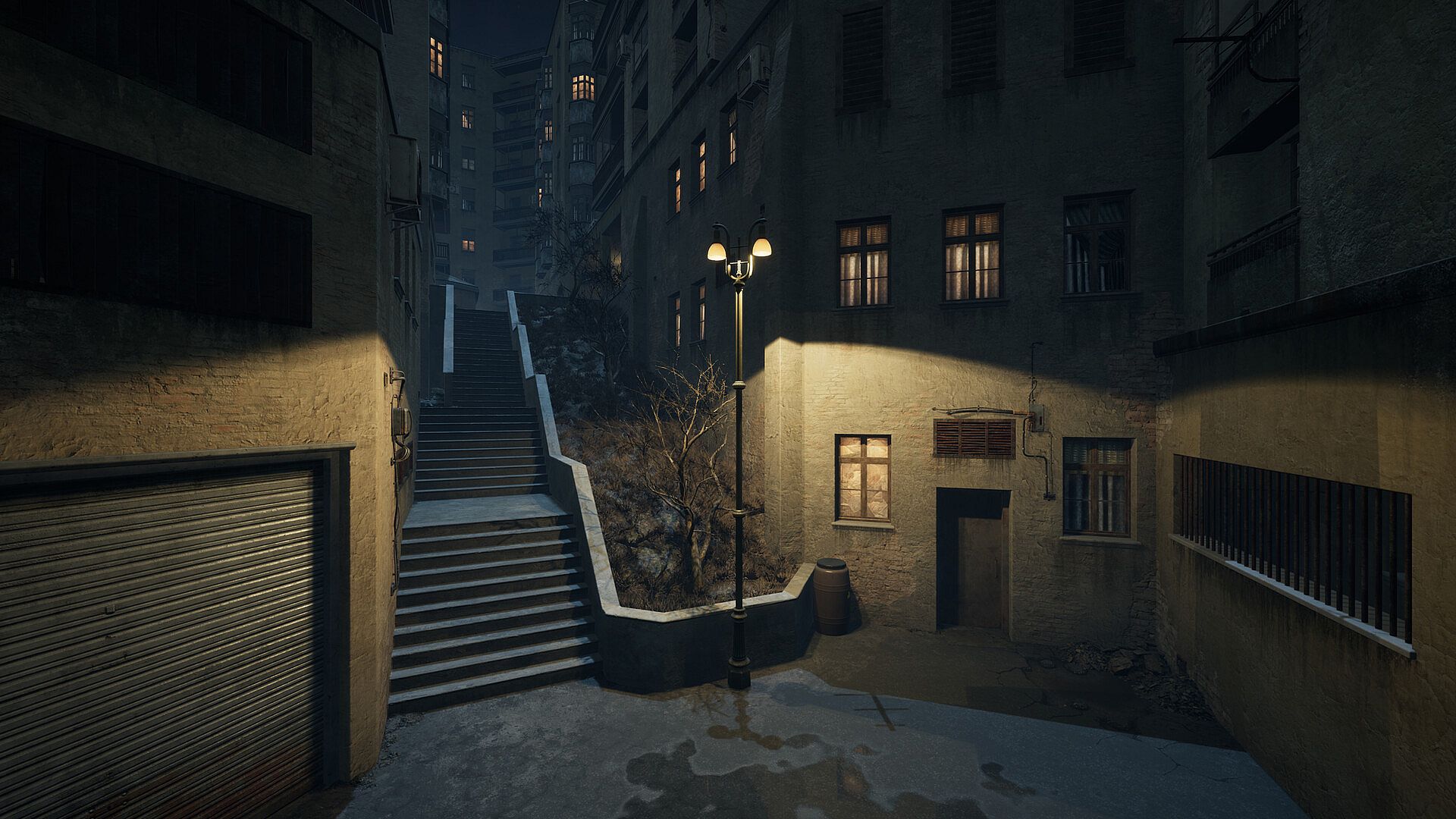


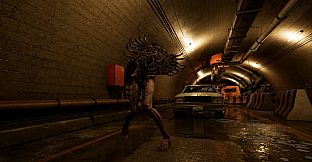
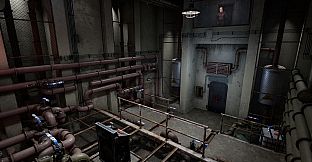
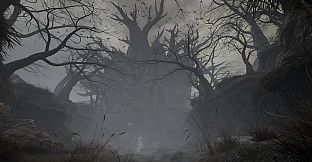

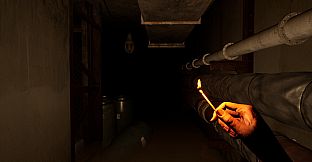

Dear Lamb is an action adventure indie game for PC that follows two separate yet connected protagonists through a compact narrative experience. One path centers on a woman who awakens in a locked room with no memory of her past, while the other follows a young exorcist attempting to complete a ritual that may prove beyond his control. The story unfolds across two worlds where survival and ritual performance drive the action, with players switching between the perspectives as the threads draw closer together.
Gameplay
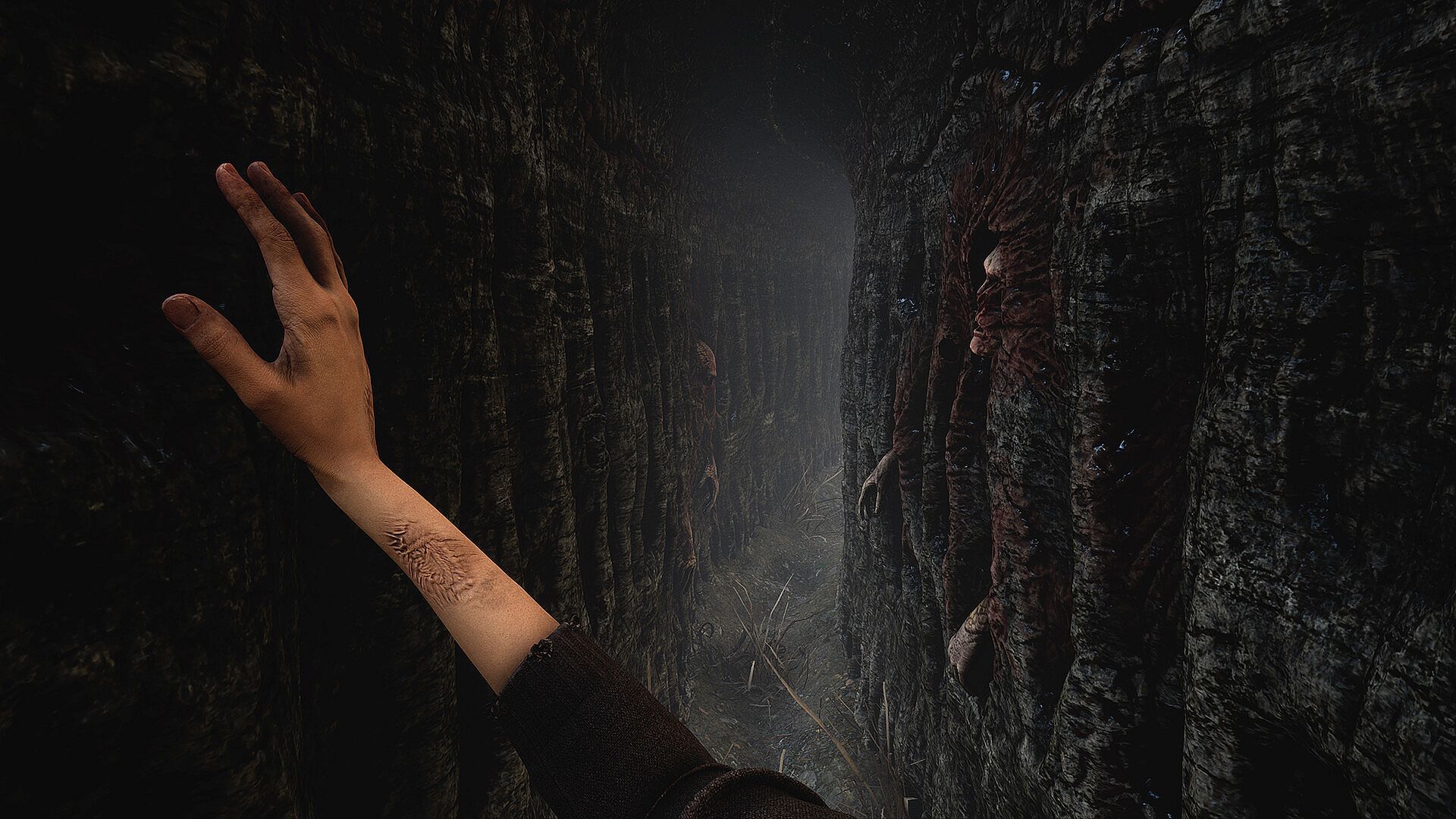
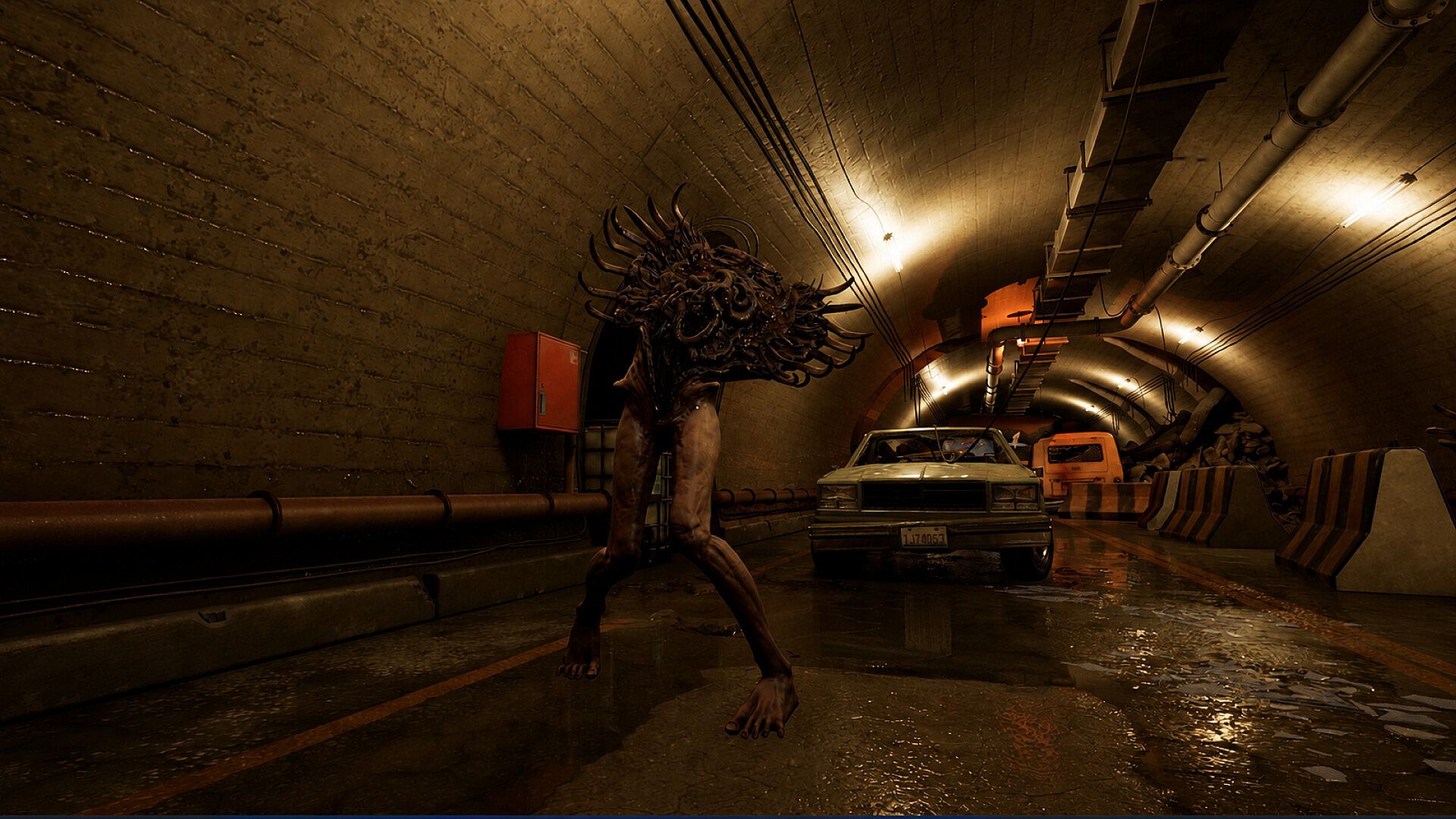
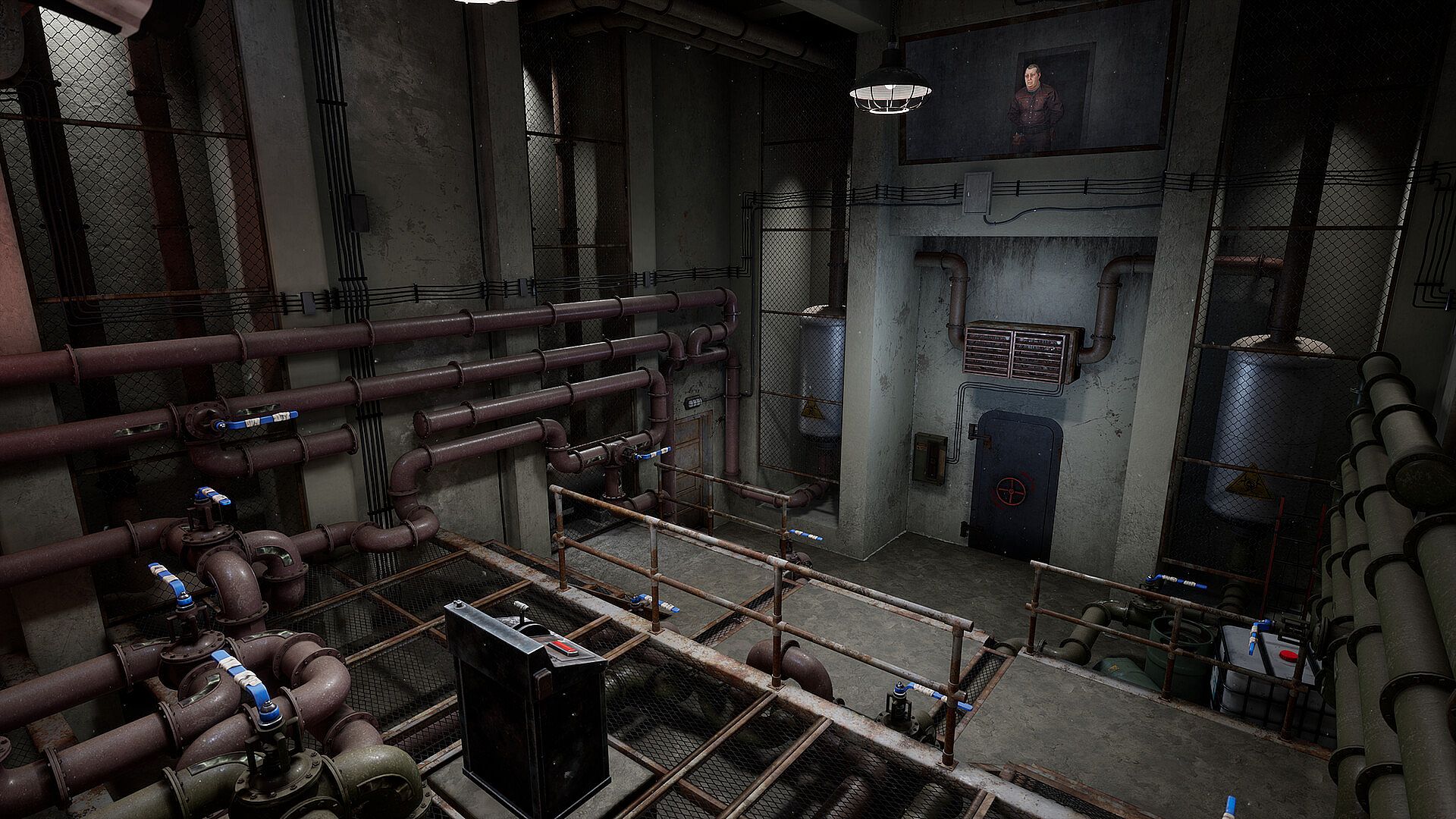
The core loop mixes exploration, puzzle solving, and evasion in handcrafted environments. Players must locate and use everyday objects to progress, often while avoiding or distracting hostile entities that patrol the spaces. Holding breath becomes a key survival tool during close encounters, and hiding spots turn into critical resources when pursuit begins. Puzzles layer on top of these threats, requiring careful observation of the surroundings and creative application of found items to unlock new areas or create distractions.
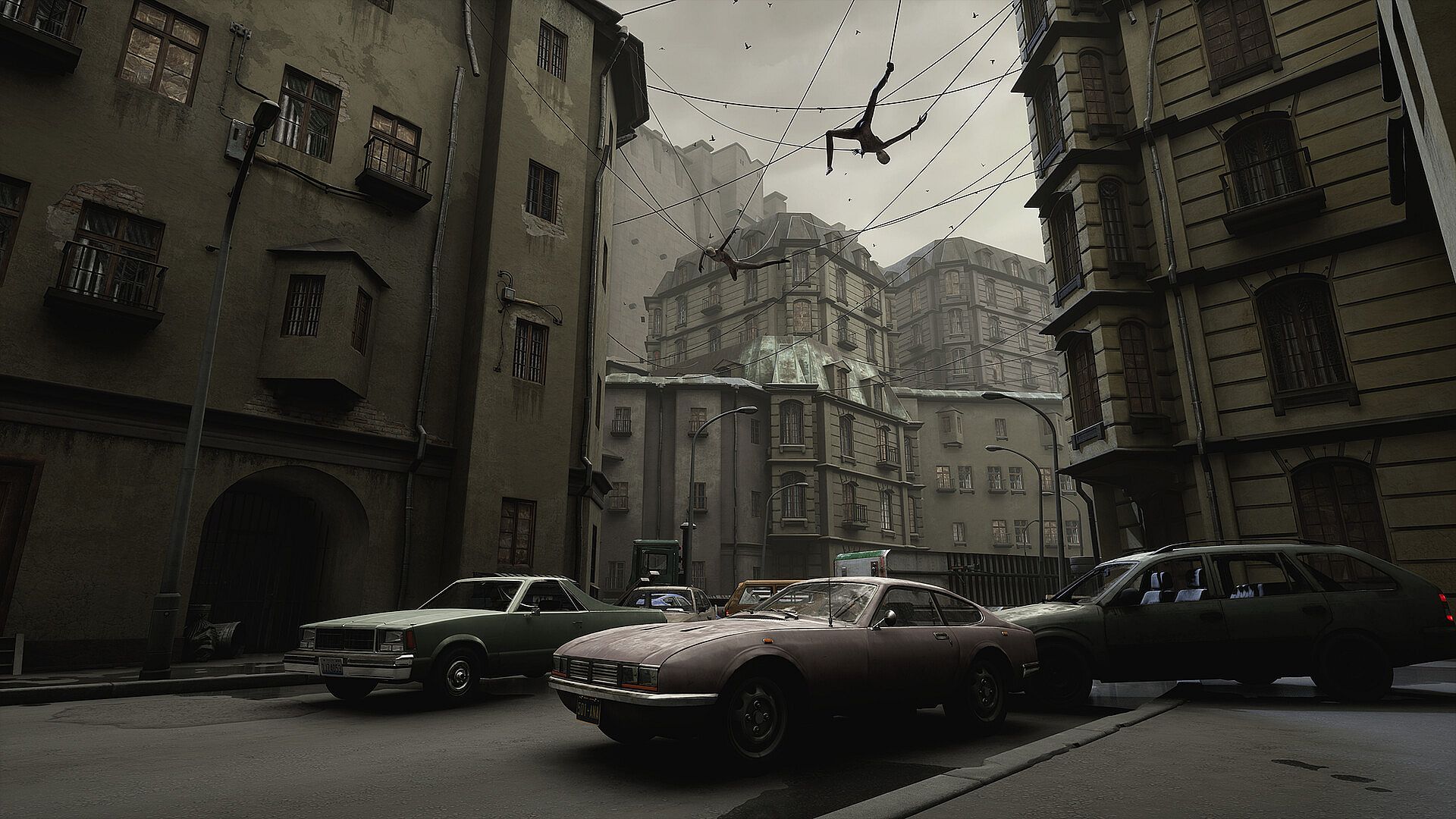
Encounters emphasize set piece design rather than open combat. Each major sequence introduces a distinct threat or environmental rule that changes how the player moves through the space. Some involve transformation mechanics that alter the layout or the protagonist's capabilities mid encounter. Cinematic boss sequences punctuate the journey, demanding precise timing and use of the environment to overcome spectacle driven challenges. The focused scope keeps every room and corridor purposeful, with little filler between key moments.
Game Modes
Dear Lamb structures its experience around two parallel paths that players follow in tandem. One path requires surviving a nightmare scenario filled with pursuit and resource management. The other demands completing a ritual under pressure, where failure carries narrative consequences. These paths intersect thematically and mechanically as the story advances, forcing players to manage both perspectives without traditional branching choices until the end.
The game offers no separate multiplayer or competitive modes. Progression stays linear within the dual narrative framework, though multiple endings reward replaying the full 4 to 5 hour campaign to explore different outcomes. Each ending reflects the choices made during survival segments and ritual steps, altering how the two worlds ultimately connect.
Story and Narrative Structure
The narrative binds the two protagonists through shared themes of memory, salvation, and deception. As the woman uncovers clues about the ruined world outside her room, the exorcist confronts the limits of his ritual in a separate realm. The closer the paths align, the more the distinction between rescue and entrapment blurs. Handcrafted spaces reinforce this connection, with visual and mechanical echoes appearing across both sides of the story.
Multiple endings emerge from the cumulative decisions made during key encounters and puzzle solutions. The short overall length encourages players to finish one playthrough and immediately start another to see how small changes affect the final revelations. The writing focuses on atmosphere and tension rather than expansive lore, keeping attention on the immediate threats and the growing link between the two characters.
Is It Worth Playing?
Dear Lamb suits players who enjoy concise, narrative driven adventures that combine survival tension with puzzle elements and occasional chase sequences. The dual protagonist structure provides variety within a single campaign, while the handcrafted encounters keep the pace steady across the short runtime. Those who prefer longer open world experiences or heavy combat systems may find the focused scope limiting.
The game delivers its story through environmental storytelling and mechanical pressure rather than lengthy cutscenes. Multiple endings add replay value for completionists without requiring extensive grinding. Availability on PC makes it accessible for those interested in indie titles that prioritize tight design over expansive features. If the blend of evasion, item based puzzles, and parallel narratives appeals, the experience offers a self contained journey worth completing at least once.