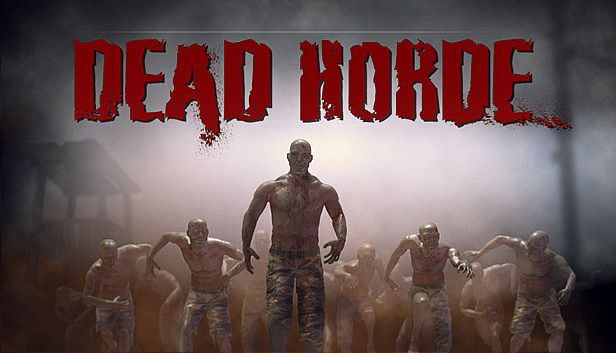













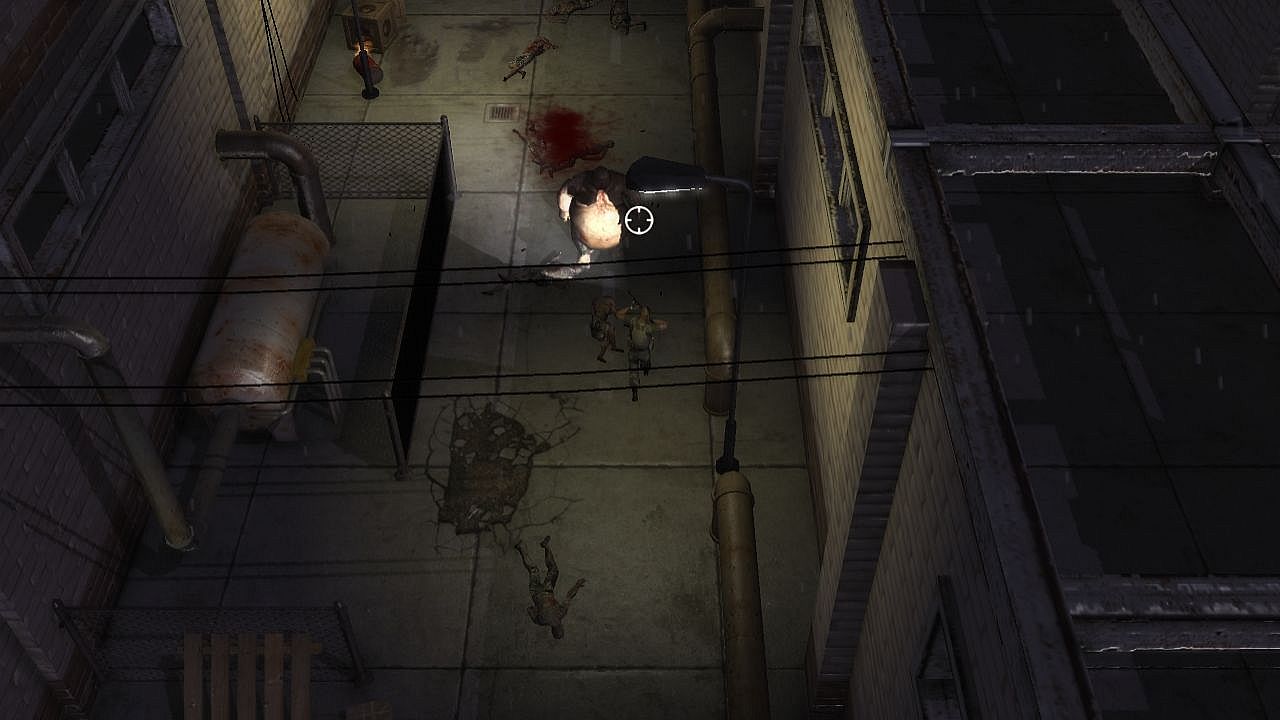
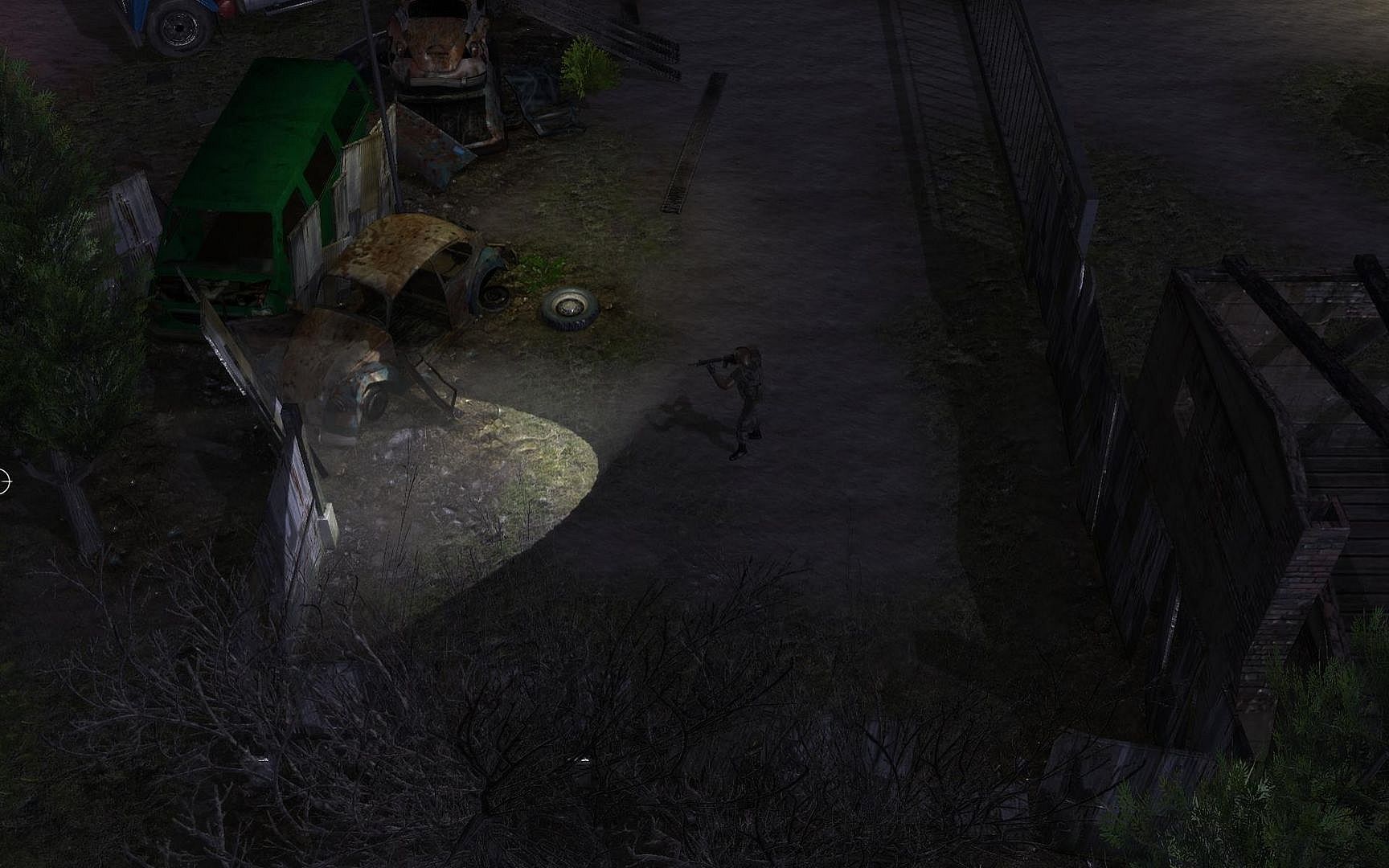
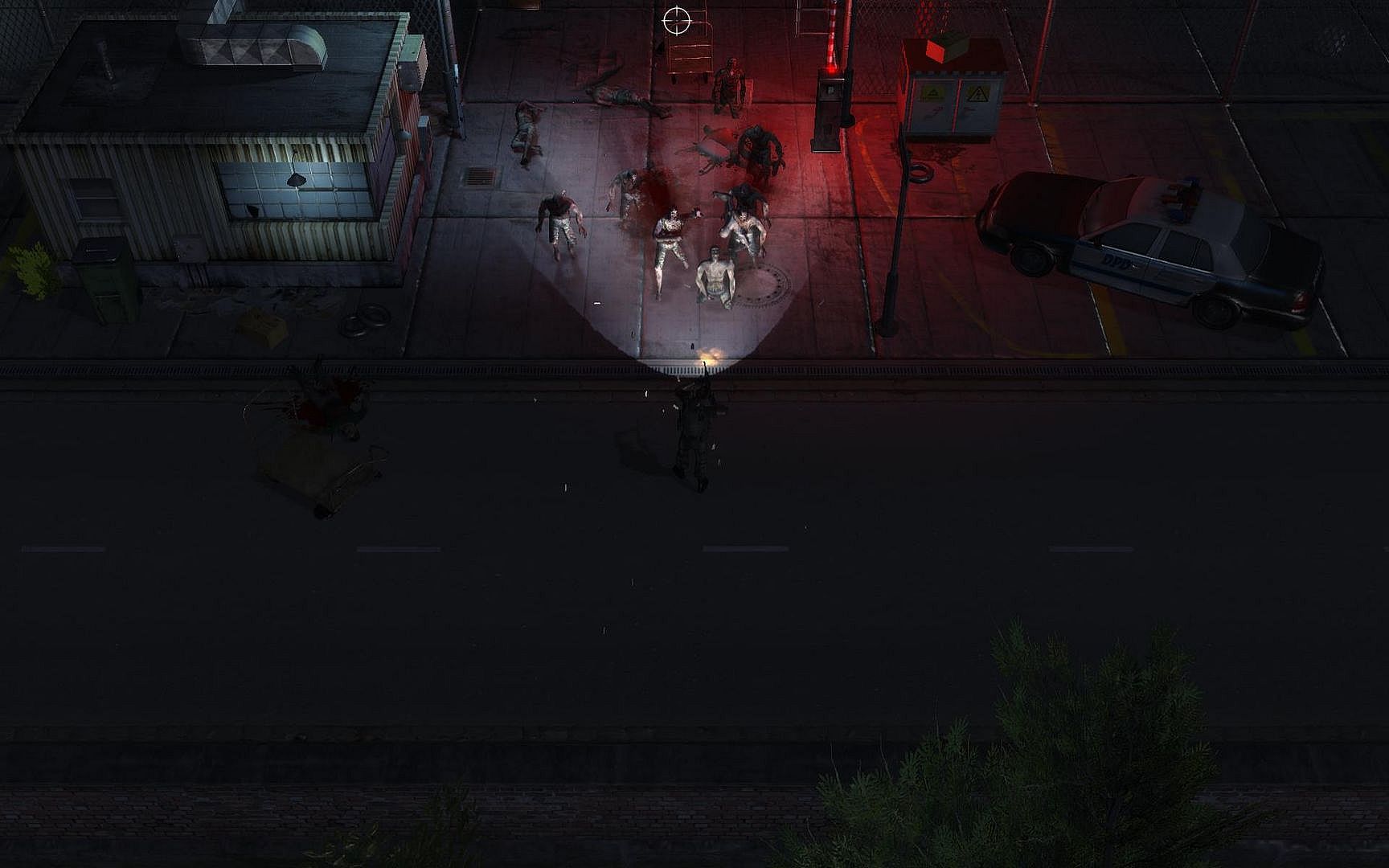
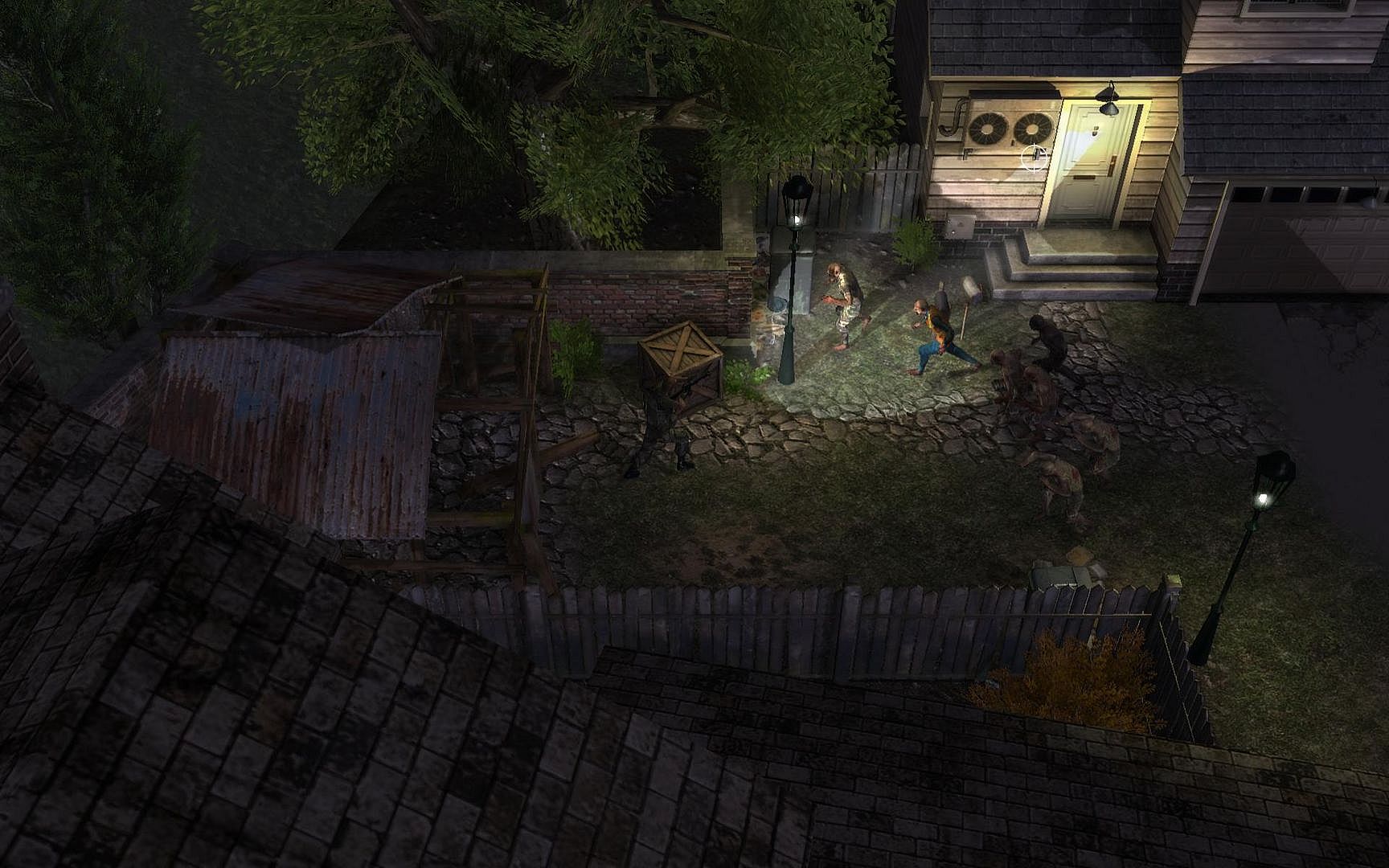
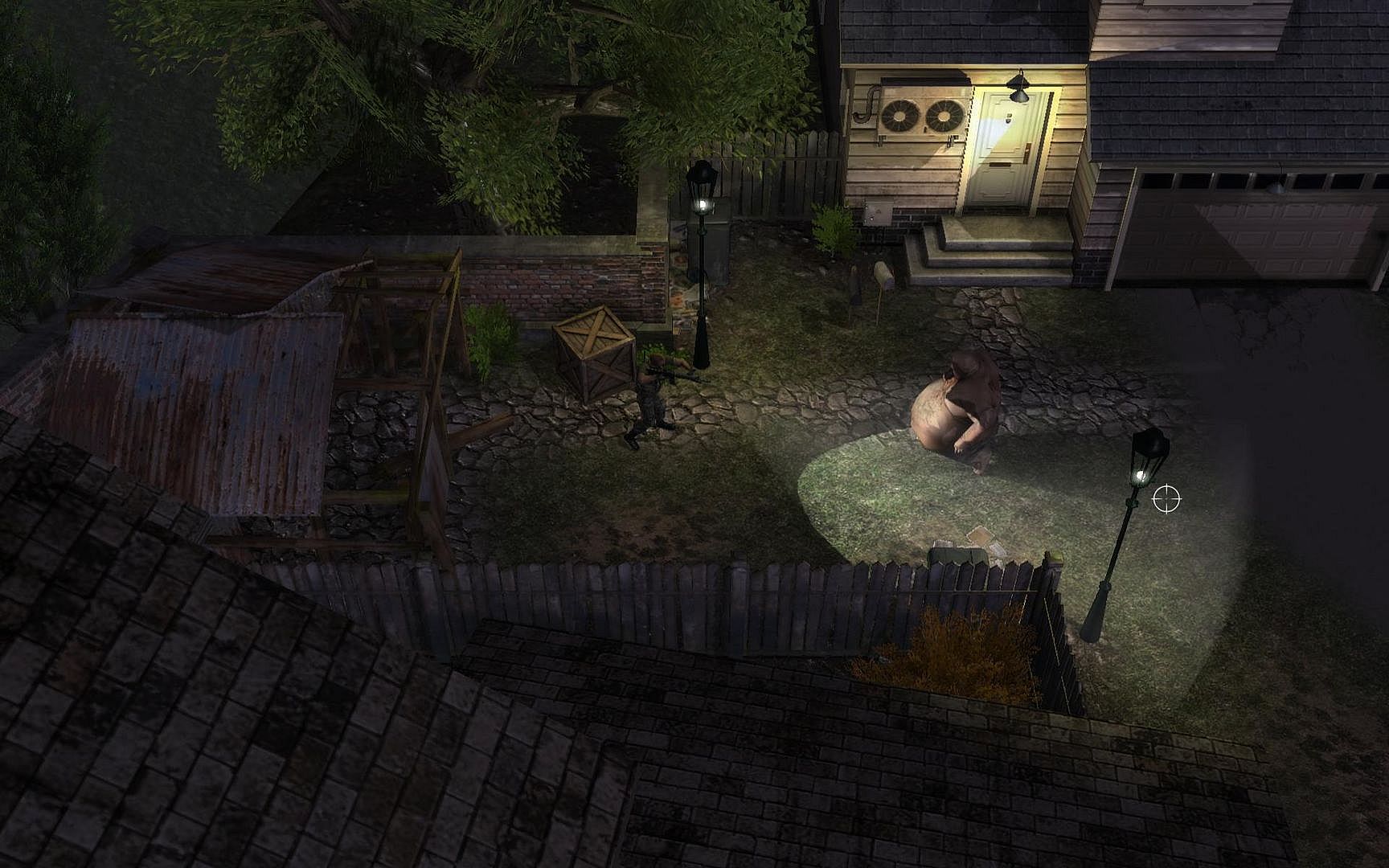
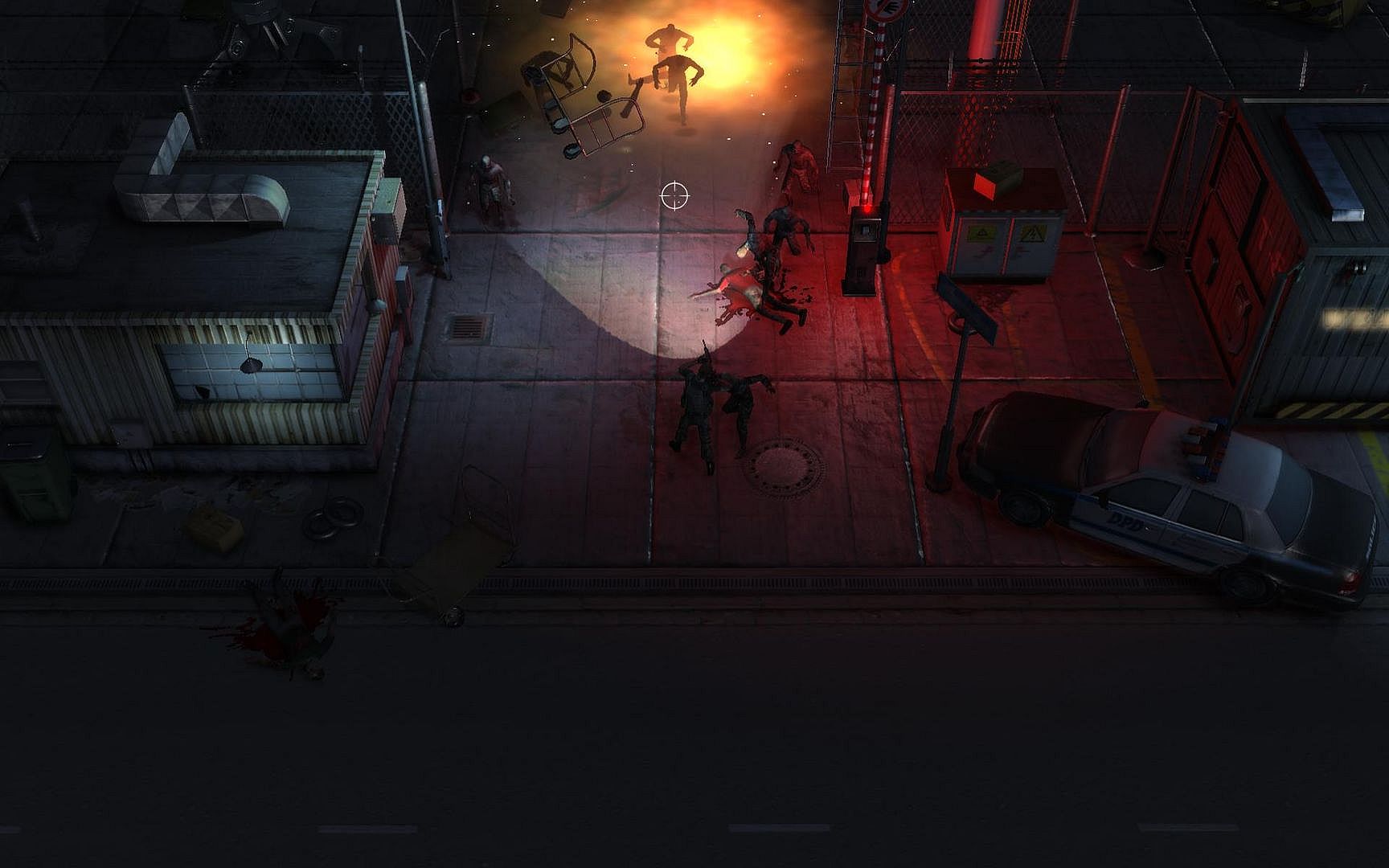
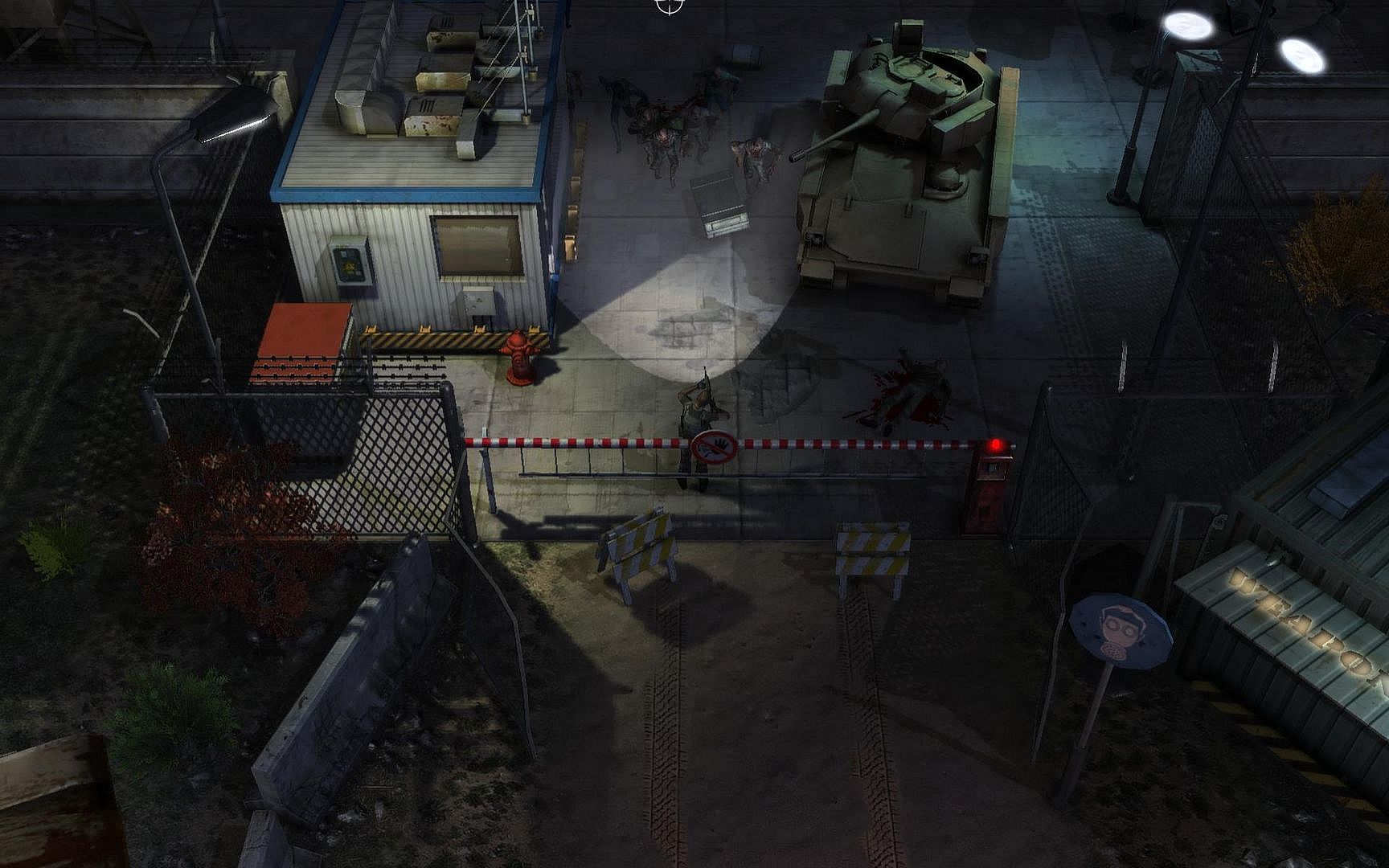
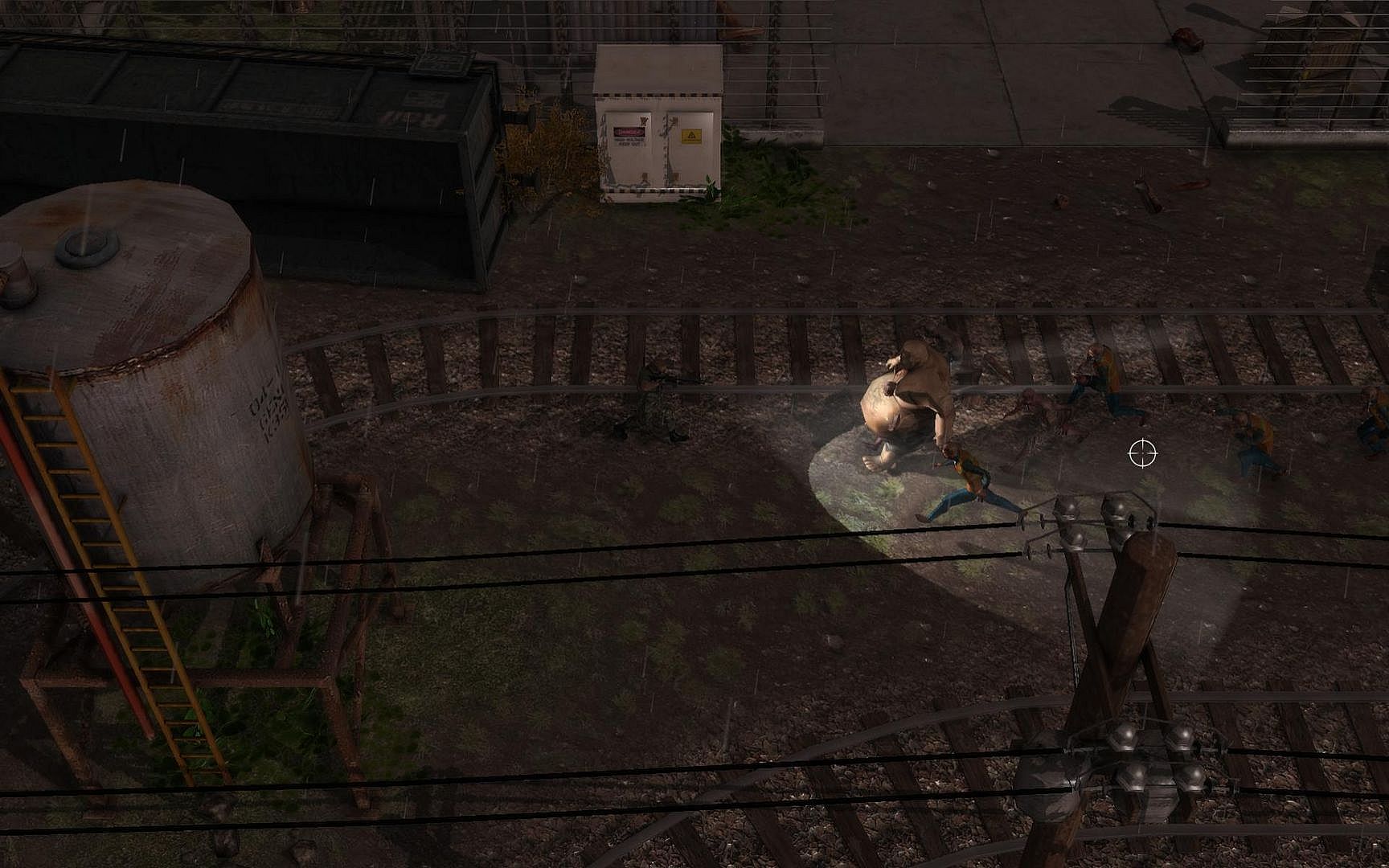
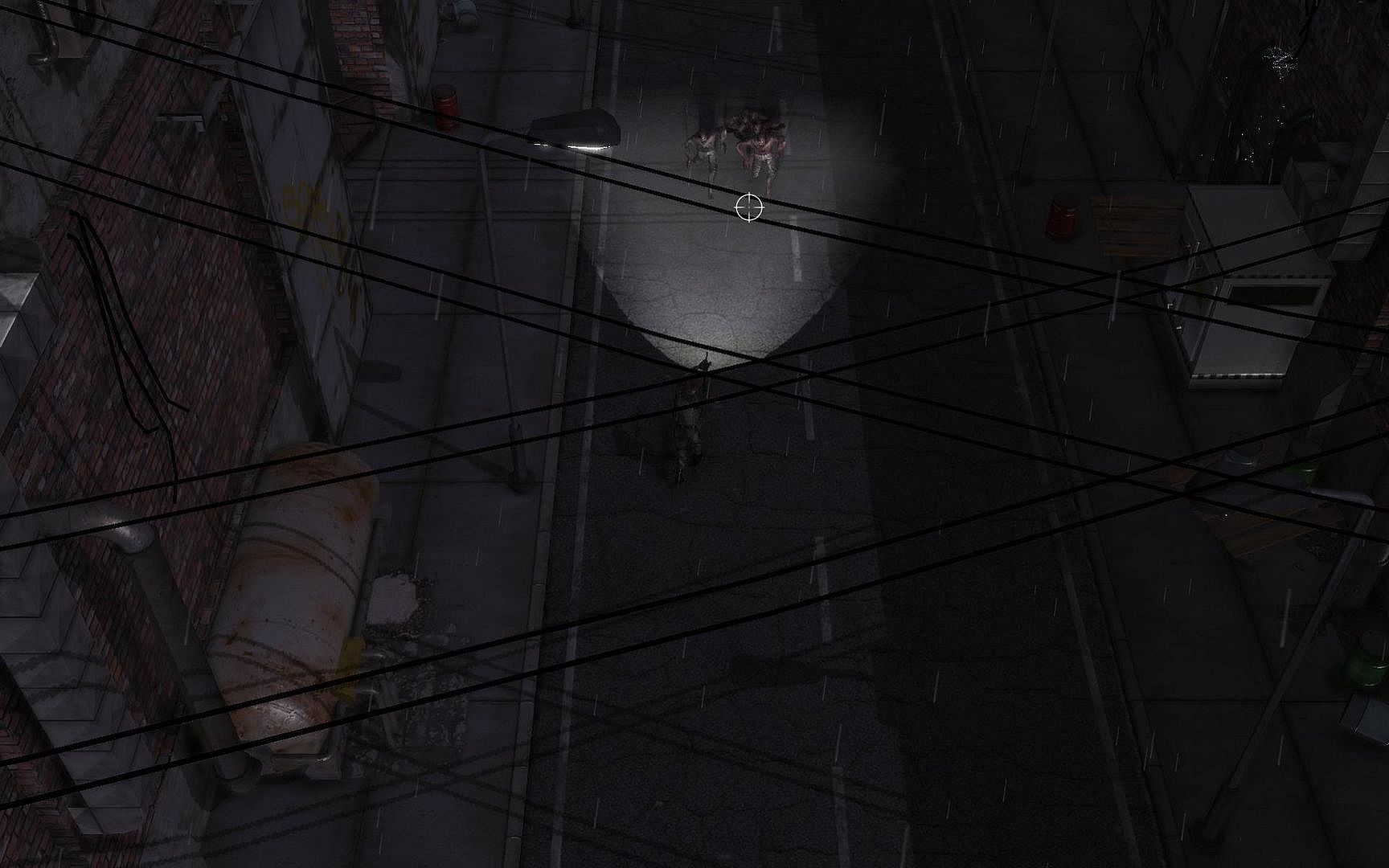
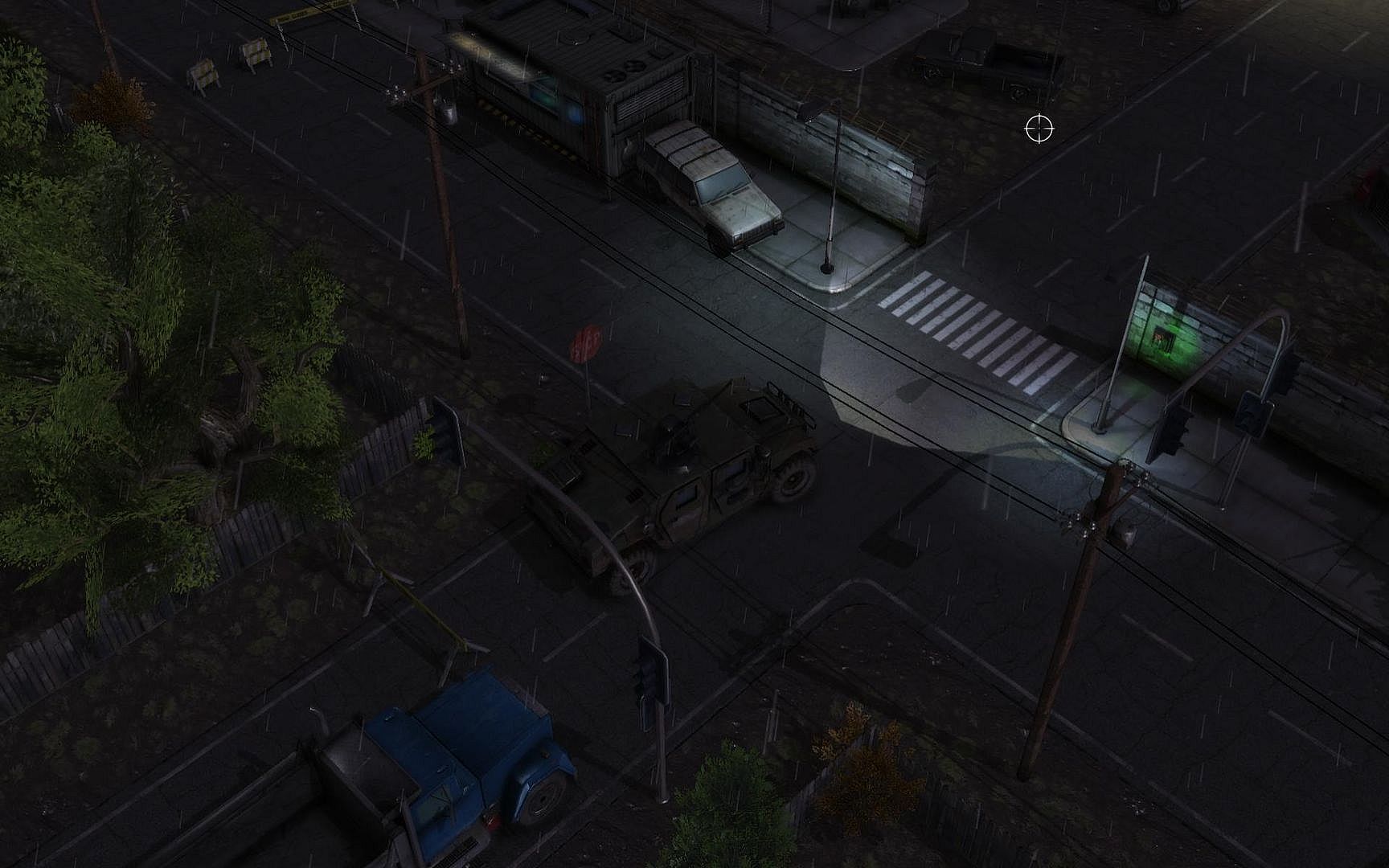
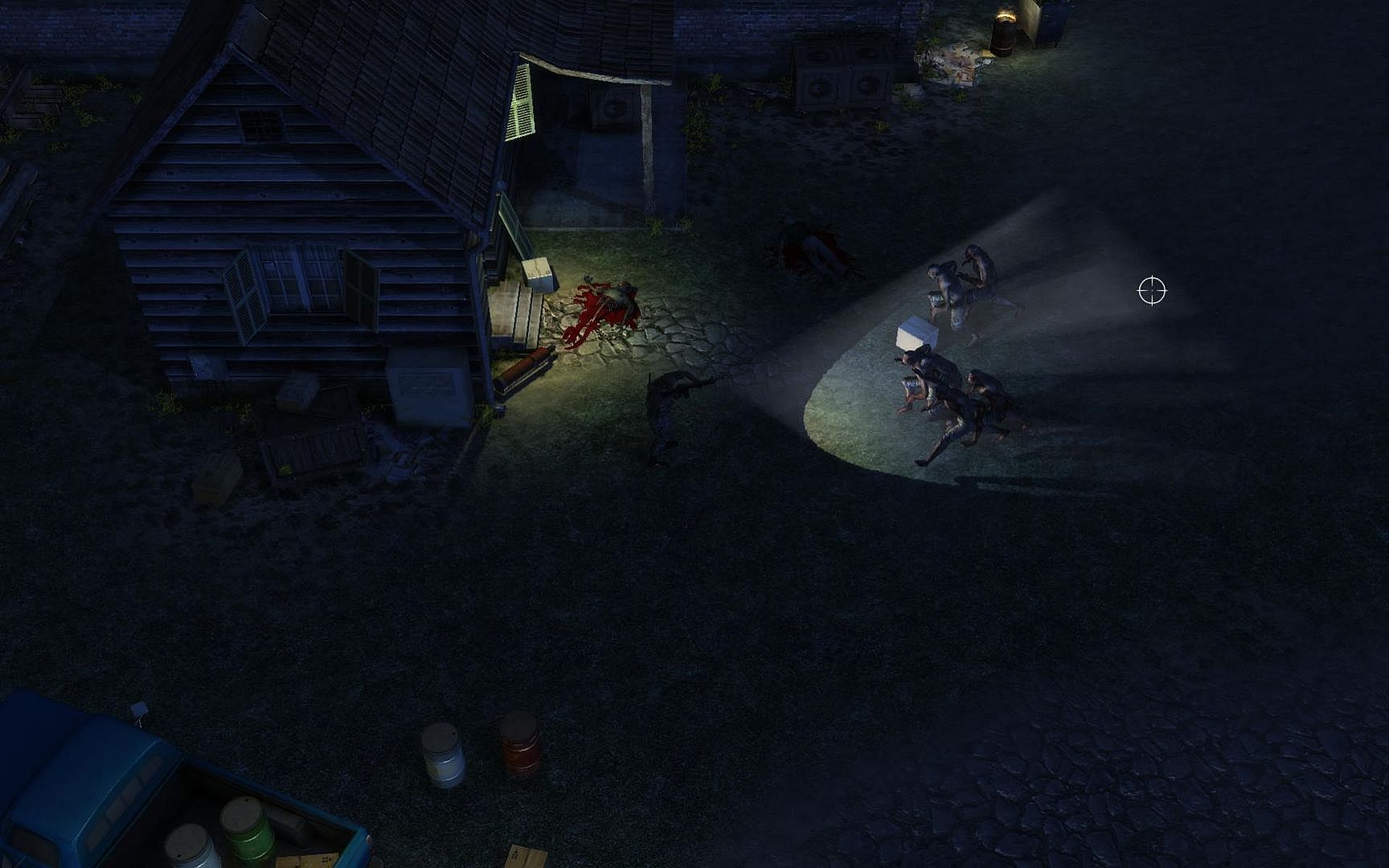
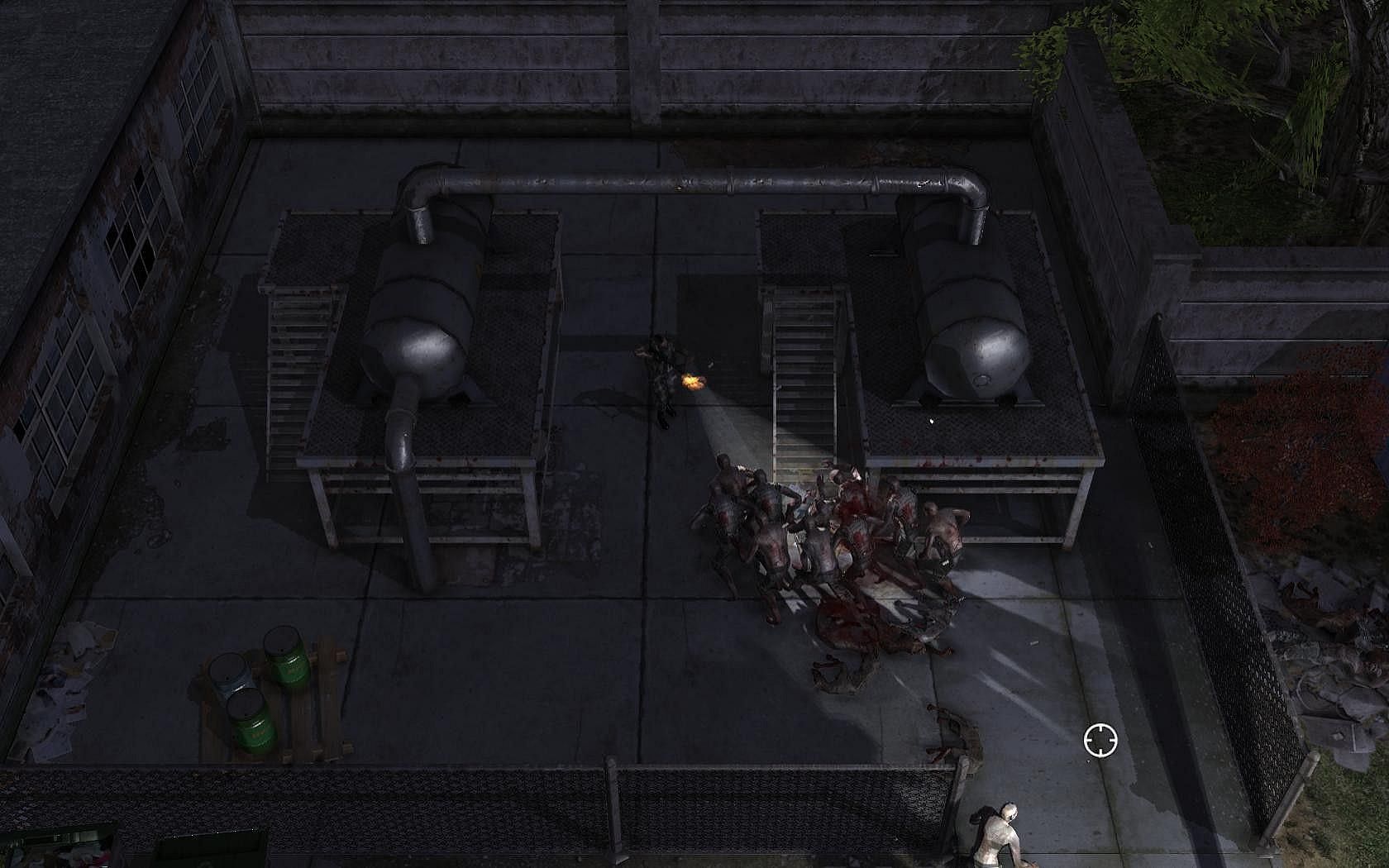
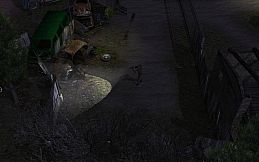
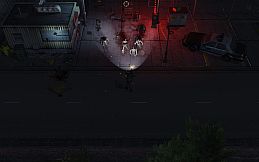
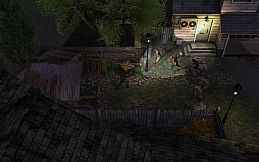
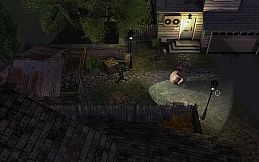
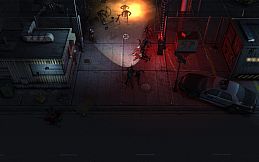
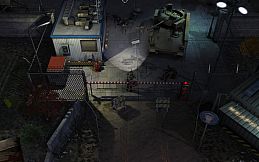
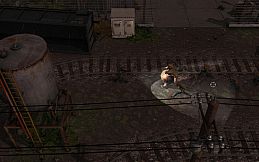
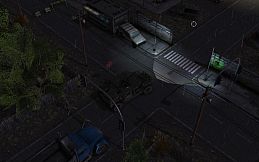
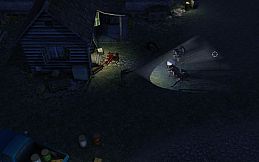
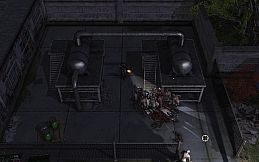
Dead Horde is a top-down co-op survival-horror shooter released for PC in which players battle waves of mutants in urban environments. Survivors navigate city levels filled with flesh-eating enemies, relying on teamwork or solo play to progress through increasingly difficult challenges.
Gameplay
The core loop centers on clearing mutant hordes across linear city stages. Players move through each area while fending off constant attacks, with mutants growing larger, faster, and more resilient as the campaign advances. Controls follow a twin-stick style, with movement on one input and aiming on the other, supporting both keyboard and mouse or controller setups.
A wide selection of firearms and explosives becomes available through play. Assault rifles handle mid-range threats, shotguns clear close clusters, grenades create area denial, and heavier options like miniguns deliver sustained firepower once unlocked. Killing mutants yields currency that funds purchases and upgrades at safe points between sections.
Vehicles appear in certain stages and can be operated alone or shared with a partner for mounted combat advantages. These add mobility and firepower shifts during intense sequences. The experience emphasizes resource management and positioning against relentless enemy pressure in confined streets and buildings.
Game Modes
The game features a single nine-level campaign that supports solo play, local co-op on the same machine, or online co-op with one friend. The structure encourages multiple runs because the campaign can be replayed across four difficulty settings that scale from easy to insane, introducing tougher enemy behaviors and higher mutant counts on each pass.
No separate endless or arena modes exist beyond the main campaign structure. Progression stays tied to completing the levels in sequence, with co-op sessions allowing shared weapon use and coordinated vehicle operation to handle larger groups more effectively than solo attempts.
Weapons and Progression
Weapon variety expands steadily through the campaign. Early stages introduce basic rifles and shotguns, while later areas unlock specialized tools such as grenades and miniguns. Upgrades purchased with mutant-kill earnings improve damage, fire rate, or capacity, encouraging players to experiment with loadouts suited to different mutant types.
Mutant evolution serves as the main escalation mechanic. Initial enemies are relatively slow and weak, but subsequent levels introduce variants that close distances quicker, absorb more damage, or swarm in greater numbers. This forces constant adaptation in movement and weapon choice without introducing unrelated systems.
Is It Worth Playing?
Dead Horde delivers straightforward top-down action focused on co-op horde survival in a compact campaign. Its nine-level structure with four difficulty tiers provides replay value for players who enjoy methodical clearing of urban maps alongside a partner or alone. The weapon upgrade loop and vehicle sections add variety within the limited scope.
Those seeking modern graphics or deep narrative elements may find the presentation dated, and the repetitive nature of wave-based combat can feel familiar after the first playthrough. The title suits fans of classic twin-stick shooters who prioritize accessible co-op sessions over extensive content or ongoing updates. Availability remains limited to its original PC release, making it a niche choice for short bursts of mutant-clearing action rather than long-term engagement.