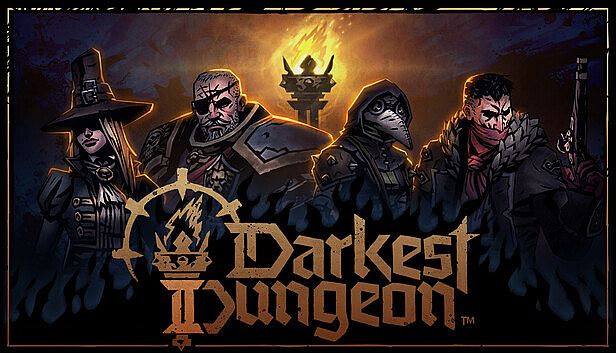


























Darkest Dungeon II stands out as a roguelike RPG with strong strategy elements, blending turn-based combat and resource management in a grim, apocalyptic setting. Players embark on perilous journeys across decaying landscapes, commanding a party of heroes in a stagecoach while battling both external threats and internal conflicts like stress and relationships. This indie title builds on its predecessor's foundation but introduces refined mechanics for deeper tactical decisions.
Gameplay
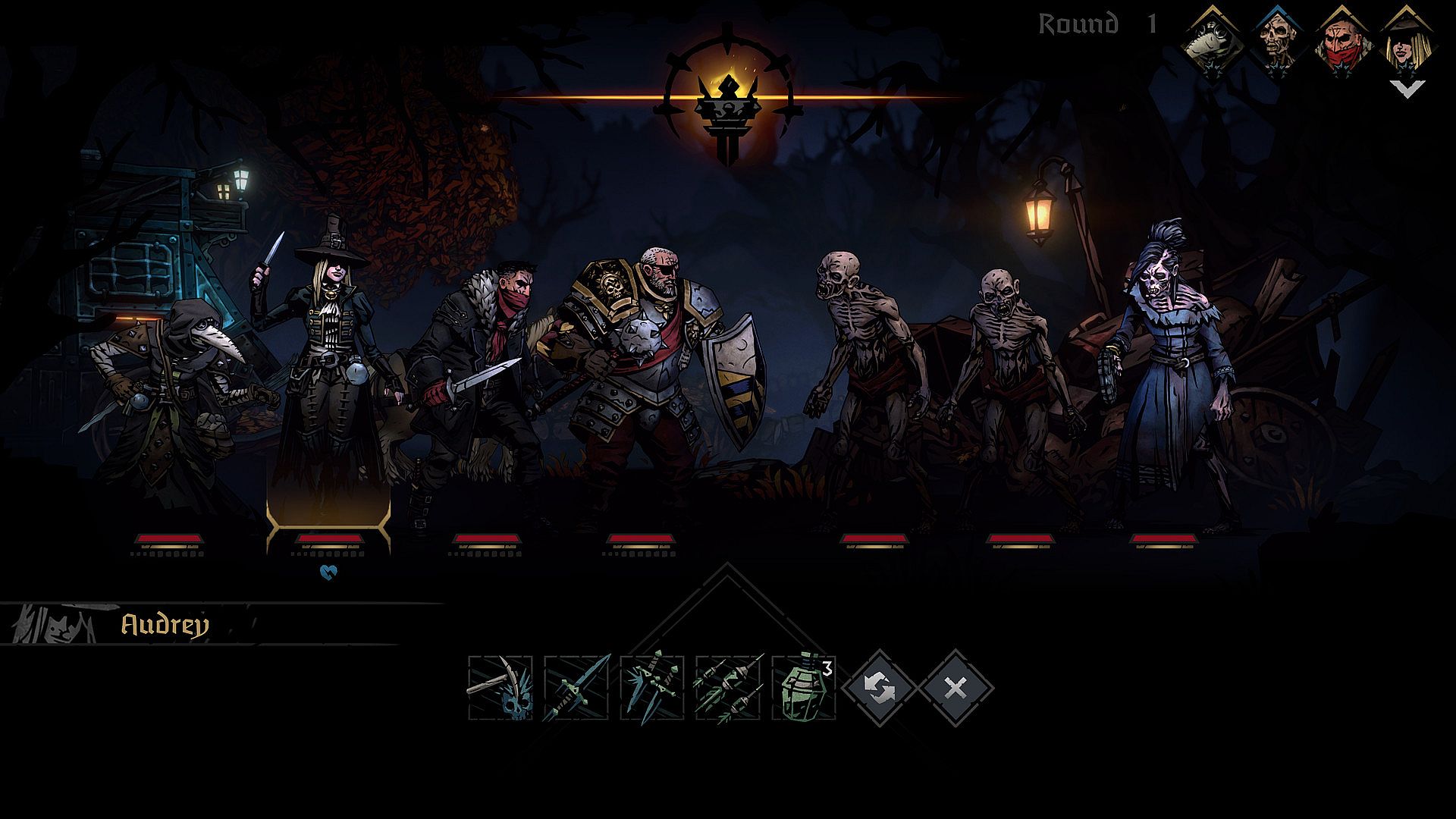
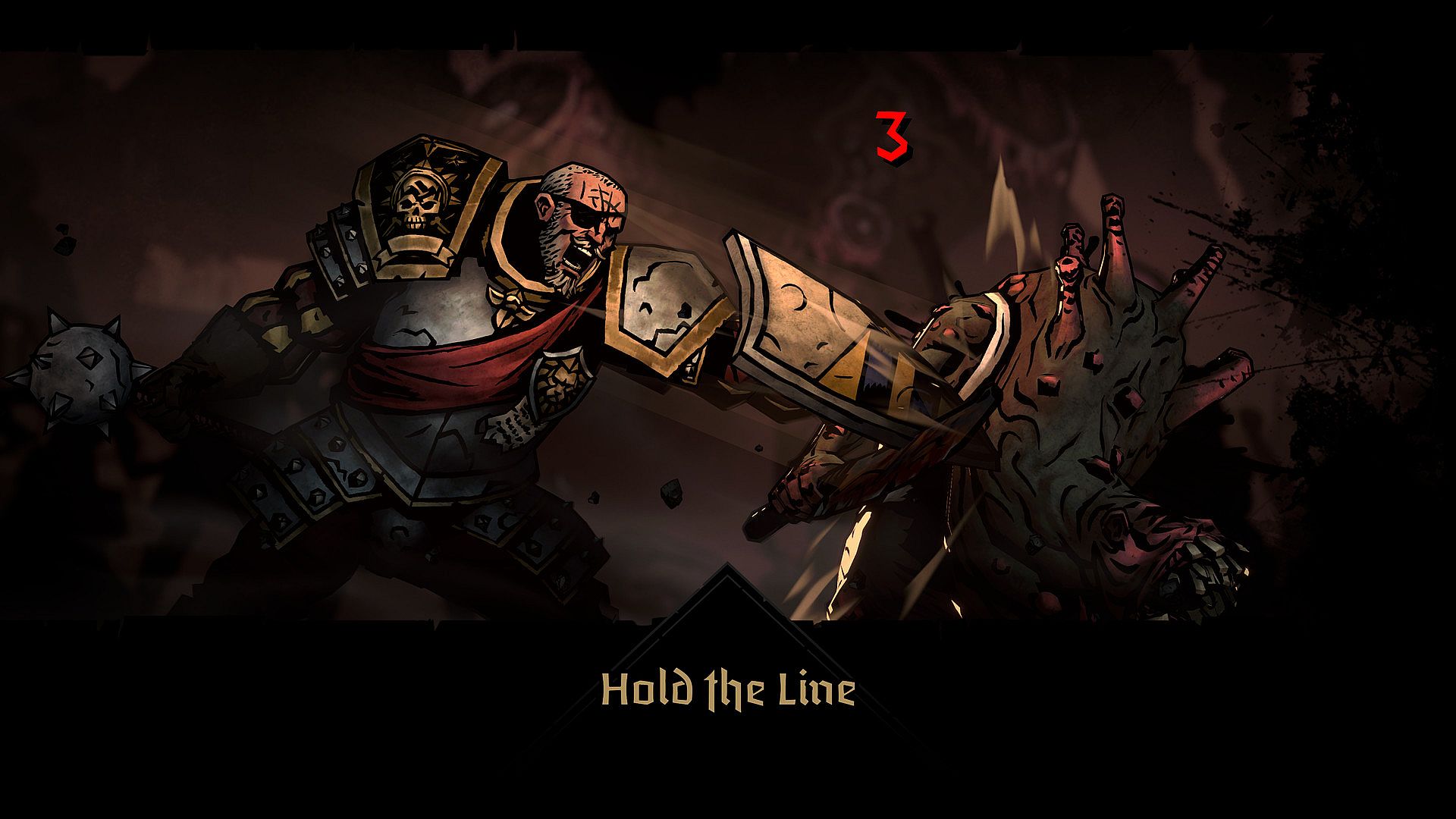
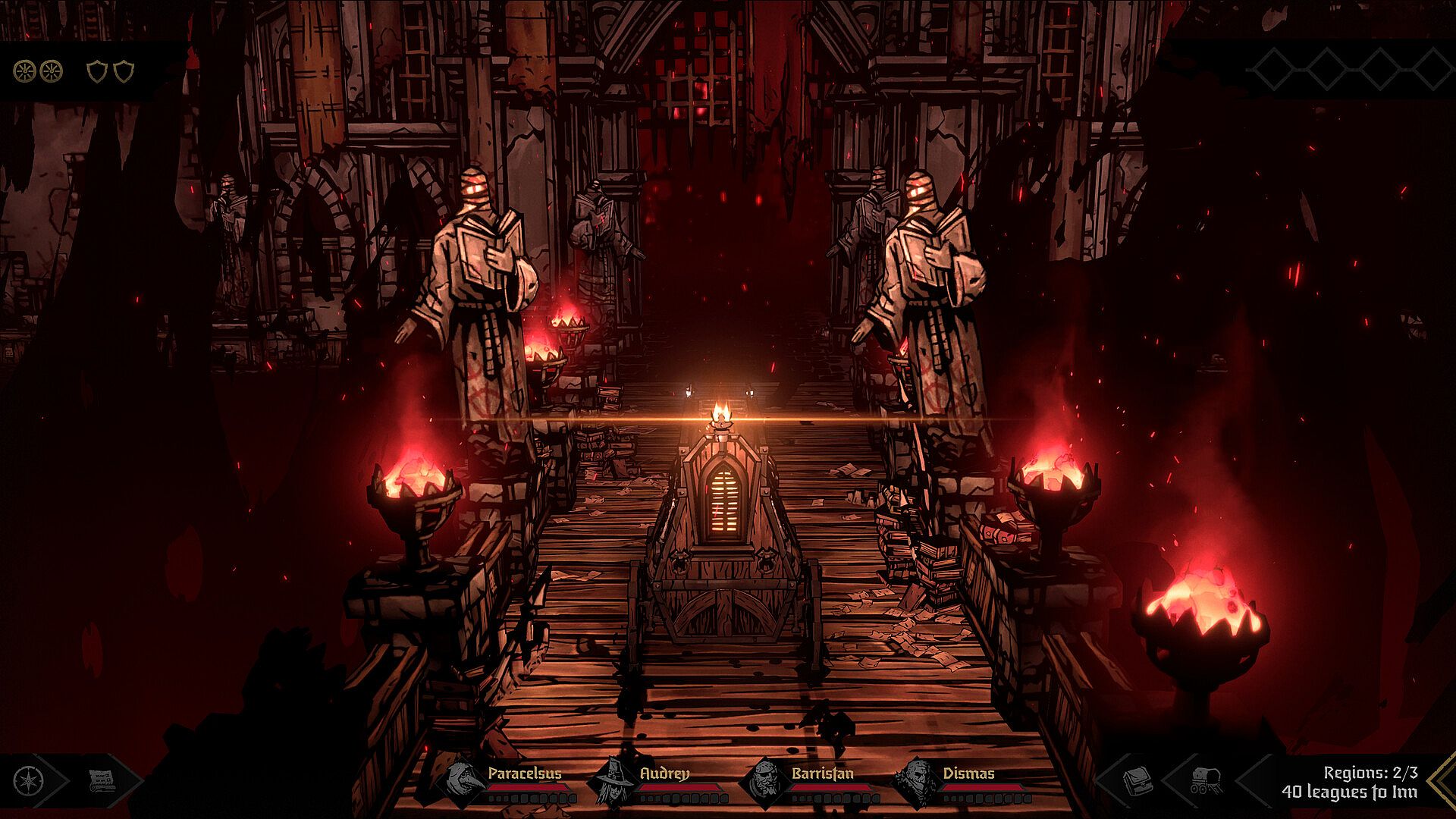
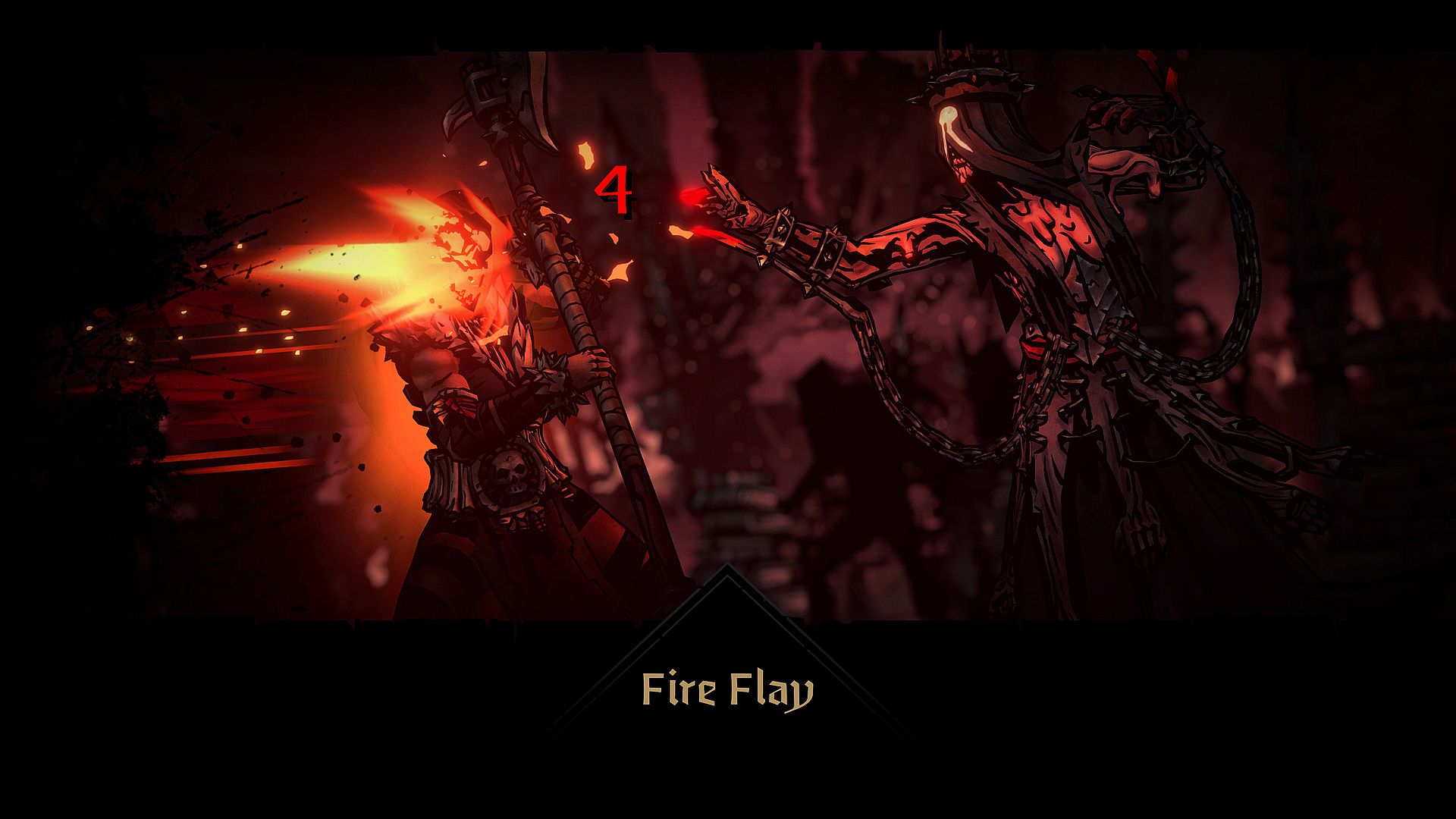
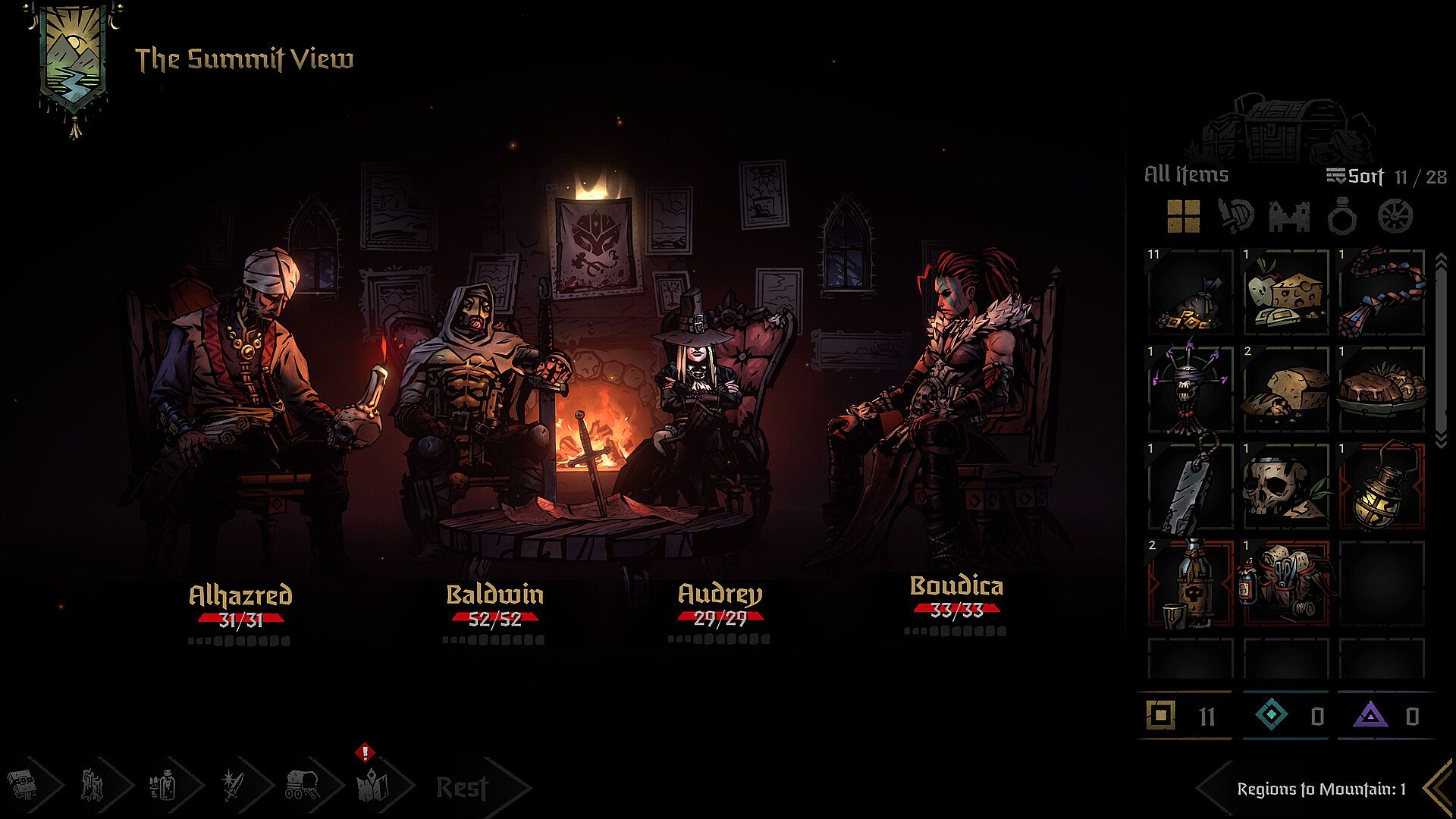
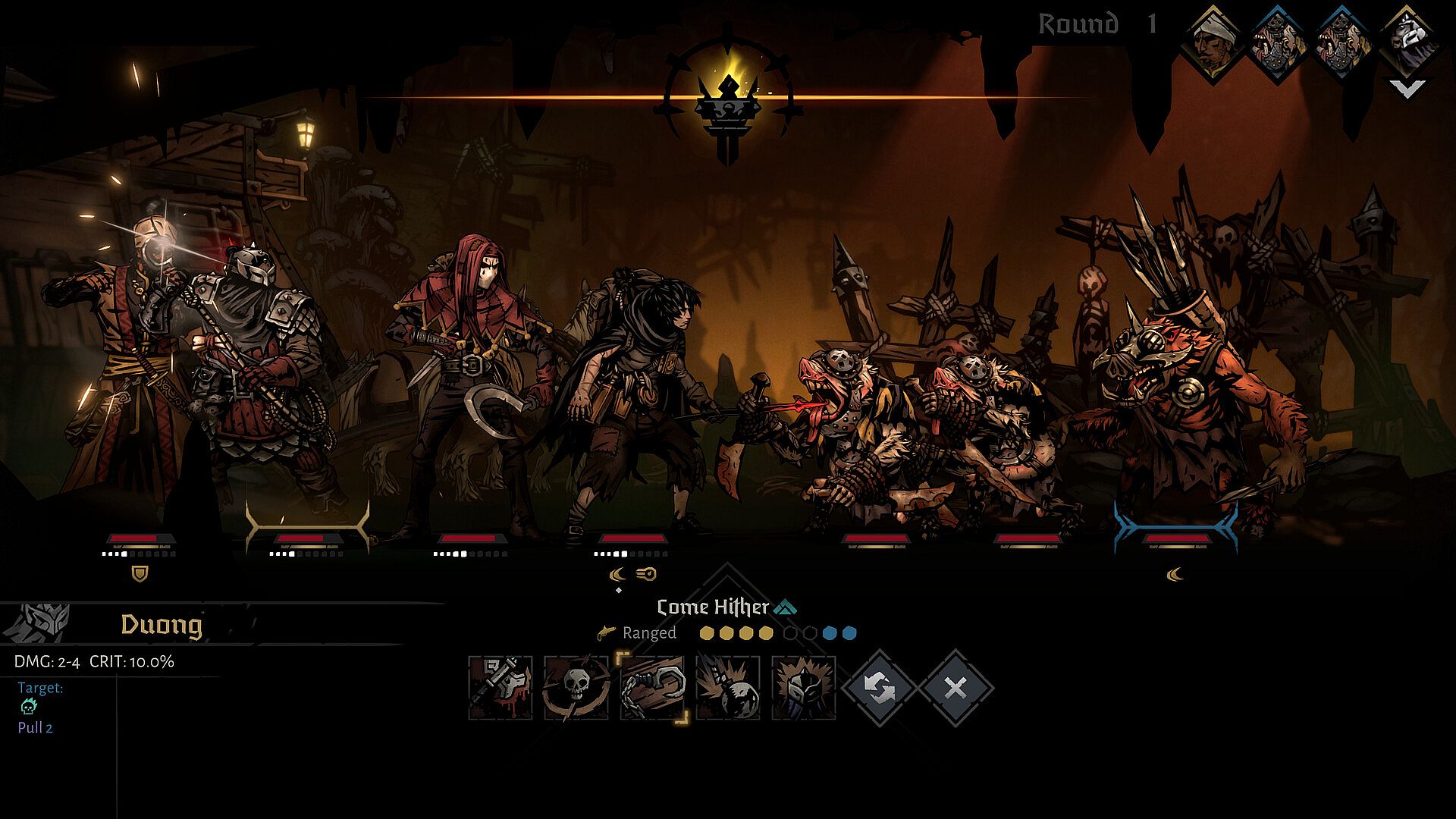
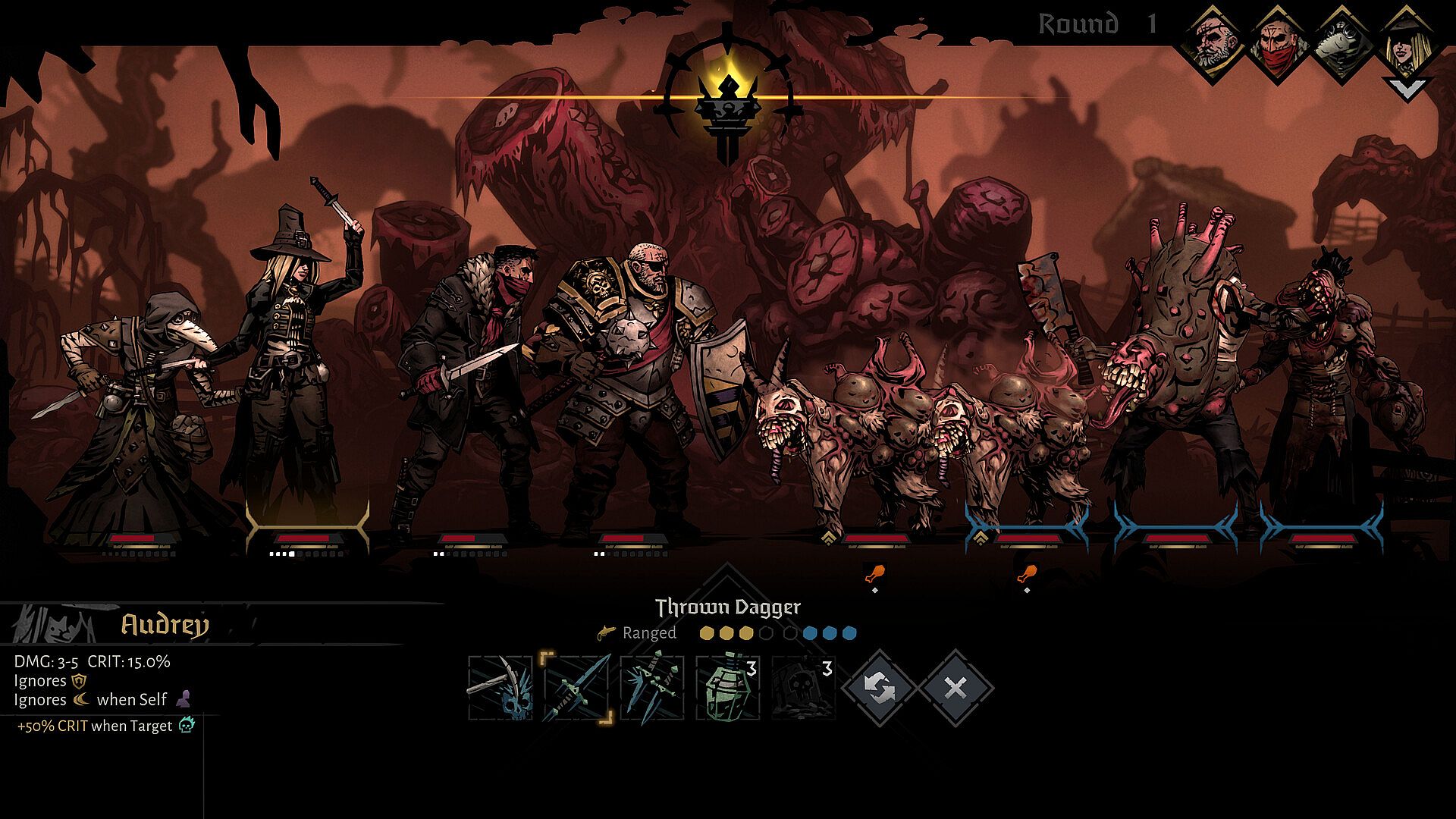
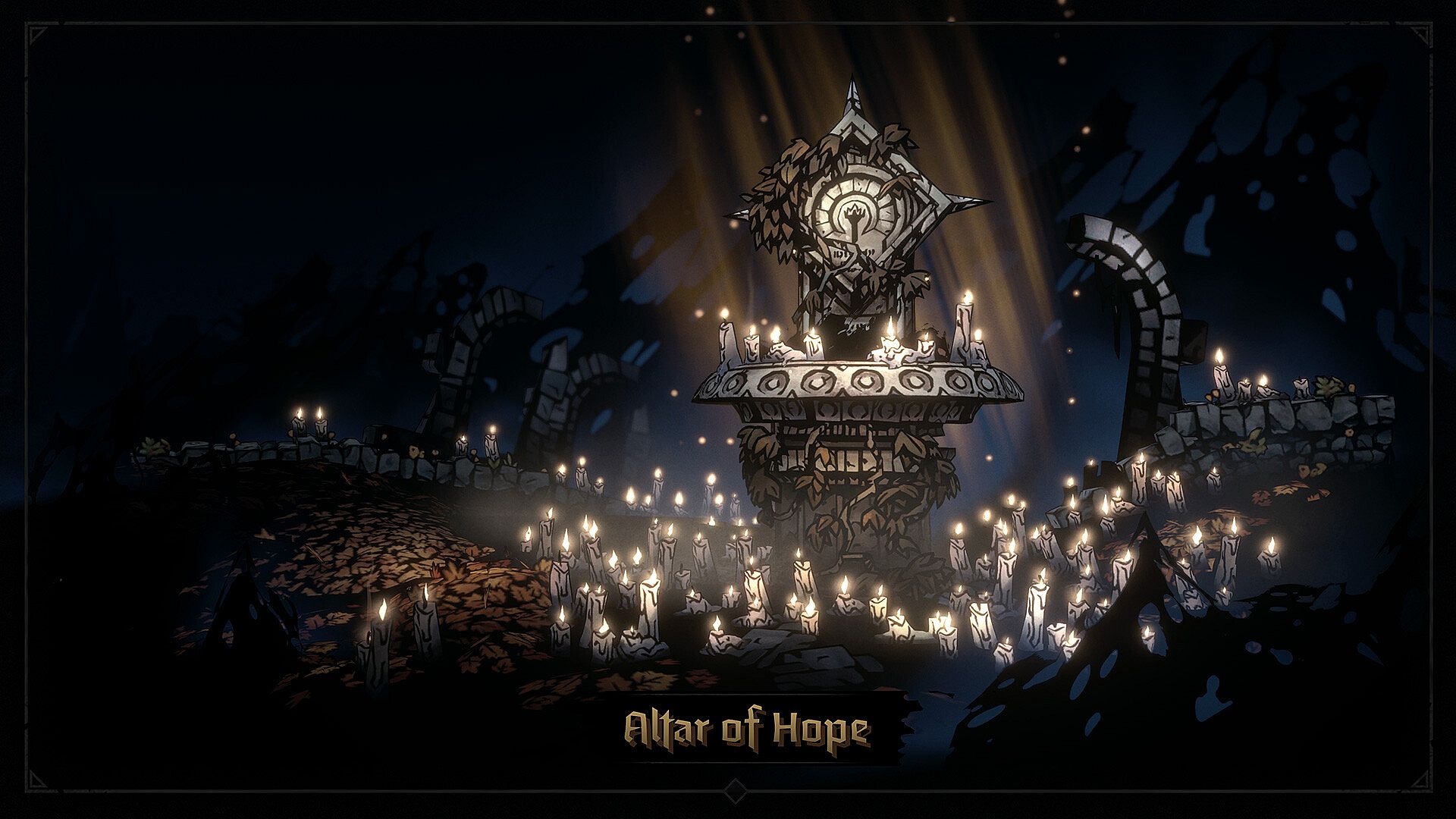
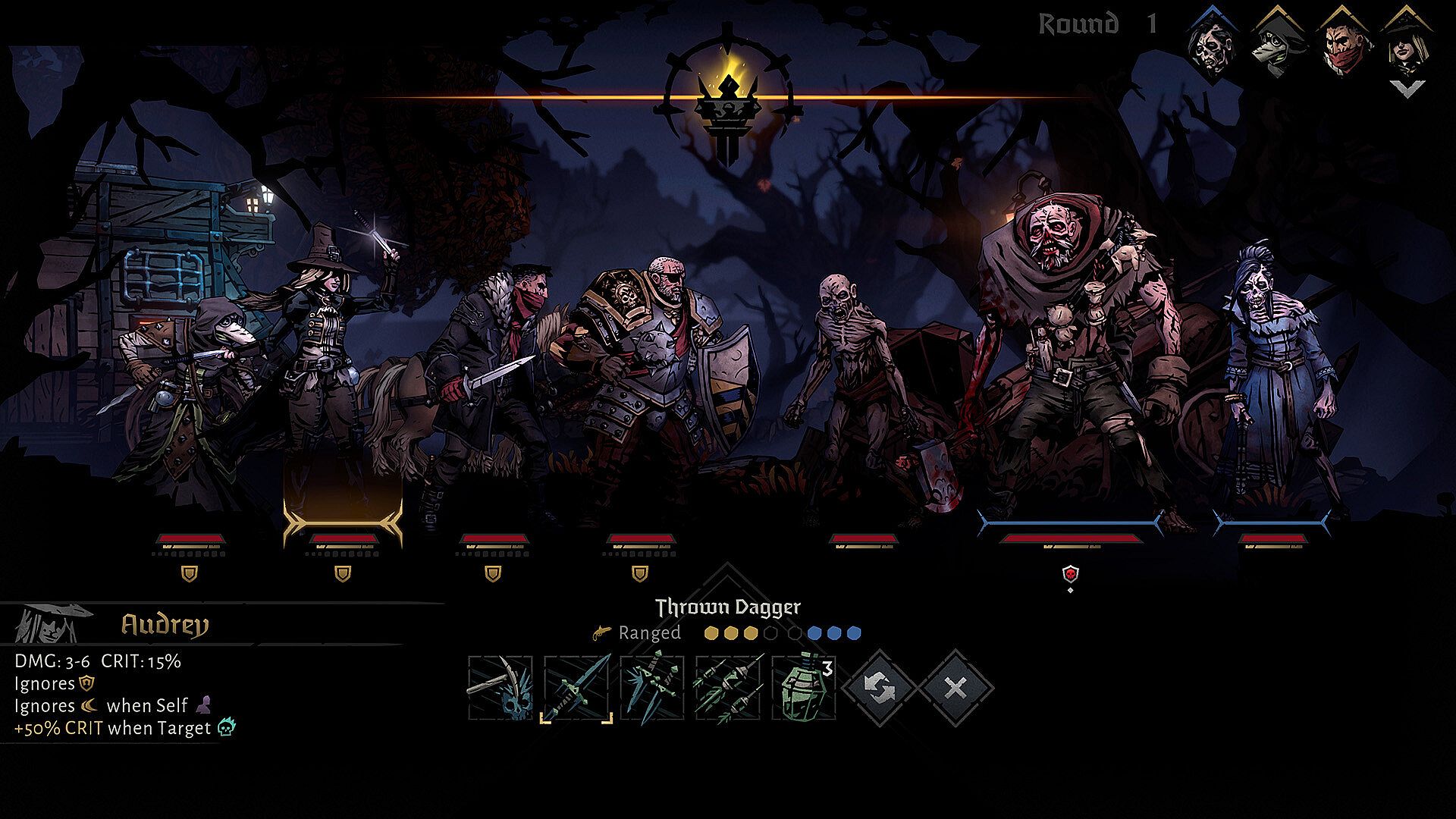
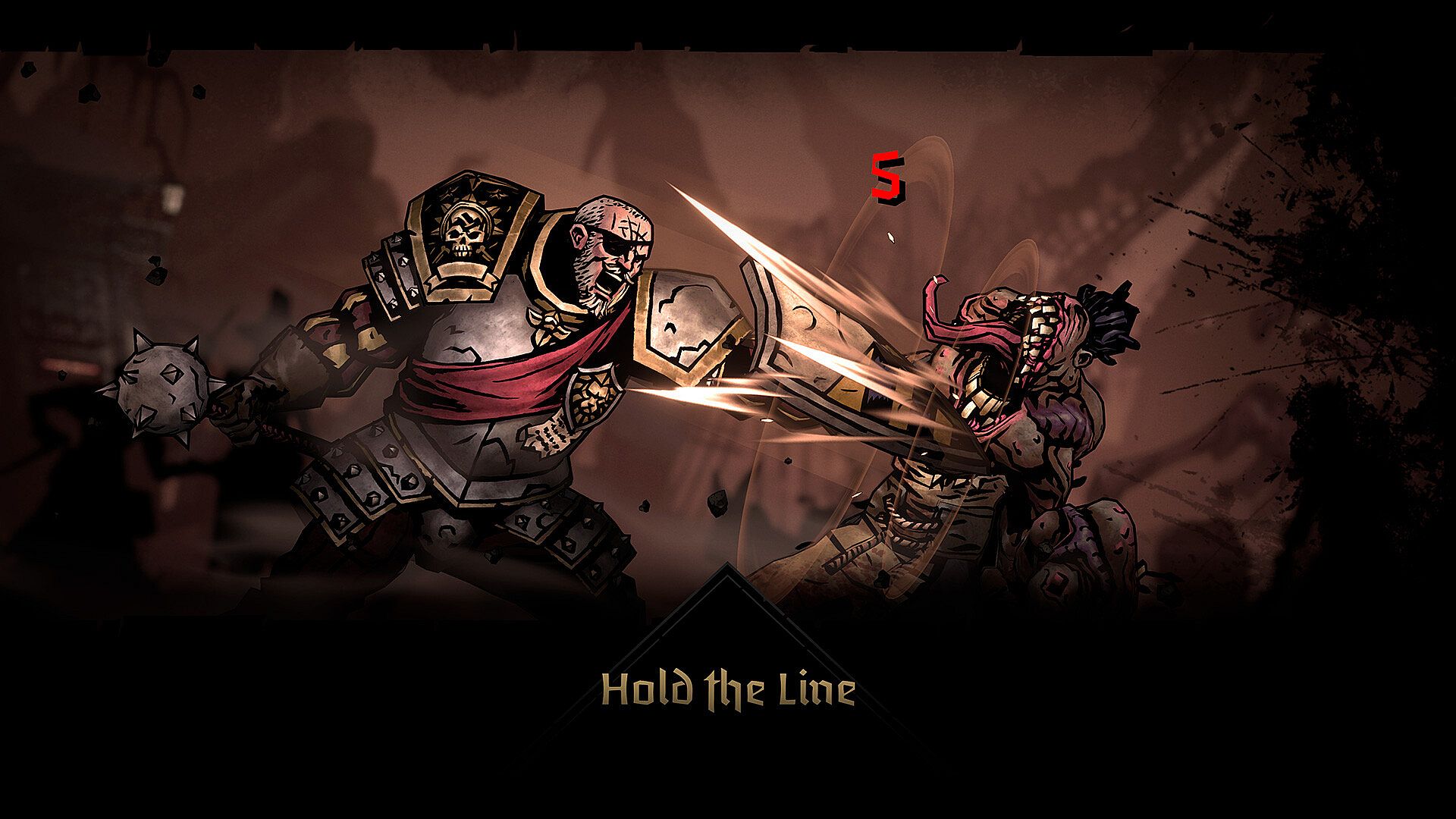
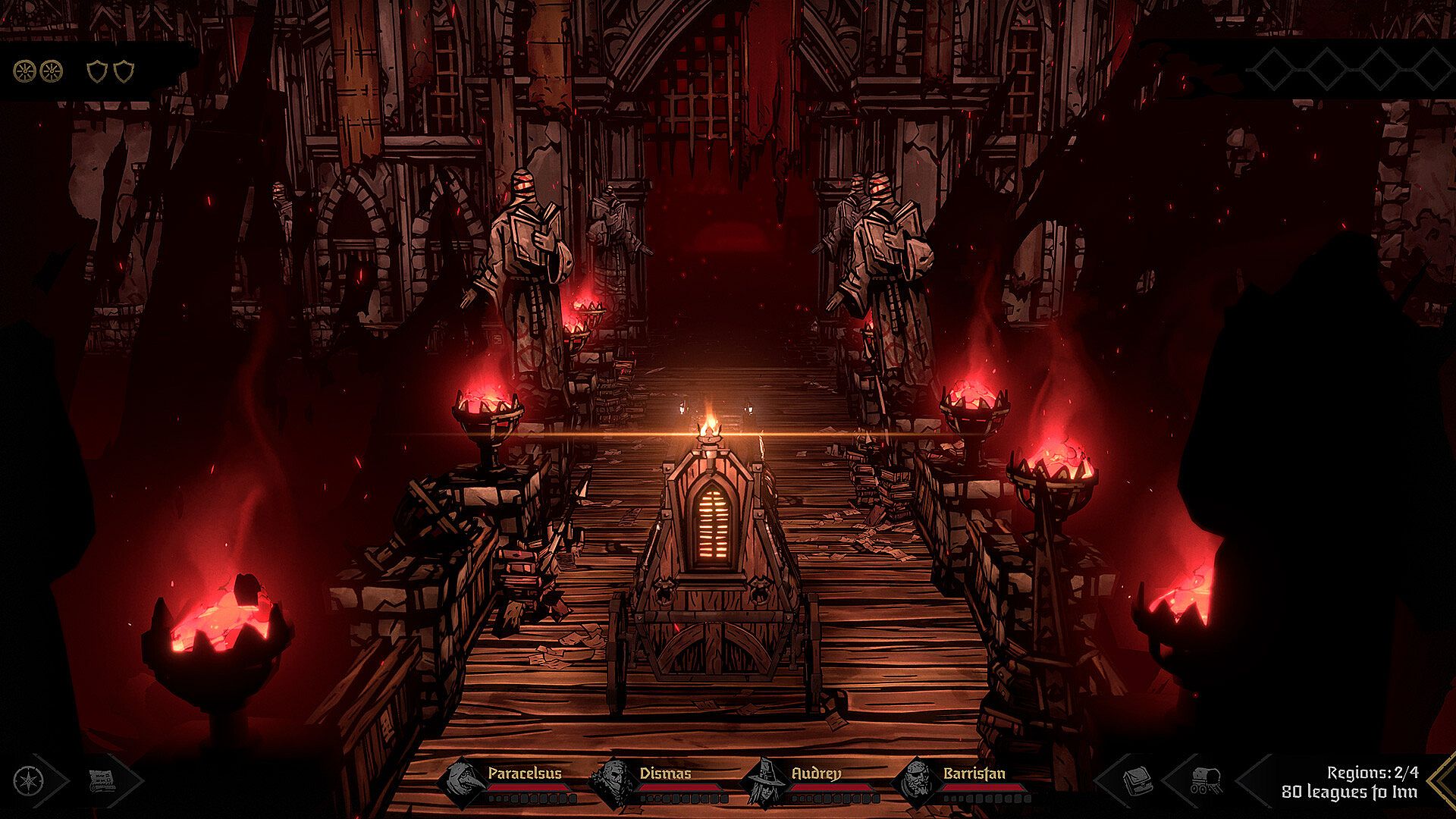
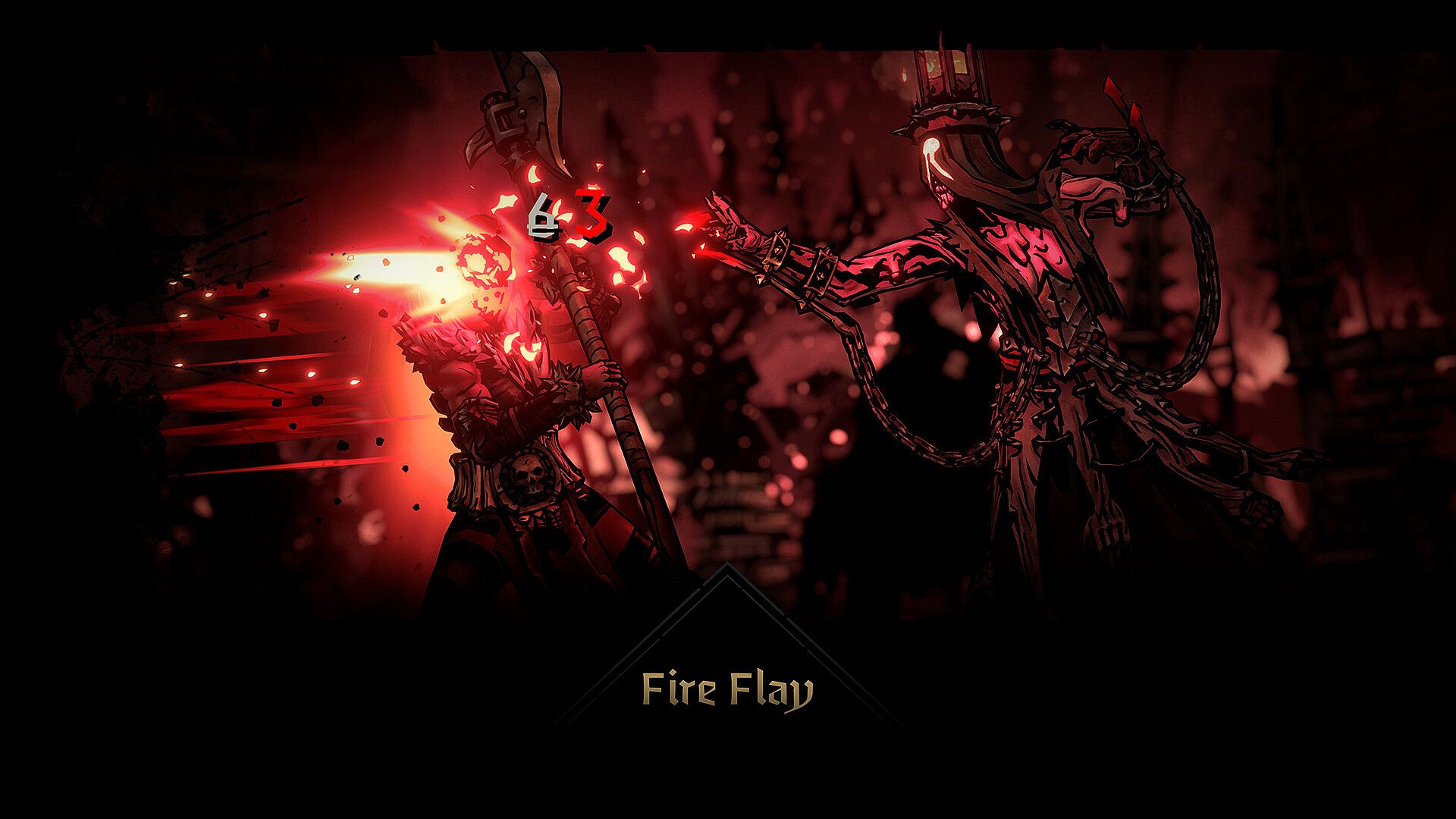
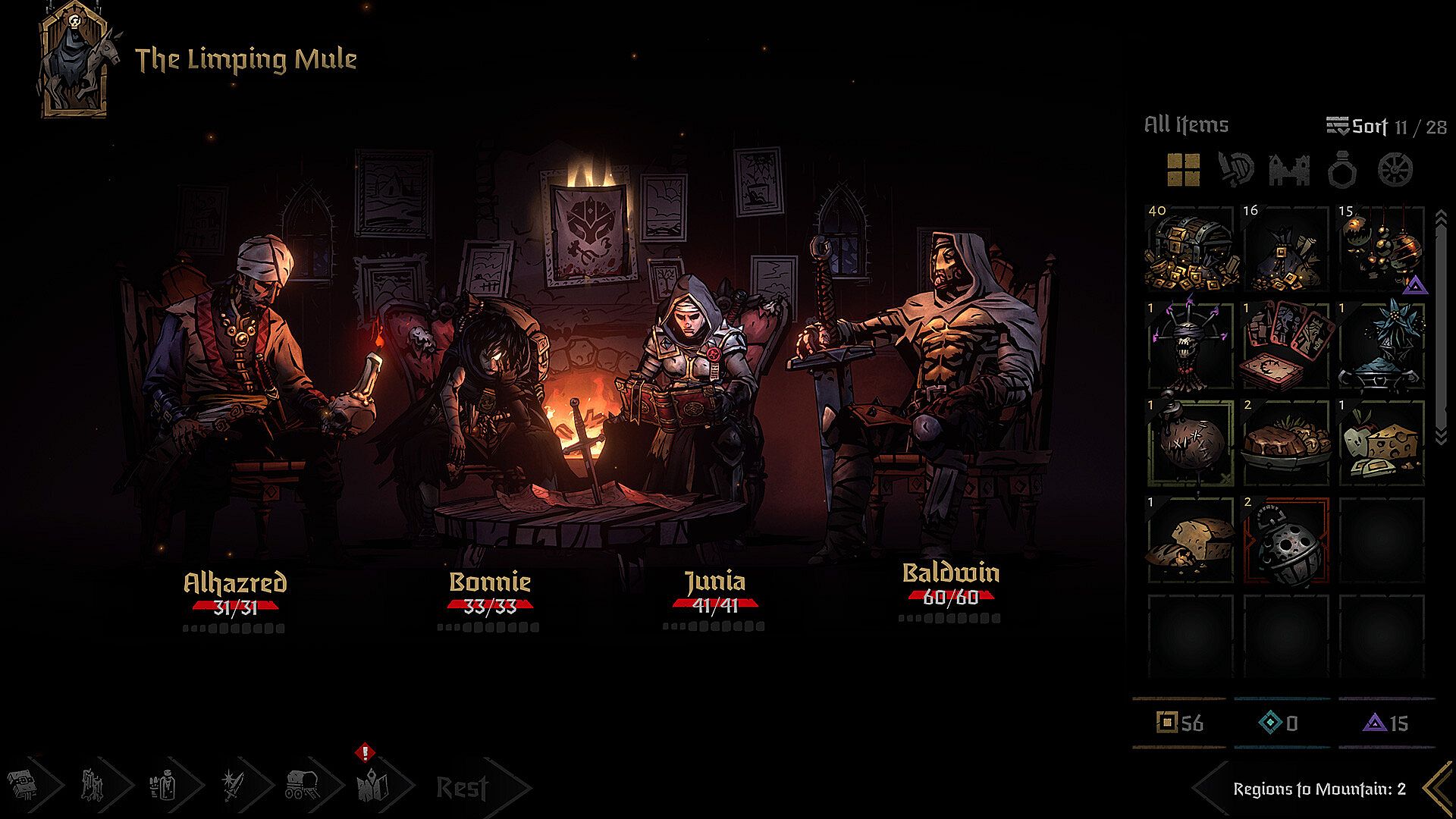
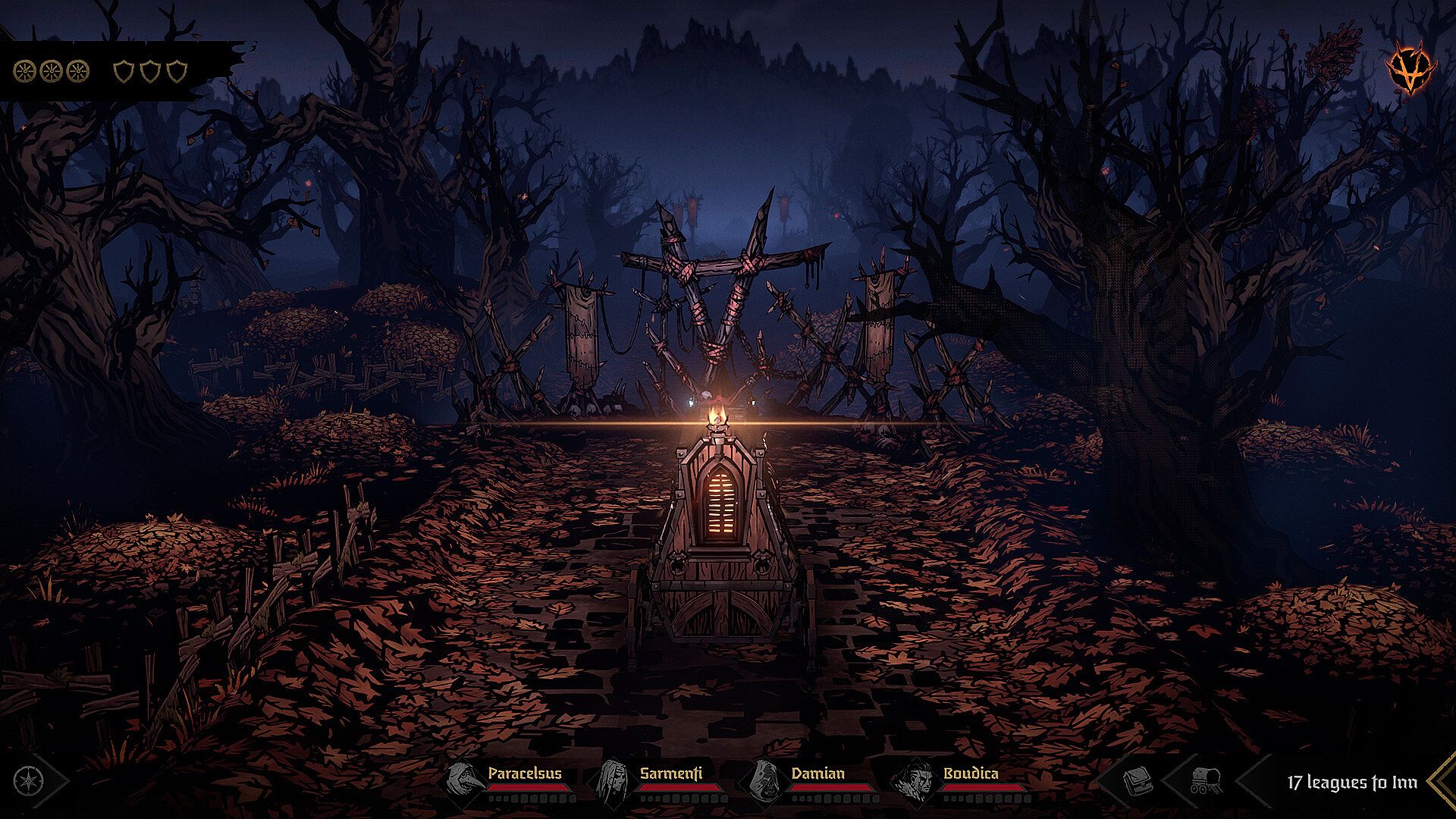
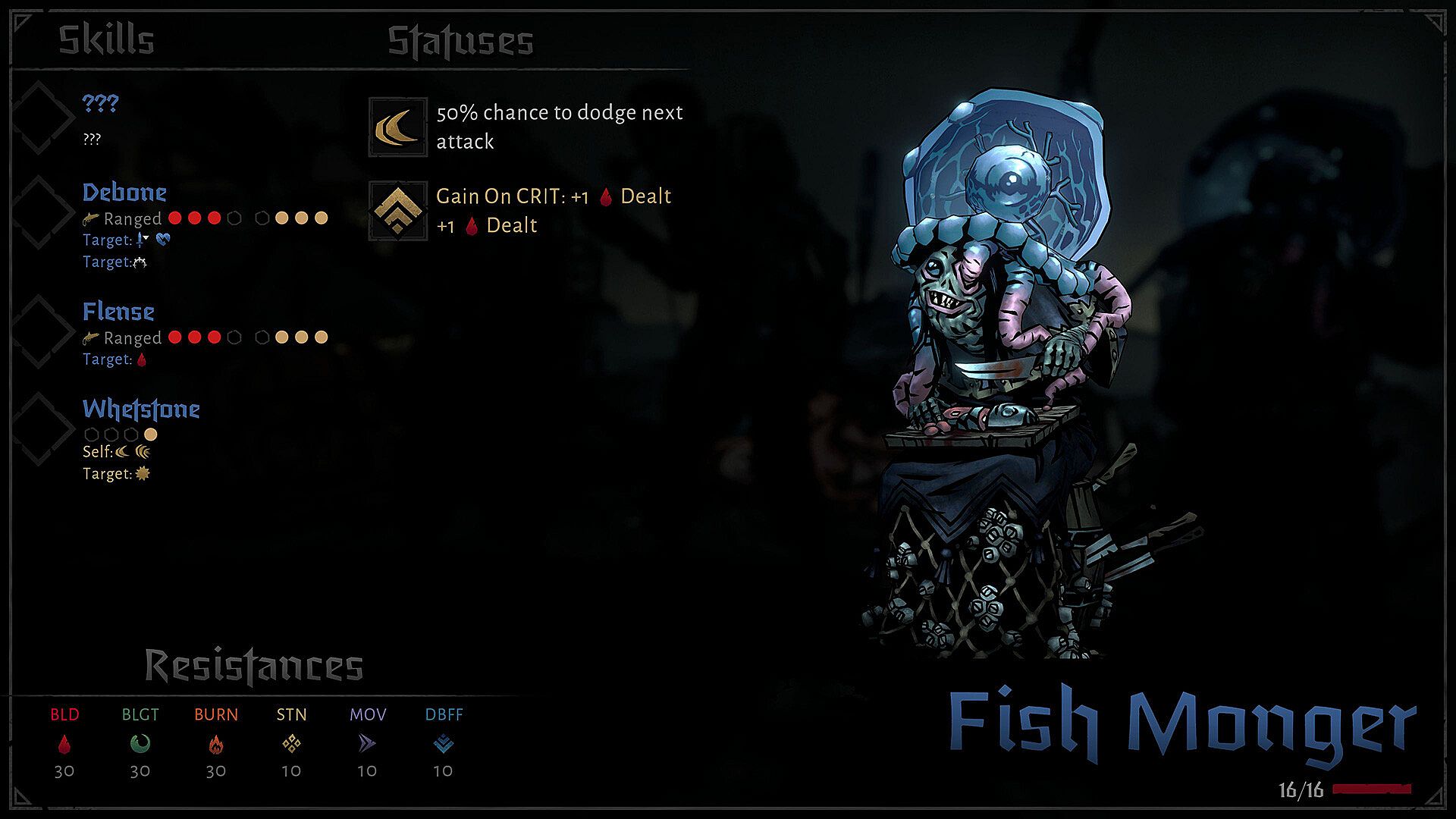
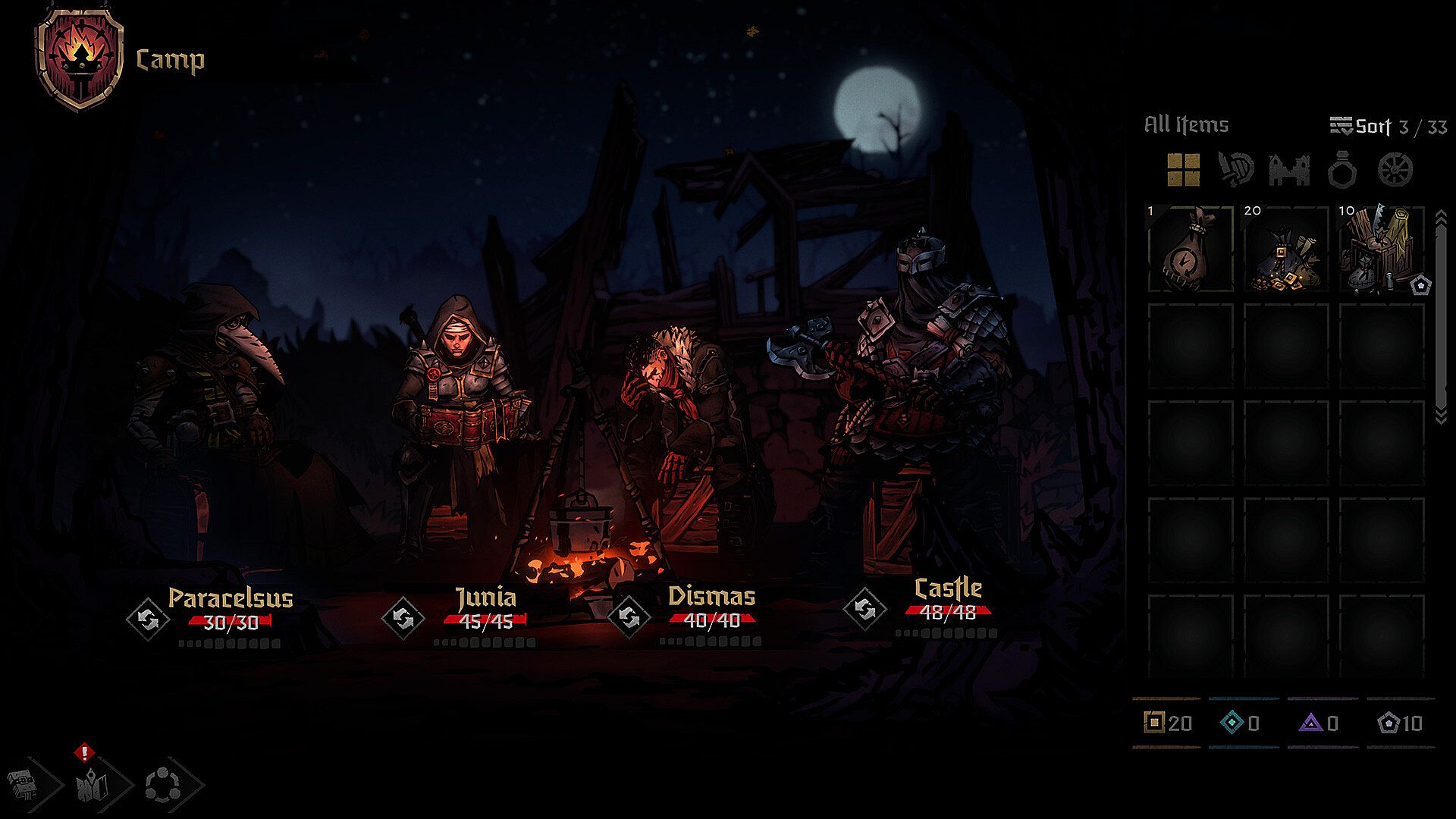
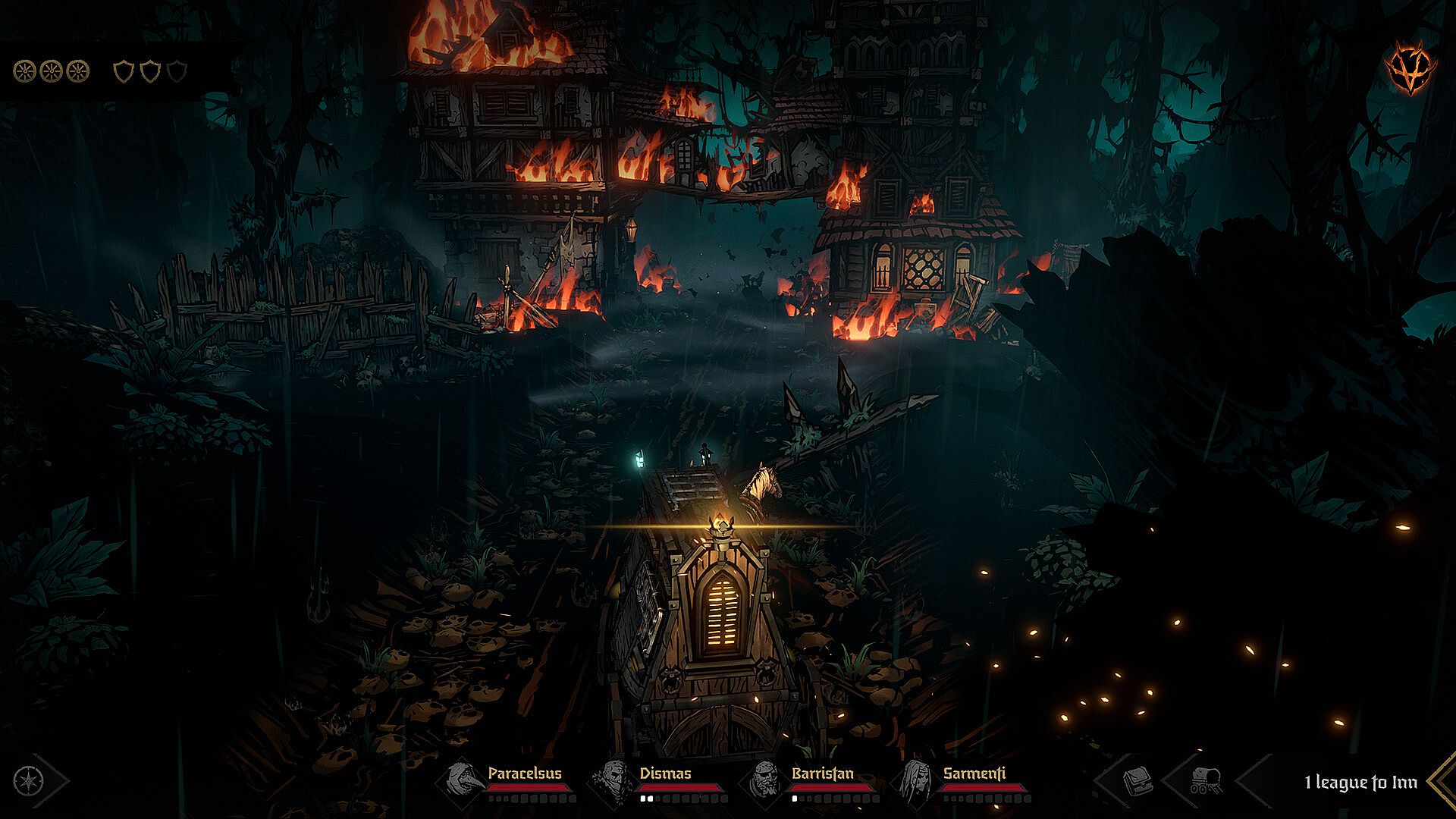
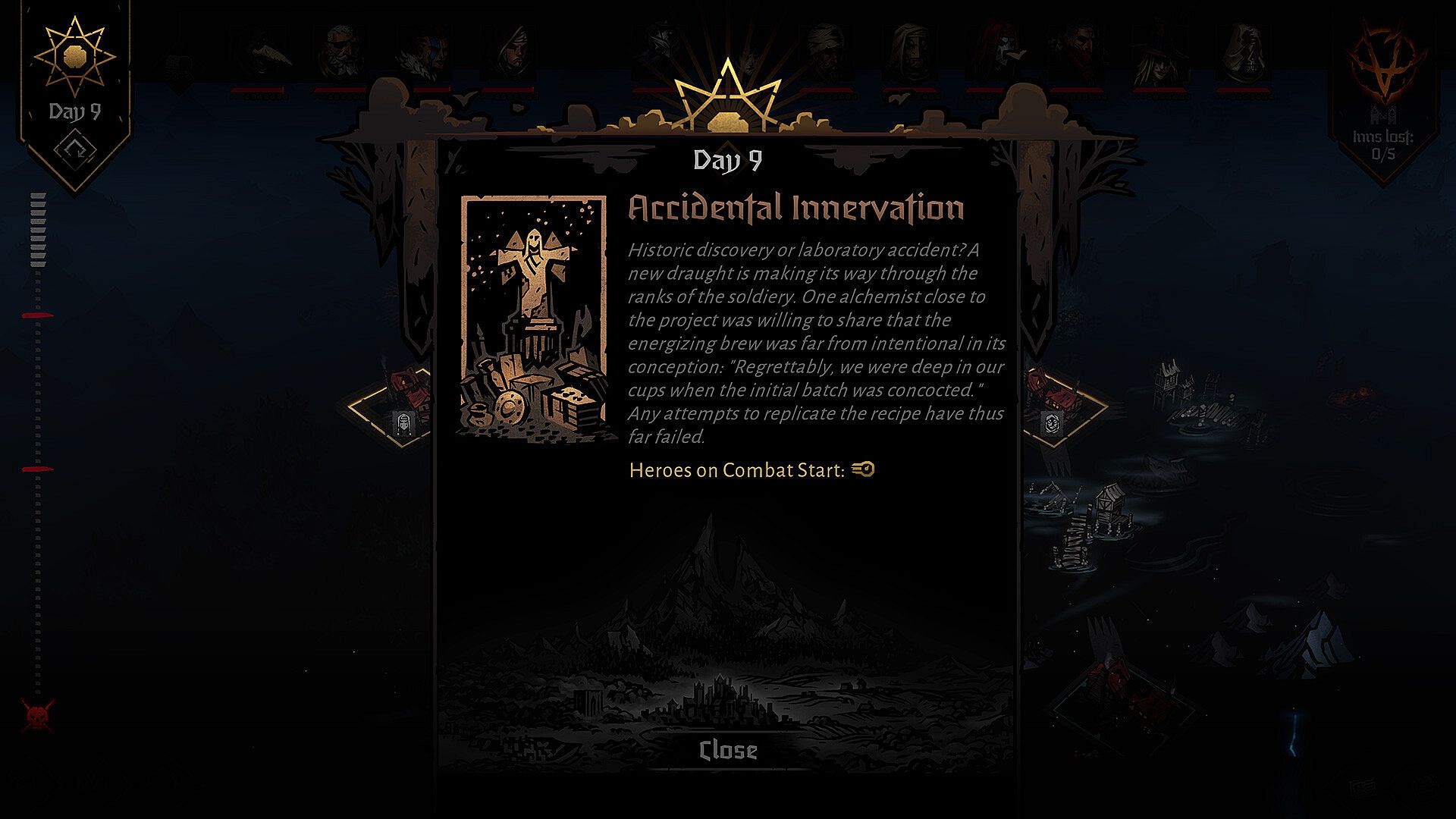
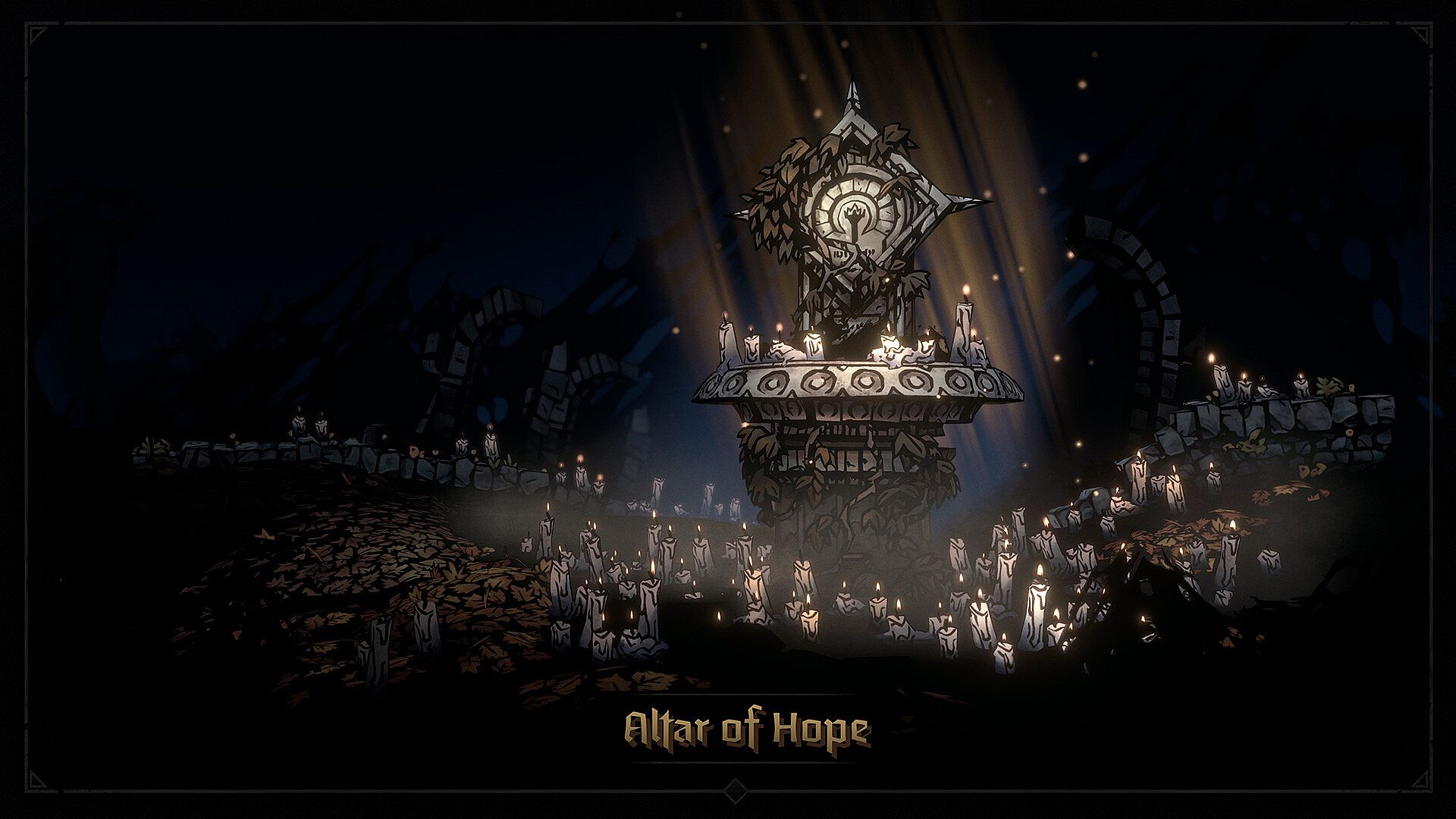
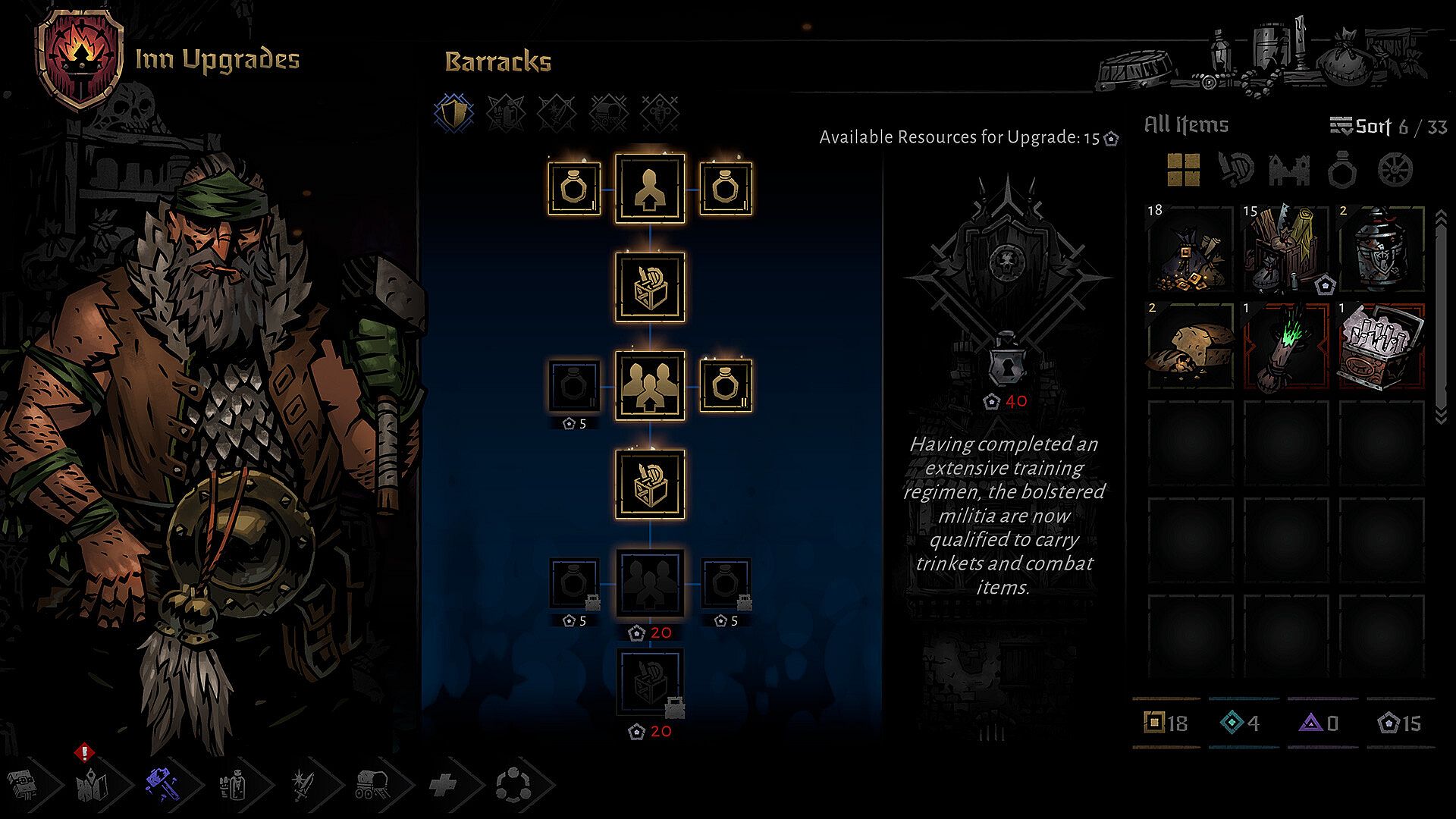
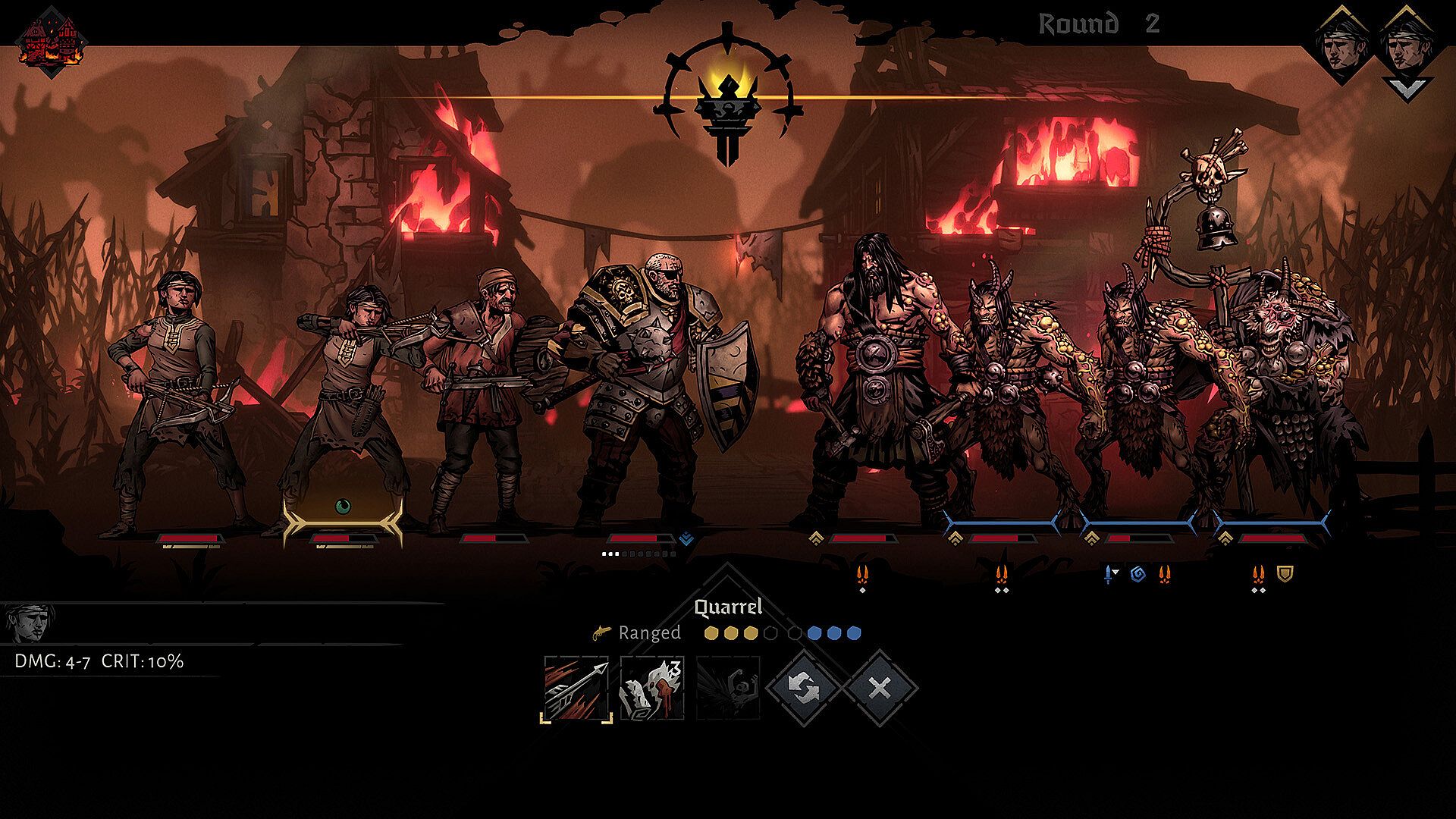
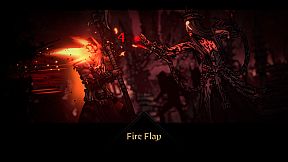
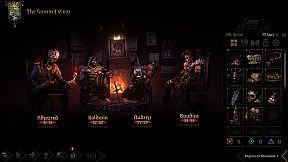
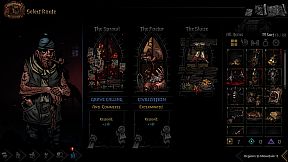
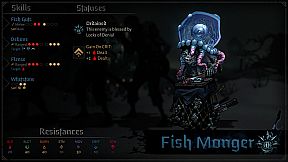
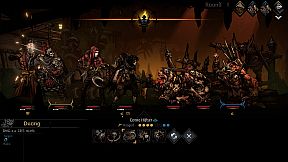
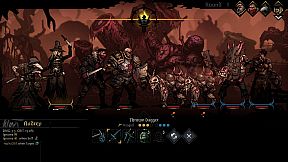
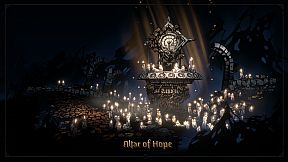
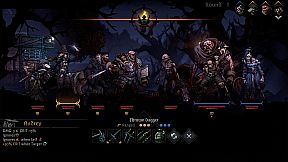
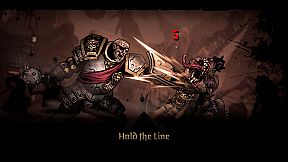
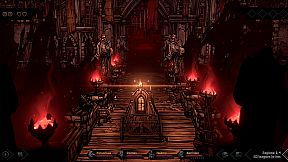
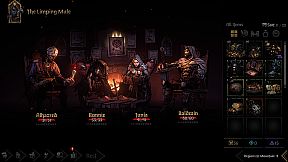
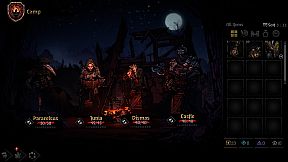
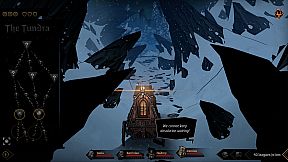
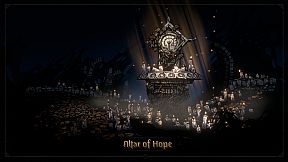
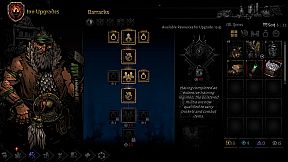
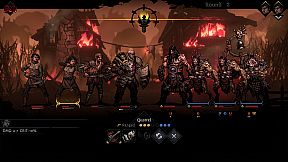
In Darkest Dungeon II, the core loop revolves around navigating a stagecoach through hostile regions, encountering turn-based battles, and managing hero conditions. Combat uses an improved token system where positioning and status effects play crucial roles, making each decision feel weighty. Heroes accumulate stress during expeditions, which can lead to breakdowns or synergies based on their affinities with one another. Rest stops at inns allow for stress relief through activities that strengthen bonds or resolve tensions. Progression happens via the Altar of Hope, where players invest resources from failed runs to unlock upgrades, skills, and paths for heroes, encouraging repeated attempts with evolving strategies.
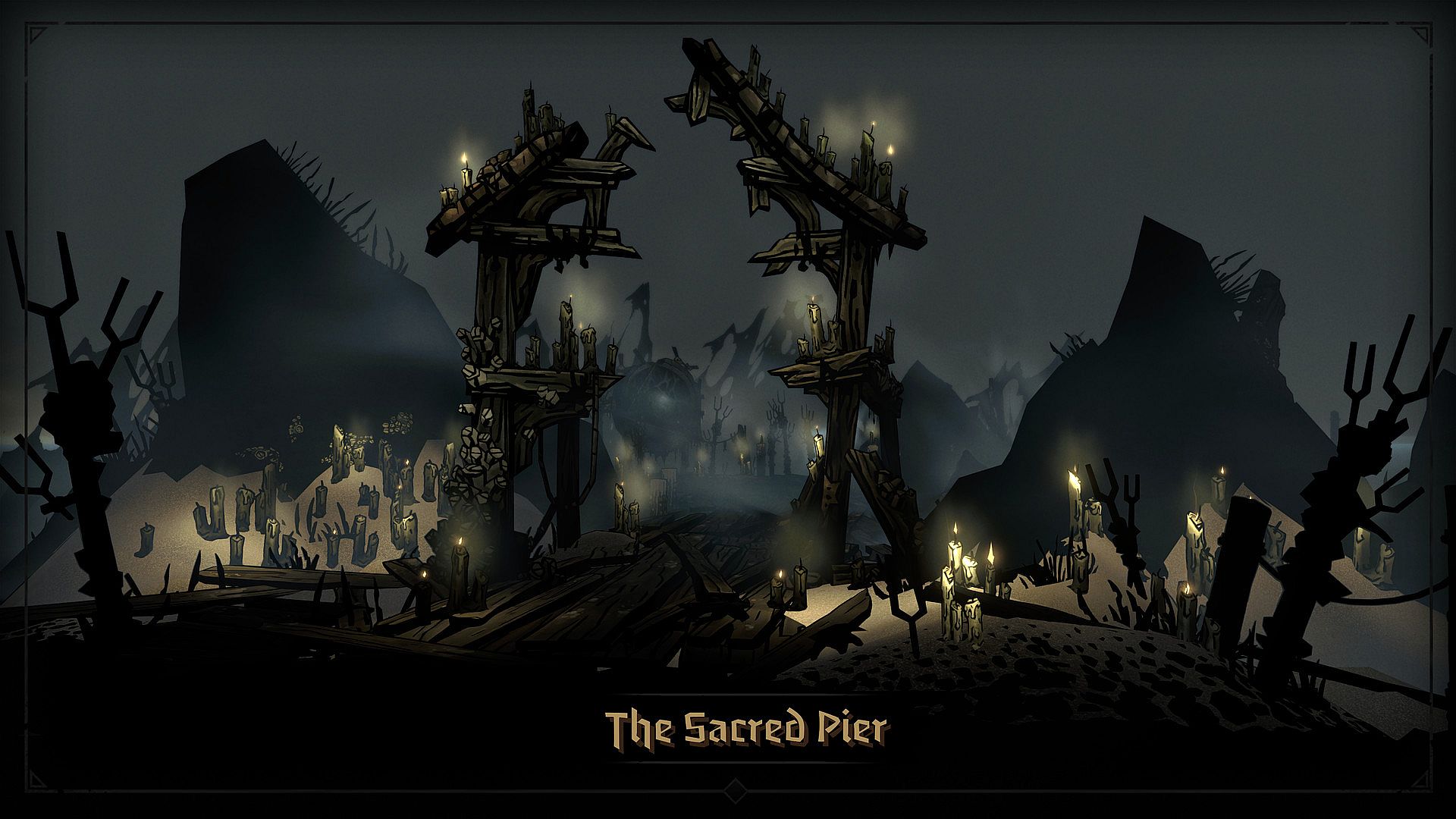
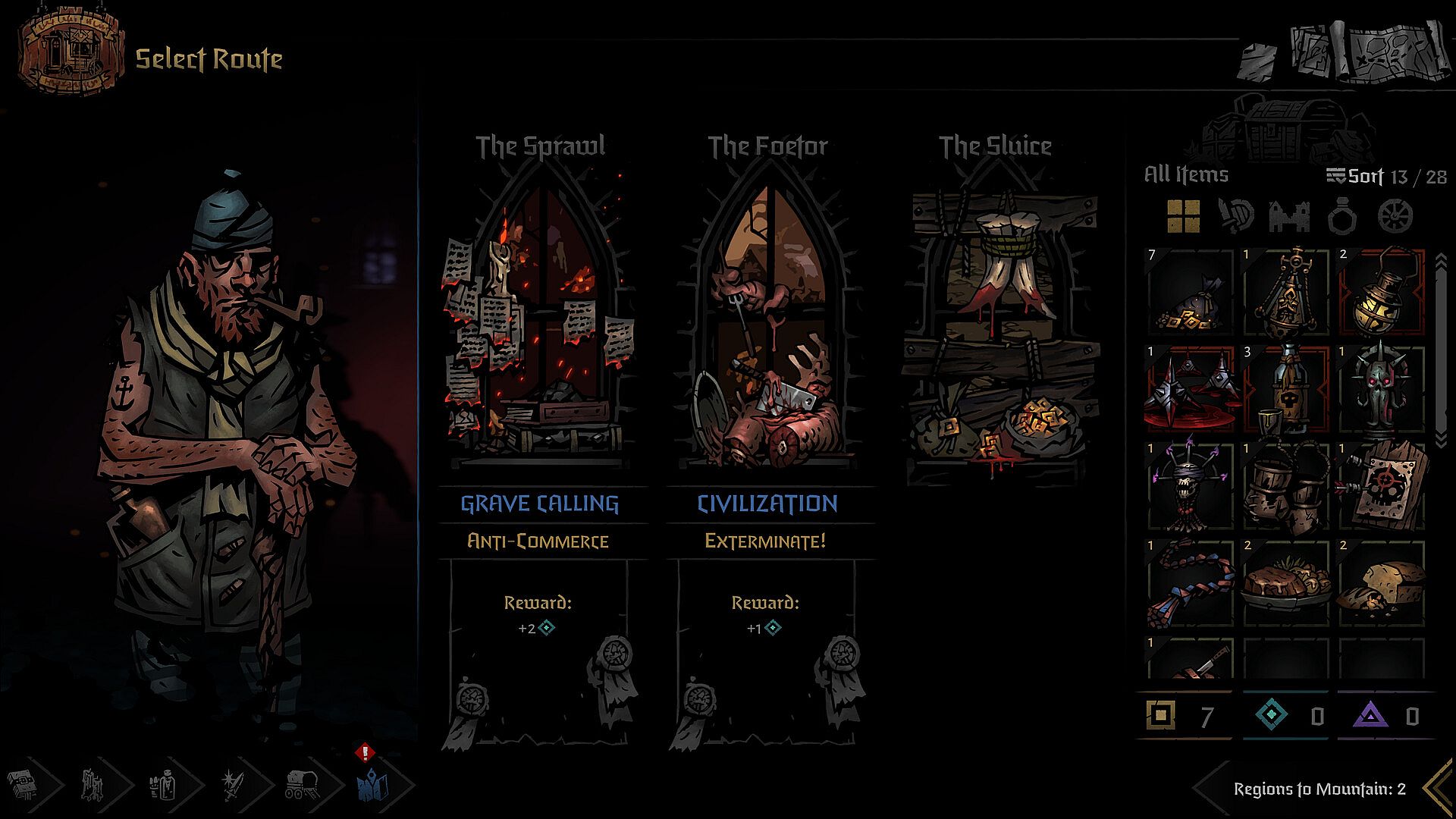
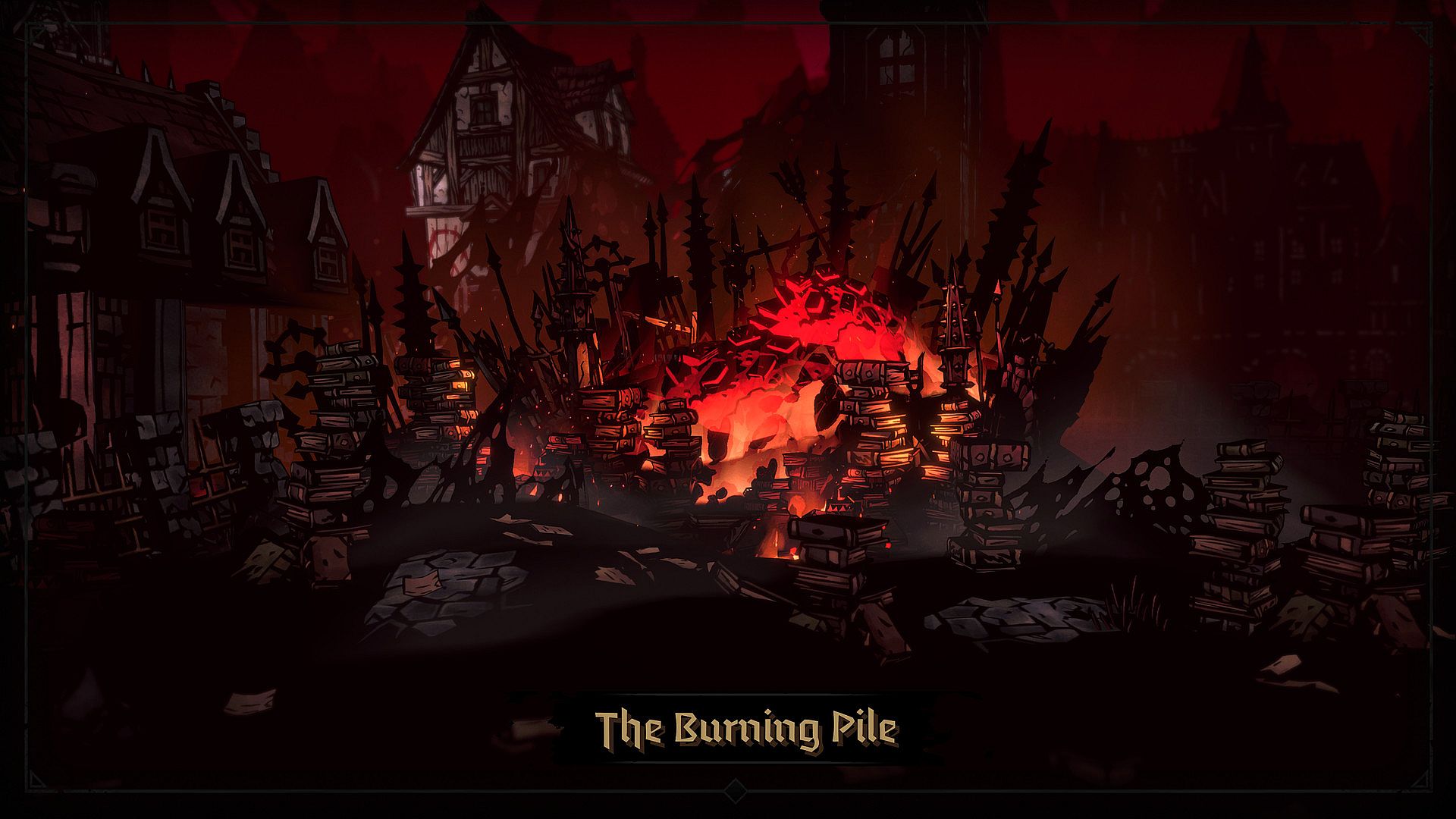
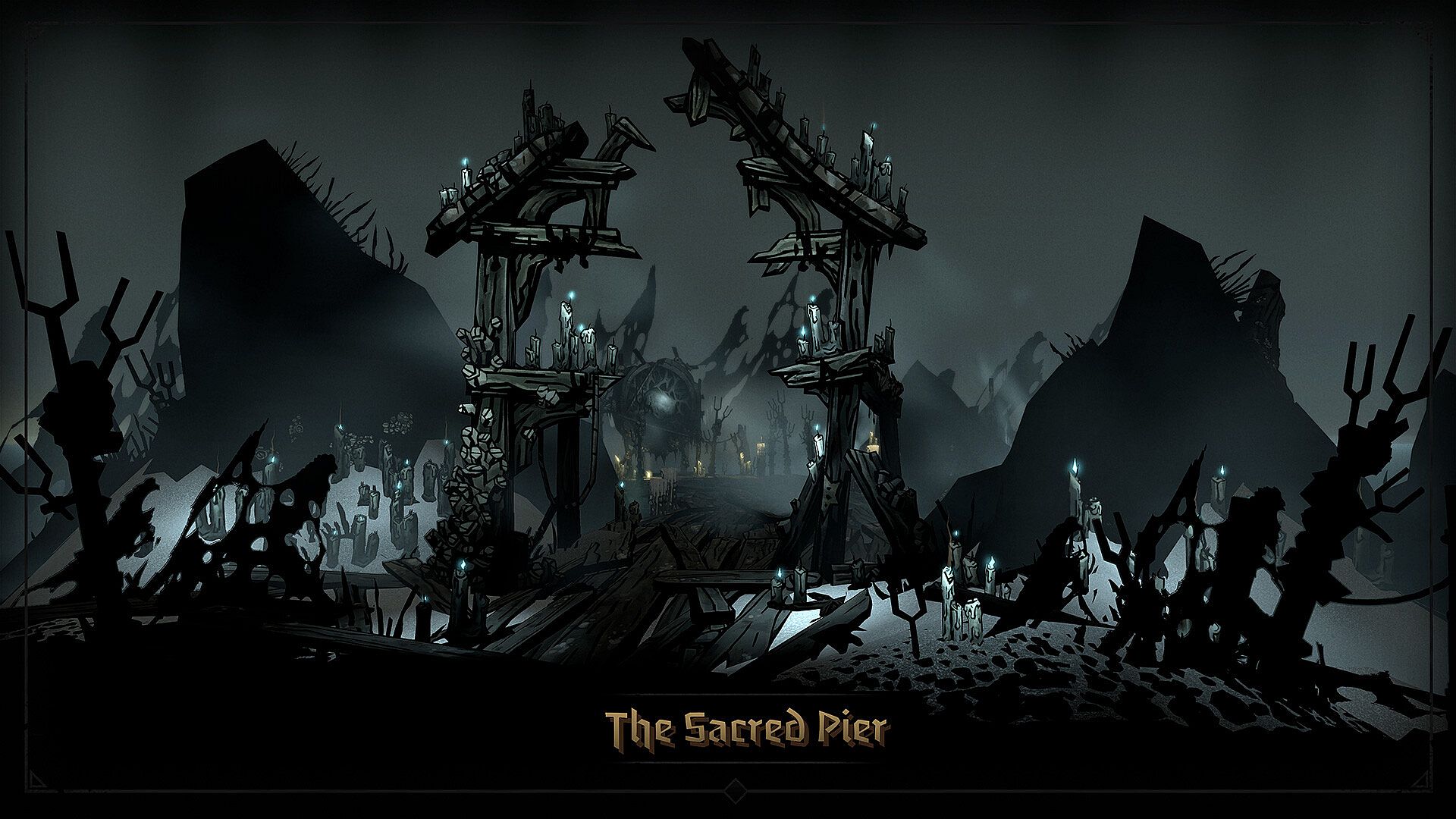
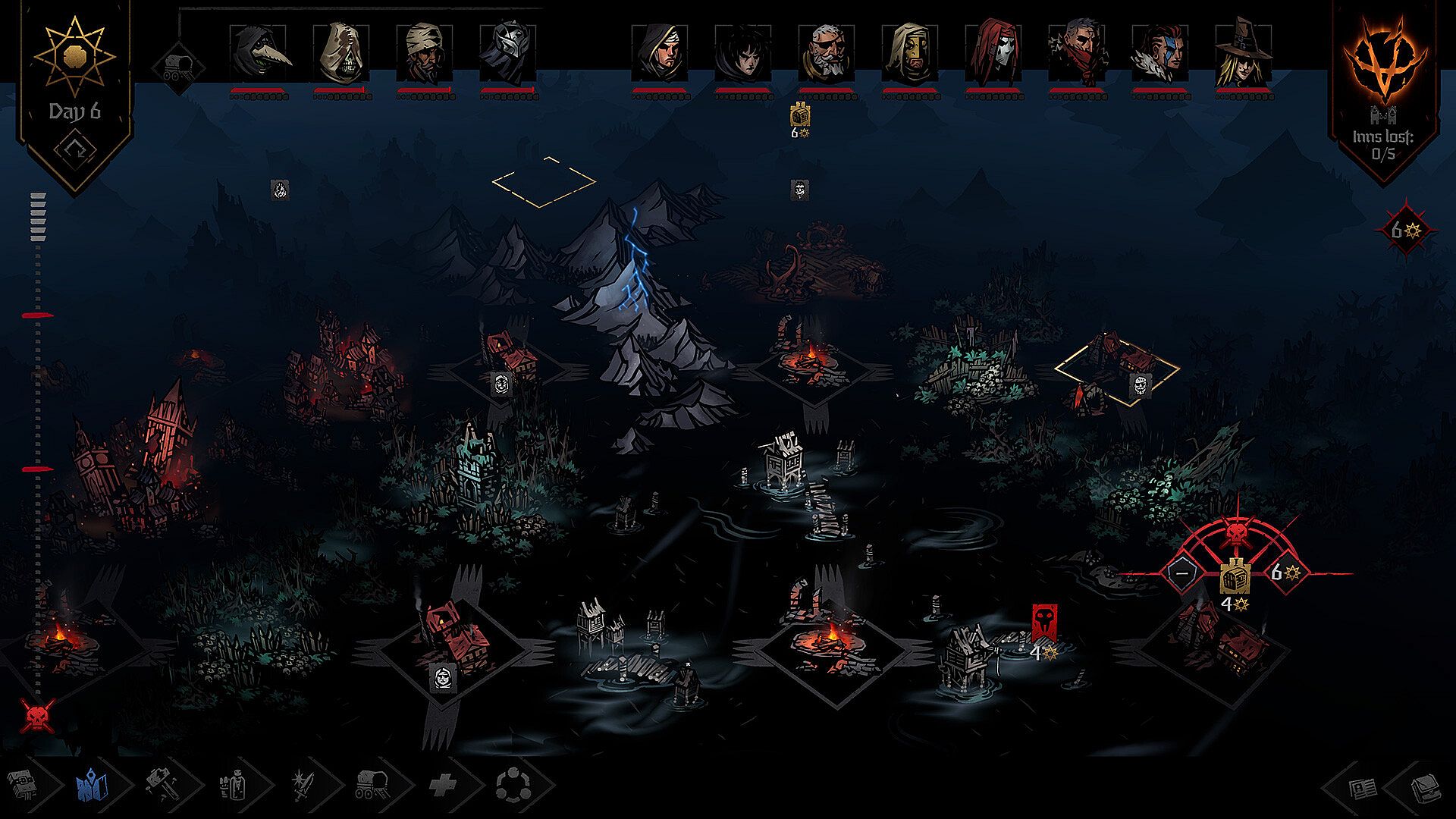
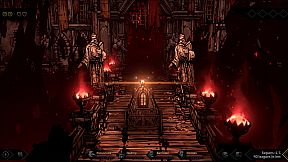
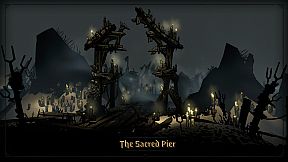
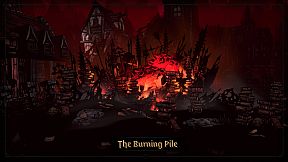
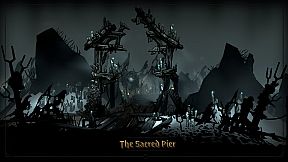
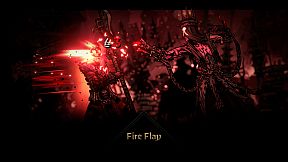
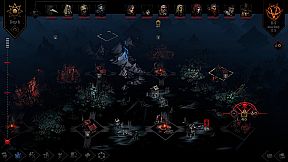
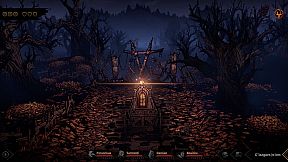
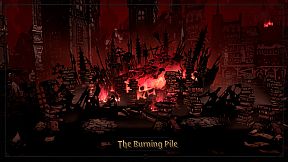
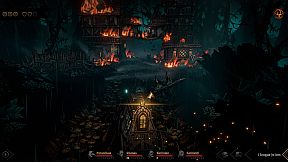
Exploration involves five distinct regions, each with unique enemies and environmental challenges, such as the burning Sprawl or the diseased Foetor. The game emphasizes roguelike elements, with expeditions lasting from 30 minutes to several hours, and permanent death adding high stakes. Visuals feature evolved 3D art with detailed animations, complemented by atmospheric sound design and narration.
Game Modes
The game offers two primary modes: Confessions and Kingdoms. Confessions serves as the core roguelike experience, where players form parties for runs aimed at reaching the Mountain and confronting manifestations of weaknesses. Each run builds a emerging story through hero interactions and random events.
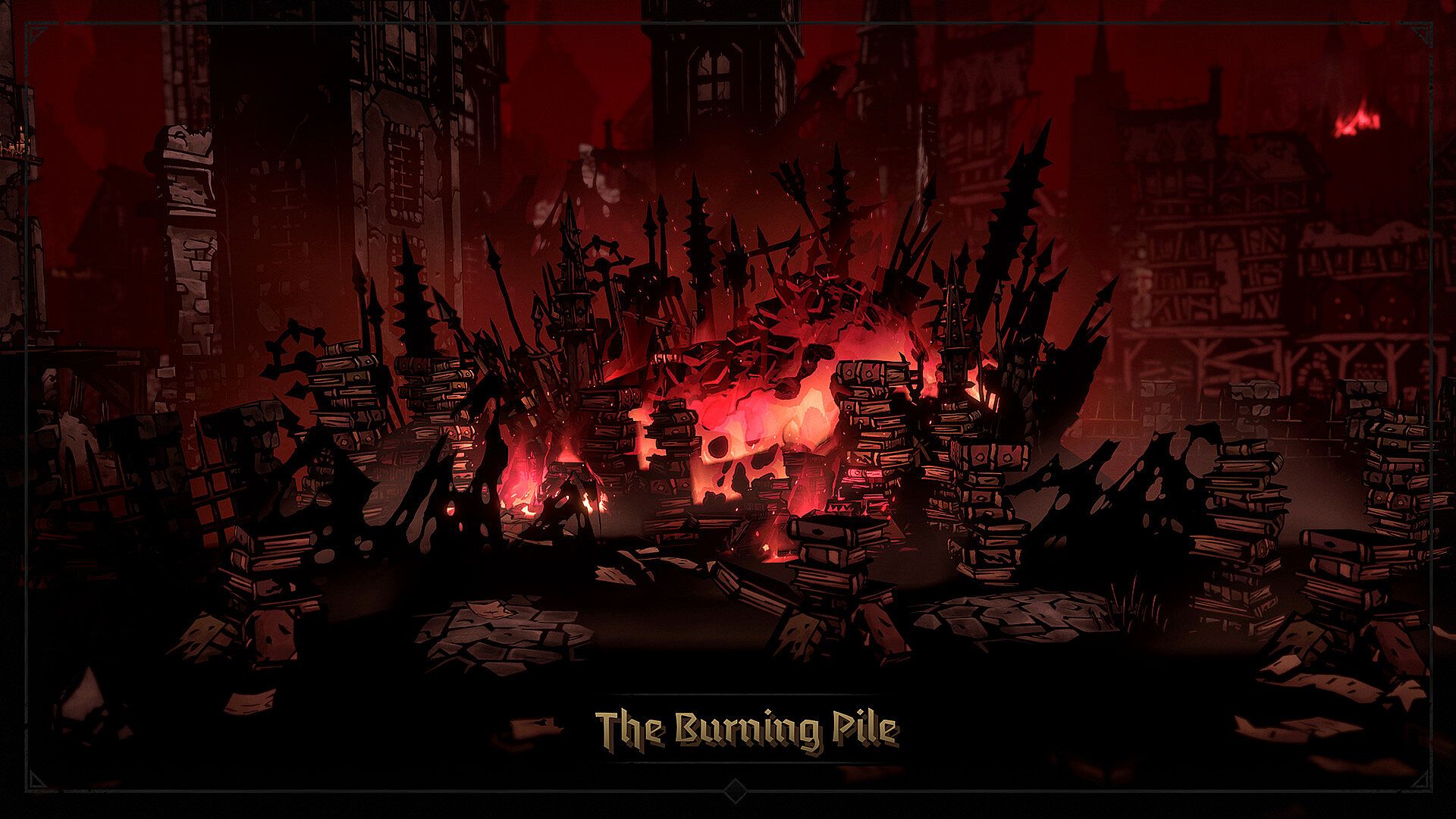
Kingdoms provides a stand-alone strategic campaign with a different structure, focusing on defending a realm against enemy incursions. It includes persistent hero rosters, resource gathering, and epic questlines to defeat evil sources. This mode is divided into thematic modules like Hunger of the Beast Clan, Secrets of the Coven, and Curse of the Court, all currently available. Players can switch between active sessions of either mode, with progress tracked separately.
Heroes and Challenges
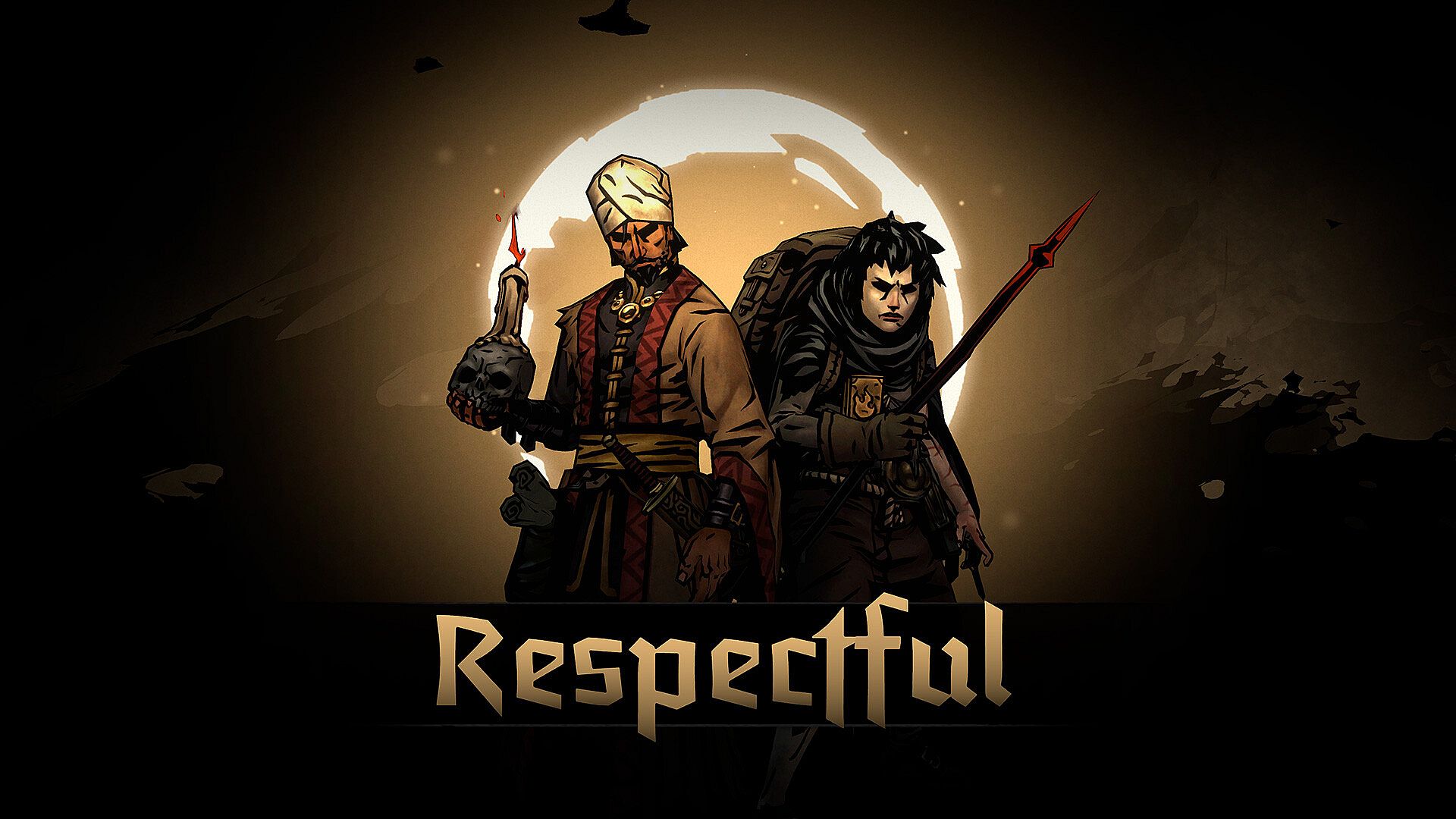
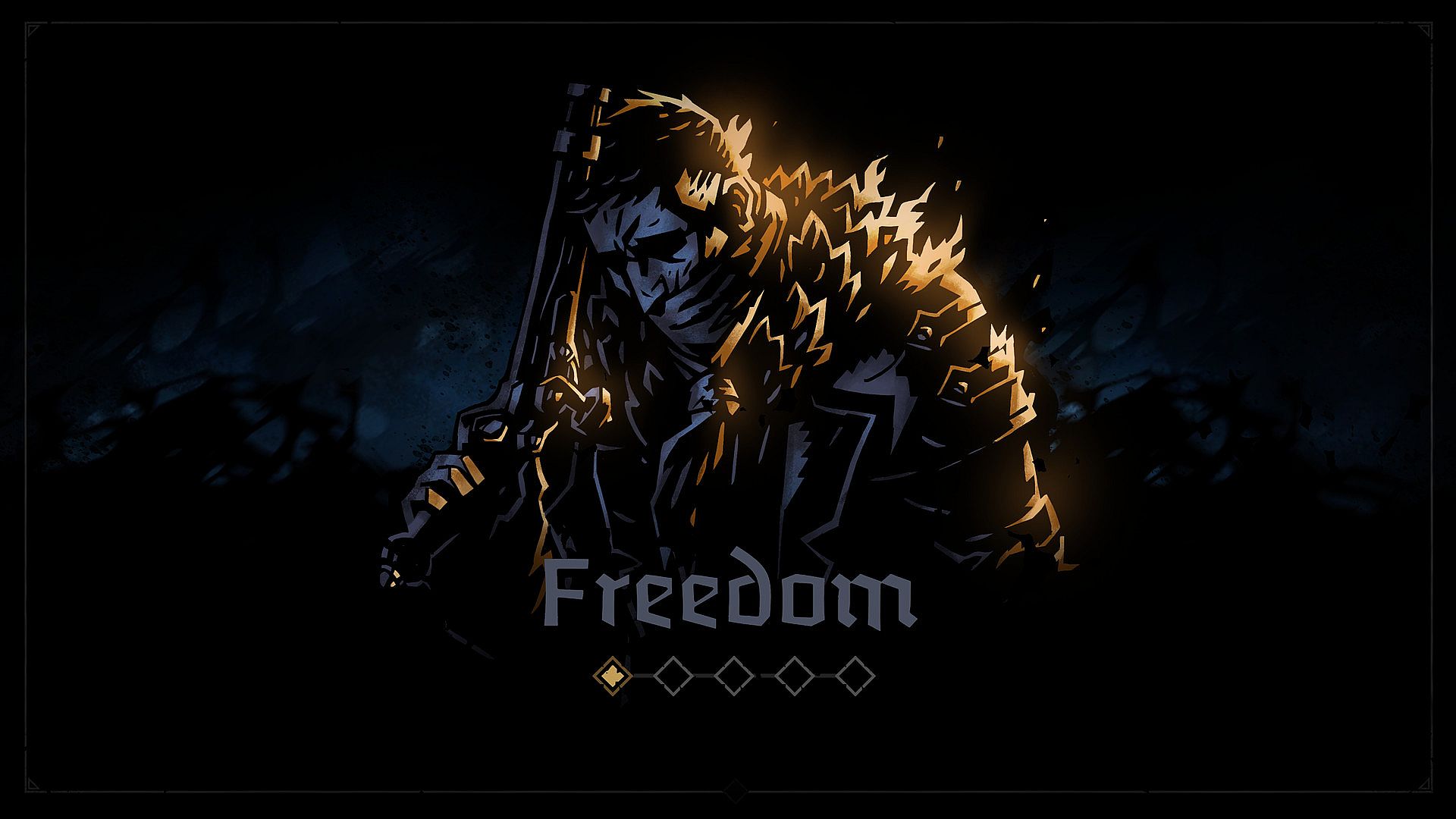
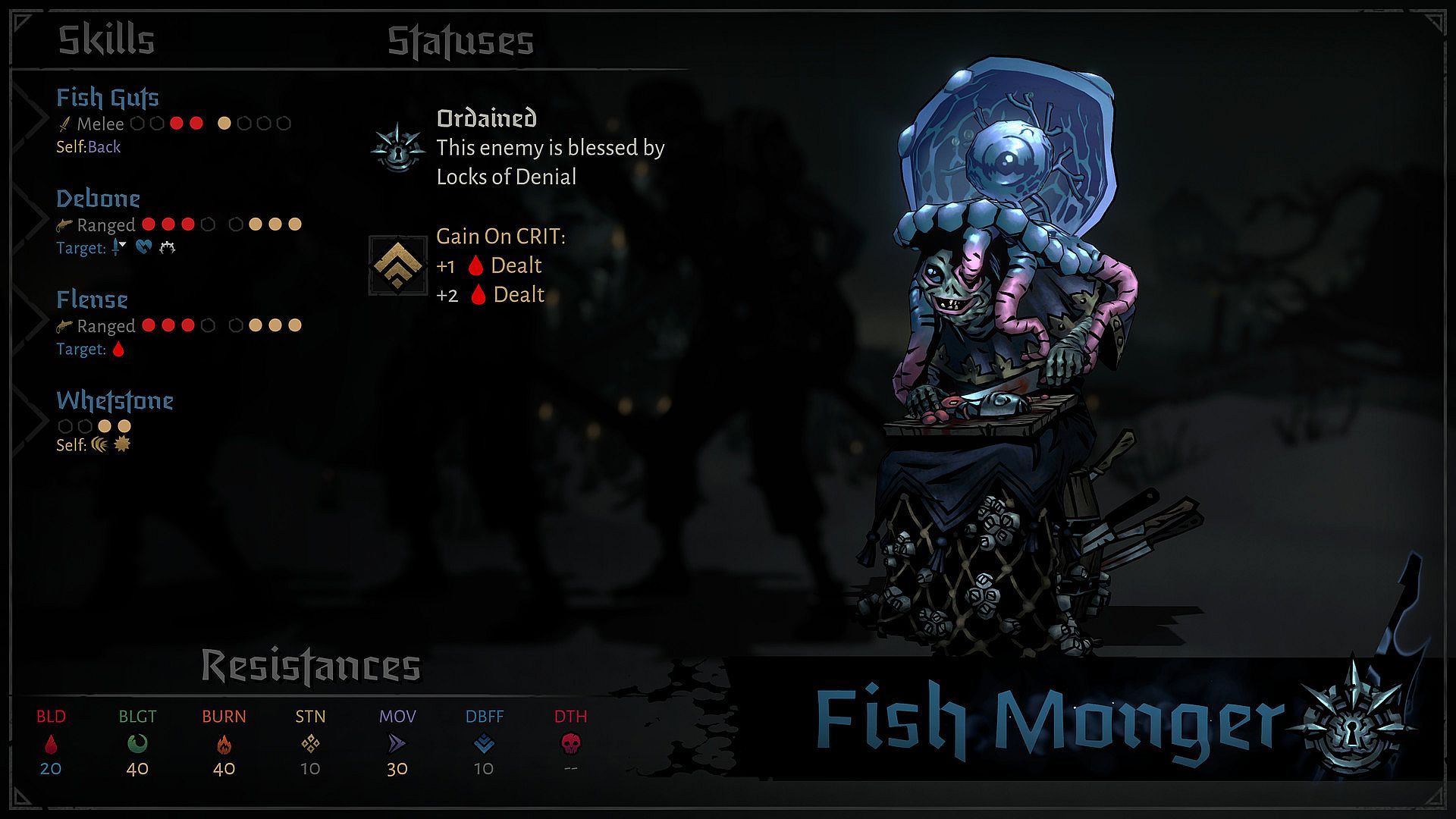
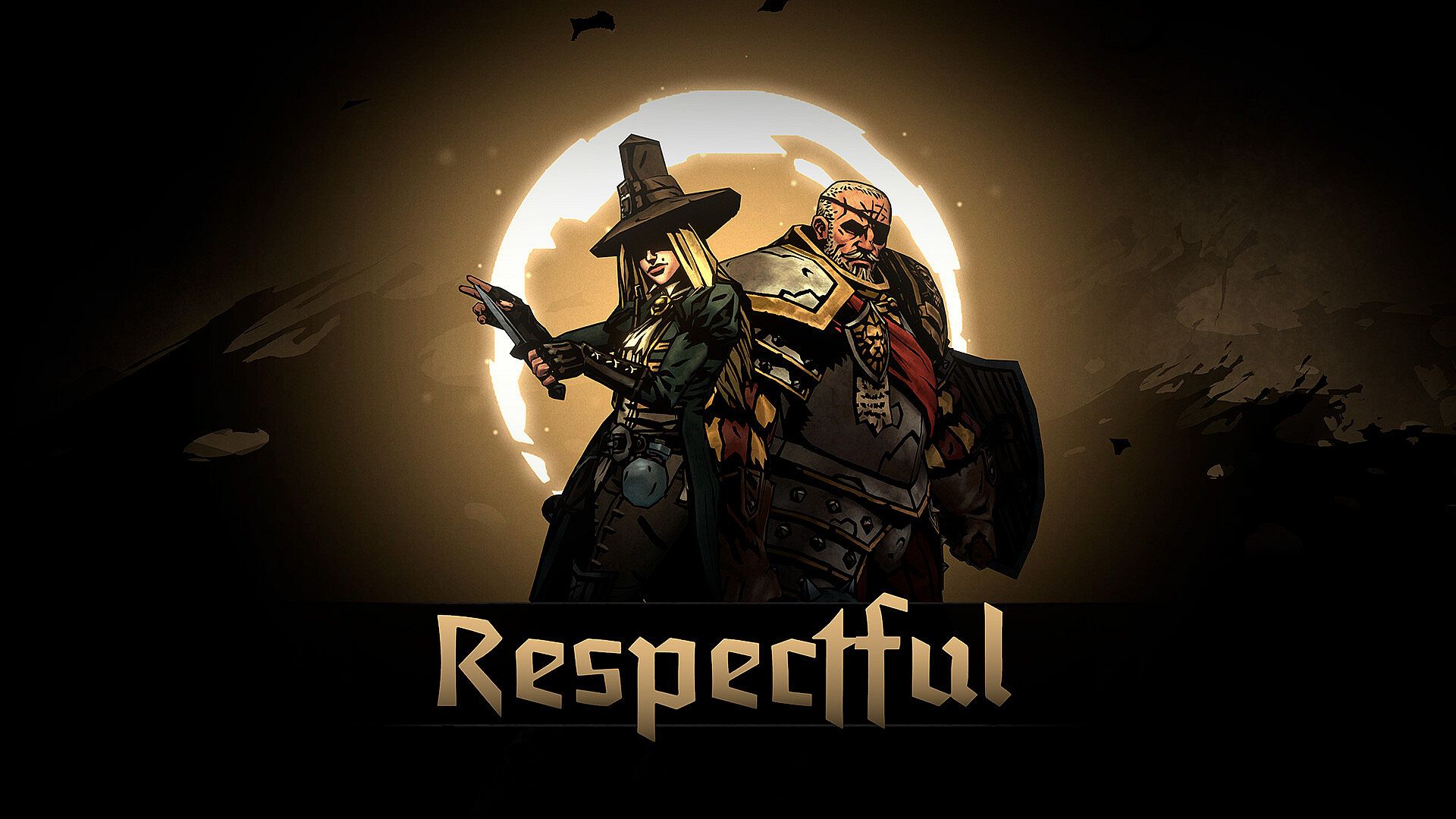
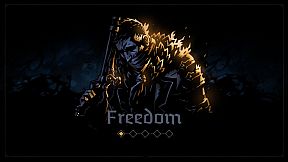
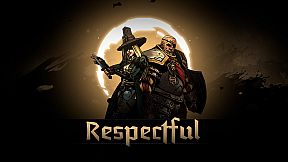
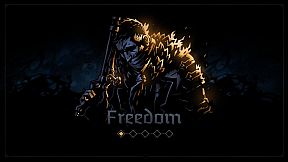
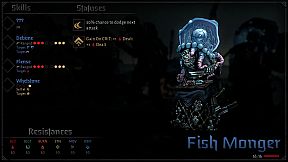
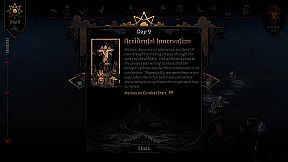
Heroes come with tragic backstories that unfold over runs, unlocking new skills and items. Managing their affinities is key, as positive relationships yield combat bonuses, while conflicts can sabotage efforts. Enemies vary by region, demanding adaptive tactics, and the game introduces nightmarish environs that test endurance.
- Token-based combat refines strategy with impactful choices.
- Stress and affinity systems add psychological depth.
- Upgrades at the Altar of Hope persist across runs.
Is It Worth Playing?
For fans of challenging roguelike RPGs and strategy games that reward careful planning, Darkest Dungeon II delivers a compelling experience. Its difficulty curve appeals to those who enjoy overcoming steep odds through tactical depth, though it may frustrate players seeking lighter gameplay. Recent updates, including the Steadfast Steward's patch, have refined hero paths and fixed issues, keeping the game supported into 2026. Community feedback highlights its engaging combat and atmosphere, with many noting improvements over initial releases, making it a solid choice for solo players invested in dark, narrative-driven adventures.