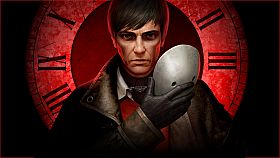





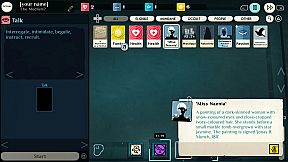
Cultist Simulator is an indie roguelike narrative card game with RPG and simulation elements. Players take on the role of a seeker pursuing forbidden knowledge in a 1920s setting filled with hidden gods and secret histories. The experience centers on managing limited resources while combining cards to advance personal ambitions, whether those involve power, beauty, revenge, or simple curiosity about the unseen world.
Gameplay
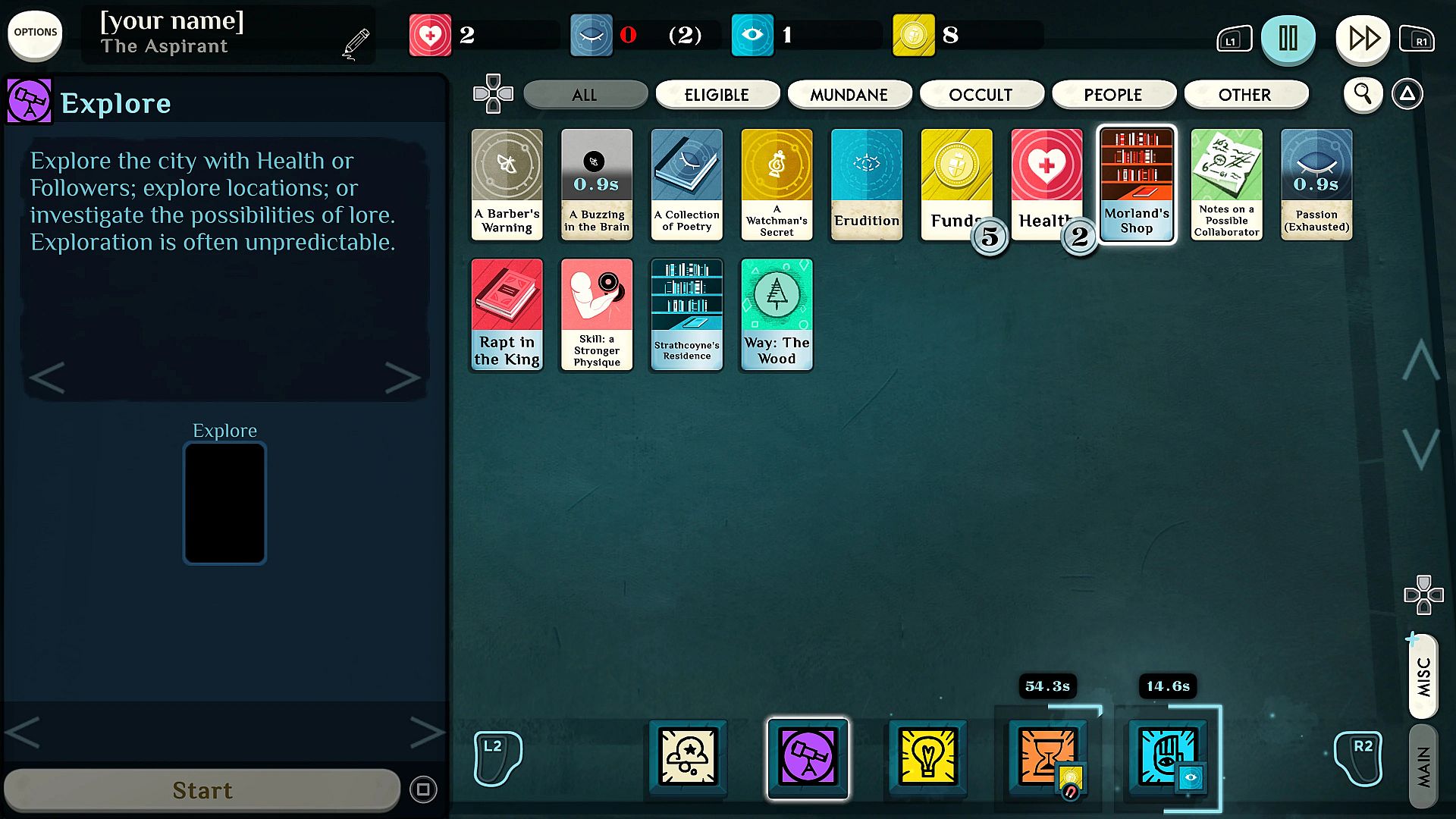
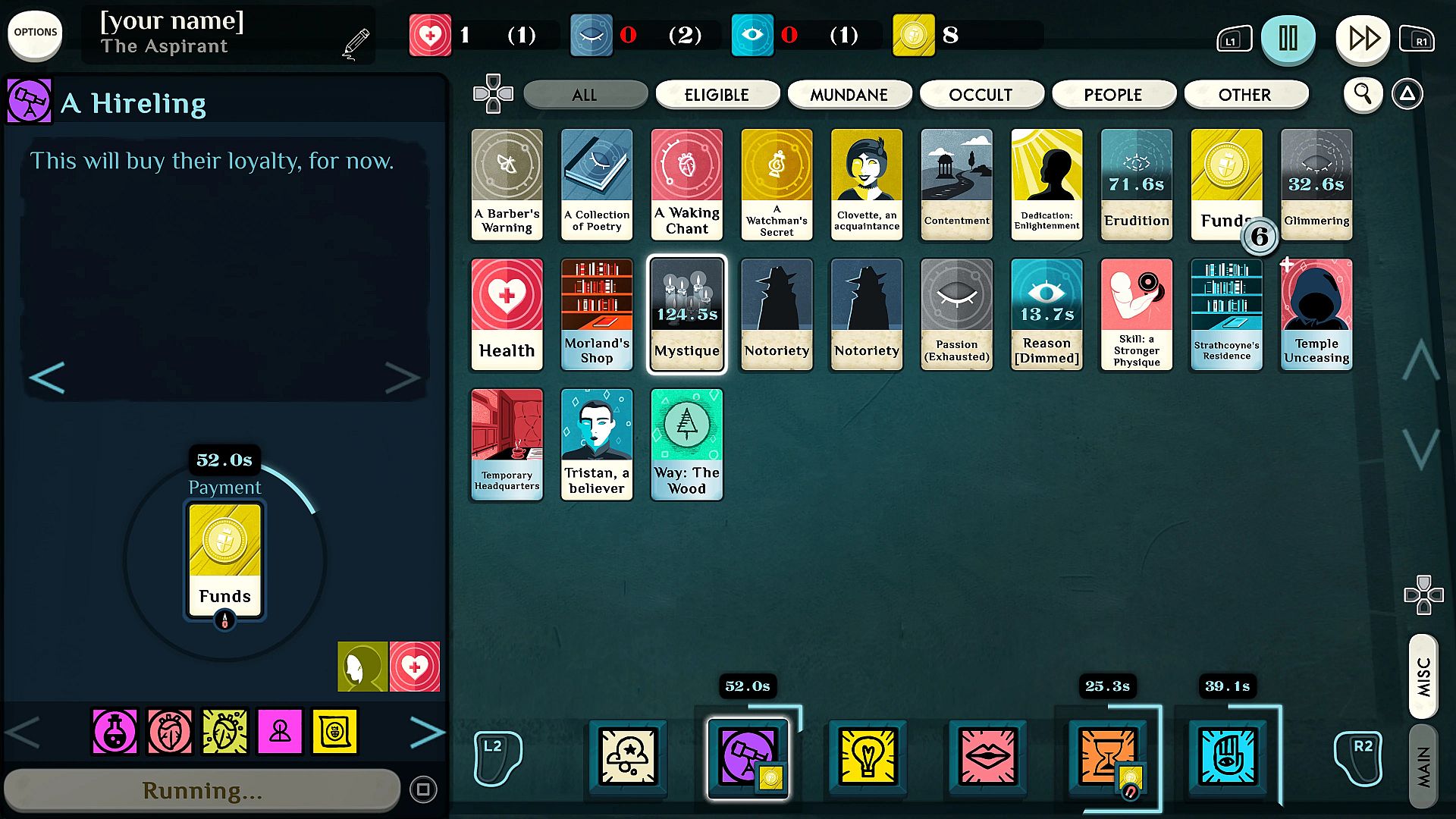
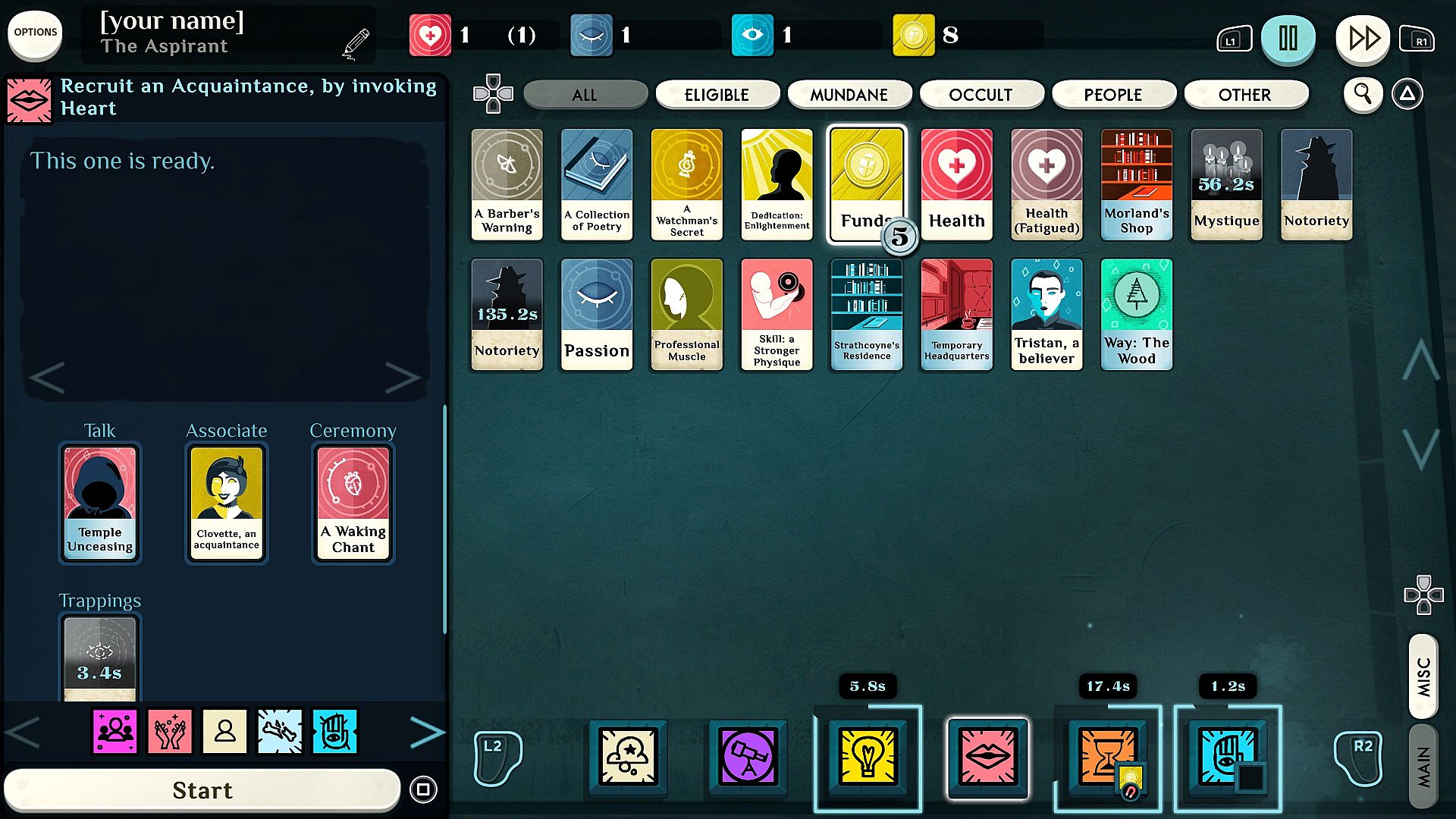
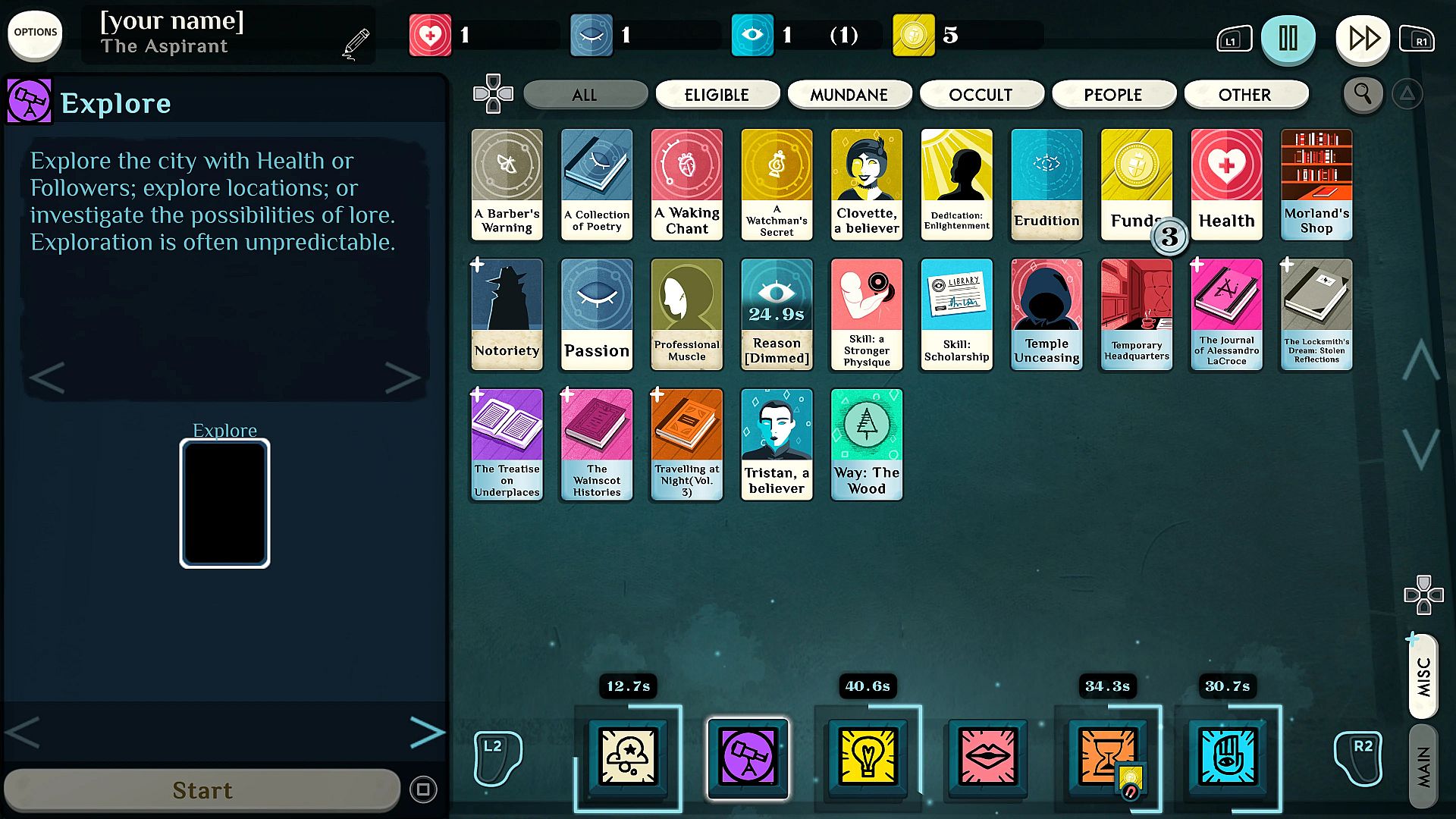
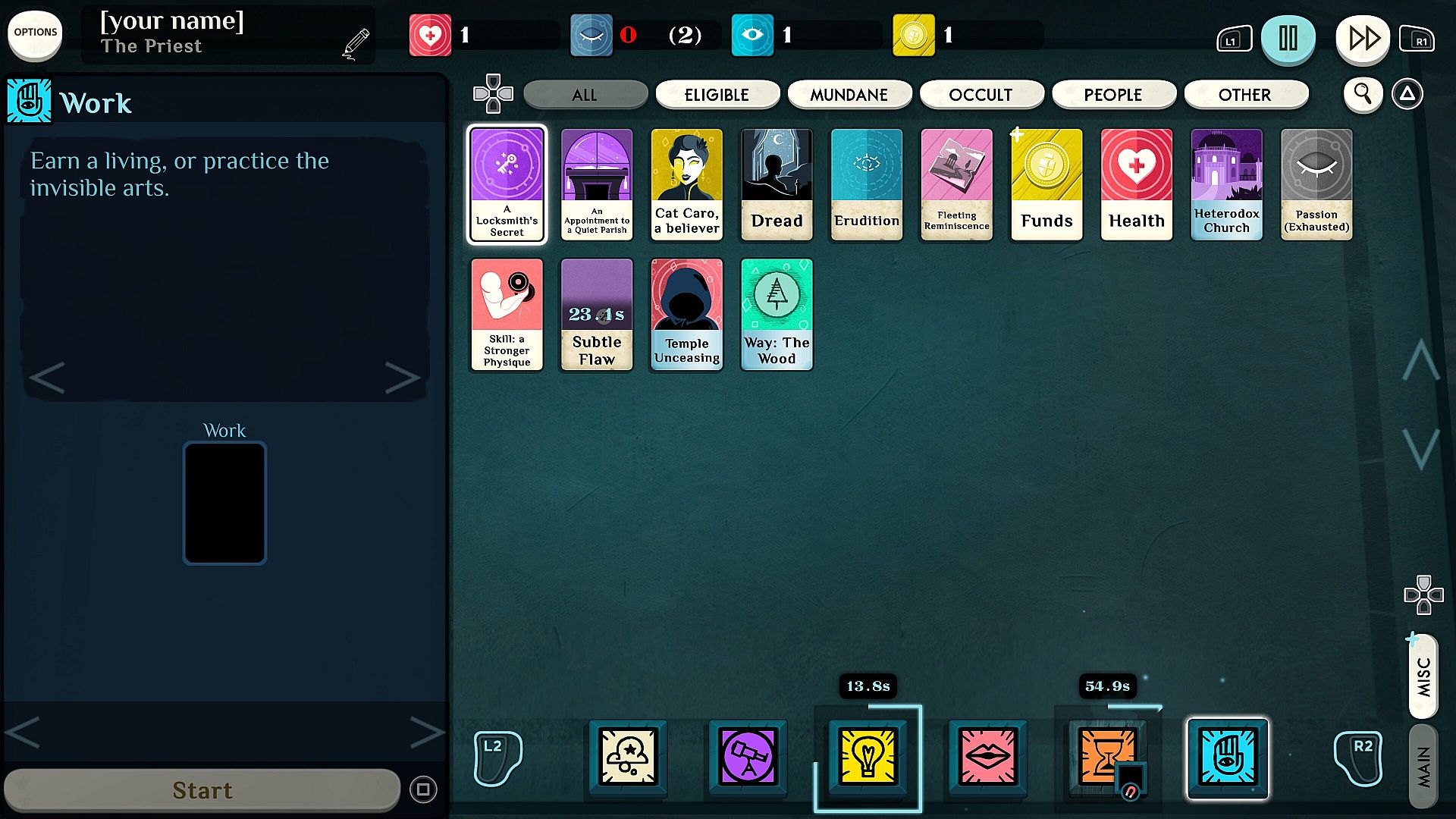
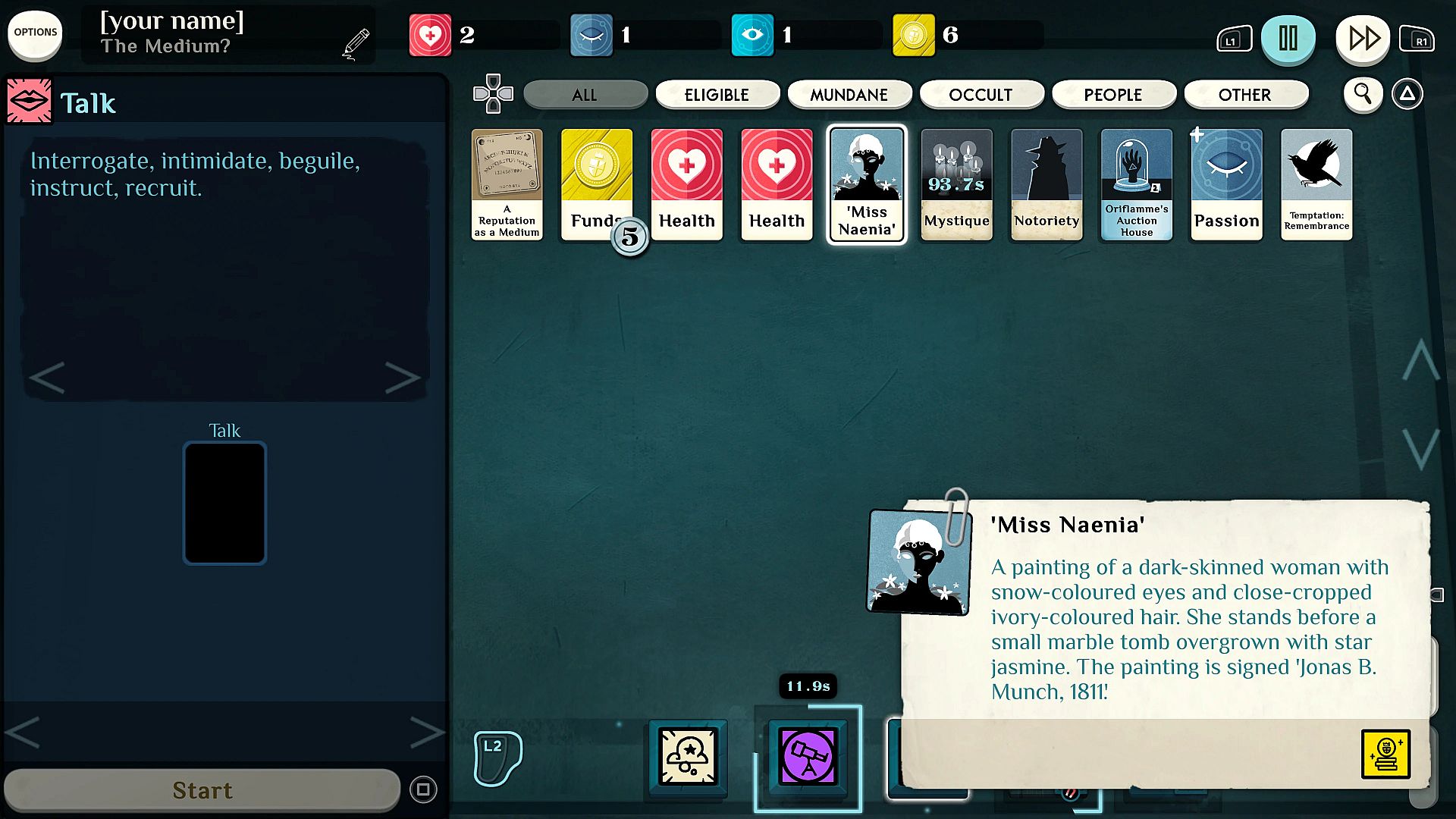
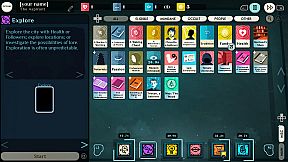
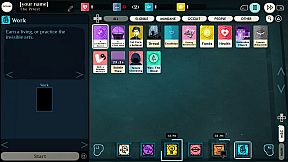
The core loop revolves around a tabletop interface where cards represent resources, people, lore, and influences. These cards slot into verb actions that run on real-time timers. Basic verbs include Work for earning funds through jobs that consume health or other stats, Study for translating grimoires and building knowledge, Dream for exploring inner realms and sanity risks, Explore for expeditions, and Talk for recruiting or managing followers. Additional verbs emerge as play progresses, such as those for rites and summonings.
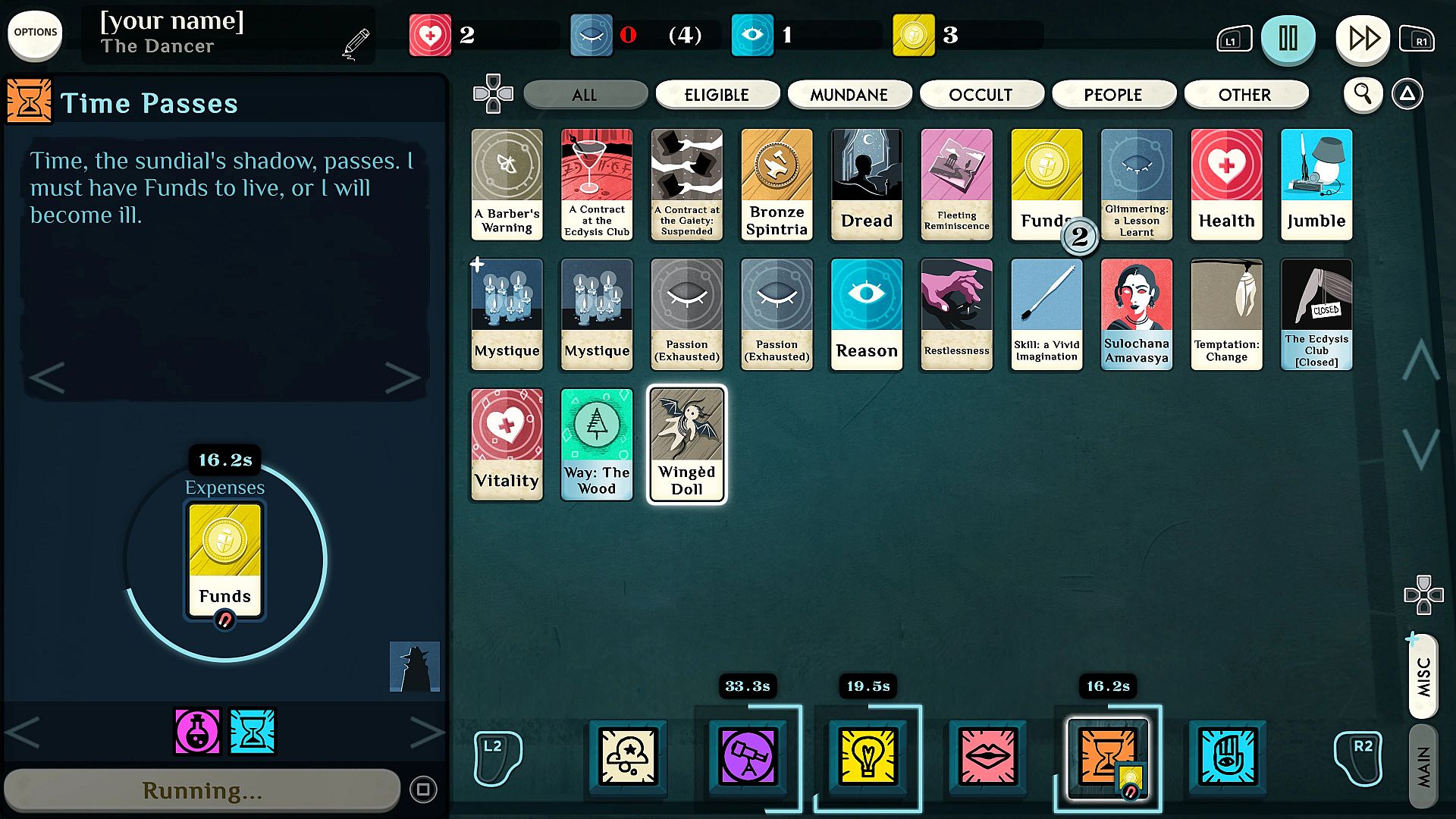
Players track stats like Health, Reason, Passion, and Funds while handling decaying cards and seasonal threats that can lead to despair, fascination, or other afflictions. Combining cards produces new outputs that shape the narrative, from crafting tools to indoctrinating believers or performing rituals. The roguelike structure means failure often leads to new starting conditions based on how the previous run ended, encouraging repeated attempts with altered priorities.
Building a cult involves recruiting believers and elevating them to disciples for tasks like research or theft. Rivals, investigators, and authorities create ongoing pressure, while personal appetites may push the player toward morally questionable acts. The system rewards careful timing and multitasking, as multiple actions can run simultaneously once more verbs become available.
Game Modes
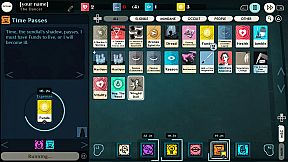
Cultist Simulator offers no traditional multiplayer or separate campaign modes. Instead, variety comes through different legacies that alter starting conditions and available paths. The default Aspirant legacy begins with basic employment and limited options. DLC content expands this with the Dancer legacy focused on an occult cabaret and personal sacrifice, the Priest legacy centered on serving a suburban parish through doctrines of Knock, and the Ghoul legacy involving a disgraced medium who engages with the dead and hunger mechanics.
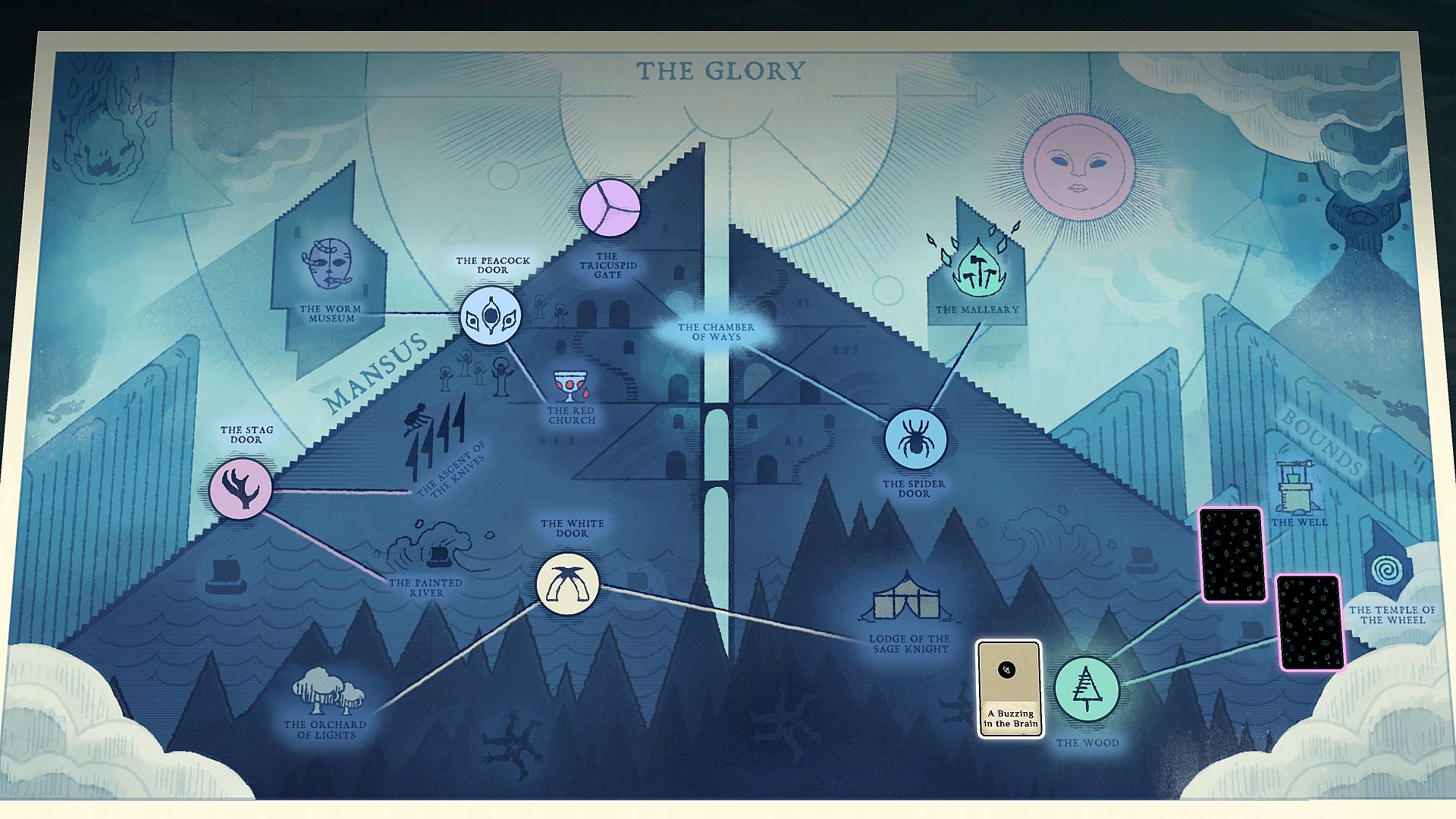
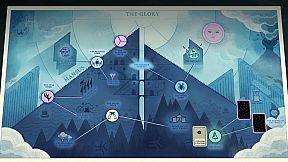
Each legacy ties into distinct ascensions and endings. Players pursue cults dedicated to specific Hours or principles, such as the Red Grail or the Forge of Days, using disciples to support operations while unraveling mysteries in locations like the Star Shattered Fane or the Mansus. Victory conditions range from personal transcendence to broader apocalyptic outcomes, with the legacy system providing replay structure through inherited stories or new character starts.
Key Mechanics and Progression
Progression depends on gathering lore fragments, performing summonings that require specific aspects like Knock or Heart, and managing notoriety to avoid detection. Expeditions and dream explorations unlock deeper secrets, while cult management allows players to delegate tasks and maintain resources. The legacy system carries forward elements from prior runs, such as new starting cards or guaranteed access to certain paths after specific failures like succumbing to fascination.
Threat management forms a constant layer, with timers for hunger, despair, or external investigations that demand quick responses. Players balance survival needs against long-term goals like translating texts or penetrating higher realms. The card system encourages experimentation, as outputs vary based on combinations and timing.
Is It Worth Playing?
Cultist Simulator suits players who enjoy deliberate, text-heavy experiences with high replay value through its roguelike structure and branching narratives. The card-based simulation demands attention to timers and resource juggling, rewarding those comfortable with trial and error in a single-player format. Console versions on PS5 deliver the same systems without alteration to core mechanics.
Reception has been mixed to positive across platforms, with praise for atmospheric writing and depth alongside notes on the steep learning curve and occasional pacing issues in later stages. The game remains supported through its complete set of DLC legacies and endings, with no ongoing seasonal content. Those drawn to Lovecraftian themes, narrative experimentation, and management challenges will find substantial content across multiple runs. Players seeking fast action or guided stories may find the opaque systems and real-time pressure less appealing.