

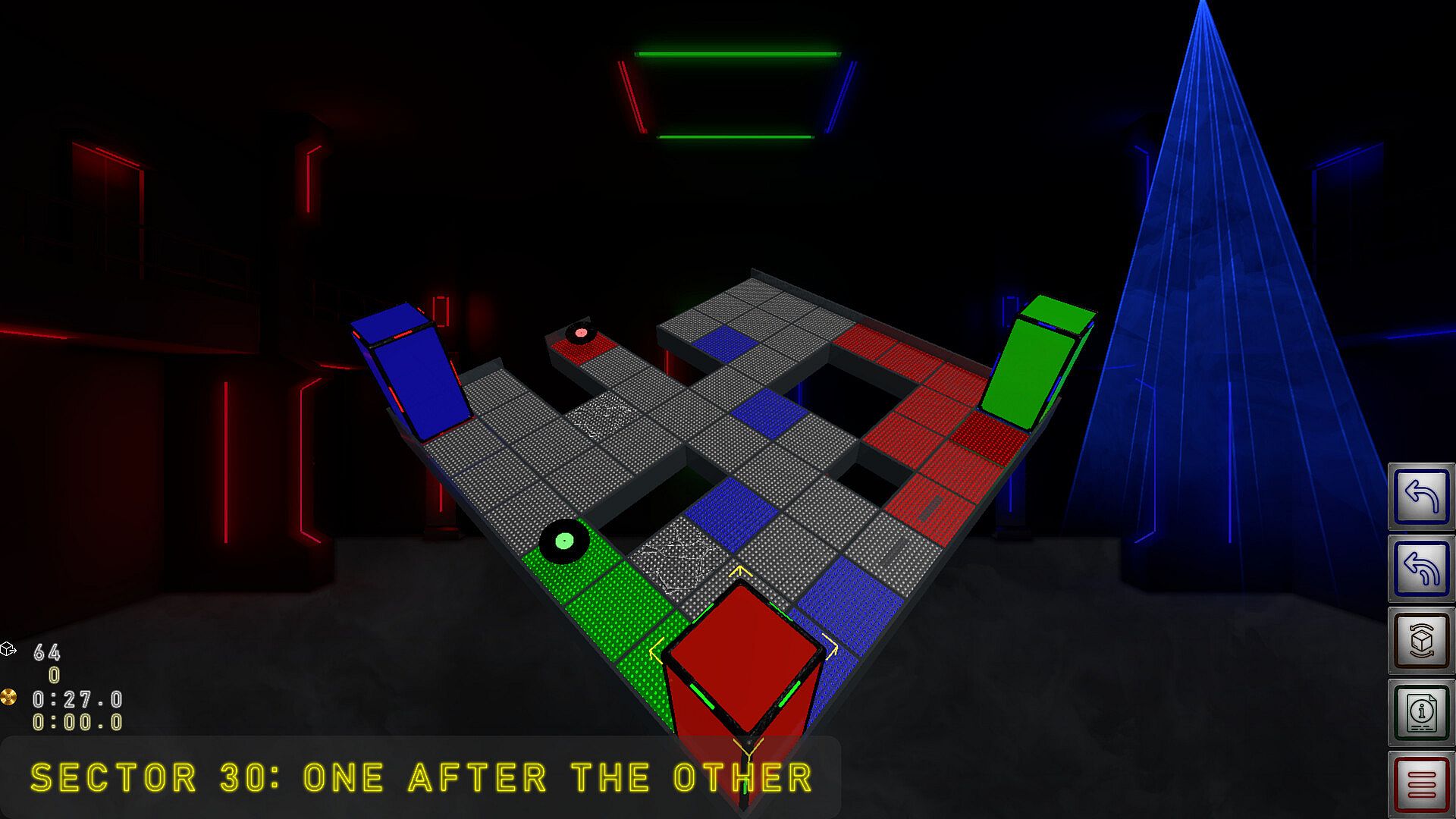
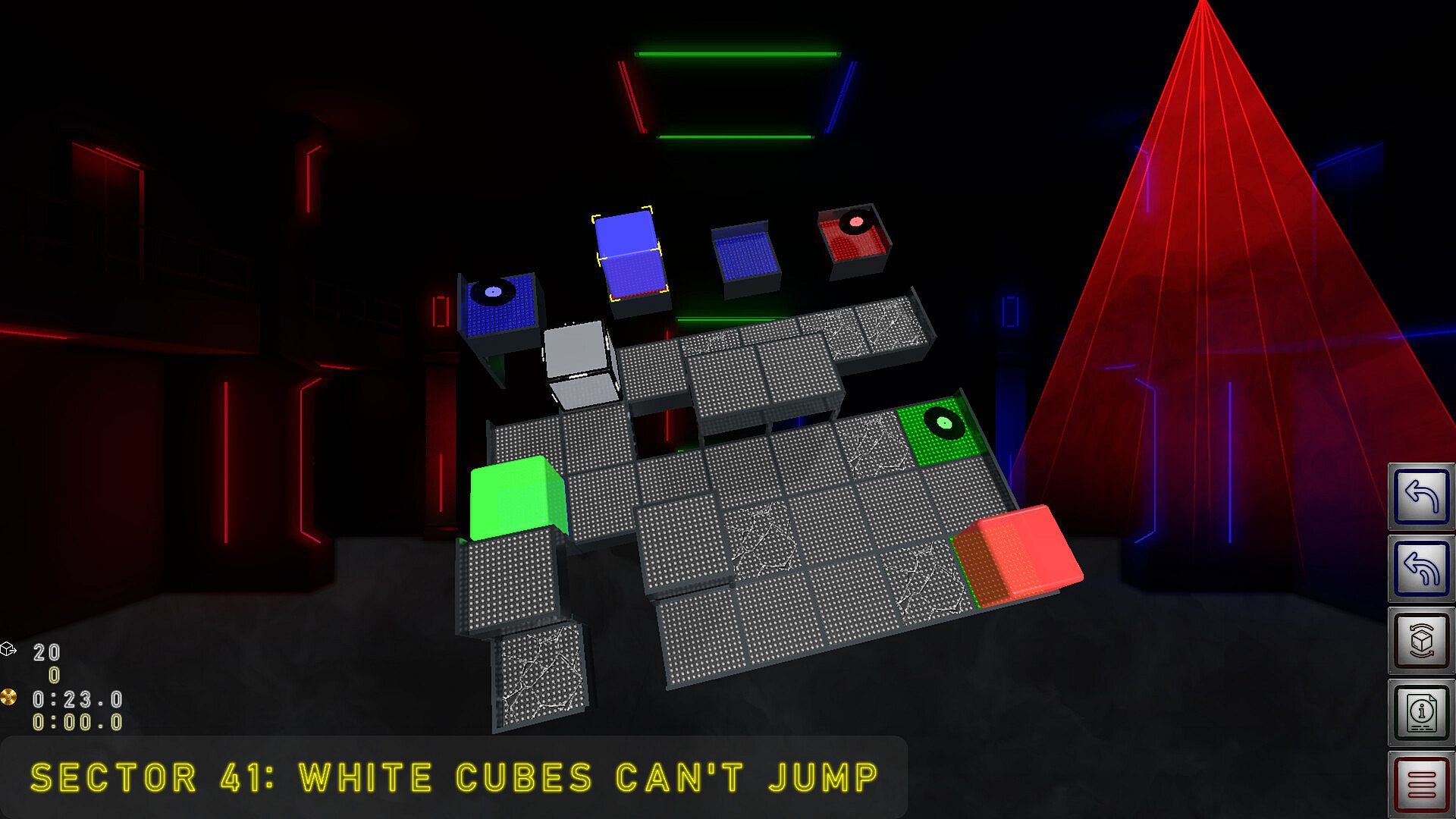
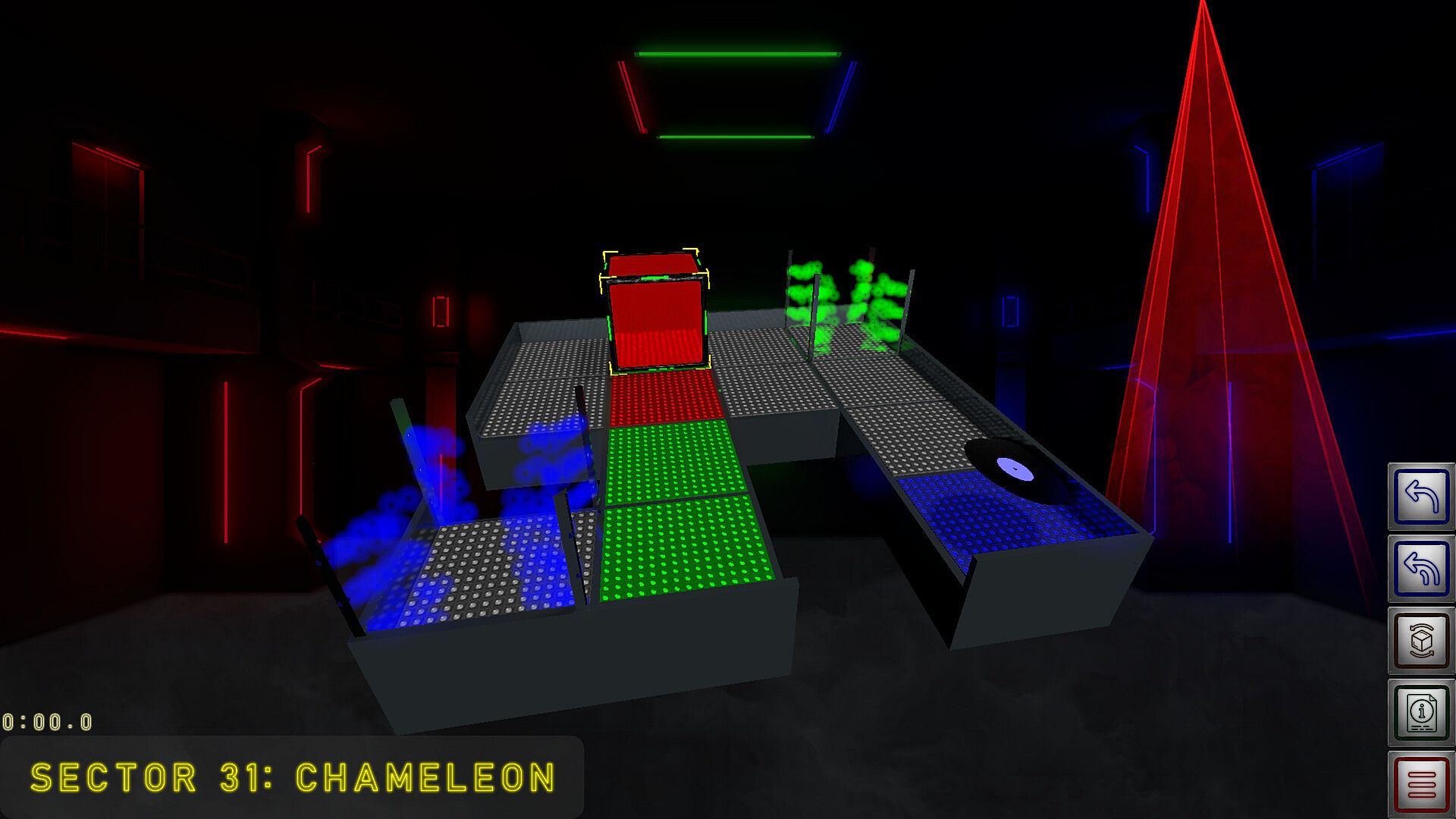
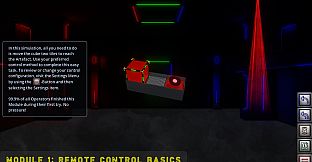
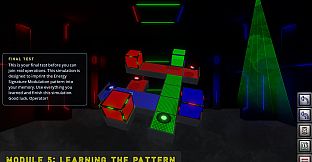
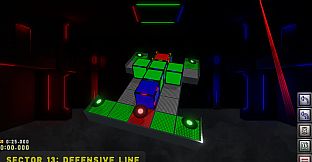
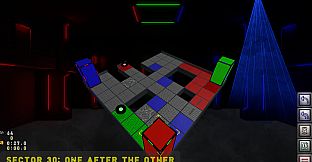
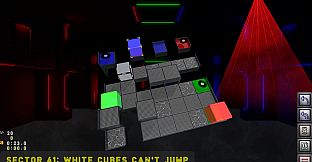
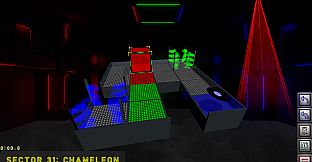
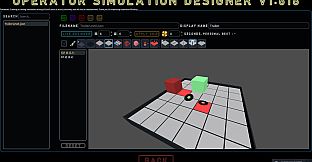
Cubic Color Confusion is an indie grid-based puzzle game for PC that centers on color mechanics and spatial strategy. Players guide multiple cubes across a changing grid to collect artefacts while exploring the ruins of a lost civilization. The core loop revolves around planning sequences of moves that alter the environment with each step, requiring careful foresight to avoid dead ends.
Gameplay
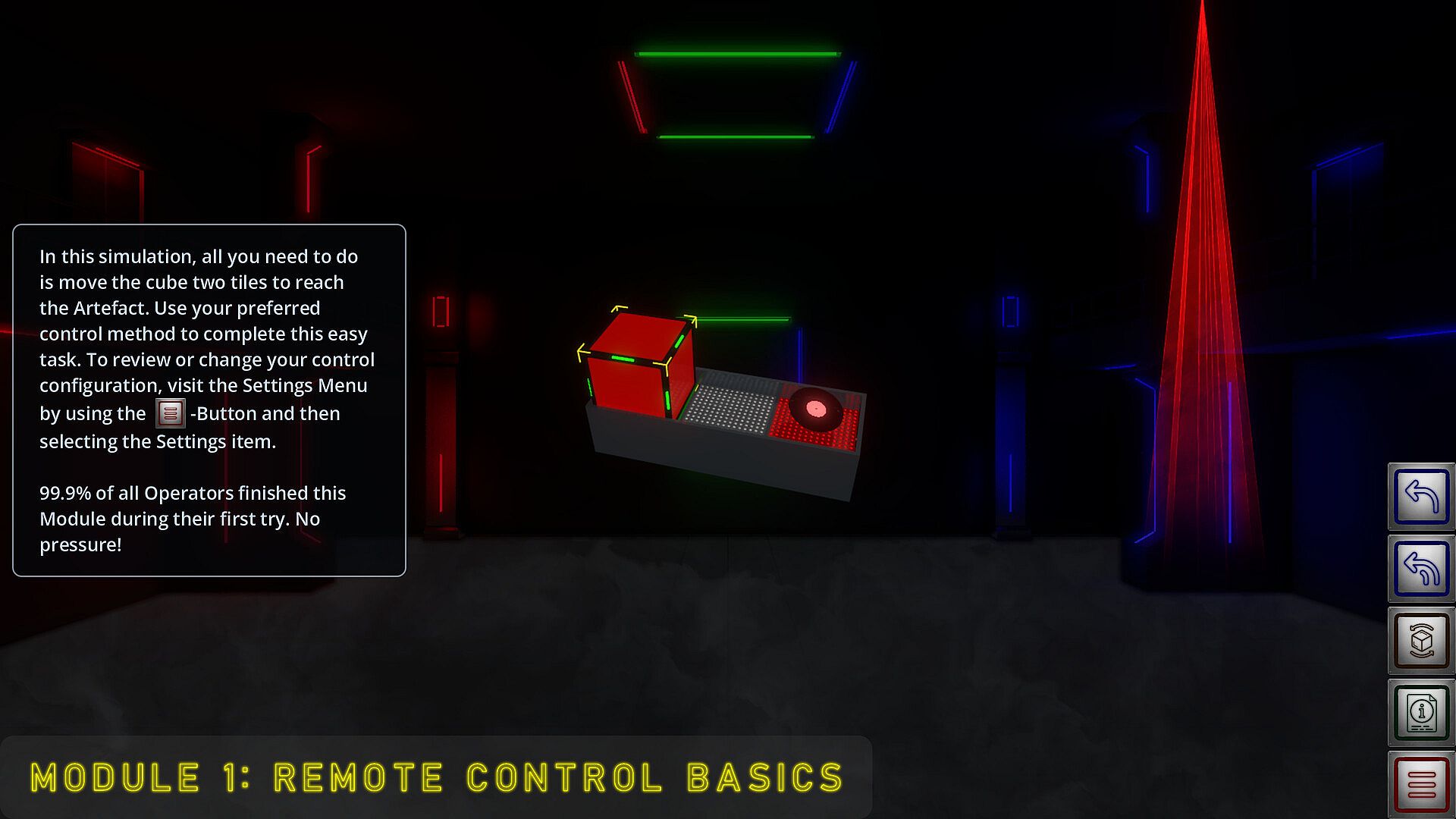
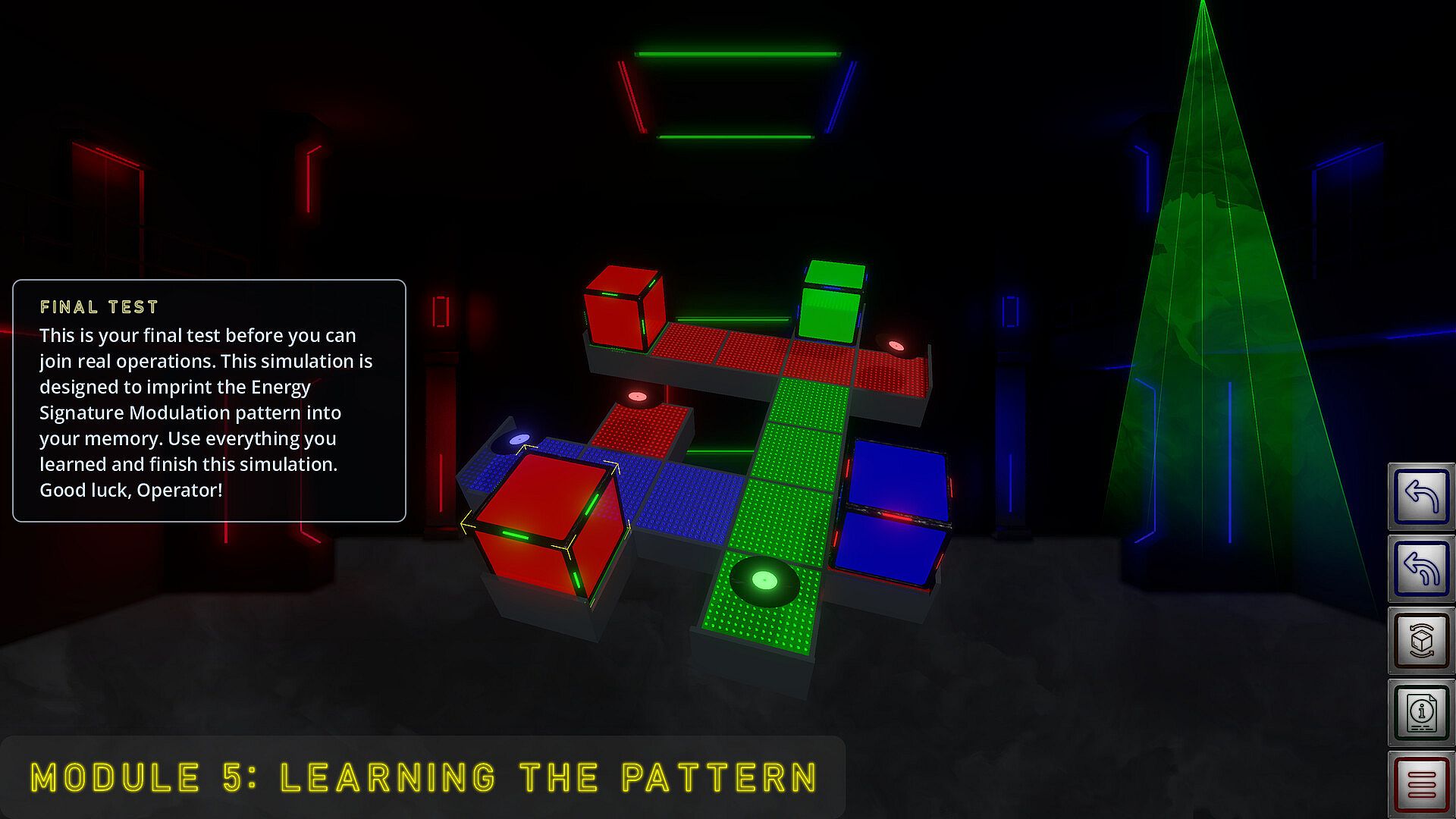
The central system involves colored cubes that can only cross neutral tiles or those matching their current color. A color-cycle action lets players shift tile colors to open routes or block paths. Because every cube movement repaints the tiles it touches, each decision reshapes the entire puzzle layout and demands constant reevaluation of available options.
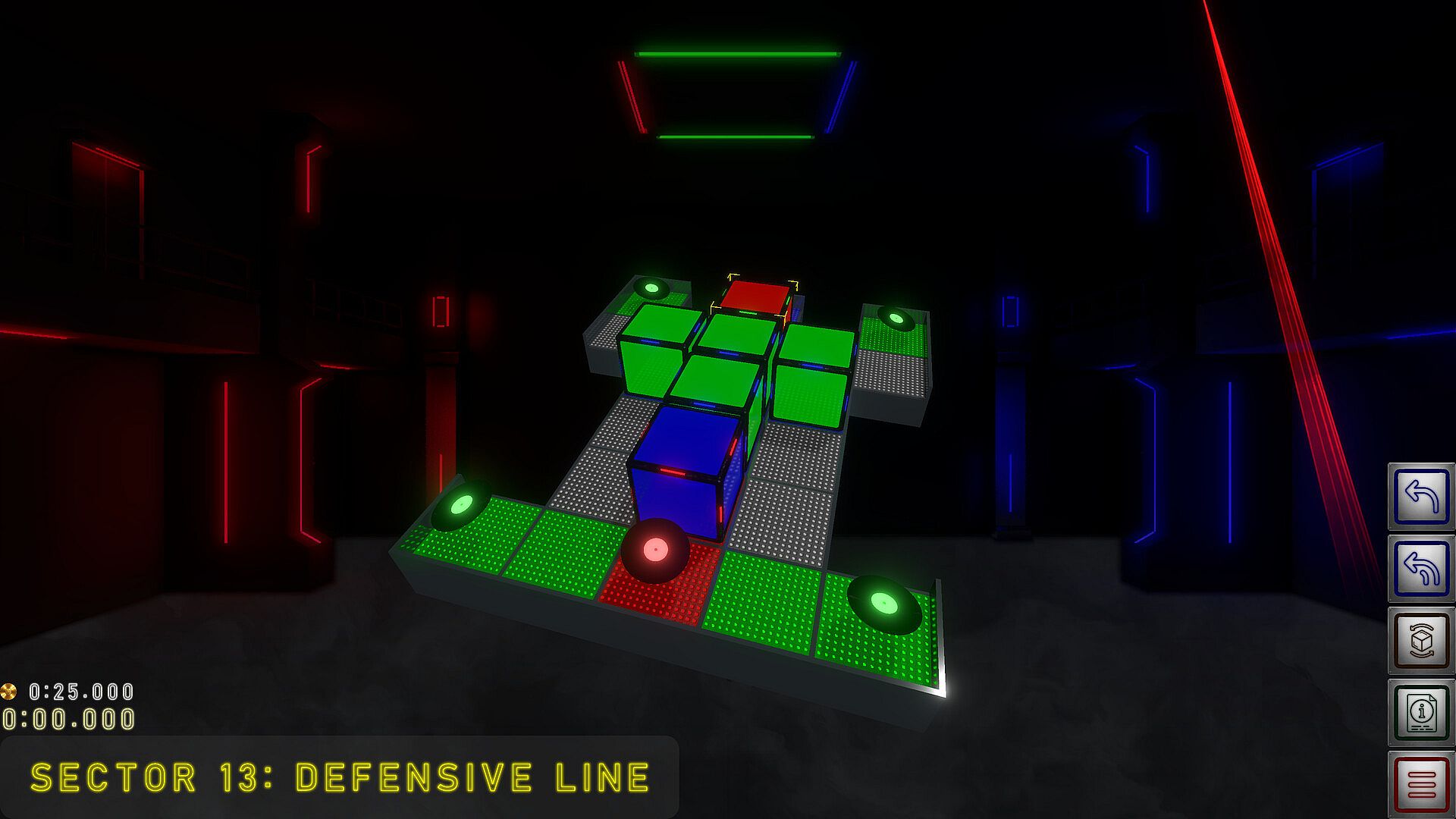
Different cube types bring distinct movement rules and abilities, forcing players to switch between them and combine their strengths. Elevation changes, locks paired with keys, fragile surfaces, and recoloring stations add layers of complexity that build on the basic color rules. Puzzles grow more intricate across more than one hundred handcrafted levels, each designed to test spatial awareness and long-term planning.
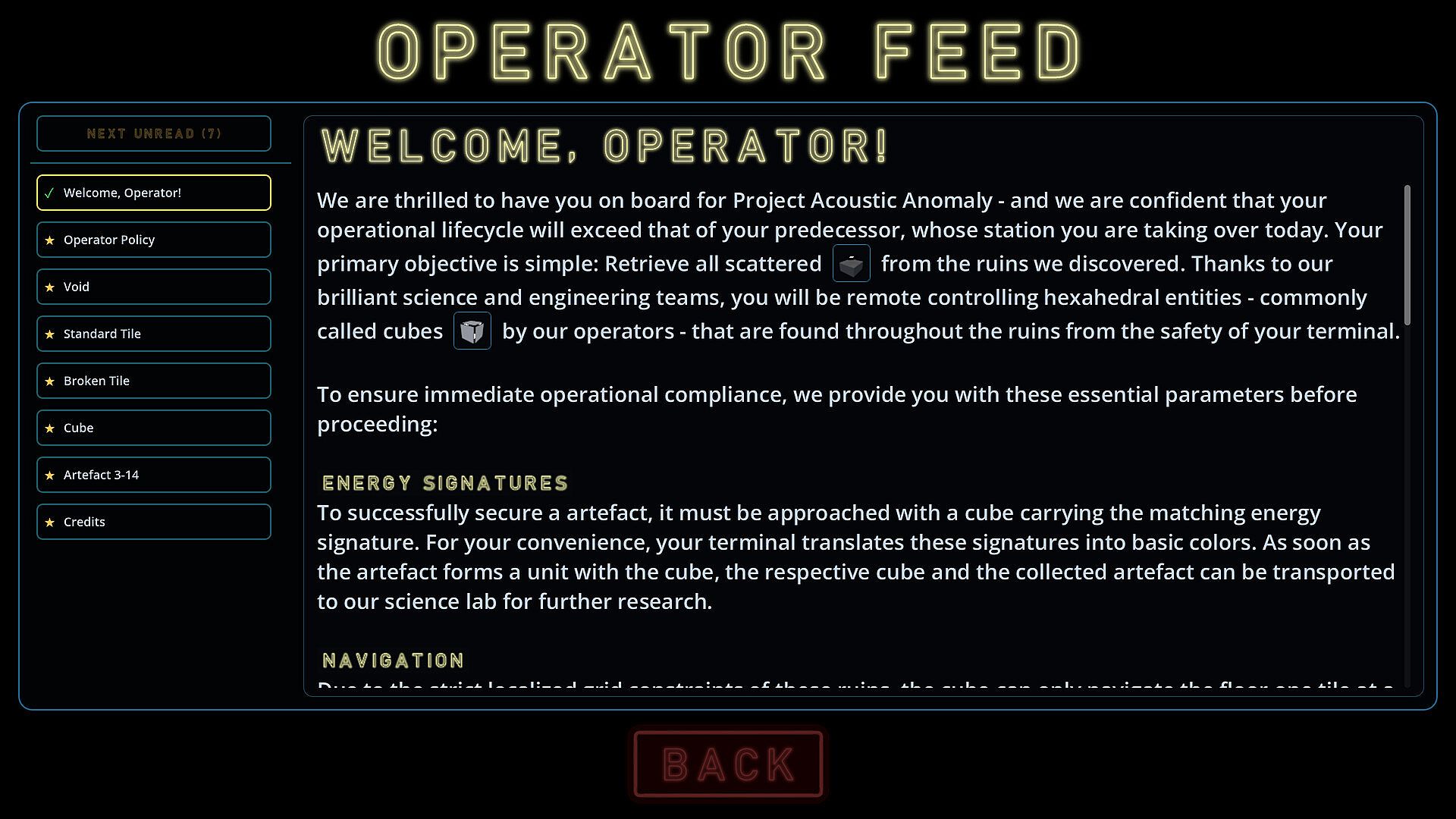
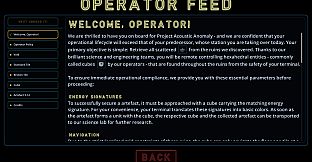
Cubes often need to cooperate in sequence or simultaneously to reach every artefact. One cube might create a bridge of matching color while another advances, or a third might cycle colors to unlock a new path that none could access alone. The Operator Feed provides optional lore entries that explain rules and background without interrupting the puzzle flow.
Game Modes
The primary experience consists of progressing through the handcrafted campaign levels in order. Each level presents a fixed grid with specific artefacts to collect under the color-changing rules. Success requires reaching every target without becoming trapped by altered terrain.
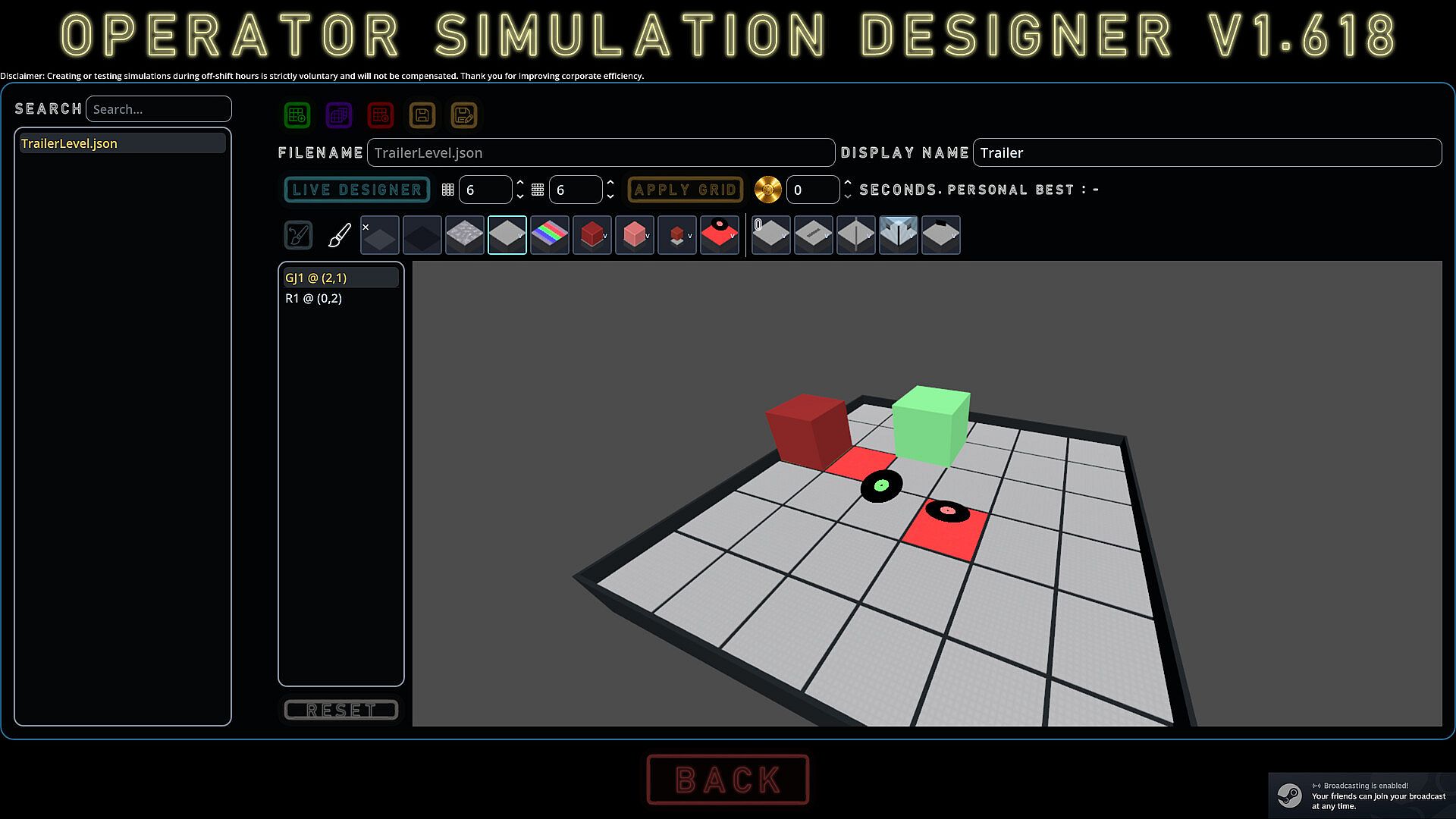
After completing sections of the campaign, the integrated level editor becomes available. Players can design their own grids, place cubes and elements, then share creations for others to solve. Custom puzzles follow the same core color and movement systems, allowing endless variation built on the established mechanics.
Key Mechanics and Elements
Color cycling serves as the dynamic heart of every puzzle. Neutral tiles act as universal connectors, while colored tiles restrict movement until changed. Strategic placement of cubes can create temporary paths that later become obstacles, rewarding players who anticipate future states of the board.
Additional elements such as elevation differences require cubes to navigate vertical changes while maintaining color compatibility. Locks and keys introduce gated areas that demand precise sequencing. Fragile terrain can collapse after use, and recoloring stations permanently alter cube properties to expand possibilities.
These systems combine into puzzles that emphasize adaptation. A solution that works on the first attempt often fails once the environment shifts, pushing players to explore multiple approaches within the same level.
Is It Worth Playing?
Cubic Color Confusion targets players who enjoy deliberate, rule-heavy puzzle games that reward observation and planning over speed. The color-altering mechanic creates a constant sense of the board evolving, which distinguishes it from static grid puzzles. Those who appreciate titles built around spatial logic and cooperative control of multiple units will find the core loop engaging across its campaign.
The level editor and workshop support extend replayability for creators and solvers alike. Because the game remains in development with a planned release in Q4 2026, interested players can follow updates through official channels to assess final polish and additional content before deciding. Its focused single-player design suits anyone seeking a self-contained challenge without multiplayer components.