












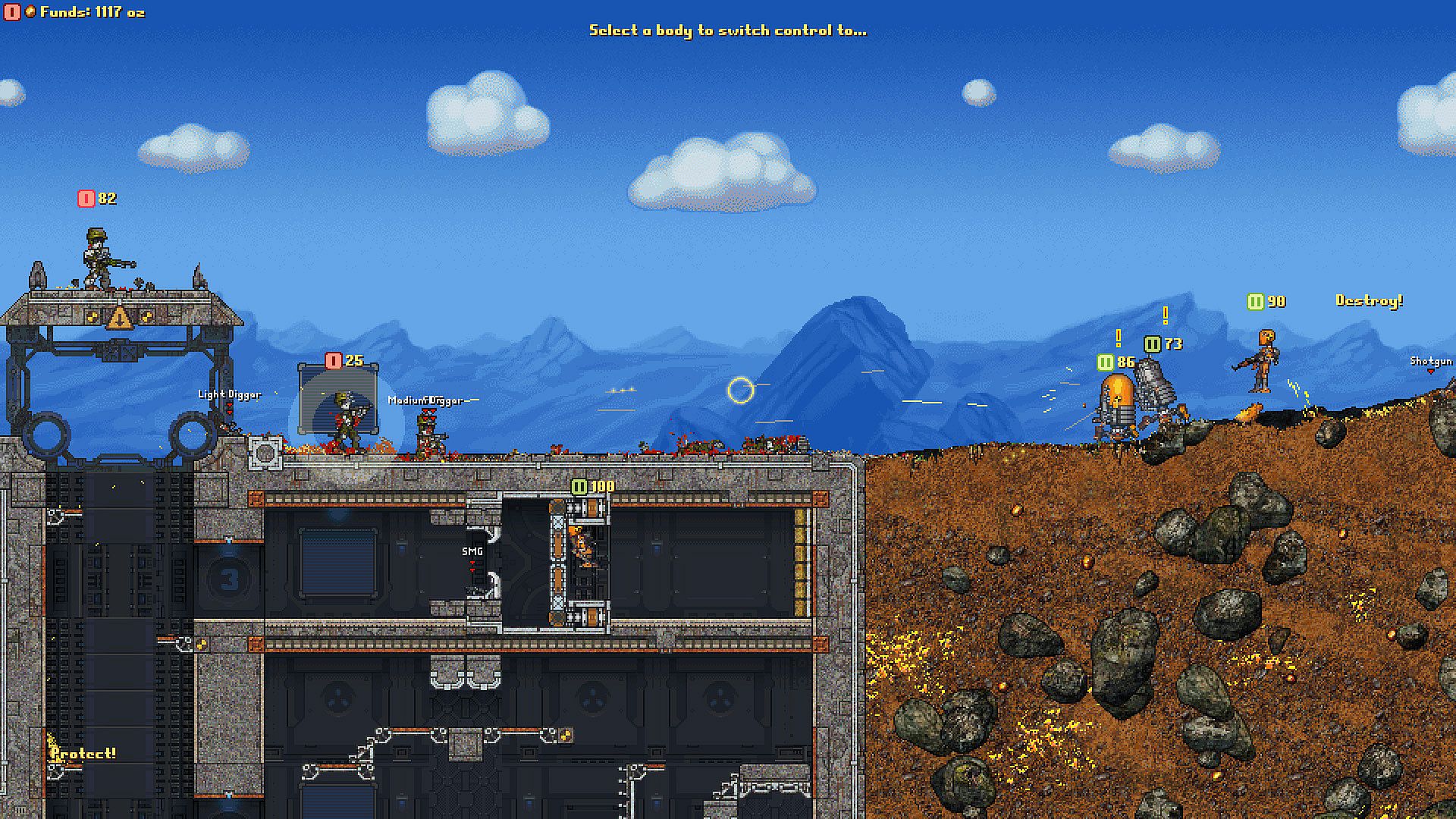
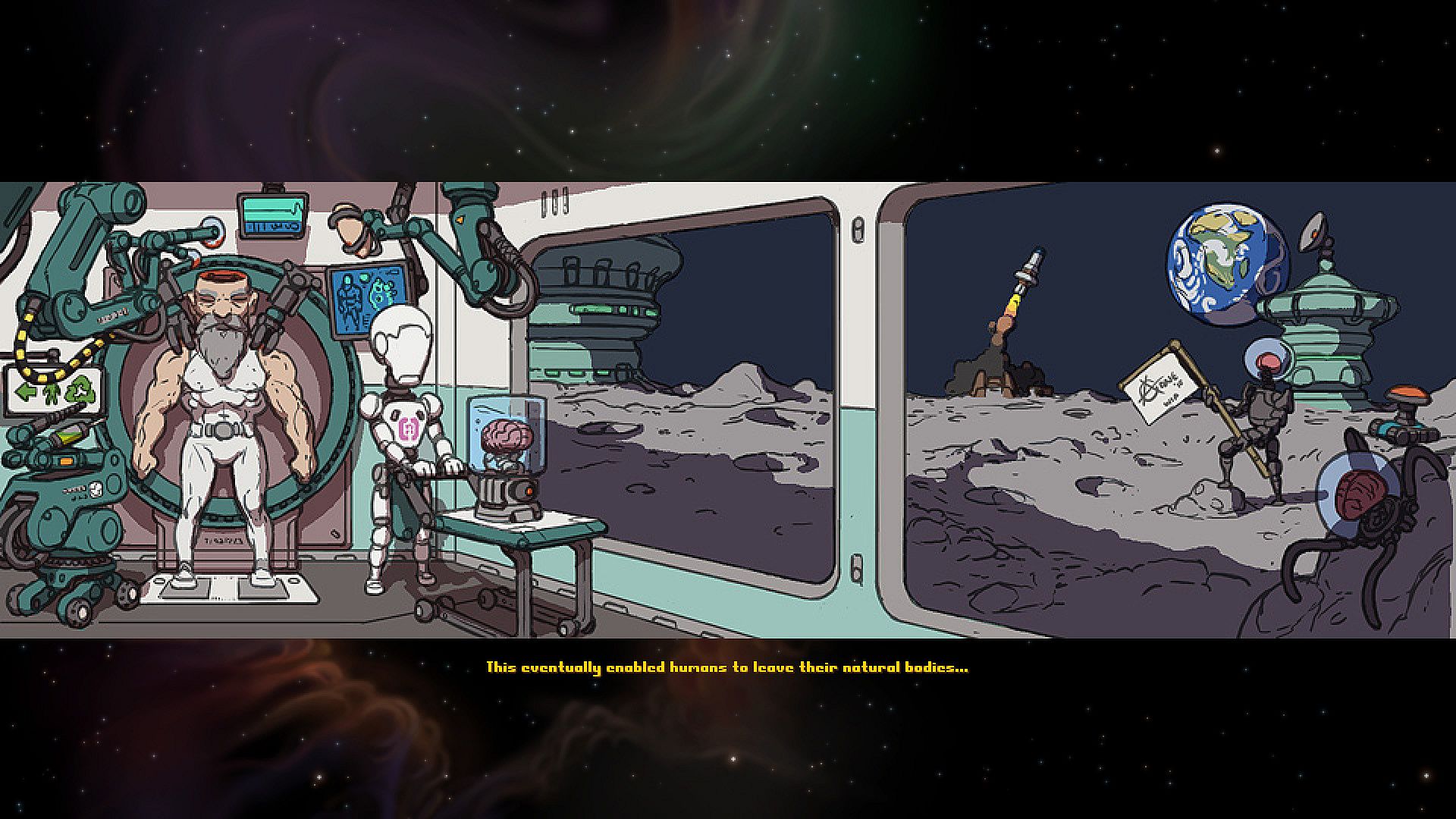
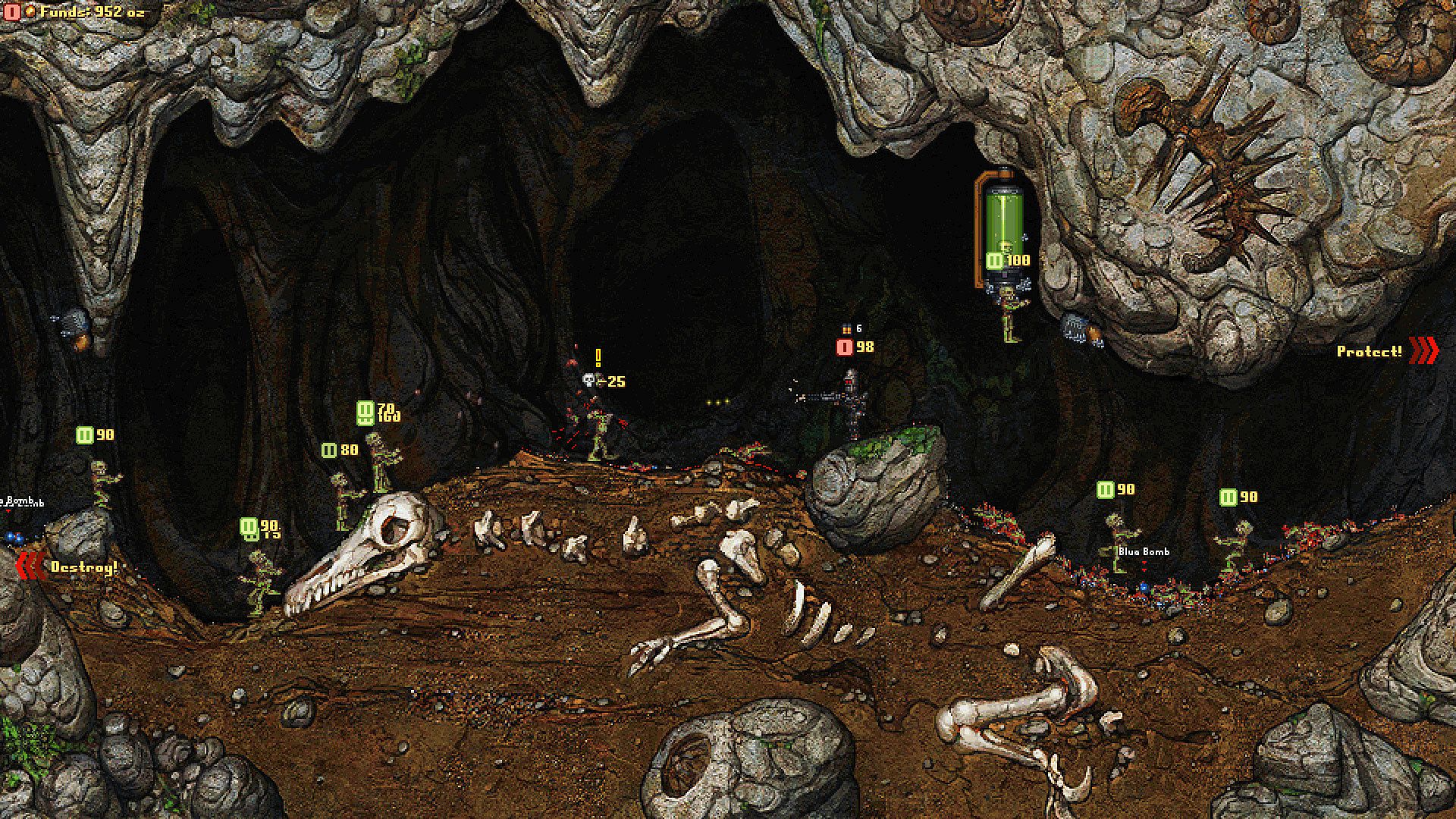
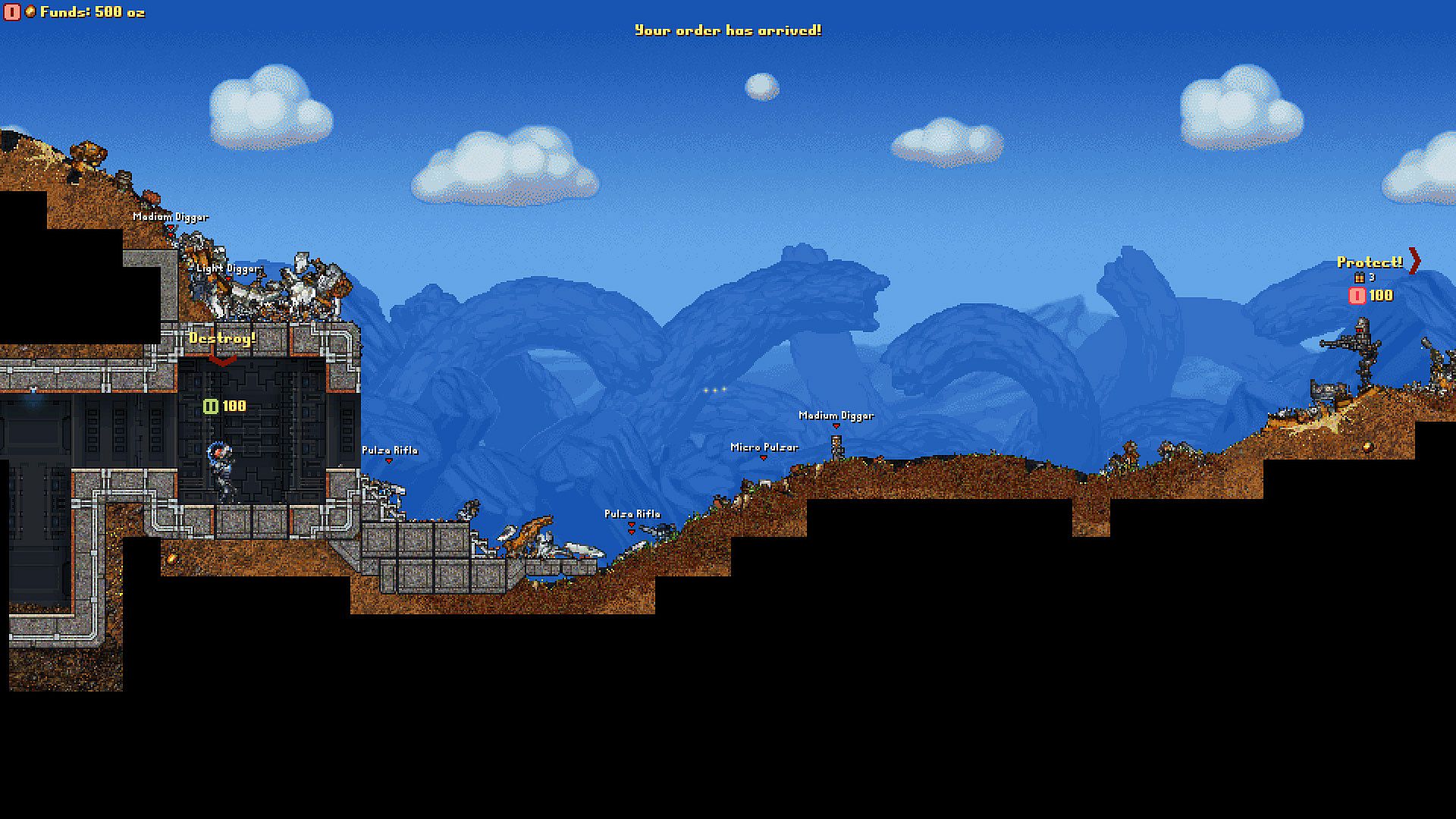
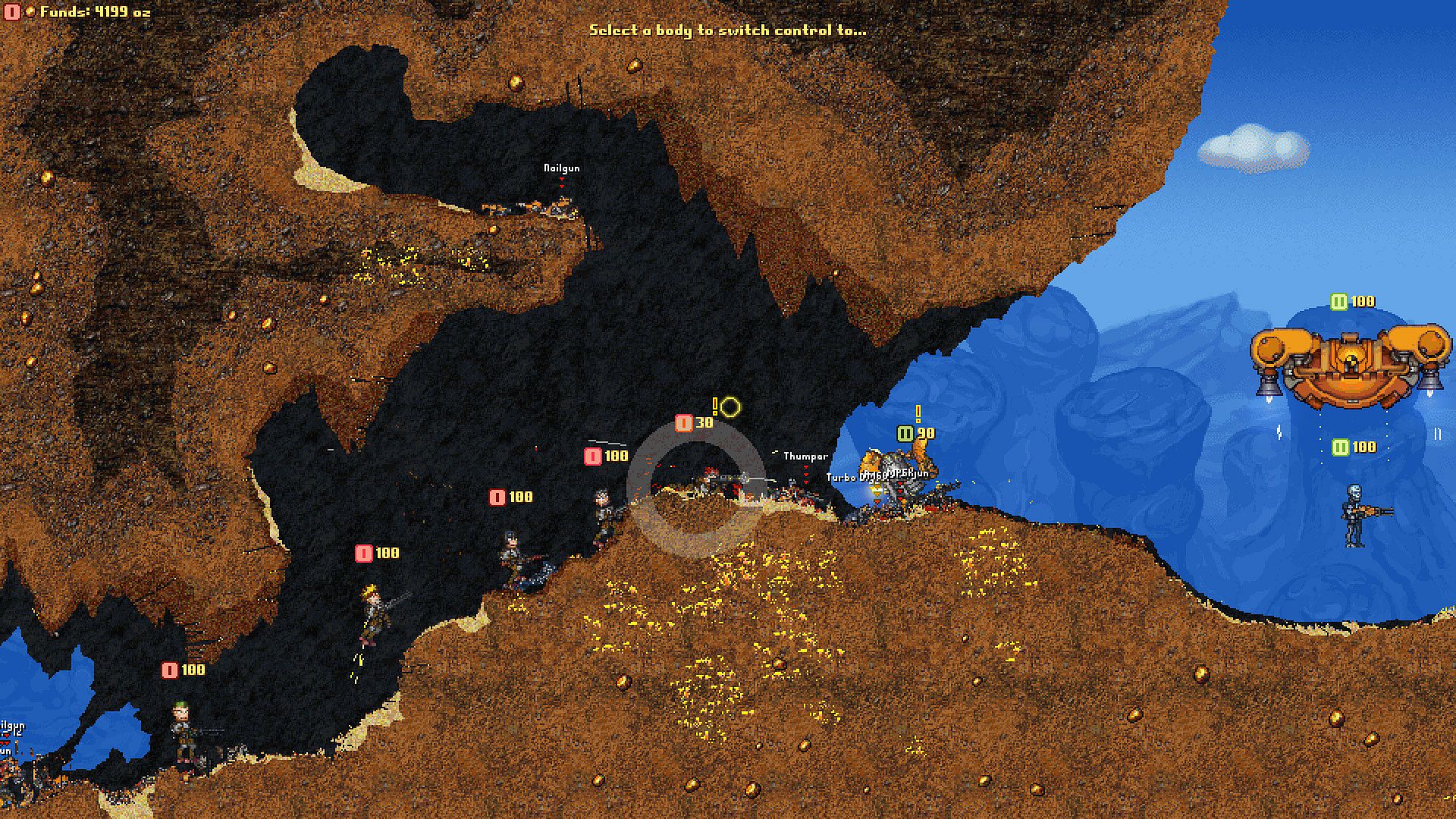
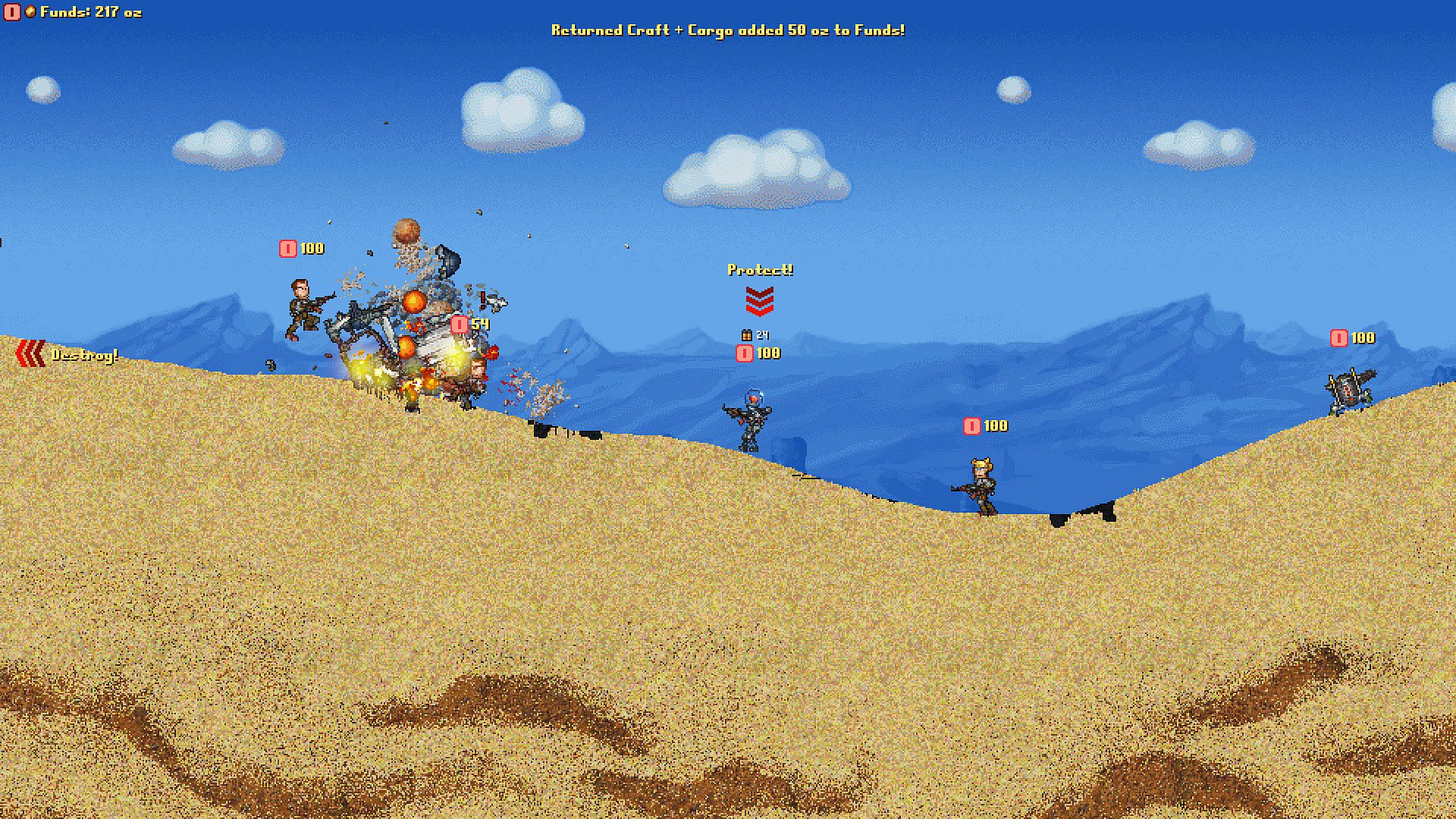
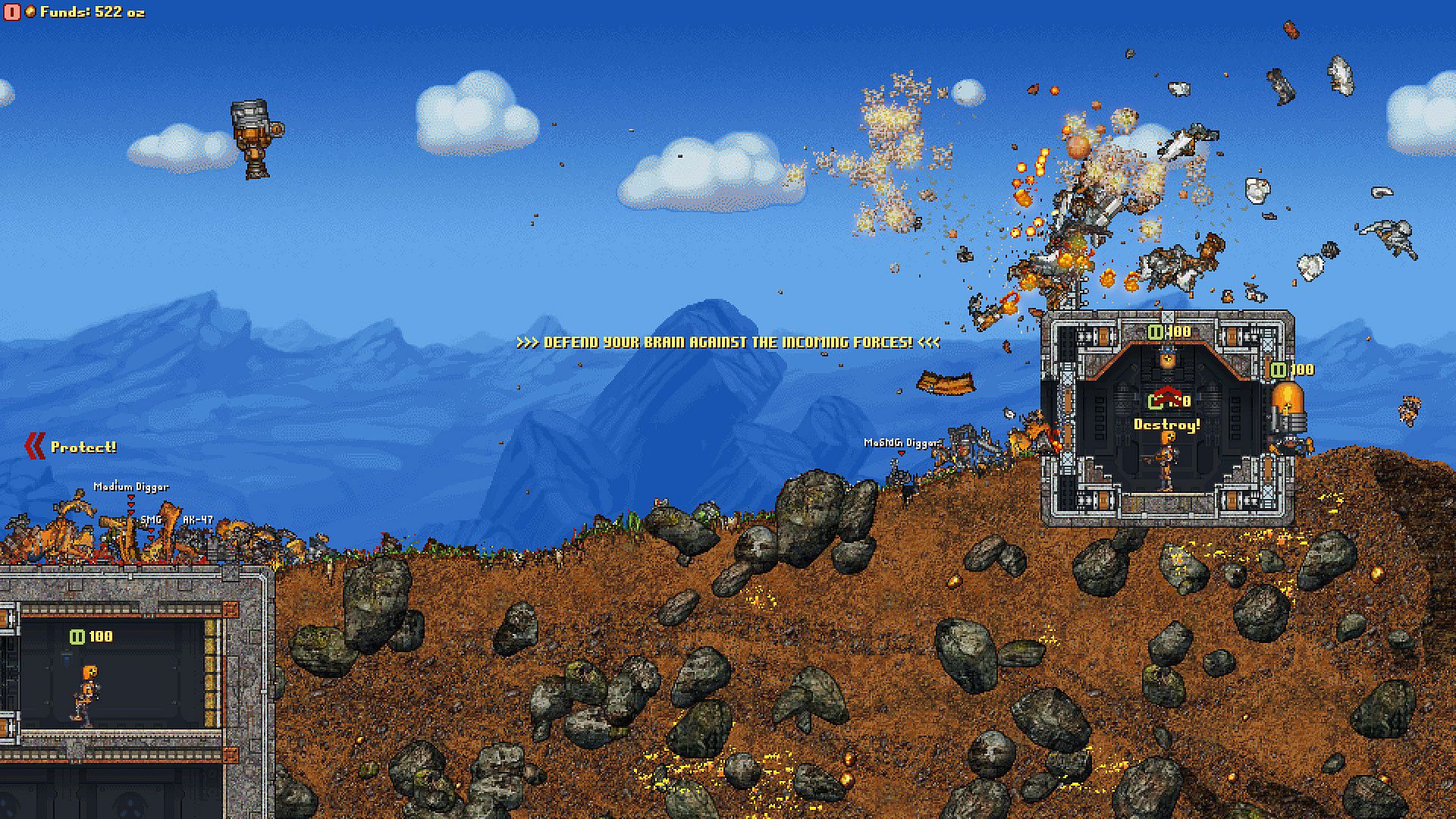

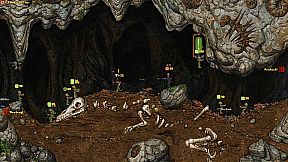
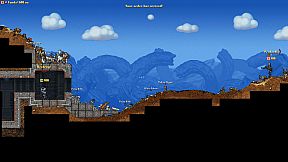
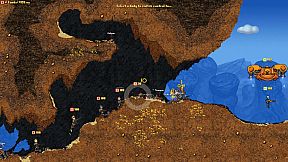
Cortex Command stands as a distinctive 2D action and strategy indie title developed for PC. It blends intense real-time combat with layered strategic elements, all powered by a detailed physics simulation that creates unpredictable outcomes in every encounter. The game places players in control of a central brain unit known as the cortex, which must be defended while resources are gathered and enemy positions are eliminated across destructible landscapes.
Gameplay
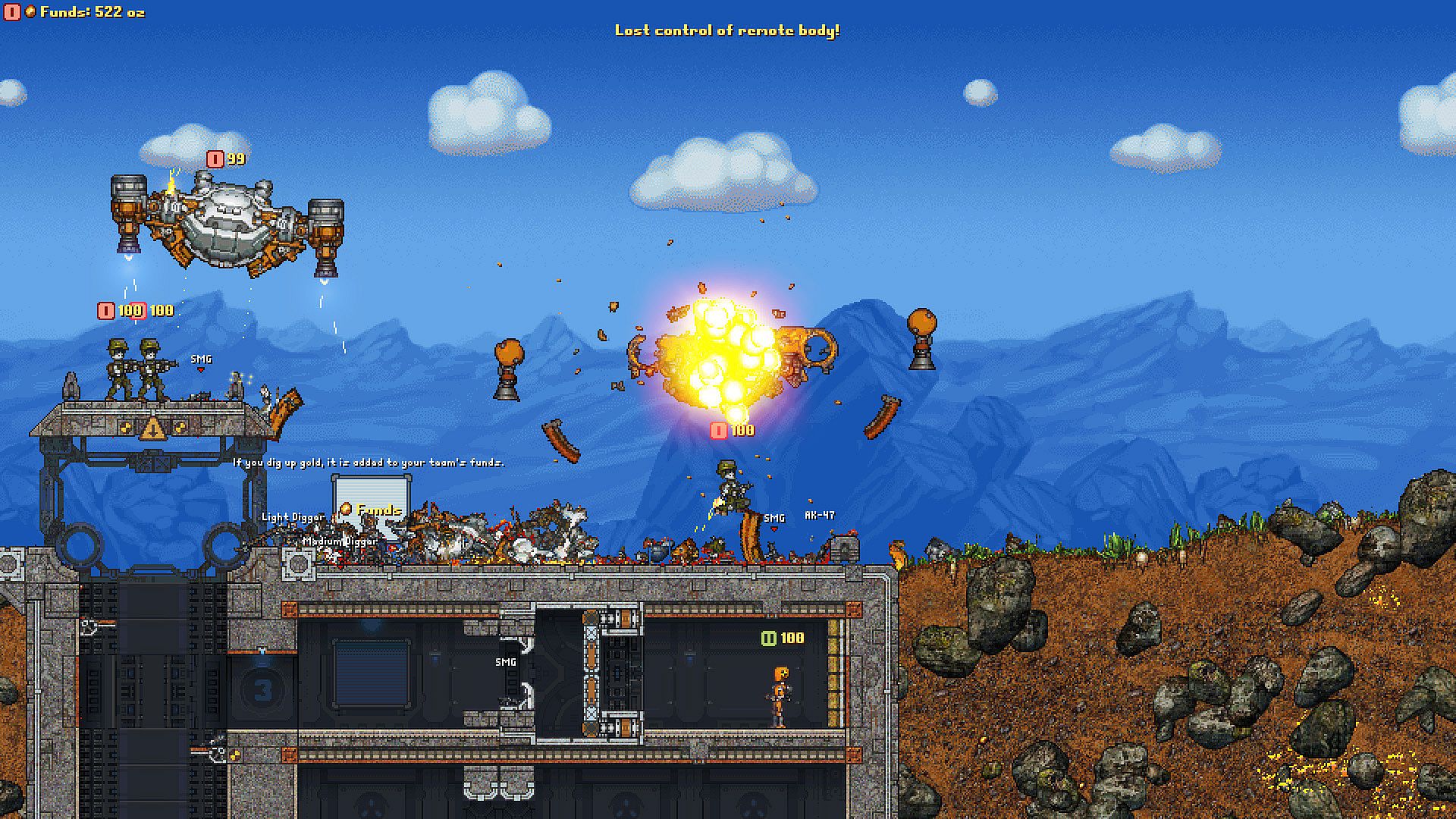
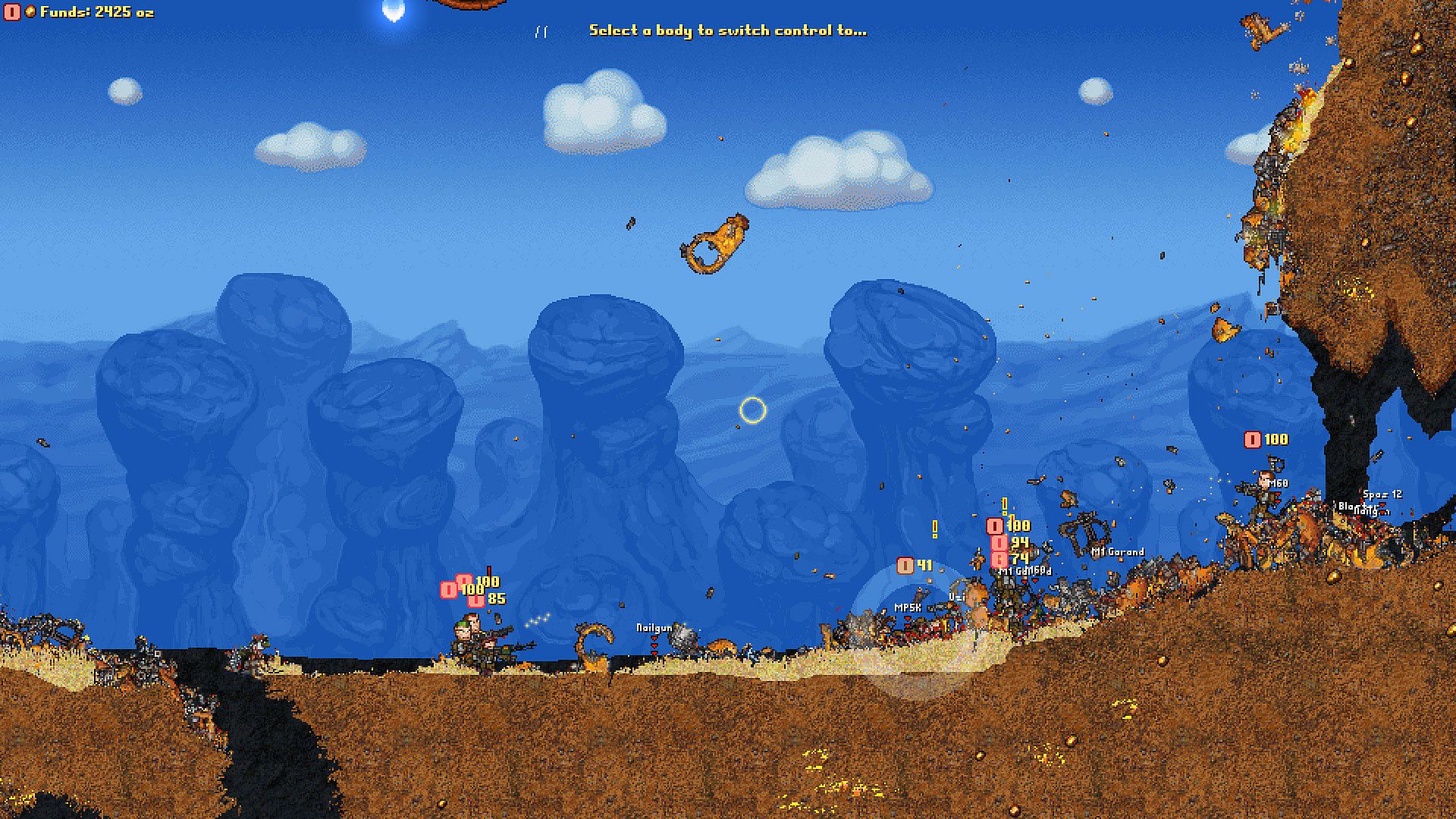
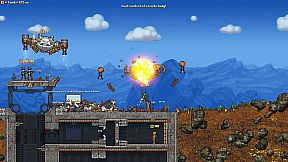
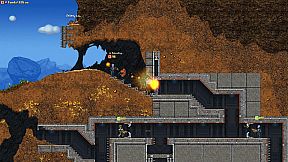
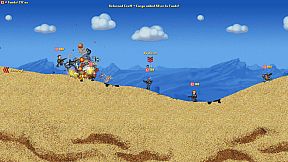
The core loop revolves around protecting the cortex while excavating gold scattered through layered terrain. Specialized digging tools and explosive weapons allow players to carve paths through dirt and rock, with every destroyed object and fallen body adding permanent debris to the battlefield. This accumulation changes the layout over time, creating new cover opportunities or obstacles in subsequent actions.
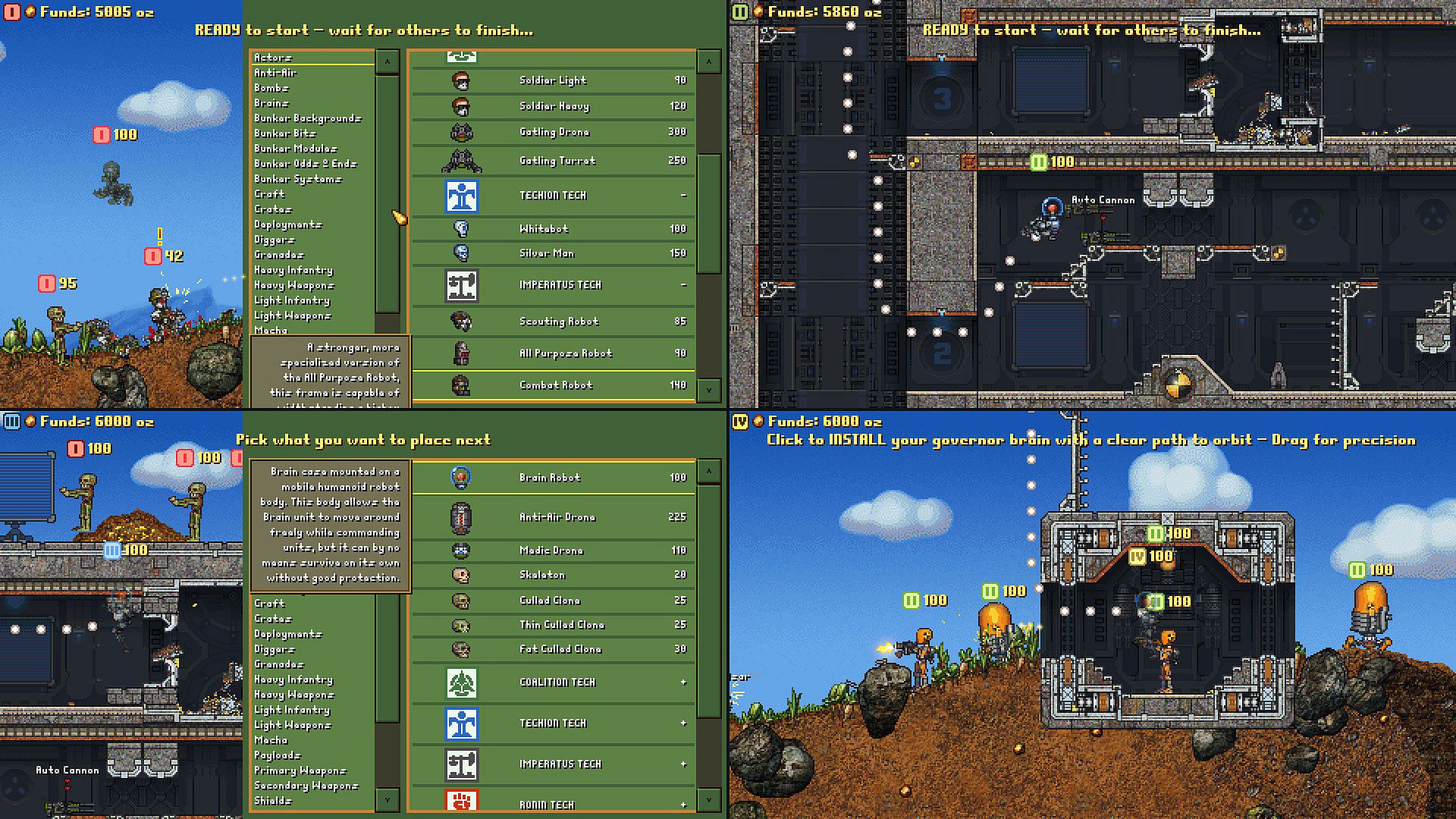
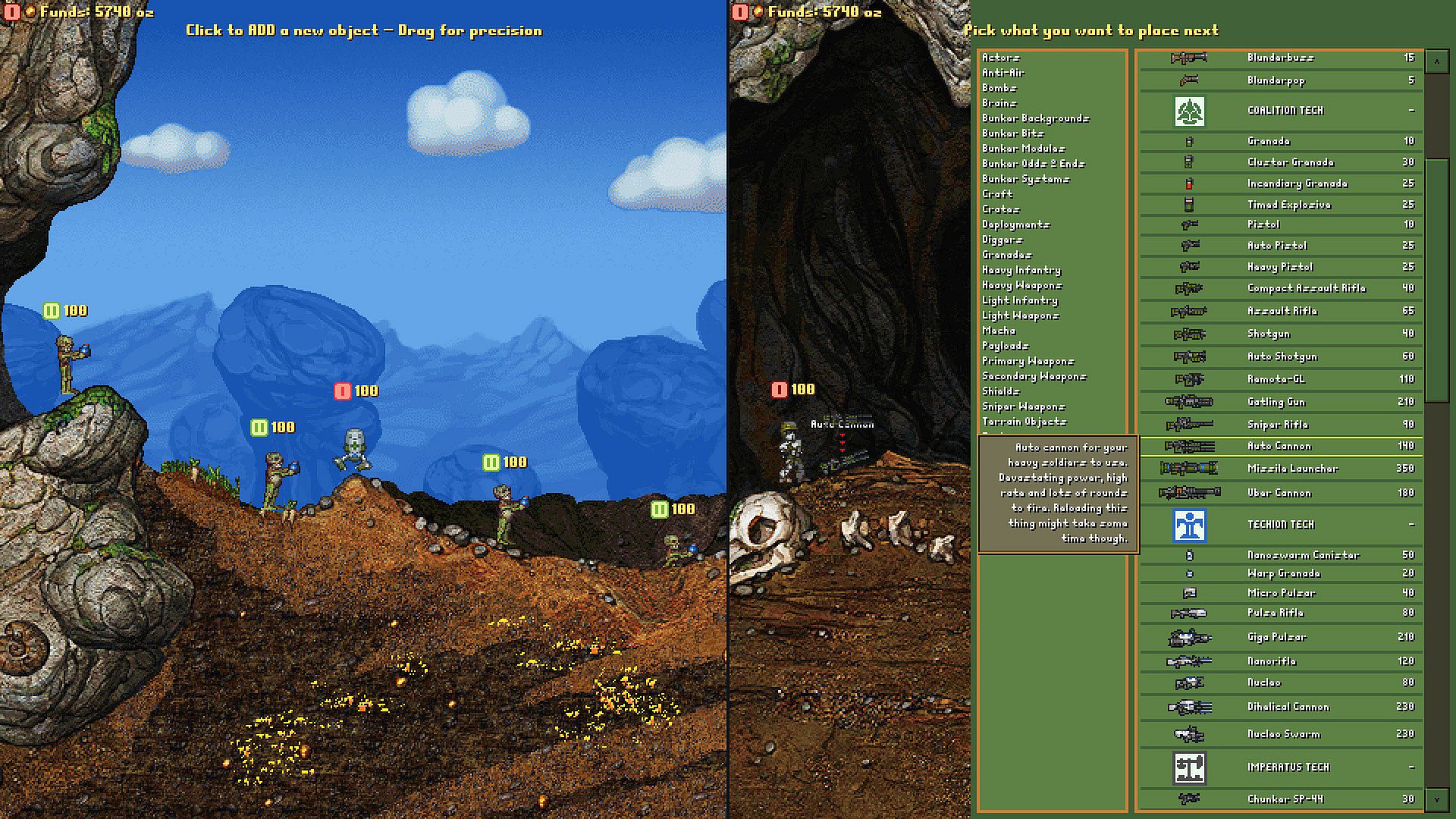
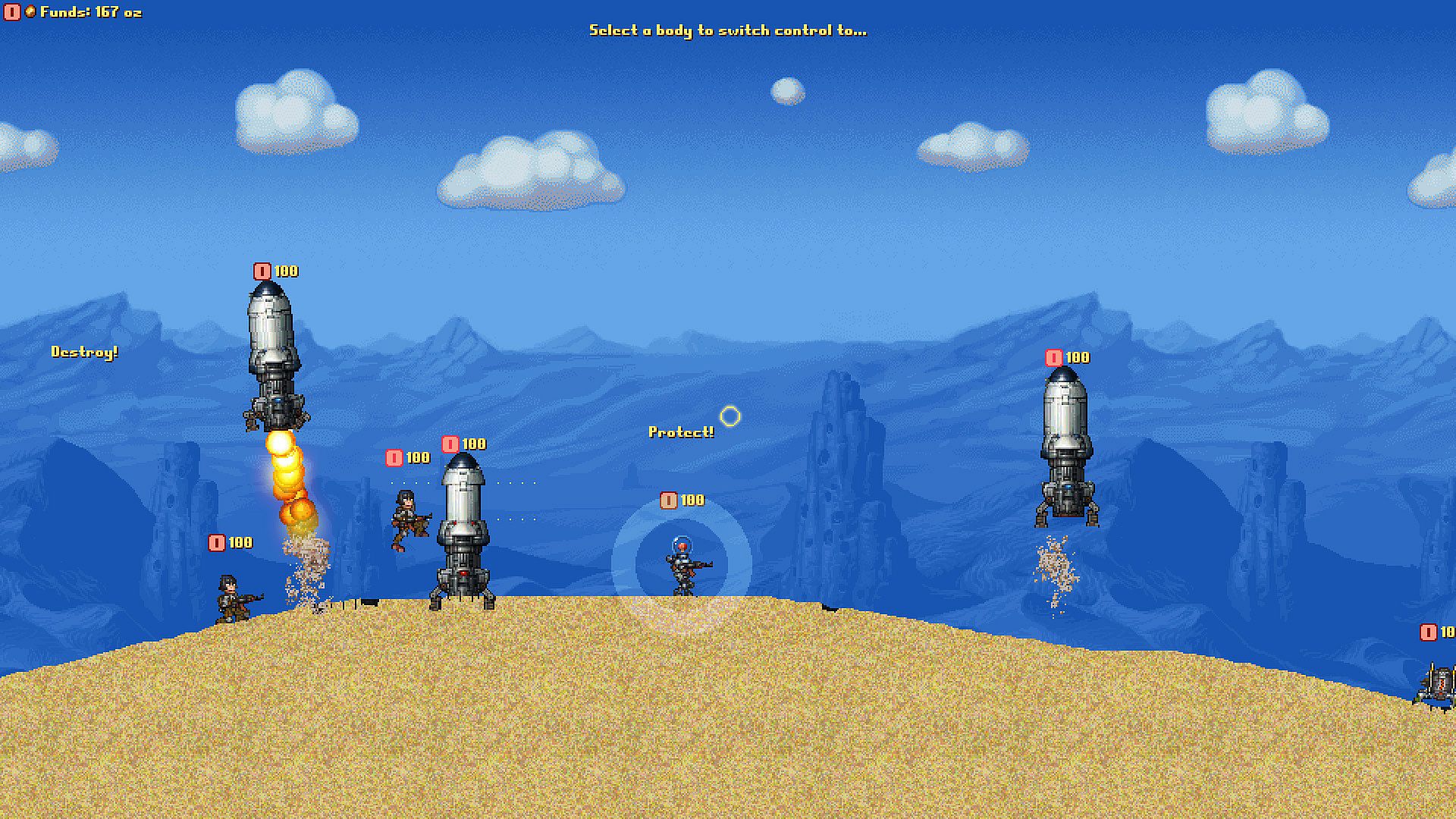
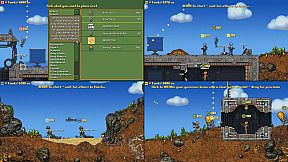
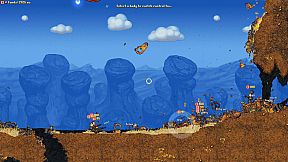
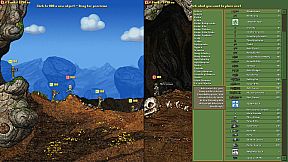
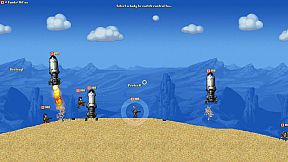
Reinforcements arrive through an in-game purchasing system that lets players select from various soldier bodies, mechs, weapons, and support craft. Delivery methods range from affordable but imprecise rockets to more costly drop ships capable of precise group deployments on uneven ground. Returned equipment can be refunded, encouraging careful resource management during active fights.
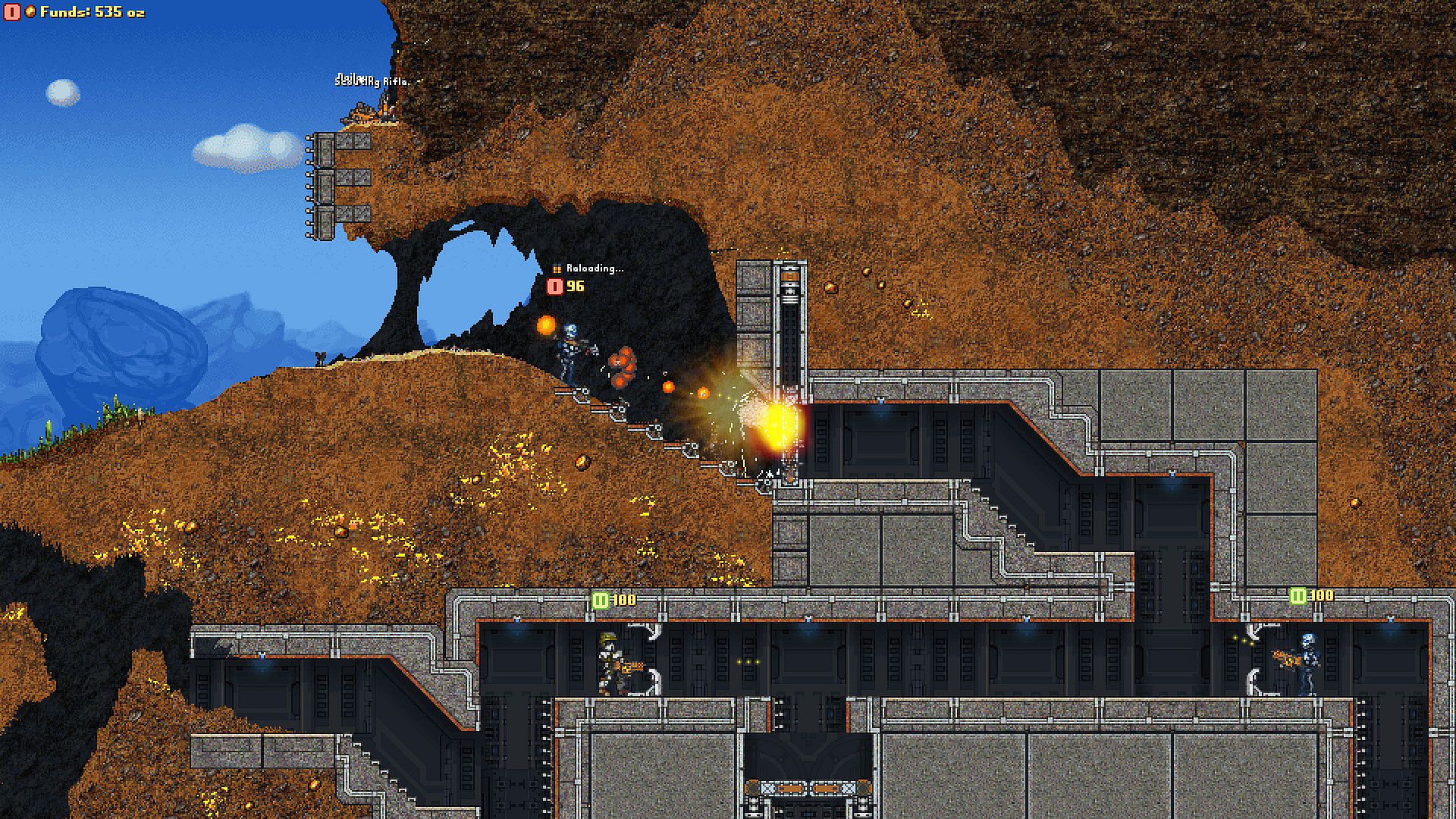
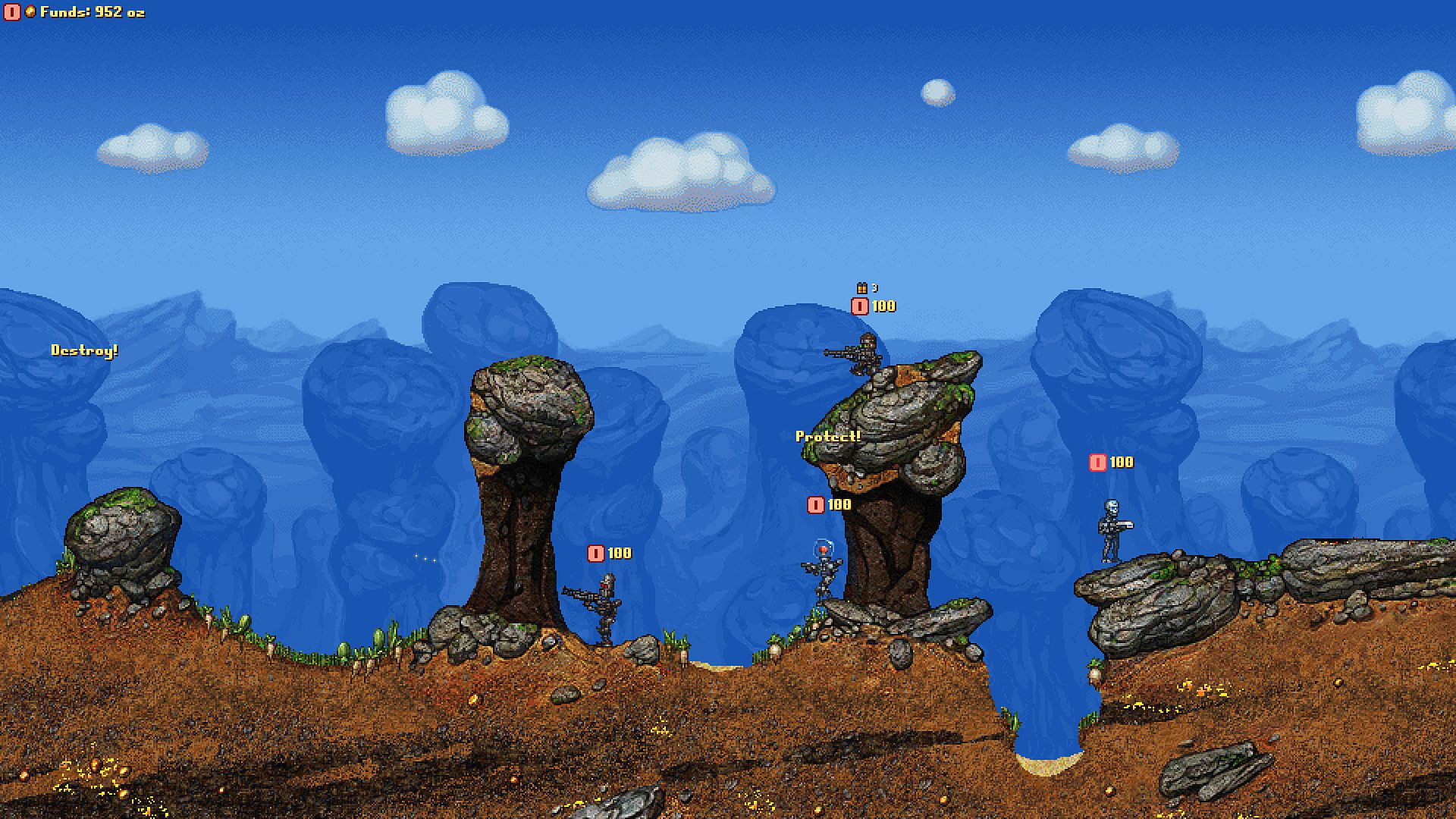
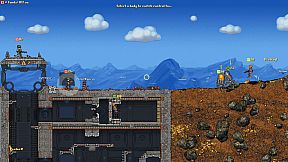
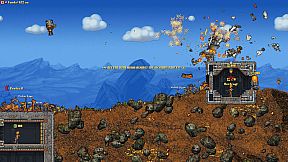
Bunker construction forms another key pillar. At the start of many scenarios, players design defensive structures complete with twisting tunnels, reinforced doors, automated turrets, and traps. Pre-positioned units around these installations help secure objectives without exhausting funds needed for the main phase of the mission.
Game Modes
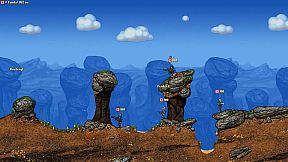
Real-time tactical battles form the immediate action layer, where direct control of units and physics interactions decide outcomes on the fly. These fights emphasize quick adaptation to terrain changes and enemy movements.
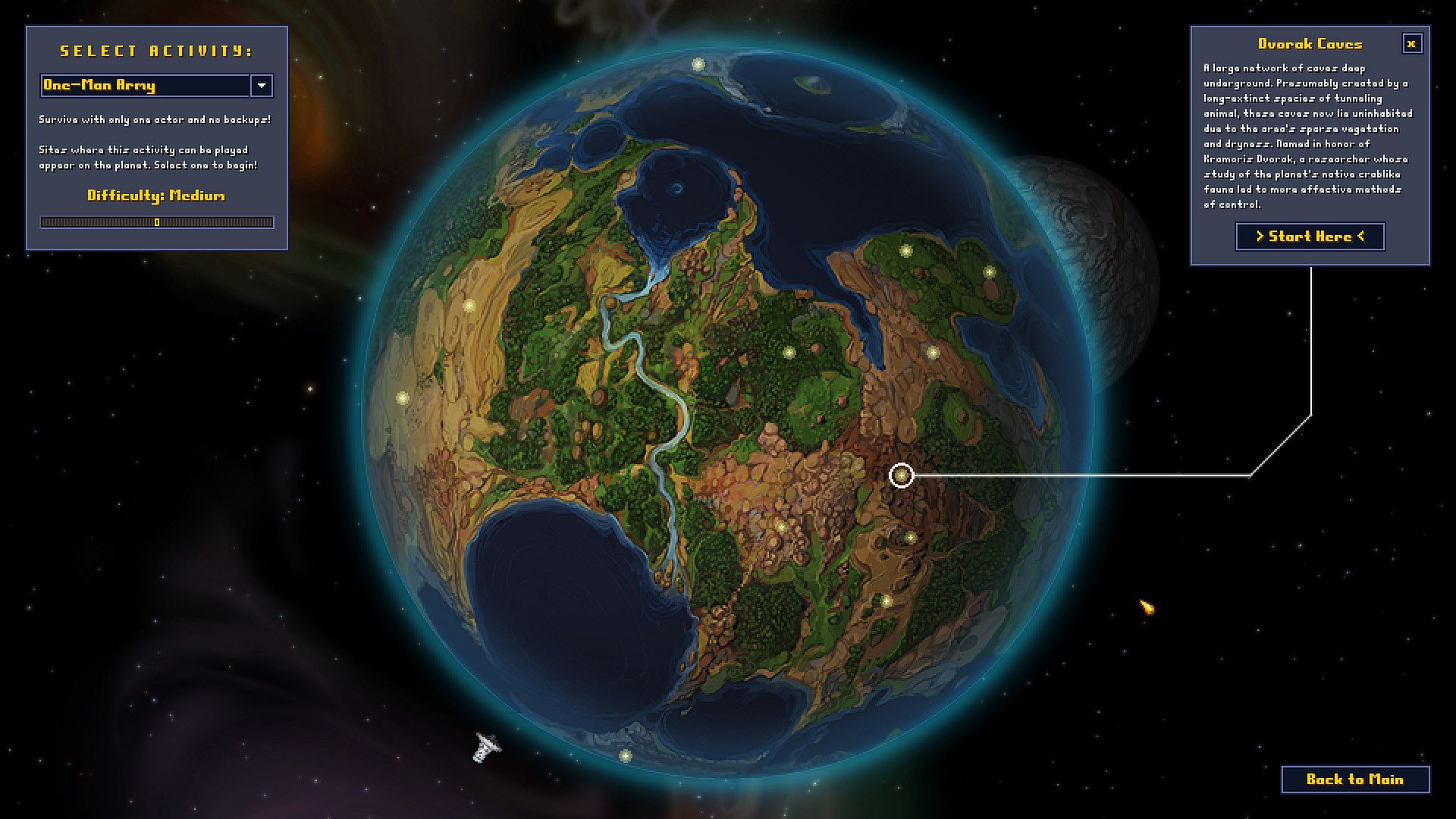
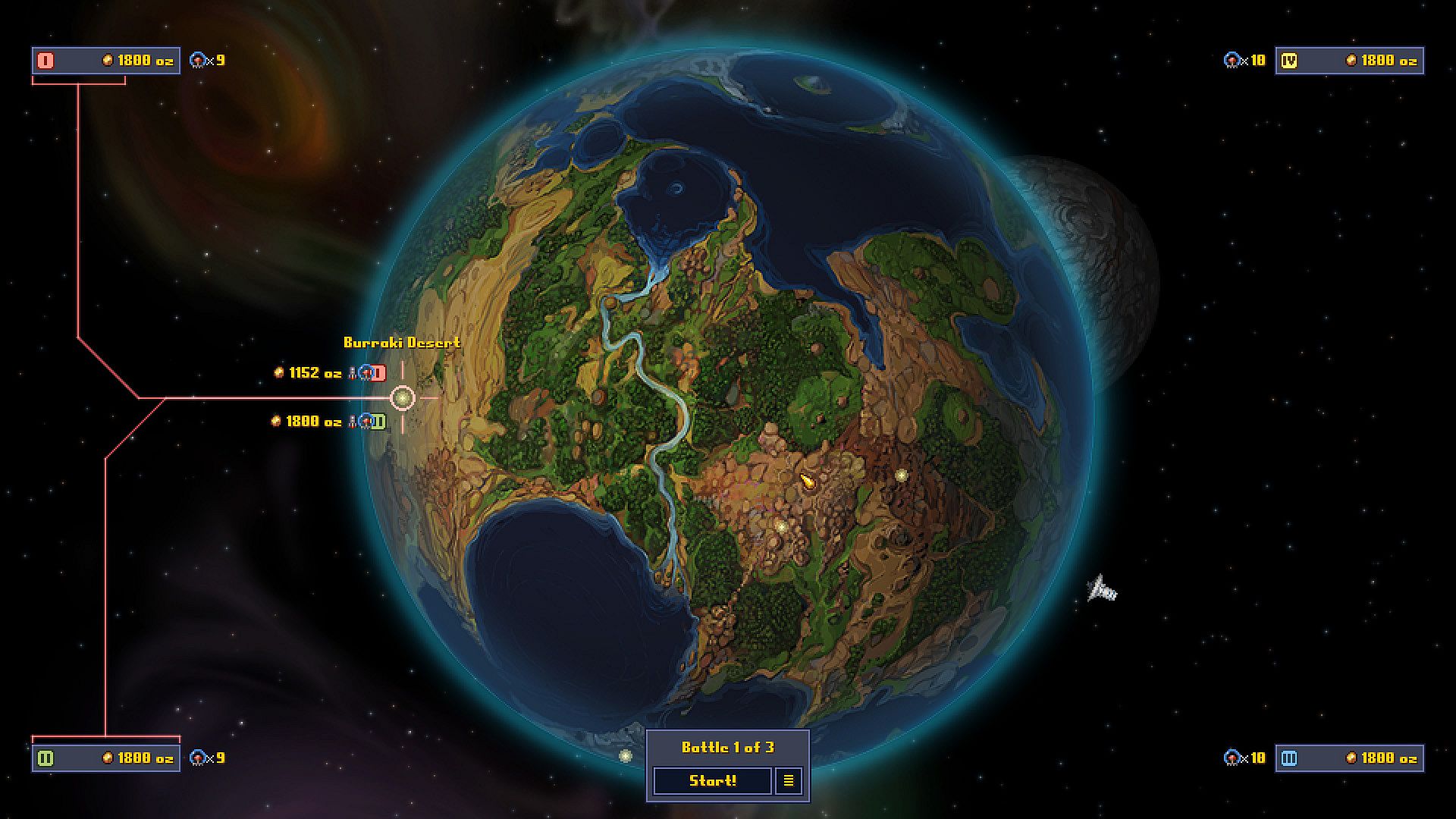
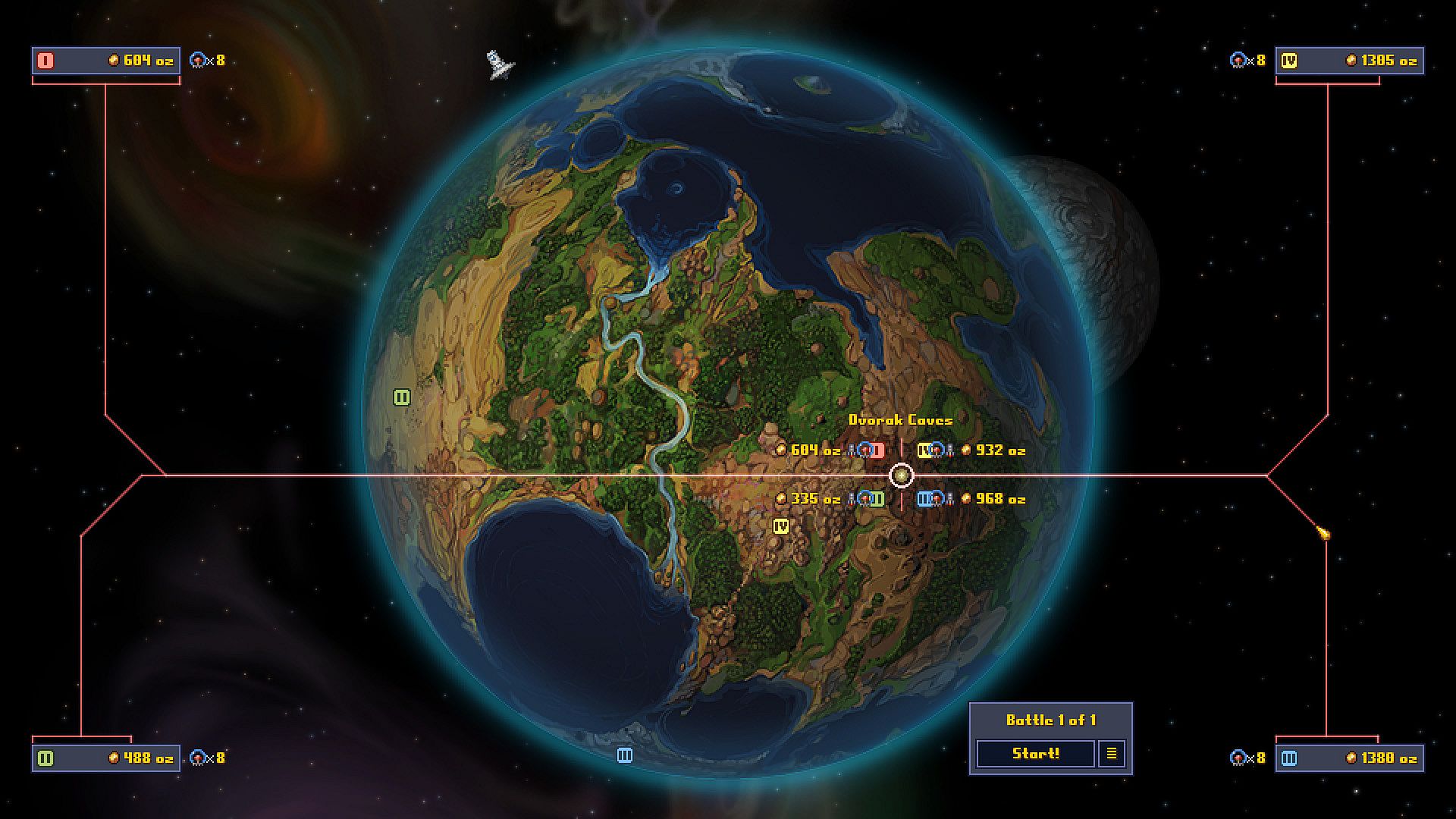
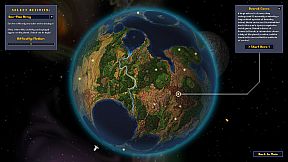
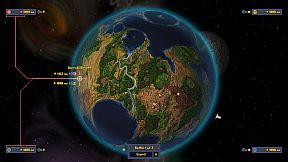
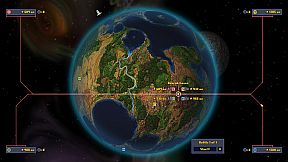
A separate strategic campaign mode connects individual battles into a larger context. Terrains remain persistent across missions, carrying forward layers of debris, ruined bunkers, and excavated tunnels that reflect prior engagements. This creates a sense of progression as battle scars build up and influence future planning.
Skirmish options provide standalone tactical encounters without the overarching campaign structure, allowing focused practice or quick sessions with chosen factions and setups.
Multiplayer and Customization
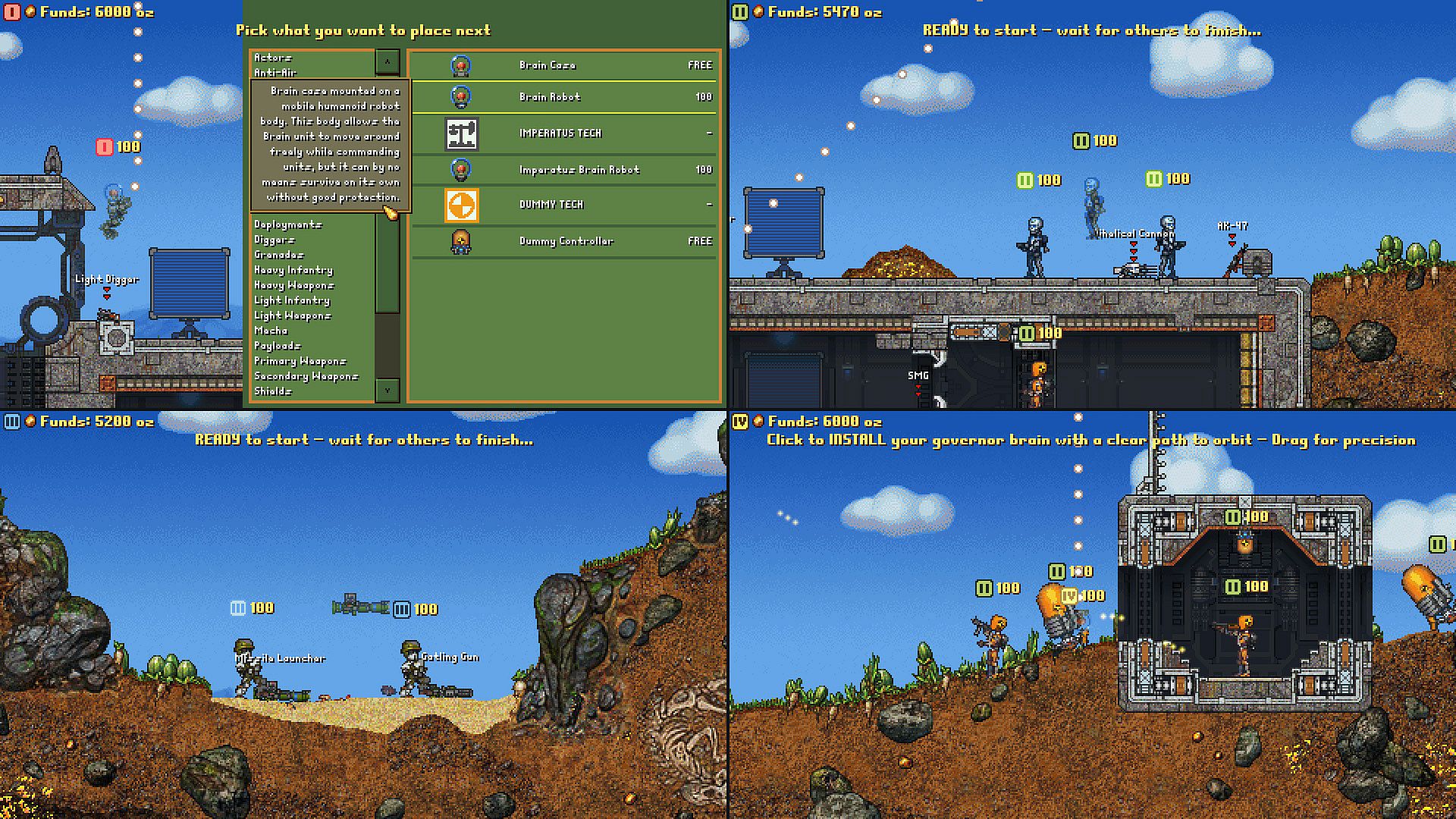
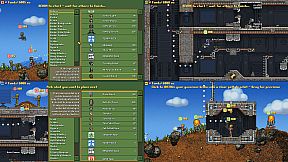
Local multiplayer supports up to four participants in cooperative or competitive arrangements. Configurations include team splits such as two versus two or one player against three others, with options to face computer-controlled opponents. Control schemes accommodate keyboard input, combined keyboard and mouse, or standard game controllers for flexible group play.
Extensive editing tools built into the game enable creation of custom missions, units, weapons, and environments. The underlying engine simplifies additions and modifications, supporting easy sharing of new content with others. A dedicated community continues to expand available options through these systems.
Is It Worth Playing?
Cortex Command suits players who appreciate physics-driven strategy and emergent scenarios over polished linear experiences. Its combination of destructible worlds, persistent campaign elements, and faction variety delivers high replayability for those drawn to tactical depth and experimentation.
Ongoing community development has introduced technical improvements and expanded multiplayer capabilities, sustaining interest years after the original release. Feedback from players highlights the satisfaction found in the detailed simulation and creative freedom, though some note the learning curve associated with its systems.
The title remains available on PC and continues to attract those seeking an alternative to conventional real-time strategy games. Its strengths in emergent gameplay and mod support make it a solid choice for enthusiasts of indie action-strategy hybrids who value unique mechanics over mainstream conventions.