

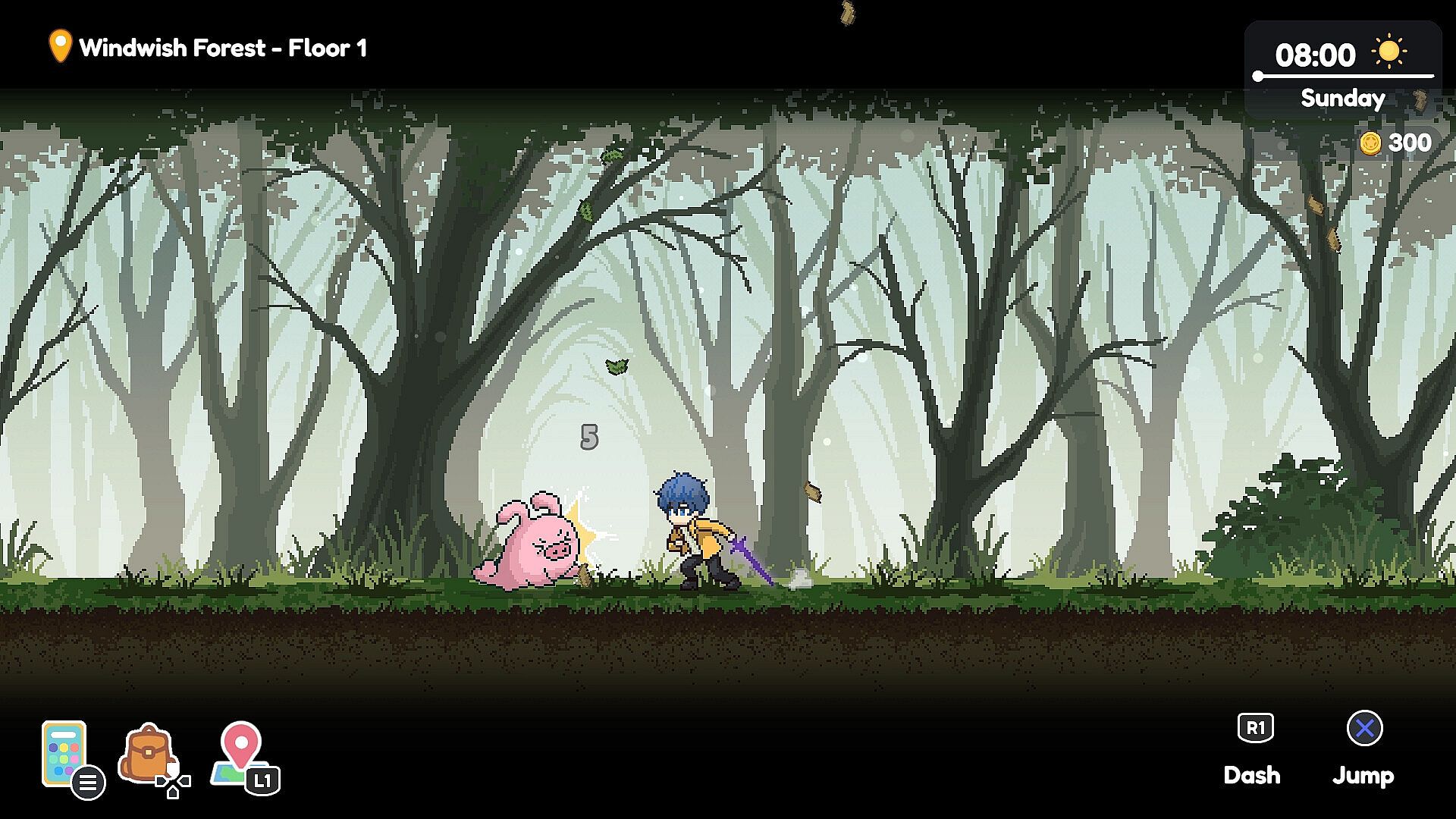
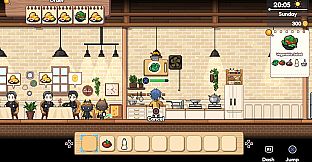

Cooking Time in Astrawel blends simulation, RPG, and adventure elements into a single-player experience centered on restaurant management in a fantasy setting. Players take on the role of a retired hunter who opens a restaurant in the town of Astrawel, sourcing ingredients from dungeons and preparing meals for fellow hunters.
Gameplay
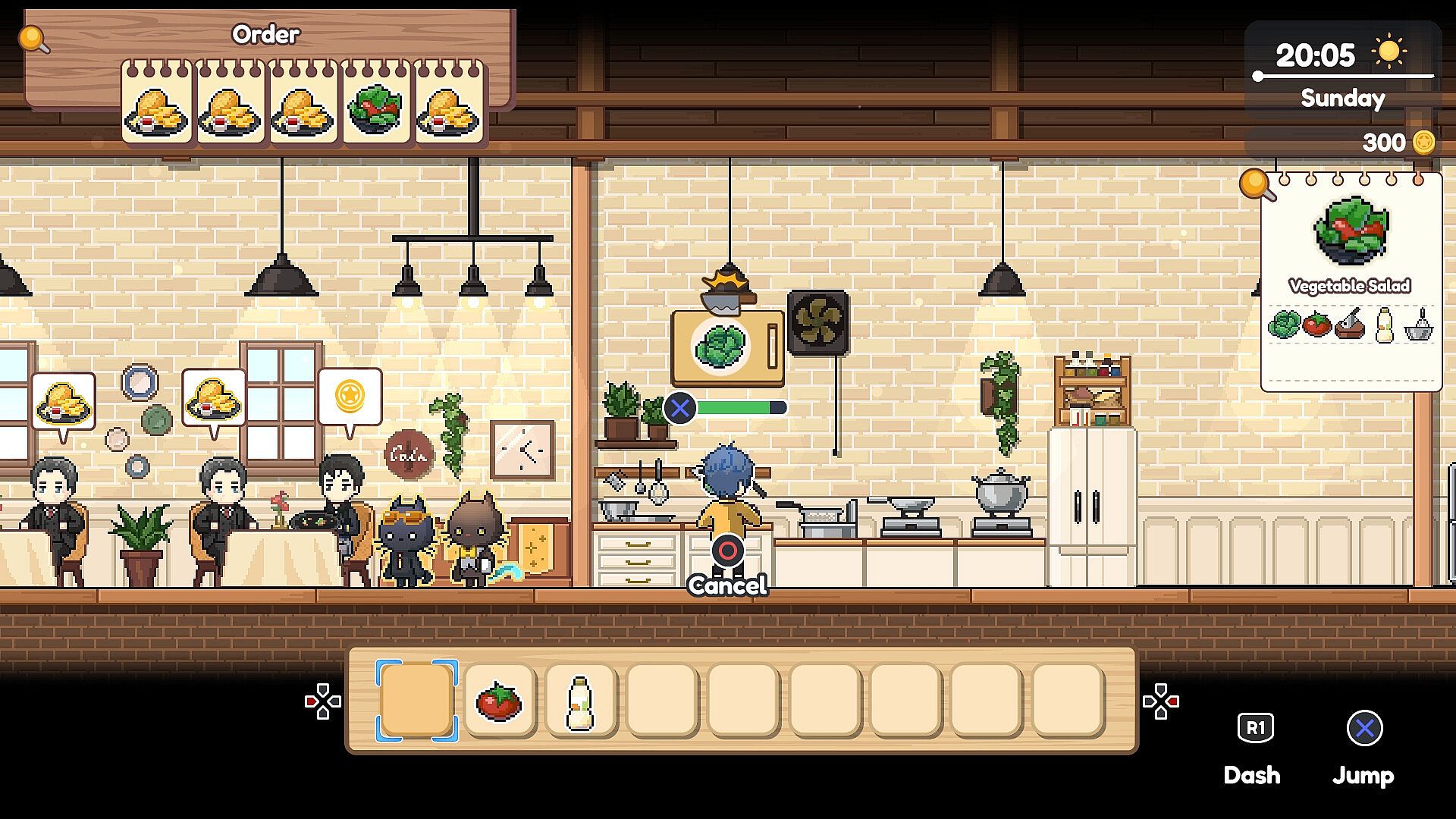
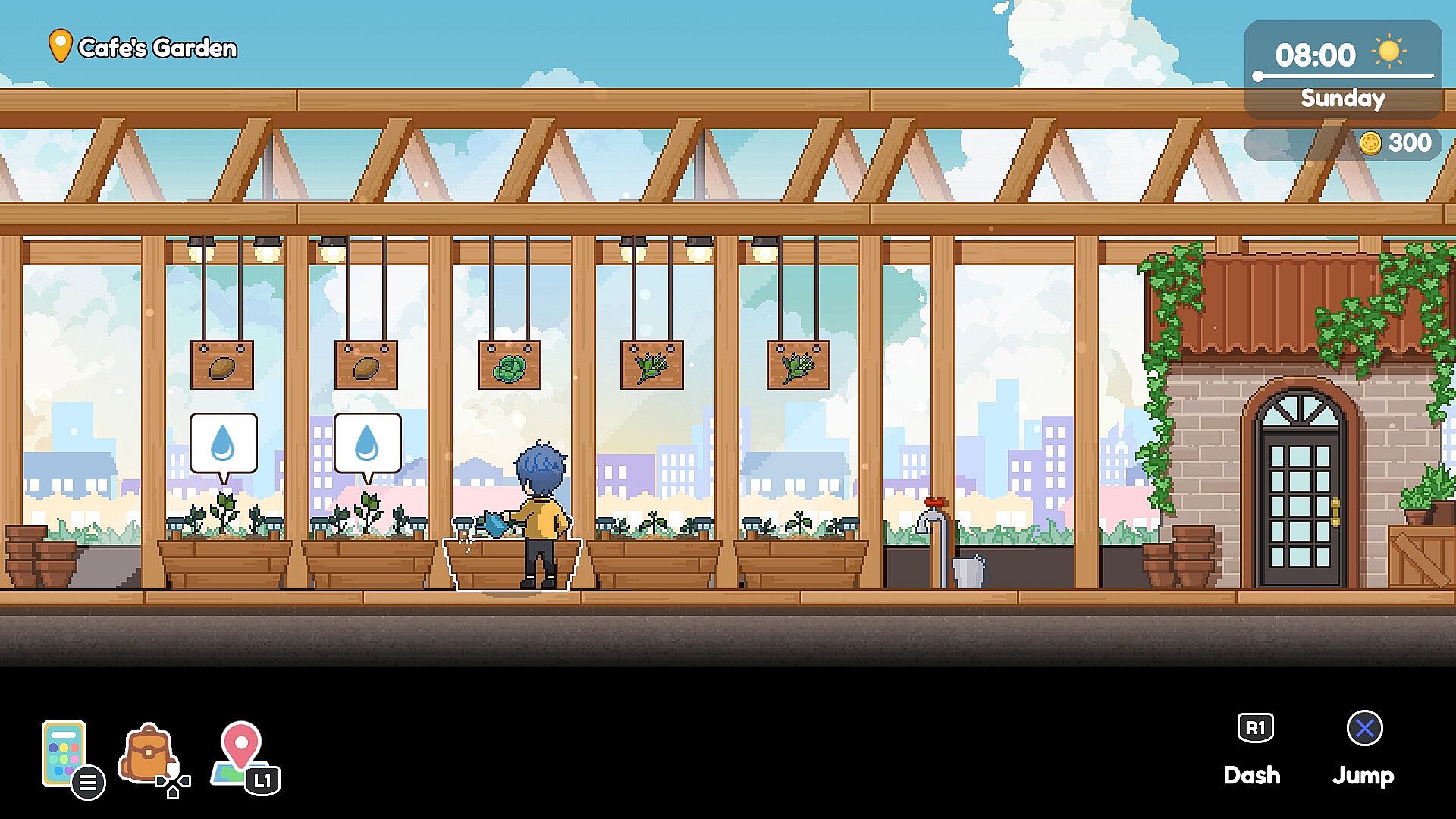
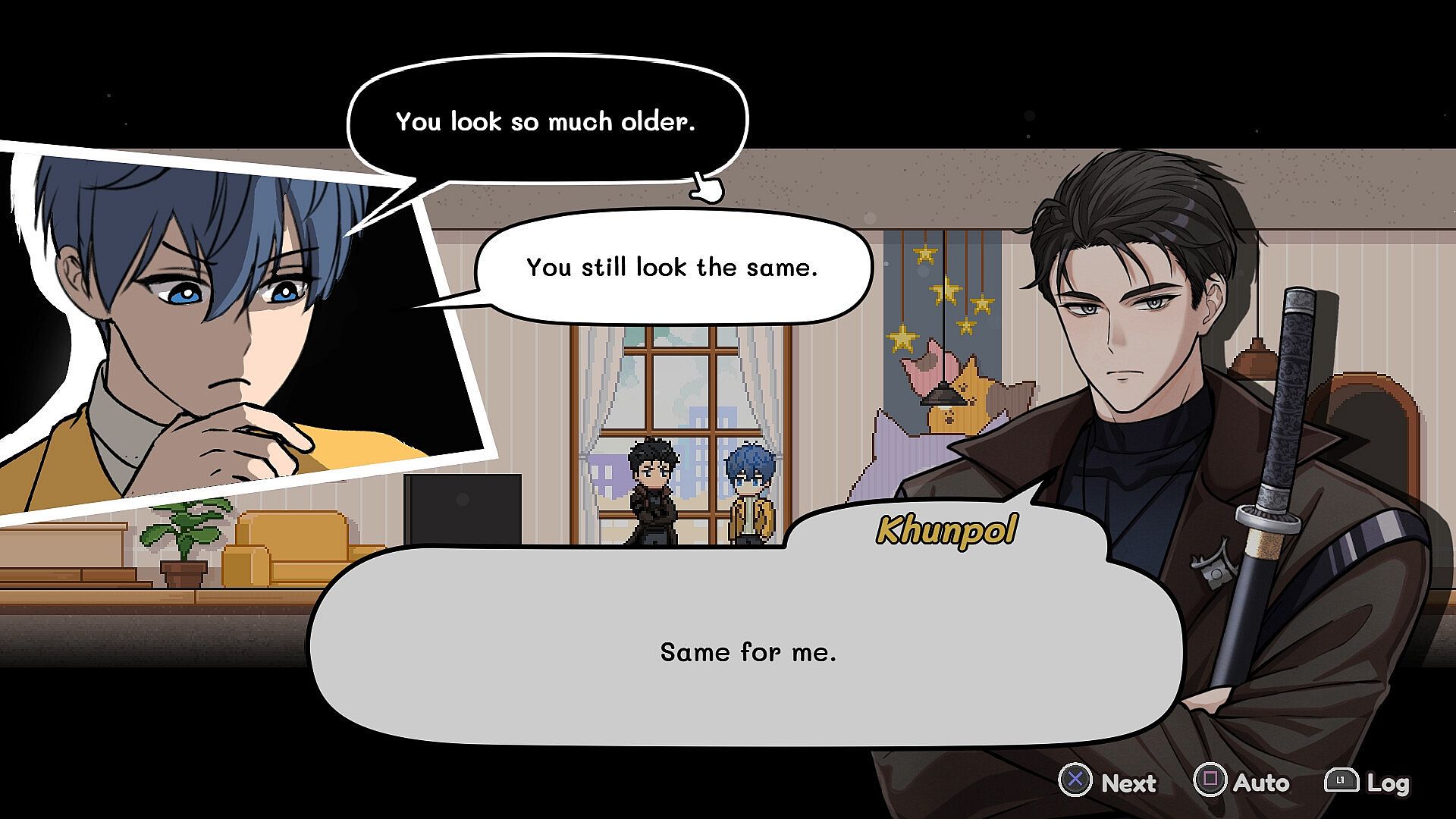
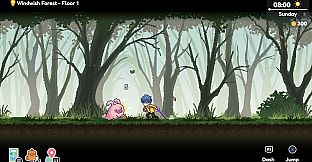
The core loop involves gathering rare ingredients by venturing into dungeons filled with monsters, then returning to the restaurant to cook and serve dishes. Skill stats influence cooking minigames tied to different kitchen equipment, adding an RPG progression layer where players upgrade abilities and customize staff. Relationships with over thirty townspeople develop through daily conversations and events, with romance options available for more than eight characters regardless of gender. Players also summon Pawmilia assistants once bonds reach certain levels; each reflects a character's traits and brings unique skills that can be customized for restaurant tasks.
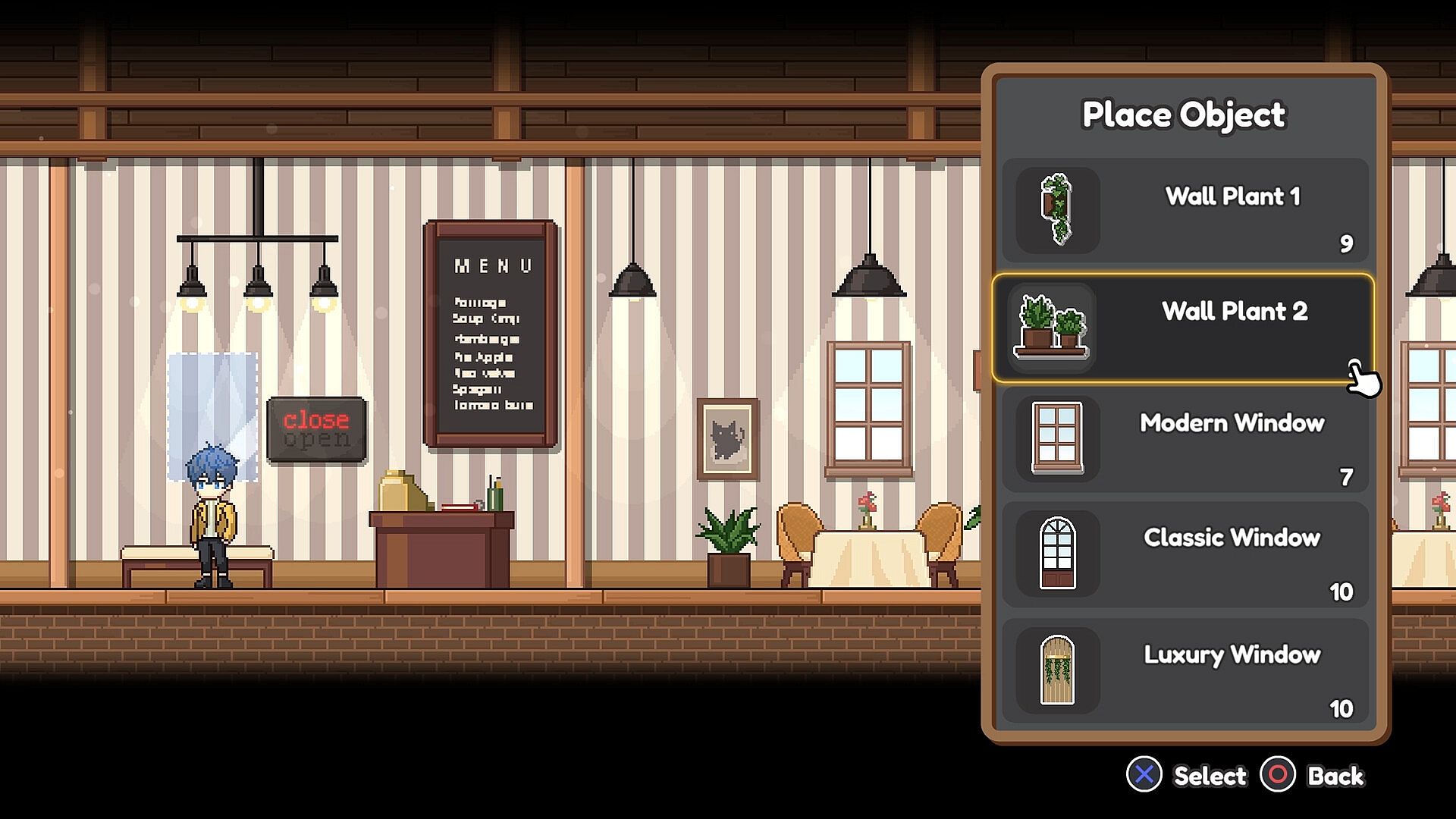
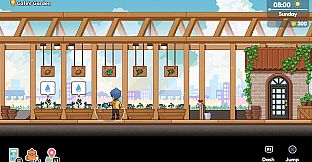
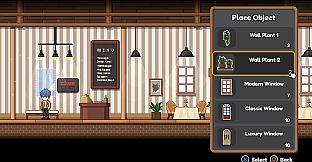
Restaurant building allows full customization of layout, decor, and furniture to match personal style. Employees receive task assignments, upgrades, and skill selections to optimize operations. Dungeon runs focus on hunting monsters and collecting materials that support both cooking and item upgrades.
Game Modes
The game operates as a continuous single-player simulation without separate named modes. Progression flows between restaurant management, ingredient collection in dungeons, and social interactions in town. Players switch between these activities at their own pace, balancing daily restaurant operations with exploration and relationship building.
Key Systems and Features
The Pawmilia summoning system ties character relationships directly to restaurant support, creating a seamless link between story and management. The RPG-style cooking incorporates stat-based minigames that change based on equipment and player progression. Dungeon exploration rewards both culinary ingredients and upgrade materials, encouraging repeated visits for better resources. Social elements extend beyond simple dialogue, with favorite dishes serving as a way to strengthen bonds and unlock further content.
Is It Worth Playing?
This title suits players who enjoy life simulation combined with light RPG and adventure elements. The focus on restaurant building, staff management, and ingredient sourcing from dungeons provides a steady loop of tasks and customization. Relationship mechanics add depth through events and romance options, appealing to those who like character-driven stories alongside management gameplay. Availability on PC makes it accessible for solo play sessions that mix exploration with creative cooking and decor choices. Those drawn to casual simulation with fantasy twists will find the systems rewarding through steady progression and personalization.