




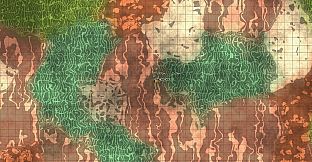
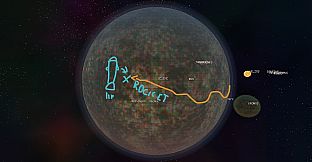
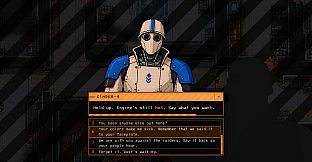
COLLAPSE MACHINE 2D is a top-down action adventure indie game set on decaying industrialized alien planets where players lead armed convoys in search of resources, power, or a way off-world.
Gameplay
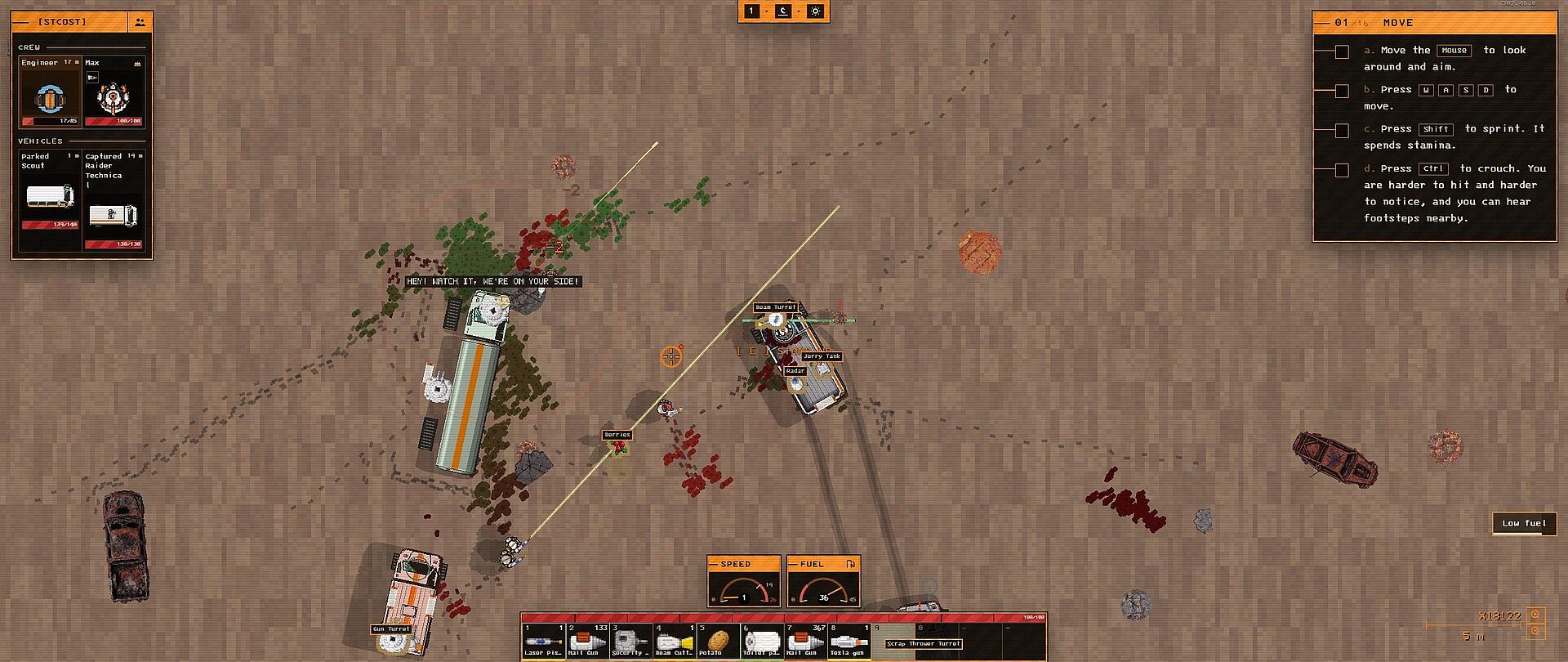
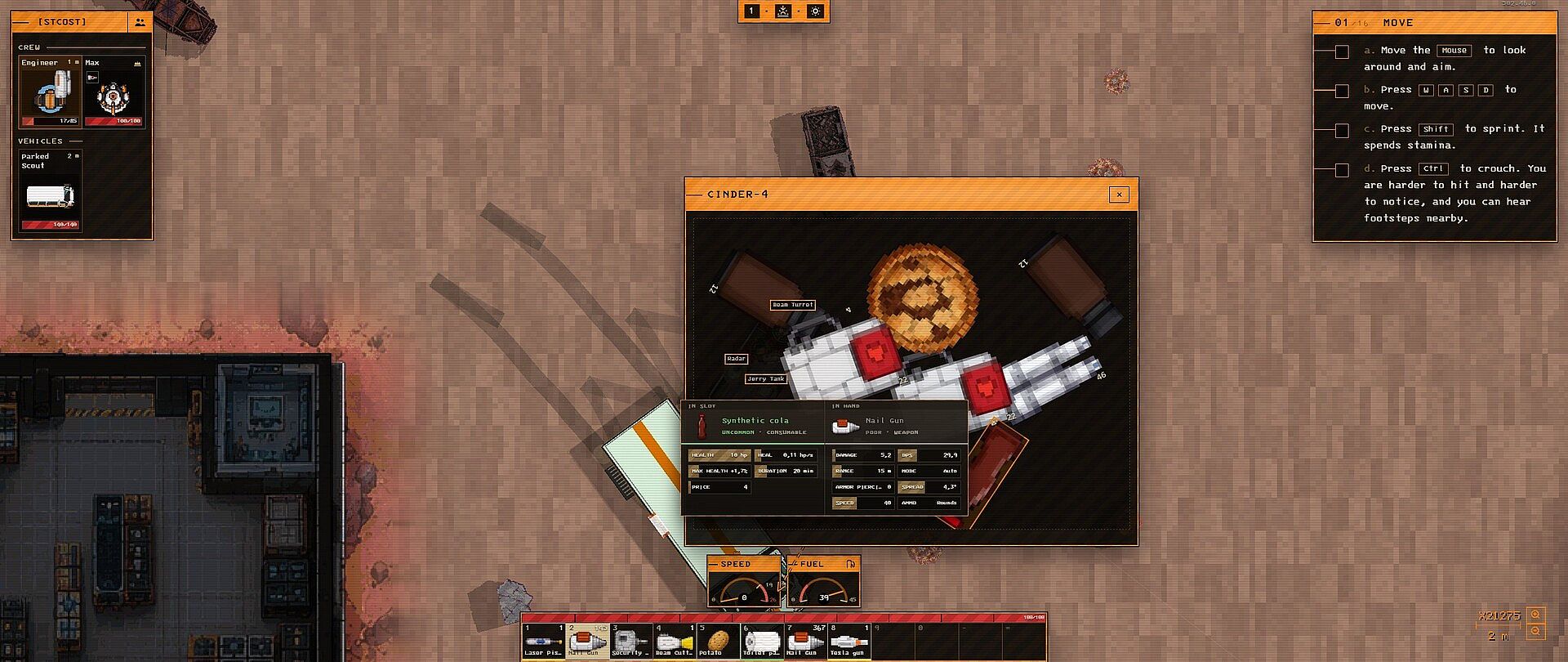
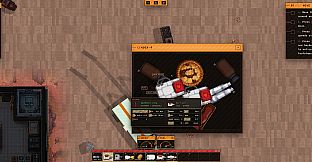
Core play centers on piloting heavy-duty armed trucks through hostile terrain filled with canyons, debris, and shifting weather. Modules attached to each truck handle combat roles such as mounted guns, energy shields, extra armor plating, medical stations, and radar systems. These components degrade during fights and require repairs unless the vehicle is destroyed outright. Players can swap modules on the fly to shift between aggressive setups and defensive configurations.
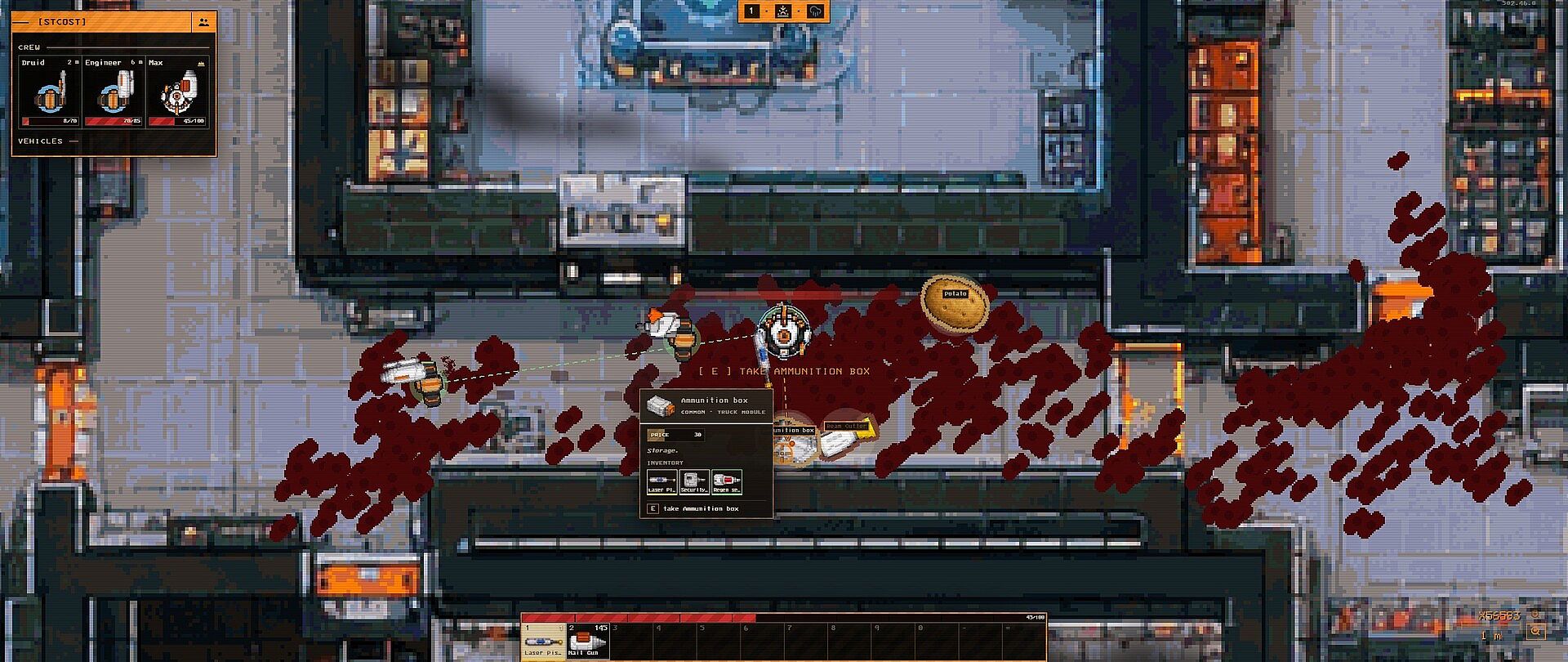
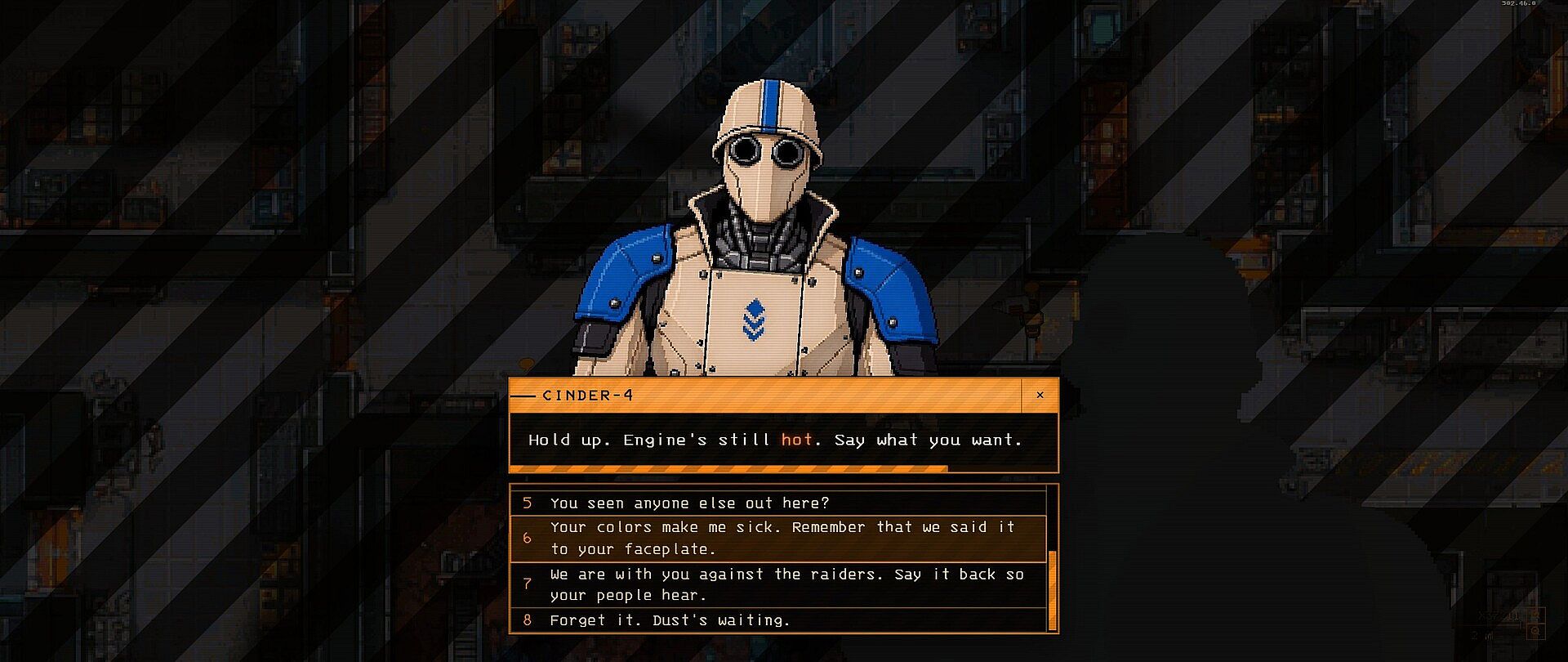
Resource management drives progression. Crews gather weapons, tools, gadgets, food supplies, and implants while raiding factories, crystal mines, DNA laboratories populated by monsters, raider garages, and trader palaces. Stolen trucks expand the fleet, and better gear improves survival odds. Food and drugs alter raid outcomes, while skill books and combat implants provide lasting upgrades. Talking skills allow rebels to recruit locals into the convoy, turning neutral encounters into alliances or conflicts.
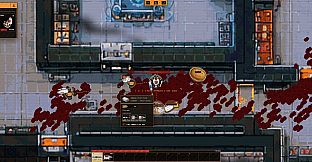
Death does not end the run. Any crew member can be controlled, and the remaining members continue the journey with the convoy intact. Power serves as both fuel and currency, obtained through raids or barter. The world features multi-floor industrial sites and living quarters that reveal how inhabitants survive on these exhausted planets.
Game Modes
The game supports single-player runs alongside online co-op and LAN sessions with friends. One player might handle driving while others operate weapons, explore facilities on foot, or organize cargo storage. Player count remains flexible with no fixed limit, allowing small crews or larger groups to coordinate convoy movements and raids. Encounters with locals can lead to trades, recruitment, or combat depending on choices and skill checks.
Progression involves building reputation as a rebel leader. Successful talks bring followers who strengthen the group, while raids yield the tech and vehicles needed to push deeper into dangerous zones. The loop of travel, scavenging, module management, and crew expansion repeats across procedurally varied planetary stretches.
Exploration and Progression
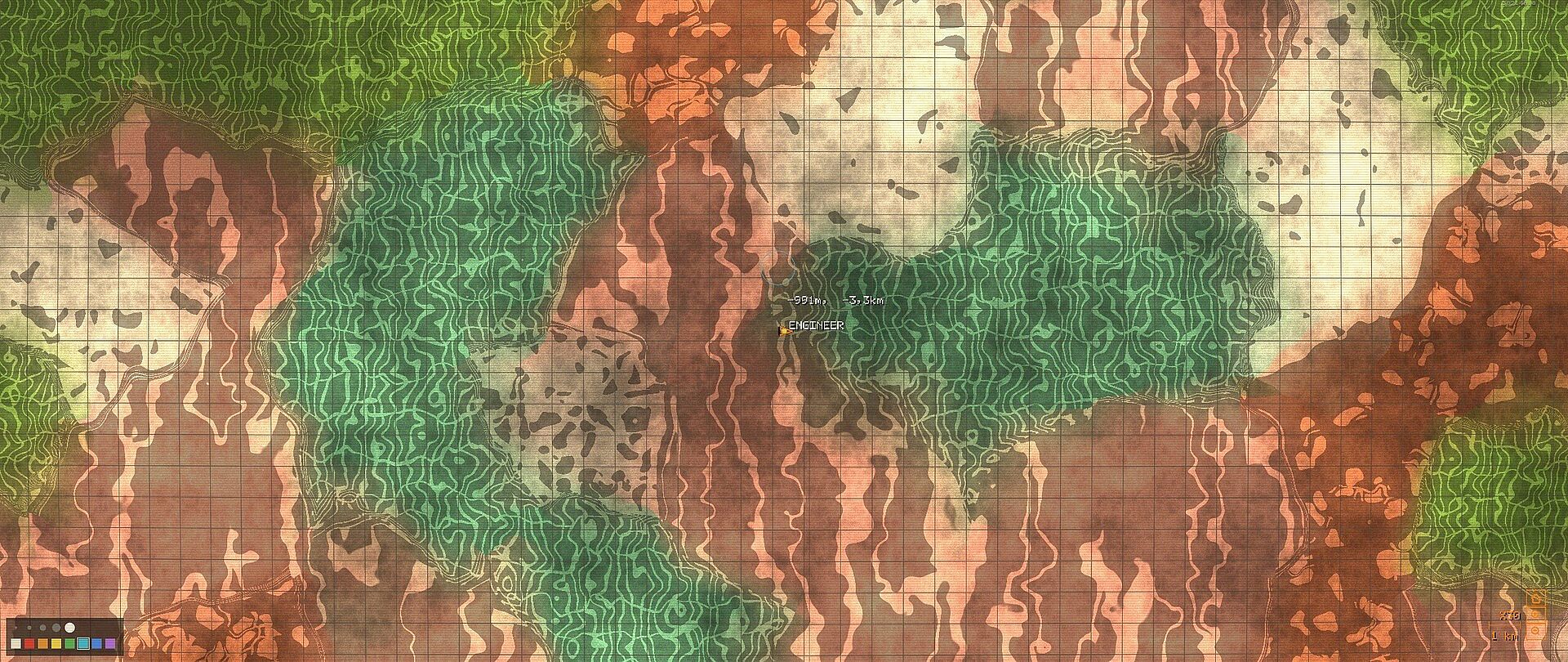
Planets present layered environments ranging from corporate extraction sites to hidden laboratories and trader strongholds. Each location offers opportunities to collect specialized items that affect combat effectiveness or crew capabilities. Broken vehicles can often be salvaged for parts, encouraging careful module placement during engagements with rival drivers.
Crew growth ties directly to player actions. Recruits gained through conversation or rescue expand options for dividing roles during travel and combat. Implants and gadgets collected along the way provide tactical advantages in specific situations, such as enhanced radar for spotting threats or medical stations for sustaining the group through prolonged fights.
Is It Worth Playing?
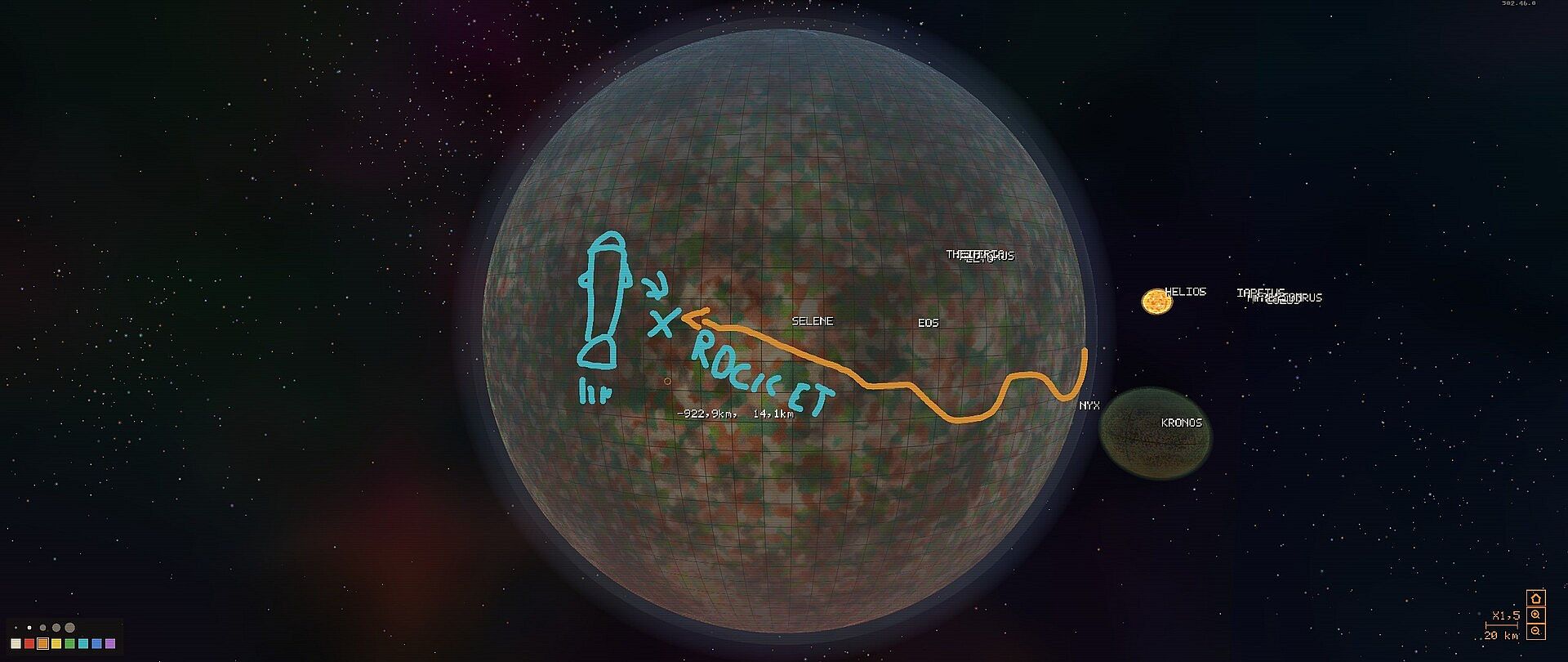
The game remains unreleased with a planned date still to be announced and currently carries no user reviews. Its described systems emphasize flexible co-op convoy management, module-based vehicle customization, and open-ended goals such as establishing local control, setting up export operations, or escaping the planet entirely. Fans of top-down action adventure titles that blend vehicle combat, resource hoarding, and crew leadership will find the core loop detailed in the available information.
Multiplayer features allow division of labor across driving, shooting, exploration, and logistics, suiting groups that enjoy coordinated play without rigid team sizes. Single-player remains viable through the persistent crew mechanic. The focus on scavenging, trading, and rebellion-building against corporate decay offers a distinct take within the indie action adventure space.












