


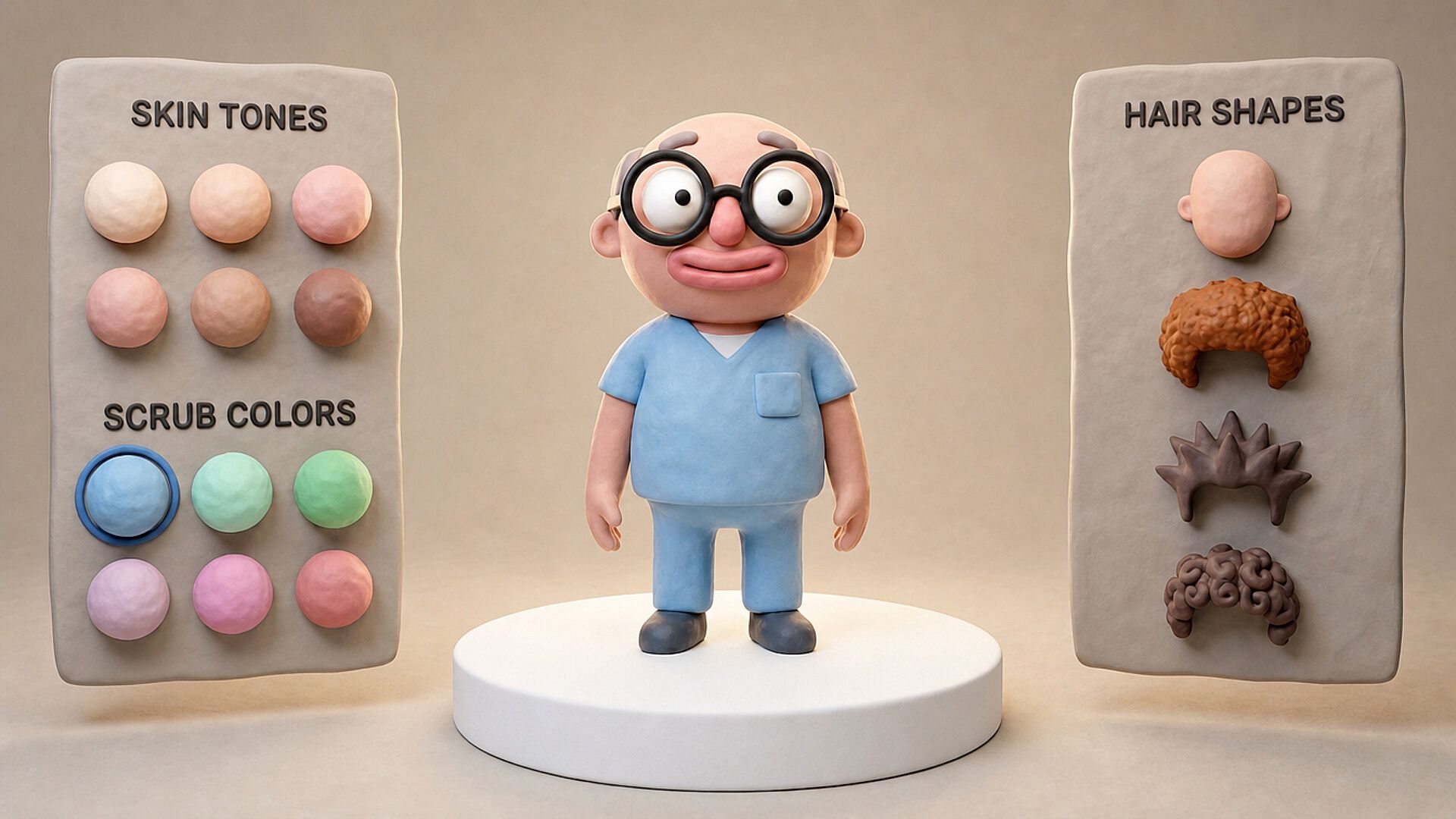
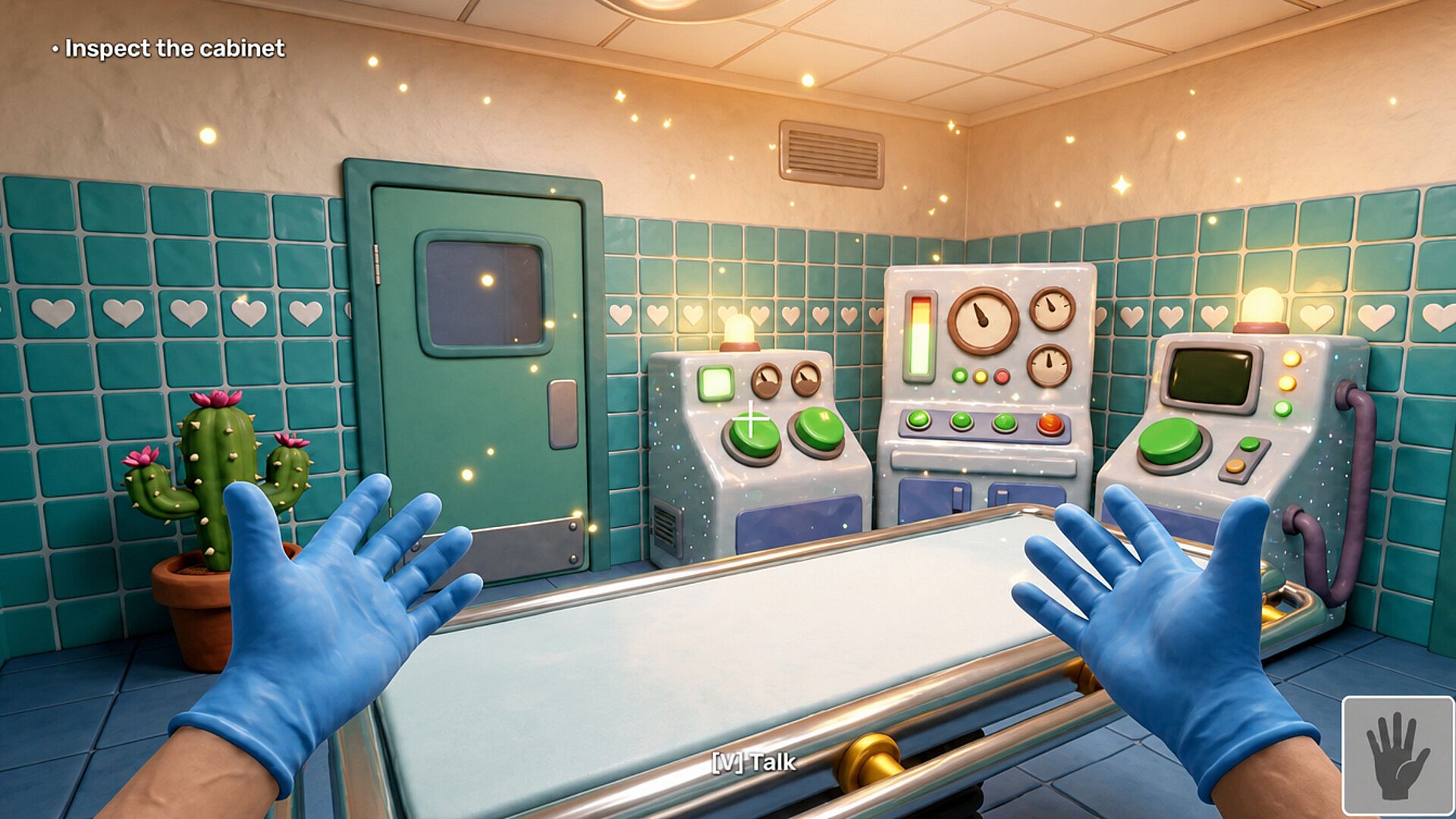
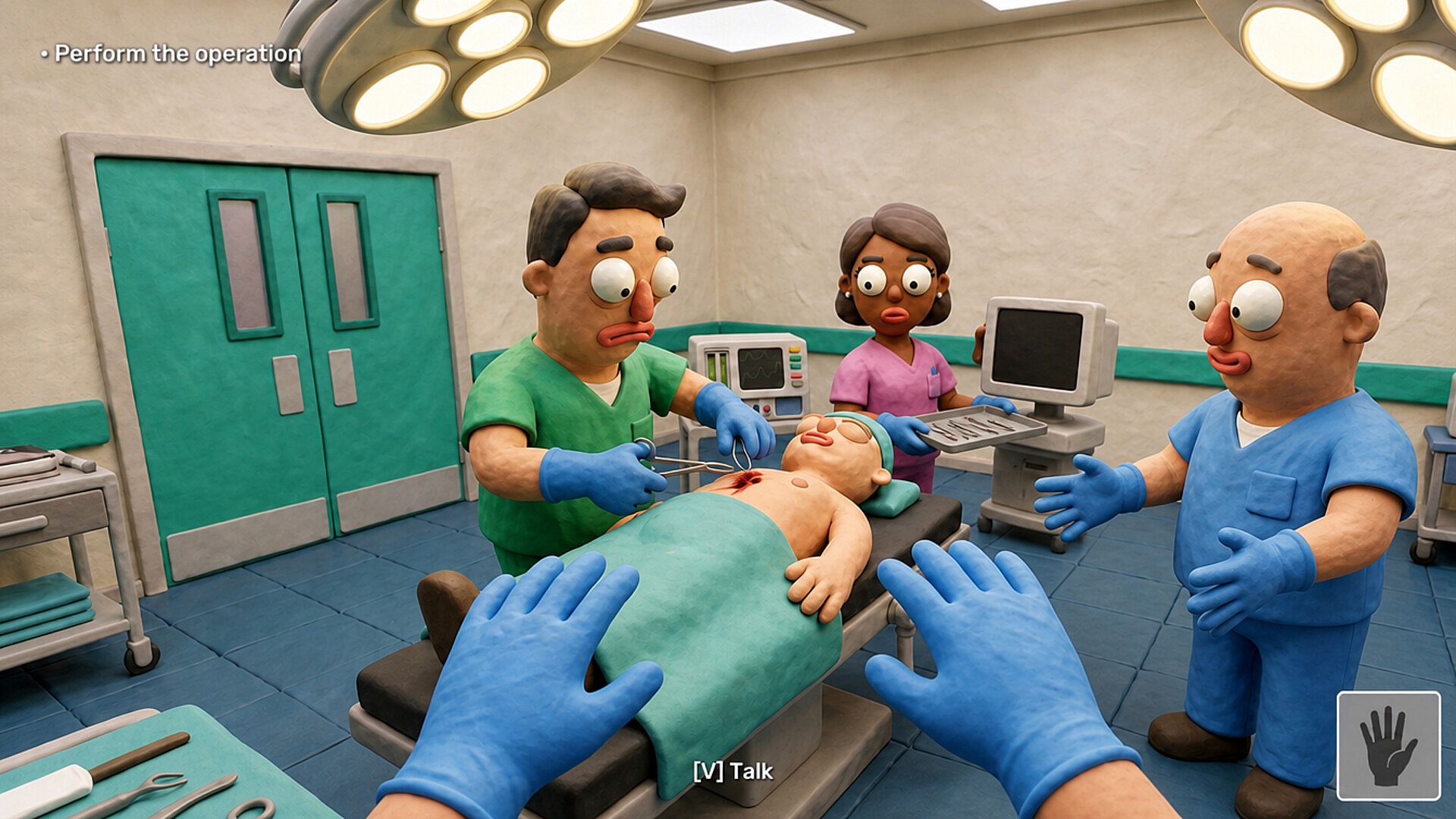
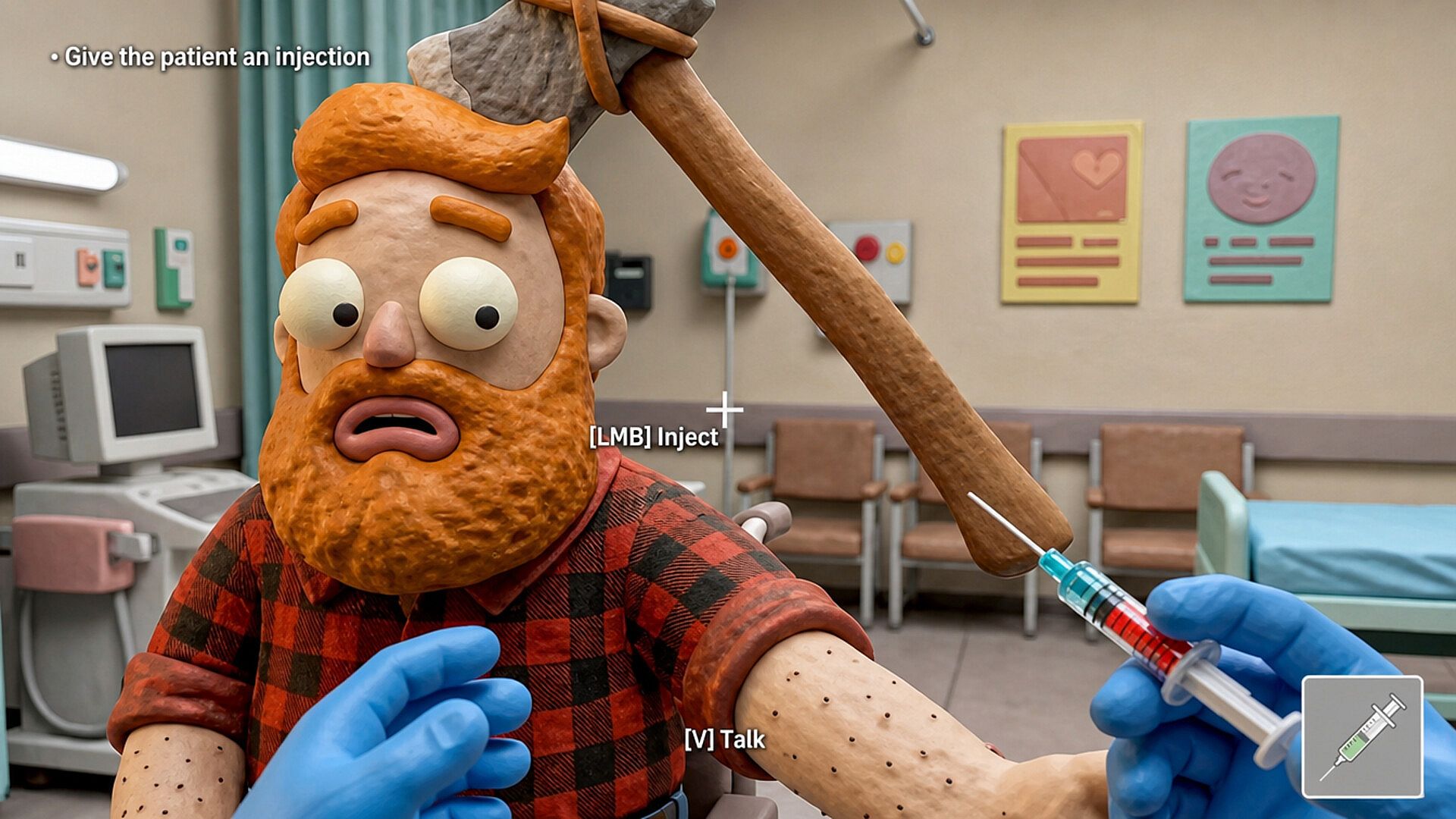
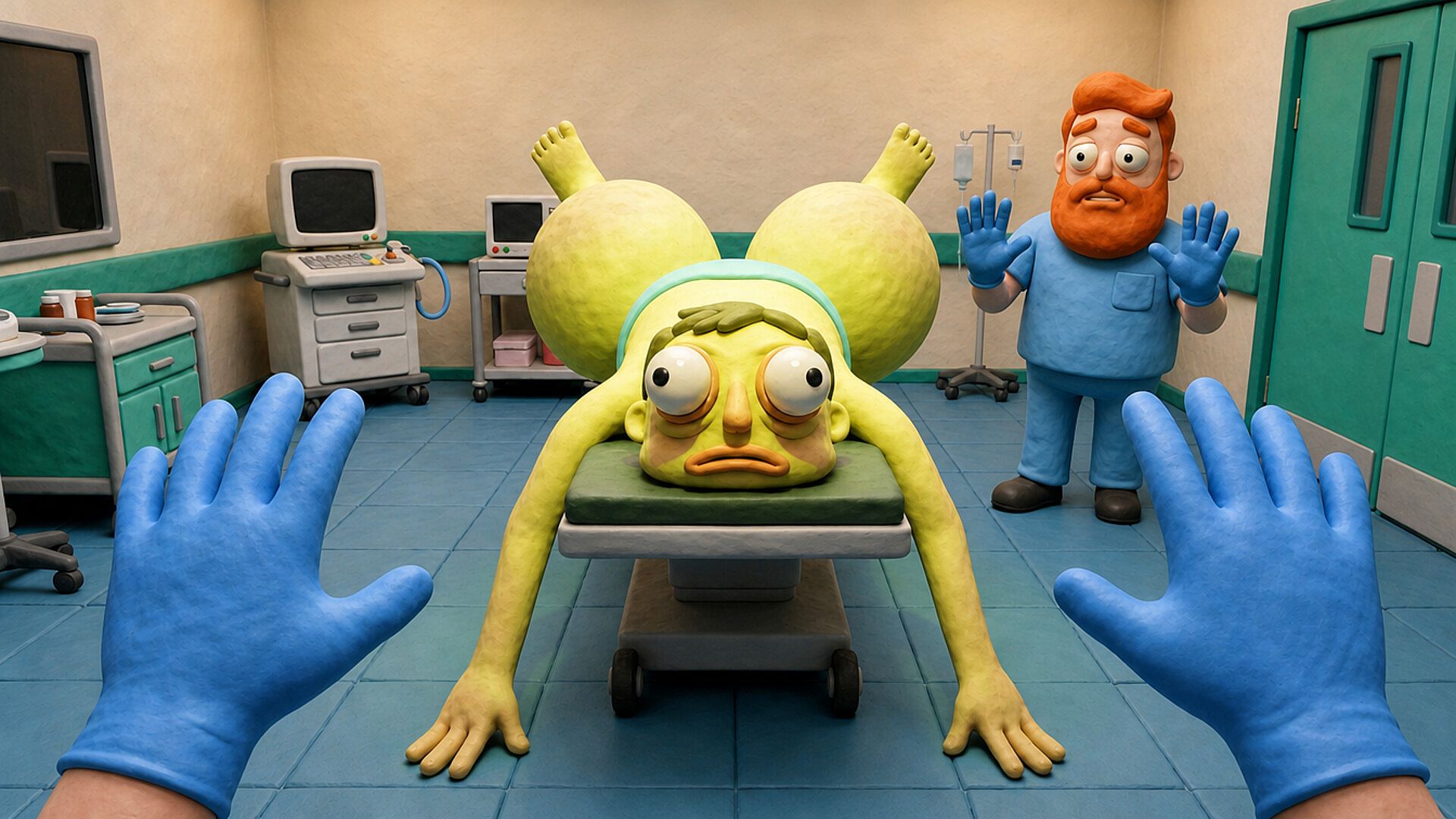
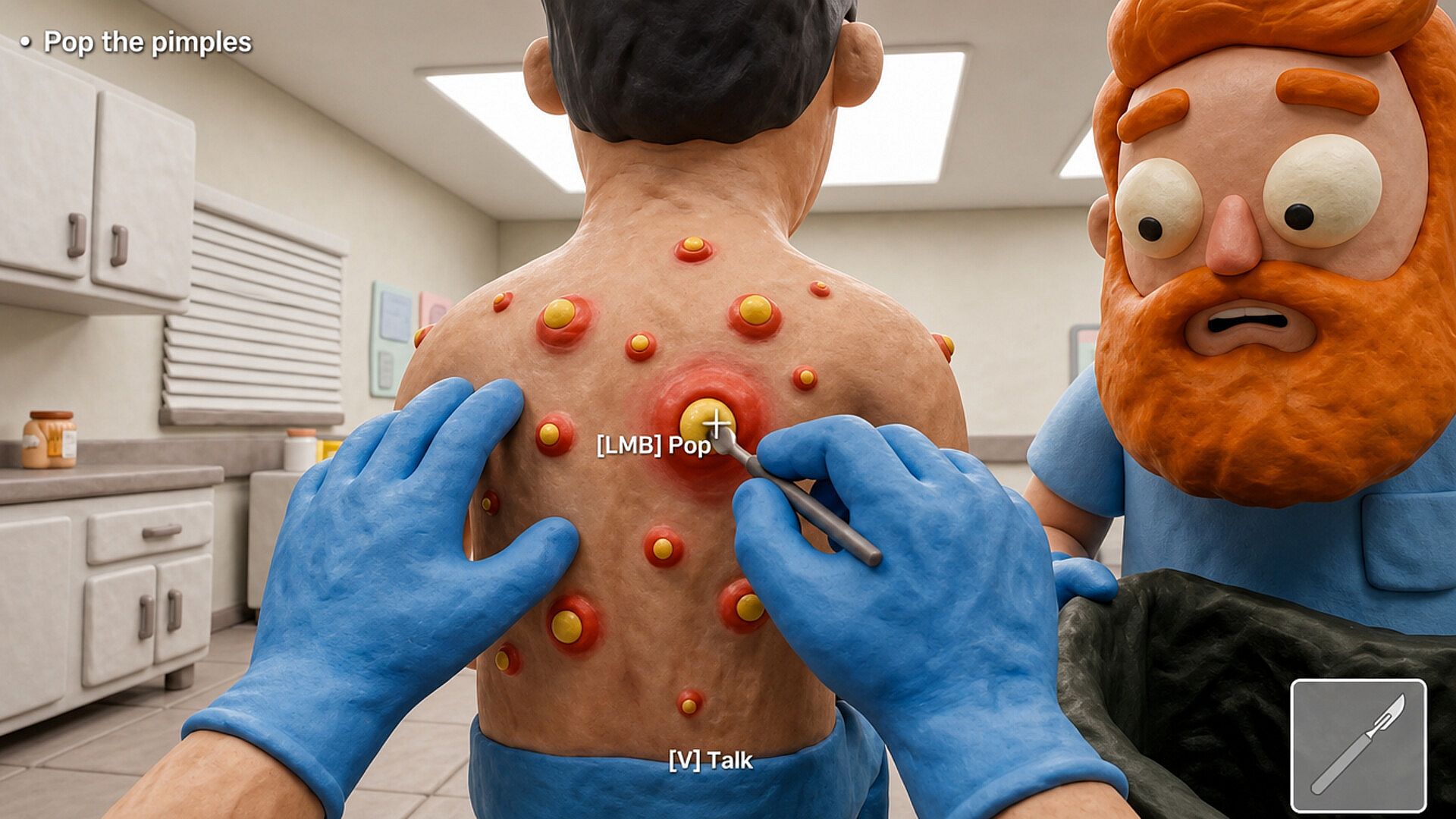


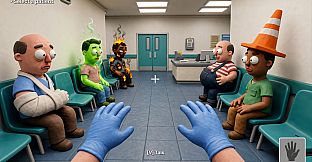

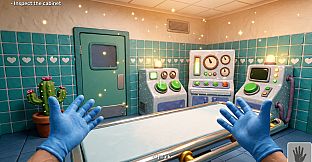
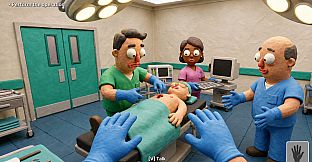

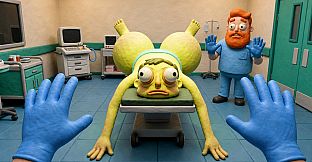
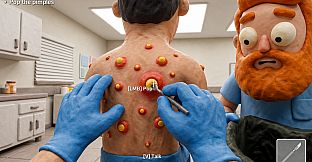
Clay Clinic is an indie casual simulation game that puts players in charge of a hospital staffed by underqualified doctors. In this co-op experience for up to six participants on PC, teams handle incoming patients made of clay while dealing with unpredictable equipment and procedures that often spiral into shared disasters.
Gameplay
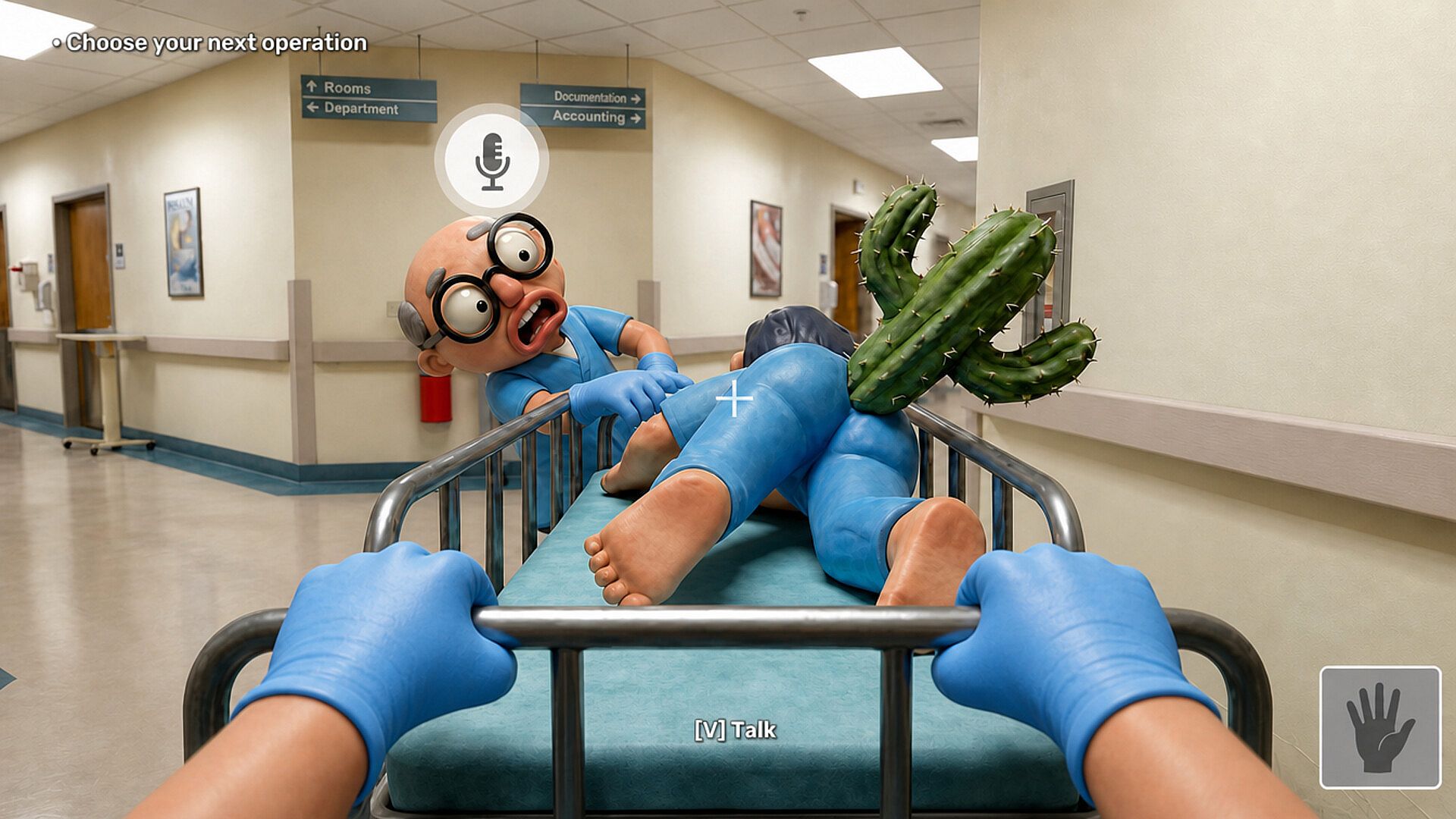
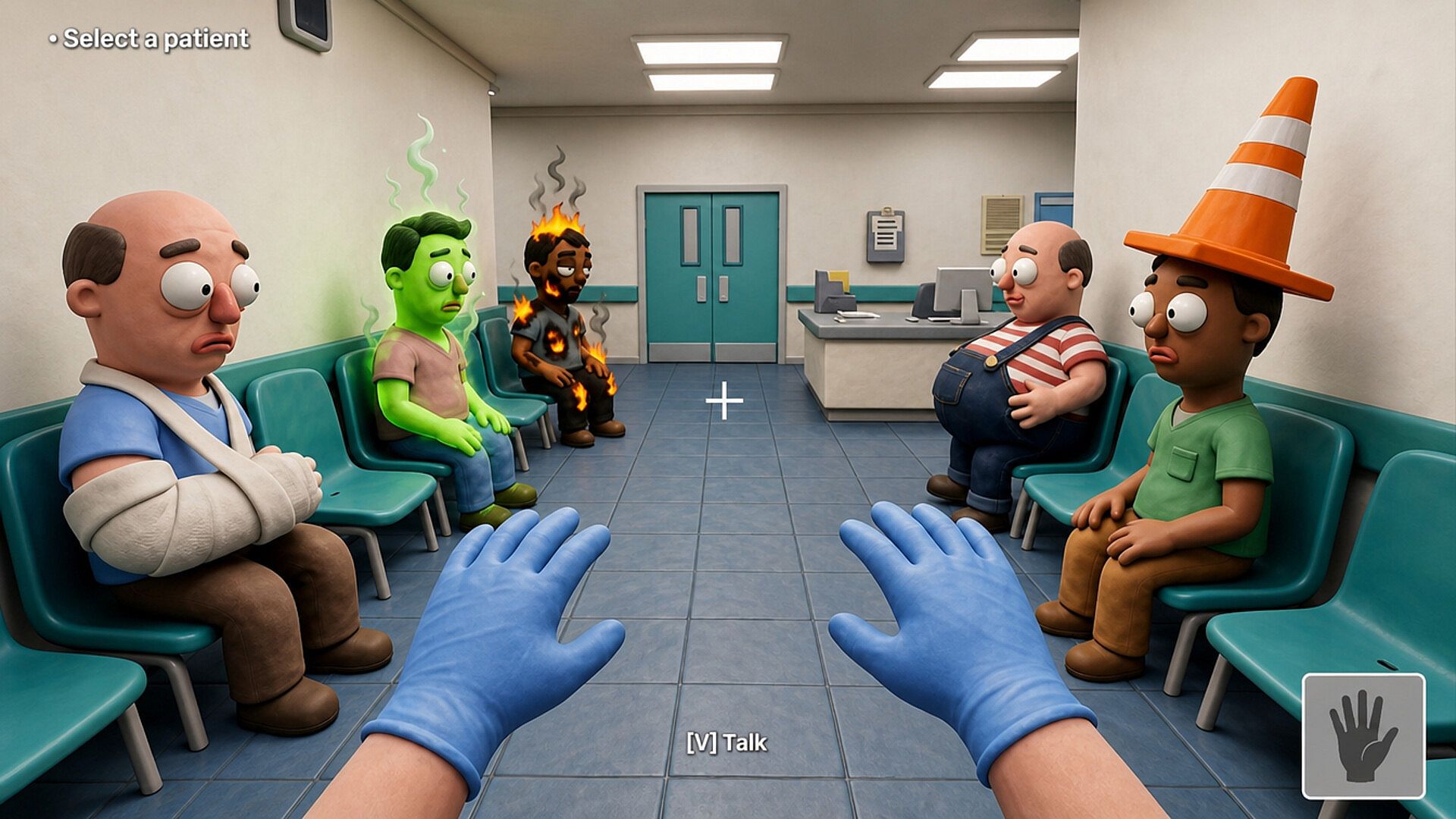
The core loop centers on diagnosing unusual symptoms, transporting patients between rooms, operating medical tools, and completing procedures before the shift ends. Players must coordinate closely because one misstep, such as selecting the wrong instrument or activating a device prematurely, immediately creates new problems for the entire group. Teams carry patients to safety, stabilize conditions, and clean up messes caused by colleagues to prevent further escalation.
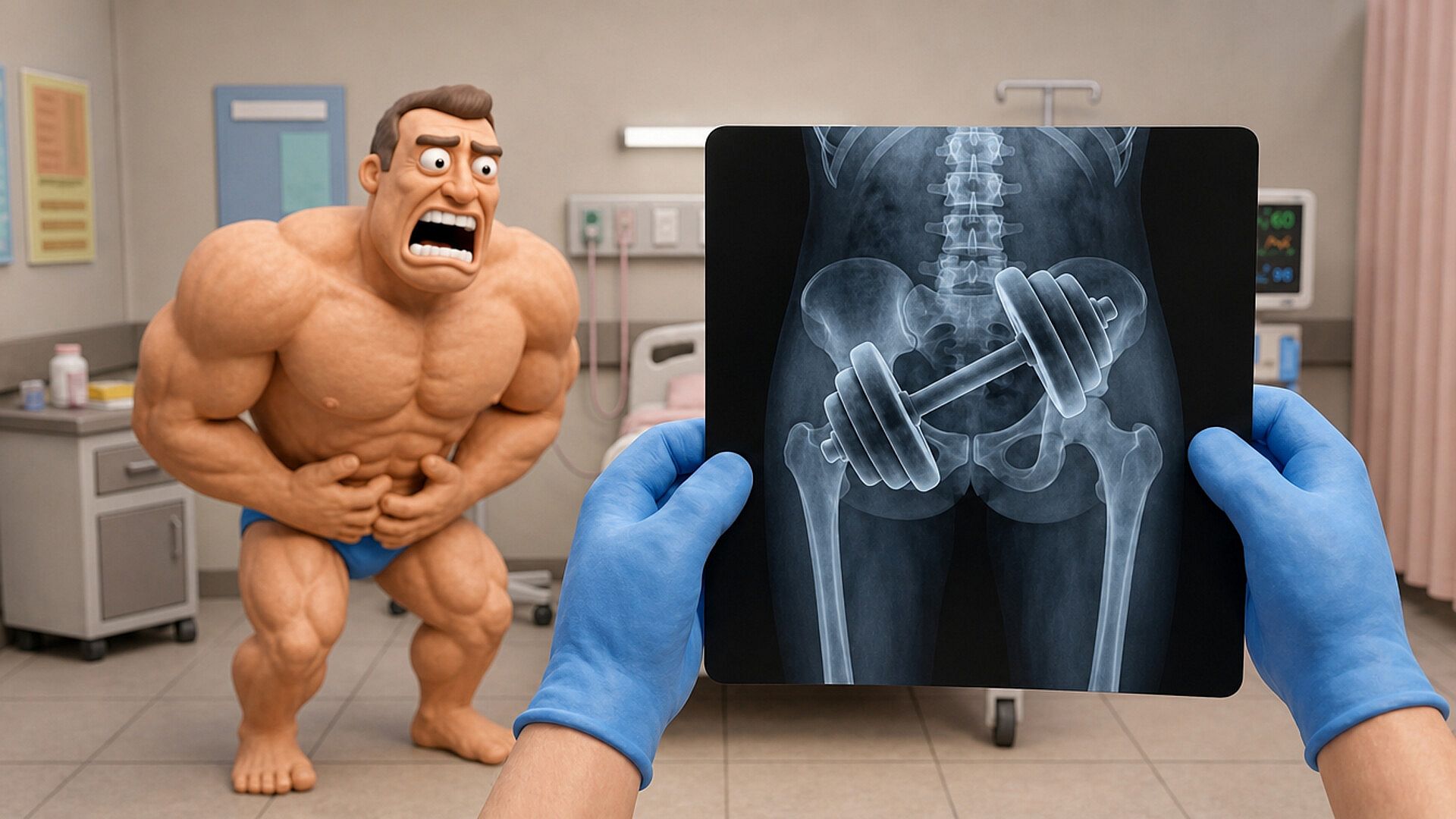
Physics play a central role in how patients and equipment behave. Clay bodies respond visibly to treatment errors by stretching, squashing, inflating, twisting, melting, or mutating in ways that still allow survival, though the legal consequences remain uncertain. Each shift introduces fresh patients, procedures, and complications that demand quick role assignment and adaptation under pressure.
Game Modes
Clay Clinic focuses on short hospital shifts designed around teamwork and rising panic. These sessions scale with player count and emphasize collaborative problem-solving as new emergencies arise from collective mistakes. The structure encourages players to divide tasks like diagnosis, tool handling, and patient movement while monitoring each other to avoid compounding issues.
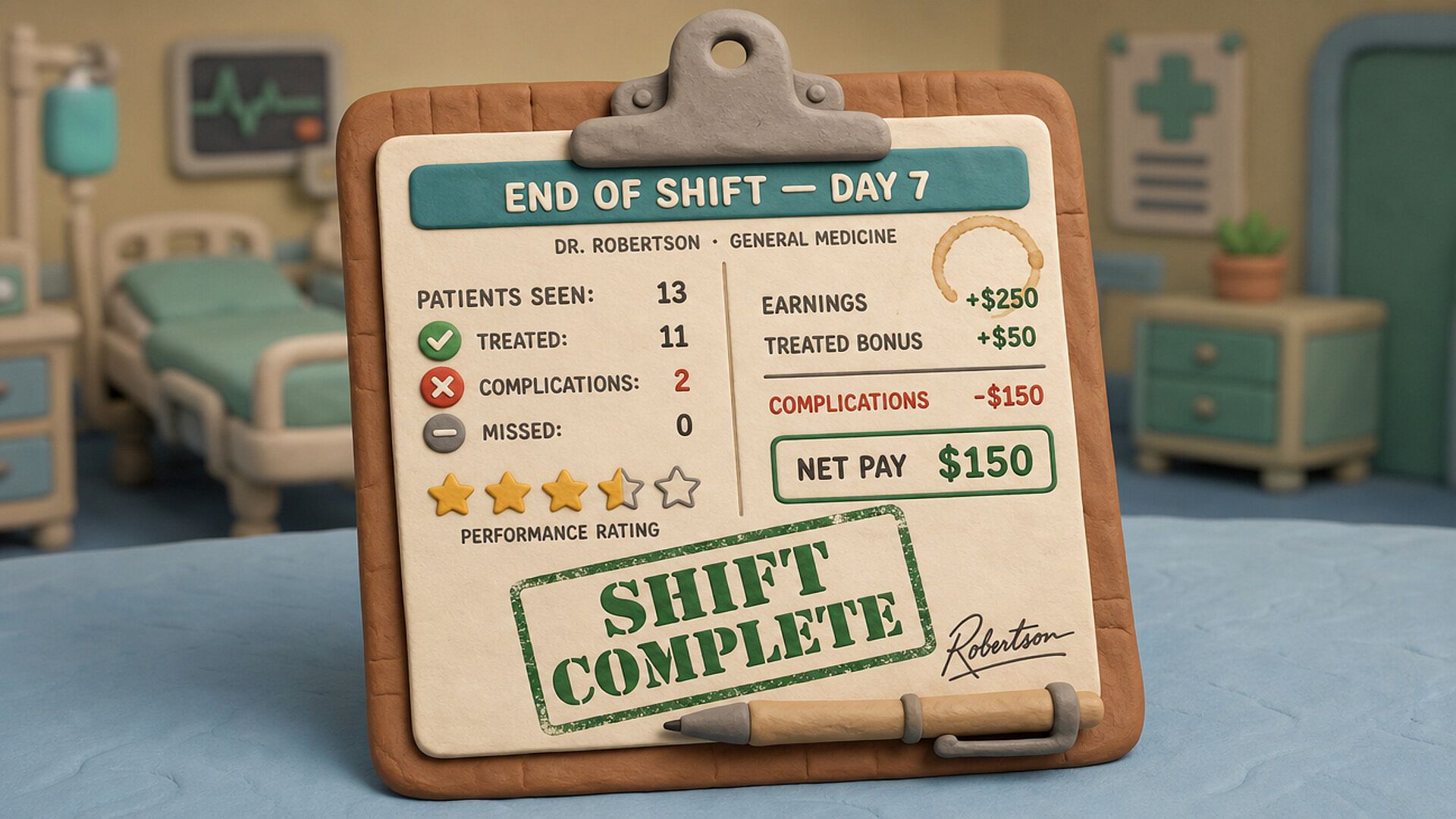
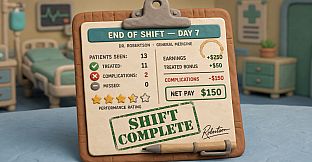
End-of-shift reports track failures, fines, lawsuits, and individual blame, adding a layer of accountability that influences how groups approach subsequent rounds. No separate competitive or solo modes appear in available details, keeping the emphasis on the shared chaos of managing the clinic together.
Clay Patients and Visible Deformations
Patients arrive with strange symptoms that require careful handling, yet the clay material means every intervention leaves permanent physical changes. Bad calls can reshape bodies in extreme ways, turning routine care into a process of managing increasingly altered forms while still aiming for completion of the shift. This deformation mechanic ties directly into the physics system, where tools and equipment interact realistically with the malleable patients.
Escalating mistakes compound across the team, forcing players to intervene in real time to correct colleagues before a single error turns into a full-scale incident. The result keeps sessions tense and replayable as groups learn to anticipate and mitigate each other's actions.
Team Coordination and Shift Survival
Success depends on fast communication and role flexibility within the group. New rooms, tools, and patient types appear over time, introducing fresh variables that test how well a team adapts. The short duration of each shift maintains a brisk pace, with complications building toward a final assessment that highlights what went wrong and who bears responsibility.
Features such as online co-op support and physics-driven interactions reinforce the focus on preventing and fixing disasters in real time. Players who enjoy simulation games built on collaboration rather than individual skill will find the emphasis on shared accountability a defining trait.
Is It Worth Playing?
Clay Clinic targets fans of casual co-op simulations who appreciate lighthearted chaos over precise medical accuracy. Its upcoming status on PC means no player reviews or ratings exist yet, and the game remains in development with a playtest option available for those interested in early feedback. The verified mechanics of clay deformation, physics handling, and shift-based teamwork suggest strong appeal for groups seeking quick, repeatable sessions filled with emergent comedy from collective errors.
Those who prefer structured single-player experiences or polished release titles may want to wait for launch. For players drawn to indie titles that reward coordination and humor in medical settings, the core loop described in official materials aligns closely with the promise of unpredictable team play. Wishlisting provides updates as development progresses toward release.