

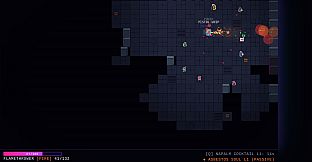
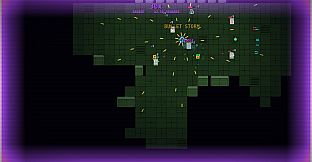
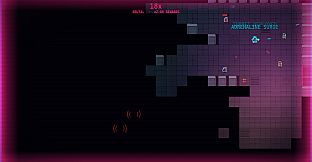
Chrome Circuit is a top-down twin-stick roguelite action game developed for PC. Players navigate a cyber-dystopia through fast-paced runs that emphasize chaining kills, managing risk-reward contracts, and building unique loadouts each attempt.
Gameplay
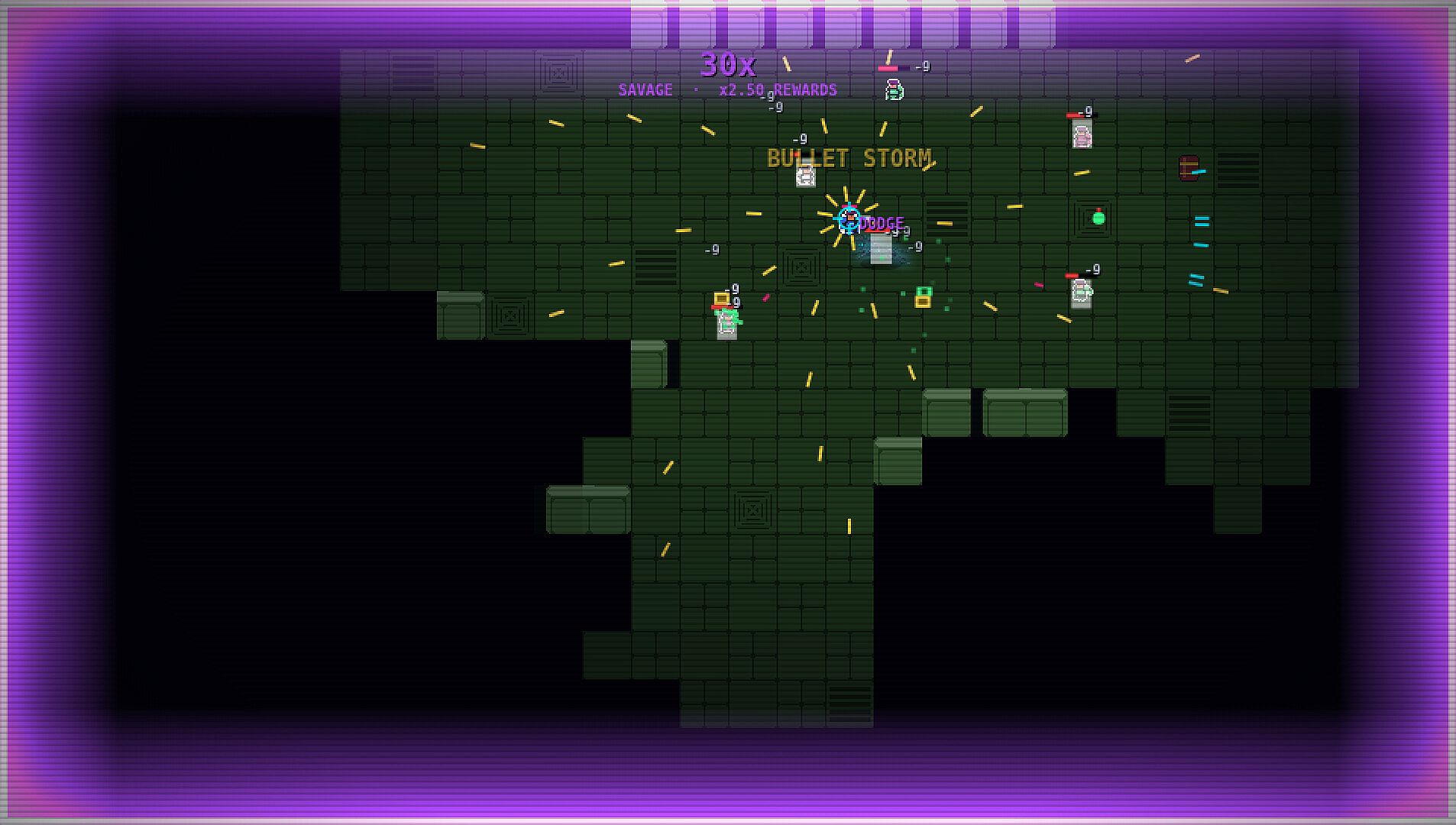
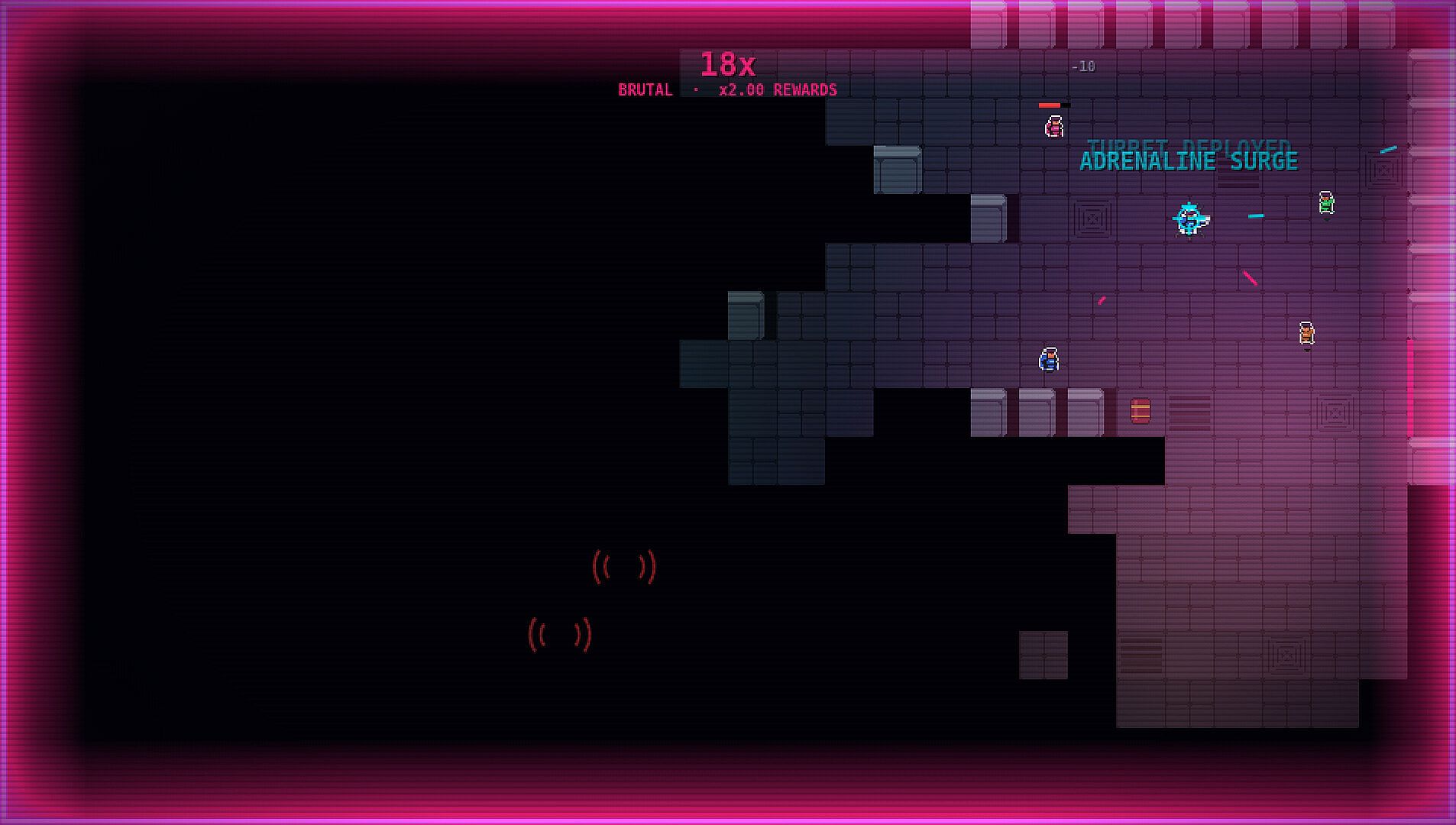
The core loop revolves around twin-stick controls where movement and aiming operate independently. Players wield two guns simultaneously with separate ammunition and reload mechanics, allowing for layered offensive options during combat. Kills build into combos that scale rewards in experience, currency, and reputation points, with multipliers reaching up to three times the base value when the streak intensifies. The visual feedback shifts from blue tones to a full rainbow effect as the multiplier climbs, but any pause in eliminations resets the bonus entirely.
Level-ups pause the action and present three upgrade cards drawn from a pool of fourteen cybernetic options. These stack across runs and combine with class abilities plus any active contracts. Perception mechanics mean enemies must detect the player before engaging, adding a layer of positioning and awareness to each arena encounter.
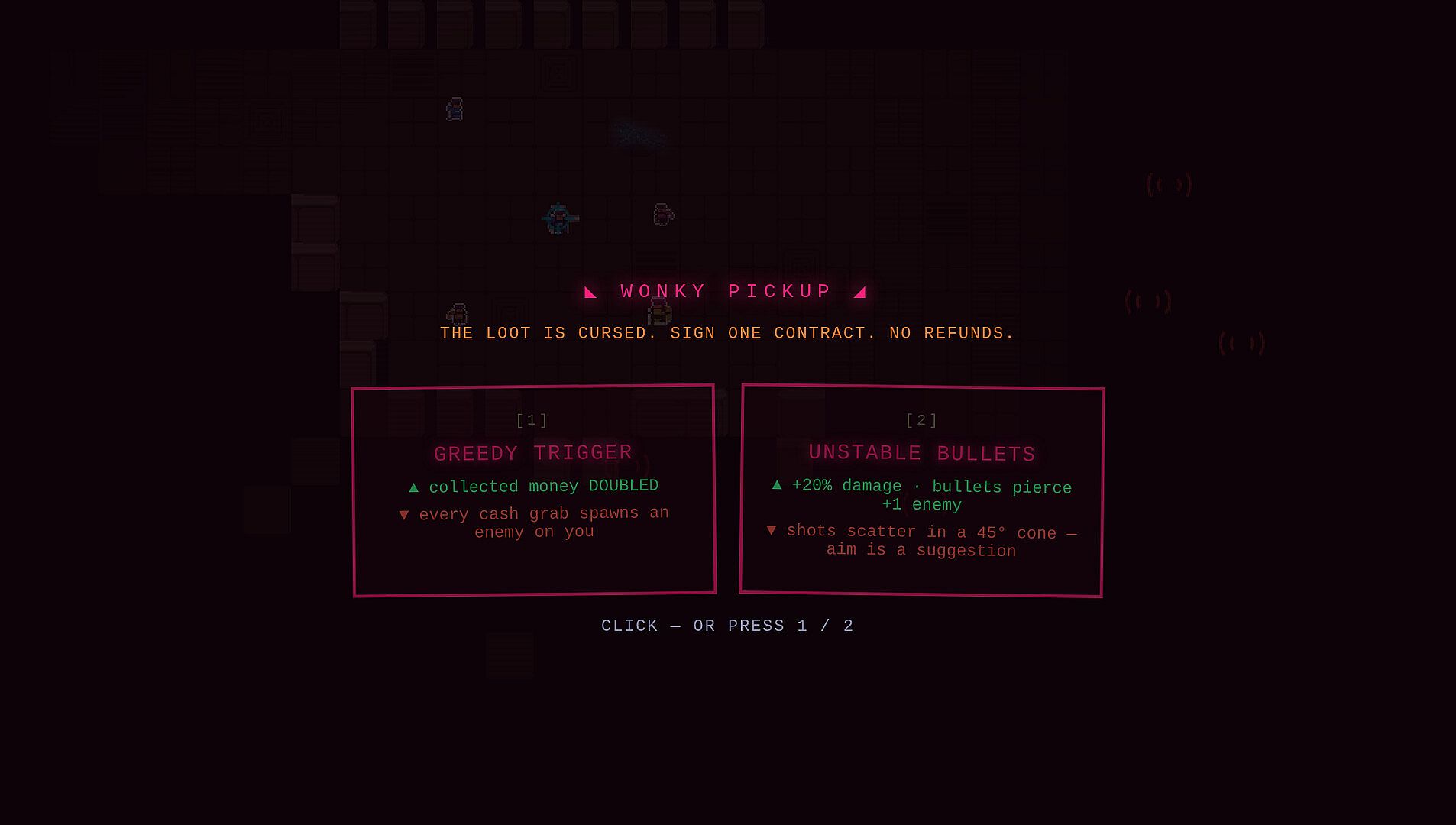
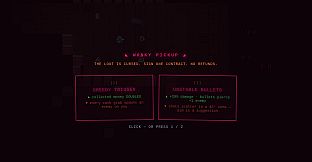
Cursed pickups force a choice between two contracts upon collection. Examples include trading health for damage boosts, increasing cash gains at the cost of spawning additional foes, or gaining damage with a strict time limit on kills or instant death. These stack and shape the run in unpredictable ways, encouraging experimentation with high-risk paths.
Game Modes
Chrome Circuit operates as a single-player roguelite experience centered on repeated runs through fixed districts. Each attempt starts fresh with a new build, though reputation earned carries over for permanent unlocks. Three save slots support multiple ongoing progressions.
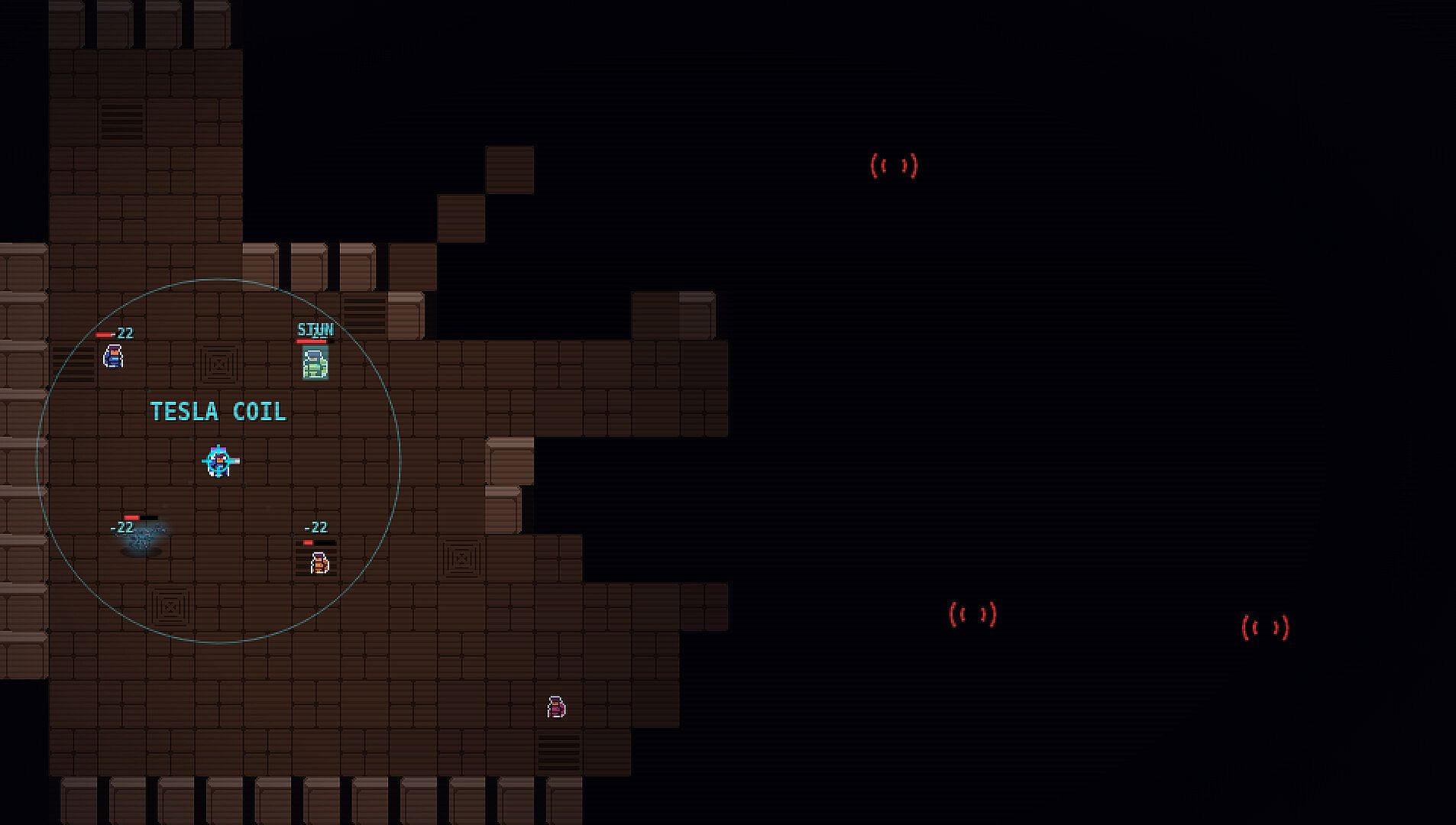
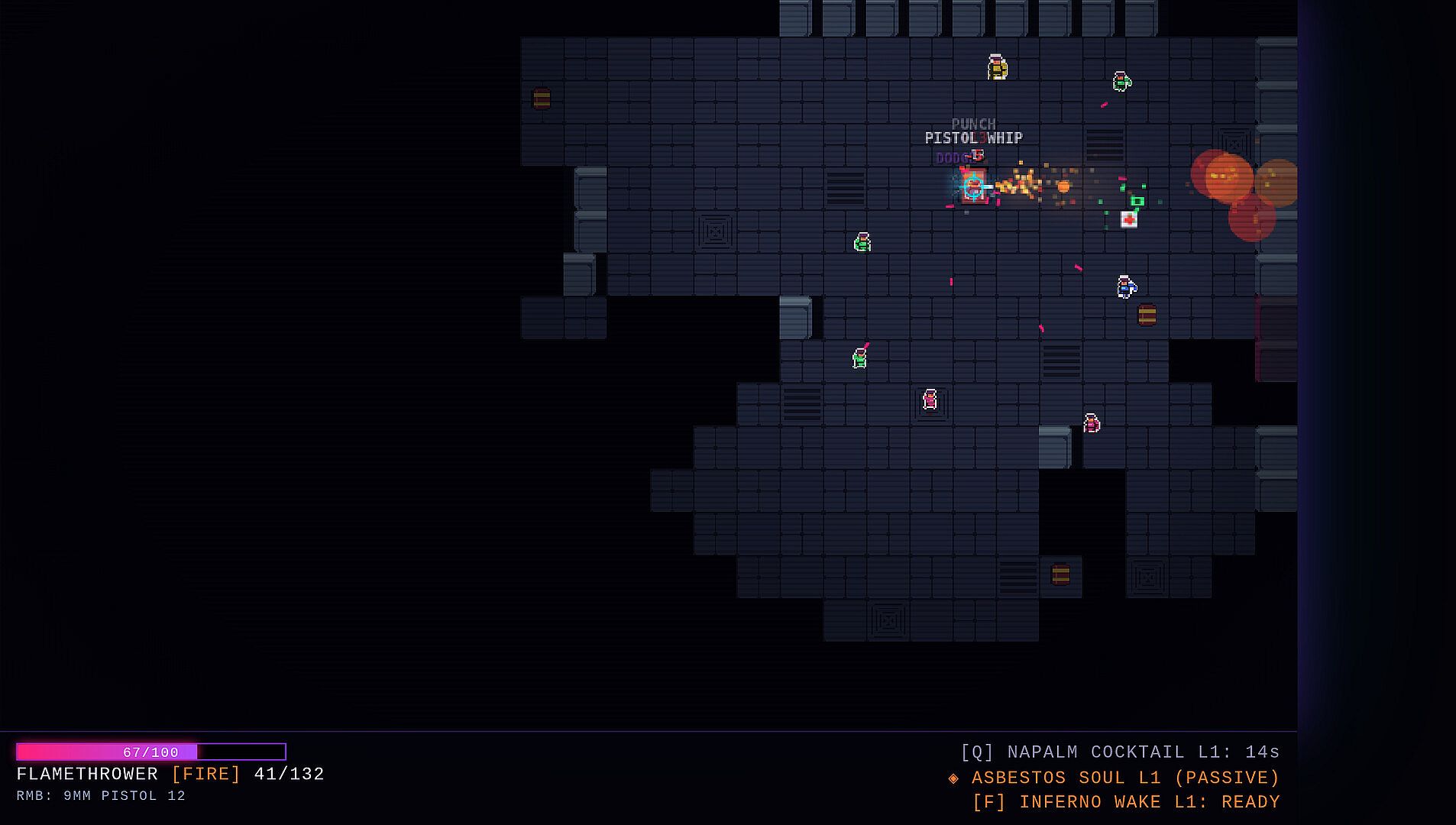
Four starting classes define distinct playstyles. The Merc serves as the balanced option with a combat roll, adrenal surge ability, and deployable turret. The Soldier brings higher health and tools like frag grenades, field dressing, and a suppressing fire cone. The Assassin prioritizes speed and precision through recon pulses, a one-shot Death Touch, and time-stopping Shadowstep teleports. The Pyro focuses on area control with napalm and fire-based denial tools. Additional operators unlock via reputation spending for further variety in approach.
Progression moves across three districts containing thirty arenas total. Neon Docks, Rust Works, and Toxic Undercity each feature unique visuals, enemy compositions, and a district boss. Clearing all three completes the circuit for that run.
Progression and Customization
Reputation points accumulate from successful runs and fund permanent class unlocks in the shop. Upgrades from level-up cards persist within a single run but reset between attempts, while reputation and unlocks remain. Controller support extends to full playthroughs, with recommended setups for precise twin-stick handling.
The system rewards consistent aggression through the combo multiplier while punishing hesitation. Contracts introduce deliberate trade-offs that alter health, damage, spawns, or timing requirements, leading to highly variable builds when layered with class kits and card selections.
Is It Worth Playing?
Chrome Circuit suits players who enjoy roguelite structure with emphasis on build experimentation and high-stakes decision making during runs. The single-player focus and controller-friendly design make it accessible for sessions centered on short to medium attempts that build toward longer completions. Persistent elements like reputation unlocks provide motivation across multiple playthroughs without requiring constant restarts from zero.
Those drawn to twin-stick combat, risk-reward mechanics, and class-based variety will find the core systems align closely with those preferences. The game remains in a pre-release state with no user reviews available yet, so expectations should center on the described features rather than established community feedback.