


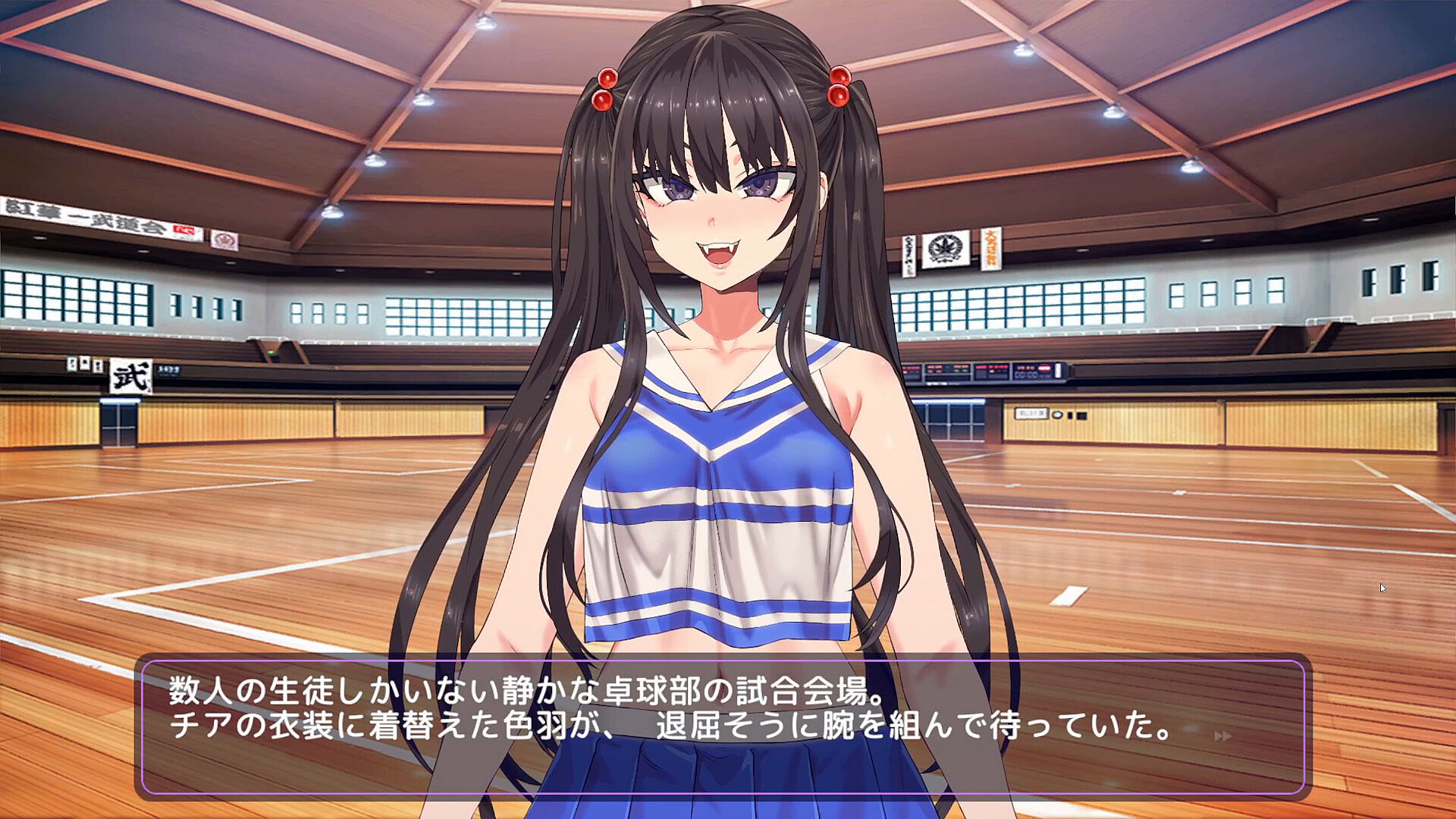
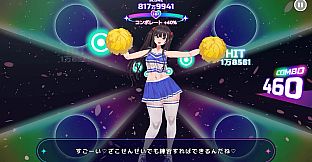
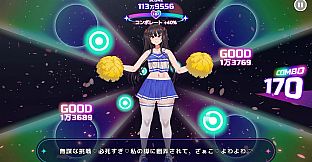
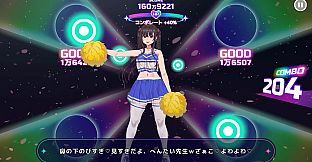
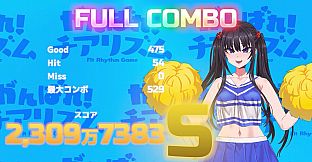
CHEEKY CHEERHYTHM is a rhythm action game that blends physical movement with cheerleading performance. Players take on the role of Sensei and guide high-school student Iroha Shishikura through dance routines using dual gyro motion controllers held like pom-poms. The experience centers on timing beats accurately while the character responds with animated movements and spoken lines.
Gameplay
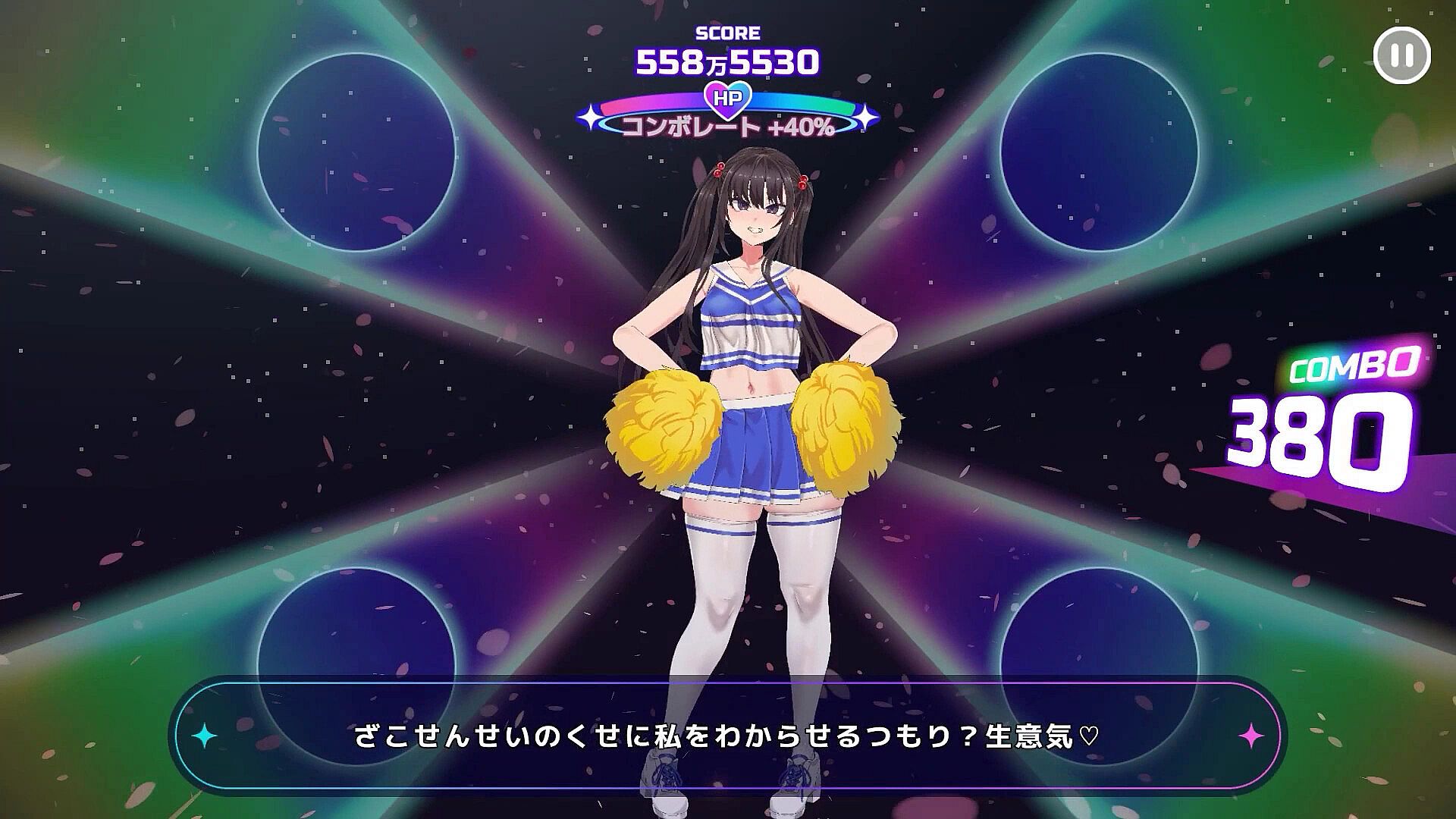
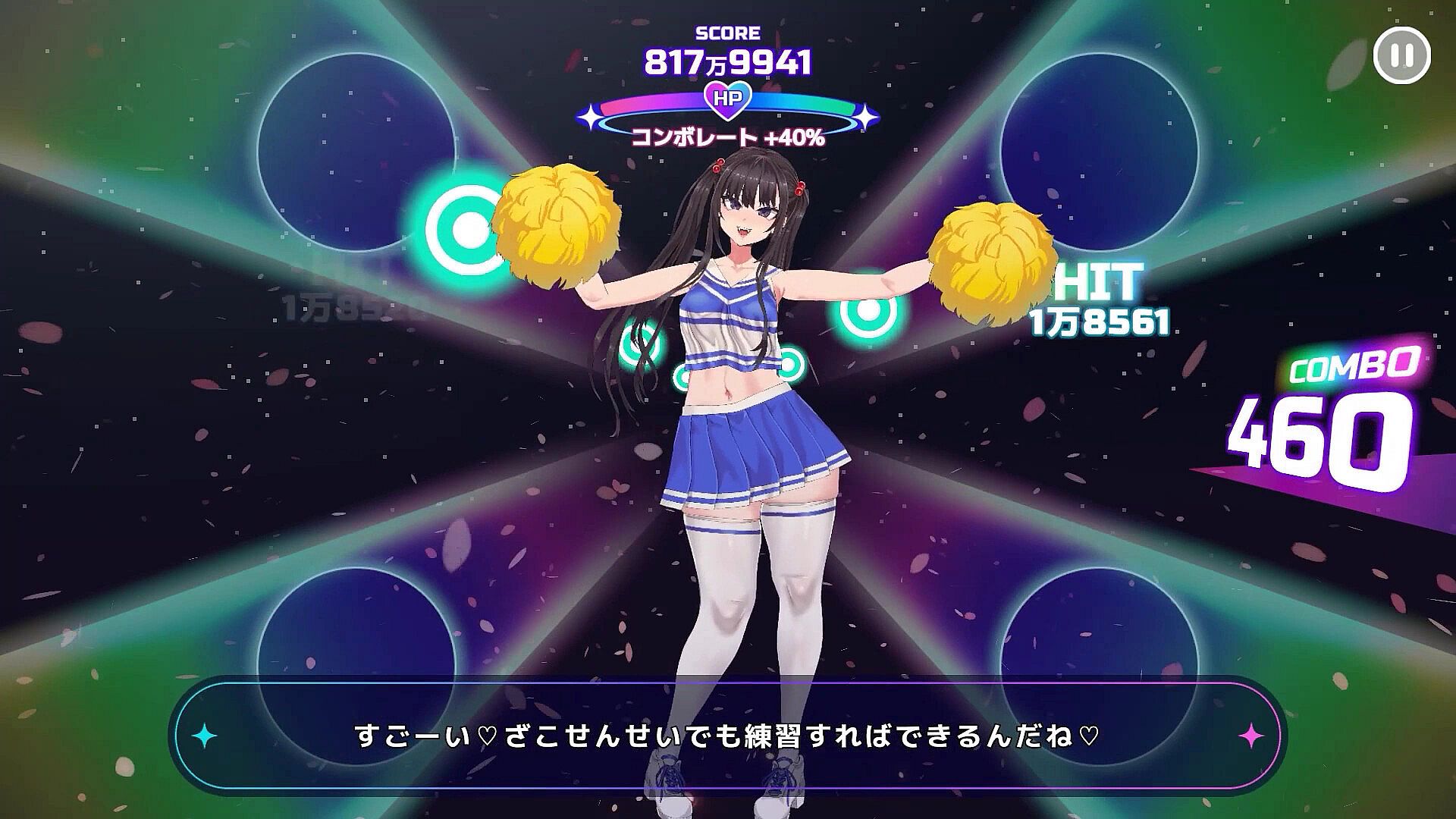
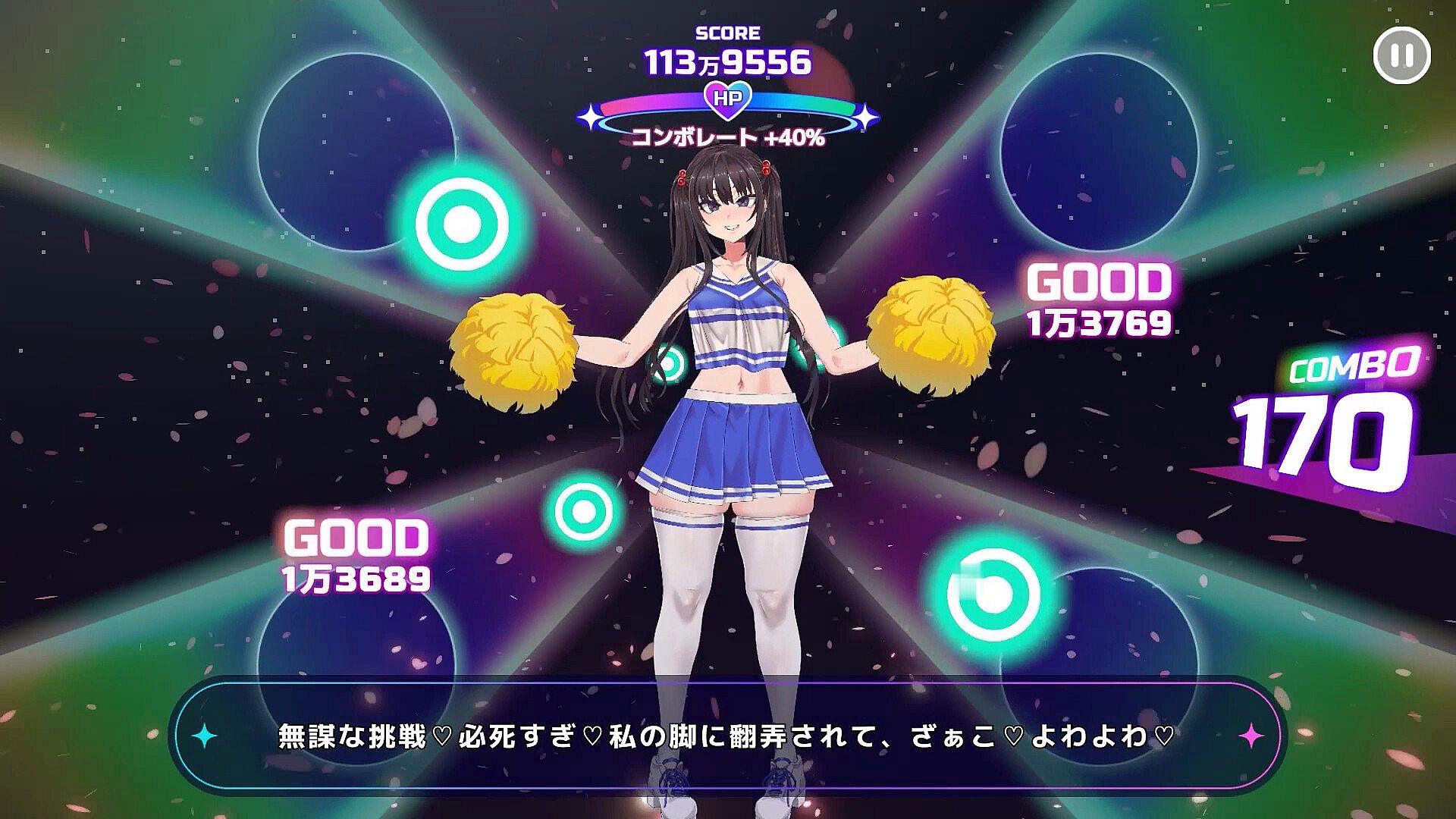
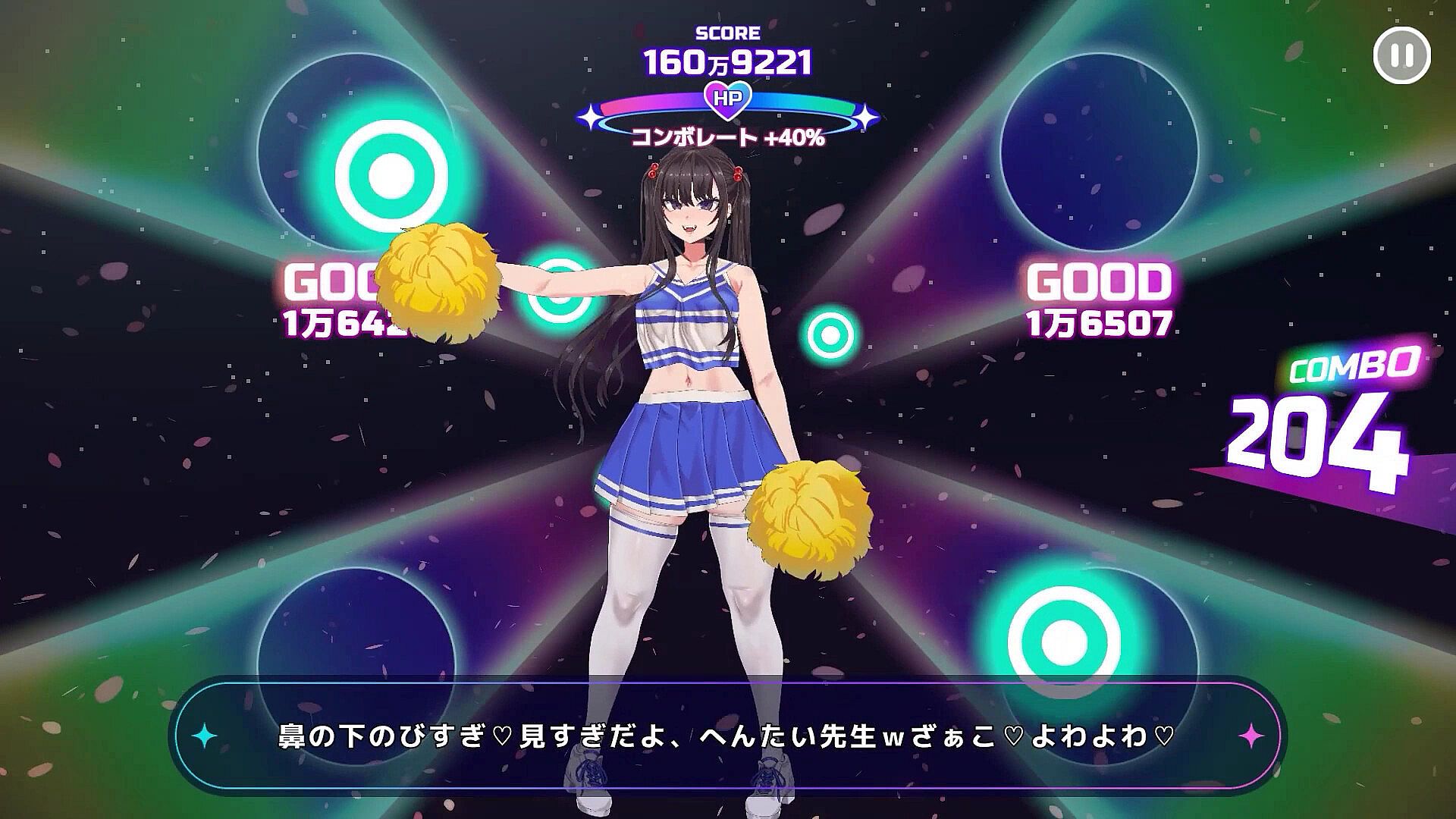
Controls rely on motion sensors in the controllers. Swinging and waving them in sync with on-screen cues drives the cheer routine forward. Accuracy influences how smoothly Iroha performs each sequence, with her body reacting in real time through Live2D animation. The system tracks rhythm input and adjusts the visual output accordingly, creating a direct link between player effort and on-screen results.
Voice lines play throughout each session. Iroha delivers a range of original taunts that vary based on performance quality. These lines emphasize her prideful personality and appear frequently during practice. The setup encourages repeated attempts to refine timing and reduce the frequency of certain comments.
Visual design comes from illustrator Asanagi, with emphasis on fluid body movement rendered through Live2D technology. The animation responds to input precision, so stronger rhythm adherence produces more natural and extended motion sequences. This creates a feedback loop where better play visibly improves the cheer performance.
Game Modes
The core activity involves coaching individual cheer dance routines. Sessions focus on building toward a complete performance that aims to improve school sports club outcomes. Progress comes from consistent rhythm accuracy across multiple practice runs.
Each routine presents a set of timed cues that players match by moving the controllers. The system records accuracy and feeds it back through animation changes and voice responses. No separate competitive or multiplayer structures appear in the current description, keeping the focus on solo coaching sessions.
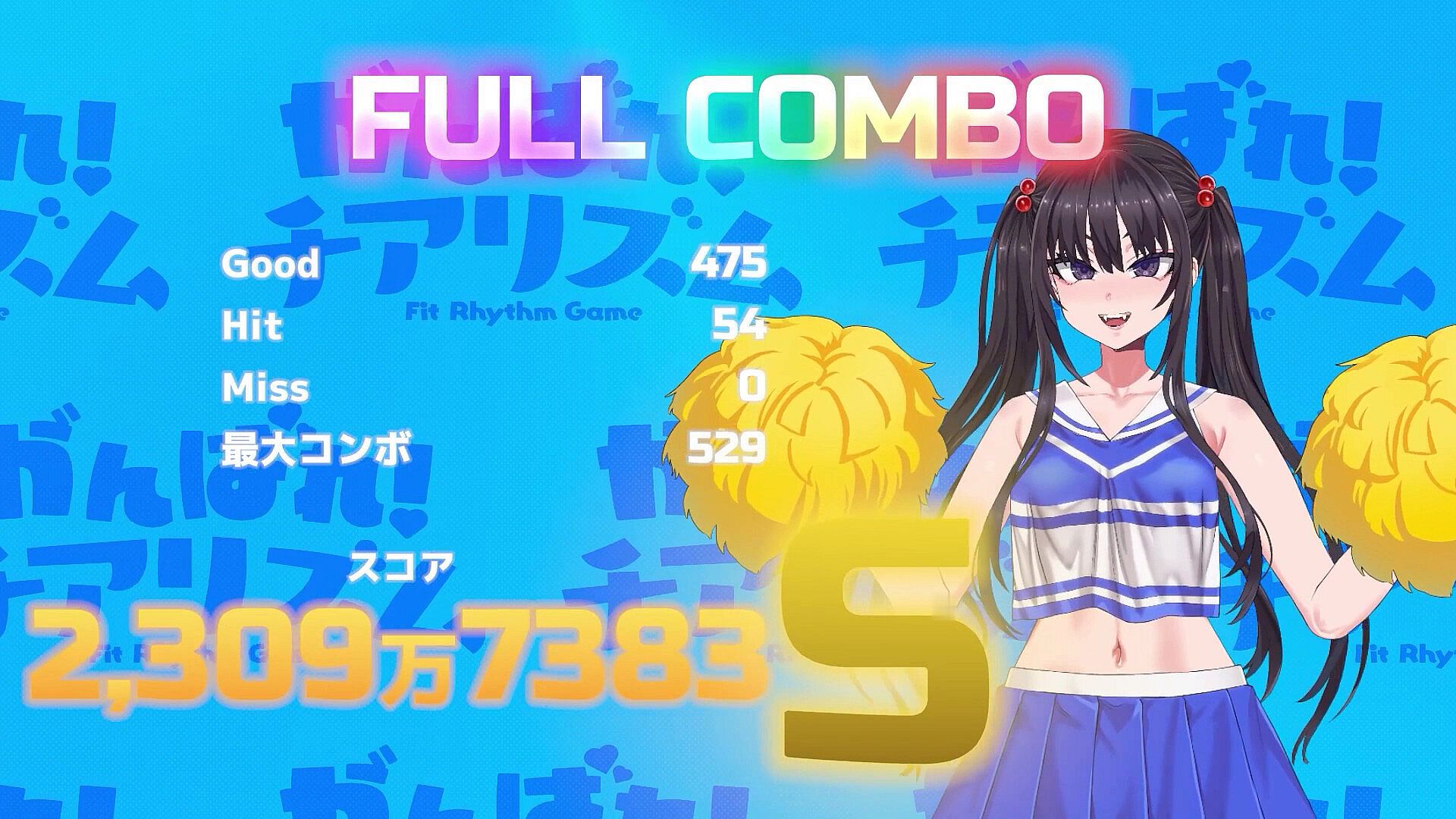
Players can revisit routines to improve scores and observe how Iroha's reactions evolve with better input. The loop rewards steady improvement in timing and movement consistency rather than external competition.
Character and Presentation
Iroha Shishikura serves as the central figure. She begins with no cheerleading background yet shows talent under coaching. Her personality mixes teasing remarks with an underlying innocence that surfaces through body language. The gap between her spoken words and physical responses forms a key part of the appeal.
Voice work by Hinata Yuka supplies dozens of unique lines. These cover a spectrum of cheeky comments that trigger at different performance levels. The variety keeps sessions engaging even during repeated practice.
Art and animation prioritize expressive motion. Real-time adjustments mean every playthrough can look slightly different depending on how closely the player follows the beat. This technical approach highlights the connection between controller input and visual feedback.
Is It Worth Playing?
The game targets players who enjoy rhythm titles that incorporate physical motion and character-driven feedback. Its use of gyro controllers sets it apart from standard button-based rhythm experiences, appealing to those with compatible hardware who want a more active session.
Strengths include the direct link between accuracy and animation quality plus the consistent voice responses that react to play style. These elements create a personal coaching dynamic centered on one character.
Potential buyers should consider their interest in motion-controlled rhythm games and tolerance for repeated practice loops. The single-player focus and emphasis on performance refinement suit sessions where improvement feels tangible through visual and audio changes.
Availability remains limited to PC at this stage, with a planned release window in 2027. Those drawn to indie rhythm action with unique controller mechanics and expressive character animation will find the core loop matches the described features closely.