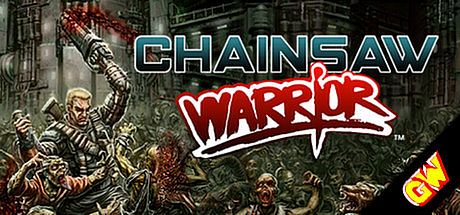











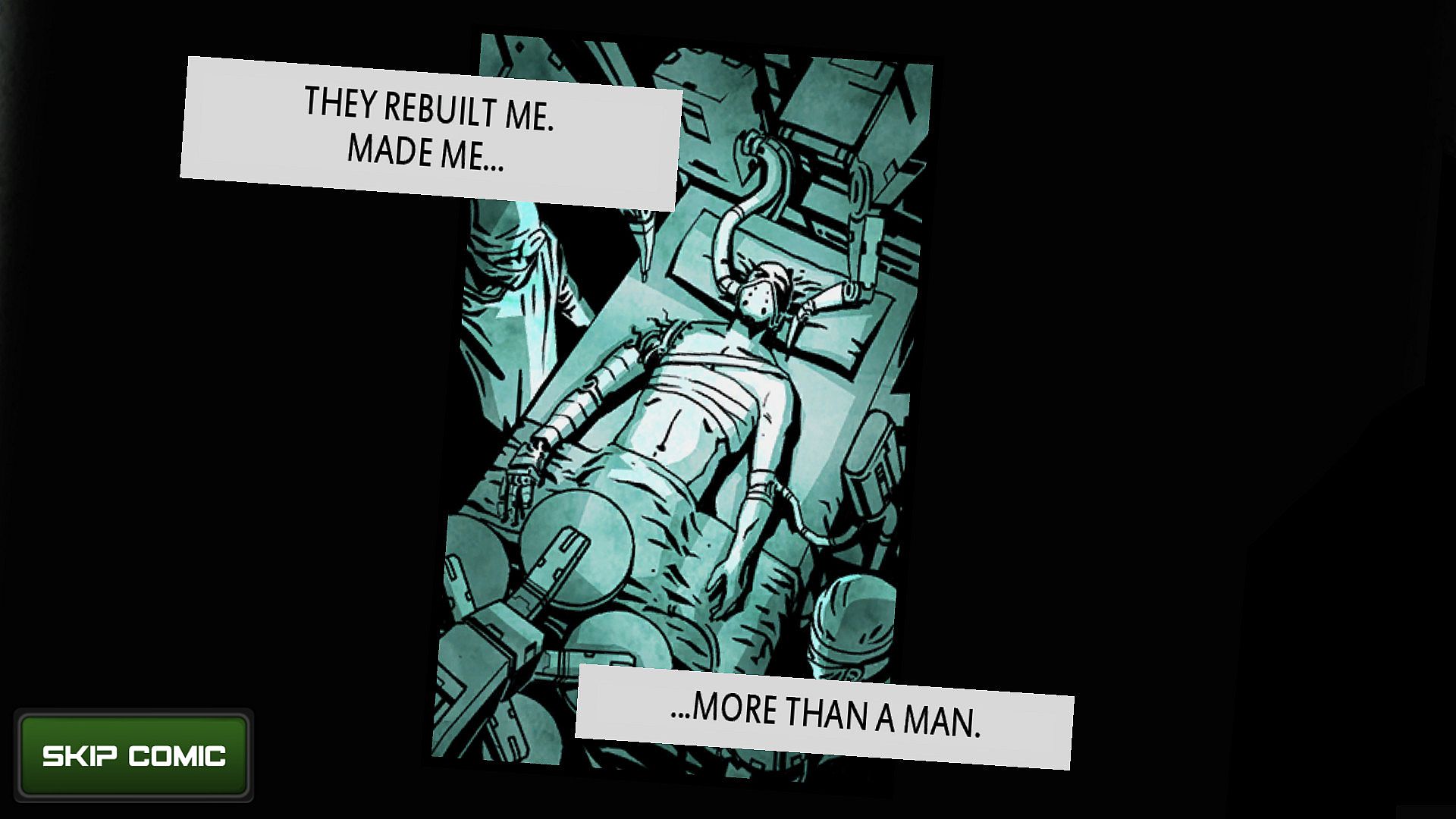
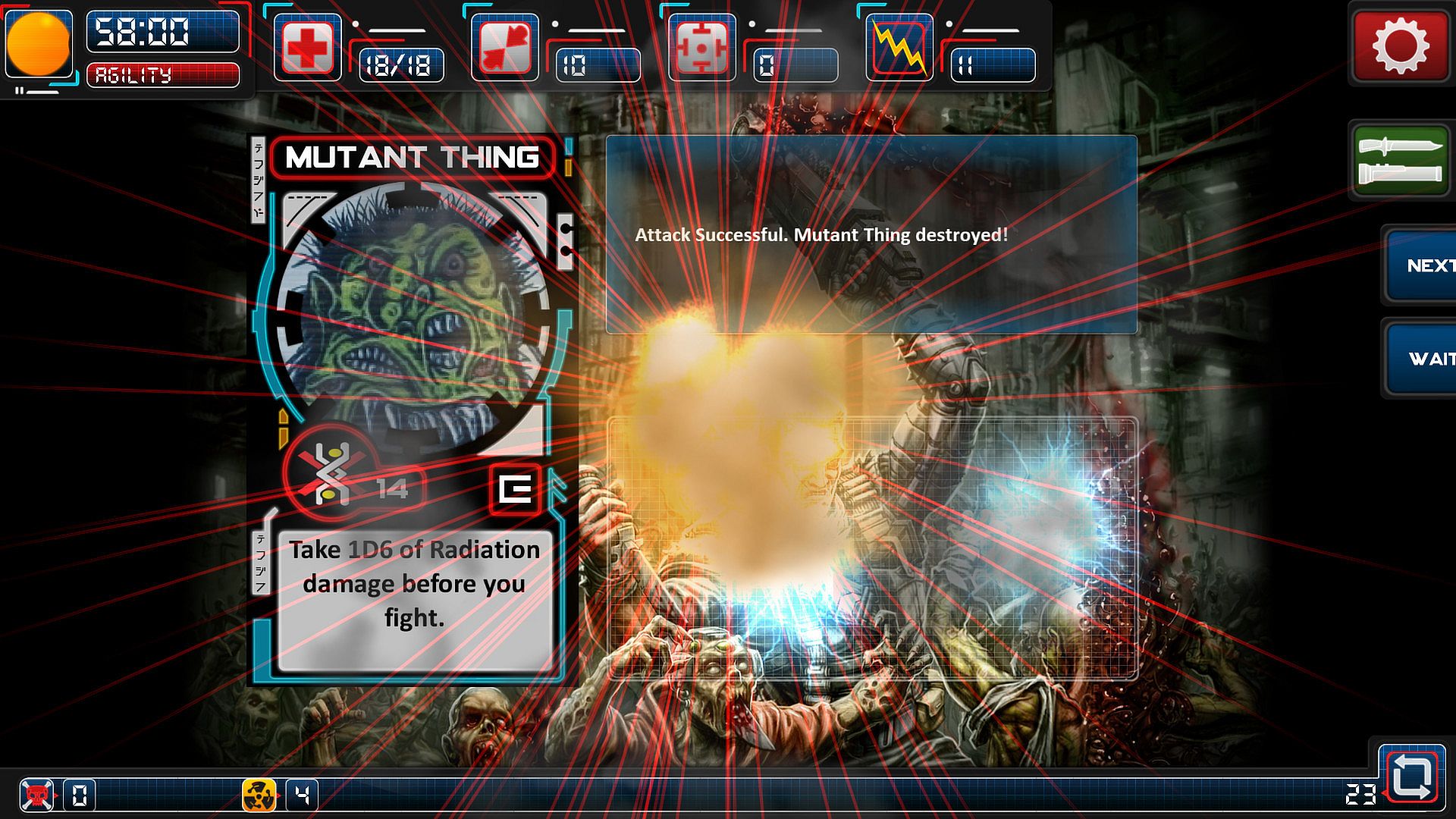

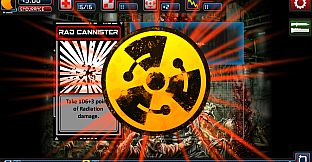
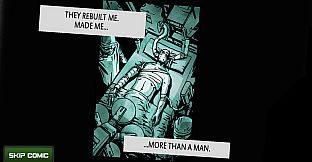

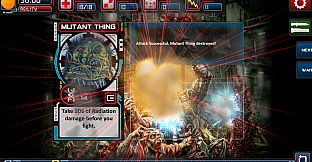
Chainsaw Warrior is a single-player strategy RPG adventure game that adapts the 1987 solo board game from Games Workshop into a digital format for PC. Set in 2032, the story places players in control of an enhanced ex-special forces operative known as the Chainsaw Warrior. The mission requires fighting through swarms of zombies, mutants, traps, Chaos Agents, and other threats in the old municipal buildings of Manhattan to reach and defeat the entity called Darkness before a spatial warp destroys the city. The core pressure comes from a strict 60-minute time limit that mirrors the original board game's tension.
Gameplay
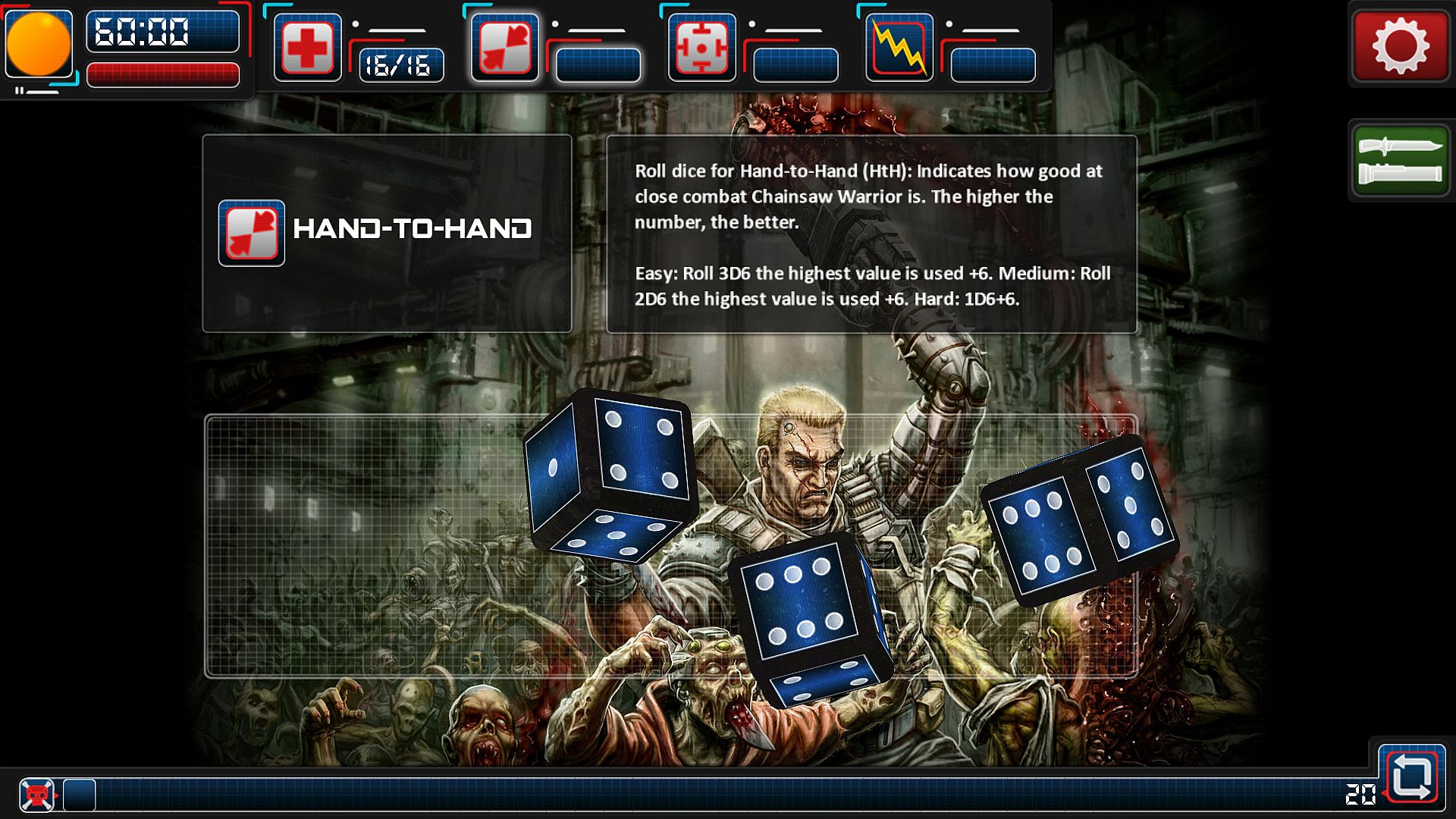
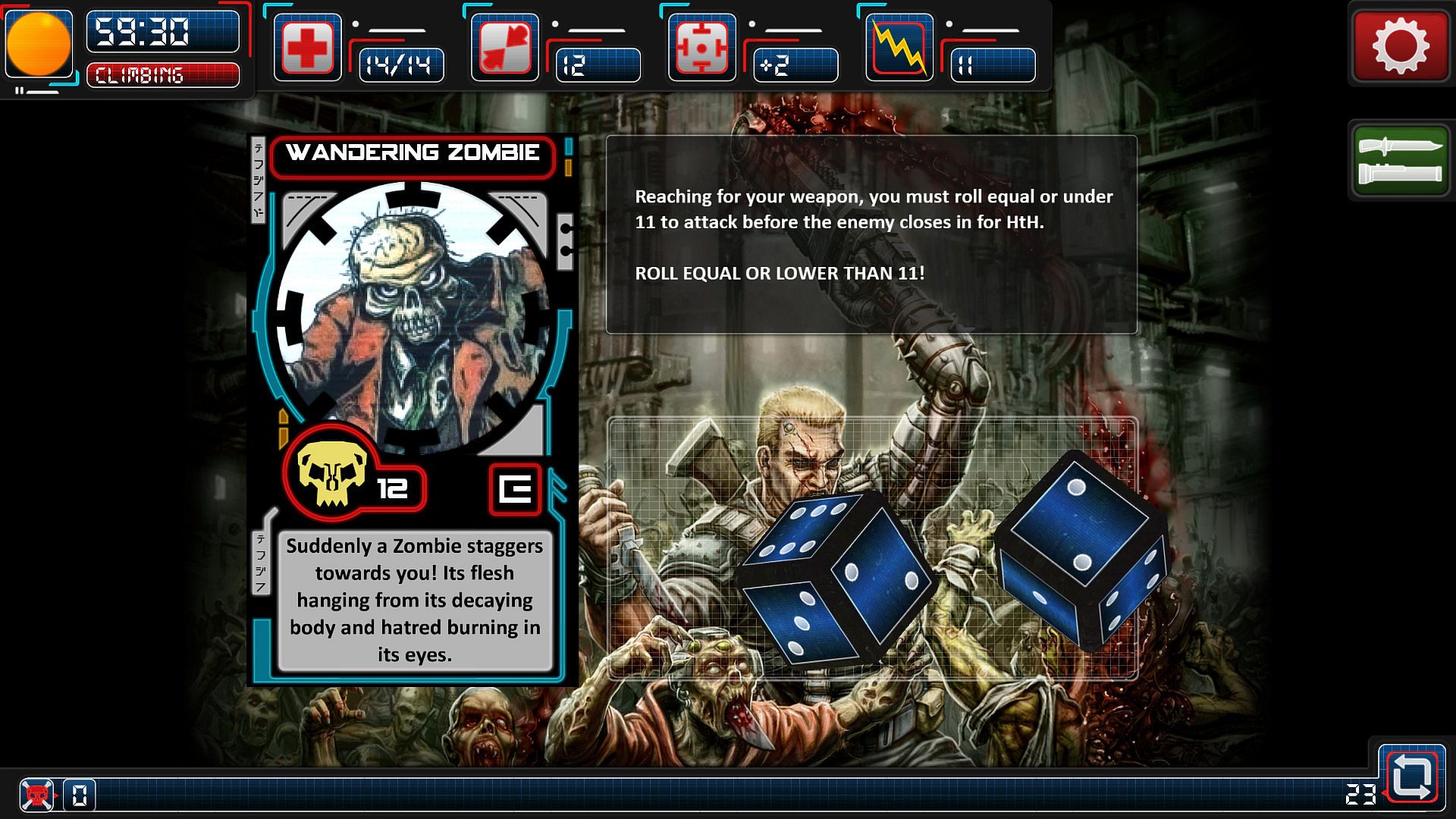
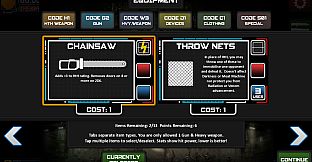
The gameplay centers on turn-based movement and combat within a series of connected areas representing the infested buildings. Players manage an inventory of high-tech weapons and equipment while resolving encounters through dice rolls that determine attack outcomes, damage, and special effects. Exploration involves navigating rooms filled with enemies and hazards, with each action consuming time on the clock. Resource decisions matter heavily because poor rolls or inefficient paths can lead to failure before reaching the final confrontation. The system emphasizes careful planning around limited actions per turn alongside the constant countdown, creating a loop of risk assessment and adaptation to random results.
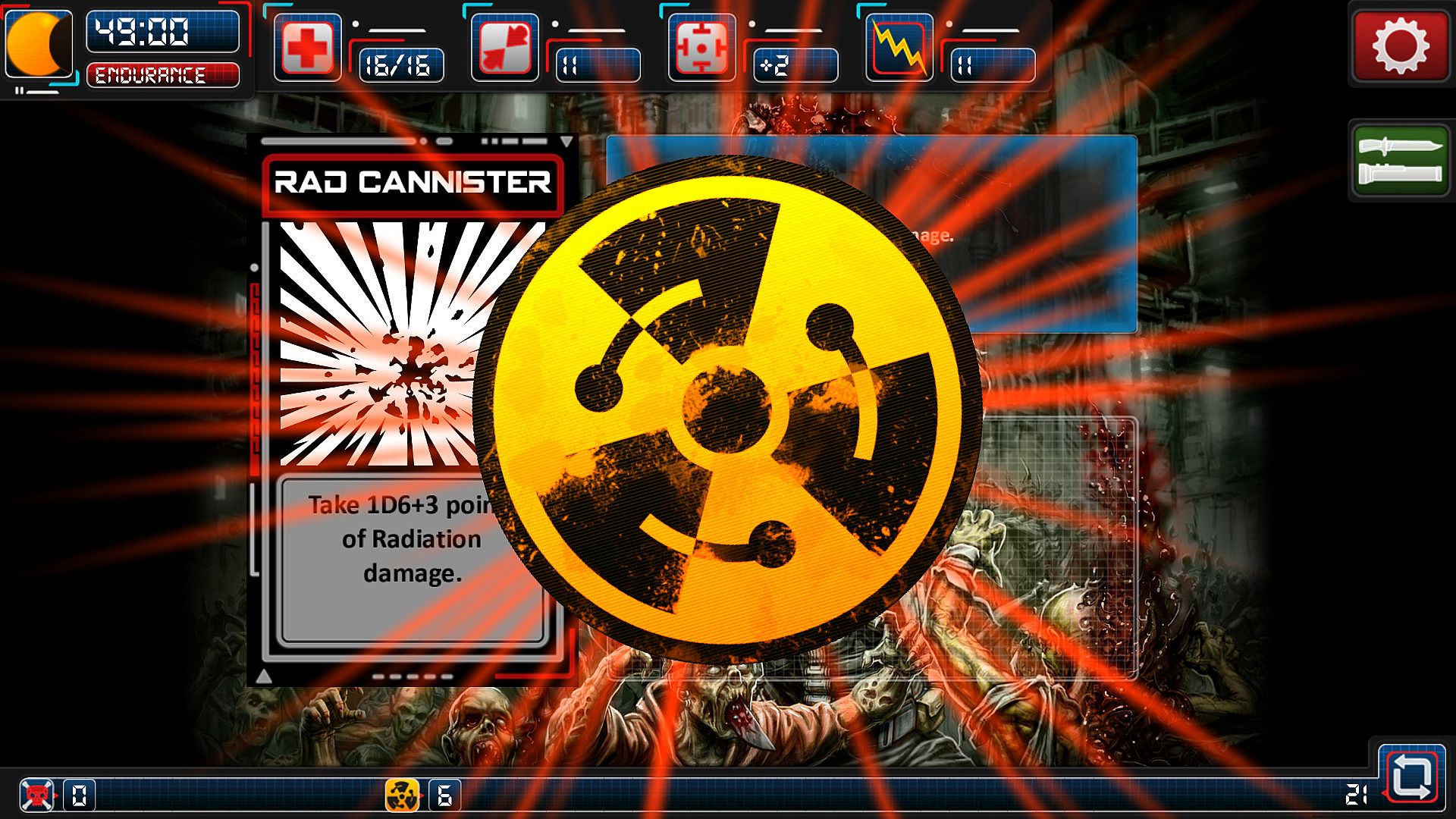
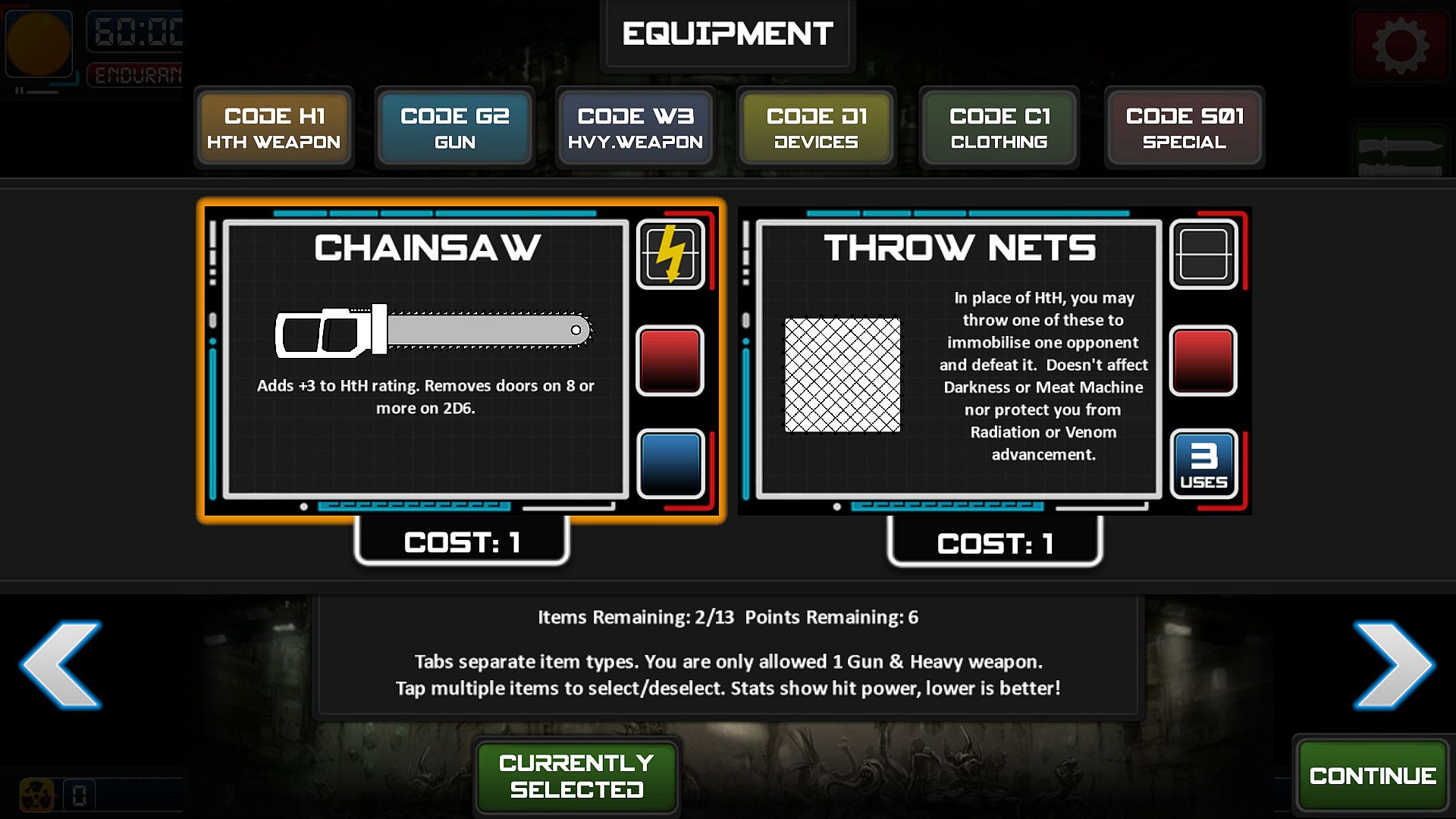
Combat features direct confrontations with various foes, including standard zombies and mutants as well as tougher opponents like the Meat Machine and Slime. Equipment choices influence success rates, and traps add further layers of decision-making during movement. The digital version preserves the punishing nature of the board game original, where many outcomes hinge on chance and players must optimize their loadout to survive longer runs.
Game Modes
The game offers three difficulty settings that adjust enemy strength, time pressure, and overall challenge. Easy and Medium provide more forgiving parameters for learning the systems, while Hard replicates the original board game's exacting standards. Progress through the single main scenario remains the focus across all settings, with no separate campaigns or alternate scenarios confirmed. Achievements track specific accomplishments such as completing runs on lower difficulties while eliminating particular enemies.
These modes encourage repeated attempts to improve strategies and equipment management, though the core experience stays consistent as a solo endurance challenge against the clock and enemy tide.
Enemies and Mechanics
Enemy types range from basic hordes of zombies and mutants to specialized threats like Chaos Agents that require targeted approaches. Mechanics revolve around inventory slots, weapon effectiveness against different foes, and the integration of time as a depleting resource that forces prioritization. Dice-based resolution governs most interactions, introducing variability that rewards persistence and pattern recognition over multiple playthroughs. Traps and environmental hazards further complicate routes to the objective, demanding attention to positioning and timing within the hour-long window.
Is It Worth Playing?
Chainsaw Warrior received mixed reception with 64 percent positive reviews from 229 user submissions on its primary distribution platform. The game suits players who enjoy demanding solo strategy experiences with heavy randomization and strict time limits, similar to classic board game adaptations that test nerve and optimization skills. Its 2013 release means no ongoing updates or seasonal content, and developer support concluded in 2021, leaving the title as a static classic available in existing libraries. Those drawn to short, intense sessions focused on one character against overwhelming odds may find value in its faithful recreation of the 1987 design, while others seeking modern polish or multiplayer options will likely pass. The punishing difficulty and dice-driven outcomes define its appeal for a niche audience comfortable with failure and iteration.