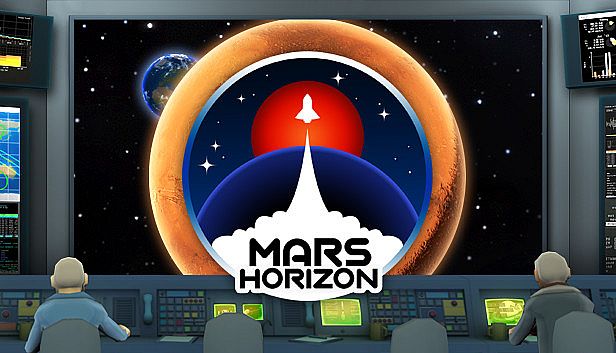













Mars Horizon is a strategy and simulation game for PC in which players lead one of several major space agencies from the early days of spaceflight toward the first crewed landing on Mars. The experience centers on long-term planning, resource allocation, and decision-making across decades of alternate history, with every launch, research choice, and diplomatic move shaping the path to the red planet.
Gameplay
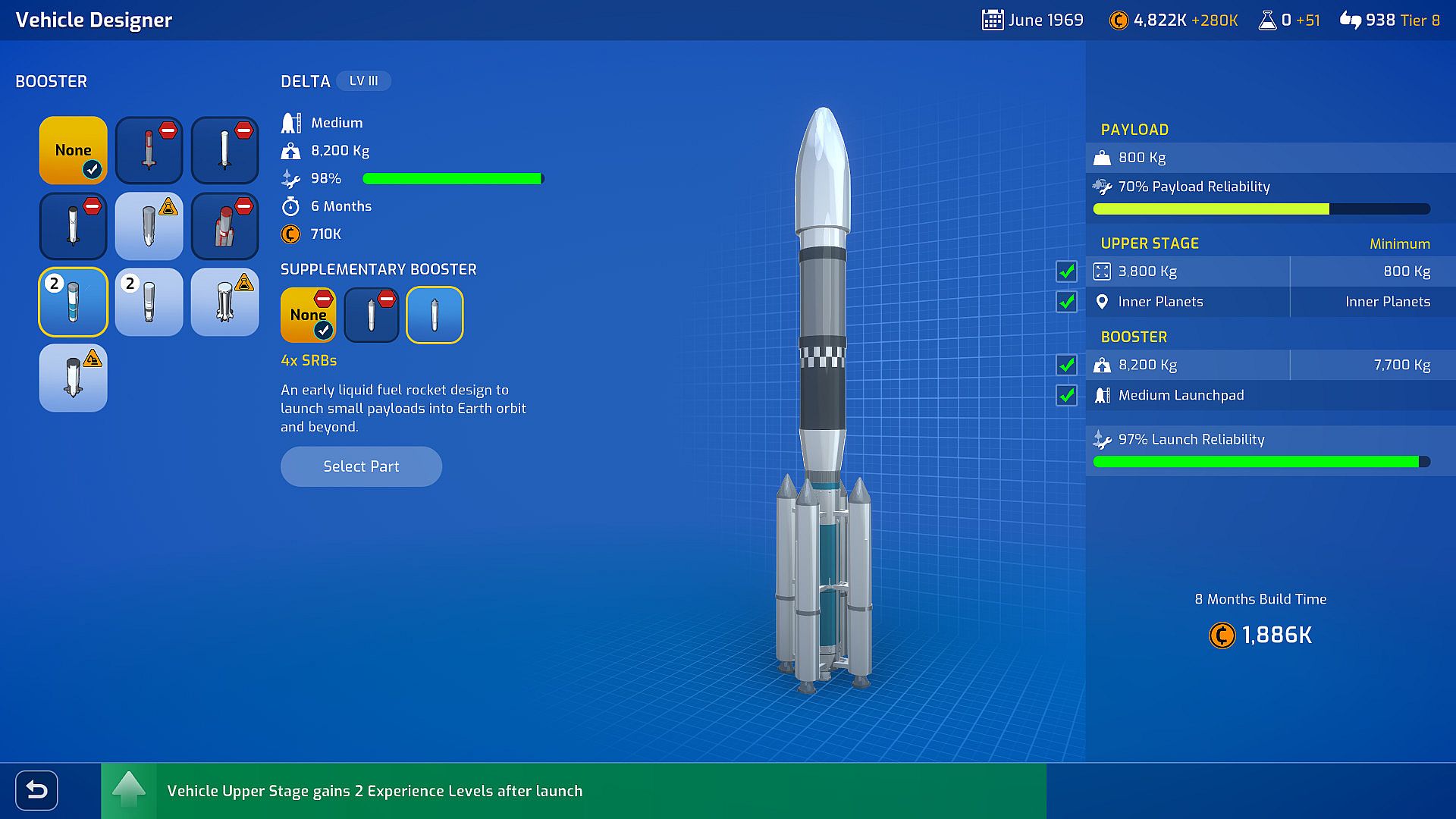
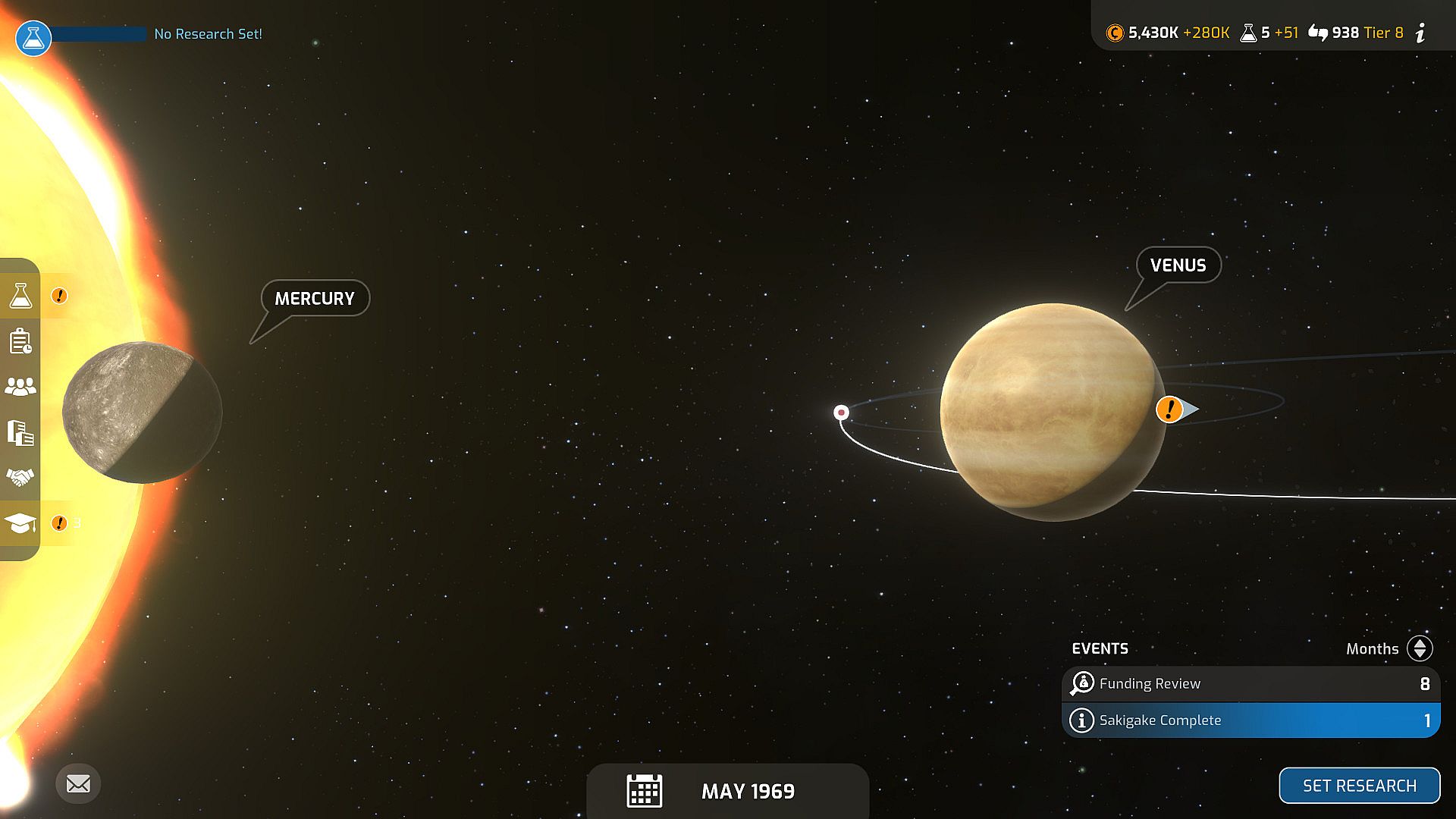
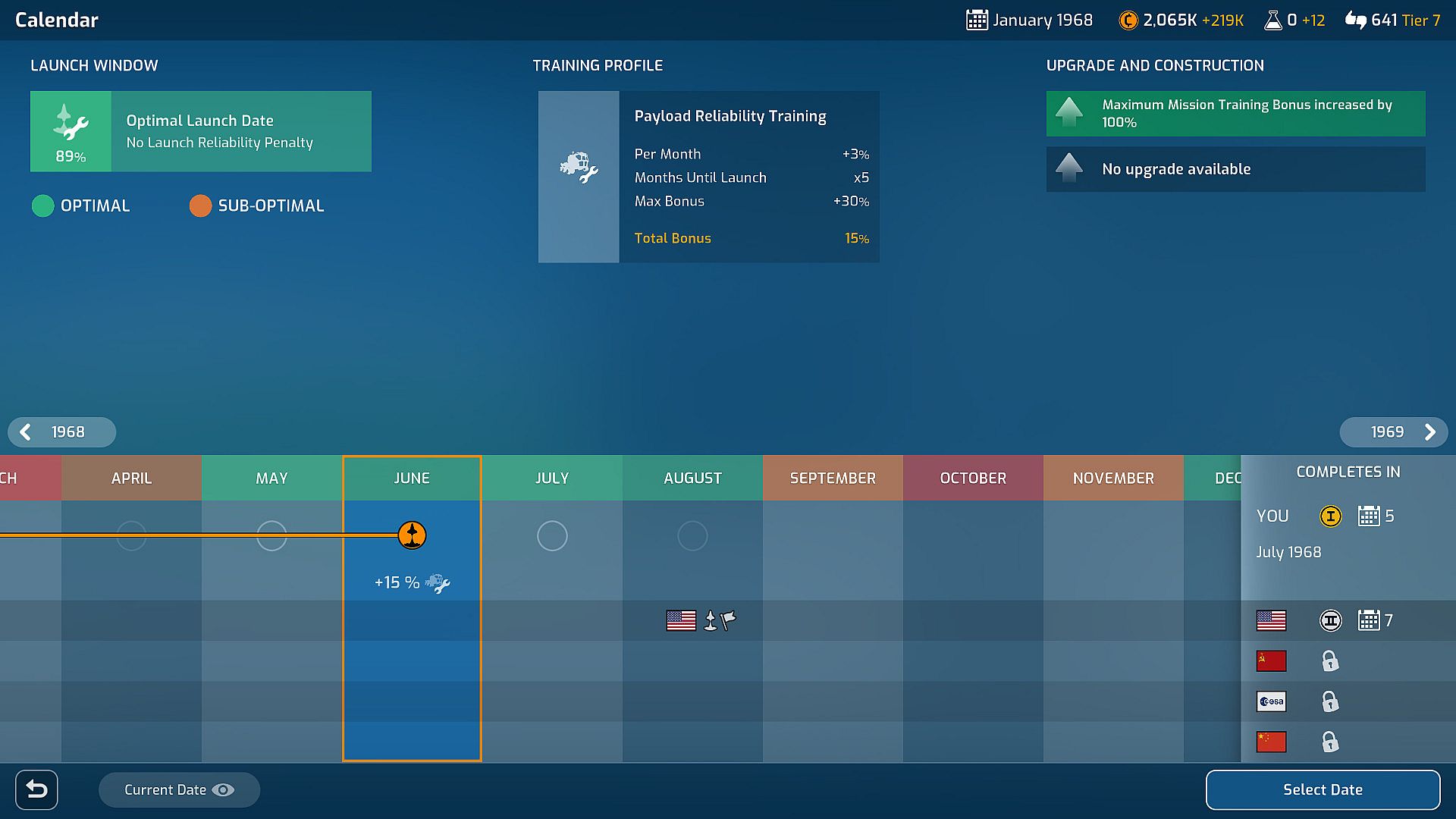
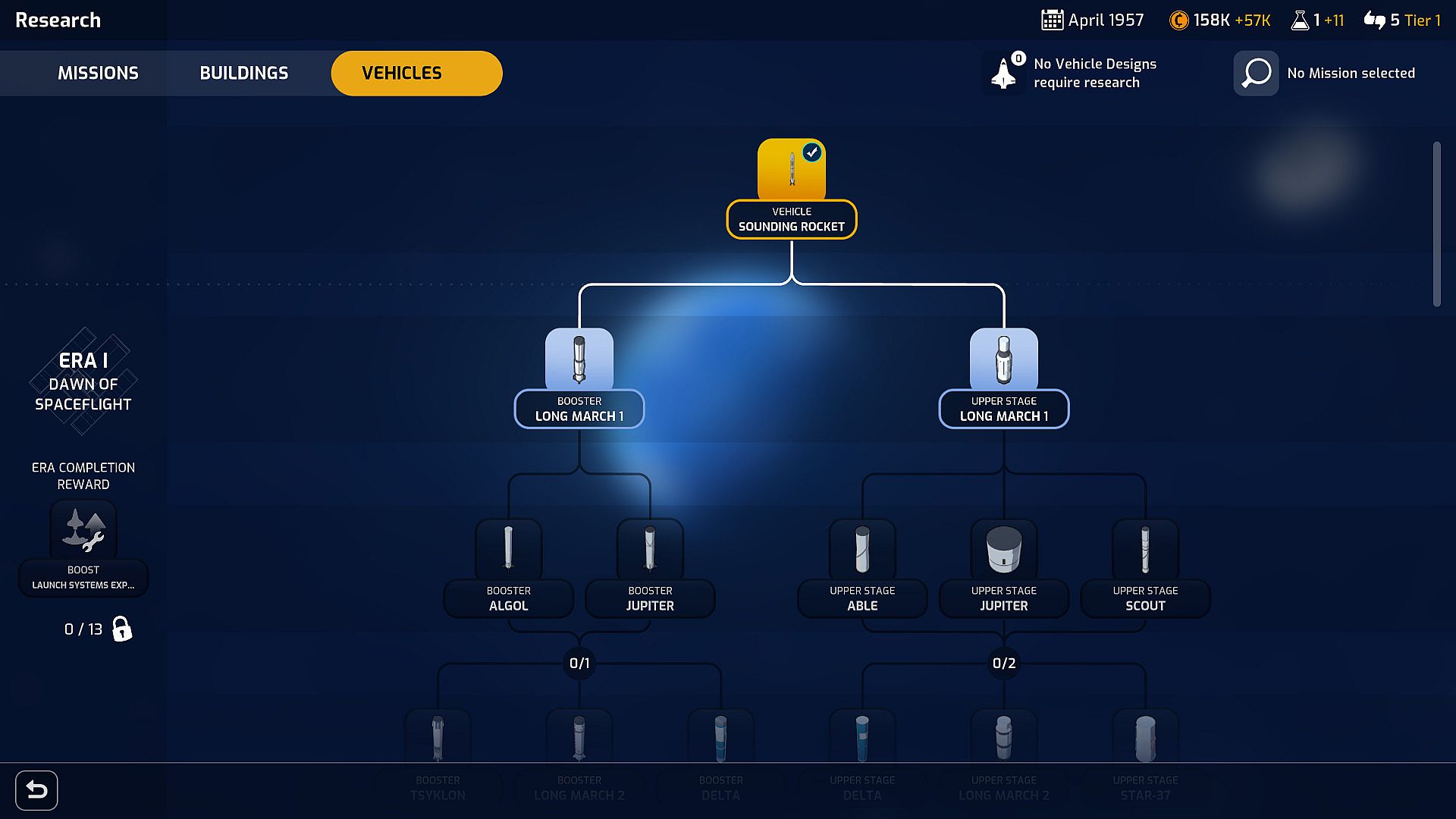
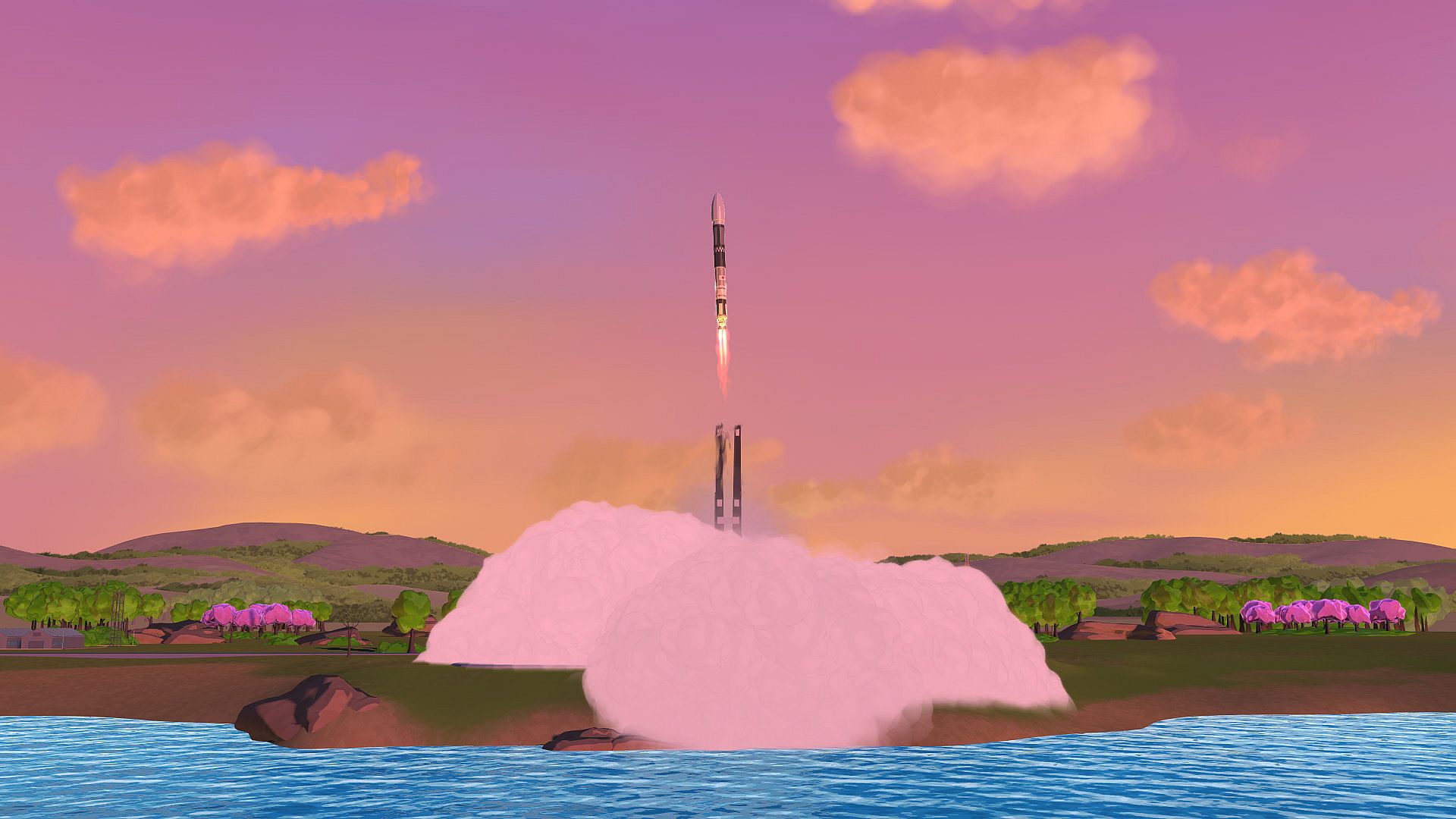
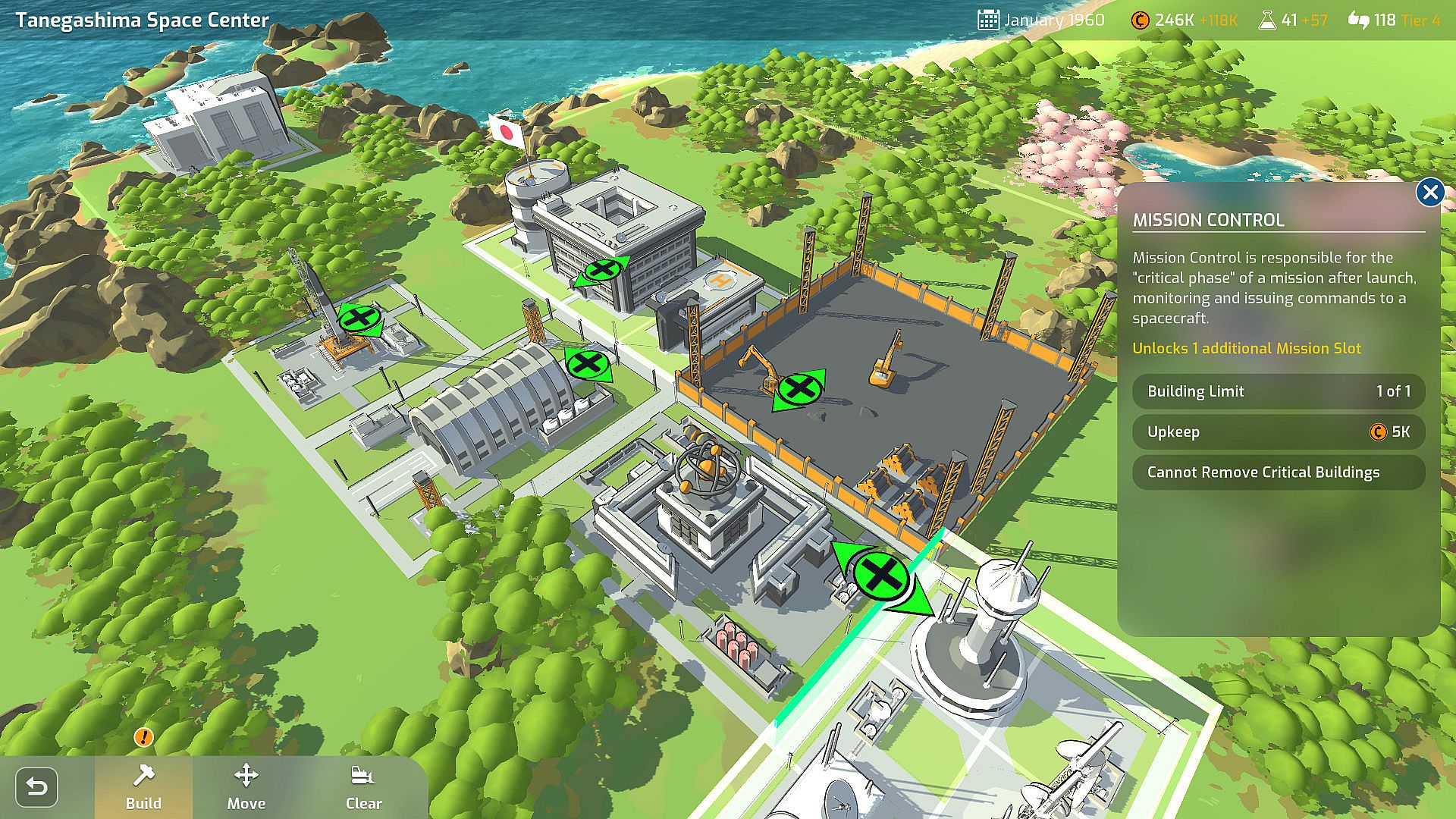
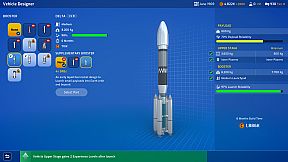
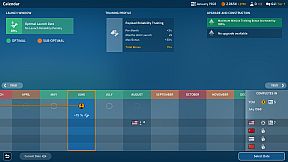
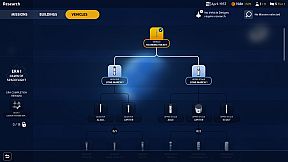
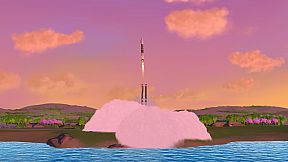
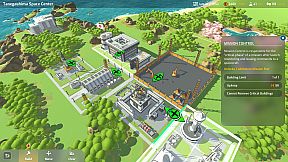
Core play revolves around constructing and expanding a space agency base that includes launch pads, research laboratories, and astronaut training facilities. Players select from hundreds of vehicle part combinations to assemble custom rockets and payloads suited to specific mission profiles. Research progresses through an extensive technology tree that unlocks new capabilities while real-world inspired events and challenges test reliability and resource management during launches.
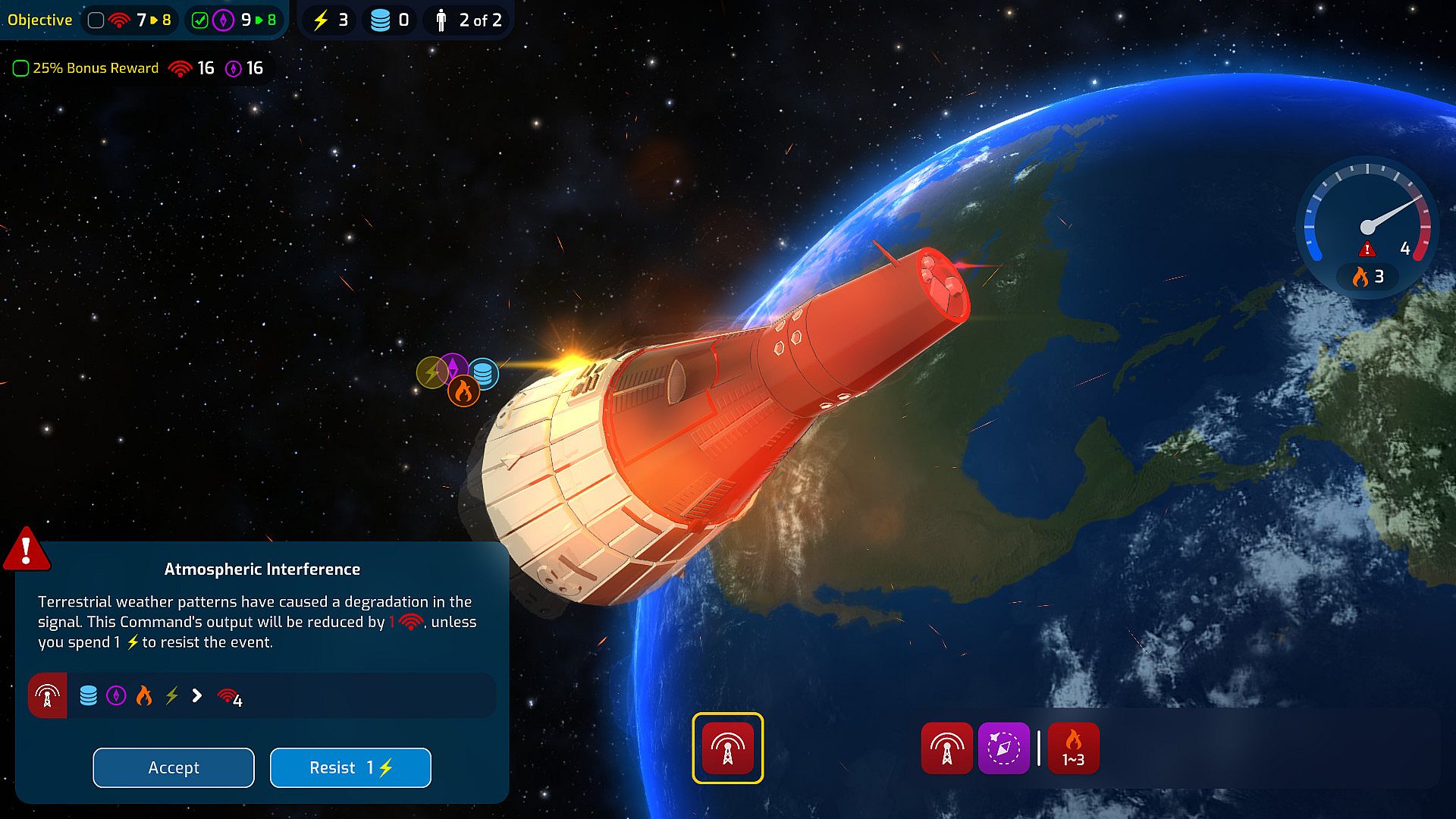
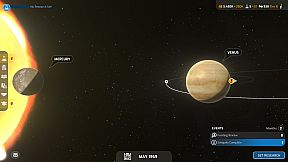
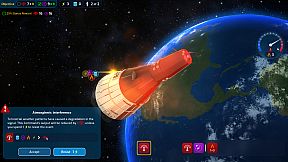
Once a vehicle reaches orbit or beyond, players shift into the role of mission control. Turn-based sequences require allocating limited resources such as power and oxygen to resolve malfunctions or meet mission objectives. These sequences can be handled directly or resolved automatically, with outcomes affecting scientific advancement and public support. Budget constraints, crew training, and facility placement all influence success rates and costs, creating interconnected systems where a single early decision can determine later mission viability.
Diplomacy adds another layer. Partnerships with rival agencies allow shared missions and technology exchanges, while independent operation offers higher prestige at greater risk. The game draws from actual historical programs, incorporating recreations of missions such as the Perseverance Rover, Ingenuity Helicopter, Zhurong Rover, and Rosetta probe.
Game Modes
The primary experience follows a campaign structure that begins in the dawn of the space age and advances toward Mars. Players choose from five distinct agencies, each with unique starting traits, bases, and vehicle preferences that alter available strategies. Difficulty settings range from Explorer for accessible play to Veteran and Very Hard for deeper challenge, with options to randomize agency relationships at the start.
Sandbox Mode removes campaign constraints and provides unlimited freedom to build bases, test vehicle designs, and conduct missions without the pressure of competing timelines. An additional Iron Core variant enforces permanent saves after every turn, eliminating reload options and increasing the weight of each choice.
Across modes, progress depends on completing milestones and handling random requests. These objectives drive the narrative forward while allowing collaboration or competition with other agencies to accelerate or hinder advancement toward Mars.
Agencies and Strategic Choices
Each of the five agencies brings distinct advantages in vehicle reliability, research speed, or launch capacity. Balancing investment between cutting-edge technology and rapid deployment determines whether an agency leads the race or trails behind. Every launch carries consequences, from public support gains to potential setbacks that demand adaptive mission control decisions.
Facility layout on the base affects operational efficiency, while contractor hires provide specialized benefits during vehicle construction. The combination of long-term research planning and moment-to-moment resource management in missions creates a loop where strategic foresight meets tactical problem-solving.
Is It Worth Playing?
Mars Horizon suits players who enjoy detailed management simulations and space exploration themes. Its turn-based structure and menu-driven interface reward careful planning over fast reflexes, with authentic mission recreations adding educational value. The presence of Sandbox Mode and multiple difficulty levels, including the demanding Iron Core option, supports varied play styles from relaxed experimentation to high-stakes campaigns.
Updates have introduced new modes and refinements since launch, maintaining relevance for those interested in agency-building and historical what-if scenarios. Reception highlights the game's authenticity and depth for fans of the genre, though its deliberate pace and focus on menus may not appeal to everyone seeking action-oriented experiences. For strategy enthusiasts drawn to realistic space program management, the title delivers consistent engagement through its interconnected systems and meaningful choices.