


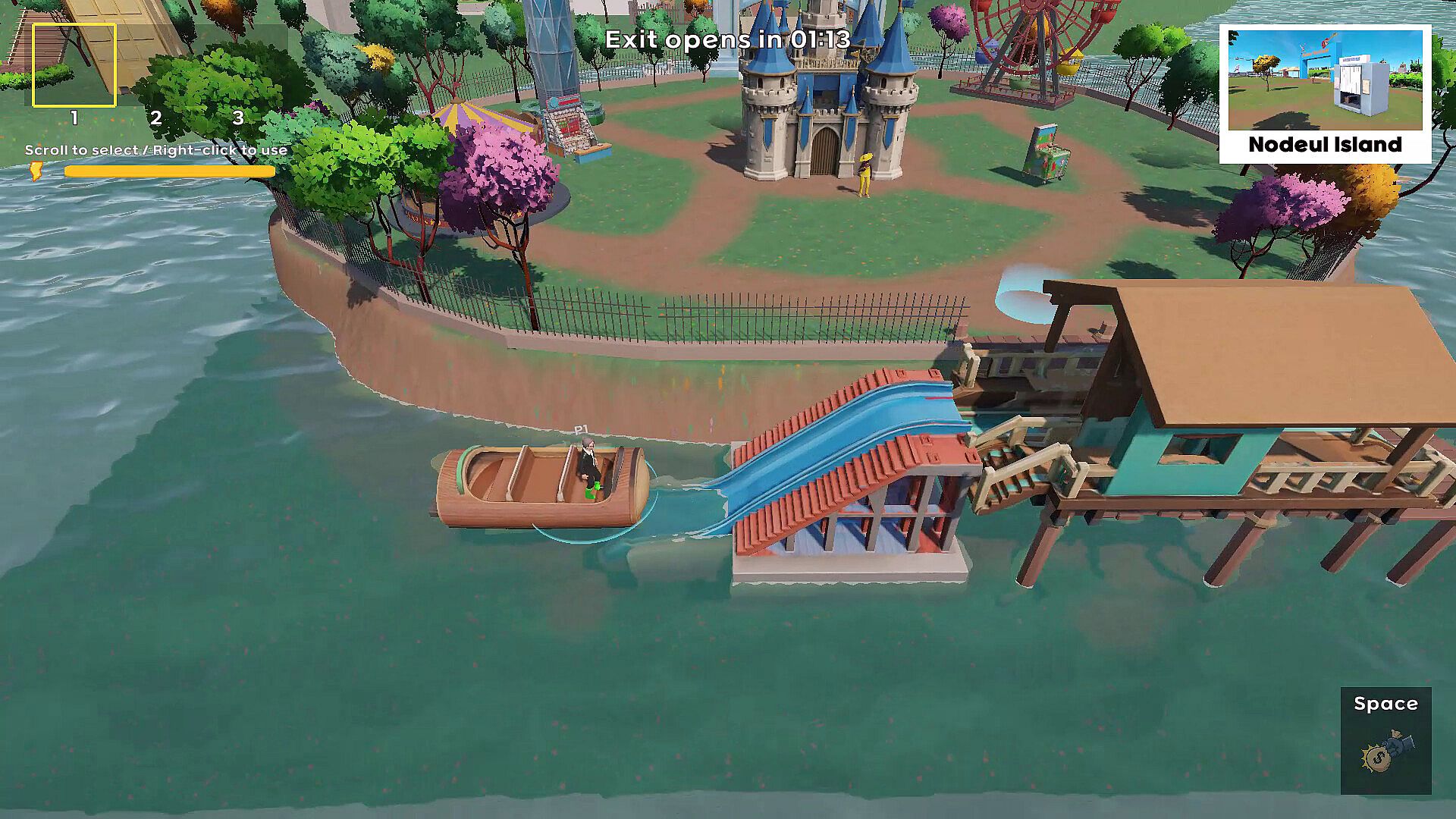
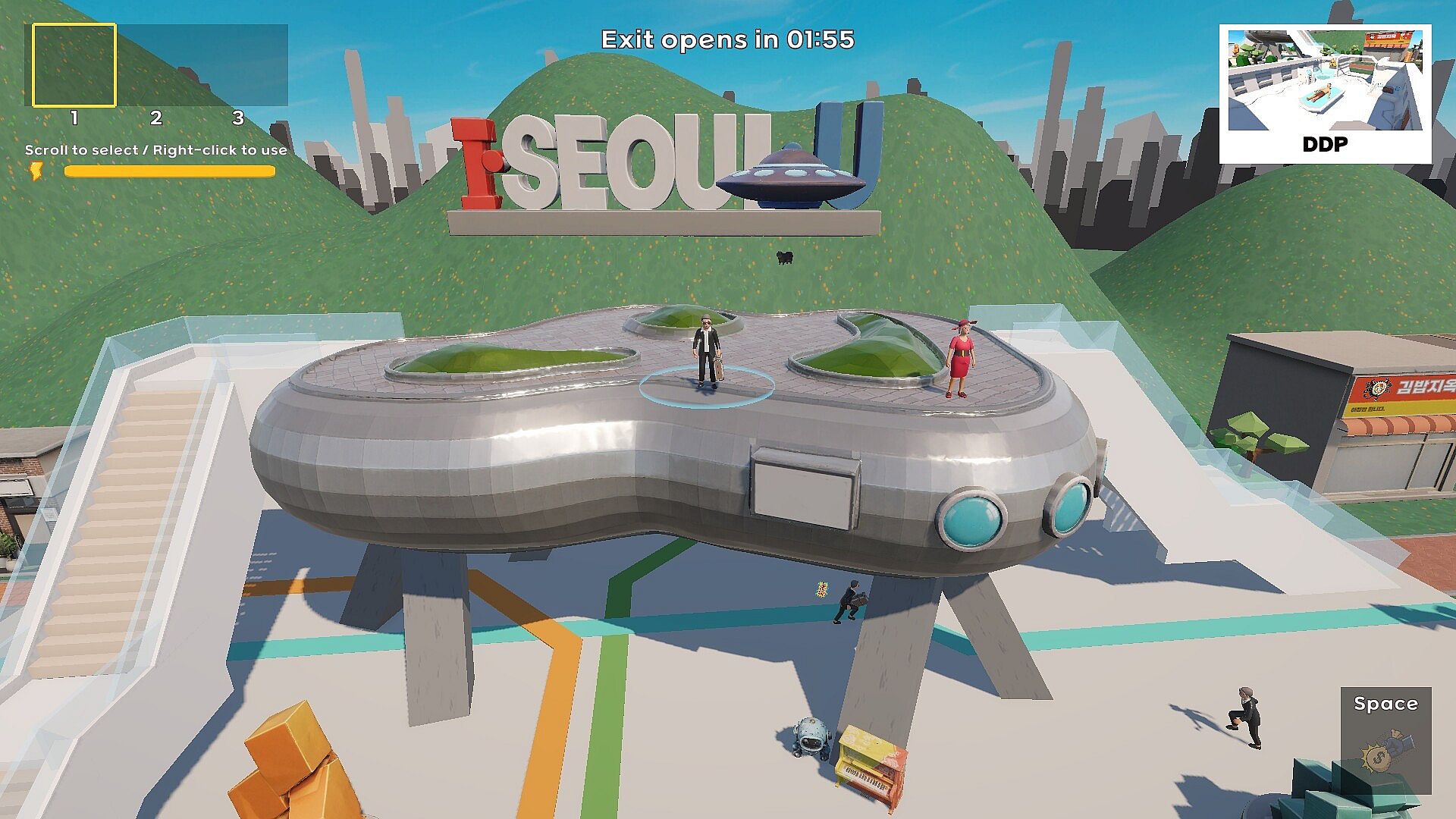

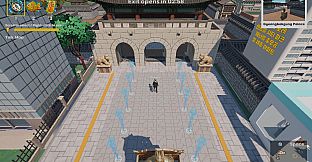
Catch Me If You Seoul is an indie casual party game for PC that puts up to eight players into a competitive chase across Seoul landmarks. One real bag sits among identical fakes, and the player who secures it and reaches an escape route wins. The setup blends bag collection, deception, and item use in short rounds that reward quick thinking and timing.
Gameplay
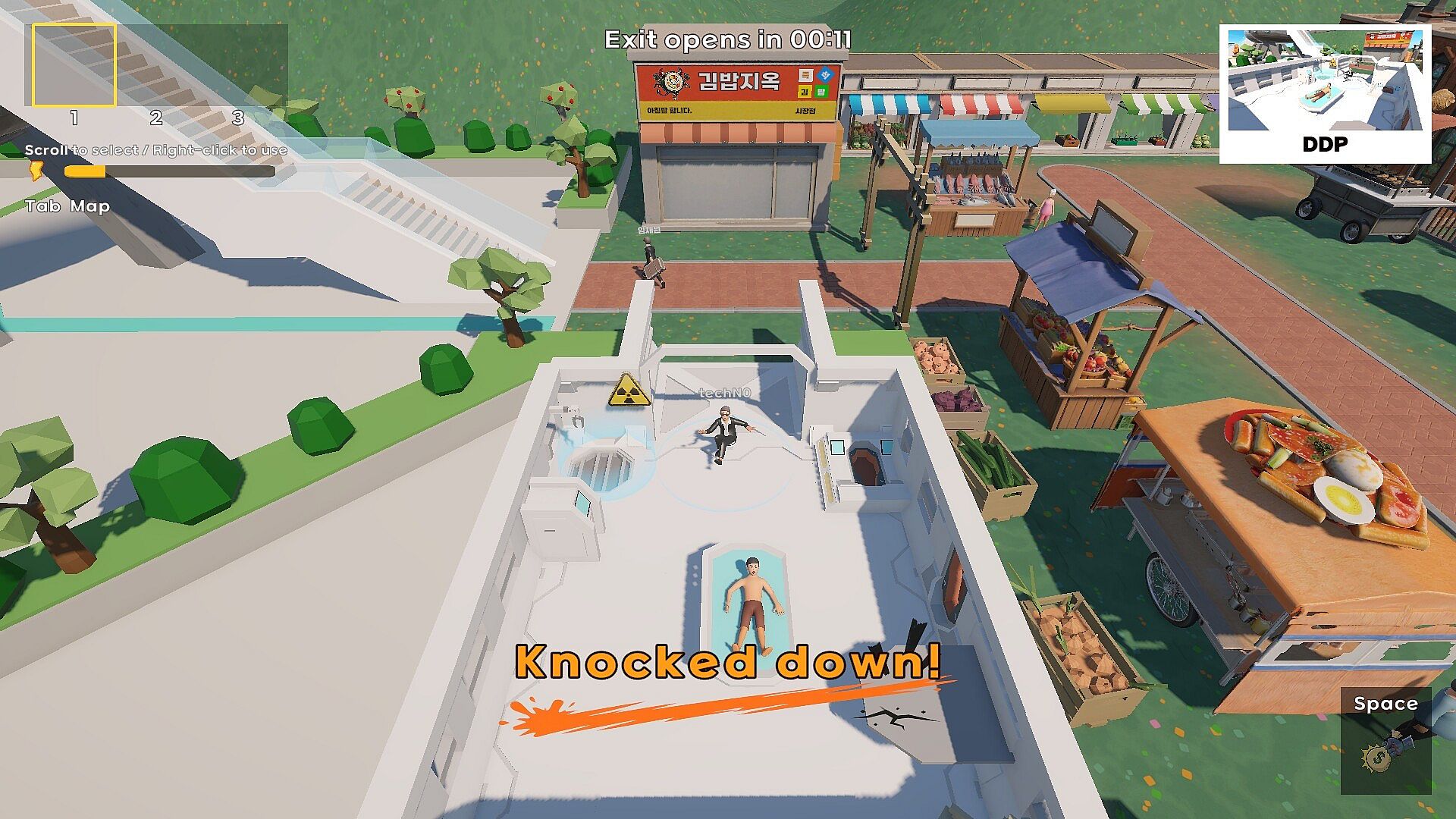
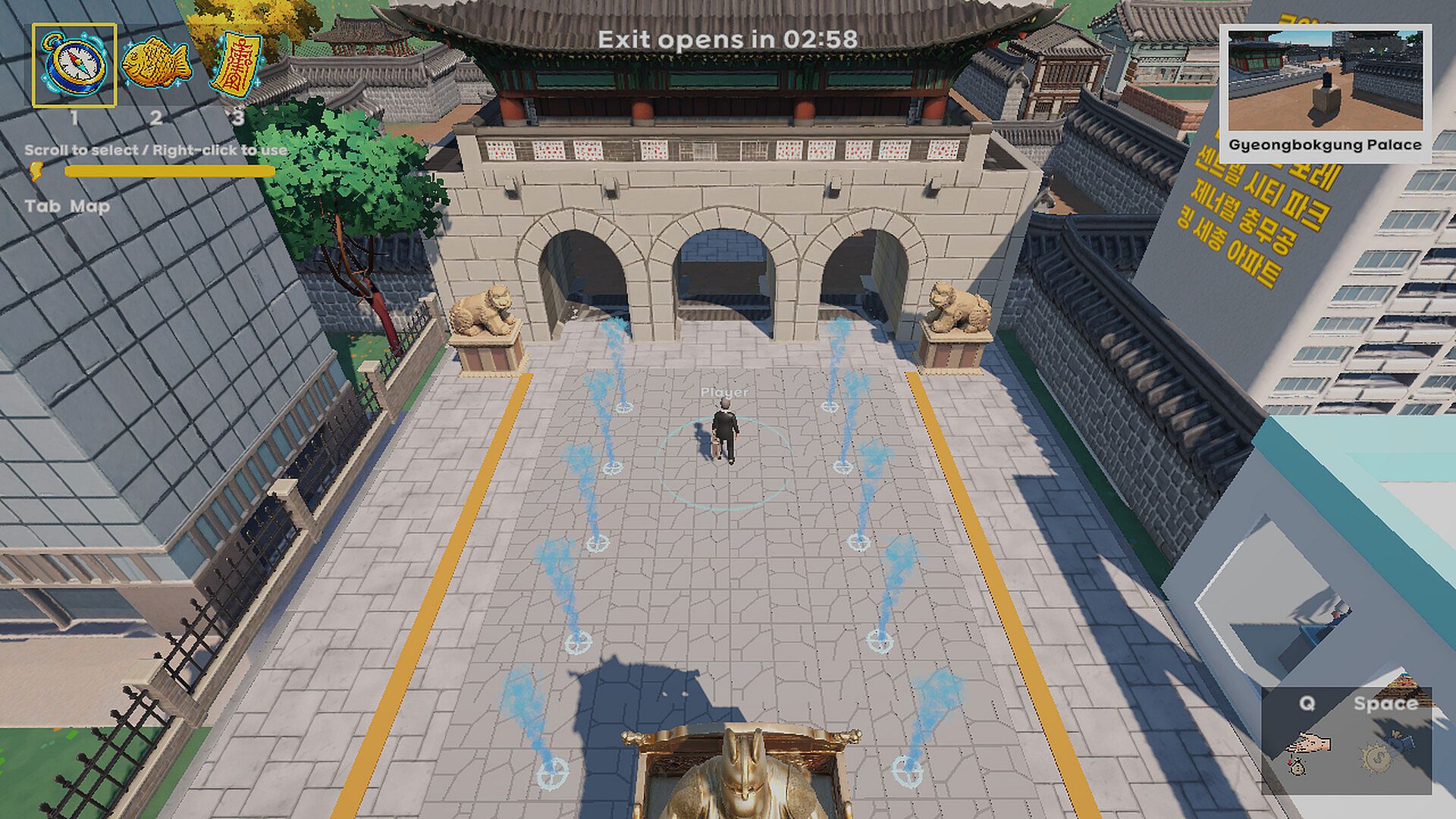
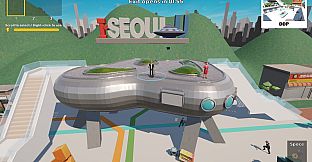
Players move through detailed recreations of Seoul sites such as Gwanghwamun, Gyeongbokgung Palace, Namsan, and DDP. Bags appear on the ground or can be taken directly from opponents. Visual inspection reveals nothing, so participants must reach checkpoints to learn the truth. Only the holder sees the result, which creates natural tension as others try to guess or interfere. Each location adds distinct tools, including X-ray checkpoints, a reactive Haechi statue, and a telescope for spotting distant activity.
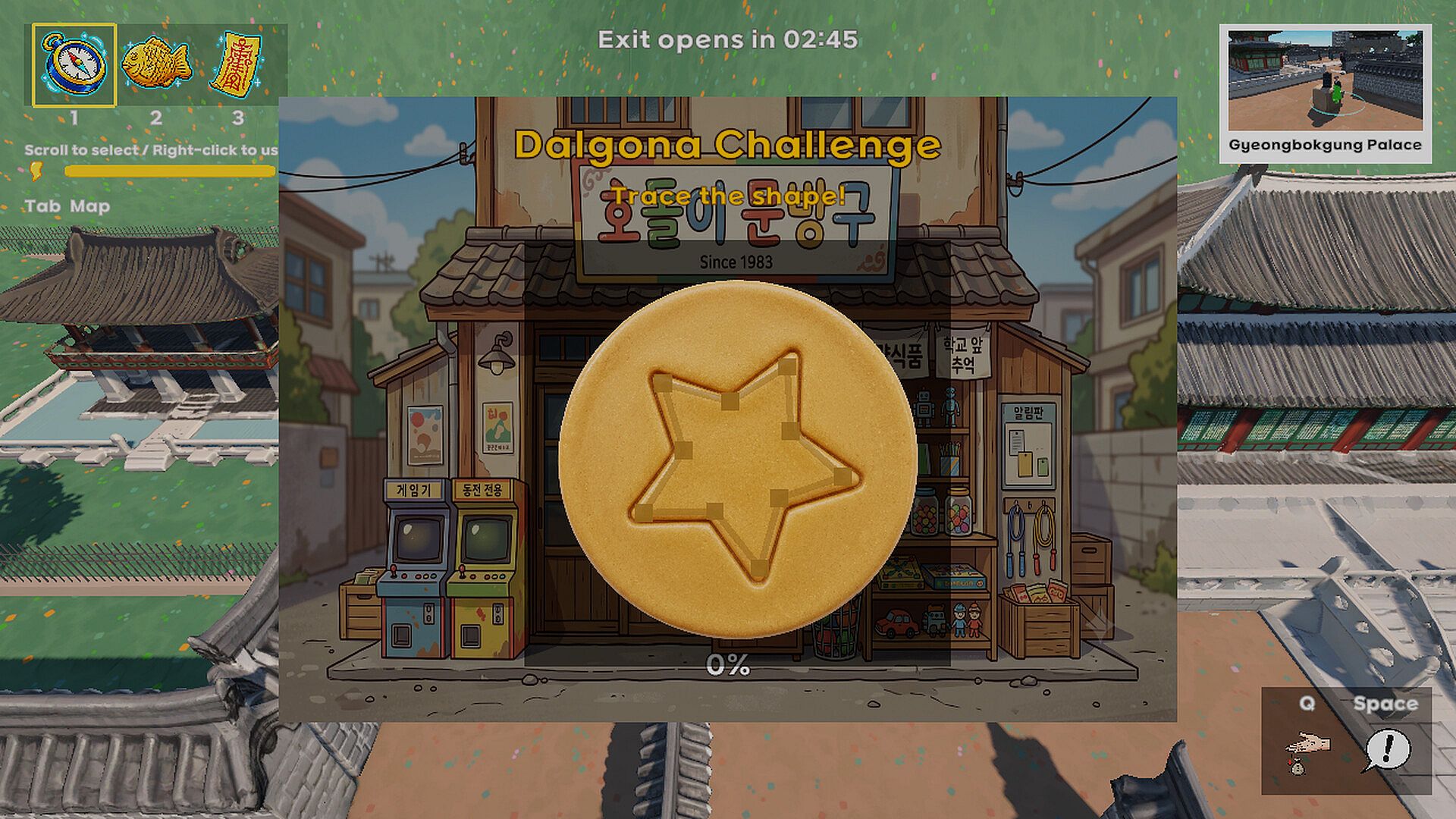
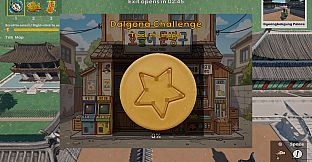
Minigames serve as preparation. NPC quests lead to tasks like flipping bungeoppang, tracing dalgona shapes, or stirring tteokbokki. Success grants items that disrupt rivals or protect the real bag during the final escape phase. The loop repeats until escape routes activate, at which point the player carrying the authentic bag must break away from pursuers.
Game Modes
The core experience centers on one competitive format for up to eight participants. Everyone shares the same objective of locating, claiming, and escaping with the single real bag while fakes circulate to sow confusion. Rounds emphasize direct confrontation through snatching, checkpoint visits, and item deployment rather than separate playlists or variants. The structure supports repeated short sessions where strategy shifts based on who holds what and which items remain available.
Key Mechanics and Features
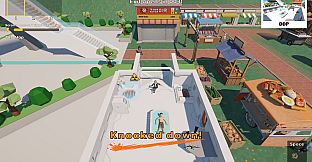
Bag verification happens privately at checkpoints, so holders must decide whether to defend their find or abandon it. Items earned from minigames allow targeted interference, such as slowing opponents or creating distractions. Landmark-specific elements change how information flows: some spots expose bag status openly while others reward scouting or environmental interaction. The escape window adds a final layer where possession alone does not guarantee victory, forcing active evasion until the round concludes.
Is It Worth Playing?
The game remains in a coming-soon state with no released version or user reviews available yet. Its described loop of bag deception, minigame preparation, and landmark navigation targets fans of casual multiplayer party titles who enjoy light strategy and direct player interaction. Those seeking quick sessions with friends on PC may find the concept appealing once it launches, particularly if the item and checkpoint systems deliver the intended back-and-forth tension. Early interest appears tied to the unique Seoul setting and the simple yet layered bag mechanic rather than established player data or ongoing updates.