




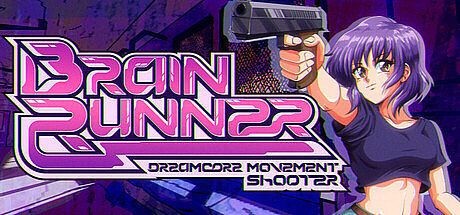


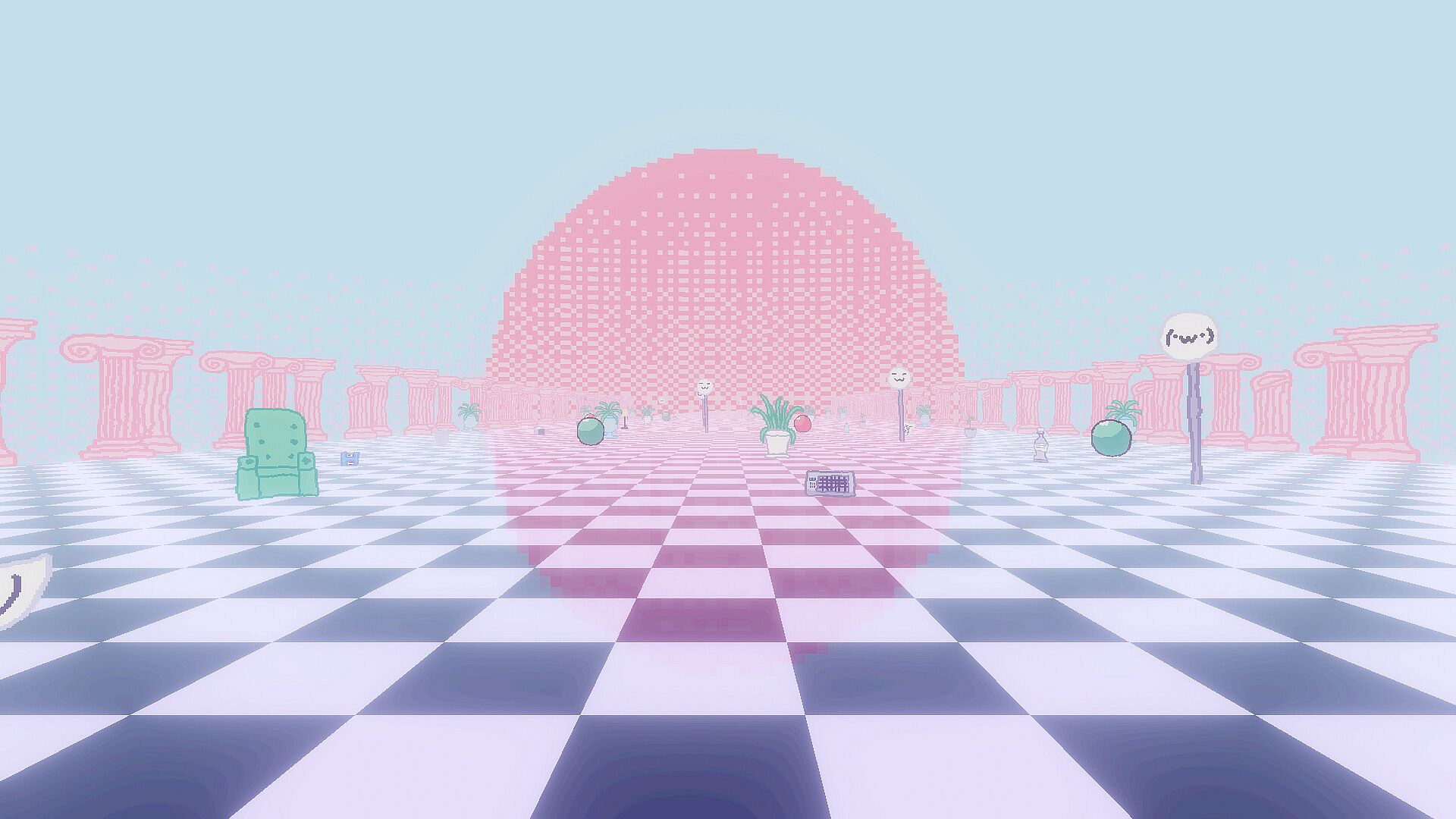
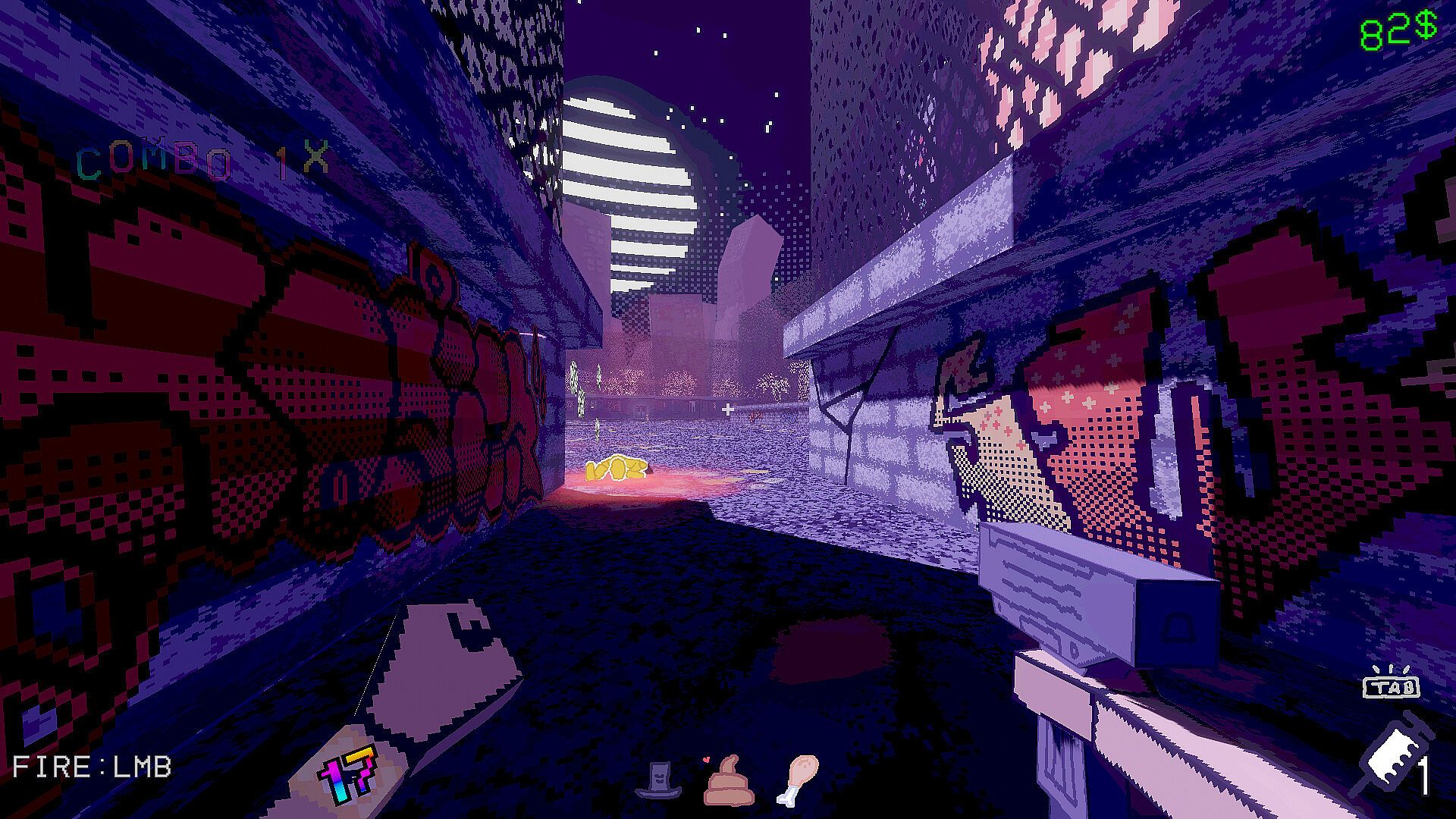
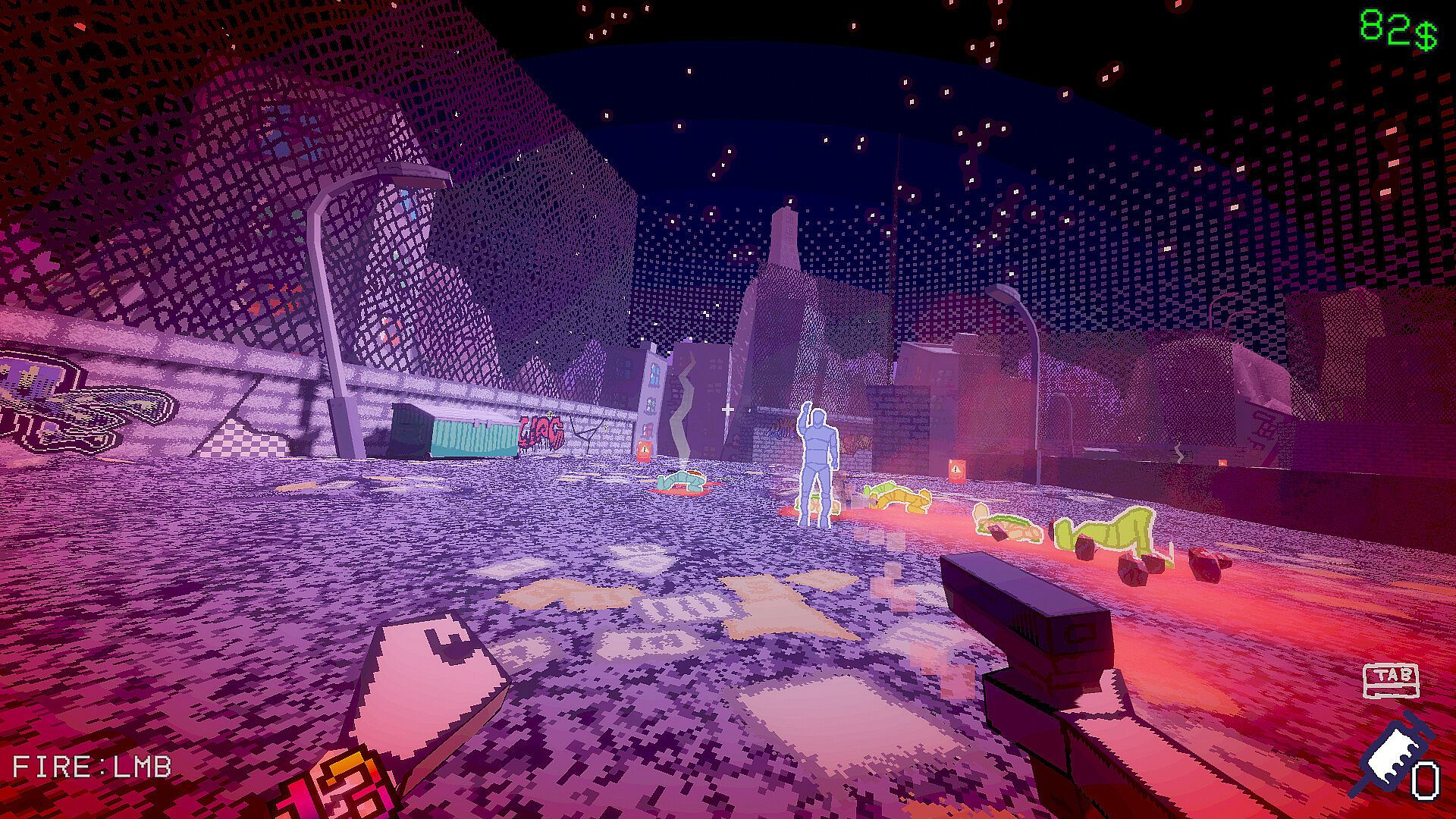
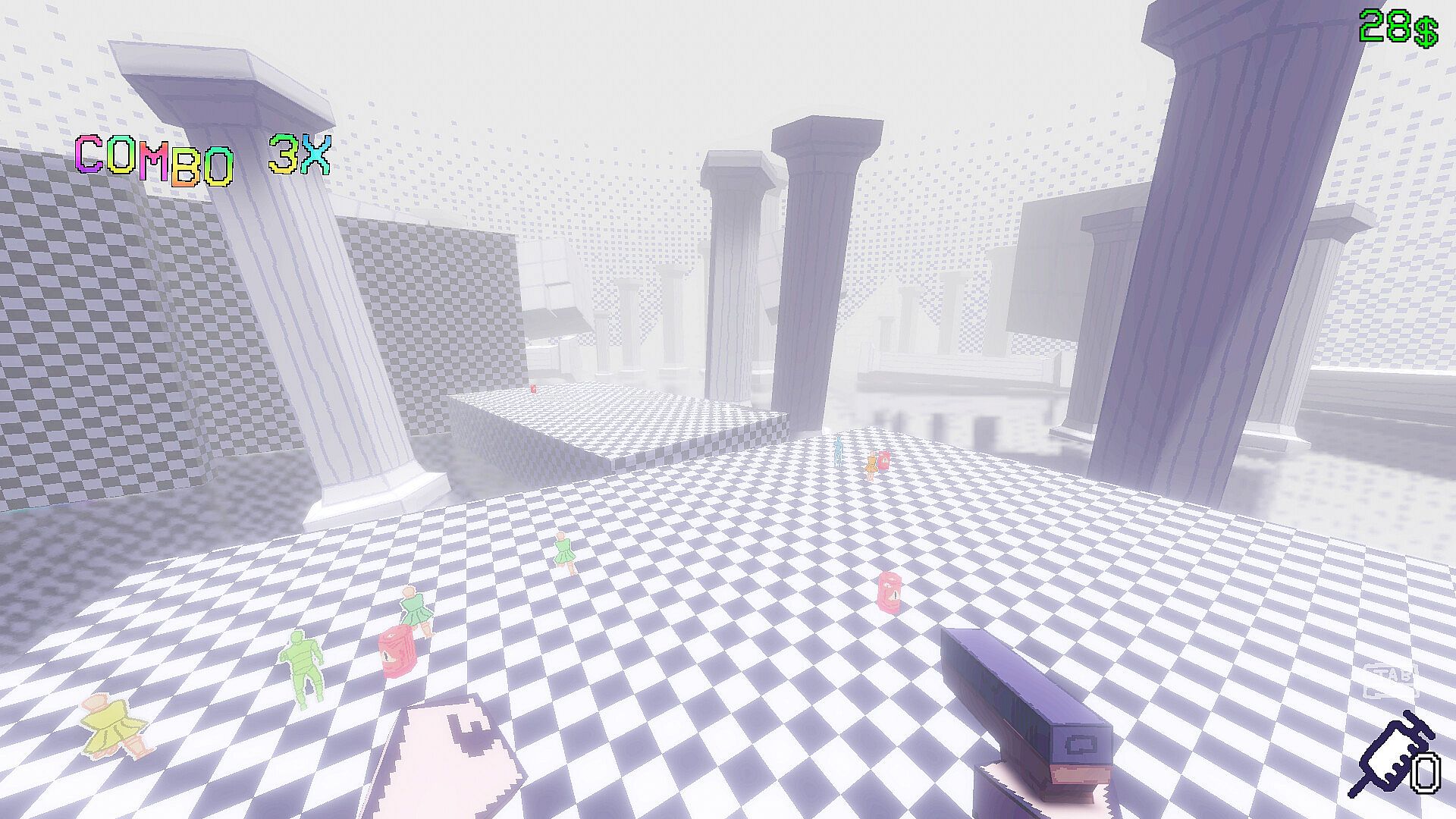
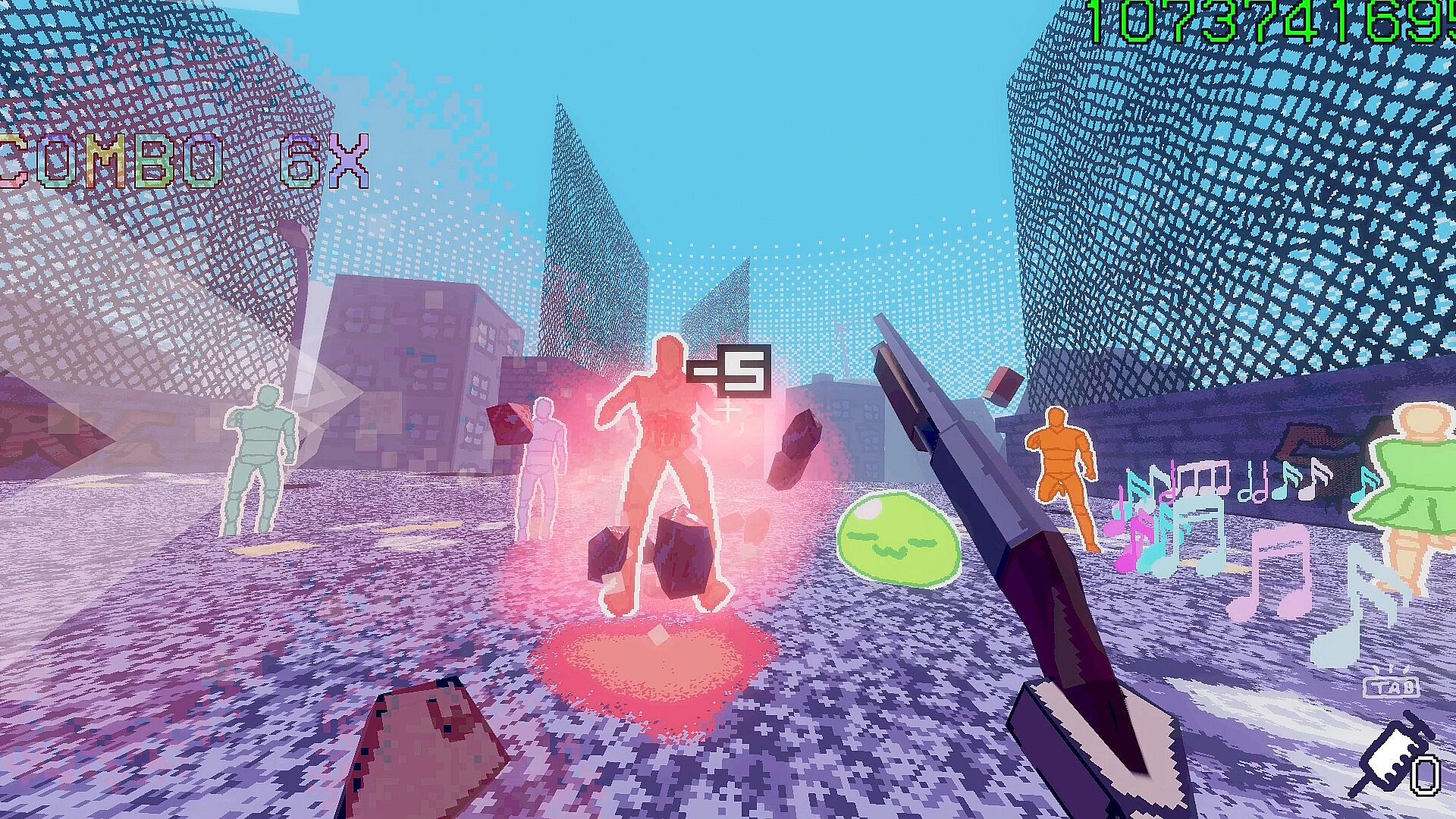
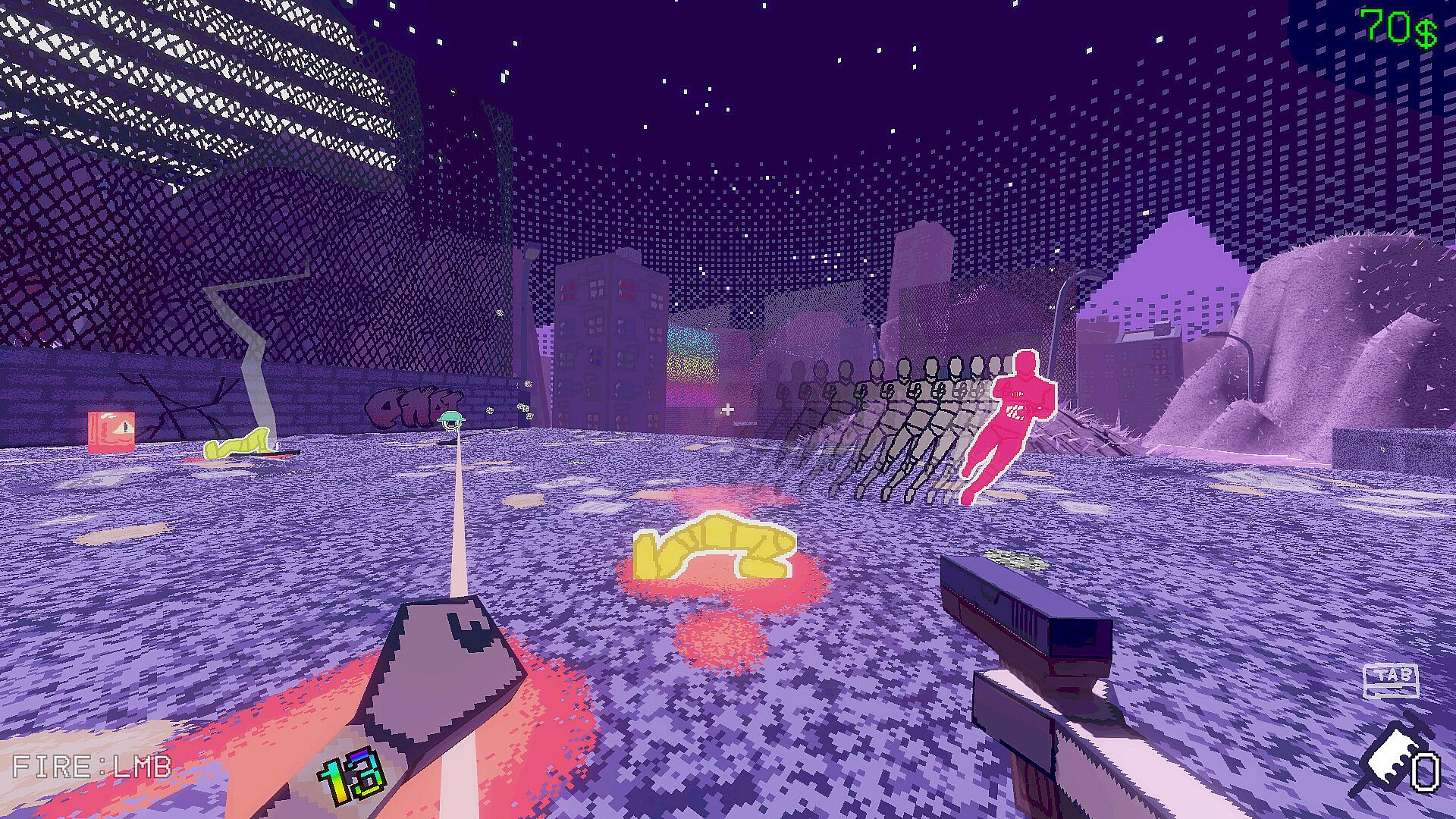
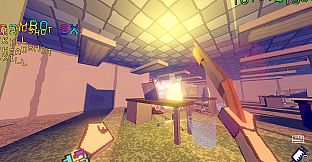
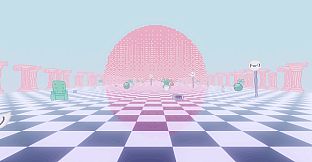
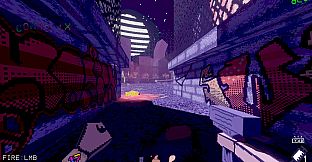
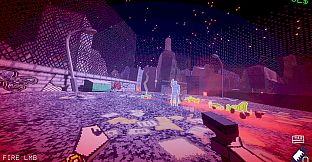
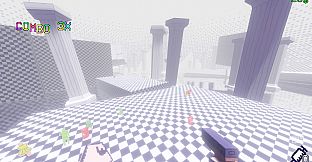
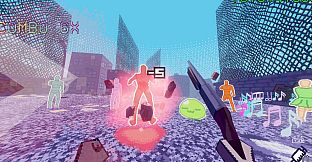
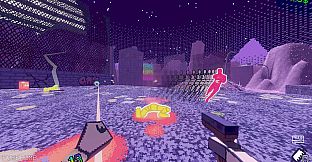
Brain Runner: Dreamcore Movement Shooter is an action indie title developed for PC that blends fast-paced movement mechanics with roguelike progression in surreal dream environments. Players control Aina as she navigates personalized simulations while racing against a constantly ticking timer that rewards aggressive play and punishes hesitation.
Gameplay
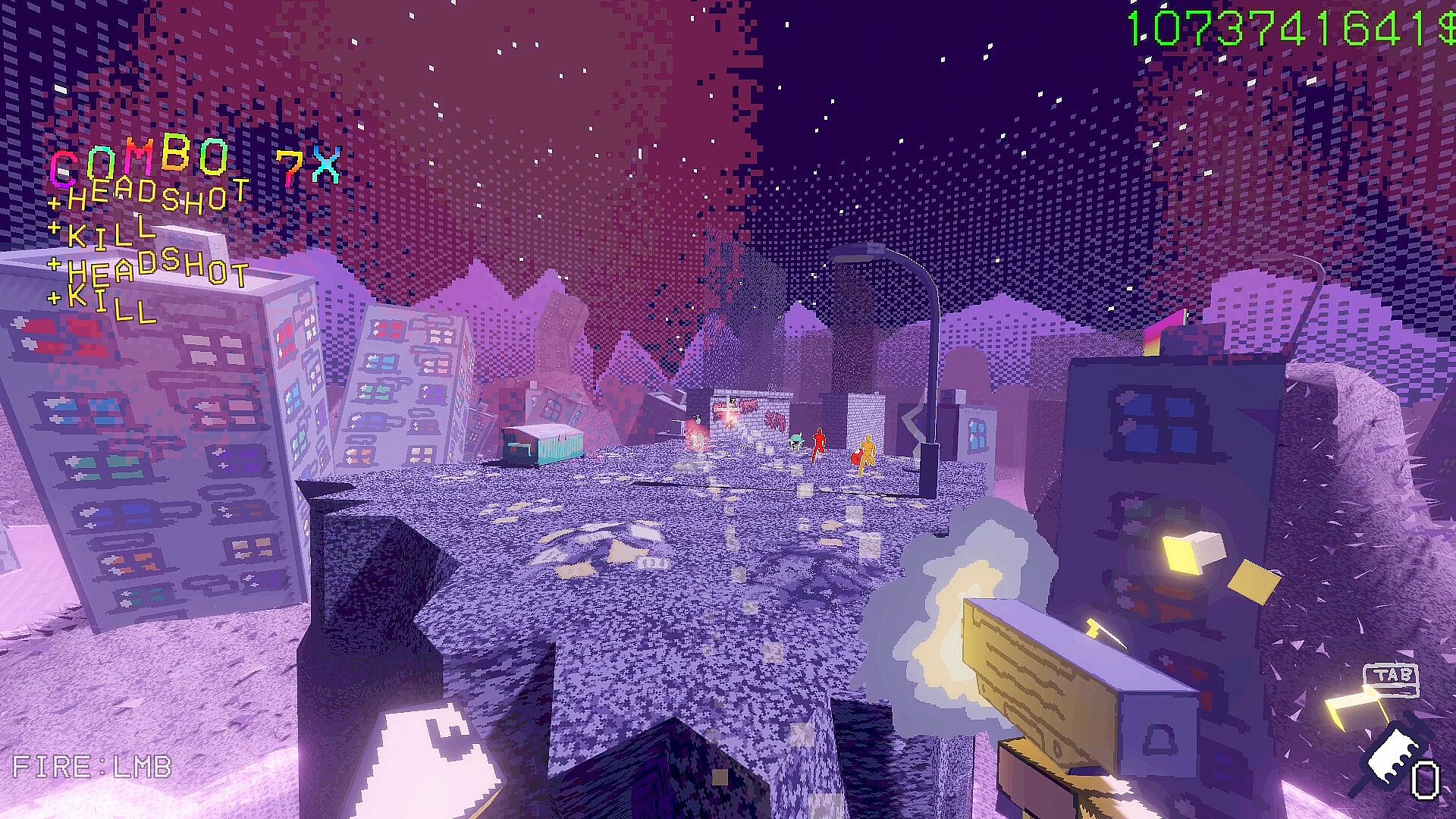
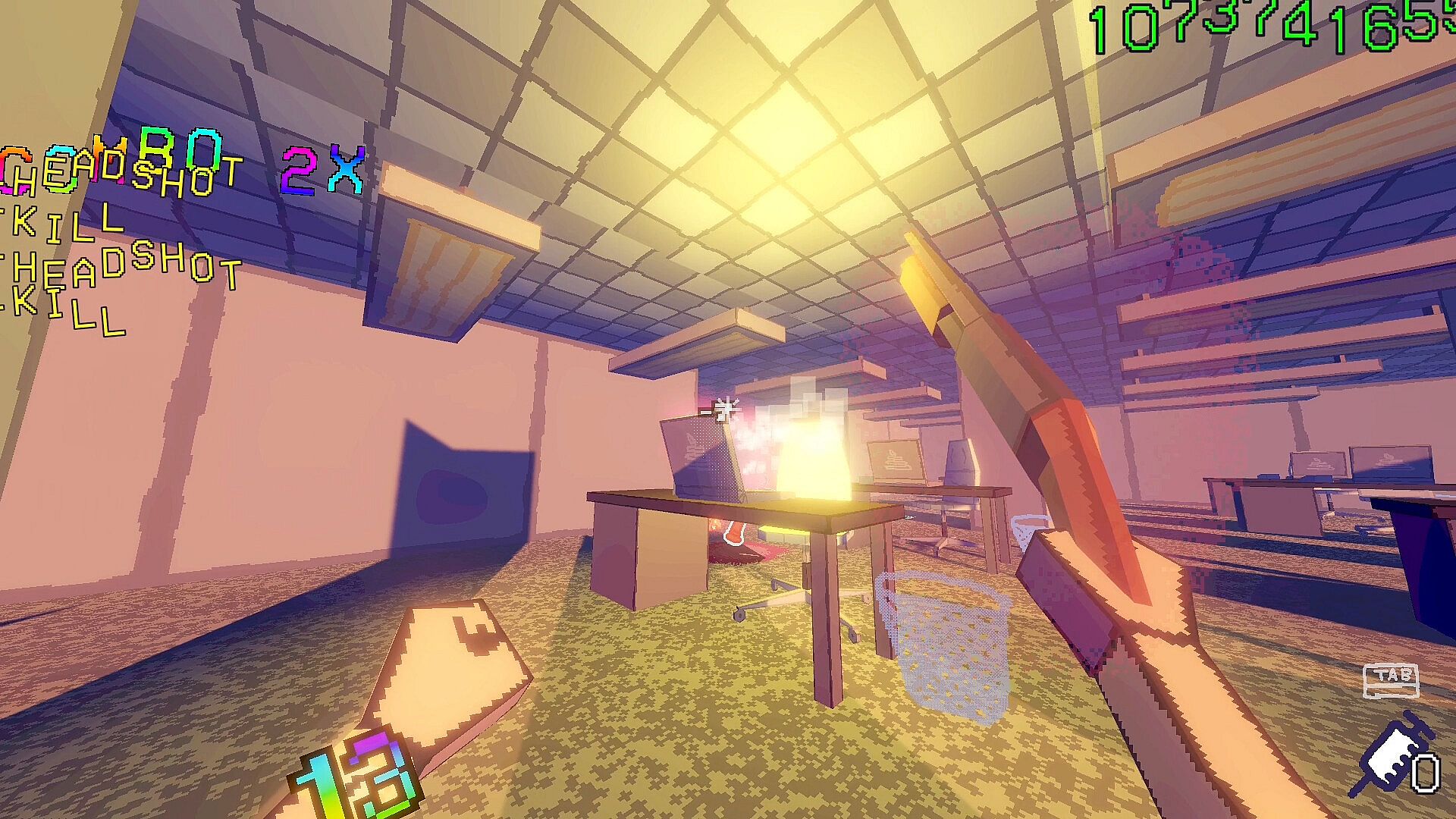
The core loop centers on constant forward momentum. A wrist timer counts down relentlessly, and each enemy eliminated extends the remaining time by a few seconds. Standing still or taking inefficient paths leads to failure, so the emphasis stays on fluid traversal combined with precise shooting.
Movement options include running, sliding, and wall-running through procedurally influenced dream worlds. Routes shift between runs, and available upgrades change as well, encouraging players to experiment with different combinations rather than relying on a single optimized build. The system supports adaptation on the fly, with upgrades altering how Aina interacts with the environment and enemies.
Combat integrates directly into the movement flow. Shooting occurs while maintaining speed, and the surreal settings feature shifting layouts that keep each attempt distinct. Fragments of Aina's backstory surface during deeper progression, tying personal history to the simulation structure without interrupting the pace.
Game Modes
The experience revolves around repeated runs through dream simulations, where success depends on keeping the timer active long enough to reach further points in each world. Every attempt presents new route variations and upgrade selections, creating a roguelike structure focused on building momentum across multiple attempts.
Progression ties into the narrative as Aina moves through the Hub and deeper simulations. The timer mechanic remains central across all runs, forcing players to balance speed, accuracy, and upgrade choices without any downtime for planning or rest.
Story and Setting
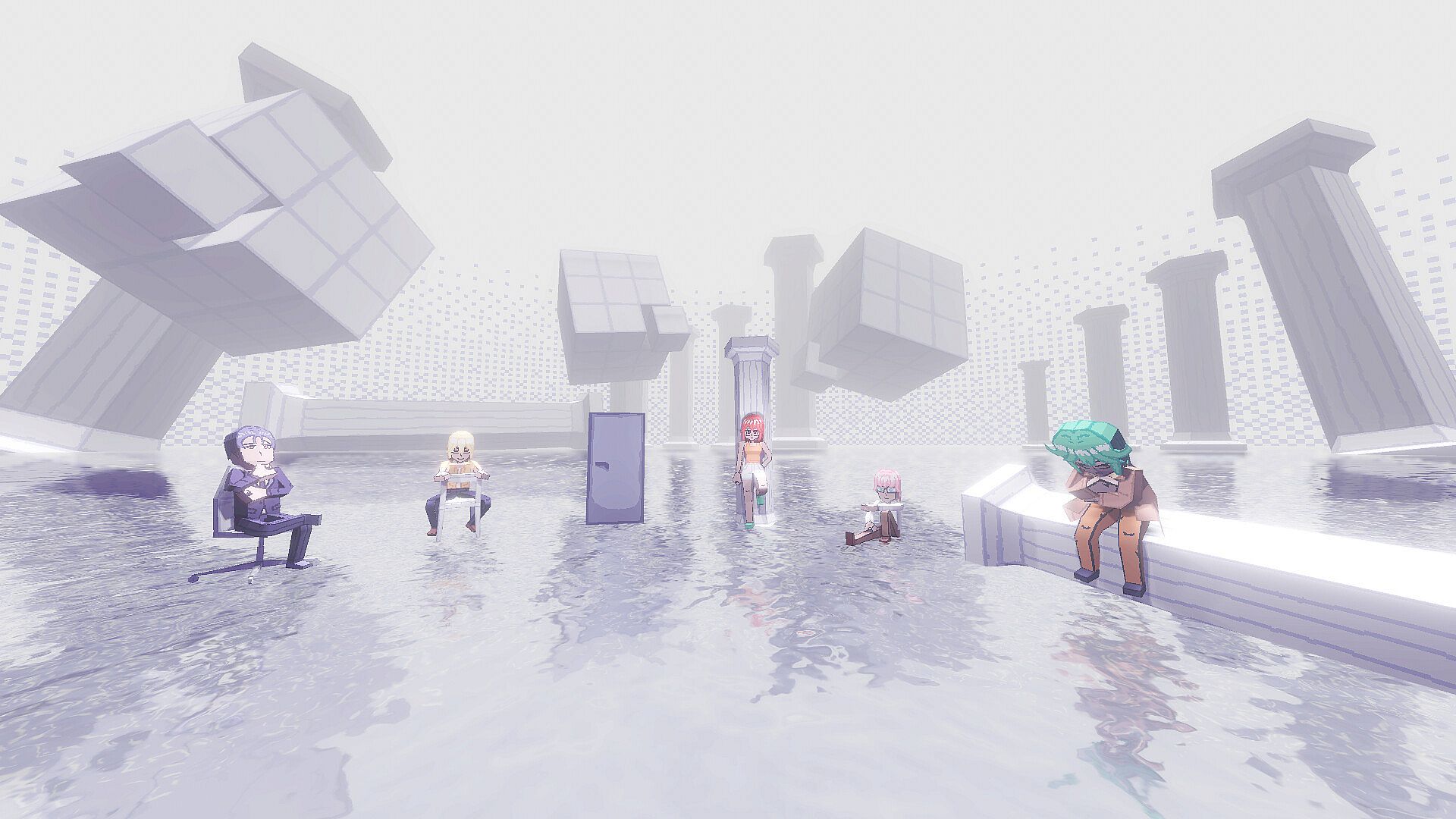
The plot unfolds in a future where Closed AI has placed humanity into cryosleep and connected minds to individualized dreams. Aina awakens inside one such simulation under the guidance of Tyler, a former developer. Together with a small group, she searches for an exit while recovering memories of her past life, including family pressures and an abandoned artistic path.
Surreal dream worlds serve as both playground and prison. The environments reflect the system's control, with the Hub acting as a hidden blind spot. Player actions determine how far Aina advances, and the ending raises questions about whether escape is genuine or another layer of the simulation.
Is It Worth Playing?
Brain Runner suits players who enjoy movement shooters that demand nonstop action and quick adaptation. The timer system creates tension that rewards aggressive, skillful play over cautious exploration.
Those drawn to roguelike elements will appreciate the changing routes and upgrade combinations that prevent repetition across runs. The single-player focus keeps attention on Aina's journey and the integration of story fragments with gameplay.
Availability on PC makes it accessible for those with interest in indie action titles featuring fluid traversal and time-pressure mechanics. The combination of movement freedom and narrative undertones offers a distinct experience for fans of the genre.











