




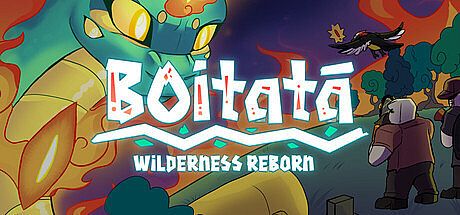


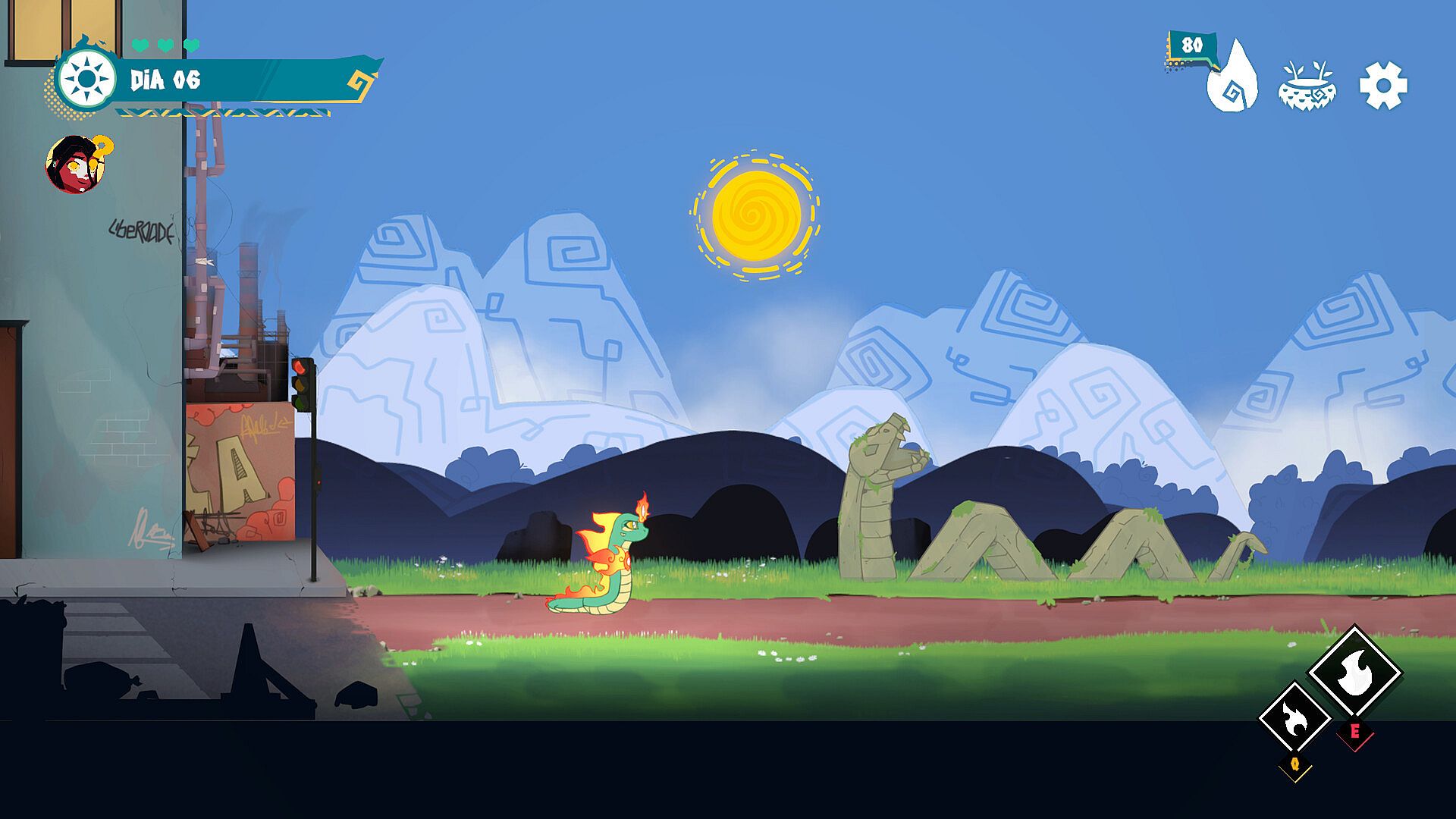
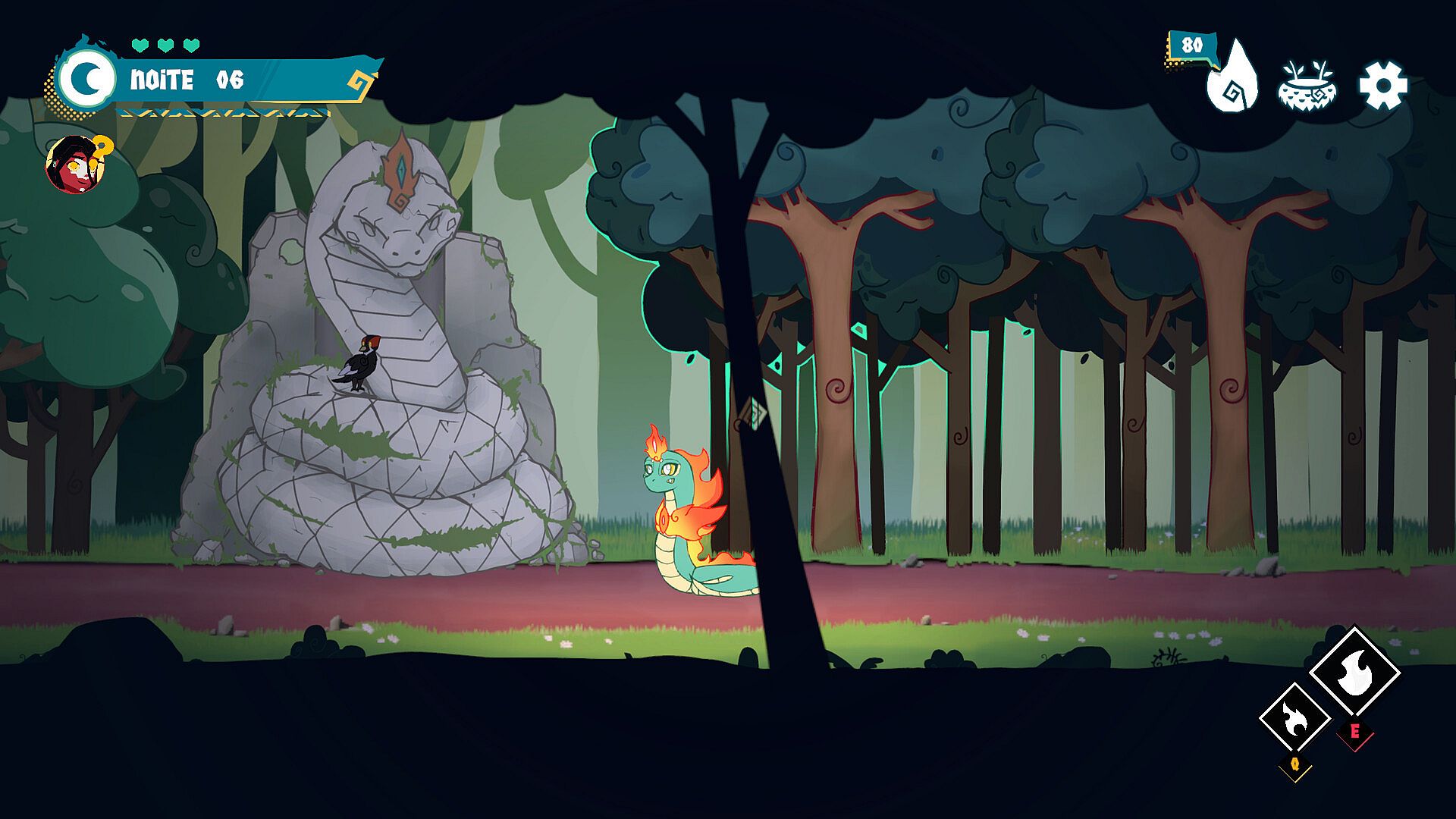
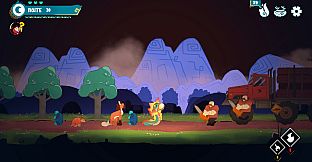
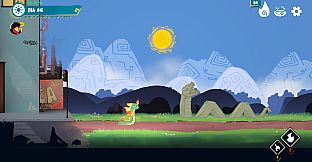
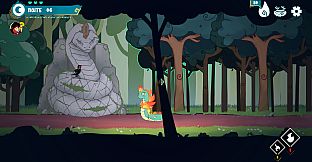
Boitatá: Wilderness Reborn is a 2D tower defense survival game that blends action, strategy, indie development, simulation elements, and adventure. Players control the legendary serpent Boitatá in a setting drawn from Brazilian folklore, where the central conflict pits forest restoration against human encroachment.
Gameplay
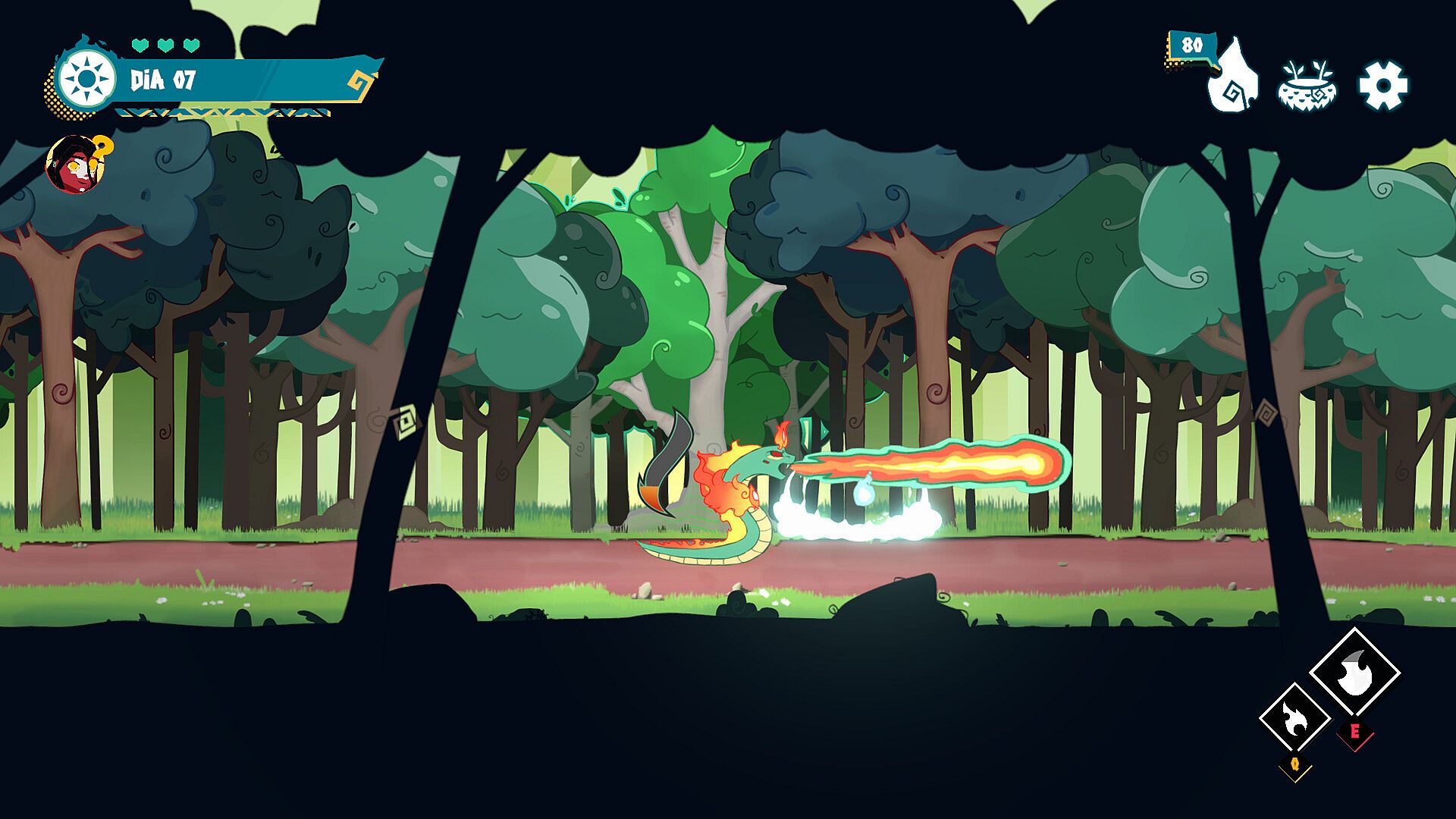
The core loop divides into distinct daytime and nighttime phases. During daylight hours, the focus shifts to exploration across the territory. Players restore areas damaged by prior invasions, expand the boundaries of the forest, and rescue animals that become available as defensive units. Each rescued species brings unique traits that support offensive strikes, defensive positioning, or supportive effects in later confrontations.
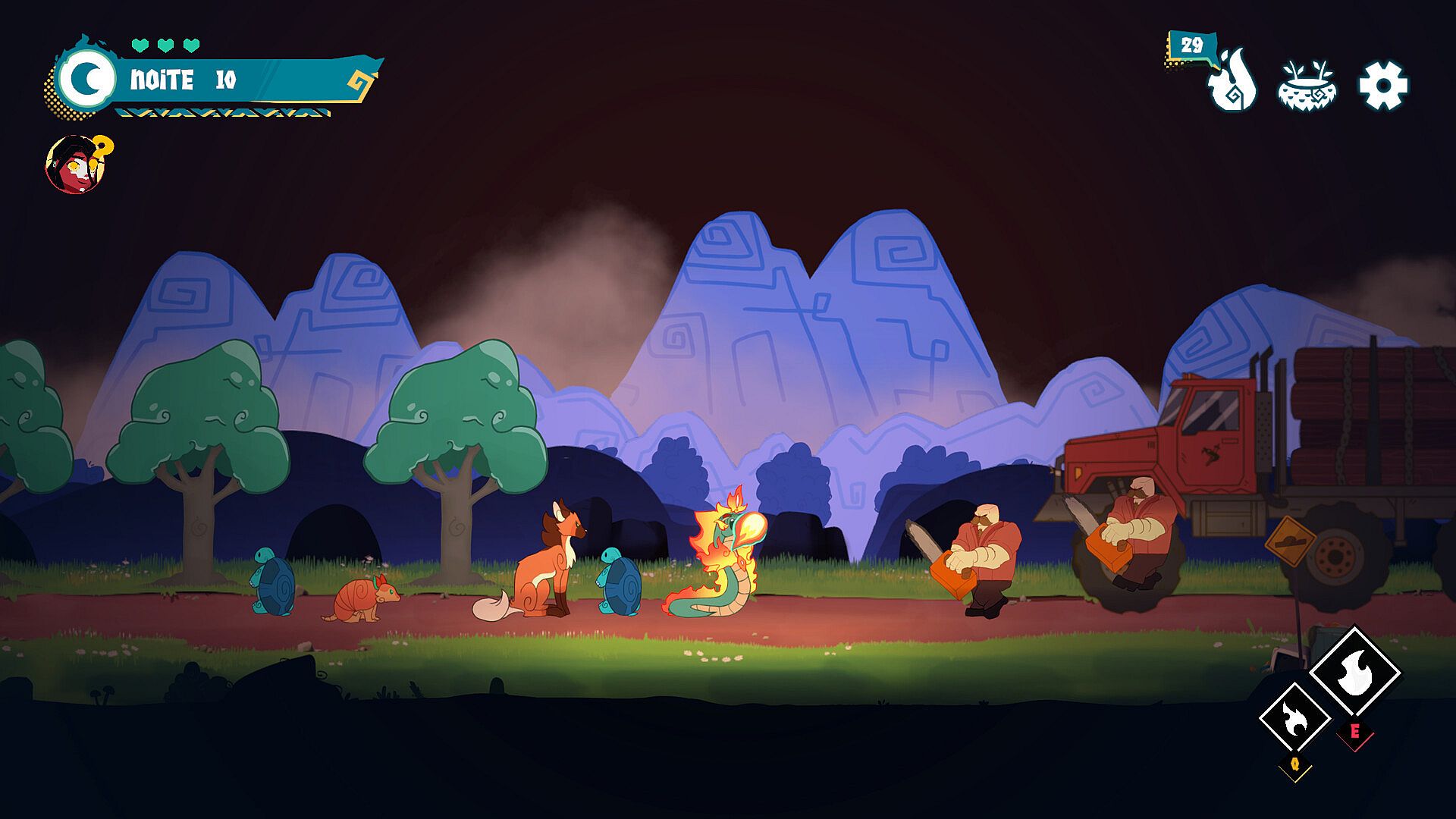
Real-time placement of these units allows adjustments based on terrain and incoming threats. Combinations arise naturally from mixing different animal types to address specific situations, such as grouping for area control or positioning for targeted strikes. Territory growth directly influences the scale of protection required, creating a feedback loop between expansion and preparation.
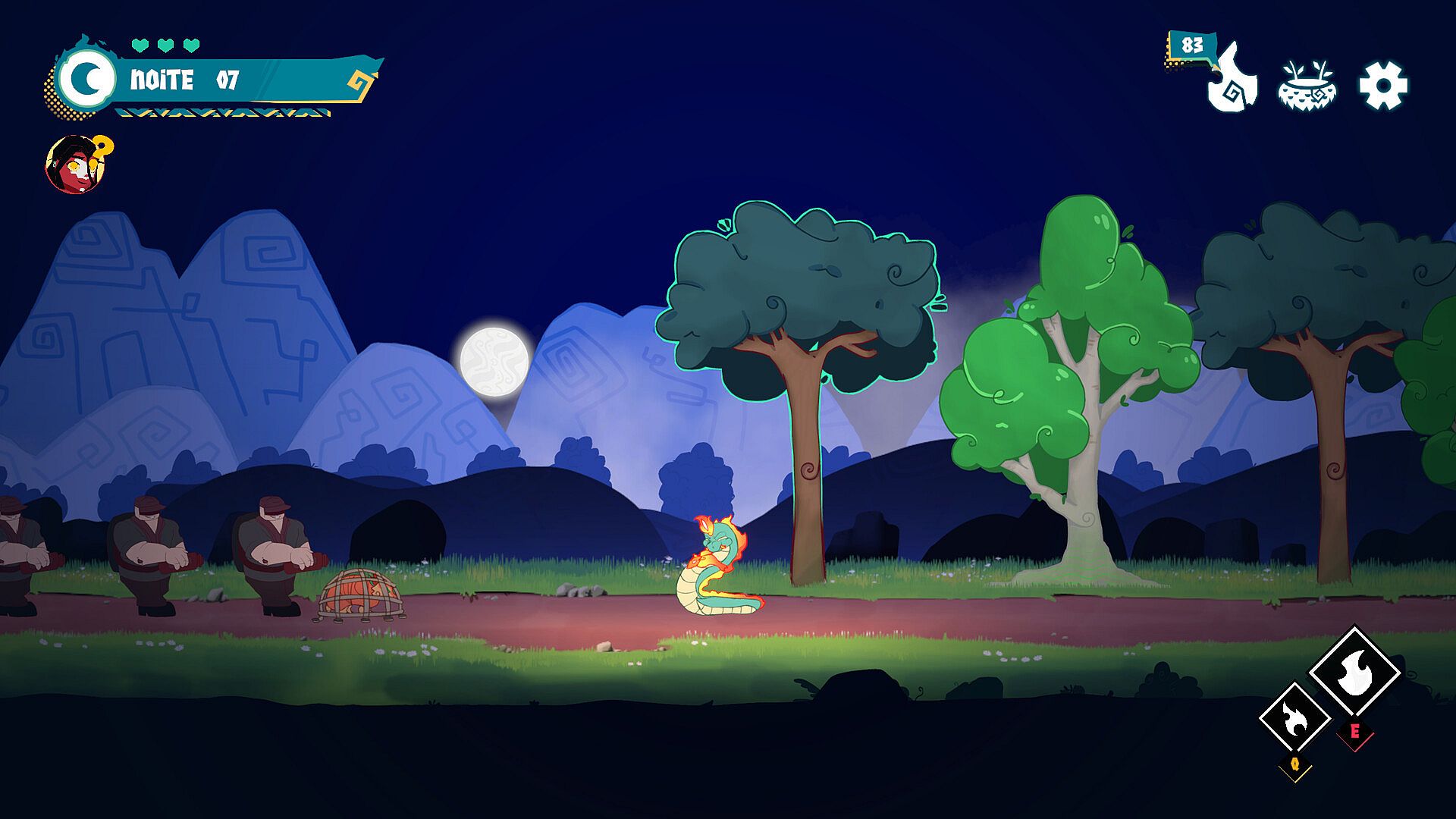
At night, waves of human invaders equipped with machines and fire advance through the restored zones. Boitatá participates actively by launching fireballs for precise damage and deploying a flamethrower for crowd management. Survival demands efficient use of both the animal units and these personal abilities across progressively challenging sequences.
Game Modes
The experience centers on a single-player survival structure built around the day-night cycle. No separate competitive or cooperative modes appear in the available details. Instead, the gameplay emphasizes repeated cycles of territory management and wave defense within one continuous campaign framework. Players manage resources, unit selection, and positioning across multiple nights while advancing forest restoration during the intervening days.
Setting and Themes
The narrative reinterprets the Boitatá legend as a protector of nature facing modern pressures of expansion. The forest itself functions as both the environment and the primary objective, requiring active rebuilding rather than serving merely as a backdrop. This integration ties mechanical choices directly to the preservation theme, with every expansion and defense action reinforcing the central struggle.
Is It Worth Playing?
The game remains unreleased with a date listed as to be announced and currently shows no user reviews on its Steam page. Its appeal lies in the combination of tower defense mechanics with animal unit customization and a folklore-inspired setting that emphasizes environmental restoration. Those drawn to strategy titles focused on resource management, unit composition, and escalating defensive challenges may find the day-night structure and real-time elements engaging once available. The indie scale and single-player focus suggest a self-contained experience suited to players who prefer deliberate pacing over multiplayer elements.












